Destination Los Angeles 467972415 - United States

Your next destination

United States : book your hotel

Book a hotel from Accor's 45+ hotels Brands

United States: Cities to visit

United States : browse hotels

United States : Prepare your trip

ALL LOYALTY PROGRAMME

Most awarded programme by travellers*

  • Book at the best price
  • 100+ ways to earn and use points
  • Elevate your stay with high-value perks
  • 2000+ exclusive global events

United States : practical information

United States

From New York's museums and Chicago's architecture to California's beaches and Arizona's desert resorts, a trip to the United States can take many forms. The right hotel brings the places you want to experience within easier reach, whether that means a walkable downtown neighborhood, a coastal retreat or a convenient stop on a longer journey.

A few blocks can make a noticeable difference to a hotel stay in Manhattan or Chicago. In Los Angeles, neighborhoods are spread across a much larger area, and accommodation close to one attraction may be inconvenient for another. At a resort, meanwhile, the facilities and surrounding landscape can be central to the vacation itself.

The Accor selection of hotels in the United States includes properties for different travel styles, from downtown sightseeing to longer stays near the coast. Comparing hotels in the United States by region can be especially useful when a trip includes more than one destination.

Our selection of US hotels

Accor's selection in the United States brings together urban hotels, contemporary accommodations, luxury properties and destination resorts. Among hotels in the United States, the distinction between a downtown property and a destination resort can significantly change the daily itinerary. The experience varies considerably between a hotel in Midtown Manhattan, a property in Miami's financial district and a resort surrounded by the Sonoran Desert. That difference is worth considering when comparing hotels in the United States for short city breaks and longer vacations.

City hotels for culture and sightseeing

In Midtown Manhattan, Sofitel New York stands on West 44th Street, close to Bryant Park, Fifth Avenue and Broadway. Theater performances, shopping and several of Manhattan's central attractions can fit into an itinerary without a rental car.

Boston offers a different atmosphere. Raffles Boston is located in Back Bay, near historic streets, restaurants and the neighborhood's transportation hub. The area provides a useful starting point for exploring central Boston, particularly when the trip combines sightseeing with dining and cultural attractions.

Chicago has several Accor properties in distinct downtown settings. Fairmont Chicago, Millennium Park is near Millennium Park, Grant Park and the Chicago Riverwalk, an appealing location for museum visits and architecture-focused sightseeing.

In the Gold Coast, Sofitel Chicago Magnificent Mile places shopping along Michigan Avenue and neighborhood restaurants within easy reach. Swissôtel Chicago, near the Chicago River and Lake Michigan, offers another central setting for exploring the Loop and riverfront.

These locations illustrate an important distinction: even hotels within the same downtown area can create different daily routines.


Hotels for coastal cities and longer urban stays

Miami presents a choice between the urban atmosphere of the mainland and the more beach-oriented neighborhoods across Biscayne Bay.

Novotel Miami Brickell, beside Simpson Park, has a rooftop pool and access to Brickell's restaurants, financial district and Metrorail connections. Its setting favors a stay focused on city activities rather than spending every day on the beach.

Across the bay, Park Royal Miami Beach managed by Accor occupies a quieter residential area near the ocean. Its apartment-style accommodations include equipped kitchens, a feature that can be particularly relevant for families and longer stays. The property is listed as managed by Accor; its participation in specific loyalty benefits should be assessed separately from that of Accor-branded hotels.

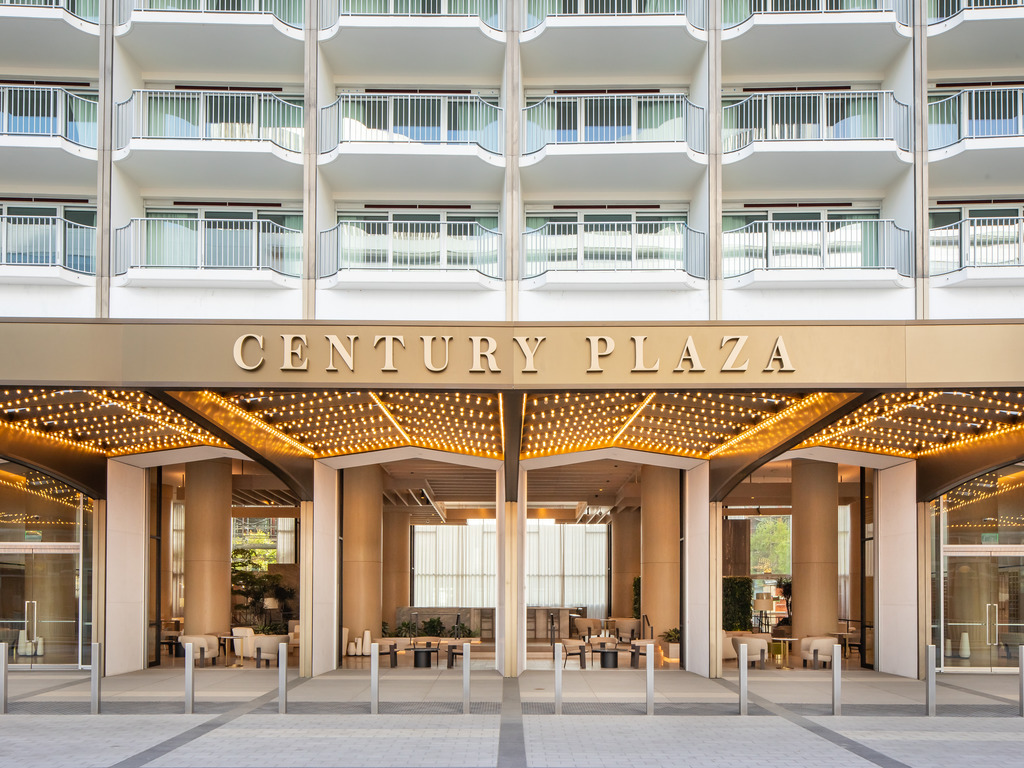
On the West Coast, Fairmont Century Plaza Los Angeles at Beverly Hills is located in Century City, near shopping and business destinations. This setting is particularly relevant to itineraries concentrated on western Los Angeles rather than the city's eastern neighborhoods.

In San Francisco, Fairmont San Francisco occupies a historic Nob Hill address, close to cable car routes and within reach of Chinatown and central neighborhoods. The hillside location is part of its character, although the steep streets are worth considering when planning walks.


Resorts for a slower-paced vacation

In Scottsdale, Arizona, Fairmont Scottsdale Princess combines a Sonoran Desert setting with pools, spa facilities, restaurants and golf experiences. Unlike a downtown hotel, much of the appeal lies in spending time at the property and exploring the surrounding desert region.

Hawaii offers a different resort experience. Fairmont Kea Lani, Maui, in Wailea, features suites and villas in a coastal setting. Its accommodation format can be especially relevant for families or travelers planning several days at the resort.

Neither property's resort designation should be interpreted as a guarantee that meals, recreational activities or other services are included in every rate.


Are there all-inclusive resorts in the USA?

All-inclusive resorts in the USA exist, but they are less typical than conventional hotel and resort pricing, where accommodation, dining and activities may be charged separately.

A package with breakfast, dining credits or selected experiences is not necessarily fully all-inclusive. The distinction becomes clearer when comparing:

  • Meals and beverages covered by the selected rate.

  • Activities and facilities included without additional payment.

  • Applicable resort fees, taxes and parking charges.

  • Cancellation conditions and minimum-stay requirements.

Best US cities to visit

For a short vacation, a city with attractions concentrated in a few neighborhoods can be more manageable than a destination requiring lengthy transfers. The differences become especially noticeable when comparing the compact historic districts of Boston with the extensive metropolitan area of Los Angeles.

City

Main experience

Neighborhoods worth considering

New York City

Museums, theater, architecture

Midtown, Lower Manhattan

Chicago

Architecture, lakefront, cultural attractions

Loop, River North, Gold Coast

Boston

History, universities, walkable districts

Back Bay, Downtown, Seaport

Miami

Beaches, art, restaurants

South Beach, Brickell, Downtown

Los Angeles

Entertainment, museums, coast

Hollywood, Century City, Santa Monica

San Diego

Beaches, parks, family attractions

Downtown, Mission Bay, La Jolla

Las Vegas

Shows, restaurants, resort entertainment

The Strip, Downtown


New York City: neighborhoods connected by subway

New York is particularly convenient for visitors combining museums, theater and major landmarks without renting a car.

Midtown brings together Broadway theaters, Times Square, Bryant Park and major transportation connections. Lower Manhattan has historic streets and waterfront attractions, while Brooklyn neighborhoods offer a different atmosphere through their restaurants, shops and residential streets.

For a stay centered on Manhattan's theaters and Midtown attractions, accommodation around West 44th Street reduces the need for cross-city journeys. Travelers planning to explore several boroughs may place greater value on subway connections than on proximity to a single landmark.


Chicago: architecture, parks and the lakefront

Millennium Park, the Art Institute of Chicago and architectural river cruises are among the attractions that make central Chicago rewarding for a short visit.

The Loop places cultural institutions and business destinations close together. River North has a concentration of restaurants, galleries and nightlife, while the Gold Coast is associated with shopping along the Magnificent Mile.

The CTA network connects downtown with neighborhoods farther from the center. Accor's hotels in Chicago include properties in different central locations, allowing visitors to compare riverfront sightseeing, cultural attractions and shopping districts without treating downtown as one uniform area.


Boston: historic streets and compact sightseeing

Hotels in Boston, Massachusetts, offer different experiences depending on the neighborhood. Boston's historic center lends itself to walking, particularly around sections of the Freedom Trail. Back Bay adds Victorian-era architecture, restaurants and shopping, while Cambridge, across the Charles River, is home to Harvard University and MIT.

The MBTA connects central neighborhoods, although some attractions are easier to visit together on foot. Back Bay is a particularly useful area for a trip combining historic sightseeing, restaurants and rail connections.

For travelers arriving by train, the location of their station can also influence the choice of accommodation.


Miami: beach vacation or urban escape?

Hotels in Miami, Florida, range from urban properties in Brickell to beach-oriented stays across Biscayne Bay. Miami Beach and mainland Miami create quite different vacations.

South Beach combines ocean access, Art Deco architecture and restaurants. Brickell is more urban, with high-rise buildings, offices and a busy dining scene. Downtown adds cultural venues and waterfront attractions.

A stay in Brickell can be appealing for restaurants, meetings and activities on the mainland. Those expecting to spend most afternoons by the ocean may find Miami Beach more comfortable, avoiding repeated journeys across Biscayne Bay.

The distinction is particularly relevant for families planning beach days and travelers combining a Miami stay with a cruise departure.


Los Angeles: choosing a base for a large city

Los Angeles is better understood through its neighborhoods than as a single sightseeing center.

Hollywood attracts visitors interested in entertainment landmarks. Downtown contains museums and cultural venues, while Santa Monica brings the coast into the itinerary. Century City, on the western side of Los Angeles, is known for offices and shopping, with Beverly Hills nearby.

A hotel near the coast may be appealing for beach days but inconvenient for repeated visits farther inland. Grouping activities by area can make a greater difference to the experience than trying to visit several distant neighborhoods every day.

Accor's hotels in California span different cities, making regional accommodation comparisons relevant to travelers combining Los Angeles with San Francisco or other stops.


San Diego: coastal scenery and family activities

San Diego combines an urban waterfront with beaches and outdoor attractions.

Downtown and the Gaslamp Quarter have restaurants and cultural venues, while Balboa Park brings together gardens and museums. Mission Bay has a recreational waterfront setting, and La Jolla is known for its coastal scenery.

A Downtown stay keeps urban attractions closer together. Mission Bay may be more appealing for a vacation centered on waterfront recreation, while La Jolla has a distinct coastal neighborhood atmosphere.

The city's spread means that the most comfortable accommodation area is often the one closest to the activities planned for most days.


Las Vegas: entertainment beyond the hotel room

Las Vegas is one of the destinations where the hotel itself can occupy a significant part of the vacation.

The Strip concentrates large resorts, restaurants, shows and entertainment venues. Downtown has a different atmosphere, with Fremont Street and surrounding attractions.

Distances along the Strip can be deceptive: enormous resort buildings and long blocks may turn a seemingly short walk into a tiring journey, particularly in summer heat.

For visitors attending a specific show, convention or event, the venue's location can be more useful when comparing hotels than a general description such as "on the Strip."

Where to stay across the USA

A three-night city break and a two-week road trip call for different accommodation priorities. This is particularly noticeable when comparing hotels in the United States across major cities, coastal destinations and national park regions.

When comparing hotels in the United States, a walkable neighborhood or reliable public transportation can simplify sightseeing during a first city visit. A beach vacation may place greater emphasis on coastal access and the surrounding atmosphere. Road trips introduce other considerations, such as convenient parking and straightforward access to the following day's route.

Travel style

What matters most

First-time city visit

Walkable attractions or reliable public transit

Family vacation

Suitable room occupancy and proximity to planned activities

Business trip

Access to meeting venues and practical work facilities

Beach getaway

Coastal access and the surrounding neighborhood

Road trip

Parking, route access and a comfortable overnight stop

Resort vacation

On-site facilities and clarity about included services


The lowest nightly rate does not always translate into the lowest total trip cost. In New York, a hotel with good subway connections may reduce the need for taxis. In Los Angeles, accommodation far from the planned attractions can add transportation expenses and time in traffic.

Airport-area hotels are useful for overnight connections and early departures, but are generally less appealing for several days of city sightseeing.

How to choose a hotel for your US trip

Once the destination and neighborhood are decided, the differences between similar hotels often become clearer through their booking conditions and room details. For hotels in the United States, the total rate can also reflect mandatory charges that are not immediately apparent in an initial price comparison.

  1. Total accommodation cost: Taxes and mandatory fees can affect the final price beyond the advertised nightly rate.

  2. Room configuration: Bedding, maximum occupancy and arrangements for additional guests vary between properties.

  3. Transportation arrangements: The usefulness of public transit, ride-hailing and rental cars changes with the destination.

  4. Parking conditions: Availability and charges matter for itineraries involving a vehicle.

  5. Accessibility: Accessible features should be confirmed for the specific property and room category.

  6. Meals and services: Breakfast and other services may be included or charged separately.

  7. Booking flexibility: Refundable and nonrefundable offers can carry different payment and cancellation conditions.


Understanding hotel prices and booking conditions

Local demand can change accommodation rates substantially. Conventions in Chicago, major events in Las Vegas and holiday periods in New York are examples of occasions when availability may become more limited.

A refundable rate may cost more than an advance-purchase offer, but the difference can be worthwhile when travel dates are uncertain. Cancellation deadlines, prepayment requirements and refund conditions are determined by the terms of the selected rate.

Things to do in the United States

The activities that define a vacation in the United States vary considerably by region. Hotels in the United States can serve very different purposes on these itineraries, from an overnight stop near a national park to a base for several days of museum visits. A cultural trip through Northeast cities has a different rhythm from a California coastal vacation or a journey through the Southwest's national parks.

Museums, architecture and cultural neighborhoods

New York's major museums and Broadway theaters can fill several days without requiring a car. Chicago's Art Institute, Millennium Park and riverfront architecture provide a concentrated cultural itinerary.

Boston offers historic landmarks and university neighborhoods, while Los Angeles has museums, entertainment-related attractions and distinct cultural districts. In Miami, neighborhoods such as Little Havana and Wynwood add cultural experiences beyond the beach.

For shorter visits, grouping attractions geographically leaves more time for individual experiences and fewer transfers between distant areas.

Beaches and outdoor experiences

Southern California has coastal communities known for beaches, waterfront paths and surfing culture. South Florida combines beaches with urban neighborhoods and a warmer tropical climate.

Beyond the cities, national parks and protected landscapes can become the focus of an entire vacation. Remote parks often require accommodation nearby, particularly when the plan includes hiking, sunrise viewpoints or scenic drives.

Family attractions and entertainment

San Diego's museums, parks and waterfront areas provide varied family activities. Orlando is a major destination for theme-park vacations, while Las Vegas concentrates shows, restaurants and resort entertainment.

For families traveling with young children, accommodation close to the main attractions can make midday breaks and evening returns less tiring.

Best time to visit the United States

Spring and fall can be comfortable for sightseeing in many cities, but seasonal conditions vary significantly across the country.

Summer is popular for beaches, lakefront activities and mountain vacations. Winter brings skiing opportunities in colder regions and milder conditions in some southern destinations. Desert areas may experience extreme summer heat, while northern cities can have snow and freezing temperatures.

Season

Destinations and activities to consider

Spring

City sightseeing, gardens and cultural trips

Summer

Beaches, lakefront activities and mountain vacations

Fall

Historic cities, foliage destinations and scenic drives

Winter

Ski areas, seasonal events and selected warm-weather destinations


California illustrates these differences particularly well: coastal areas may remain relatively mild while inland desert destinations experience much higher temperatures.

School vacations, festivals, conventions and major sporting events can also affect rates and availability at hotels in the United States. For Florida and other Atlantic coastal destinations, hurricane season is an additional factor when considering travel dates and cancellation conditions.

Planning a USA road trip

A road trip can connect landscapes and communities that would be difficult to experience on a city-focused vacation. Hotels in the United States along scenic routes may serve as overnight stops rather than destinations where travelers spend several consecutive days. The most comfortable itineraries allow separate time for driving and sightseeing rather than treating every stop as a quick detour.

California coast: approximately 7–10 days

A California coastal route can connect San Francisco, Monterey and the Central Coast with Santa Barbara and Los Angeles. San Diego is a possible extension when the schedule allows.

Several days in San Francisco leave time for the city's neighborhoods before the drive south. An overnight stay around Monterey provides an opportunity to experience the coast without continuing immediately to Southern California. Another stop near San Luis Obispo or Santa Barbara can break up the remaining journey.

The Pacific Coast Highway is known for dramatic coastal scenery, but weather-related closures and restrictions may affect particular sections. An inland alternative may be necessary depending on conditions at the time of travel.

For shorter vacations, concentrating on Los Angeles, Santa Monica and San Diego may be more comfortable than attempting the entire coast.

American Southwest: approximately 6–9 days

Las Vegas can serve as a starting point for exploring desert landscapes in Nevada, Arizona and Utah.

An itinerary might include time in Las Vegas, an overnight stay near the Grand Canyon South Rim and additional nights near a selected national park in Utah. The sequence and number of stops depend on the route and season.

The Grand Canyon is not a brief roadside attraction. Spending a night nearby provides more flexibility for viewpoints and reduces the pressure to combine a long drive with a rushed visit.

With fewer days available, Las Vegas and one national park area may provide a more balanced experience than attempting several parks in succession.

Before setting off

  • Regional itineraries are generally easier to manage than routes designed around the number of states visited.

  • Longer driving days are more comfortable when separated from full sightseeing days.

  • Intermediate overnight stops can reduce fatigue.

  • Rental-car conditions may include additional-driver charges, insurance terms and one-way fees.

  • Fuel, parking and seasonal weather affect the overall budget.

  • Road and park access can change because of weather or temporary restrictions.

Getting around the United States

Domestic flights are often the most practical option for traveling between distant regions, especially when comparing hotels in the United States across multiple destinations. Within a region, the choice between trains, public transportation and rental cars varies by destination. Access to hotels in the United States also changes considerably between transit-oriented downtown districts and more remote vacation areas.

Transportation

Useful for

Main consideration

Domestic flights

Long-distance travel between regions

Airport transfers and baggage conditions

Trains

Selected intercity routes, especially the Northeast

Route availability and schedules

Public transit

Central sightseeing in major cities

Station access and operating hours

Rental cars

Road trips, rural areas and dispersed attractions

Parking, traffic and rental costs

Taxis and ride-hailing

Occasional transfers

Variable fares and traffic


When public transportation makes sense

New York, Chicago and Boston have established transit networks that make many central sightseeing itineraries possible without a car.

Rail service along the Northeast Corridor also connects destinations such as Boston, New York, Philadelphia and Washington, D.C., providing an alternative to driving between major cities.

When a rental car is more useful

A vehicle offers flexibility for California road trips, desert landscapes and national parks, where public transportation may be limited.

Los Angeles, Miami and San Diego require a more itinerary-specific decision. A stay concentrated in one neighborhood may involve public transit and occasional ride-hailing, while dispersed attractions can make a rental car more convenient.

Book your stay in the United States with ALL Accor

Whether the trip involves Chicago's cultural attractions, a California coastal itinerary or time at a desert resort, accommodation can influence how comfortably each destination is experienced.

The Accor hotel selection in the United States brings together participating properties and booking options for different travel styles. For travelers comparing hotels in the United States, the selection includes urban stays and resorts suited to different itineraries.

Members of ALL Accor may access eligible member rates, earn Reward points on qualifying stays and receive benefits according to their membership status, the participating property and the conditions of their reservation.

United States: frequently asked questions

The activities planned for most of the stay provide a useful starting point when comparing hotels in the United States. For a city break, walkable attractions or convenient transit connections may be priorities. Road trips bring parking and route access into consideration. Room occupancy, total cost and cancellation conditions help distinguish between suitable properties.

Rates for hotels in the United States vary by city, neighborhood, hotel category, booking date and local demand. Major events and holidays can increase prices in destinations such as New York, Chicago and Las Vegas. Comparing the final price of hotels in the United States for the intended dates is more reliable than using a single national average.

Refundable rates may be available depending on the property and offer. Cancellation deadlines, payment requirements and refund conditions are defined by the terms of the specific reservation.

Hotels in the United States include economy properties, boutique hotels, business hotels, luxury accommodations, extended-stay hotels and resorts. Services vary, and a resort designation does not necessarily mean meals or activities are included.

There is no universally accepted answer. Historic luxury hotels, contemporary urban properties and secluded resorts offer different experiences. Service, design, location and personal expectations all influence how luxury accommodation is evaluated.

No single booking platform is best for every hotel. Direct booking through a property's official website provides access to its published rate conditions and, where applicable, loyalty benefits.

At participating Accor properties, eligible bookings through ALL Accor may provide member rates and opportunities to earn Reward points. Accor's Best Price Guarantee also applies to qualifying reservations under its published conditions.

New York, Chicago and Boston are appealing for first-time visitors interested in cultural attractions and public transportation. Miami and San Diego are suitable for coastal vacations, while Los Angeles and Las Vegas offer distinct entertainment experiences. The most appropriate neighborhood follows the main activities planned. Comparing neighborhoods within each city, rather than choosing only by destination, helps match the stay to the planned itinerary.

Tipping is customary for certain personal services, including luggage assistance and valet parking. Practices vary, and mandatory service charges should be distinguished from voluntary tips. Checking the hotel's information on service charges before arrival, and keeping small bills available for services used during the stay, can make this process much easier.

Entry requirements depend on nationality, passport eligibility and travel purpose. Eligible travelers under the Visa Waiver Program may use an approved ESTA for qualifying visits, while others generally require an appropriate visa. Neither an ESTA approval nor a visa guarantees admission to the country. Checking the current requirements on the official government website before booking flights and hotels helps avoid surprises, since rules can change.

Central hotels generally provide easier access to sightseeing and restaurants. Airport-area accommodation can be more convenient for overnight connections or early departures, but may involve longer journeys to city attractions. Travelers arriving late or leaving early may prefer to spend the first or last night near the airport and the remaining nights in the center.

The country has many family-oriented destinations, including beaches, museums, parks and theme-park areas. Suitable room arrangements and accommodation near the main activities can make a significant difference when traveling with young children. Checking maximum occupancy, bed configurations and distance to the planned activities before booking helps avoid last-minute changes during the trip.

A rental car is valuable for road trips, national parks and destinations with limited public transportation. In central New York, Chicago and Boston, transit networks can be more convenient. The itinerary and expected use of the vehicle are more important than the assumption that every American trip requires a car. Checking rental terms, parking costs and one-way fees before booking helps compare the real cost of each option.

Price from: 1 night for 1 person in the room category identified within the same price range, excluding additional services and breakfast. This refers to the lowest public price, including all taxes (Some taxes may be payable on arrival at the hotel (for example, tourist tax), depending on current local regulations.) for the accommodation concerned, found on https://all.accor.com/ site today, for a one-night stay in the next 20 days. Varies according to period and availability. The price is only guaranteed at the time of booking. All bookings (foreign) are payable in the local currency where the hotel is situated. Only the amount confirmed during the booking in the hotels local currency is guaranteed. An estimated conversion in your local currency may be given for reference but is not part of the contract. Your bank may charge you bank fees and/or exchange fees at the time of payment.