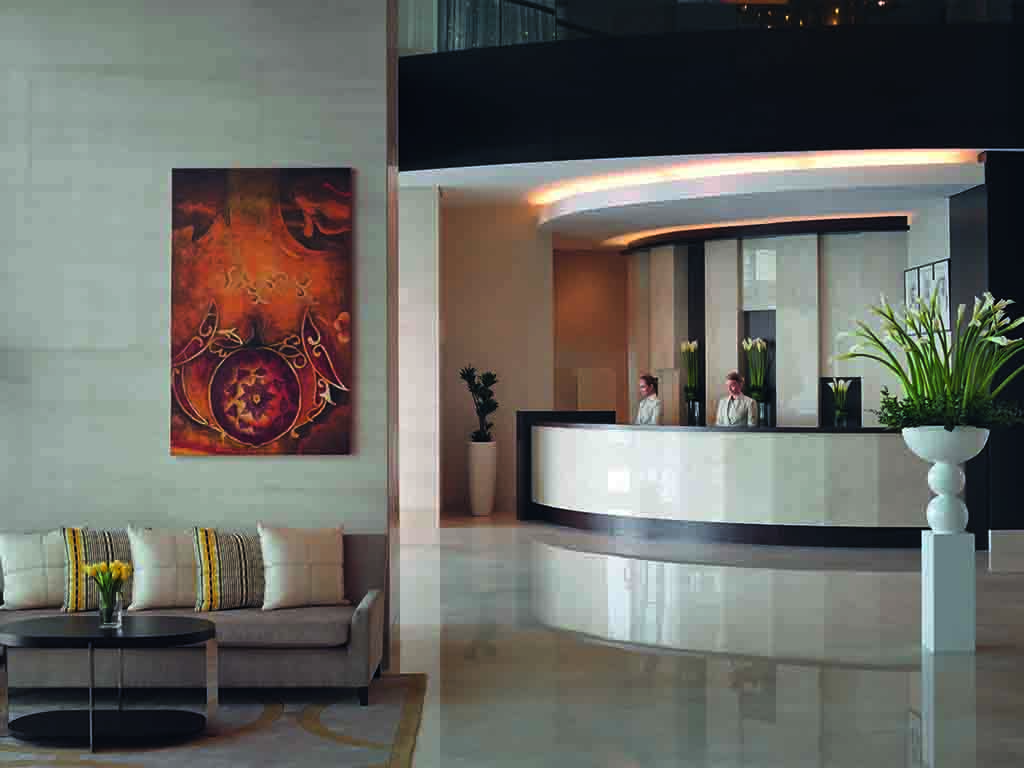
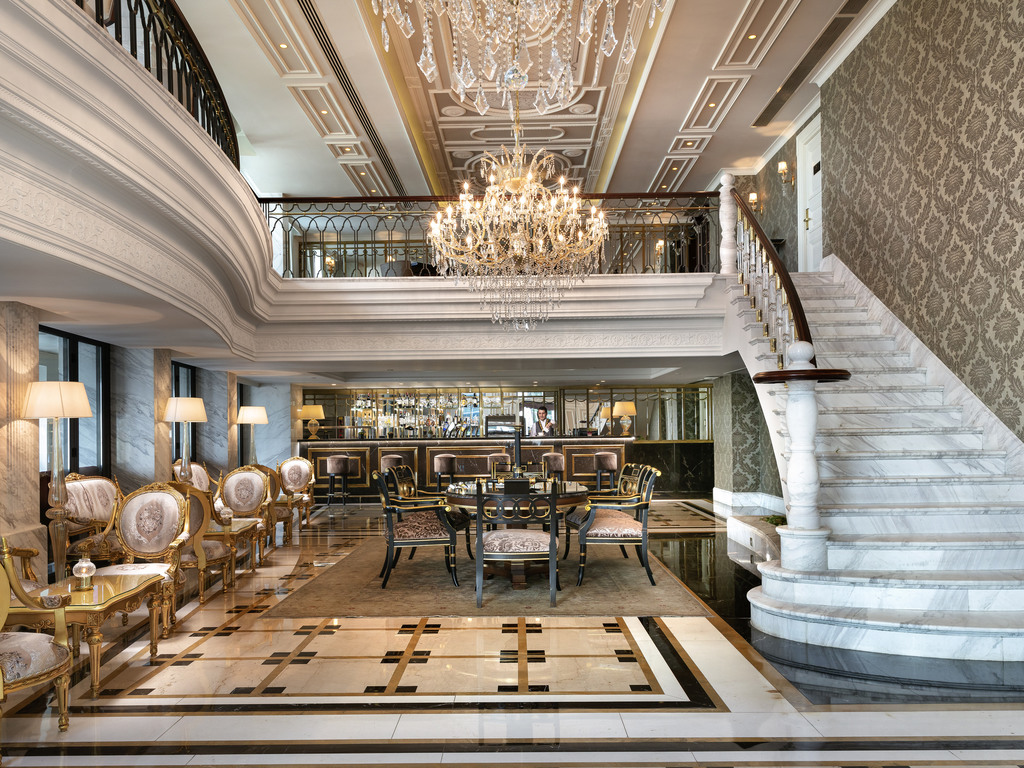
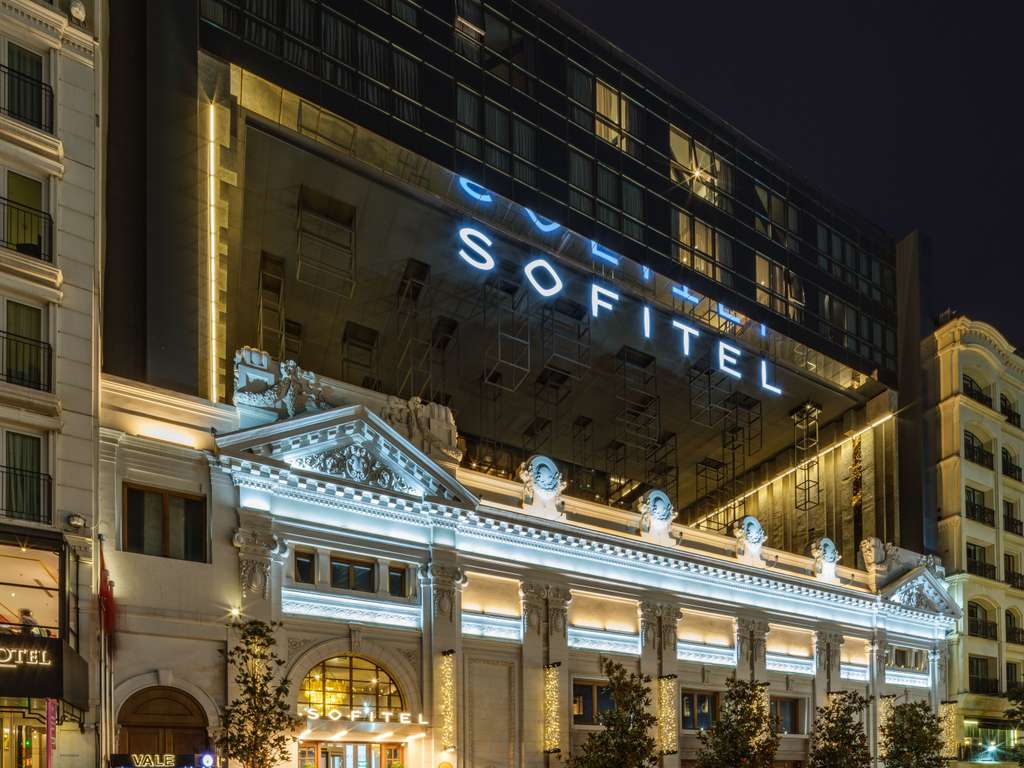
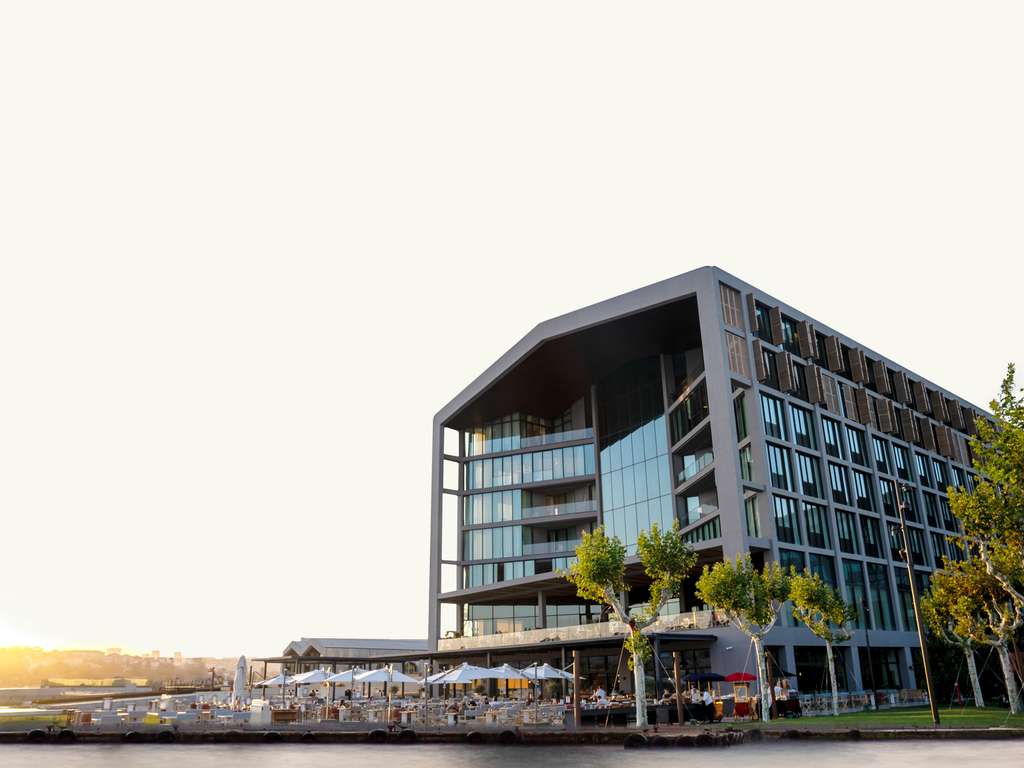
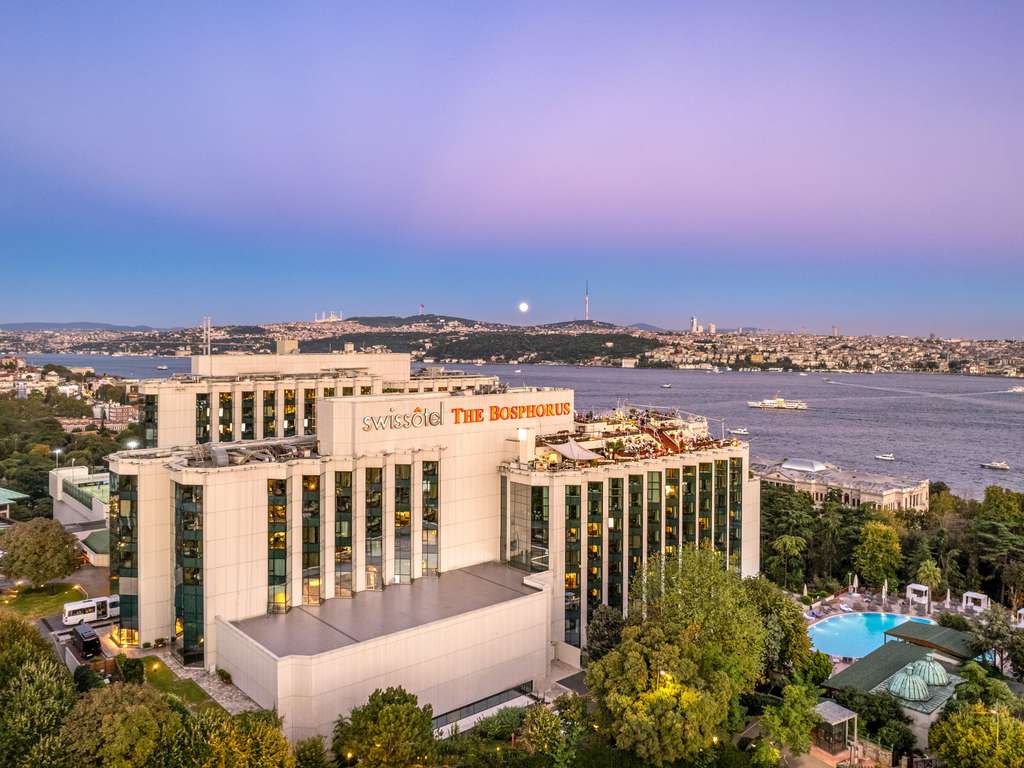
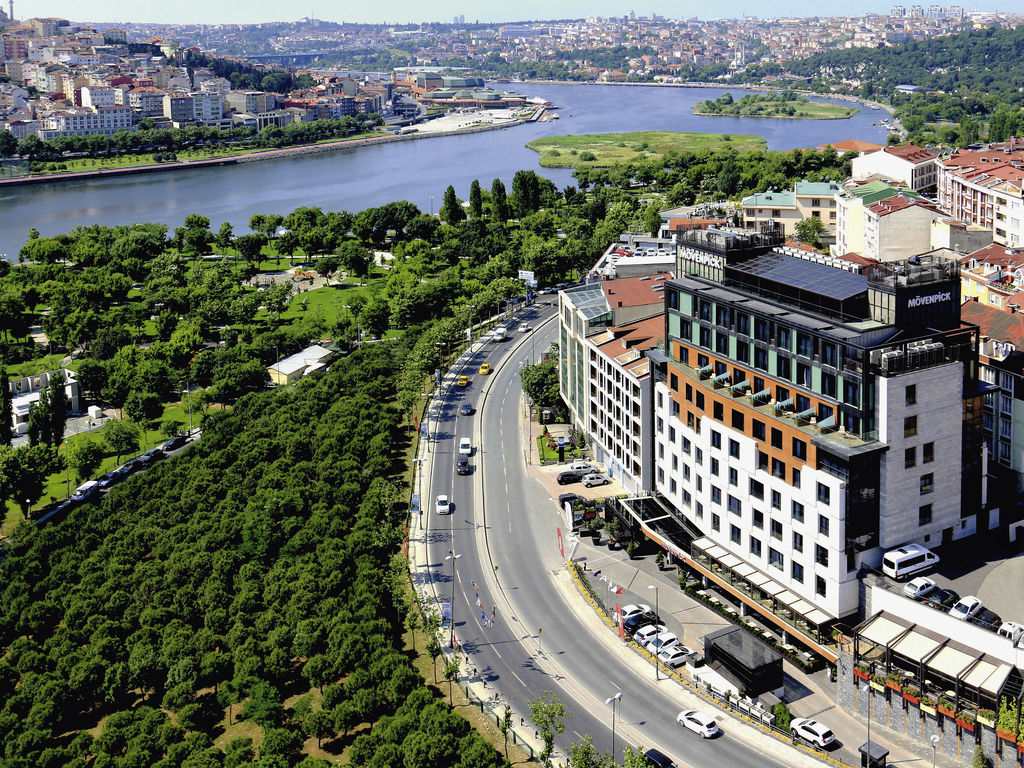
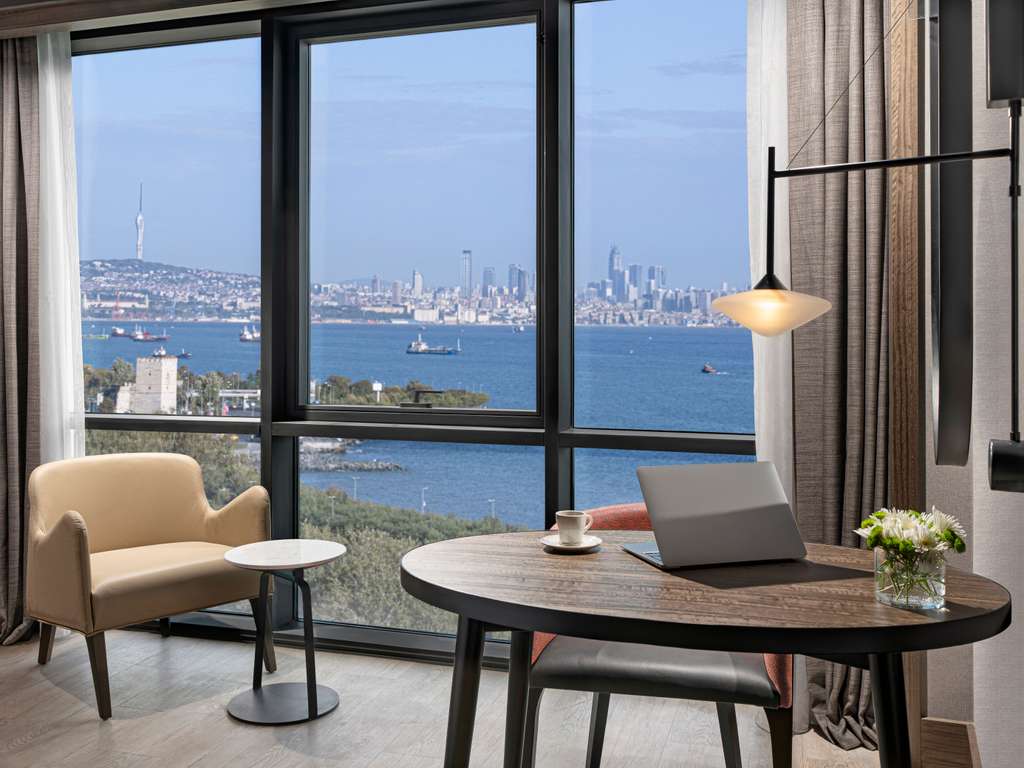
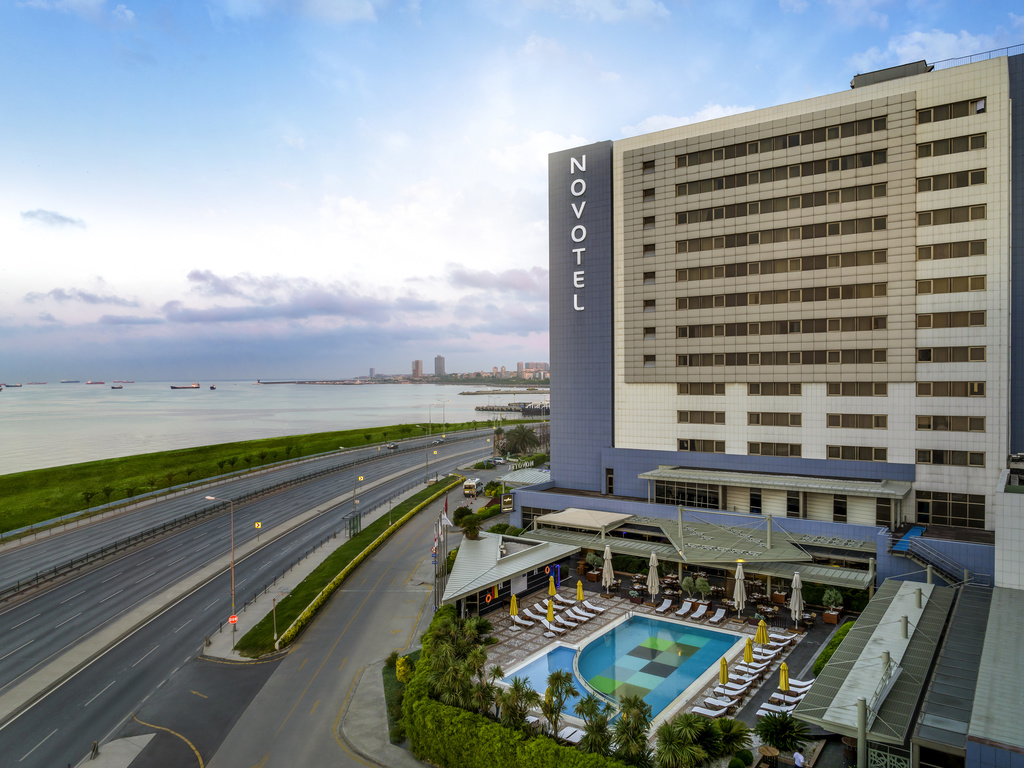
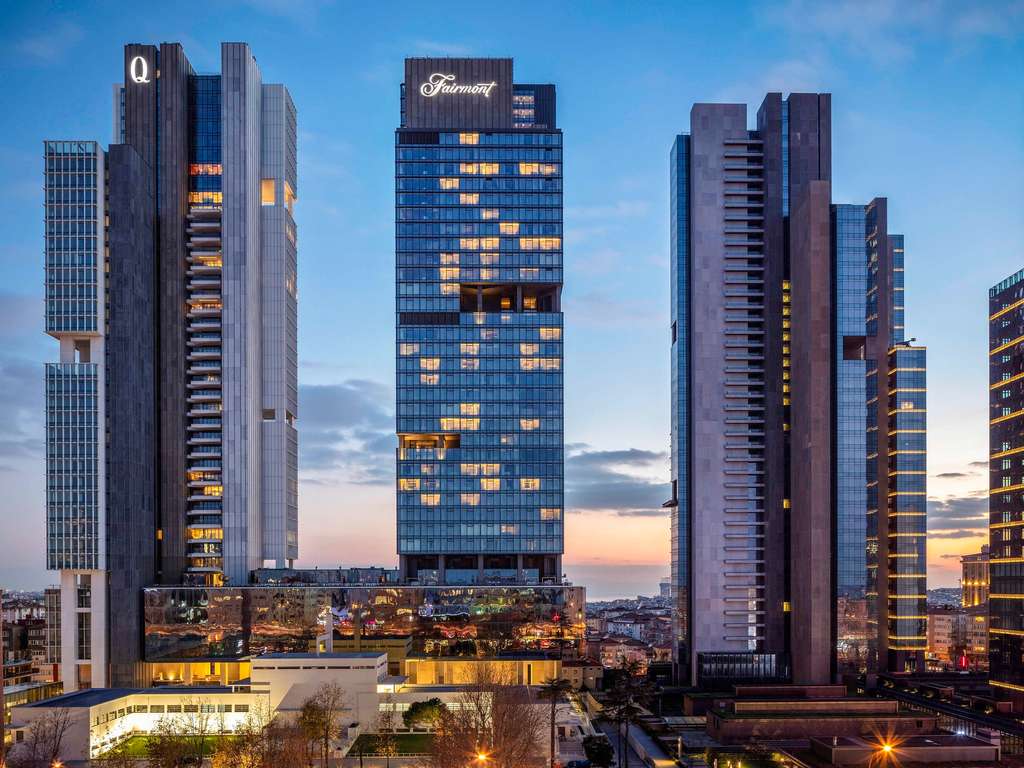
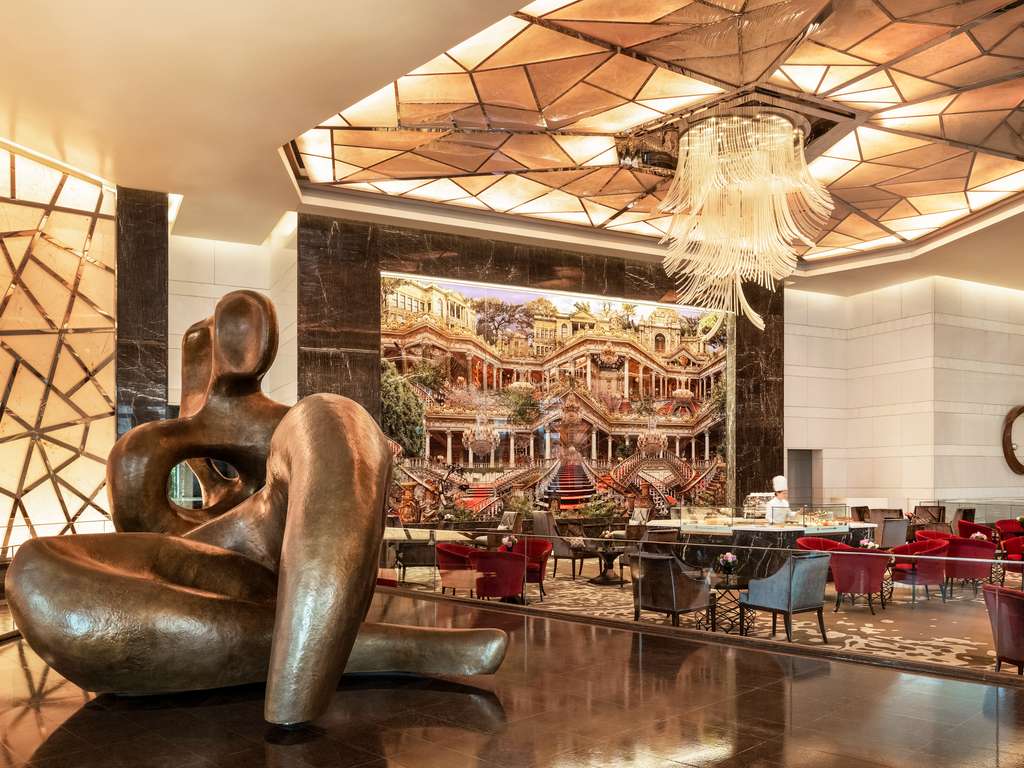
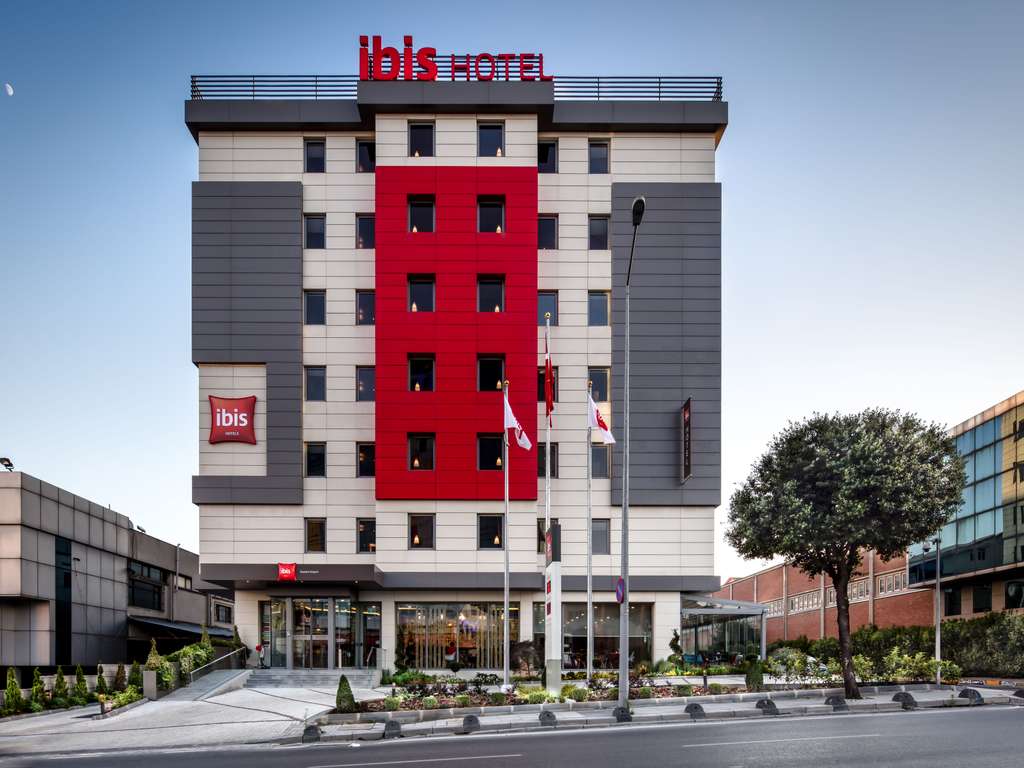
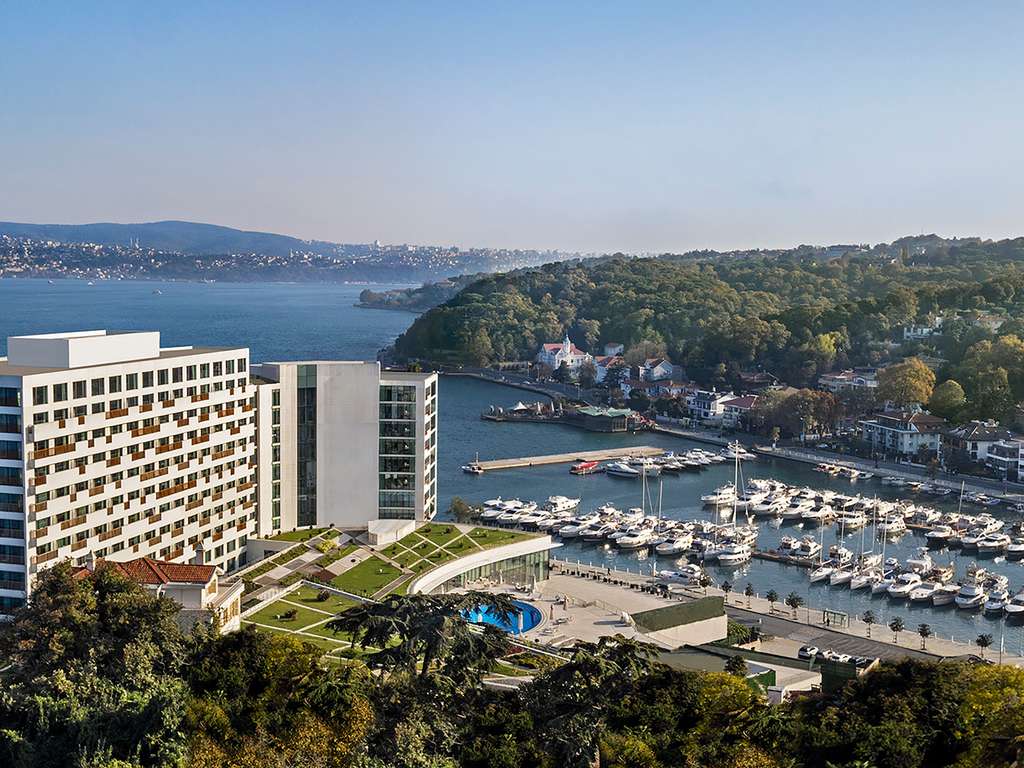
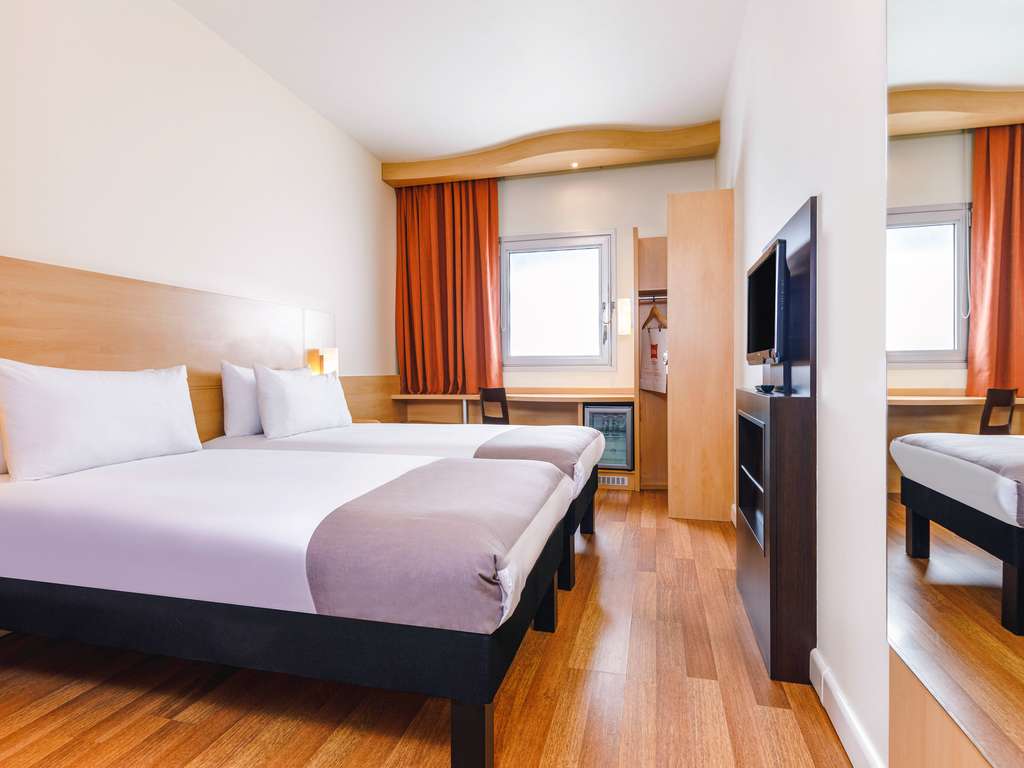
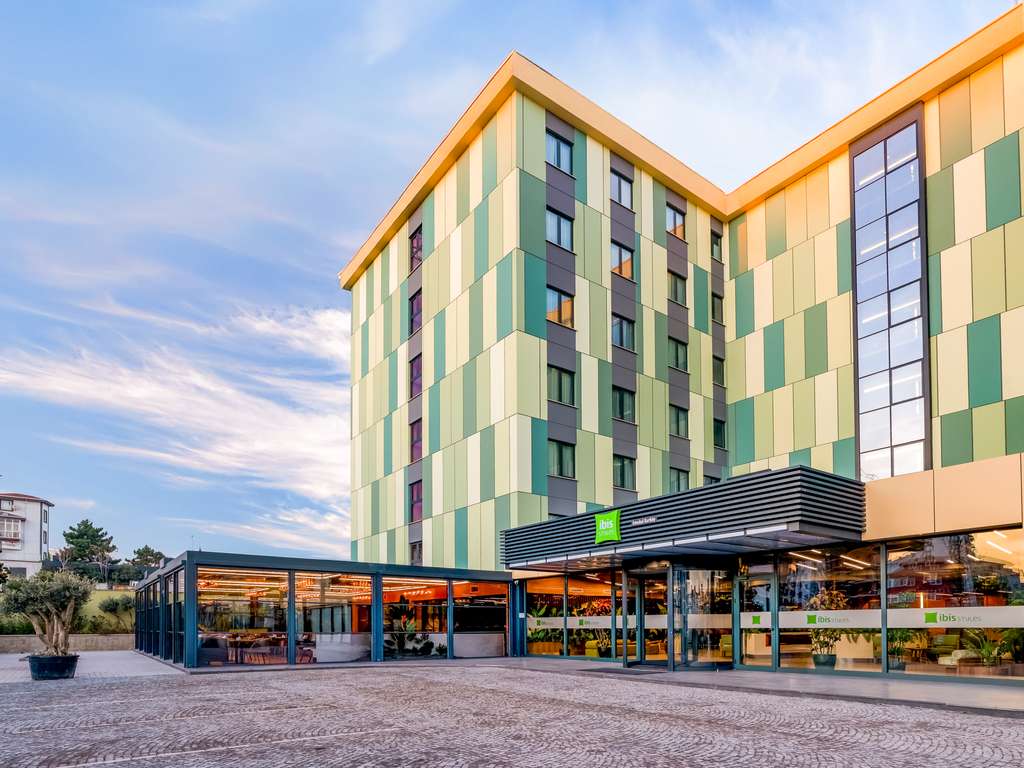
Raffles Istanbul is a 5 star hotel at the Zorlu Center in Beşiktaş has panoramic Bosphorus views from all rooms and suites with private terraces, six exceptional dining and bar venues, a world-class spa, and the Dream of İstanbul art collection showcasing Turkish and international artists throughout the hotel. Swissôtel The Bosphorus Istanbul occupies 65 acres of gardens originally part of the Dolmabahçe Palace grounds, with 567 rooms, 5,900 square metres of meeting space, 29 event rooms including three ballrooms, the Purovel Spa, and five restaurants including GABBRO, Sabrosa, and 16 Roof. Fairmont Quasar Istanbul is a contemporary luxury hotel in the Şişli commercial district with 2,000 square metres of meeting and event space, a spa inspired by local traditions, an outdoor pool, and the Gold Lounge. Rixos Tersane Istanbul is architecturally extraordinary — nestled in a restored 600-year-old Ottoman shipyard on the Golden Horn waterfront, with 432 rooms, an infinity pool with Golden Horn views, private boat tours, spa, and signature dining. Rixos Pera Istanbul in Beyoğlu provides a Golden Horn view, spacious rooms, extensive dining, and meeting and banquet capabilities in the heart of Istanbul's most culturally active district. Sofitel Istanbul Taksim brings French art de vivre to Taksim Square, founded in the historic site of a 1970s theatre and music hall, with a rooftop pool, spa, Club Millesime, and Bosphorus views from the upper floors.