Destination Toronto - Canada

Your next destination

Ontario : book your hotel

Book a hotel from Accor's 45+ hotels Brands

Ontario : browse hotels

ALL LOYALTY PROGRAMME

Most awarded programme by travellers*

  • Book at the best price
  • 100+ ways to earn and use points
  • Elevate your stay with high-value perks
  • 2000+ exclusive global events

Ontario : practical information

Ontario, Canada

From Toronto's lively waterfront to Ottawa's historic landmarks and the remarkable scenery of Niagara Falls, Ontario brings together some of Canada's most varied travel experiences. The province offers major cities, lakeside communities, cultural attractions and natural landscapes, making it suitable for everything from a short city break to a longer road trip.

Choosing among the many hotels in Ontario begins with the itinerary. Downtown Toronto works well for visitors interested in restaurants, museums, sports and entertainment, while Ottawa appeals to travelers exploring Canadian history and national institutions. Niagara Falls and Niagara-on-the-Lake offer two contrasting experiences: dramatic natural scenery and a quieter setting known for its historic streets and wineries.

The province is also home to Muskoka's lakes, Algonquin Provincial Park and numerous smaller communities. Accommodation choices vary considerably between urban centers and rural destinations, so location can be just as important as room type or hotel category.

What makes Ontario a good place to visit?

Ontario is a destination for travelers who enjoy combining different experiences within one vacation. A visit might include several days in Toronto, a stop at Niagara Falls and time exploring Ottawa or the province's natural areas.

Seasonal changes also shape the experience. Summer is popular for lakes, outdoor festivals and waterfront activities, while autumn brings colorful foliage. Winter offers skating and other cold-weather activities, and spring is appealing for city sightseeing and gardens.

Our accommodation options

Accor offers several hotels in Ontario, with established properties in Toronto and Ottawa, including historic Fairmont hotels and contemporary Novotel accommodation. These locations provide different advantages depending on whether the trip focuses on sightseeing, business meetings, family activities or a special occasion.

Fairmont Royal York, Toronto

Located directly across from Union Station, Fairmont Royal York is particularly convenient for travelers arriving by train or using the UP Express airport rail connection. Its downtown setting also places visitors near the CN Tower, Rogers Centre, Scotiabank Arena and Toronto's waterfront.

The historic property combines a central location with restaurants, bars and leisure facilities. It is a suitable option for travelers seeking an established luxury hotel with convenient access to major attractions and transport connections.

Novotel Toronto Centre

Novotel Toronto Centre is situated on The Esplanade, close to St. Lawrence Market and within walking distance of Union Station. The surrounding neighborhood offers restaurants, historic streets and access to Toronto's main sightseeing areas.

The property features an indoor pool, fitness facilities and meeting spaces. Its location makes it practical for families, couples and business travelers who want to explore downtown Toronto without relying on a car for every journey.

Novotel Toronto North York

For visitors whose plans extend beyond the downtown core, Novotel Toronto North York offers a different base. The hotel has direct indoor access to North York Centre subway station, making public transport a convenient option.

The surrounding area includes shopping, restaurants and cultural venues. This location can be especially useful for business trips, visits to North York or travelers who prefer accommodation outside Toronto's busiest tourist districts.

Fairmont Château Laurier, Ottawa

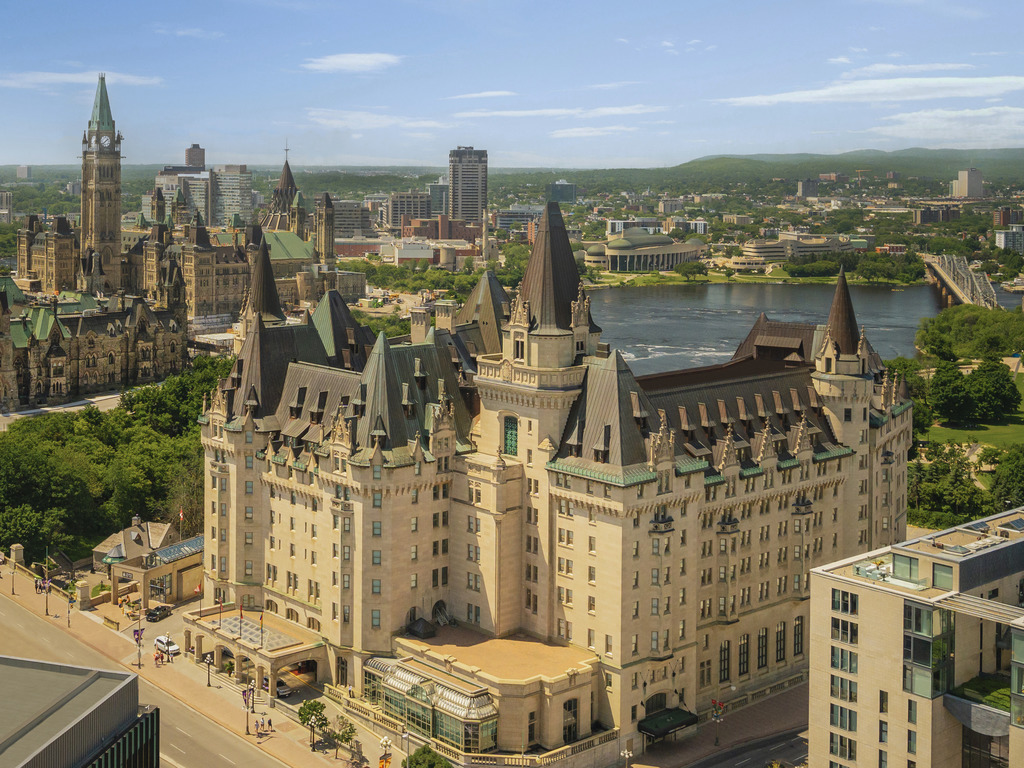
Overlooking one of Ottawa's most recognizable historic areas, Fairmont Château Laurier is close to Parliament Hill, the Rideau Canal and ByWard Market.

Its distinctive château-style architecture adds to the experience of staying in Canada's capital. The hotel is well suited to travelers interested in culture, history and a central location from which many major attractions can be reached on foot.


Compare Accor properties in Ontario

PropertyLocationParticularly suitable for
Fairmont Royal YorkDowntown Toronto, opposite Union StationLuxury stays, events and convenient rail connections
Novotel Toronto CentreThe Esplanade, near St. Lawrence MarketCity breaks, families and business travel
Novotel Toronto North YorkNorth York CentreBusiness trips and subway-connected accommodation
Fairmont Château LaurierCentral Ottawa, near Parliament HillHistoric surroundings, sightseeing and special occasions


These properties offer different location advantages rather than a single universally best choice. Rates, room categories and included services depend on the selected dates and booking conditions.

Best places to visit in Ontario

Ontario's most popular destinations appeal to different interests. Toronto is the province's largest city and a major center for culture, entertainment and dining. Ottawa, Canada's capital, is known for museums, national landmarks and seasonal events.

Niagara Falls is among the region's best-known natural attractions, while nearby Niagara-on-the-Lake offers a contrasting atmosphere with historic architecture, theaters and wineries. Farther north, Muskoka and Algonquin Provincial Park are associated with lakes, forests and outdoor recreation.

Best cities and regions for different trips

DestinationMain attractionsIdeal travel style
TorontoCN Tower, museums, waterfront, restaurants and sports venuesUrban sightseeing, entertainment and business
OttawaParliament Hill, national museums, Rideau Canal and ByWard MarketHistory, culture and city breaks
Niagara FallsWaterfalls, viewpoints and visitor attractionsScenic getaways and family vacations
Niagara-on-the-LakeHistoric town center, wineries and theaterCouples, food and wine experiences
MuskokaLakes, cottages, nature and seasonal recreationRelaxation and outdoor vacations
Algonquin Provincial ParkForests, lakes, hiking and paddlingNature-focused itineraries


The most practical itinerary depends on the length of the stay. Toronto and Niagara Falls can be combined on a shorter trip, while Ottawa, Muskoka and more remote natural areas generally benefit from additional travel days.

Where to stay: Toronto, Ottawa and Niagara Falls

The best location for hotels in Ontario depends on what visitors want to experience and how they plan to travel. Hotels in Ontario's major cities can provide convenient access to public transport, while smaller destinations may require a car.

Hotels in Toronto, Ontario

Downtown Toronto is a practical starting point for first-time visitors. Staying near Union Station, the Entertainment District or the waterfront makes it easier to reach major attractions, restaurants and transport connections.

Travelers comparing hotels in Toronto, Ontario, can also consider North York, particularly when their plans include business meetings or destinations outside the central tourist area.

Toronto's historic districts, particularly around St. Lawrence Market and Old Town, offer a different atmosphere from the modern downtown skyline. Novotel Toronto Centre is particularly well positioned for exploring this area.

Those attending events at Rogers Centre or Scotiabank Arena may find downtown accommodation more convenient than staying farther from the venues, especially when events finish late.

Hotels in Ottawa, Ontario

Ottawa is a compact destination for sightseeing in its central districts. Accommodation near Parliament Hill, the Rideau Canal and ByWard Market provides access to restaurants, museums and major landmarks.

Fairmont Château Laurier occupies a central position near these attractions, making it a convenient option for visitors interested in exploring the capital on foot.

Travelers seeking hotels in Ottawa, Ontario, may also consider neighborhoods outside the historic center, depending on their budget, transport preferences and reason for visiting.

Hotels in Niagara Falls, Ontario, Canada

For travelers searching for hotels in Niagara Falls, Canada, the most important consideration is proximity to the waterfalls and the attractions they plan to visit.

The Fallsview area is associated with hotels overlooking the natural landmark, although an advertised falls view depends on the specific property and room category. Other accommodation areas may provide easier access to restaurants, entertainment or parking.

When comparing hotels in Niagara Falls, Ontario, Canada, it is worth checking walking routes rather than relying solely on map distance. The area's slopes, major roads and visitor traffic can affect how convenient a location feels.

An overnight stay in Niagara Falls allows more time to enjoy the waterfalls, evening attractions and surrounding area. Accommodation near the main visitor attractions can also reduce the need for additional transport.

Hotels in Niagara-on-the-Lake

Niagara-on-the-Lake offers a quieter alternative to the busy attractions around the waterfalls. Its historic town center, wineries and Shaw Festival performances make it appealing for couples and travelers interested in food, culture and local scenery.

Hotels in Niagara-on-the-Lake range from smaller historic properties to accommodation associated with wine-country visits. The most suitable area depends on whether the itinerary emphasizes the walkable town center or wineries spread across the surrounding region.

Visitors planning to explore several wineries may find a car or organized transport useful. Accommodation in Niagara-on-the-Lake should not be confused with hotels beside Niagara Falls, as the two destinations offer different experiences.

Where to stay in Muskoka and other natural areas

Muskoka is known for lakeside vacations, cottages and outdoor recreation. Its accommodation is often more closely connected to the surrounding landscape than to urban sightseeing.

The region suits travelers looking for a slower pace, especially during the warmer months. However, distances between towns, lakes and activities can make a car important.

For visits to Algonquin Provincial Park or other remote areas, accommodation availability, road conditions and seasonal access deserve particular attention. Booking a property close to the planned activities can reduce unnecessary travel.

Tips for choosing accommodation

Comparing hotels in Ontario involves more than checking nightly rates. Transport, location, season and included services can all affect the overall cost and convenience of a stay.

A centrally located hotel may cost more per night but reduce spending on taxis, parking or car rental. Conversely, a property outside a busy district may offer better value for travelers who have access to a car or whose plans are concentrated in that area.

What to compare before booking

  • Location: Consider proximity to attractions, meeting venues, public transport and planned activities.

  • Total price: Check taxes, parking, breakfast and any additional charges before comparing rates.

  • Room configuration: Review bed arrangements, maximum occupancy and family accommodation needs.

  • Cancellation terms: Compare refundable and nonrefundable offers, particularly when travel plans may change.

  • Transport: Assess whether a car is necessary or whether public transit provides convenient connections.

  • Season: Expect demand to change around holidays, festivals, major events and peak vacation periods.


Finding affordable stays

Affordable hotels in Ontario are easier to compare when the location, travel dates and included services are considered together. Midweek stays can sometimes offer a different price range from weekends, although this varies by destination and local events.

In Toronto, accommodation outside the central tourist districts may be worth considering when a subway station is nearby. In Ottawa, comparing central and less central locations can help identify a suitable balance between cost and convenience.

A lower room rate does not always mean a less expensive trip. Parking charges, longer journeys and transport expenses can change the overall calculation.

Seasonal considerations

SeasonTypical travel interestsAccommodation considerations
SpringCity sightseeing, gardens and cultural attractionsVariable weather and event-related demand
SummerLakes, waterfalls, festivals and outdoor activitiesPopular travel period; advance planning can be useful
AutumnFall foliage, road trips and scenic landscapesBusy weekends in popular nature destinations
WinterMuseums, skating, festive events and winter recreationWeather disruptions and transport conditions may affect plans

Things to do in Ontario

Ontario offers enough variety for travelers to combine urban attractions with natural landscapes. The province's cities have museums, galleries, restaurants and entertainment venues, while its lakes and parks offer opportunities for outdoor recreation.

The most enjoyable plans usually group nearby activities together rather than attempting to cover distant destinations in a single day.

Toronto attractions and experiences

Toronto's CN Tower is one of the city's most recognizable landmarks, with observation areas overlooking the skyline and Lake Ontario. Nearby attractions include Ripley's Aquarium of Canada and the waterfront.

The Royal Ontario Museum and Art Gallery of Ontario provide opportunities to explore history, art and culture. St. Lawrence Market is another popular stop, particularly for travelers interested in local food.

Sports and entertainment are also important parts of the city's appeal. The Rogers Centre hosts baseball and other events, while Scotiabank Arena welcomes major sporting and entertainment programs.

The Distillery Historic District offers pedestrian streets, restored industrial architecture, shops and restaurants. It can be combined with other downtown attractions without planning a separate trip outside the city.

Niagara Falls and provincial parks

Niagara Falls is a major highlight of Ontario tourism. The Canadian side offers extensive viewpoints of the Horseshoe Falls, along with visitor attractions and opportunities to experience the landscape from different perspectives.

The surrounding Niagara region also includes Niagara-on-the-Lake and wine-producing areas, making it possible to combine natural scenery with culinary and cultural experiences.

Beyond Niagara, Ontario's provincial parks provide opportunities for hiking, paddling, camping and wildlife observation. Algonquin Provincial Park is particularly well known for its lakes and forests.

Park facilities and activities can vary by season. Travelers planning outdoor excursions benefit from checking official park information and weather conditions before their visit.


Ottawa's museums and historic landmarks

Ottawa's central attractions include Parliament Hill, the Rideau Canal and several national museums. The city also offers cultural festivals, parks and scenic walking areas.

ByWard Market is known for restaurants, shops and its lively atmosphere. The Rideau Canal is an important landmark throughout the year, with its seasonal activities depending on conditions.

Ottawa can be a rewarding destination for a shorter cultural trip, particularly when accommodation is close to the historic center.

How to get around Ontario

Ontario is a large province, so transport choices depend heavily on the itinerary. Toronto and Ottawa have public transport networks, while regional trips may involve trains, buses, flights or rental cars.

Getting around Toronto and Ottawa

Toronto's subway, streetcars and buses connect many of the city's neighborhoods. Union Station is an important transport hub for local, regional and intercity services, as well as the UP Express connection to Toronto Pearson International Airport.

For guests staying at downtown hotels in Ontario's larger cities, public transport and walking can often replace the need for a rental car. This is particularly useful in areas where traffic and parking can add time and expense.

Ottawa also has public transport services, including light rail and buses. A central hotel can make sightseeing convenient, although journeys to attractions outside the core may require additional planning.

Traveling between cities

Intercity rail and bus services connect several major destinations in southern Ontario. VIA Rail operates passenger train services between cities such as Toronto and Ottawa, while regional transport options serve other communities.

A rental car can be useful for visiting smaller towns, wineries, lakeside areas and provincial parks. However, travelers planning to remain in central Toronto may find it unnecessary.

Transport options by itinerary

Travel planTransport worth consideringPractical consideration
Downtown Toronto sightseeingWalking, subway and streetcarsParking may be unnecessary
Ottawa city breakWalking, light rail and busesCentral accommodation simplifies sightseeing
Toronto to OttawaTrain, bus, car or flightCompare total journey time and departure locations
Niagara regionRegional transport, tours or carStops outside the main tourist area may require additional transport
Muskoka or provincial parksCarAttractions and accommodation can be widely dispersed


Winter driving may require additional preparation, particularly outside major urban areas. Road conditions, daylight hours and weather forecasts are important considerations.

Book your stay with Accor ALL

From historic landmarks to contemporary properties near transport connections, Accor's hotels in Ontario cater to different travel needs.

Travelers can compare the locations of Fairmont Royal York, Novotel Toronto Centre, Novotel Toronto North York and Fairmont Château Laurier to identify a property suited to their itinerary.

The ALL – Accor platform provides information about available room categories, booking conditions and rates. The ALL loyalty program also offers benefits to eligible members according to its current terms and the participating property.

Before completing a reservation, it is worth reviewing the selected room, total price, cancellation policy and any services included in the offer.

Ontario: frequently asked questions

The best value depends on the traveler's priorities rather than the lowest nightly rate alone. Novotel Toronto Centre may appeal to visitors who want to explore downtown Toronto on foot, while Novotel Toronto North York offers convenient subway access for trips focused on that part of the city.

Fairmont Royal York and Fairmont Château Laurier offer central locations and historic settings. Comparing the total cost, transport needs and included services helps determine which option provides the best value for a particular stay.

Toronto has accommodation across different price categories, but rates change according to location, season, events and demand. Travelers looking for lower-cost options can compare properties outside the downtown core, especially near reliable public transport.

The lowest advertised rate may have stricter cancellation conditions or exclude services such as breakfast and parking. Comparing the full cost is more useful than focusing on the nightly rate alone.

Hotel prices vary significantly across Ontario. Downtown Toronto can be affected by major events and business travel, while Niagara Falls, Niagara-on-the-Lake and Muskoka may experience strong demand during popular vacation periods.

Summer and autumn weekends can be particularly sought after in scenic destinations. Rather than relying on a fixed provincial average, travelers can compare live rates for their exact dates, destination and room requirements.

Room prices also vary by city, neighborhood, property category and booking conditions, and Toronto, Ottawa and Niagara-area destinations can have different pricing patterns. Hotels in central locations and popular visitor areas may be priced differently from those farther away, so the same room type can vary noticeably between neighborhoods and travel dates.

There is no single booking window that guarantees the lowest rate across Ontario. Prices depend on the destination, season, local events and availability.

Booking earlier can provide more choice during busy periods, while flexible travel dates may reveal different rates. Comparing weekday and weekend stays, as well as refundable and nonrefundable conditions, can help identify suitable offers.

Refundable rates may be available depending on the property, dates and selected offer. Cancellation deadlines and refund conditions can differ between bookings.

The rate conditions displayed before payment determine whether a reservation can be canceled without a charge. Nonrefundable offers may be lower priced but are usually less flexible if travel plans change, so reading the conditions before confirming a booking is advisable. Travelers who expect their plans to shift may prefer a flexible rate.

Downtown Toronto is convenient for sightseeing, restaurants and entertainment, while North York can be useful for travelers with plans outside the central area. Central Ottawa works well for museums, historic landmarks and cultural visits.

Niagara Falls suits travelers focused on the waterfalls and nearby attractions. Niagara-on-the-Lake offers a quieter setting for wine and cultural experiences, while Muskoka appeals to visitors seeking lakes and outdoor recreation.

In Toronto, Fairmont Royal York and Novotel Toronto Centre are central options, while Novotel Toronto North York serves a different part of the city. Fairmont Château Laurier is a centrally located Accor option in Ottawa.

In Niagara Falls, accommodation near the waterfalls is convenient for sightseeing, while Muskoka's lakeside properties are better suited to outdoor activities and relaxing stays. Transport options and distances between attractions are important considerations in both destinations.

Ontario is a province in east-central Canada, not a city. It includes major destinations such as Toronto, Ottawa, Niagara Falls and numerous smaller communities.

Travelers sometimes confuse the two because Toronto, Ontario's largest city, is so well known. Ontario is one of Canada's ten provinces, and a single trip to the province can include several cities, lakes and provincial parks.

Toronto is the capital of the province of Ontario. Ottawa, which is also located in Ontario, is the national capital of Canada.

Toronto is also the province's main center for business, culture and entertainment. Visitors sometimes assume Ottawa holds both roles, but it serves as the national capital and is home to Parliament Hill, while the Ontario provincial government meets at Queen's Park in Toronto.

The best time depends on the type of trip. Summer is popular for lakes, festivals and outdoor activities, while autumn offers colorful landscapes. Spring can be pleasant for city sightseeing, and winter appeals to visitors interested in seasonal attractions and indoor cultural experiences.

Visitors planning to see several regions in one trip may prefer late spring or early autumn, when conditions are often milder and some popular areas are less crowded than in peak summer.

Ontario experiences distinct seasons, although conditions vary across its large geographical area. Summers can be warm and humid in southern cities, while winters are generally cold and may bring snow and icy conditions.

Spring and autumn temperatures can change quickly, particularly during outdoor activities and longer journeys. Packing layers is usually practical, and checking the forecast close to the departure date helps travelers prepare for rain, heat or snow.

Most of Ontario, including Toronto, Ottawa and Niagara Falls, observes Eastern Time, changing between Eastern Standard Time and Eastern Daylight Time according to the season.

Some northwestern communities observe Central Time. The exact time zone is worth checking when traveling to more remote parts of the province.

Travelers crossing between regions or booking transport should confirm local times, especially around the dates when daylight saving time begins and ends.

Entry requirements depend on citizenship, immigration status and the method of travel. US citizens generally need an accepted travel document, with different rules potentially applying to air and land entry.

Travelers should check current requirements with the Government of Canada before departure, especially if they are not US citizens or are traveling with children.

The official currency is the Canadian dollar. Some businesses in tourist areas may accept US dollars, but acceptance and exchange terms are not guaranteed.

Credit and debit cards are widely used, and paying in Canadian dollars is generally more straightforward.

Exchanging currency or withdrawing Canadian dollars from an ATM can be useful for small purchases, while hotel bills are typically settled in Canadian dollars. Checking card fees with a bank before departure can help avoid unexpected charges.

Ontario offers many family-friendly activities, including museums, aquariums, waterfront attractions, parks and seasonal outdoor experiences.

Toronto is convenient for families interested in urban sightseeing, while Niagara Falls offers memorable natural scenery. Families considering hotels in Ontario can compare room occupancy limits, bedding arrangements, pool facilities, breakfast options and transport connections before booking.