Rome

A city built for emperors, lived daily through espresso, pasta, and passing Vespas.

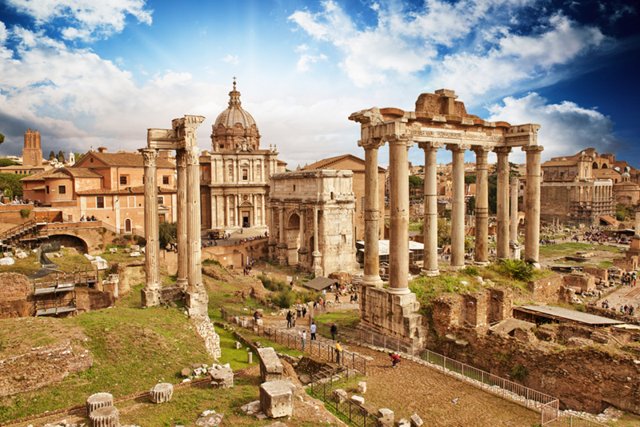
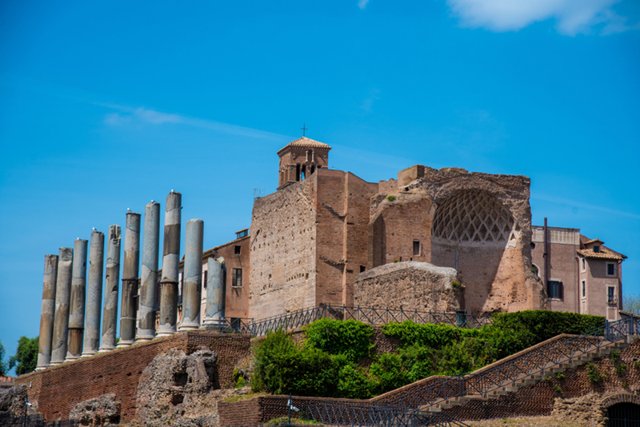
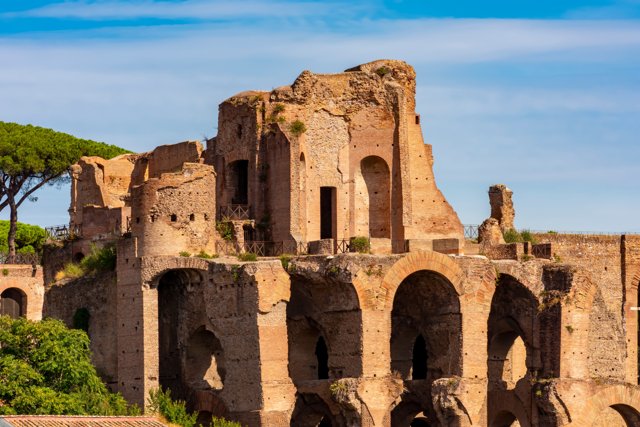
Roman Forum ruins with historic buildings Rome Italy

  • Rome

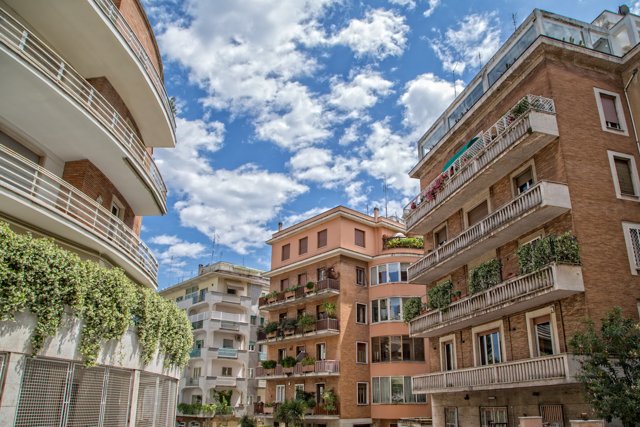
    Rome feels like an open-air museum that never stops functioning as a living city. Ancient arches, fractured columns, and vast piazzas shape the backdrop, yet daily life unfolds in small, familiar rituals: a quick espresso at the bar, laundry strung between buildings, scooters threading through narrow streets, plates of pasta arriving at neighbourhood trattorie.

    The scale of the Eternal City can feel overwhelming at first. Everywhere you turn, something centuries old commands attention. Over time, the extraordinary becomes part of the ordinary. Landmarks such as the Colosseum and the Pantheon are not isolated monuments but part of the urban fabric, woven into commutes, conversations, and evening walks.

    Rome moves constantly between grandeur and intimacy. Its past is never hidden, yet it is never frozen. Here, history isn’t preserved behind glass — it is lived with, argued with, and passed daily on the way home.
Unique experiences in Rome

Prepare your dream trip

Explore places and experiences, tap the heart to save your favorites and build your route to share. In a hurry? Get an itinerary in two steps and share or download it to Google Maps.

Use left and right arrow keys to move between filters. Press Space or Enter to toggle a filter. Press Tab to leave the filter bar.

Colosseum ancient amphitheater in Rome Italy

Historical Sites

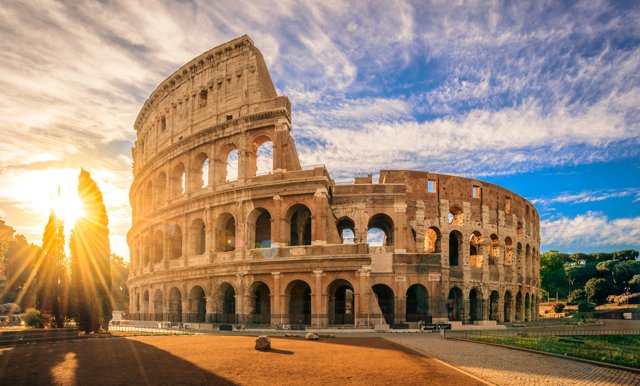
Colosseum

Two thousand years of echoes linger within the mighty arches of the Colosseum, where emperors once cheered and gladiators fought for glory beneath a blazing Roman sun. Built in the 1st century and stretching over 24,000 square meters, this monumental arena still pulses with the drama of an empire that changed history. Rising 48 meters high, the Colosseum once hosted 50,000 spectators reveling in the spectacle—wild beasts unleashed, prisoners doomed, and warriors locked in epic combat. Its grand inauguration lasted a hundred days, a celebration of power and spectacle unmatched in the ancient world. Today, its weathered stones stand as a living canvas of Roman ingenuity and audacity. Beneath the moonlight, its labyrinth of shadows whispers of vanished crowds and poetic souls—Shelley, Byron, Dickens—who immortalized its melancholy grandeur. From artistic reverie to cinematic legend, the Colosseum continues to inspire awe and wonder, inviting every traveler to stand at the crossroads of myth and memory in the heart of Rome. For more information on reservations and prices, consult its official website.

Trevi Fountain in Rome Italy

Historical Sites

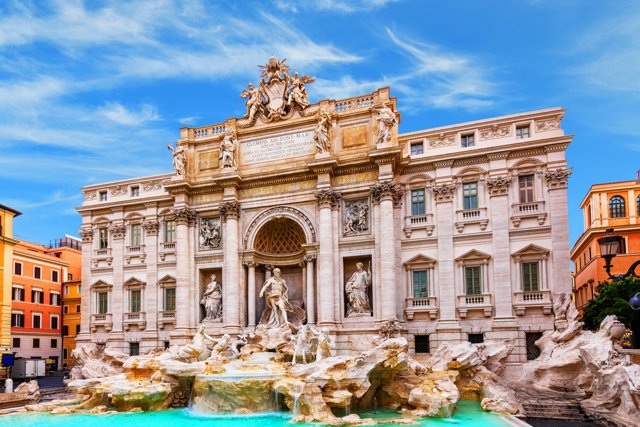
Trevi Fountain

For centuries, coins have glimmered beneath the cascading waters of the Trevi Fountain, each one carrying the whispered wishes of countless dreamers. Framed by Roman grandeur and Baroque brilliance, this luminous masterpiece has gleamed through cinematic legends like La Dolce Vita and Roman Holiday, enchanting travelers and filmmakers alike. Carved as a triumphant arch to honor nature’s power, the fountain is a living symphony of stone and water. Neptune, majestic and commanding, rides a shell-shaped chariot led by wild sea horses, guided by tritons. Through its roaring currents and delicate mist, visitors witness the eternal dialogue between chaos and serenity. As twilight softens the marble glow, the ritual begins—eyes closed, coin ready, heart full of hope. One guarantees return, two promise love, three invoke marriage. Around you, the melody of rushing water mingles with murmured laughter and wonder. Sit, breathe, and let Rome’s timeless magic wash over you.

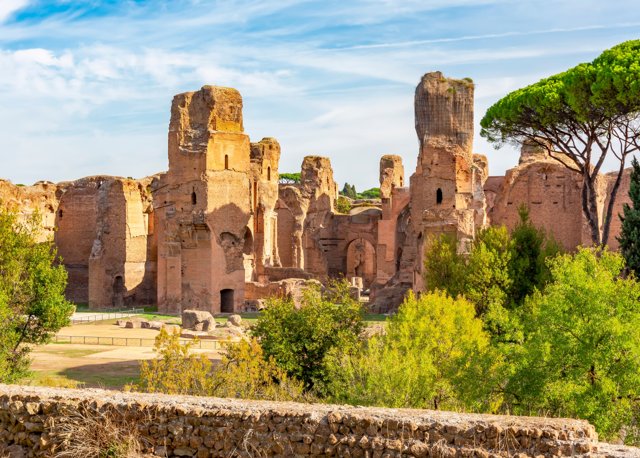
ruins of Baths of Caracalla Rome Italy

Historical Sites

Baths of Caracalla

At the height of the Roman Empire’s glory, when marble gleamed and power reigned supreme, the Baths of Caracalla opened their doors as a temple to leisure and beauty. Built in the early 3rd century AD, this grand complex embodied Rome’s mastery of architecture, luxury, and communal life on a monumental scale. Spanning more than 33 acres, the baths could welcome 1,600 citizens into their calming embrace. Within its soaring vaults, visitors passed from the steaming caldarium to the gentle tepidarium and on to the refreshing frigidarium. Around them stretched gardens, libraries, art galleries, and shops—a world designed purely for pleasure and elegance. Centuries later, the ruins still echo with splendor. Sunlight dances across mosaic fragments, and shadows glide over marble columns that once framed laughter and conversation. Wandering here is to feel the heartbeat of ancient Rome itself—its genius, grandeur, and the timeless desire to live beautifully. For more information on reservations and prices, consult its official website.

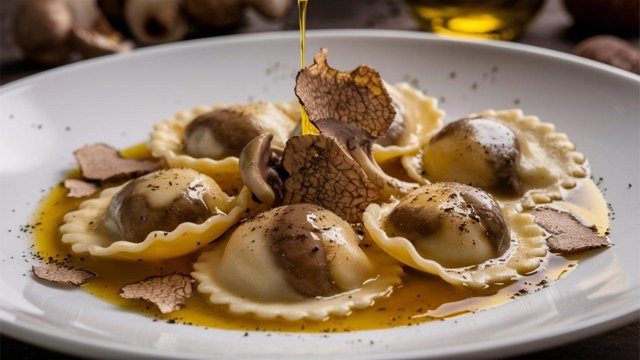
ravioli with truffle and oil All'Oro restaurant Rome

Michelin star

All'Oro

4.5
veal dish with rice and fried egg Il Pagliaccio Rome

Michelin star

Il Pagliaccio

4.3
Roman Forum ruins with ancient columns in Rome

Historical Sites

Roman Forum

Long before modern Rome, the heart of an empire beat within the Roman Forum—a vast open-air stage where politics, commerce, and ceremony intertwined. Here, orators stirred crowds, senators shaped destinies, and emperors like Julius Caesar once walked, their footsteps echoing through the centuries in a place where history still breathes. Following the storied path of the Via Sacra, visitors encounter the towering remnants of temples and arches rising like silent guardians of glory. Among them stand the triumphal arches of Titus and Constantine—majestic tributes to divine victory and imperial might—while shattered columns and worn stones whisper tales of ancient grandeur and ambition. To wander the Roman Forum is to surrender to time itself. The ruins shimmer beneath the Roman sun, and imagination bridges two millennia, revealing a city alive with senators, poets, and citizens in motion. In this enduring epicenter, past and present converge—the empire’s spirit eternal, the wonder everlasting. For more information on reservations and prices, consult its official website.

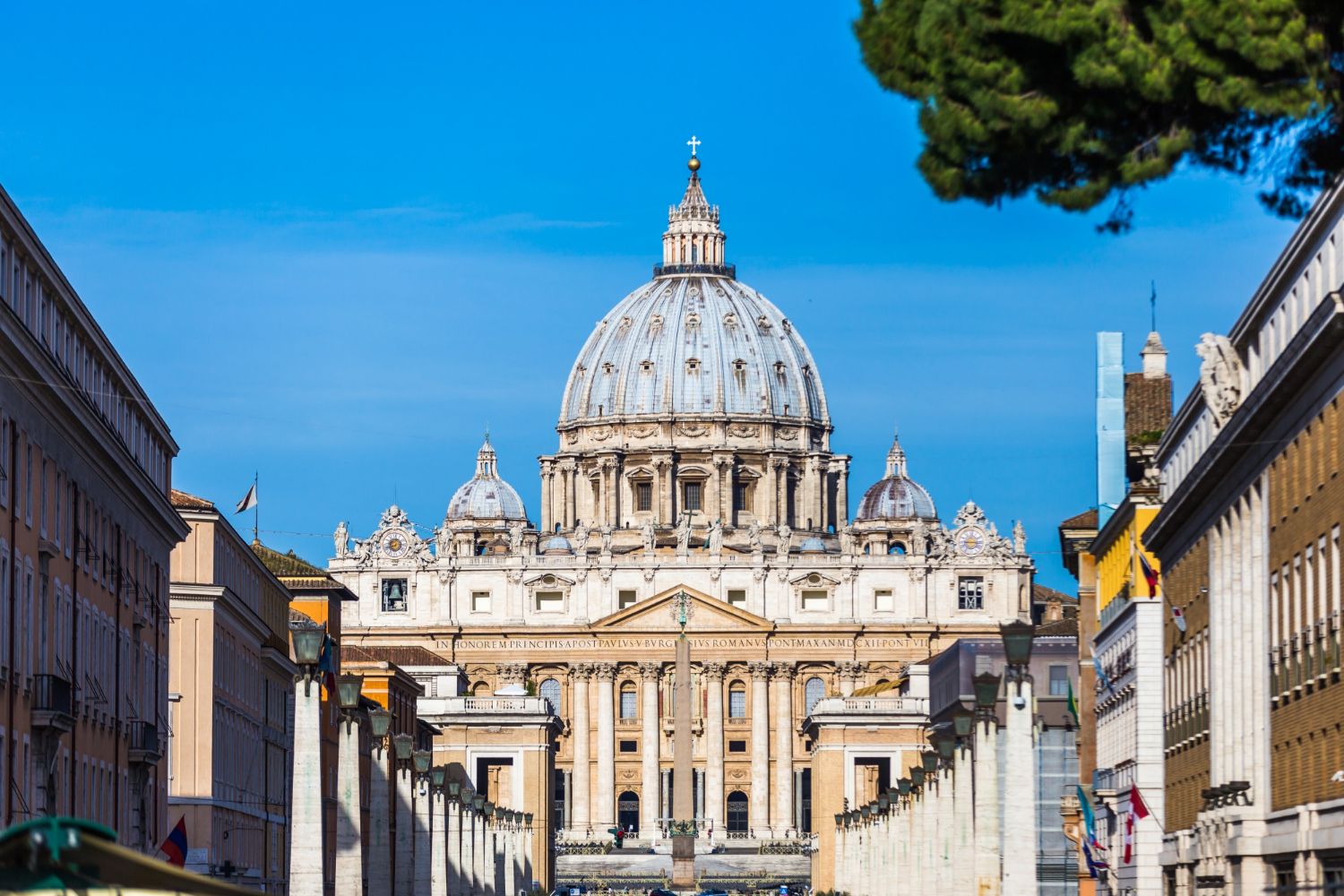
St. Peter's Basilica dome Vatican City Rome

Historical Sites

Vatican City, St. Peter's Square and Basilica

Within the world’s smallest sovereign state lies one of humanity’s most monumental treasures—the Vatican City. Here, faith, art, and history converge in radiant harmony, anchored by the magnificent St. Peter’s Square and Basilica. Every step through its sacred spaces feels like entering a living masterpiece sculpted by centuries of devotion. Approaching St. Peter’s Square, Bernini’s vision unfolds in a sweeping embrace of columns—284 in all—adorned with 140 statues of saints gazing heavenward. At its heart, an Egyptian obelisk pierces the sky between two elegant fountains, guiding the eye toward the Basilica’s majestic façade, a perfect fusion of art, architecture, and faith. Inside St. Peter’s Basilica, splendor reigns supreme. Sunlight drifts across gilded domes, marble floors, and Michelangelo’s transcendent Pietà. Ascending the iconic dome rewards visitors with one of Rome’s most unforgettable panoramas—a vision of divine beauty stretching across the Eternal City. A visit here transforms admiration into pure reverence.

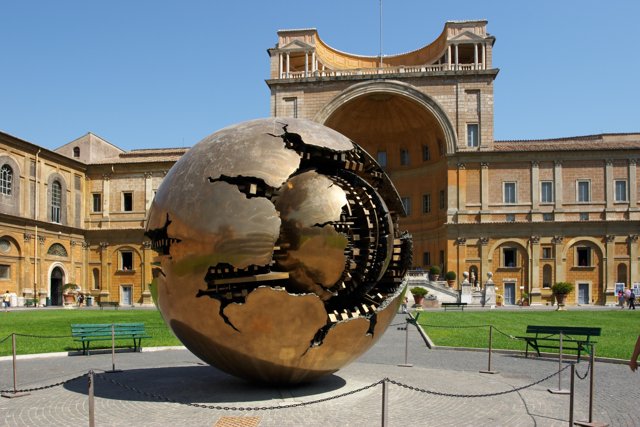
Spherical sculpture in Vatican Museums courtyard Rome

Museums and Galleries

Vatican Museums

Home to centuries of genius, the Vatican Museums are a living encyclopedia of human creativity. Established in the 16th century, this immense cultural treasure trove extends far beyond the famed Sistine Chapel, guiding visitors through a kaleidoscope of history, color, and imagination that defines the very heartbeat of Western art. Across 26 museums and 54 rooms, the experience unfolds like a grand symphony in marble and paint. Ancient Roman and Egyptian relics stand beside masterpieces by Raphael and Michelangelo, while the Pio-Clementine Museum, the Chiaramonti Gallery, and the epic Laocoön sculptures reveal the timeless dialogue between devotion, beauty, and power. Each gallery unveils a new revelation—light shimmering on gilded ceilings, frescoes whispering stories of gods and saints, sculptures frozen in eternal grace. With over six million annual visitors, the Vatican Museums embody both spiritual awe and artistic wonder, an unmissable journey through the soul of civilization itself. For more information on reservations and prices, consult its official website.

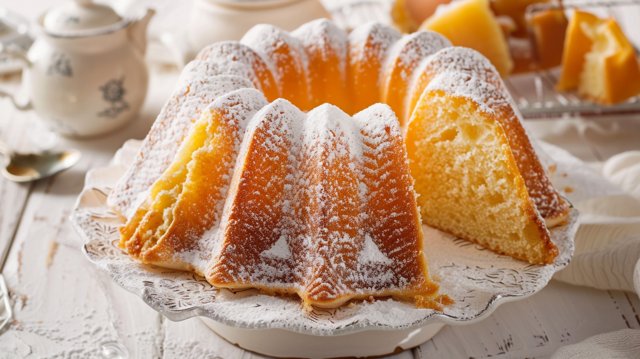
Italian dessert pandoro cake Moi restaurant Rome

Creative cuisine

Moi

4.8
Roman pasta dish at Matricianella restaurant Rome

Local cuisine

Matricianella

4.3

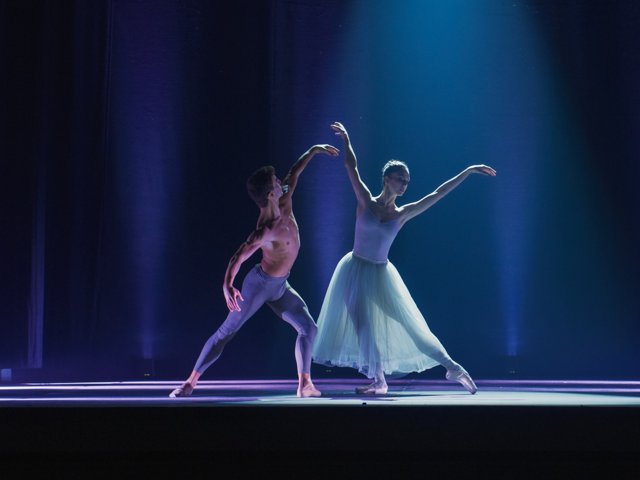
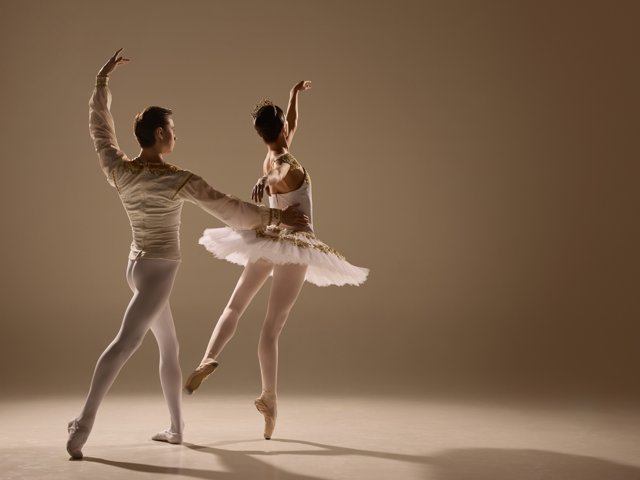
Ballet

Romeo and Juliet

Jul 24 - Jul 25
Circo Massimo
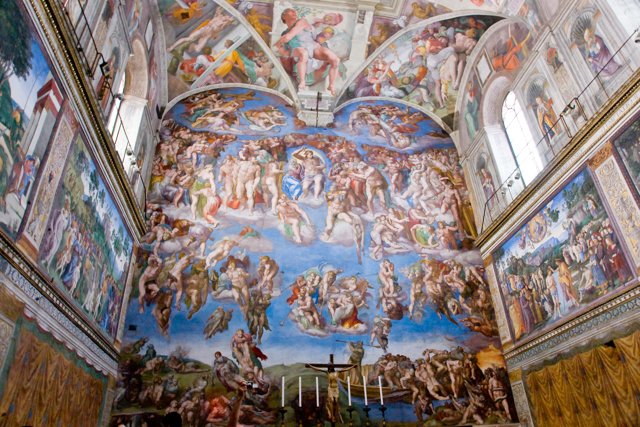
ceiling frescoes in Sistine Chapel Rome

Historical Sites

Sistine Chapel

Few places on Earth capture the sublime union of human genius and divine inspiration like the Sistine Chapel. Commissioned by Pope Sixtus IV and brought to life by Michelangelo in the 16th century, this sacred masterpiece stands as one of humanity’s greatest testaments to creativity and faith. Raising one’s eyes to the ceiling reveals an explosion of color and theology—Michelangelo’s thrilling vision of the Creation of Adam, where fingertip meets eternity. Every surface speaks: the sweeping frescoes of Ghirlandaio, Botticelli, Perugino, and Pinturicchio adorn the walls, transforming the chapel into a celestial narrative where art becomes scripture and paint becomes prayer. Within this sanctuary, time dissolves. Architecture, sculpture, and painting intertwine in perfect harmony, commanding reverent silence and wonder. Under its painted heavens, visitors feel the fragile grandeur of humanity reaching toward the divine. The Sistine Chapel is not simply seen—it is experienced as revelation. For more information on reservations and prices, consult its official website.

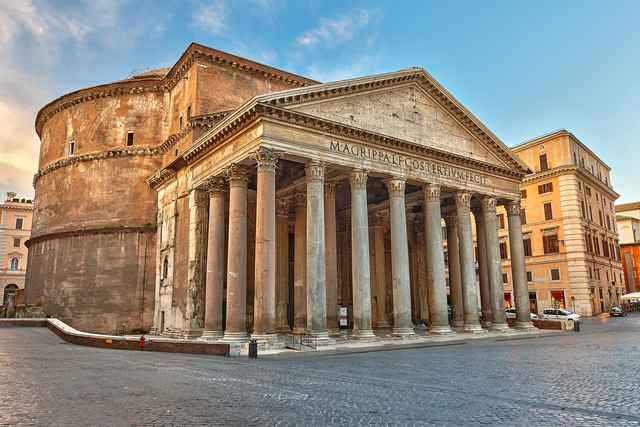
Pantheon ancient temple Rome Italy

Historical Sites

Pantheon of Rome

In the heart of Rome stands a temple older than imagination yet more timeless than any monument—the Pantheon of Agrippa. Immortalized in the opening scenes of Angels and Demons, this architectural masterpiece has survived two millennia, its perfect proportions defying time, gravity, and the boundaries between heaven and earth. Within its vast circular chamber, geometry becomes poetry. A flawless sphere of 43.44 meters in both diameter and height, illuminated by a single oculus open to the sky, transforms sunlight into divine choreography. Beneath the grand dome rest Italy’s kings and the Renaissance genius Raphael, their presence eternal beneath the celestial eye. Standing inside, one feels the sacred rhythm of centuries unfold. The shifting beam of light marks not only the hours, but the endurance of Roman brilliance and human wonder. The Pantheon is no mere structure—it is the living breath of history, where silence becomes reverence and stone becomes eternity. For more information on reservations and prices, consult its official website.

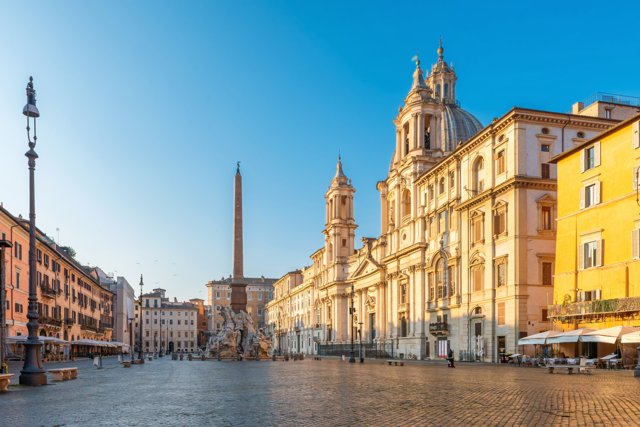
Piazza Navona square with obelisk and baroque buildings Rome

Sights and Monuments

Piazza Navona

Built atop the echoes of an ancient stadium, Piazza Navona transforms history into art beneath the Roman sun. Once the site of Emperor Domitian’s 1st‑century arena, this enchanting square now brims with Baroque splendor—its graceful curves mirroring the chariot races that once thrilled ancient crowds five meters below. At its heart rises Bernini’s Fountain of the Four Rivers, a dazzling allegory of the world’s great waterways brought to life in marble. Around it, the Basilica of Sant’Agnese in Agone and rows of elegant palaces frame the piazza, their façades bathed in golden light that shifts with every passing hour. The air hums with energy—painters at their easels, musicians serenading the square, and the aroma of espresso drifting from sun‑drenched terraces. To linger in Piazza Navona is to feel Rome’s heart beating softly through its fountains, façades, and laughter, a timeless dance between past and present.

gelato with caramel and pecans La Gelateria Frigidarium Rome

Emblematic ice cream shops

La Gelateria Frigidarium

4.7
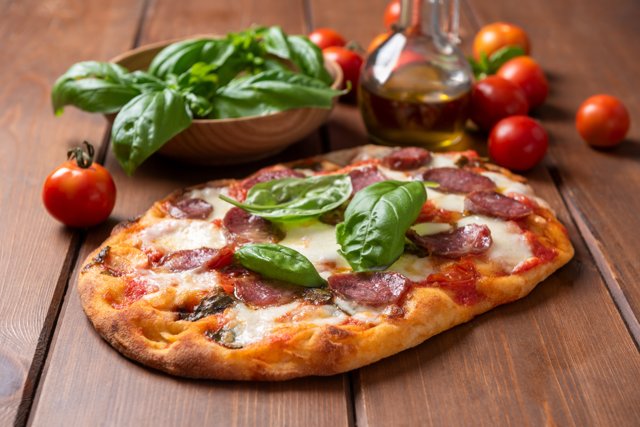
pinsa romana pizza with basil at Felice A Testaccio Rome

Local cuisine

Felice A Testaccio

4.3
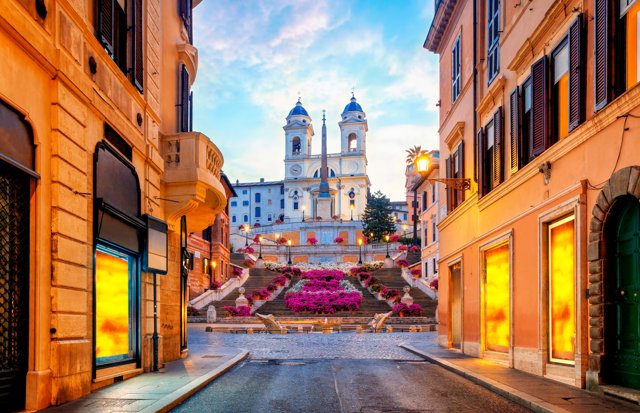
Via Condotti street with Spanish Steps and Trinità dei Monti church Rome

Shops and Street Markets

Via Condotti

Tracing its origins to ancient Rome, Via dei Condotti carries centuries of refinement beneath its polished façade. Once a pathway for channels bringing water to the Baths of Agrippa, this legendary street now flows with another kind of current—fashion, artistry, and the irresistible pulse of Roman sophistication. Stretching from the base of the Spanish Steps, this celebrated avenue gleams with the names of the world’s most illustrious designers. Hermes, BVLGARI, Tiffany, Gucci, Valentino, Dolce & Gabbana, Prada, and Versace transform the street into a glittering runway where heritage meets haute couture and every window tells a story of style. Beyond its opulent storefronts, the district echoes with creative spirit. The historic Caffè Greco, established in 1760, has welcomed visionaries from Goethe to Fellini, blending literary elegance with cinematic charm. A stroll along Via dei Condotti is to walk through living history—timeless, beautiful, and forever in vogue.

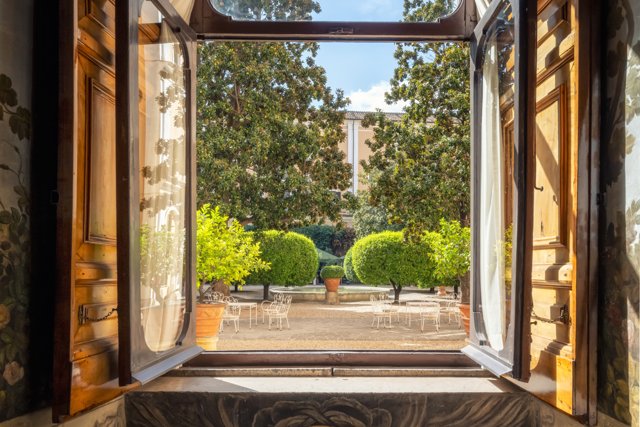
view of garden from Colonna Palace window Rome

Historical Sites

Colonna Palace

For over five centuries, Colonna Palace has stood in the heart of Rome as a living chronicle of power, art, and nobility. Built in the 15th century, this dazzling residence remains one of the city’s grandest private palaces, where every archway and hall whispers tales of aristocratic grace and Baroque brilliance. Inside, the splendor unfolds with breathtaking perfection. Marble columns, gilded mirrors, and ornate frescoes create an atmosphere of pure magnificence. Among these lavish settings lies the Colonna Gallery—an artistic sanctuary displaying masterpieces by Titian, Vermeer, and Carracci, eternally capturing the soul of the Renaissance and the genius of human creativity. To wander through Colonna Palace is to traverse time itself. Sunlight dances across marble floors as echoes of history drift through its grand salons and tranquil gardens. Here, beauty reigns supreme, and the spirit of Rome’s golden centuries lives on—a timeless encounter between art, history, and emotion. For more information on reservations and prices, consult its official website.

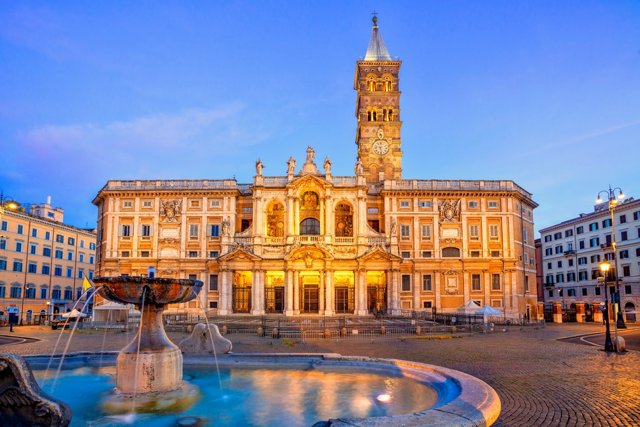
Basilica of Santa Maria Maggiore in Rome at dusk

Historical Sites

Basilica of Santa Maria Maggiore

Legend tells of an August morning in ancient Rome when snow mysteriously blanketed the Esquiline Hill. Inspired by this miraculous vision, the Basilica of Santa Maria Maggiore rose from the white silence—a luminous sanctuary that, since the 5th century, has embodied devotion, beauty, and divine mystery. Inside, its splendor overwhelms. Sunlight cascades across the city’s tallest bell tower, gilded ceilings shimmer with celestial gold, and fifth‑century mosaics unfold like jeweled scriptures telling sacred tales. Between marble columns of ancient Rome stands a sacred relic—a fragment of the manger that once cradled the Infant Christ. Every August, the miracle of snow returns in a breathtaking spectacle: a shower of white petals drifting from the basilica’s dome, blanketing worshippers in memory and wonder. Here, art and faith unite in radiant harmony, reminding every visitor that miracles sometimes live within walls of stone. For more information on reservations and prices, consult its official website.

pasta dish at Hostaria Da Cesare Rome

Local cuisine

Hostaria Da Cesare

4.1
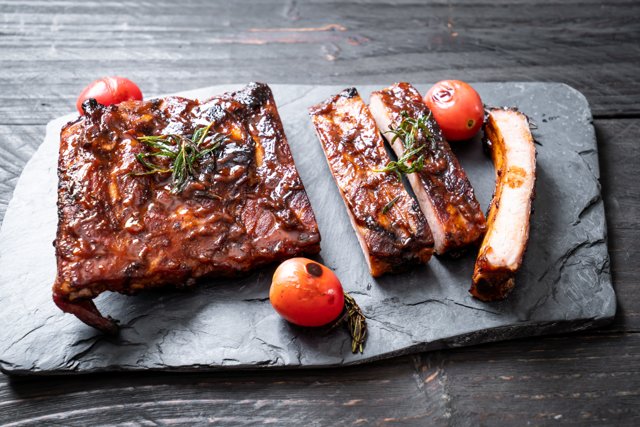
grilled barbecue ribs with cherry tomatoes La Scala Rome

Local cuisine

La Scala

4.3
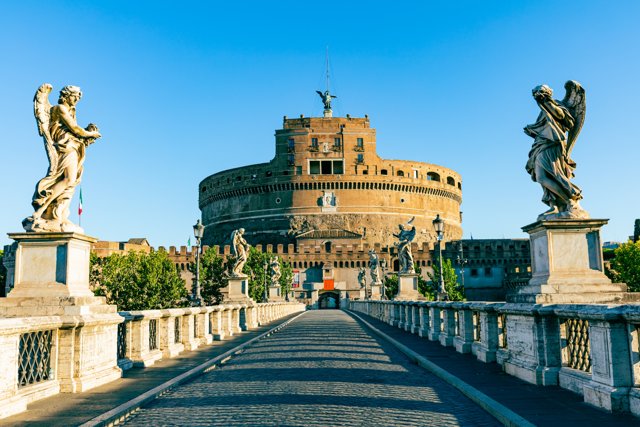
Castel Sant Angelo with statues on bridge Rome Italy

Historical Sites

Castel Sant'Angelo

Rising majestically on the right bank of the Tiber, Castel Sant’Angelo is more than a monument—it’s a legend etched in stone. Once the grand mausoleum of Emperor Hadrian in the 2nd century, it has witnessed the transformation of Rome itself, surviving as a fortress, papal refuge, prison, and finally, a timeless museum. Its circular bastion conceals centuries of reinvention: papal apartments hidden behind thick walls, ancient corridors spiraling upward, and the secret Passetto di Borgo linking it to the Vatican—a silent witness to intrigue, escape, and power. Across the bridge, angels sculpted by Bernini’s apprentices guide visitors toward its gates with celestial grace. From the terraces, the Eternal City unfolds in breathtaking perspective—the domes of Rome glowing beneath a rose‑gold sky. At sunset, the castle glows like a guardian of dreams, blending history and myth into one radiant vision. Castel Sant’Angelo doesn’t just tell a story—it casts a spell. For more information on reservations and prices, consult its official website.

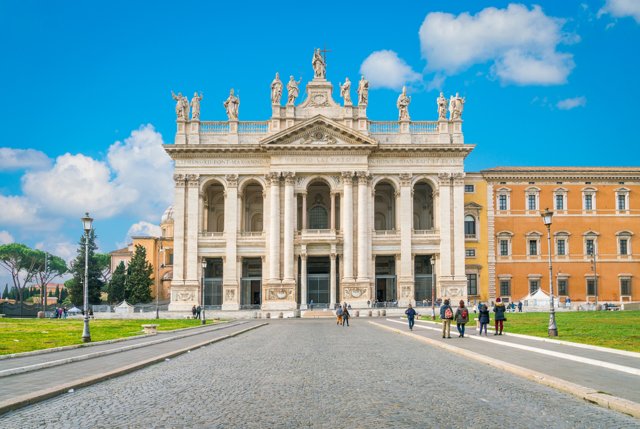
Basilica of St John Lateran in Rome Italy

Sights and Monuments

Basilica of St. John Lateran

Crowned “the Mother of all churches,” the Basilica of St. John Lateran stands where Christianity first found its monumental voice. As the world’s oldest church and Rome’s very first, this sacred landmark has witnessed empires rise, faith endure, and centuries of devotion unfold within its hallowed walls. Declared a UNESCO World Heritage Site in 1980, the basilica anchors a vast complex that unites art, history, and spirituality—the Lateran Palace, the ancient obelisk that pierces the sky, and the Sanctuary of the Holy Stairs, said to be the same steps climbed by Christ before His judgment. Together, they form a living pilgrimage through time. Crossing its threshold, visitors are greeted by an overwhelming majesty: gilded mosaics ablaze on the ceiling, colossal statues solemnly guarding the nave, and intricate marble floors glimmering beneath shafts of sacred light. Serving as Rome’s cathedral and highest-ranking basilica, St. John Lateran embodies a divine dialogue between heaven and earth. For more information on reservations and prices, consult its official website.

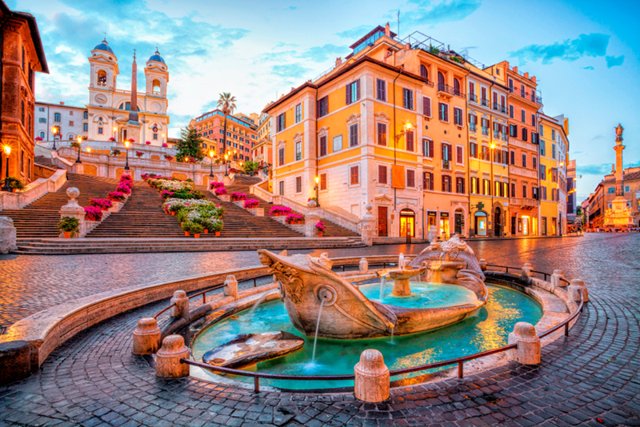
Piazza di Spagna with Spanish Steps and Fontana della Barcaccia Rome

Sights and Monuments

Piazza Di Spagna

At the foot of Rome’s most graceful staircase lies Piazza di Spagna, a masterpiece of light, movement, and beauty. Rising elegantly toward the twin towers of Trinità dei Monti, its 135 steps have welcomed centuries of poets, artists, and dreamers, all drawn to the square’s romantic pulse and golden sunsets. At its heart rests Bernini’s father’s Fontana della Barcaccia—the “Fountain of the Boat”—a sculpted memory of the Tiber’s great flood of 1598, when a stranded boat was found here. The fountain’s gentle ripples mirror the fluid rhythm of Rome itself: graceful, eternal, and impossibly captivating. Surrounded by boutiques, terraces, and history, Piazza di Spagna exudes effortless sophistication. It’s more than a meeting place; it’s a living stage where elegance and emotion intertwine. As evening falls, the steps glow with soft amber light, and the spirit of Keats and Shelley seems to linger in the air.

takoyaki dish at Kisaki Ramen Sushi Rome

Japanese cuisine

Kisaki Ramen & Sushi

4.4
chicken salad with avocado and carrots Rome restaurant Ginger

International cuisine

Ginger

4.2
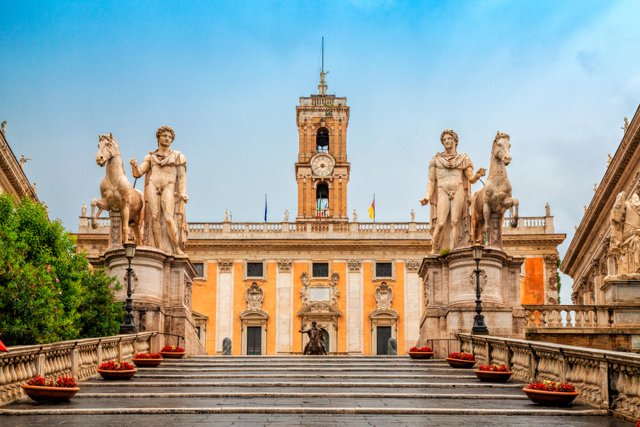
Capitoline Museums entrance with statues Rome Italy

Museums and Galleries

Capitoline Museums

Standing on the storied Capitoline Hill, the Capitoline Museums are among the world’s oldest public museums—founded in 1471, when Pope Sixtus IV gifted ancient bronze statues to the people of Rome. Built over the remnants of a grand Roman temple, they embody the eternal dialogue between the city’s past and its art. Inside the twin palaces, masterpieces await at every turn. Visitors encounter luminous paintings by Caravaggio, Titian, Rubens, and Tintoretto, their colors alive beneath centuries of reverence. Sculptures gleam in marble perfection—the Capitoline She-Wolf, the serene Venus, and the bronze majesty of Marcus Aurelius presiding in a glass-encased hall of light and shadow. Wandering these galleries feels like walking through layers of time, where history and beauty merge effortlessly. From the museum’s rooftop terrace, the panorama of Rome stretches like a living painting—a view as unforgettable as the art below, sealing the Capitoline experience in both memory and soul. For more information on reservations and prices, consult its official website.

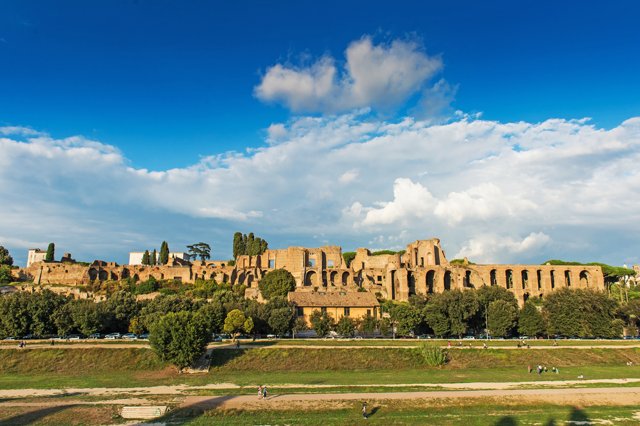
Circus Maximus ruins in Rome Italy

Historical Sites

Circus Maximus

Here, beneath the Roman sun, the Circus Maximus once roared with the thunder of hooves and the cheers of three hundred thousand voices. Stretching 600 meters long and 140 wide, it stood as the largest stadium in Roman history—a monumental theatre of speed, spectacle, and sheer imperial ambition. Though only remnants remain, the spirit of the arena endures. Walking across this immense field, visitors trace the outlines of its grand tiers and galleries, where merchants once sold treasures and taverns buzzed with travelers. Each stone still hums faint echoes of galloping horses, spinning chariots, and victorious cries. The Circus Maximus today is more than an archaeological site—it’s a bridge between imagination and eternity. With every step, one can feel the pulse of ancient Rome’s heart, where games became legend and time itself seemed to race beside the mighty charioteers.

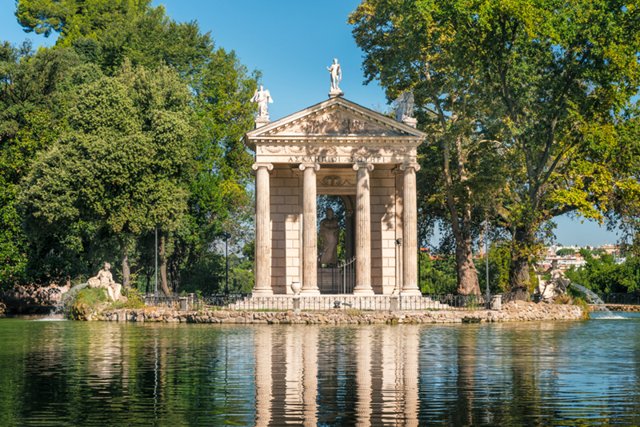
Temple in Villa Borghese park Rome

Nature and Parks

Villa Borghese

In the heart of Rome beats an oasis where art and nature breathe as one—Villa Borghese. Stretching across 80 lush hectares, this vast park has enchanted poets, painters, and wanderers for centuries, standing among the largest and most beloved urban gardens in all of Europe. Every path reveals a masterpiece: centuries-old trees arching over quiet ponds, baroque and neoclassical sculptures gleaming in the sunlight, and fountains that murmur like ancient storytellers. Within this serene expanse, visitors can explore the famed Borghese Gallery, the National Gallery of Modern Art, the Rome Zoo, and the whimsical Pincio water clock. Whether rowing across a mirror-like lake or strolling beneath cypress shadows, visitors feel time slow to a graceful rhythm. Villa Borghese isn’t just a park—it’s a living symphony of culture and tranquility, a place where the soul of Rome whispers through leaves and marble alike.

Spaghetti carbonara at Glass Hostaria restaurant Rome

Michelin star

Glass Hostaria

4.4
iced coffee at Chiaroscuro restaurant Rome

Seafood cuisine

Chiaroscuro

4.7
Palace of Italian Civilization in Rome Italy

Sights and Monuments

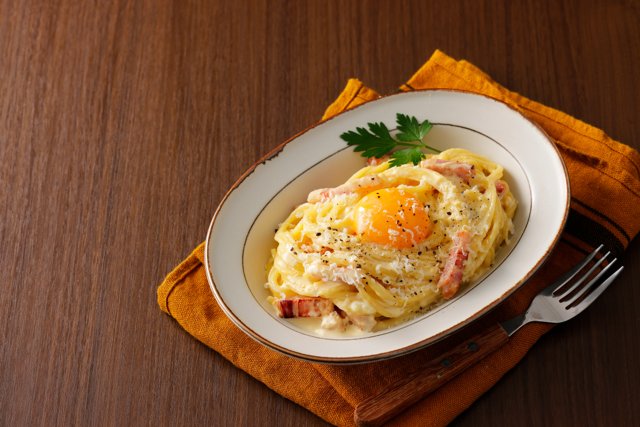
Palace of Italian Civilization

A cube of light and stone rising from Rome’s EUR district, the Palace of Italian Civilization is a masterpiece of 20th-century vision. Nicknamed the Square Colosseum, this monument gleams with symmetry and strength—its 216 graceful arches celebrating the endurance, artistry, and intellect that have defined Italian civilization for centuries. Around its gleaming façade, 28 marble statues stand guard—poets and scientists, heroes and artists, each carved as a tribute to human aspiration. From every angle, its geometry seems alive with rhythm and purpose, merging ancient Roman grandeur with modernist clarity in an architectural dialogue between past and progress. Beloved by filmmakers, the building’s stark beauty has graced the screens of Rome, Open City, The Eclipse, and Fellini’s 8½. Today, it serves as Fendi’s elegant home and a hub for culture and creativity. At sunset, the Square Colosseum transforms—its arches burn golden, and Rome’s spirit reflects within every curve.

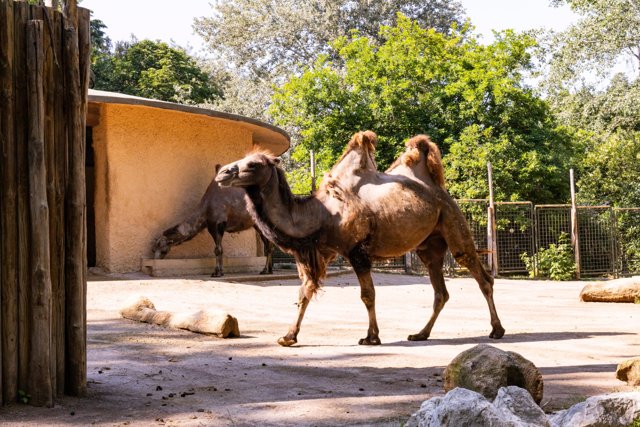
two camels at Bioparco di Roma zoo

Nature and Parks

Bioparco di Roma

Hidden within the elegant greenery of Villa Borghese lies a century-old marvel born in 1911—a living archive of the wild. The Bioparco di Roma, once a symbol of early zoological ambition, now thrives as a sanctuary where history and biodiversity intertwine amid the eternal charm of Rome itself. Over 200 animal species—from regal leopards to playful lemurs—call this lush haven home. Winding paths lead through vibrant aviaries, reptile houses, and tropical gardens bursting with rare botanical treasures. Within 17 hectares of wonder, visitors can pause at cozy cafés, browse eco-bookstores, or unwind by the serene Oasis del Lago. More than a zoo, it’s a gateway to rediscovery—a place where the roar of distant jungles mingles with Roman whispers, and each visit rekindles the thrill of connection with the natural world. Families, explorers, and dreamers alike leave with hearts stirred by life’s boundless diversity. For more information on reservations and prices, consult its official website.
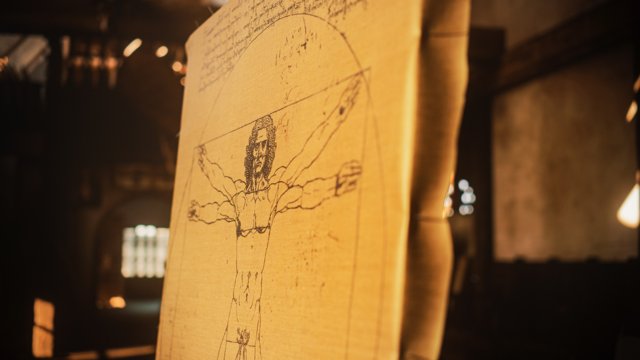
Leonardo Da Vinci Vitruvian Man drawing at museum Rome

Museums and Galleries

Leonardo Da Vinci Experience Museum

Centuries ago, Leonardo da Vinci imagined inventions so daring they seemed to belong to the future. Today, in this museum devoted to his genius, those dreams take shape before visitors’ eyes—flying wings, mechanical lions, and ingenious devices that reveal the boundless curiosity of history’s most visionary mind. Inside, more than fifty interactive machines invite exploration. Visitors can pull levers, turn cranks, and watch Da Vinci’s mechanical wonders spring to life—from early helicopters to the first life jacket design. The experience is enhanced by a dynamic audio guide brimming with fascinating stories behind each creation. Blending art, science, and imagination, the museum immerses travelers in a hands-on world where inspiration feels within reach. Families laugh in discovery, children marvel at invention, and everyone departs with renewed awe for the limitless spark of human creativity. For more information on schedules and prices, please consult its official website.

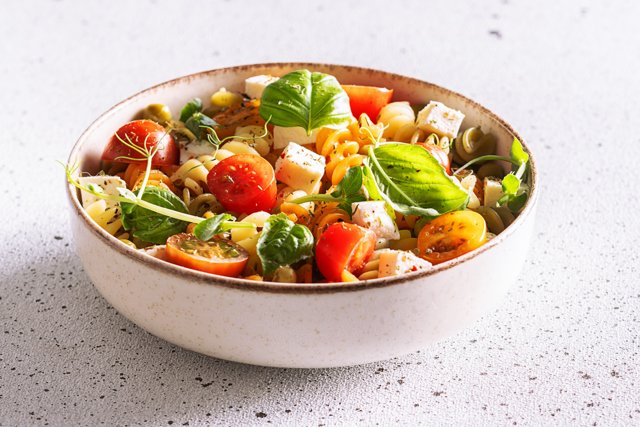
pasta salad with cherry tomatoes and basil La Terrazza dei Papi Rome

Local cuisine

La Terrazza dei Papi

4.2
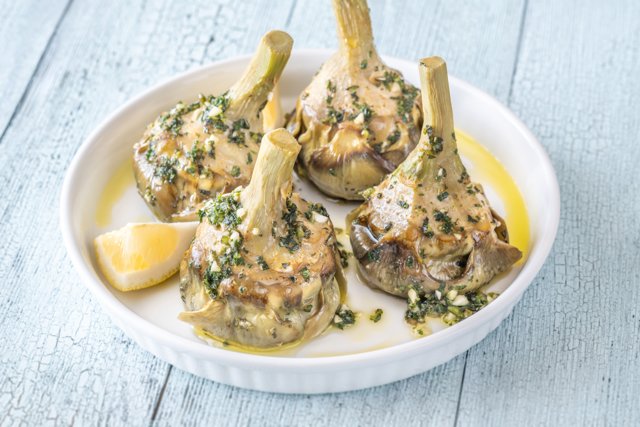
artichoke dish with herbs and lemon Casa Prati Rome

Local cuisine

Casa Prati

5
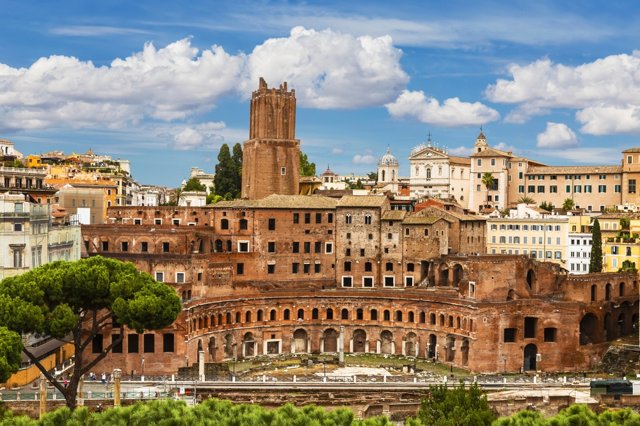
Trajan's Market ancient ruins in Rome Italy

Historical Sites

Trajan's Market

Long before modern malls filled our cities, ancient Rome built the world’s first—Trajan’s Markets, a marvel of innovation crafted between 100 and 110 A.D. under Emperor Trajan’s vision and the genius of Apollodorus of Damascus. Here, the hum of commerce once echoed through vaulted corridors lined with bustling Roman shops. What was once a vibrant center of trade and administration now houses the Museum of the Imperial Forums, where history comes vividly alive through meticulous models, digital recreations, and immersive videos. Each stone and arch reveals the architectural mastery that made Rome the beating heart of an empire. Walking through this monumental complex, visitors sense the pulse of history beneath their feet—a story of ambition, artistry, and endurance. Trajan’s Markets stand as both an archaeological wonder and a living classroom, allowing travelers to step directly into the spirit of ancient Rome. For more information on reservations and prices, consult its official website.

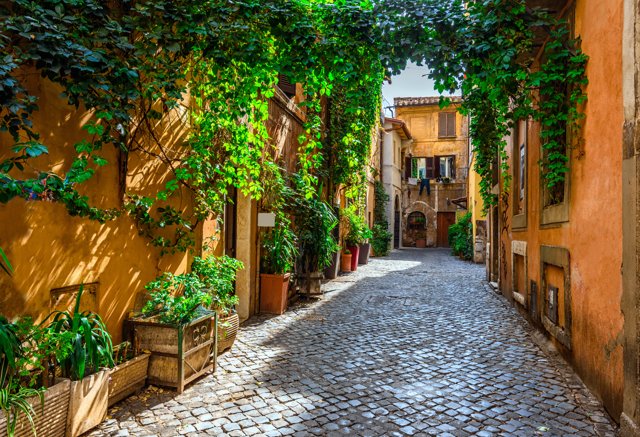
cobblestone street with plants in Trastevere Rome

Neighborhoods

Trastevere

Beyond the Tiber’s glistening waters lies Trastevere, Rome’s beating bohemian heart. Its name, born from the Latin trans Tiberis—“beyond the Tiber”—still whispers of the city’s ancient soul. Here, ivy-clad facades, lantern-lit alleys, and vibrant piazzas weave together centuries of history, passion, and effortless Italian flair. Within this maze of golden stone, travelers discover hidden treasures at every turn. The magnificent Basilica of Santa Maria in Trastevere enchants with shimmering mosaics, while the nearby Basilica of Santa Cecilia glows in quiet reverence. Street musicians, artists, and aromas of fresh espresso complete the neighborhood’s sensory symphony. As the sun dips low, Trastevere awakens with irresistible energy. Locals and wanderers alike fill trattorias where hand-rolled pasta meets laughter and candlelight. Later, spirited conversation spills into cobblestone squares alive with music and joy—a true Roman evening, where time slows and la dolce vita feels eternal.

Domus Aurea ancient ruins in Rome Italy

Historical Sites

Domus Aurea

Rumor has it that after the Great Fire of 64 CE, Emperor Nero raised from the ashes a masterpiece of excess—the Domus Aurea, or Golden House. This was no ordinary palace, but a luminous kingdom of gold, marble, and myth built to glorify Rome’s most controversial ruler in dazzling, immortal style. Spread across 50 hectares, its vaulted halls once gleamed with ivory, gems, and gilded frescoes that shimmered like captive sunlight. Gardens stretched endlessly, fountains murmured beside man-made lakes, and the famed coenatio rotunda—a rotating dining room—bathed guests in shafts of light filtering through its celestial oculus. Through cutting-edge virtual reality, visitors can now experience this lost wonder reborn—wandering through glistening corridors, hearing echoes of imperial feasts, and standing beneath ceilings that seemed to breathe gold. The Domus Aurea is more than history come alive—it’s Rome dreaming in radiant splendor once again. For more information on reservations and prices, consult its official website.

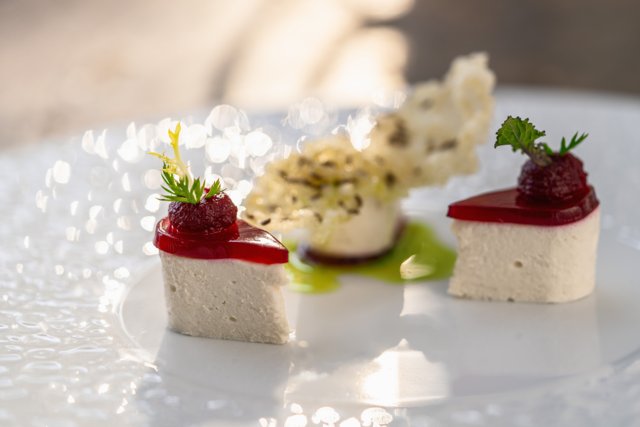
elegant culinary presentation at Osteria Fernanda Rome

Creative cuisine

Osteria Fernanda

4.5
beetroot burger with avocado and lettuce Il Margutta Rome

Vegetarian cuisine

Il Margutta

4.3
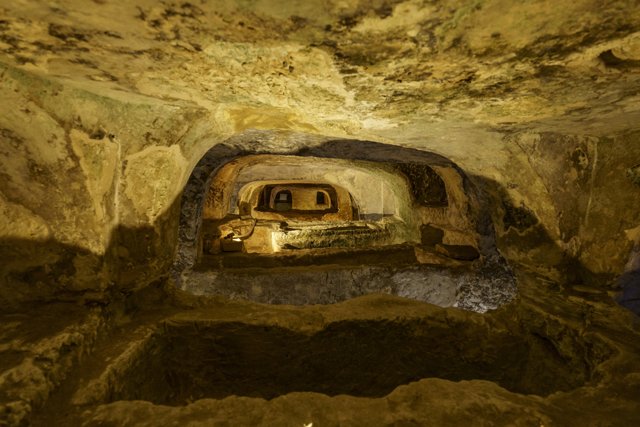
Catacombs of St Callixtus underground tunnels Rome

Historical Sites

Catacombs of St. Callixtus

Deep beneath the sunlit streets of Rome lies a hidden world where silence tells stories older than empires—the Catacombs of St. Callixtus. Between the 2nd and 5th centuries, these vast underground chambers served as resting places for Christians, pagans, and Jews, weaving a shared narrative of faith and remembrance. Stretching across more than 20 kilometers, this subterranean labyrinth reveals centuries of devotion and artistry. Visitors wander through dimly lit corridors adorned with ancient frescoes, intricate carvings, and burial niches that whisper of lives once lived. Every corner feels suspended in time, echoing the mysteries of Rome’s earliest believers. Walking these sacred tunnels is both a journey and a meditation—an encounter with history that stirs awe and introspection. The Catacombs of St. Callixtus embody the soul of the Eternal City: a place where life, death, and eternity intertwine in hauntingly beautiful harmony. For more information on reservations and prices, consult its official website.

DJ performing at Room26 nightclub Rome

Nightlife

Room26

Born from friendship, passion, and a deep reverence for music, Room26 isn’t just a nightclub—it’s a revolution in rhythm. Conceived by visionary creators of Rome’s entertainment scene, it fuses art, technology, and emotion into an immersive experience that transcends boundaries. Here, the night becomes pure expression. Located in the heart of the EUR district, Room26 houses two unique spaces where sound reigns supreme. Its Main Room, powered by 26 state-of-the-art amplifiers, transforms every performance into a living pulse of energy. From electrifying DJ sets and live concerts to cinematic visuals, every beat becomes a work of art. Yet Room26 is more than an epicenter of nightlife—it’s a cultural movement. A stage for creativity, training, and artistic freedom, where passion overcomes compromise and community sparks innovation. Step inside, and you won’t just hear music—you’ll feel it, becoming part of a rhythm that never stops. For more information on reservations and prices, consult its official website.
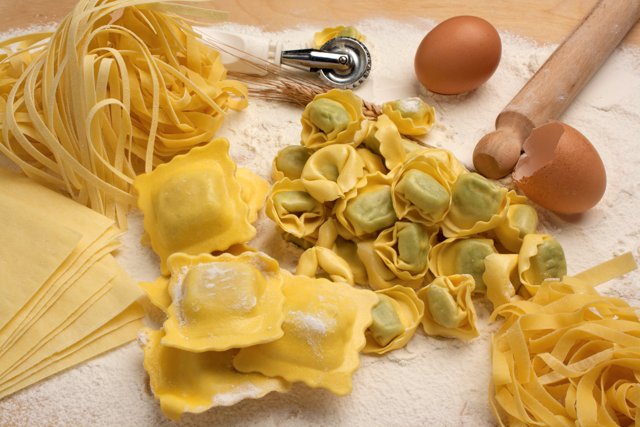
fresh egg pasta varieties with eggs and rolling pin Rome Italy

Local cuisine

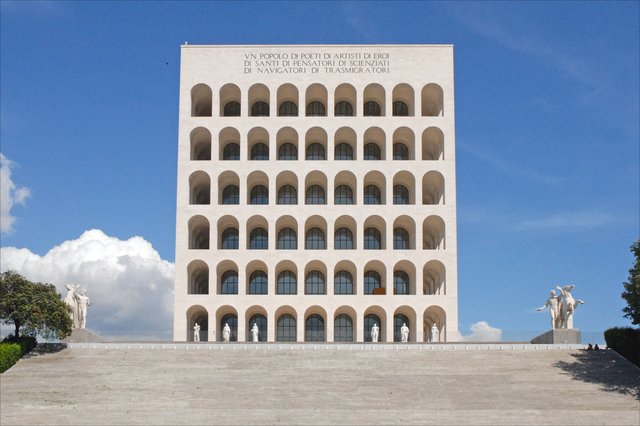
Taverna dei Fori Imperiali

4.4
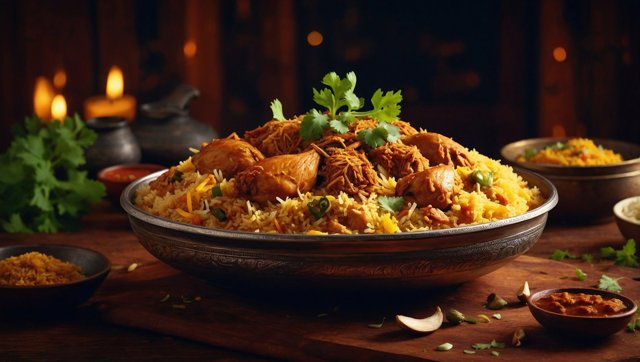
biryani rice dish at Gandhi 2 restaurant Rome

Indian cuisine

Gandhi 2

4.7
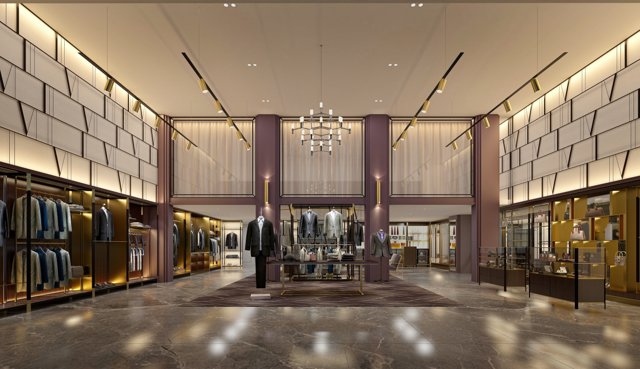
luxury clothing store interior Rinascente Rome

Shops and Street Markets

Rinascente Rome

Where history meets haute couture, Rinascente Rome transforms shopping into an art form. Standing proudly in Piazza Fiume, this architectural gem combines Roman sophistication with contemporary flair, inviting travelers to lose themselves in a world where luxury, design, and beauty unfold on every gleaming floor. Inside, fashion dreams come to life under golden lighting and marble details. Here, world-renowned designers share space with the best of Italian craftsmanship—leather goods, fragrances, and home décor that embody refinement. Every corner feels curated like a gallery, each brand telling a story of elegance and innovation. And the experience doesn’t end with shopping. Step onto the chic rooftop restaurant to sip an espresso or dine al fresco as the skyline glows with Roman light. Rinascente isn’t just a department store—it’s an immersion in Italian style, where indulgence becomes pure art. For more information on reservations and prices, consult its official website.
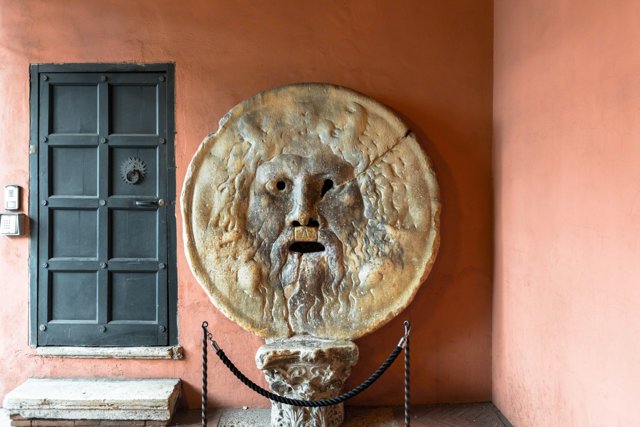
Mouth of Truth stone mask Rome Italy

Sights and Monuments

Mouth of Truth

Since the first century BC, a silent guardian has watched over Rome—the Bocca della Verità, or Mouth of Truth. This ancient marble mask, carved with the stern face of a bearded god, still grips imaginations with the legendary test it’s said to perform on the dishonest. According to myth, anyone who places their hand inside their mouth and utters a lie would lose it in an instant. Yet today, the only thing it bites is fear itself, as countless visitors gather to snap photos, laugh nervously, and test their honesty before the gaze of history. Standing gracefully beneath the portico of the Church of Santa Maria in Cosmedin, this enigmatic sculpture bridges myth and reality. The Mouth of Truth embodies the spirit of Rome—eternal, theatrical, and endlessly curious—inviting travelers to step closer, believe in legend, and become part of its timeless story.

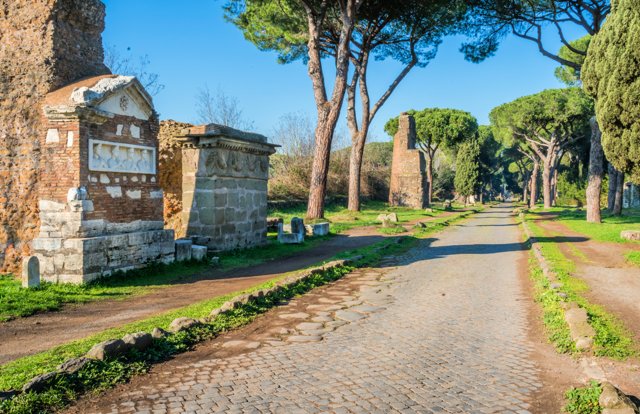
Ancient Appian Way road with trees and ruins Rome

Routes

Ancient Appian Way

Laid nearly two and a half millennia ago, the Ancient Appian Way—the regina viarum, or “queen of roads”—still carries the echo of Roman footsteps. Built in 312 BC to connect Rome with distant regions of the empire, its perfectly aligned stones have witnessed centuries of triumphs, trade, and transformation. Framed by proud cypress trees and sprawling countryside, this legendary road unfolds like an open-air museum. Travelers encounter timeless marvels: the imposing Porta San Sebastiano, the humble Church of Domine Quo Vadis, where faith and legend intertwined, and the hauntingly beautiful Catacombs of St. Callixtus, where ancient silence speaks volumes. Walking the Appian Way is to journey through the heart of Rome itself—a place where history, nature, and spirituality blur into one living tapestry. Every stone tells a story, every breeze carries memory; and before long, travelers find themselves not just observing history, but becoming part of it.

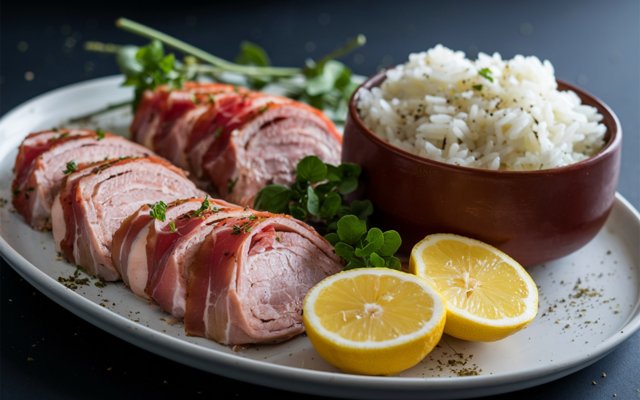
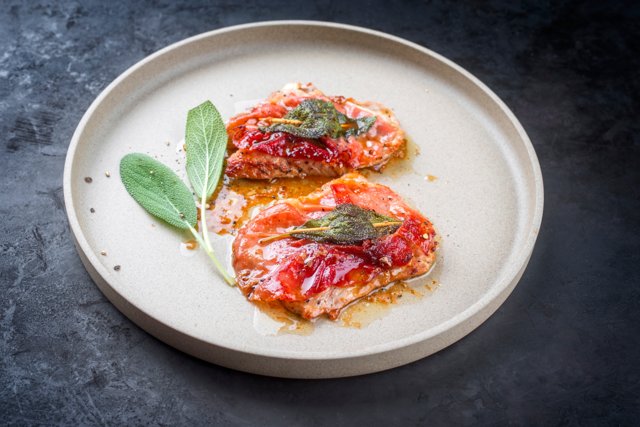
Saltimbocca dish with rice and lemon at Trattoria Pennestri Rome

Local cuisine

Trattoria Pennestri

4.6
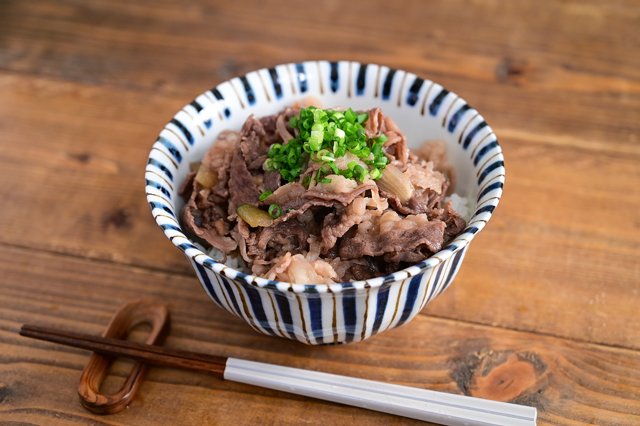
beef bowl with green onions at Junsei restaurant Rome

Japanese cuisine

Junsei

4.3
laser light show at Circolo Degli Illuminati nightclub Rome

Nightlife

Circolo Degli Illuminati

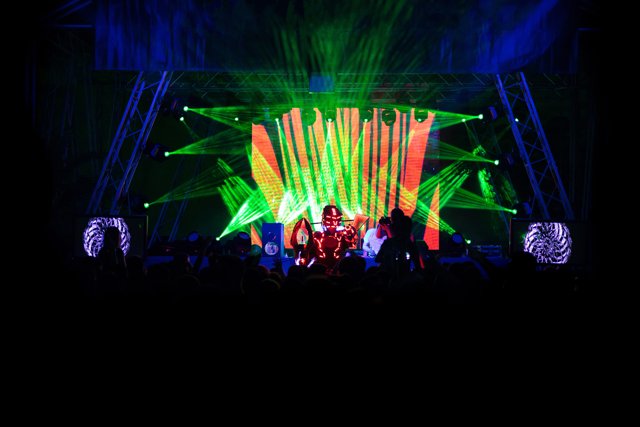
Beneath the Roman moon, the Circolo Degli Illuminati comes alive—a temple of music, light, and limitless creativity just steps from the Garbatella Metro. Since its opening in 2010, this electrifying venue has become a cornerstone of Europe’s clubbing scene, where world-class DJs and artists transform nights into pure sensory journeys. Inside, three distinct worlds pulse to their own rhythm. The main room ignites with waves of House and Techno, the second thunders with Hip Hop grooves, and the open-air terrace offers a blissful escape. In this intimate lounge, the city’s energy softens into conversation, laughter, and cocktails under the stars. But beyond the sound, Circolo Degli Illuminati is art in motion—a hub that celebrates expression, participation, and the shared language of rhythm. Every beat unites locals and travelers in the same luminous spirit, proving that in Rome, the night doesn’t just end—it evolves, endlessly illuminated. For more information on schedules and prices, please consult its official website.

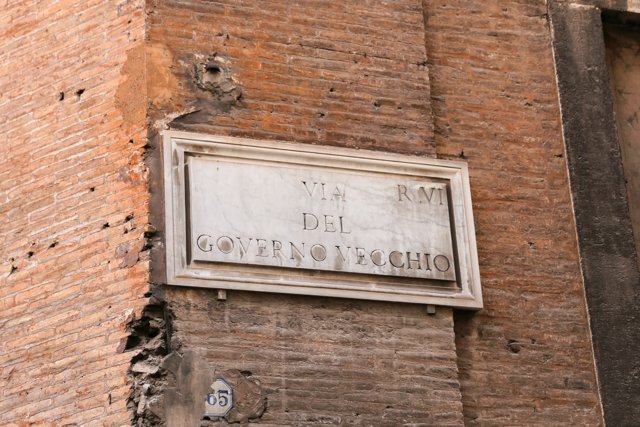
street sign Via del Governo Vecchio Rome Italy

Sights and Monuments

Via del Governo Vecchio

Once the seat of Rome’s 18th-century government, Via del Governo Vecchio has reinvented itself as one of the city’s most enchanting streets. Its original 1755 layout remains intact, winding between sun-dappled façades, flower-laden balconies, and wrought-iron lanterns that glow softly by night, preserving a timeless sense of Italian romance. Beyond its postcard beauty lies a universe of treasures for curious souls. Vintage lovers browse through Omero e Cecilia, Michele Abiti Usati, and Cinzia Vestiti Usati, discovering retro gems and forgotten fabrics. Book enthusiasts linger in Otherwise’s English-language haven or venture into Altroquando, where literature mingles with art — and a hidden pub below. As dusk settles, the street hums with laughter and the clinking of glasses. Charming trattorias and cozy bars spill life into the cobbled lanes, where the aroma of Roman cuisine mingles with the evening air. Via del Governo Vecchio is a living mosaic of history, creativity, and joy — the very spirit of Rome in motion.

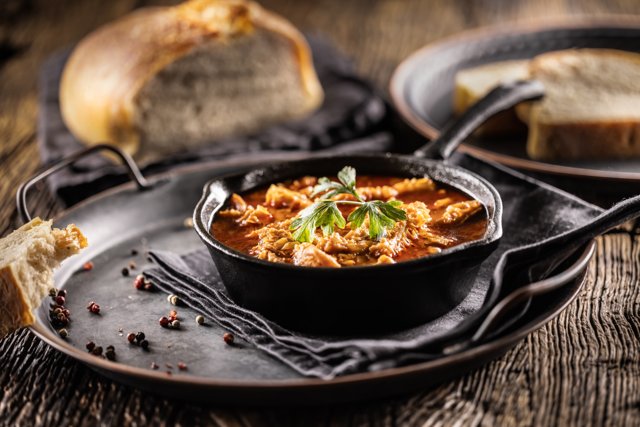
traditional stew in cast iron pot VII Coorte Rome

Local cuisine

VII Coorte

4.6
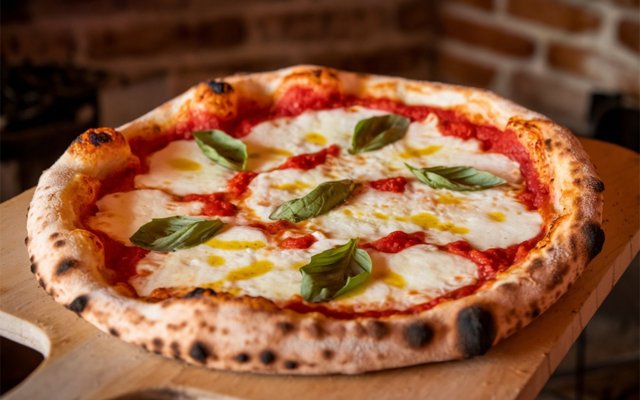
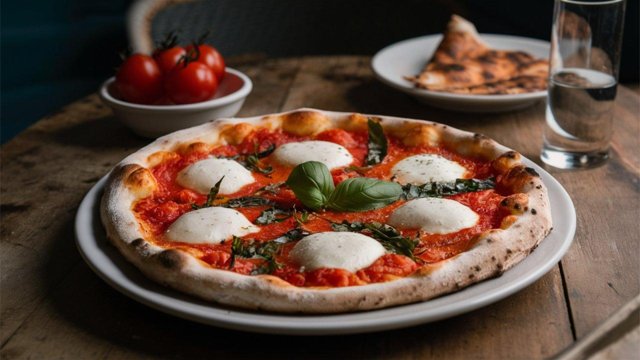
Pizza Margherita at Sottocasa Food Rome

Local cuisine

Sottocasa Food

4.7
vintage painting in Raphael Rooms Rome

Museums and Galleries

Raphael Rooms

Within the Vatican Museums, just before reaching the Sistine Chapel, lies an artistic treasure rivaling its grandeur—Raphael’s Rooms. Painted by the master himself in the early 16th century, these four chambers transform ancient walls into luminous narratives that continue to define the very essence of the Renaissance. At only twenty-five, Raphael was entrusted with this extraordinary commission while Michelangelo labored above, giving life to the Sistine ceiling. Their simultaneous genius created a golden hour in art’s history. Each fresco glows with balance and intellect—from divine allegories to the immortal “School of Athens,” where philosophers stand in eternal discourse. To step into these rooms is to enter the Renaissance reborn. Every brushstroke whispers of ambition and harmony, of minds that once saw beauty as truth itself. Whether one loves art or simply marvels at human achievement, Raphael’s Rooms remain an unforgettable testament to imagination’s boundless reach. For more information on reservations and prices, consult its official website.

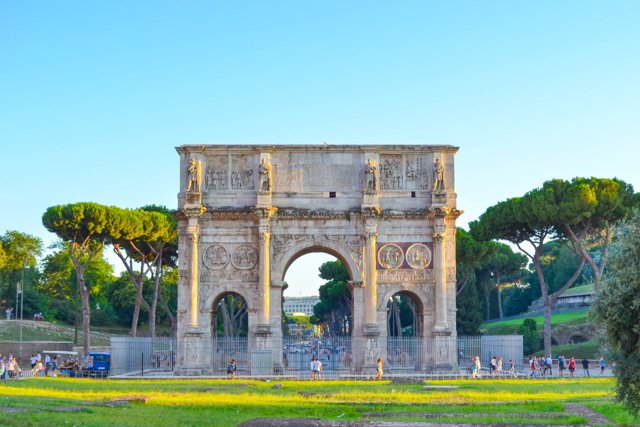
Arch of Constantine in Rome Italy

Sights and Monuments

Arco di Costantino

Rising proudly between the Colosseum and the Palatine Hill, the Arch of Constantine stands as Rome’s largest and most magnificent triumphal arch. Built in 315 AD to celebrate Constantine’s victory over Maxentius at the Battle of the Milvian Bridge, it marks the dawn of a new empire shaped by both might and faith. At 21 meters tall and stretching 25 meters wide, this monumental gateway dazzles with sculpted marble reliefs drawn from earlier imperial works. From Marcus Aurelius distributing bread to the poor to Trajan’s triumphant scenes in Dacia, each carving bridges centuries of Roman art, power, and legacy within a single stone frame. Standing beneath its arches, one feels the echo of trumpets, the rush of legions, and the whisper of victory immortalized in marble. The Arch of Constantine is not merely a monument—it is history made monumental, timeless proof of Rome’s unmatched grandeur and enduring spirit. For more information on reservations and prices, consult its official website.

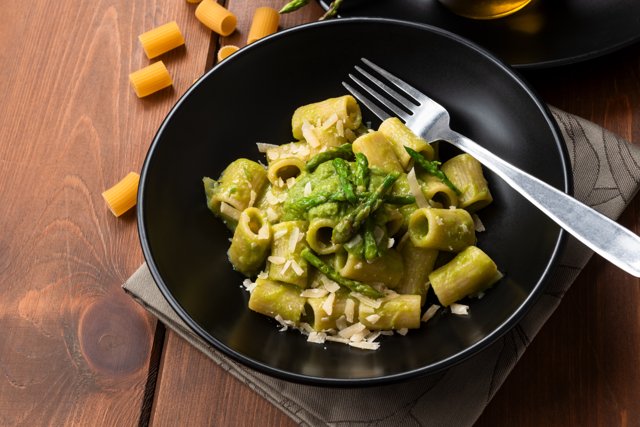
pasta dish with asparagus and pecorino cheese Rome restaurant

Local cuisine

Settimo Roman Cuisine & Terrace

4.4
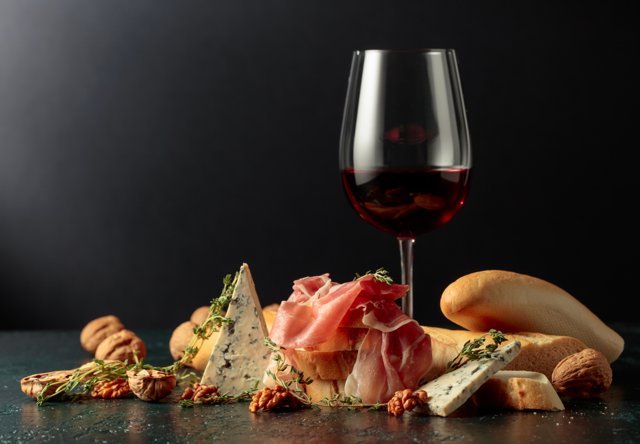
Prosciutto and blue cheese with red wine in Rome restaurant

Local cuisine

Il Tagliere Toscano Navona

4
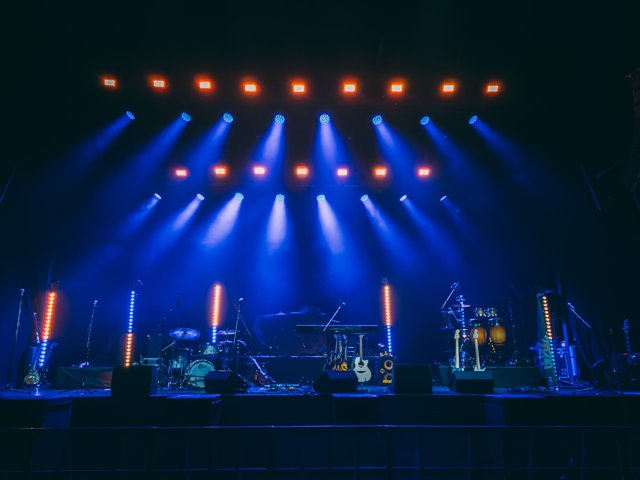
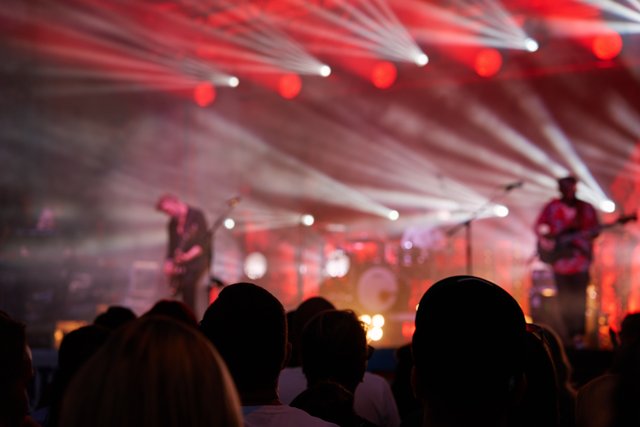
Alcazar Live concert stage with audience Rome

Nightlife

Alcazar Live

From classic projector reels to live performances, Alcazar Live has evolved from a vintage cinema into the beating heart of Rome’s cultural scene. Tucked in the vibrant Trastevere district, this multifaceted venue pulses with music, laughter, and art, transforming every night into an immersive celebration of creativity and freedom. There’s never a dull moment here. Live concerts echo against retro walls, DJ sets electrify the dance floor, and art exhibitions spill over into jam sessions, markets, and film screenings. Between shows, the in-house restaurant and cocktail bar offer the perfect pause—where flavor meets rhythm in delicious harmony. Then the lights shimmer, the crowd moves, and Alcazar’s heartbeat rises. Every note and every laugh carries that intoxicating spirit only Rome can create—raw, emotional, and beautifully unpredictable. Whether for one drink or an entire night of dancing, Alcazar Live turns spontaneity into art and energy into pure memory. For more information on reservations and prices, consult its official website.

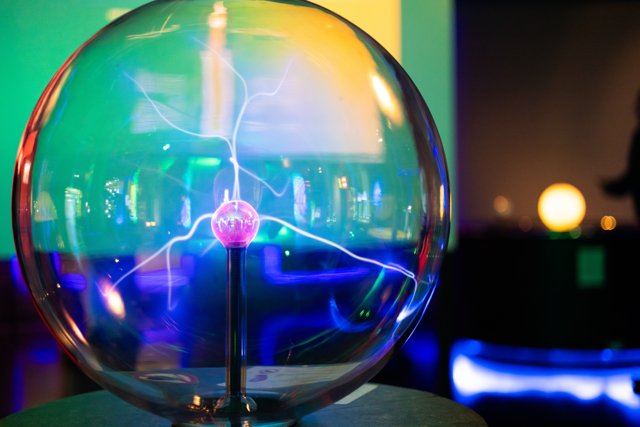
plasma globe exhibit at Explora Children's Museum Rome

Museums and Galleries

Explora - Il Museo dei Bambini di Roma

In a city of ancient wonders, there’s one where curiosity reigns supreme—Explora – Il Museo dei Bambini di Roma. Created especially for children, this four-story museum transforms learning into adventure, inviting little explorers aged 0 to 12 to touch, build, imagine, and discover the world through play. Every corner bursts with color and creativity. Kids can become scientists, artists, or engineers for a day—conducting experiments, painting masterpieces, or building cities of their own design. Interactive exhibits and workshops spark curiosity, imagination, and hands-on learning, while spaces for babies and toddlers ensure no dreamer is too small. More than a museum, Explora is a joyful space where families laugh, learn, and connect. It’s a world built for wonder—a place where discovery feels like magic and every child leaves believing that imagination can shape the future. For more information on reservations and prices, consult its official website.

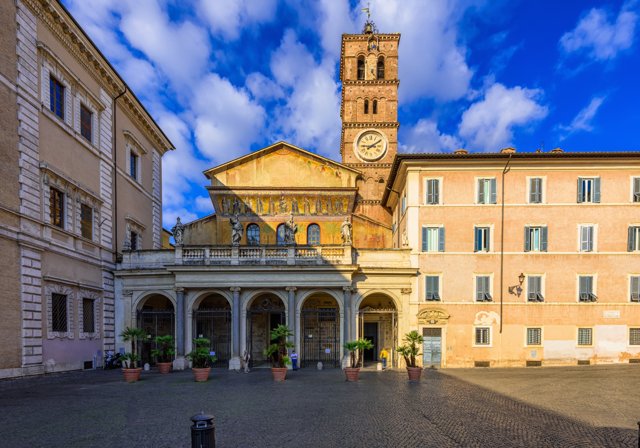
Basilica of Santa Maria in Trastevere Rome

Historical Sites

Basilica of Santa Maria in Trastevere

In the heart of Trastevere stands a masterpiece of devotion and light—the Basilica of Santa Maria, Rome’s first church dedicated to the Virgin Mary. Its history stretches back to the third century, carrying the sacred calm of centuries past within the shimmer of medieval stone and faith. The church’s façade gleams with golden mosaics that dazzle beneath the Roman sun, while the 12th-century bell tower stands as a sentinel over the lively piazza. Inside, three elegant naves are supported by columns taken from the Baths of Caracalla, their strength tempered by beauty, beneath a wooden ceiling crafted by Domenichino. Yet it’s the apse that steals every gaze—its luminous golden mosaic igniting the interior with divine radiance. Nearby, a sculpture of St. Anthony awaits those seeking a wish fulfilled. Surrounded by Trastevere’s bohemian charm, this basilica glows as both a sanctuary and a symbol of the timeless Roman soul.

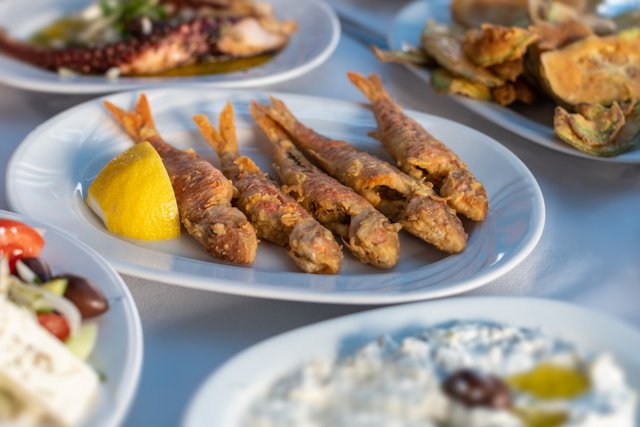
fried fish dish with lemon at Sa Tanca Crostaceria Rome

Seafood cuisine

Sa Tanca Crostaceria

4.6
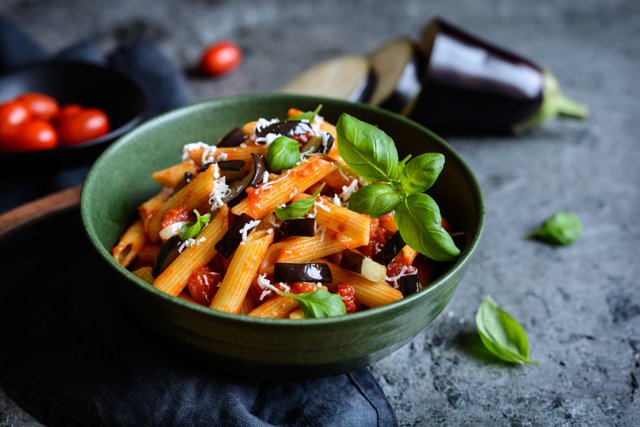
Pasta alla Norma at Art Cibò Ristorante Rome

Local cuisine

Art Cibò Ristorante dai Pupi

4.1

Exhibition

Metamorphosis. Ovid and the arts

Jun 23 - Sep 20
Galleria Borghese
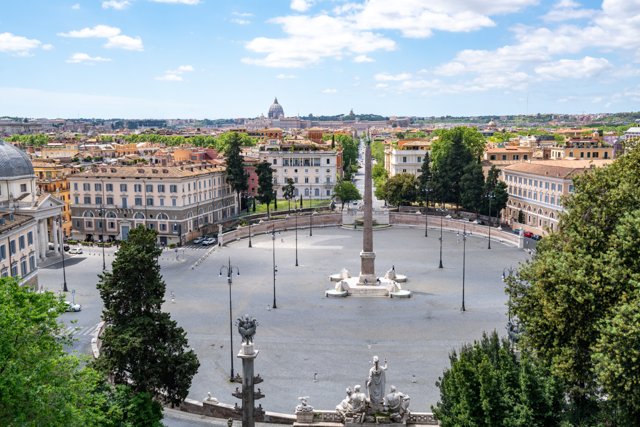
Piazza del Popolo with obelisk in Rome Italy

Sights and Monuments

Piazza del Popolo

Once the grand northern gateway to the Eternal City, Piazza del Popolo has greeted travelers for centuries with open arms and classical grandeur. Designed to welcome those arriving from afar, this majestic square still radiates the same sense of arrival—an invitation into the very soul of Rome. At its center rises a 24-meter Egyptian obelisk, once towering over the Circus Maximus. Around it, two “twin” churches—Santa Maria in Montesanto and Santa Maria dei Miracoli—mirror each other in form, yet differ in elegant detail for those who look closely. Bernini’s signature artistry adorns the ancient city gate, while the Basilica of Santa Maria del Popolo shelters masterpieces by Raphael, Caravaggio, and Rubens. Climb the nearby Pincio Gardens, and the magic deepens: the entire square spreads below like a living painting, its fountains sparkling beneath golden light. With its cafes, boutiques, and unshakable cultural rhythm, Piazza del Popolo is not just a place—it’s a heartbeat, capturing the essence of Rome itself.
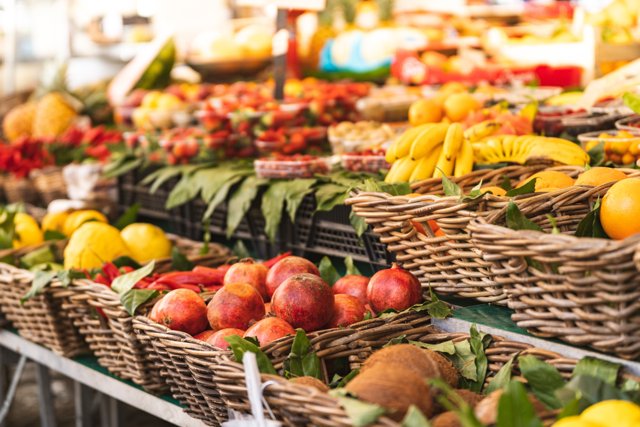
fruit baskets at Mercato Trionfale Rome

Shops and Street Markets

Mercato Trionfale

Born in the late 19th century along Viale Giulio Cesare, the Trionfale Market stands as Rome’s very first neighborhood market—and by far its largest. Originally a provisioning stop for travelers and their horses heading in and out of the city, today it thrives as one of Europe’s grandest food havens. With more than 270 stalls bursting with life, the market is a feast for the senses. Stacks of citrus glow like sunlight, wheels of cheese perfume the air, and the rhythmic patter of vendors creates music over counters heavy with pasta, fish, sausages, and golden olive oils. Beyond food, stalls brim with handmade bags, bright linens, and playful children’s toys. Strolling through Trionfale is to taste Rome’s living rhythm—laughter over espresso cups, generations sharing recipes, and the hum of daily life echoing under the market’s vaulted light. Here, the city reveals its warmth, its generosity, and its unbreakable bond with good food and community. For more information on reservations and prices, consult its official website.

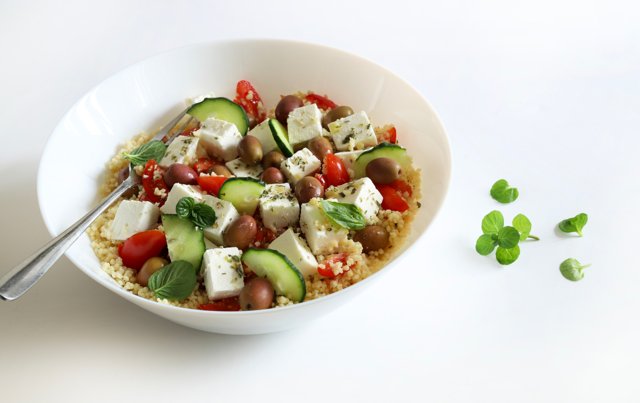
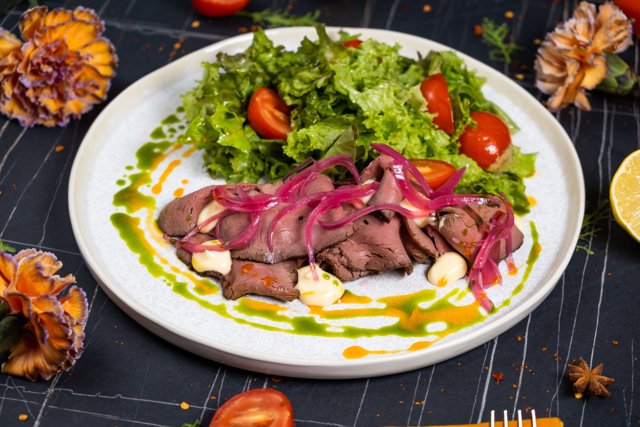
couscous salad with feta olives and cucumber La Famiglia Rome

Local cuisine

La Famiglia

4.4
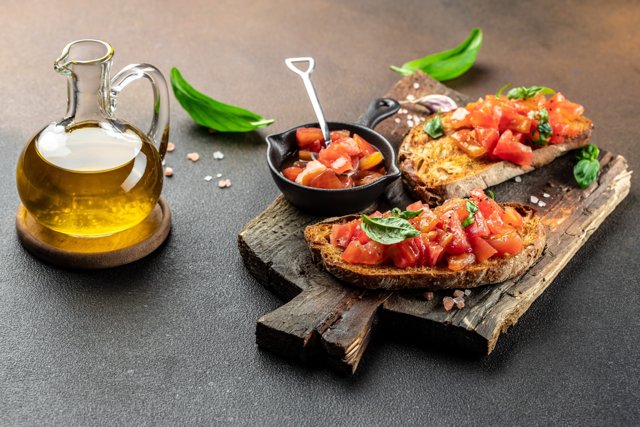
Italian bruschetta with tomatoes and basil Rome restaurant

Bar

Makasar bistrot

4.6
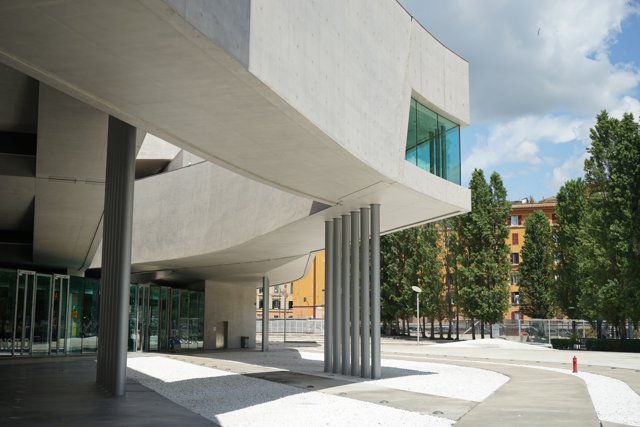
modern concrete building MAXXI Museum Rome Italy

Museums and Galleries

MAXXI - National Museum of 21st Century Arts

Flowing like liquid concrete through Rome’s historic fabric, the MAXXI – National Museum of 21st Century Arts redefines what a museum can be. Designed by visionary architect Zaha Hadid, its sweeping lines and sculptural spaces stand as a bold tribute to movement, imagination, and the limitless possibilities of contemporary art. Inside, every corner pulses with innovation. Galleries unfold organically, blending painting, sculpture, photography, and multimedia into an ever-evolving conversation between past and future. Installations rise from the floor, light bends across curved walls, and visitors become part of the choreography that defines this living architectural masterpiece. Beyond mere exhibition, MAXXI is a hub of creativity and dialogue—a space where curiosity takes shape, and new voices emerge. It invites travellers to think, feel, and question, offering not simply art to observe but experiences to live in the ever-twirling rhythm of the 21st century. For more information on reservations and prices, consult its official website.

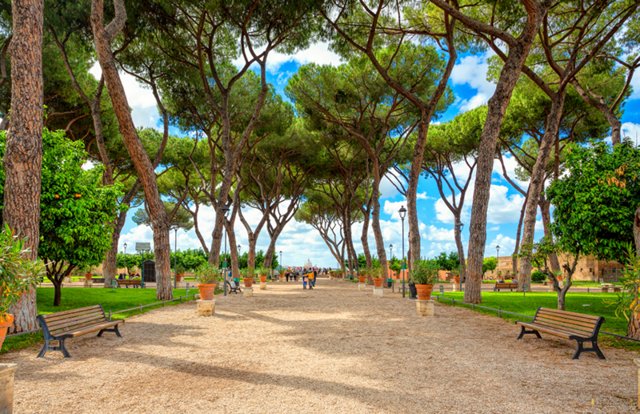
Orange Trees Garden pathway with benches Rome

Nature and Parks

Orange Trees Garden

Perched atop Rome’s Aventine Hill, Parco Savello—better known as the Orange Garden—blooms where medieval fortresses once guarded the Eternal City. Born from the 13th‑century Savelli Castle, whose ancient walls still cradle this oasis, the garden carries centuries of history, faith, and tranquility, shaded by trees planted in Saint Dominic’s memory. Through its symmetrical paths designed by architect Raffaele De Vico in 1932, visitors are drawn toward a breathtaking terrace where Rome unfolds like a living tapestry. From the Tiber’s golden curve to St. Peter’s grand dome gleaming in the distance, the view transforms every glance into a timeless photograph of serenity. Each corner radiates quiet poetry, where the scent of oranges mingles with whispers of the past. Beyond its gates, at Piazza dei Cavalieri di Malta, the celebrated keyhole view reveals St. Peter’s framed in perfect order—a secret glimpse of eternal harmony that captures Rome’s spirit in a single moment.

Teatro Argentina and ancient ruins in Rome Italy

Leisure Places

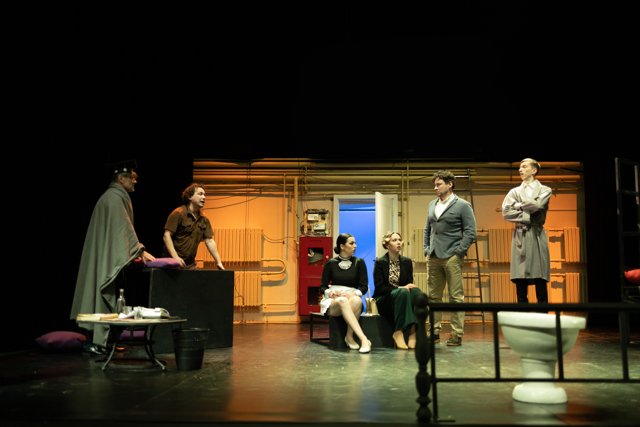
Teatro Argentina

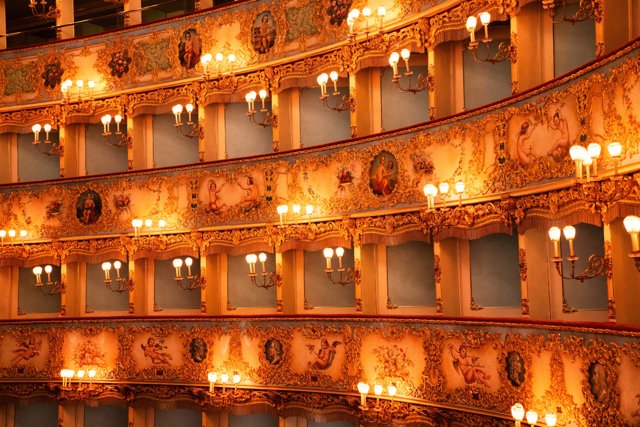
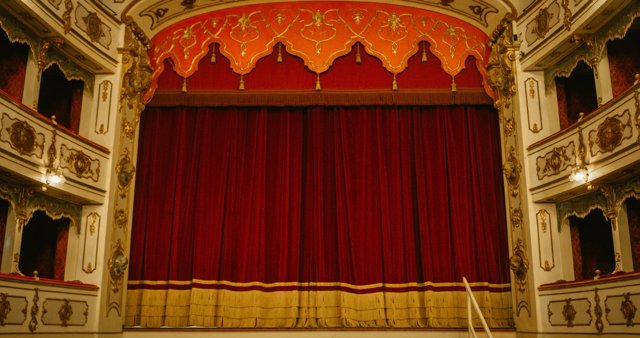
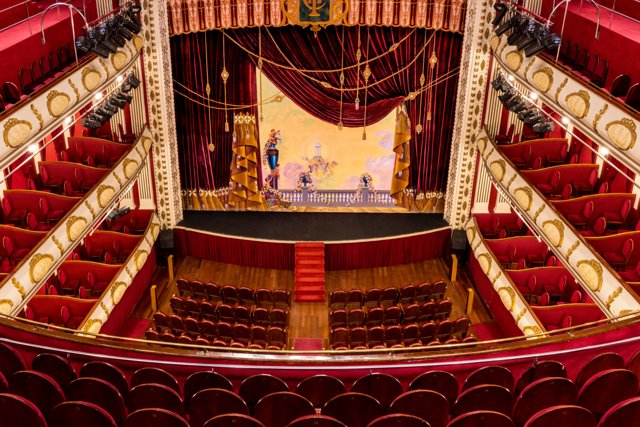
Few places in Rome carry the whispers of artistic genius quite like the Teatro Argentina. Built in 1732, this iconic jewel of neoclassical architecture has welcomed centuries of performances—its stage once premiering Rossini’s The Barber of Seville and echoing with the applause of history’s most discerning audiences. Inside, gilded balconies, velvet drapes, and glittering chandeliers create an air of timeless intimacy. The theater continues to enchant, hosting world-class operas, ballets, and plays that blend the grace of tradition with the daring beauty of modern interpretations, attracting both acclaimed artists and passionate newcomers from across the globe. Every performance here feels personal, a dialogue between stage and soul. As the lights dim and the orchestra’s first notes rise, visitors are transported into a world where art transcends centuries. Teatro Argentina isn’t just a theater—it’s a living heartbeat of Roman culture, where beauty forever takes the spotlight. For more information on reservations and prices, consult its official website.

Russian salad in Rome restaurant Modo Ristorante Caffè

Local cuisine

Modo Ristorante Caffè

4.2
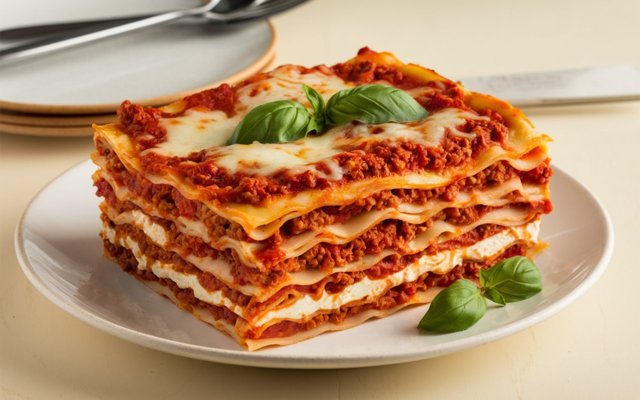
lasagna dish at Cicilardone restaurant Rome Italy

Local cuisine

Cicilardone a Monte Caruso

4.5

Exhibition

Carlos Garaicoa – "The Gardens of Piranesi"

May 14 - Aug 8
Galleria Continua - Roma
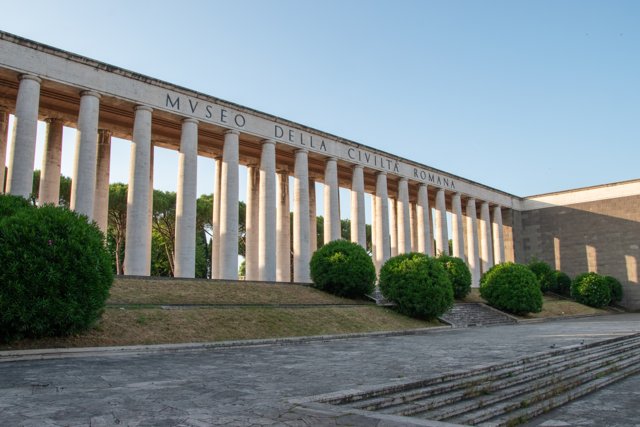
Museo delle Civiltà Roman columns Rome Italy

Museums and Galleries

Museo delle Civiltà

In the sleek, marble heart of Rome’s EUR district, the Museo delle Civiltà rises like a time capsule of humanity. Conceived in 2016 from the union of four historic museums, this monumental space gathers the echoes of distant ages—where prehistoric ingenuity, medieval art, and Eastern mysticism converge in perfect harmony. Each of its sections opens a window onto a different world: prehistoric artifacts and ethnographic wonders collected by Luigi Pigorini; hand‑crafted jewelry, costumes, and objects narrating Italy’s vernacular spirit; medieval relics whispering of Rome's forgotten churches; and delicate Asian masterpieces, from Gandhara to Japan, gathered by the explorer Giuseppe Tucci himself. Walking through its galleries feels like traveling through time and across continents without leaving Rome. The Museo delle Civiltà isn’t just a museum—it’s a mosaic of humanity, where every exhibit breathes life into traditions, creativity, and memory, inviting travelers to rediscover the beauty of cultural connection across centuries. For more information on reservations and prices, consult its official website.
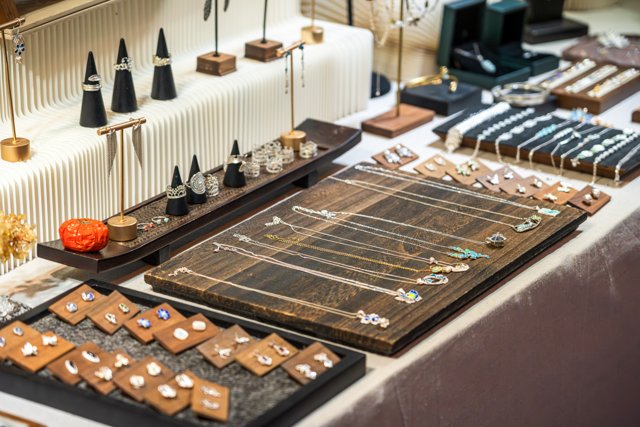
Jewelry stall at Monti Market Rome

Shops and Street Markets

Monti Market

Once the bohemian hideout of Rome’s artists, Monti has reinvented itself as one of the city’s most fashionable neighborhoods—and at its heart beats the Mercato Monti, a weekend ritual for locals and curious travelers alike. Beneath the cobbled charm and buzzing energy, this market celebrates the soul of modern Roman creativity. Every Saturday and Sunday, Via Leonina transforms into a vibrant labyrinth of pop‑up stalls and designer corners where imagination takes tangible form. Here, handmade jewelry gleams beside vintage curiosities, wooden bow ties rest next to silk scarves, and recycled fabrics are reborn as artful accessories. Each piece tells a story—one stitched, carved, or painted by passionate local artisans. Wandering through Monti Market feels like exploring the future of craftsmanship anchored in centuries of Italian style. It’s more than a market; it’s a cultural encounter pulsing with innovation, beauty, and authenticity—a must for anyone seeking the heartbeat of a new, creative Rome. For more information on reservations and prices, consult its official website.
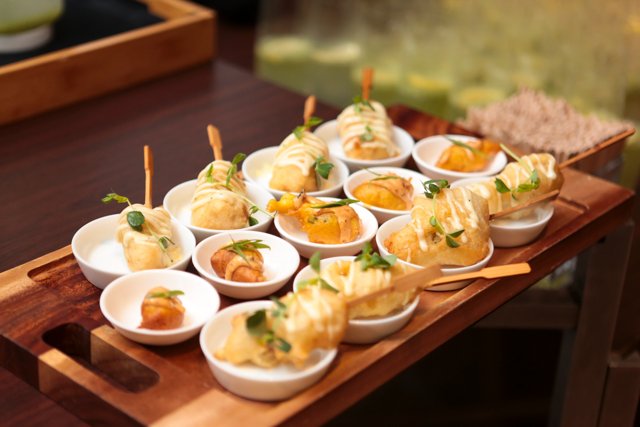
appetizers at Arrosticini Divini restaurant Rome

Local cuisine

Arrosticini Divini

4.5
black caviar on blinis with cream Vi&Mi Aventino Rome

Local cuisine

Vi&Mi Aventino

4.4

Exhibition

"Troy and Rome. Myths, legends, stories of the ancient Mediterranean", the exhibition at the Colosseum

Jun 12 - Oct 18
Parco archeologico del Colosseo
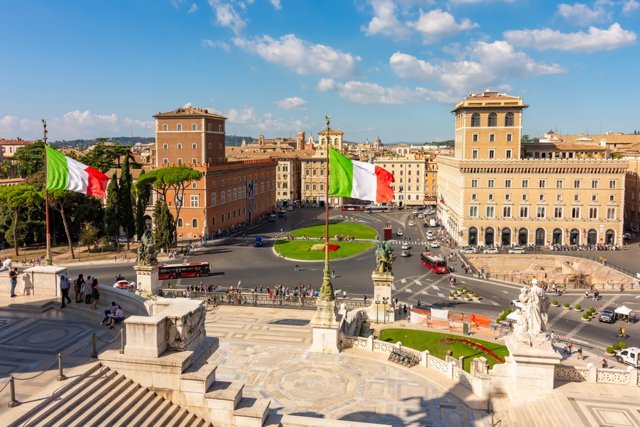
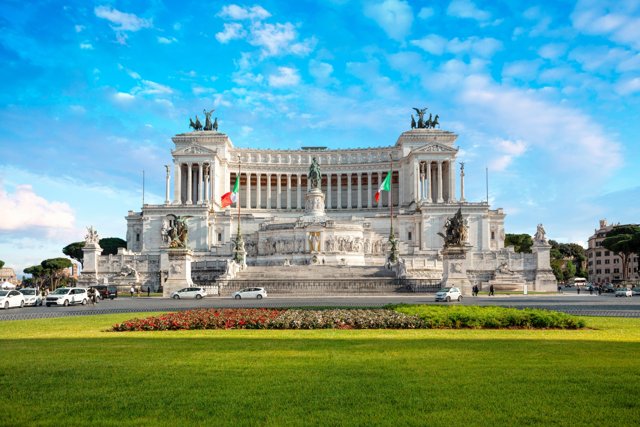
Piazza Venezia square with Italian flags Rome Italy

Sights and Monuments

Piazza Venezia

At the crossroads of empires and eras, Piazza Venezia beats like the heart of Rome itself. Surrounded by monuments that command awe, its centerpiece—the colossal Vittorio Emanuele II monument—rises in glimmering white marble, commemorating the unification of Italy with all the pomp and pride of a nation reborn. This grand square binds ancient and modern Rome in a single breath. On one side, remnants of the Roman Forum whisper of centuries past; on the other, Via del Corso stretches toward the city’s lively, contemporary core. Looming nearby, the historic Palazzo Venezia adds gravitas and intrigue, its façade forever linked to history’s defining speeches. Standing here is to feel the rhythm of Rome—car horns blending with church bells, footsteps echoing between marble and sunlight. From triumph and tragedy to art and cinema, Piazza Venezia embodies the eternal tension and beauty of a city that forever bridges past and present.

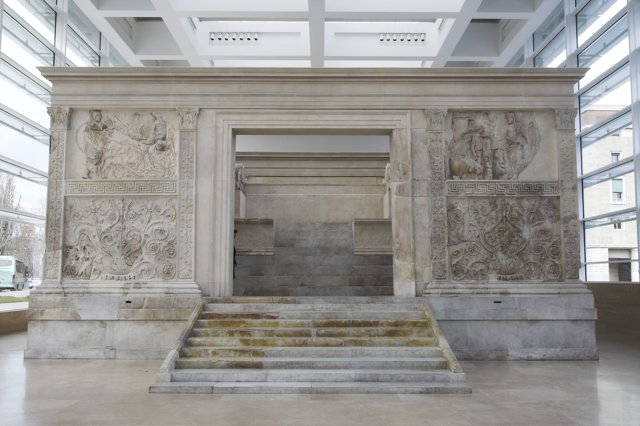
Ara Pacis altar inside museum Rome Italy

Museums and Galleries

Museum of the Ara Pacis

Sheathed in glass like a luminous jewel, the Museum of the Ara Pacis cradles one of Rome’s most sacred relics—the Altar of Peace, commissioned by Augustus. Designed by architect Richard Meier in 2006, this contemporary sanctuary marries minimalist elegance with classical grandeur, creating a space where light dances across ancient marble. Inside the Museum of the Ara Pacis, clean lines and expansive windows amplify the altar’s intricate reliefs. Marble processions of Augustus’ family glow ethereally, while mythical figures breathe life into Rome’s foundational legends. Multimedia exhibits and rotating displays deepen the story of peace as both divine ideal and imperial triumph. Visiting the Museum of the Ara Pacis feels transcendent. Modern glass embraces ancient stone, inviting contemplation of harmony across millennia. This architectural dialogue transforms a historical artifact into a living meditation—where Rome’s past illuminates its future in perfect, timeless balance. For more information on reservations and prices, consult its official website.

saltimbocca dish at La Campana restaurant Rome

Local cuisine

La Campana

4.3
Saltimbocca dish with salad at Accademia Del Gusto Rome

Local cuisine

1990 Accademia Del Gusto

4.6
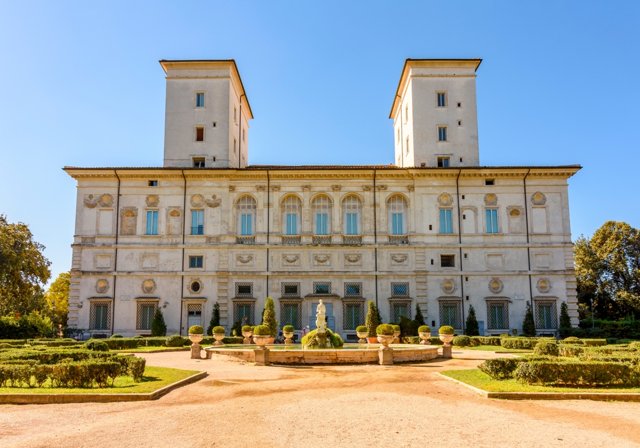
Borghese Gallery facade with garden in Rome

Museums and Galleries

Borghese Gallery

Nestled within Villa Borghese’s lush gardens, the Borghese Gallery began as Cardinal Scipione Borghese’s private passion between 1576 and 1633. This opulent villa-turned-museum houses one of the world’s finest private collections, where Renaissance genius meets classical antiquity in breathtaking harmony. Visitors wander sunlit salons filled with masterpieces: Caravaggio’s dramatic shadows, Bernini’s marble that seems to breathe, Raphael’s serene Madonnas, Titian’s vibrant canvases, and da Vinci’s subtle mysteries. From 1st- to 3rd-century Roman antiquities to Botticelli’s ethereal grace, every room pulses with centuries of creative fire. Stepping inside feels like entering a secret garden of the soul. The gallery’s intimate scale fosters profound connection—art that whispers rather than overwhelms, surrounded by nature’s embrace. Here, Rome reveals its deepest elegance: where beauty, history, and wonder bloom eternally together. For more information on reservations and prices, consult its official website.

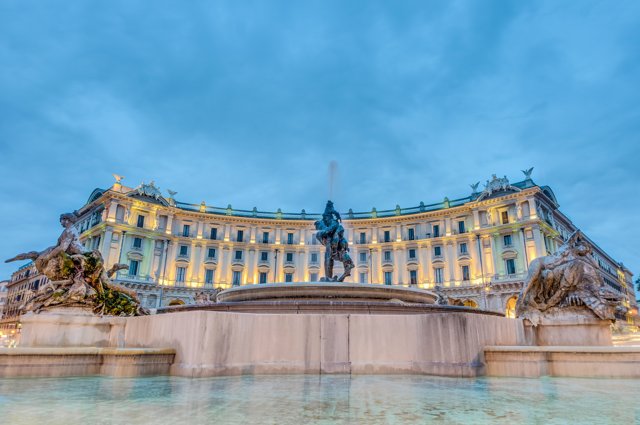
Piazza della Repubblica fountain and building Rome

Sights and Monuments

Piazza della Repubblica

When its nude nymphs first emerged in 1912, Piazza della Repubblica ignited outrage across Rome—leading to calls for their removal and temporary cover-up. Today, this grand square stands unapologetically magnificent, its central Fountain of the Naiads celebrating water’s wild forms: ocean, river, underground, and surface. Encircling the fountain, a majestic rotunda anchors elegant palazzos and the Basilica of Santa Maria degli Angeli, transforming ancient baths into sacred space. Bustling cafés, grand hotels, and Via Nazionale’s energy frame this crossroads of Rome’s historic heart and modern pulse. By night, lights dance across marble and water, revealing the square’s true enchantment. Here, Romans sip espresso amid tourists, history meets daily life, and every glance evokes the city’s fearless spirit—a timeless stage where beauty triumphs over convention.

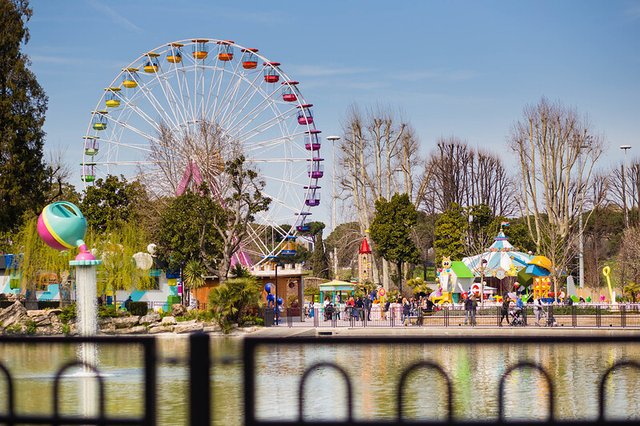
ferris wheel and amusement park rides in Luneur Park Rome

Theme parks

Luneur Park

Beneath the Roman sun, laughter drifts through the air as Luneur Park comes alive—a vibrant world of color and joy nestled in the city’s EUR district. Spanning over 60,000 square meters, this iconic park transforms a simple day in Rome into a dazzling adventure filled with imagination and delight. Designed to enchant both children and adults, Luneur Park boasts 21 attractions set amid lush gardens and leafy avenues. Visitors can ride glittering carousels, soar on the Ferris wheel, and wander along paths dedicated to biodiversity, where fun and respect for nature flourish side by side. Every moment inside radiates happiness. Families share picnics under the open sky, friends revel in carefree laughter, and every turn feels like rediscovering childhood wonder. Luneur Park isn’t just an amusement park—it’s a spellbinding celebration of joy, connection, and eternal playfulness. For more information on reservations and prices, consult its official website.

Neapolitan pizza at I Veraci restaurant Rome

Local cuisine

I Veraci

4.5
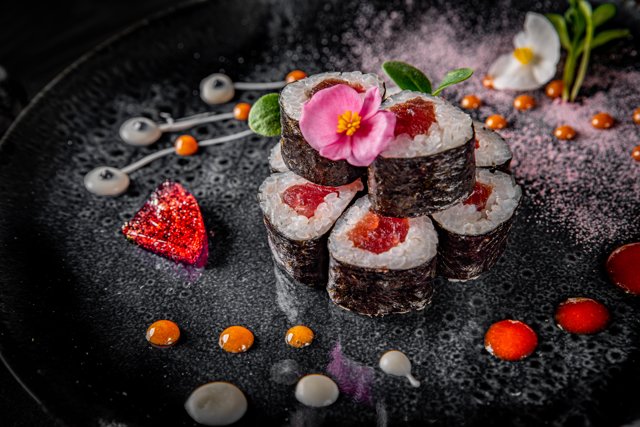
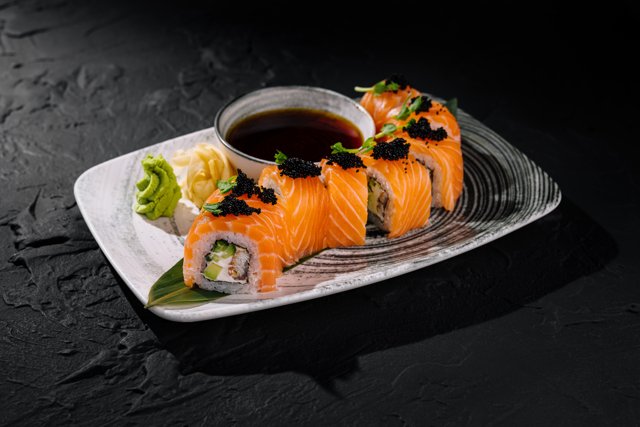
sushi roll with flower decoration Ristorante Sushi Koi Rome

Japanese cuisine

Ristorante Sushi Koi

4.3

Concert

Wes Banderson brings Wes Anderson's Soundtrack to Rome

Sep 20
Monk
ornamental garden with trimmed hedges Vatican Gardens Rome

Nature and Parks

Vatican Gardens

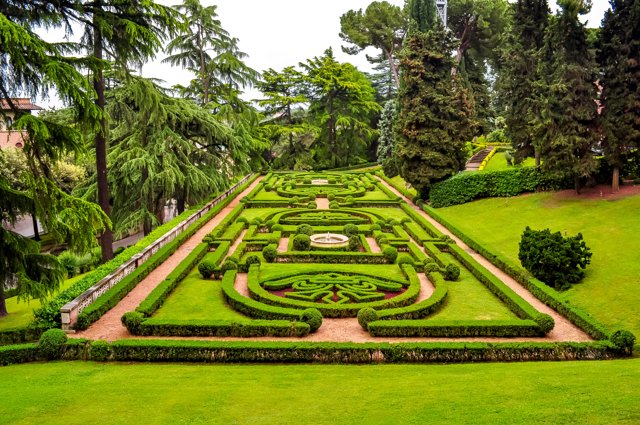
Hidden behind the Vatican’s ancient walls lies one of the world’s most exclusive sanctuaries—the Vatican Gardens, a living tapestry of faith and nature. Spanning 23 hectares, these private grounds have served for centuries as the Pope’s haven of reflection, blooming with color, fragrance, and divine tranquility throughout the year. Sweeping across nearly two-thirds of Vatican City, the gardens fuse three artistic landscapes—Italian precision, French elegance, and English romanticism. Winding paths lead visitors past marble fountains, centuries-old towers, and verdant grottos dedicated to saints and the Virgin Mary. Each turn reveals a breathtaking harmony between human artistry and heavenly design. Strolling here feels like crossing into a sacred whisper of creation—where rustling leaves replace cathedral choirs and peace itself becomes the prayer. The Vatican Gardens offer not just beauty, but renewal: a silent encounter with the divine through the art of nature and time. For more information on reservations and prices, consult its official website.

residential buildings in Parioli Rome under blue sky

Neighborhoods

Parioli

Rome’s glamour finds a new expression in Parioli, where sweeping green avenues meet avant-garde architecture from masters like Renzo Piano, Pier Luigi Nervi, and Zaha Hadid. Nestled between the historic center and northern suburbs, this neighborhood blurs the line between sophistication and spontaneity, where city life feels refreshingly alive and effortlessly chic. Parioli’s allure lies in its contrasts. Modern masterpieces rise beside lush villas, and leafy parks invite calm between bold urban lines. Around Piazzale Ungheria and Piazza Euclide, fashionable bars, cafes, and fine-dining restaurants buzz with laughter and conversation—a stage for Rome’s stylish, cultured crowd to see and be seen. And when the night unfolds, so does its rhythm. The legendary Piper Club, Rome’s swinging heart since the 1960s, still thunders with music and history, propelling both nostalgia and creativity forward. Parioli isn’t just a district—it’s a mood, an attitude, and the eternal pulse of Roman sophistication.

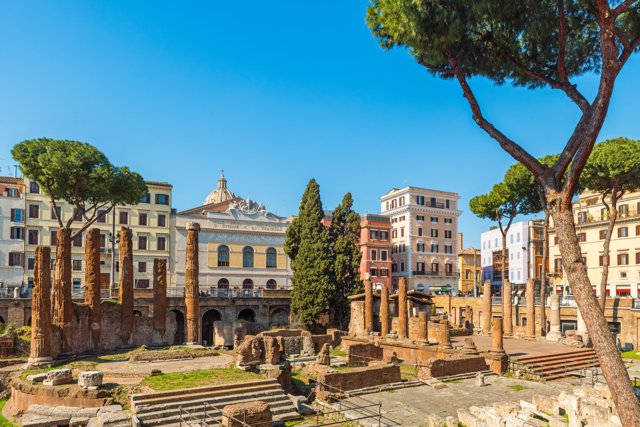
Temple of Apollo Palatinus ruins in Rome

Historical Sites

Temple of Apollo Palatinus

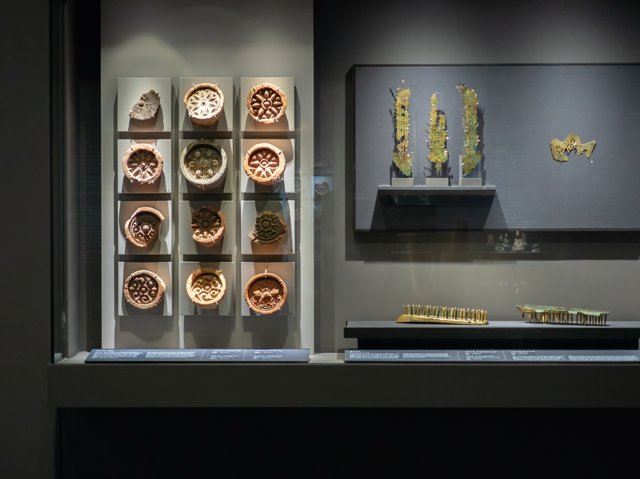
Perched high upon the Palatine Hill—the very cradle of Rome—the Temple of Apollo Palatinus stands as Caesar Augustus’s divine tribute to the god of light, music, and prophecy. Hidden for centuries beneath the earth, its remains were rediscovered in 1960, whispering tales of a glorious empire wrapped in marble and myth. Archaeological excavations revealed a vast terrace, 70 by 30 meters, where the temple once gleamed in travertine and colored stone. Among its rediscovered treasures were exquisite terracotta slabs depicting mythic scenes: Hercules and Apollo’s celestial duel for the Delphic tripod, Perseus and Athena triumphing over the Medusa—each fragment alive with ancient artistry. Walking these ruins, travelers sense the pulse of a Rome led not only by emperors, but by gods and legends. The nearby Palatine Museum deepens this spell, displaying relics drawn from these sacred stones—a journey where history, imagination, and the divine meet under the eternal Roman sky.

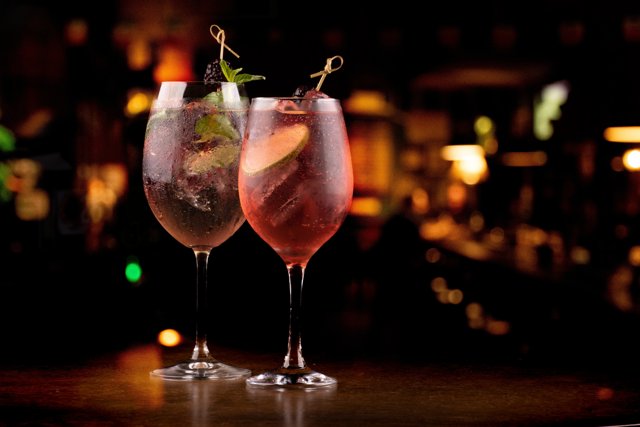
two cocktails at Jerry Thomas Speakeasy Rome

Bar

Jerry Thomas Speakeasy

4.5
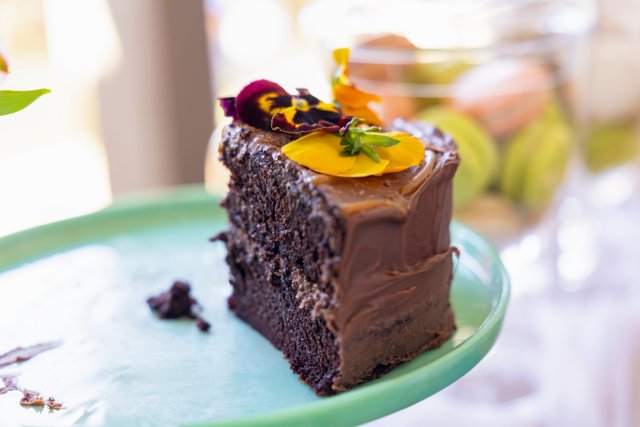
chocolate cake slice at Garden Risto Rome

Local cuisine

Garden Risto

4.4
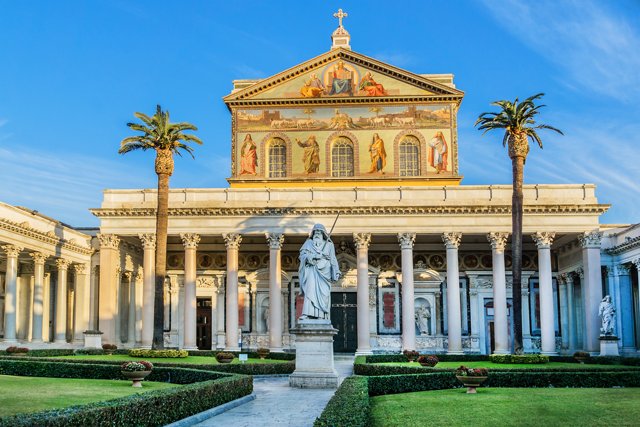
Basilica of Saint Paul Outside the Walls Rome

Historical Sites

Basilica of Saint Paul Outside the Walls

Resting on the sacred ground where the Apostle Paul was buried, the Papal Basilica of St. Paul Outside the Walls rises in solemn majesty, its golden mosaics and towering columns echoing centuries of faith. As the second-largest basilica in Rome, its Byzantine splendor radiates both history and divine serenity. Stepping through its doors reveals a cathedral of light and silence. Massive marble columns line the nave like sentinels of eternity, leading the eye toward shimmering mosaics that blaze like celestial fire. Outside, 150 columns enclose an ethereal atrium, where the golden façade glimmers beneath Rome’s dazzling sun. The adjoining cloister offers a different kind of sanctity—a monastic garden where herbs and trees mentioned in the Bible grow amid ancient relics. Here, faith meets reflection, and visitors find not only artistic wonder but also a tranquil dialogue between nature, theology, and the eternal rhythms of the soul. For more information on reservations and prices, consult its official website.

Monument to Victor Manuel II in Rome Italy

Sights and Monuments

Monument to Victor Manuel II

Crowning the Capitoline Hill in Piazza Venezia, the Monument to Victor Emmanuel II commands Rome’s skyline with unyielding grace. Erected in 1911 to honor Italy’s first king and the nation’s unification, this colossal white marble structure gleams in the sun—a national altar of unity, freedom, and enduring pride. Its grand symmetry, adorned with majestic statues and intricate friezes, mirrors the very spirit of the Italian people. Inside, visitors encounter galleries of art and exhibitions devoted to Italy’s rich history, while the Tomb of the Unknown Soldier—eternally guarded—honors those who gave their lives for the country’s rebirth. From the Terrace of the Quadrigas atop the monument, Rome unfolds like a living mosaic. Panoramic views sweep across the Colosseum and the Forum below, where ancient and modern Italy meet in radiant harmony. This breathtaking space transforms reflection into awe—a testament to beauty, sacrifice, and national soul.

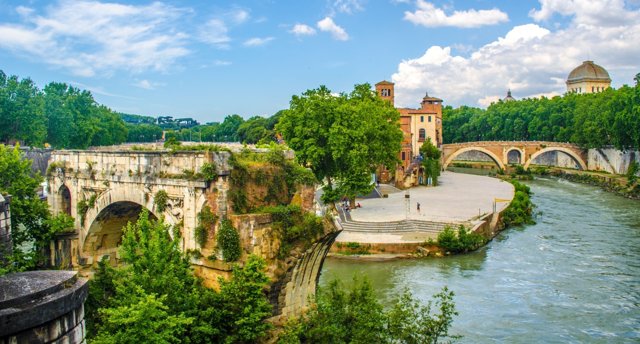
Tiber Island and ancient bridge in Rome Italy

Sights and Monuments

Tiber Island

Born from rebellion and legend, Tiber Island rests gracefully at the river’s heart—a jewel only 270 meters long, shaped, as the story goes, when Romans cast their deposed king’s wheat into the Tiber in 509 BC. From these defiant grains rose a sanctuary suspended between history and myth. Linked to the city by two ancient bridges—Cestius reaching the vibrant streets of Trastevere and Fabricius, Rome’s oldest, dating to 62 BC, connecting to the historic Jewish Ghetto—the island feels like a gateway between worlds. Its cobbled charm, riverside cafés, and summer markets transform it into a pocket of timeless tranquility. When the warm months arrive, Tiber Island awakens with life: open-air cinemas flicker under starlit skies, musicians play by the water, and laughter mingles with the hum of the current. More than an island, it’s a floating dream—Rome distilled into one blissful, magical embrace.

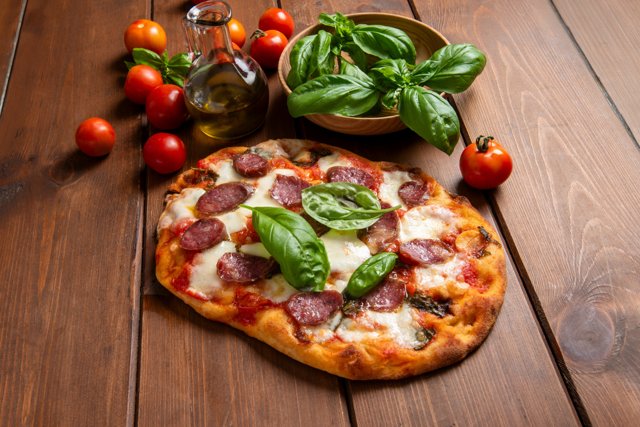
pinsa with salami and basil at Vladimiro restaurant Rome

Local cuisine

Vladimiro

4.5
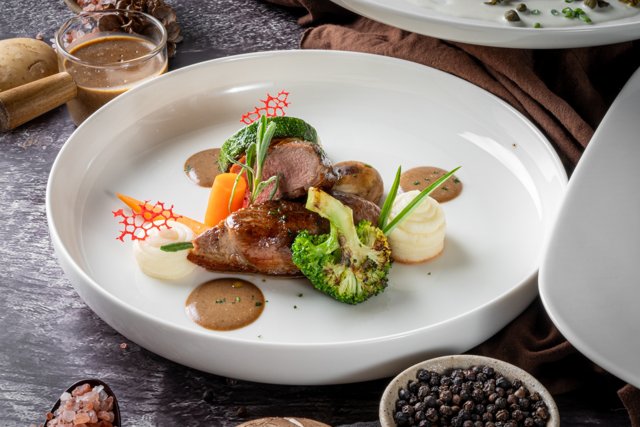
gourmet dish at Moma restaurant Rome

Michelin star

Moma

4.5
panoramic view of Janiculum Hill Rome Italy

Sights and Monuments

Janiculum Hill

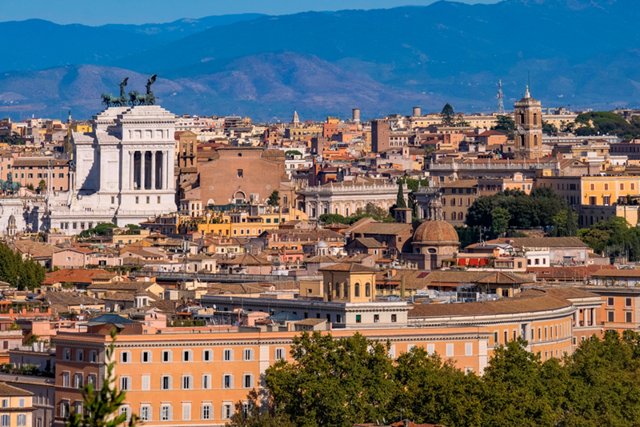
Crowned above the Eternal City, Janiculum Hill—often called Rome’s “eighth hill”—holds both history and heaven in its gaze. Once the fierce stage of Garibaldi’s defense of the Roman Republic in 1849, it now stands as a peaceful promenade honoring the courage that shaped modern Italy. Wandering its elegant paths, visitors discover sweeping panoramas of domes and rooftops glowing in golden light. Monuments of Garibaldi and his companions watch proudly over the city, while landmarks like the majestic Fontana dell’Acqua Paola, the Manfredi lighthouse, and San Pietro in Montorio add layers of grace to the hill’s timeless grandeur. As the sun descends, Janiculum transforms into a living postcard—the marble statues blush pink, the breeze hums through the pines, and Rome stretches endlessly below. It’s more than a viewpoint; it’s a place to pause, reflect, and fall in love with the city all over again.

Quirinale Palace with obelisk in Rome Italy

Historical Sites

Quirinale Palace

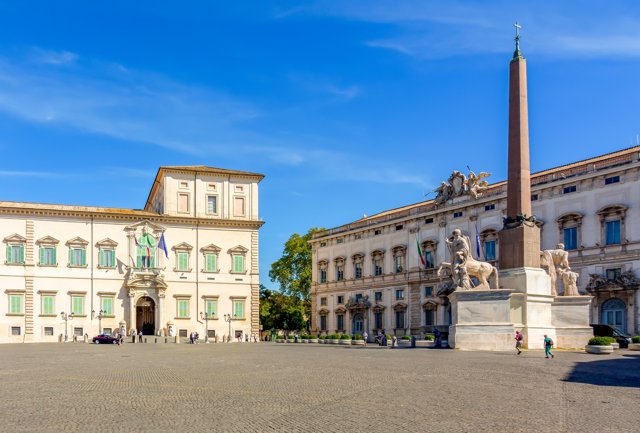
Once home to popes and kings, the Quirinale Palace now stands proudly as the official residence of the President of the Italian Republic—an enduring testament to five centuries of history, power, and art. Perched atop Rome’s highest hill, it reigns as one of the city’s most illustrious landmarks. Behind its stately neoclassical façade, adorned with statues and marble columns, lies a world of splendor. Visitors can wander through lavish halls, ornate galleries, and ceremonial chambers glowing with frescoes and gilded detail. The Royal Apartments, preserved with refined elegance, reveal the luxurious tastes of centuries past. Outside, meticulously landscaped gardens unfold across terraces offering panoramic views over Rome’s domes and rooftops—a serene contrast to the grandeur within. Each guided tour of the Quirinale Palace immerses travelers in Italy’s living history, where art, architecture, and national pride blend seamlessly into timeless beauty. For more information on reservations and prices, consult its official website.

ancient circular temple at Forum Boarium Rome

Sights and Monuments

Forum Boarium

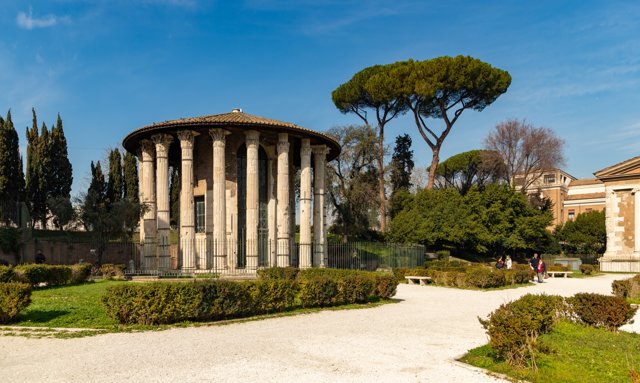
Long before Rome’s emperors rose to glory, the Forum Boarium bustled between the Tiber and the Palatine Hill as the city’s first cattle market—and a stage for myth itself. According to legend, Hercules once battled the giant Cacus here, reclaiming his stolen herd and earning divine honors with an altar built in his name: the Ara Maxima. This riverside quarter still breathes through centuries of history. Two temples, remarkably preserved, anchor its sacred landscape—the circular Temple of Hercules Victor, shimmering with marble columns, and the rectangular Temple of Portunus, majestic atop its podium, dedicated to the river god protecting ports and traders. Nearby, arches, warehouses, and the Cloaca Maxima trace Rome’s transformation from marshland to might. To wander the Forum Boarium is to touch the threshold between legend and life. The air itself seems charged with the spirit of Hercules, the murmur of ancient commerce, and the grace of classical perfection. Here, time stands still, and the eternal story of Rome begins anew beside the flowing Tiber.

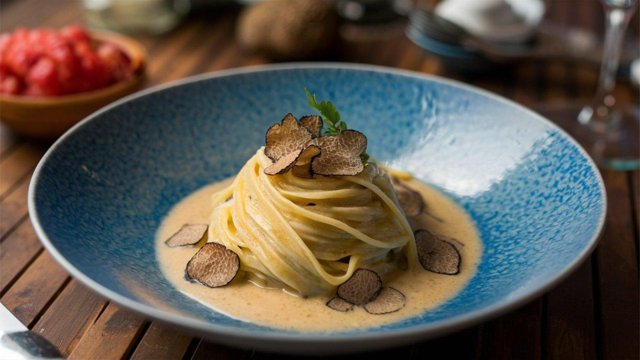
Tagliolini al Tartufo pasta dish at Giulia restaurant Rome

Local cuisine

Giulia

4
salmon sushi rolls with soy sauce at Somo Restaurant Rome

Japanese cuisine

Somo Restaurant

4
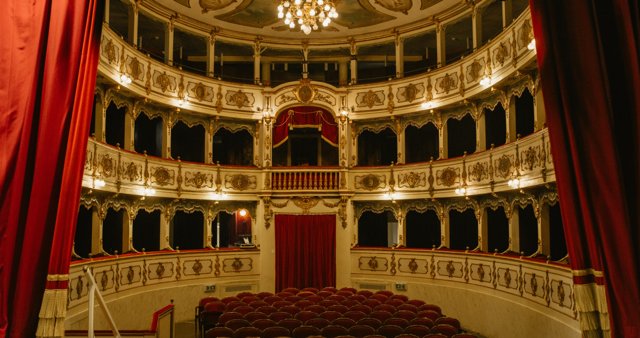
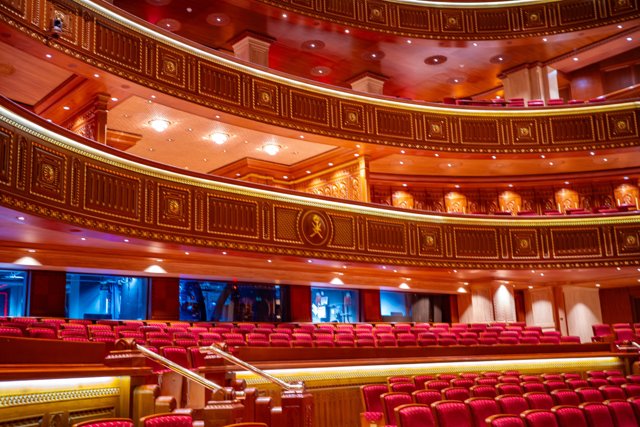
ornate interior balconies of Teatro dell'Opera di Roma Italy

Leisure Places

Teatro dell'Opera di Roma

Born at the twilight of the 19th century, the Teatro dell’Opera di Roma stands as a sanctuary of sound and spectacle in the heart of the Eternal City. For more than a century, its stage has been a meeting ground for the world’s greatest voices, dancers, and dreamers. Within its gilded walls, velvet draperies shimmer beneath crystal chandeliers while the orchestra’s first notes rise like a heartbeat through marble and gold. From Verdi’s sweeping arias to daring modern ballets, every performance ignites the union of art, passion, and timeless Roman elegance in an unforgettable embrace. Each evening, as the lights dim and the curtains part, audiences are transported beyond time itself. The Teatro dell’Opera is more than a venue—it is an experience of pure emotion, where history breathes through music, and the soul of Rome sings anew. For more information on reservations and prices, consult its official website.

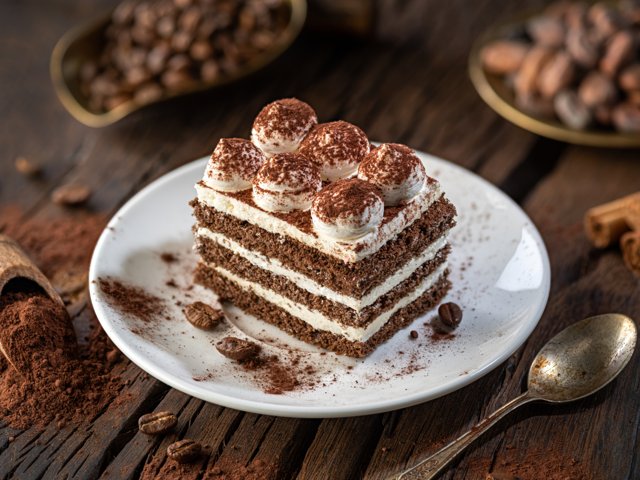
tiramisu dessert at Sellero Ventresca Due Rome

Local cuisine

Sellero & Ventresca Due

4
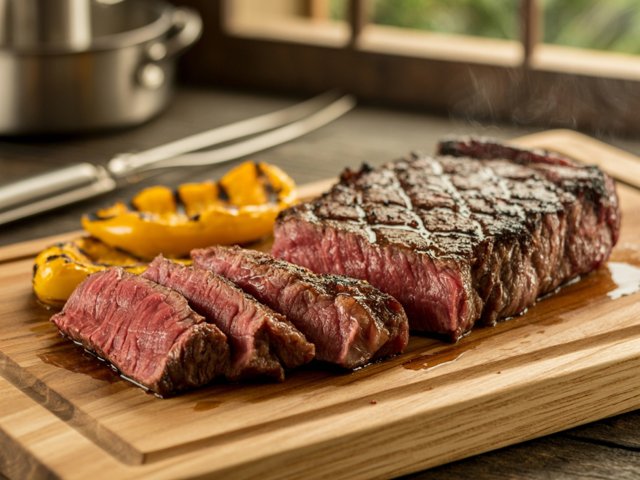
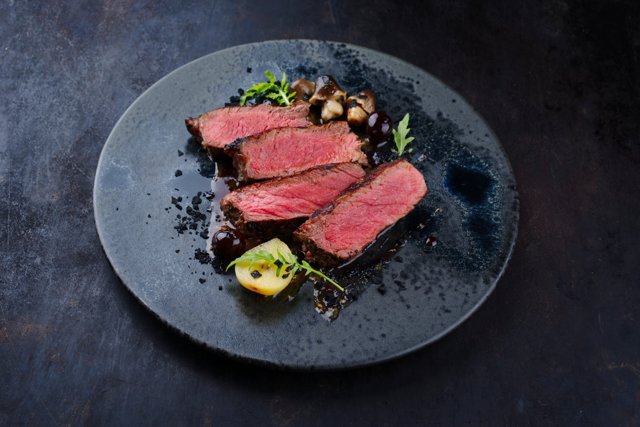
bull steak grilled served in Rome restaurant

Grill cuisine

Bull Steak

4
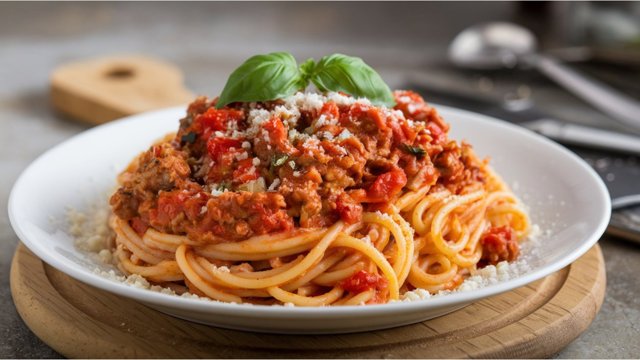
Spaghetti Bolognese at Hostaria Po Rome

Local cuisine

Hostaria Po

4
vegan burger at Romeow Cat Bistrot Rome

Vegan cuisine

Romeow Cat Bistrot

4
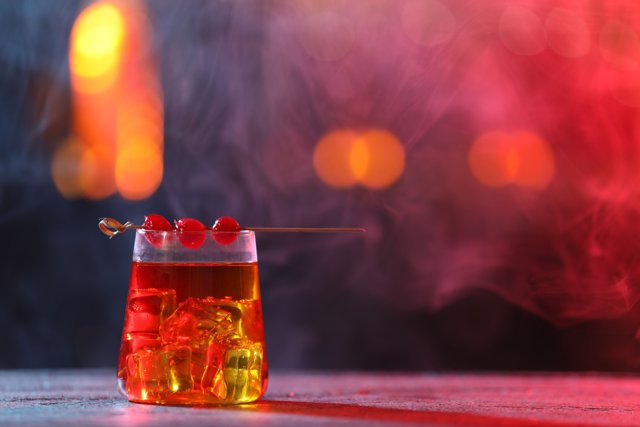
cocktail with cherries at Coming Out restaurant Rome

Bar

Coming Out

4
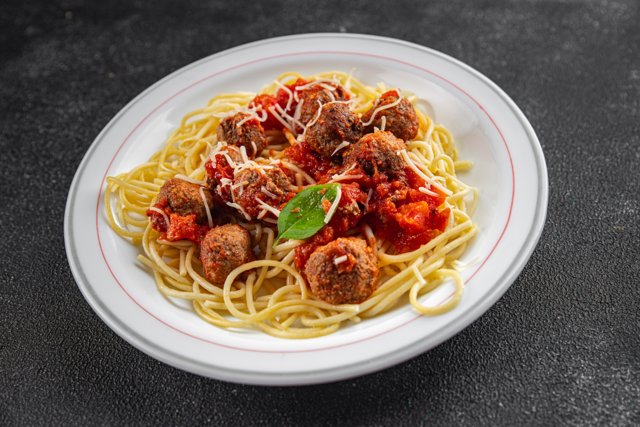
spaghetti with meatballs and tomato sauce Luma Bistrò Rome

Local cuisine

Luma Bistrò

4
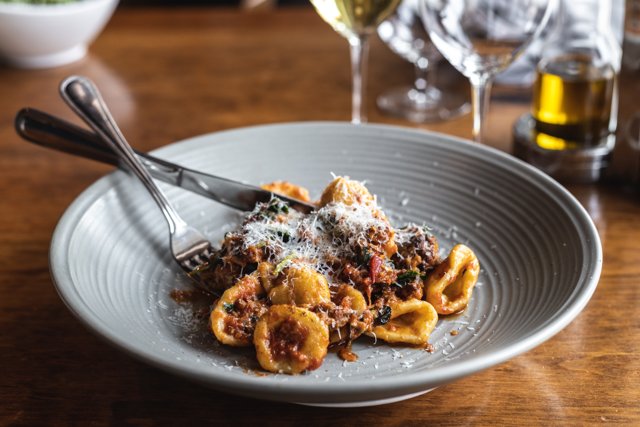
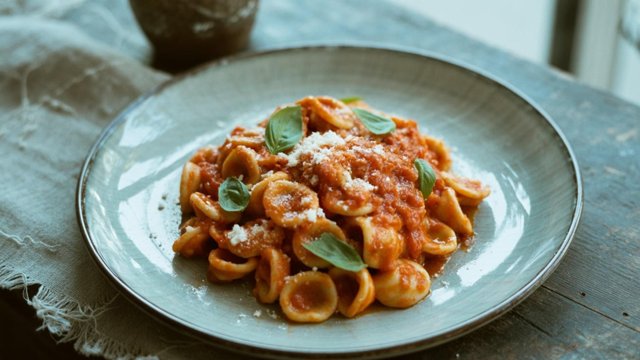
Orecchiette pasta with tomato sauce and basil Rome restaurant

Local cuisine

Il Fiore all'Occhiello

4
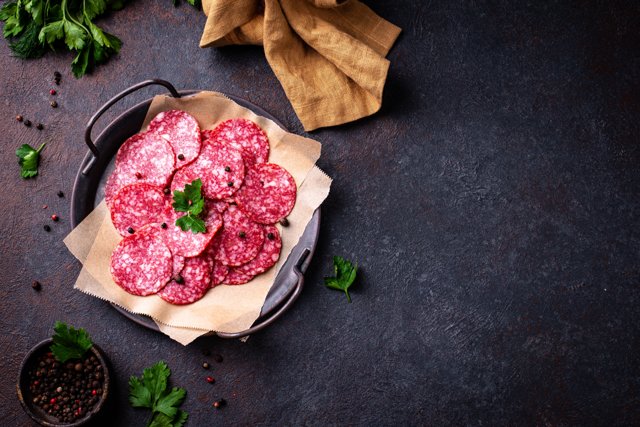
sliced salami on plate at Roscioli restaurant Rome

Local cuisine

Roscioli

4
sliced steak with garnish Lo Zio Frankie Rome

Local cuisine

Lo Zio Frankie

4
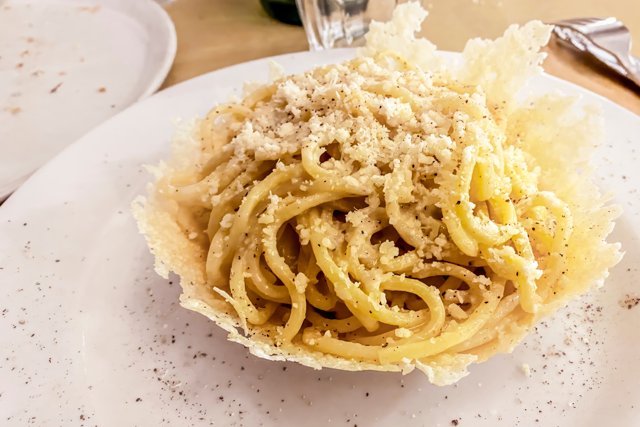
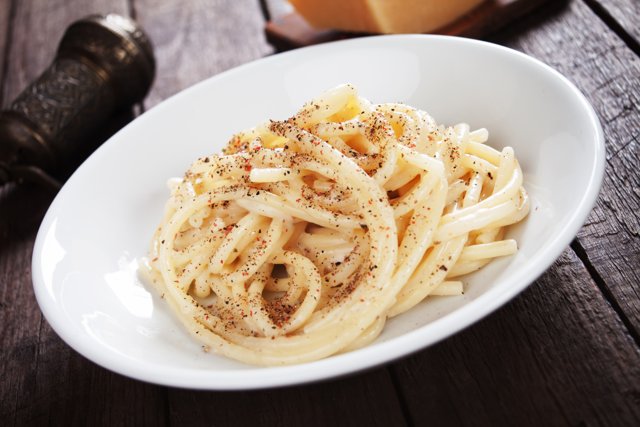
spaghetti cacio e pepe dish at Scomodo Rome restaurant

Bar

Scomodo Food & Music

4
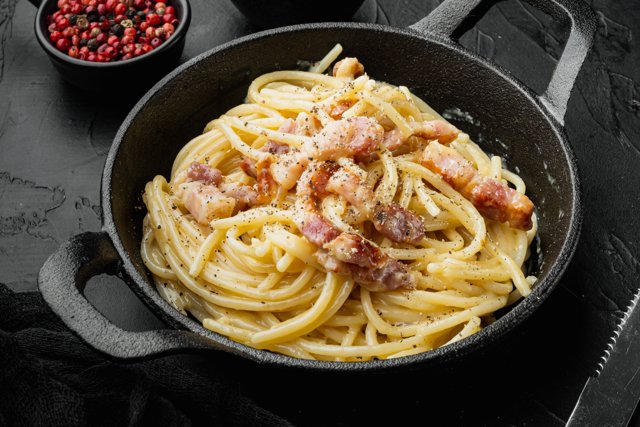
carbonara pasta dish at La Locanda dei Girasoli Rome

Local cuisine

La Locanda dei Girasoli

5
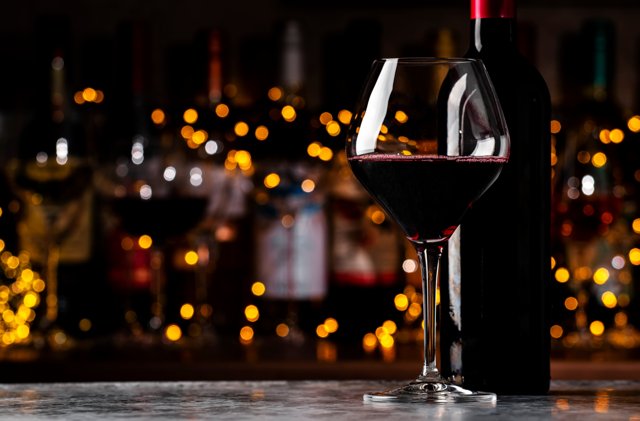
red wine glass and bottle at Essenza Wine Bar Rome

Bar

Essenza Wine Bar

5
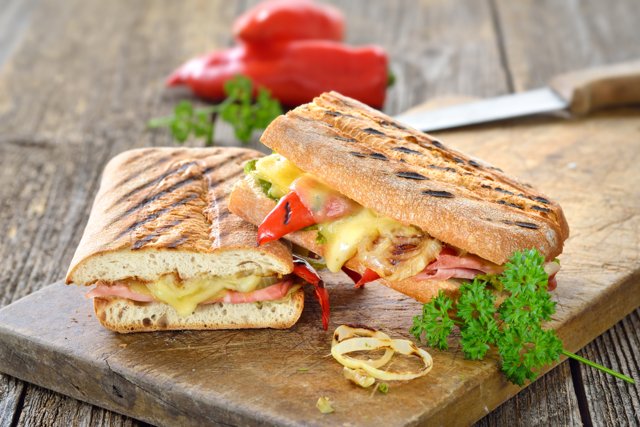
Grilled panini sandwich at Pianostrada Rome restaurant

Creative cuisine

Pianostrada

4
cacio e pepe gnocchi dish Rome Italy

Local cuisine

Va.Do

4.4
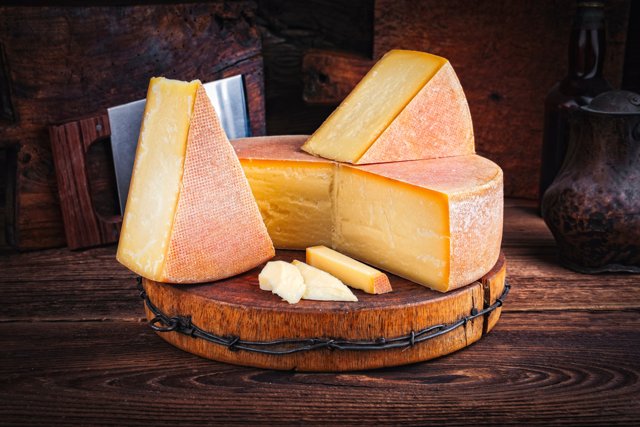
cheese assortment on wooden board Cul de Sac Rome

Local cuisine

Cul de Sac

4
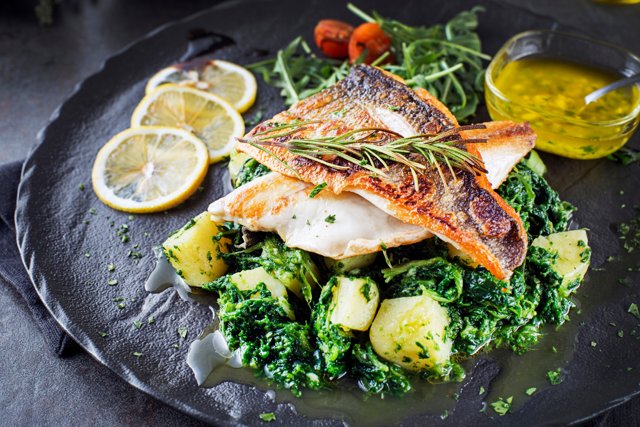
sea bass fillet with spinach and potatoes Mirabelle Rome

Local cuisine

Mirabelle

4.4
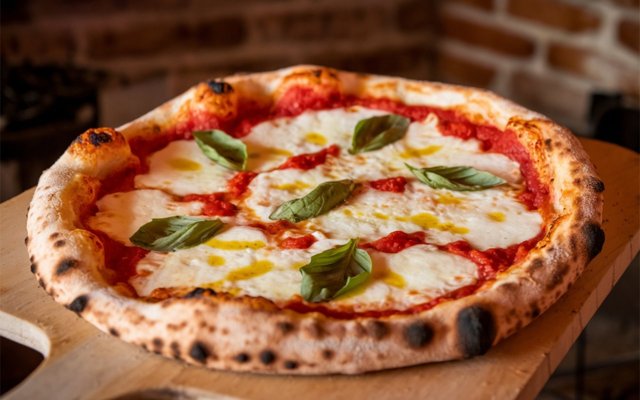
Pizza Margherita at Lo Convento restaurant Rome

Local cuisine

Lo Convento

4
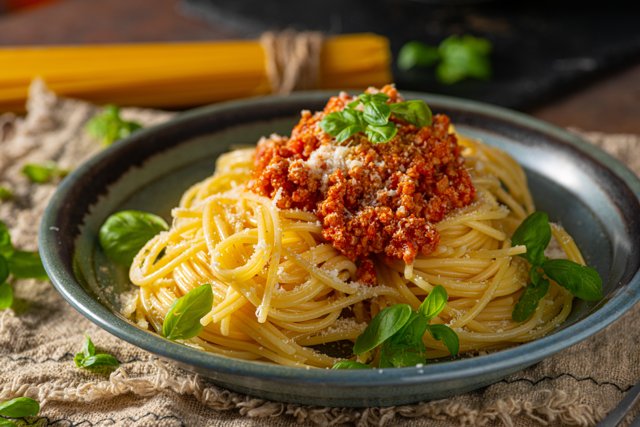
spaghetti with meat sauce and basil O'Masto Roma Italy

Local cuisine

O'Masto Roma

4.1
Pizza Capricciosa at Ai Tre Scalini restaurant Rome

Local cuisine

Ai Tre Scalini

4.5

Exhibition

The faldons of the Maxiprocesso on display at the Palace of Justice, exhibited 30 photographs by Maria Rapicavoli

Jun 26 - Sep 30
Palazzo di Giustizia
chocolate toffee dessert at Antico Forno Roscioli Rome

Coffee

Antico Forno Roscioli

4.5
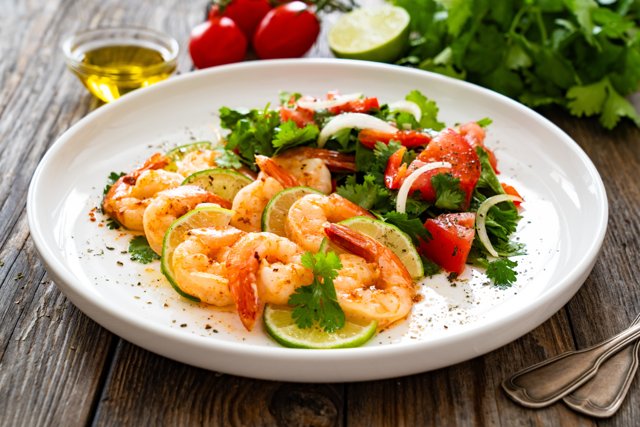
shrimp dish with lime and salad La Pergola Rome

Michelin star

La Pergola

4.6

Dancing

Romaeuropa Festival 2026: "CHORA – The void at the origin" opens its 41st edition

Jun 19 - Sep 8
Auditorium Conciliazione

Theater

"Francesco", Aldo Cazzullo and Angelo Branduardi at the Auditorium Conciliazione

Oct 8
Auditorium Conciliazione

Concert

Sal Da Vinci in concert at the Auditorium Conciliazione

Oct 9
Auditorium Conciliazione

Exhibition

Rodrigo Torres – ‘Água mole em pedra dura’

Jun 9 - Aug 13
rhinoceros

Concert

Capo Plaza in Rome

Jul 29
Roma Auditorium

Exhibition

Flowers. Wonderful Nature

Mar 14 - Sep 6
Cloister of Bramante

Exhibition

Portia Zvavahera – "Like Flowers We Fade"

Apr 29 - Nov 1
Fondazione Memmo ­Arte Contemporanea

Exhibition

Robert Mapplethorpe – "The forms of beauty"

May 29 - Oct 4
Ara Pacis

Exhibition

Julian Beck – "LIVING"

Jun 26 - Nov 14
Unknown venue

Exhibition

"Talking to strangers at night", at the Richter Fine Art gallery the personal exhibition of Vera Portadino

May 26 - Sep 11
Richter Gallery Fine Art

Concert

Roberto Vecchioni, "Between Silence and Thunder 2026" at Brancaccio: new date

Sep 30
Teatro Brancaccio

Circus

Tangier Acrobatic Group debuts at Brancaccio Theater

Jun 30 - Sep 27
Teatro Brancaccio

Concert

Le Vibrazioni

Nov 5
Largo Venue
$45.76

Exhibition

Alicja Kwade –" INFRASUPRA"

Oct 28 - Jul 29
FOROF

Exhibition

GAM 100. A century of Municipal Gallery 1925-2025

Dec 20 - Oct 11
Galleria d'Arte Moderna di Roma Capitale

Exhibition

Magic Lanterns, photographs from the Valerio De Paolis collection at the Carlo Bilotti Museum

Feb 14 - Sep 6
Aranciera di Villa Borghese

Exhibition

TAKK – "living"

Mar 20 - Jan 10
MAXXI - Museo nazionale delle arti del XXI secolo

Exhibition

Dinosaurs in Meat and Bones, the prehistoric-themed exhibition in Rome

Apr 1 - Dec 31
Appia Joy Park

Exhibition

A Rome la nuit. Photographs by Hervé Gloaguen

Mar 24 - Sep 6
Museo di Roma in Trastevere

Exhibition

Tragicomics

Apr 2 - Sep 20
MAXXI - Museo nazionale delle arti del XXI secolo

Exhibition

Festival des Cabanes

May 21 - Sep 28
Accademia di Francia

Exhibition

Max Peiffer Watenphul. Bauhaus painter

Apr 21 - Aug 23
Galleria Nazionale d'Arte Moderna e Contemporanea
Colosseum
Trevi Fountain
Baths of Caracalla
All'Oro
Il Pagliaccio
Jovanotti 1
Roman Forum
Vatican City, St. Peter's Square and Basilica 1
Vatican Museums
Moi
Matricianella
Sistine Chapel
Pantheon of Rome
Piazza Navona
La Gelateria Frigidarium
Felice A Testaccio
Zero Assoluto 1
Via Condotti
Colonna Palace
Basilica of Santa Maria Maggiore
Hostaria Da Cesare
La Scala
Castel Sant'Angelo
Basilica of St. John Lateran
Piazza Di Spagna
Kisaki Ramen & Sushi
Ginger
Jalen Ngonda 2
Capitoline Museums
Circus Maximus
Villa Borghese
Glass Hostaria
Chiaroscuro
Fiorella Mannoia 4
Palace of Italian Civilization
Bioparco di Roma
Leonardo Da Vinci Experience Museum
La Terrazza dei Papi
Casa Prati
Trajan's Market
Trastevere
Domus Aurea
Osteria Fernanda
Il Margutta
Cinecittà Studios
Catacombs of St. Callixtus
Room26
Taverna dei Fori Imperiali
Gandhi 2
Rinascente Rome
Mouth of Truth
Ancient Appian Way
Trattoria Pennestri
Junsei
Villa d'Este
Circolo Degli Illuminati
Via del Governo Vecchio
VII Coorte
Sottocasa Food
MagicLand
Arco di Costantino
Settimo Roman Cuisine & Terrace
Il Tagliere Toscano Navona
Alcazar Live
Explora - Il Museo dei Bambini di Roma
Basilica of Santa Maria in Trastevere
Sa Tanca Crostaceria
Art Cibò Ristorante dai Pupi
Metamorphosis. Ovid and the arts
Piazza del Popolo
Mercato Trionfale
Ostia Antica
La Famiglia
Makasar bistrot
Francesco De Gregori
MAXXI - National Museum of 21st Century Arts
Orange Trees Garden
Teatro Argentina
Modo Ristorante Caffè
Cicilardone a Monte Caruso
Carlos Garaicoa – "The Gardens of Piranesi"
Lake Albano
Museo delle Civiltà
Monti Market
Arrosticini Divini
Vi&Mi Aventino
"Troy and Rome. Myths, legends, stories of the ancient Mediterranean", the exhibition at the Colosseum
Zoomarine
Piazza Venezia
Museum of the Ara Pacis
La Campana
1990 Accademia Del Gusto
Teatro dell'Opera di Roma: Le Nozze di Figaro 1
Borghese Gallery
Piazza della Repubblica
Luneur Park
I Veraci
Ristorante Sushi Koi
Wes Banderson brings Wes Anderson's Soundtrack to Rome
Vatican Gardens
Parioli
Temple of Apollo Palatinus
Jerry Thomas Speakeasy
Garden Risto
Basilica of Saint Paul Outside the Walls
Monument to Victor Manuel II
Tiber Island
Vladimiro
Moma
Lazio v Genoa 6
Janiculum Hill
Quirinale Palace
Forum Boarium
Giulia
Somo Restaurant
Teatro dell'Opera di Roma
Sellero & Ventresca Due
Bull Steak
Hostaria Po
Romeow Cat Bistrot
Lecce v Roma 2
Coming Out
Luma Bistrò
Il Fiore all'Occhiello
Roscioli
Lo Zio Frankie
Scomodo Food & Music
La Locanda dei Girasoli
Essenza Wine Bar
Pianostrada
Va.Do
La Bottega Roma
Cul de Sac
I Virtuosi dell’opera di Roma: Vivaldi's Four Seasons at Basilica of San Nicola in Carcere
Mirabelle
Lo Convento
O'Masto Roma
Ai Tre Scalini
The faldons of the Maxiprocesso on display at the Palace of Justice, exhibited 30 photographs by Maria Rapicavoli
Antico Forno Roscioli
Ristorante Il Tino
Oratorio Del Gonfalone: Sound Visions Between Debussy and La Follia 2
Attiani
La Pergola
Rooftop Bar Opera Show: The Great Beauty in Rome 1
The Four Seasons in Rome: Guided Tour & Baroque Concert 1
I Virtuosi dell'opera di Roma: La Traviata in San Paolo Entro le Mura 1
Quintorigo
The Four Seasons by Antonio Vivaldi at Chiesa Evangelica Metodista 1
Steve Hackett 3
Romaeuropa Festival 2026: "CHORA – The void at the origin" opens its 41st edition 2
Djo 1
Rodrigo Torres – ‘Água mole em pedra dura’
Italian Opera Night by Candle Glow 1
Samara Joy
Capo Plaza in Rome
ozone dehumanizer
Candlelight: Tribute to Michael Jackson
Oratorio Del Gonfalone: Bach Album — Stories, Anecdotes, and Keyboards
Flowers. Wonderful Nature
Immanuel Casto 6
Slomosa
Portia Zvavahera – "Like Flowers We Fade"
Robert Mapplethorpe – "The forms of beauty"
Julian Beck – "LIVING"
"Talking to strangers at night", at the Richter Fine Art gallery the personal exhibition of Vera Portadino
JMSN
Roberto Vecchioni, "Between Silence and Thunder 2026" at Brancaccio: new date 1
Dinosaur Pile-Up
Laura Pausini
Lucio Corsi 6
Fat Freddy's Drop 1
Alicja Kwade –" INFRASUPRA"
Brunori Sas
Joe Jackson
GAM 100. A century of Municipal Gallery 1925-2025
Roma Summer Fest
Magic Lanterns, photographs from the Valerio De Paolis collection at the Carlo Bilotti Museum
Hermanos Gutierrez
TAKK – "living" 1
Dinosaurs in Meat and Bones, the prehistoric-themed exhibition in Rome
A Rome la nuit. Photographs by Hervé Gloaguen
Festival des Cabanes
Max Peiffer Watenphul. Bauhaus painter
Orient Express La Minerva
JO&JOE Roma
Mercure Roma Centro Termini
Sofitel Roma Villa Borghese
Mercure Rome Colosseum Centre
Mercure Roma Centro St. John
The Hoxton, Rome
Mama Shelter Roma
Mercure Rome Piazza Bologna
Mercure Rome Corso Trieste
Aparthotel Adagio Rome Vatican
ibis Styles Roma Aurelia
ibis Styles Roma Eur
Novotel Roma Eur
Mercure Rome Cinecittà
ibis Rome Fiera
ibis Styles Roma Vintage
Novotel Roma Est
Mercure Rome West
Mercure Rome Leonardo da Vinci Airport

What to do in Rome

Plan your trip

Entry Requirements & Travel Documents

Italy is part of the Schengen Area, which means EU and EEA citizens can enter the country with a valid passport or national ID card. Many non-EU travellers from visa-exempt countries can stay for up to 90 days within a 180-day period without a visa. Passport validity rules apply and vary by nationality.

From late 2026, travellers from many visa-exempt countries, such as the US, Canada, the UK, Brazil, Japan, and Australia, will need to obtain ETIAS authorisation before travelling to Italy and other Schengen states for short stays. Until ETIAS becomes operational, passport-only entry remains in place. Be sure to always check current requirements before departure.

Money, Currency & Paying in Rome

The local currency is the euro (€, EUR). Cards and contactless payments are widely accepted at hotels, most restaurants, larger shops, museums, and public transport. Smaller cafés, neighbourhood markets, street vendors, and some traditional trattorie may prefer cash, so keep some small-denomination notes and coins handy. 

Traveller cards should be used in euros to avoid poor exchange rates through dynamic currency conversion. If your bank applies international transaction controls, informing them before departure can help avoid unexpected card blocks.

Weather, Seasons & When to Visit

Rome’s climate is Mediterranean, with hot, dry summers and mild winters. Spring and autumn bring softer light across the city’s stone façades, making long walks between monuments especially rewarding.

Late spring (April to June) and early autumn (September to October) often offer the most pleasant balance of warm days, cooler evenings, and smaller crowds.

Summer (July and August) brings high temperatures, often above 30 °C, and peak visitor numbers, which can make outdoor sites and piazzas feel very busy. Winter (December through February) tends to be mild compared with northern Europe, though rain is more frequent and days are shorter.

Health Insurance

EU visitors should carry a valid EHIC (European Health Insurance Card) or GHIC (Global Health Insurance Card) for access to public healthcare in Italy, but this does not replace travel insurance.

Non-EU travellers are expected to have comprehensive travel medical insurance covering treatment, hospitalisation, and emergency repatriation. This is a formal entry requirement for many visa holders and is strongly recommended for all visitors, as hospitals may request payment or insurance details before providing non-emergency care.

Connectivity, Roaming & Mobile Data

Free Wi-Fi is common in hotels, cafés, and many public spaces in Rome, though coverage in outdoor and historic areas can sometimes be patchy.

If your mobile plan is from an EU/EEA provider, roaming across Italy and other EU countries is normally included at domestic rates under the EU “Roam Like at Home” rules, subject to fair-use limits. If your plan is not from the EU/EEA, roaming costs and coverage depend on your provider, so check details before departure.

If you plan to use mobile data for maps, bookings, or transport apps, consider a local SIM or eSIM from one of Italy’s major providers. 

Best hotels in Rome

Frequently asked questions

Is Rome a safe place to visit?

Yes. Rome is a welcoming and lively city that millions of travellers enjoy each year. Like any major destination, staying aware in crowded areas and on busy transport helps make your experience smooth and relaxed.

Do I need to book major attractions in advance?

For the most popular sites, such as the Colosseum, Vatican Museums, and Sistine Chapel, advance booking is highly recommended. Tickets can sell out days ahead, especially in high season, and by booking ahead, you can avoid queues and secure your preferred time.

Is Rome expensive compared with other European cities?

Rome sits in the middle range for major European capitals. It is generally more affordable than London and Paris, for example, particularly for food and transport, but can feel more costly than Madrid. With neighbourhood restaurants, local markets, and public transport, it’s easy to experience the city without excess.

What’s the best way to explore Rome?

Walking is one of the best ways to discover Rome. Many of the key sights are within a reasonable distance on foot, especially through the historic centre. For longer journeys, the metro, buses, and trams are reliable and easy to use.

Do people in Rome speak English?

Italian is the main language, but English is widely understood in hotels, museums, major attractions, and many restaurants. Learning a few simple Italian phrases will certainly enhance day-to-day interactions. 

How many days are enough to visit Rome?

Three days cover the main highlights, but four to five days will allow you to explore at a more comfortable pace. Rome is packed with history, neighbourhoods, and food culture, so an extra day gives you space to move between landmarks, local streets, and long meals without feeling rushed.

Top destinations