Rome

A city built for emperors, lived daily through espresso, pasta, and passing Vespas.

  • Rome

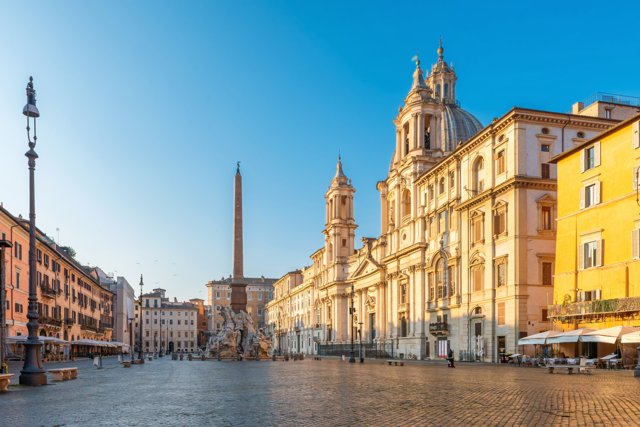
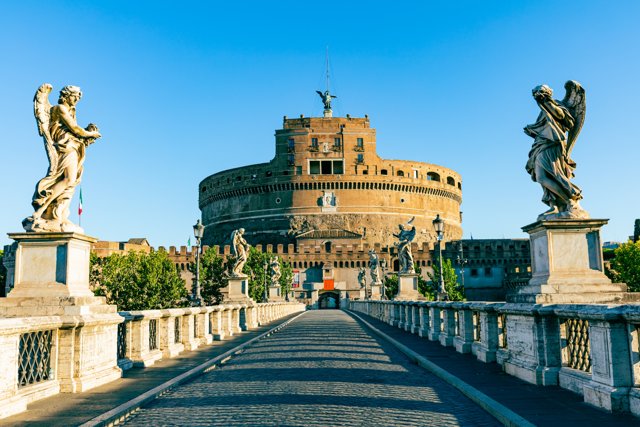
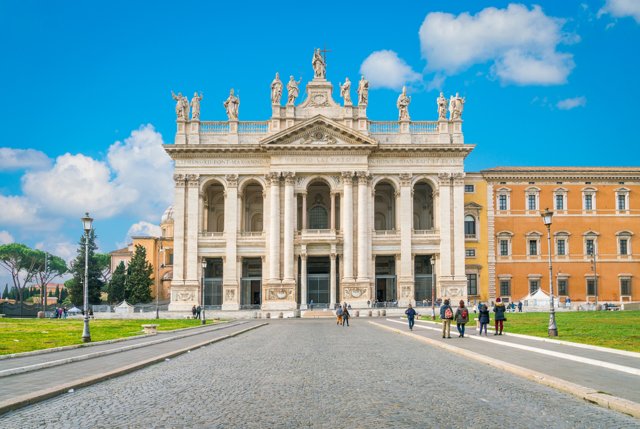
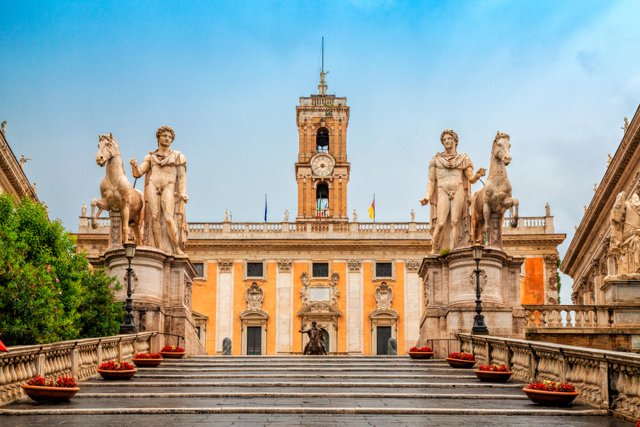
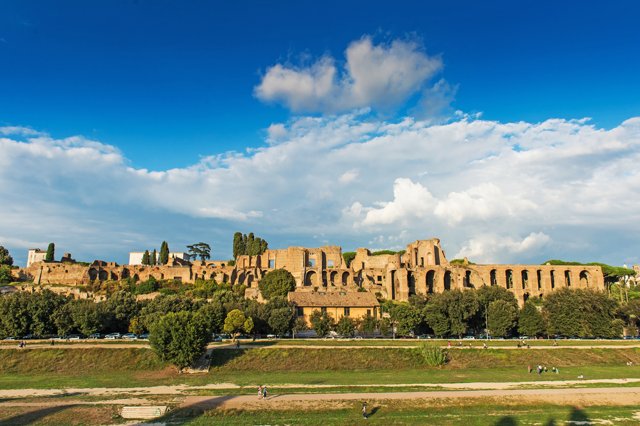
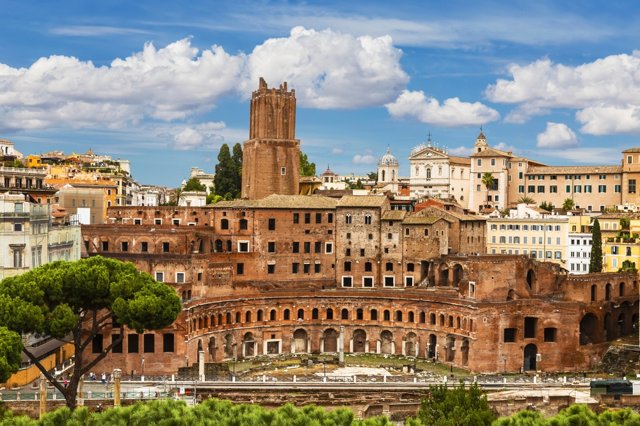
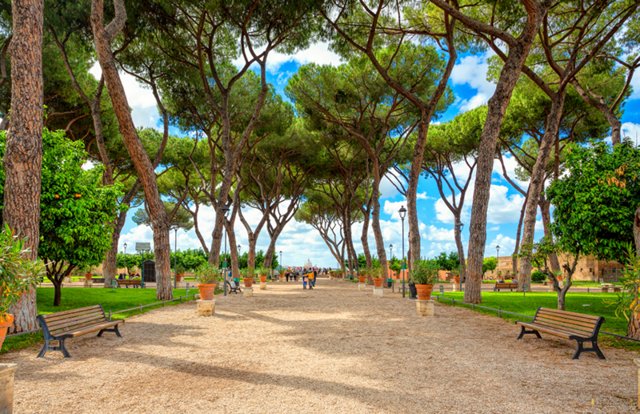
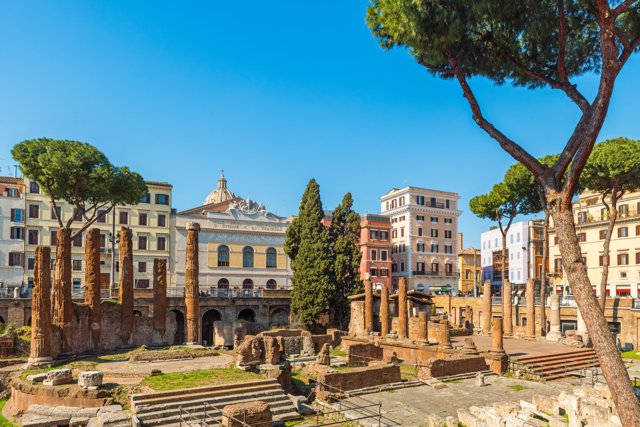
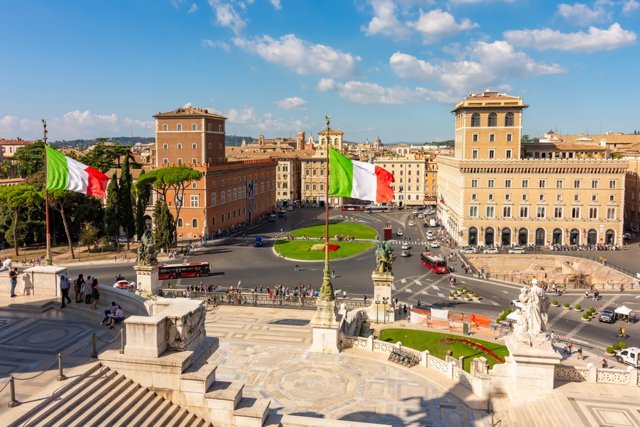
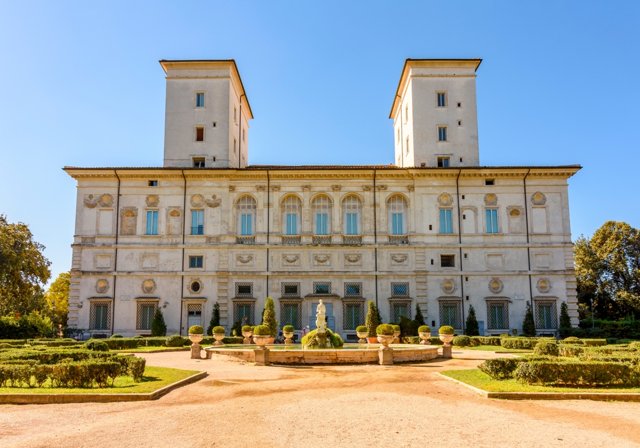
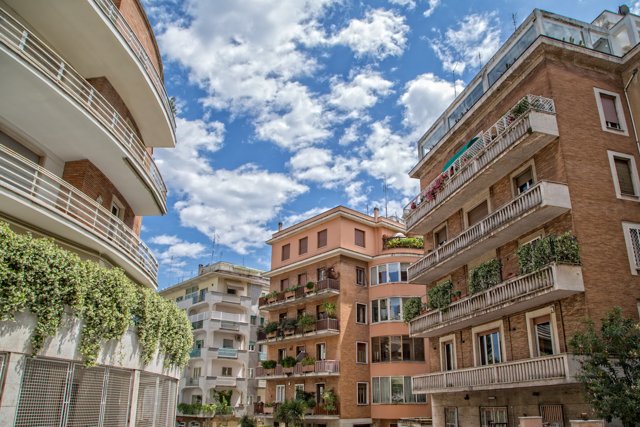
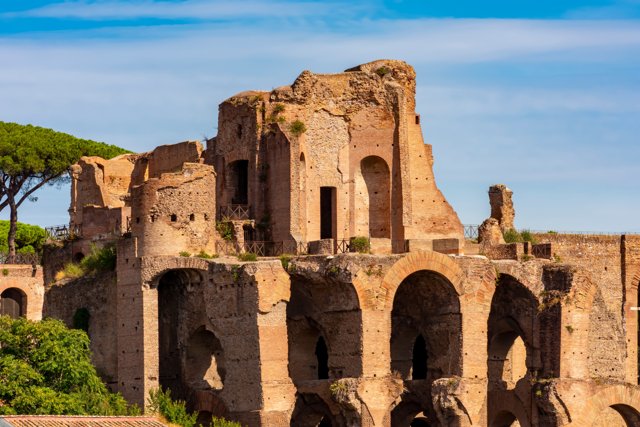
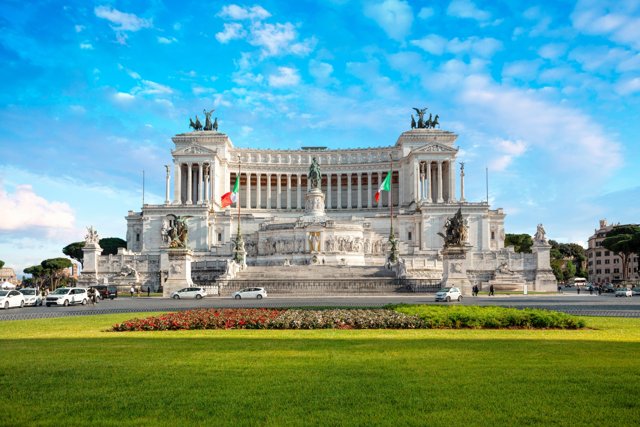
    Rome feels like an open-air museum that never stops functioning as a living city. Ancient arches, fractured columns, and vast piazzas shape the backdrop, yet daily life unfolds in small, familiar rituals: a quick espresso at the bar, laundry strung between buildings, scooters threading through narrow streets, plates of pasta arriving at neighbourhood trattorie.

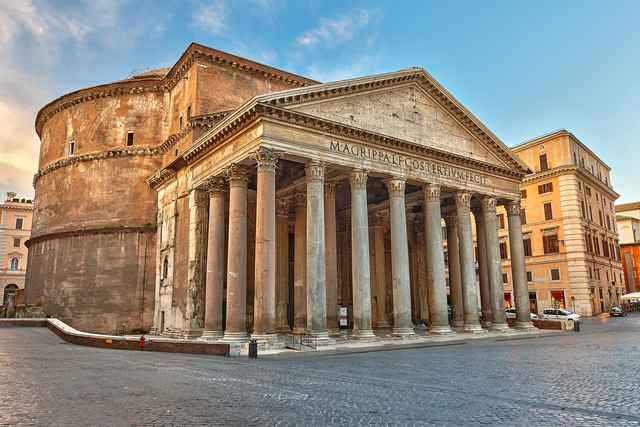
    The scale of the Eternal City can feel overwhelming at first. Everywhere you turn, something centuries old commands attention. Over time, the extraordinary becomes part of the ordinary. Landmarks such as the Colosseum and the Pantheon are not isolated monuments but part of the urban fabric, woven into commutes, conversations, and evening walks.

    Rome moves constantly between grandeur and intimacy. Its past is never hidden, yet it is never frozen. Here, history isn’t preserved behind glass — it is lived with, argued with, and passed daily on the way home.
Unique experiences in Rome

Plan your trip

Entry Requirements & Travel Documents

Italy is part of the Schengen Area, which means EU and EEA citizens can enter the country with a valid passport or national ID card. Many non-EU travellers from visa-exempt countries can stay for up to 90 days within a 180-day period without a visa. Passport validity rules apply and vary by nationality.

From late 2026, travellers from many visa-exempt countries, such as the US, Canada, the UK, Brazil, Japan, and Australia, will need to obtain ETIAS authorisation before travelling to Italy and other Schengen states for short stays. Until ETIAS becomes operational, passport-only entry remains in place. Be sure to always check current requirements before departure.

Money, Currency & Paying in Rome

The local currency is the euro (€, EUR). Cards and contactless payments are widely accepted at hotels, most restaurants, larger shops, museums, and public transport. Smaller cafés, neighbourhood markets, street vendors, and some traditional trattorie may prefer cash, so keep some small-denomination notes and coins handy. 

Traveller cards should be used in euros to avoid poor exchange rates through dynamic currency conversion. If your bank applies international transaction controls, informing them before departure can help avoid unexpected card blocks.

Weather, Seasons & When to Visit

Rome’s climate is Mediterranean, with hot, dry summers and mild winters. Spring and autumn bring softer light across the city’s stone façades, making long walks between monuments especially rewarding.

Late spring (April to June) and early autumn (September to October) often offer the most pleasant balance of warm days, cooler evenings, and smaller crowds.

Summer (July and August) brings high temperatures, often above 30 °C, and peak visitor numbers, which can make outdoor sites and piazzas feel very busy. Winter (December through February) tends to be mild compared with northern Europe, though rain is more frequent and days are shorter.

Health Insurance

EU visitors should carry a valid EHIC (European Health Insurance Card) or GHIC (Global Health Insurance Card) for access to public healthcare in Italy, but this does not replace travel insurance.

Non-EU travellers are expected to have comprehensive travel medical insurance covering treatment, hospitalisation, and emergency repatriation. This is a formal entry requirement for many visa holders and is strongly recommended for all visitors, as hospitals may request payment or insurance details before providing non-emergency care.

Connectivity, Roaming & Mobile Data

Free Wi-Fi is common in hotels, cafés, and many public spaces in Rome, though coverage in outdoor and historic areas can sometimes be patchy.

If your mobile plan is from an EU/EEA provider, roaming across Italy and other EU countries is normally included at domestic rates under the EU “Roam Like at Home” rules, subject to fair-use limits. If your plan is not from the EU/EEA, roaming costs and coverage depend on your provider, so check details before departure.

If you plan to use mobile data for maps, bookings, or transport apps, consider a local SIM or eSIM from one of Italy’s major providers. 

Airport & Main Arrival Hubs

Rome is served by two main airports: 

  • Leonardo da Vinci–Fiumicino Airport (FCO) is the primary international gateway, located about 30 km southwest of the historic centre. It handles most long-haul and full-service flights.
  • Ciampino Airport (CIA) lies roughly 12 km southeast of the city and mainly serves low-cost and charter airlines. 

Both airports have regular transport links to central Rome, though Fiumicino’s connections tend to be faster and more frequent.

Main Train Stations

Roma Termini is the city’s main rail hub, linking high-speed, regional, and intercity services across Italy and beyond. From here, you can continue on Italy’s rail network or connect easily with local transport.

Other key stations include Roma Tiburtina, which handles long-distance and high-speed routes to northern and southern Italy, and Roma Trastevere and Ostiense, which serve regional lines and connect with local transit.

From the Airport / Station to the City Centre

From Fiumicino, the Leonardo Express train runs non-stop to Roma Termini in about 30 minutes, departing roughly every 15–30 minutes. Another option is the regional FL1train, which connects the airport with stations such as Trastevere, Ostiense, and Tiburtina. Shuttle buses, such as Terravision, provide another cost-effective option, usually taking around 50–70 minutes depending on traffic. 

From Ciampino, local buses and shuttle services link to metro and train stations for onward travel, and taxis are available at both airports with set rates to the city centre.

Taxis & Ride-Hailing Services

Official taxis in Rome are white, metered, and display a licence number and the City of Rome crest. You will find them at ranks near major squares, train stations, and airports. Fixed fares apply between the airports and central Rome. 

App-based services such as Free Now and IT Taxi are widely used and let you book, track, and pay by card. Uber operates only through premium or taxi-based services, not budget rides.

Arrival Tips & Common Mistakes to Avoid

  • Avoid assuming taxis can reach every hotel door. Many historic streets are restricted to traffic, so expect a short walk at the end.
  • At stations and airports, rely only on clearly marked taxi ranks, official transport desks, or apps. Politely decline unsolicited offers of help, even if they seem convincing.
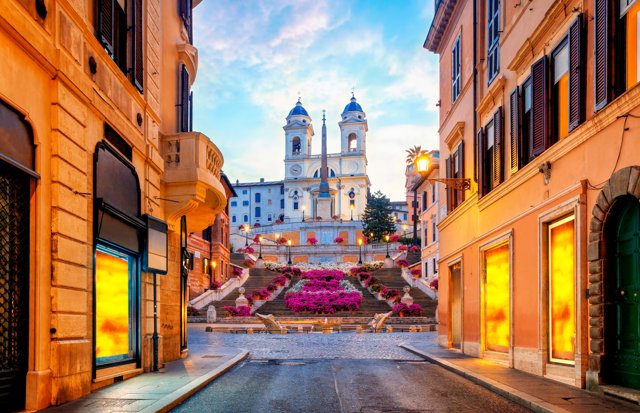
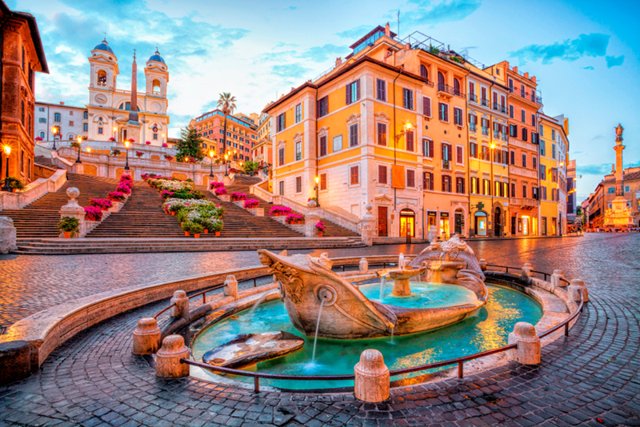
  • Although tempting, sitting on the Spanish Steps is no longer allowed, and fines are enforced.
  • Validate any paper ticket before boarding. Transport checks are routine, and fines apply even if the mistake is unintentional.

Public Transport & Zones

Rome’s public transport is extensive but uneven. Although the metro is fast and reliable, it is limited to three main lines because archaeology often halts expansion. Buses and trams fill the gaps, running through both historic streets and residential districts. 

The metro runs until late evening on most days, with night buses covering key routes afterward.

The official ATAC app, from Rome’s public transport authority, as well as Citymapper, provide live updates and route planning.

Tickets & Passes

Rome uses an integrated ticket system across metro, buses, trams, and urban trains. A single ticket is valid for 100 minutes across all services, with one metro entry. For short stays, 24-, 48-, or 72-hour passes simplify travel. 

Tickets are sold at metro stations, newsstands, tabacchi (tobacco shops), and vending machines. Remember to always validate paper tickets before boarding to avoid fines.

Contactless bank cards and mobile wallets can also be used directly on buses, trams, and at metro gates by tapping in and out, without buying a paper ticket.

Walking and Cycling

Central Rome is compact, and walking is often the fastest way to move between sights. With that said, some streets are uneven, and cobblestones are hard on shoes, so comfortable footwear is an essential item to pack.

Cycling is possible but can be somewhat challenging as bike lanes are limited and road surfaces are rough. If you do decide to rent a bike while in Rome, stick to riverside paths or quieter neighbourhoods.

Nearby Destinations / Day Trips

From Rome, you can easily reach coastlines, lakes, and historic cities, making day trips and short escapes surprisingly simple.

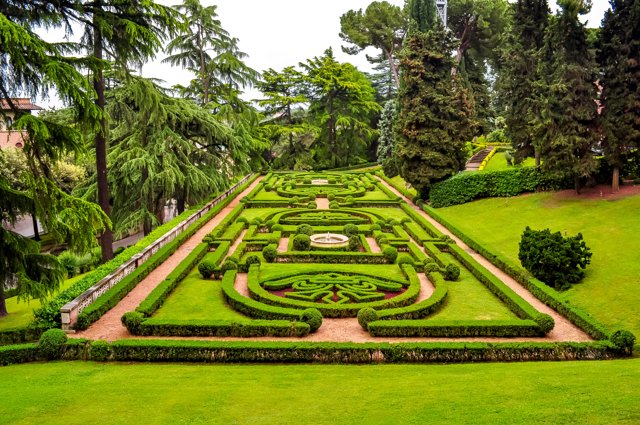
For a beach break, Ostia is about an hour away, while Tivoli draws visitors with its Renaissance villas and landscaped gardens. High-speed trains place Florence and Naples within easy reach, and Pompeii can be visited as a longer but manageable day trip via Naples.

Closer to the city, the hill town of Orvieto offers dramatic cathedral architecture and sweeping Umbrian views, while the lakes around Castel Gandolfo provide a quieter escape from Rome’s intensity.

Accessibility and Basic Safety Tips

Accessibility varies widely. Many buses are low-floor, but historic streets, steps, and uneven pavements can be difficult. Some metro stations have lifts, though not all are consistently operational.

Overall, Rome is a safe and welcoming destination. In busy areas, a little awareness goes a long way. Keep bags zipped, stay aware in crowded places, and enjoy the city with confidence.

Language, Culture & Local Etiquette

Italian is the main language spoken in Rome. However, English is widely understood in hotels, restaurants, museums, and at major attractions. Locals generally appreciate even a few words of Italian; a quick buongiorno (good morning), buonasera (good evening), per favore (please), or grazie (thank you) often changes the tone of an interaction and is usually met with warmer service.
Here, tipping is not expected. Rounding up or leaving small change is common in cafés and restaurants, but service is already included in most bills.
Romans value efficiency at the bar: you order, pay, drink, and move on. Sitting often costs more, especially in central areas. Conversations can feel lively and expressive, and service may be brisk rather than overly formal, this is part of the local rhythm, not a lack of politeness.

Neighbourhoods

In Rome, each district feels like a small town orbiting the same ancient core.

  • Centro Storico: The city’s historic heart, filled with ancient ruins, Renaissance palazzi, fountains, and narrow lanes. This is where Rome’s past and present overlap most visibly.
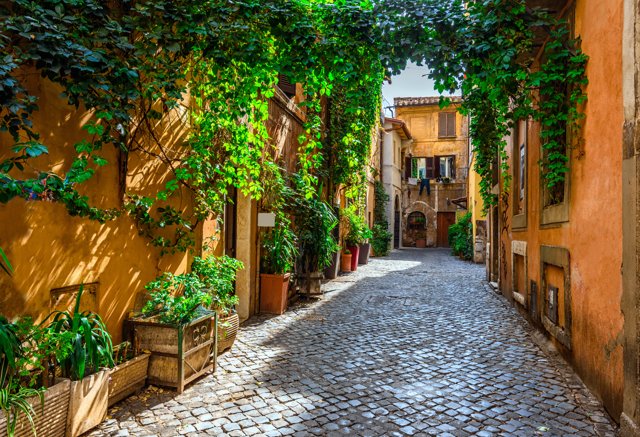
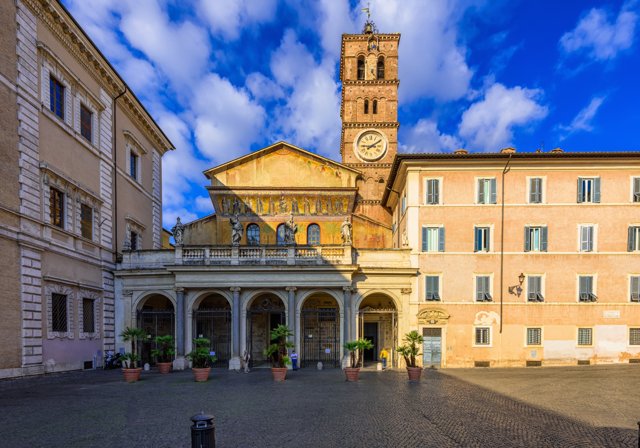
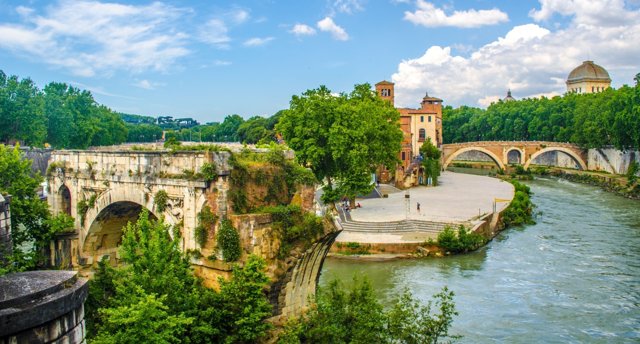
  • Trastevere: Across the Tiber, with narrow streets, worn cobblestones, and small squares where people actually spend time, not just pass through. It’s a neighbourhood where people meet after work, families sit down late for dinner, and streets grow louder as the evening goes on.
  • Monti: Once part of ancient Rome’s rougher quarters, now a mix of old stone buildings, small shops, wine bars, and creative spaces. It’s casual, a little scruffy, and quietly stylish, with locals gathering in its piazzas after work.
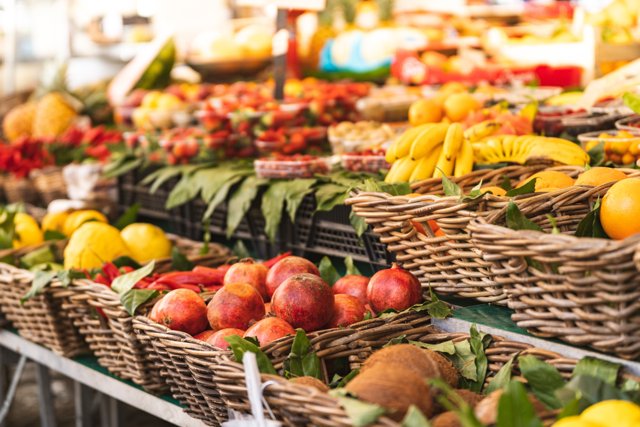
  • Testaccio: Rooted in Rome’s working-class past and famous for its food culture. Markets, bakeries, and no-frills restaurants shape daily life here. It feels unpretentious and deeply Roman.
  • Prati: An elegant, late-19th-century district near the Vatican, laid out with wide boulevards and refined apartment buildings. Calmer and more residential than the historic centre, with smart shopping streets, cafés, and a more orderly rhythm.
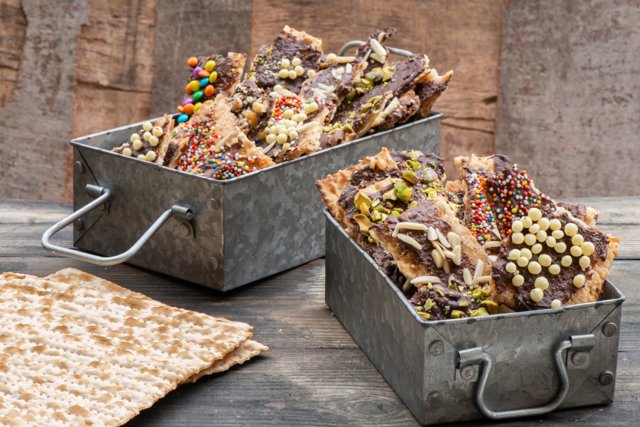
  • Jewish Ghetto: One of the oldest Jewish communities in Europe, this compact district holds centuries of layered history alongside bakeries, kosher restaurants, and some of Rome’s most distinctive culinary traditions.

Gastronomy

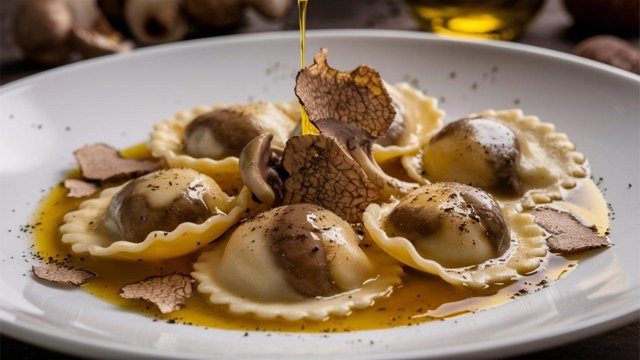
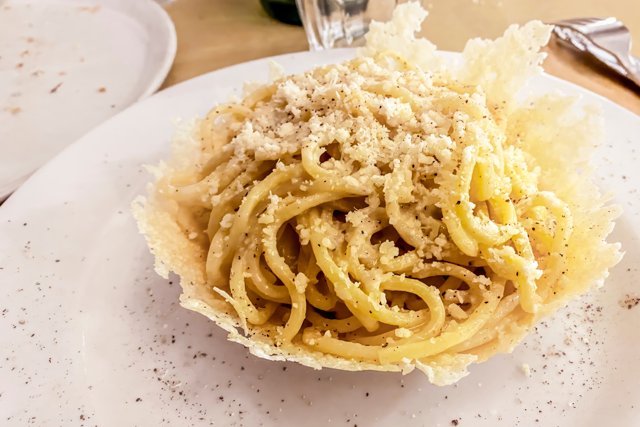
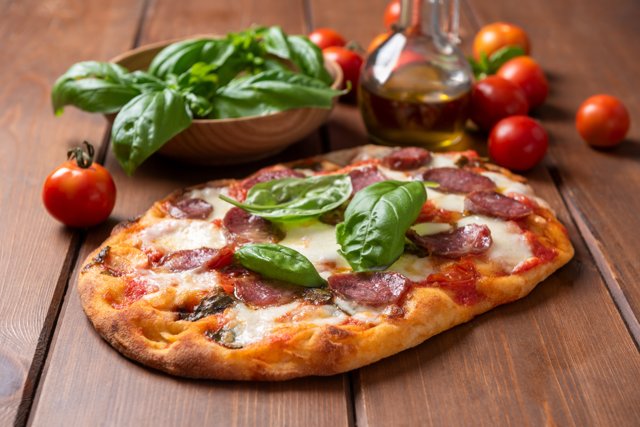
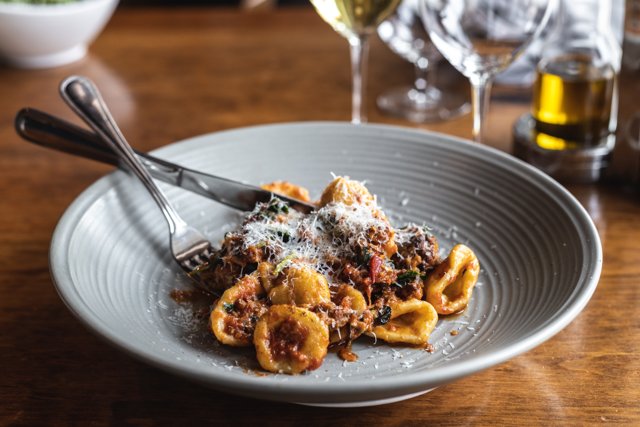
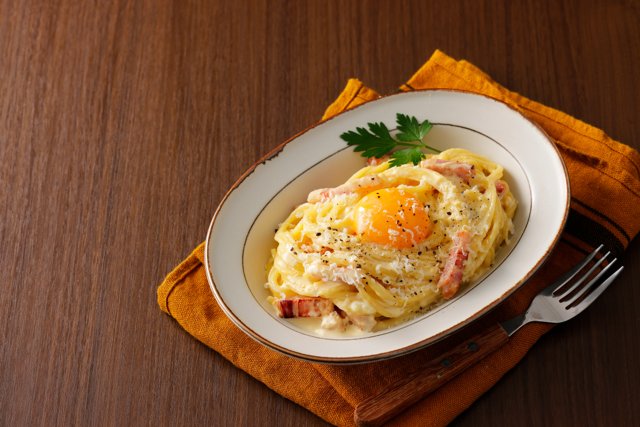
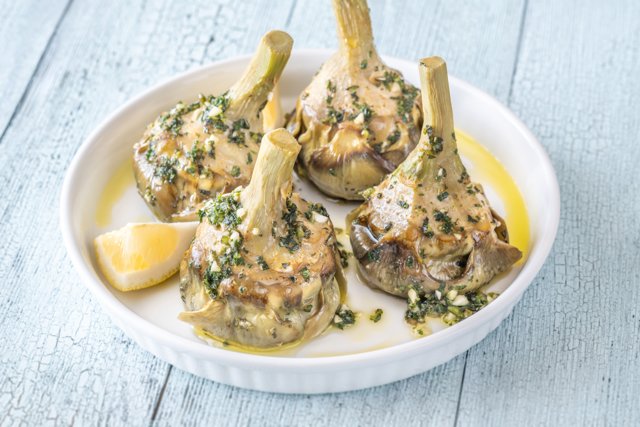
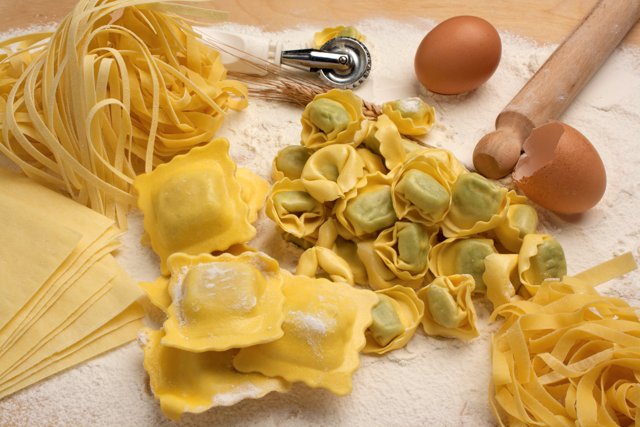
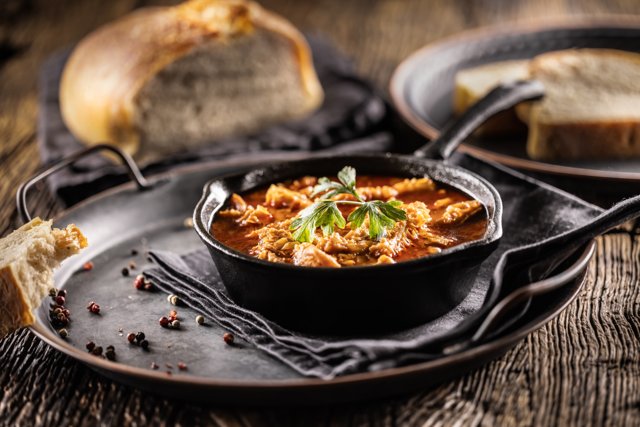
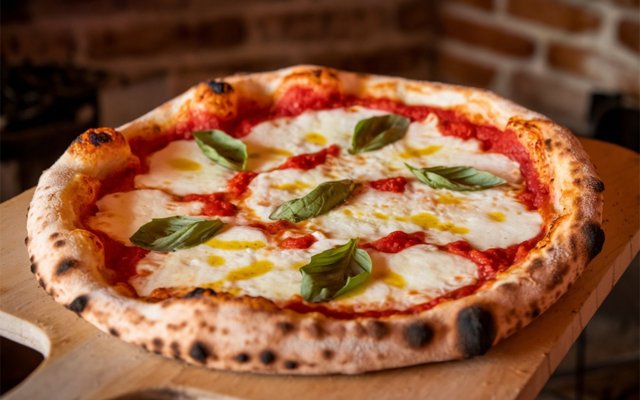
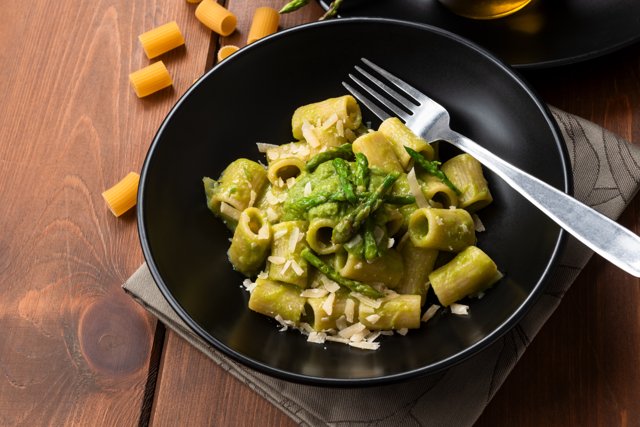
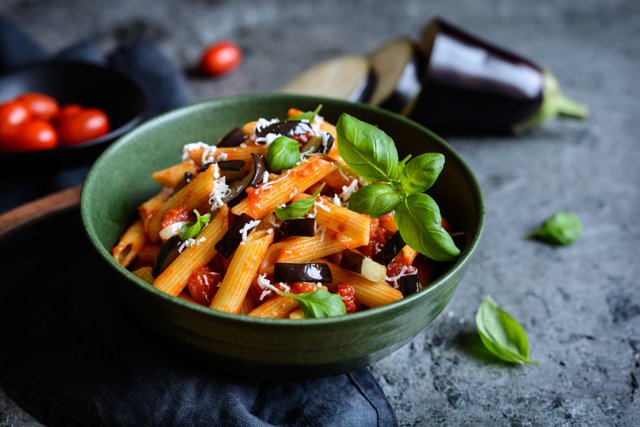
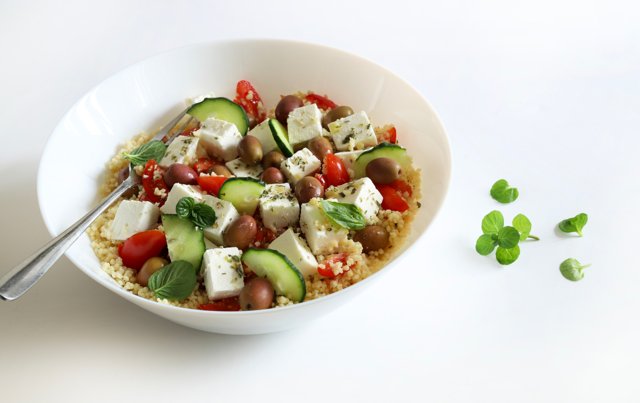
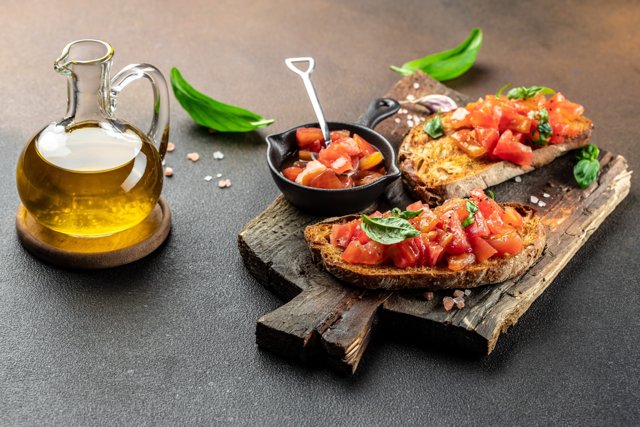
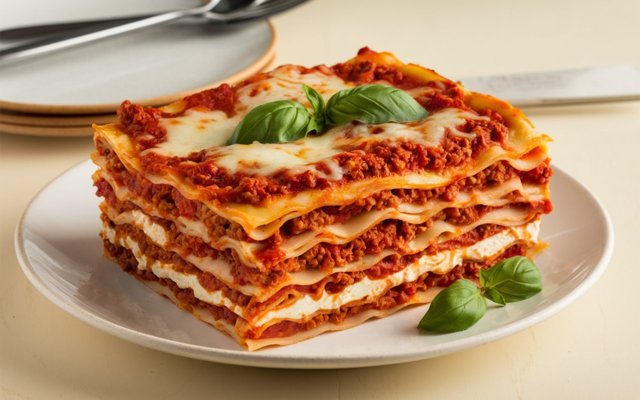
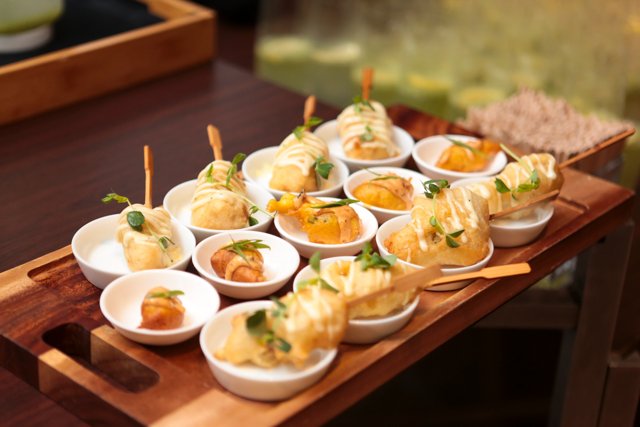
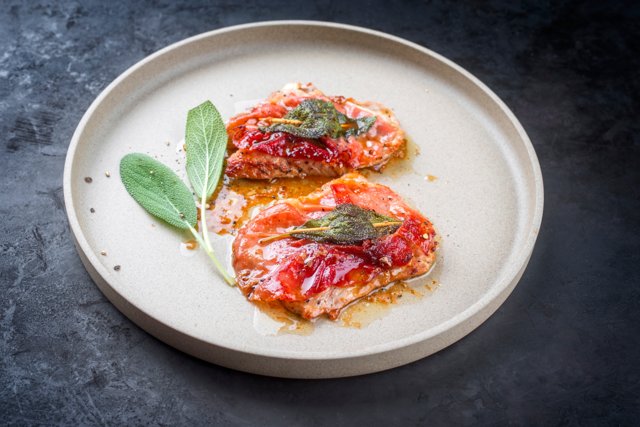
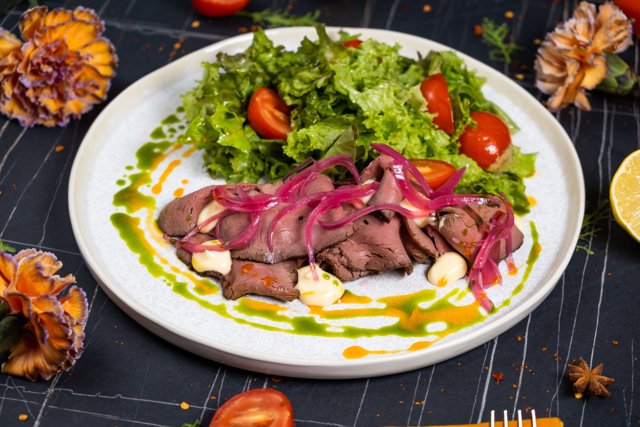
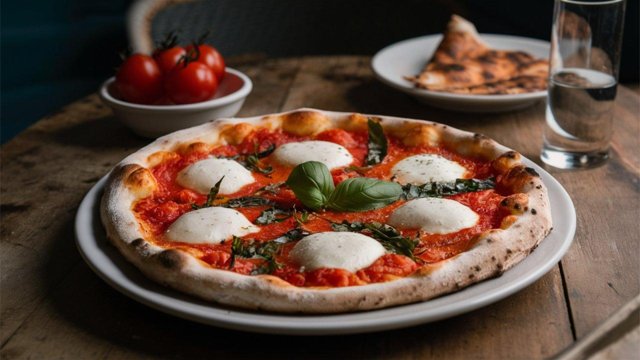
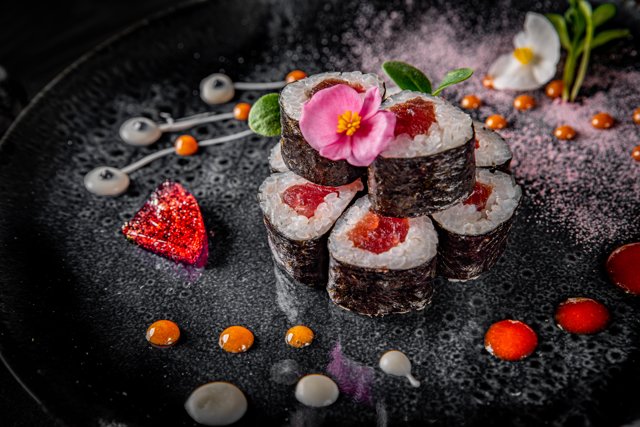
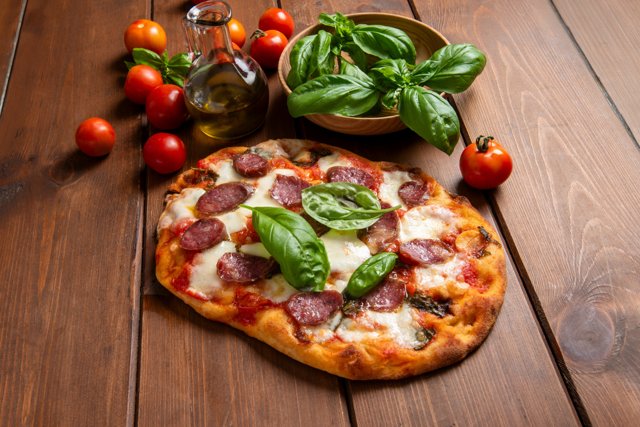
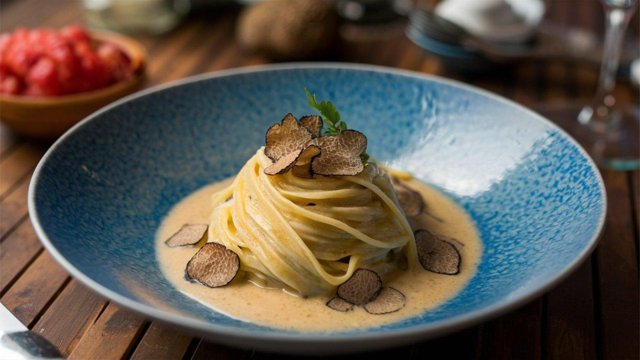
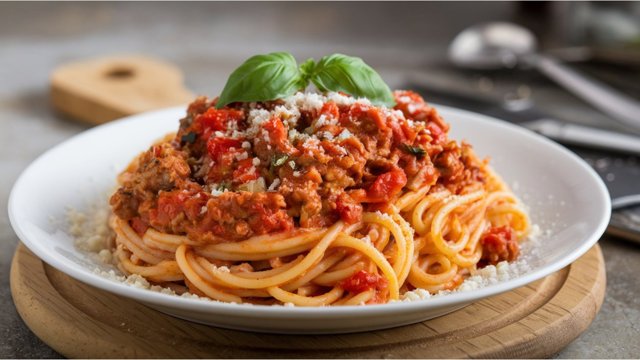
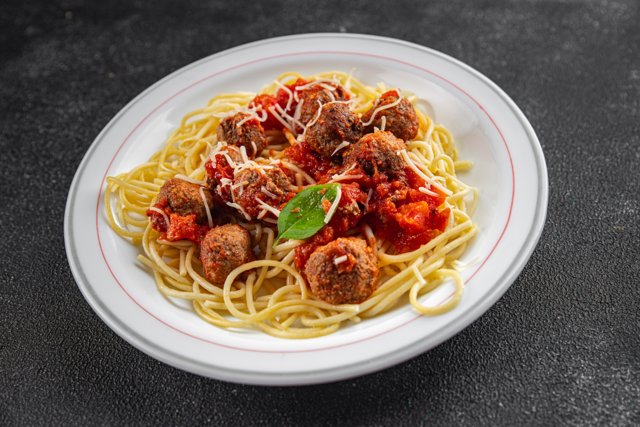
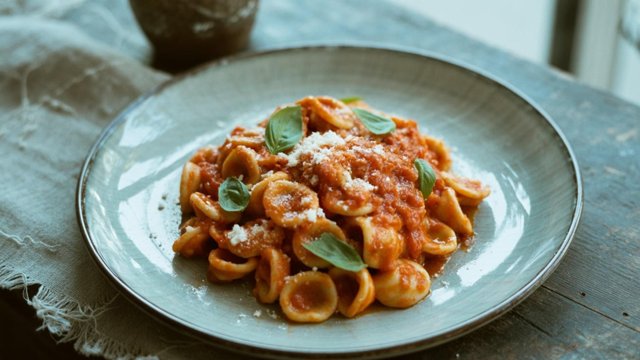
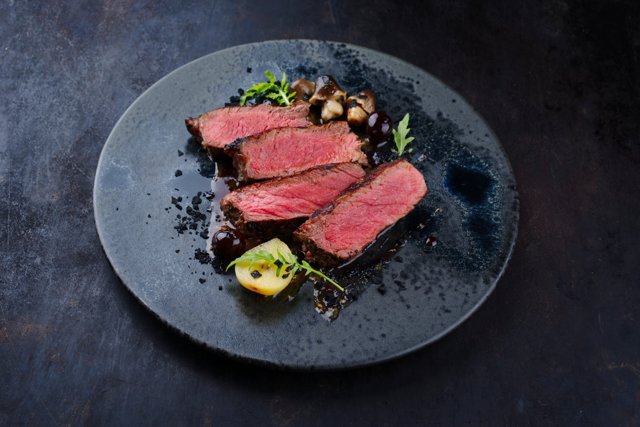
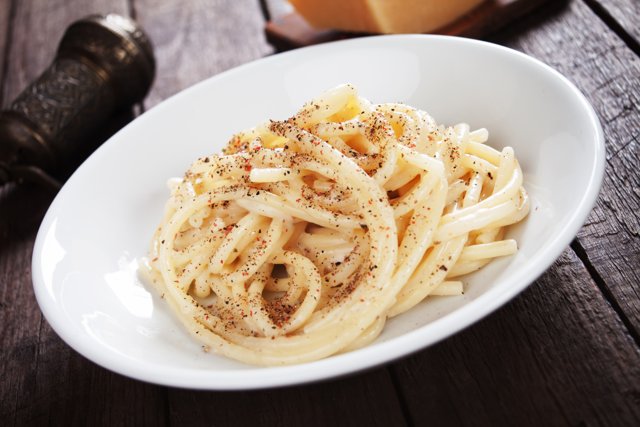
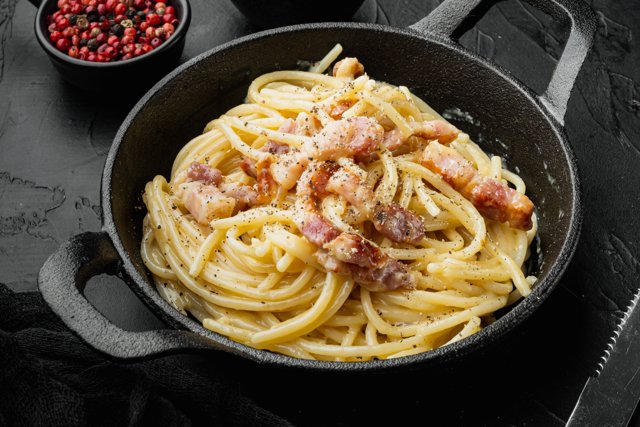
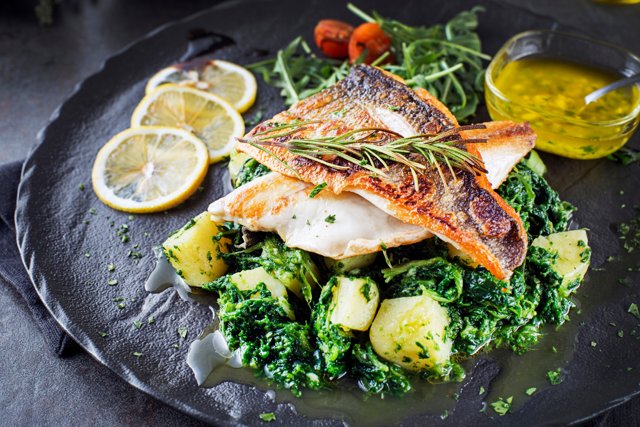
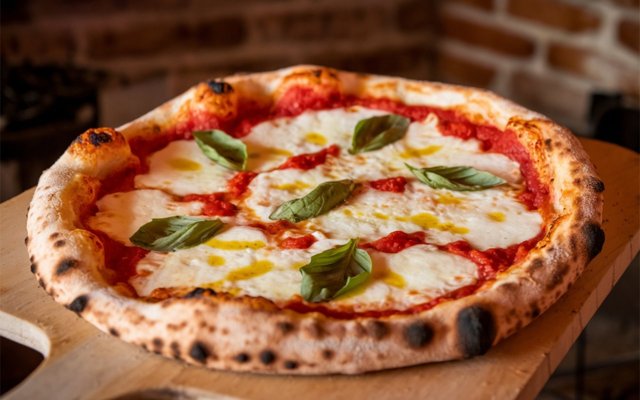
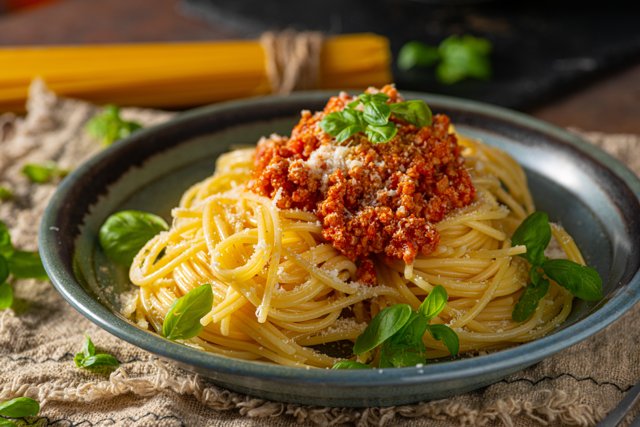
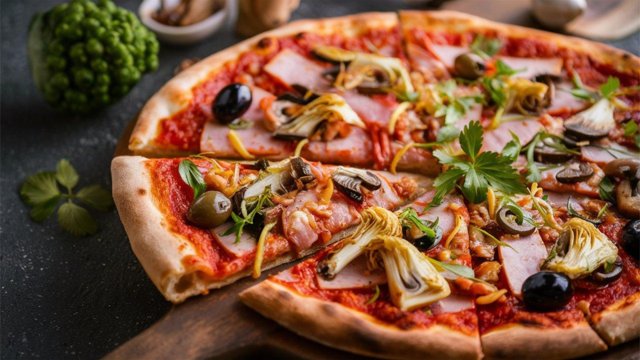
Roman cuisine is simple, structured, and fiercely traditional. Recipes rely on a handful of strong ingredients and centuries of habit rather than elaborate technique. Classics include carbonara (without cream), amatriciana, and cacio e pepe — dishes built on precision and balance rather than complexity. Roman-style pizza is thin and crisp, while street snacks such as supplì (fried rice balls filled with ragù and mozzarella) bridge the gap between meals.

Many recipes come from cucina povera, the city’s humble culinary roots, where resourcefulness shaped flavour. Offal-based dishes and robust sauces still appear on menus in traditional trattorie, especially in neighbourhoods like Testaccio, long associated with Rome’s working-class food culture.

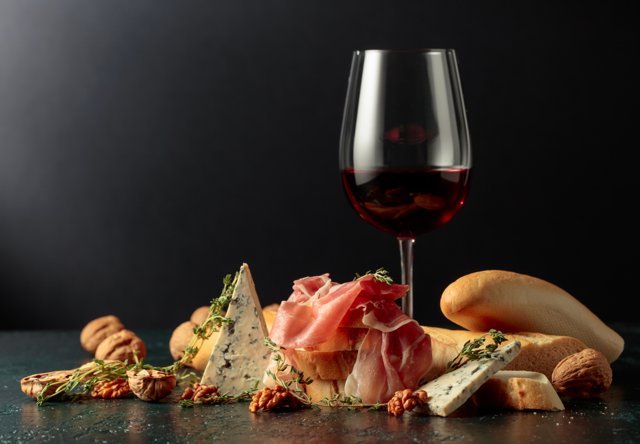
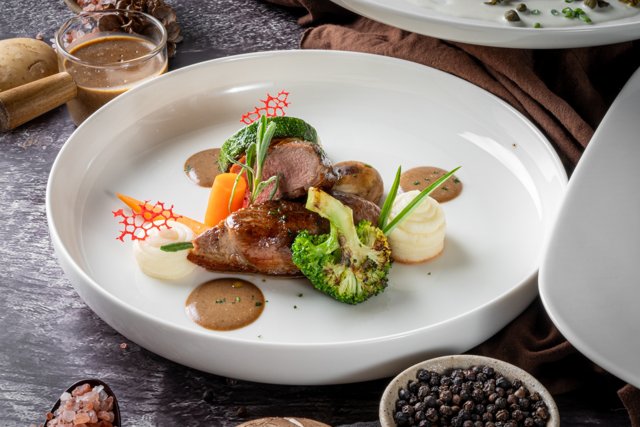
In Rome, food is as much about rhythm as flavour. Lunch can be unhurried, dinner rarely rushed, and conversation flows as steadily as the wine. Neighbourhood trattorie remain central to daily life, where regulars return for familiar plates and seasonal ingredients matter more than presentation. Here, eating well is less about novelty and more about doing the classics properly.

City Rhythm

Rome moves with visible intensity. Mornings begin quickly, often with a short espresso taken standing at the bar before work, while scooters weave through traffic and deliveries thread through narrow streets. Offices, markets, and neighbourhood shops set the early tempo, and the city feels purposeful long before the monuments fill with visitors.

By midday, the rhythm shifts. Long lunches still matter, especially away from the main tourist routes, and conversation stretches easily across tables. In residential districts, afternoons can feel momentarily quieter before the pace builds again toward evening.

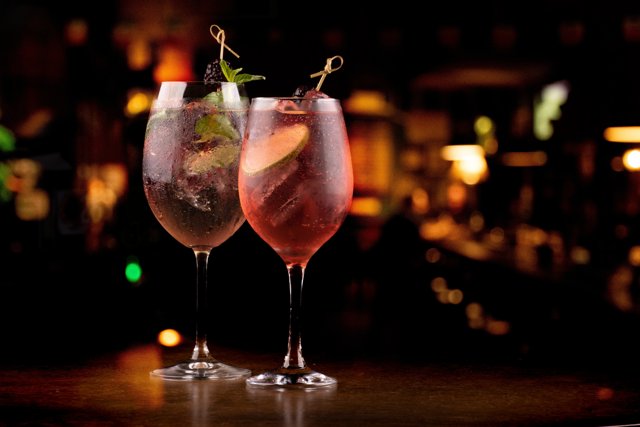
As daylight softens, Rome opens outward. Piazzas fill, aperitivo glasses appear on small tables, and families gather for late dinners that extend well past sunset. Traffic hums, voices overlap, and life spills into the streets. What seems chaotic at first gradually reveals its own internal order — a city that moves loudly and confidently, yet always according to rules understood by those who live it daily.

Things to Do

Rome’s monuments aren’t separate from the city. They are the city.

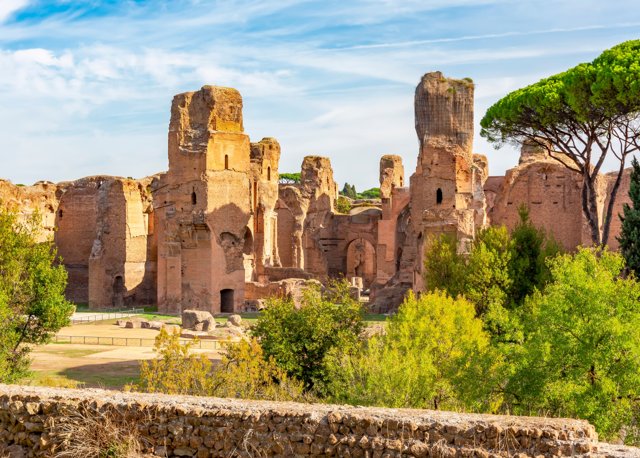
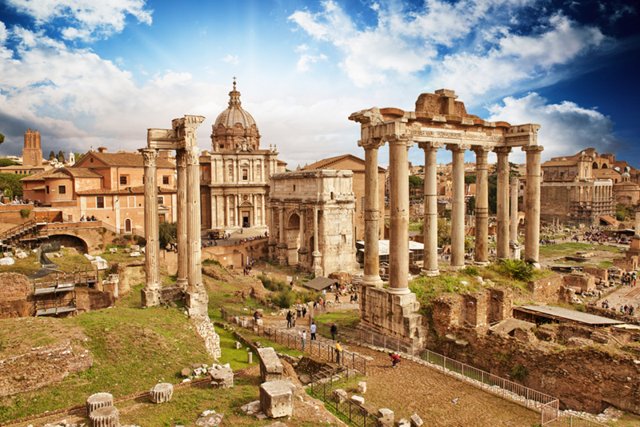
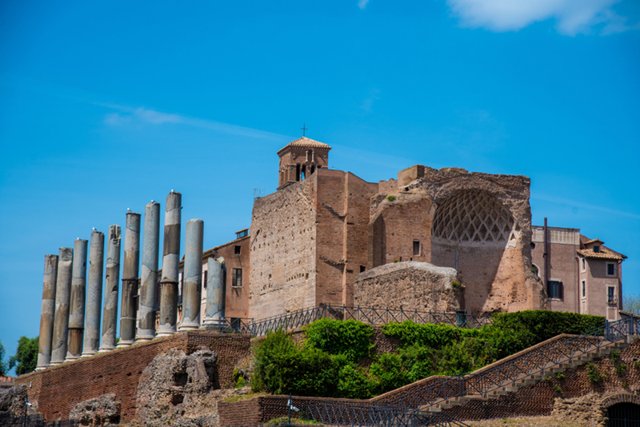
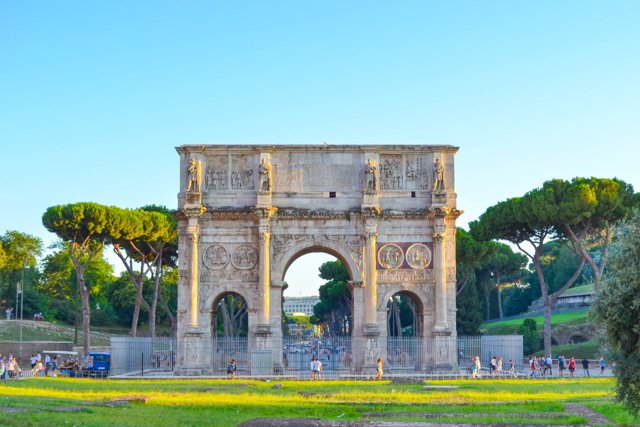
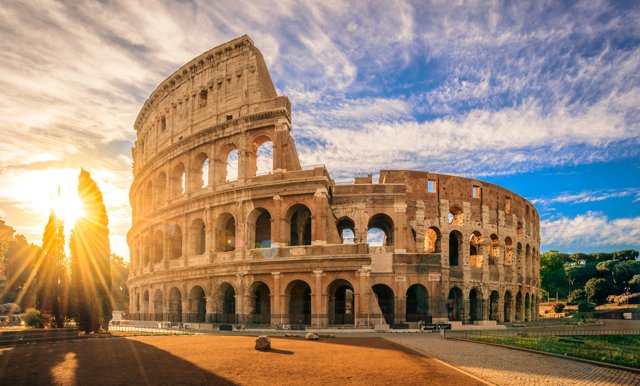
Travel back in time with a visit to the Colosseum, where gladiators fought for their lives and the scale of ancient spectacle still feels tangible. Walk where emperors and citizens once met in the Roman Forum, and feel the ancient pulse of political life. Step inside the Pantheon, still perfectly balanced after two millennia.

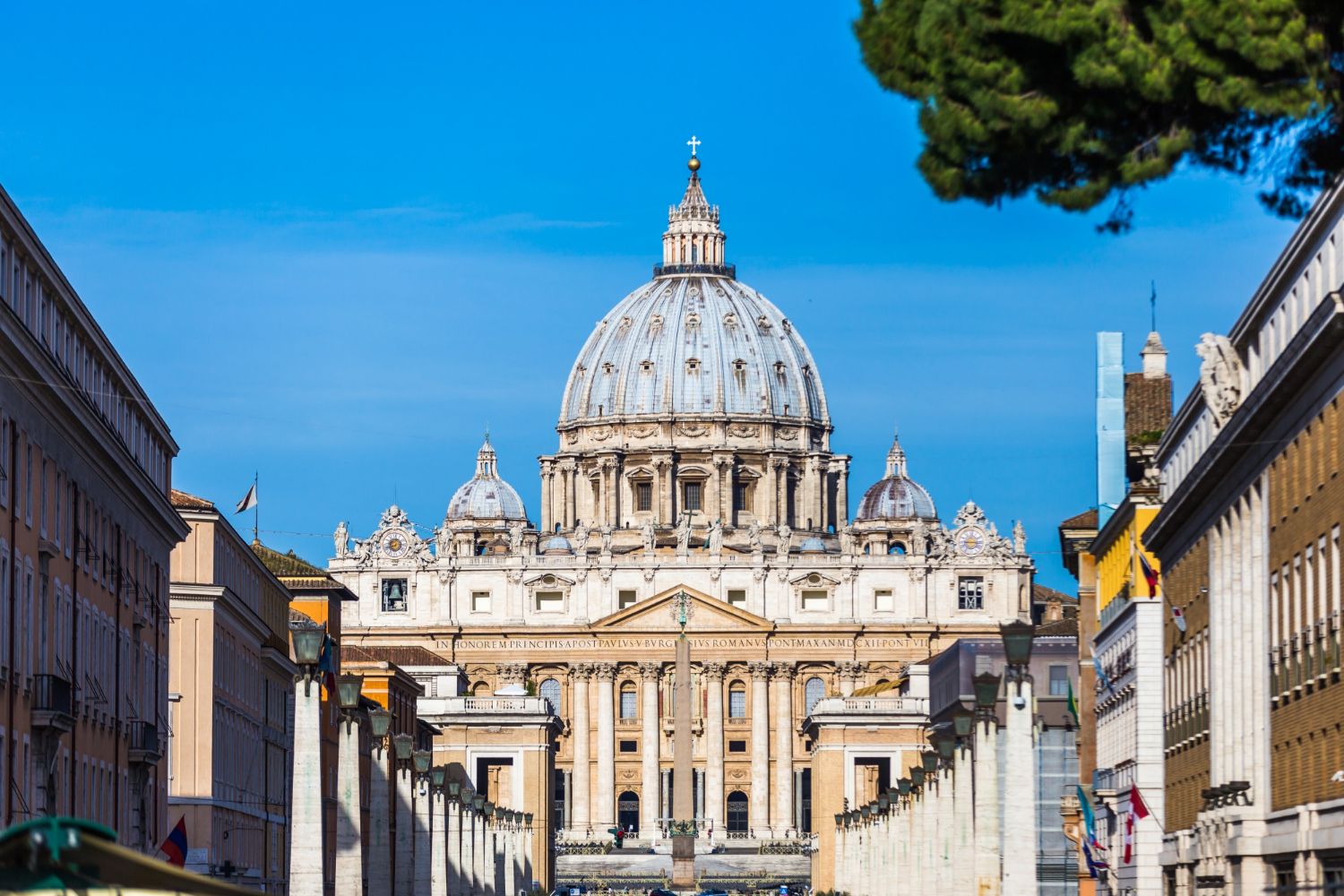
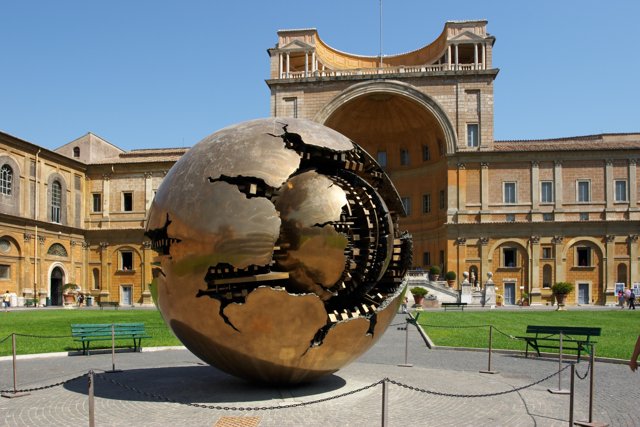
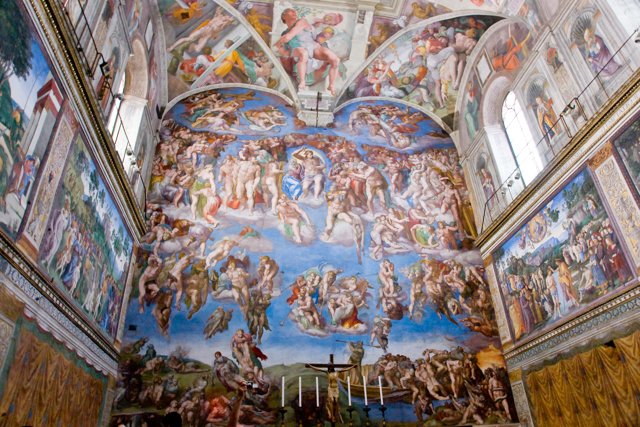
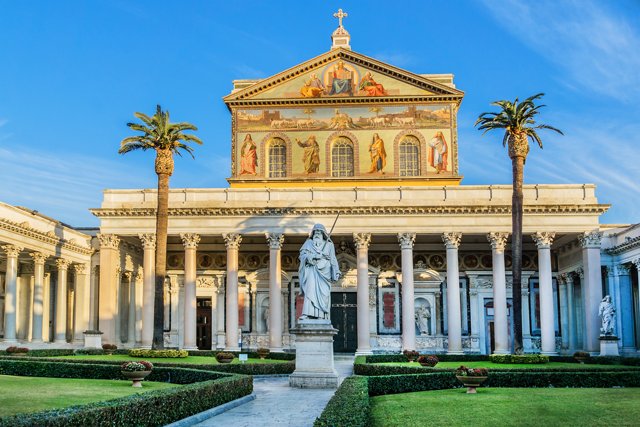
Then, cross into Vatican City to see St Peter’s Basilica and explore the Vatican Museums, where Michelangelo’s Sistine Chapel ceiling continues to leave visitors speechless.

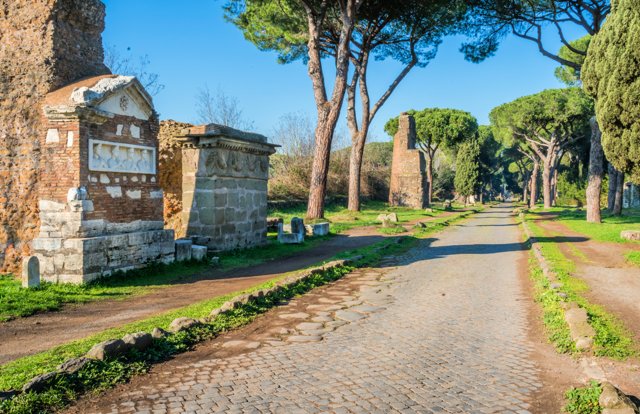
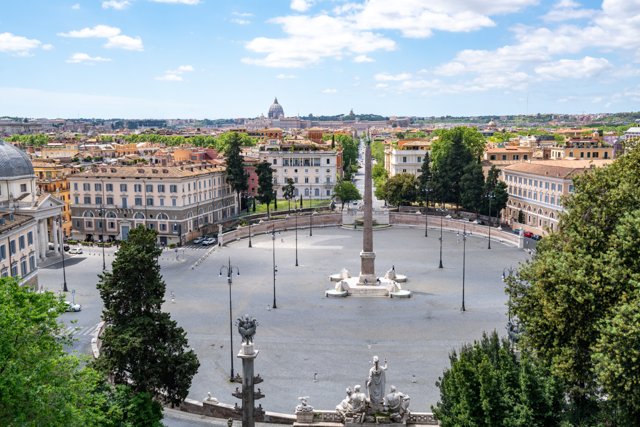
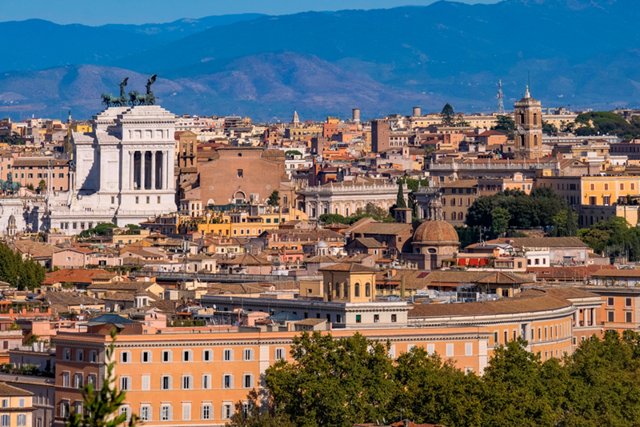
Beyond the major landmarks, Rome rewards those who wander without a fixed plan. Walk along the Appian Way, one of the oldest surviving Roman roads, explore the layered history of the Jewish Ghetto, or pause at sunset on the Gianicolo hill for one of the city’s most sweeping views. Some of Rome’s most memorable moments happen between monuments rather than inside them.

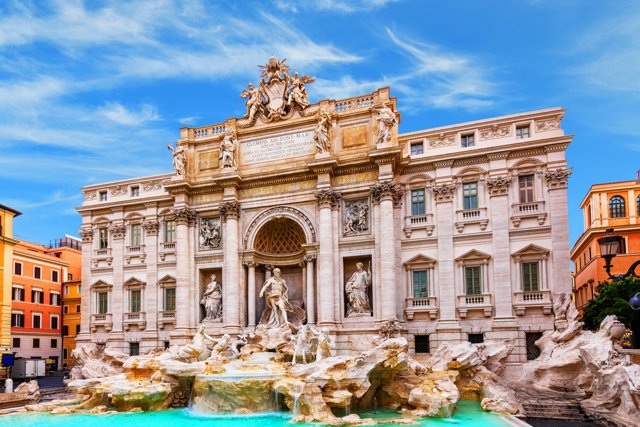
Lastly, don’t forget to throw a coin into the Trevi Fountain, climb the Spanish Steps, and settle into a trattoria in Trastevere, where long dinners feel less like a plan and more like a ritual.

Best hotels in Rome

Frequently asked questions

Is Rome a safe place to visit?

Yes. Rome is a welcoming and lively city that millions of travellers enjoy each year. Like any major destination, staying aware in crowded areas and on busy transport helps make your experience smooth and relaxed.

Do I need to book major attractions in advance?

For the most popular sites, such as the Colosseum, Vatican Museums, and Sistine Chapel, advance booking is highly recommended. Tickets can sell out days ahead, especially in high season, and by booking ahead, you can avoid queues and secure your preferred time.

Is Rome expensive compared with other European cities?

Rome sits in the middle range for major European capitals. It is generally more affordable than London and Paris, for example, particularly for food and transport, but can feel more costly than Madrid. With neighbourhood restaurants, local markets, and public transport, it’s easy to experience the city without excess.

What’s the best way to explore Rome?

Walking is one of the best ways to discover Rome. Many of the key sights are within a reasonable distance on foot, especially through the historic centre. For longer journeys, the metro, buses, and trams are reliable and easy to use.
Do people in Rome speak English?

Italian is the main language, but English is widely understood in hotels, museums, major attractions, and many restaurants. Learning a few simple Italian phrases will certainly enhance day-to-day interactions. 

How many days are enough to visit Rome?

Three days cover the main highlights, but four to five days will allow you to explore at a more comfortable pace. Rome is packed with history, neighbourhoods, and food culture, so an extra day gives you space to move between landmarks, local streets, and long meals without feeling rushed.

Top destinations