Milan

Milan that takes fashion, food, fine art, and football equally seriously — and expects you to keep up.

  • Milan

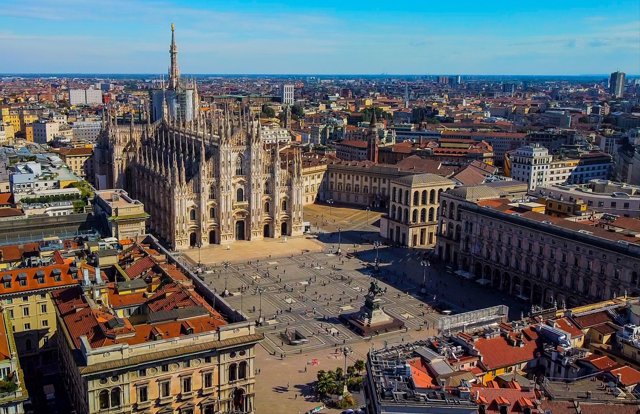
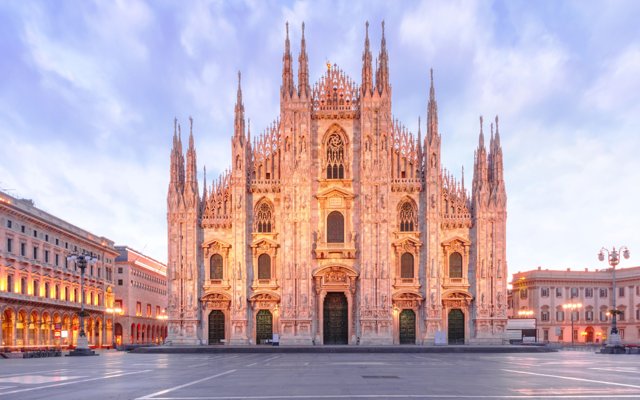
    Milan does not unfold through immediate spectacle. While the 135 spires of the Duomo define its skyline, no single monument encapsulates the city’s identity. Instead, Milan reveals itself through layers — economic, artistic, and cultural — shaped by centuries of ambition and reinvention.

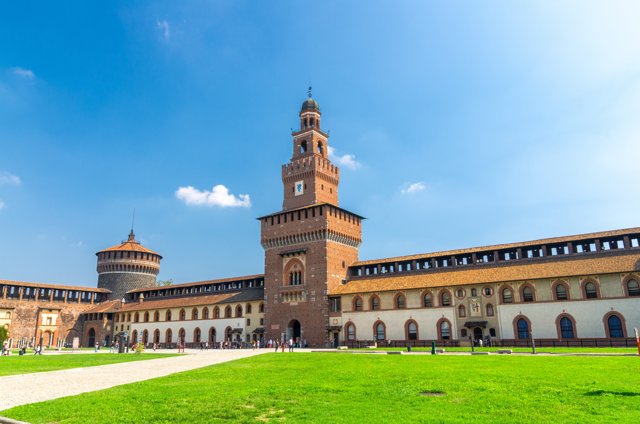
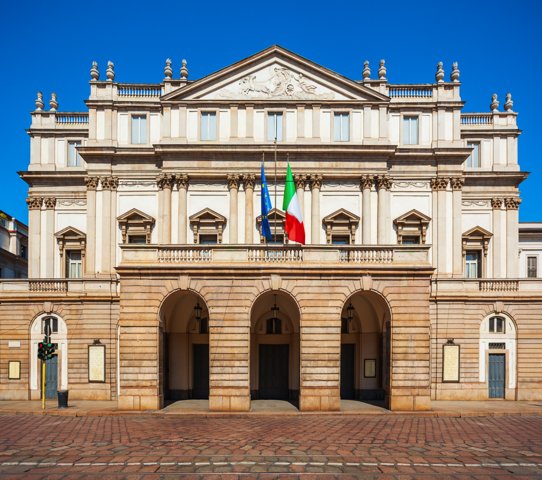
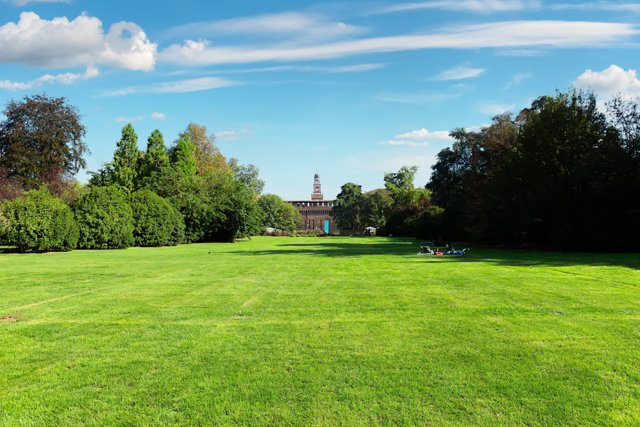
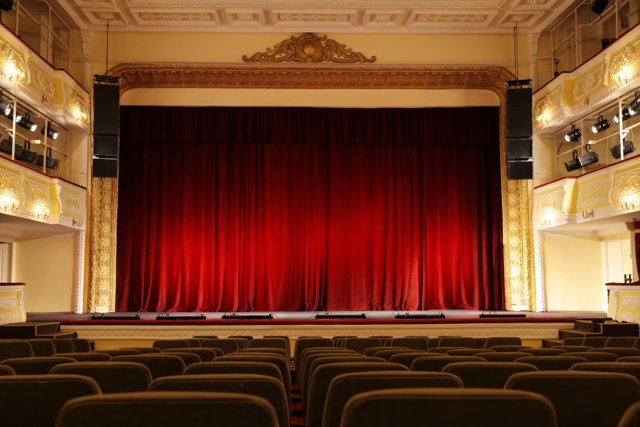
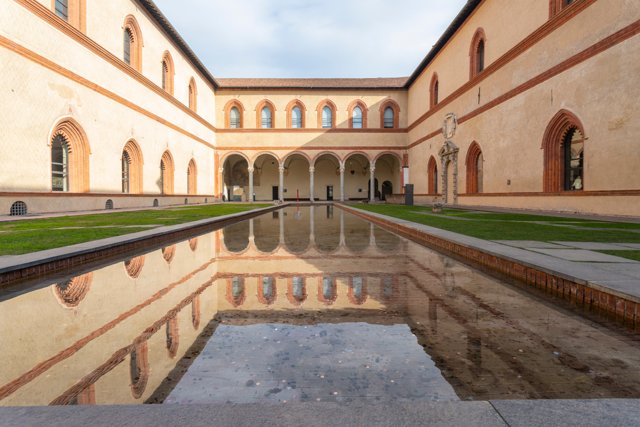
    Often referred to as Italy’s “moral capital,” Milan functions as the country’s financial and industrial engine while maintaining a profound artistic legacy. Leonardo da Vinci’s Last Supper, the collections of the Pinacoteca di Brera, and performances at La Scala coexist with fashion houses, design studios, and global corporate headquarters. Historic structures such as the Castello Sforzesco stand within walking distance of contemporary districts that define international trends.

    What unites these contrasts is a distinctive northern Italian energy — precise, productive, and stylistically assured. Milan rewards visitors who engage with its rhythm rather than search for postcard grandeur. It is a city shaped as much by work and innovation as by heritage and art.
Unique experiences in Milan

What to do in Milan

Plan your trip

Entry Requirements & Travel Documents

Italy is part of the Schengen Area. EU and EEA citizens can enter with a valid national ID card or passport. Many non-EU travellers from visa-exempt countries — including the US, Canada, the UK, Australia, and Japan — can stay for up to 90 days within any 180-day period without a visa. Your passport must be valid for at least three months beyond your intended departure date, and must have been issued within the last ten years.
From late 2026, visitors from many visa-exempt countries will need to obtain ETIAS authorisation before travelling. Check the latest requirements on Italy's official immigration portal before you travel.

Money, Currency & Paying in Milan

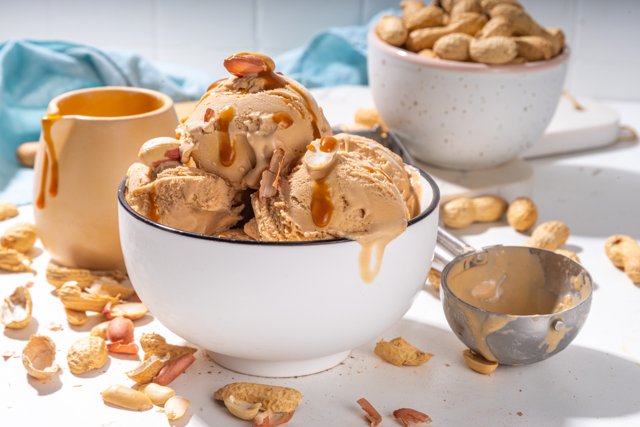
The local currency is the euro (€, EUR). Cards are widely accepted in hotels, restaurants, and major attractions, and Italian law technically requires all businesses to accept them. In practice, cash remains common for small everyday purchases: a quick espresso at the bar, a scoop of gelato, a stuffed focaccia at a market stall. Smaller trattorias and street vendors may quietly prefer it, too.

Carrying a modest amount of cash is genuinely useful. You might need a few coins to pay to access public restrooms. ATMs are easy to find across the centre and generally offer better rates than airport exchange desks. When paying by card, always opt to be charged in euros.

Weather, Seasons & When to Visit

Milan has a continental climate: cold, occasionally foggy winters and hot, humid summers. The shoulder seasons generally offer the most comfortable conditions.

Spring (April through May) is pleasant, with mild temperatures and longer days, though expect some rain. 

Early autumn (September and October) is arguably the finest time to visit. It’s pleasantly warm and lively as the city returns to full speed after the summer slowdown.
Summer can be genuinely uncomfortable, with heat and humidity combining to drive locals out of the city. August is particularly quiet, as many businesses take a long break around Ferragosto.

Winter is grey and cold, but crowd-free and affordable (except for December with its Christmas markets). It’s a good window for museums, aperitivo bars, and the city's excellent restaurant scene. Pack layers regardless of when you travel.

Health Insurance

Travellers from the EU should carry a valid European Health Insurance Card (EHIC) or Global Health Insurance Card (GHIC). If you’re travelling from further away, get comprehensive travel insurance before arrival. Either way, keep your documentation handy. Non-emergency treatment typically requires upfront payment, which you can later claim back through your insurer.

For genuine emergencies, head to the Pronto Soccorso (Emergency Room) at any public hospital, where urgent, life-saving care is provided regardless of your insurance status. 

Pharmacies are widely available throughout the city and a practical first stop for minor concerns. 

For all emergency services, dial 112.

Connectivity, Roaming & Mobile Data

Free WiFi is widely available in hotels, cafés, and many public spaces across Milan. Travellers with an EU/EEA mobile plan can use their data, calls, and texts at domestic rates under the EU "Roam Like at Home" rules, with no extra roaming charges.

If your plan is from outside the EU/EEA, a local SIM or eSIM is a practical option. Italy has some of the lowest mobile data rates in the world, making it worth considering even if the process is slightly involved — you'll need an ID, and some sellers also ask for a codice fiscale (Italian tax number), which most tourists don't have. Planning to travel across the EU after Milan? An Italian SIM is worth the extra effort. Alternatively, an eSIM sidesteps the process altogether and is the simpler route for most visitors.
Airports & Main Arrival Hubs

Milan is served by three airports. 

  • Malpensa (MXP), around 50km northwest of the centre, handles long-haul and most major European routes. 
  • Bergamo (BGY), roughly 50km northeast, is the base for most low-cost carriers including Ryanair and Wizz Air. Factor in at least an hour to get from this airport to central Milan.
  • Linate (LIN) is the closest of the three, only 7km east of the city. It serves a more limited selection of European destinations. 

Milano Centrale is the city's main train station, with high-speed connections to Rome, Florence, Venice, and international destinations including Zurich and Paris. The Malpensa Express Train stops here, too.

Main Train Stations

Milano Centrale is, quite apart from its practical importance, one of the most dramatic station buildings in Italy. Its vast fascist-era façade and monumental interior are worth a moment's attention even if you're just passing through. High-speed Frecciarossa and Italo trains connect Milan with Rome, Florence, Naples, Venice, and also with Paris and Zurich. The Malpensa Express also departs from here.

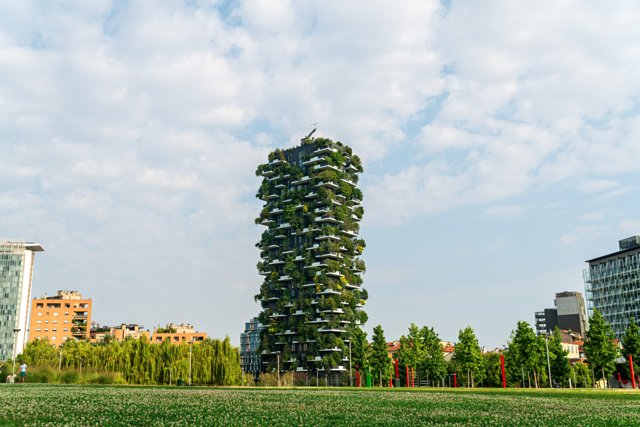
The smaller Milano Cadorna, near Castello Sforzesco, is the alternative terminal for Malpensa Express — very useful if your accommodation is in the western part of the city. A station called Porta Garibaldi is in the heart of the Porta Nuova district, next to the iconic Bosco Verticale towers. It serves both high-speed trains and Trenord's suburban network.

Milano Rogoredo, connected to the metro via line M3, handles many of the same high-speed services as Centrale. It’s less hectic, and a sensible option if you're arriving from Genoa, Bologna, Florence or Rome.

From the Airport to Central Milan

From Malpensa (MXP), the Malpensa Express train is the most straightforward option. It runs every 30 minutes and reaches Milano Centrale in around 50 minutes, stopping at Porta Garibaldi along the way. If you're staying in the west of the city, take the Cadorna branch instead for a slightly faster 40-minute journey. Coaches to the city centre are also available and often cheaper, though slower, especially at rush hour.

From Linate (LIN), you can take metro line M4 to San Babila, in the heart of the city, in around 20 minutes. Buses to Milano Centrale take approximately 30 minutes.

From Bergamo (BGY), coaches are the only practical option and take at least an hour to reach the city centre. You can buy tickets on board or online in advance.

Taxi & Ride-Hailing

Licensed taxis in Milan are white and metered. Some popular pre-established routes have fixed rates. You can find them at ranks near the Duomo, Piazza della Repubblica, main train stations, and at the airports. Hailing one on the street is possible but not always easy — booking through an app is more reliable. FreeNow and Bolt both work well in Milan.

Note that when you order a cab by phone, the meter starts ticking from the moment the call was received.

Uber operates in Milan, but only as a premium service (Uber Black), which makes it considerably more expensive than a standard taxi. For most journeys, a regular taxi or FreeNow will serve you better. Cards are widely accepted, though it's worth confirming before you set off.

Arrival Tips & Common Mistakes to Avoid

  • Double-check which Milan airport you're flying into. Malpensa, Linate, and Bergamo are all marketed as "Milan" but require very different transfer plans.
  • Always validate your ticket before boarding the metro, tram, or bus. Inspections are frequent and fines apply.
  • Avoid unofficial taxi drivers inside terminals. Always use the official white taxis or a pre-booked app.
  • Many museums and galleries close on Mondays. If your itinerary is culture-heavy, plan accordingly.
  • If you're visiting in September or February, check whether Fashion Week overlaps with your trip: hotel prices spike sharply and the city gets noticeably busier.
  • Keep an eye on belongings in busy areas around the Duomo and on public transport.
Public Transport & Zones

Milan's public transport network is operated by ATM (Azienda Trasporti Milanesi) and covers the city thoroughly via five metro lines, trams, buses, and night services. The five colour-coded metro lines connect all major districts and run from around 5:30am to 12:30am. Night buses take over after midnight.
Milan's trams are a nostalgic pleasure. Some of the rolling stock dates back to the 1920s, and several lines cut right through the historic centre. 

For most visitors, a standard urban ticket covers all metro, tram, and bus travel within the central zones. Contactless payment works across the entire network. The ATM app is the most convenient tool for routes, timetables, and tickets.

Tickets & Passes

Milan has phased out paper tickets in favour of the rechargeable RicaricaMi card, available at metro station machines, newsstands, and authorised retailers, or through the ATM app. You can load single tickets, multi-journey carnets, or time-based passes onto it. Single tickets are valid for 90 minutes from first validation and cover all metro, tram, and bus services within the central zones. 

Children under 14 travel free.

For short stays, 24-hour or 72-hour passes offer better value if you're moving around frequently. The 10-day ticket is great value for money if you’re staying longer than four days.

You can tap your contactless bank card directly on metro gates and most buses and trams. Remember to tab when you get on, during transfers, and when you get off.

Walking & Cycling

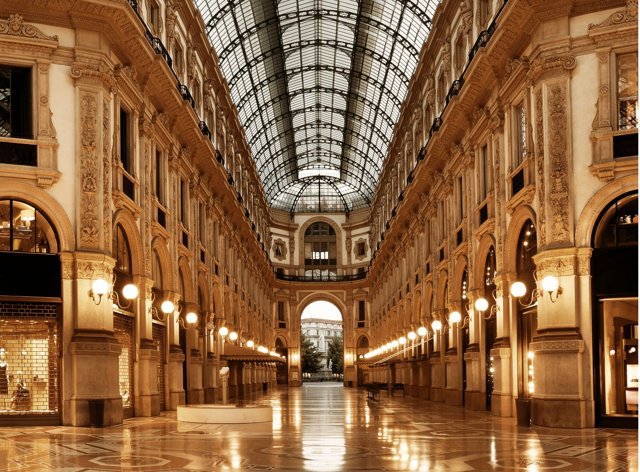
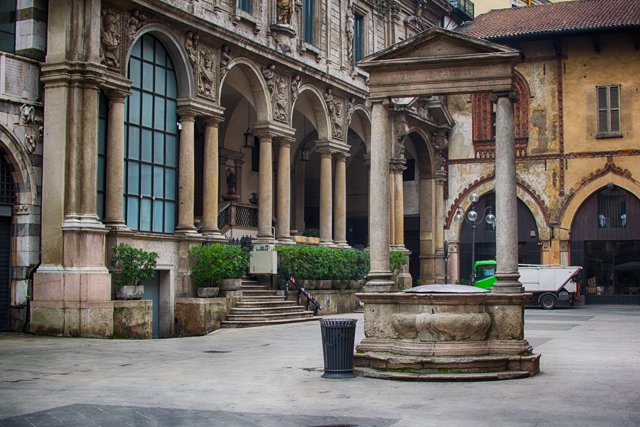
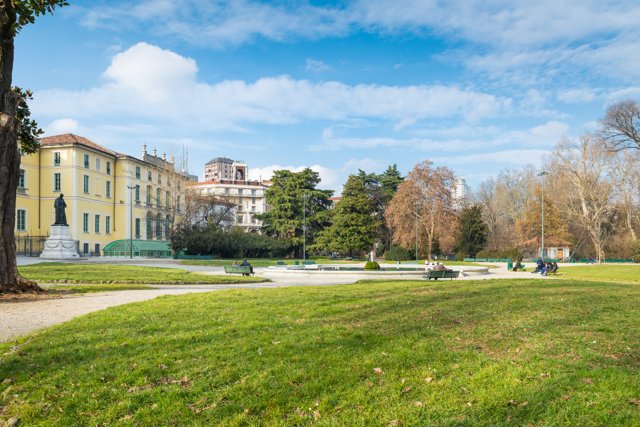
Milan is a genuinely pleasant city to walk. The historic centre is compact and flat, and the main sights — the Duomo, Galleria Vittorio Emanuele II, La Scala, and the Castello Sforzesco — are all within comfortable walking distance of one another. Venture into the backstreets and you'll find quiet courtyards, neighbourhood gardens, and wrought-iron gates hiding surprisingly green corners.

The city is also great for biking, with around 144km of bike lanes. BikeMi, the city's official bike-sharing scheme, operates 365 days a year with regular, electric, and child-seat-equipped bikes available from fixed docking stations. Several free-floating bike and e-scooter services also operate across the city, bookable via app.

Nearby Destinations / Day Trips

Milan is a great base for exploring northern Italy and parts of Switzerland. 

The lakes are the obvious draw. Lake Como is an hour away by train, with ferries connecting its villages. Lake Garda, Italy's largest, is roughly 90 minutes away and is great for families. For a cross-border escape, Lugano in Switzerland is just over an hour by train through the Alps, and feels like a different world.

Closer to home, Bergamo is 50 minutes away, rewarding visitors with a beautifully preserved medieval upper town, Città Alta, enclosed by UNESCO-listed Venetian walls. Pavia, 20 minutes from Rogoredo station, pairs a charming university city with the extraordinary Certosa di Pavia monastery just outside town. Turin is an easy hour away by high-speed train, grand and underrated in equal measure. Romantic Verona is around 80 minutes east.

Accessibility & Basic Safety Tips

Milan is largely flat, which helps with accessibility, but historic cobblestones and some older metro stations without lifts can pose a challenge. Most buses are low-floor, and major attractions are generally accessible. The ATM Milano accessibility service offers 24/7 support.

Milan is a safe city. The historic centre is comfortable at any hour, though extra care around Milano Centrale at night is sensible. Always carry an ID.

You might hear the viral shout "attenzione, pickpockets!" around the Duomo. Watch out for people offering to help with luggage or train tickets, anyone trying to tie a bracelet on your wrist, and strangers making pointed comments about your clothes or shoes. A polite but firm “no” is all you need.

Language, Culture & Local Etiquette

You will mainly hear Italian in Milan, but English is widely spoken in hotels, restaurants, and touristy areas. A simple buongiorno (good morning) or buonasera (good evening) when entering a shop will be appreciated. Italians greet friends with two air kisses on the cheek; a handshake is fine with strangers.

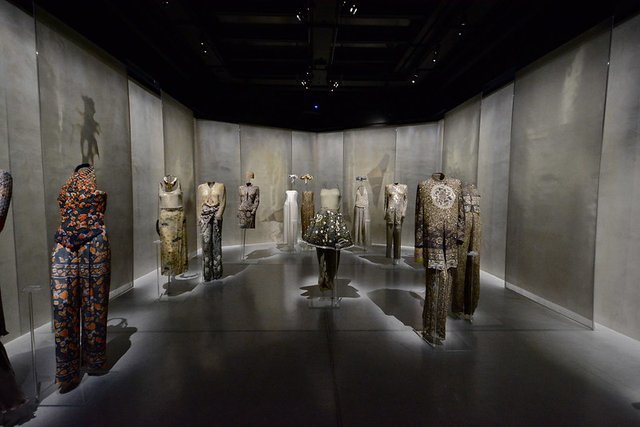
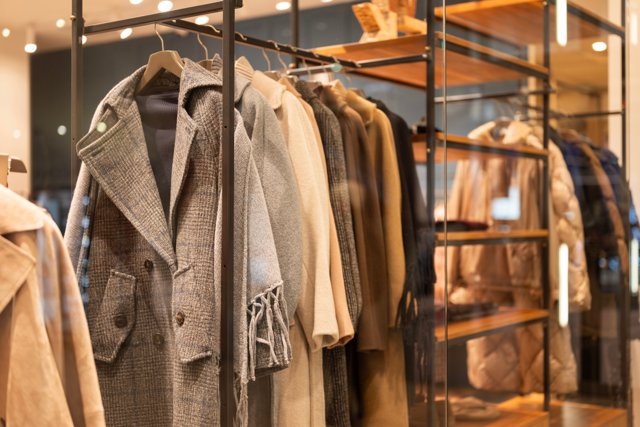
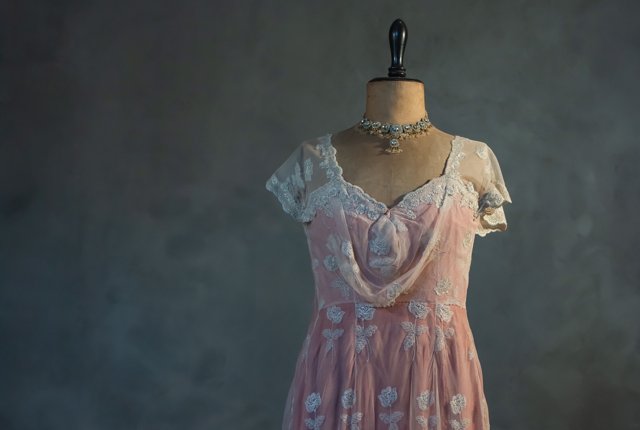
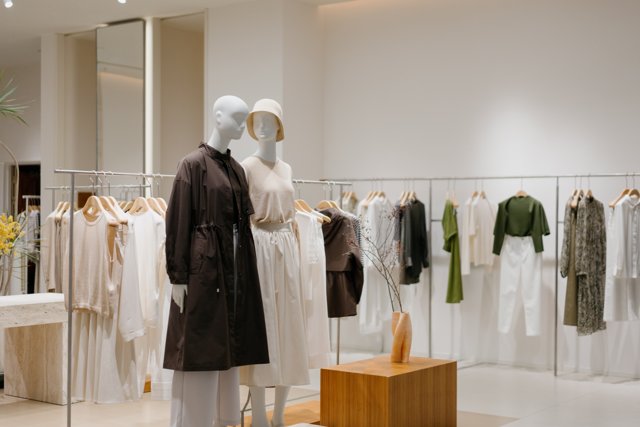
Milan is one of the four fashion capitals of the world, and locals dress to impress. Smart-casual is the standard, even on a sweaty August afternoon. Shoulders and knees should be covered when entering the Duomo or other churches; a light scarf in your bag solves this effortlessly.

Tipping is not mandatory. Many restaurants include a coperto (cover charge) or service charge on the bill. If neither applies and the service was genuinely good, rounding up or leaving a few euros is appreciated, never expected.

Neighbourhoods

  • Duomo & San Babila are your starting point. The Grand Gothic cathedral, the luxury shopping at Galleria Vittorio Emanuele II, and excellent people-watching.
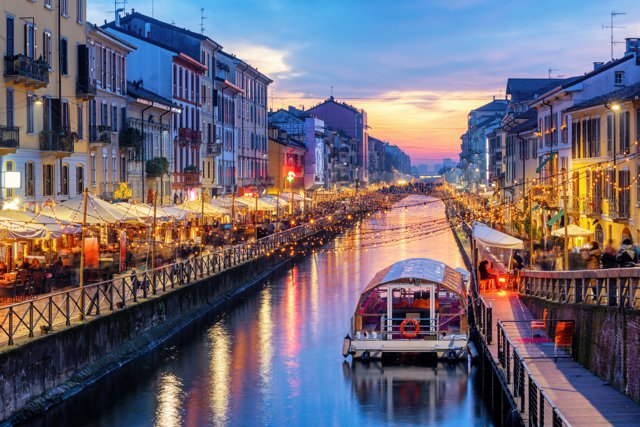
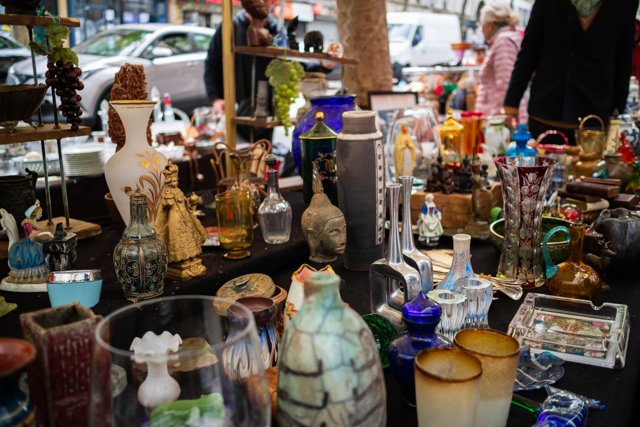
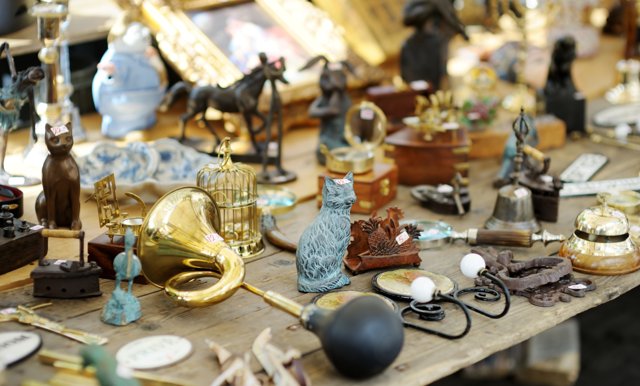
  • Navigli is a charming canal district, liveliest in the evening when the aperitivo bars along the water fill up. Come for the Negronis, stay for the flea market on the last Sunday of the month.
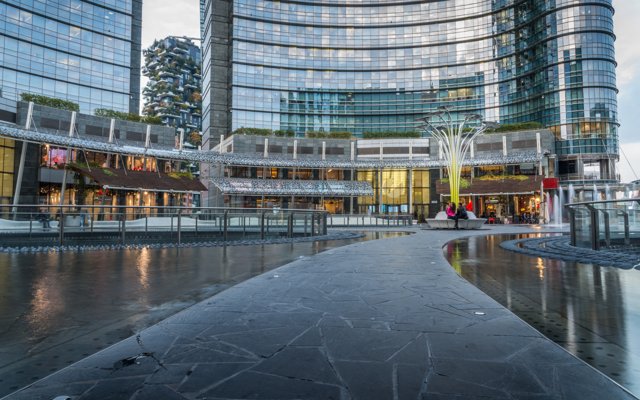
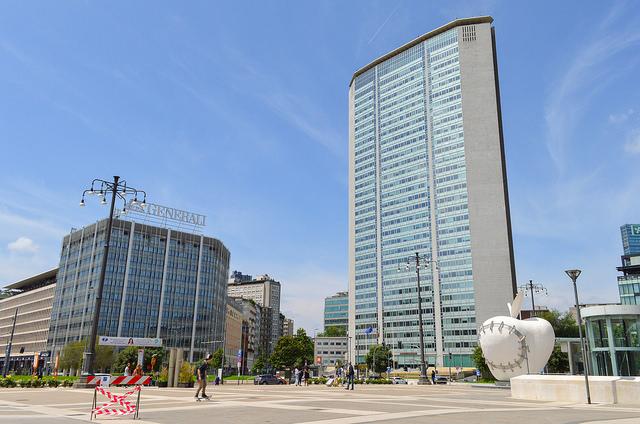
  • Porta Garibaldi & Isola will show you contemporary Milan at its most energetic: rooftop bars, concept stores, street art, and the Bosco Verticale towers.
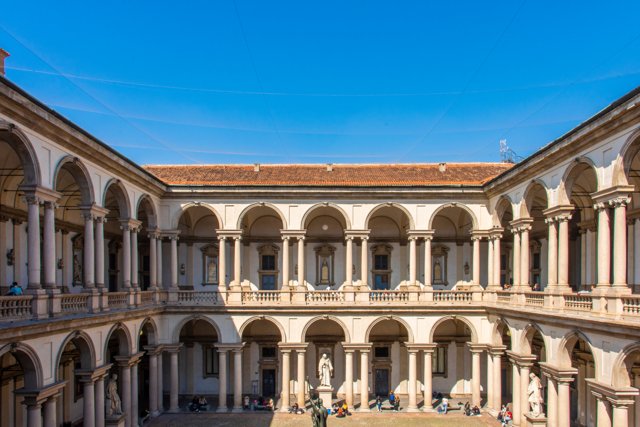
  • Brera & Parco Sempione form Milan's art quarter. Cobbled streets lead to independent galleries, antique dealers, and the vast green lung of Parco Sempione.
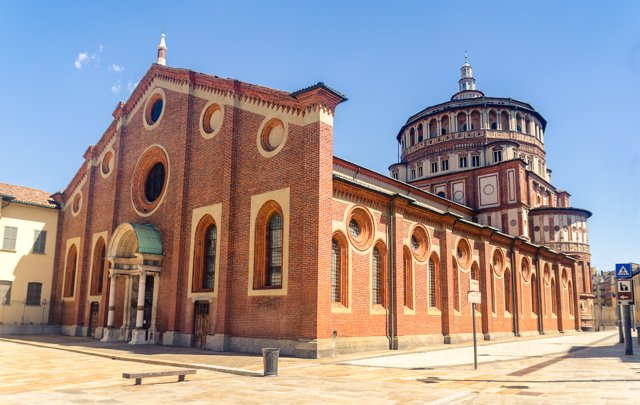
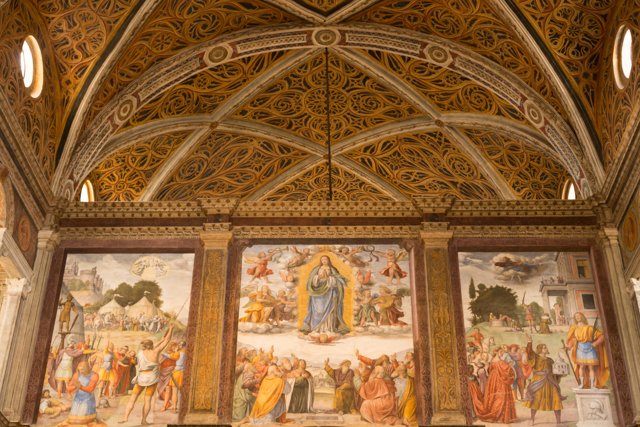
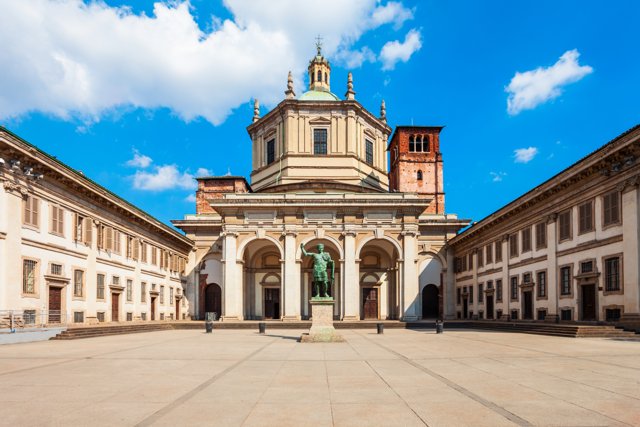
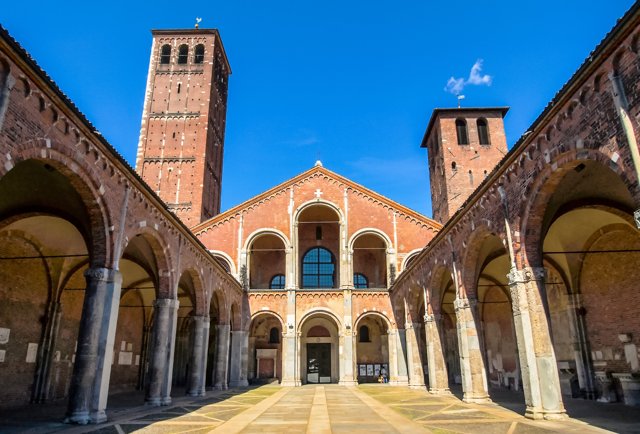
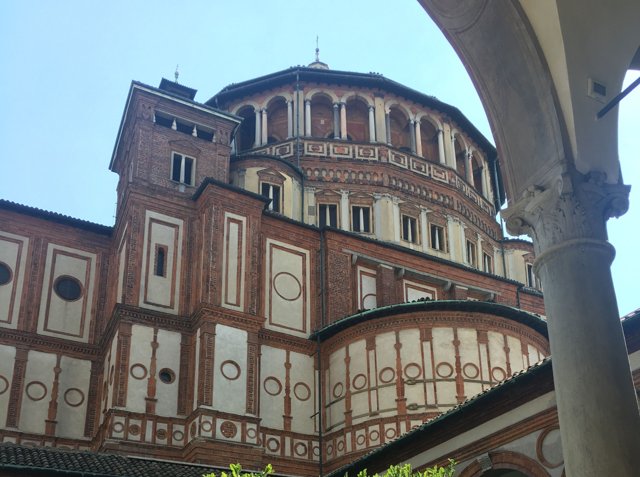
  • Corso Magenta is home to Leonardo da Vinci's Last Supper, the area around Basilica di Sant'Ambrogio has some of the city's finest early Christian and Renaissance architecture. 
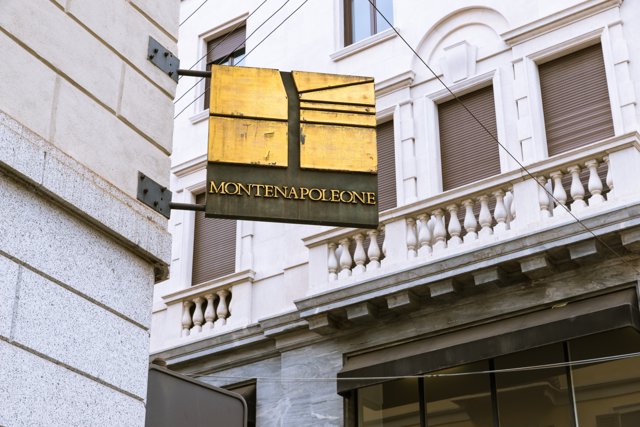
  • Quadrilatero d'Oro (the golden rectangle) is formed by Via Montenapoleone, Via della Spiga, Via Manzoni, and Corso Venezia. The global headquarters of Italian fashion, window-shopping very much included.

Gastronomy

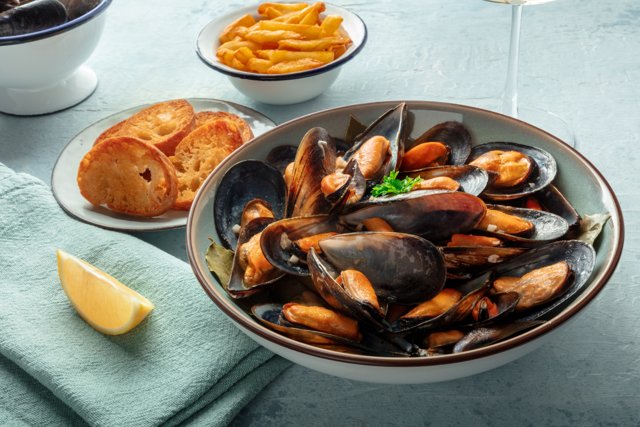
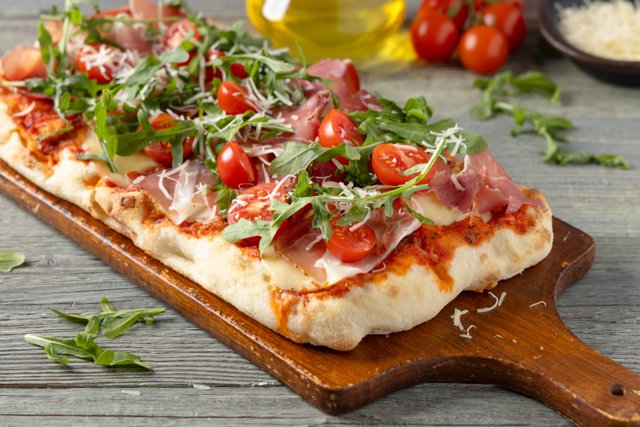
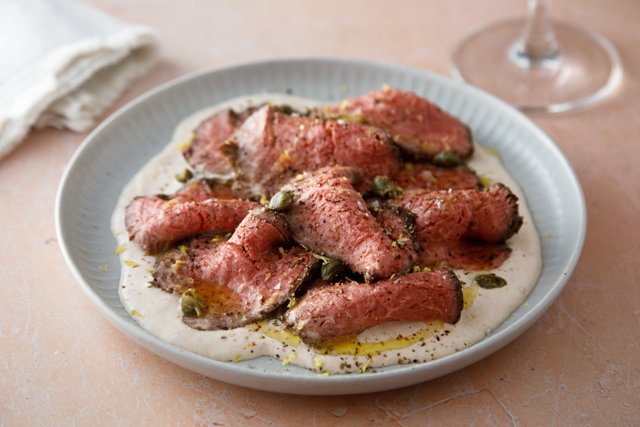
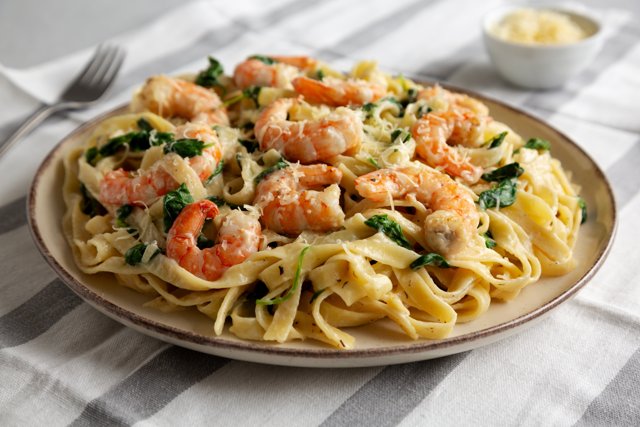
Waves of internal migration from across Italy brought their regional cooking with them, and the result is a table that stretches well beyond Lombard classics — you'll find excellent Sicilian, Neapolitan, and Pugliese food alongside the local canon.

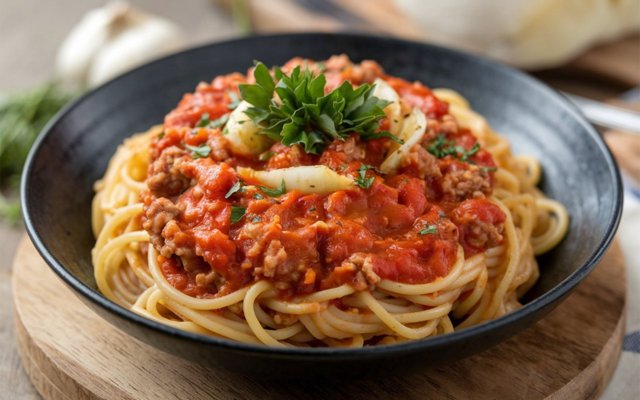
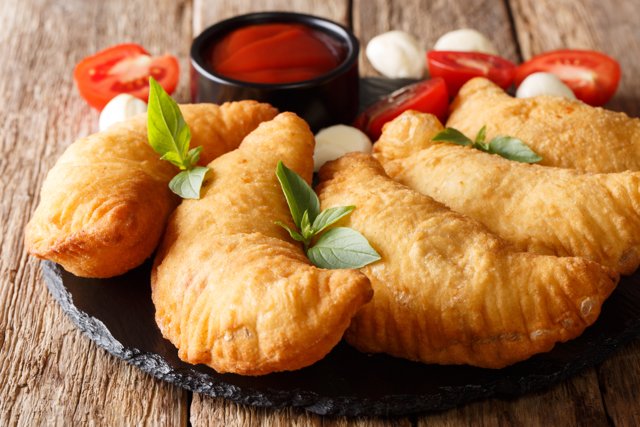
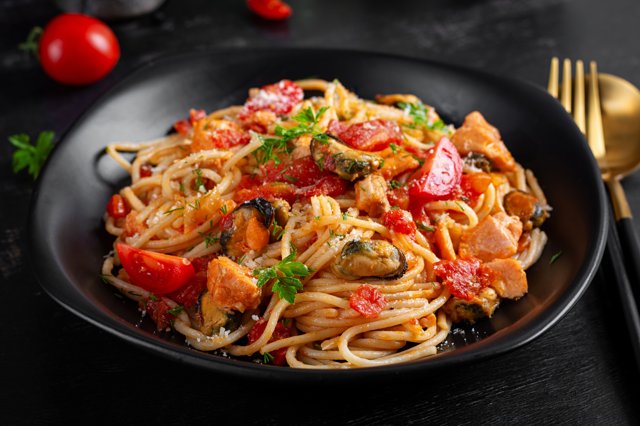
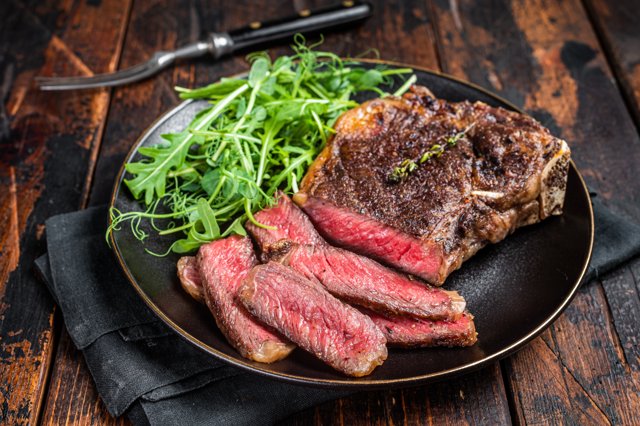
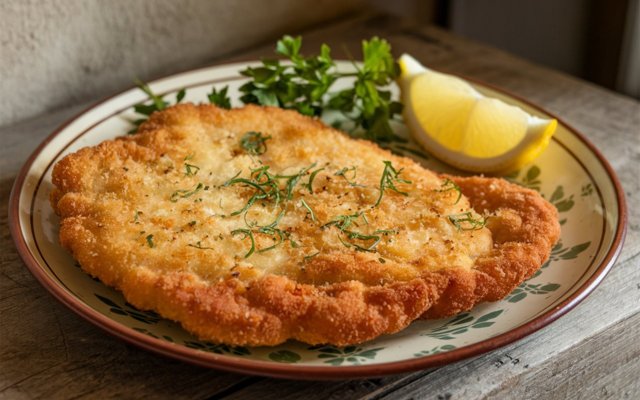
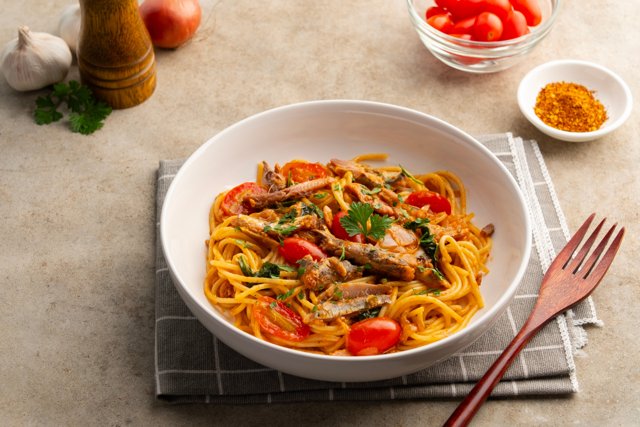
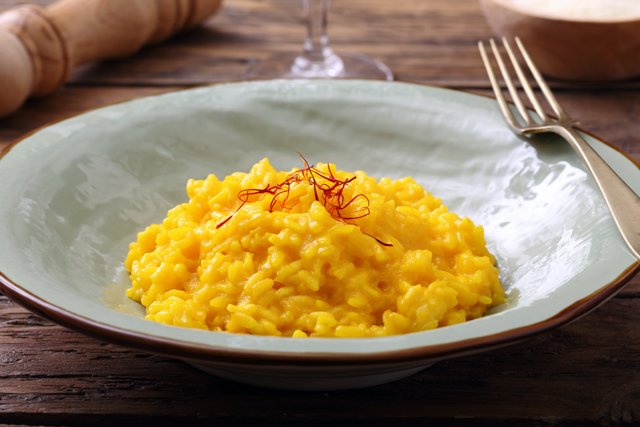
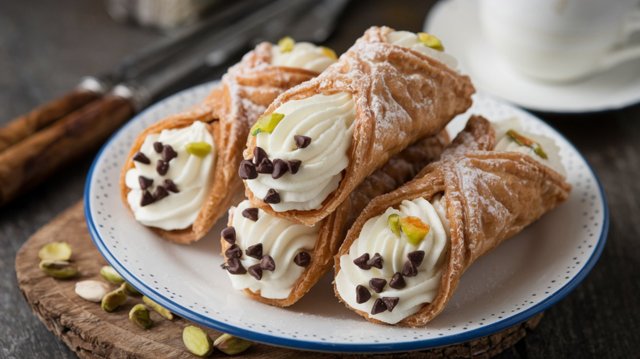
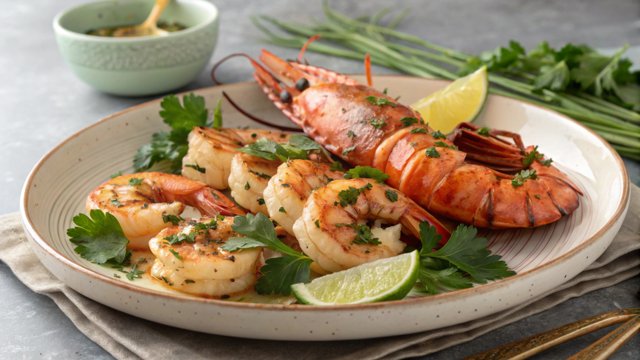
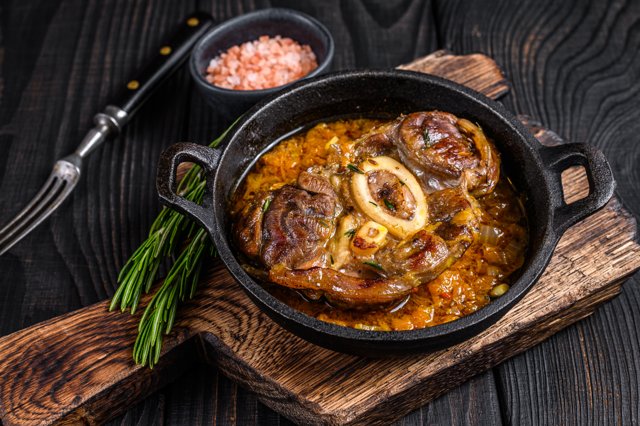
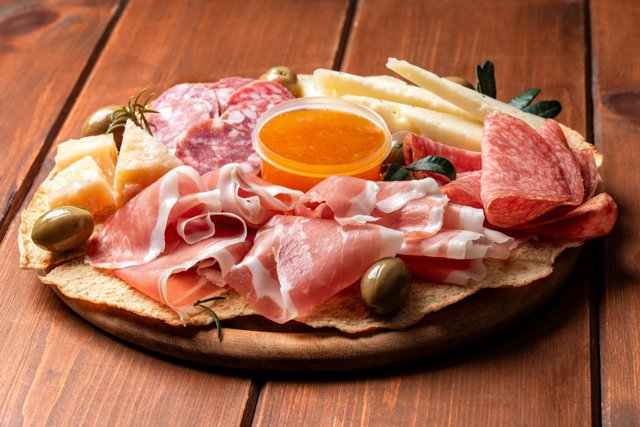
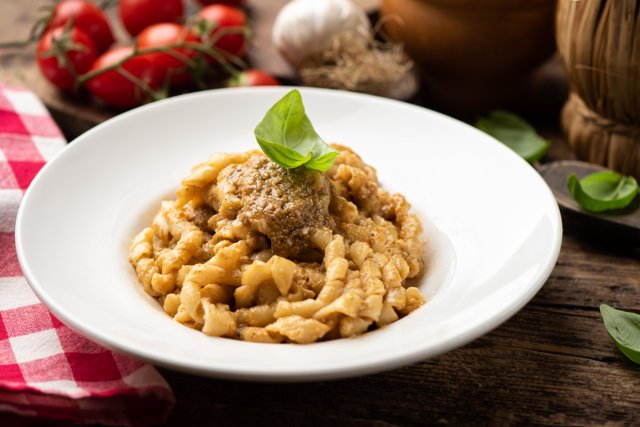
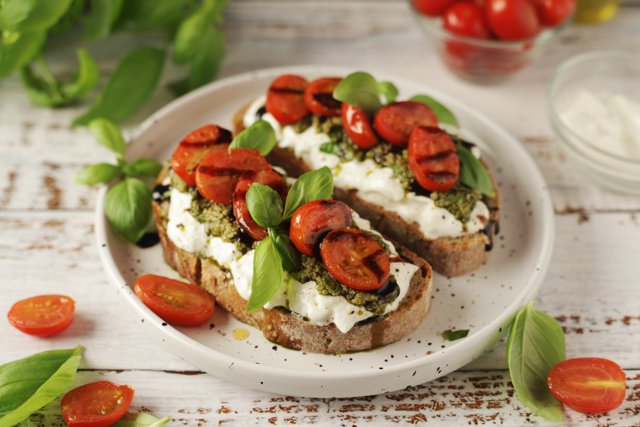
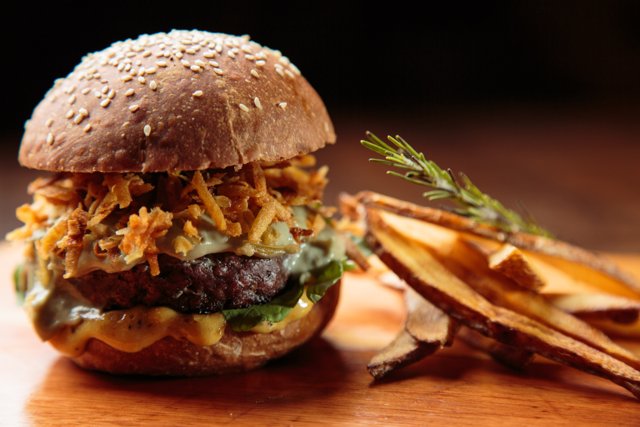
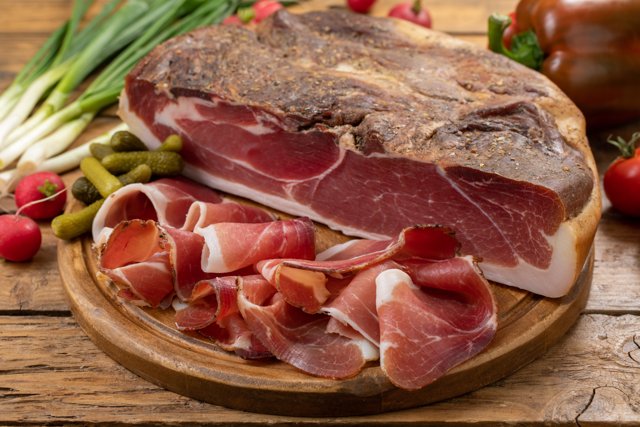
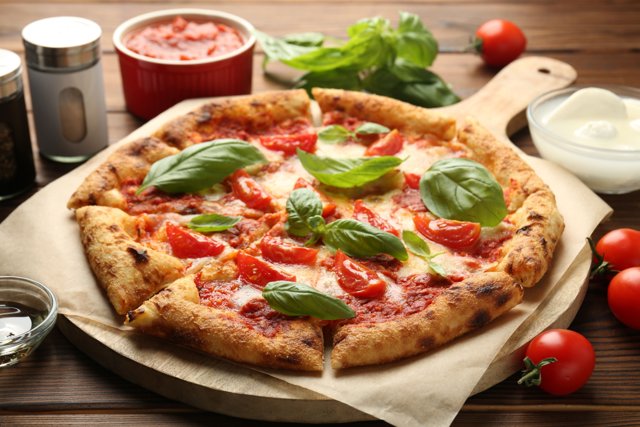
That local canon is worth knowing. Try Risotto alla Milanese, creamy and saffron-flavoured, and cotoletta alla Milanese, a breaded veal cutlet of considerable size. For a quicker bite, head to Luini near the Duomo for panzerotti — deep-fried dough pockets filled with tomato and mozzarella, eaten standing on the street. Heading to a park? Grab a michetta — a sandwich stuffed with slices of salame and prosciutto, sometimes mozzarella and grilled vegetables — and have a little picnic.

Then there’s coffee. Espresso (caffè) at the bar, standing up, is the default. It is quick, cheap, and excellent. Try macchiato (espresso with a tiny splash of milk), or a spiked caffè corretto.

A practical note: avoid eating immediately around the Duomo, where quality drops and prices don't.

City Rhythm

Milan runs on a different clock from the rest of Italy. It is the country's financial and fashion capital, and it moves accordingly — purposeful, well-dressed, and with less of the afternoon languor than you'd find further south. Shops open on time. Meetings start on time. The city means business.

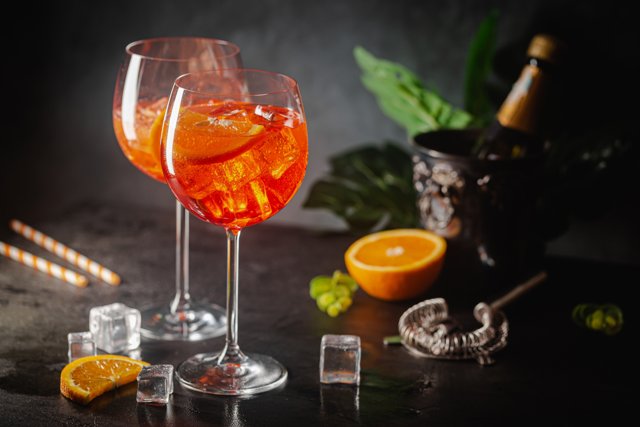
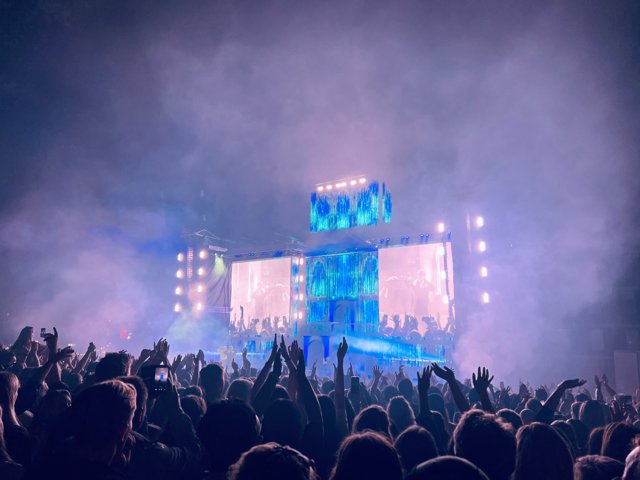
That said, Milan also knows how to switch off. The aperitivo hour, roughly 6pm to 9pm, is a beloved tradition. Order a Campari Spritz or a Negroni and most bars will lay out a spread of snacks generous enough to pass for dinner. The Navigli canals and Porta Garibaldi are the liveliest spots for this ritual. Dinner follows, rarely before 8pm.

August is the exception to everything. The city empties noticeably around Ferragosto, with many restaurants and independent shops closing for two weeks or more.

One small cultural note: milky coffee drinks like cappuccino are a breakfast thing. Ordering one after a meal is considered a faux pas.

Things to Do

Milan is not a city that hands you a checklist of must-see attractions. Beyond the Duomo — unmissable, and genuinely impressive up close — and an evening along the Navigli canals, the city invites you to follow your own interests rather than a prescribed route.

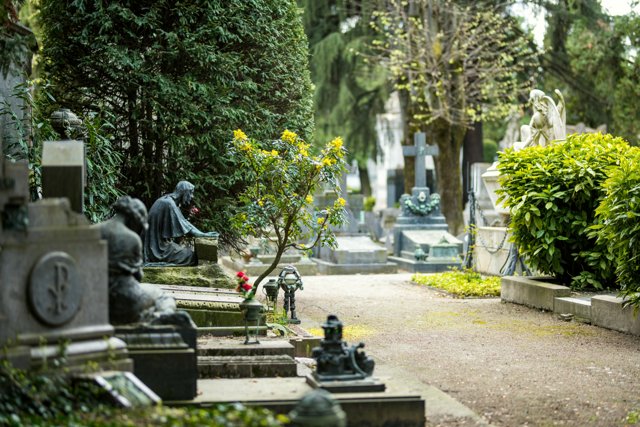
The Last Supper by Leonardo da Vinci draws visitors from around the world; book well in advance, as entry is strictly timed. Castello Sforzesco, a 15th-century fortress in the city centre, is worth an afternoon. The Pinacoteca di Brera is one of Italy's finest art galleries. For something less expected, Cimitero Monumentale is an extraordinary open-air museum of opulent 19th and 20th-century funerary sculpture.

Shopping ranges from the haute couture of the Quadrilatero d'Oro to excellent designer outlets on the city's outskirts. In April, the Salone Internazionale del Mobile transforms Milan into the global centre of design. And if you can get a ticket, an evening at La Scala is hard to forget.

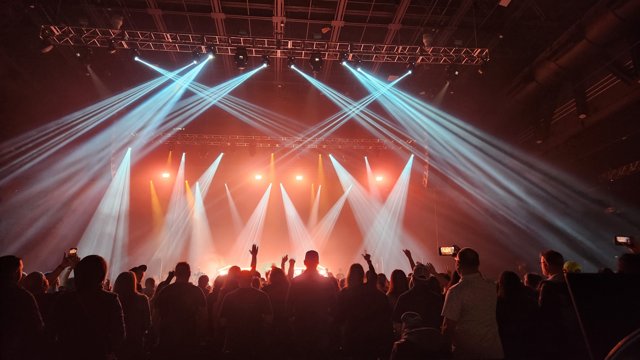
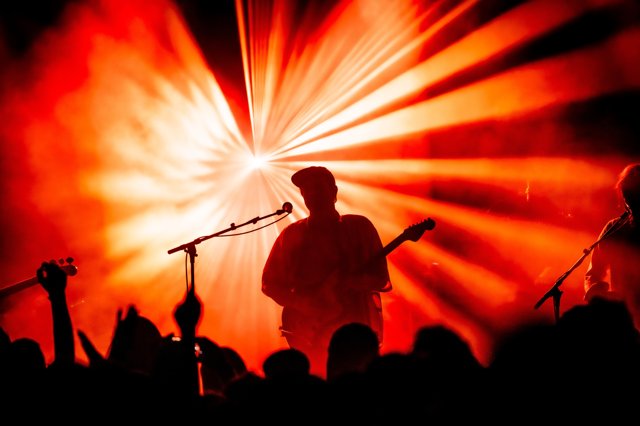
Milan is home to AC Milan and Inter Milan, who share the iconic San Siro stadium. Catching a match is a memorable experience — get your tickets early, because popular games sell out fast.

Best hotels in Milan

Frequently asked questions

How many days do I need in Milan?

Two full days cover the essentials. Three days give you room to explore neighbourhoods beyond the centre, and factor in an evening at the Navigli without feeling rushed. If you're a serious shopper or design enthusiast, four days is more comfortable. But, genuinely, get as many as you can.

What is Milan famous for?

Fashion, finance, and football — though the city has considerably more to offer than that shorthand suggests. The Duomo, Leonardo da Vinci's Last Supper, La Scala opera house, and a spectacular restaurant scene.

Is Milan expensive?

It is Italy's most expensive city, but costs vary significantly depending on where you eat and drink. Avoid restaurants around the Duomo and stick to neighbourhood bars and trattorias, don’t get into taxis — and Milan becomes very manageable!

Is Milan safe?

Yes. The city centre is safe and well-organised. Petty theft around the Duomo is the most common issue — stay alert rather than anxious.

Do I need to book The Last Supper in advance?

Yes, and well in advance. Entry is strictly timed and slots sell out weeks or months ahead. Check the official booking site and plan around availability rather than the other way around.

Is English widely spoken in Milan?

In hotels, restaurants, shops, and tourist areas, yes. Milan's international business culture means English is more prevalent here than in most Italian cities. Learning a few basic phrases in Italian is still appreciated.

When are the sales in Milan?

Twice a year, Milan's shops slash prices during the saldi (sales) periods. Winter sales generally run from early January through early March; summer sales from early July through early September. Exact dates vary slightly each year and are announced around a month beforehand, so check online closer to your trip. Discounts can reach 70% off.

Top destinations