Bucharest

An Eastern European capital shaped by royal ambition and communist excess, now finding its own confident rhythm.

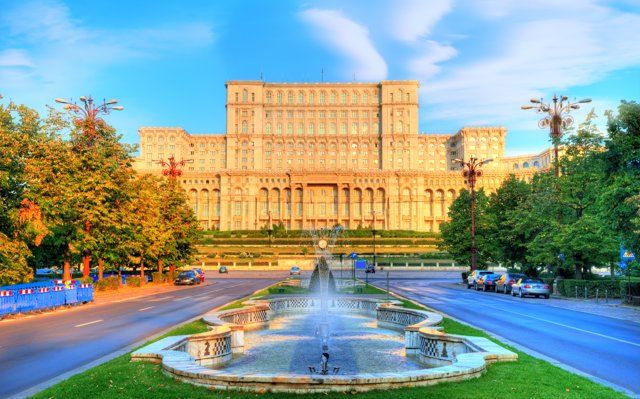
Palace of the Parliament Bucharest Romania

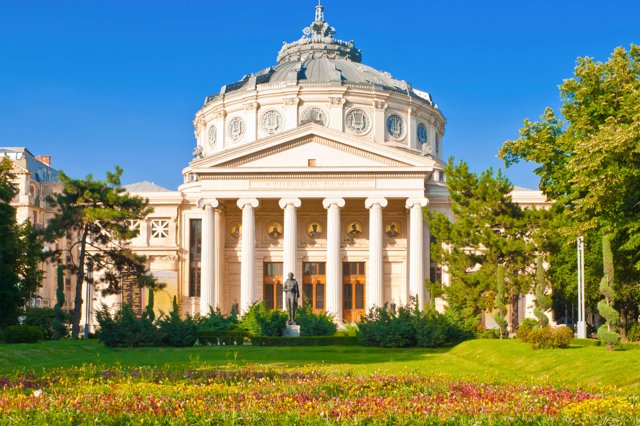
  • Romanian Athenaeum classical building Bucharest Romania

    Bucharest

    Romania’s capital resists easy comparisons. Wide boulevards inspired by Haussmann-era Paris cut through a city where Orthodox churches stand beside communist-era apartment blocks, and early 20th-century townhouses face modern glass towers. Bucharest grew in visible layers: an Ottoman trading post, an aspirational royal capital, then the centrepiece of a theatrical communist regime.

    The city earned its “Little Paris” nickname in the early 1900s, when its ambitions rivalled Western European capitals. Much was demolished under Ceaușescu, but enough remains to give the centre a surprising grandeur.

    Today, Bucharest feels lively and evolving, with a growing café and arts scene, a renewed interest in Romanian food, and an Old Town that draws visitors after dark. It is not always easy to love, but for the curious traveller, it is quietly rewarding.
Unique experiences in Bucharest

Prepare your dream trip

Explore places and experiences, tap the heart to save your favorites and build your route to share. In a hurry? Get an itinerary in two steps and share or download it to Google Maps.

Use left and right arrow keys to move between filters. Press Space or Enter to toggle a filter. Press Tab to leave the filter bar.

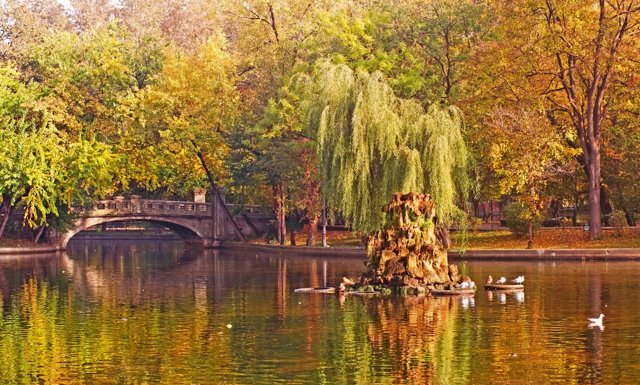
lake and bridge in Cişmigiu Gardens Bucharest

Nature and Parks

Cişmigiu Gardens

Nestled in the heart of Bucharest, Cișmigiu Gardens is the city’s oldest public park, inaugurated in 1854. Designed by Viennese architect Carl Friedrich Meyer, it transformed a swamp into a romantic haven of winding alleys, chestnut trees, and elegant landscapes that still enchant visitors today. The gardens reveal hidden corners of charm: a rose garden to the north, a French-style garden to the west, and serene lakes where rowboats glide across the water. Scattered throughout are the Writers’ Round and Roman Round, spaces celebrating history and culture amid the park’s natural beauty. Beloved by locals and travelers alike, Cișmigiu offers a timeless escape from the city’s bustle. With nearby landmarks such as the Old Town, Revolution Square, and the National Art Museum, a stroll through its shaded paths captures both the elegance of Bucharest’s past and the vitality of its present.

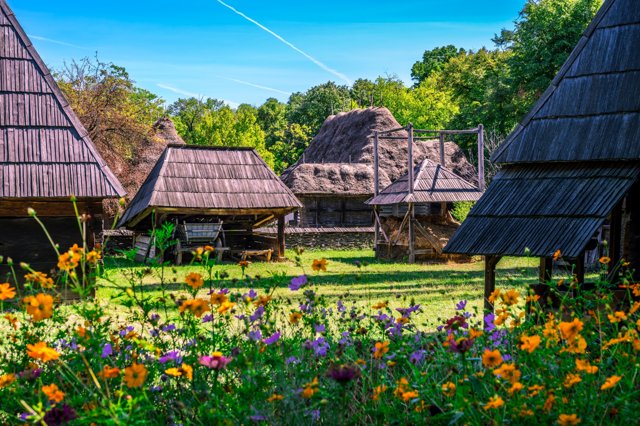
traditional wooden houses at Dimitrie Gusti National Village Museum Bucharest

Museums and Galleries

"Dimitrie Gusti" National Village Museum

Spanning a vast green expanse, the “Dimitrie Gusti” National Village Museum in Bucharest recreates the charm of a traditional Romanian village. Established in 1936, it brings together houses, churches, and rural buildings from every ethnographic region, offering a journey through centuries of heritage. Born from the vision of sociologist Dimitrie Gusti and his team, the museum was designed to reflect the authentic life of Romanian peasants. Each structure was carefully relocated, preserving the spirit of communities from Transylvania, Maramureș, Oltenia, and beyond, turning the museum into a living tapestry of rural culture. Today, its open-air grounds feature more than 360 monuments and over 50,000 artifacts, from wooden churches to intricate household items. With festivals, exhibitions, and immersive programs, the museum remains not only a guardian of tradition but also a vibrant cultural space where Romania’s soul continues to thrive. For more information on schedules and prices, consult its official website.

Palace of Parliament in Bucharest Romania with fountain

Historical Sites

Palace of Parliament

Born from an obsession with grandeur, the Palace of Parliament rises as Bucharest’s most controversial landmark. Conceived during Nicolae Ceaușescu’s regime, it is both a testament to ambition and a scar of the communist era. Nicknamed the “People’s House,” it holds the title of the world’s second-largest administrative building, exceeded only by the Pentagon. Inside, the palace overwhelms with vast marble halls, glittering crystal chandeliers, intricate wood carvings, and meticulously designed interiors that favor scale over subtlety. Yet its creation demanded enormous sacrifices: historic neighborhoods were erased, over 40,000 residents were displaced, and thousands of workers labored under punishing conditions, many never leaving the site alive. With more than 1,100 rooms and colossal proportions, the building is regarded as both the heaviest and one of the most extravagant in the world. Today, visiting the Palace means stepping into a paradox where power, tragedy, and architectural spectacle converge in unforgettable form. For more information on schedules and prices, consult its official website.

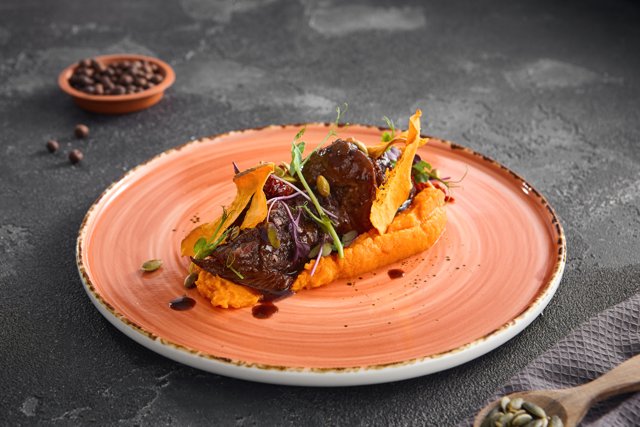
gourmet dish at Caru’ cu Bere restaurant Bucharest

Local cuisine

Caru’ cu Bere

4.5
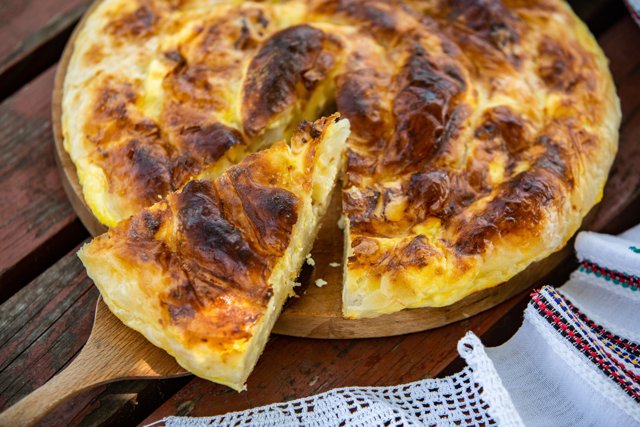
traditional Romanian pastry at Lacrimi și Sfinți Bucharest

Local cuisine

Lacrimi și Sfinți

4.2

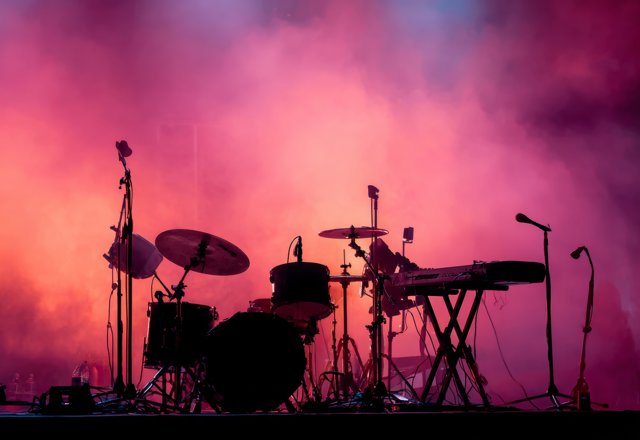
Concert

Valeron

Sep 2
Hiro Bay
Romanian Athenaeum building in Bucharest Romania

Leisure Places

Romanian Athenaeum

The Romanian Athenaeum rises in the heart of Bucharest as a symbol of culture, elegance, and national pride. Inaugurated in 1888 and designed by French architect Albert Galleron, this neoclassical jewel captivates with its grand dome, graceful columns, and Belle Époque charm. More than an architectural treasure, it embodies Romania’s path toward modernization and its enduring connection to European identity. Inside, the concert hall offers a breathtaking experience. Nearly 800 seats encircle the stage in an amphitheatre setting, crowned by the Great Fresco painted by Costin Petrescu in 1939. Stretching across the walls, its twenty-four scenes narrate the history of the Romanian people, turning the hall into a living chronicle of the nation’s past. Today, the Athenaeum is home to the George Enescu Philharmonic Orchestra and hosts concerts, conferences, and cultural events of the highest caliber. It remains one of Europe’s most beautiful concert halls, where history and harmony meet in timeless resonance. For more information on schedules and prices, consult its official website.

King Michael I Park with Ferris wheel Bucharest Romania

Nature and Parks

King Michael I Park

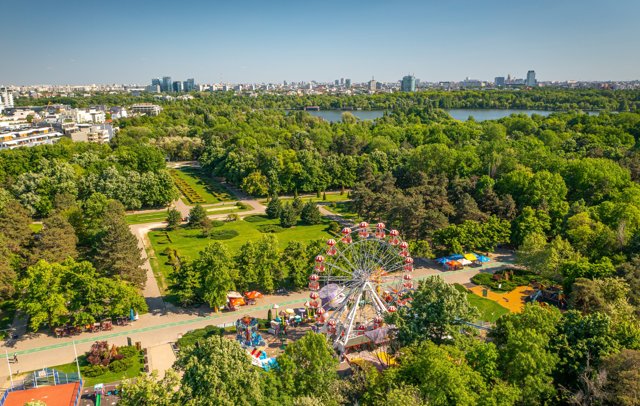
Spread across 187 hectares around the shimmering Herăstrău Lake, King Michael I Park is Bucharest’s largest green refuge and one of the biggest urban parks in Europe. Created in 1936, it remains a beloved escape where nature and city life blend seamlessly, offering visitors a timeless space to recharge. The park’s wide avenues and shady paths invite visitors to endless activities. Couples stroll through the romantic Japanese Garden, children run across playgrounds, while others rent boats or hydro-bicycles to glide across the lake. Even on the busiest summer afternoons, its vast size ensures space for both lively gatherings and peaceful corners of solitude. Beyond recreation, the park offers striking views that capture Bucharest’s contrasts. The calm waters reflect landmarks like the Press House and the Sky Tower, especially magical at sunset. A true jewel of the capital, King Michael I Park continues to enchant generations, embodying beauty, leisure, and timeless serenity.

Triumphal Arch in Bucharest Romania

Sights and Monuments

Triumphal Arch

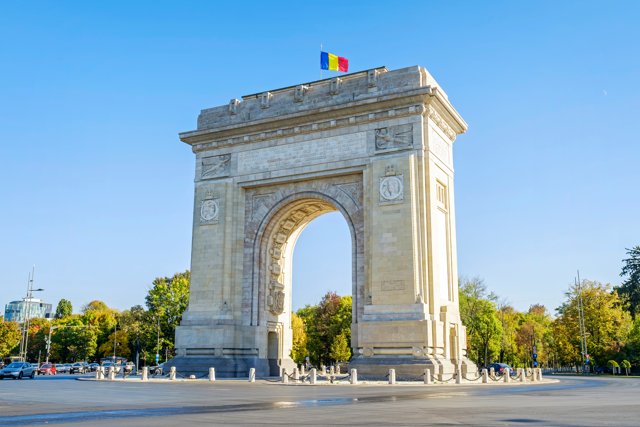
Crowned with history and national pride, Bucharest’s Triumphal Arch rises 27 meters high on Kiseleff Road, embodying Romania’s victories and unity. First built in wood for the 1922 Great Union parade, it was later reconstructed in stone in 1936 under architect Petre Antonescu. Its sculpted façade speaks of courage and remembrance. Works by renowned artists like Dimitrie Paciurea and Constantin Baraschi adorn the monument, while bronze medallions of King Ferdinand and Queen Maria honor the sovereigns who guided Romania through war and unification. Inscriptions etched on its walls echo the proclamations of sacrifice and hope. Today, the Triumphal Arch is a centerpiece of Romania’s National Day on December 1st, when military parades and jubilant crowds bring it to life. Beyond commemoration, visitors may climb to the top for panoramic views, where the monument stands as a timeless emblem of resilience, unity, and Bucharest’s vibrant spirit. For more information on schedules and prices, consult its official website.

Indian meal with naan bread at Karishma restaurant Bucharest

Indian cuisine

Karishma

4.1
chocolate eclairs with sliced almonds and strawberries French Revolution Bucharest

Coffee

French Revolution

4.8
courtyard of Stavropoleos Monastery Bucharest

Sights and Monuments

Stavropoleos Monastery

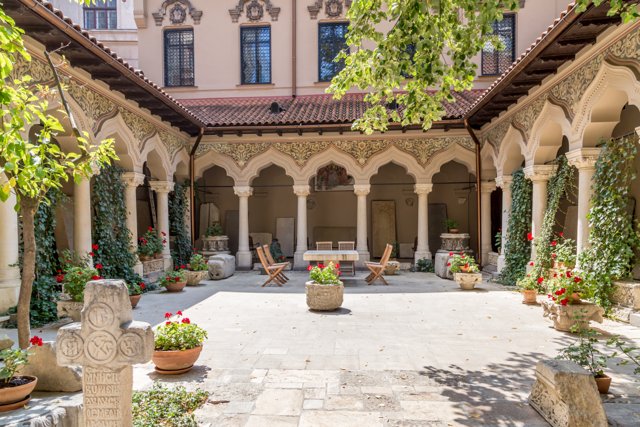
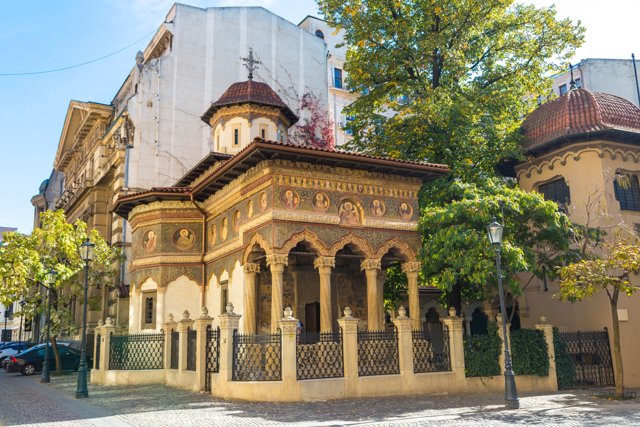
Amid the bustle of Bucharest’s historic center, the Stavropoleos Monastery stands as a jewel of serenity and beauty. Built in 1724, this small church has survived centuries of change, preserving its delicate character despite earthquakes and urban transformations. Once part of a larger complex with a monastery and inn, it remains a rare architectural treasure admired for its resilience. Its exterior captivates with richly carved stone and colorful murals that contrast with the surrounding concrete blocks. Passing through the modest wooden doors reveals an interior where frescoes, icons, and Byzantine motifs adorn every surface, creating an atmosphere of intimate splendor. Today, the Stavropoleos Monastery is more than a place of worship—it is a sanctuary of art and faith. Its remarkable collection of religious artifacts and sacred music continues to inspire visitors, ensuring that this small yet radiant church remains one of Bucharest’s most cherished landmarks. For more information on schedules and prices, consult its official website.

National Art Museum building in Bucharest Romania

Museums and Galleries

National Art Museum

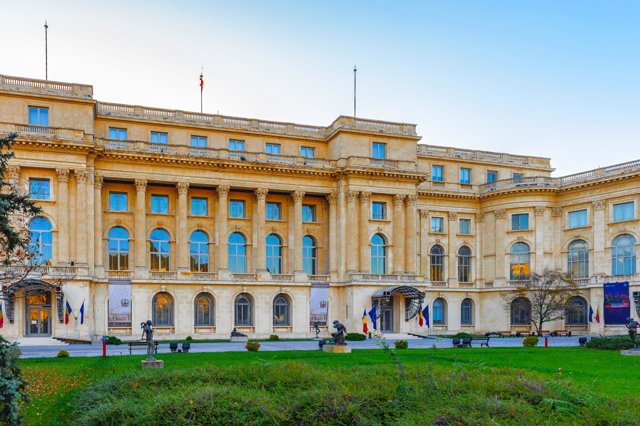
Set within the majestic Royal Palace of Bucharest, the National Museum of Art of Romania is one of the country’s most prestigious cultural landmarks. Its halls house an extensive collection of Romanian and European art, offering visitors an inspiring journey through centuries of creativity and heritage. The Romanian National Gallery presents treasures ranging from medieval icons rescued from monasteries to modern works by renowned artists such as Brâncuși, Grigorescu, Aman, and Petrașcu. Each room reveals the evolution of Romanian art, from sacred symbolism to bold expressions of modern realism, capturing the nation’s artistic identity. Equally captivating is the European Art Gallery, which showcases masterpieces by celebrated masters including El Greco, Rubens, Rembrandt, and Monet. Complemented by exquisite decorative arts, the museum not only reflects Romania’s ties to European movements but also serves as a window into the grandeur of its royal past. For more information on schedules and prices, consult its official website.

Carol I Park with monument and bridge Bucharest

Nature and Parks

Carol I Park

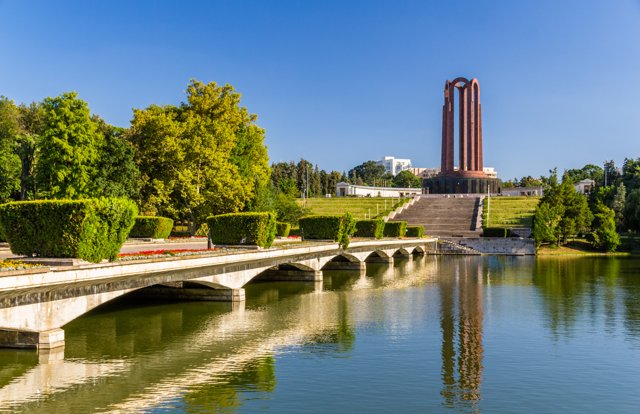
Created in 1906 to honor the reign of King Carol I, Carol I Park remains one of Bucharest’s most iconic green spaces. Designed by French landscape architect Édouard Redont, the park stretches over rolling lawns, tranquil lakes, and shaded alleys, offering an oasis of calm amid the city’s bustle. Its elegant design reflects both natural beauty and historical grandeur. The park’s landmarks tell stories of Romania’s past. Rising on Filaret Hill, the striking Mausoleum of the Heroes pays tribute to those who fell in the world wars, while the Arenele Romane amphitheater infuses the grounds with music and cultural life. Monuments such as the Zodiac Fountain add charm and symbolic depth to the landscape. Beyond leisure, Carol Park embodies memory and progress. The Dimitrie Leonida Technical Museum preserves Romania’s inventive spirit, while the park’s serene atmosphere invites reflection, making it both a retreat and a cultural treasure at the city’s heart, cherished by generations.

layered coffee drink with cinnamon sticks Bucharest

Coffee

Tucano Coffee Guatemala

4.4
Lasagna dish at Trattoria Il Calcio Bucharest

Italian cuisine

Trattoria Il Calcio

4.4
Bookshelf with colorful books at Cărturești Carusel Bucharest

Leisure Places

Cărturești Carusel

In the heart of Bucharest’s Old Town rises Cărturești Carusel, a neoclassical gem often hailed as one of the most beautiful bookstores in the world. Housed in a restored 19th-century bank, its six luminous floors transform literature into an immersive architectural experience. Inside, sweeping staircases, delicate iron railings, and a striking glass skylight create a space bathed in light, where shelves overflow with books of every theme and style. The design blends history with modern elegance, inviting both book lovers and curious wanderers to pause and explore. More than a bookstore, Cărturești Carusel is a cultural sanctuary. Visitors can enjoy art exhibitions, discover gourmet foods and wines, or relax with a coffee in the top-floor café overlooking the city. It is a place where stories, creativity, and inspiration converge, leaving every visitor with the sense of having stepped into a carousel of light and imagination. For more information on schedules and prices, consult its official website.

cobblestone street in Old Town Bucharest Romania

Neighborhoods

Old town

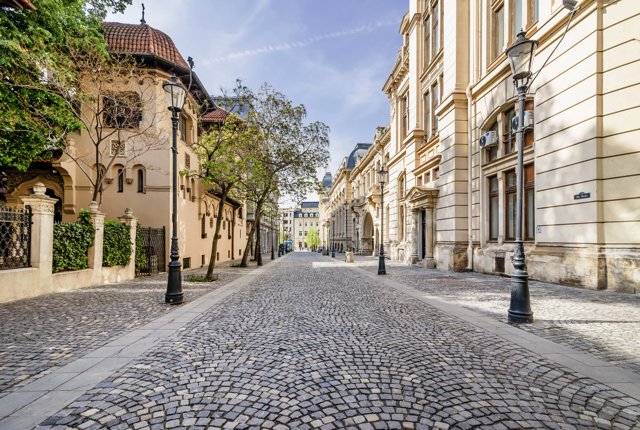
Bucharest’s Old Town is a vibrant maze of cobbled streets where neoclassical and neo-baroque façades recall the city’s golden age. Known as the heart of “Little Paris,” this lively district blends elegance and history with an unmistakable Eastern charm. Terraces, cafés, and shops bring life to centuries-old buildings, creating an atmosphere that feels both timeless and modern. Walking through Lipscani, the former merchants’ quarter, reveals a living open-air museum. Here, Curtea Veche, the remains of Vlad the Impaler’s princely court, stand beside bustling streets that once bore the names of trades and guilds. Each corner reflects the city’s cultural crossroads between East and West, marked by architecture that whispers stories of resilience and reinvention. At night, the Old Town transforms into Bucharest’s beating heart of entertainment. Bars, clubs, and restaurants spill onto the streets, while Cărturești Carusel, a spectacular 19th-century bookstore reborn as a cultural landmark, completes the district’s unique charm.

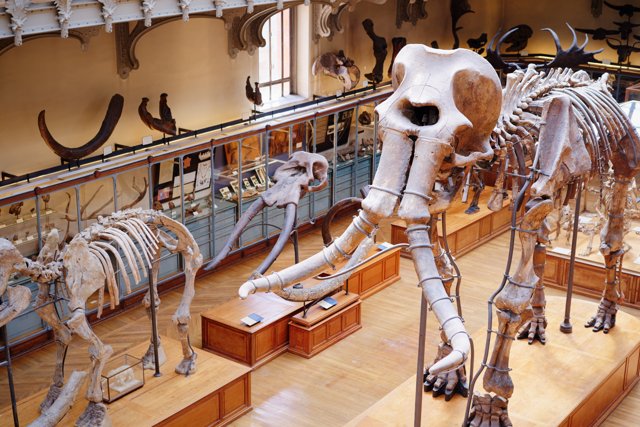
elephant skeleton exhibit Grigore Antipa Museum Bucharest

Museums and Galleries

Grigore Antipa Natural History Museum

The Grigore Antipa Natural History Museum is one of Bucharest’s most fascinating cultural treasures, inviting visitors on a journey through the story of life on Earth. Founded in 1834, it has grown into Romania’s largest natural history museum, with nearly two million exhibits that explore the origins of the universe, biodiversity, and the evolution of species. Inside, the museum blends tradition and innovation. Interactive displays, lifelike dioramas, and educational games bring the natural world closer than ever, making it a favorite for families. From glittering minerals and delicate butterflies to vast zoological and ethnographic collections, every hall reveals new wonders of science and nature. The highlight for many is the imposing dinosaur skeleton, standing as a reminder of prehistoric giants. Combined with archaeological findings and striking modern installations, the museum offers an inspiring experience that sparks curiosity in both young and old alike. For more information on schedules and prices, consult its official website.

spaghetti with clams and bread at Gargantua In The Park Bucharest

International cuisine

Gargantua In The Park

4
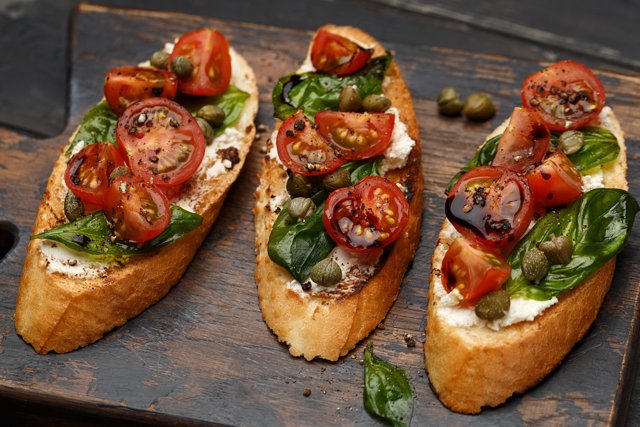
bruschetta with tomatoes and basil Simbio Bucharest

International cuisine

Simbio

4.5
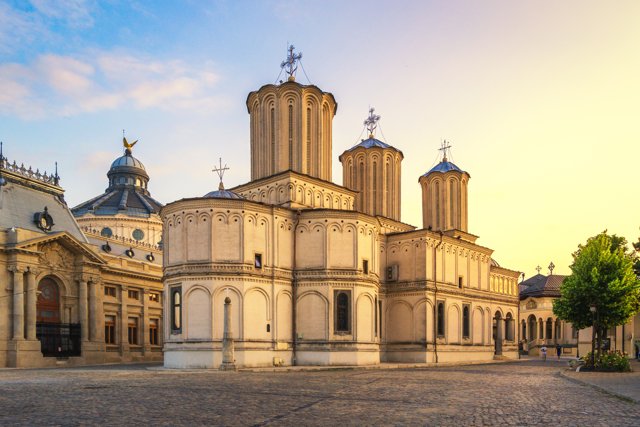
Patriarchal Cathedral in Bucharest Romania at sunset

Sights and Monuments

Patriarchal Cathedral

Rising above Mitropoly Hill, the Patriarchal Cathedral stands as a spiritual and national landmark at the heart of Bucharest. Built in the 17th century, it embodies the essence of Romanian Orthodox faith with its elegant domes, intricate frescoes, and a richly decorated iconostasis that has inspired generations of worshippers and visitors alike. The surrounding plateau is a living museum of history and architecture. Here stand the former Palace of the Chamber of Deputies with its monumental dome, the Patriarchal Palace with its Brâncovenesc-style chapel, and the historic Bell Tower from 1698, the last remnant of the original enclosure. Together, these buildings form a harmonious ensemble that reflects Romania’s cultural and religious heritage. Mitropoly Hill is also a stage of history. It witnessed the proclamation of the Unification of the Romanian Principalities in 1859, the country’s Independence in 1878, and the Kingdom in 1881, making the cathedral not only a sacred site but also a timeless symbol of national identity. For more information on schedules and prices, consult its official website.

Revolution Square with statues in Bucharest Romania

Sights and Monuments

Revolution Square

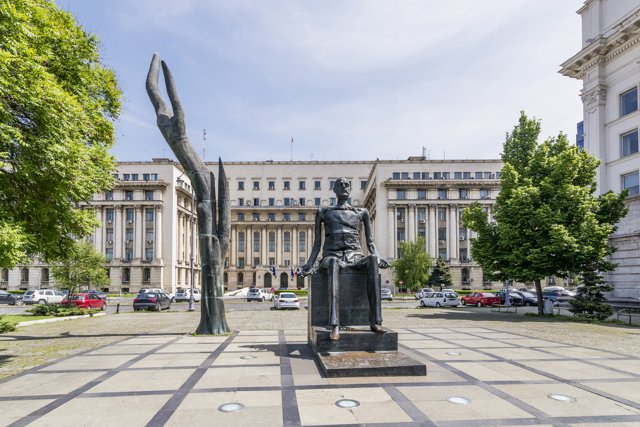
Revolution Square stands as one of Bucharest’s most symbolic landmarks, a place where history shaped the destiny of an entire nation. Framed by austere communist architecture, it once echoed with the triumphant speeches of Nicolae Ceaușescu, delivered from the balconies of the former Communist Party headquarters. At its heart rises the striking 25-meter Memorial of Rebirth, known among locals as “the potato on a stick.” This controversial monument honors those who lost their lives during the 1989 Revolution, serving as a permanent reminder of sacrifice and the price of freedom. It was here, in December 1989, that Ceaușescu’s final speech turned into chaos, forcing him and his wife to flee by helicopter before their downfall. Today, Revolution Square remains less about beauty and more about memory—a powerful site where visitors can stand in the very place where Romania’s path to democracy began.

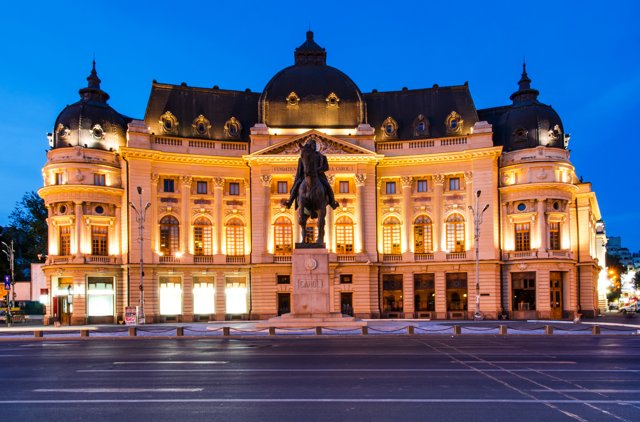
National History Museum of Romania Bucharest facade

Museums and Galleries

National History Museum of Romania

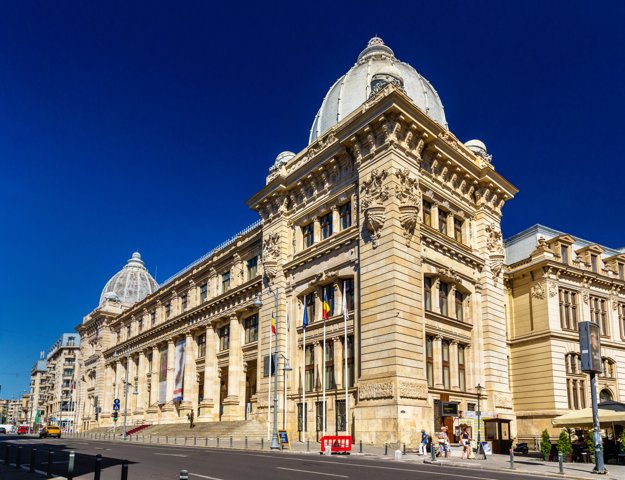
Housed in the former Postal Palace on Victory Avenue, the National History Museum of Romania stands as one of Bucharest’s most emblematic cultural landmarks. Behind its grand neoclassical façade, the museum offers a journey through centuries of history, showcasing artifacts that trace the nation’s evolution and identity. One of its highlights is the full-scale replica of Trajan’s Column, a masterpiece that unravels ancient Rome’s victory over Dacia through hundreds of intricately carved scenes. Nearby, the Lapidarium presents a striking collection of epigraphic and architectural monuments, from funerary stones to decorative elements, revealing Romania’s layered past. Perhaps the most dazzling section lies underground, where the Historical Treasure glimmers in the dim light. More than 3,000 artifacts of gold and precious stones—including crowns and jewels of extraordinary beauty—are displayed, making this vault a brilliant testimony to the craftsmanship, wealth, and resilience of the civilizations that once flourished here. For more information on schedules and prices, consult its official website.

duck confit dish with sauce and bread Les Bourgeois Bucharest

French cuisine

Les Bourgeois

4.2
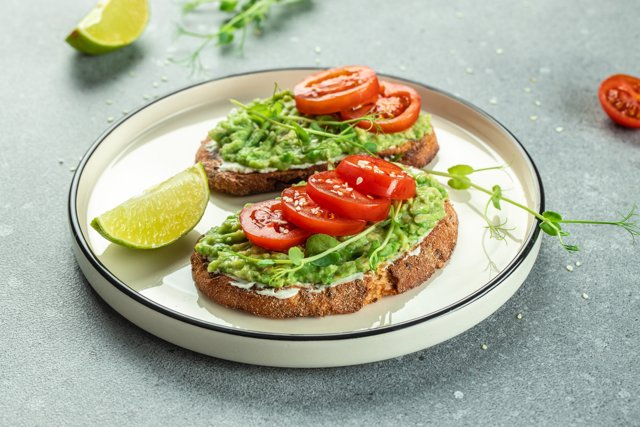
avocado toast with tomato slices in Bucharest restaurant

Coffee

VanFruct Coffee Shop

4.8
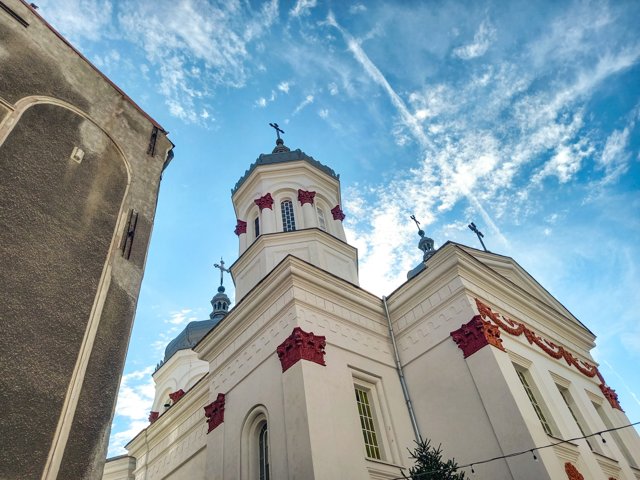
Stavropoleos Monastery Church Bucharest Romania

Historical Sites

Stavropoleos Monastery Church

Welcome to a space where spirituality blends with art and history: the Stavropoleos Monastery Church. This small but majestic temple, erected in 1724 by the monk Ioannikios Stratonikeas, is a jewel of the Brâncovenesc style, characteristic of Romania, which combines Byzantine, Ottoman, Renaissance, and Baroque influences in surprising harmony. Its multi-lobed arches, delicate arabesques, and magnificent carved iconostasis invite you to linger in every detail. A tour of its interior reveals a valuable collection of 18th-century icons and ecclesiastical objects that reflect centuries of devotion and sacred art. Beyond its architectural and artistic value, the monastery conveys an atmosphere of serenity in the heart of Bucharest, offering a haven of calm from the hustle and bustle of the city. Stavropoleos Church is not only a historical monument, but also a living symbol of Romania's profound spiritual and cultural heritage, a place that inspires respect, contemplation, and admiration. For more information on schedules and prices, please visit the official website.

Nightlife

Face Club Bucharest

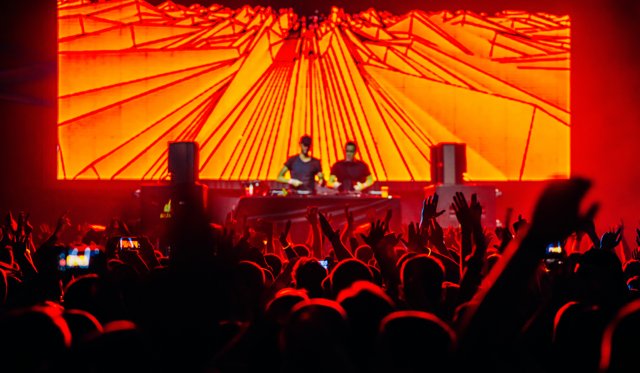
Born in an old printing house that once echoed with the hum of Bucharest’s presses, Face Club transformed that industrial shell into one of Romania’s most electric nightlife sanctuaries. Its rise mirrors the capital’s own creative rebirth—bold, urban, and unafraid of reinvention. Inside, cutting-edge lighting systems pulse over a sprawling dance floor surrounded by sleek VIP lounges and avant-garde décor. The massive LED screens, immersive visuals, and modern sound engineering create a sensory playground that has hosted international DJs and live acts beloved across Europe. Every night unfolds as a spectacle of energy and connection, where locals and travelers converge under flashes of color and rhythm. Here, music unites strangers, and the beat carries the pulse of Bucharest long past midnight. For more information on schedules and prices, please consult its official website.

modern interior of Unirea Shopping Center Bucharest

Shops and Street Markets

Unirea Shopping Center

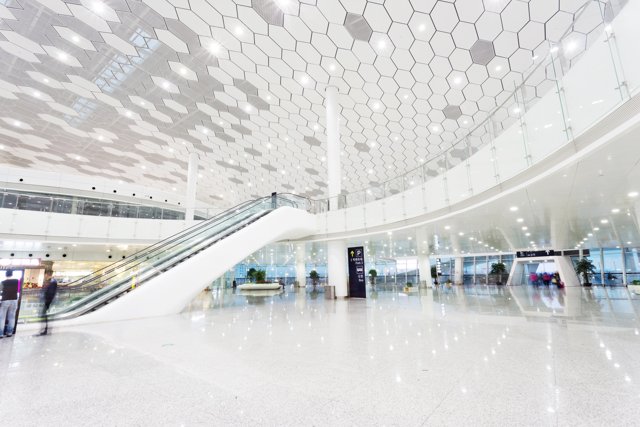
Where can you experience the vibrant energy of a big city while still finding everything you need in one place? That's the essence of Unirea Shopping Center, a meeting point in the heart of Bucharest that combines convenience, variety, and a lively atmosphere. Its strategic location makes it a must-visit for those looking to maximize their time and enjoy a complete shopping experience. On the first two floors, a world of fashion opens up, with stores like H&M, New Yorker, and Triumph, offering offerings for all styles and occasions. Higher up, on the third and fourth levels, the center reveals its practical side: spaces dedicated to electronics and household goods, designed for those seeking quality and functionality without leaving the city center. Unirea Shopping Center is not just a shopping center; it's a place where everyday life blends with a love of discovery, inviting every visitor to find what they need while enjoying the cosmopolitan pace of Bucharest. For more information on schedules and prices, please visit the official website.

black tea in glass cup with loose leaves Bucharest

Coffee

Ceainăria Infinitea

4.6
salmon dish at Aubergine restaurant Bucharest

Mediterranean cuisine

Aubergine

4.4
Cotroceni Palace Museum in Bucharest Romania

Museums and Galleries

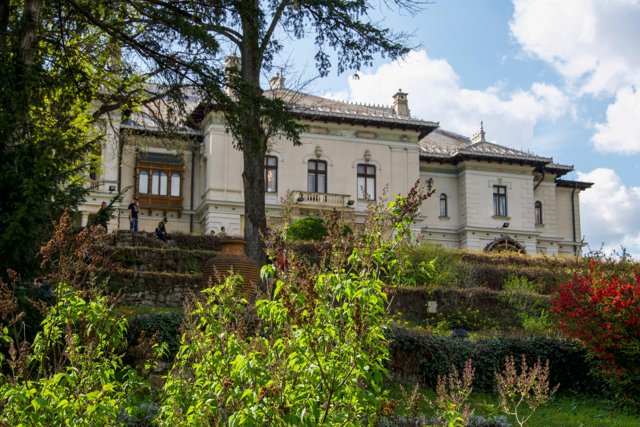
Cotroceni Palace Museum

Since its majestic construction between 1888 and 1893 at the behest of Romania's first king, Carol I, Cotroceni Palace has been both a witness and a protagonist in the country's history. Since 1991, it has served as the official residence of the Romanian president, uniting within its walls the royal legacy with modern national identity. Built on the foundations of an ancient monastery, whose cellars and basements are now part of the tour, the palace's original design was the work of French architect Paul Gottereau. His style would become a benchmark for Romanian residential architecture for decades. Until 1939, it was the Bucharest residence of the royal family, a home filled with elegance and memory. During the communist period, the palace hosted visiting heads of state, adapting to changing times without losing its essence. After the 1977 earthquake, a wing designed by Romanian architect Nicolae Vladescu was added, which today houses the presidential office and official residence. Guided tours allow you to admire numerous rooms, many of them decorated under the influence of Queen Mary, wife of Crown Prince Ferdinand. Her exquisite personal taste and English heritage are reflected in every detail, accompanied by an impressive art collection. For more information on schedules and prices, please visit the official website.

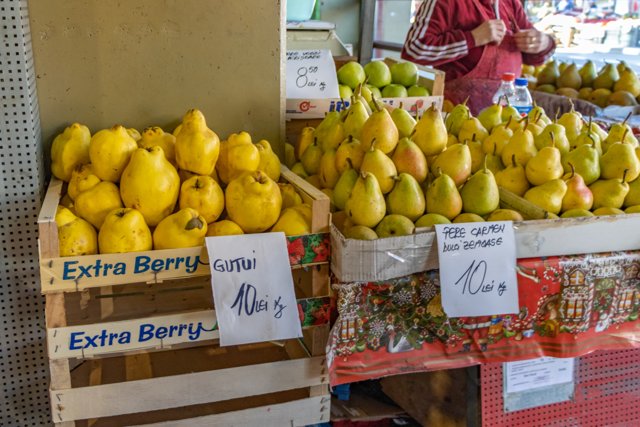
fruit stalls at Obor Market Bucharest Romania

Shops and Street Markets

Obor Market

After its recent renovation, Piața Obor is not only Bucharest's largest market, but also an unforgettable sensory experience. This bustling epicenter of local life pulses with a contagious energy, inviting you to lose yourself among its countless stalls. Immerse yourself in a veritable feast of colors, aromas, and flavors. Discover an astonishing array of fresh produce, from seasonal fruits and vegetables to traditional meats and cheeses. But Obor is much more than food: it's a universe of discovery where you'll find everything from handmade toys and the most authentic souvenirs to the most unexpected objects. With its vibrant atmosphere, spacious layout, and colorful stalls, Piața Obor offers a genuine immersion in Romanian culture. It's the perfect place to experience the city's daily life, share smiles with the vendors, and take home a piece of authentic Bucharest. For more information on schedules and prices, please visit the official website.

Nightlife

Control Club

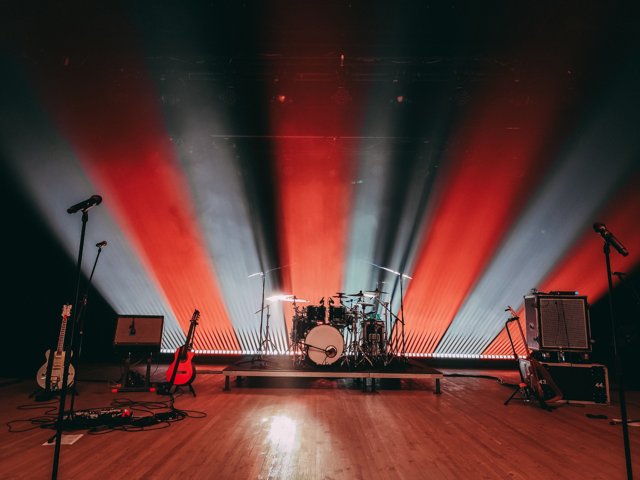
Founded over sixteen years ago amid Bucharest’s creative revival, Control Club quickly became a cornerstone of the city’s music and nightlife scene. Its evolution marks a cultural movement where independence, expression, and rhythm entwined to define modern Bucharest after decades of transformation. Inside, several interconnected spaces house live bands, electrifying DJ performances, and a leafy terrace that doubles as a relaxed meeting point. A mix of subcultures—punk, techno, indie, and funk—shapes its identity, establishing Control as one of Central and Eastern Europe’s most influential urban stages. Nights here unfold with a magnetic sense of freedom. Beats resonate through walls filled with locals, artists, and travelers dancing as one community under colorful lights—a celebration of diversity and sound that embodies the city’s unfiltered creative pulse. For more information on schedules and prices, please consult its official website.

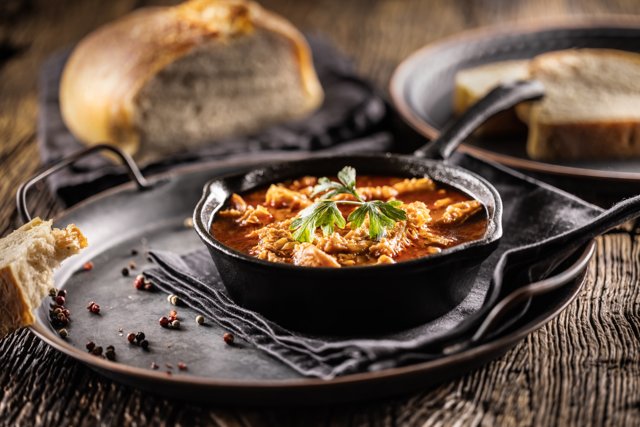
Traditional soup at Ciorbărie restaurant Bucharest

Restaurante

Ciorbărie

4.7
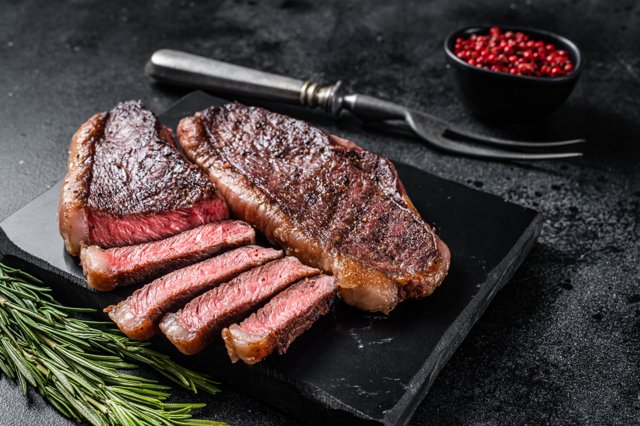
grilled beef steak sliced on black slate Bucharest

International cuisine

Nor Sky Casual Restaurant

4.8
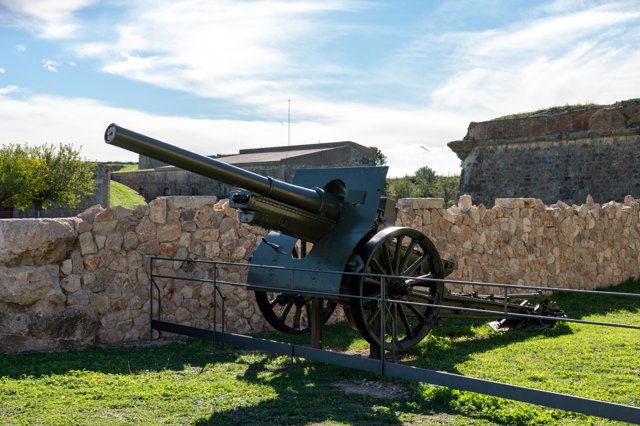
old cannon at Military History Museum Bucharest

Museums and Galleries

Military History Museum

The National Military Museum, founded in 1923 by decree of King Ferdinand and currently named after him, offers a comprehensive exploration of Romanian military history through an impressive collection totaling approximately 1,300,000 exhibits. Over time, the museum's initial collection has been significantly enriched, although some items were inevitably lost or damaged. The museum's collections are organized thematically, covering a wide array of military artifacts such as uniforms, weapons (including firearms), flags, and medals. Visitors can explore these collections either chronologically or by military branch, including infantry, cavalry, air force, and navy. Due to space constraints, only a portion of the museum's extensive collection is on display at any given time, with exhibits regularly rotated. Managed by the Ministry of National Defense of Romania, the National Military Museum remains a vital institution preserving and presenting Romania's military heritage.

colorful shopping bags at Promenada Mall Bucharest

Shops and Street Markets

Promenada Mall

What makes a shopping mall so much more than just a place to shop? Promenada Mall has the answer, having established itself as one of Bucharest's most attractive locations thanks to its contemporary atmosphere and diverse offerings. Located next to the Aurel Vlaicu metro station, it houses some 140 stores ranging from fashion and accessories to technology and lifestyle, as well as a supermarket and multiple dining options for all tastes. However, what truly sets this space apart is its spectacular rooftop terrace. There, shopping combines with leisure in an open and dynamic environment that becomes a meeting point for residents and visitors. In the winter season, the skating rink adds a special charm, turning every visit into a memorable experience. Promenada Mall thus presents itself as a versatile location, capable of surprising both those seeking the latest trends and those looking for a different kind of experience in the Romanian capital. For more information on schedules and prices, please visit the official website.

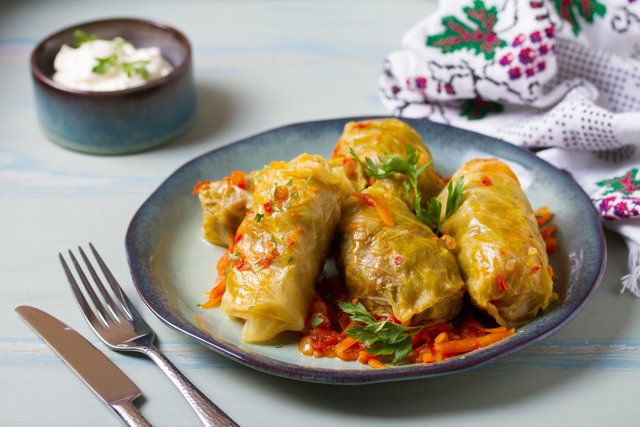
sarmale dish at Hanu' lui Manuc restaurant Bucharest

International cuisine

Restaurant Hanu' lui Manuc

4.6
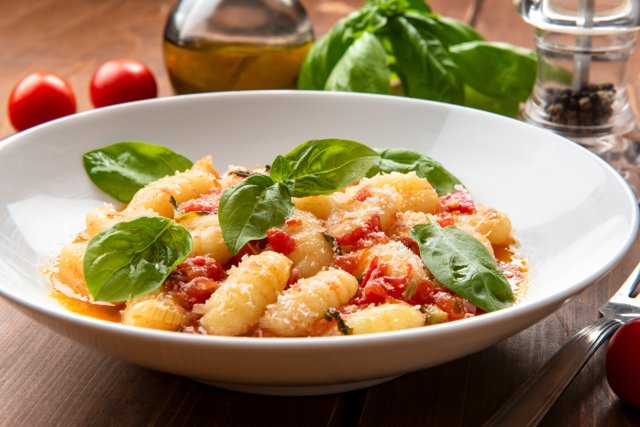
gnocchi with tomato sauce and basil at Trattoria Mezzaluna Bucharest

Italian cuisine

Trattoria Mezzaluna

4.8
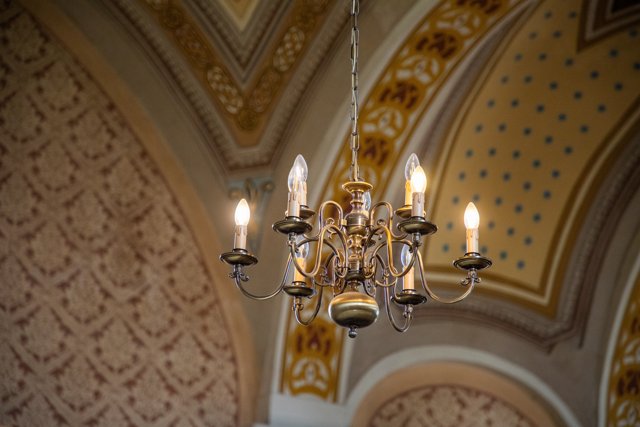
chandelier inside Jewish Community History Museum Bucharest

Museums and Galleries

Jewish Community History Museum

Founded in 1836, this extraordinary synagogue is not just a monument, but a guardian of memory. Since 1978, it has housed a poignant Jewish history museum, created under the vision of Chief Rabbi Moses Rosen (1964-1994), which chronicles the vibrant life of Bucharest's Jewish community. Inside, an impressive collection of liturgical objects and detailed exhibits not only tells its own story but also celebrates the profound Jewish contributions to Romanian culture. Beyond the stories it preserves, the true protagonist is the building itself. A palace of faith spread over three levels, embellished with two ornate galleries and sumptuous decoration covering every inch, from floor to ceiling. The temple is currently undergoing a painstaking restoration process to preserve its full splendor. While the renovations are underway, the exhibits have been temporarily relocated to the Great Polish Synagogue, where you can continue this fascinating historical journey.
New St George Church exterior in Bucharest

Historical Sites

New St. George Church

Consecrated on June 29, 1707, the New Church of St. George stands as the largest of the churches built during the splendorous reign of Constantin Brâncoveanu. A true masterpiece of its time, it was born from the collaboration between the Italian architect Vaseleli and the most distinguished Romanian artisans of the time: the painter Parvu Mutu, the carpenter Istrate, and the sculptor Caragea. Its history, however, has been marked by resilience. After suffering damage in a fire in 1847, the church was reborn between 1852 and 1853 under the direction of the Spanish architect Villacrosse. It was during this renovation that it was enriched with the extraordinary interior murals by Marian Popp. Over the years, successive restorations have returned the church to its original splendor, culminating in 2014 with the restoration of numerous paintings, a fitting tribute to the canonization of its founder, Brâncoveanu. Today, visitors can not only admire its imposing architecture and dazzling interior, but also pay homage to Brâncoveanu himself, whose remains, originally laid to rest in the crypt, are now on display inside the church he himself commissioned. For more information on schedules and prices, please visit the official website.

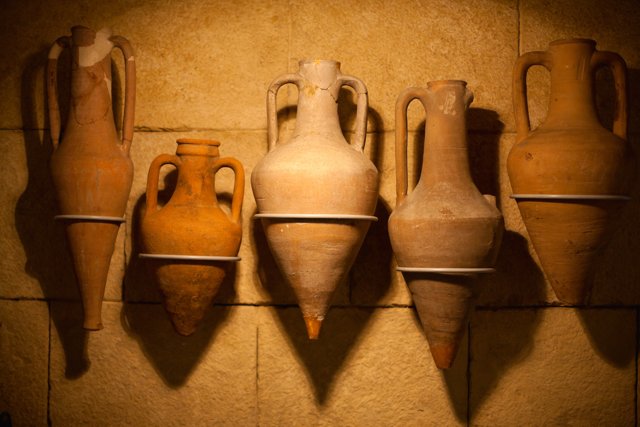
ancient clay amphorae displayed on stone wall

Museums and Galleries

National Museum of Contemporary Art

Where can you find a space capable of connecting the present with the future of art in a setting steeped in history? This experience is found at the National Museum of Contemporary Art in Bucharest, located within the imposing Palace of Parliament. Its monumental architecture frames a creative universe that celebrates innovation, experimentation, and the diversity of artistic languages. The museum's galleries bring together works by the most prominent contemporary Romanian artists, along with temporary exhibitions by international artists that provide new perspectives and enrich cultural dialogue. Painting, sculpture, photography, installations, and digital art coexist in a journey that invites you to question, reflect, and discover fresh perspectives on today's world. The National Museum of Contemporary Art is not only a landmark of Bucharest's cultural life, but also a gateway to the emblematic Palace of Parliament, offering the possibility of exploring it without a guided tour. Every step in its galleries is an invitation to immerse yourself in the creative force of our time. For more information on schedules and prices, please visit the official website.

Margherita pizza with basil leaves in Bucharest restaurant

Italian cuisine

AveForchetta

4.8
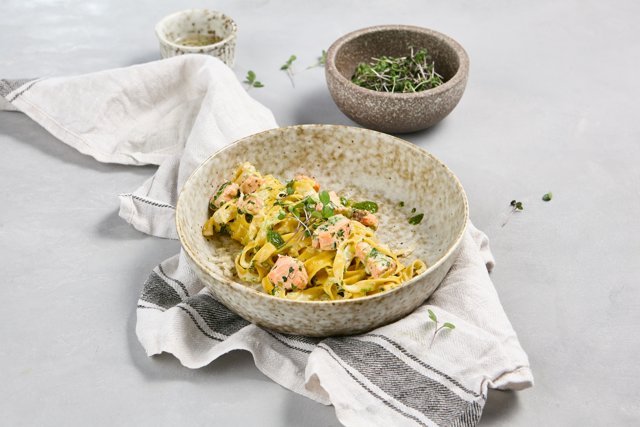
Fettuccine pasta with salmon cream sauce Trattoria Garibaldi Bucharest

Italian cuisine

Trattoria Garibaldi

4.8
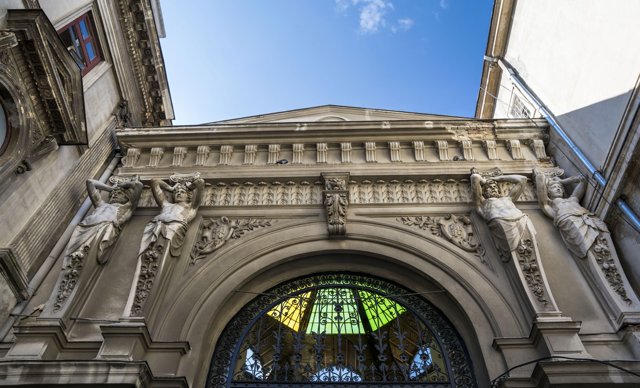
Entrance arch of Macca-Vilacrosse Passage Bucharest

Sights and Monuments

Macca-Vilacrosse Passage

Who can resist a stroll under a glass and wrought iron dome that seems to stop time? This is Pasajul Macca-Vilacrosse, one of Bucharest's most charming corners. This covered passageway, which connects to the lively Calea Victoriei, combines historic elegance with a vibrant contemporary feel. Its passageways feature a unique mix of unique shops, art galleries, and small antique stores that invite curiosity. Alternative fashion, handmade objects, and the most original souvenirs coexist with antique furniture, collectibles, and relics that tell stories of bygone times. The charm of Pasajul doesn't end with its window displays: cozy cafes and bars with personality complete the experience, making it an ideal place to take a break, enjoy a coffee, or toast in good company. More than just a shopping space, this passageway is an encounter with creativity, tradition, and Bucharest's urban life at its finest.

University of Bucharest building at dusk Romania

Sights and Monuments

University of Bucharest

University Square in Bucharest serves as a hub for intellectual and political events, and it's widely regarded as a popular meeting spot in the city. The University of Bucharest itself has a tumultuous history, notably serving as a focal point during the intense fighting of the 1989 Revolution. Adjacent to the square, you'll find several notable landmarks, including the University of Bucharest’s School of Architecture, the National Theatre, Coltea Hospital, and the Sutu Palace, which houses the History Museum. Each year, a Christmas market adds festive charm to University Square, attracting visitors with its seasonal delights. Beyond the holiday season, the area offers a variety of excellent restaurants and cafes, ensuring it remains a vibrant destination throughout the year. For more information on schedules and prices, please visit the official website.

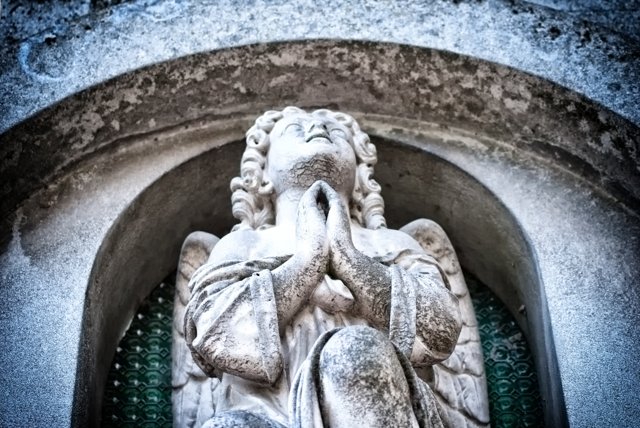
praying angel sculpture at Bellu Cemetery Bucharest

Sights and Monuments

Bellu Cementery

Founded in the 1850s, this is Bucharest's most historic cemetery, serving as the final resting place for a multitude of Romania's greatest academics, scientists, artists, writers, musicians, poets, and occasionally politicians. Each individual has their own plot, typically adorned with a dedicated monument. One notable monument is dedicated to the comic actor Toma Caragiu, tragically killed in the Bucharest earthquake of 1977. Visitors can easily spend half a day exploring the cemetery, moving among gravestones, memorials, and statues. The cemetery organizes graves by profession, such as scientists in one area and actors in another. Be sure to visit the central chapel, constructed in the 1880s in the style of the Karlsbad Cathedral (Karlovy Vary), featuring exquisite interior paintings. The chapel operates on the same hours as the cemetery itself. Adjacent to the cemetery is Cimitirul Eroilor, where those who lost their lives during the 1989 revolution in Bucharest are interred.

Modelier restaurant cheeseburgers Bucharest

Burgers

Modelier

4.7
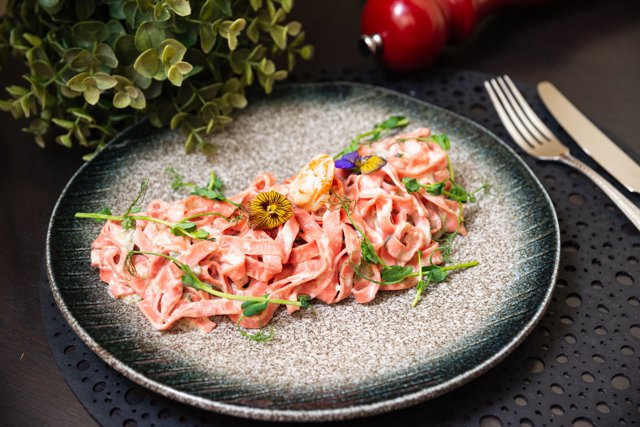
pink beetroot tagliatelle at Le Bab Downtown Bucharest

International cuisine

Le Bab Downtown

4.7
barista serving cappuccino in Bucharest restaurant

Coffee

Camera din Față

4.8
traditional soup at City Grill Covaci Bucharest

Grill cuisine

City Grill Covaci

4.6
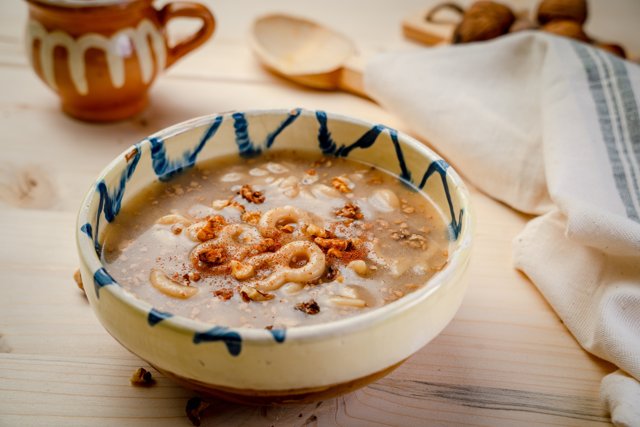
Papanasi dessert at Restaurant Burebista Traditional Bucharest

Local cuisine

Restaurant Burebista Traditional

4.4
grilled chicken drumsticks with herbs Old Kitchen Bucharest

Local cuisine

Old Kitchen

4.7
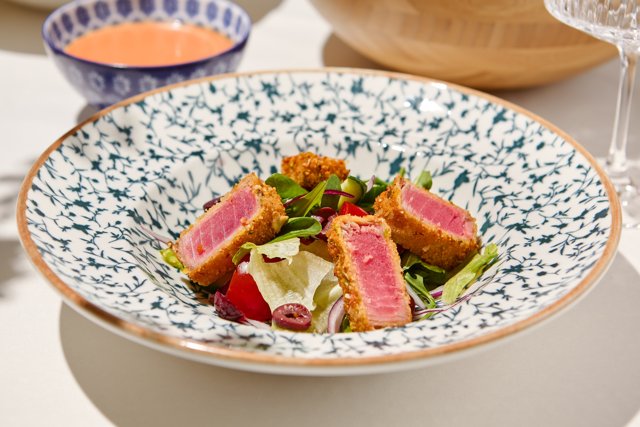
seared tuna salad at Caju restaurant Bucharest

Mediterranean cuisine

Caju

4.4
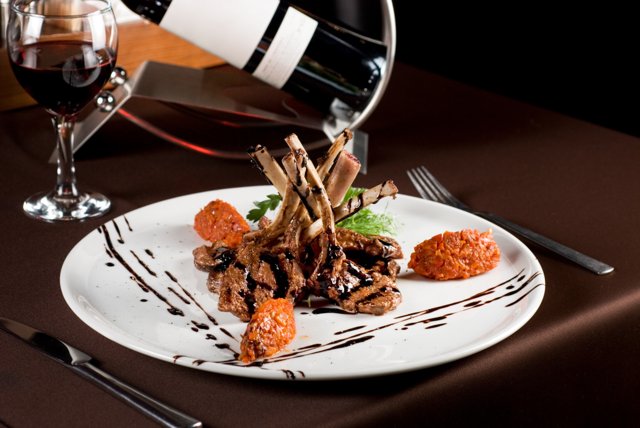
roasted lamb ribs with sauce and red wine Bucharest

Italian cuisine

Allucinante

4.7
cocktails at La Grande Bellezza Disco Bar Bucharest

Bar

La Grande Bellezza Disco Bar

4.5
latte art coffee cup at Trofic restaurant Bucharest

Coffee

Trofic

4.7
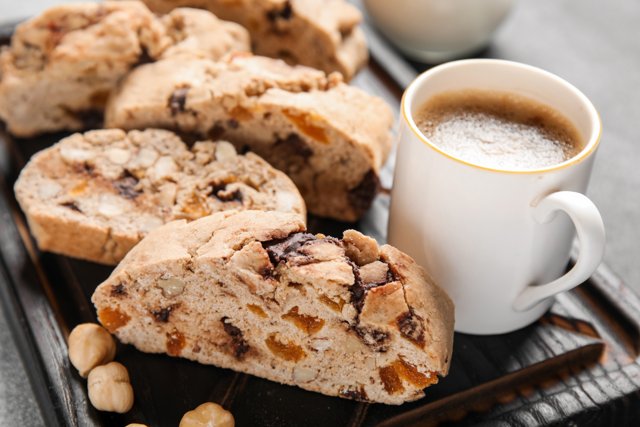
coffee and biscotti at Grand Café Van Gogh Bucharest

Coffee

Grand Café Van Gogh

4.2

Concert

Garou

Sep 20
Arenele Romane

Concert

Kadebostany

Dec 8
Gradina cu Filme

Concert

Luca Testa

Aug 7
Seen

Concert

Anna Netrebko and Jose Carreras

Sep 12 - Sep 13
Palace Hall
Cişmigiu Gardens
"Dimitrie Gusti" National Village Museum
Palace of Parliament
Caru’ cu Bere
Lacrimi și Sfinți
Valeron
Romanian Athenaeum
King Michael I Park
Triumphal Arch
Karishma
French Revolution
BLOND:ISH
Stavropoleos Monastery
National Art Museum
Carol I Park
Tucano Coffee Guatemala
Trattoria Il Calcio
Arab Strap 2
Cărturești Carusel
Old town
Grigore Antipa Natural History Museum
Gargantua In The Park
Simbio
Bonnie Tyler
Patriarchal Cathedral
Revolution Square
National History Museum of Romania
Les Bourgeois
VanFruct Coffee Shop
Rita Ora 2
Stavropoleos Monastery Church
Face Club Bucharest
Unirea Shopping Center
Ceainăria Infinitea
Aubergine
Cotroceni Palace Museum
Obor Market
Control Club
Ciorbărie
Nor Sky Casual Restaurant
Military History Museum
Promenada Mall
Bazaar of Memories Flea Market
Restaurant Hanu' lui Manuc
Trattoria Mezzaluna
Autechre
Jewish Community History Museum
New St. George Church
National Museum of Contemporary Art
AveForchetta
Trattoria Garibaldi
Tender
Macca-Vilacrosse Passage
University of Bucharest
Bellu Cementery
Modelier
Le Bab Downtown
Son Mieux 2
Plaza Romania
Camera din Față
City Grill Covaci
Danko Jones
Restaurant Burebista Traditional
Old Kitchen
Old Grave Festival
Caju
Allucinante
La Grande Bellezza Disco Bar
Trofic
Grand Café Van Gogh
The Last Mile
Kadebostany
Luca Testa
Tyga
Anna Netrebko and Jose Carreras
Novotel Bucharest City Centre
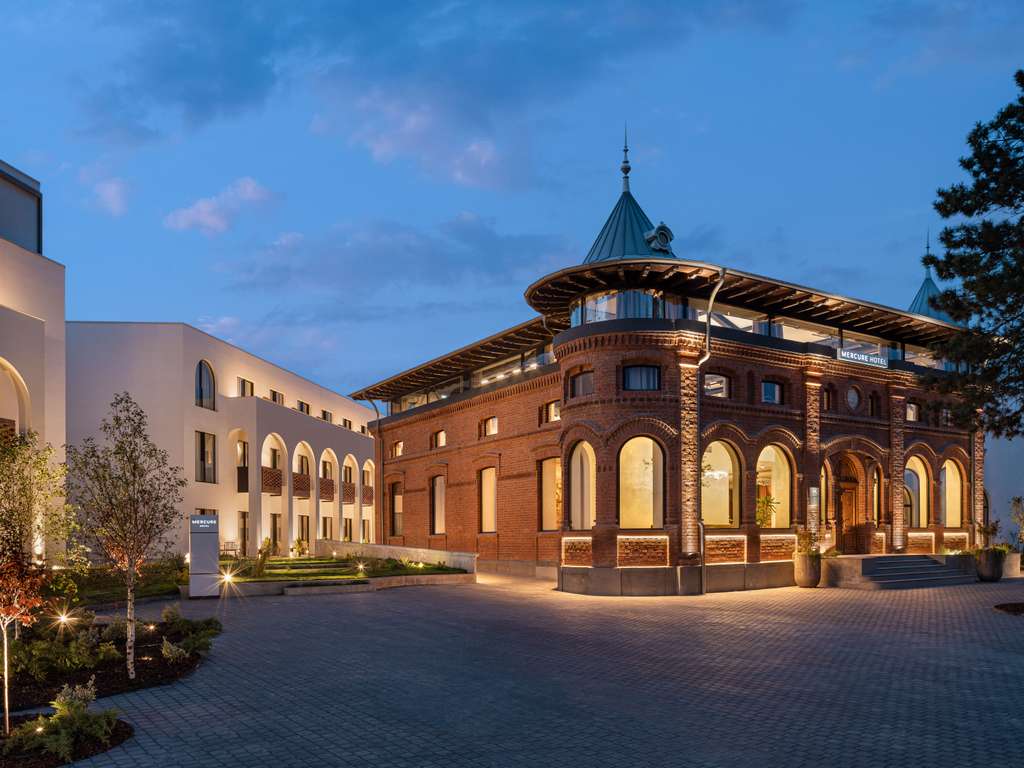
Mercure Bucharest Unirii
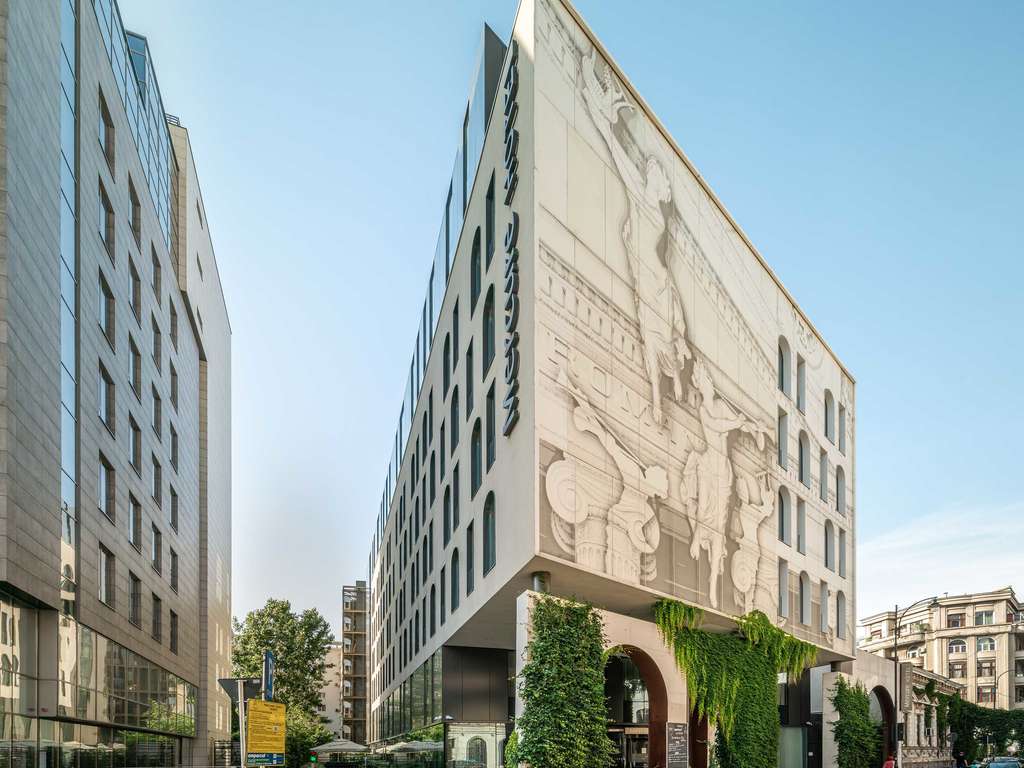
Mercure Bucharest City Center
Mercure Bucharest Cantemir
Bucharest Unirii Square - Handwritten Collection
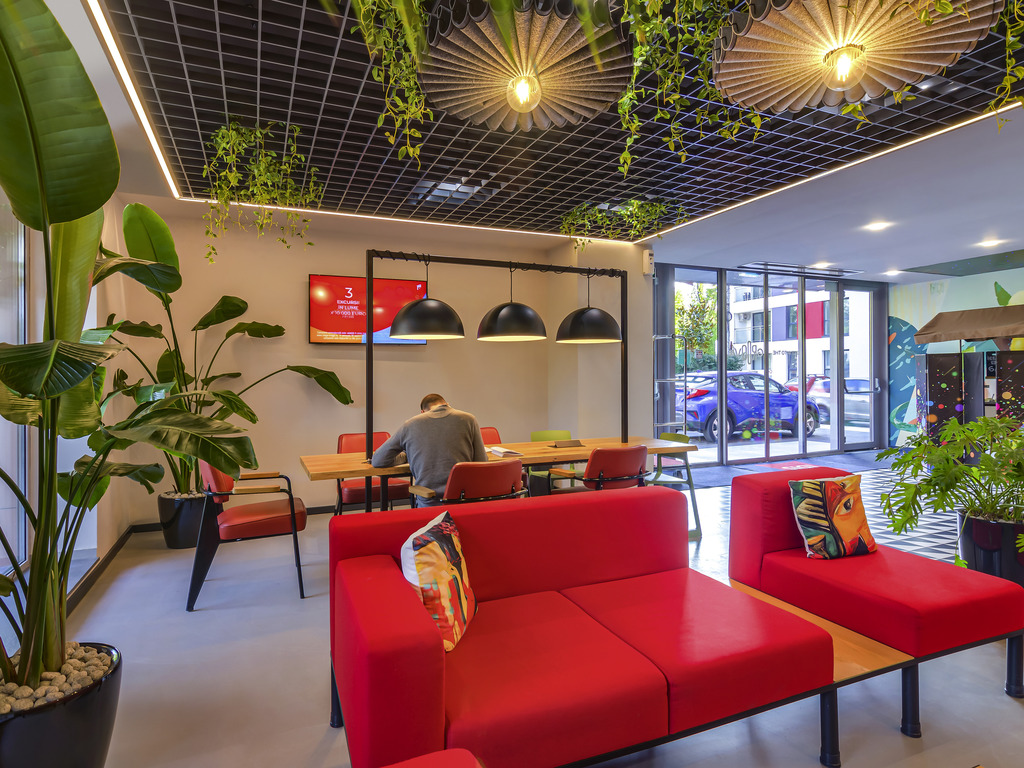
ibis Styles Bucharest City Center
ibis Bucharest Politehnica
Pullman Bucharest World Trade Center
ibis Styles Bucharest Erbas
ibis Styles Bucharest Airport
Mercure Cozieni

Plan your trip

Entry Requirements & Travel Documents

Romania joined the Schengen Area in 2024, with full land border integration completing in early 2025, meaning border-free travel now applies for arrivals from other Schengen states.

EU and EEA citizens can enter with a valid passport or national ID card. Travellers from many visa-exempt countries can stay for up to 90 days within any 180-day period without a visa, provided passport validity requirements are met. From late 2026, visitors from several of those countries, including the US, UK, Canada, and Australia, will need ETIAS authorisation before travelling to Romania and other Schengen states for short stays. Until the system launches, current entry rules remain in place.

Money, Currency & Paying in Bucharest

The local currency is the Romanian Leu (RON). Cards are widely accepted across hotels, restaurants, and shops, and contactless payment is common in central areas. Some businesses accept euros, but the exchange rate applied is rarely in your favour — paying in Leu is almost always the better choice.

If you need cash, withdrawing is more practical than exchanging cash. Stick to ATMs from established banks rather than independent machines, which often apply less favourable rates and additional fees.

Bucharest is not the cheapest European capital, but it offers solid value compared to most Western European cities.

Weather, Seasons & When to Visit

Bucharest has a temperate-continental climate with four distinct seasons. Summers are hot and winters can be genuinely cold, though the dry air makes the extremes more manageable.

Spring (March to May) is one of the best times to visit, with temperatures rising into the mid-20s. Parks and terraces come back to life, and the city feels energised without the intensity of summer heat.

Summer (June to August) is hot, with long evenings and a lively outdoor scene. Temperatures often reach 35°C or higher, so lighter clothing and some flexibility are advisable.

Autumn (September to October) offers mild temperatures, fewer crowds, and a return to a more local rhythm.

Winter (December to February) can be harsh, with occasional snowfall and temperatures well below freezing, though Christmas markets bring a seasonal atmosphere to the centre.

Health Insurance

Romania has a public healthcare system, with hospitals and pharmacies spread across Bucharest. If you have one, carry your EHIC or GHIC card for access to state-provided medical treatment on the same terms as Romanian residents, though this does not replace travel insurance.

Non-EU travellers are strongly advised to hold comprehensive travel medical insurance covering treatment, hospitalisation, and emergency repatriation. Private hospitals and clinics are available in Bucharest, often with shorter waiting times and English-speaking staff.

Pharmacies display green crosses and are a sensible first stop for minor health issues, over-the-counter medication, or general advice.

Connectivity, Roaming & Mobile Data

Mobile coverage in Bucharest is good, with widespread 4G and growing 5G availability in the city centre and most residential areas.

Visitors with EU or EEA mobile plans can use their data, calls, and texts in Romania at domestic rates under the EU "Roam Like at Home" rules. Travellers from outside the EU should check roaming costs with their provider before departure, as charges vary widely.

Free Wi-Fi is available in most hotels, cafés, restaurants, and many public spaces. For longer stays, consider getting a local SIM or an eSIM. Romania is one of the few EU countries where SIM cards can generally be purchased without complex registration requirements, and prepaid starter packs are available in shops near metro stations across the city.

Best hotels in Bucharest

Frequently asked questions

How many days should I spend in Bucharest?

Three to four days is enough to cover the main sights, explore a few neighbourhoods, and get a feel for the city. Add an extra day if you plan a day trip into Transylvania.

Is Bucharest expensive?

By Western European standards, Bucharest is moderately priced. Dining, transport, and nightlife are all good value, though the city is no longer as cheap as it once was.

What is Bucharest best known for?

Its communist-era architecture, particularly the colossal Palace of Parliament, its surprisingly rich belle époque centre, and a nightlife scene that draws visitors from across Europe.

Is Bran Castle ("Dracula's Castle") worth the trip from Bucharest?

Many visitors find it underwhelming. The Dracula connection is largely a marketing invention. Peleș Castle in Sinaia is a far more rewarding excursion and not much further.
What are the top attractions in Bucharest?

The Palace of Parliament, the Romanian Athenaeum, Bucharest Old Town, Primăverii Palace (Ceaușescu's former residence), and Stavropoleos Monastery are the most visited. The Village Museum in King Michael I Park is also well worth an afternoon.

What is the best area to stay in Bucharest?

The Old Town suits first-timers who want to be in the thick of things, though it gets noisy at night. Calea Victoriei offers a quieter, more refined atmosphere while staying central. Piața Unirii is also very central and is a great choice if you plan to move around by metro.

What is the nightlife like in Bucharest?

Bucharest has a well-earned reputation as one of Eastern Europe's party capitals. Bars and clubs in the Old Town run until the early hours from Thursday through Sunday, with options ranging from relaxed terraces to full-scale nightclubs.

Top destinations