Munich

At the heart of Bavaria, time-honoured brewing traditions meet cutting-edge engineering.

  • Munich

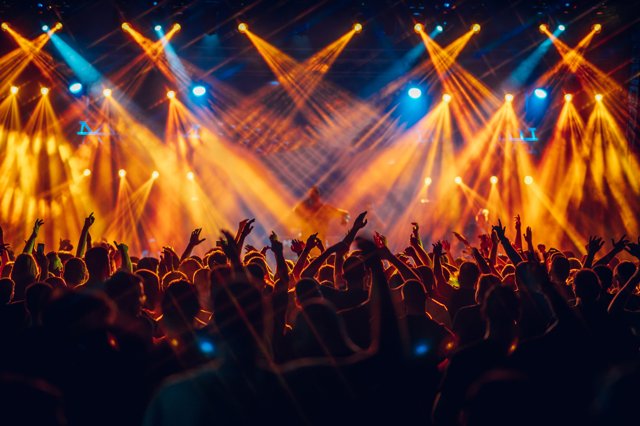
    Munich is often associated with Oktoberfest — lederhosen, giant pretzels, and overflowing steins — yet the city extends far beyond its annual festival. Brewing heritage remains central to its identity, but it exists alongside a strong culture of engineering and innovation that shapes contemporary life.

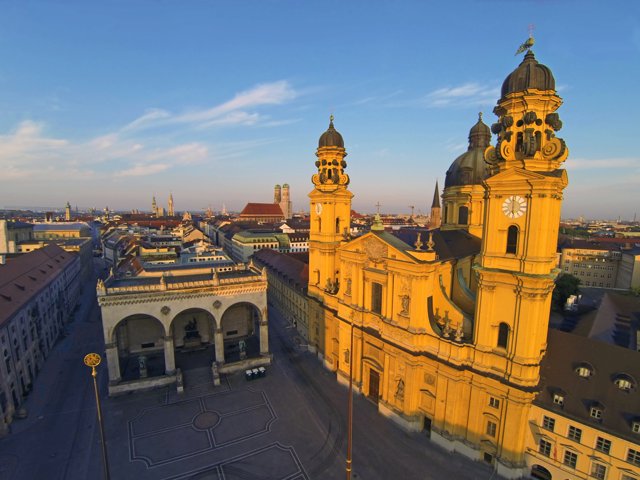
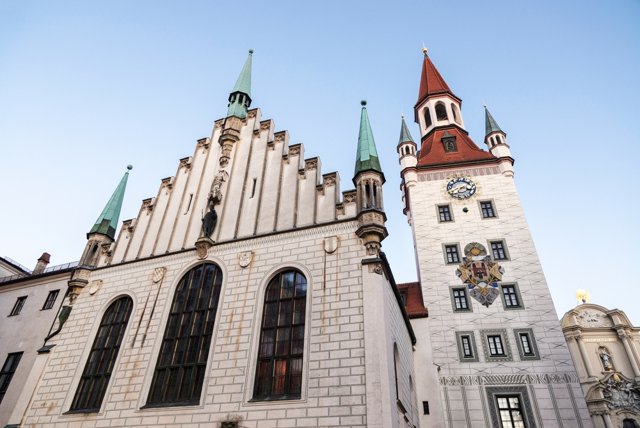
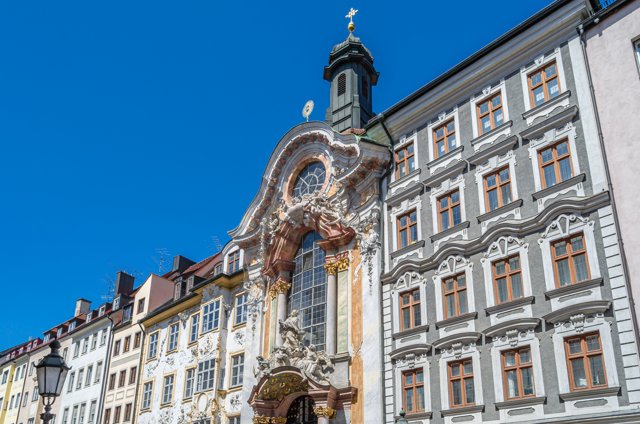
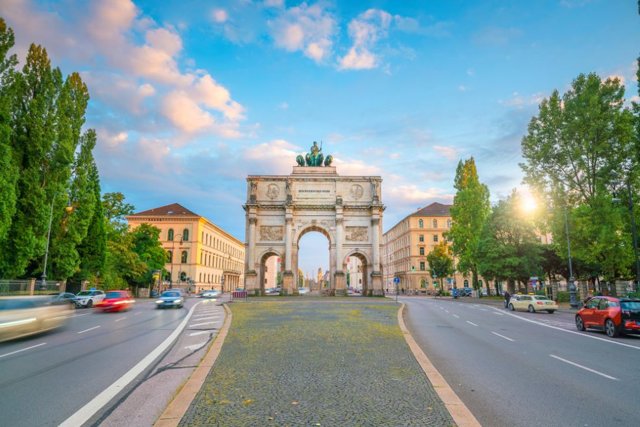
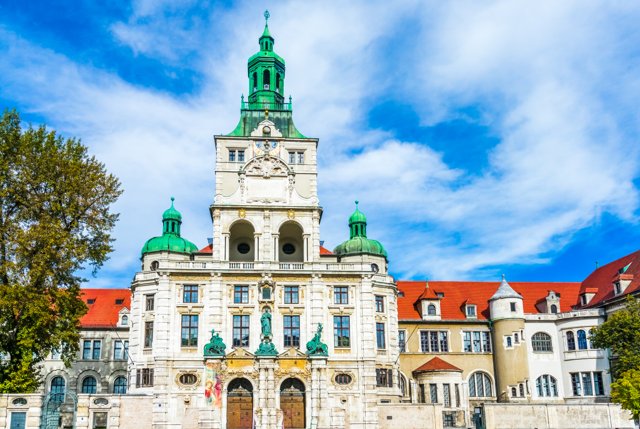
    As the capital of Bavaria, Munich has long been a political and cultural centre. Carefully reconstructed after the destruction of the Second World War, its royal avenues and church towers now stand beside the headquarters of global automotive and technology companies, reflecting a city that balances continuity with progress.

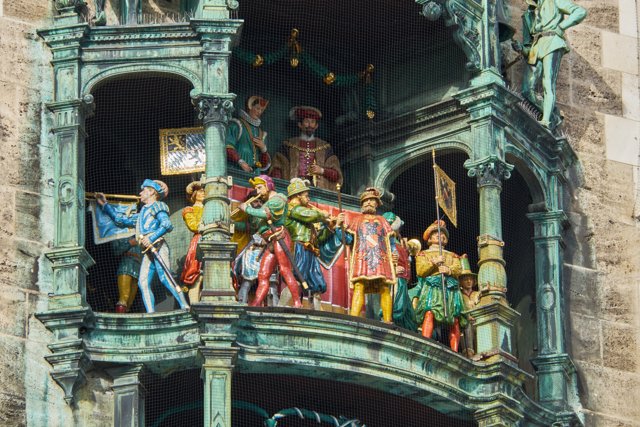
    Daily life unfolds through enduring rituals — the Glockenspiel at Marienplatz, the mid-morning tradition of Weißwurst, and afternoons in communal beer gardens shaped by Gemütlichkeit, a distinctly Bavarian sense of shared warmth and ease.
Unique experiences in Munich

What to do in Munich

Plan your trip

Entry Requirements & Travel Documents

Germany is part of the Schengen Area. EU and EEA citizens may enter with a valid passport or national ID card. Many non-EU travellers from visa-exempt countries may stay up to 90 days within a 180-day period without a visa, subject to passport validity requirements that vary by nationality.

From late 2026, travellers from many visa-exempt countries, including the United Kingdom, United States, Canada, Brazil, Japan, and Australia, will need to apply online for ETIAS (European Travel Information and Authorisation System) before travelling to Germany and other Schengen countries for short stays. Until ETIAS becomes operational, passport-only entry remains in place.

Be sure to always verify entry requirements with official government sources before departure, as conditions can change.

Money, Currency & Paying in Munich

The local currency is the euro (€ / EUR). Munich is highly card-friendly, particularly in hotels, restaurants, public transport, and larger shops. Contactless payment and mobile wallets are widely accepted, and paying by card is standard practice in most situations.

However, carrying some cash is advisable, as smaller bakeries, traditional beer gardens, market stalls, and independent shops may prefer cash or impose minimum card payments.

ATMs are widely available throughout the city, including at transport stations, shopping streets, and banks. They generally offer better exchange rates than airport currency exchange counters. When paying by card, always choose to be charged in euros rather than your home currency to avoid unfavourable conversion rates.

Weather, Seasons & When to Visit

Munich has a continental climate influenced by its proximity to the Alps, resulting in warm summers, cold winters, and noticeable seasonal variation.

Spring (March to May) arrives gradually. Early spring can remain cool, but by April and May temperatures become milder and parks begin to fill again.

Summer (June to August) is warm and often sunny, with temperatures typically between 20 °C and 30 °C, sometimes higher during heatwaves. Outdoor life peaks during this period. Beer gardens, lake swimming, and long evenings outdoors define the season. Occasional thunderstorms roll in quickly, especially on hot afternoons.

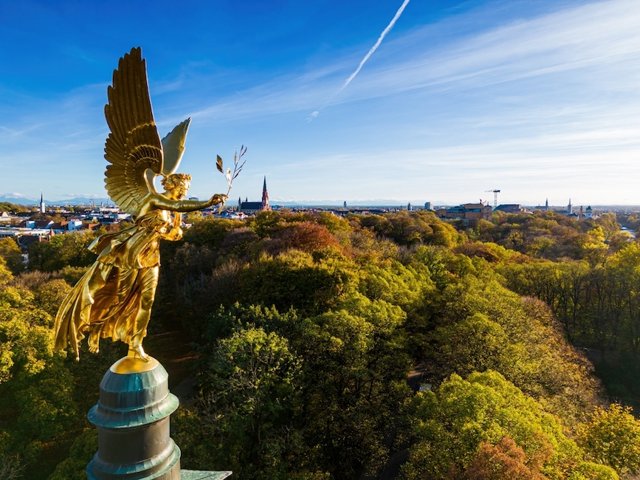
Autumn (September to October) is one of the most pleasant times to visit. Temperatures cool, and the city’s parks and surrounding forests shift to the golden colours of autumn. This is when Oktoberfest takes place. Travellers not planning to attend the festival may prefer to avoid the final weeks of September, when hotel prices rise significantly and visitor numbers peak.

Winter (December to February) is cold, with temperatures often near or below freezing. Snow is possible, though not guaranteed each year. Christmas markets, quiet streets, and proximity to Alpine ski regions shape the season.

For overall comfort, late spring and early autumn offer the best balance of weather, atmosphere, and manageable visitor levels.

Health Insurance

UK and EU visitors should carry a valid GHIC (Global Health Insurance Card) or EHIC (European Health Insurance Card), which provides access to medically necessary treatment within Germany’s public healthcare system. However, this does not replace full travel insurance, which is strongly recommended. 

Non-EU travellers should arrange comprehensive medical insurance before arrival, as hospitals and clinics may request payment or proof of coverage for non-emergency care. 

Pharmacies (Apotheke) are widely available throughout Munich and are easily recognised by a red “A” symbol.

In an emergency, dial 112, the universal emergency number across the European Union.

Connectivity, Roaming & Mobile Data

Munich has excellent mobile coverage and a fast internet infrastructure. Free Wi-Fi is common in hotels, cafés, restaurants, transport hubs, and many public areas. The city also provides free public Wi-Fi hotspots in parts of the city centre. 

If your mobile plan is from an EU or EEA country, roaming in Germany is typically included at no additional cost under EU “Roam Like at Home” regulations, subject to fair-use policies.

Travellers from outside the EU should check roaming charges before arrival, as fees can be high. For longer stays, purchasing a local SIM card or eSIM is a practical option. German law requires mandatory identity registration for prepaid SIM cards, meaning passport verification is required before activation. The easiest way to do this is at official provider stores such as Telekom, Vodafone, or O2, or at Munich Airport.

Many travellers choose eSIMs instead, as they can be purchased online and activated immediately without in-person registration.

Airport & Main Arrival Hubs

Munich is served primarily by Munich Airport (Flughafen München, MUC), officially named Franz Josef Strauss Airport. Located approximately 28 kilometres northeast of the city centre, it is Germany’s second-busiest airport and the main gateway to Upper Bavaria and the surrounding Alpine region.

The airport offers direct connections across Europe, North America, the Middle East, and Asia, and functions as a major hub for Lufthansa and its partner airlines.

Some low-cost carriers operate from Memmingen Airport (FMM), around 110 kilometres west of Munich near the town of Memmingen. Travellers arriving there should allow additional time for ground transfers to the city.

Main Train Stations

Munich’s primary railway hub is München Hauptbahnhof, located just west of the historic centre. It is one of Germany’s busiest stations and the main arrival point for long-distance and international rail services.

High-speed ICE trains connect Munich with major German cities, while international services link the city with Austria, Switzerland, Italy, and other European destinations. Regional trains provide access to towns and Alpine areas throughout Bavaria.

The station is fully integrated with Munich’s local transport network, including S-Bahn suburban trains, U-Bahn metro lines, trams, and buses.

Two additional stations also serve important roles: München Ost in the eastern districts and München-Pasing to the west, both handling regional and selected long-distance routes. For most visitors, however, Hauptbahnhof offers the most direct access to central Munich.

From the Airport / Station to the City Centre

From Munich Airport: The most practical way to reach the city centre is via the S-Bahn suburban rail network operated by MVV. Lines S1 and S8 connect the airport directly with central Munich, with departures approximately every 10 minutes. The journey to Hauptbahnhof or Marienplatz typically takes between 35 and 45 minutes. The S8 is generally the faster option, while the S1 travels through the western districts before reaching the centre.

The Lufthansa Express Bus also runs between the airport and München Hauptbahnhof, with a journey time of around 45 minutes.

Travellers arriving at Memmingen Airport can take direct shuttle buses to Munich Central Station, with a journey time of around 90 minutes depending on traffic.

From Munich Hauptbahnhof: The station is within walking distance of many central districts. Marienplatz can be reached in around 15–20 minutes on foot, or in just a few minutes via S-Bahn or U-Bahn connections.

Taxis & Ride-Hailing Services

Taxis are widely available throughout Munich, including at the airport, major train stations, hotels, and public squares. They operate with official meters and are typically cream-coloured. A journey from the airport to the city centre generally takes 30 to 45 minutes, depending on traffic.

Ride-hailing services such as Uber, Bolt, and Free Now operate across the city. Free Now is integrated with the licensed taxi network and frequently dispatches regulated vehicles.

Arrival Tips & Common Mistakes to Avoid

  • The S-Bahn is typically more economical and as efficient as a taxi for airport transfers.
  • Validate paper tickets before boarding. Validation machines are located on platforms or near entrances. Mobile tickets do not require validation. Travelling with an unvalidated ticket may result in a fine.
  • During Oktoberfest and major events, transport hubs become significantly busier. Allow additional time for transfers, particularly near Theresienwiese and Hauptbahnhof.
  • On Sundays, most supermarkets and retail shops are closed due to national trading laws. Shops within major stations and the airport remain open.

Public Transport & Zones

Munich’s public transport network is efficient, reliable, and straightforward to navigate. It integrates suburban trains (S-Bahn), underground metro lines (U-Bahn), trams, and buses under one unified system.

The U-Bahn and tram networks form the backbone of travel within the city, connecting major neighbourhoods, transport hubs, and cultural districts. The S-Bahn is particularly useful for airport transfers, outer districts, and nearby towns.

Munich uses a clear zone structure. Zone M covers the entire city and most places you are likely to visit during your stay, including Marienplatz, the English Garden, and major museums. Additional zones extend outward into the surrounding region.

Services generally operate from early morning until shortly after midnight. On Friday and Saturday nights, U-Bahn and S-Bahn lines run later, and night buses operate throughout the night to maintain connections when train services stop.

Tickets & Passes

Munich’s integrated ticketing system means a single valid ticket allows you to transfer freely between S-Bahn, U-Bahn, trams, and buses within the zones and time period it covers.

Single tickets are suitable for a continuous journey in one direction, while day tickets offer unlimited travel for one full day. Multi-day tickets are often more convenient if you are staying longer and using transport regularly.

Tickets can be purchased at station machines, via official transport apps, or at ticket counters. Mobile tickets are widely used and eliminate the need for validation.

Munich operates without widespread ticket barriers. Inspections are frequent, and travelling without a valid ticket may result in an on-the-spot fine.

Walking & Cycling

Munich is highly walkable, particularly within the historic centre. Many key landmarks and museums are within comfortable walking distance of each other.

Cycling is firmly embedded in daily life, supported by an extensive network of dedicated and well-maintained bike lanes. 

Public bike-sharing is available through services such as Call a Bike, operated by Deutsche Bahn. These bikes are available throughout the city, including near major stations, and can be rented easily using the official app.

Nearby Destinations / Day Trips

Munich’s position at the edge of the Alps makes it an ideal base for exploring southern Germany and neighbouring Austria.

To the east, Salzburg combines a baroque old town with an Alpine backdrop and a strong musical heritage as the birthplace of Mozart. North of Munich, Nuremberg offers a well-preserved medieval centre alongside significant twentieth-century historical sites.

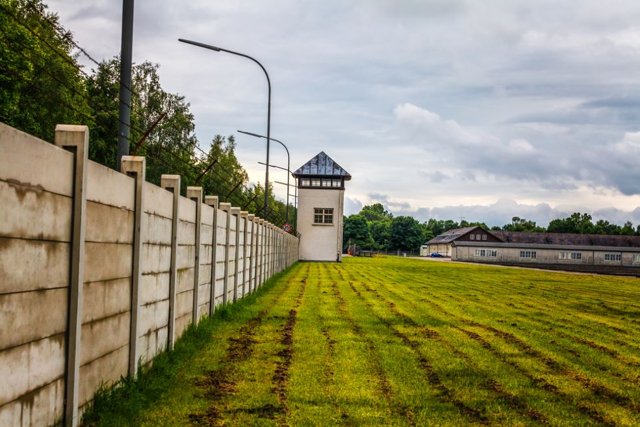
Closer to the city, Lake Starnberg provides open water, lakeside walks, and distant Alpine views on clear days, while Tegernsee is framed by traditional Bavarian towns and hiking trails that reflect the region’s rural character. For a more contemplative visit, the Dachau Concentration Camp Memorial Site stands as one of Germany’s most important places of remembrance.

Further south, Neuschwanstein Castle, set dramatically against the foothills of the Alps, remains one of Bavaria’s most recognisable architectural landmarks.

Accessibility & Basic Safety Tips

Munich’s transport network is designed with accessibility in mind. Most U-Bahn and S-Bahn stations provide lifts, step-free access, and clear signage. Modern trains, trams, and buses accommodate wheelchairs, luggage, and pushchairs.

Munich is generally regarded as a safe and well-organised city. Public transport and central areas remain active into the evening. As in any major city, remain aware of personal belongings in crowded places such as stations, festivals, and busy public transport routes.

Cyclists have priority in designated lanes, and they move quickly. Be sure to always check bike lanes before stepping onto them, especially near intersections and tram stops.

Language, Culture & Local Etiquette

German is the official language, and the Bavarian dialect is still widely heard in everyday conversation. English is commonly spoken in hotels, restaurants, and transport hubs, making it easy to navigate the city. Learning a few basic German greetings is appreciated.

Politeness and directness coexist in local culture. A simple “Hallo” or “Guten Tag” when entering a shop or restaurant is customary, and punctuality is considered a sign of respect.

Beer halls and beer gardens follow communal table etiquette. If seats are available, it is normal to join others at shared tables; a brief greeting is sufficient. This tradition reflects the social ease associated with Bavarian Gemütlichkeit.

Tipping is moderate. Rounding up the bill or adding approximately 5–10% is customary in restaurants and cafés. Rather than leaving cash on the table, inform the server of the total amount when paying so the tip can be included in the transaction.

Neighbourhoods

Munich is best understood through its neighbourhoods, each revealing a different aspect of the city’s identity — from historic landmarks to academic life and residential elegance.

  • Altstadt (Old Town) forms the historic core, home to Marienplatz, major landmarks, museums, and central shopping streets. It remains the most practical base for first-time visits.
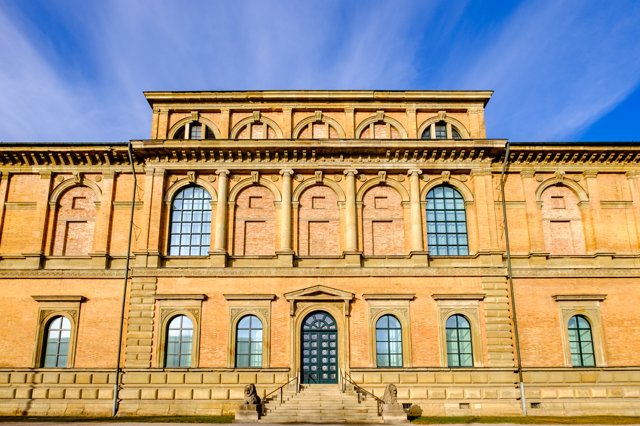
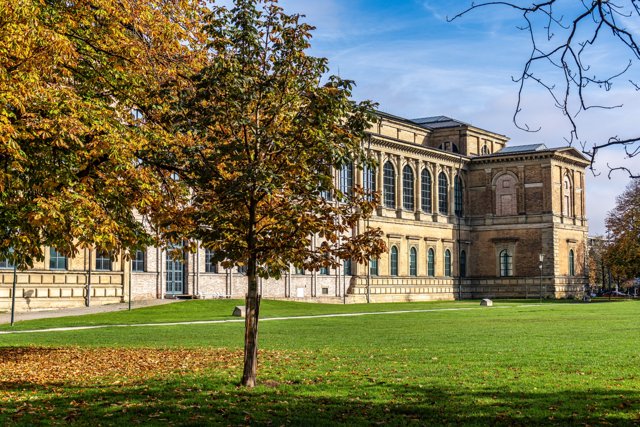
  • Maxvorstadt, just north of the centre, is the city’s academic and cultural quarter, home to universities and several major museums. Bookshops, galleries, and cafés lend it a distinctly intellectual atmosphere.
  • Schwabing, once associated with artists and writers such as Wassily Kandinsky and Thomas Mann, is today an elegant residential district bordering the English Garden.
  • Haidhausen, east of the centre across the Isar, retains a more local and residential character. Often referred to as the “French Quarter,” its smaller streets and independent shops offer a quieter pace of life.
  • Glockenbachviertel is one of Munich’s most contemporary districts, known for independent boutiques, creative spaces, and a lively evening scene.

Gastronomy

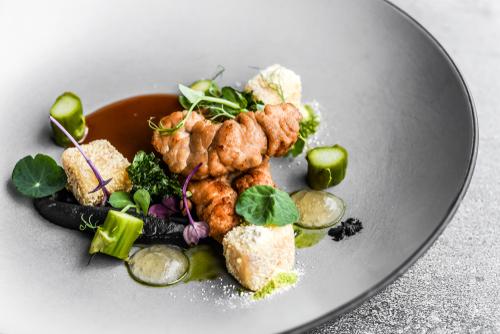
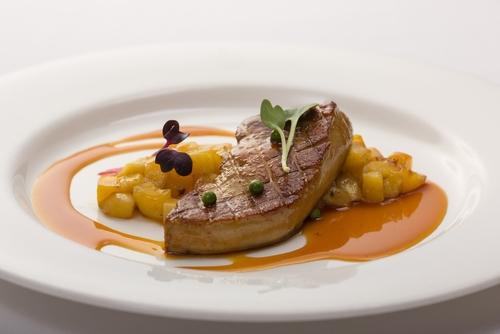
Munich’s gastronomy is rooted in Bavarian tradition and communal dining culture. The cuisine is regional, hearty, and closely linked to beer and seasonal ingredients, yet the city also offers a refined contemporary dining scene alongside its historic beer halls.

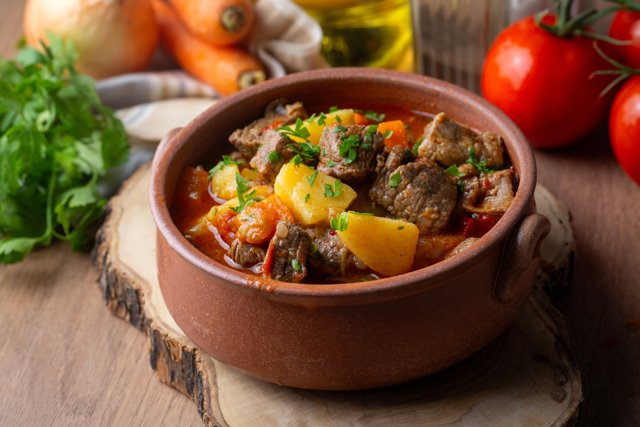
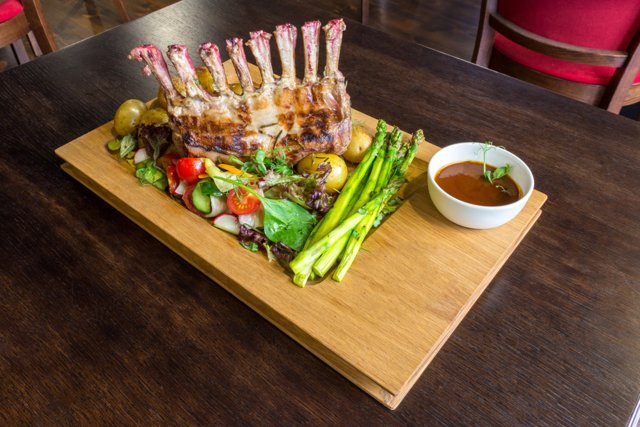
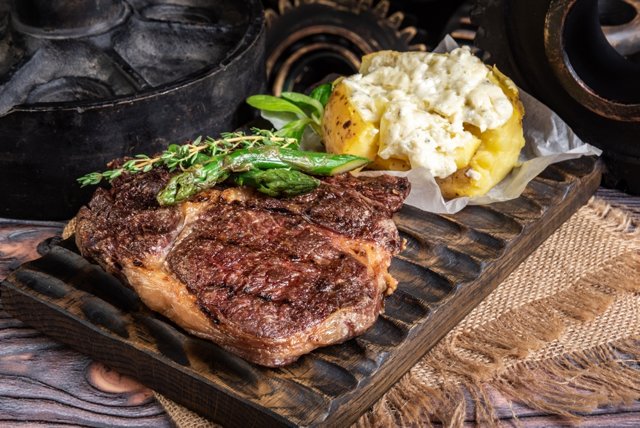
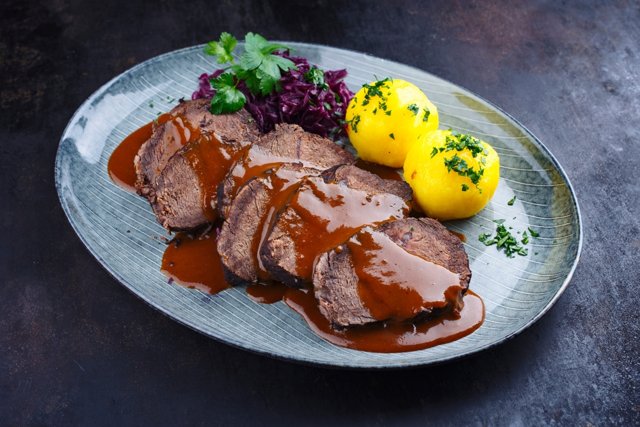
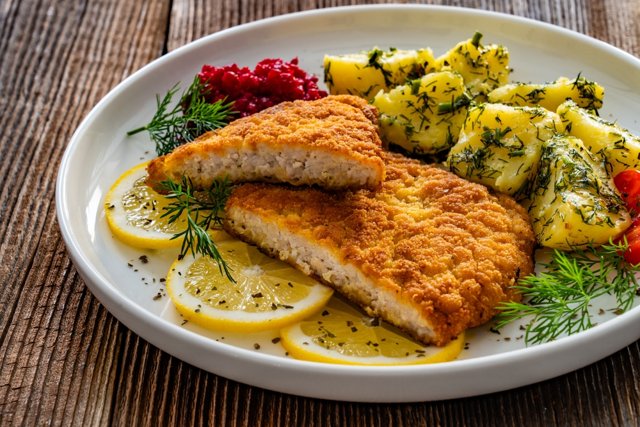
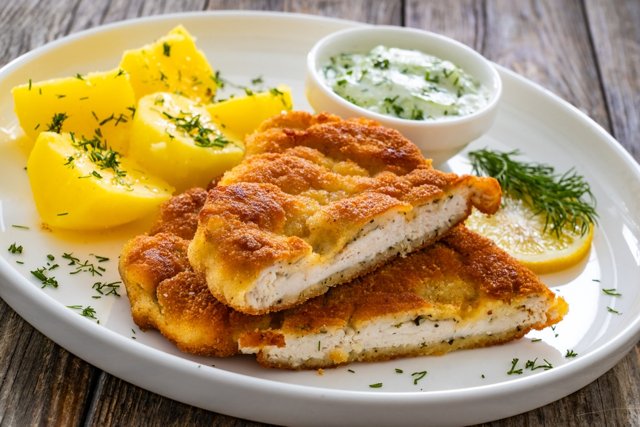
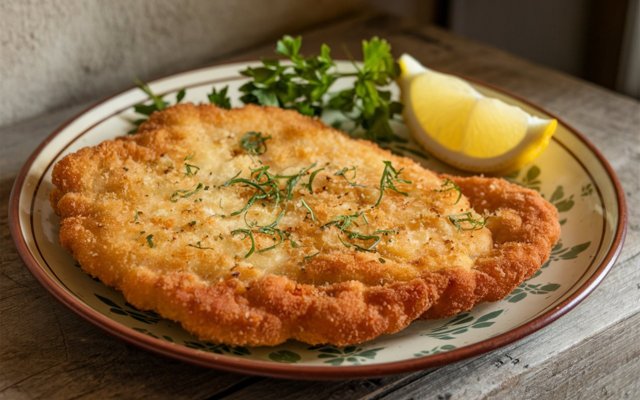
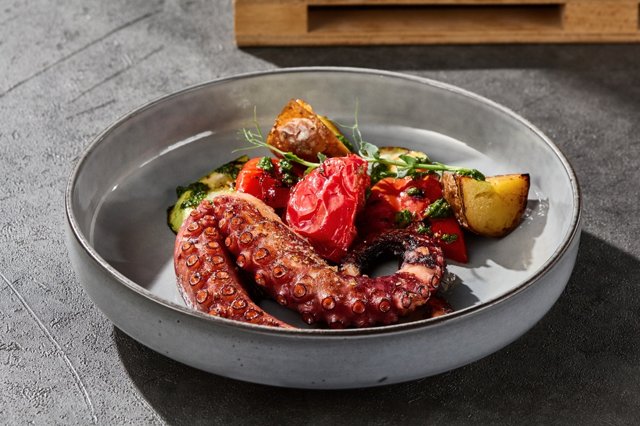
Traditional dishes remain central to the culinary identity. Weißwurst (white veal sausage with sweet mustard), Schweinshaxe (slow-roasted pork knuckle), Schweinebraten (roast pork with dark beer gravy), and Brezn (Bavarian pretzels) appear on menus throughout the city.

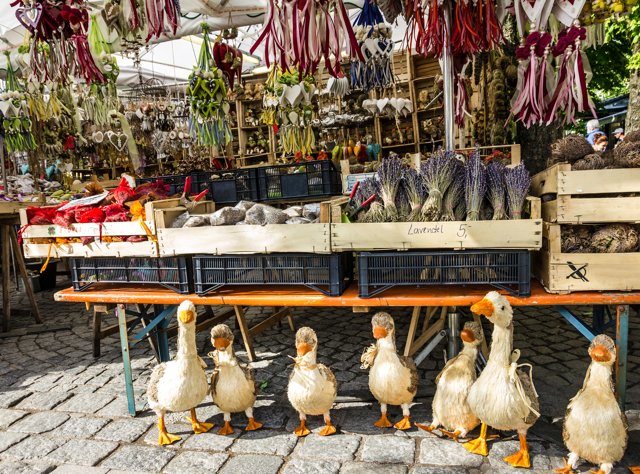
Street food forms part of everyday life, from Bratwurst stands to the ubiquitous Döner kebab. Viktualienmarkt, operating since the early nineteenth century, remains the city’s most prominent open-air food market and a focal point for local produce.

City Rhythm

Munich operates with a structured and efficient rhythm typical of major German cities. 

Public transport runs frequently and reliably on schedule, and most shops open from morning until early evening. Weekdays focus on work and routine, and nightlife is generally concentrated in specific districts rather than spread across the entire city.

Sundays are noticeably quieter. Most shops close due to national trading laws, and locals spend their time on walks, meeting friends, or gathering in cafés, parks, and public spaces.

Whenever the weather allows, daily life moves outdoors. Beer gardens, riverbanks along the Isar, and public parks fill quickly, especially in spring and summer.

Things to Do

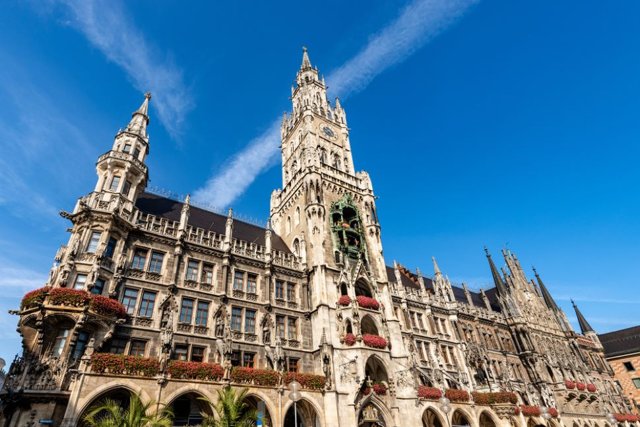
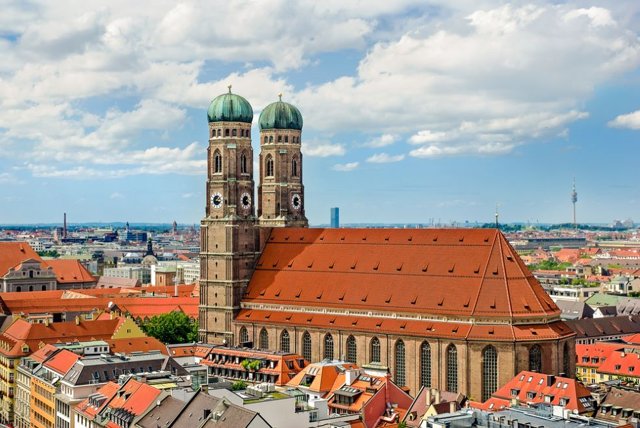
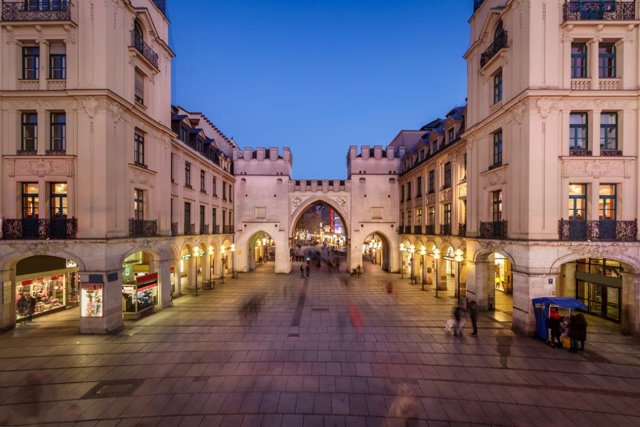
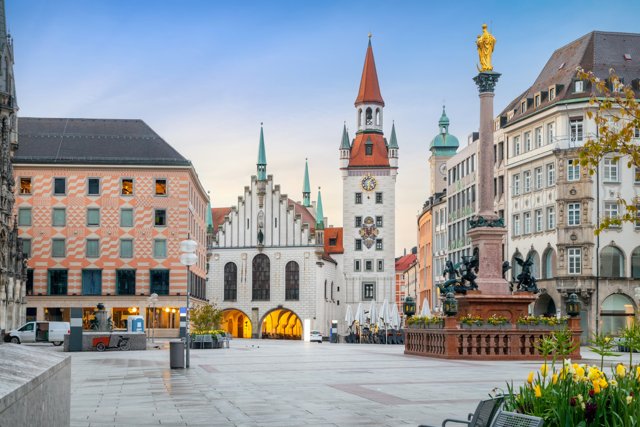
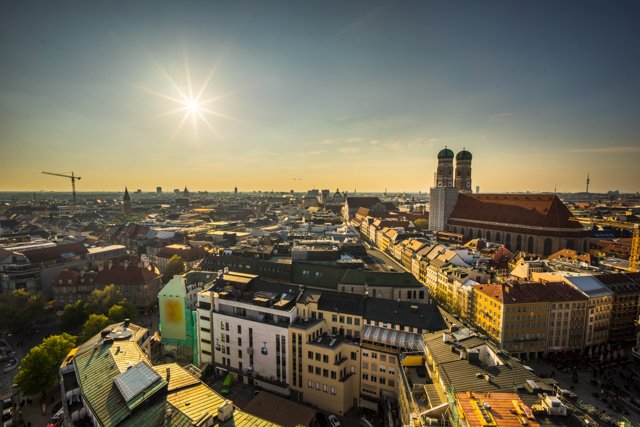
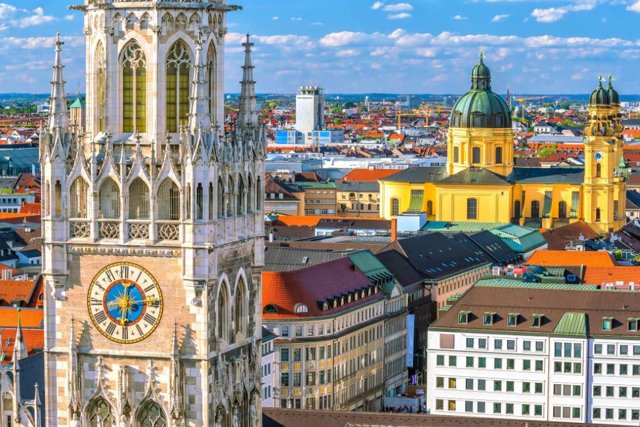
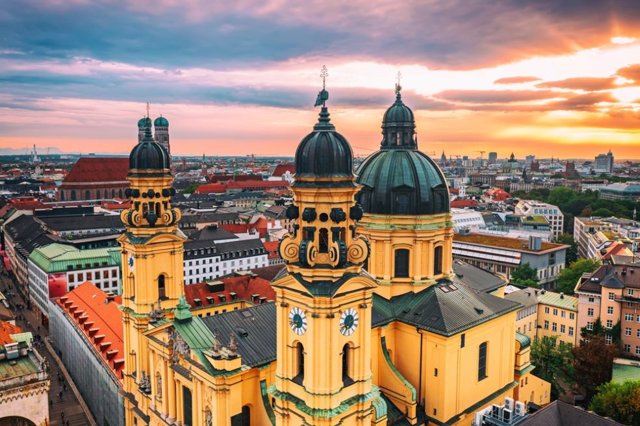
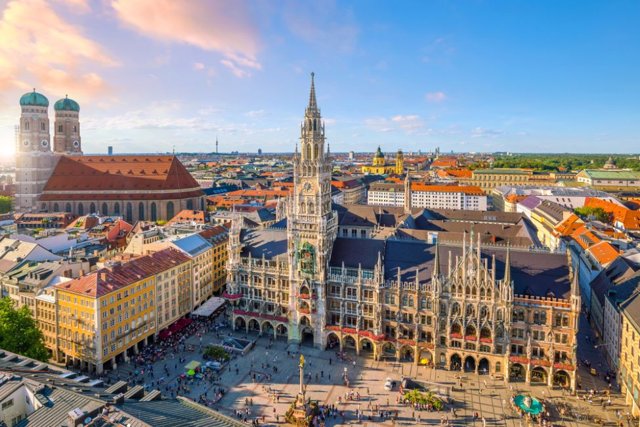
Munich’s historic centre, the Altstadt, is compact and best explored on foot. Marienplatz forms its focal point, where the neo-Gothic Neues Rathaus and its daily Glockenspiel performance draw quiet attention. A few streets away, the twin towers of the Frauenkirche define the skyline and remain one of the city’s most recognisable silhouettes.

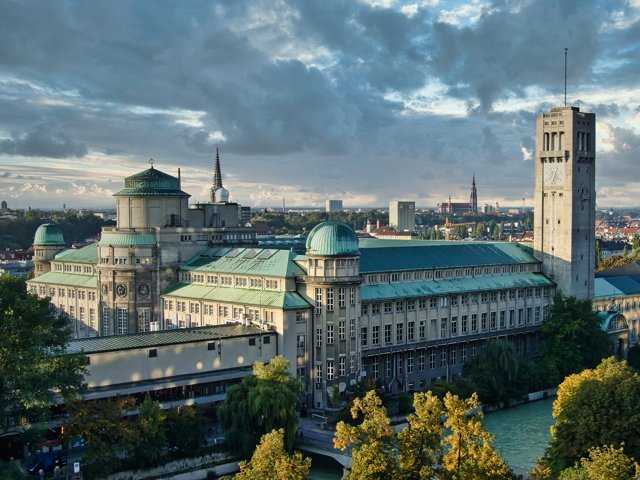
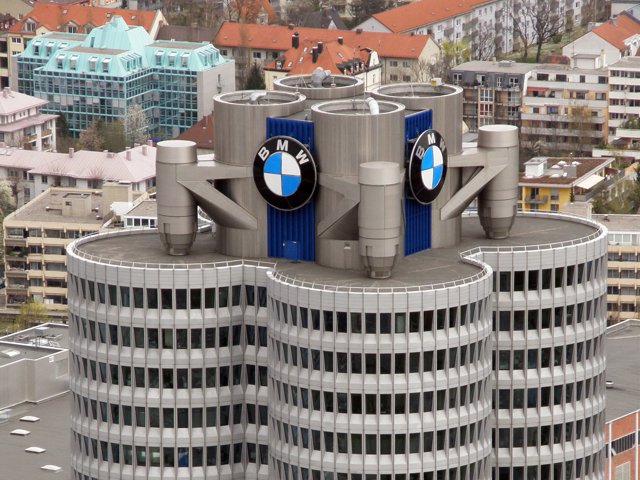
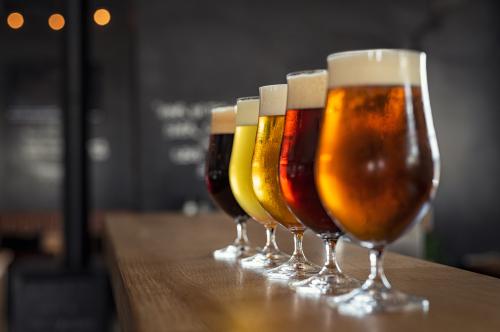
Beer culture is inseparable from Munich’s identity, and stepping into a traditional hall such as Hofbräuhaus München, operating since 1608, offers a glimpse into centuries of communal brewing tradition. Beyond its beer halls, Munich is also one of Germany’s leading museum cities, home to the vast Deutsches Museum and BMW Welt, reflecting the city’s role in science, technology and automotive engineering.

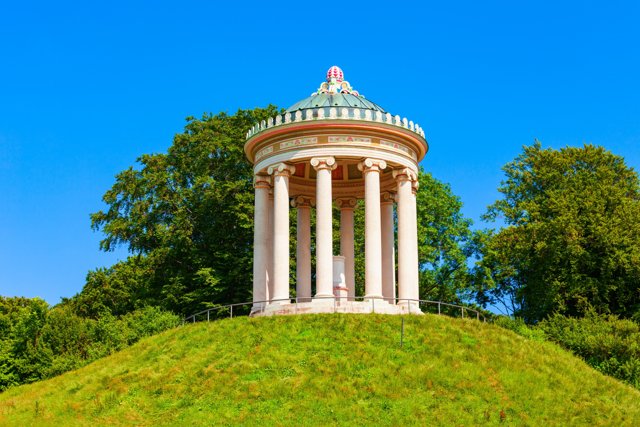
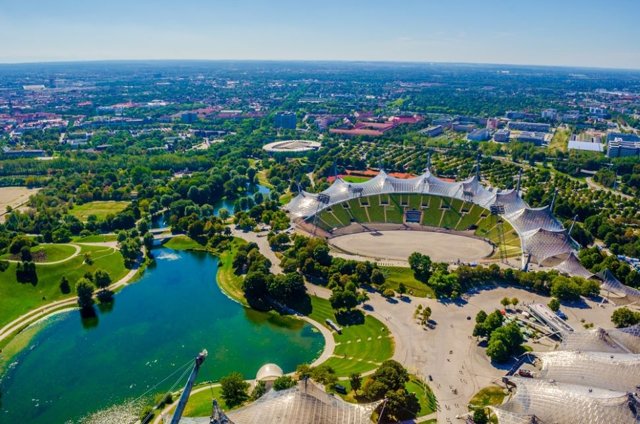
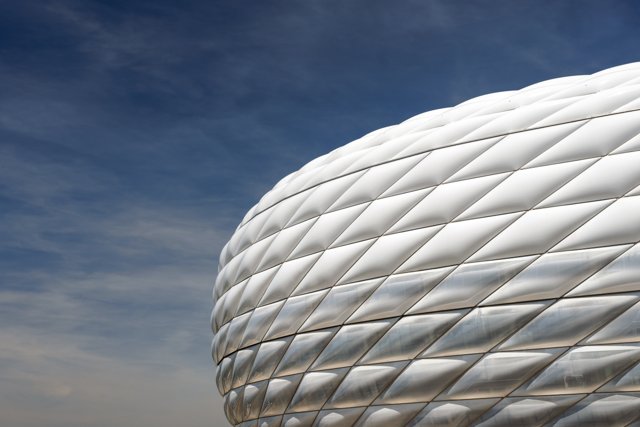
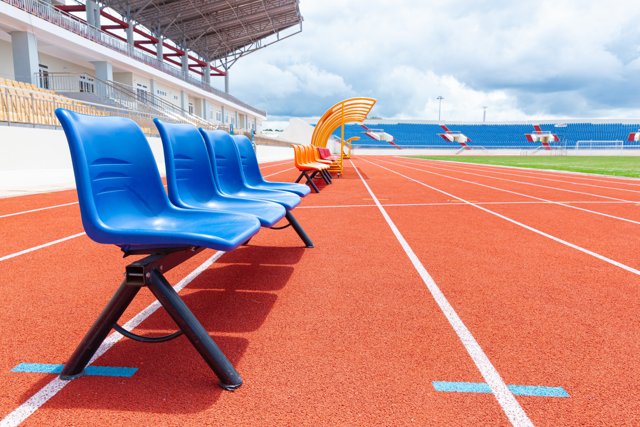
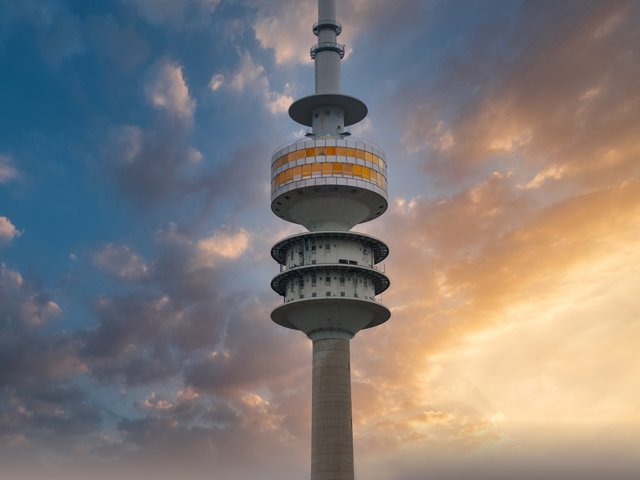
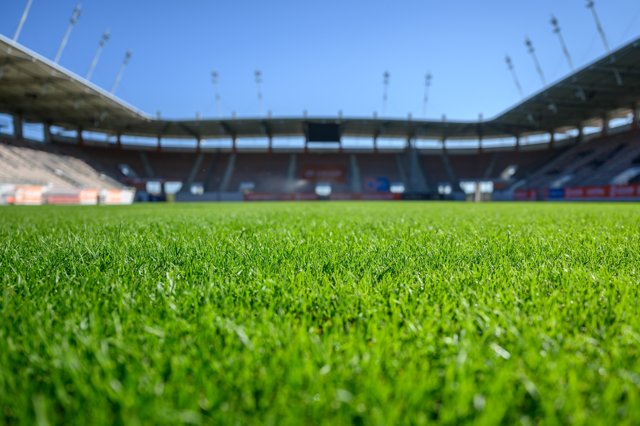
Green space plays an essential role in daily life. The expansive English Garden invites long walks and relaxed afternoons in shaded beer gardens, while Olympiapark München, created for the 1972 Olympic Games, combines modern architecture with panoramic city views. Football is also part of the local fabric, and the Allianz Arena, home to FC Bayern Munich, remains a landmark in its own right.

No event is more closely associated with the city than Oktoberfest. Held annually since 1810, it reflects Bavarian tradition and the enduring social culture that defines Munich.

Best hotels in Munich

Frequently asked questions

Is Munich worth visiting?

Yes. Munich combines historic architecture, significant museums, established beer culture, and direct access to Alpine landscapes. Its organisation, infrastructure, and overall quality of life contribute to a visit that feels both efficient and culturally rich.

Is Munich expensive compared to other German cities?

Yes. Munich has the highest cost of living in Germany, particularly when it comes to accommodation. This reflects its economic strength and international profile. However, reliable public transport, walkable areas, and worthwhile experiences, such as exploring the Altstadt, visiting markets, and spending time in parks and beer gardens, make it entirely possible to enjoy the city at different budget levels.

Is Munich safe for visitors?

Munich is consistently ranked among the safer major cities in Europe. Basic precautions are advisable in crowded areas such as Hauptbahnhof and during large events like Oktoberfest, but overall the city maintains a strong reputation for public safety.

Can you see the Alps from Munich?

Yes. On clear days, the Alps are visible from parts of the city, especially from higher viewpoints such as church towers and Olympiapark. The mountains are reachable within one to two hours by train, allowing for day trips focused on hiking, skiing, or Alpine lakes.

Is Oktoberfest the best time to visit Munich?

It depends on what you’re after. If you want to experience the world’s largest beer festival and a major Bavarian cultural event, then yes. However, if you want to enjoy the city's "Gemütlichkeit" without the massive crowds and high hotel rates, consider late spring or early summer.

How many days do you need in Munich?

Three to four days is ideal. This gives you enough time to cover the historic Altstadt, visit museums, have a beer at a beer garden, and still have a full day left for a trip to Neuschwanstein Castle or a lakeside retreat. Munich’s efficient transport network allows visitors to move between districts and nearby destinations with relative ease.

Top destinations