Manchester

The birthplace of the Industrial Revolution, reinvented as a city of music, football, and cutting-edge culture.

  • Manchester

    Manchester’s story begins with the cotton mills. In the 18th and 19th centuries, the city became the engine room of the Industrial Revolution, drawing workers from across Britain, Ireland and beyond. That legacy of migration and industry still shapes Manchester today: proudly working class, fiercely independent and deeply multicultural.

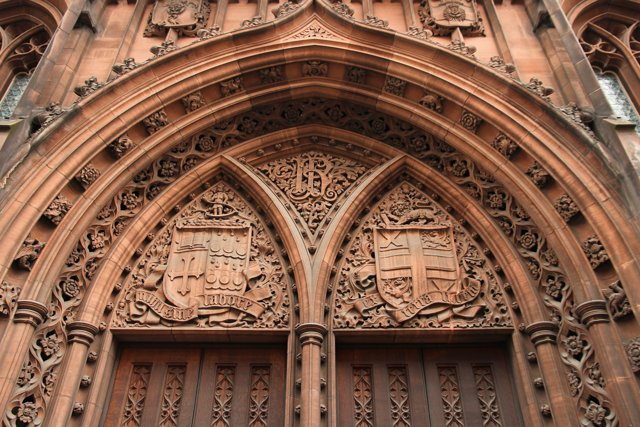
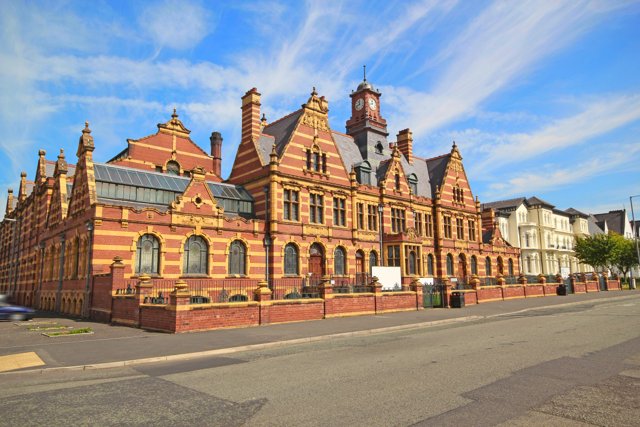
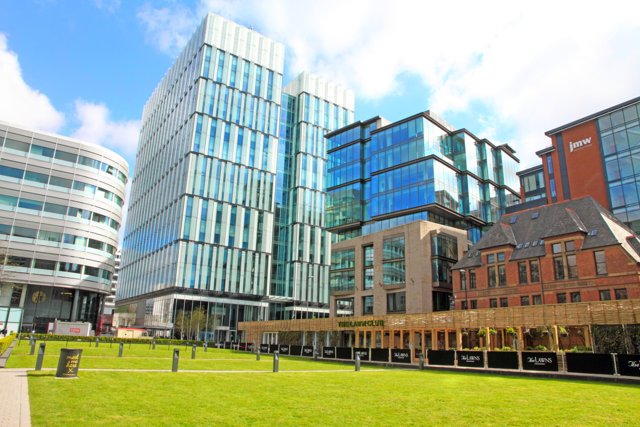
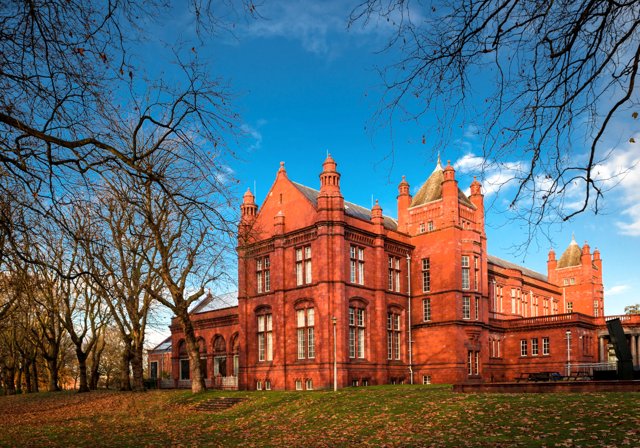
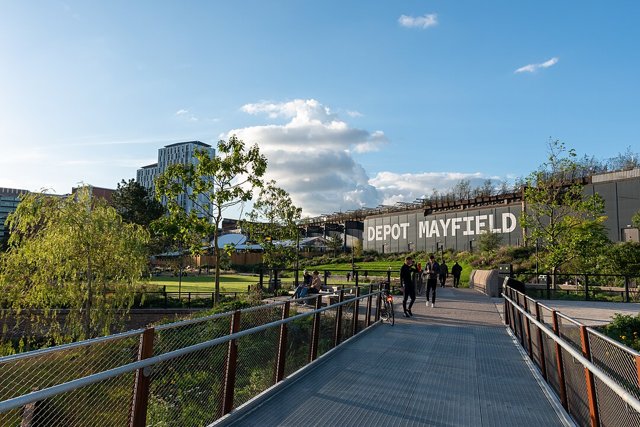
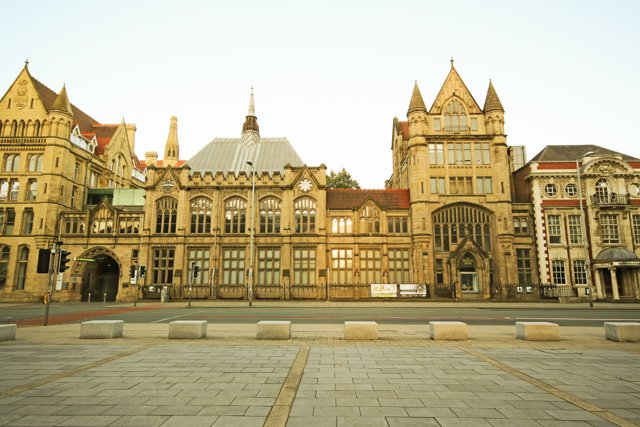
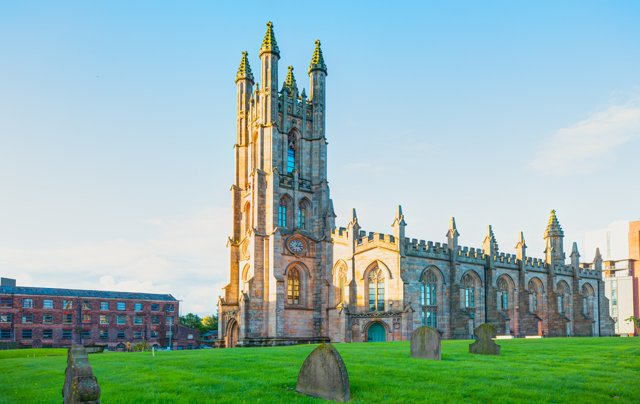
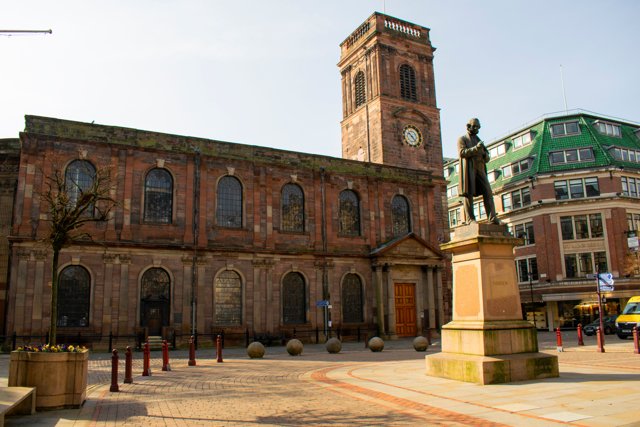
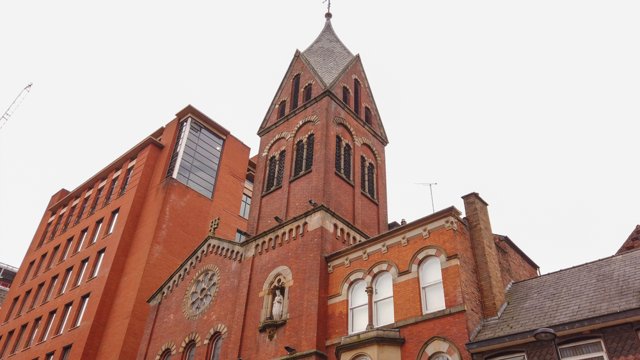
    The mills are mostly gone, but their bones remain — warehouses turned into apartments, galleries and bars that define the city’s character. Victorian civic buildings, Gothic churches and Edwardian market halls stand alongside contemporary architecture, reflecting a city that looks forward without erasing what came before.

    Today Manchester is one of the UK’s most culturally confident cities. Its music heritage, LGBTQ+ community, thriving food scene and world-famous football clubs all share the same quality: an unpretentious pride that makes the city immediately engaging.
Unique experiences in Manchester

What to do in Manchester

Plan your trip

Entry Requirements & Travel Documents

The UK is no longer part of the European Union. Many travellers can enter visa-free for tourism, though some nationalities must obtain an Electronic Travel Authorisation (ETA) before departure. Applications are processed online through the official UK Government website. The ETA usually takes only minutes to obtain, but it would be wise to get your authorisation up to three working days before your trip.  

A valid passport is required for all visitors and must cover the full duration of your stay.

Money, Currency & Paying in Manchester

The local currency is the British Pound (GBP). Manchester is largely cashless, and contactless payments are accepted in most shops, restaurants, bars, and on public transport. Visa and Mastercard work almost everywhere; American Express is accepted in many places but not universally. 

If your bank card offers competitive exchange rates, paying directly in GBP is usually the smarter move. When cash is needed, ATMs give better rates than airport or city-centre exchange desks.

Independent shops and market stalls may still prefer cash, so keeping a few notes is a good idea.

If you’re ordering at the pub, you can either pay immediately, or open a tab.

Weather, Seasons & When to Visit

Manchester has a temperate oceanic climate. Rainfall is spread fairly evenly throughout the year, so packing a waterproof layer is always a good idea regardless of when you visit.

Spring (March to May) brings mild temperatures and longer days, making it a pleasant time to explore the city on foot. June is also festival season, with Parklife and Manchester Day drawing huge crowds.

Summer (June to August) is warm rather than hot, with occasional sunny stretches that bring the city's outdoor spaces and canal terraces to life.

Autumn (September to November) stays mild into October, with a quieter, more local atmosphere as the summer crowds thin out. At the same time, football season kicks off in September, bringing fans to the city on match days.

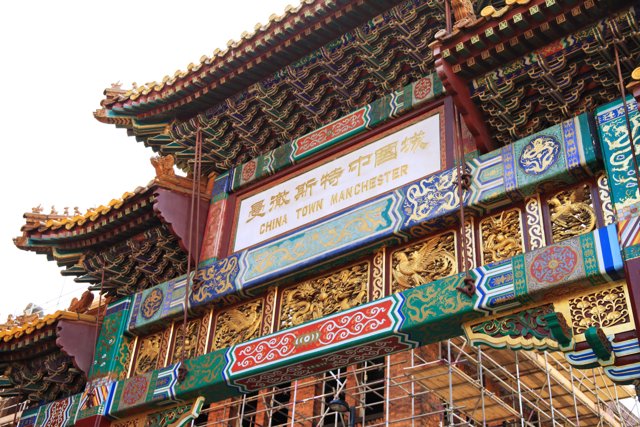
Winter (December to February) is cold, but Christmas markets fill the centre and indoor culture thrives. Chinese New Year in early February brings a burst of colour and festivity to Chinatown.

Health Insurance

If you're visiting from Europe, carry your valid EHIC (European Health Insurance Card) or GHIC (Global Health Insurance Card) in case you need emergency medical treatment in an NHS hospital. Travel insurance covering medical emergencies is recommended for added peace of mind.

Visitors may be charged for treatment in NHS hospitals, so comprehensive travel insurance covering medical care is strongly recommended. If you receive treatment, keep any receipts and documentation to submit to your insurer when making a claim. Private hospitals and clinics are also available in Manchester and may offer shorter waiting times.

Connectivity, Roaming & Mobile Data

Although many European travellers are used to roaming freely within the EU, the UK is no longer part of the EU roaming zone. Some European mobile plans still include UK roaming, but this varies by provider and tariff, so it’s important to check before travelling.
Free Wi-Fi is widely available in hotels, cafés, museums, and many public spaces. For longer stays or heavy data use, an eSIM or local SIM card can be a convenient option. Local SIMs can be purchased at the arrival airport halls or convenience stores such as WHSmith. eSims need to be bought online in advance, installed via QR code, and activated upon arrival. For travellers who want to be connected immediately after landing, eSIMs are often the most convenient option.

Airports & Main Arrival Hubs

Manchester Airport (MAN) is one of the busiest airports in Europe, connecting travellers to around 200 destinations. It serves as a practical entry point for the whole of northern England, with direct flights from major European hubs as well as long-haul routes.

Despite the volume of traffic, the airport is straightforward to navigate. From check-in to gate is never more than a 15-minute walk, with no inter-terminal shuttle required — a small but welcome detail after a long flight.

Liverpool John Lennon Airport (LPL), about an hour by train to the west, is worth considering for budget European routes, though the transfer to Manchester takes considerably longer.

Main Train Stations

Manchester has three central train stations, each serving different routes.

Manchester Piccadilly is where most visitors will arrive. It handles the majority of intercity services, including direct trains from London Euston in just over two hours and Liverpool in around 40 minutes. It also connects directly to the Metrolink tram network, making onward travel to most parts of the city straightforward.

Manchester Victoria, a short tram ride from Piccadilly, serves routes from Leeds, Bradford, and destinations across the north. Manchester Oxford Road handles mostly regional and local services and is most useful if you’re staying in the university district or the south of the city.

From the Airport to Central Manchester

Getting into the city centre is straightforward. The fastest option is the train: frequent trains to Manchester Piccadilly take only 20 minutes. The trains run every 10 minutes, and you can get your ticket online or from a ticket machine.

The Metrolink tram is a practical alternative, running directly from the airport through the city centre all the way to Victoria station. It takes a little longer than the train but drops you closer to many central hotels. Buy your ticket at the platform machine before boarding, or tap in and out with a contactless card.

Bus services also connect the airport to various parts of the city, useful if your accommodation is off the main tram and rail routes.

Taxi & Ride-Hailing

Licensed black cabs are available outside all terminals with no booking required, taking up to six passengers and fully wheelchair accessible. Metered fares apply for destinations within the Manchester area. For longer journeys outside the city, agree the fare with the driver beforehand.

If you prefer to book ahead, StreetCars is a reliable local private hire option that monitors your flight and adjusts your pickup time automatically at no extra charge.

Uber, Bolt, and Veezu, a popular local UK ride-hailing app, all operate in Manchester and can be booked from the arrivals hall while you wait for your luggage.

Arrival Tips & Common Mistakes to Avoid

  • UK and EU passport holders can use eGates for a faster passage through immigration. If queues are long, particularly at weekends or during peak travel periods, FastTrack is worth considering for a small fee, giving access to a dedicated passport control lane.
  • Allow extra time after landing. Baggage delays of up to an hour are not unheard of at Manchester Airport.
  • There is a SIM card vending machine in the baggage claim area.
  • If arriving late at night, check tram and train schedules in advance.
  • If someone is collecting you, use the designated pick-up area at JetParks 1. Pulling up directly on the terminal forecourt incurs a charge.

Public Transport & Zones

The backbone of Manchester's public transport is the Metrolink tram network, covering nearly 100 stops across eight lines and four zones. Most of what visitors need falls within Zone 1, though you might want to visit Didsbury, Salford Quays, and Heaton Park in the outer zones. Trams run frequently enough that you rarely need to plan ahead — just head to the closest stop.

The city centre also has a free hop-on, hop-off bus service with two looping routes, all starting and ending at Piccadilly station. Check the Free Bus schedule for current times.

Tickets & Passes

You can buy tickets from machines at tram stops, or tap in and out with a contactless Visa or Mastercard. On buses, tap in only. Fares depend on how many zones you cross. Oyster cards from London do not work in Manchester.

If you're planning more than two trips a day, a day ticket is likely better value. Metrolink also offers travelcards for longer stays. Children under five travel free; for older children, a family ticket is worth considering.

The Free Bus, as the name suggests, costs nothing and is a handy option for getting around the city centre.
Walking & Cycling

The city centre is compact and flat, making it easy to cover on foot. Most central areas are within a 30-minute walk of each other, and neighbourhoods like Ancoats and the Northern Quarter are perfectly manageable without public transport.

Cycling is also a practical option. Manchester has a growing network of dedicated cycle paths, and the city's flatness makes it an easy ride. A city-wide cycle hire scheme operates across the centre, supplemented by independent hire companies. During peak commuting hours, watch out for traffic and be aware of bus lanes.

Nearby Destinations / Day Trips

Manchester makes an excellent base for exploring the north of England, with frequent trains and good road connections putting a range of destinations within easy reach.

Liverpool rewards a day trip with world-class music heritage, a handsome Georgian quarter, and a distinct cultural identity all of its own. For fresh air, the Peak District National Park is less than an hour away by train, with hiking trails ranging from gentle walks to full-day routes. Hebden Bridge, a creative small town in the Calder Valley, is a rewarding half-day escape with canalside pubs and independent shops.

Travelling with children? Chester's Roman walls, riverside, and world-class zoo make for a full day out. York, with its hands-on museums and medieval streets, is endlessly entertaining for families.

Accessibility & Basic Safety Tips

Manchester's buses, trams, and trains are wheelchair accessible, with ramps, low floors, audible announcements, and visual displays across the network.

Manchester is a safe city. As with any large city, a few basic precautions go a long way. Keep belongings close in busy areas, and in bars and restaurants use the bag hooks or cloakrooms most venues provide. Never leave your drink unattended.

If you're not used to driving on the left, take extra care at road crossings and follow the "look right" and "look left" markings on the pavement. 

For emergencies, dial 999.

Language, Culture & Local Etiquette

English is the main language spoken in Manchester. Mancunians are known for being direct, warm, and easy to talk to — a trait Northerners take particular pride in. Football is the city's great social glue and an easy conversation starter; having an opinion on it helps. Weather, music, food, and local life are all safe territory. Politics and religion are fine if someone else brings them up first.

That said, personal questions about money or age are best avoided, and talking over someone is considered poor form. Polite queuing is taken seriously, too.

Tipping follows the same convention as the rest of the UK: 10–15% in restaurants is standard, and many bills already include a discretionary 12.5% service charge.

Neighbourhoods

  • Medieval Quarter: Manchester’s historic core, where Exchange Square serves as the city’s main gathering point for events, socialising, and watching the city go about its day.
  • Piccadilly: The central transport hub, where most routes converge and the main shopping streets radiate outward. The nearby Arndale Centre is one of the largest city-centre shopping malls in the UK and a reliable refuge on rainy days.
  • Northern Quarter: The city’s indie heartland, known for street art, vintage shops, independent cafés, and basement bars. Afflecks, a multi-floor emporium of vintage clothing, records, and curiosities, is Manchester’s answer to Camden Market.
  • Ancoats: Just next door, with one of the best concentrations of bars, restaurants, and pubs in the city, set in restored brick warehouses.
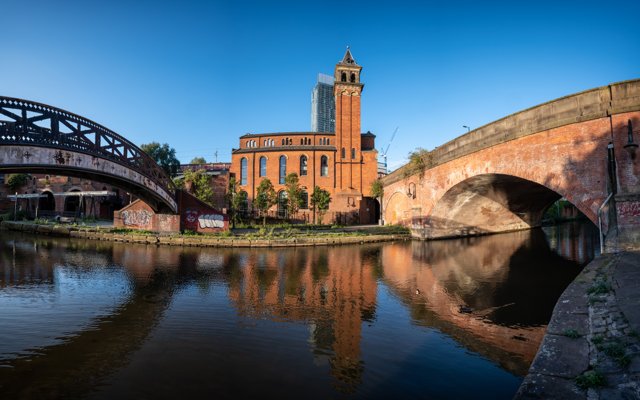
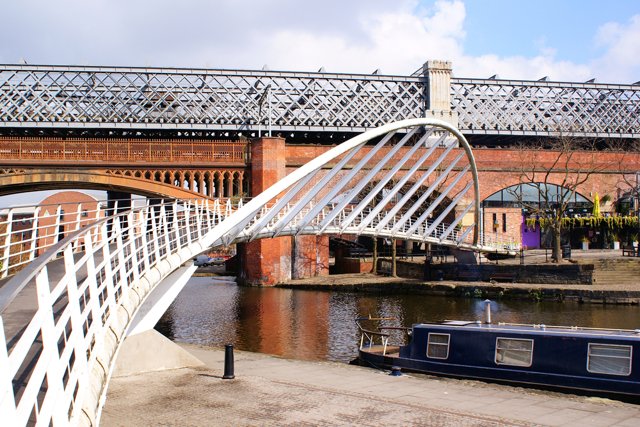
  • Castlefield: To the south-west, a slower-paced area of 18th-century canals, Roman ruins, and waterside pubs ideal for a relaxed wander.

Gastronomy

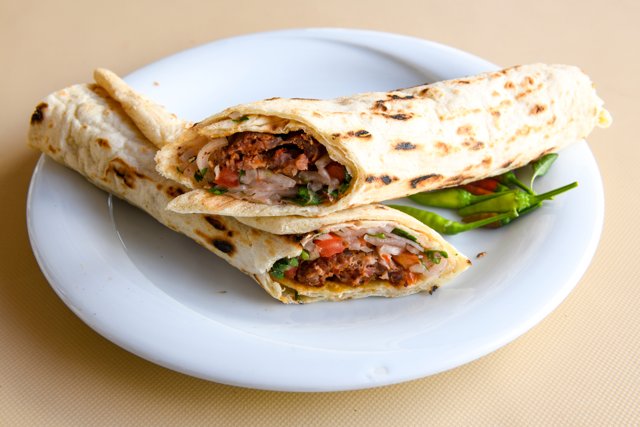
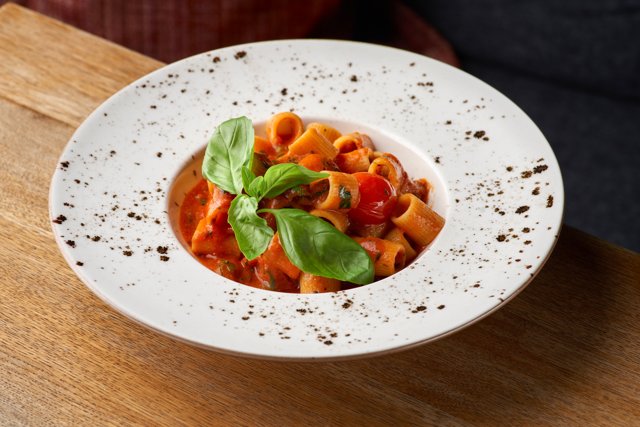
British food gets an undeservedly bad reputation, and Manchester is a good place to challenge that. For local flavours, look out for parched peas served with vinegar, salt and pepper, flaky Eccles cakes stuffed with currants, savoury rag pudding (a meat-and-potato pie served inside a bread roll) and Manchester tart — a nostalgic shortcrust pastry shell filled with raspberry jam, custard, and coconut.

Beyond traditional dishes, the city's food scene is genuinely diverse and fast-moving. Mackie Mayor in the Northern Quarter, a beautifully restored Victorian meat market, brings together some of the city's best independent food vendors under one glass roof. For a longer outing, Altrincham Market is worth the 20-minute tram ride, with a lively indoor food hall and craft stalls open six days a week.

City Rhythm

The city gets going early, with rush hour building from around 7:30am and again between 4:30 and 6:30pm, when the tram network fills with commuters. Lunch is typically taken between noon and 2pm, and dinner from around 6pm onwards. One linguistic note worth knowing: in the North West, "tea" often means the evening meal rather than the hot drink.

Weekends shift the city's energy considerably. Bars and restaurants fill from Friday evening, and on match days the streets around the city centre take on a charged, carnival atmosphere.

The calendar shapes the year too. September brings students back to the city, injecting fresh energy into the bars and cafés. June is festival season, and come December, wooden chalets and the smell of mulled wine take over the city centre.

Things to Do

A walking tour of the city centre is the best way to get your bearings. Manchester Cathedral and the medieval timber-framed buildings of Shambles Square reward a slow wander, and The Old Wellington — the city's oldest surviving Tudor building — makes for a characterful lunch stop right in the heart of it all.

The afternoon is well spent in the former industrial neighbourhoods that have reinvented themselves as centres of independent culture, specialty coffee, and craft breweries.

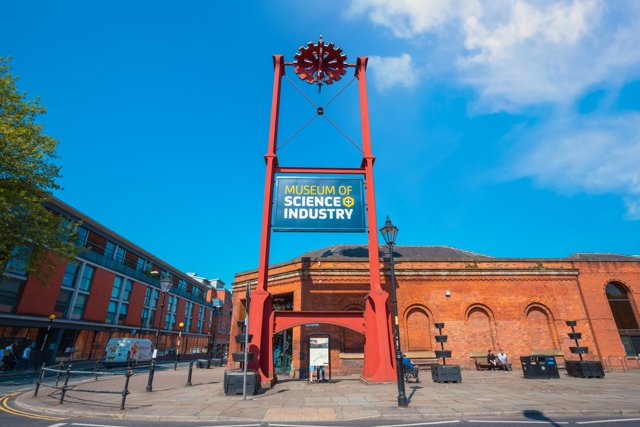
When the weather has other ideas, the city's museums step up. The National Football Museum, the Lowry performing arts theatre and gallery, and the Science and Industry Museum each offer a full afternoon's worth of distraction for very different tastes.

For something more leisurely, canal tours take the weight off your feet while tracing Manchester's industrial history past Salford Quays, Old Trafford, and the Imperial War Museum North.

Best hotels in Manchester

See hotel rates

Frequently asked questions

What is Manchester famous for?

Manchester is known internationally for its music scene (The Smiths, Oasis, The Stone Roses, and Joy Division). Its two Premier League clubs, Manchester United and Manchester City, have between them dominated English and European football for decades. The city also played a central role in the Industrial Revolution. Its working-class roots, thriving LGBTQ+ community, and restless creative spirit remain defining parts of its identity today.

How many days should you spend in Manchester?

A long weekend — three to four days — is enough to explore the city centre, dip into a few neighbourhoods, and take at least one day trip. Those who want to explore further afield or go deeper into the food and music scene will find a full week well spent.

Is Manchester expensive to visit?

Manchester is noticeably more affordable than London. Accommodation, food, and drink all tend to come in at lower prices, and many of the city's best experiences like markets, street art, canal walks, and free museums cost nothing at all.

What is the best area to stay in Manchester?

For a quick city break, consider staying in the City Centre, Deansgate, Castlefield or the Northern Quarter & Ancoats.

What are the biggest events in Manchester?

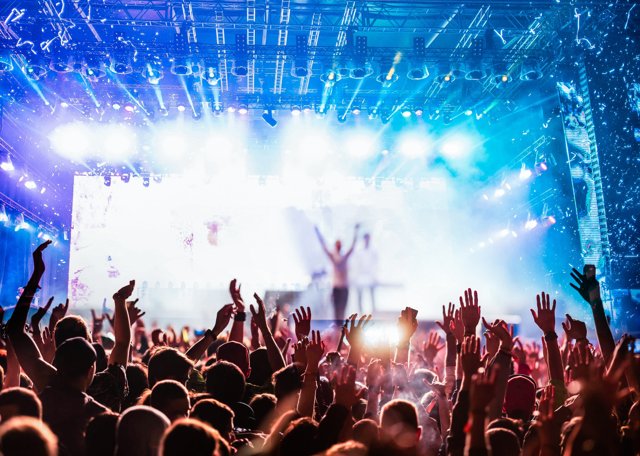
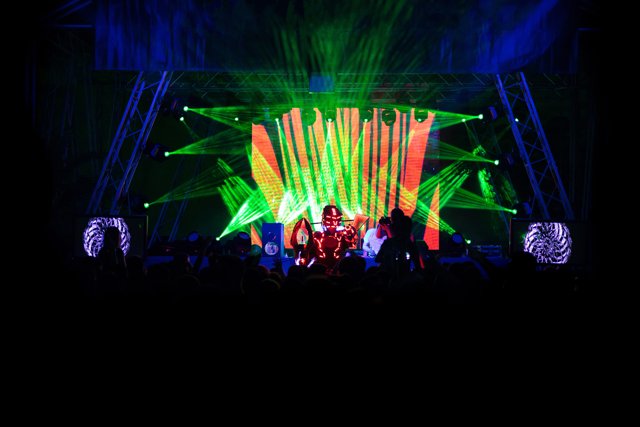
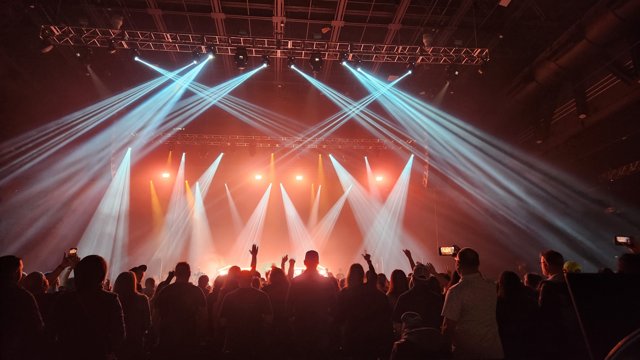
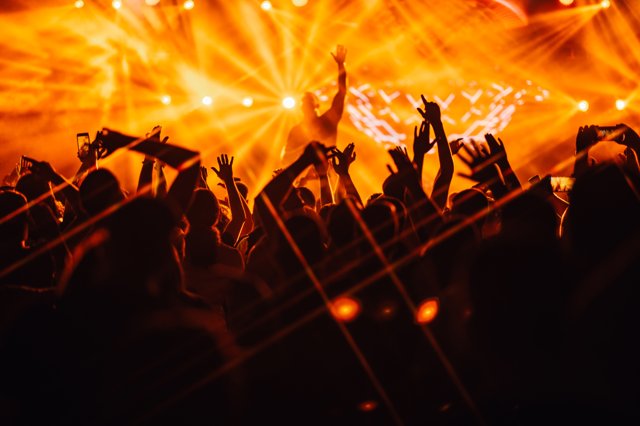
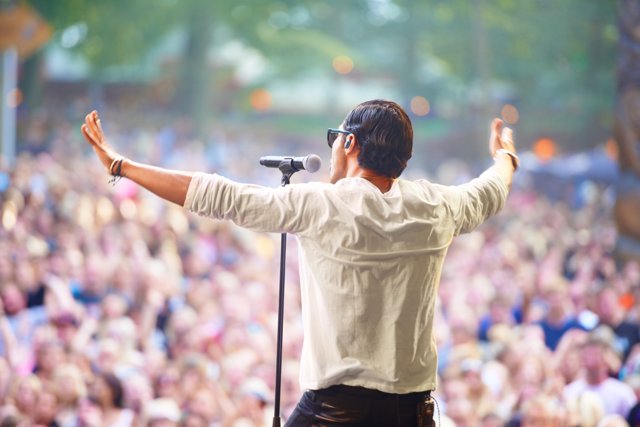
Parklife is the city's flagship music festival, featuring international headliners across multiple stages. Manchester Day in June celebrates local culture across the city centre. The Manchester Jazz Festival is a highlight of the summer calendar. Co-op Live indoor arena hosts world-class concerts throughout the year. 

When is Manchester Pride?

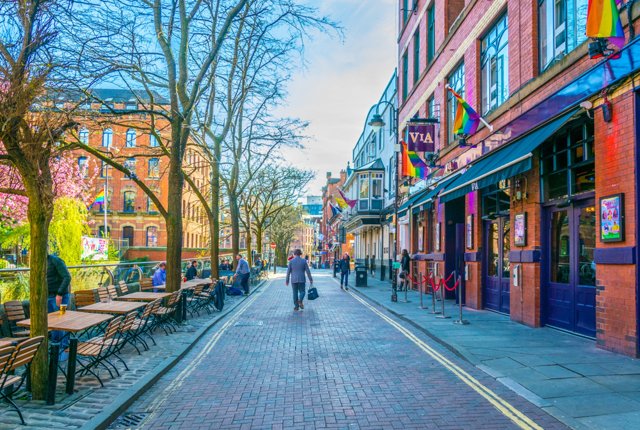
Manchester Pride takes place over the August bank holiday weekend, typically running across four days at the end of August. One of the largest LGBTQ+ celebrations in the UK, it centres around the Gay Village and Canal Street.

How do I get football tickets in Manchester?

Tickets for Manchester United and Manchester City matches can be purchased through each club's official website. Demand is high, so book well in advance. Stadium tours are a good alternative on non-match days.

Top destinations