Brest

France’s far western frontier, where warships and Atlantic winds shape the rhythm of daily life.

  • Brest

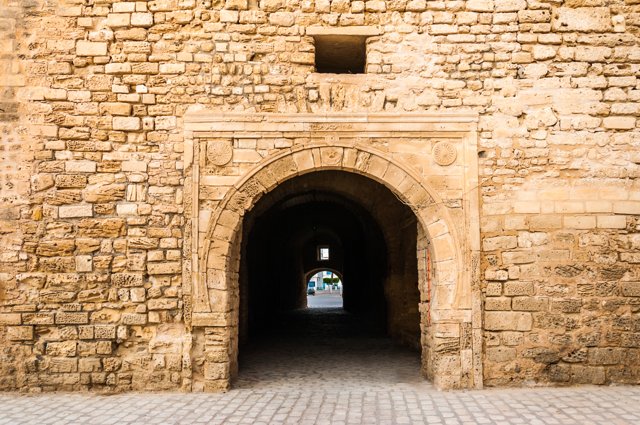
    Perched on the rugged edge of Brittany, Brest faces the Atlantic across one of Europe’s largest natural harbours. This vast, sheltered rade has shaped the city for centuries — fortified by the Romans, strengthened by the Dukes of Brittany, and still home today to an important French naval base.

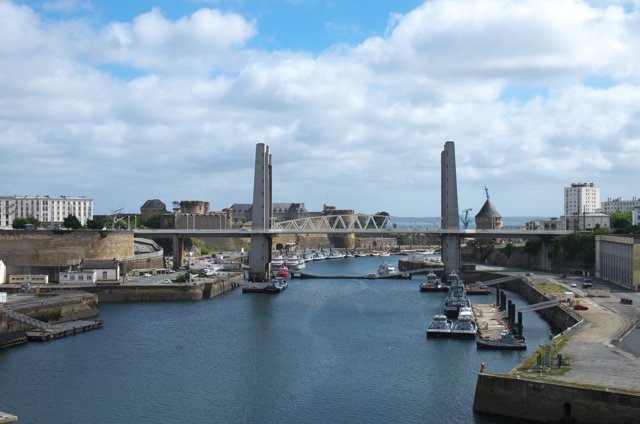
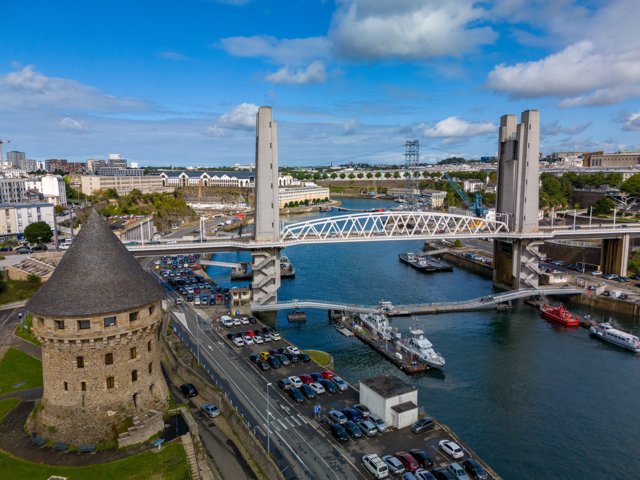
    Almost entirely destroyed during World War II, Brest rebuilt itself not as a reconstruction of the past but as a modern city of granite, concrete, and wide boulevards. Landmarks such as the Pont de Recouvrance and the austere urban layout give it a distinctive character.

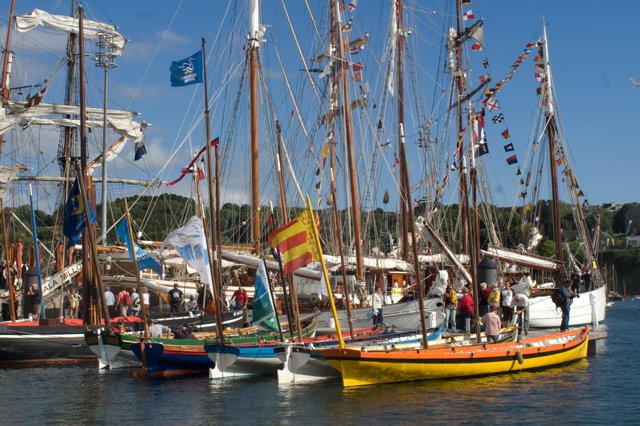
    The sea still defines daily life, from naval dockyards along the Penfeld River to research vessels and ferries crossing the harbour. Brest looks outward toward open water — a city of departures, resilience, and enduring maritime identity.

Unique experiences in Brest

Plan your trip

Entry Requirements & Travel Documents

France is part of the Schengen Area. Therefore, EU and EEA citizens can enter the country with a valid passport or national ID card. Many non-EU travellers from visa-exempt countries may stay up to 90 days within a 180-day period without a visa, subject to passport validity requirements that vary by nationality.

From late 2026, travellers from many visa-exempt countries, including the United Kingdom, United States, Canada, Brazil, Japan, and Australia, will need to apply online for ETIAS (European Travel Information and Authorisation System) before travelling to France and other Schengen countries for short stays. Until ETIAS becomes operational, passport-only entry remains in place.

Be sure to always verify entry requirements with official government sources before departure, as conditions can change. 

Money, Currency & Paying in Brest

France uses the euro (€, EUR). Card payments are widely accepted in Brest, including in cafés, restaurants, and taxis. Contactless payment is standard, and mobile wallets are commonly used.

Small neighbourhood bakeries, markets, or independent bars may require a minimum amount for card payments. Carrying a small amount of cash is therefore useful for minor purchases.

ATMs (distributeurs) are easy to find along the Rue de Siam and near the Town Hall.

Weather, Seasons & When to Visit

Brest has a temperate oceanic climate shaped entirely by the Atlantic. It rarely freezes, but it is often damp, and wind is a near-constant companion. Locals like to say you can experience four seasons in a single afternoon, and on certain days, it feels accurate.

Summers (June to August) are mild rather than hot, typically hovering between 18–23°C. Long daylight hours and clearer skies make this the most reliable season for harbour walks and coastal hikes. Autumn brings more dramatic Atlantic weather. Storm fronts roll in quickly, the sea turns steel-grey, and the city feels elemental. It can be striking, but unpredictable.

Spring is changeable yet vibrant. When the skies clear, the coastline feels especially crisp and green, making April to early June one of the most rewarding periods for outdoor exploration. Winter is often grey, windy, and cool rather than severe. Rain is frequent, though temperatures rarely drop to extremes.

For the most balanced conditions, late spring and early autumn are ideal. If you prefer a livelier atmosphere around the harbour, aim for late spring or mid-summer.

Health Insurance

UK and EU visitors should carry a valid GHIC (Global Health Insurance Card) or EHIC (European Health Insurance Card), which provides access to medically necessary treatment within France’s public healthcare system. However, this does not replace full travel insurance, which is strongly recommended.

Non-EU travellers should arrange comprehensive medical insurance before arrival, as hospitals and clinics may request payment or proof of coverage for non-emergency care.

Pharmacies are easily identified by flashing green crosses and can assist you with minor medical concerns. In an emergency, dial 112, the universal emergency number across the European Union.

Connectivity, Roaming & Mobile Data

Free Wi-Fi is available in many cafés, hotels, and public spaces. If your mobile plan is from an EU/EEA provider, roaming in France is generally included at domestic rates under EU “Roam Like at Home” rules, subject to fair-use limits. If your provider is outside the EU/EEA, roaming charges may apply, so check before departure.

For longer stays, picking up a prepaid French SIM card or an eSIM is usually the smartest move to keep your maps running while you explore the rugged coastline. Coverage in Brest and the surrounding coastline is generally reliable, though the signal may weaken along more remote coastal paths.

Airports & Main Arrival Hubs

Brest Bretagne Airport (BES) is the main gateway to the area, located about 10km northeast of the city. It’s a busy regional hub with frequent links to Paris, Lyon, and London. For international travellers, most long-haul journeys connect via Paris, before continuing to Brest by air or train.

Main Train Stations

Gare de Brest is the city’s main railway station, located within walking distance of the centre. It is a terminal station, literally the end of the line for the high-speed TGV from Paris. The journey from the capital takes about 3 hours and 30 minutes, whisking you through the heart of the French countryside and into the rugged Breton landscape.

Regional TER services link Brest with other Breton cities such as Rennes and Quimper.

From the Airport / Station to the City Centre

Getting from the airport into the city is a two-step process that locals navigate with ease. First, you take the airport shuttle, which connects to the tram network in around 10-15 minutes. From there, it is a short tram ride into the centre. One ticket covers both the shuttle and the tram, and the whole trip takes about 25-30 minutes.

If you arrive by train, the transition is even simpler. The station is centrally located, and the main hotel districts are either a short walk or a quick bus ride away. Taxis are also available directly outside the station.

Taxi & Ride-Hailing

Taxis are available throughout the city and can be booked in advance or taken from designated ranks.

Ride-hailing services, such as Uber, operate in Brest, though availability may be more limited than in larger French cities. During late evenings, early morning airport runs, or peak hours, pre-booking is strongly recommended. 

Arrival Tips & Common Mistakes to Avoid

  • The shuttle-to-tram transfer from the airport is the standard local route and is significantly cheaper than a taxi.
  • Rail is often the most straightforward and comfortable way to reach Brest from elsewhere in France. 
  • Book train tickets early in summer, particularly during major maritime events.
  • A common mistake is forgetting that Brest is hilly. If you’re walking from the station with heavy bags, check the elevation to your hotel first.
  • As always in this part of France, timing matters. Weather and sea conditions can reshape plans quickly, so flexibility is essential.

Public Transport & Zones

Public transport in Brest is managed by Bibus and consists primarily of a single tram line supported by an extensive bus network. The tram runs east to west through the city centre, connecting key residential areas, the main train station vicinity, and commercial districts.

The system operates within a unified fare zone, meaning you don’t need to worry about complex ticket divisions inside the city. Services are generally punctual and straightforward, though frequencies reduce in the evening and on Sundays.

For most visitors staying centrally, public transport is useful but not always essential.

Tickets & Passes

Tickets can be purchased at tram stops, from ticket machines, or via the Bibus mobile app. Options include single journeys, day passes, and multi-trip tickets.

Validate your ticket when boarding and keep it until the end of your journey. Inspections are random but regular.

Walking & Cycling

Brest is divided by the Penfeld River, with the city centre and Rue de Siam on the left bank and Recouvrance on the right. The central districts are largely walkable, though expect some gradients between the harbour level and the upper boulevards.

Cycling is increasingly common, with designated lanes across much of the urban area. The city’s compact size makes short rides practical, while coastal routes beyond the centre are particularly rewarding on clear days. Wind conditions can shift quickly, so longer rides are best planned with a glance at the forecast.

Nearby Destinations / Day Trips

Brest’s position at the western edge of Brittany makes it a practical base for exploring some of France’s most exposed coastal landscapes.

For those drawn to the literal edge of the country, ferries depart from the commercial port to the islands of the Iroise Sea, including Ouessant and Molène. These windswept outposts are defined by lighthouses, low stone houses, and an Atlantic presence that feels absolute.

Just across the water lies the Crozon Peninsula, a rugged finger of land known for dramatic cliffs and unexpectedly turquoise coves. By car, it takes around an hour to reach; in summer, a seasonal ferry link connects Brest marina to Le Fret, turning the journey into a scenic 30-minute crossing.

About an hour south by regional train, Quimper offers a softer contrast, with twin cathedral spires, half-timbered houses, and a more traditionally Breton aesthetic.

Accessibility & Basic Safety Tips

Brest’s post-war reconstruction resulted in wide pavements and open layouts, making much of the centre accessible for travellers with reduced mobility. The tram network is step-free and adapted for wheelchairs. However, some older streets on the right bank, particularly in parts of Recouvrance, feature steep inclines and occasional cobblestones that may present challenges.

As in most mid-sized French cities, Brest is generally safe. Standard urban awareness is sufficient, particularly around the station area late at night and the lower docks.

The biggest "danger" here is the weather; the Atlantic wind can be fierce, and exposed coastal paths, especially sections of the GR34, require sturdy footwear and a respect for the tide times.

Language, Culture & Local Etiquette

French is the everyday language in Brest, but you are firmly in Brittany, a region with a distinct cultural identity. You may see bilingual street signs in French and Breton, the Celtic language historically spoken across western Brittany. While Breton is not widely used in daily conversation, its presence signals a strong regional consciousness.

Politeness matters. A simple “Bonjour” when entering a shop or café is expected. Service can feel direct rather than effusive; this is normal. Brest’s character is straightforward, shaped more by dockyards and universities than by performance for visitors.

Conversations often turn to the sea: weather patterns, sailing conditions, fishing, and environmental concerns. 

Neighbourhoods

Brest is organised around the Penfeld River, with each bank offering a distinct perspective on the city.

  • Siam & Saint-Louis (Upper City): Rebuilt after 1944 with wide, orderly boulevards, this is the functional heart of Brest. Rue de Siam runs through it like a spine, linking Place de la Liberté to the harbour. Shops, cafés, and administrative buildings give the area a purposeful, modernist rhythm.
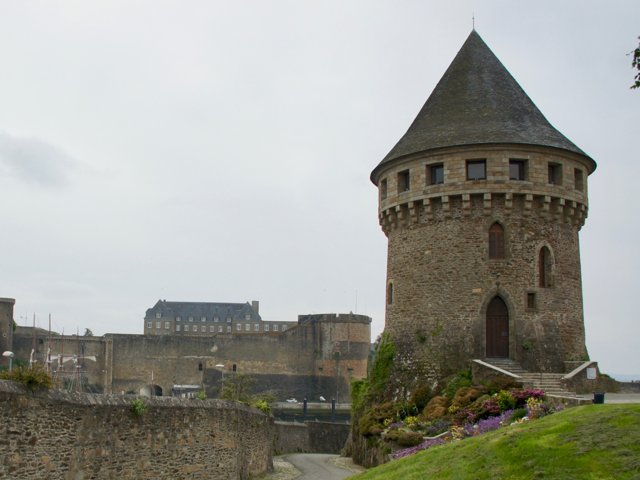
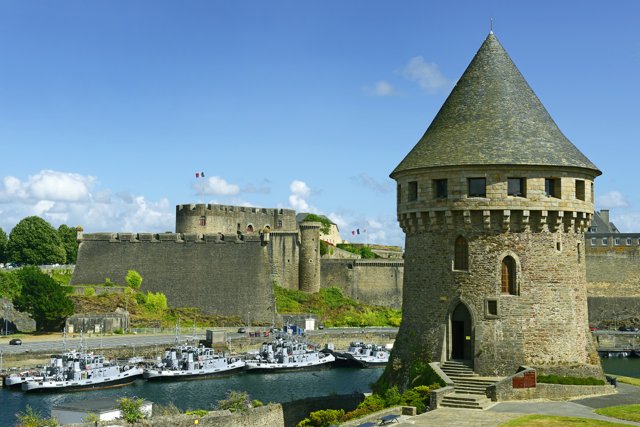
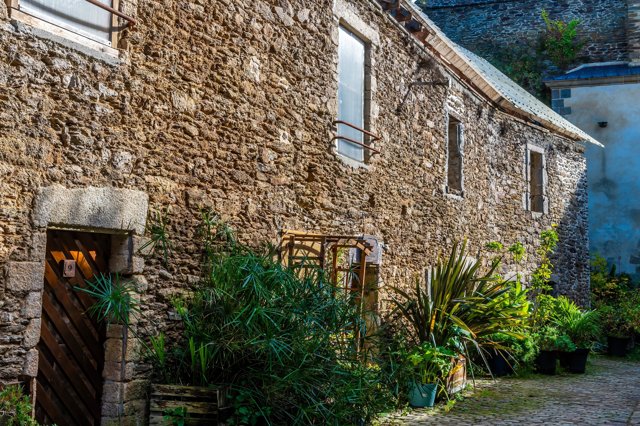
  • Recouvrance (Right Bank): Across the Pont de Recouvrance lies the city’s older soul. Once a rough sailors’ quarter, Recouvrance retains steeper streets, tighter urban grain, and a slightly more independent atmosphere. Here you’ll find long-standing maritime bars and the 14th-century Tour Tanguy, facing the harbour as it has for centuries.
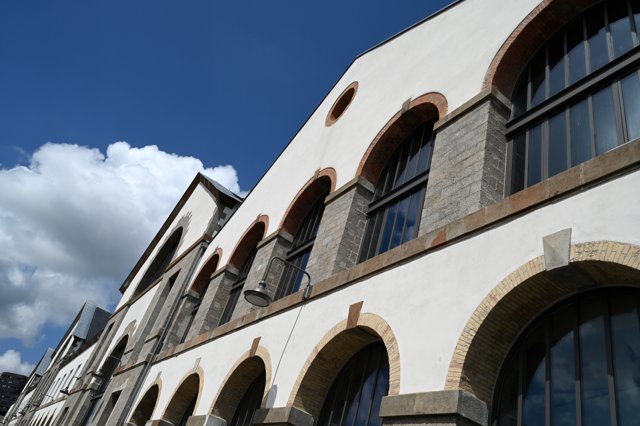
  • Les Capucins: A former naval industrial site transformed into a vast cultural hall, Les Capucins is one of the city’s most successful renewal projects. Reached by cable car, it functions as a covered public square, part library, part exhibition space, part social meeting point, where students, families, and remote workers share the same expansive industrial volume.
  • Port de Commerce: At sea level, the commercial port brings Brest’s working identity into direct contact with its social life. Cargo ships dock not far from restaurant terraces. By evening, this is where the city gathers; less polished than a Riviera marina, but more authentic for it.

Gastronomy

In Brest, food follows the tide as much as the season.

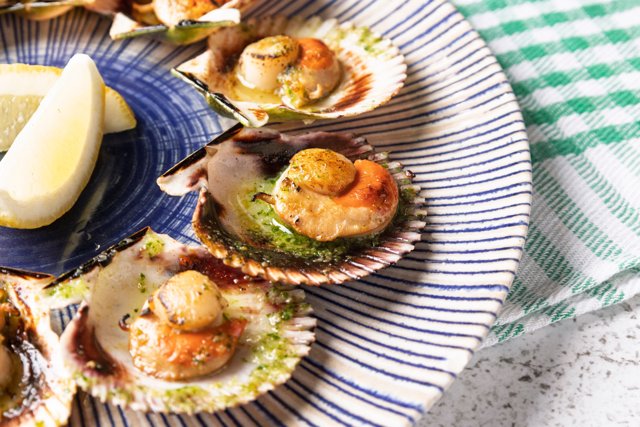
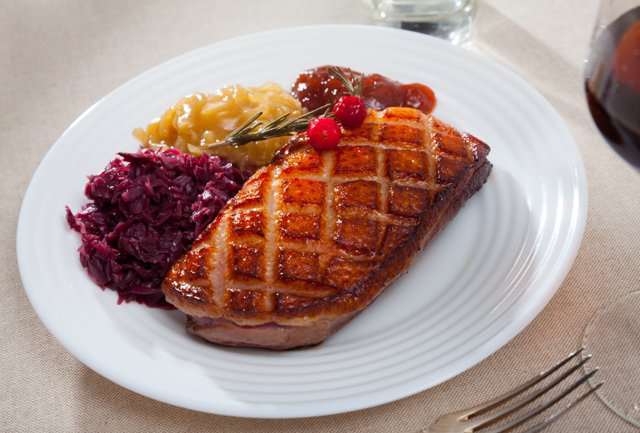
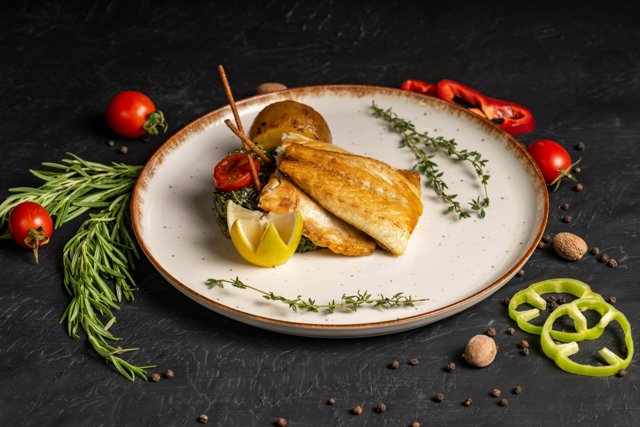
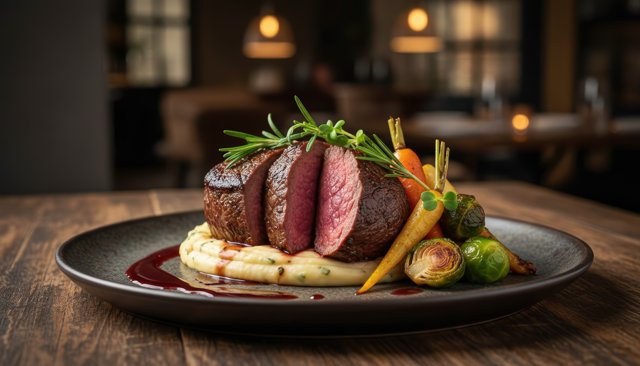
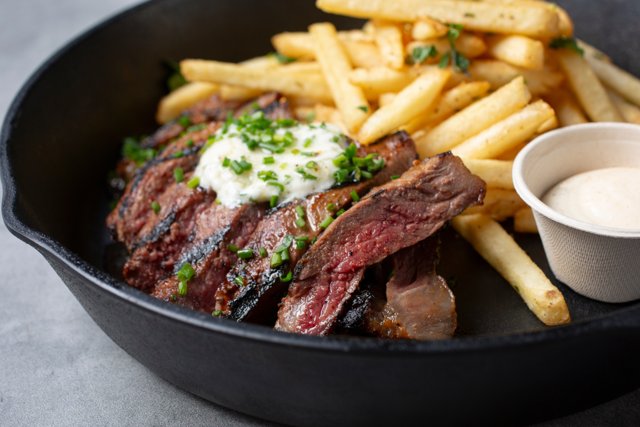
The sea sets the tone. Oysters from the Rade de Brest and the Aber Wrac’h are a point of local pride, alongside mussels, langoustines, and fresh fish, usually prepared simply to highlight their quality.

On land, Breton staples remain central. Buckwheat galettes are a daily essential, from the classic complète to seafood variations. For dessert, wheat crêpes come with salted caramel, chocolate, or butter and sugar.

Salted butter is fundamental, as is cider, traditionally served in a ceramic bolée and naturally paired with galettes.

More substantial dishes like kig ha farz, a slow-cooked mix of meat and buckwheat dumpling, reflect the region’s hearty side.

Markets and neighbourhood brasseries offer the most authentic experience. Brest is not a gastronomic showpiece, but a seasonal, produce-driven city with a strong regional identity.

City Rhythm

Brest moves according to work shifts, tides, and university calendars.

Mornings are functional. The tram fills with students and naval personnel. Lunch remains structured, though less ceremonious than in southern France.

As the sun sets, life migrates from the upper shopping streets down to the Port de Commerce, where terraces begin to fill. Nightlife is concentrated around the port and a handful of central streets. Thursdays are especially lively during the academic year. 

Weekends frequently mean leaving the city altogether: sailing, hiking, driving to Crozon, or catching a ferry to the islands. Brest is urban in structure, but its social life radiates outward.

Things to Do

Brest is best understood through its relationship with the sea.

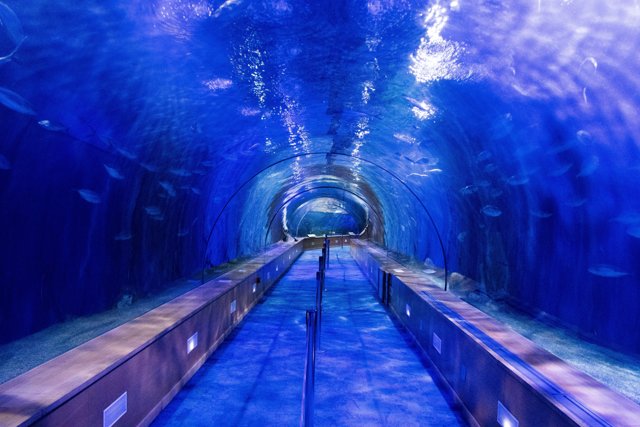
Start at the Océanopolis, a major oceanographic centre that reflects the city’s scientific role in marine research. It is less an aquarium than an educational institution. From there, the medieval Château de Brest offers historical depth and sweeping views across the harbour. Its ramparts provide a clear sense of scale: naval dockyards, moving vessels, the vast rade beyond.

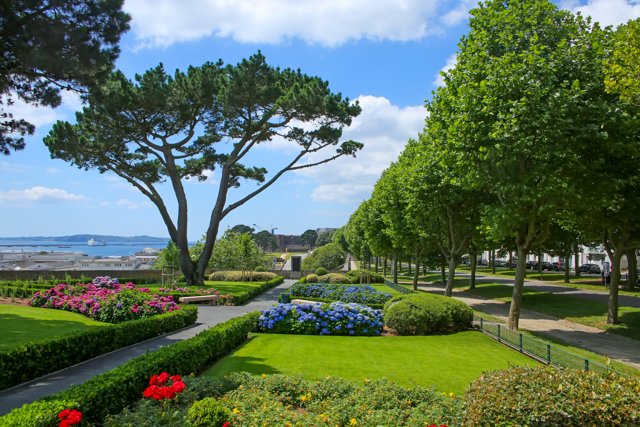
Walk the Cours Dajot for open perspectives across the water, especially in the early evening when cranes and masts cut sharp lines against the sky. Cross the Pont de Recouvrance on foot to understand the physical divide between the banks; the bridge itself is already part of the experience.

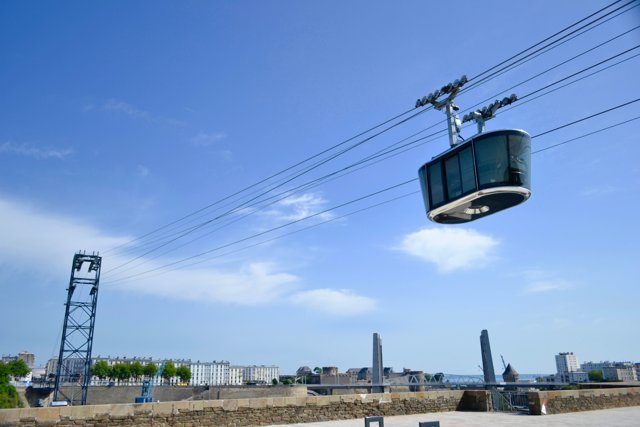
For something more contemporary, take the cable car across the Penfeld, linking the city centre to the Capucins district, a former industrial site now converted into a cultural space with exhibitions, cafés, and a panoramic public library.

If time allows, step outside the urban grid. Follow a section of the GR34 coastal path, or take a boat into the Iroise Sea. Brest reveals itself most clearly when viewed from the water, or from the edge of it.

Best hotels in Brest

Frequently asked questions

Is Brest worth visiting?

Yes, especially if you’re drawn to maritime history, working ports, and raw Atlantic landscapes. Brest offers a different perspective on France: naval, scientific, outward-looking. It works particularly well when paired with time exploring the surrounding coastline and islands.

Is Brest very windy?

Wind is part of daily life here. The Atlantic shapes both the climate and the mood of the city. Breezes are common, and stronger gusts are not unusual, particularly in autumn and winter. It rarely disrupts daily life, but packing a windproof layer is wise.

How many days do you need in Brest?

Two to three days is the "sweet spot" for Brest. This gives you enough time to explore the city's modernist centre, dive deep into the marine life at Océanopolis, and soak up the atmosphere of the Recouvrance district. If you have four or five days, use the city as a base to venture out to the dramatic cliffs of the Crozon Peninsula or take a ferry to the windswept islands of the Atlantic.

Is Brest expensive?

Brest is generally more affordable than major French cities such as Paris, Lyon, or Bordeaux. Accommodation, dining, and cafés are reasonably priced, particularly outside peak summer periods. Seafood can vary in price depending on the season, but everyday eating, especially in crêperies and local brasseries, remains accessible.

Do people in Brest speak English?

While French is the primary language, the locals are incredibly welcoming and used to the international flow of sailors and scientists. You’ll find that English is widely spoken in hotels, major museums, and popular restaurants along the Quai de la Douane. Learning a simple "Bonjour" or "Kenavo" (the Breton word for goodbye) is a great way to break the ice and will almost certainly be met with a warm smile.

Is Brest safe?

Brest is considered a safe mid-sized French city. The centre, harbour, and main residential areas are generally calm. As with any travel, just keep an eye on your belongings in crowded spots like the train station.
Top destinations