Hamburg

Where maritime history, wartime memory and a thoroughly modern city coexist on the banks of the Elbe.

  • Hamburg

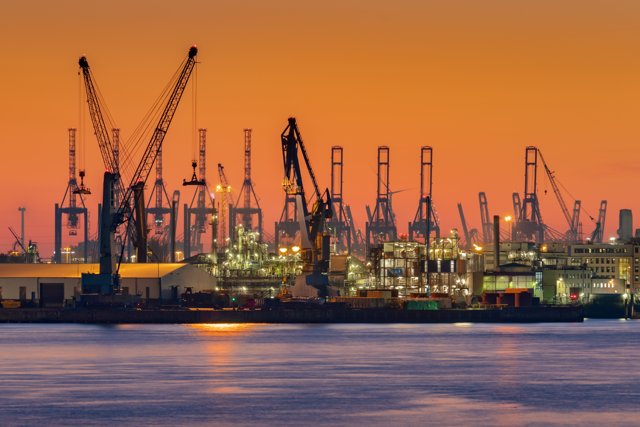
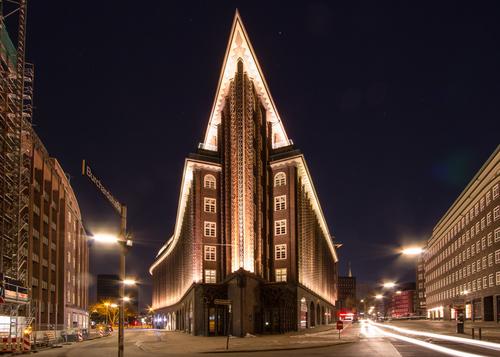
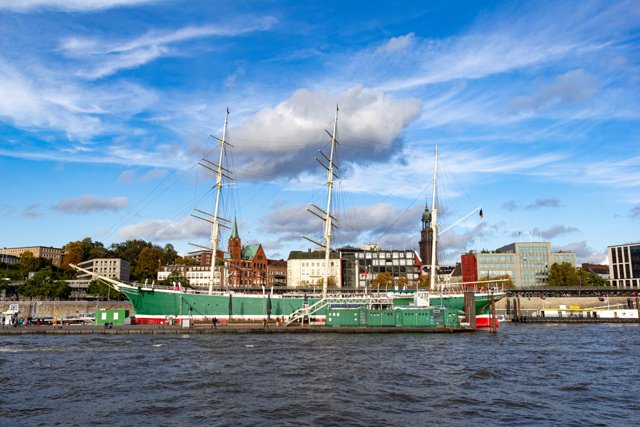
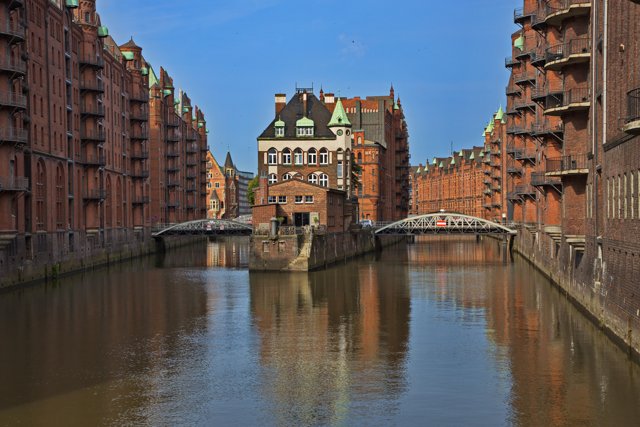
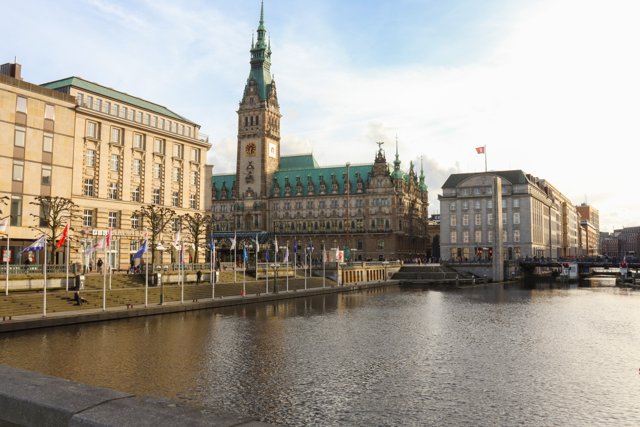
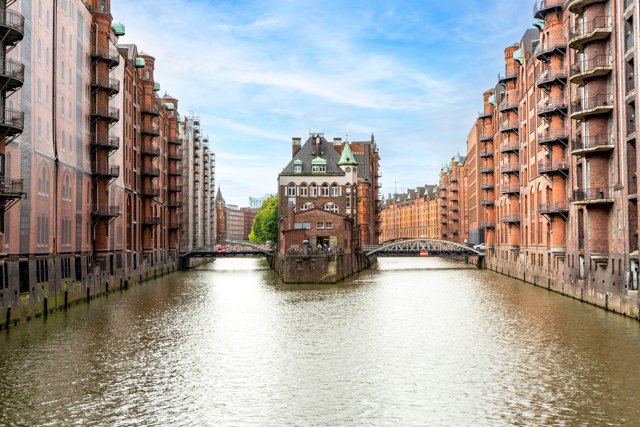
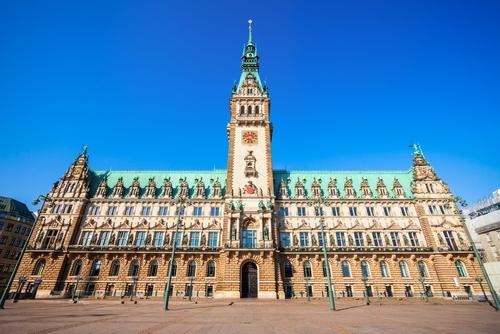
    Hamburg has always been defined by trade. For centuries one of Europe's most important ports, the city built its identity — and its wealth — on commerce with the wider world. That mercantile confidence is still visible in the grand 19th-century architecture around the city hall and in the vast warehouse district along the canals, even as container ships continue to move through the port today.

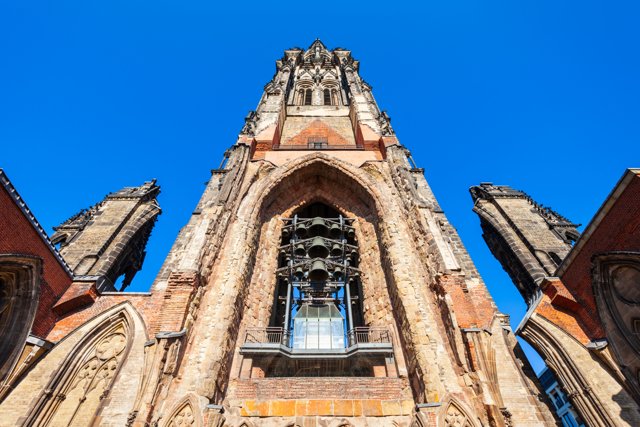
    The city was heavily bombed in 1943, and much of what you see today was rebuilt in the decades that followed. The gaps left by the war created space for reinvention, most visibly in the sweeping waterfront development that has reshaped the harbour into one of Europe's most ambitious urban projects.

    The result is a city that is harder to pin down than its German neighbours. It’s part working port, part cultural capital, part neighbourhood city that locals rarely feel the need to leave.

Unique experiences in Hamburg

What to do in Hamburg

Plan your trip

Entry Requirements & Travel Documents

Germany is part of the Schengen Area. EU and EEA citizens can enter with a valid national ID card or passport. Travellers from many non-EU visa-exempt countries, including the US, Canada, the UK, Australia and Japan, can stay up to 90 days within any 180-day period without a visa. Your passport must be valid for at least three months beyond your departure date.

From late 2026, visa-exempt travellers will need ETIAS authorisation before arrival. As entry rules can change, always check official sources before you travel.
Money, Currency & Paying in Hamburg

The local currency is the euro (€). Germany has a notable fondness for cash: cards are accepted in hotels, larger restaurants and chain shops, but smaller cafés, market stalls and local businesses often prefer notes and coins. Carrying some is genuinely useful.

Visa and Mastercard are widely accepted, and you can usually tap with your phone. American Express is accepted in some places, though not everywhere.

ATMs generally offer better rates than exchange desks. Stick to well-known banks like Sparkasse, Deutsche Bank and Commerzbank. When paying by card, always choose euros rather than your home currency to avoid unfavourable conversion rates.

Weather, Seasons & When to Visit

Hamburg has a temperate maritime climate with mild summers and fairly cold, grey winters. Rain is possible year-round, so pack an umbrella.

Spring (March to May) brings blooming parks and a full calendar of festivals, making it one of the better times to visit. 

Summer (June to August) is warm and lively, with beach clubs along the Elbe and long evenings that invite lingering outdoors. 

Autumn (September to November) cools quickly but stays pleasant enough for sightseeing, with thinner crowds. 

Winter (December to February) is cold and damp, though Christmas markets around the Rathausmarkt add real warmth to the season.

Health Insurance

Germany has an excellent public healthcare system. EU visitors should carry a valid EHIC or GHIC card to access treatment under the same conditions as residents. Non-EU travellers should arrange comprehensive travel insurance before arrival. 

Pharmacies are marked by a large red 'A' for Apotheke. They are the only places you can buy even basic over-the-counter medicines like ibuprofen. If you need a pharmacy outside of standard hours, every shop window will display a list of the nearest Notdienst (emergency pharmacy) that remains open overnight on a rotation.

In case of a medical emergency, call 112.

Connectivity, Roaming & Mobile Data

Free Wi-Fi is widely available in hotels, cafés and public spaces. EU and EEA travellers can use their domestic mobile plans in Germany at no extra cost under "Roam Like at Home" rules. If your plan is from outside the EU, check roaming costs with your provider before departure.

Getting a local SIM card requires ID registration, which can be cumbersome. If you choose to get one, do so at an official Telekom, O2 or Vodafone store. An eSIM is a simpler alternative — purchase one online and activate it on arrival.

Airports & Main Arrival Hubs

Most travellers arrive at the ultra-modern Hamburg Airport (HAM), also known as Helmut Schmidt Airport. It’s located around 9 kilometres north of the centre and handles most European and intercontinental flights.

Lübeck Airport (LBC), roughly 65 kilometres east, serves a handful of budget European routes. Factor in the transfer time before assuming it offers a real saving.

Hamburg has several well-placed train stations, making rail a convenient arrival option from across Germany and beyond. Long-distance coaches stop at the Central Bus Station (ZOB), within a short walk from the main train station.

Main Train Stations

Hamburg Hauptbahnhof is the city's central rail hub and one of Germany's busiest stations, with frequent ICE and intercity services connecting Hamburg to Berlin, Frankfurt, Cologne and beyond. It links directly to the S-Bahn and U-Bahn networks, making onward travel across the city straightforward.

Hamburg-Altona, a few kilometres west, serves as a terminal station for several long-distance routes and is well connected to the centre by S-Bahn. Hamburg Dammtor, between the two, is convenient for the trade fair district and the university quarter.

From the Airport to Central Hamburg

From Hamburg Airport (HAM), the S-Bahn is the easiest way into the city. Line S1 runs directly from Terminals 1 and 2 to the central Hamburg Central Station every 10 minutes, with a journey time of around 25 minutes.

Several bus lines serve the airport too, including a night service for late arrivals and early departures.

From Lübeck Airport (LBC), the most practical option is to take the train via Lübeck Hauptbahnhof, which gets you into Hamburg in around 90 minutes. The bus connection exists but adds around an hour to the journey.

Taxis & Ride-Hailing

Licensed taxis are available at designated ranks outside both terminals and at major train stations across the city. All are metered and regulated, accepting both cash and card. If you are travelling less than two kilometres, you can ask for a Kurzstrecke — a short-distance flat fare that works in your favour.

A journey to the city centre is about 10 kilometres and costs around €25. Drivers accept both cash and cards.

Ride-hailing apps including Uber, Bolt and FreeNow all operate in Hamburg and can be booked via app on arrival.

Arrival Tips & Common Mistakes to Avoid

  • At Hamburg Hauptbahnhof, head for the Kirchenallee exit (north side) for direct access to the city centre, hotels and taxis.
  • Carry a small amount of cash. Public restrooms in stations and shopping centres almost always charge a small fee.
  • The HVV app (Hamburg's transport authority) is worth downloading before arrival for tickets and real-time journey planning.
  • Most shops are closed on Sundays, but you can shop at supermarkets in major train stations.

Public Transport & Zones

Hamburg's public transport network (HVV) covers the city and surrounding region through a combination of U-Bahn, S-Bahn, regional rail, buses and ferry lines. For most visitors, the U-Bahn and S-Bahn will be the main way to get around, with buses filling the gaps.

The network is divided into five rings centred around the Alster Lakes. Rings A and B cover the city centre and most areas visitors are likely to need. 

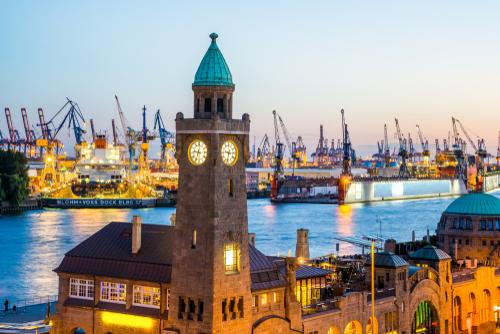
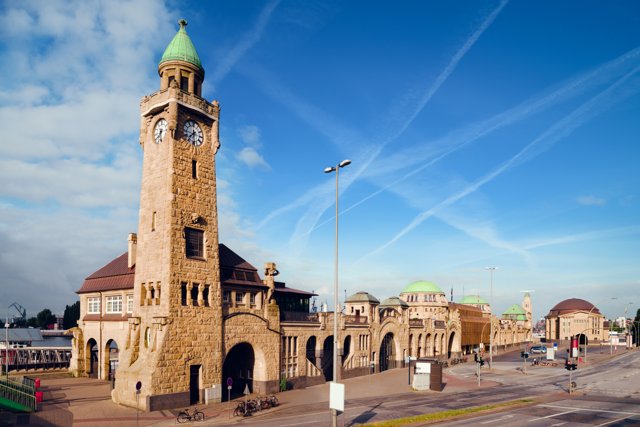
A practical bonus: HVV tickets also cover the harbour ferry lines along the Elbe, all of which stop at Landungsbrücken. It's a scenic way to move around that many visitors overlook.

Tickets & Passes

You can buy single, daily and weekly tickets at HVV machines, online and via the HVV app — the latter two come with a small discount. If you're planning more than two journeys in a day, a day ticket is better value.

The Hamburg Card is worth considering for longer stays. It covers unlimited travel and includes discounts on a range of museums, attractions and activities. 

Group tickets for up to five people offer great value and incentivise exploring together. Children under six travel free.

Walking & Cycling

Hamburg is very walkable, and most central attractions are within easy walking distance. Several curated walking routes around the river promenade, Old Town and Neustadt are available online, though simply wandering and seeing what catches your eye is often the best approach.

Cycling is another excellent way to explore. The city's bike-sharing scheme, StadtRAD, is practical for short hops around the centre. For longer rides through HafenCity, around the Alster Lakes or along the Elbe, rental shops like Happy Bikes Hamburg offer a wider choice of bikes and more flexibility.

Nearby Destinations / Day Trips

Hamburg is a good base for exploring northern Germany, with frequent train connections to medieval towns, beaches, and wildlife parks.

Lübeck, around 45 minutes away, is a popular first choice. Its old town centres on the iconic Holsten Gate, with brick Gothic churches and merchant houses filling the streets beyond. Further along the same rail line, the Baltic coast town of Travemünde offers sandy Baltic Sea beaches and a slower pace.

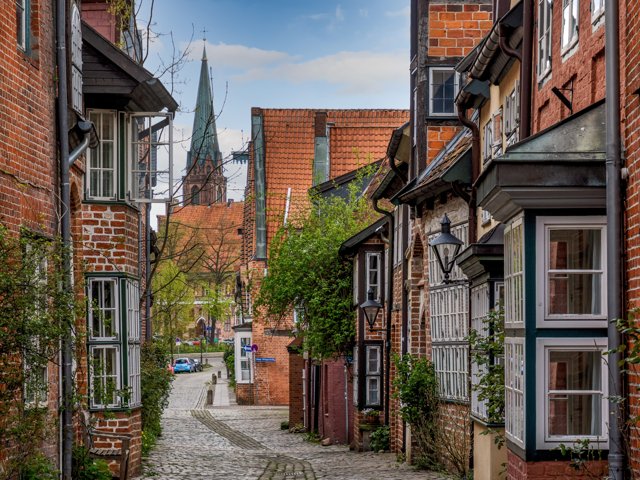
Heading south, Lüneburg is worth a half-day for its well-preserved medieval streets, built on the salt trade. To the west, Bremen merits a full day with its grand market square, the Schnoor quarter and the famous Town Musicians statue.

For something more rural, the Altes Land fruit region stretches along the Elbe. It’s great for cycling, and particularly lovely in spring when the orchards are in bloom.

Accessibility & Basic Safety Tips

Hamburg is an easy city to get around. Most U-Bahn and S-Bahn stations have lifts to the platforms, and buses, trains and ferries include ramps and priority seating. The HVV journey planner has accessibility filters to help plan routes in advance.

In older parts of the city, cobblestones and uneven pavements are common, so comfortable footwear is advisable.

Hamburg is a safe city. Keep an eye on belongings in busy areas and around major stations. St Pauli is lively and perfectly safe in the evening, but it would be wise to avoid quieter side streets late at night.

Language, Culture & Local Etiquette

German is the language of everyday life, though English is widely spoken in hotels, restaurants and tourist areas. Learning a few key words goes a long way — a cheerful Dankeschön is always appreciated. The typical Northern German greeting Moin is famously versatile: it works at any hour of the day.

Hamburgers tend to be reserved at first but warm up quickly. Handshakes are the standard greeting, and eye contact matters, especially the moment you raise a glass. Before the first sip, make eye contact with your companions and say Prost. Start your meal only after saying Guten Appetit.

Tipping is not mandatory but customary. Rounding up the bill or leaving around 10% for good service is the norm.

Neighbourhoods

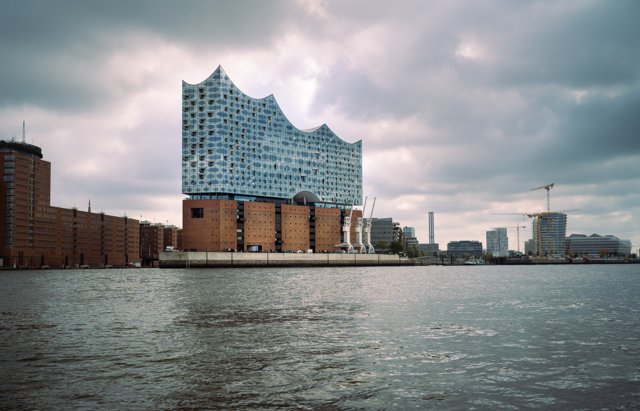
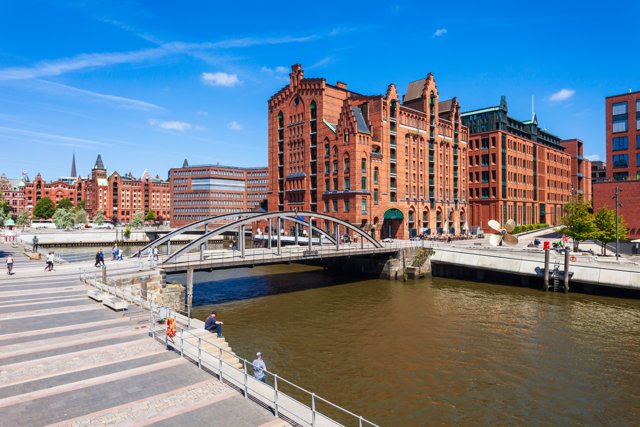
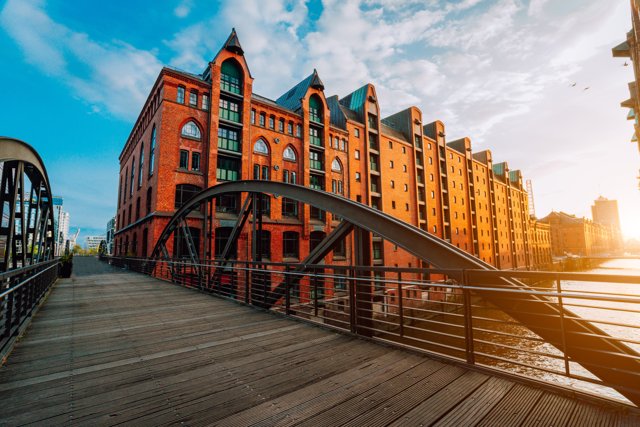
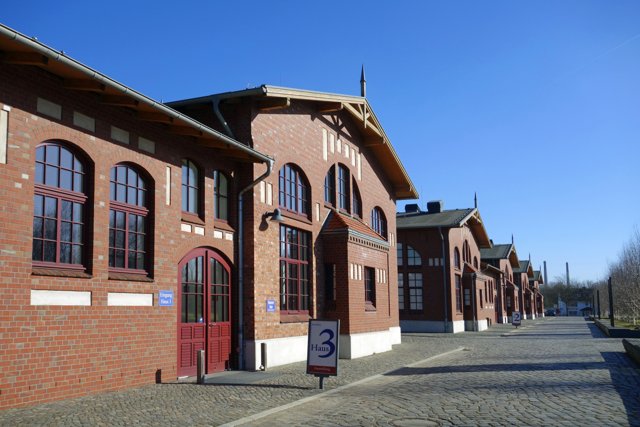
  • Speicherstadt & HafenCity form the waterfront heart of the city. The red-brick warehouse district and its canals contrast sharply with the glass-and-steel Elbphilharmonie next door. Scenic and central, though quieter in the evenings.
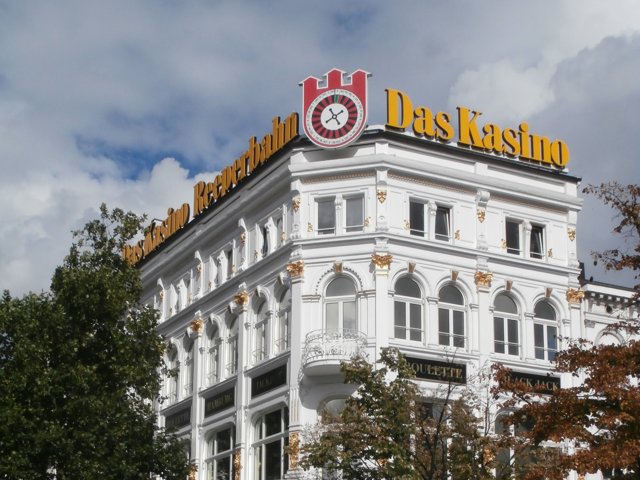
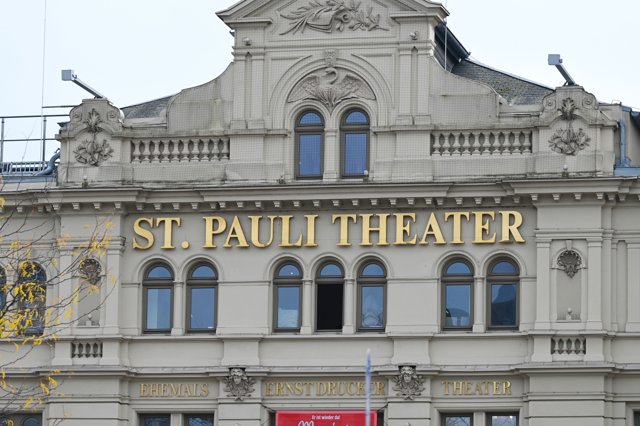
  • St Pauli is best known for the Reeperbahn, but the neighbourhood has more texture than its reputation suggests, with independent bars, music venues and a strong local identity.
  • Schanzenviertel offers vintage shops, colourful streets and a lively Saturday market.
  • Altona & Ottensen, west along the Elbe, have a relaxed, residential feel with narrow lanes, independent cafés and local shops.
  • Eppendorf & Winterhude, north of the Außenalster lake, are among the city's most pleasant residential quarters, with elegant streets, waterside paths and a calmer pace.

Gastronomy

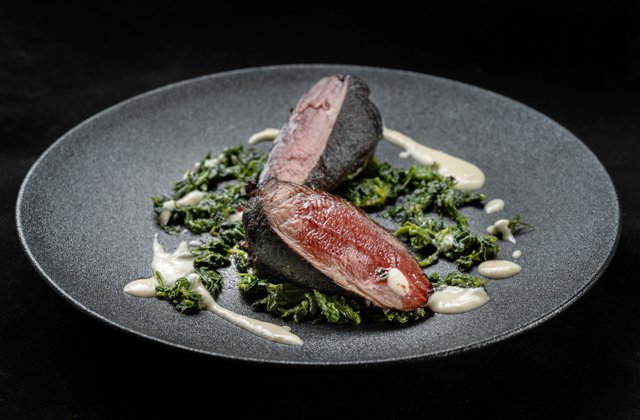
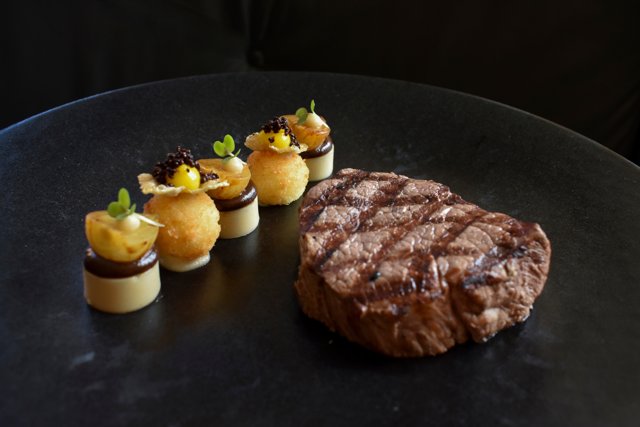
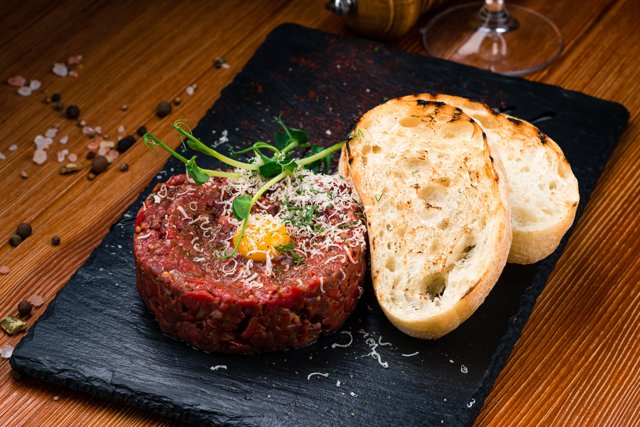
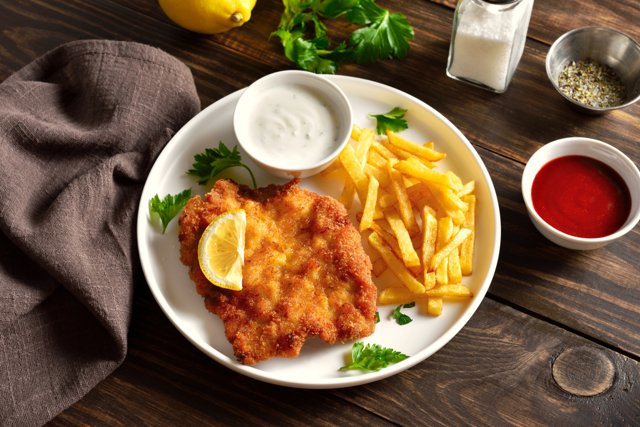
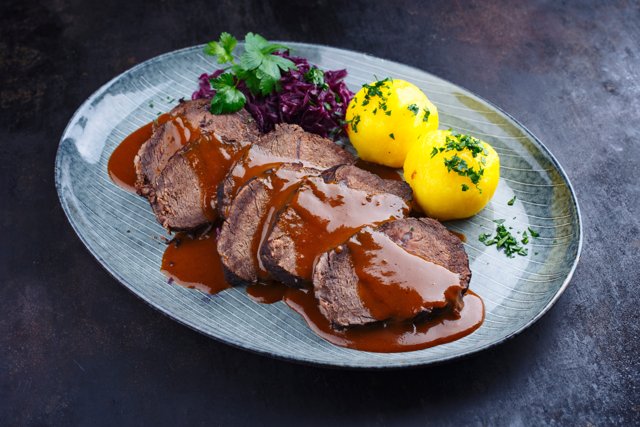
Hamburg's food culture is shaped by its maritime history and northern German roots, with fresh fish, smoked meats and hearty ingredients defining many traditional dishes.

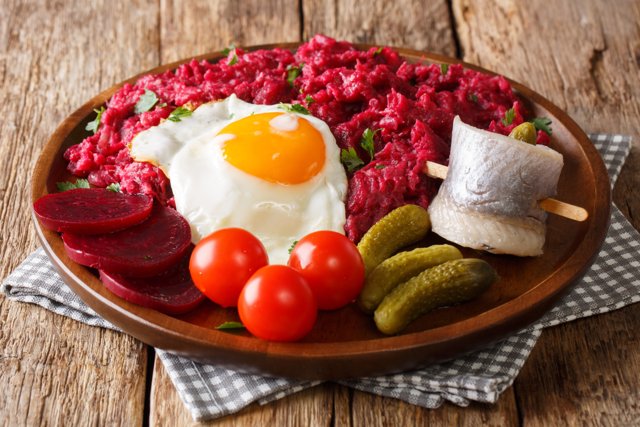
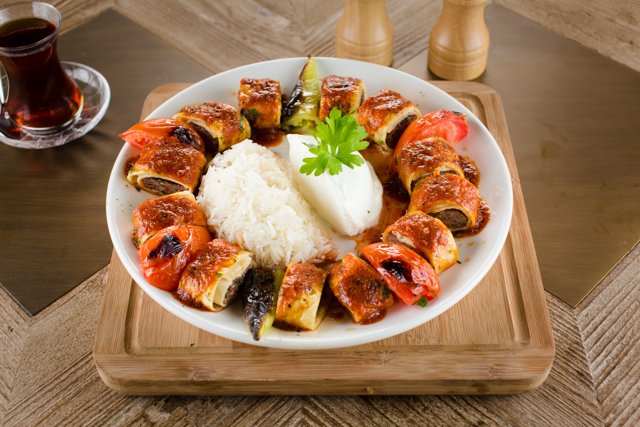
Local specialities worth seeking out include Fischbrötchen (bread rolls filled with pickled or smoked fish, best eaten at the harbour), Labskaus (a sailor's dish of corned beef, beetroot and mashed potato, topped with a fried egg), and Aalsuppe, a sweet-and-sour eel soup with a complex flavour. For dessert, try Franzbrötchen — a flaky cinnamon pastry unique to Hamburg. Another classic dessert is Rote Grütze, a cold red berry compote served with cream or vanilla sauce.

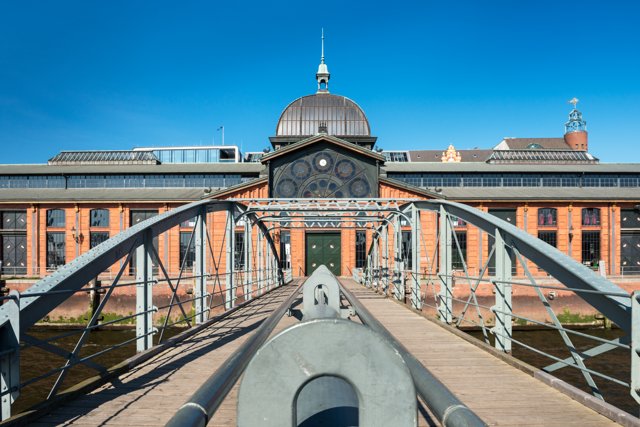
The Fischmarkt in Altona, held on Sunday mornings, is as much an experience as a place to shop. For restaurants and bars, Schanzenviertel and Altona offer the most rewarding variety.

City Rhythm

Hamburg keeps fairly regular hours by German standards. Mornings move purposefully, with breakfast spots filling early. Lunch is taken seriously but efficiently, and the working day wraps up at a reasonable hour.

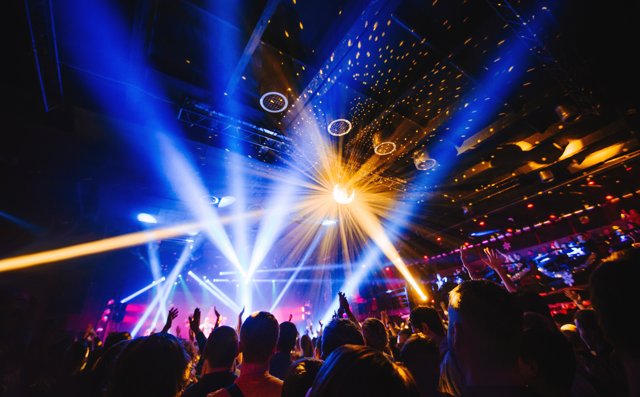
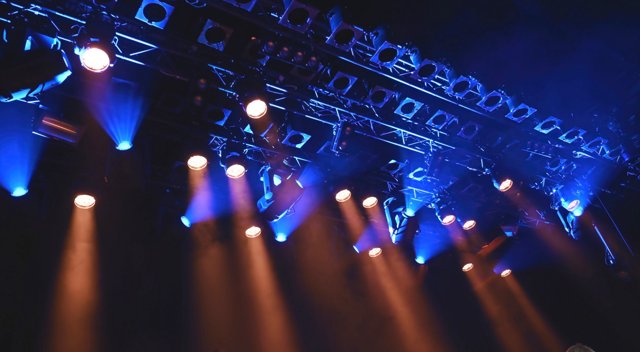
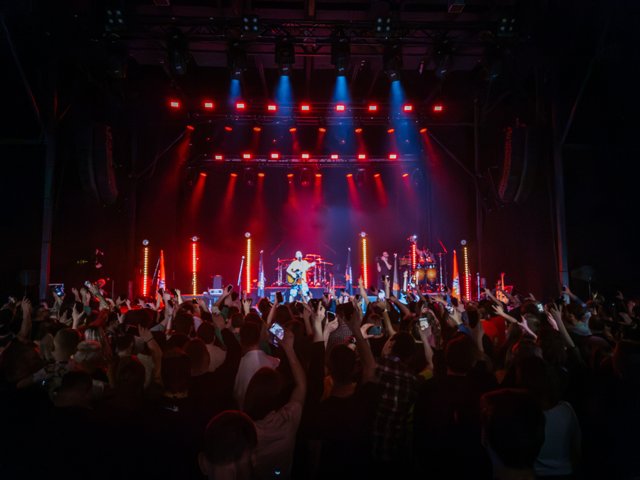
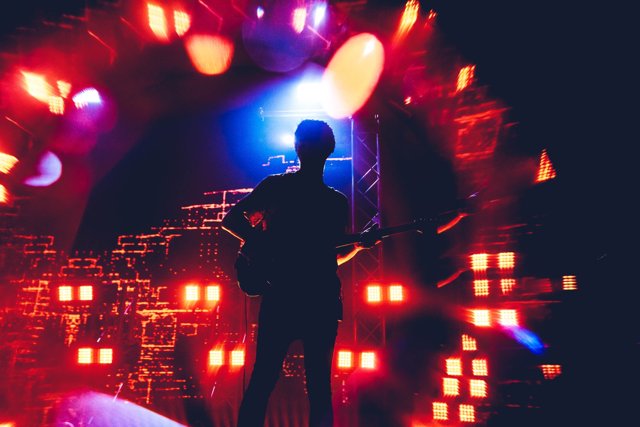
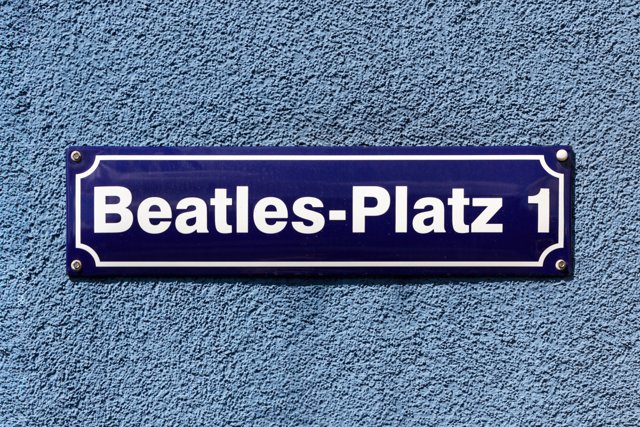
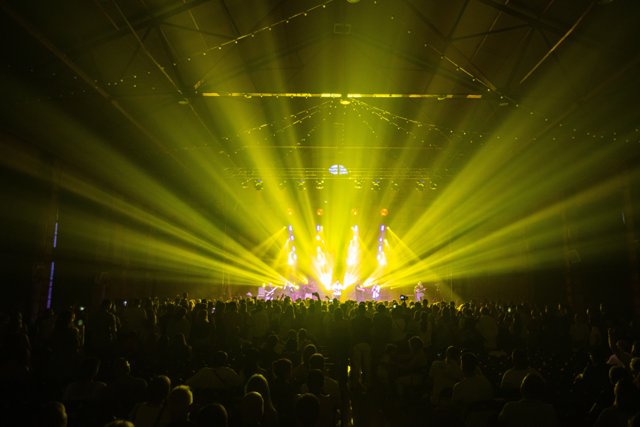
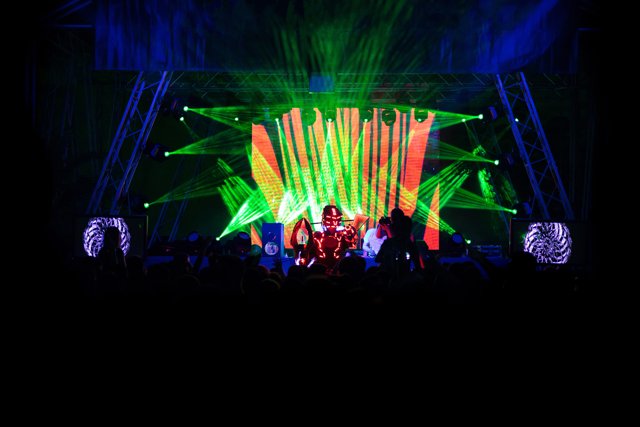
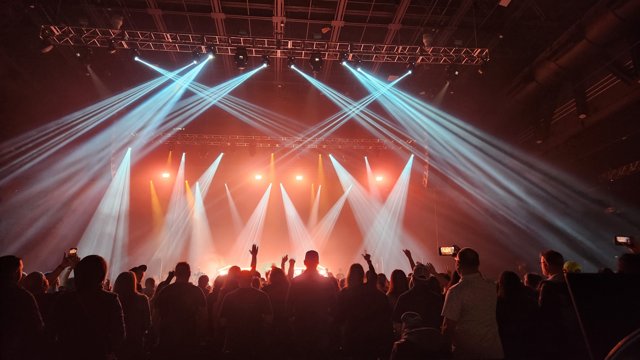
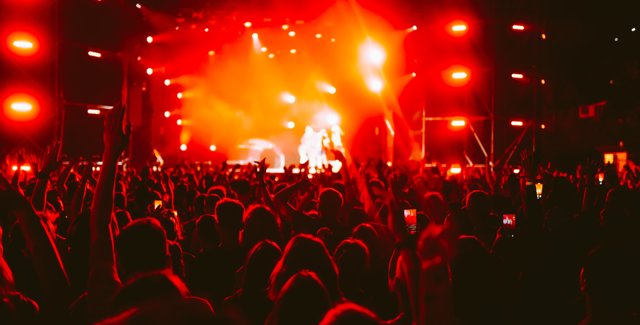
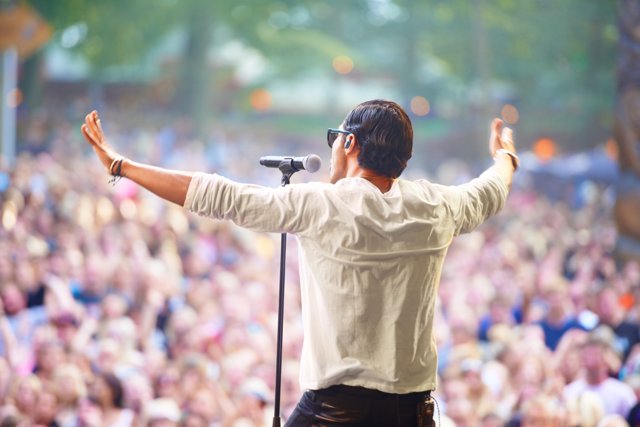
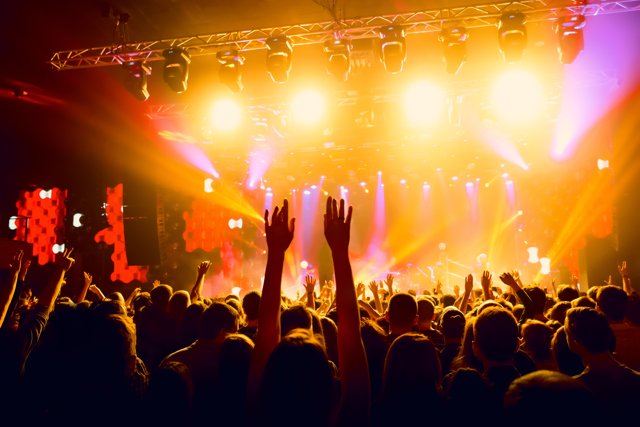
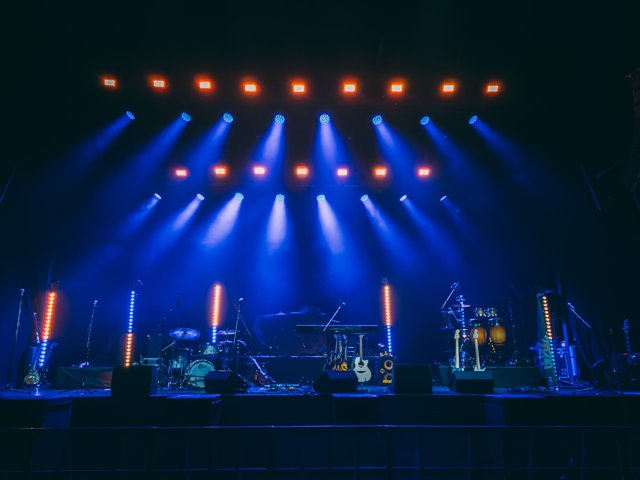
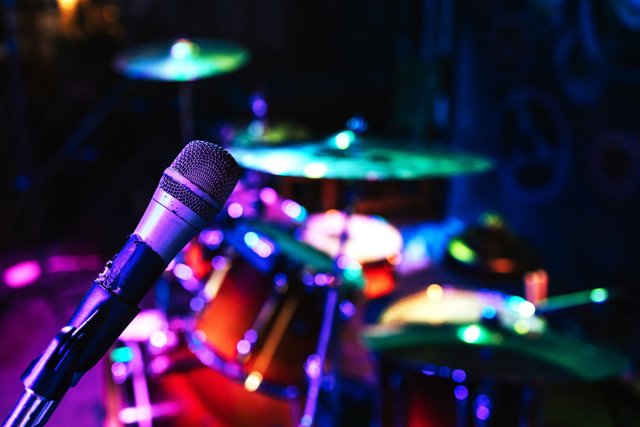
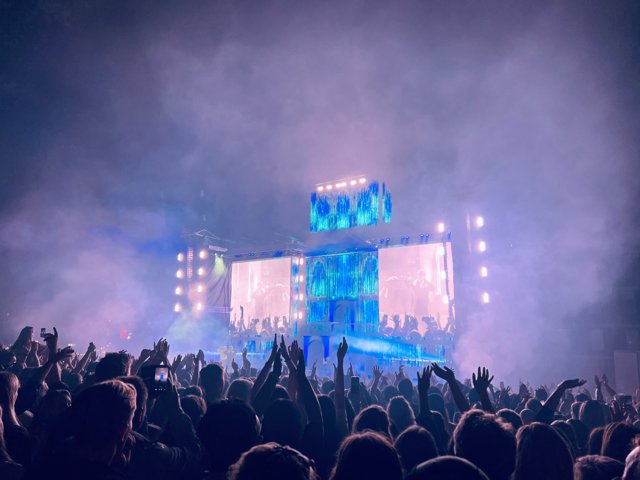
Evenings have a relaxed, sociable quality. Restaurants fill gradually, and the city's bar and live music scene picks up without any particular rush. Hamburg has a genuine, varied music culture, most famously as the city where the Beatles honed their craft in the early 1960s, and live venues remain a fixture of city life.

Weekends slow things down considerably. The Außenalster draws walkers and cyclists, and Sunday mornings have a particularly unhurried quality that feels very much at odds with the weekday pace.

Things to Do

Hamburg has several distinct faces, and each rewards a different kind of day.

The modern city is best seen from above: the Elbphilharmonie terrace is free and the views are hard to beat, while the Dockland Viewing Platform in Altona offers a less visited but equally impressive angle over the port and river.

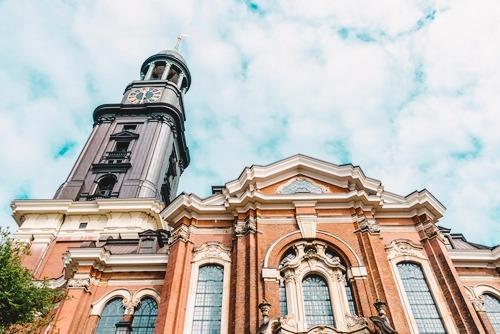
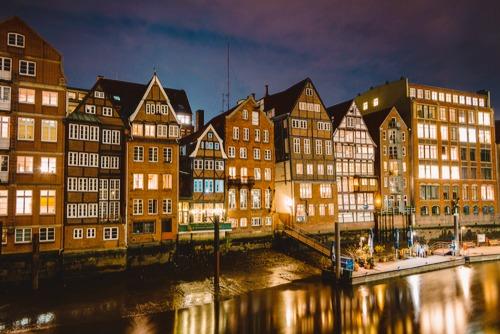
The historical city survived only in patches, but those areas are significant. The canal district of Speicherstadt, sometimes compared to Venice for its waterways and trading history, now houses a cluster of museums within its red-brick warehouses. Nearby Deichstraße preserves some of the oldest facades in the city, and St Michael's Church remains one of northern Germany's most recognisable landmarks.

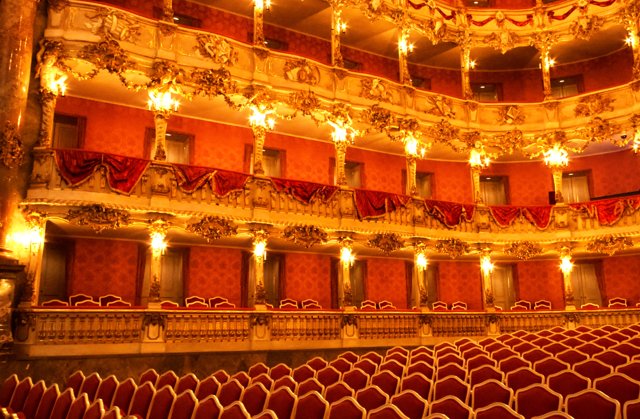
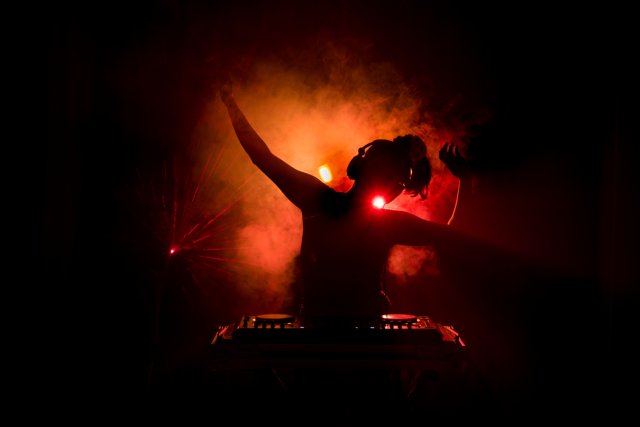
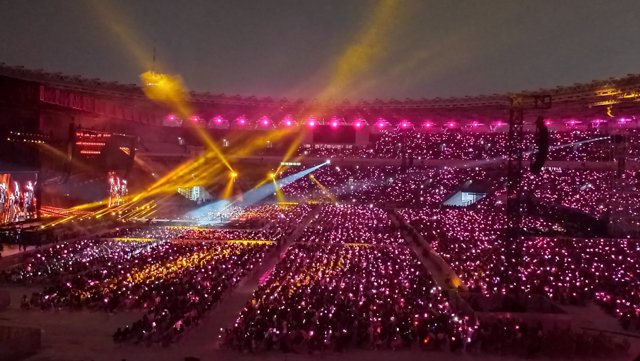
For evenings, the Reeperbahn needs little introduction. The locals, however, tend to gravitate towards Schanzenviertel for a less touristy bar night. Hamburg has a long tradition of major musical productions, with several large-scale shows running year-round.

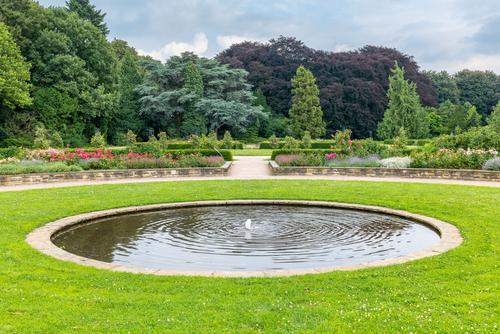
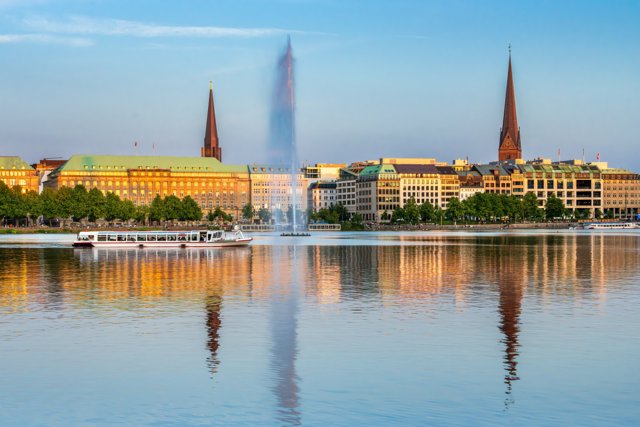
Finally, the city has a gentler side: the Alster Lakes, Planten un Blomen park and the beaches along Elbe River are all popular with locals looking to slow down.

Best hotels in Hamburg

See hotel rates

Frequently asked questions

What is Hamburg famous for?

Hamburg is Germany's largest port city and has been one of Europe's busiest trading hubs for centuries. It is known for its maritime heritage, its waterfront architecture, and a deep-rooted live music scene — the Beatles famously played here in the early 1960s.

How many days do I need to explore Hamburg?

Three to four days gives you time to cover the main areas comfortably and get a feel for the city's different neighbourhoods. A long weekend works well for a first visit, though Hamburg rewards slower exploration if you have more time.

What are the must-see attractions?

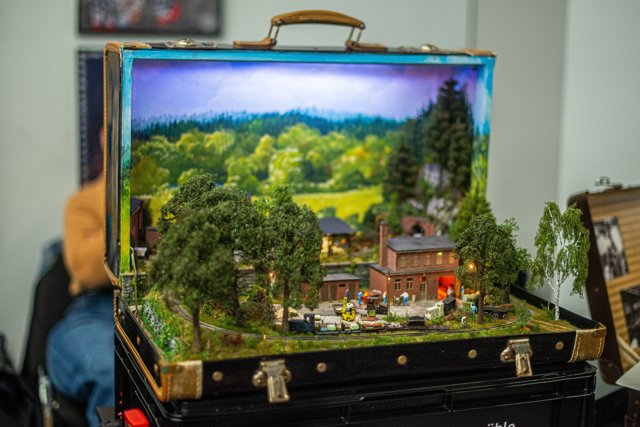
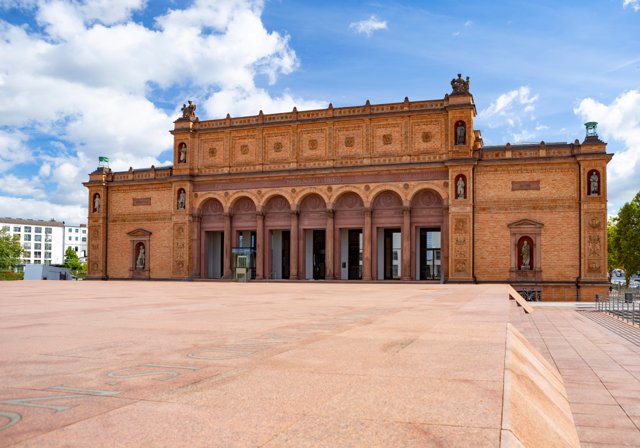
The Elbphilharmonie terrace, Speicherstadt, the Kunsthalle, Miniatur Wunderland and St Michael's Church are among the highlights most visitors prioritise. A harbour ferry ride along the Elbe is also well worth adding to the list.

What are the biggest annual events in Hamburg?

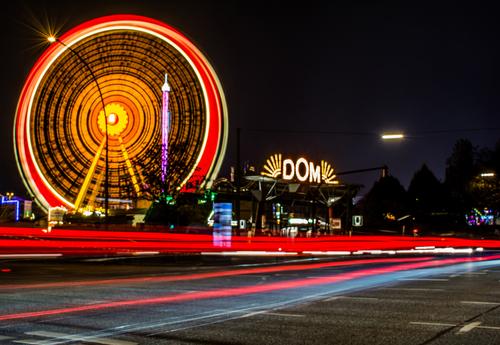
The Hamburg DOM, a large funfair held three times a year, is one of northern Germany's best-known events. The Reeperbahn Festival in September is a major fixture on the European live music calendar. The Port Anniversary in May celebrates the harbour with tall ships and waterside festivities, and the Christmas markets in December draw visitors from across the region.

Is Hamburg a good destination for families?

Yes. Miniatur Wunderland is a reliable highlight for children and adults alike, and the harbour, parks and ferry rides offer plenty of variety. The city is easy to navigate by public transport, and most central attractions are manageable with young children.

Can I get by with English in Hamburg?

Yes. English is widely spoken. Learning a few words of German is appreciated, but most visitors have no difficulty communicating.

Is Hamburg expensive?

Hamburg is broadly in line with other major German cities. Public transport is well priced, many viewpoints and parks are free, and there is a wide range of eating options to suit different budgets.

Is Hamburg worth visiting in winter?

Yes, particularly in December. The Christmas markets are among the better ones in Germany, and the city has enough indoor culture — museums, concert halls, musicals — to fill shorter days comfortably.

Top destinations