Frankfurt

Europe's banking capital, with glass towers, medieval squares, and apple wine poured the old-fashioned way.

  • Frankfurt

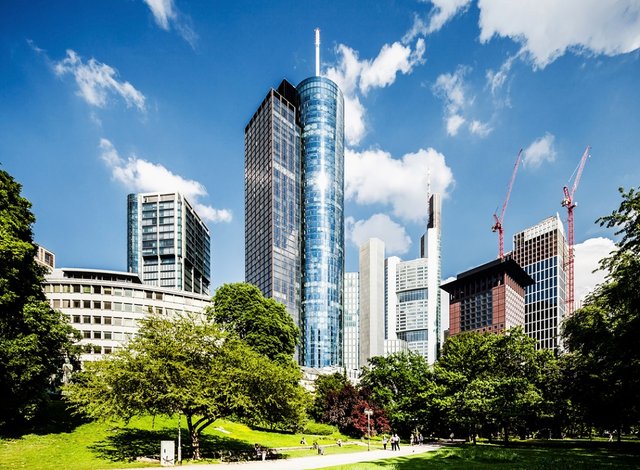
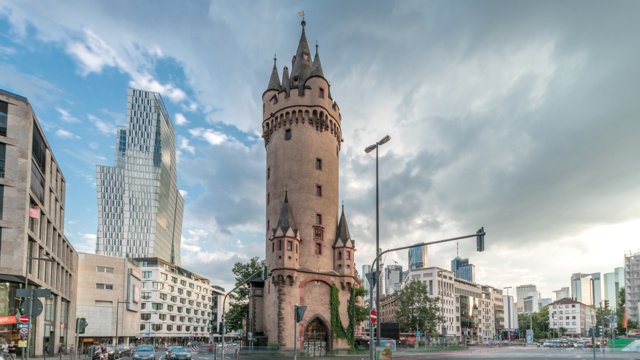
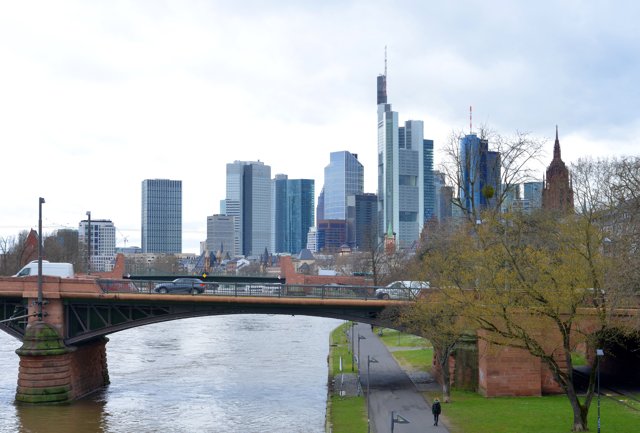
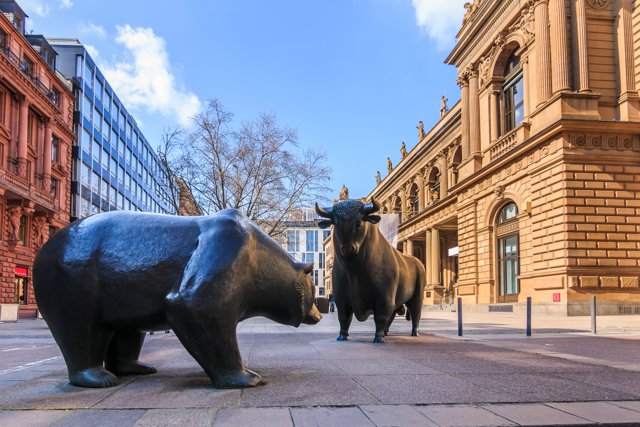
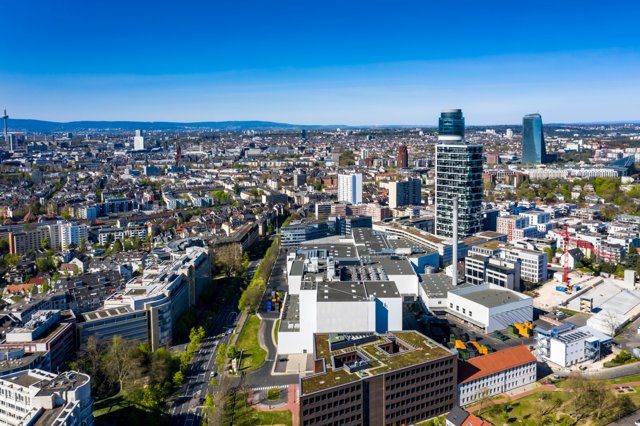
    Frankfurt am Main has been a place of exchange for over a thousand years. Medieval merchants gathered along the River Main to trade goods and ideas from across Europe, laying the foundations for a city that still runs on commerce today. The European Central Bank, the stock exchange, and a skyline of glass towers earn it the nickname "Mainhattan", and the financial pulse is never far from the surface.

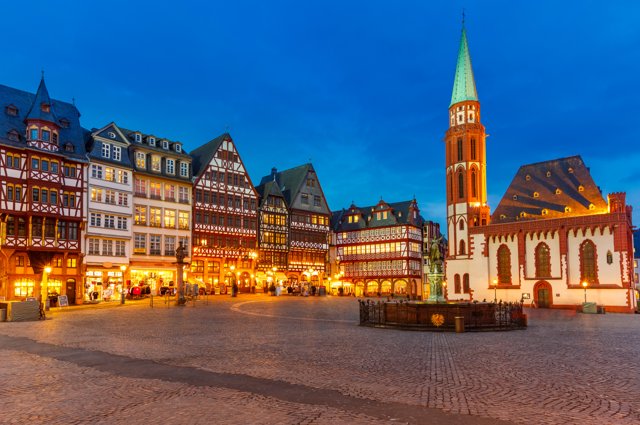
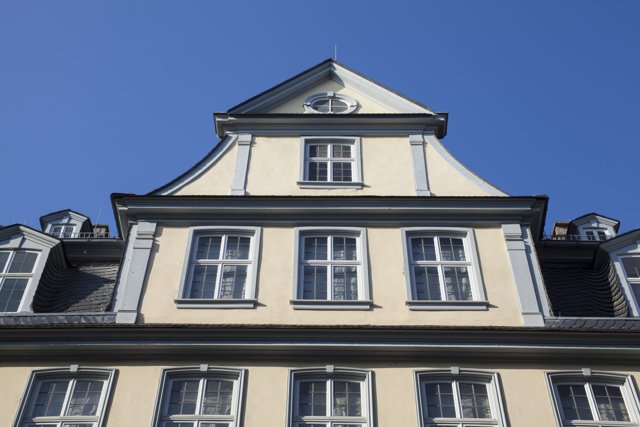
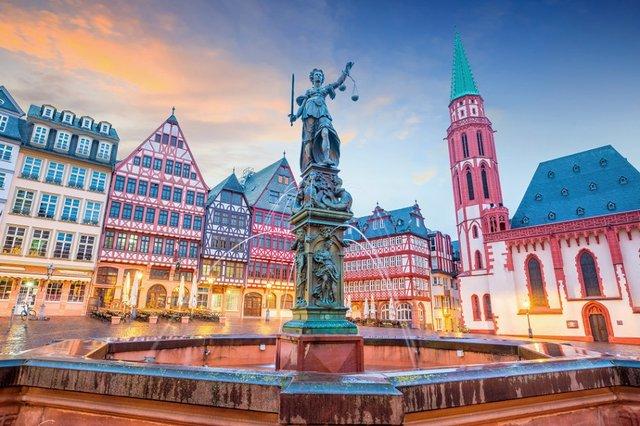
    Yet step away from the high-rises and the city shifts register entirely. The meticulously reconstructed Römerberg square, framed by half-timbered facades, hints at what Frankfurt looked like before the war. Outstanding museums line the riverbanks. Apple wine—cold in summer, hot and spiced in winter—flows in taverns and markets much as it has for centuries.

    The city that hosts the world's largest book fair, one of Europe's most important stock exchanges, and produced Goethe has never had to choose between commerce and culture. It has always done both.
Unique experiences in Frankfurt

What to do in Frankfurt

Plan your trip

Entry Requirements & Travel Documents

Germany is part of the Schengen Area. EU and EEA citizens can enter with a valid national ID card or passport. Travellers from many non-EU visa-exempt countries, including the US, Canada, the UK, Australia, and Japan, can stay for up to 90 days within any 180-day period. Your passport must be valid for at least three months beyond your intended departure date and issued within the last ten years.

From late 2026, visa-exempt travellers will need ETIAS authorisation before arrival. As rules can change, always check official sources before you travel.

Money, Currency & Paying in Frankfurt

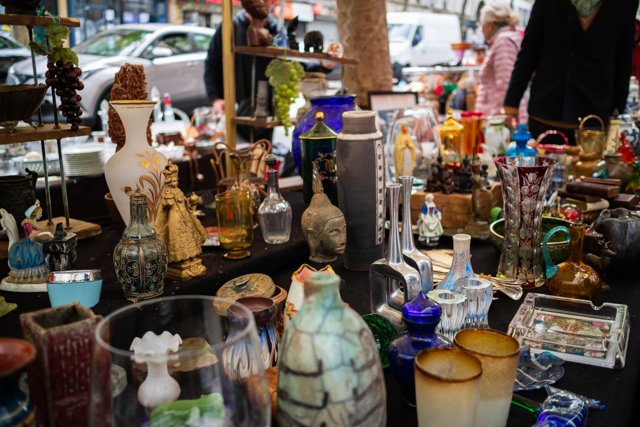
The local currency is the euro (€). For a city that houses the European Central Bank and much of Europe's financial infrastructure, it has a notable fondness for cash — cards are accepted in hotels, larger restaurants, and chain shops, but smaller cafés, market stalls, and local businesses often prefer notes and coins. Carrying some cash is genuinely useful here.

ATMs generally offer better rates than exchange desks. Stick to well-known banks like Sparkasse, Deutsche Bank, and Commerzbank. When paying by card, always choose euros rather than your home currency.

Weather, Seasons & When to Visit

Frankfurt has a temperate continental climate with mild, occasionally rainy winters and warm summers.

Spring (March to May) brings pleasant temperatures and a good balance of activity and manageable crowds, making it one of the more comfortable times to visit.

Summer (June to August) is warm, hovering around 25°C, and the city fills with outdoor events and festivals.

Autumn (September to October) is arguably the finest time to visit. Foliage turns across the city's parks, and seasonal festivals add to the atmosphere.

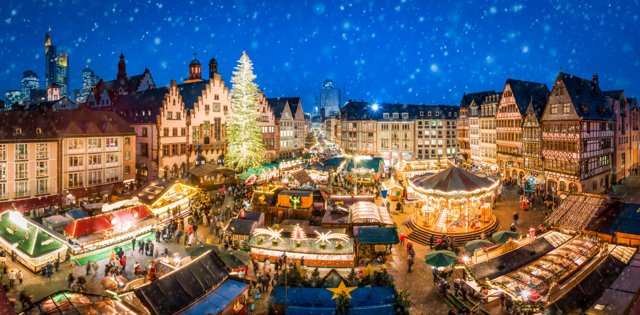
Winter brings the famous Christmas market, which fills the city centre with lights and seasonal warmth.
Health Insurance

EU visitors should carry a valid EHIC or GHIC to access Germany's public healthcare system under the same conditions as residents. Non-EU travellers should arrange comprehensive medical insurance before arrival. Note that hospitals and clinics may require payment upfront for non-emergency care, regardless of coverage.

Pharmacies (Apotheke) are easy to find throughout Frankfurt and a practical first stop for minor concerns or medication advice. For out-of-hours medical assistance that isn't an emergency, the national on-call service is reachable on 116 117. For emergencies, dial 112.

Connectivity, Roaming & Mobile Data

Free WiFi is widely available in hotels, cafés, and public spaces. Frankfurt Airport also offers free WiFi, useful for getting oriented on arrival.

EU and EEA travellers can use their domestic mobile plans in Germany at no extra cost under "Roam Like at Home" rules. If your plan is from outside the EU, check roaming costs with your provider before departure, as charges can add up quickly. Purchasing a local prepaid SIM card requires ID registration; an eSIM is a simpler alternative and worth setting up before you travel.

Airports & Main Arrival Hubs

Frankfurt Airport (FRA) is the sixth busiest in Europe and a major hub for Lufthansa. If you are flying in from another continent or a major European destination, you’ll likely land here. It is one of the continent's better-connected airports for long-haul travellers.

Frankfurt-Hahn Airport (HHN), used primarily by Ryanair, is roughly 120 kilometres west of the city. Factor in a journey of around two hours to reach central Frankfurt.

Frankfurt Hauptbahnhof is one of Germany's busiest railway stations, with high-speed ICE connections to major German cities and international destinations. Long-distance buses stop either here or at Terminal 2 of Frankfurt Airport.

Main Train Stations

Frankfurt (Main) Hauptbahnhof, or Frankfurt (Main) Hbf, takes its "Main" from the river running through the city, a practical distinction Deutsche Bahn makes to separate it from Frankfurt an der Oder in the east. The station is one of Germany's busiest, with almost half a million travellers passing through daily. Its grand late-19th-century stone facade is genuinely impressive and worth a moment's attention beyond the usual rush.

U-Bahn, S-Bahn, tram, and bus connections make onward travel across the city straightforward.

If you are staying south of the Main river, Frankfurt (Main) Südbahnhof is a useful secondary hub with regional and S-Bahn connections.

From the Airport to Central Frankfurt

The quickest way into the city is by train. S-Bahn lines S8 and S9, along with several regional services, depart from the station on Level 0 of Terminal 1 and reach Frankfurt Hauptbahnhof in just 15 minutes. Services run frequently throughout the day.

Bus connections are available from both terminals. If you are staying south of the Main river, line 61 to Südbahnhof might be a convenient option for you.

Taxis and Uber are also available, with journeys to the centre taking around 30 minutes.

If you’re landing at the smaller Frankfurt-Hahn Airport (HHN), your best option is the shuttle bus operated by Flibco. The ride to the central station takes a bit over two hours.

Taxis & Ride-Hailing

Licensed taxis are available at designated ranks outside both terminals at Frankfurt Airport. All are metered and regulated, and you can pay with cash or card. Uber also operates in Frankfurt and can be booked in the usual way before you land, which is handy if you are travelling with luggage. The trip to the city centre takes around half an hour depending on the traffic.

Within the city centre, taxis can be hailed on the street or booked via app. FreeNow is the most widely used local platform.

Arrival Tips & Common Mistakes to Avoid

  • The area immediately around Hauptbahnhof can feel overwhelming on arrival. For a more comfortable start, head straight down Kaiserstraße from the main entrance, which leads directly into the city centre.
  • Frankfurt Airport also has two separate train stations: one for S-Bahn and regional trains, another for long-distance ICE services. Check before heading to the platform.
  • If you are transferring through Frankfurt Airport, allow generous connection times — it is a large and busy airport, and distances between gates can be considerable.

Public Transport & Zones

Frankfurt's public transport network is efficient and well integrated, covering the city and wider Rhine-Main region through a combination of U-Bahn, S-Bahn, trams, and buses. All services operate under a single ticketing system managed by RMV (Rhein-Main-Verkehrsverbund), meaning one ticket covers all modes of transport within your purchased zones.

Most visitors explore the central fare zones, which cover the city centre, main attractions, and Frankfurt Hauptbahnhof. Note that Frankfurt Airport falls outside the central zones, so a ticket covering the airport zone is required for that journey specifically.

Tickets & Passes

Tickets are available at vending machines in all stations, or through the RMV app. Single tickets are validated automatically at the moment of purchase, so no separate stamping is needed. On trams and buses, tickets can be bought directly from the driver.

If you plan to move around a lot, a day ticket offers unlimited travel until the end of service. 

The Frankfurt Card is worth considering for stays of one or two days. It combines unlimited public transport with free or discounted entry to a number of museums and attractions. It even includes the airport zone, unlike standard city tickets.

Walking & Cycling

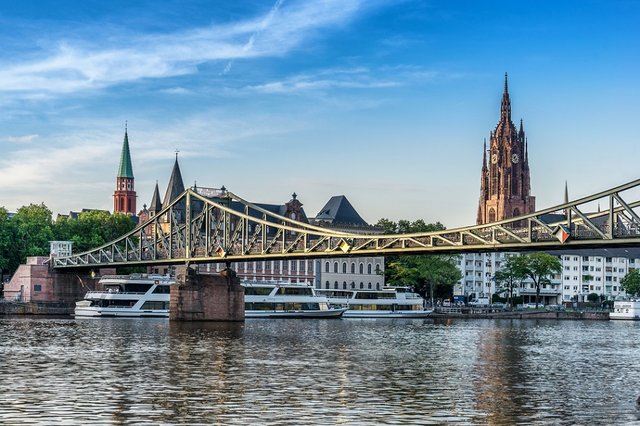
Frankfurt is compact and easy to navigate on foot. The city centre is modern and largely flat, with green spaces woven throughout, including the Anlagenring — a ring of parks encircling the old town. The Mainkai, running along the north bank of the Main river, makes for a particularly pleasant walk, especially on warm evenings.

Cycling is also a practical and enjoyable way to see the city, supported by a good network of dedicated lanes. Call a Bike, operated by Deutsche Bahn, is the local bike-sharing scheme. The bikes are stationless and well maintained, and can be located and unlocked through the app.

Nearby Destinations / Day Trips

Germany's rail network makes it easy to explore well beyond the city limits, with several rewarding destinations within an hour's reach.

Heidelberg is the most visited, and rightly so: castle ruins, a well-preserved old town, and Germany's oldest university give it a medieval charm that complements Frankfurt’s modernity so well. Mainz, just 45 minutes away, pairs a fine cathedral with the Gutenberg Museum. The elegant spa town of Wiesbaden is even closer, with hot springs and the wooded Neroberg hill offering a gentler change of pace.

Accessibility & Basic Safety Tips

Frankfurt’s flat terrain and modern infrastructure make it one of the more manageable German cities for wheelchair users and those with limited mobility.
The city’s public transport network is largely accessible, with step-free access at most U-Bahn and S-Bahn stations, low-floor trams and buses, and tactile paving throughout the centre. 

The city centre is safe and well maintained. The area immediately around Hauptbahnhof can feel rough, particularly at night, but incidents involving visitors are rare. As anywhere, keep an eye on belongings in crowded areas and on public transport.

Language, Culture & Local Etiquette

German is the official language, and while English is widely spoken in hotels, restaurants, and tourist areas, a simple Guten Tag (good day) and Danke (thank you) will be appreciated. Locals tend to be direct and efficient in their communication. This is not rudeness, just a northern European preference for getting to the point.

Tipping is customary but modest. Rounding up the bill or leaving around 10% for good service in restaurants is standard. Rather than leaving cash on the table, it is common to tell the server the total you wish to pay when settling the bill.

Do not cross the street at a red light, even when there is no traffic in sight. Locals take this seriously.

Neighbourhoods

  • Römerberg is the historic centre, the old town square lined with reconstructed half-timbered houses that give a sense of medieval Frankfurt.
  • Innenstadt extends from here into a modern, walkable city centre with shopping streets, the Hauptwache plaza, and easy access to the riverbank.
  • Sachsenhausen, across the Main river, is a neighbourhood with a more relaxed, local character, known for its traditional apple wine taverns that remain a genuine part of everyday life.
  • Museumsufer, along both banks of the river, brings together some of Europe’s finest cultural institutions within easy walking distance.
  • Bornheim and Nordend offer a quieter, more residential side of the city, with independent cafés, neighbourhood restaurants, and a pace that feels distinctly removed from the financial district.

Gastronomy

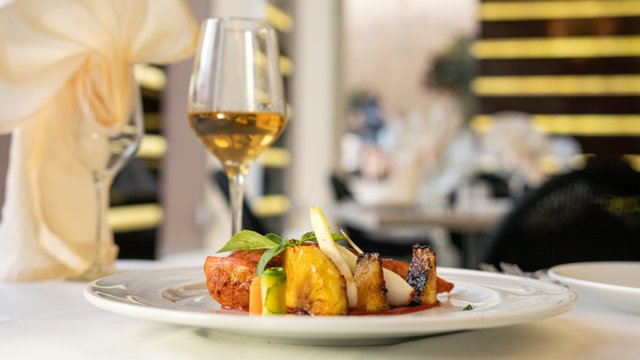
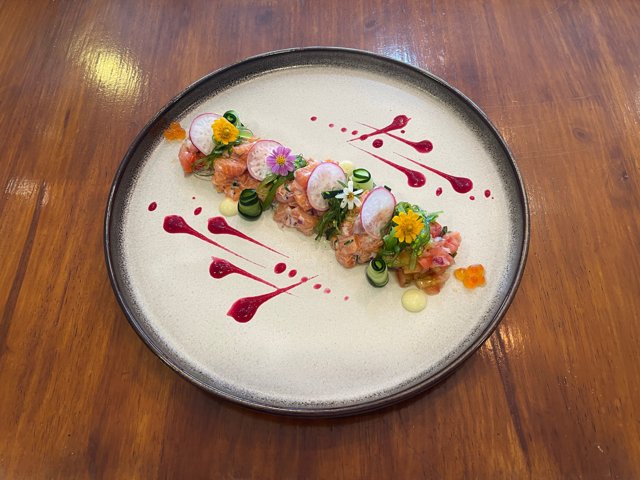
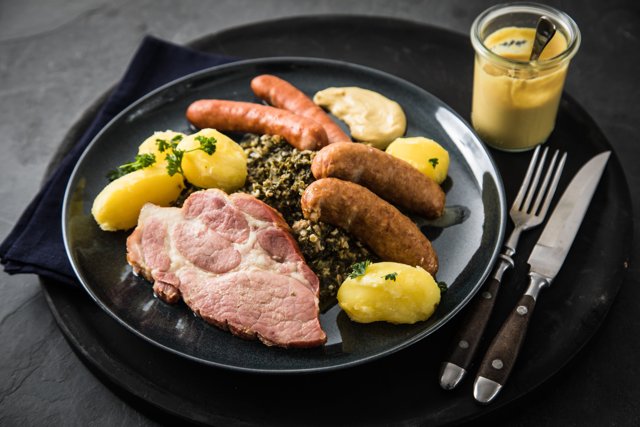
The most authentic meals in Frankfurt are found in cosy apple-wine pubs. Most visitors will recognise the Frankfurter sausage, though the traditional local version differs from its international counterpart. Many hearty specialties like schnitzel or roasted beef are elevated by Grüne Soße, a cold herb sauce made from exactly seven fresh herbs blended with sour cream. Rippchen, slow-cooked cured pork ribs, are another tavern staple.

Apfelwein has been part of daily life in the region since Charlemagne's time, though it surged in popularity during the 16th century when a grape blight left vintners turning to apples. Tart and dry, it arrives in a ribbed glass called a Geripptes — the texture originally designed to help greasy fingers keep their grip.

City Rhythm

Weekday mornings move quickly, driven by the financial district and its early starts, and the lunch hour is efficient rather than leisurely. By early evening, the Innenstadt quietens noticeably as office workers head home or catch trains out of the city.

As the working day ends, the city's social life shifts to its neighbourhoods and riverbanks. The pace slows, restaurants fill, and a different, more relaxed Frankfurt emerges — one that has little to do with banking and everything to do with good food and unhurried evenings with friends.

Weekends bring a different mood entirely. The financial district falls quiet, and the city shifts towards markets, riverside walks, and long afternoons in neighbourhood cafés.

Things to Do

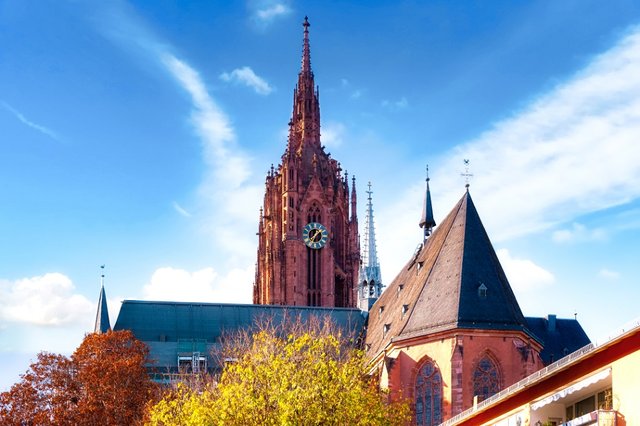
Frankfurt rewards visitors who look beyond the glass towers of its financial district. The historic Römerberg square offers the clearest glimpse of the city’s older character, with reconstructed half-timbered houses and the medieval Römer town hall forming one of Frankfurt’s most recognisable scenes. Nearby, Frankfurt Cathedral (Kaiserdom St. Bartholomäus) rises above the old town, recalling the city’s role in the coronations of Holy Roman Emperors.

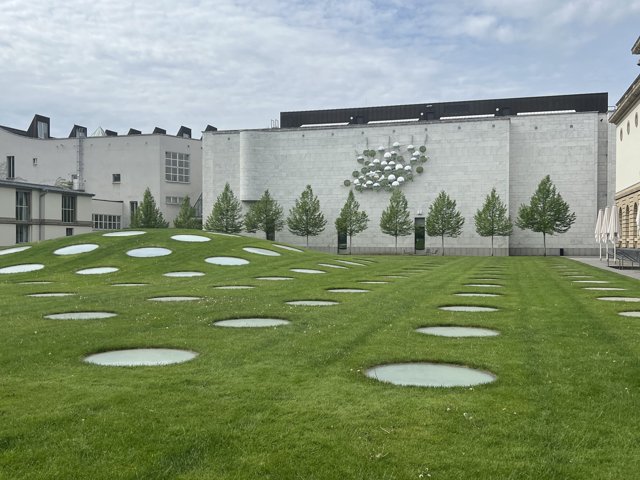
Along the riverbanks, the Museumsufer brings together a remarkable concentration of museums on both sides of the Main. The Städel Museum, with its collection spanning Old Masters to contemporary art, is among the highlights.

For a view of the skyline, head to the observation deck of Main Tower, one of the few skyscrapers open to visitors. Afterwards, a walk along the Mainkai river promenade offers a calmer perspective on the city and its waterfront.

Best hotels in Frankfurt

Frequently asked questions

How many days do I need in Frankfurt?

Frankfurt often ends up being a layover destination. Since the airport is so close to the centre, you can pop in even for a few hours. A couple of days will allow you to cover the main sights, explore some of the museums, and get a feel for the city's neighbourhoods. 

What is Frankfurt known for?

Frankfurt is best known as Germany’s financial capital and home to the European Central Bank — hence the nickname “Mainhattan” for its cluster of skyscrapers along the Main river. Beyond finance, it is known for its museums, the Römerberg old town square, and Apfelwein culture.

Is there anything to see around Frankfurt?

Frankfurt works particularly well as part of a wider German itinerary, with Heidelberg, Mainz, and the Rhine Valley all within easy reach.

Is Frankfurt expensive?

It’s a major business destination, so central hotels can be pricey, particularly during trade fairs. Eating and drinking, however, are generally more affordable than accommodation.

Is Frankfurt safe for visitors?

Yes. The city is as safe as any other big European urban destination, as long as you keep an eye on your belongings.

When is the best time to visit Frankfurt?

Late spring and early autumn offer the most comfortable weather and a full cultural calendar. December brings a well-regarded Christmas market to Römerberg.

Is Frankfurt a good destination for families with children?

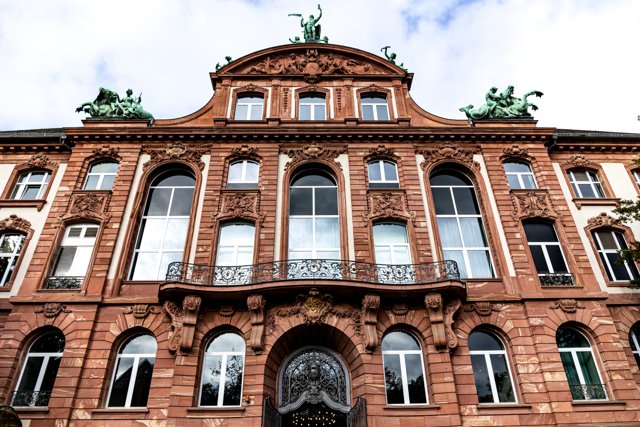
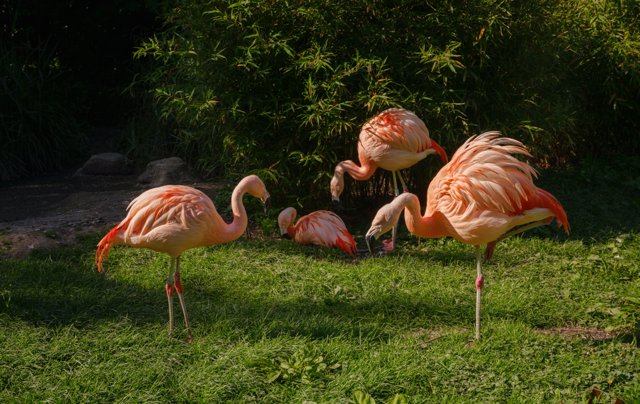
Yes. The Senckenberg Museum of Natural History, with its impressive dinosaur skeletons, is a reliable hit with children. The zoo, the riverside, and river cruises add plenty of options for a full family day out.

Top destinations