Hamburg
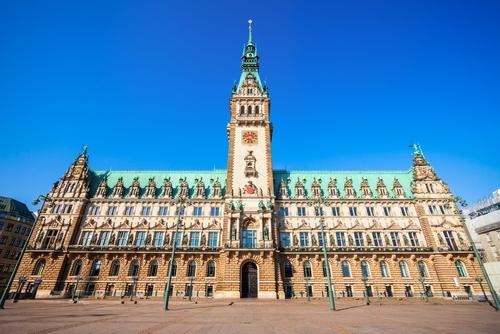
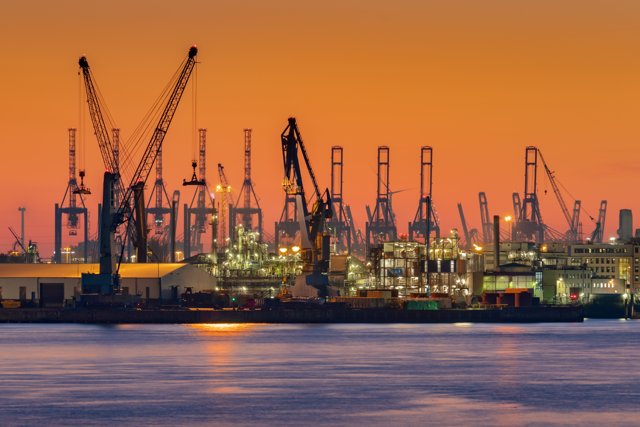
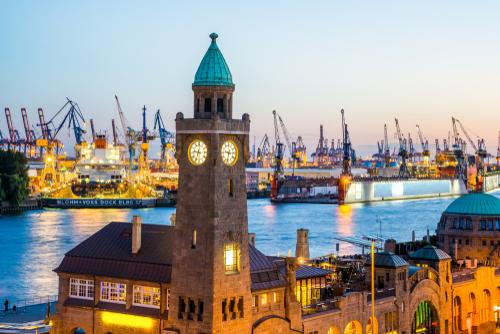
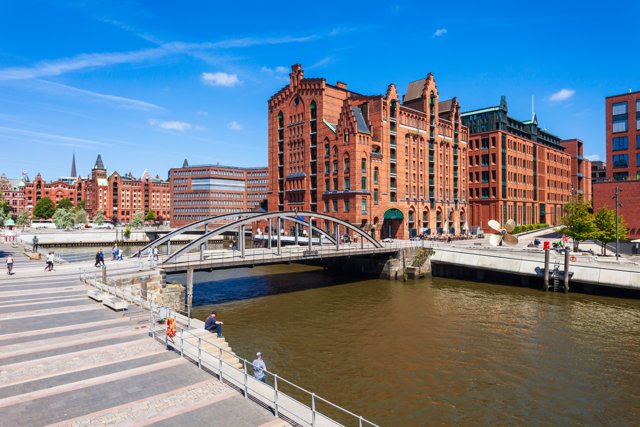
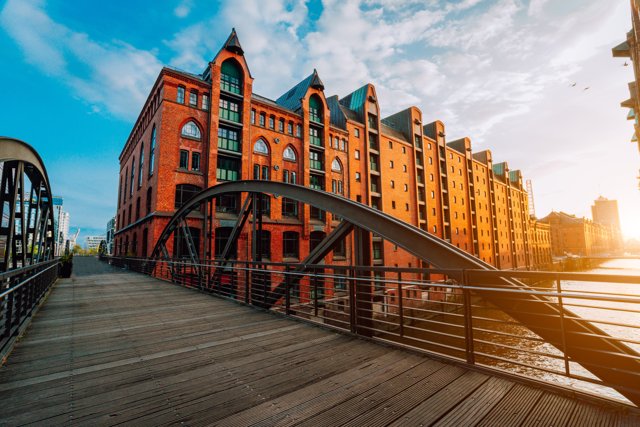
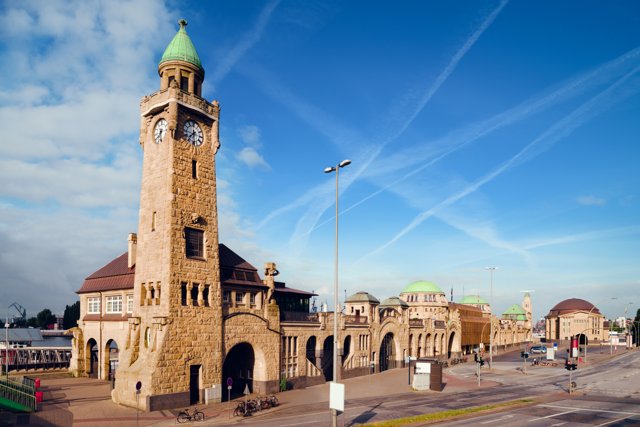
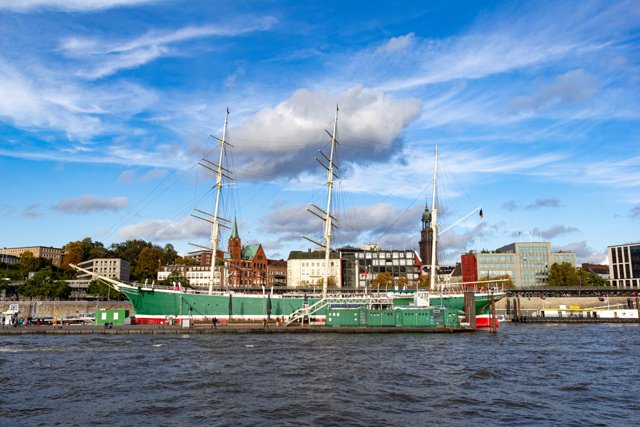
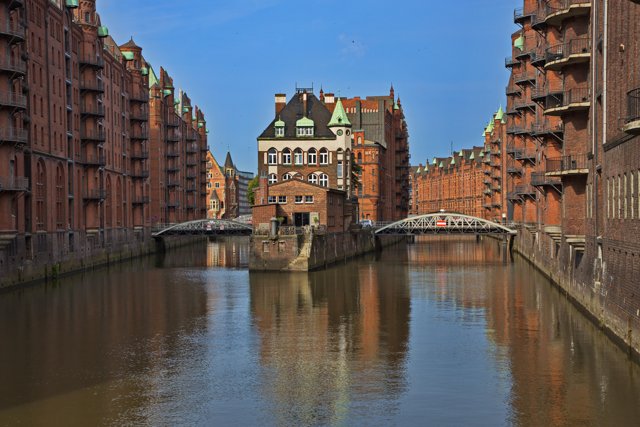
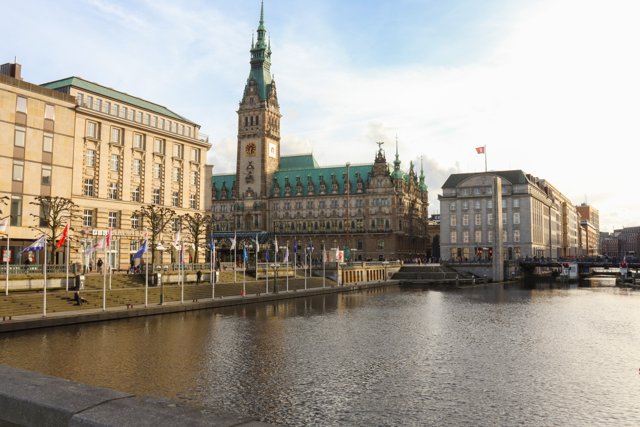
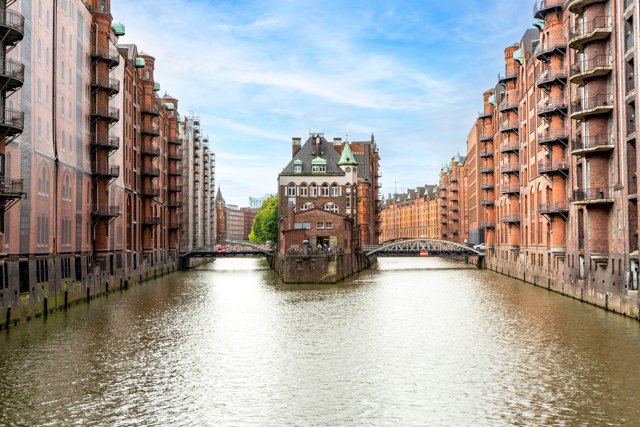
Hamburg has always been defined by trade. For centuries one of Europe's most important ports, the city built its identity — and its wealth — on commerce with the wider world. That mercantile confidence is still visible in the grand 19th-century architecture around the city hall and in the vast warehouse district along the canals, even as container ships continue to move through the port today.
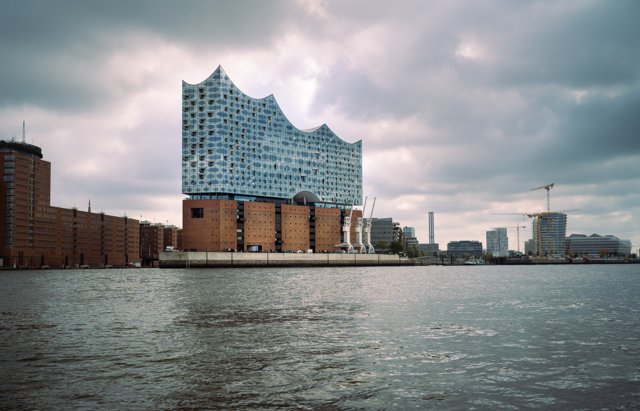
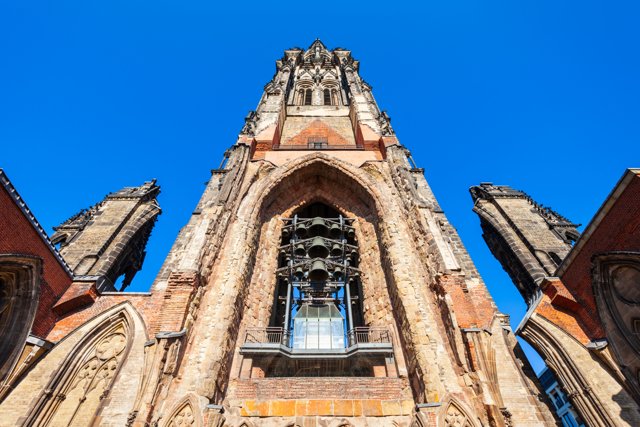
The city was heavily bombed in 1943, and much of what you see today was rebuilt in the decades that followed. The gaps left by the war created space for reinvention, most visibly in the sweeping waterfront development that has reshaped the harbour into one of Europe's most ambitious urban projects.
The result is a city that is harder to pin down than its German neighbours. It’s part working port, part cultural capital, part neighbourhood city that locals rarely feel the need to leave.