Grenoble

France's Capital of the Alps, where a lively university city thrives at the foot of the mountains.

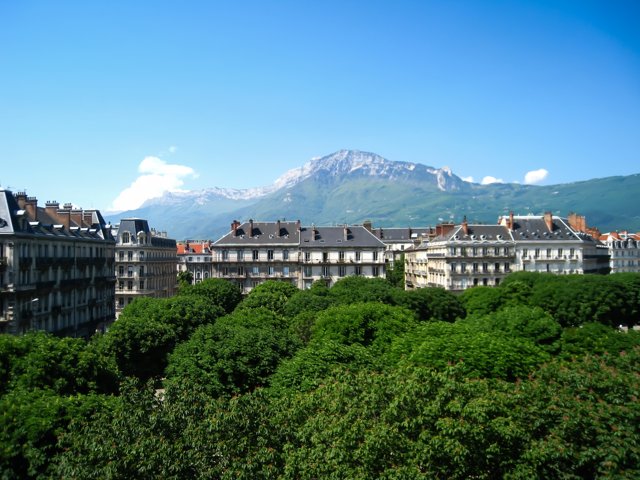
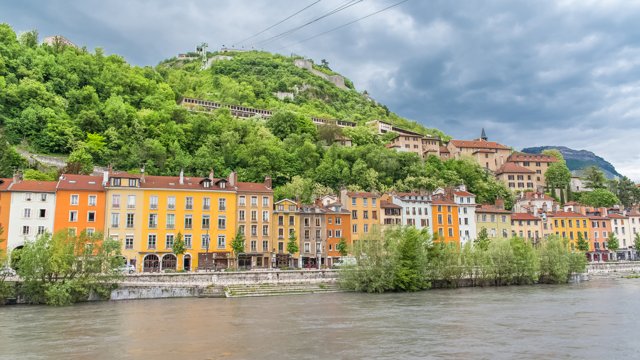
cityscape with bridge and mountains in Grenoble France

  • fountain of Three Orders in Grenoble old town France

    Grenoble

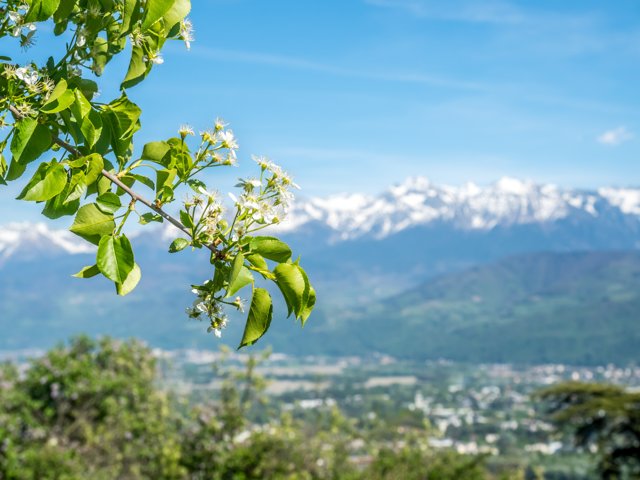
    Three mountain ranges frame Grenoble on almost every side: Chartreuse to the north, Vercors to the south and west, and Belledonne to the east. The mountains shape the light, the climate, and the way people experience the city — Grenoble’s claim as the Capital of the Alps feels entirely natural.

    The Isère river runs through the centre, with the Bastille fort rising above a flat, walkable city of medieval squares, riverside museums, and a covered market that still anchors daily life. One of France’s largest university cities, Grenoble has an energy that is open, unpretentious, and lively into the evening.

    World-class skiing and one of France’s finest art museums sit just thirty minutes apart — a contrast that defines the city.
Unique experiences in Grenoble

Prepare your dream trip

Explore places and experiences, tap the heart to save your favorites and build your route to share. In a hurry? Get an itinerary in two steps and share or download it to Google Maps.

Use left and right arrow keys to move between filters. Press Space or Enter to toggle a filter. Press Tab to leave the filter bar.

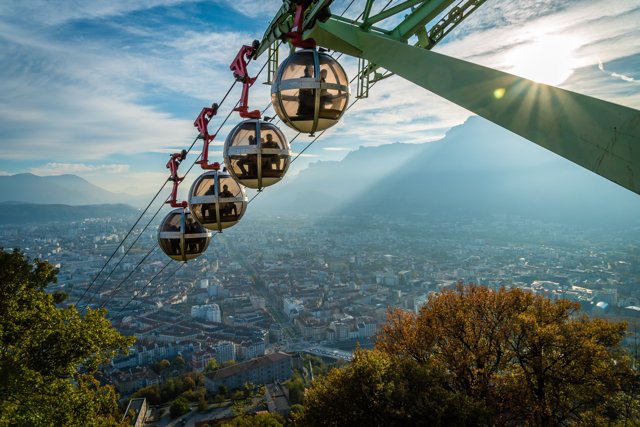
La Bastille cable cars over Grenoble France

Historical Sites

La Bastille

La Bastille is a historical fortress perched on a hill overlooking the city, originally built in the early 19th century to protect against potential invasions. Visitors can start with a short yet scenic cable car ride from the city center that rises steeply to the fort, offering panoramic views. Upon arrival, the fortress invites exploration through its impressive stone ramparts, old barracks, and passageways that whisper stories of its military past. The site offers various walking trails connecting viewpoints where one can admire both the cityscape below and the surrounding Chartreuse mountains. Hiking enthusiasts will find ample options extending beyond the fortress into the natural landscapes that flank Grenoble, making La Bastille a lively spot to combine both cultural and outdoor activities in one visit.

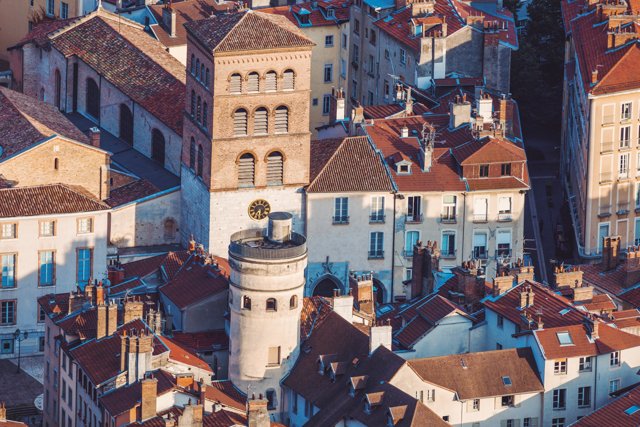
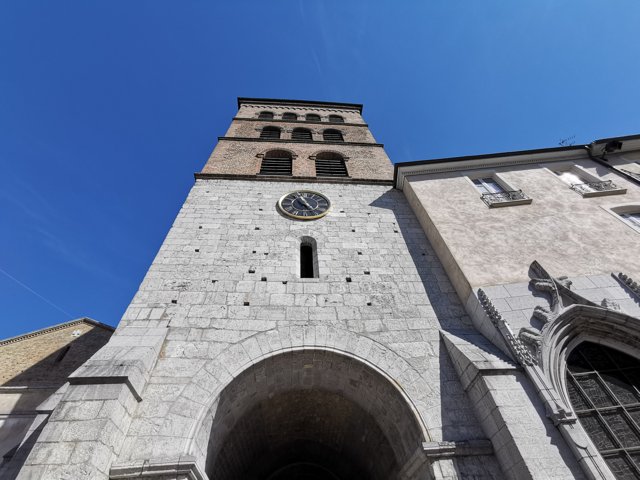
Notre-Dame Cathedral tower in Grenoble France

Historical Sites

Notre-Dame Cathedral

The Grenoble Notre-Dame Cathedral traces its origins back to the early 10th century but took shape mainly in the 13th century, blending Romanesque roots with Gothic influences from later rebuildings. Its exterior reveals a historical layering, including a recently restored Roman facade that was once hidden beneath 19th-century modifications. Inside, the cathedral holds remarkable Renaissance art, notably a flamboyant Gothic ciborium from the 15th century. The high vaulted ceilings and stained glass windows cast colored light across stone sculptures and intricately carved wooden choir stalls. Visitors can explore these elements along with the crypt and chapels, gaining a sense of Grenoble’s religious and artistic heritage that intertwines with the broader history of the region. The cathedral’s setting near the heart of the city reinforces its role as a longstanding spiritual and cultural hub. For more information on schedules, please consult its official website.

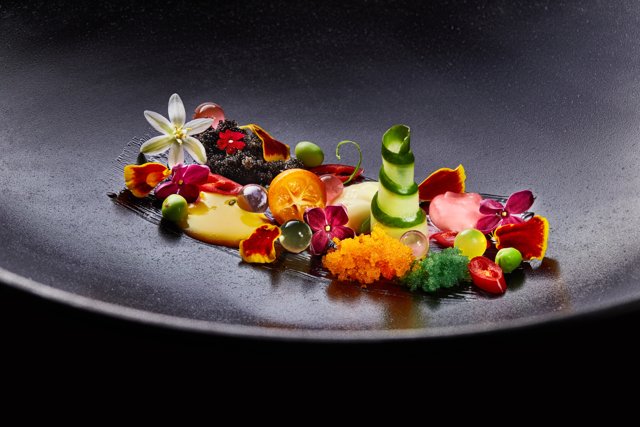
Michelin star dessert at Maison Aribert Grenoble

Michelin star

Maison Aribert

4.6
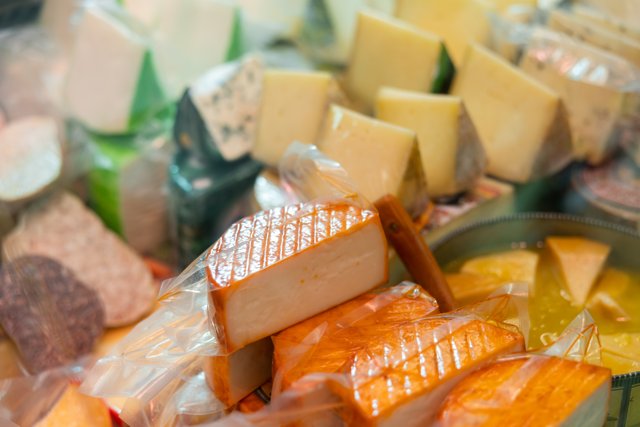
cheese counter at Fromagerie Les Alpages Grenoble

Local cuisine

Fromagerie Les Alpages

4.8

Cycling

Escapées Iserises 2026 - Passes and Climbs reserved for cyclists

May 31 - Jul 21
Département de l'Isère
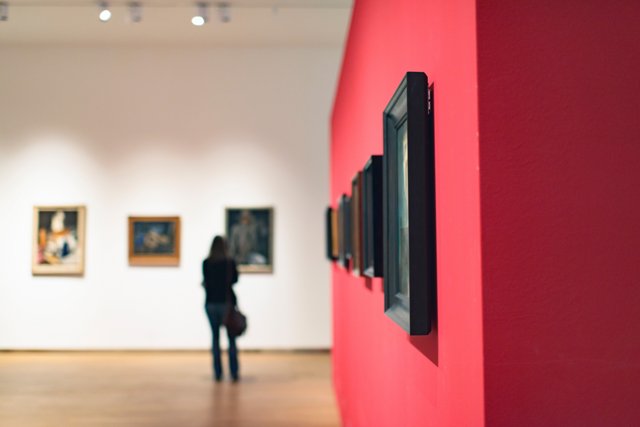
art museum interior with paintings on red wall

Museums and Galleries

Grenoble Museum of Art

The Grenoble Museum of Art makes its home on the left bank of the Isère River at Place Lavalette, standing as one of Europe's most prestigious art museums. With a history dating back to 1798, it holds a vast collection of over 900 works, with an emphasis on Western painting from the 13th century to the present day. Its architecture, completed in 1994, blends modern design with spacious, light-filled galleries, creating a wonderful setting for viewing masterpieces by artists like Monet, Picasso, Chagall, Matisse, and Gauguin. Inside, the collections offer a fascinating range, from ancient Egyptian, Roman, and Greek antiquities to French, Flemish, Dutch, Spanish, and Italian paintings. For a lovely outdoor experience, a sculpture garden in the nearby Parc Albert Michallon places modern sculptures against the backdrop of historic city walls. With free access to the permanent collection, the museum offers a welcoming space to discover art across the eras, blending cultural richness with architectural elegance. For more information on schedules, please consult its official website.

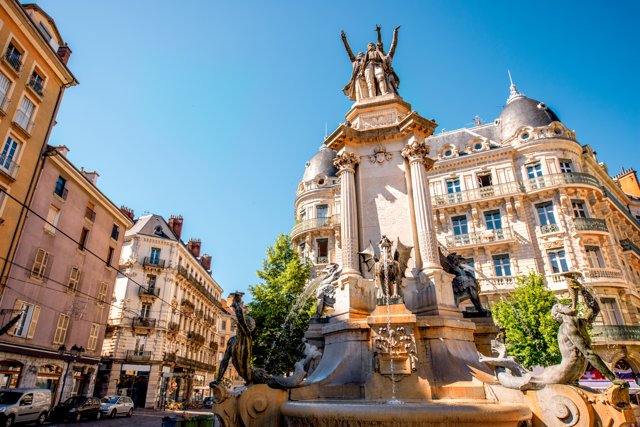
fountain and historic buildings in Old Town Grenoble France

Neighborhoods

Old Town

The narrow, winding streets of Grenoble’s Old Town reveal a blend of history, culture, and everyday life that feels wonderfully authentic. Here, centuries-old buildings with medieval and Renaissance features line cobblestone lanes, creating an atmosphere that invites wandering without a set plan. Starting at Place Saint-André, one can admire the former Dauphiné Parliament palace alongside the Café de la Table Ronde, the second-oldest café in France, where locals and visitors alike stop for coffee. The lively Place Grenette buzzes with activity, framed by cafes and a stone fountain that dates back to the 19th century, while the Place aux Herbes hosts a fresh market where local produce and delicacies offer a true taste of Grenoble. Quaint shops, artisan boutiques, and hidden courtyards scattered throughout make the Old Town a delight to explore at a leisurely pace, revealing unexpected details and a warm sense of community that echoes Grenoble’s rich past and vibrant present.

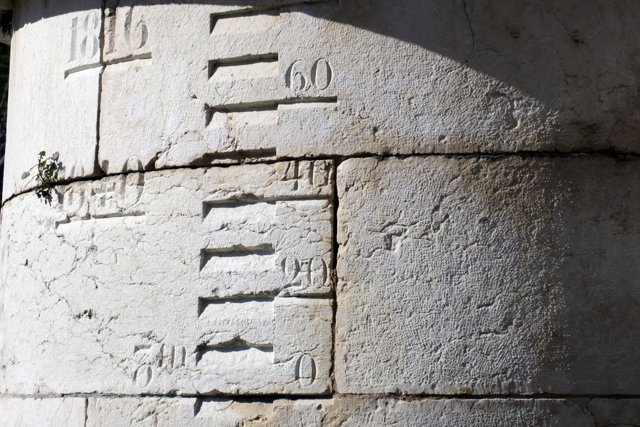
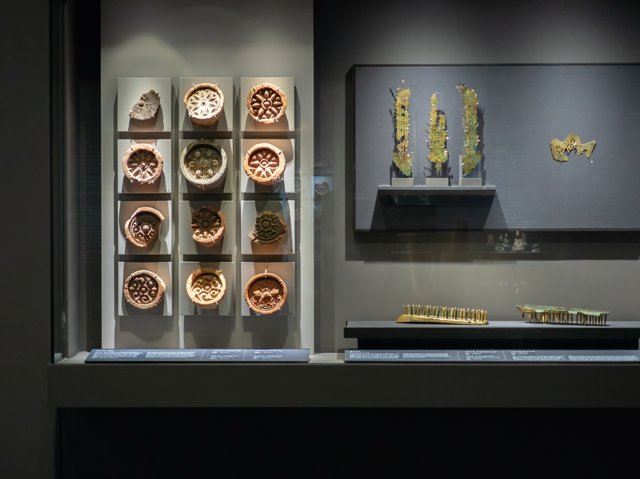
stone wall with historical water level markings Grenoble Archaeological Museum

Museums and Galleries

Grenoble Archaeological Museum

The Grenoble Archaeological Museum is located in one of the city's oldest neighborhoods, in a former church building. It showcases over 3,000 objects uncovered during extensive archaeological excavations conducted right on site, revealing more than fifteen centuries of local history. Visitors can see a wide range of artifacts, including pottery, jewelry, coins, and funerary objects from burial sites dating from the 4th to the 18th century. The museum’s layout guides visitors through these finds alongside the architectural remains of the necropolis and church, offering a unique opportunity to understand the evolution of burial practices and religious beliefs over time. The site also uses technology like interactive displays and 3D projections to bring the past to life. Among the highlights is a remarkably large skeleton visible underfoot along one part of the trail, and the crypt Saint-Oyand, a rare example of early medieval religious architecture. For more information on schedules, please consult its official website.

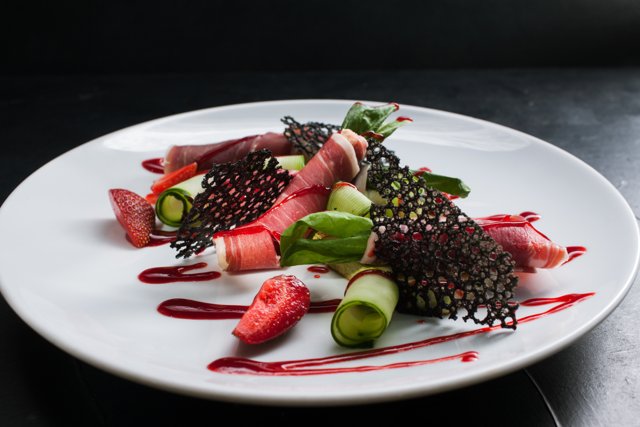
haute cuisine dish with strawberries and greens

Creative cuisine

Maison Fantin Latour

4.5
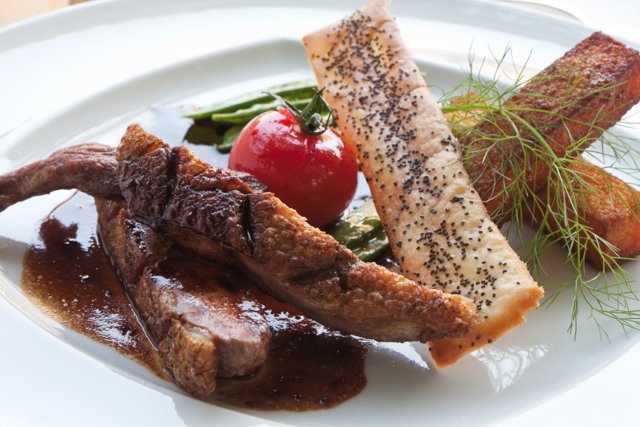
grilled duck breast dish at L’Ardoise restaurant Grenoble

Local cuisine

L’Ardoise

4.6

Exhibition

Red as snow - Scientific exhibition in the mountains

Oct 11 - Jul 26
Muséum de Grenoble
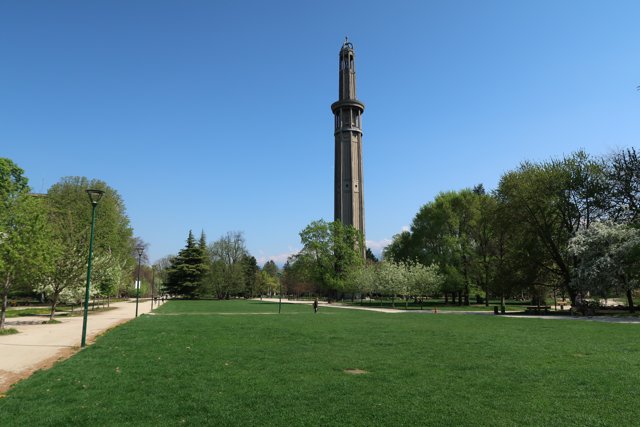
Paul Mistral Park with tower Grenoble France

Nature and Parks

Paul Mistral Park

A favorite spot for locals and visitors alike, Paul Mistral Park stretches over 33 hectares in the heart of Grenoble, providing a perfect natural escape within the city. Its landscape-style design features a mix of open lawns, ancient trees, and a peaceful pond, creating plenty of inviting spots for picnics, reading, or simply soaking up the greenery. The iconic Perret Tower, a vestige of the 1925 International Exhibition of Hydropower and Tourism, stands tall in the park and offers panoramic city views for those willing to take the elevator ride up. Active visitors can enjoy jogging or cycling on the park's wide paths, while children have playgrounds and a small train to explore. Sculptures from the 1967 art symposium dot the grounds, lending a creative vibe to the natural surroundings. Open all year round, Paul Mistral Park offers a refreshing blend of nature, culture, and activity for all ages.
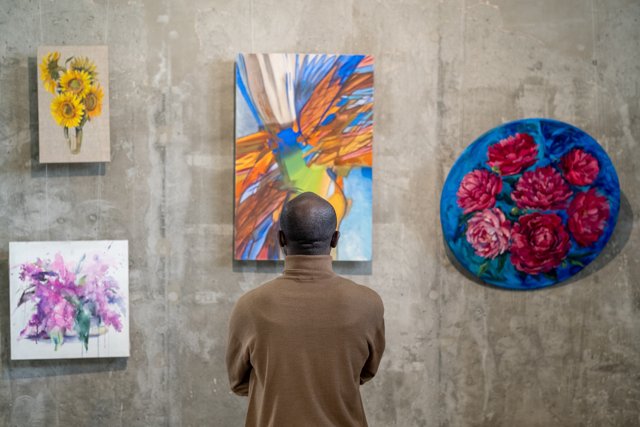
mountain landscape in Chartreuse Regional Natural Park Grenoble France

Nature and Parks

Chartreuse Regional Natural Park

Between the Isère and Savoie departments in the French Alps lies the Chartreuse Regional Natural Park, a vast protected area covering 76,700 hectares. The park is known for its striking mix of dense forests, alpine meadows, limestone cliffs, and clear streams. Hiking trails weave through its rugged environment, offering experiences suited to all levels, from gentle walks through pastoral valleys to challenging climbs like the Dent de Crolles with its dramatic cliffs. The park focuses on protecting over 700 plant species and an array of wildlife, including birds like the black grouse and mammals such as Alpine ibex. A commitment to environmental education, local economies, and reduced light pollution reflects the park’s role in balancing human activity and nature. With charming villages scattered throughout and a tradition of pastoral life, the park offers an inviting refuge from urban life where visitors can immerse themselves in the natural beauty and serene atmosphere of the Alps. For more information on schedules and prices, please consult its official website.

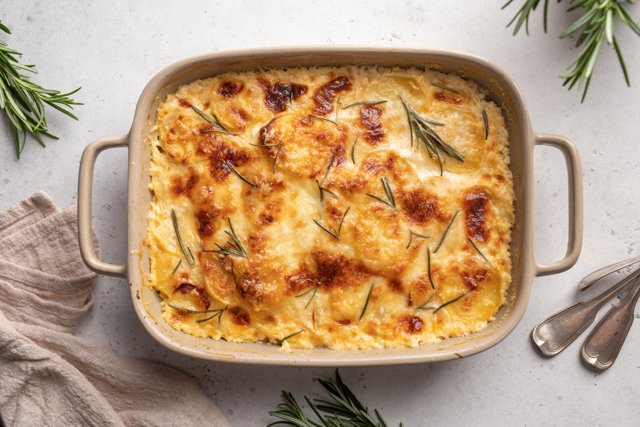
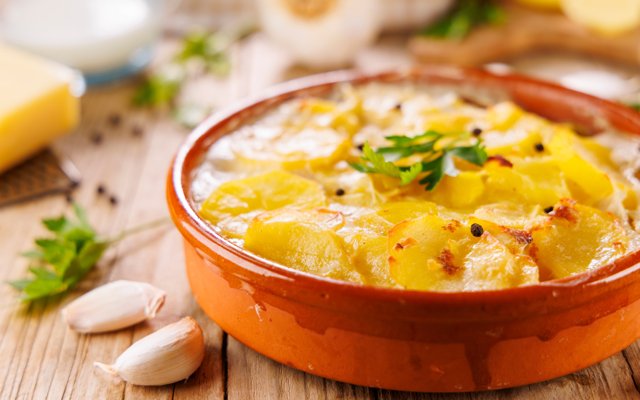
Potato gratin Dauphinois in ceramic dish Grenoble France

Local cuisine

Le Gratin Dauphinois

4.6

Photography

Exhibition - "François Kollar. We at work"

Nov 21 - Sep 20
Musée de l'Ancien Évêché
green park with trees and walking path in Grenoble

Nature and Parks

Parc de l'île d'Amour

Nestled along the banks of the Isère River in Grenoble, Parc de l'île d'Amour is a peaceful green oasis perfect for a leisurely stroll or a cozy picnic. This charming park spans a small island connected by bridges, its name evoking a romantic ambiance that attracts couples and families alike. Mature trees provide shade, while gentle paths meander past flower beds and benches, inviting visitors to pause and enjoy the natural surroundings. It's a lovely spot to unwind, read a book, or simply watch the gentle flow of the river, making it one of Grenoble’s most intimate and scenic urban escapes.

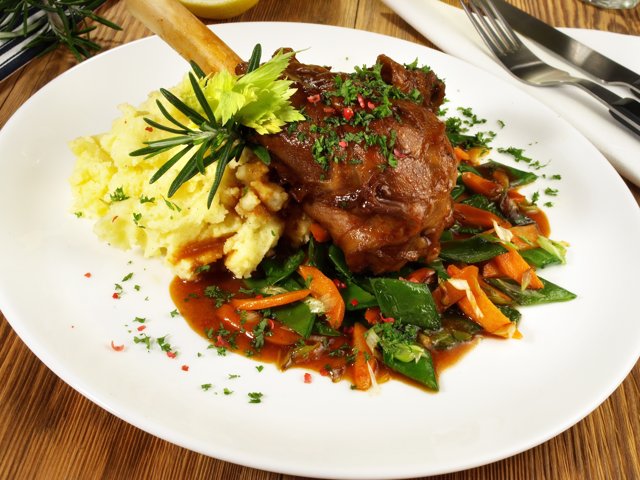
braised lamb shank with mashed potatoes and vegetables La Belle Idée Grenoble

Local cuisine

La Belle Idée

4.7
fine dining dish at Tohu Bohu restaurant Grenoble

Creative cuisine

Tohu Bohu

4.8

Exhibition

Exhibition A Jewish history, 2000 years of links between the Rhône and the Alps

Nov 28 - Sep 21
Musée dauphinois
old open book at Stendhal Museum Grenoble

Museums and Galleries

Stendhal Museum

A visit to the Stendhal Museum offers a glimpse into the early life and intellectual roots of one of France’s most celebrated 19th-century writers. The museum is located in the Gagnon apartment, where Stendhal—born Henri Beyle—spent his childhood, and it has been thoughtfully restored to evoke the atmosphere of an enlightened, bourgeois home from that era. Walking through the Italian-style living room, the natural history cabinet filled with minerals and shells, and the cozy summer study, visitors get a sense of the environment that shaped the young writer’s curiosity and creativity. The museum’s collection includes original manuscripts, letters, and paintings that draw a fuller picture of Stendhal’s work and times, along with interactive exhibits that connect his legacy to Grenoble’s cultural landscape. With free admission and regular cultural events like workshops and talks, the museum warmly invites literature lovers and curious minds to dive into the story of this influential author.

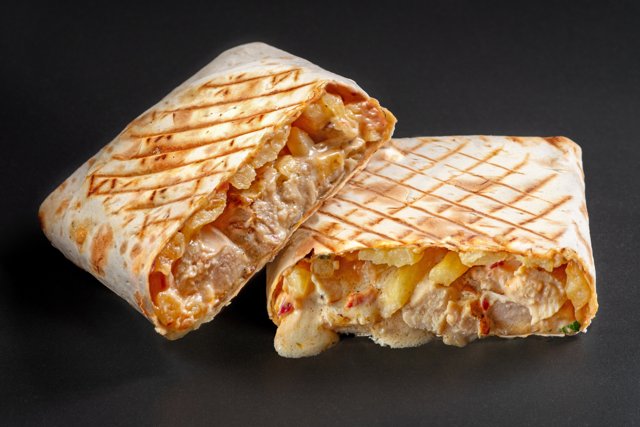
French tacos with fries at L’Oasis restaurant Grenoble

Arabic cuisine

L’Oasis

4.1
burger and two beers at Le Tonneau de Diogène Grenoble

Bar

Le Tonneau de Diogène

4.3

Theater for kids

HELOISE IN THE LAND OF NONSENSE

Feb 16 - Aug 30
COMEDIE DE GRENOBLE
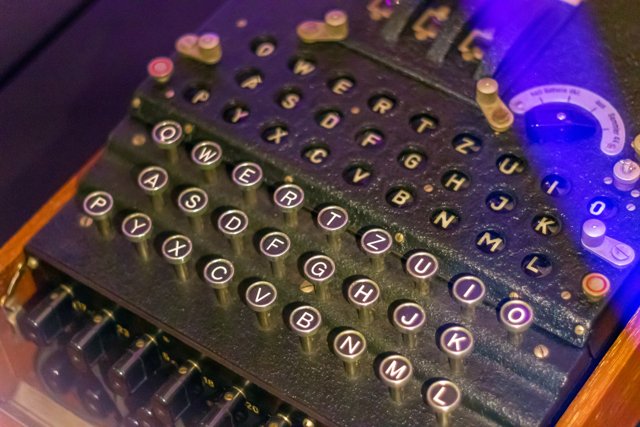
Enigma machine keyboard at Resistance and Deportation Museum Grenoble

Museums and Galleries

Resistance and Deportation Museum

History comes alive on three floors at the Resistance and Deportation Museum in Grenoble, where more than 5,000 artifacts tell the story of the region’s fight against tyranny during World War II. Visitors can trace the rise of the French Resistance, exploring detailed recreations of places key to the movement, such as meeting spots and cells, along with maps that light up to show sabotage sites in the mountainous Isère area. This museum really highlights Grenoble’s role as the “capital of the resistance fighters,” bringing local stories to the forefront. Moving through the exhibits, the harsh realities of occupation are depicted with original photos, posters, personal objects, and even prison cell doors marked by detainees. The museum doesn't shy away from difficult subjects like repression, deportation, and collaboration, while also ending on a hopeful note about liberation and the continuing spirit of resistance. Admission is free, and guided tours on certain days deepen the experience. This museum offers a powerful, thoughtful visit that respects the past while encouraging reflection. For more information on schedules, please consult its official website.

Château de Vizille castle with pond Grenoble France

Historical Sites

Château de Vizille

Just 20 minutes from Grenoble, the Château de Vizille stands as a jewel of French history and art. Built in the early 17th century by François de Bonne, Duke of Lesdiguières and a powerful military leader, this grand estate is best known as the birthplace of the French Revolution. The castle hosted the pivotal Assembly of Vizille in 1788, where nearly 500 delegates from the clergy, nobility, and third estate gathered in its Jeu de Paume hall to demand political reforms that challenged the king’s authority, setting revolutionary events into motion. Today, the château houses the Museum of the French Revolution, showcasing a remarkable collection of artworks, historical objects, and political memorabilia that paint a vivid picture of this transformative period. Meanwhile, the surrounding 100-hectare park offers delightful walks along tree-lined paths and a large canal filled with swans and carp. For more information on schedules and prices, please consult its official website.

Chartreuse liqueur glass at Caves de la Chartreuse Grenoble

Leisure Places

Caves de la Chartreuse

Just a short drive from Grenoble, in the town of Voiron, the Caves de la Chartreuse invite visitors to explore the fascinating history and unique production of the famous Chartreuse liqueur. This site is home to the longest liquor cellar in the world, stretching more than a kilometer underground, where thousands of barrels quietly age the herbal elixir originally crafted by Carthusian monks. The visit includes a lively museum that brings to life the centuries-old story of Chartreuse, from its secret recipe composed of over 130 plants to the challenges faced during the French Revolution and beyond. Visitors can walk through seven themed spaces tracing the drink's evolution, enhanced by multimedia displays and historical artifacts. The experience finishes with a tasting room offering samples of the iconic green and yellow Chartreuse varieties, allowing guests to savor a piece of local heritage. With guided tours tailored for different interests, including history, sensory exploration, and even cocktail workshops, the Caves de la Chartreuse provide an engaging way to discover one of the region’s most celebrated traditional treasures. For more information on schedules and prices, please consult its official website.

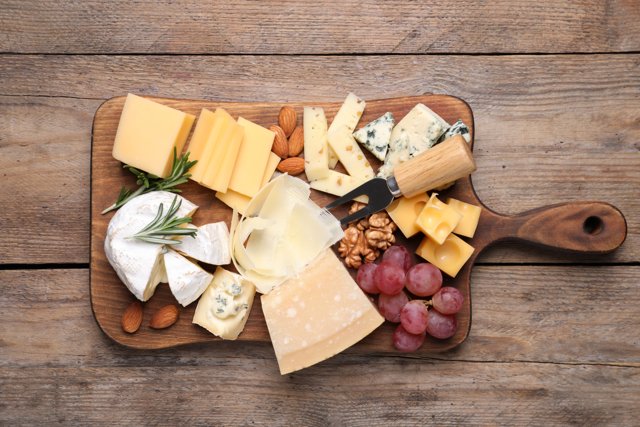
cheese platter with grapes and nuts at Le 17.45 restaurant Grenoble

Local cuisine

Le 17.45

4.8
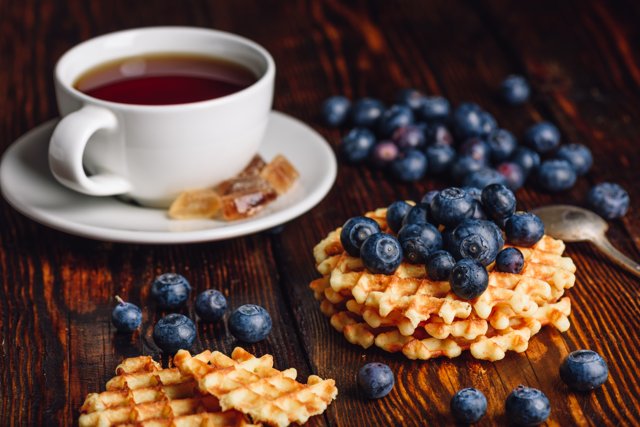
tea and waffles with blueberries at Jardin du Thé Grenoble

Coffee

Jardin du Thé

4.6

Theater for kids

PATIENCE PRETTY CHERRY

Feb 16 - Nov 1
COMEDIE DE GRENOBLE
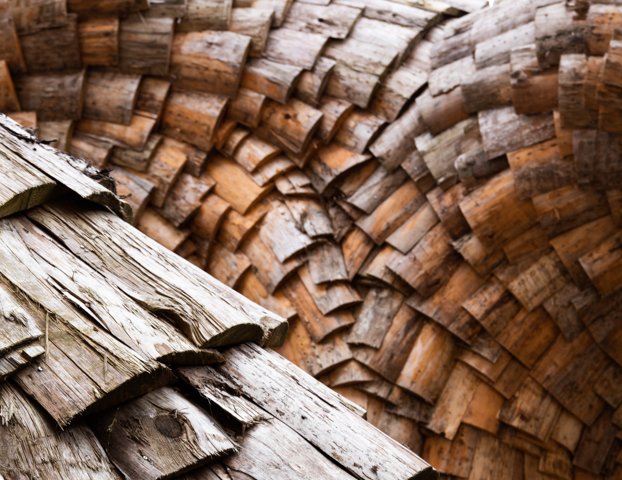
wooden architectural detail Dauphinois Museum Grenoble

Museums and Galleries

Dauphinois Museum

Located in a 17th-century former convent in Grenoble, the Dauphinois Museum is dedicated to showcasing the ethnography, archaeology, history, and culture of the Dauphiné region and the French Alps. Established in 1906 by ethnographer Hippolyte Müller, it was one of the first museums in France to focus on regional cultural heritage. Its collections span prehistoric artifacts, folk arts, rural mountain life, industrial history, and the development of skiing, offering a comprehensive view of life over thousands of years in the Alps. Housed in the historic Sainte-Marie d’en-Haut convent, the museum itself is a classified monument with a rich history, having previously served as a prison, boarding school, and barracks. Through permanent and temporary exhibits, the museum remains an important cultural institution that connects the past and present of the Dauphiné region. For more information on schedules, please consult its official website.

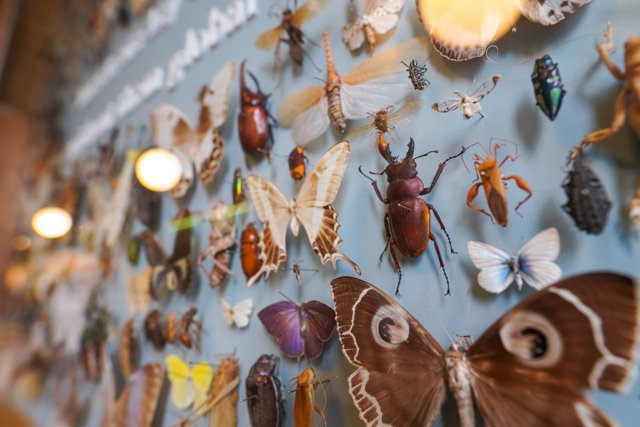
Insect and butterfly display at Natural History Museum Grenoble

Museums and Galleries

Natural History Museum

The Natural History Museum of Grenoble covers a broad range of natural sciences with a collection of about 1.5 million specimens, including fossils, minerals, plants, animals, and ethnological objects. Spread over 2,800 square meters, situated within the peaceful Botanical Garden, this museum offers six thematic rooms where visitors can delve into different aspects of natural history. One room might display ancient fossils while another highlights regional wildlife, providing insight into the local ecosystem. It is a place for observation, with detailed exhibits inviting close inspection of minerals' shapes and colors or detailed taxidermy specimens. Activities often include workshops and educational presentations, which bring the natural world to life through hands-on experiences. For more information on schedules and prices, please consult its official website.

Museum of the Old Bishopric in Grenoble France

Museums and Galleries

Museum of the Old Bishopric

Stepping into the Museum of the Old Bishopric (Musée de l'Ancien Évêché) means diving deep into the history of Grenoble and the Isère region, all housed within a former bishop’s palace near Notre-Dame Cathedral. The ground floor reveals archaeological finds, including parts of the city’s ancient Roman walls and the earliest Christian baptistery, placing visitors in the heart of early Grenoble life. Upstairs, a permanent exhibition titled "Isère through History" guides guests from prehistoric times through to the modern era with a collection of artifacts, paintings, and historical objects that tell the story of the region's people and culture. Outside, a serene garden opens to a quiet space reflecting the palace's heritage. Its location in Grenoble’s historic center makes it easy to explore alongside other landmarks, and the entrance is free, encouraging a relaxed visit during museum hours. For more information on schedules, please consult its official website.

Potato gratin dauphinois dish at La Ferme à Dédé Grenoble

Local cuisine

La Ferme à Dédé

4.3
Haute cuisine dish at Maison Rosella Jura

Local cuisine

Le Rousseau

4.4

Exhibition

THE HIGH MOUNTAIN MILITARY GROUP

Feb 7 - Dec 31
Musée des Troupes de montagne
Jardin des Dauphins with mountains in Grenoble France

Nature and Parks

Jardin des Dauphins

This beautifully terraced garden, located on the historic site of the Bastille fortress, overlooks Grenoble and provides a peaceful haven near the city center. Originally developed in 1785 by merchant Jean-Baptiste Dolle, the garden was created on rugged rock formations through extensive excavation and terracing. It features six successive terraces connected by ramps and stairs, planted with vines, fruit trees, pines, roses, and various flowering shrubs. The garden showcases Art Deco style elements and is adorned with sculptures, statues, and ornamental vases. After falling into neglect during the French Revolution, the site was revitalized in the early 20th century and reopened as a public park. Today, the Jardin des Dauphins offers panoramic views of Grenoble and the surrounding Alps, winding paths for strolling, a peaceful playground for children, and spaces for picnicking. It is a vibrant green oasis full of natural beauty, historical architecture, and recreational activities. For more information on schedules, please consult its official website.

historic ivy-covered building in Sassenage Grenoble

Routes

Sassenage

Sassenage is a charming commune located just northwest of Grenoble, nestled at the foot of the Vercors massif. It blends a peaceful valley setting with a rich history and natural beauty. The historic center sits on the valley floor, while residential areas stretch up the slopes of the surrounding cliffs. A key highlight is the Château de Sassenage, built between 1662 and 1669, which was the last residence of the noble Bérenger-Sassenage family. This elegant classical mansion features well-preserved period furniture and offers guided tours that reveal the lifestyle of 17th and 18th-century aristocracy. Surrounding the château is an eight-hectare landscaped park with an Anglo-Chinese garden and a romantic arboretum, perfect for leisurely strolls and daydreaming. The commune is well connected to Grenoble, making it a peaceful yet accessible destination for visitors interested in history and nature.

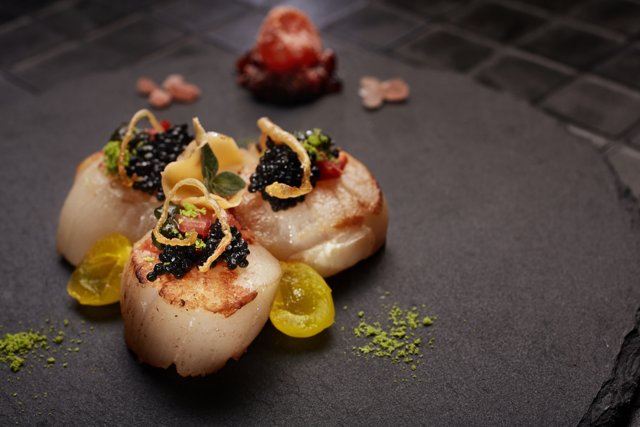
Haute cuisine scallops at L’Amélyss restaurant Grenoble

Local cuisine

L’Amélyss

4.8
Margherita pizza with basil and cherry tomatoes

Italian cuisine

La Toscana

4.6

Exhibition

A zoo on the walls Street art

Apr 11 - Aug 29
Office de Tourisme Grenoble Alpes
Place Victor Hugo with mountain view Grenoble France

Sights and Monuments

Place Victor Hugo

Place Victor Hugo is a vibrant and elegant public square established in 1885 on the site of a former military bastion and barracks. Lined with majestic chestnut trees and framed by distinctive late 19th-century façades featuring decorative molded cement with intricate friezes and bestiaries, the square represents historic charm and urban grace. It serves as a lively gathering spot, surrounded by cafés, restaurants, and shops that attract both locals and tourists. The green spaces, colorful flower beds, ponds, and water features create a refreshing and shaded environment, especially pleasant in the summer months. Throughout the year, the square hosts various cultural events, including the dazzling and cheerful Christmas market in winter. Its central location in Grenoble’s pedestrian zone makes it an inviting place to relax, socialize, and experience the city’s lively atmosphere and architectural heritage.

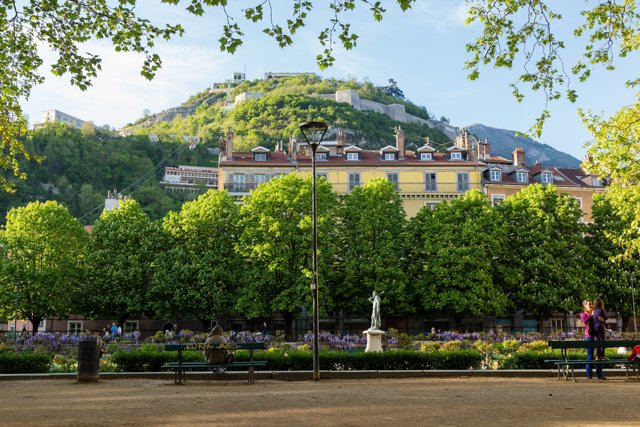
Jardin de Ville park with fortress hill Grenoble France

Nature and Parks

Jardin de Ville

Dating back to the early 17th century, this beautiful urban park in Grenoble was originally created as a private garden for the Duke of Lesdiguières and opened to the public in 1719. It blends formal French garden elements with natural features, including a sunken garden with roses, century-old palm and orange trees in decorative tubs, and a shaded wooded area with remarkable plane, lime, and chestnut trees. Over the centuries, the garden has maintained much of its original layout, becoming a favorite spot for locals to enjoy picnics, leisurely strolls, or attend cultural events. Today, the Jardin de Ville offers a quiet retreat from the city hustle with benches, a bandstand, and plenty of green space, connecting Grenoble’s past with its lively present-day rhythms.

concert crowd with blue stage lights

Nightlife

La Belle Électrique

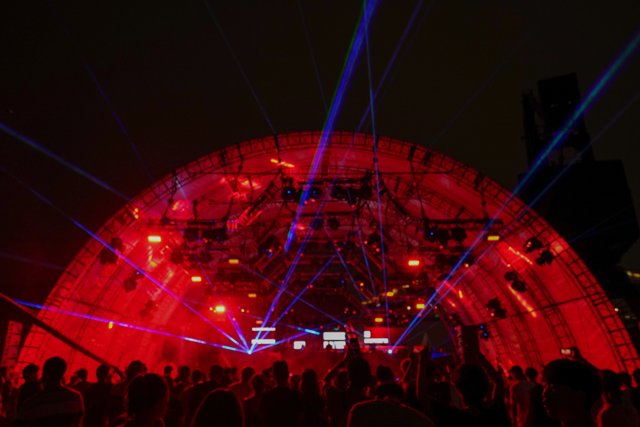
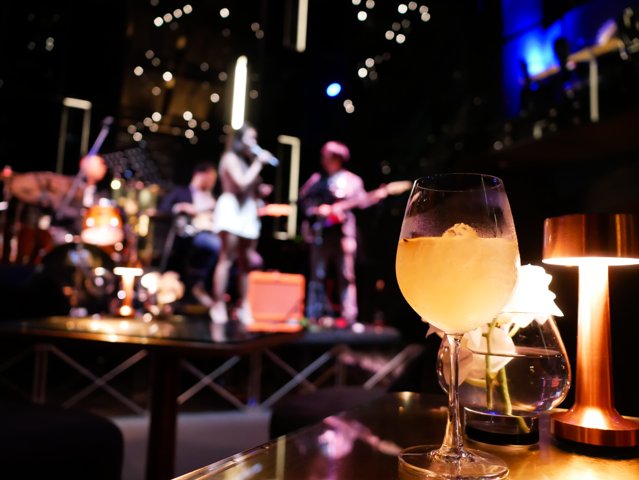
La Belle Électrique is a vibrant concert hall, bar, and restaurant located in the Bouchayer-Viallet district of Grenoble. Since opening in 2015, it has become a key cultural hub for amplified music, showcasing an eclectic mix of genres including rock, jazz, hip-hop, electronic, and pop. The venue can host around 900 to 1,000 spectators in its main hall, which features a lively atmosphere ideal for concerts and club nights. Beyond music, La Belle Électrique often hosts art exhibitions, workshops, and community events, making it a dynamic space that welcomes people of all ages. Visitors can enjoy a gourmet, seasonal menu at the on-site restaurant during the day and lively DJ sets or concerts in the evening. With its blend of cutting-edge acoustics, diverse programming, and a welcoming bar-restaurant area, La Belle Électrique is a must-visit for anyone looking to experience Grenoble’s contemporary arts and nightlife scene. For more information on schedules and prices, please consult its official website.

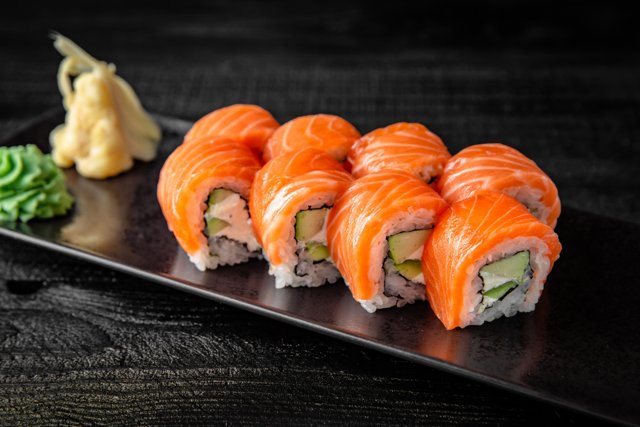
salmon sushi rolls on black plate

Japanese cuisine

Le Katana

4.8
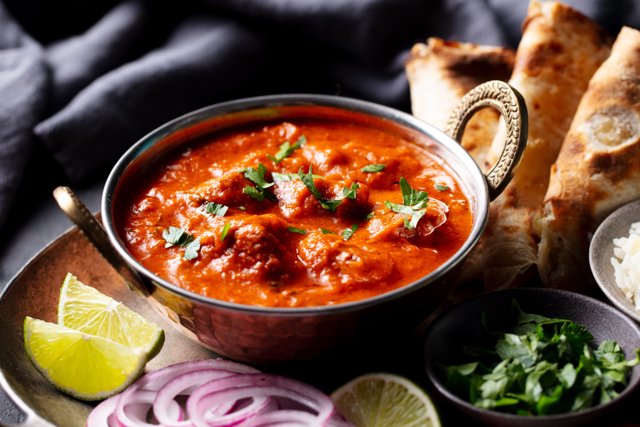
lamb curry with naan and lime wedges

Indian cuisine

Bombay

4.5
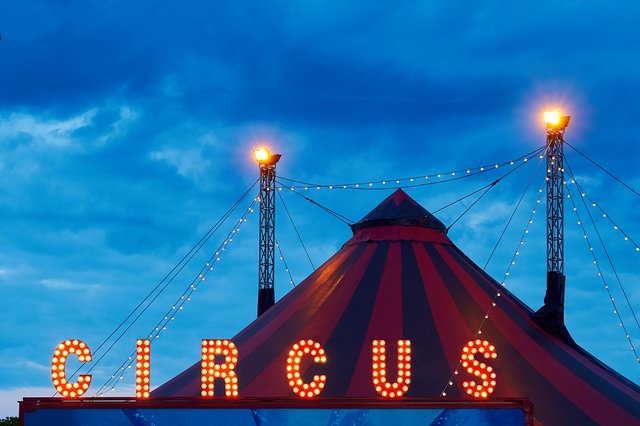
microphone and stool on stage Comedy Café Amsterdam

Comedy

The therapy of crap

Apr 15 - Nov 8
COMEDIE DE GRENOBLE
blurred interior of a shopping mall

Shops and Street Markets

La Caserne de Bonne

La Caserne de Bonne is a modern shopping mall that blends history with convenience and style. Housed in buildings that once were military barracks, the mall offers a refreshing shopping experience with over 80 stores, from fashion boutiques and cosmetics shops to sports gear outlets like Decathlon and Au Vieux Campeur. The layout encourages leisurely browsing, with a variety of dining options ranging from quick snacks to sit-down meals featuring international and local flavors. Families find the mall welcoming, thanks to play areas for children and spaces designed for relaxation, such as a calm adjacent garden. The mall’s design emphasizes sustainability with energy-efficient features and natural ventilation, making it as comfortable as it is environmentally conscious. Easily accessible by public transport with ample parking, La Caserne de Bonne is a lively spot for a day out, whether updating a wardrobe, hunting for unique gifts, or grabbing a coffee. Its vibrant atmosphere mixes the past with present-day Grenoble life, appealing to both locals and visitors alike. For more information, please consult its official website.

Ice hockey puck on ice at Patinoire Polesud Grenoble

Leisure Places

Patinoire Polesud

Patinoire Polesud is a buzzing hub for ice sports and family fun, offering two large ice rinks that cater to everyone from professional athletes to casual skaters. The main rink seats over 4,200 spectators and hosts ice hockey matches, figure skating, and short track competitions, including events featuring the local team, "Brûleurs de Loups", or Wolf Burners. For those looking to enjoy some recreational skating, the smaller rink provides a welcoming space for beginners and families with kids. The rink also runs special sessions like “Handigliss” for people with disabilities, making it inclusive for all abilities. Beyond skating, the arena hosts concerts, shows, and other sports events, creating a vibrant atmosphere. On colder days or after gliding on the ice, visitors can grab a bite at the onsite restaurant or relax in viewing areas designed for comfort. Conveniently located with easy access by tram and bus, Polesud combines sport, entertainment, and community spirit into a lively experience year-round. For more information on schedules and prices, please consult its official website.

colorful buildings along Quai Perrière river Grenoble France

Sights and Monuments

Quai Perrière

Quai Perrière is a historic riverside promenade located along the right bank of the Isère River in Grenoble’s Saint-Laurent district, and is one the city's most famous photo spots. Named after the former Porte Perrière city gate—built in 1514 and demolished in the 17th century—it was established around 1840 to replace a narrow, rocky path that hugged the riverbank. This quay was created by cutting into the rock to allow safer and easier access near the river. Today, it is a peaceful walkway offering scenic views of the Isère and the surrounding mountains. Quai Perrière connects to other important quays and landmarks, such as the Pont de France and Fort Rabot, reflecting Grenoble’s historic relationship with its river. It remains a beloved spot for both locals and visitors to enjoy walking, cycling, and the tranquility of the riverside in the heart of the old city.

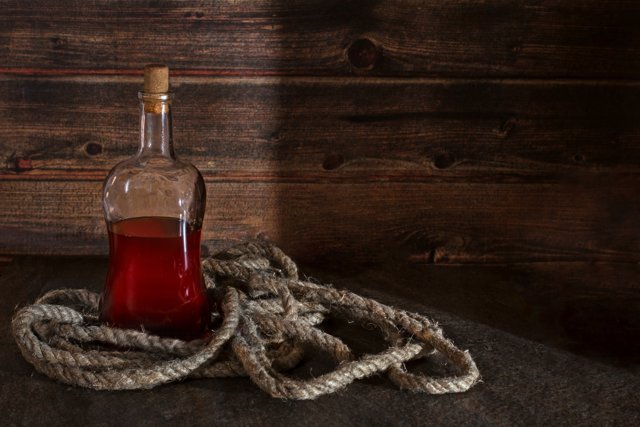
Rum bottle with rope in Barberousse restaurant Grenoble

Bar

Barberousse

4
octopus risotto dish at restaurant in Florence

Local cuisine

Une Semaine sur Deux

4.5

Exhibition

Les Hache, cabinetmakers in Grenoble

May 6 - Sep 19
Le Couvent Sainte-Cécile
Lebanese mezze dishes in Mulhouse restaurant

Arabic cuisine

Le Cèdre

4.5
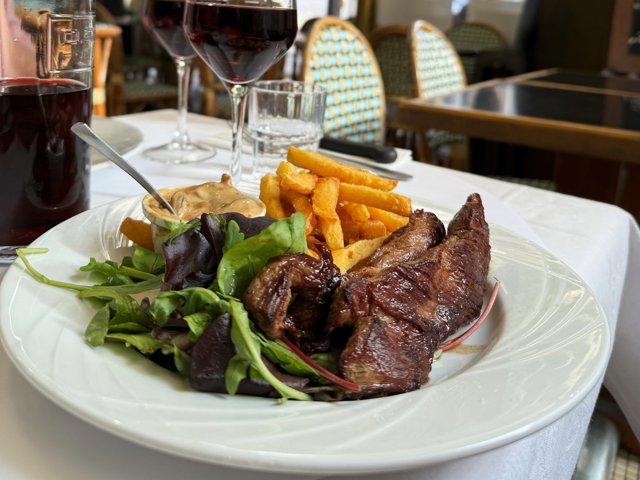
Grilled beef steak with fries and salad at Chez Marius Grenoble

Local cuisine

Chez Marius

4.4

Exhibition

Charlotte Perriand in the Alps… source of inspiration for young architecture & design

Apr 1 - Aug 1
La Plateforme
spring rolls with sauces at Sokéo restaurant Grenoble

Asian cuisine

Sokéo

4.5
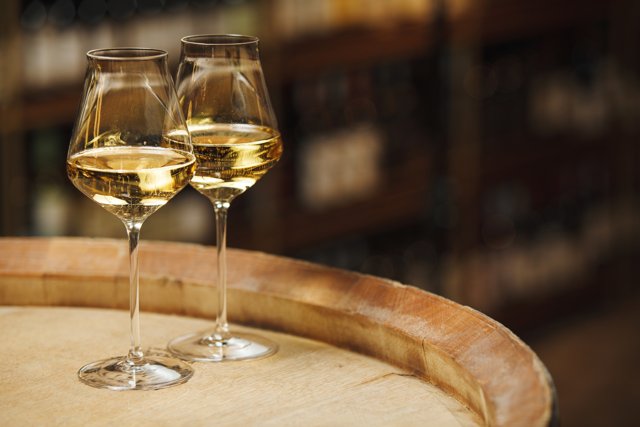
Two glasses of white wine on wooden barrel Le Tord Boyaux Grenoble

Bar

Le Tord Boyaux

4.4

Theater

Tell me about the Second World War - theatrical tour

Jun 7 - Sep 6
Musée de la Résistance et de la Déportation de l'Isère
Canadian poutine dish with fries cheese curds and gravy

International cuisine

Ontario Salmon

4.6
cocktail at bar with live music Sarajevo Opera

Bar

Café des Arts

4.5

Exhibition

Exhibition - Of all wood. Cabinetmakers Ax & Contemporary Creation

Apr 25
Musée dauphinois
cocktails and appetizers at Quartier Gabriel Grenoble

Local cuisine

Quartier Gabriel

4
waffle with strawberries and chocolate sauce

Local cuisine

Pain&Cie

3.9

Photography

Photography getaway with Erich Zann

May 30 - Oct 17
LE PACIFIQUE CDCN
French tacos from Le Tacos de Lyon Grenoble

International cuisine

Le Tacos de Lyon

3.9
pints of beer on wooden table in pub

Bar

The London Pub

3.9

Exhibition

Photo exhibition - Les Tableaux de Belledonne

Jun 1 - Aug 28
Office de Tourisme Grenoble Alpes

Exhibition

Street Art Fest collective exhibition Grenoble - Alpes

May 30 - Jul 19
La Plateforme / Ancien musée de Peinture

Dancing

Folk Tuesdays of the Place Saint André

Jun 16 - Sep 1
Collégiale Saint-André

Festivals

Cabaret Frappé Festival

Jul 15 - Jul 19
Jardin de ville

Exhibition

Exhibition of Pauline Rochette - Illustrations, prints and hand-painted pieces

Jun 18 - Aug 13
Club Janine

Exhibition

Drowning World - Gideon Mendel

Jun 5 - Apr 25
Musée de la Résistance et de la Déportation de l'Isère
La Bastille
Vercors Natural Park
Notre-Dame Cathedral
Maison Aribert
Fromagerie Les Alpages
Escapées Iserises 2026 - Passes and Climbs reserved for cyclists
Grenoble Museum of Art
Old Town
Grenoble Archaeological Museum
Maison Fantin Latour
L’Ardoise
Red as snow - Scientific exhibition in the mountains
Les Deux Alpes
Paul Mistral Park
Chartreuse Regional Natural Park
Le Gratin Dauphinois
La Tour des Sens
Exhibition - "François Kollar. We at work"
Annecy
Belledonne Mountain Range
Parc de l'île d'Amour
La Belle Idée
Tohu Bohu
Exhibition A Jewish history, 2000 years of links between the Rhône and the Alps
Palais Idéal du Facteur Cheval
Stendhal Museum
Alpe D’Huez
L’Oasis
Le Tonneau de Diogène
HELOISE IN THE LAND OF NONSENSE 2
Resistance and Deportation Museum
Château de Vizille
Caves de la Chartreuse
Le 17.45
Jardin du Thé
Dauphinois Museum
Natural History Museum
Museum of the Old Bishopric
La Ferme à Dédé
Le Rousseau
THE HIGH MOUNTAIN MILITARY GROUP
Jardin des Dauphins
Chambéry
Sassenage
L’Amélyss
La Toscana
A zoo on the walls Street art 1
Place Victor Hugo
Jardin de Ville
La Belle Électrique
Le Katana
Bombay
La Caserne de Bonne
Patinoire Polesud
Quai Perrière
Barberousse
Une Semaine sur Deux
Les Hache, cabinetmakers in Grenoble
Le Cèdre
Chez Marius
Charlotte Perriand in the Alps… source of inspiration for young architecture & design
Sokéo
Le Tord Boyaux
Tell me about the Second World War - theatrical tour 1
Ontario Salmon
Café des Arts
Exhibition - Of all wood. Cabinetmakers Ax & Contemporary Creation
Quartier Gabriel
Pain&Cie
Photography getaway with Erich Zann
Le Tacos de Lyon
The London Pub
Street Art Fest collective exhibition Grenoble - Alpes
Folk Tuesdays of the Place Saint André
Cabaret Frappé Festival
Exhibition of Pauline Rochette - Illustrations, prints and hand-painted pieces
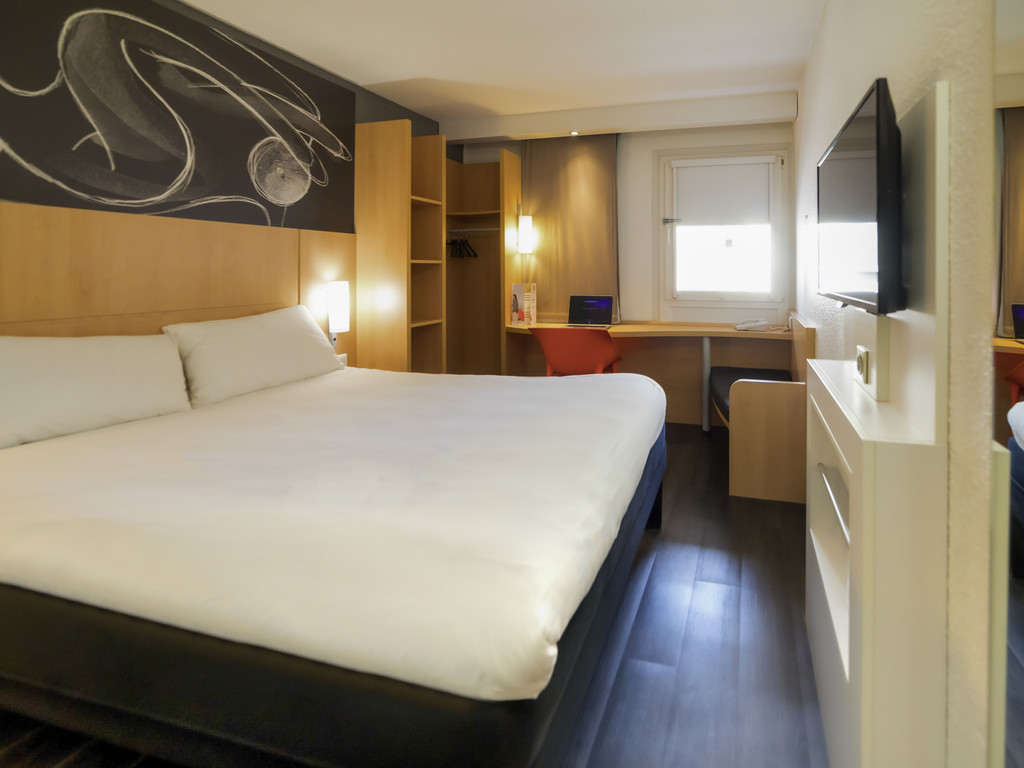
ibis Grenoble Centre Bastille
ibis Styles Grenoble Centre Gare
greet hotel Grenoble Centre Gare
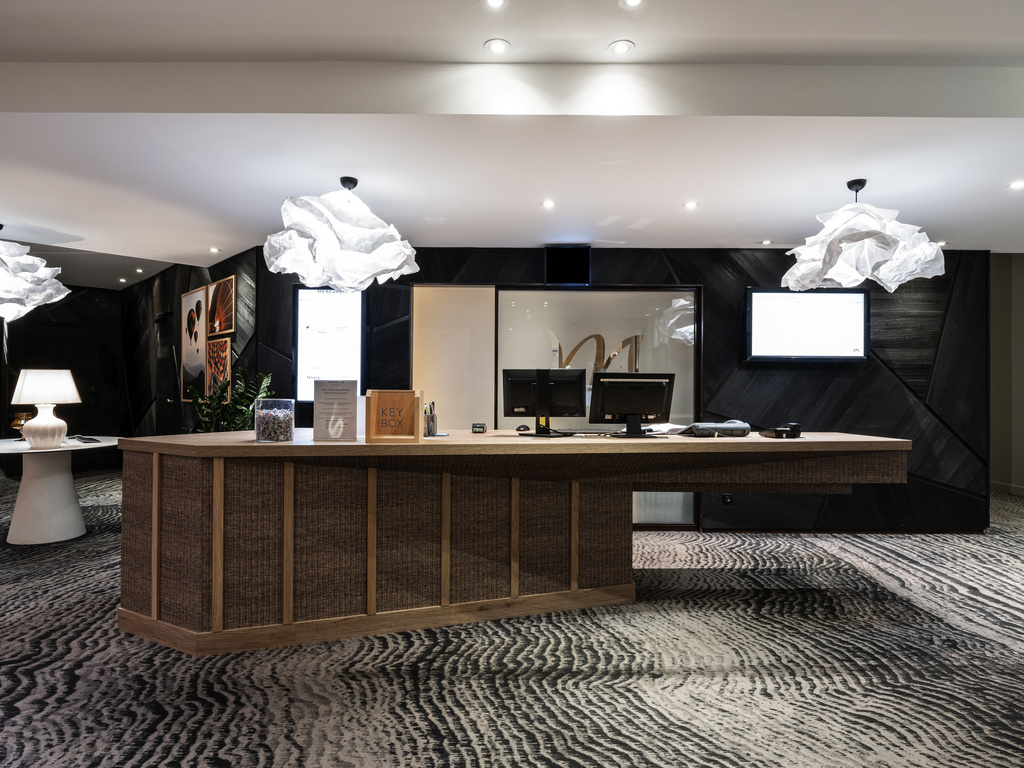
Mercure Grenoble Centre Alpotel Hotel
ibis Grenoble Gare
Park Hotel Grenoble - Handwritten Collection
Aparthotel Adagio Grenoble Centre
Novotel Grenoble Centre
Mercure Grenoble Centre Porte Des Alpes
Adagio Access Grenoble Université
Mercure Grenoble Meylan Hotel
ibis budget Grenoble Sud Seyssins
hotelF1 Grenoble University
Novotel Grenoble Nord Voreppe
ibis budget Grenoble Voreppe
ibis Styles Crolles Grenoble A41

Plan your trip

Entry Requirements & Travel Documents

France is part of the Schengen Area, allowing EU and EEA citizens to enter with a valid passport or national ID card. Travellers from many non-EU visa-exempt countries can stay for up to 90 days within a 180-day period without a visa, provided passport validity rules are met.

From late 2026, visitors from several visa-exempt countries — including the United States, Canada, the United Kingdom, Japan, Brazil, and Australia — will need to apply for ETIAS travel authorisation before entering France and other Schengen states for short stays. Until the system becomes operational, current entry rules remain in place.

Money, Currency & Paying in Grenoble

The local currency is the euro. Card and contactless payments are widely accepted in restaurants, cafés, hotels, and shops in the city centre. Smaller neighbourhood bakeries, market stalls, and some traditional bars may prefer cash for smaller purchases, so keeping a few coins or notes is useful.

ATMs are easy to find throughout the centre and generally offer better rates than airport exchange desks or tourist-area bureaux de change.

Weather, Seasons & When to Visit

Grenoble has a continental climate shaped by its Alpine valley setting, with warm summers, cold winters, and clearly defined seasons. The surrounding mountains often concentrate cloud cover, and winter fog in the valley is common.

Summer (June to August) is warm and mostly sunny, with long evenings ideal for terraces and mountain access. 

Autumn (September to November) brings mild temperatures, fewer crowds, and strong colours across the slopes, often lasting into October.

Winter (December to February) is cold, with snow on the surrounding peaks and ski season in full swing. 

Spring (March to May) sees rising temperatures and clearer skies, making it one of the best times to explore the city on foot.

Health Insurance

Visitors from EU countries should carry a valid European Health Insurance Card (EHIC), which provides access to public healthcare in France under the same conditions as residents. UK travellers should carry the GHIC, its British equivalent, which offers the same coverage. Neither card replaces comprehensive travel insurance.

Travellers from outside the EU are strongly advised to arrange travel medical insurance covering treatment, hospital care, and emergency repatriation. Proof of insurance may be required for certain visa categories.

Pharmacies are marked by a green illuminated cross and are a good first stop for minor health issues or medication advice.

Connectivity, Roaming & Mobile Data

Free Wi-Fi is widely available in hotels, cafés, and many public spaces throughout Grenoble.

Travellers with mobile plans from EU or EEA providers can generally use their data, calls, and texts in France under the EU "Roam Like at Home" regulation, meaning domestic rates apply without extra charges. Visitors from outside the EU should check roaming costs with their provider before departure.

An eSIM is often the most convenient option: buy it online before arrival and activate it instantly. Physical SIM cards are also available locally but require ID registration. Either way, coverage in the city centre is reliable, though signal quality can vary on hiking trails and in more remote mountain areas.

Best hotels in Grenoble

Frequently asked questions

Do I need a car to visit Grenoble?

Not for the city itself. The tram network, cycling infrastructure, and walkable centre cover most needs. For independent access to mountain villages and ski resorts, a car adds flexibility.

Is Grenoble a good base for skiing?

Yes. Several resorts lie within 30 to 60 minutes of the city. Chamrousse, directly above Grenoble in the Belledonne range, is the most accessible, with views back over the city from the higher runs.
How many days do you need in Grenoble?

Two to three days cover the historic centre, main museums, and the Bastille. A fourth day allows for a mountain excursion or day trip to Lyon or Annecy.
When is the best time to visit Grenoble?

Late spring and early autumn for city exploration, December to March for skiing. Summer is warm and lively, though popular mountain spots get busy in July and August.
Is Grenoble worth visiting without skiing?

Absolutely. The city has a strong museum scene, a lively food and café culture, and one of France's most enjoyable historic centres — all worth the trip regardless of the season.

What is Grenoble famous for?

Its dramatic Alpine setting, the Bastille fort, and hosting the 1968 Winter Olympics. The city is also known for its walnuts — the first in France to earn a Protected Designation of Origin — and as one of Europe's leading scientific research centres.

Top destinations