Lyon

 A historic riverside city where Roman heritage, Renaissance streets, and France’s celebrated food culture shape everyday life.

  • Lyon

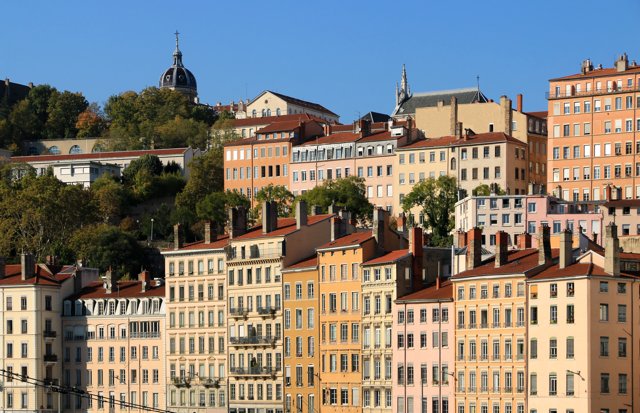
    Lyon’s identity has always been shaped by movement — of rivers, trade, and ideas. Set where the Rhône and Saône meet, the city unfolds across hills, riverbanks, and historic quarters that have long connected northern Europe with the Mediterranean. Renaissance streets, grand squares and working neighbourhoods sit side by side, giving Lyon a sense of depth that feels woven into daily life rather than preserved behind museum walls.

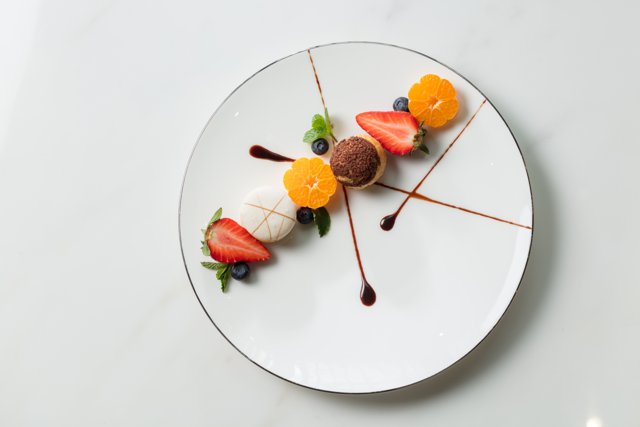
    Food is the thread that runs through it all. Traditional bouchons still serve the hearty dishes that made the city famous, while contemporary chefs continue to reinterpret Lyon’s culinary heritage. Markets bustle, terraces fill, and conversations stretch across long meals, revealing a city where gastronomy is less a spectacle than a way of living — a rhythm that feels proudly local and unmistakably Lyonnais.
Unique experiences in Lyon

What to do in Lyon

  • Lyon Outdoors

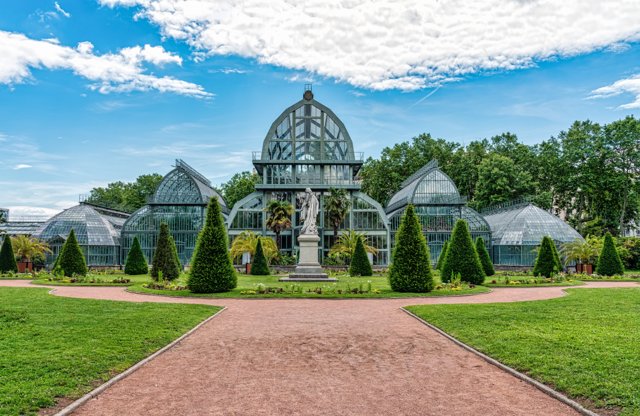
    Visiting the 10 Best Lyon Parks

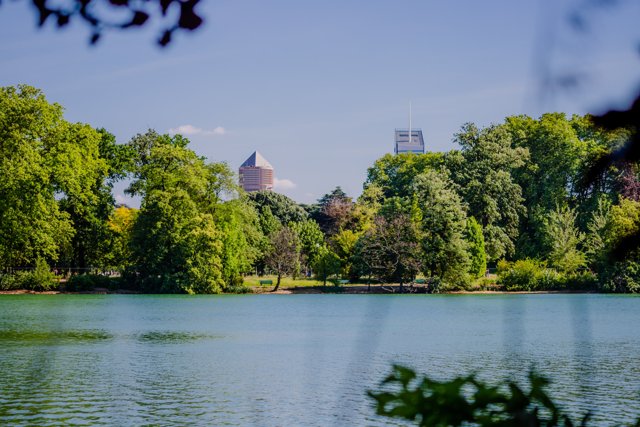
    Whether you're looking for Rhône riverside picnics or fabulous rooftop panoramas, you'll feel like a Lyon local when you savour time in the city’s green spaces.
Plan your trip

Entry Requirements & Travel Documents

France is part of the Schengen Area, allowing EU and EEA citizens to enter with a valid passport or national ID card. Travellers from many non-EU visa-exempt countries can stay for up to 90 days within a 180-day period without a visa, provided passport validity rules are met.
From late 2026, visitors from several visa-exempt countries — including the United States, Canada, the United Kingdom, Japan, Brazil, and Australia — will need to apply for ETIAS travel authorisation before travelling to France and other Schengen countries for short stays. Until the system becomes operational, entry continues under the current visa-free rules.

Money, Currency & Paying in Lyon

The local currency is the euro (€ / EUR). In Lyon, card and contactless payments are widely accepted in restaurants, shops, cafés, and on public transport.

However, smaller bakeries, neighbourhood markets, and traditional bouchons, sometimes prefer cash for small purchases, so keeping a few coins or notes can be useful. ATMs are easy to find across the city and usually provide better exchange rates than airport exchange desks.

Weather, Seasons & When to Visit

Lyon has a temperate continental climate, with warm summers, cooler winters, and clearly defined seasons.

Spring (March to May) brings mild temperatures and longer days, making it one of the best times to explore the city’s historic districts and riverside promenades.

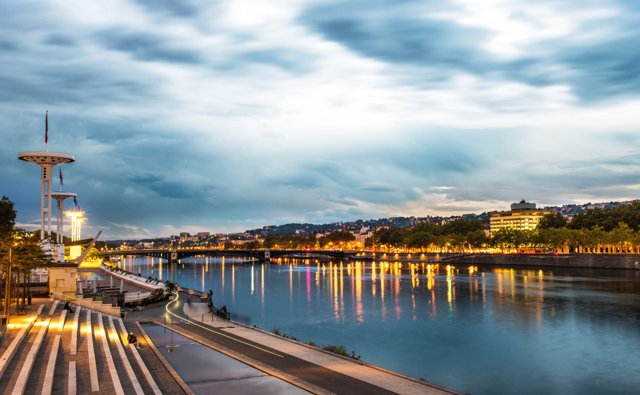
Summer (June to August) can be warm, particularly in July and August, but the city becomes lively with outdoor terraces, festivals, and evening walks along the Rhône and Saône.

Autumn (September to November) often offers pleasant weather and fewer crowds, while the surrounding hills begin to show seasonal colour.

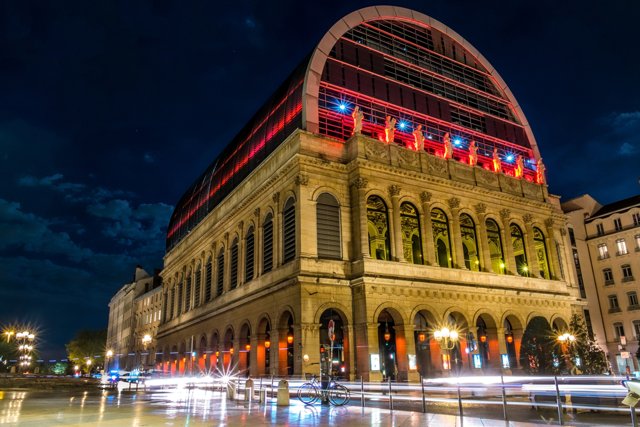
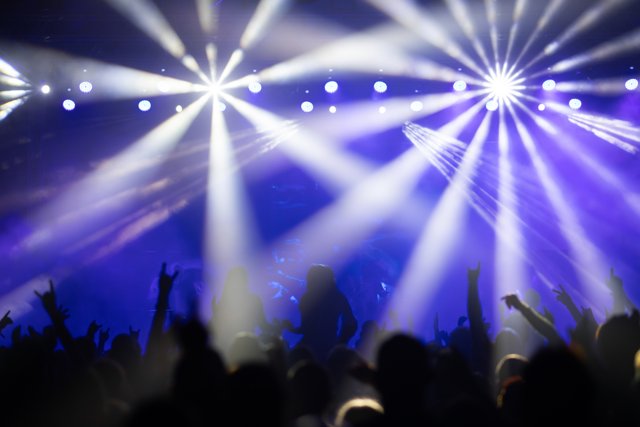
Winter (December to February) is cooler, though the city remains vibrant — especially during the famous Fête des Lumières, when buildings and squares across Lyon are illuminated each December.

Health Insurance

Visitors from EU countries should carry a valid European Health Insurance Card (EHIC) or GHIC, which allows access to public healthcare in France under the same conditions as residents. However, this does not replace comprehensive travel insurance.

Travellers from outside the EU are advised to have travel medical insurance covering treatment, hospital care, and emergency repatriation. Proof of insurance may be required for certain visa categories.

Connectivity, Roaming & Mobile Data

Free Wi-Fi is common in hotels, cafés, and many public areas throughout Lyon.

If you have a mobile plan issued within the EU or EEA, you can generally use your calls, texts, and data in France under the EU “Roam Like at Home” rules, meaning roaming charges should be the same as domestic rates.

Travellers from outside the EU may wish to check roaming costs with their provider before departure. For longer stays or heavy data use, a local SIM card or eSIM can be a convenient alternative.

Airport & Main Arrival Hubs

Lyon is served by Lyon–Saint-Exupéry Airport (LYS), located about 25 km east of the city centre. The airport handles a wide range of domestic, European, and international flights, making it one of the main gateways to southeastern France.

Modern facilities and efficient connections make arrivals relatively straightforward, whether you are continuing into the city or travelling onwards through the Rhône-Alpes region.

Main Train Stations

Lyon is one of France’s most important rail hubs. Gare de Lyon-Part-Dieu is the city’s main station and the arrival point for most high-speed services, including TGV trains from Paris and other major cities.

A second station, Gare de Lyon-Perrache, sits closer to the historic centre on the Presqu’île peninsula. While smaller, it still handles regional and some long-distance services and offers convenient access to central districts.

From the Airport / Station to the City Centre

The fastest connection between the airport and central Lyon is the Rhônexpress which links Lyon–Saint-Exupéry Airport with Gare de Lyon-Part-Dieu in around 30 minutes. Services run frequently throughout the day and provide a direct, reliable transfer into the city.

Local public transport also connects the airport to the wider network, though journeys typically require one or more transfers. For most travellers, the Rhônexpress remains the simplest option.

From Part-Dieu or Gare de Lyon-Perrache, Lyon’s metro, tram, and bus services provide easy connections to districts across the city, including the Presqu’île, Vieux Lyon, and the riverside areas.

Taxis & Ride-Hailing Services

Taxis are available outside the terminals at Lyon–Saint-Exupéry Airport and at ranks near major train stations such as Gare de Lyon-Part-Dieu and Gare de Lyon-Perrache. Depending on traffic, journeys between the airport and central Lyon usually take 30–40 minutes.

Official taxis in France are clearly marked with a roof sign displaying the word “TAXI.” A green light indicates the taxi is available, while a red light means it is already occupied. Fares are regulated and calculated using a taximeter, and card payments are widely accepted.

Ride-hailing services such as Uber also operate across the city and can be a convenient option for pre-booked rides.

Arrival Tips & Common Mistakes to Avoid

  • The Rhônexpress is usually the fastest and most straightforward way to travel between Lyon–Saint-Exupéry Airport and the city centre.
  • If arriving by train, note that Gare de Lyon-Part-Dieu is the main hub for high-speed services, while Gare de Lyon-Perrache sits closer to the historic centre but handles fewer long-distance routes.
  • Lyon is larger than many visitors expect, with key neighbourhoods spread between the Rhône and Saône rivers and across several hills. Planning how to move between districts can help make the most of your time in the city.
  • During busy travel periods, particularly around Part-Dieu station, allowing a little extra time for transfers can make connections easier.
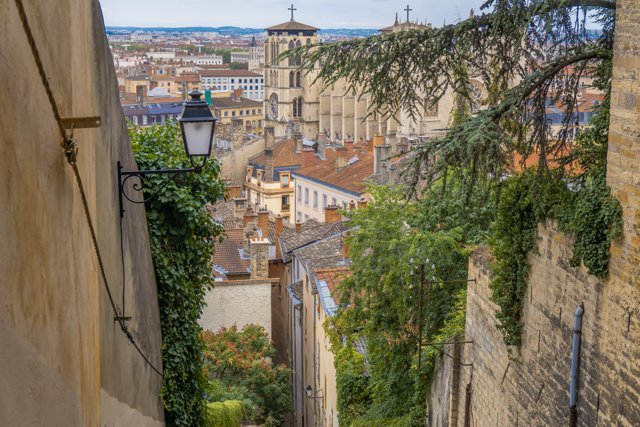
  • If you plan to visit Vieux Lyon or the Fourvière hill, remember that some streets are steep. Comfortable footwear can make exploring these historic areas much easier.

Public Transport & Zones

Lyon’s public transport network is operated by TCL and includes metro, tram, bus, and funicular services that connect most parts of the city.

The metro forms the backbone of the system, with four lines linking major districts such as Part-Dieu, Vieux Lyon, and the Presqu’île. Tram lines complement the network, particularly in the eastern areas of the city, while buses provide additional coverage across residential neighbourhoods.

One distinctive feature of Lyon’s transport system is the pair of funicular railways connecting Vieux Lyon with the hilltop districts of Fourvière and Saint-Just, offering a quick and scenic way to reach some of the city’s historic viewpoints.

Tickets & Passes

Tickets are valid across the entire TCL network and can be purchased at metro stations, ticket machines, or through the official TCL App.

Single tickets allow transfers between metro, tram, and bus within a limited time window, while day passes and multi-day options can be convenient for visitors planning to move around the city frequently.

For shorter stays, purchasing a daily pass often provides the best value, especially if you plan to explore several neighbourhoods in one day.

Walking & Cycling

Many of Lyon’s central districts are easy to explore on foot. The Presqu’île, located between the Rhône and Saône rivers, connects major squares, shopping streets, and historic areas within a relatively compact distance.

Cycling is also popular, particularly along the riverside paths. The city operates a public bike-sharing system known as Vélo’v, with docking stations located across the centre and in many surrounding neighbourhoods.

Nearby Destinations / Day Trips

Lyon’s central location makes it a convenient base for exploring other parts of southeastern France.

The historic city of Annecy, known for its canals and alpine scenery, can be reached in around two hours by train. To the south, Avignon offers medieval streets and the famous Palais des Papes, while the vineyards of the Rhône Valley are easily accessible for wine-focused excursions.

Closer to the city, villages and countryside in the Beaujolais region provide a quieter contrast to Lyon’s urban rhythm.

Accessibility & Basic Safety Tips

Lyon’s transport network continues to improve accessibility. Many metro and tram stations offer step-free access, and buses include ramps and priority seating for passengers with reduced mobility.

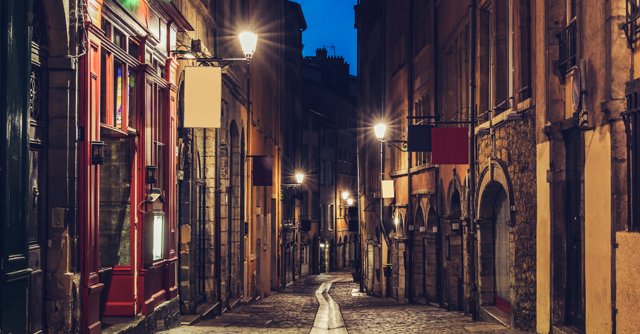
In the historic districts, particularly around Vieux Lyon, some streets are narrow and paved with cobblestones, which can be uneven in places.

Lyon is generally considered a safe city. As in any large urban area, staying aware of your surroundings and keeping an eye on personal belongings in crowded places such as major stations and busy squares is recommended. Emergency services in France can be reached by dialling 112.

Language, Culture & Local Etiquette

French is the primary language spoken in Lyon, and while English is widely understood in hotels, restaurants, and tourist areas, beginning interactions with a polite “Bonjour” is always appreciated.

Lyon has long been known for its strong local identity and civic pride. Residents — often called Lyonnais — tend to value tradition, particularly when it comes to food, markets, and neighbourhood life. Conversations over long meals, regular visits to local bakeries, and lively market mornings are part of the city’s everyday rhythm.

As elsewhere in France, service is typically included in restaurant bills (service compris), so tipping is modest. Rounding up the bill or leaving small change is common but not expected.

Neighbourhoods

Lyon’s character is shaped by several distinctive districts, each reflecting a different chapter of the city’s history and urban life.

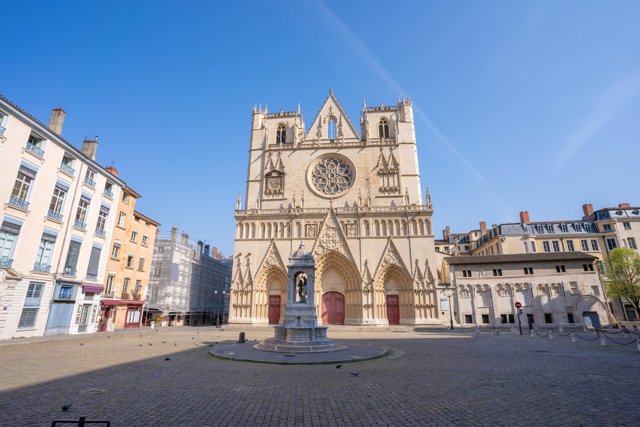
  • Vieux Lyon: The city’s historic heart, known for its Renaissance architecture, narrow streets, and hidden passageways known as traboules. Small squares, traditional restaurants, and riverside views give this district its lively atmosphere.
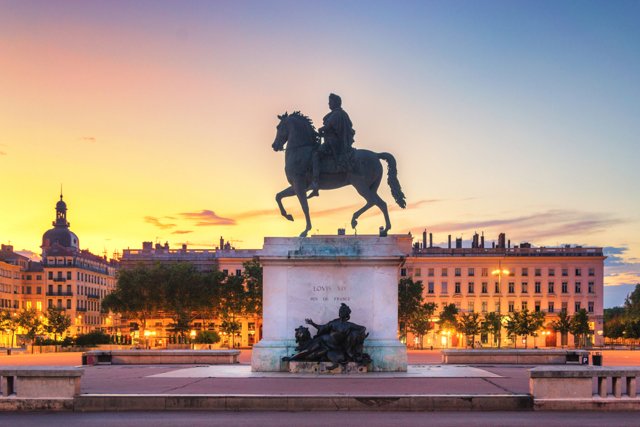
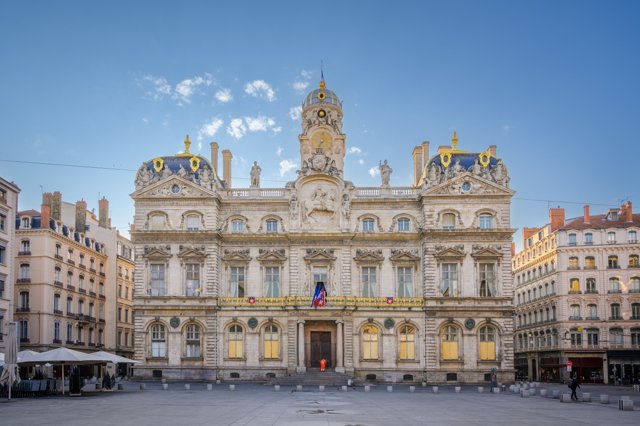
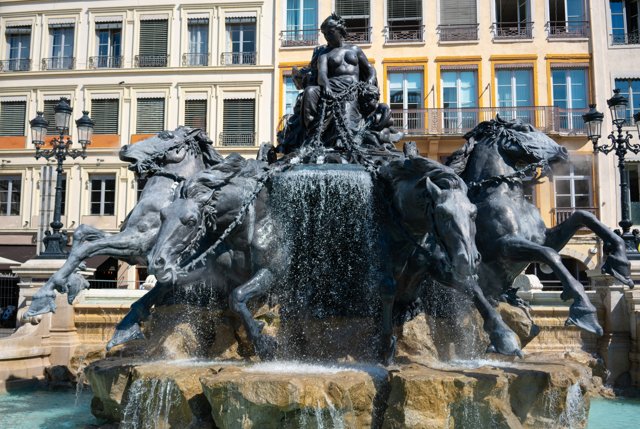
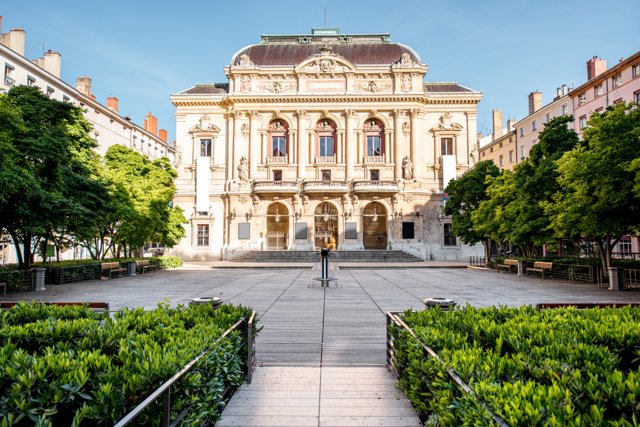
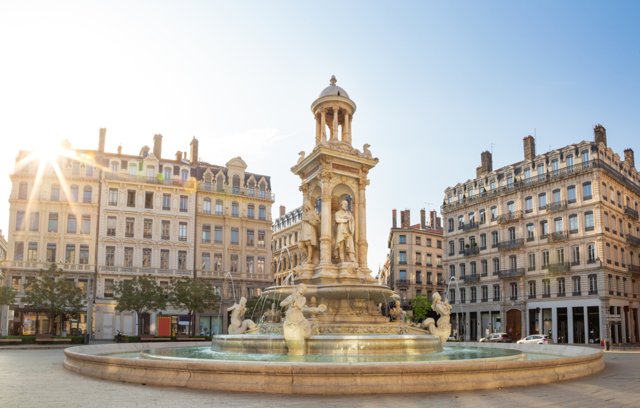
  • Presqu’île: The central peninsula between the Rhône and Saône rivers and the true urban core of Lyon. Grand squares such as Place Bellecour and Place des Terreaux sit alongside shopping streets, theatres, and many of the city’s cafés and restaurants.
  • Croix-Rousse: Set on the northern hill above the city, this neighbourhood was historically home to Lyon’s silk workers. Today it combines markets, local cafés, street art, and a strong community feel.
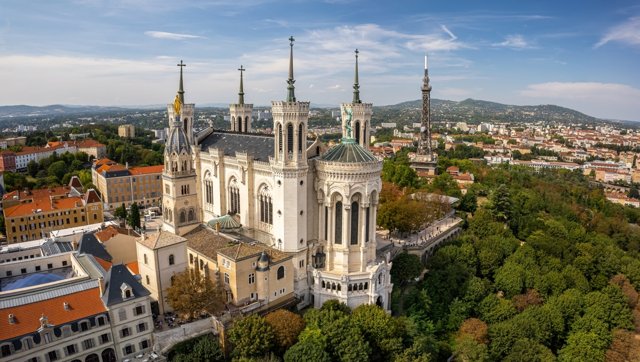
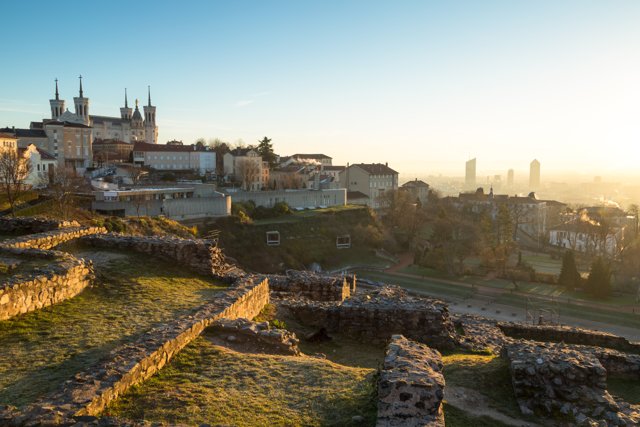
  • Fourvière: Rising above Vieux Lyon, this hilltop district is crowned by the striking Basilica of Notre-Dame de Fourvière. The area also contains Roman archaeological sites and offers some of the best panoramic views across the city.
  • Part-Dieu: Lyon’s modern business district and a major transport hub centred around Gare de Lyon-Part-Dieu. Contemporary buildings, shopping centres, and office towers give this area a different, more modern energy.

Gastronomy

Lyon is often described as the gastronomic capital of France, a reputation rooted in its long culinary tradition and vibrant food culture.

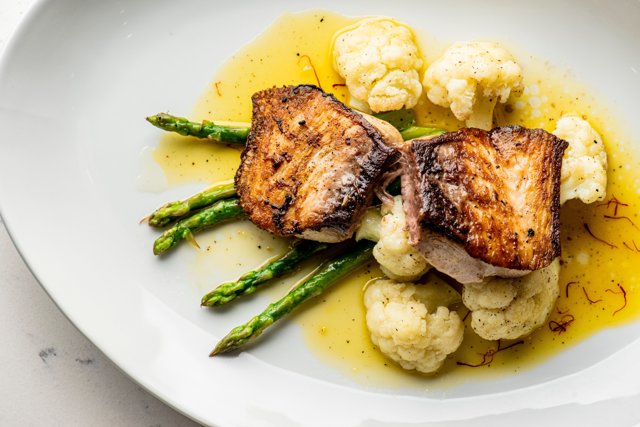
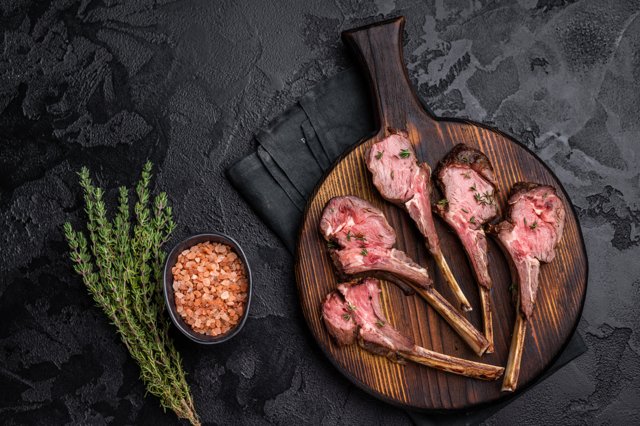
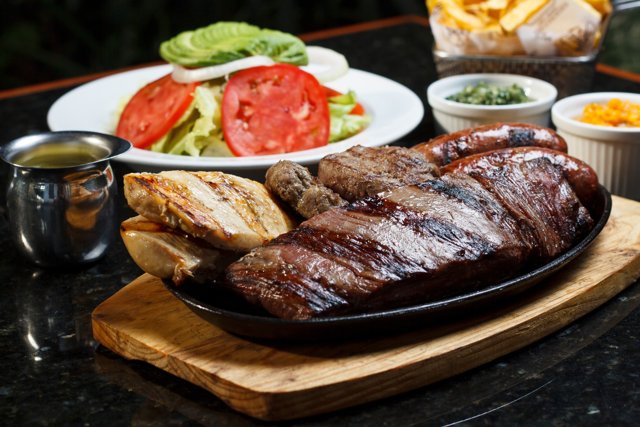
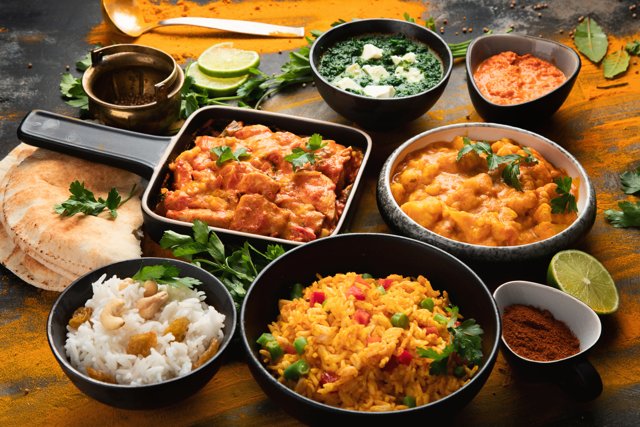
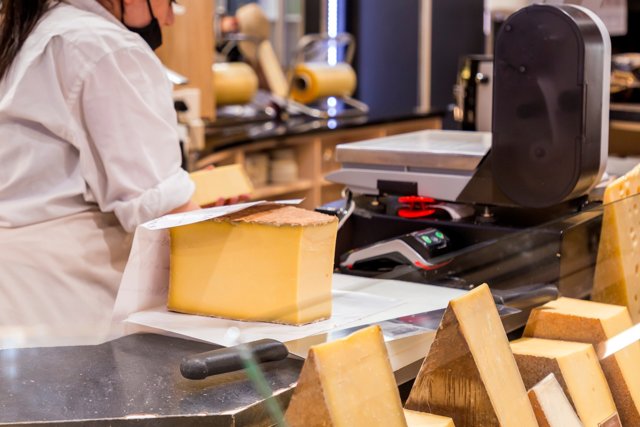
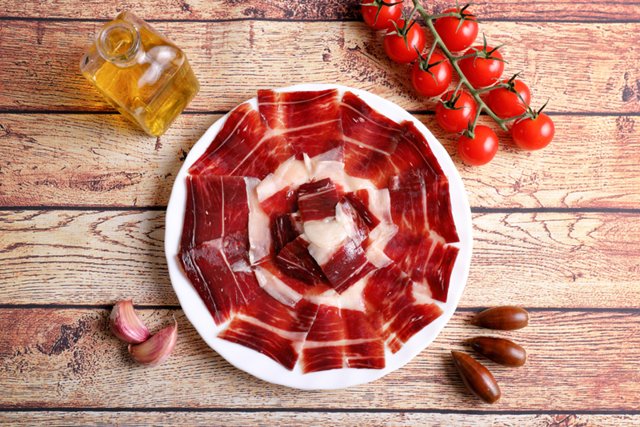
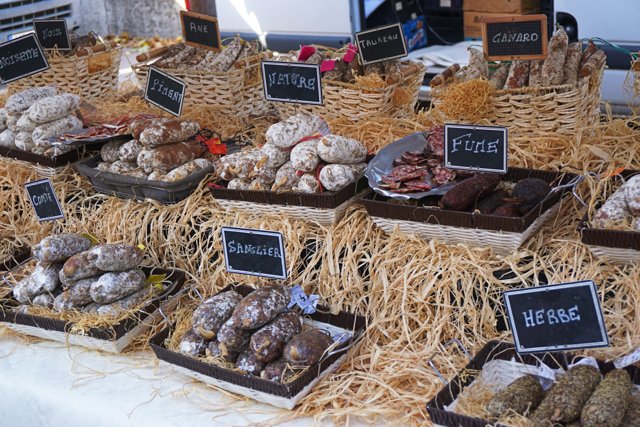
Traditional restaurants known as bouchons serve hearty regional dishes such as quenelles, saucisson lyonnais, and other classic specialties that reflect the region’s agricultural heritage. Markets also play an important role in the city’s culinary identity, bringing together producers, bakers, cheesemongers, and wine merchants.

One of the best places to experience this culture is Les Halles de Lyon Paul Bocuse, an indoor market named after the legendary chef Paul Bocuse, whose influence helped shape Lyon’s international reputation for gastronomy.

City Rhythm

Life in Lyon follows a rhythm shaped by food, neighbourhood life, and the changing seasons.

Mornings begin in cafés and bakeries, while markets gradually fill with shoppers and restaurant owners sourcing ingredients for the day’s menus. Lunchtime remains an important social moment, often stretching into long conversations over traditional dishes and local wine.

As evening approaches, terraces fill across the Presqu’île and along the riversides. Locals gather with friends, restaurants grow lively, and the city’s culinary culture moves from preparation to celebration.

Things to Do

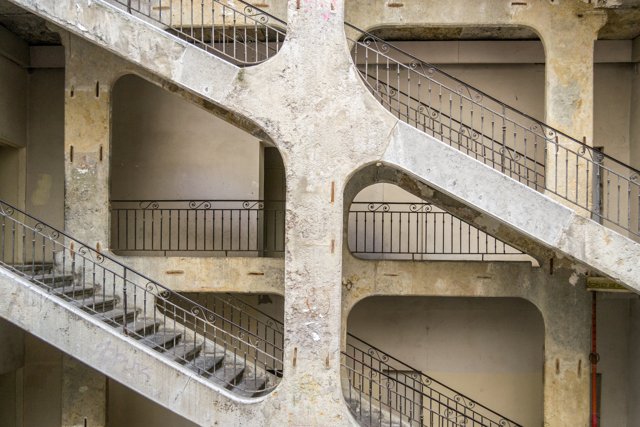
Exploring Vieux Lyon is often the best way to begin discovering the city. Its Renaissance streets hide a network of passageways known as traboules, originally used by Lyon’s silk merchants to move fabrics through the city while protecting them from rain. Today, finding these hidden corridors is almost a small treasure hunt that reveals a quieter side of the historic district.

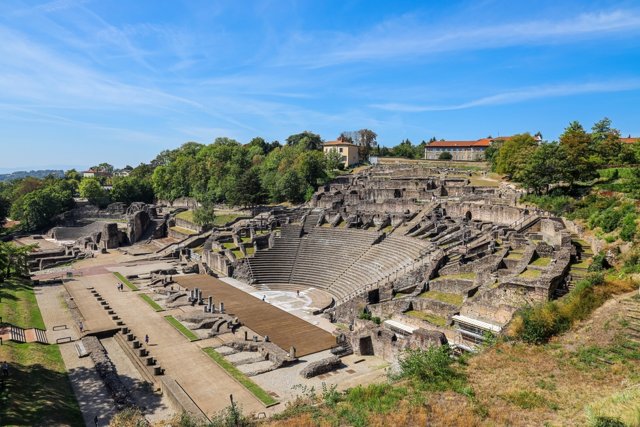
Above the old town rises the hill of Fourvière, where the white Basilica of Notre-Dame de Fourvière watches over the city. Just steps away, the ancient Roman theatres remind visitors that Lyon began as Lugdunum, one of the most important cities of Roman Gaul. From this hillside, sweeping views reveal the two rivers and the peninsula that forms the heart of modern Lyon.

Food is never far from the experience of the city. Traditional bouchons continue to serve the hearty dishes that shaped Lyon’s culinary reputation, while the celebrated market Les Halles de Lyon Paul Bocuse brings together some of the region’s finest producers. Between hidden passageways, hilltop views and long meals shared around crowded tables, Lyon reveals itself as a city best discovered slowly.

Best hotels in Lyon

Frequently asked questions

Why is Lyon considered the gastronomic capital of France?

Its reputation as a culinary capital comes from its long food tradition and the influence of generations of chefs who shaped French gastronomy. The city is famous for its traditional bouchons, lively food markets, and its connection to legendary chef Paul Bocuse, whose work helped bring Lyon’s cuisine to international recognition.

Is Lyon worth visiting if you’ve already been to Paris?

Yes. While Paris offers grand monuments and global landmarks, Lyon provides a different experience centred on historic neighbourhoods, riverside walks, and one of France’s most celebrated food cultures. Many visitors find that Lyon feels more local and relaxed while still offering a rich cultural and culinary scene.

How many days should you spend in Lyon?

For a first visit, two to three days is usually enough to explore the historic districts, enjoy the city’s food culture, and visit key landmarks such as Vieux Lyon and the hill of Fourvière. Staying a little longer also allows time for day trips into the surrounding wine regions.

Is Lyon a walkable city?

Yes. Many of Lyon’s main districts, particularly the Presqu’île and Vieux Lyon, are easy to explore on foot. However, the city is larger than many visitors expect, so public transport can be useful for reaching neighbourhoods further from the centre.

What is Lyon famous for?

Lyon is best known for its historic architecture, its location between the Rhône and Saône rivers, and its outstanding food culture. The city’s traditional restaurants, markets, and culinary heritage have helped establish Lyon as one of the most influential gastronomic destinations in France.

When is the best time to visit Lyon?

Spring and early autumn are often the most pleasant times to visit, with mild temperatures and fewer crowds. Winter also has its own appeal thanks to the famous Fête des Lumières, when the city’s buildings and streets are illuminated with artistic light installations each December.

Top destinations