Paris

A city of lovers, artists, and timeless style, Paris seduces without even trying.

  • Paris

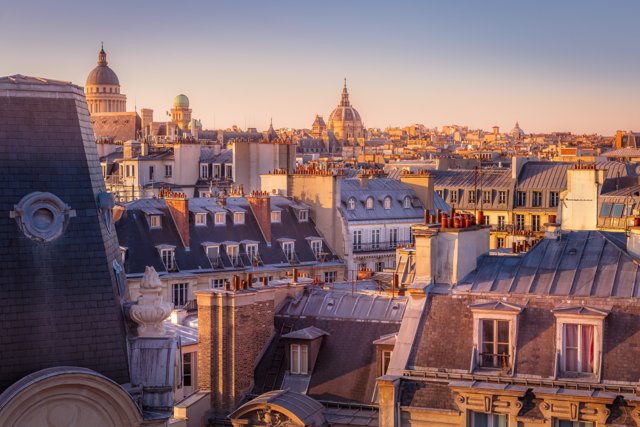
    Hardly any city occupies such a powerful place in the imagination of travellers as Paris. From the understated elegance of its tree-lined boulevards and iconic landmarks to the bohemian spirit of Montmartre, the French capital exudes an effortless sophistication.

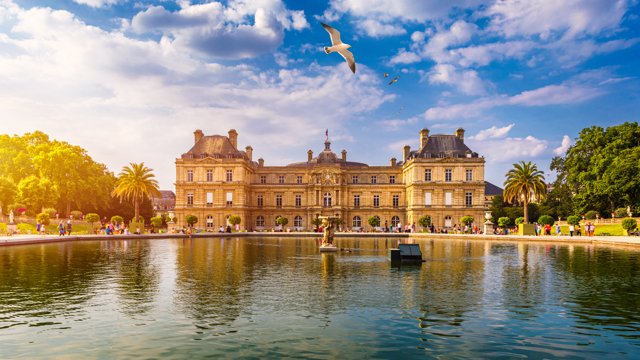
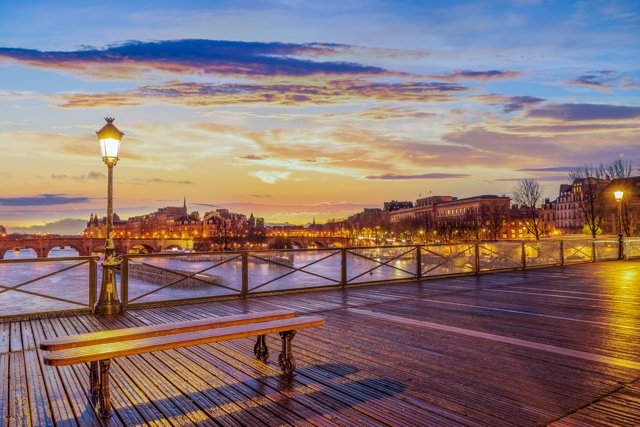
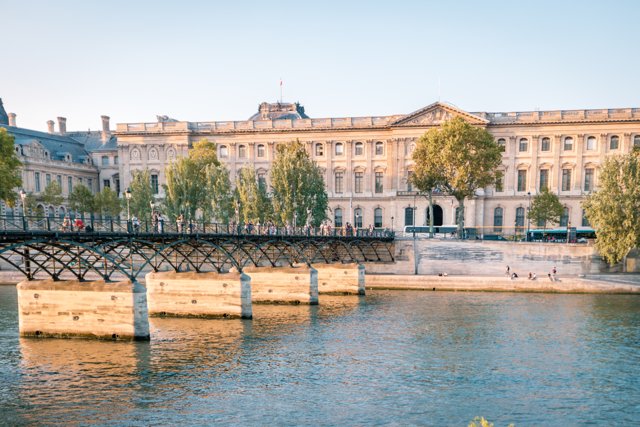
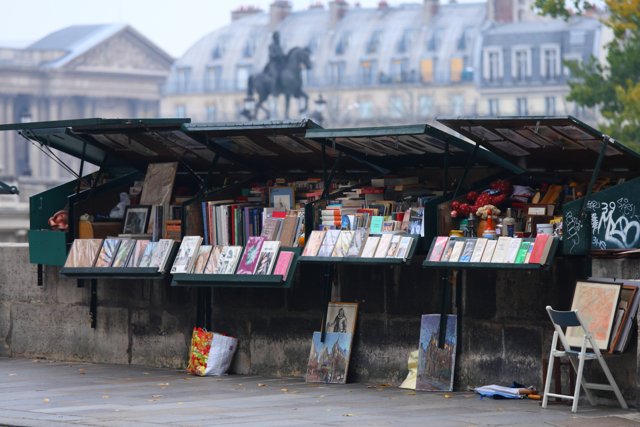
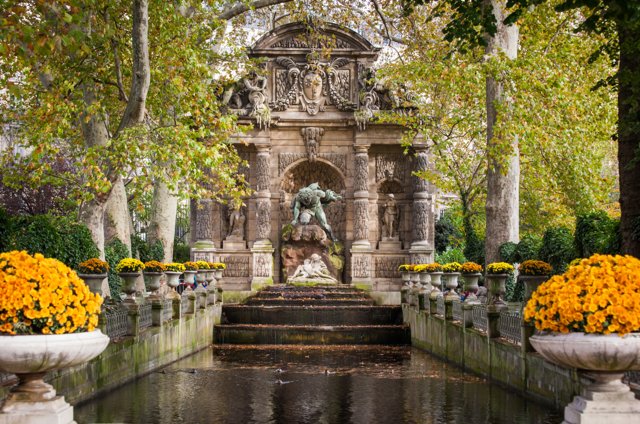
    A cradle of art, fashion, food, literature, and ideas, the City of Light has long been a magnet for the restless, the creative, and the dreamers. Hemingway, Fitzgerald, Picasso, Dalí, and van Gogh all came here searching for something difficult to name but instantly recognisable once found — that elusive je ne sais quoi that fills the cafés, terraces, and riverbanks. Paris can feel grand and theatrical, yet its real charm lies in everyday moments: an afternoon on a terrace, the bouquinistes along the Seine, or a stroll beneath the chestnut trees of the Jardin du Luxembourg.

    Paris has a way of getting under your skin, slowly and quietly, until one day you realise the feeling so many have written about is true: the city is not just a place you visit, but somewhere you can imagine yourself living.
Unique experiences in Paris

What to do in Paris

Plan your trip

Entry Requirements & Travel Documents

France is part of the Schengen Area. Therefore, EU and EEA citizens can enter the country with a valid passport or national ID card. Many non-EU travellers from visa-exempt countries may stay up to 90 days within a 180-day period without a visa, subject to passport validity requirements that vary by nationality.

From late 2026, travellers from many visa-exempt countries, including the United Kingdom, United States, Canada, Brazil, Japan, and Australia, will need to apply online for ETIAS (European Travel Information and Authorisation System) before travelling to France and other Schengen countries for short stays. Until ETIAS becomes operational, passport-only entry remains in place.

Be sure to always verify entry requirements with official government sources before departure, as conditions can change.

Money, Currency & Paying in Paris

The official currency in France is the euro (€, EUR). When it comes to paying, Paris is almost entirely digital. Contactless payments are the standard in most restaurants, museums, shops, and public transport. You will rarely find a spot that doesn't accept major debit or credit cards, though some establishments may set a minimum spend for card payments.

Having said that, carrying a small amount of cash is also advisable for smaller shops, street markets, and quick purchases.

ATMs (distributeurs) are widely available, and withdrawing euros from major bank machines usually offers better exchange rates than airport currency counters.

Weather, Seasons & When to Visit

Paris has a temperate climate with four distinct seasons. 

Spring and autumn are generally considered the best times to visit, offering mild temperatures and fewer crowds than the peak summer months. The former is the classic choice, though sudden giboulées (brief spring showers) are common. Autumn, by contrast, brings crisp air and golden parks, giving the city a slightly calmer, more refined atmosphere.

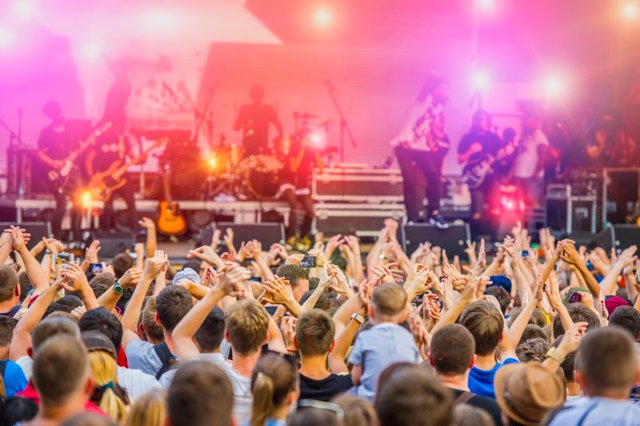
Summer offers long daylight hours and a vibrant outdoor culture, from bustling terraces to open-air events. It can be glorious, though it also brings occasional heatwaves. During this time, the riverbanks host Paris Plages, when stretches of the Seine River are transformed into temporary urban beaches.

Winter is cooler and often grey, but the city takes on a different charm, with festive lights, Christmas markets, and fewer visitors at major attractions. Snow is possible but relatively rare.

Health Insurance

UK and EU visitors should carry a valid GHIC (Global Health Insurance Card) or EHIC (European Health Insurance Card), which provides access to medically necessary treatment within France’s public healthcare system. However, this does not replace full travel insurance, which is strongly recommended.

Non-EU travellers should arrange comprehensive medical insurance before arrival, as hospitals and clinics may request payment or proof of coverage for non-emergency care.

Pharmacies are widely available throughout Paris and are easily recognised by a green illuminated cross sign.

In an emergency, dial 112, the universal emergency number across the European Union.

Connectivity, Roaming & Mobile Data

Wi-Fi is widely available in hotels, cafés, museums, and public spaces throughout Paris. If your mobile plan is from an EU/EEA provider, roaming in France is generally included at domestic rates under EU “Roam Like at Home” rules, subject to fair-use limits. If your provider is outside the EU/EEA, roaming charges may apply, so check before departure. 

Visitors from outside the EU may find it more economical to purchase a prepaid SIM card or eSIM. Major French mobile operators such as Orange and SFR offer prepaid data packages that can be purchased at airports, electronics stores, and mobile phone shops across the city.

Airport & Main Arrival Hubs

Most international travellers arrive via Paris Charles de Gaulle Airport (CDG),the largest airport serving Paris and one of Europe’s busiest hubs. Located about 25 km northeast of the city centre, it handles the majority of long-haul and intercontinental flights.

The city’s second airport, Paris Orly Airport (ORY), lies about 13 km south of the centre and primarily serves European and domestic routes.

Budget airlines often operate from Beauvais–Tillé Airport (BVA), located roughly 80 km north of Paris. Despite being marketed as a Paris airport, the journey to the city takes significantly longer.

Main Train Stations

Paris is one of Europe’s major rail hubs, with several large stations connecting the city to destinations across France and neighbouring countries.

The busiest one is Gare du Nord, serving northern France, Belgium, the Netherlands, and the UK via Eurostar. Gare de Lyon is the main departure point for high-speed trains to southern France, Switzerland, and northern Italy. Gare Montparnasse handles routes to western France, while Gare Saint‑Lazare mainly serves regional routes to Normandy.

Two additional stations are worth noting. Gare de l’Est, located a short walk from Gare du Nord, connects Paris with eastern France, Luxembourg, and Germany. Gare d’Austerlitz serves trains to the Loire Valley, central France, and several overnight routes.
All of these stations are located within the city and connect directly to the metro and regional rail network.

From the Airport / Station to the City Centre

From Paris Charles de Gaulle Airport, the fastest public transport option is the RER B suburban train, which reaches central Paris in about 30-40 minutes.

From Paris Orly Airport, the automated Paris Métro Line 14 connects the airport directly to the city centre in roughly 25 minutes.

Travellers arriving at Beauvais–Tillé Airport should allow more time. Dedicated airport coaches run to Porte Maillot in western Paris, with a journey of roughly 75-90 minutes, depending on traffic.

Taxis are available at all airports and operate on fixed flat fares between the airport and the city.

Train stations within the city are already well connected by metro, buses, and taxis, making onward travel straightforward.

Taxis & Ride-Hailing Services

Official taxis are widely available throughout Paris and are easily recognised by the illuminated “TAXI” sign on the roof. Parisian taxis do not have a uniform colour; vehicles are typically black, grey, or silver.

Ride-hailing services such as Uber, Bolt, and FreeNow are widely used across the city. For licensed taxis booked via an app, G7 Taxi is the most established local platform.

Arrival Tips & Common Mistakes to Avoid

  • Avoid unlicensed taxis. Drivers never approach passengers inside airport terminals. Ignore anyone offering a ride and follow the signs to the official taxi rank.
  • Keep your transport ticket. On the metro and RER, you’ll need it to exit the station gates, and inspectors sometimes check near the barriers.
  • Plan ahead for Beauvais Airport, as it is far from Paris, and the shuttle journey to the city takes about 75-90 minutes.
  • Book major attractions in advance. Popular museums and exhibitions often sell out. Booking online can save significant time waiting in line.
  • Watch for bikes and scooters. Paris streets are shared with cyclists and e-scooters, and bike lanes may run beside or against traffic. Always look both ways before crossing.
Public Transport & Zones

Public transport in Paris is efficient, extensive, and often the fastest way to move around the city. The network, operated mainly by RATP, includes the Paris Métro, RER suburban trains, buses, trams, and the Montmartre Funicular.

The metro forms the backbone of the system, serving most neighbourhoods with trains arriving every few minutes. The RER trains run faster and connect central Paris with outer districts and nearby suburbs.

For short distances, walking is often quicker than taking the metro for one or two stops.

Late at night, when metro services stop, the Noctilien night buses continue running across the city.

Tickets & Passes

Public transport in Paris uses the Navigo Easy Card, a rechargeable card that can be loaded with single tickets or day passes. It can also be added to a smartphone through official transport apps.

Unlimited travel is available through the Navigo Découverte Pass, which offers weekly or monthly travel across multiple zones. Visitors may also consider the Paris Visite Pass, designed for tourists and including transport to the airports.

Walking & Cycling

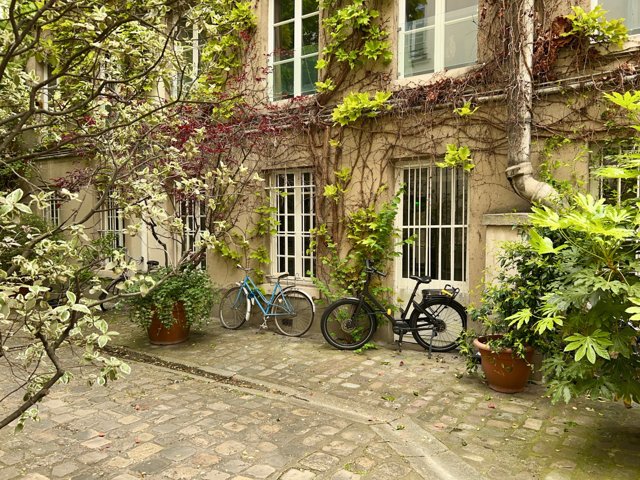
Paris is considered one of Europe’s most walkable cities, with many landmarks within easy reach of one another. Exploring on foot is often the best way to discover neighbourhood cafés, small boutiques, and hidden courtyards along the way.

The city has also undergone a major cycling transformation. With more than 1,000 km of bike lanes, cycling is now often faster than driving across central Paris.

Visitors can rent bikes through Vélib’ Métropole, the city’s public bike-sharing system, with hundreds of stations across Paris. Dedicated cycling paths along the Seine River and car-free riverbanks make riding particularly enjoyable in good weather.

Despite the expanding cycle lanes, Paris remains a city built for the flâneur. Walking through its streets, whether wandering the hills of Montmartre or strolling along the Seine, is often the best way to discover its character.

Nearby Destinations / Day Trips

Thanks to France’s TGV (Train à Grande Vitesse), several remarkable destinations lie within easy reach of Paris.

The most opulent is the Palace of Versailles, about 40 minutes away via the RER C. Admire the lavish Hall of Mirrors, the sprawling formal gardens, and the private retreat of Marie-Antoinette.

Art lovers often head to Giverny, where Claude Monet created the gardens that inspired his famous water lily paintings.

Other rewarding excursions include the medieval town of Provins, the Champagne capital Reims, or the island abbey of Mont‑Saint‑Michel.

Families may prefer Disneyland Paris, where visitors can unleash their inner child just 40 minutes away on the RER A.

For a quieter alternative to Versailles, the Palace of Fontainebleau offers magnificent royal interiors surrounded by a vast forest popular with hikers and climbers.

Accessibility & Basic Safety Tips

Accessibility across Paris varies. Many older metro stations lack lifts or step-free access, which can make travel difficult for visitors with reduced mobility. Buses and most RER trains are generally more accessible and easier to navigate with wheelchairs, luggage, or strollers.

As in any major capital, remain aware of your belongings in crowded places such as metro stations, busy streets, and popular areas like the Eiffel Tower, Gare du Nord, and Montmartre.

Politely decline unsolicited approaches such as petitions, “lost ring” tricks, or street vendors attempting to place bracelets on your wrist. Common distractions are used to pressure visitors into paying. Around Sacré‑Cœur, some individuals may try to tie a “friendship bracelet” on your wrist and then demand money. A firm “Non, merci” and continuing to walk is usually enough.

On crowded metro lines, keep your bag in front of you and avoid placing phones or wallets in easily accessible pockets.

Language, Culture & Local Etiquette

French is the primary language in Paris, though English is widely understood in hotels, restaurants, and major attractions. 

A polite greeting goes a long way: always begin interactions with bonjour (or bonsoir in the evening) before asking a question. A simple “Excusez-moi, parlez-vous l’anglais?” is also appreciated.

Parisians often appear direct or hurried, but this reflects the pace of a busy capital rather than rudeness. Courtesy and discretion matter: greet shopkeepers when entering, keep conversations relatively quiet in cafés and on public transport, and allow passengers to exit the metro before boarding.
Restaurant bills include “service compris” (a mandatory service charge), meaning tipping is not required. Locals sometimes leave small change or round up the bill for particularly good service, but it remains entirely optional.

Neighbourhoods

Paris is divided into 20 neighbourhood districts known as arrondissements, which spiral outward from the historic centre like a snail shell. Lower-numbered arrondissements tend to be more central and historic, while higher numbers are generally more residential and local.

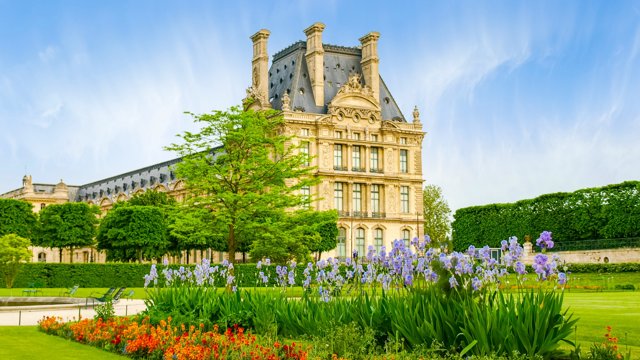
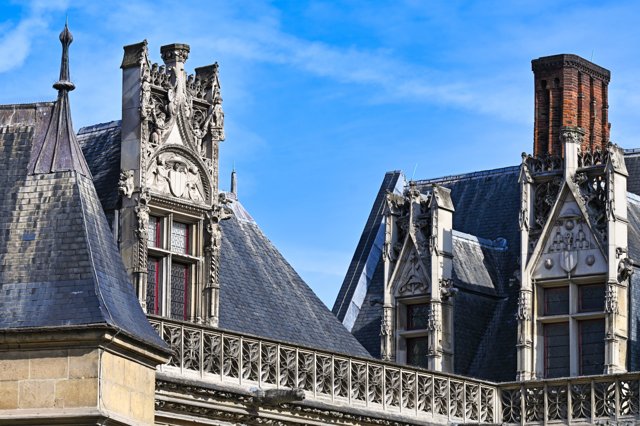
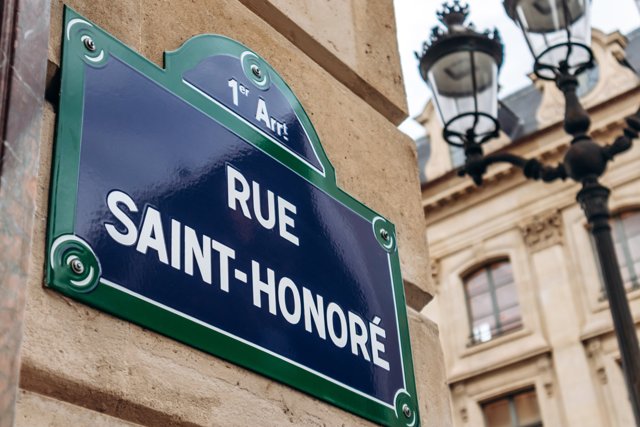
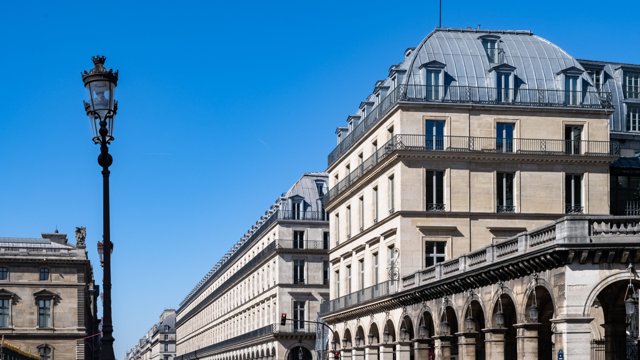
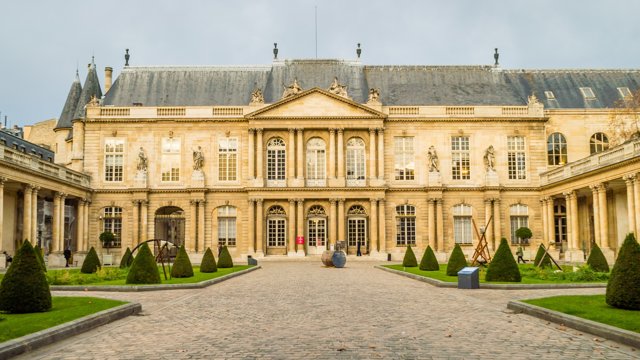
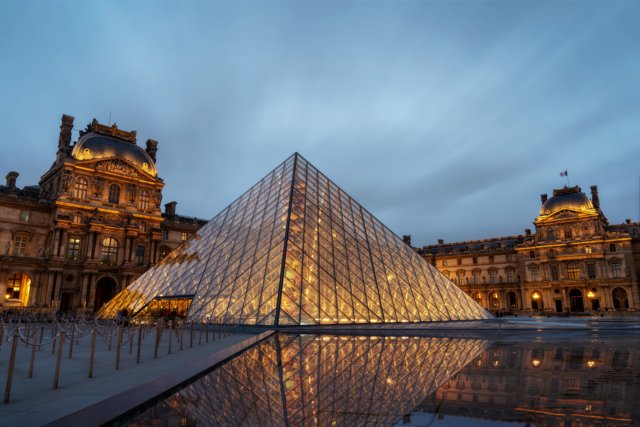
The 1st arrondissement forms the city’s central core around the Louvre Museum, with elegant arcades, formal gardens such as the Tuileries Garden, and some of Paris’s most classical architecture. 

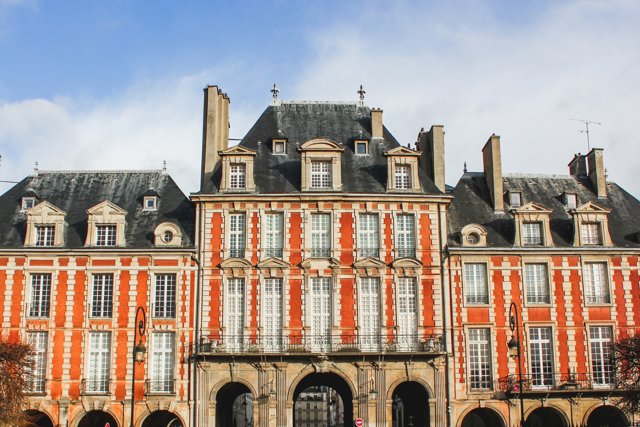
Nearby, Le Marais spans parts of the 3rd and 4th arrondissements, blending medieval streets with galleries, boutiques, and lively cafés. It is also known for its Jewish heritage and is one of the city’s most prominent LGBTQ+ communities, close to landmarks like Notre-Dame Cathedral.

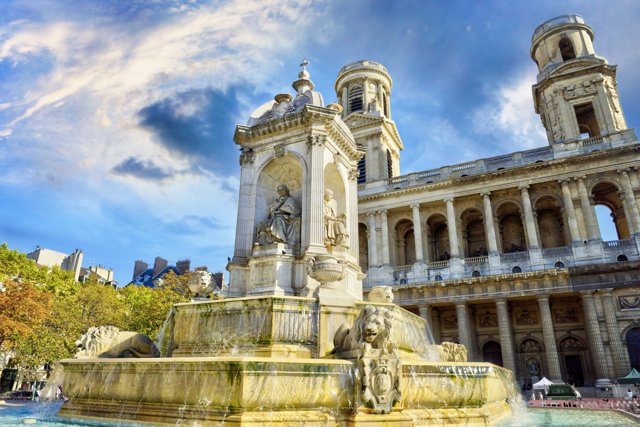
Across the river on the Left Bank, the Latin Quarter in the 5th arrondissement revolves around student life near Sorbonne University, with bookshops, jazz bars, cinemas, and affordable bistros. Just west, Saint‑Germain‑des‑Prés in the 6th arrondissement represents classic Parisian elegance, long associated with writers, philosophers, and literary cafés near the Jardin du Luxembourg.

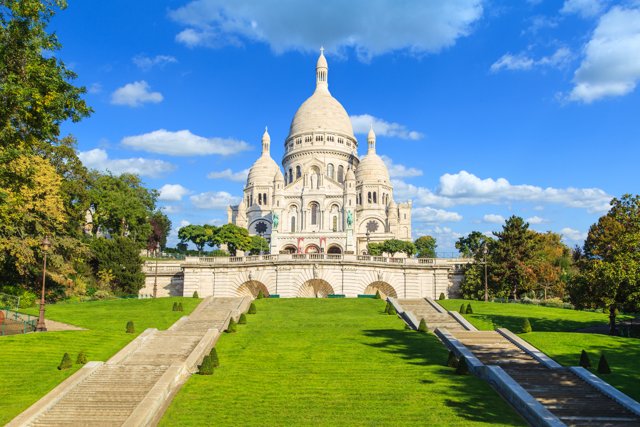
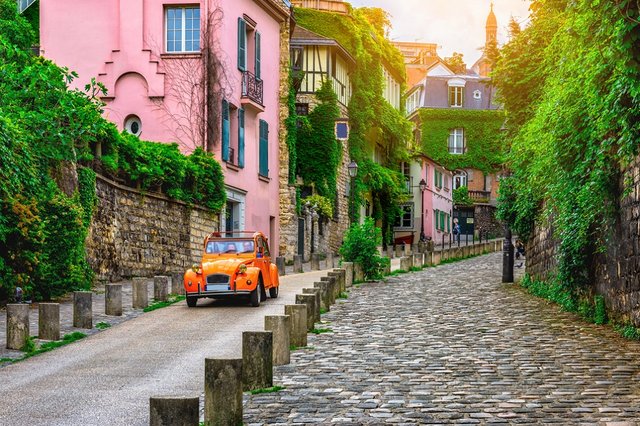
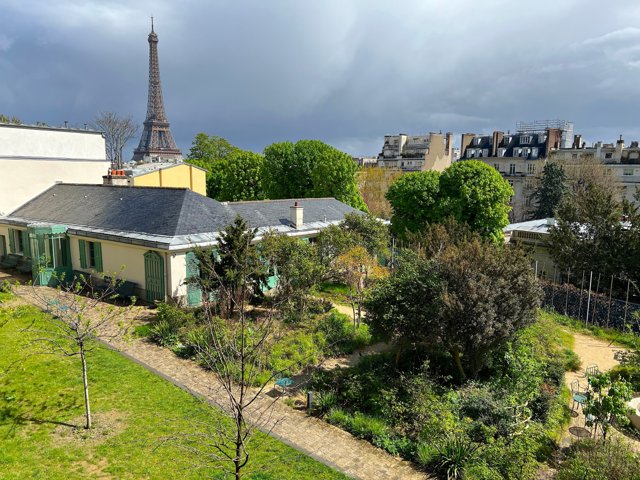
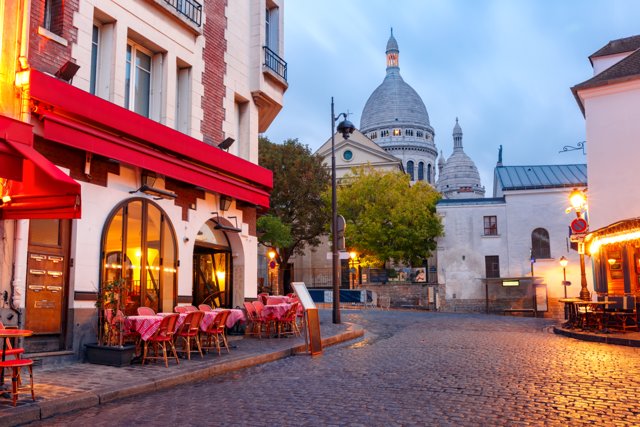
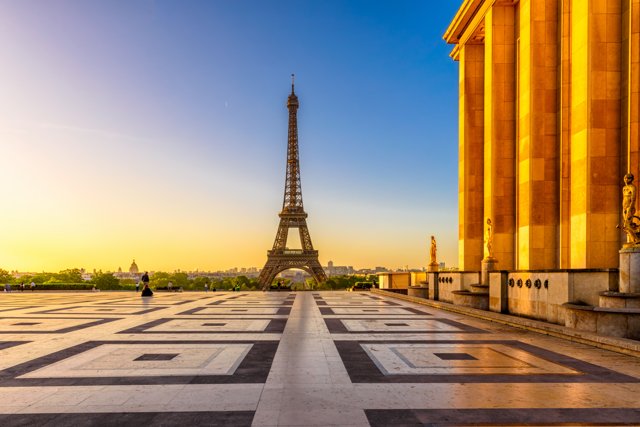
The 7th arrondissement offers a more stately atmosphere, centred around major cultural institutions and the city’s most recognisable landmark, the Eiffel Tower. Further north, Montmartre in the 18th arrondissement rises above the city with a distinctly bohemian character. Its winding streets, artists’ studios, and village feel surround the hilltop basilica of Sacré‑Cœur.

For a more contemporary local scene, the 10th arrondissement around Canal Saint‑Martin attracts young Parisians with independent cafés, natural-wine bars, and canal-side evenings. Nearby Pigalle mixes nightlife and cabarets, while Belleville has become one of the city’s most diverse and creative quarters.

Gastronomy

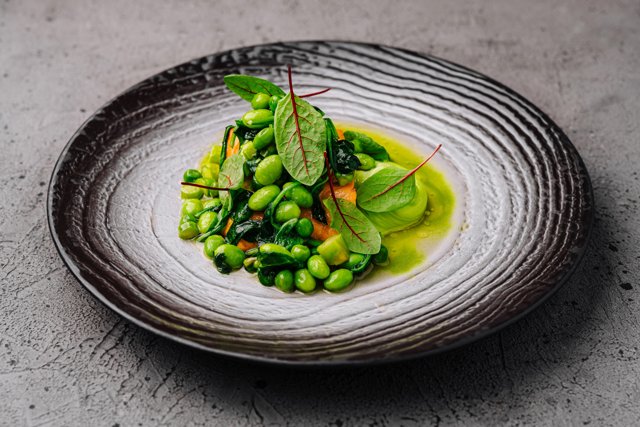
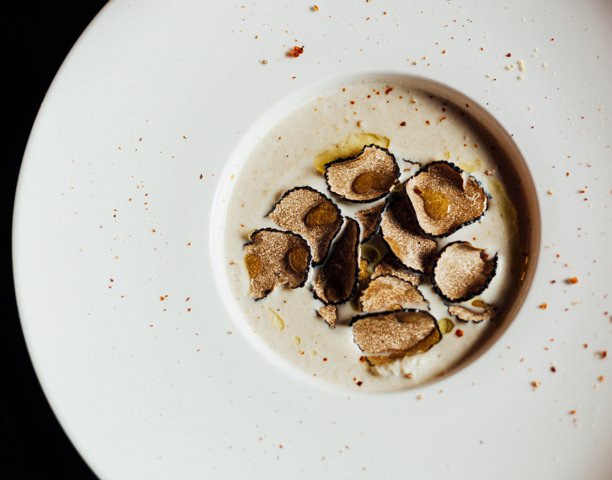
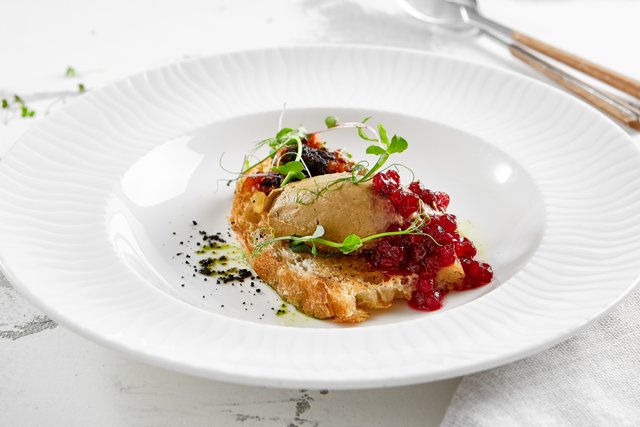
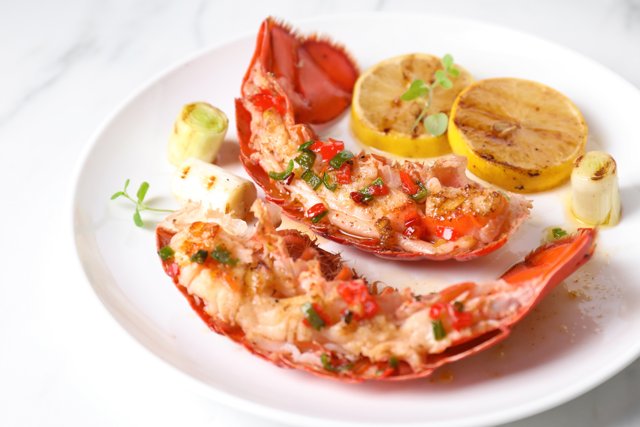
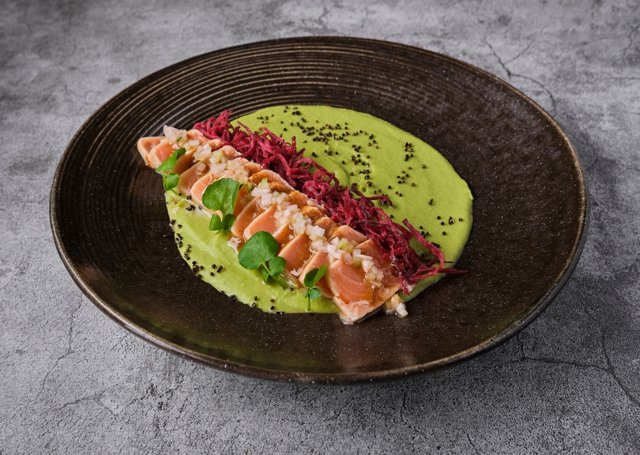
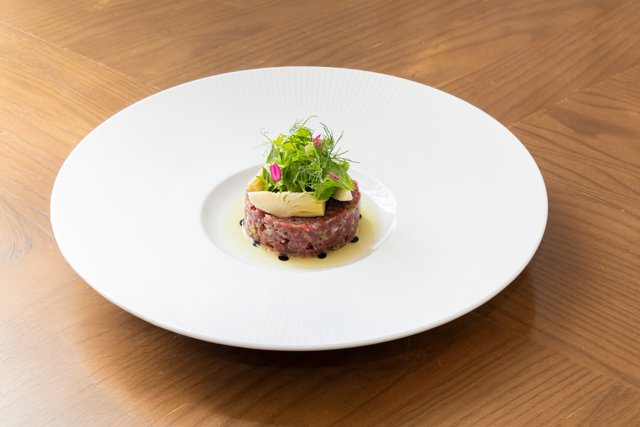
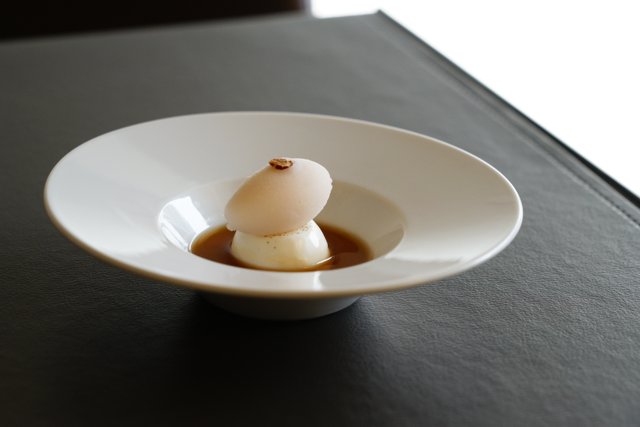
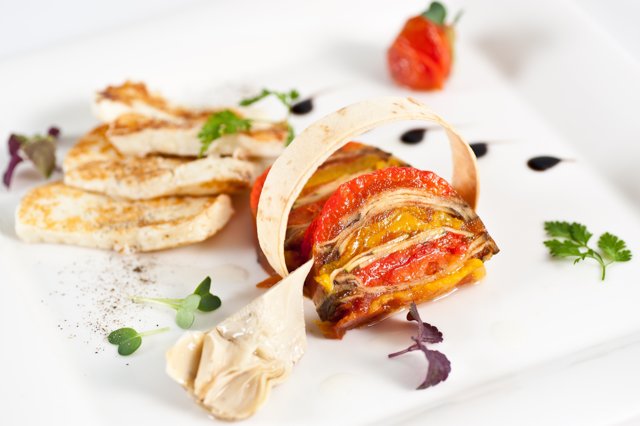
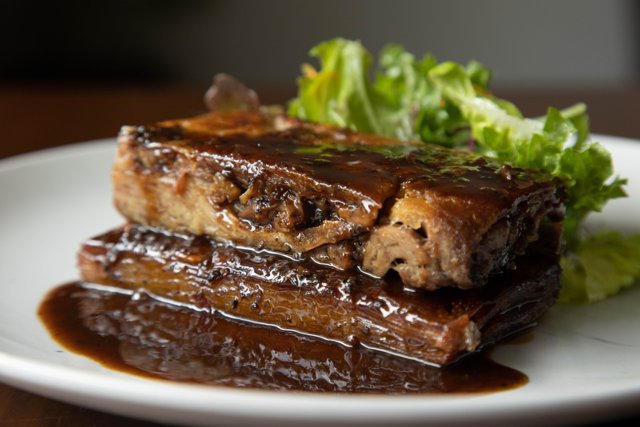
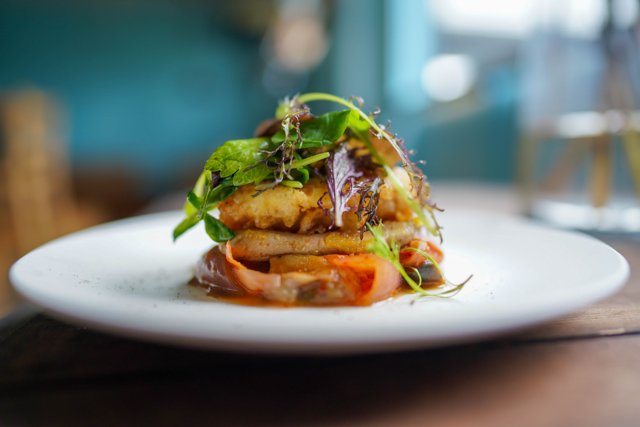
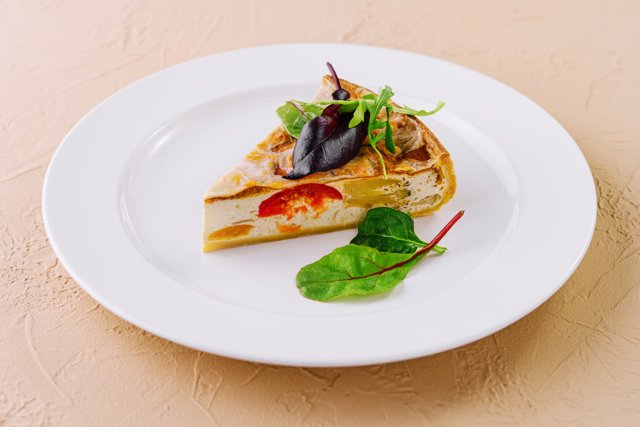
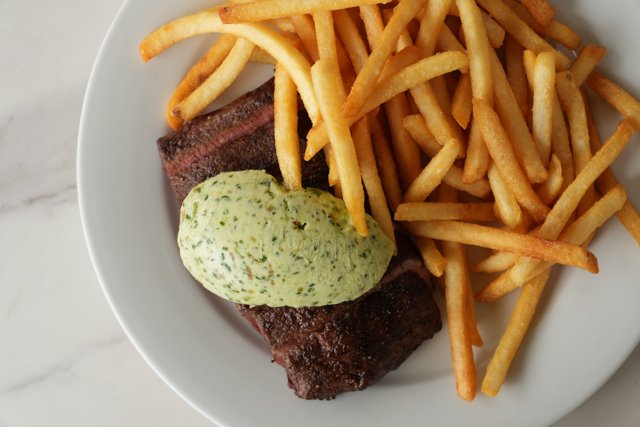
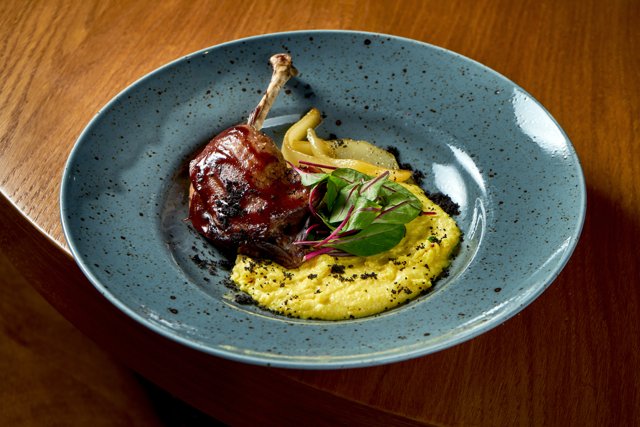
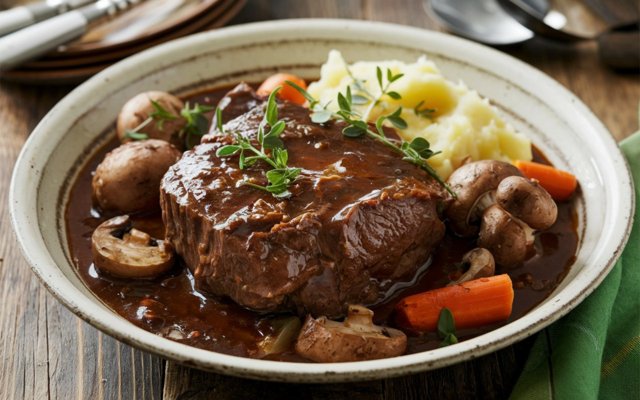
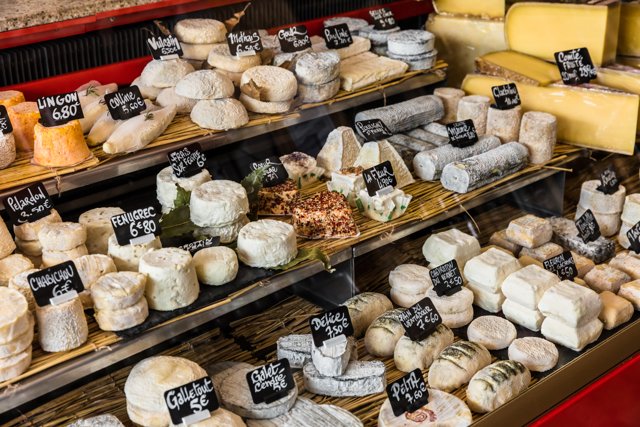
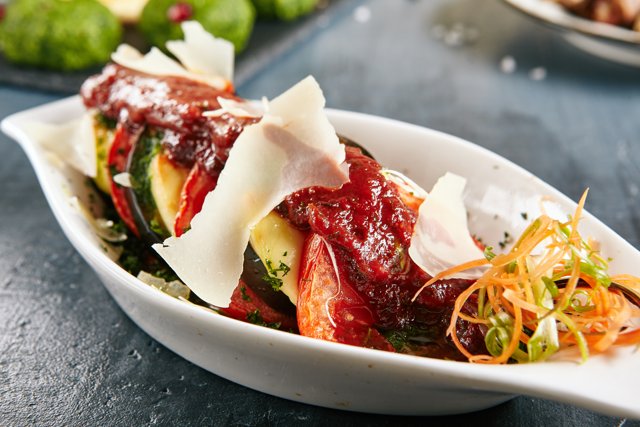
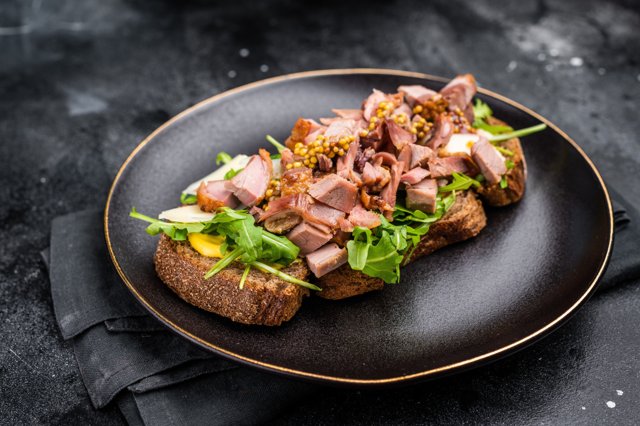
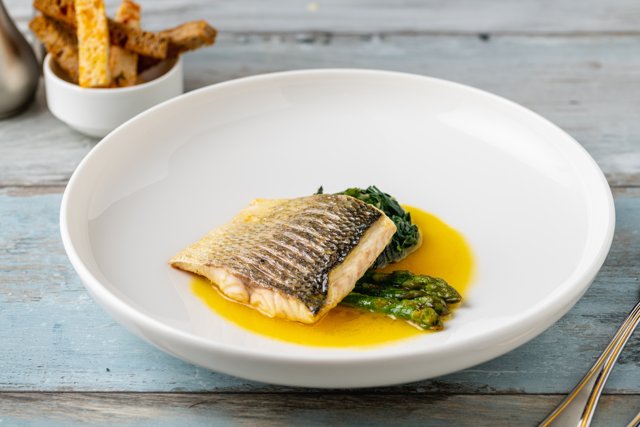
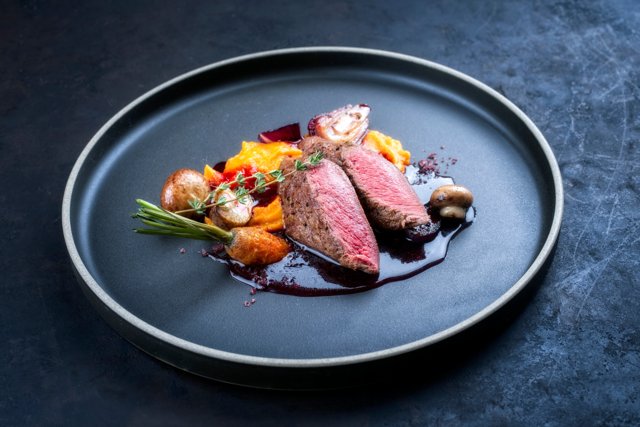
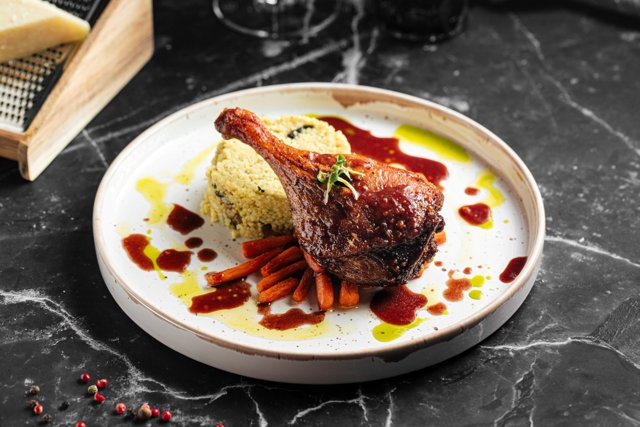
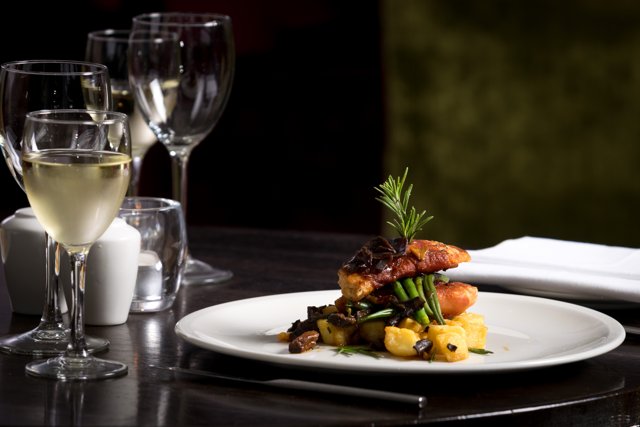
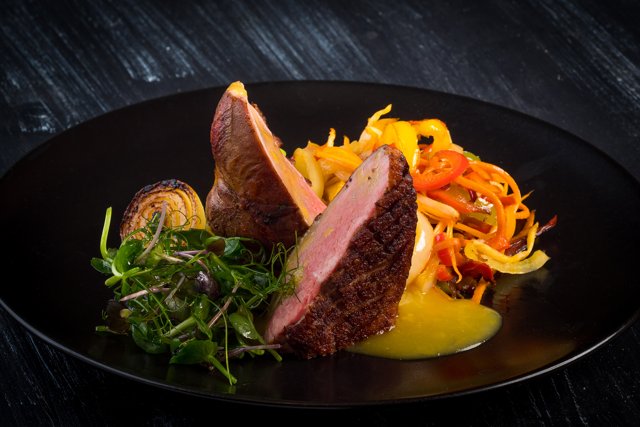
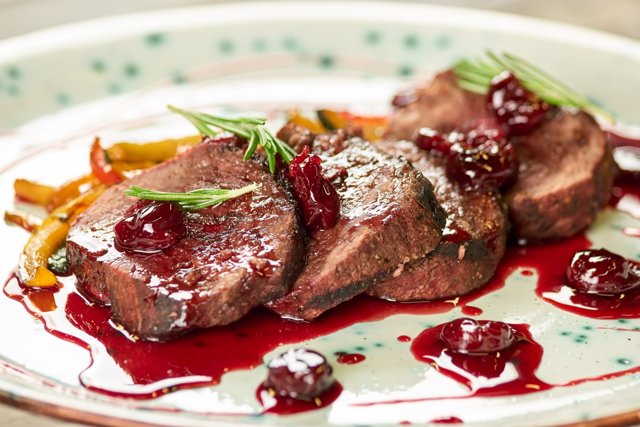
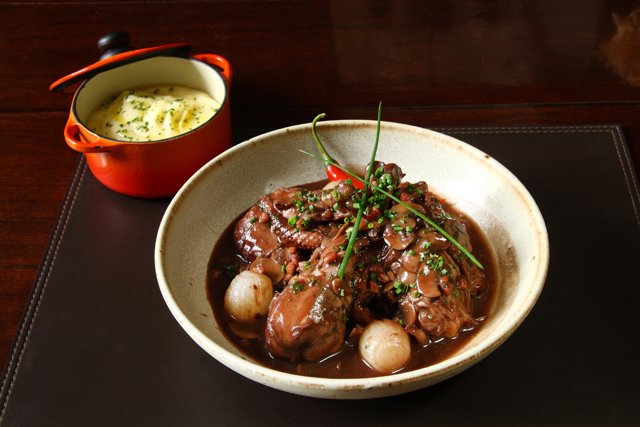
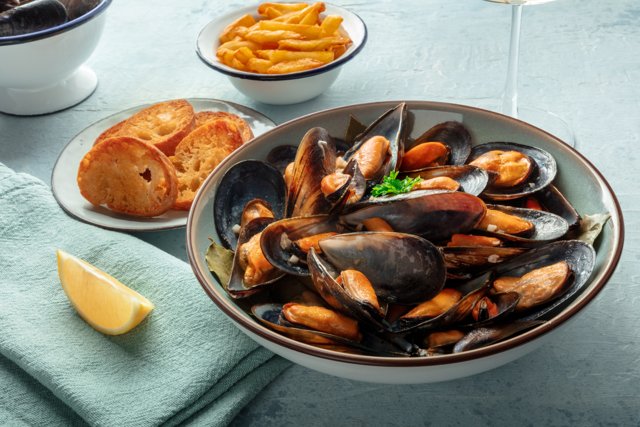
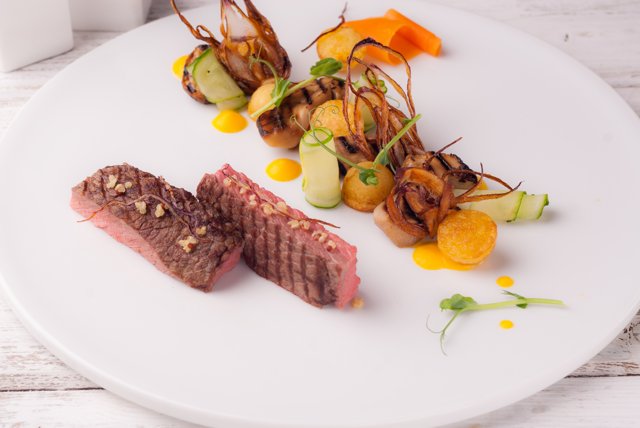
Dining in Paris ranges from traditional bistros and neighbourhood brasseries to one of Europe’s most diverse contemporary food scenes. Classic menus still feature dishes such as steak frites, French onion soup, confit de canard, and boeuf bourguignon.

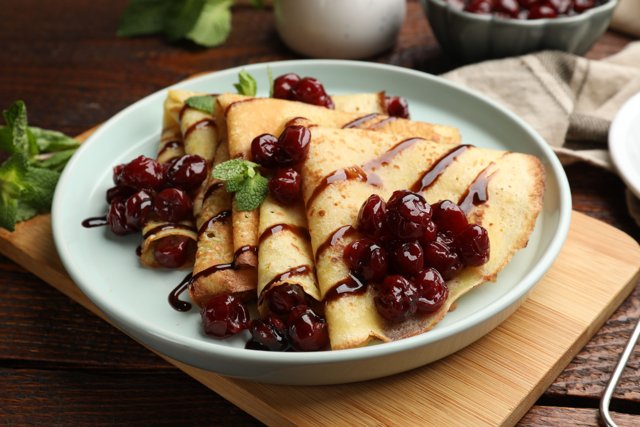
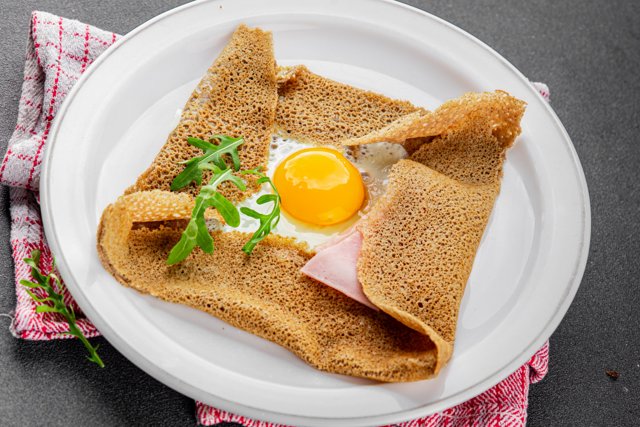
Quick bites are equally part of the city’s rhythm, from toasted croque monsieur sandwiches to savoury crêpe stands.

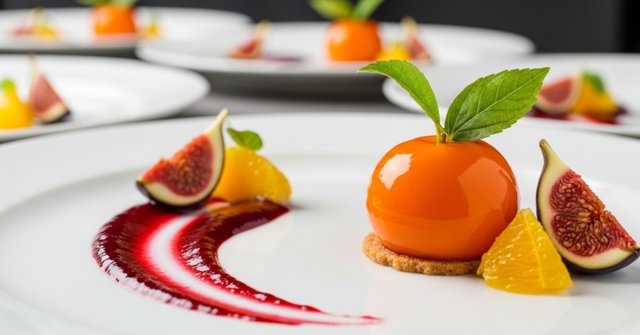
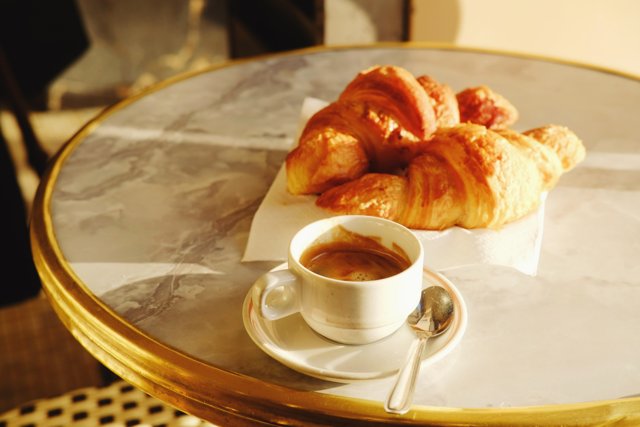
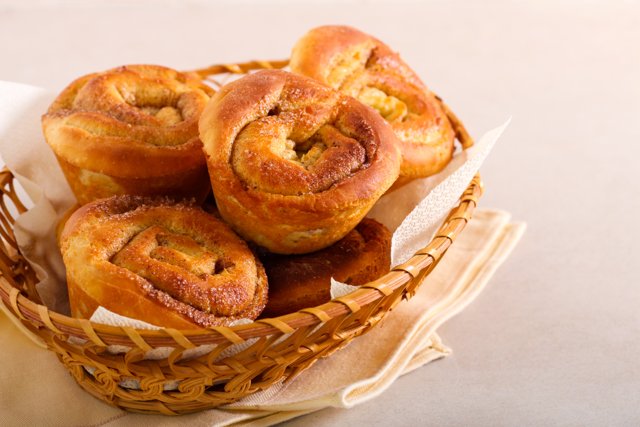
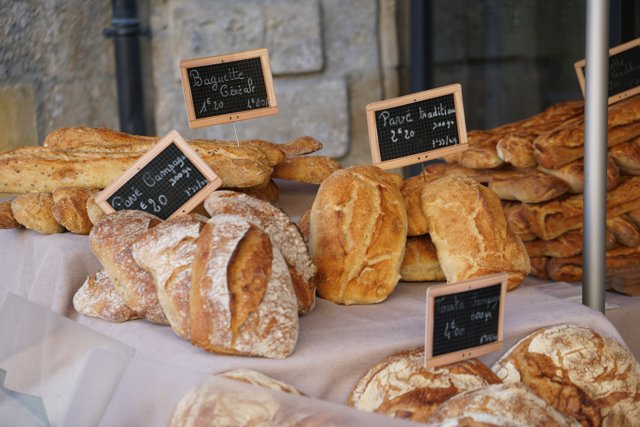
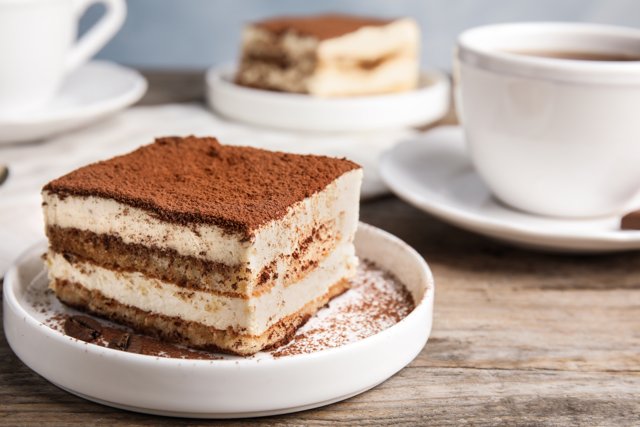
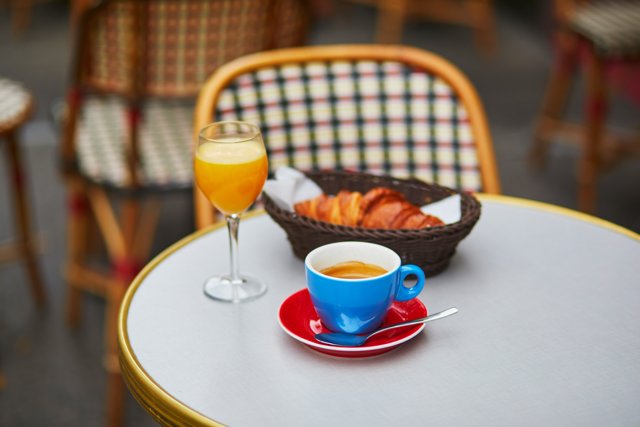
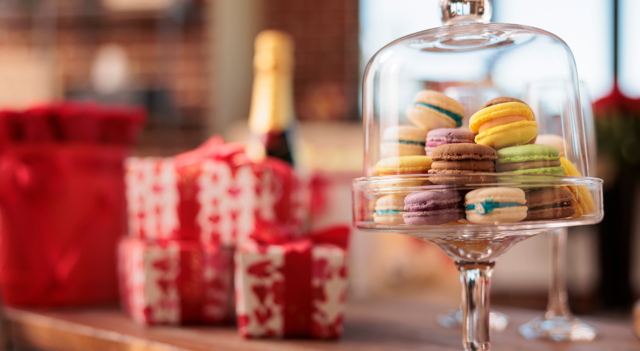
Bakeries and pâtisseries remain an essential stop, offering buttery croissants, chocolate-filled pain au chocolat, delicate macarons, caramelised tarte tatin, and airy chouquette pastries.

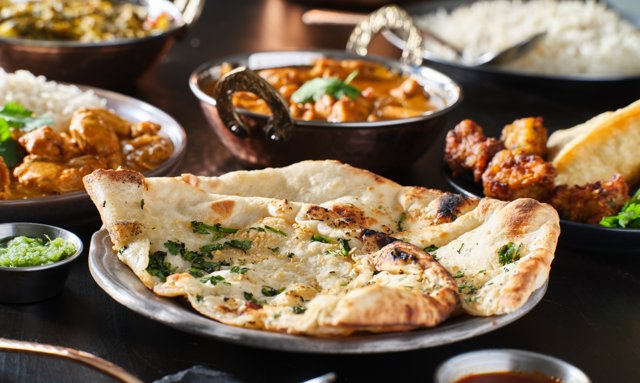
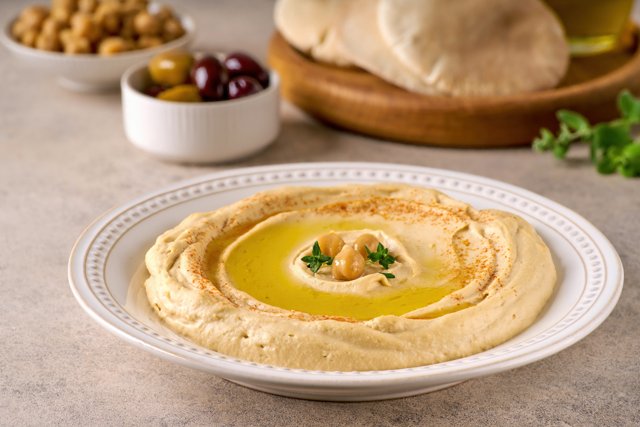
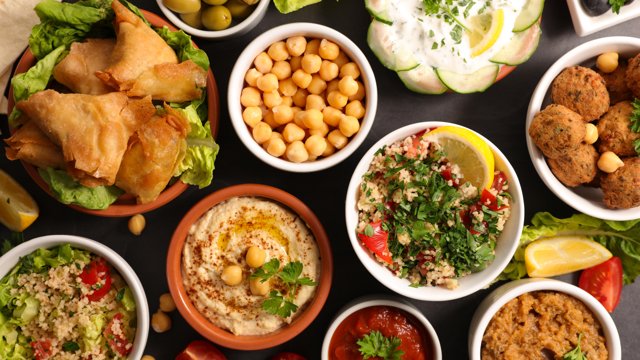
Beyond French classics, the city’s dining scene reflects its multicultural population, with excellent North African, Middle Eastern, Vietnamese, and West African restaurants scattered across many neighbourhoods.

City Rhythm

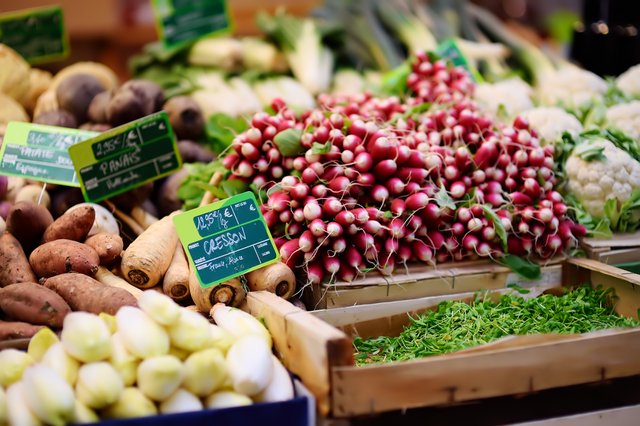
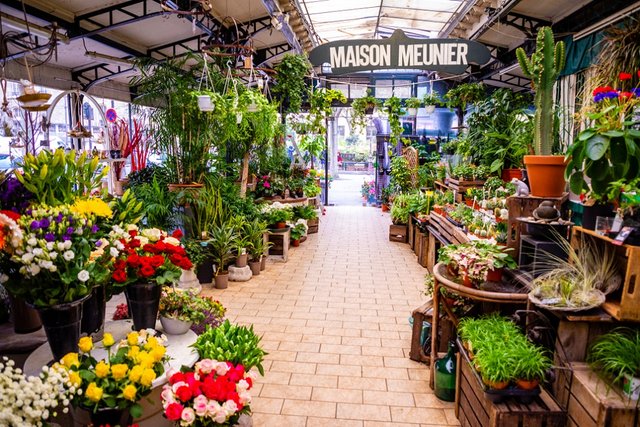
Paris moves to a pulse that is both frantic and profoundly slow. Mornings belong to the boulangeries. Markets open, cafés fill with the first espresso drinkers, and commuters stream into the Paris Métro. Between noon and 2 pm, the pace noticeably slows as bistros fill for seated lunches, a ritual many locals still treat as non-negotiable. 

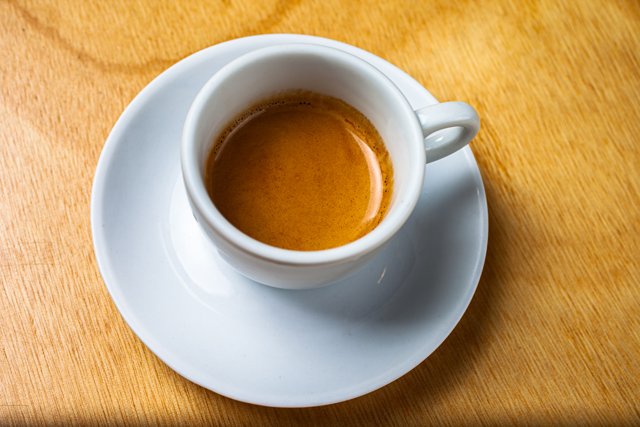
Lingering over a single espresso, a glass of wine, or an apéritif on a café terrace is the ultimate Parisian pastime. It is here, in the quiet theatre of the street, that the rhythm of Paris is most easily felt.

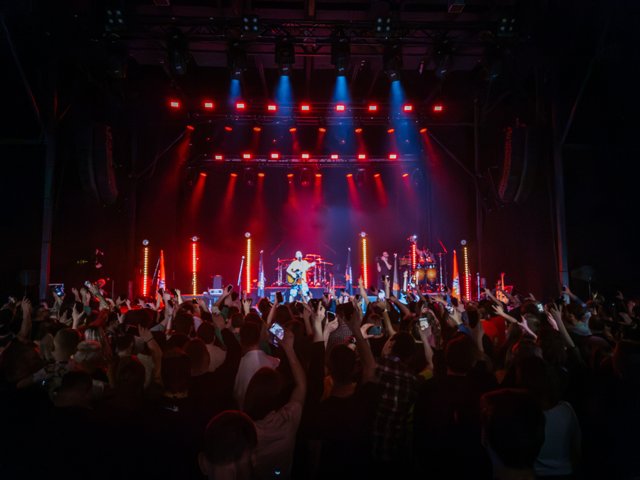
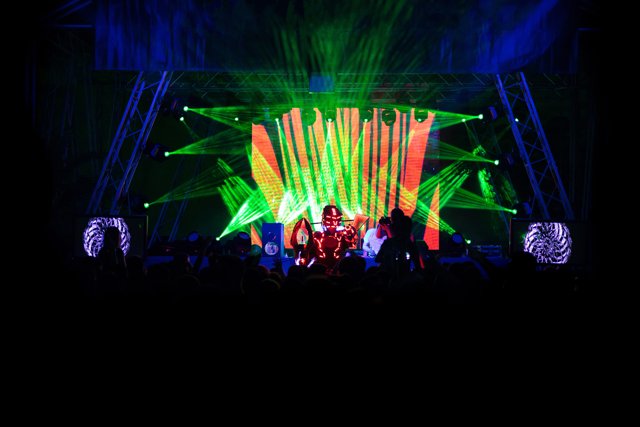
Evenings build gradually and rarely peak before 9 pm. Whether it’s the clink of glasses along Canal Saint-Martin or the hushed elegance of a wine bar in Saint-Germain-des-Prés, the night unfolds slowly, as if the city were exhaling after the day.

Things to Do

There’s rarely enough time to experience everything Paris has to offer. Its museums and monuments can occupy days, yet some of the city’s most memorable moments come simply from wandering its streets, discovering hidden squares, quaint cafés, and unexpected viewpoints.

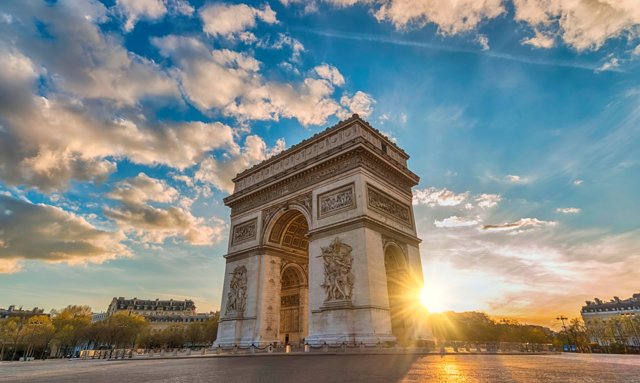
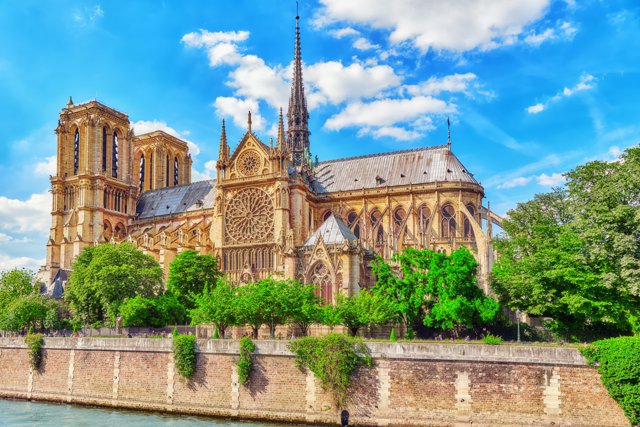
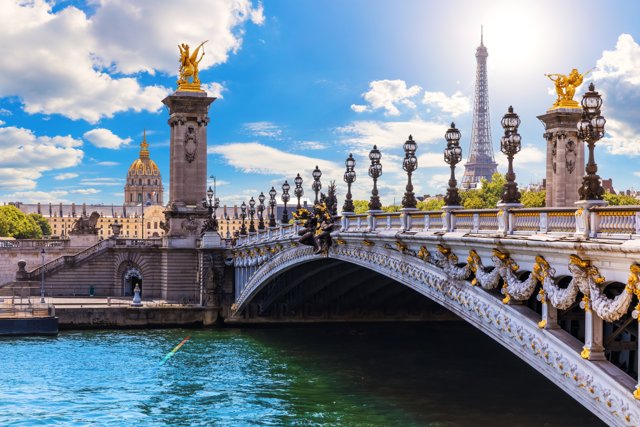
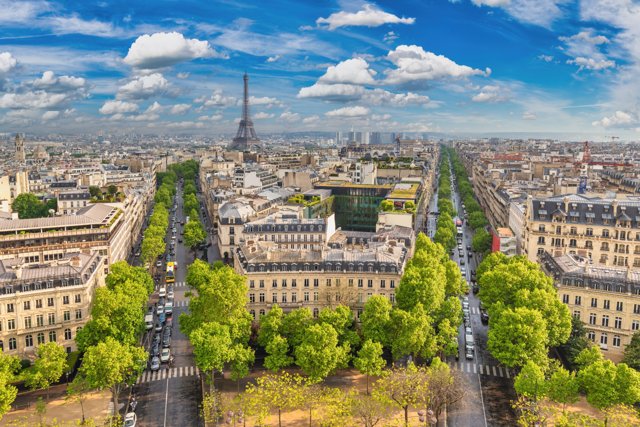
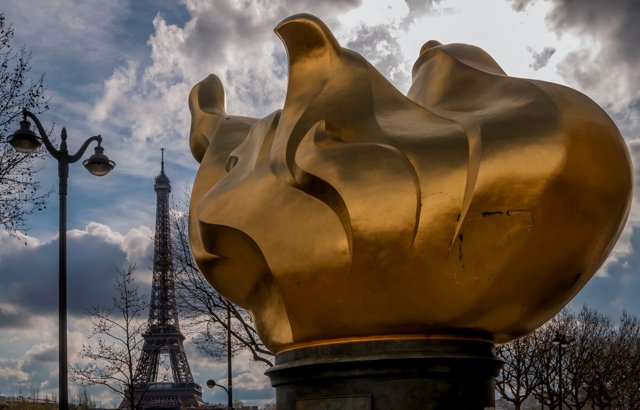
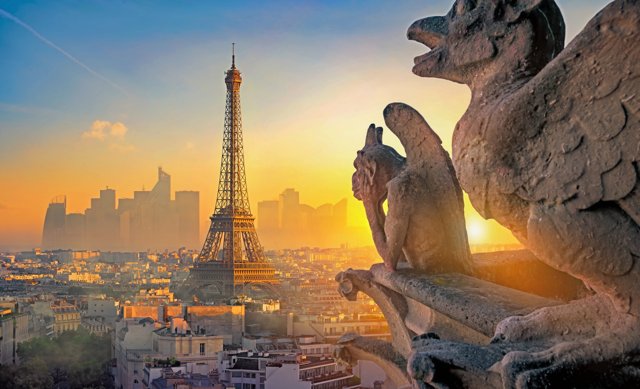
Begin with the city’s most recognisable landmarks. The Eiffel Tower remains the defining symbol of Paris, while the panoramic terrace of the Arc de Triomphe offers one of the best views over the city’s grand boulevards and the Champs-Élysées. Nearby, the restored Notre-Dame Cathedral continues to stand as one of Europe’s most remarkable Gothic landmarks.

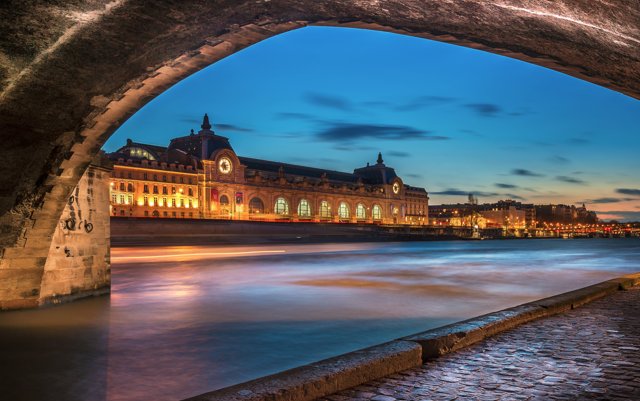
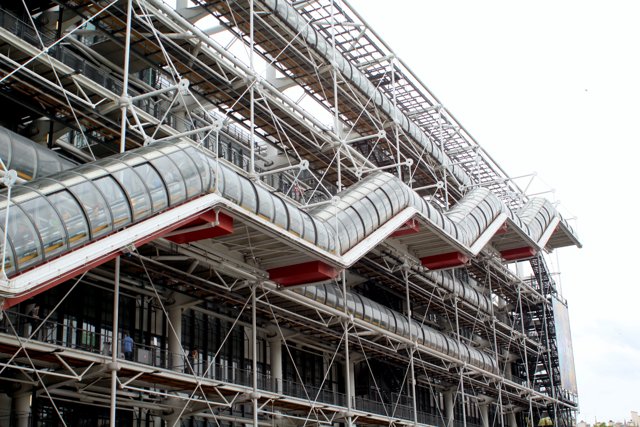
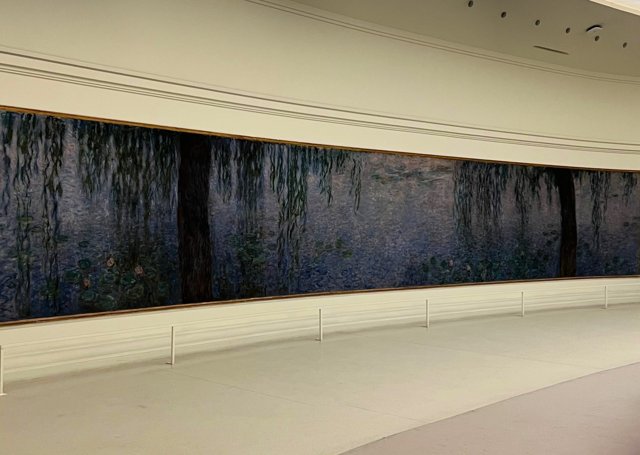
Paris is equally celebrated for its museums. The vast collections of the Louvre Museum, the Impressionist masterpieces inside the Musée d'Orsay, and the modern art of the Centre Pompidou make the city one of the world’s great cultural capitals.

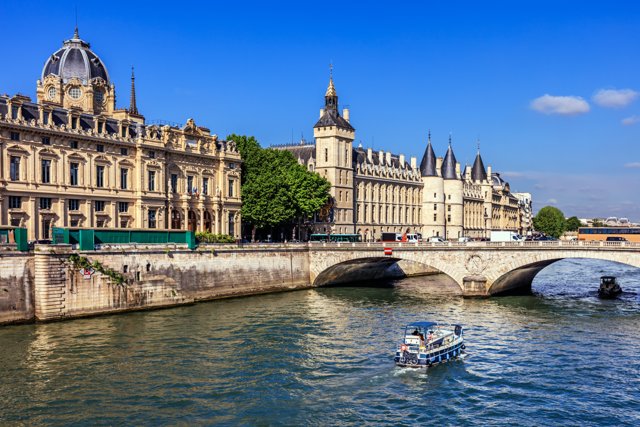
Some experiences reveal a different side of the capital. Descend beneath the streets into the eerie tunnels of the Paris Catacombs, or take a leisurely cruise along the Seine River, where many of the city’s landmarks can be admired from the water.

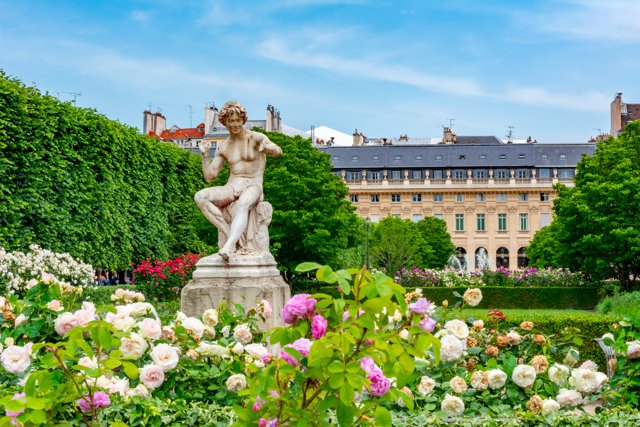
For a slower pace, stroll through the Jardin du Luxembourg, the city’s grandest backyard, or explore the hillside streets of Montmartre, long associated with painters and bohemian life and crowned by the white basilica of Sacré-Cœur.

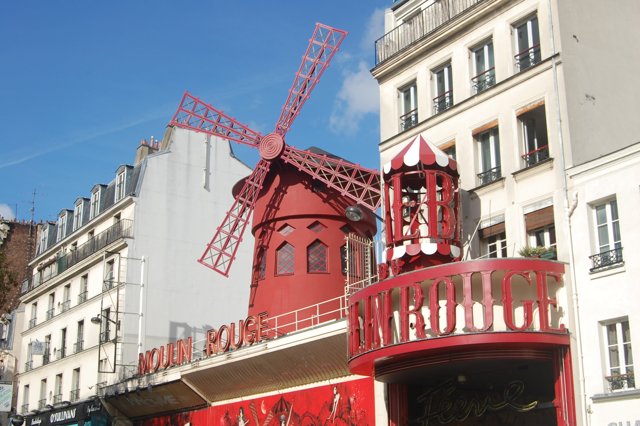
Finally, for a taste of the "Old Paris" nightlife, the neon-red windmill of the Moulin Rouge in Pigalle remains the world’s most famous temple of cabaret.

Best hotels in Paris

Frequently asked questions

Is Paris walkable?

Yes, Paris is one of Europe’s most walkable capitals. While it is a vast metropolis, the historic centre is remarkably dense, with many of the most famous landmarks — like the Louvre, Notre-Dame, and the Tuileries Garden — clustered within a short, scenic stroll of one another. For longer distances, the efficient Paris Métro ensures that even the furthest arrondissement is never more than a few minutes away.

How many days should I spend in Paris?

Most first-time visitors find four to five days ideal for experiencing the main landmarks, museums, and neighbourhoods. This allows enough time to visit highlights such as the Eiffel Tower and Louvre Museum, while still leaving space for café terraces, markets, and taking a day trip to Versailles.

Does Paris have Uber?

Yes. Uber operates widely across Paris, alongside traditional taxis and ride-hailing services. However, because the city is compact and well-connected by public transport, many visitors find they rely more on walking and the metro than on cars.

Is Paris a safe city for travellers?

Like most major international capitals, Paris welcomes millions of visitors every year and is generally comfortable for travellers. Staying aware of your surroundings in busy areas and keeping personal belongings close, especially in crowded transport hubs or popular landmarks, helps ensure a smooth visit.

Does Paris have beaches?

While the city is inland, it embraces a coastal soul every summer during Paris Plages. From July to August, the banks of the Seine and the Bassin de la Villette are transformed into urban resorts, complete with sand, palm trees, deckchairs, and pop-up bars. It is a unique seasonal transformation that allows you to enjoy a "seaside" atmosphere in the very heart of the French capital.

Is Paris expensive to visit?

Paris is known for its elegance, and prices can reflect that, especially for hotels, taxis, and major attractions. Dining and museum visits can also add up, particularly in central areas.

That said, the city offers plenty of ways to experience its culture without overspending. Many bistros serve excellent prix-fixe lunch menus, where you can enjoy refined French cooking for a relatively modest price compared with dinner. 
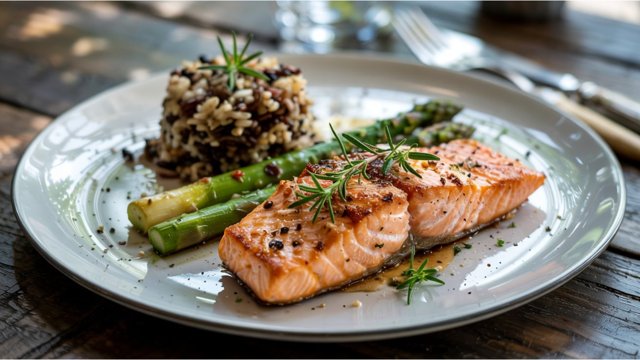
At the other end of the spectrum, a simple baguette, cheese, and a bottle of wine enjoyed along the banks of the Seine River can become one of the most memorable and inexpensive experiences of a trip.

Top destinations