Strasbourg

A crossroads of French and German heritage, where medieval streets meet modern Europe.

  • Strasbourg

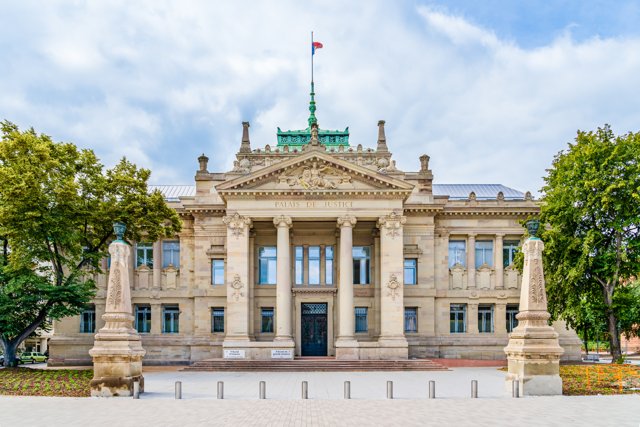
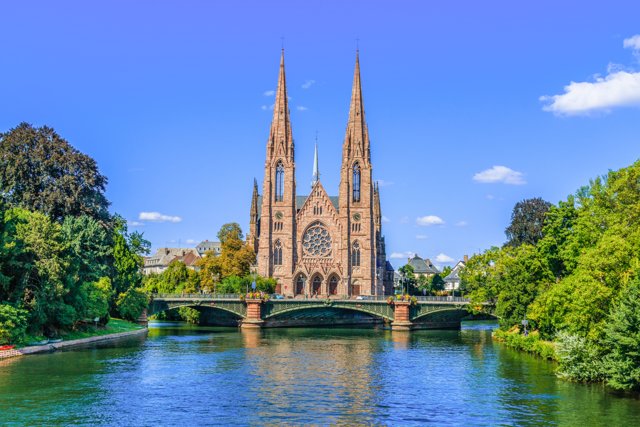
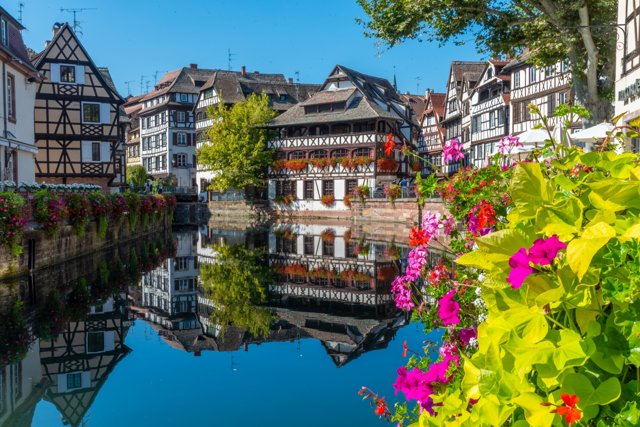
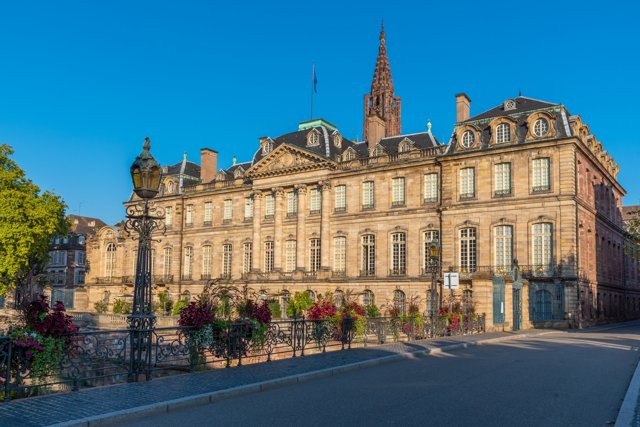
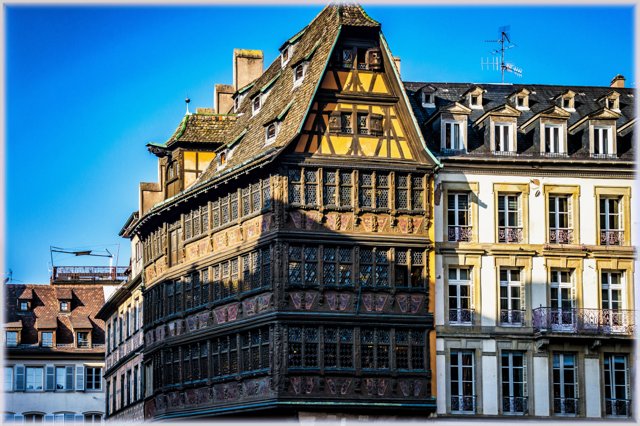
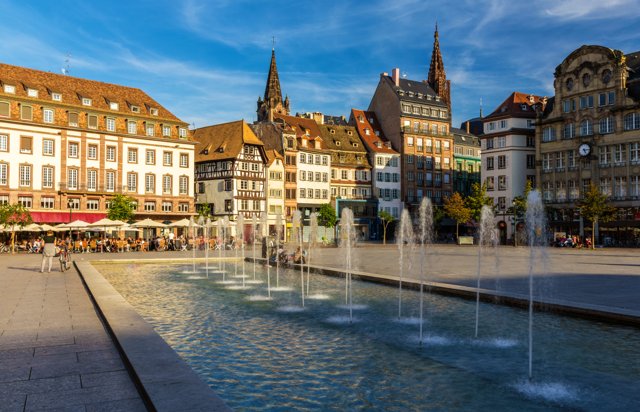
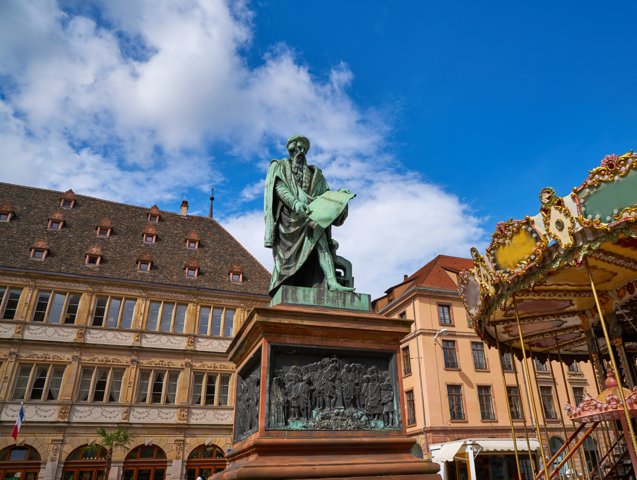
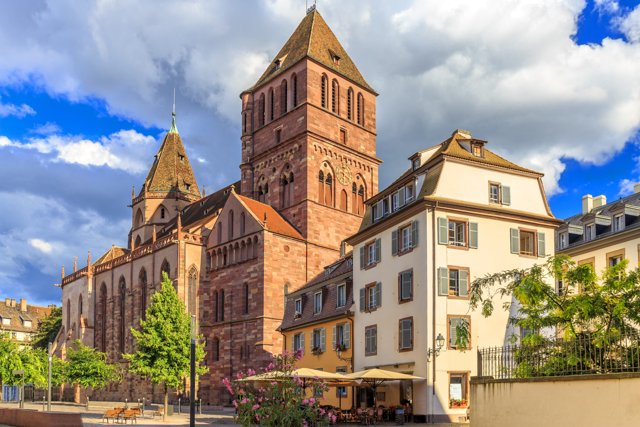
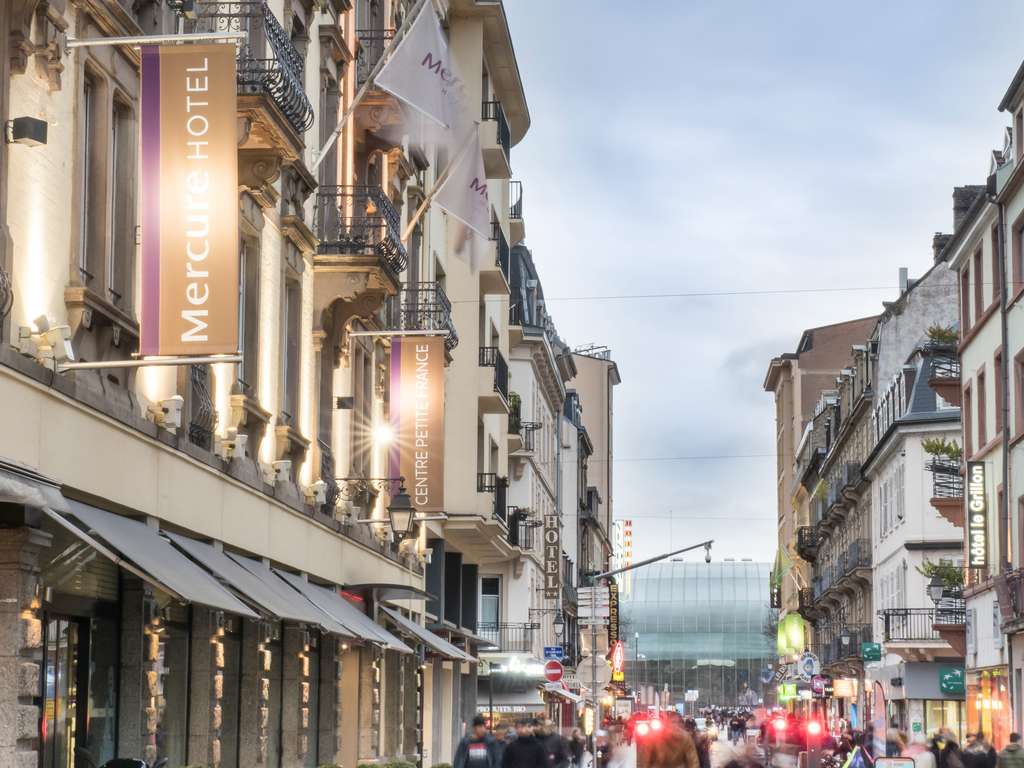
    Strasbourg brings together French elegance, German influence and European institutions within a compact and walkable setting. Its historic centre, the Grande Île, is defined by half-timbered houses, cathedral spires and canals that reflect centuries of layered history, while the nearby European Quarter highlights the city’s contemporary political role.

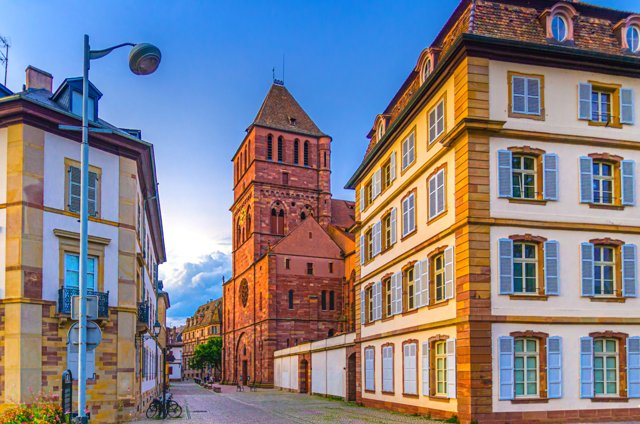
    Wander through medieval lanes, cross flower-lined bridges and arrive at broad boulevards shaped during the German imperial period. Along the way, lively squares, traditional winstubs and riverside paths reveal a city designed as much for everyday life as for heritage.

    Balanced, cultured and quietly confident, Strasbourg moves at a measured pace. It is a place where cross-border influences are part of daily life, and where history and modern Europe coexist without spectacle, creating a rhythm that feels distinctly Alsatian and unmistakably European.
Unique experiences in Strasbourg

What to do in Strasbourg

  • Edinburgh Strasbourg Bilbao

    Europe’s best cities to unplug

    Our attention has become one of the most valuable resources of our time. By 2026, the definition of 'luxury' has shifted away from high-speed connectivity toward the quiet power of the 'off' switch.

  • Winter Strasbourg

    Celebrate Christmas in Strasbourg

    Heading to Alsace for the festive markets? We’ve got all the insider info you need to make the most of Christmas in Strasbourg.

Plan your trip

Entry Requirements & Travel Documents

Strasbourg is part of the Schengen Area, allowing border-free travel between many European countries.

EU citizens can enter France with a valid national ID card or passport. Travellers from outside the EU must carry a valid passport and, depending on nationality, may also need a Schengen visa, which allows stays of up to 90 days within any 180-day period for tourism or business.

Passports should normally remain valid for at least three months beyond your intended departure date from the Schengen zone and must have been issued within the last ten years.

As entry rules can change, it’s best to consult official government sources shortly before travelling to avoid surprises at border control.

Money, Currency & Paying in Strasbourg

The local currency in Strasbourg is the euro (€). Card payments are widely accepted in hotels, restaurants, museums and shops, and contactless is common across the city. Visa and Mastercard work almost everywhere; American Express is accepted in many places but not universally. Apple Pay and Google Pay are also widely used.

If your bank card offers competitive exchange rates, it’s usually best to pay directly in euros and let your bank handle the conversion. When cash is needed, withdrawing from ATMs generally gives better rates than currency exchange desks, particularly those at transport hubs.

Service is typically included in restaurant bills in France, so tipping isn’t expected. Rounding up the total or leaving small change is appreciated for good service.

In terms of prices, Strasbourg sits in line with other medium-sized French cities. You’ll find everything from fine dining to relaxed brasseries and bakeries that make it easy to eat well on a moderate budget.

Weather, Seasons & When to Visit

Strasbourg has a continental climate, with cold winters and warm summers. The weather can change quickly, so packing layers is always a good idea.

Summer (June to August) brings long, sunny days and lively terraces along the canals. Temperatures can climb, but evenings are pleasant for strolling through the historic centre.

Autumn (September to November) is mild and atmospheric, with colourful foliage and fewer crowds — ideal for exploring the old town on foot.

Winter (December to February) is cold, and occasional snow adds to the city’s charm. Strasbourg is especially famous in December for its Christmas markets, which transform the centre into a festive maze of lights and wooden chalets.

Spring (March to May) sees milder temperatures and blooming gardens, making it another excellent time to visit.

Overall, late spring and early autumn offer the best balance between comfortable weather and manageable crowd levels.

Health Insurance

France’s healthcare system is well regarded, and Strasbourg has several major hospitals as well as pharmacies spread across most neighbourhoods.

EU visitors should bring a European Health Insurance Card (EHIC) or GHIC, which grants access to state-provided medical treatment under the same conditions as residents. Travellers from outside the EU are strongly advised to take out comprehensive travel insurance covering medical care, hospital stays and emergencies.

Pharmacies are marked by green illuminated crosses and are a good first stop for minor health issues or medication advice. For prescriptions, it’s sensible to carry both the medication and the original documentation with you.

Before travelling, double-check that your insurance policy covers any activities you plan to do during your stay.

Connectivity, Roaming & Mobile Data

Mobile coverage in Strasbourg is excellent, with widespread 4G and increasing 5G availability throughout the city.

Visitors from EU countries can usually use their domestic mobile plans in France without additional roaming charges, depending on their provider. Travellers from outside the EU should verify roaming costs in advance, as fees can rise quickly.

Free Wi-Fi is common in hotels, cafés, stations and many public buildings. For longer stays or constant connectivity, buying a local SIM card or eSIM is straightforward and often more economical than international roaming.

Airports & Main Arrival Hubs

Strasbourg is served primarily by Strasbourg Airport (SXB), about 10 kilometres south-west of the city centre. It mainly handles European routes, with regular connections to hubs such as Paris, Amsterdam and Frankfurt.

For a wider choice of international flights, some travellers also use nearby airports across the French-German-Swiss border region, including Basel–Mulhouse–Freiburg Airport or Frankfurt Airport, both easily connected to Strasbourg by train.

Main Train Stations

Strasbourg is a major rail hub in eastern France, and many visitors arrive directly by train.

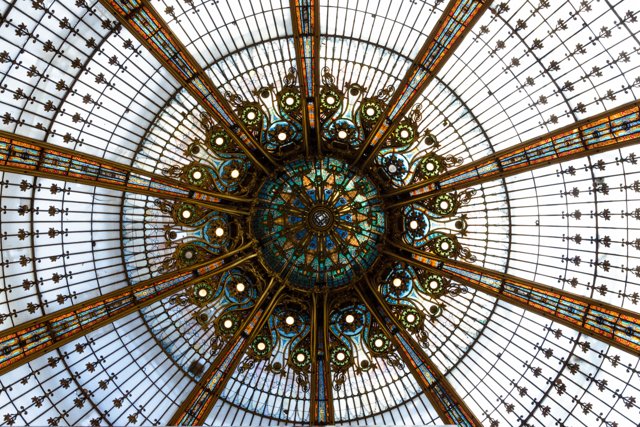
Strasbourg Station (Gare de Strasbourg) sits just west of the historic centre and is instantly recognisable thanks to its sweeping glass façade covering the original 19th-century building. High-speed TGV and international services link the city with Paris in under two hours, as well as with destinations in Germany and Switzerland.

From here, trams and buses provide quick access to the old town, the European Quarter and other neighbourhoods. 

From the Airport to Central Strasbourg

Strasbourg Airport is small and easy to navigate, making arrivals smooth and efficient.

The easiest way into the city is by train: a short shuttle links the airport terminal to Entzheim-Aéroport station, where regional trains run regularly to Strasbourg Station in around 10 minutes.

Taxis are available outside the terminal, with journeys to the centre typically taking 15–20 minutes depending on traffic. Car hire is also available if you plan to explore the Alsace region beyond the city.

Taxis & Ride-Hailing

Taxis operate across Strasbourg and can be found at ranks near the main station, in the city centre and at the airport. They are metered and reliable, although fares increase at night and on Sundays.

Ride-hailing services such as Uber are also available and can be convenient, particularly outside peak tram hours.

Within the historic core, walking or public transport is often quicker than driving, as many streets are pedestrian-friendly.

Arrival Tips & Common Mistakes to Avoid

  • The historic centre is compact, so hotels near the Grande Île are often easily reached on foot or by tram from the main station.
  • Some tickets still need to be validated before boarding, and tapping in on trams or buses is essential, as inspections are frequent.
  • Late-night services run less frequently than in larger capitals, so check schedules if you’re arriving after midnight.
  • If renting a car, note that traffic restrictions apply in parts of the old town; parking is usually easier in public garages on the edge of the centre.
  • Regional train platforms can change shortly before departure, so keep an eye on station screens.

Public Transport & Zones

Strasbourg has an efficient and easy-to-use public transport network operated by CTS, made up mainly of trams and buses. The tram system is particularly helpful for visitors, linking the main station, historic centre, European institutions and outer districts.

The city is divided into fare zones, but most travellers staying centrally will remain within the core areas, where the main sights and neighbourhoods are concentrated.

Digital screens at stops show real-time departures, and services run frequently during the day, with reduced schedules late at night.

Tickets & Passes

Tickets can be purchased from vending machines at tram stops, CTS sales points or via mobile apps.

Single tickets work across trams and buses, while day passes are a good option if you plan to move around often. Multi-day passes are also available for longer stays.

Always remember to validate your ticket when boarding and during transfers. Inspections are common, and fines apply for unvalidated journeys.

Walking & Cycling

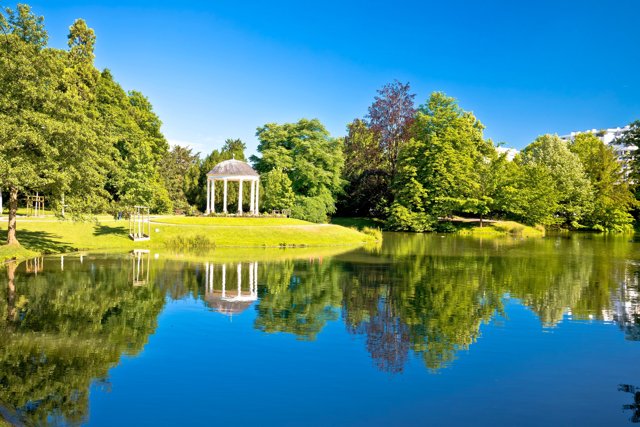
Strasbourg is one of France’s most walkable cities, and much of its historic centre is pedestrianised.

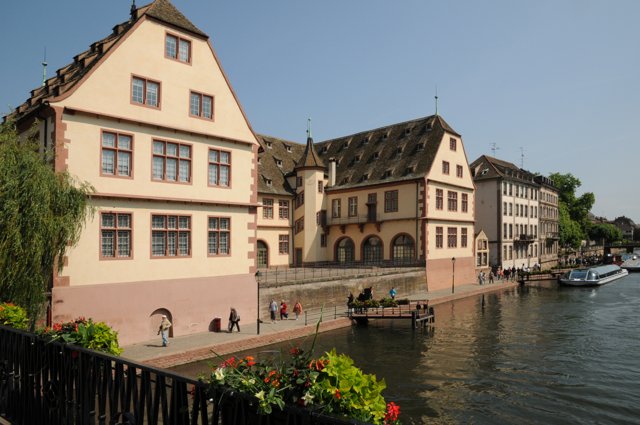
Strolling through Petite France or along the canals is often the best way to get a feel for the city, while bridges and riverside paths make moving between neighbourhoods easy. 

Cycling is also extremely popular. The city has an extensive network of bike lanes, and bike-sharing services make short trips quick and practical, especially for reaching areas like the European Quarter or parks on the edge of town. 

Nearby Destinations / Day Trips

Strasbourg is perfectly placed for discovering the landscapes, villages and vineyards of Alsace.

By train, Colmar is one of the most popular excursions, known for its colourful half-timbered houses, canals and excellent wine bars. The Alsace Wine Route runs through postcard-perfect villages such as Riquewihr and Ribeauvillé, where cobbled streets, fortified gates and tasting cellars offer a taste of regional life beyond the city.

For something more dramatic, the Château du Haut-Koenigsbourg rises above the Rhine plain and rewards visitors with sweeping views across forests and vineyards, along with a glimpse into medieval Alsace.

Nature lovers can also head towards the Vosges Mountains for hiking trails and forest scenery, adding a countryside escape to a city break.

Accessibility & Basic Safety Tips

Strasbourg is generally safe, well organised and easy to navigate, even for first-time visitors.

Most trams and newer stations are equipped with step-free access, and many crossings in the centre have dropped kerbs for wheelchairs and pushchairs. CTS provides detailed information about accessible routes and facilities across the network.

The historic centre’s cobblestones can be uneven in places, so comfortable footwear is recommended, especially if you plan to walk a lot.

As in any city, keep an eye on belongings in busy areas and on public transport, particularly around major stations and crowded events. Emergency services in France can be reached by dialling 112.

Language, Culture & Local Etiquette

French is the main language spoken in Strasbourg, though many people in hotels, restaurants and tourist areas speak English. Because of the region’s history, you may also hear Alsatian — a local dialect with German roots — especially among older residents.

People tend to be polite and fairly formal at first: greeting shop staff with a simple “bonjour” before asking a question is appreciated. In restaurants, service is included in the bill, so tipping is not expected, although rounding up or leaving a small amount for good service is common.

Cyclists have priority on many streets, so watch for bike lanes when crossing roads. And as elsewhere in France, taking time to sit down for meals rather than rushing through them is part of everyday life.

Neighbourhoods

Strasbourg feels compact, but its neighbourhoods shift noticeably from one corner to the next, moving from medieval lanes to imperial boulevards and contemporary riversides in just a few tram stops.

  • Grande Île, the historic heart and a UNESCO World Heritage site, gathers the cathedral, canals and lively squares at the centre of daily life.
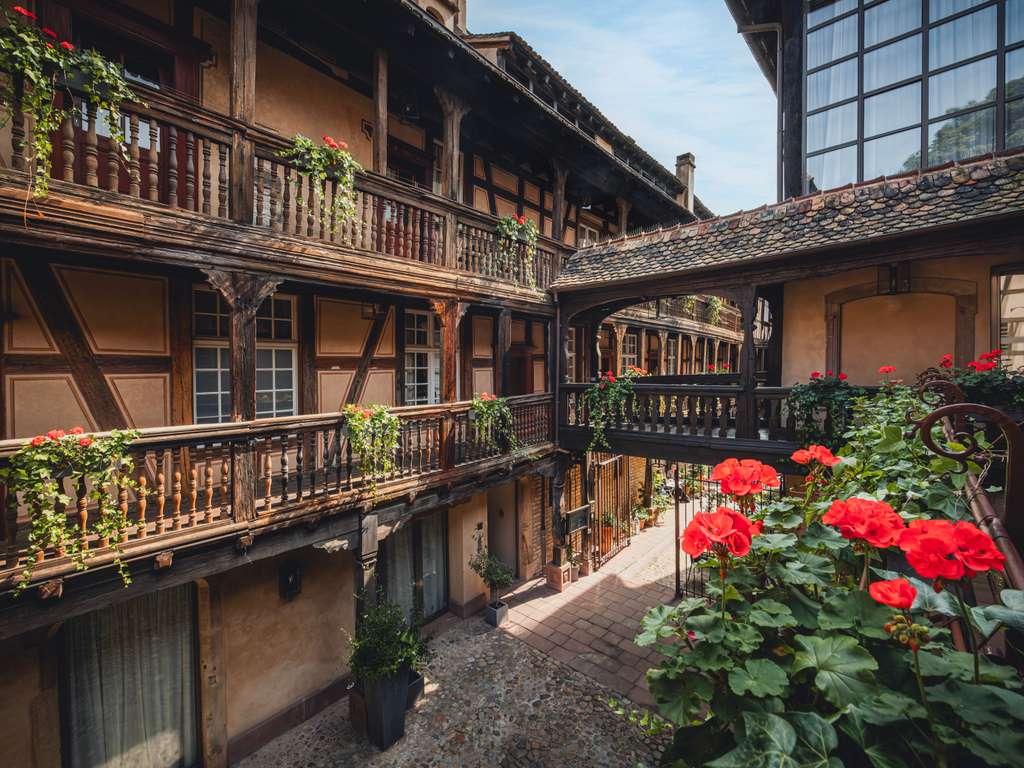
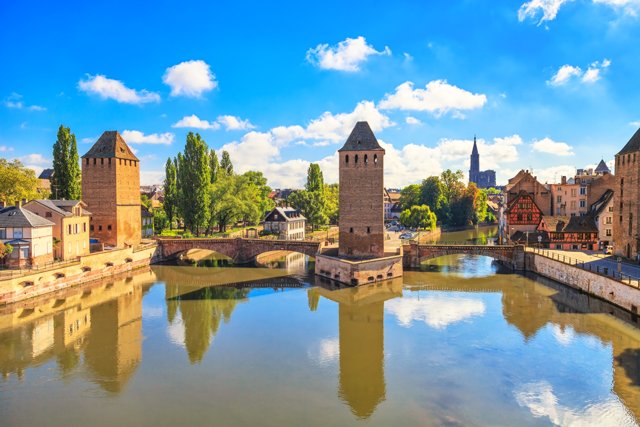
  • Nearby Petite France is the city’s postcard quarter, where half-timbered houses lean over waterways and footbridges connect quiet corners and cafés.
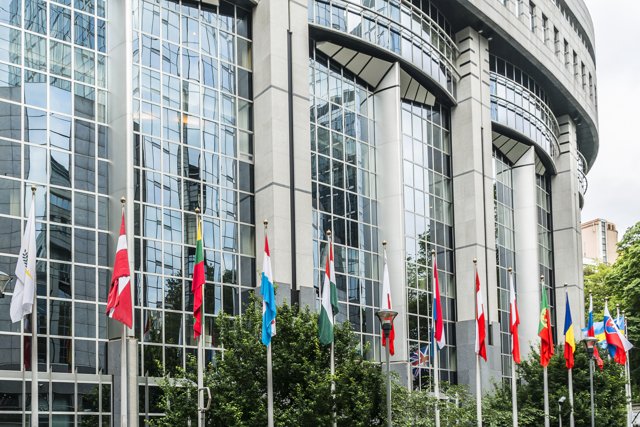
  • North-east of the centre, the European Quarter reflects Strasbourg’s political role through glass-fronted institutions, landscaped parks and broad avenues.
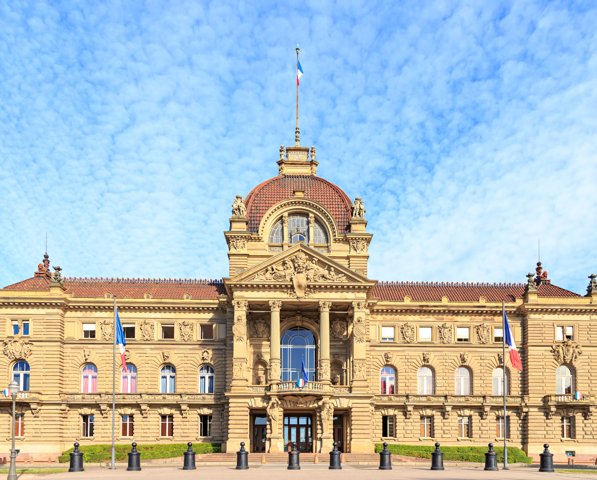
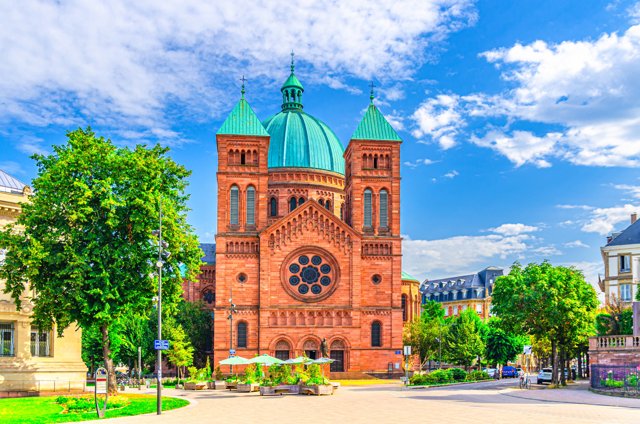
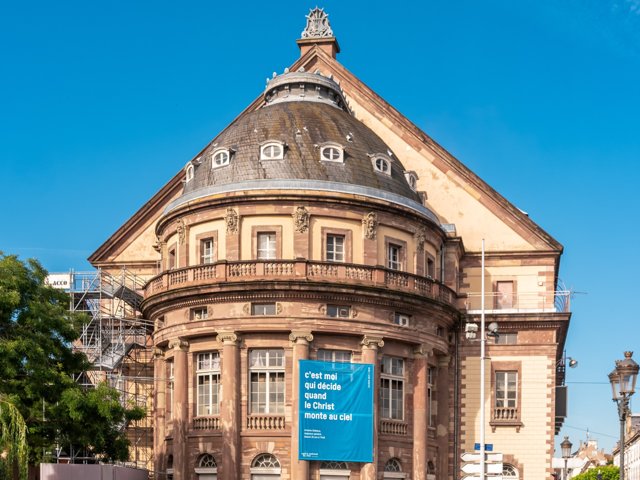
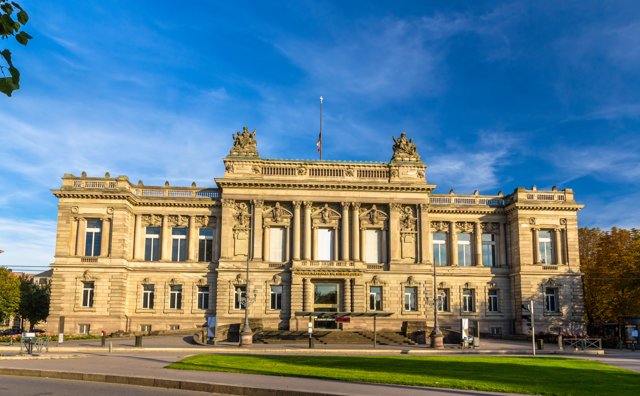
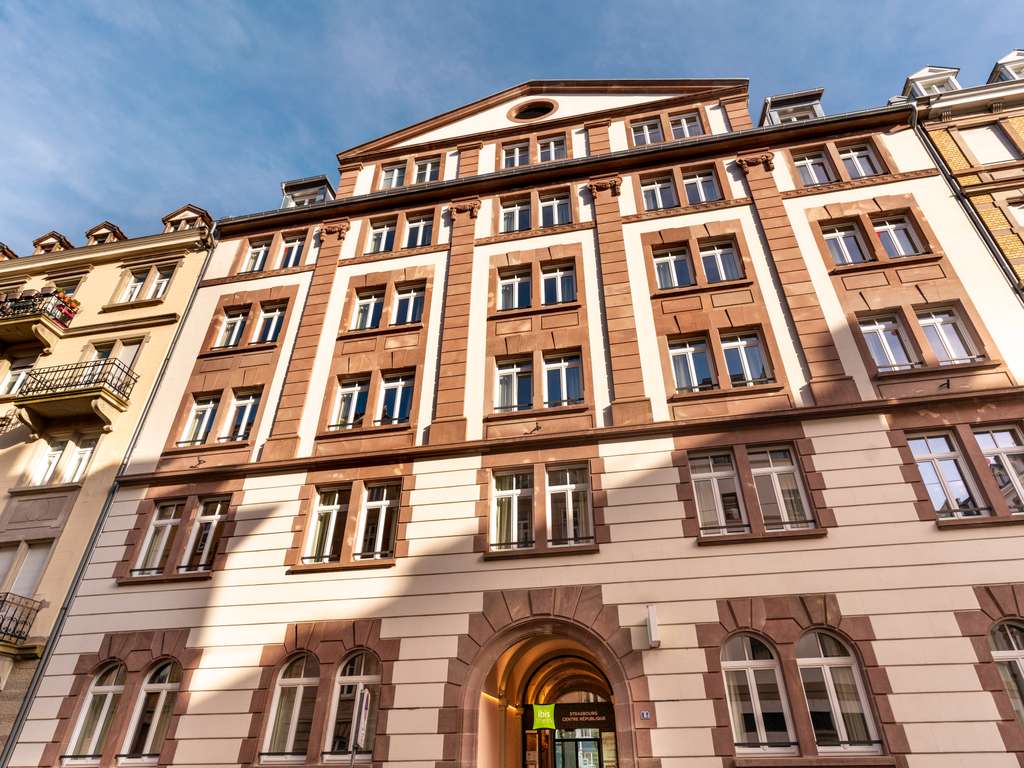
  • The grand streets of Neustadt, built during the German imperial period, showcase monumental architecture and elegant façades, while Krutenau feels younger and more informal, shaped by students, wine bars and late-night terraces.

Each neighbourhood reveals a different side of the city, all within easy reach of one another.

Gastronomy

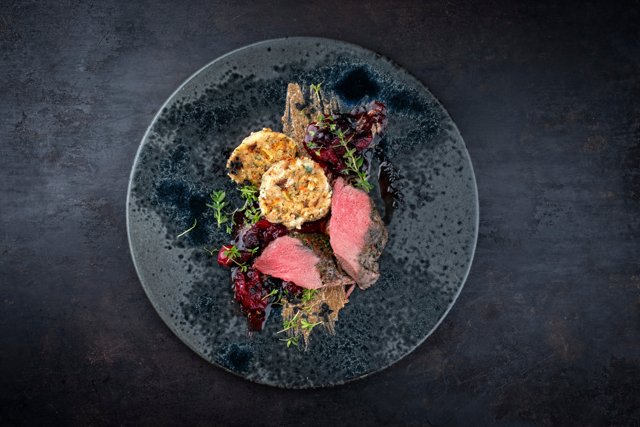
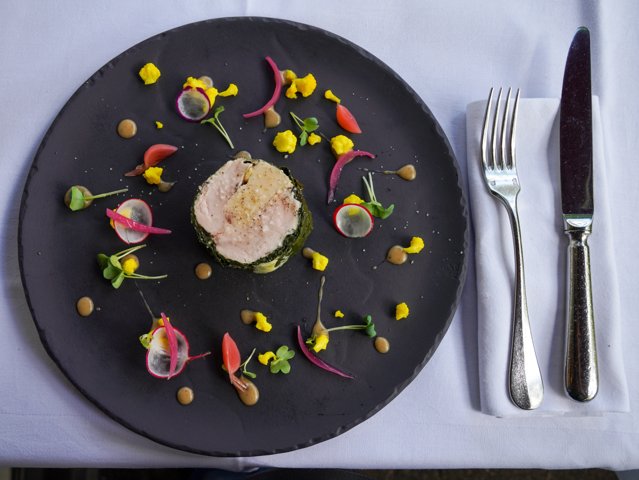
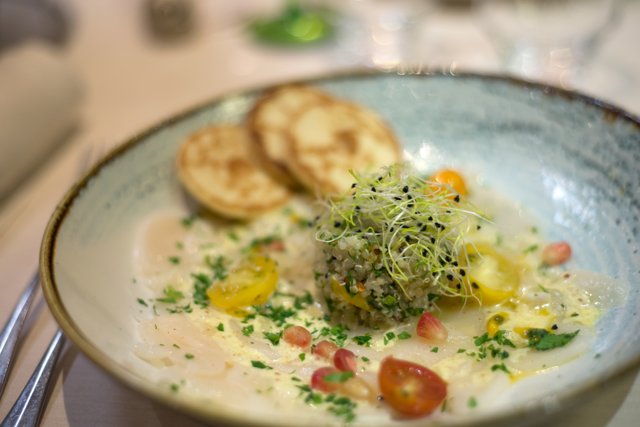
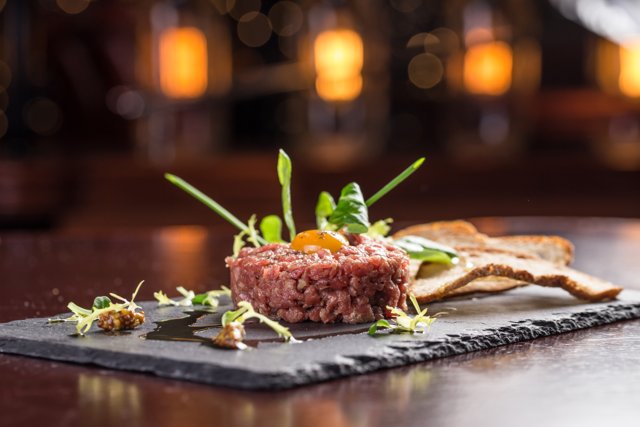
Strasbourg’s food scene draws on its Alsatian heritage, where generous regional dishes sit comfortably alongside refined French cooking.

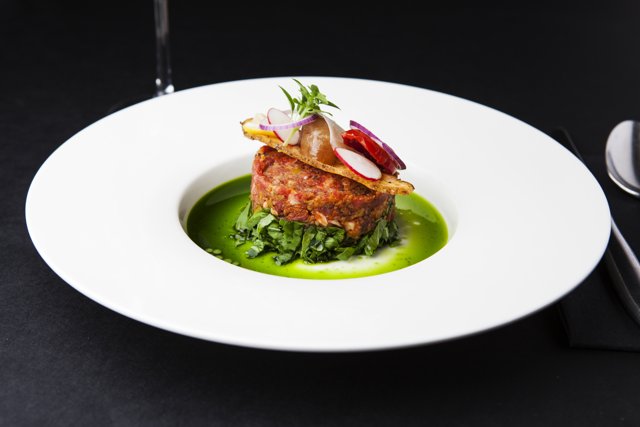
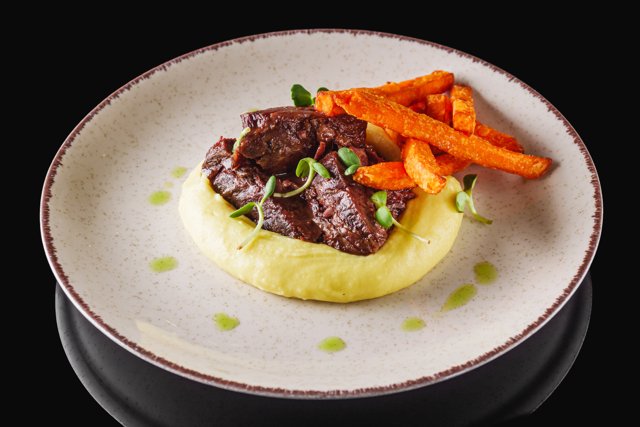
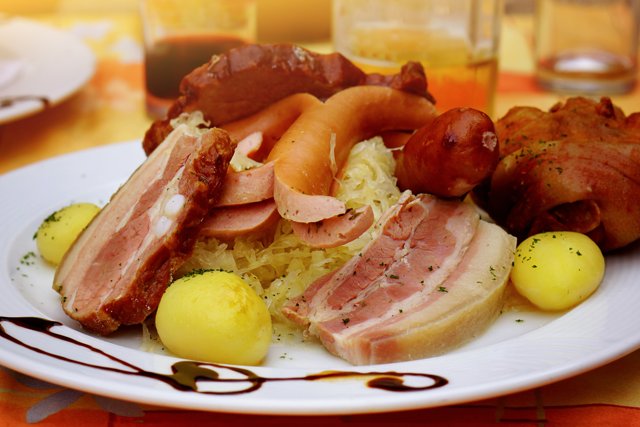
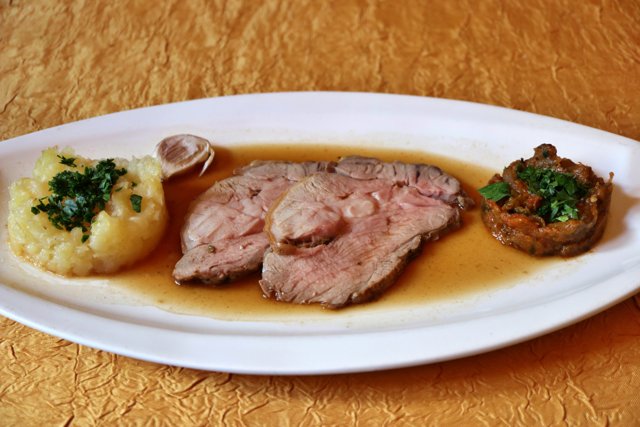
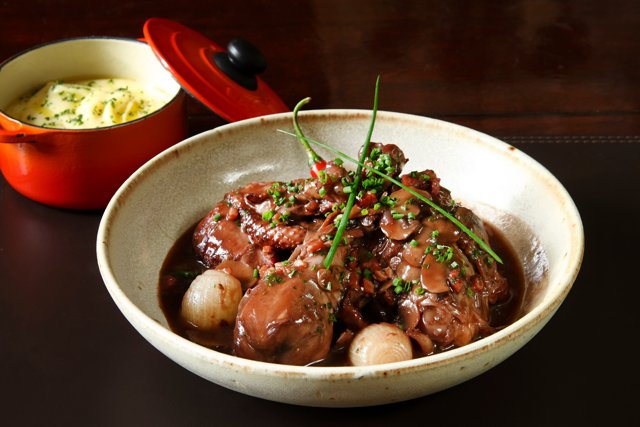
Local specialities include tarte flambée (thin flatbread with cream, onions and bacon), choucroute garnie (sauerkraut with sausages and meats), bäckeoffe, a slow-cooked casserole, and kugelhopf, a light brioche cake often eaten for breakfast or dessert.

Alsace wines — especially Riesling and Gewürztraminer — are widely poured across the city, from traditional taverns to contemporary dining rooms.

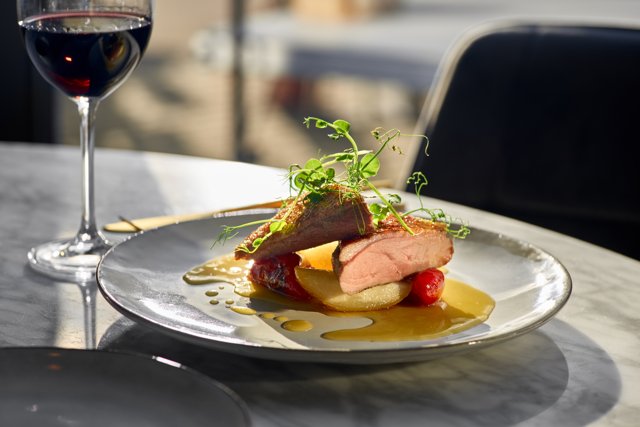
Cosy winstubs remain among the best places to try regional cooking, while modern bistros and riverside restaurants bring lighter, updated interpretations of local classics. During winter, Christmas markets add another layer, filling the streets with mulled wine aromas and spiced biscuits.

City Rhythm

Strasbourg moves at a gentler pace than France’s biggest cities, shaped by students, EU workers and a strong café culture.

Days unfold around the historic centre, with terraces filling for lunch and early evening drinks along the canals. Dinner tends to start earlier than in southern Europe, and many restaurants quiet down after 22:00.

Cycling commuters, trams gliding through squares and walkers drifting between bridges create a calm, steady rhythm that defines everyday life here. In the evenings, wine bars and small concert venues provide an atmosphere without the rush of a major metropolis.

Things to Do

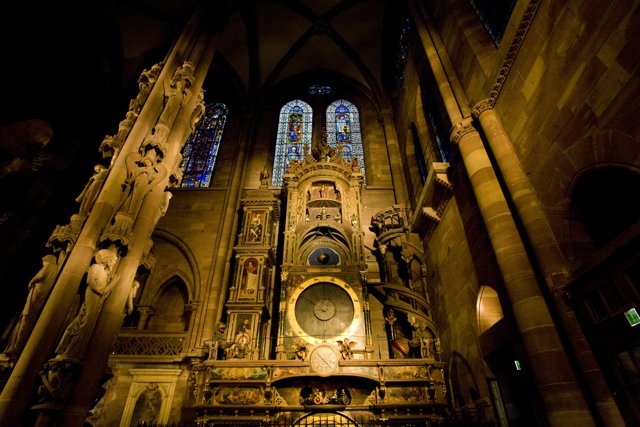
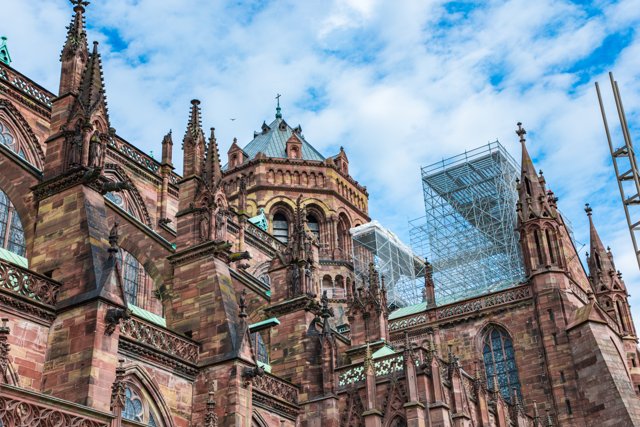
Strasbourg se prête à une découverte tout en douceur. La cathédrale de Strasbourg domine la silhouette de la ville, et monter sur sa plateforme offre de superbes vues sur les toits. Flâner dans la Petite France permet de découvrir écluses, anciens moulins et certaines des rues les plus photographiées de la ville.

Les croisières sur les canaux offrent une manière agréable de comprendre l’organisation de la ville, en passant des maisons médiévales aux anciennes fortifications jusqu’au quartier européen en un seul parcours.

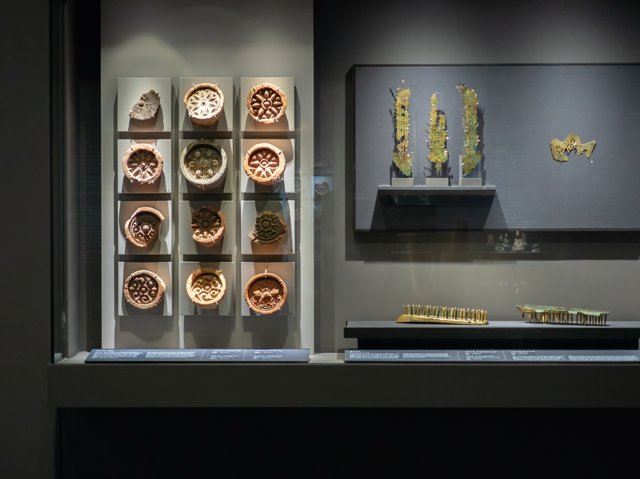
Les musées mettent en lumière l’histoire alsacienne, les arts décoratifs et l’identité changeante de la ville au fil des siècles, tandis que les parcs en bord de rivière offrent des pauses idéales pour une promenade ou un pique-nique.

En hiver, Strasbourg se transforme en l’une des destinations de Noël les plus célèbres d’Europe, avec ses chalets en bois, ses illuminations et ses places animées qui créent une atmosphère totalement différente.

Best hotels in Strasbourg

Frequently asked questions

How many days do I need to visit Strasbourg?

Two to three days are ideal to explore the old town, climb the cathedral, take a canal cruise and enjoy Alsatian food. Add an extra day if you plan trips into the wine villages or Colmar.

What is the best time of year to visit Strasbourg?

Late spring and early autumn offer pleasant weather and fewer crowds. December is extremely popular thanks to the Christmas markets, so book accommodation well in advance.

Is Strasbourg an expensive destination?

Strasbourg is moderately priced compared to major French cities. Dining in local winstubs and using public transport keeps costs reasonable, though prices rise during Christmas market season.

Can I get around Strasbourg without a car?

Yes. The city is compact and very easy to explore on foot, by tram or by bike. For most visitors, a car isn’t necessary unless you plan to explore rural Alsace.

Can I visit Germany from Strasbourg?

Absolutely. You can cross the Rhine by tram into the German town of Kehl in under 20 minutes, making for an easy international day trip.

Is Strasbourg good for a winter visit?

Yes, winter is cold but atmospheric, and the Christmas markets transform the city with lights, wooden chalets and festive squares.

Is Strasbourg safe for visitors?

Yes. Strasbourg is generally calm and well organised. As anywhere, stay aware of your surroundings in busy areas and around stations, especially during major events.

Do I need to speak French in Strasbourg?

English is widely spoken in hotels and tourist areas. That said, greeting people with bonjour is appreciated and often leads to warmer interactions.

Is Strasbourg a good base for exploring Alsace?

Yes. With frequent trains to Colmar and towns along the Alsace Wine Route, Strasbourg works very well as a hub for discovering the region without a car.

Top destinations