Grenoble

France's Capital of the Alps, where a lively university city thrives at the foot of the mountains.

  • Grenoble

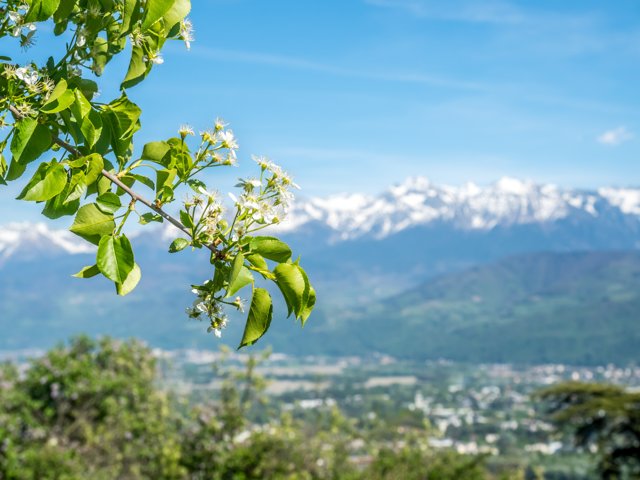
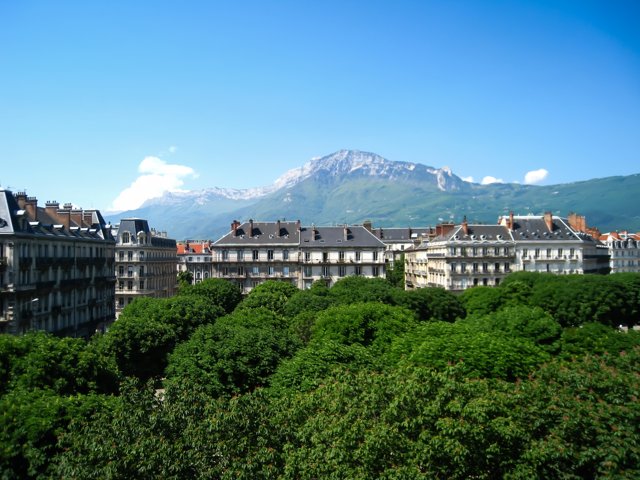
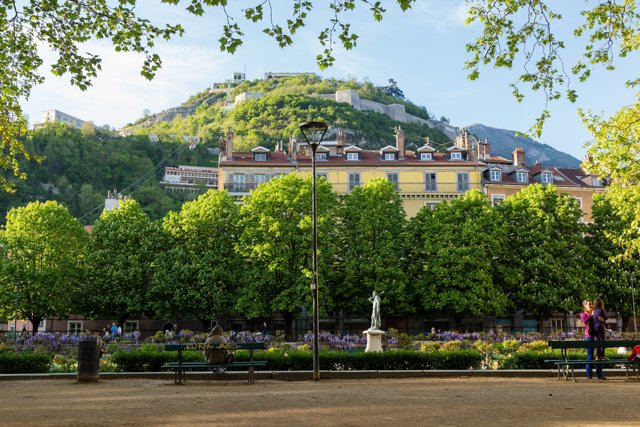
    Three mountain ranges frame Grenoble on almost every side: Chartreuse to the north, Vercors to the south and west, and Belledonne to the east. The mountains shape the light, the climate, and the way people experience the city — Grenoble’s claim as the Capital of the Alps feels entirely natural.

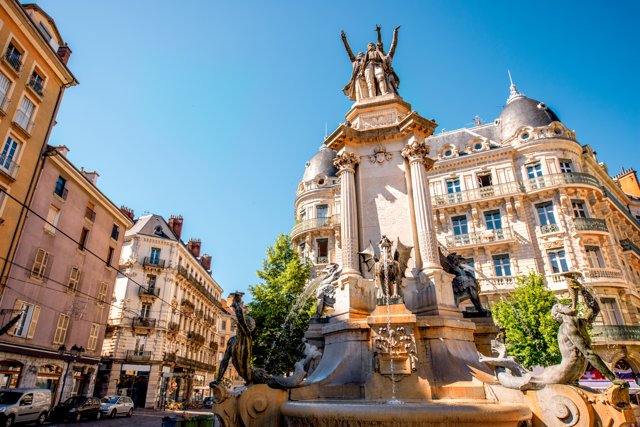
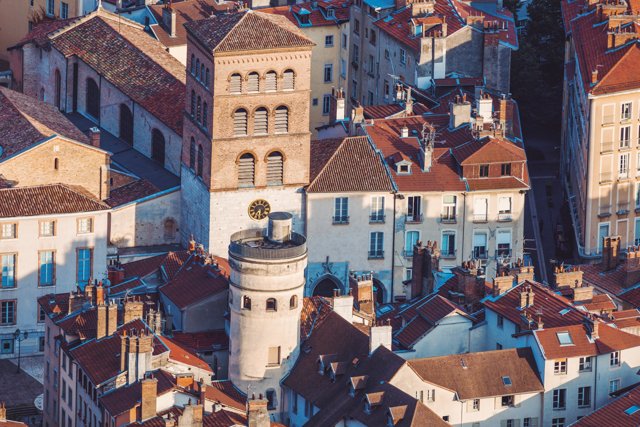
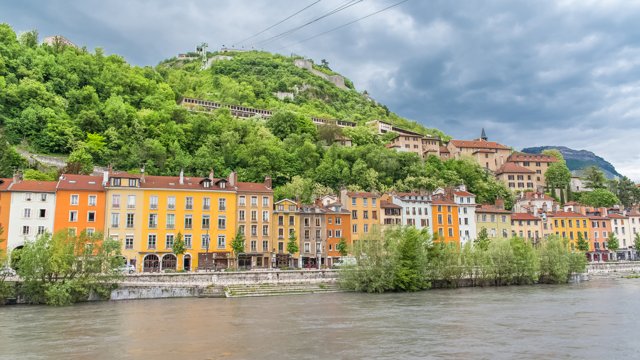
    The Isère river runs through the centre, with the Bastille fort rising above a flat, walkable city of medieval squares, riverside museums, and a covered market that still anchors daily life. One of France’s largest university cities, Grenoble has an energy that is open, unpretentious, and lively into the evening.

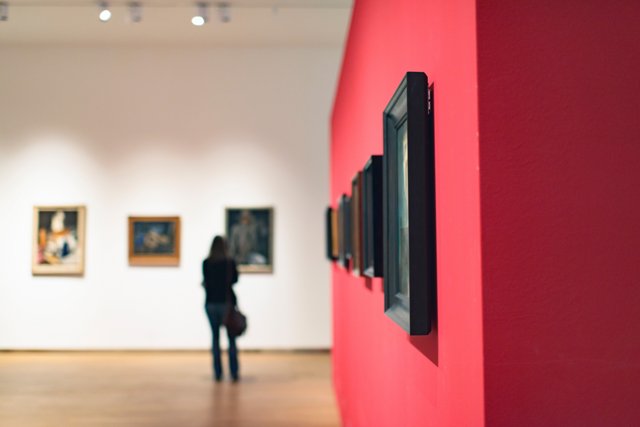
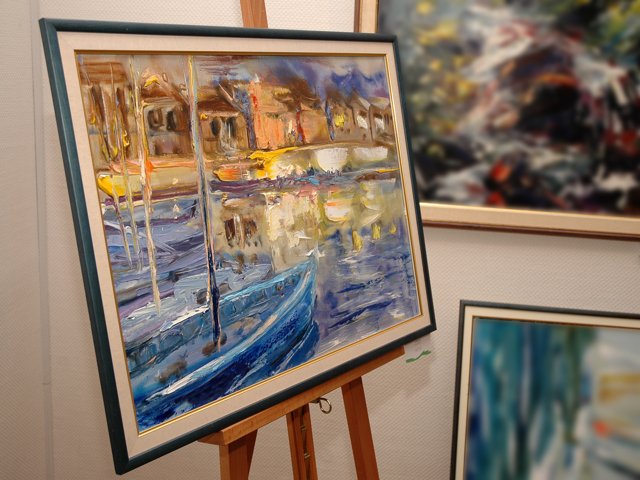
    World-class skiing and one of France’s finest art museums sit just thirty minutes apart — a contrast that defines the city.
Unique experiences in Grenoble

Plan your trip

Entry Requirements & Travel Documents

France is part of the Schengen Area, allowing EU and EEA citizens to enter with a valid passport or national ID card. Travellers from many non-EU visa-exempt countries can stay for up to 90 days within a 180-day period without a visa, provided passport validity rules are met.

From late 2026, visitors from several visa-exempt countries — including the United States, Canada, the United Kingdom, Japan, Brazil, and Australia — will need to apply for ETIAS travel authorisation before entering France and other Schengen states for short stays. Until the system becomes operational, current entry rules remain in place.

Money, Currency & Paying in Grenoble

The local currency is the euro. Card and contactless payments are widely accepted in restaurants, cafés, hotels, and shops in the city centre. Smaller neighbourhood bakeries, market stalls, and some traditional bars may prefer cash for smaller purchases, so keeping a few coins or notes is useful.

ATMs are easy to find throughout the centre and generally offer better rates than airport exchange desks or tourist-area bureaux de change.

Weather, Seasons & When to Visit

Grenoble has a continental climate shaped by its Alpine valley setting, with warm summers, cold winters, and clearly defined seasons. The surrounding mountains often concentrate cloud cover, and winter fog in the valley is common.

Summer (June to August) is warm and mostly sunny, with long evenings ideal for terraces and mountain access. 

Autumn (September to November) brings mild temperatures, fewer crowds, and strong colours across the slopes, often lasting into October.

Winter (December to February) is cold, with snow on the surrounding peaks and ski season in full swing. 

Spring (March to May) sees rising temperatures and clearer skies, making it one of the best times to explore the city on foot.

Health Insurance

Visitors from EU countries should carry a valid European Health Insurance Card (EHIC), which provides access to public healthcare in France under the same conditions as residents. UK travellers should carry the GHIC, its British equivalent, which offers the same coverage. Neither card replaces comprehensive travel insurance.

Travellers from outside the EU are strongly advised to arrange travel medical insurance covering treatment, hospital care, and emergency repatriation. Proof of insurance may be required for certain visa categories.

Pharmacies are marked by a green illuminated cross and are a good first stop for minor health issues or medication advice.

Connectivity, Roaming & Mobile Data

Free Wi-Fi is widely available in hotels, cafés, and many public spaces throughout Grenoble.

Travellers with mobile plans from EU or EEA providers can generally use their data, calls, and texts in France under the EU "Roam Like at Home" regulation, meaning domestic rates apply without extra charges. Visitors from outside the EU should check roaming costs with their provider before departure.

An eSIM is often the most convenient option: buy it online before arrival and activate it instantly. Physical SIM cards are also available locally but require ID registration. Either way, coverage in the city centre is reliable, though signal quality can vary on hiking trails and in more remote mountain areas.

Airports & Main Arrival Hubs

Grenoble has its own airport, Grenoble-Alpes Isère (GNB), around 45 km north-west of the city. It mainly handles seasonal charter flights and winter ski traffic, so scheduled connections are limited to certain periods of the year.

For year-round international flights, most travellers use Lyon–Saint-Exupéry Airport (LYS), roughly 90 km away, which offers broad European and long-haul connections. Geneva Airport (GVA) in Switzerland is a second option, particularly for travellers arriving from the UK or connecting through Switzerland.

Gare de Grenoble is the city's main train station, connected to the TGV high-speed network with direct services to Paris and regional trains to Lyon, Chambéry, Annecy, and Geneva. The bus station is located right next door.

Main Train Stations

Gare de Grenoble is the city's central railway station, about a ten-minute walk from the historic core. Direct TGV services connect Grenoble with Paris in around three hours.

The station connects directly with tram lines A and B, putting most districts within easy reach on arrival. 

Worth knowing: the station has two exits — one facing the historic centre, the other the modern Europole district. Following signs for the centre on arrival will point you in the right direction.

From the Airport to Central Grenoble

From Grenoble-Alpes Isère Airport (GNB), shuttle buses run into the city after each arriving flight, terminating at the central train station.

From Lyon–Saint-Exupéry Airport (LYS), both trains and coaches connect directly to Grenoble in around one hour, with coaches departing roughly every hour throughout the day. Trains run less frequently but are generally the more comfortable option. Either way, both services arrive at the central station.

Travellers arriving via Geneva can reach Grenoble by train or coach in around two hours.

Taxis & Ride-Hailing

Taxis operate across Grenoble and are available at ranks outside the train station and at several points in the city centre. Fares are metered, with rates increasing at night and at weekends. For groups or travellers with significant luggage arriving from Lyon–Saint-Exupéry Airport (LYS), a pre-booked taxi or private transfer can be a practical option.

Uber and Bolt both operate in the city and can be booked through their respective apps.

Arrival Tips & Common Mistakes to Avoid

  • During ski season, transport from Lyon–Saint-Exupéry (LYS) to Grenoble fills up quickly. Book ahead, particularly for weekend arrivals.
  • Always validate your ticket before boarding trams or buses. Inspections are common and fines apply.
  • If arriving by car, parking in the centre can be limited. Park-and-ride facilities on the urban edge connect directly to the tram network — and parking is free for TAG ticket holders.
  • At the train station, follow signs for the city centre exit rather than the Europole exit to avoid a longer walk to most hotels and central districts.

Public Transport & Zones

Grenoble's public transport network combines five tram lines and more than 50 bus routes connecting most parts of the city. Trams are the most practical option for visitors, running frequently through the centre throughout the day and into the late evening.

Most central sights and neighbourhoods fall within the core urban zone, meaning a standard ticket covers everything most visitors need.

Tickets & Passes

Single tickets and multi-journey packs can be purchased from machines at tram stops or from local tabacs across the city.
If you plan to use public transport regularly, the G-PASS is the most convenient option. Available as a 24-hour or 72-hour pass, it covers unlimited travel across the tram and bus network, bike hire through the city's Mvélo+ stations, and entry to a range of museums and attractions. You can buy it online, via the G-PASS app, or at the tourist office.

Walking & Cycling

The city centre is compact and largely flat, making it easy to explore on foot. The historic core, riverside museums, and main squares connect naturally, with the banks of the Isère offering a pleasant route between districts.

Cycling is also straightforward. Often ranked among France’s most bike-friendly cities, Grenoble has over 500 km of cycling infrastructure, including the Chronovélo network of protected lanes. The Mvélo+ bike-share scheme operates across the city and is included in the G-PASS.

Nearby Destinations / Day Trips

Grenoble’s position between three mountain ranges makes it an excellent base for outdoor excursions. The Vercors, Chartreuse, and Belledonne ranges offer hiking and cycling in warmer months, and skiing in winter. Chamrousse, the most accessible resort, looks back over the city from the slopes.

By train, Lyon is just over an hour away, known for its food culture and Renaissance streets. Annecy, around two hours away, offers a picturesque old town on the edge of one of France’s clearest alpine lakes. Geneva is also reachable in a similar time.

Accessibility & Basic Safety Tips

Grenoble’s tram and bus network is fully accessible, with low-floor vehicles and level platforms across most stops. The flat city centre makes getting around straightforward, though some older streets in the historic quarter have uneven cobblestones.

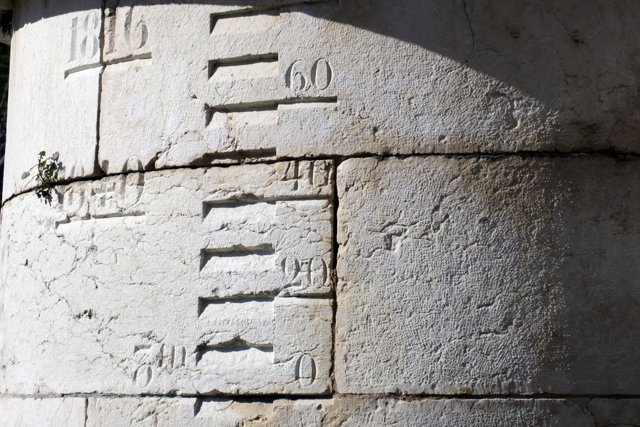
The city is generally safe. As in any urban area, keep an eye on belongings in busy areas and around the train station. The Drac river can rise quickly due to dam releases, so keep a safe distance from its banks and follow posted warnings. In an emergency, dial 112.

Language, Culture & Local Etiquette

French is the language of daily life in Grenoble. English is understood in most hotels, tourist areas, and university-adjacent venues, but beginning any interaction with a time-appropriate greeting generally leads to warmer exchanges.

The city's large student and academic population gives Grenoble an open, informal character that sets it somewhat apart from other French cities of comparable size. 

Service is included in restaurant bills, so tipping is not expected, though rounding up or leaving small change after a good meal is appreciated.

Gastronomy

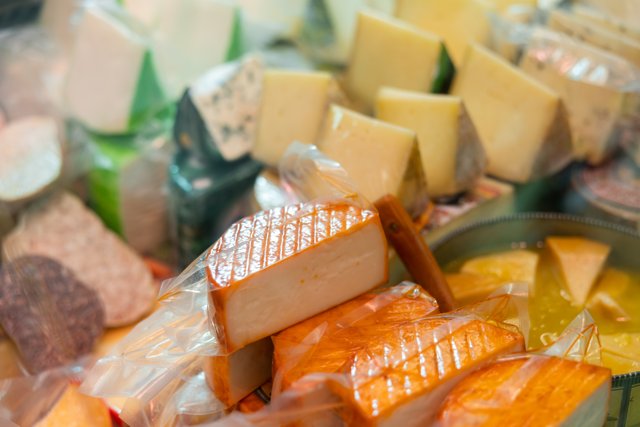
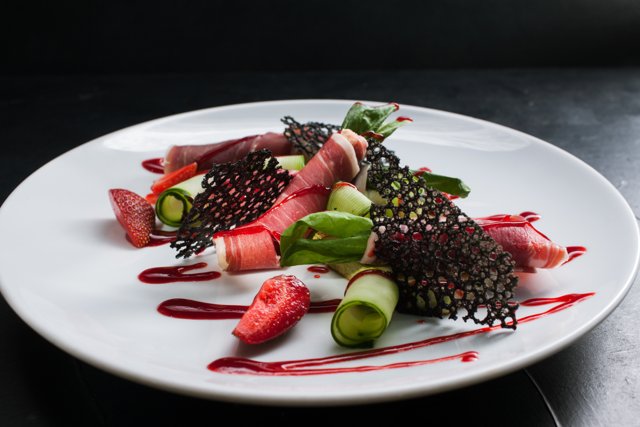
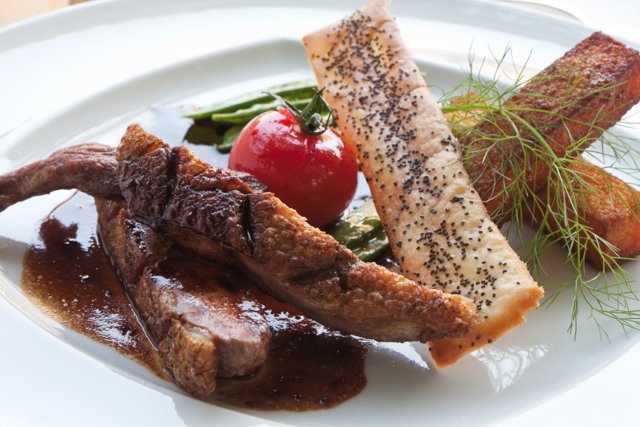
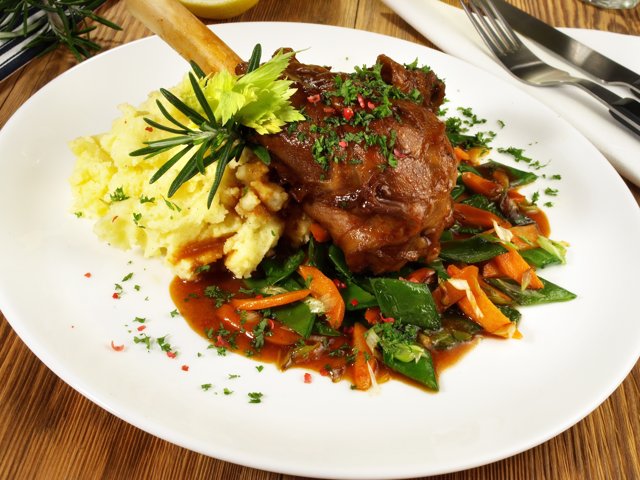
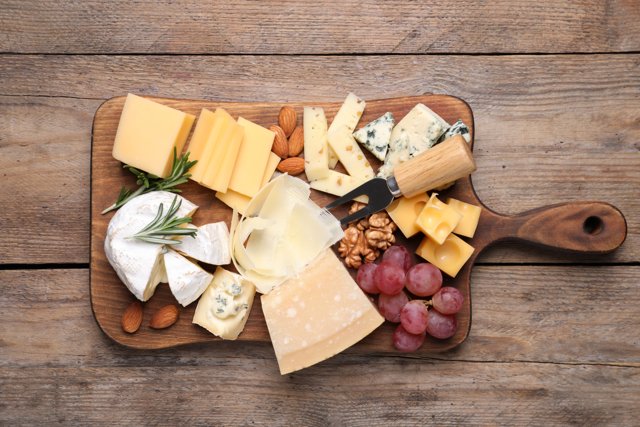
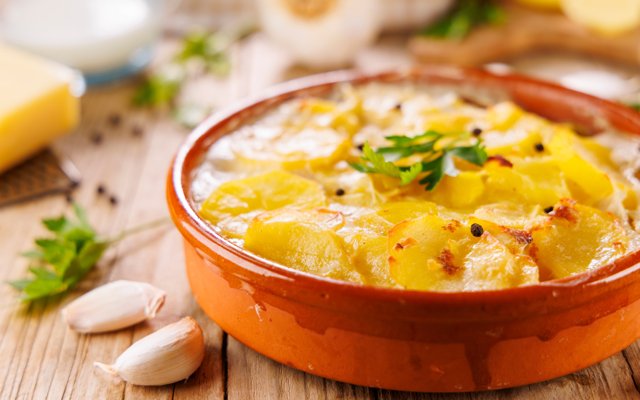
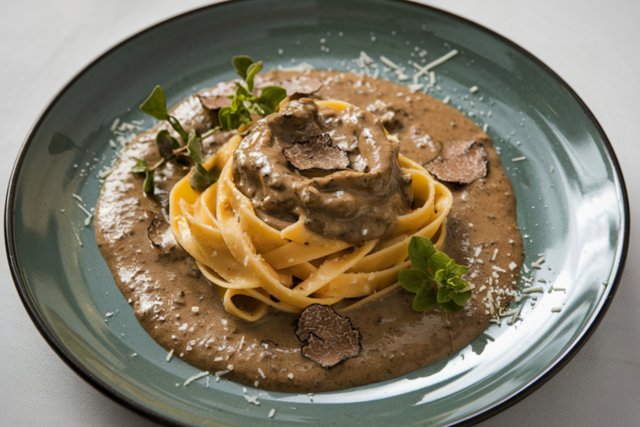
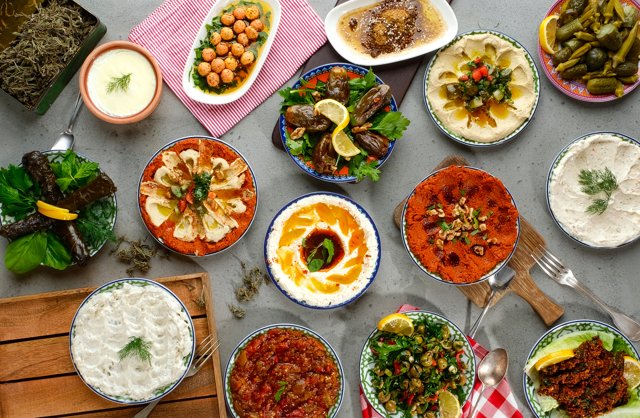
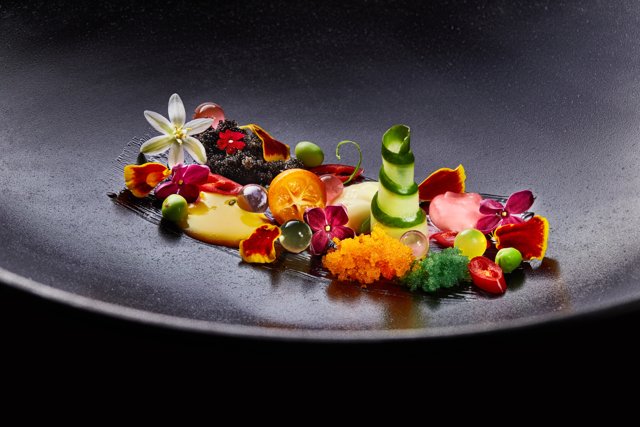
The culinary scene of Grenoble is rooted in its Alpine surroundings. Walnuts are a local speciality, appearing in oils, liqueurs, cakes, and pastries, since the Isère valley is among the most productive in France. Local cheeses worth seeking out include the fresh, creamy saint-marcellin and the mild blue bleu du vercors-sassenage, both found at specialist fromageries and market stalls. 

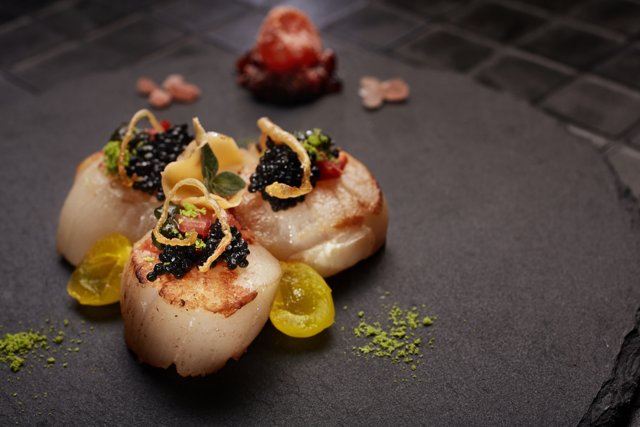
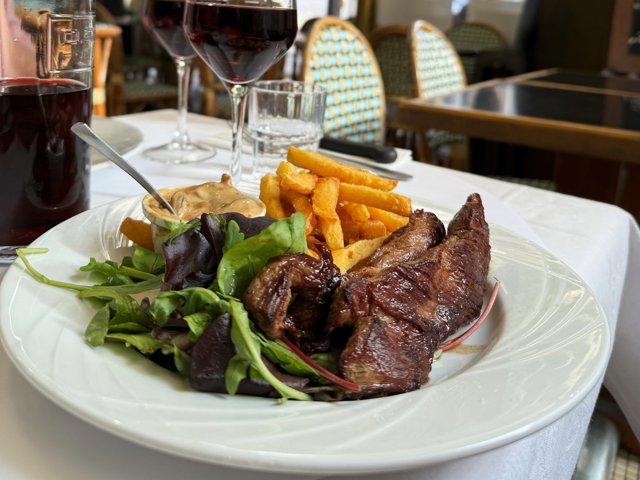
Les Halles Sainte-Claire, the city's covered market, is the best place to encounter local producers in one go. A younger generation of chefs is bringing a bistronomique approach to seasonal Alpine ingredients. 

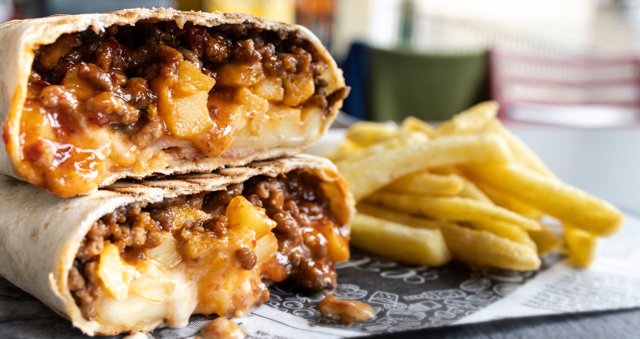
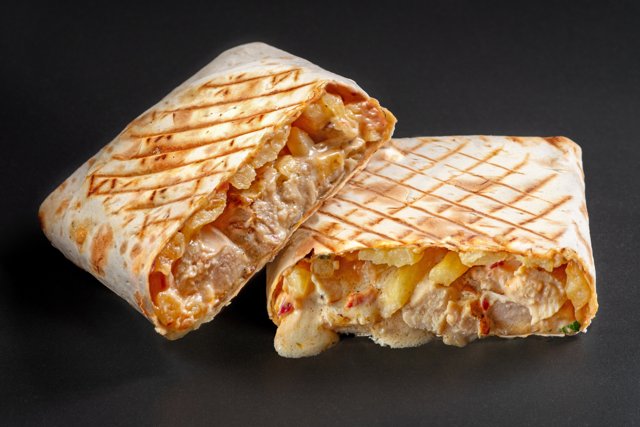
Grenoble also claims to be the birthplace of the French taco — a Lyon resident will hotly dispute this — a kebab-adjacent street food with no relation whatsoever to its Mexican namesake.

City Rhythm

Life in Grenoble moves at an unpretentious pace shaped by its large student population, a strong café culture, and the proximity to the Alps. Mornings begin slowly, with neighbourhood cafés and bakeries setting the tone before the city opens up fully. Markets wind down by midday, and long lunches stretch across terraces when the weather allows.

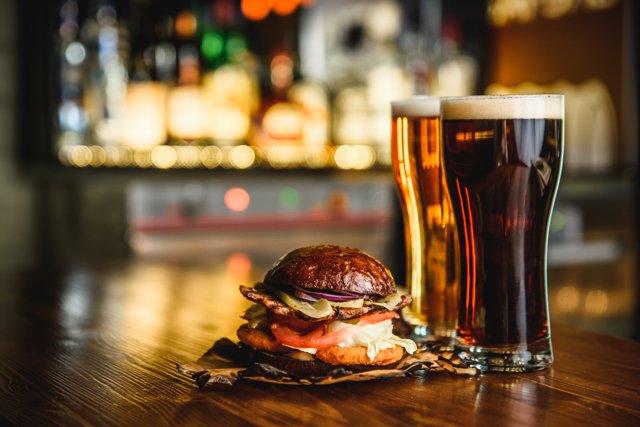
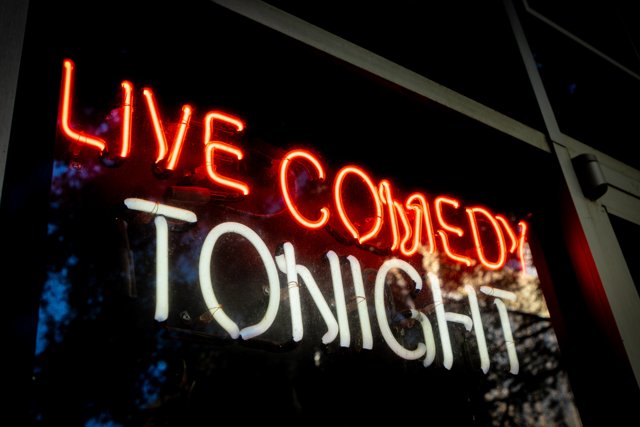
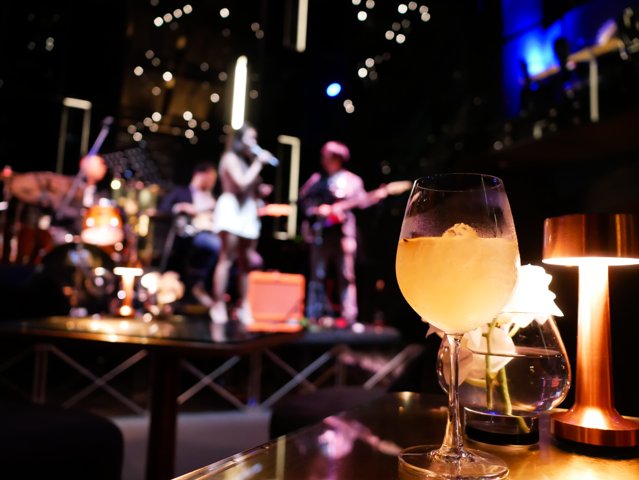
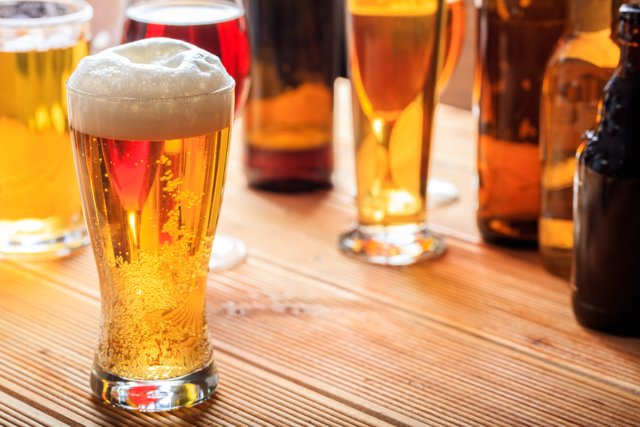
As the afternoon fades, the energy shifts. Animated squares fill, craft beer bars draw early crowds, and the city's social life moves outdoors. A small but serious microbrewery scene has taken root here, with several bars pouring locally brewed rotating taps alongside international craft selections. Come Friday, a notable share of the city heads for the hills — the mountains are never far from daily life.

Things to Do

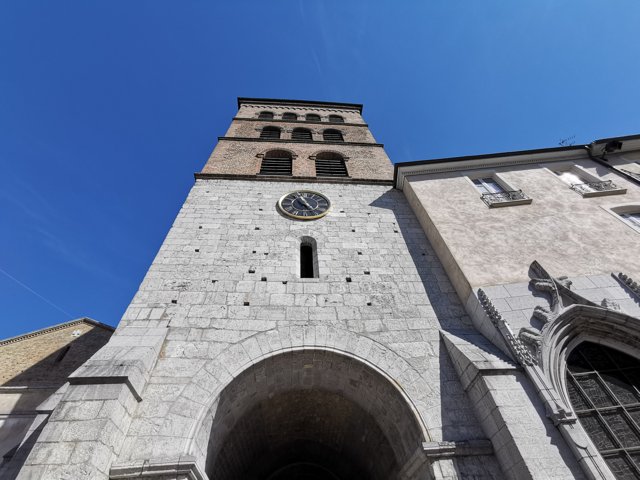
The old town offers the clearest introduction to Grenoble. Place Notre-Dame anchors the historic centre, with the cathedral and surrounding streets reflecting the city’s organic growth. Nearby, Place Saint-André, Jardin de Ville, and the Musée de Grenoble connect easily on foot.

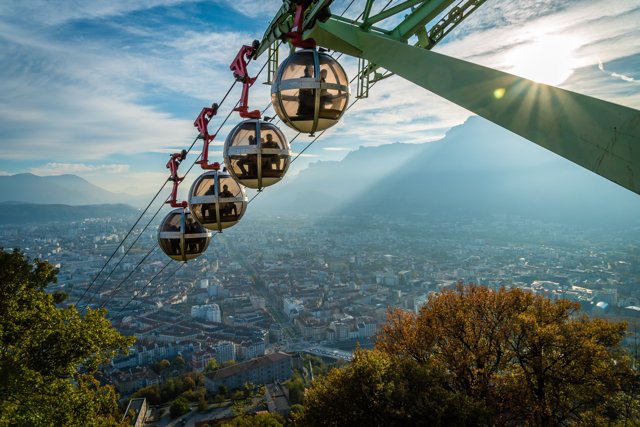
Cross the Passerelle Saint-Laurent and the city begins to rise. The Musée Dauphinois sits on the lower slopes of the Bastille, while higher up, the fort itself offers the city’s defining viewpoint. Most visitors take the cable car up and walk back down through the hillside paths.

From the top, Grenoble reveals its full setting: a flat city between two rivers, framed on all sides by the Alps.

Neighbourhoods

Grenoble's character shifts noticeably from one district to the next. 

  • Historic Centre: The city’s oldest core, with medieval squares, the covered market, and a compact layout where daily life and heritage overlap naturally.
  • Saint-Laurent: Across the Isère at the foot of the Bastille, this riverside district is home to the archaeological museum set inside a former church.
  • Presqu’île: A peninsula between the Isère and the Drac, shaped by research institutes and a growing creative scene, with a more modern, forward-looking feel.
  • Berriat: A former industrial area centred around the Esplanade Andry-Farcy, now home to La Belle Électrique concert hall and the Magasin contemporary art centre.

Best hotels in Grenoble

Frequently asked questions

Do I need a car to visit Grenoble?

Not for the city itself. The tram network, cycling infrastructure, and walkable centre cover most needs. For independent access to mountain villages and ski resorts, a car adds flexibility.

Is Grenoble a good base for skiing?

Yes. Several resorts lie within 30 to 60 minutes of the city. Chamrousse, directly above Grenoble in the Belledonne range, is the most accessible, with views back over the city from the higher runs.
How many days do you need in Grenoble?

Two to three days cover the historic centre, main museums, and the Bastille. A fourth day allows for a mountain excursion or day trip to Lyon or Annecy.
When is the best time to visit Grenoble?

Late spring and early autumn for city exploration, December to March for skiing. Summer is warm and lively, though popular mountain spots get busy in July and August.
Is Grenoble worth visiting without skiing?

Absolutely. The city has a strong museum scene, a lively food and café culture, and one of France's most enjoyable historic centres — all worth the trip regardless of the season.

What is Grenoble famous for?

Its dramatic Alpine setting, the Bastille fort, and hosting the 1968 Winter Olympics. The city is also known for its walnuts — the first in France to earn a Protected Designation of Origin — and as one of Europe's leading scientific research centres.

Top destinations