Edinburgh
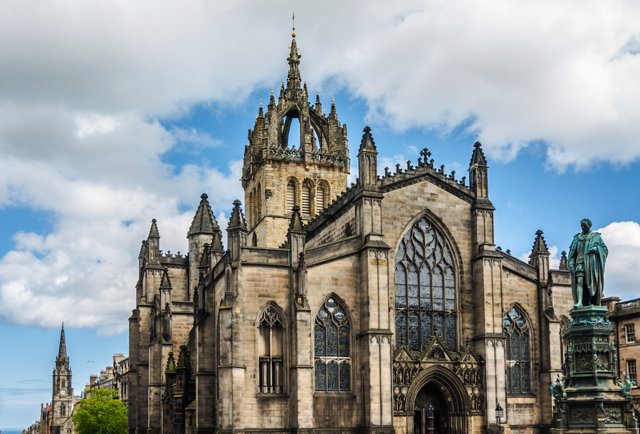
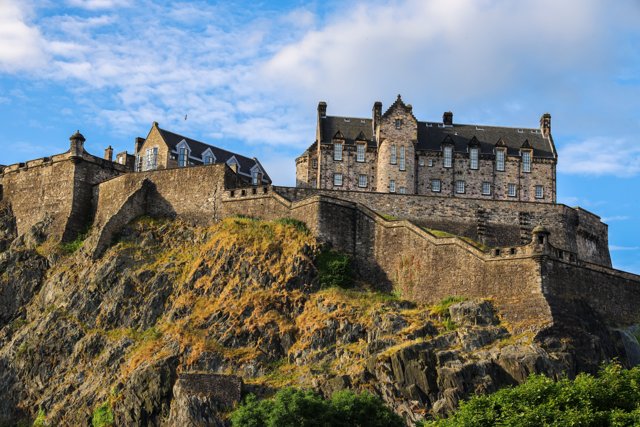
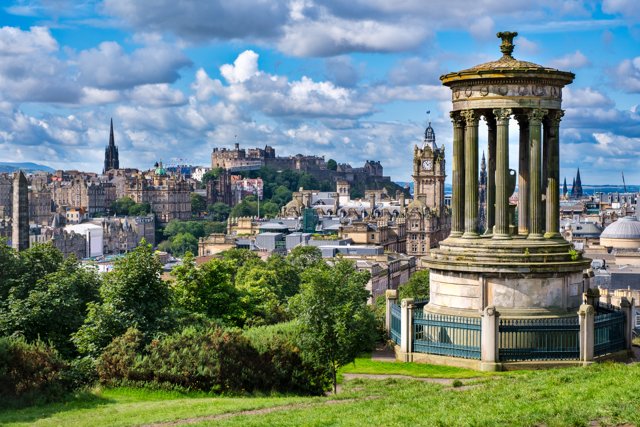
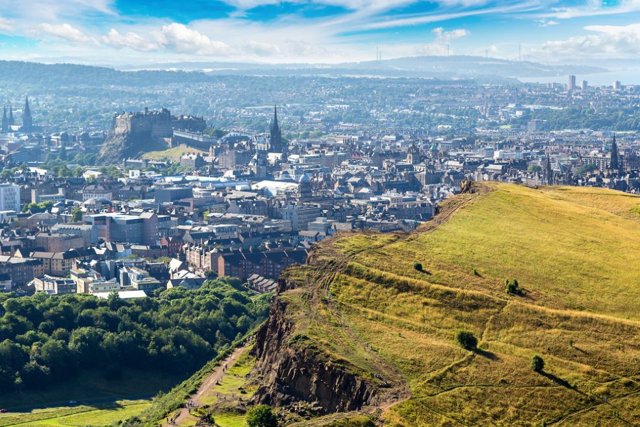
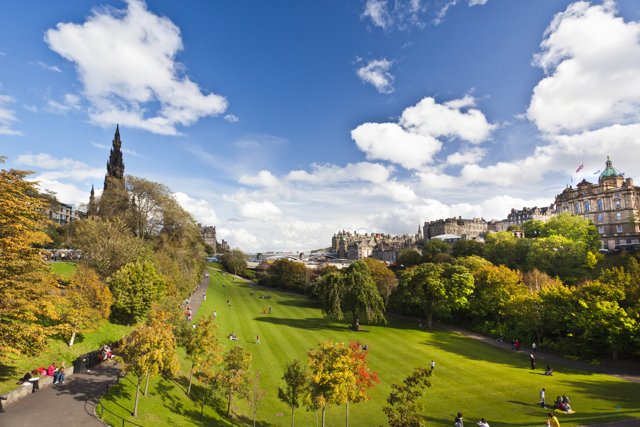
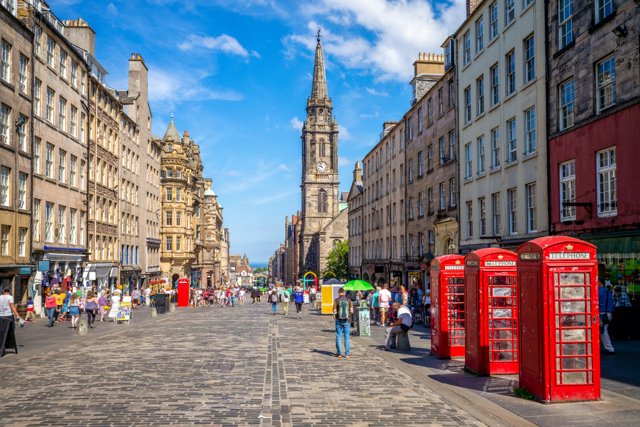
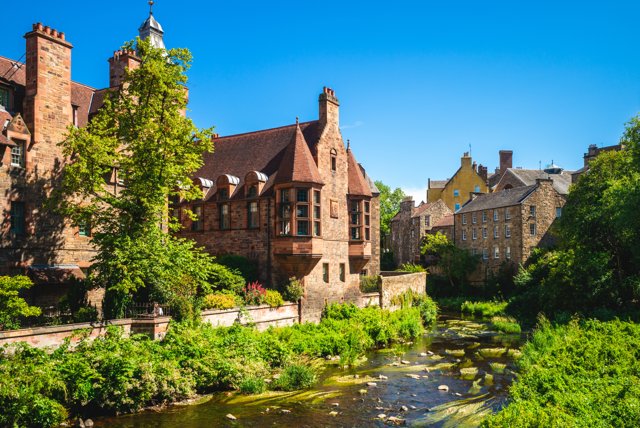
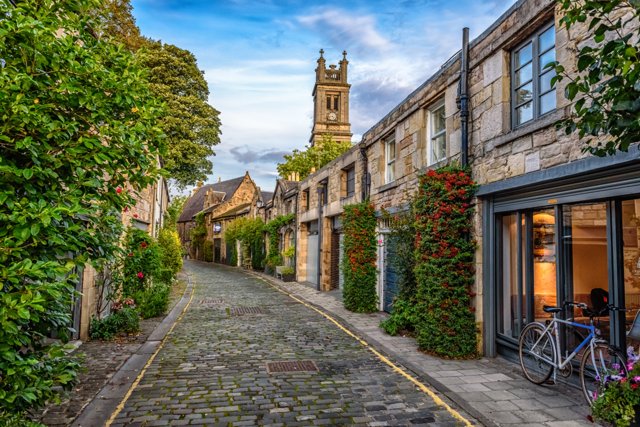
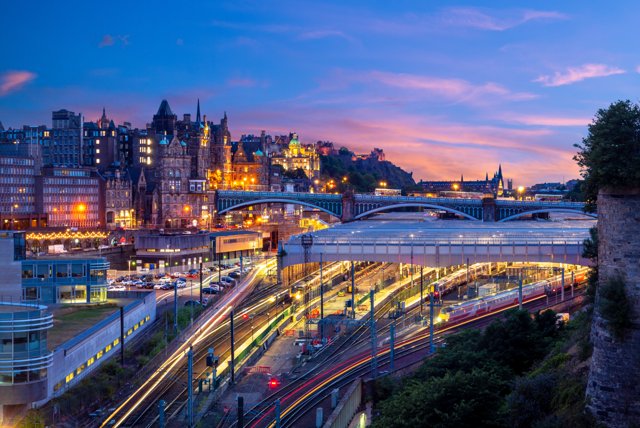
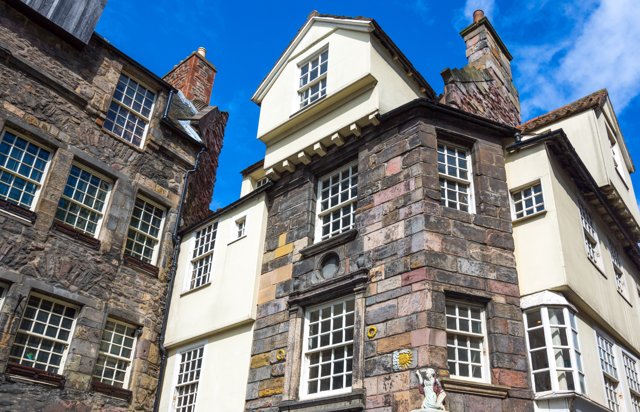
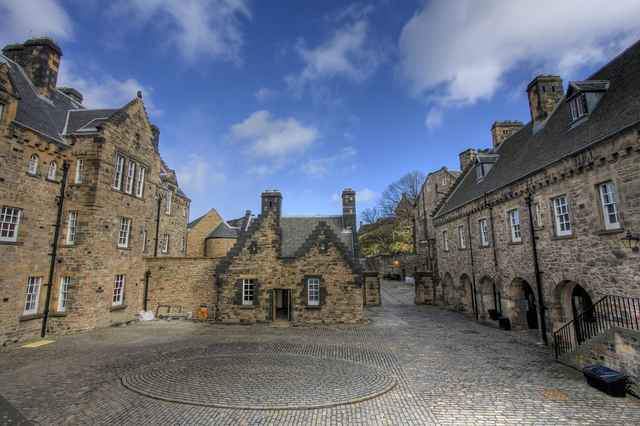
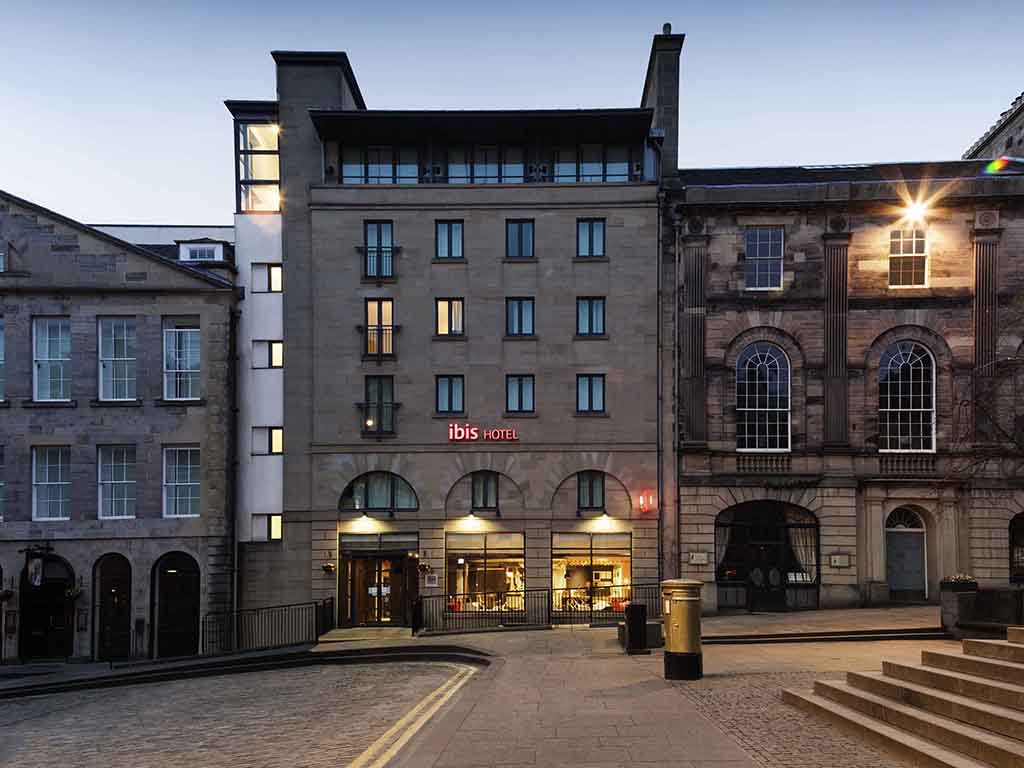
The Scottish poet Hugh MacDiarmid once called Edinburgh “a mad god’s dream,” and the description still feels apt. The city rises with theatrical confidence, its castle perched on an ancient volcanic rock above streets that spill down steep ridges before gathering again in elegant Georgian terraces. From above it feels dramatic; at street level, intimate, with cobbled lanes winding through the Old Town and narrow closes dropping toward the distant sea.
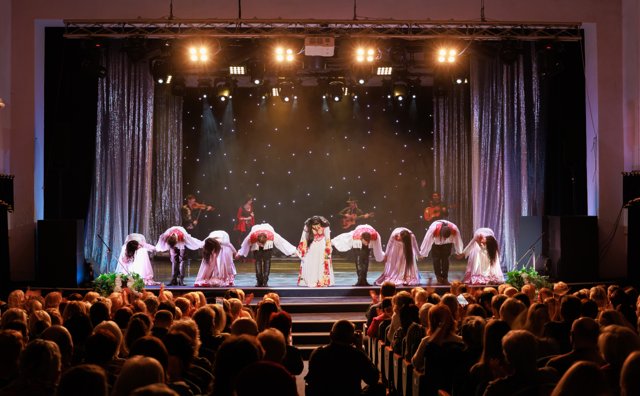
Edinburgh is a capital shaped as much by ideas as by stone. The University of Edinburgh, founded in 1583, helped establish the city as an intellectual force, and the Scottish Enlightenment earned it the nickname “Athens of the North.” Today that legacy sits comfortably alongside August’s festival stages, independent bookshops, and the cafés where a certain boy wizard was first imagined.
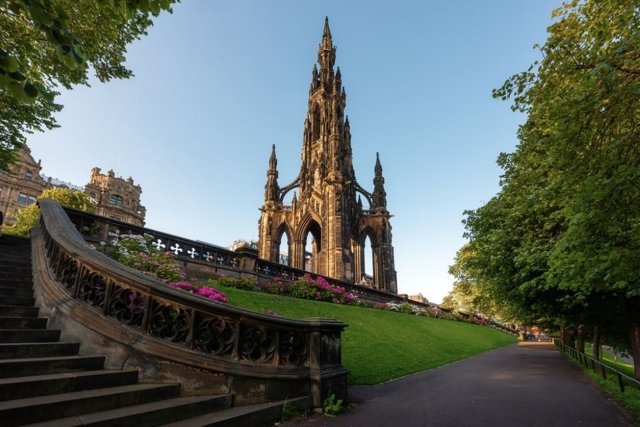
Edinburgh can feel austere, windswept, even brooding. Yet beneath its gothic skyline lies a city that rewards slow wandering — a place where history, literature and everyday life remain closely intertwined.