Edinburgh

Built on lava and literature, with weather that writes its own drama across the city’s slopes.

  • Edinburgh

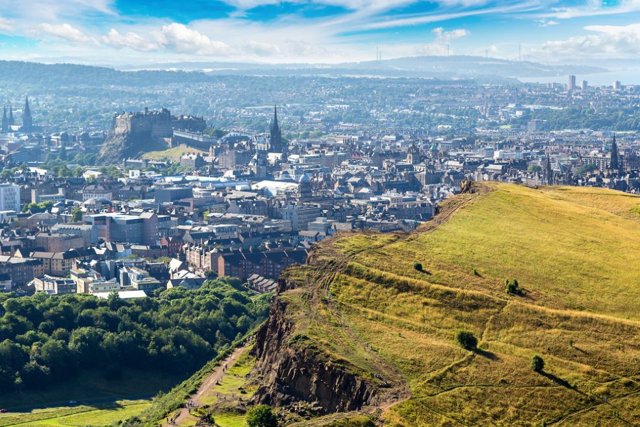
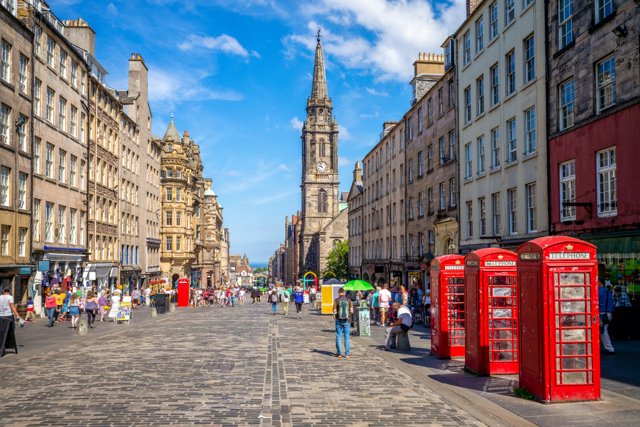
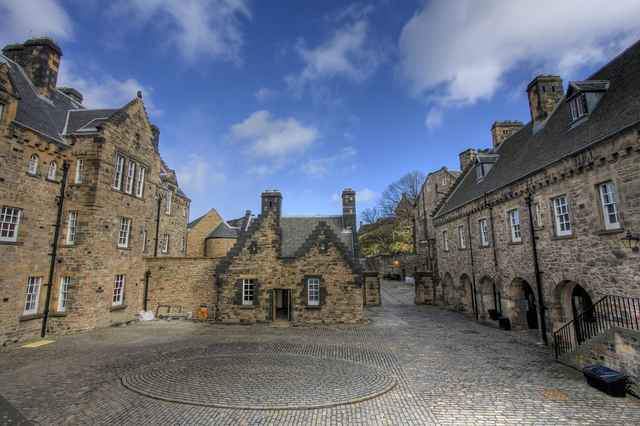
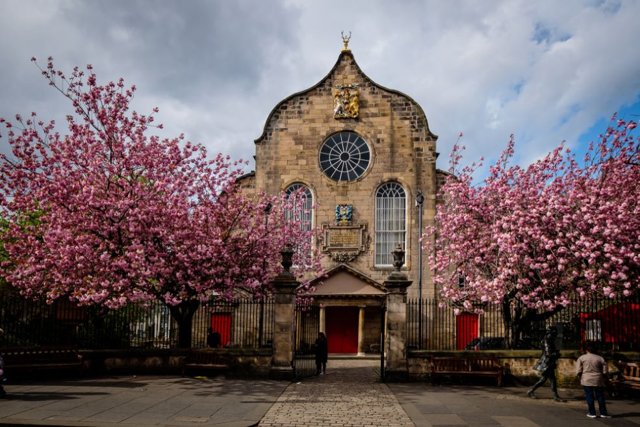
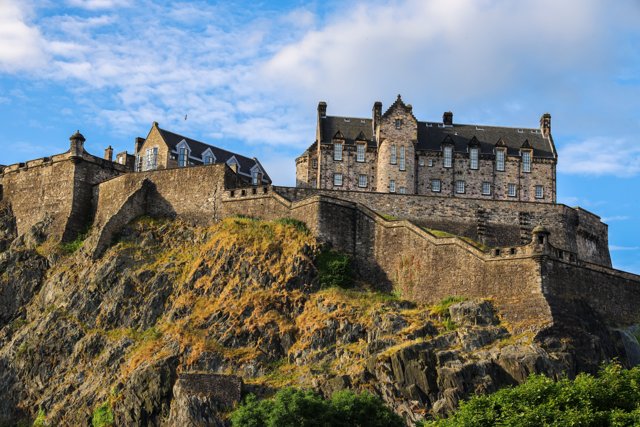
    The Scottish poet Hugh MacDiarmid once called Edinburgh “a mad god’s dream,” and the description still feels apt. The city rises with theatrical confidence, its castle perched on an ancient volcanic rock above streets that spill down steep ridges before gathering again in elegant Georgian terraces. From above it feels dramatic; at street level, intimate, with cobbled lanes winding through the Old Town and narrow closes dropping toward the distant sea.

    Edinburgh is a capital shaped as much by ideas as by stone. The University of Edinburgh, founded in 1583, helped establish the city as an intellectual force, and the Scottish Enlightenment earned it the nickname “Athens of the North.” Today that legacy sits comfortably alongside August’s festival stages, independent bookshops, and the cafés where a certain boy wizard was first imagined.

    Edinburgh can feel austere, windswept, even brooding. Yet beneath its gothic skyline lies a city that rewards slow wandering — a place where history, literature and everyday life remain closely intertwined.
Unique experiences in Edinburgh

What to do in Edinburgh

Plan your trip

Entry Requirements & Travel Documents

Edinburgh is in Scotland, part of the United Kingdom (UK), which has its own entry rules independent of the EU. Most visitors who previously didn’t need a visa must now apply for a UK Electronic Travel Authorisation (ETA) before travel. This digital permission is linked to your passport and must be applied for before you fly, sail, or take the train to the UK. Airlines, trains, and ferries will refuse boarding without it.

The ETA is required for tourism, short study, business trips, or transit involving UK border control. It does not guarantee entry, but it is mandatory before travel. Applications are processed via the official UK Government website or the UK ETA mobile app and usually take a few days.

British and Irish citizens, holders of valid UK visas, and residents with immigration permission are exempt.

Be sure to always check the UK Government’s entry guidance before booking or travelling.

Money, Currency & Paying in Edinburgh

The local currency is the British Pound Sterling (£, GBP). Edinburgh has moved rapidly toward a cashless-first economy: contactless cards, mobile wallets, and debit/credit cards are accepted nearly everywhere, from buses and museums to cafés and pubs.

Cash still circulates. A few Scottish banks issue their own notes, which carry the same value as Bank of England notes but look different. Scottish banknotes are widely accepted in Edinburgh but may not be accepted outside Scotland due to unfamiliarity., including in parts of England, Wales, and Northern Ireland. Use them while in Scotland, or exchange them before leaving. 

ATMs are plentiful, but for most everyday spending, you won’t need much cash. When paying by card, always choose to be charged in pounds rather than your home currency for a better exchange rate.

Weather, Seasons & When to Visit

Edinburgh has a temperate oceanic climate. 

Summers (June–August) are cool, averaging 18-20°C, and rarely hot. 

Winters (December–February) are cold, damp, and windy, with daytime temperatures between 1-7°C; snowfall does occur but is often light. Rain and sudden weather changes are common year-round, and strong winds from the coast can make temperatures feel lower. 

Late spring (May–early June) and early autumn (September) often offer the best combination of mild weather, longer daylight, and fewer crowds. August is the warmest month and festival season, but also the busiest with peak accommodation prices. 

Edinburgh’s weather is famously temperamental: a waterproof should also be windproof, and a jacket is recommended even on seemingly fair days.

Health Insurance

If you are not a UK resident, make sure you arrange comprehensive travel medical insurance before departure. While the National Health Service (NHS) provides emergency care, non-residents can be charged for many treatments beyond urgent emergencies.

If you’re from the EU/EEA or Switzerland, a European Health Insurance Card (EHIC) or UK Global Health Insurance Card (GHIC) may let you access state healthcare for medically necessary treatment at similar rates to residents. Still, it does not replace travel insurance and does not cover everything, such as repatriation or private care.

Always check official NHS guidance before travel, as policies and reciprocal arrangements can change. In an emergency, dial 999.

Connectivity, Roaming & Mobile Data

Free Wi‑Fi is common in hotels, cafés, shops, and some public spaces across Edinburgh. If your home mobile plan charges for roaming in the UK (common for many EU and non‑EU plans now), make sure to check rates ahead of time. 

A local SIM or eSIM can be a practical way to ensure reliable data for maps, apps, and bookings on the go. UK networks like EE, O2, Vodafone, and Three offer short‑stay plans at airports, train stations, and city shops — or you can buy eSIM packages online before arrival.

Airport & Main Arrival Hubs

Edinburgh’s main international gateway is Edinburgh Airport (EDI), about 13 km west of the city centre. It handles flights from across Europe and North America, with global connections via major hubs. The airport has one terminal and is compact, so transfer times from plane to transport are usually short. The average driving time to the city centre is 25 minutes.

Main Train Stations

Edinburgh is served by two primary train stations: 

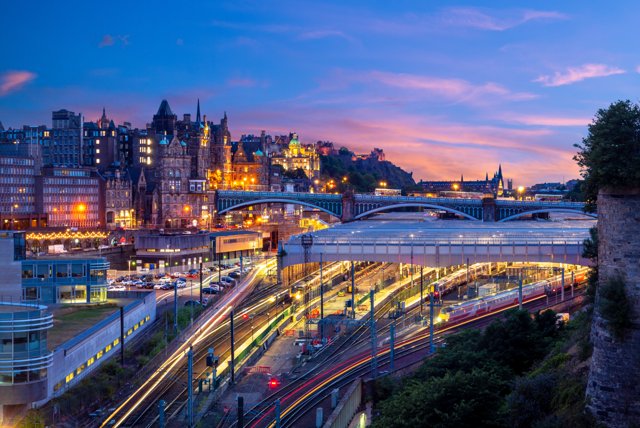
  • Edinburgh Waverley – the city’s main station, right in the centre between the Old and New Towns. It’s one of Scotland’s busiest hubs, with direct services to London, Manchester, Glasgow, Aberdeen, and many other destinations. 
  • Haymarket – slightly west of the historic core and well served by trains from Glasgow, Fife, and northern Scotland. It’s also a tram interchange, making onward travel simple. 

Both stations connect to the tram network and local buses for onward travel.

From the Airport / Station to the City Centre

From Edinburgh Airport, the main public transport options are the Airlink 100 express bus and the tram. 

The Airlink 100, operated by Lothian Buses, runs 24 hours a day. Services operate approximately every 10 minutes during the day, every 15 minutes in the evening, and less frequently overnight. The route terminates at Waverley Bridge in the city centre. Tickets can be purchased from the driver or via the official mobile app.

The Edinburgh Trams service runs approximately every 7 minutes during peak daytime hours, connecting the airport with key stops including Haymarket and St Andrew Square. It is slightly more expensive than the bus and does not operate overnight. 

A taxi from the airport typically takes 20–30 minutes, depending on traffic. The official airport taxi provider is Capital Cars, with a clearly signposted rank a short walk from arrivals.

If arriving by train at Edinburgh Waverley or Haymarket railway station, much of the city centre is within walking distance. Both stations are also served by trams and multiple local bus routes connecting to outer neighbourhoods.

Taxis & Ride-Hailing Services

Licensed taxis in Edinburgh are typically black (hackney taxis), dark blue, or white and clearly marked. They can be hailed on the street in central areas, picked up from designated taxi ranks, or booked via phone or app. Vehicles are metered and regulated by the local authority.
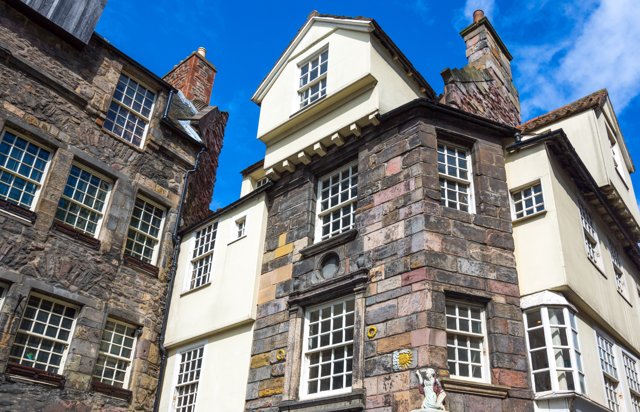
Ride-hailing services such as Uber and Bolt operate citywide and often provide upfront pricing through their apps.

Arrival Tips & Common Mistakes to Avoid

  • Airport taxi ranks can be pricey. Many visitors find ride‑hailing or booking a recognised local taxi company cheaper. 
  • Only use the official taxi ranks or pre-booked apps; ignore anyone offering “cheap rides” inside the terminal.
  • Driving in Scotland is on the left; take extra care at roundabouts and pedestrian crossings.
  • Plan extra time during the August festival season, when transport and traffic become significantly busier.
  • Layers, waterproof and windproof jackets, and sturdy shoes are essential for walking on slopes and cobbles.
  • Watch your step on wet cobbled streets and historic closes, especially after rain.
  • Be polite, respect personal space, and avoid heated debates about politics or football rivalries.

Public Transport & Zones

Edinburgh’s public transport network is integrated and easy to navigate. The city is served by Lothian Buses (the distinctive maroon-and-white double-deckers), Edinburgh Trams, and regional rail services operated by ScotRail. There is no metro system.

Within the standard city zone, most bus journeys operate on a flat adult fare. There are no central fare zones in the way many European cities structure transport. The main fare exception is travel to or from Edinburgh Airport, which carries a higher, separate airport fare on both tram and Airlink services.

Lothian Buses operate an extensive network across the city and suburbs, including night buses. Edinburgh Trams run from the airport through the city centre (via Haymarket and Princes Street) to Newhaven. Suburban and regional rail services connect via Edinburgh Waverley and Haymarket railway station.

Services are frequent, generally reliable, and supported by real-time tracking through official apps.

Tickets & Passes

Edinburgh is fully contactless-enabled across buses and trams.

On buses, you tap once when boarding using a contactless card or mobile wallet (no need to tap off). On trams, you must tap on before boarding and tap off at your destination to calculate the correct fare.

A daily fare cap applies for contactless travel within the city zone, meaning you will not pay more than the equivalent DayTicket for unlimited same-day travel. Airport journeys are excluded from the standard cap and require the higher airport fare.

Paper tickets and day passes remain available via ticket machines, apps, or directly from bus drivers (exact fare required if paying cash, as drivers do not give change). For longer stays, the Ridacard offers unlimited travel and may be cost-effective.

Ticket inspections are routine, and penalties are issued immediately for invalid or missing tickets.

Walking & Cycling

Despite being built on seven hills, Edinburgh is compact and highly walkable, particularly within the Old Town and New Town, where most major sights sit within short distances of one another. Be prepared, however, for steep inclines, uneven cobbles, and rapidly changing weather; good footwear and a waterproof layer are essential.

Cycling is increasingly popular. Dedicated cycle lanes exist along parts of the tram corridor and selected arterial roads, though traffic can be dense in the city centre. Edinburgh's public bike scheme is operated by Voi,offering electric bikes for hire via a smartphone app. Independent rental shops can also be found throughout the city.

Nearby Destinations / Day Trips

Edinburgh is one of the best bases in Scotland for day trips, with rail and road connections reaching castles, coastlines, and the Highlands scenery within hours. Regular trains depart from Waverley and Haymarket stations, and organised coach tours cover longer distances comfortably in a single day.

Closer to the city, Rosslyn Chapel, a 15th-century chapel renowned for its intricate stone carvings and popularised by the film The Da Vinci Code, is easily reached by local bus.

To the west, Stirling is under an hour by train and home to the imposing Stirling Castle, often considered Scotland’s most strategically important fortress.

Glasgow, around 50 minutes by direct train, offers a contrasting urban experience: grand Victorian architecture, a thriving music scene, major museums, and a reputation for lively nightlife and creative energy. It’s larger, grittier, and often considered Scotland’s cultural capital.

For something more dramatic, full-day tours venture into the Scottish Highlands, passing through Glencoe’s stark mountain scenery and continuing toward Loch Ness, where guides will happily recount the legend of its most famous resident, the enduring legend of the Loch Ness Monster.

Accessibility & Basic Safety Tips

Most buses operated by Lothian Buses are low-floor and wheelchair accessible, and Edinburgh Trams are fully step-free. Edinburgh Waverley and Haymarket railway stations provide lifts and passenger assistance services.

Edinburgh is generally a safe city, though standard urban precautions apply, particularly during August festivals and late at night. 

Historic cobbles, stairways, and steep pavements can become slippery in wet or icy weather; sturdy footwear is strongly advised year-round.

Language, Culture & Local Etiquette

English is the primary language, though Scots vocabulary appears in everyday speech: aye (yes), wee (small), ken(know). The Scottish accent can initially feel strong for most foreigners, but locals are generally happy to repeat themselves if asked politely.

Courtesy and understatement are valued. “Please” and “thank you” matter, as does respecting personal space. Political discussions, especially around independence, and football rivalries, are sensitive topics unless you know the company well. Referring to a Scottish person as “English” is a genuine faux pas.
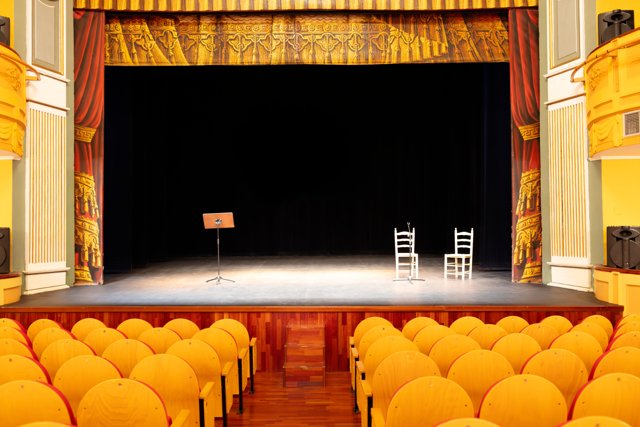
In pubs, you order and pay at the bar. If someone buys you a drink, it is customary to “stand your round” in return.

Tipping is modest by international standards: 10-12.5% in restaurants is typical if service is not already included; rounding up in taxis and leaving small change in cafés is customary but not obligatory.

Neighbourhoods

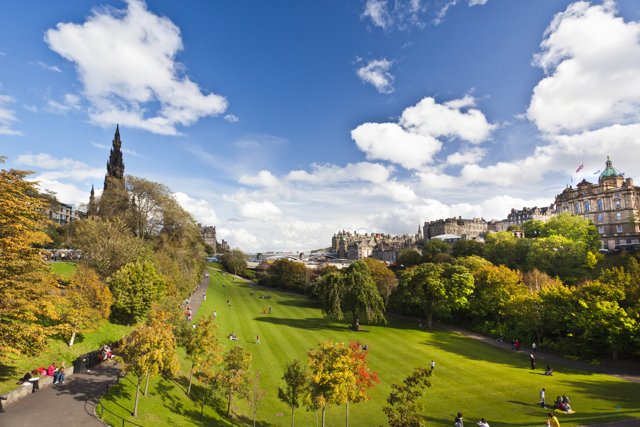
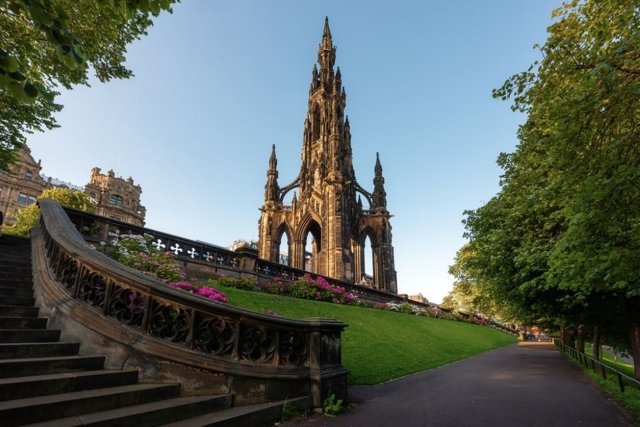
  • New Town: An 18th-century Georgian grid of terraces and formal squares, contrasting sharply with the Old Town’s medieval density. Princes Street frames castle views; George Street anchors shopping and cocktail bars. St James Quarter adds a contemporary retail hub. Home to landmark hotels, including The Balmoral Hotel.
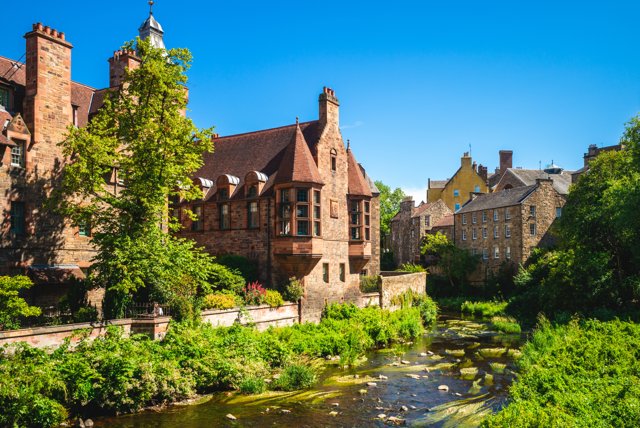
  • West End & Haymarket: The cultural quarter around Usher Hall, the Royal Lyceum Theatre and Traverse Theatre. Close to the Scottish National Gallery of Modern Art and the riverside calm of Dean Village. More residential, with strong independent cafés and bakeries.
  • Tollcross & Bruntsfield: Relaxed and residential, centred on Bruntsfield Links and lined with independent shops. Tollcross is slightly livelier, home to the historic The Cameo and traditional whisky bars. The Union Canal begins here.
  • Stockbridge: Village-like and affluent, focused around Raeburn Place and its Sunday market. Known for food shops, vintage boutiques, and basement pubs along St Stephen Street.
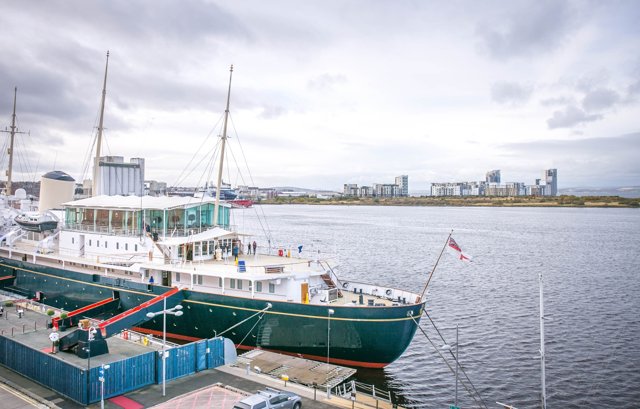
  • Leith: The former port district turned into a creative and multicultural hub. The Shore offers waterfront dining; Leith Walk reflects the area’s diverse character. Hosts the Leith Farmers’ Market and much of the city’s LGBTQI+ nightlife.
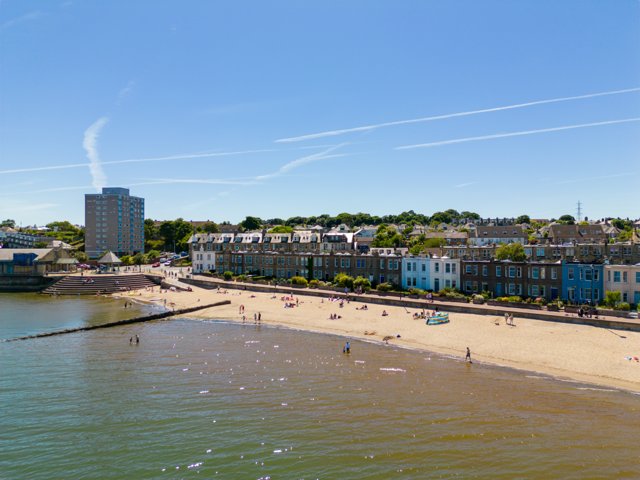
  • Portobello: A coastal suburb around 30 minutes by bus from Princes Street. Long sandy beach, promenade cafés, and a distinctly slower pace than the city centre.

Gastronomy

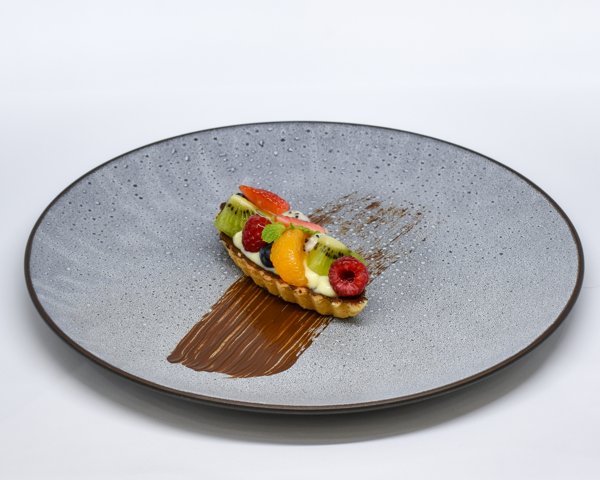
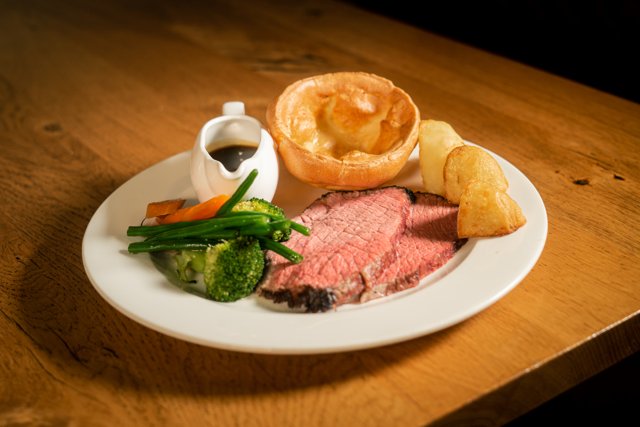
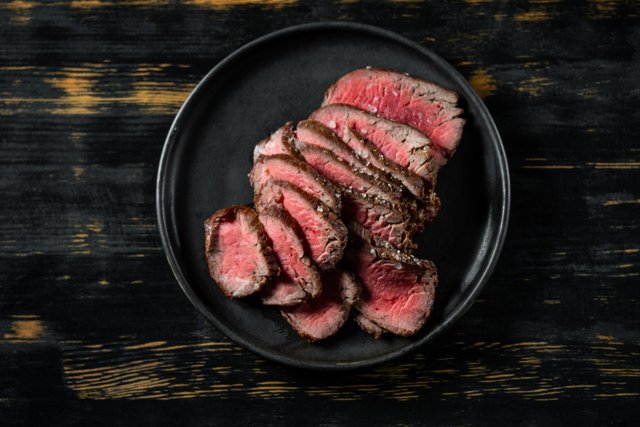
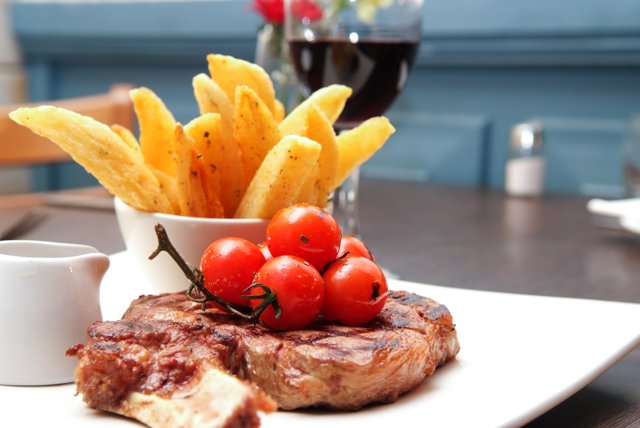
Scottish cuisine leans robust and protein-forward, shaped by climate and landscape. Haggis remains the quintessential national dish, but Edinburgh’s tables also highlight North Sea seafood, smoked salmon, Scottish haddock, Aberdeen Angus beef, venison, and other game in colder months.

Traditional pubs serve steak pie, stovies (a slow-cooked potato and meat dish), and Cullen skink, while contemporary kitchens reinterpret local produce with a restrained, often Nordic-influenced aesthetic. Whisky culture runs deep: historic taverns coexist with specialist bars offering curated tastings of regional single malts.

Breakfast commonly includes tattie scones, black pudding, and Lorne sausage alongside porridge; oats have formed a dietary staple in Scotland for over a thousand years. 

While meat features prominently in traditional fare, vegetarian and vegan options are now widely available across the city.

As a lighter footnote: the deep-fried Mars bar, frequently cited as Scotland’s most infamous snack, exists, though it is more novelty than daily habit.

City Rhythm

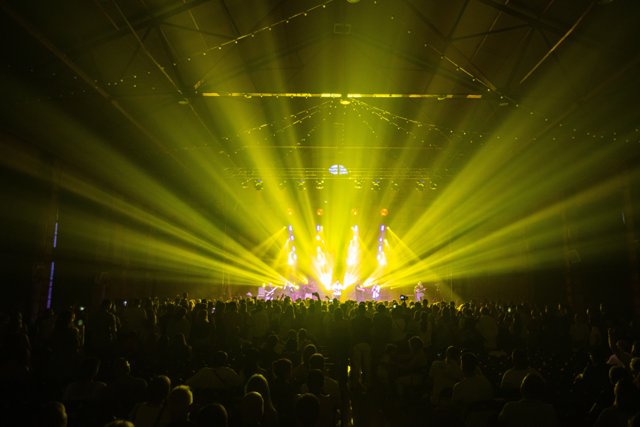
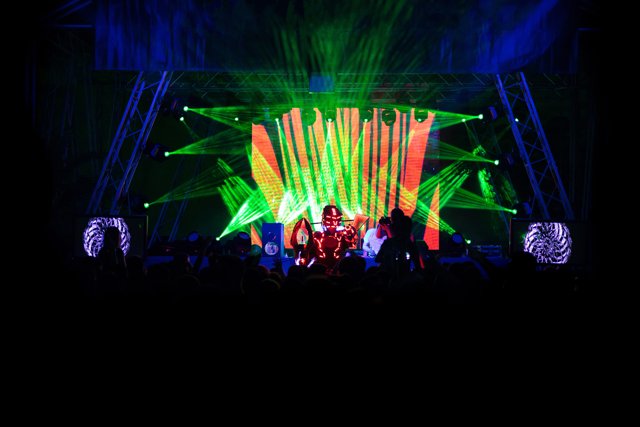
For most of the year, Edinburgh moves at a measured, deliberate pace. Mornings are orderly and commuter-driven; afternoons see a steady flow of shoppers and visitors through the centre; evenings gravitate toward pubs, restaurants, small music venues, and occasional theatre performances.

August alters the tempo entirely. The Edinburgh Festival Fringe, alongside the Edinburgh International Festival and related events, transforms the city into a near-continuous stage. Streets remain crowded from morning until late at night, and pop-up performances fill courtyards.

Winter culminates in Hogmanay (Scotland’s New Year celebration), marked by street parties, concerts, fireworks, and long-standing traditions welcoming the year ahead.

Things to Do

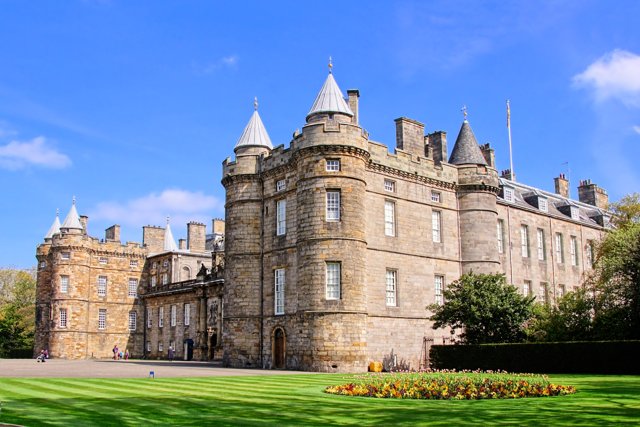
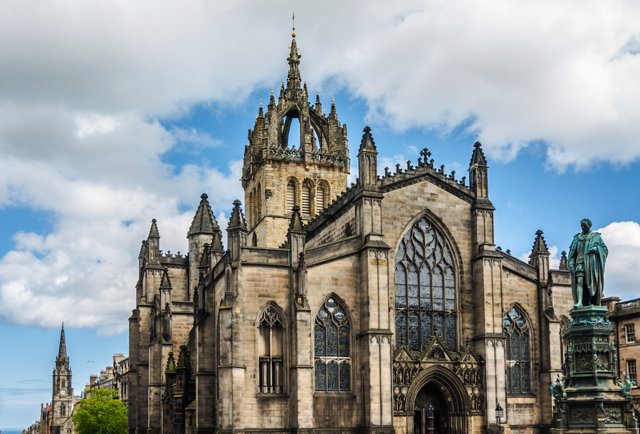
Begin above the city. Climb Arthur’s Seat and watch Edinburgh reveal itself: the castle perched atop a volcanic rock, church spires puncturing the skyline, and the Firth of Forth glinting in the distance. From there, descend into the Old Town and follow the Royal Mile from Edinburgh Castle to the Palace of Holyroodhouse, stepping into St Giles' Cathedral along the way.

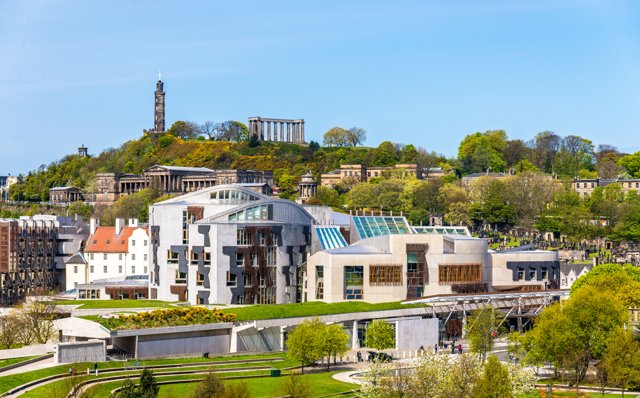
Climb Calton Hill for its neoclassical monuments and one of the most composed urban views in Britain. Walk the Water of Leith to Dean Village for a softer, quieter counterpoint to the stone intensity of the centre.

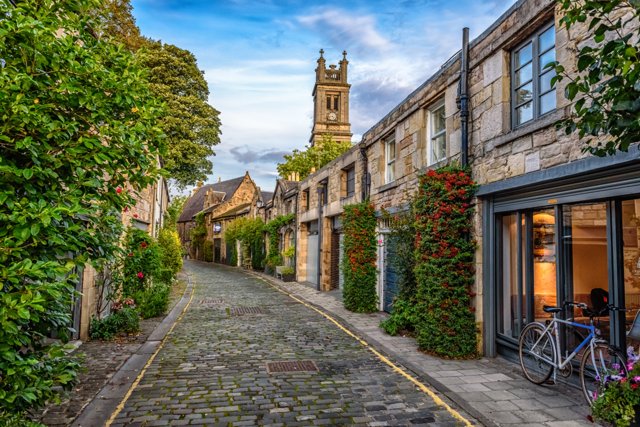
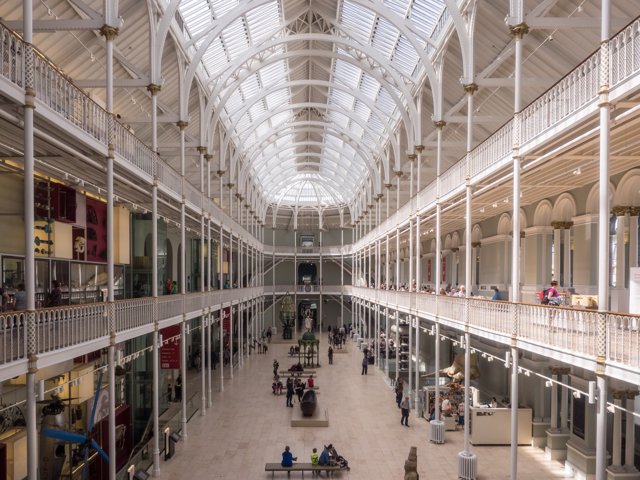
Look beyond the main streets: a narrow close leading to hidden courtyards, a whisky bar with shelves rising to the ceiling, and an underground ghost tour descending into the city’s earlier chapters. At the National Museum of Scotland, encounter everything from medieval artefacts to Dolly the Sheep — the first cloned mammal.

In August, the script dissolves entirely. Performances spill from theatres into churches, basements, and temporary stages. In festival season, the best plan is often no plan at all.

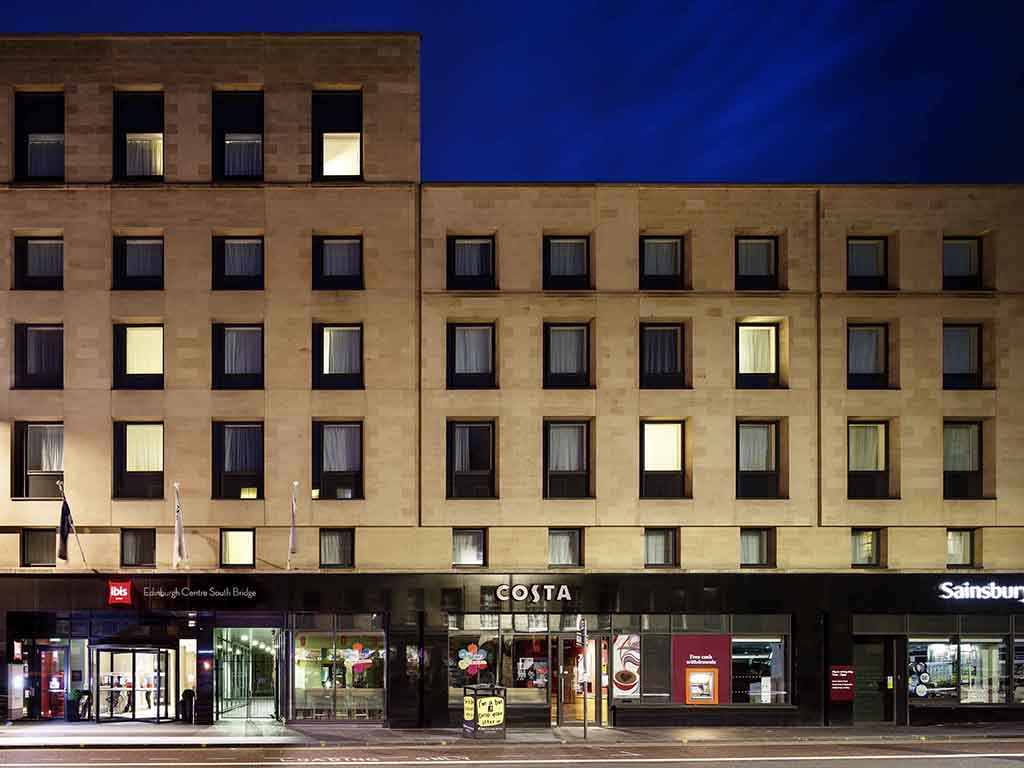
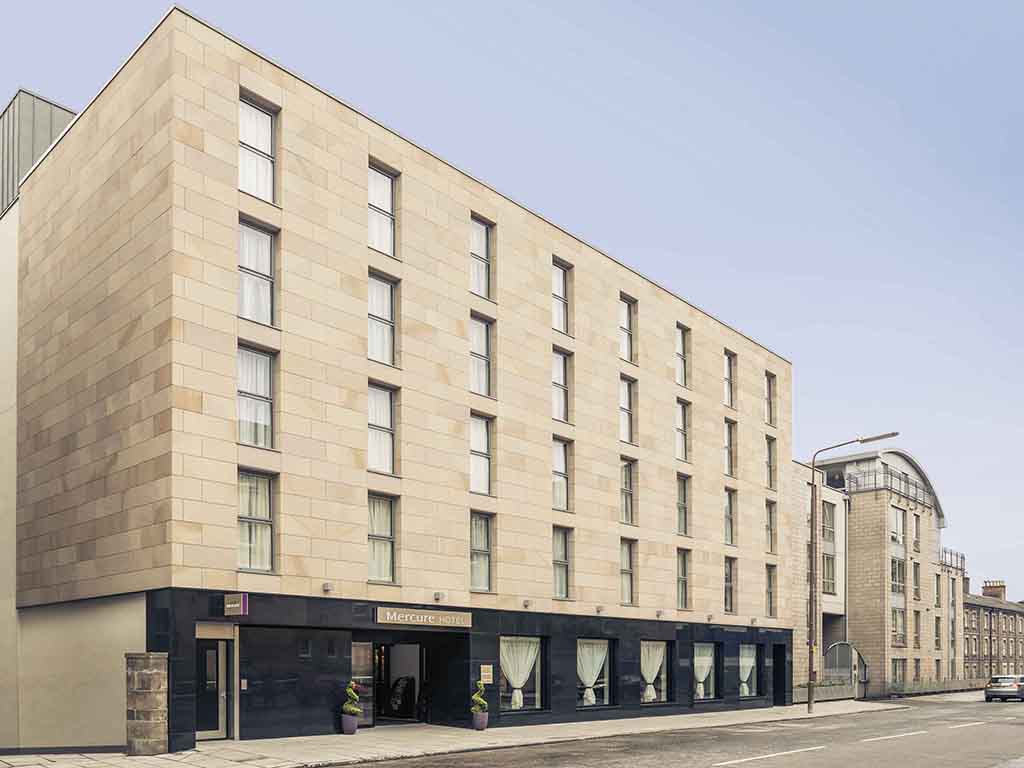
Best hotels in Edinburgh

Frequently asked questions

Is Edinburgh expensive?

Edinburgh is comparatively expensive within the UK, particularly during August festivals. However, many major attractions, including museums, historic streets, parks, and panoramic viewpoints, are free.

Is Edinburgh safe for visitors?

Yes. Edinburgh is widely regarded as one of the safest capital cities in Europe. As in any popular destination, it is sensible to keep an eye on personal belongings in crowded areas, especially during August festivals, but visitors generally find the atmosphere relaxed, orderly, and welcoming.

Do I need a car in Edinburgh?

No. The city centre is compact and highly walkable, and public transport (buses and trams)  is reliable and extensive. A car is only useful for exploring more remote parts of Scotland.

Do people speak English in Edinburgh, and will I understand the Scottish accent?

English is the main language spoken in Edinburgh. While the Scottish accent may take a moment to adjust to, locals are friendly and happy to repeat themselves if needed.

When is the best time to visit Edinburgh?

May–June and September often offer the best balance of mild weather and manageable crowds. August is vibrant and world-famous for its festivals, but significantly busier.

How many days do I need in Edinburgh?

Two to three days allow you to explore the historic centre comfortably. Four to five days give time for museums, neighbourhoods beyond the Old Town, and a day trip into the Highlands or along the coast.

Top destinations