Vienna

A city of imperial grandeur and measured elegance, where the echoes of Mozart meet the warmth of a candlelit café.

  • Vienna

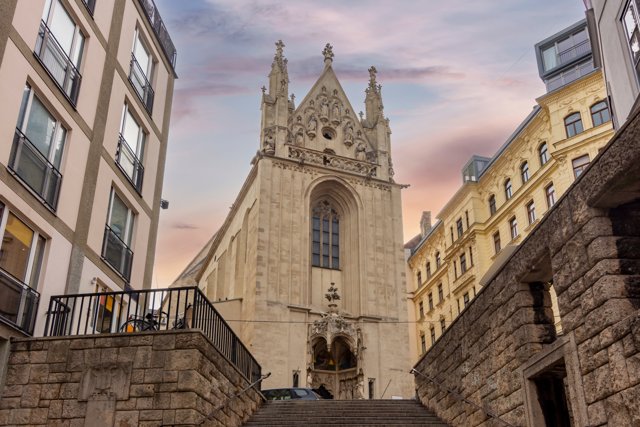
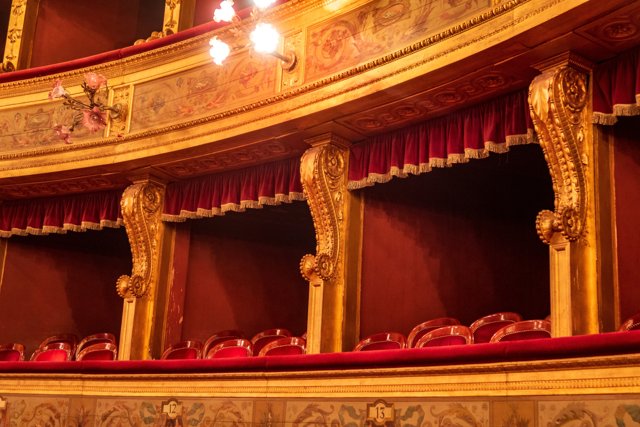
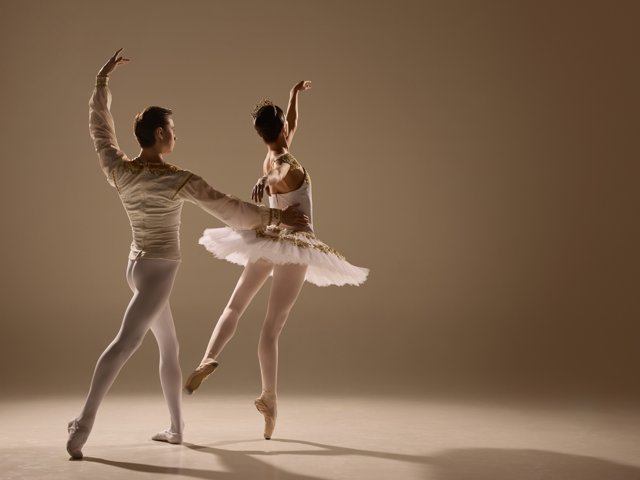
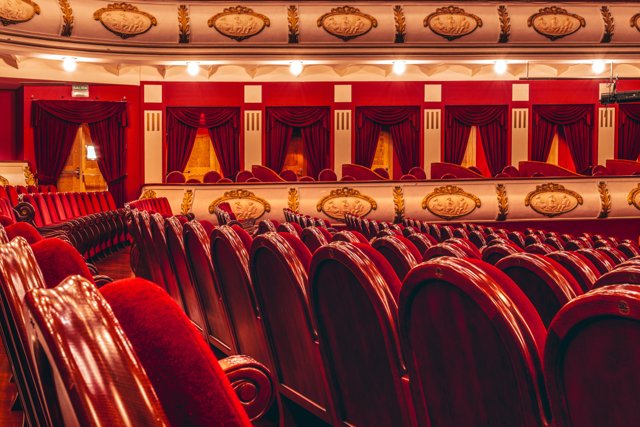
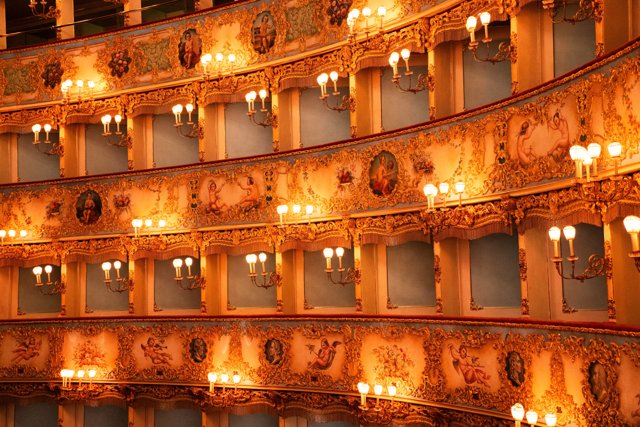
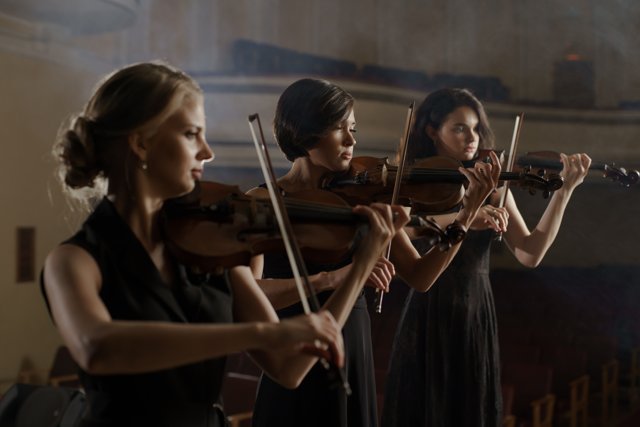
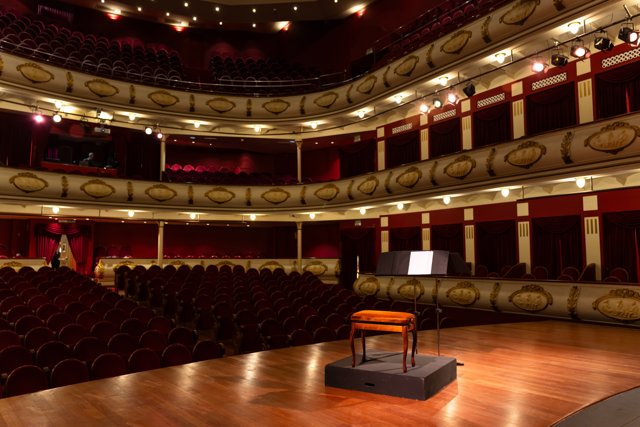
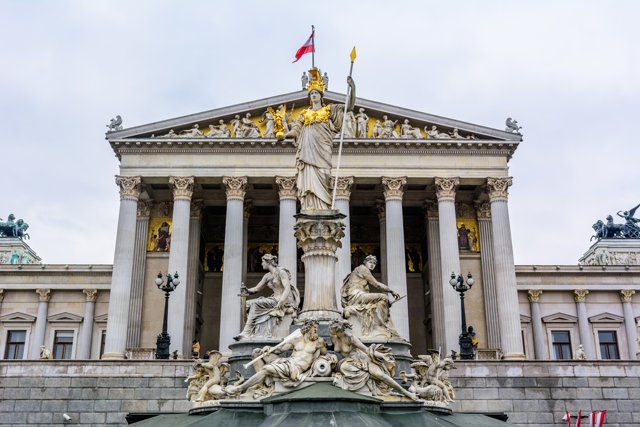
    Vienna is a city of white marble and gold leaf, where the air still carries the faint refinement of the Habsburg Empire. History here is not a memory but a formal invitation to the present. Along the Ringstrasse, the imposing silhouettes of the State Opera and the Parliament serve as reminders of a time when Vienna stood at the centre of imperial Europe. Here, the ghosts of Mozart and Beethoven remain constant presences, with their melodies drifting from academies and concert halls.

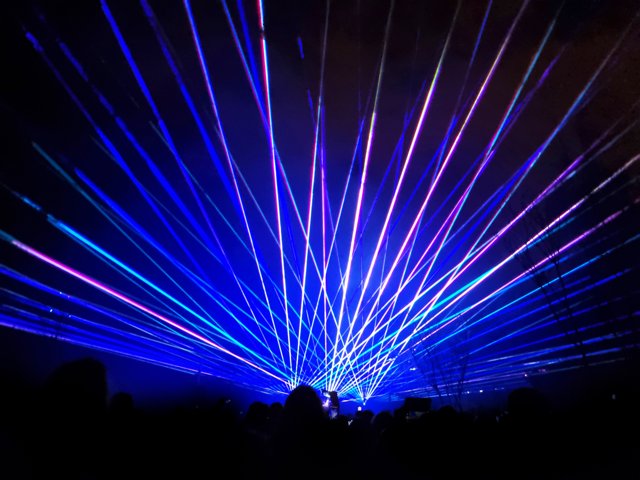
    Beyond these gilded gates and limestone monuments, however, lies a streak of sharp, modern energy. The soul of Vienna is found in the interplay between the two: where contemporary galleries and experimental stages sit comfortably beside centuries-old tradition, and a conversation over a slice of Sachertorte and a cup of coffee is considered just as vital as an evening at the opera.

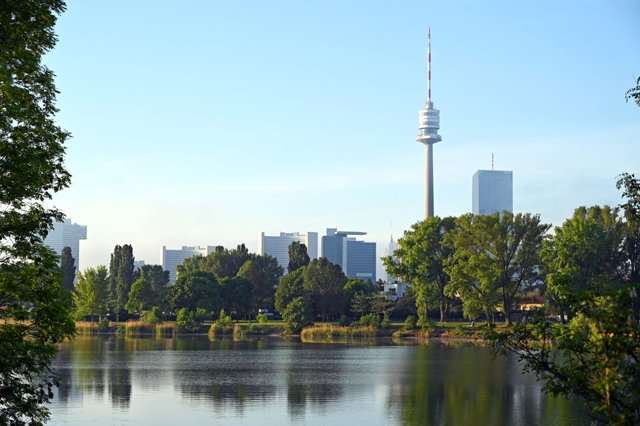
    From the clip-clop of horse-drawn carriages in the historic centre to the sleek U-Bahn trains crossing the Danube, Vienna moves with rhythmic, predictable grace — a place that has mastered the art of living well, slowly, and with an unwavering sense of style.
Unique experiences in Vienna

What to do in Vienna

Plan your trip

Entry Requirements & Travel Documents

Austria is part of the Schengen Area. EU and EEA citizens can enter the country with a valid passport or national ID card. Many non-EU travellers from visa-exempt countries may stay up to 90 days within a 180-day period without a visa, subject to passport validity rules that vary by nationality.

From late 2026, travellers from many visa-exempt countries, including the US, UK, Canada, Japan, Australia, and Brazil, will need to apply online for ETIAS authorisation before entering Austria and other Schengen states for short stays. Until ETIAS becomes operational, passport-only entry remains in place. Be sure to always check current entry rules before departure.

Money, Currency & Paying in Vienna

The local currency is the euro (€, EUR). Vienna is highly card-friendly. Debit cards, contactless payments, and mobile wallets are accepted in most hotels, restaurants, shops, museums, and on public transport.

That said, smaller shops, bakeries, and market stalls may still prefer cash, particularly for small amounts. Carrying a few notes and coins is practical for quick purchases.

ATMs are easy to find across the city and usually offer better exchange rates than airport exchange desks. When paying by card, choose to be charged in euros to avoid unfavourable conversion rates.

Weather, Seasons & When to Visit

Vienna has a continental climate, with warm summers, cold winters, and clear seasonal changes.

Spring (March to May) is mild and bright, with parks and café terraces reopening as the city stretches back outdoors. Summer (June to August) brings long daylight hours and cultural festivals, but also higher temperatures, sometimes above 30 °C.

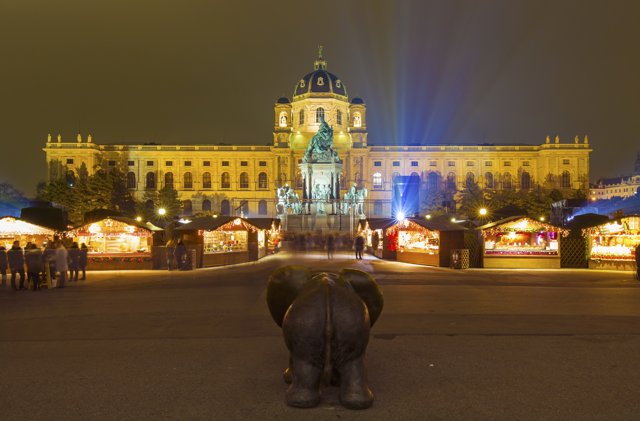
Autumn (September to October) is cooler and calmer, with soft light, fewer crowds, and a slower pace across the city. Winter (December to February) is cold, often grey, and occasionally snowy. Christmas markets and classical concerts define the season, while shorter days invite indoor cafés and museums. 

For comfortable weather and fewer visitors, late spring and early autumn are the most balanced times to experience Vienna.

Health Insurance

EU visitors should carry a valid EHIC (European Health Insurance Card) or GHIC (Global Health Insurance Card) to access Austria’s public healthcare system under the same conditions as residents. This does not replace full travel insurance.

Non-EU travellers should arrange comprehensive medical insurance before arrival, as hospitals and clinics may request payment or proof of coverage for non-emergency care.

Pharmacies (Apotheken) are widely available and can advise on minor health concerns. In an emergency, dial 112, the universal emergency number for the entire European Union.

Connectivity, Roaming & Mobile Data

Free Wi-Fi is common in hotels, cafés, museums, and many outdoor areas throughout Vienna.

If your mobile plan is from an EU/EEA provider, roaming across Austria and other EU countries is normally included at domestic rates under the EU “Roam Like at Home” rules, subject to fair-use limits. If your plan is not from the EU/EEA, roaming costs and coverage depend on your provider, so check details before departure.

For longer stays or heavier data use, a local SIM or eSIM is often more practical for maps, transport apps, and bookings.

Airport & Main Arrival Hubs

Vienna is served primarily by Vienna International Airport (VIE), located in Schwechat, approximately 18 kilometres southeast of the city centre. 

It is Austria’s largest and busiest airport, handling most international arrivals. The airport offers direct long-haul connections to North America, parts of Asia, and the Middle East, alongside an extensive European network. 

It is closely integrated into Vienna’s rail system, allowing onward travel into the city without reliance on road transport.

Main Train Stations

Vienna’s main long-distance rail hub is Wien Hauptbahnhof. Direct Railjet and EuroCity connections link Vienna with Salzburg, Innsbruck, Munich, Budapest, and Prague, among other destinations. The station is fully integrated with the U-Bahn, trams, and buses, and is modern, step-free, and fully accessible.
A secondary but still significant station is Wien Westbahnhof, which serves western routes and private operators such as Westbahn. While smaller in international scope than Hauptbahnhof, it remains well connected to the city’s public transport network.

From the Airport / Station to the City Centre

Travel from Vienna International Airport to the city centre is straightforward, and rail-based options are generally the most efficient.

The City Airport Train (CAT) runs non-stop to Wien Mitte in approximately 16 minutes. It is designed specifically for airport transfers and offers luggage-friendly carriages and frequent departures. However, it is significantly more expensive than standard rail services.

ÖBB Railjet and S-Bahn services connect the airport with Wien Hauptbahnhof, Wien Mitte, and other central stations in roughly 15 to 25 minutes, depending on the service. These trains are part of the regular regional network and are the most economical choice for most travellers. Standard rail tickets apply, though an additional airport supplement is required beyond Vienna’s main city fare zone.
Taxis operate from designated ranks outside the arrivals area. Journey time typically falls between 20 and 30 minutes, subject to traffic conditions.

Taxis & Ride-Hailing Services

Taxis in Vienna are regulated and metered. Payment by card is widely accepted, though confirming before departure remains advisable.
Ride-hailing services operate legally within the same regulatory framework. Uber functions in partnership with licensed drivers, and Bolt is also available. Both operate through app-based booking systems and are subject to local taxi regulations.
Arrival Tips & Common Mistakes to Avoid

  • It’s worth comparing the CAT with Railjet or S-Bahn services before purchasing a ticket.
  • Validate regional tickets where required (if not digital).
  • Check whether your train ticket includes the Vienna city zone (Zone 100).
  • Airport trains are punctual, so allow realistic transfer time.
  • Avoid unofficial taxi drivers inside the terminal.

Public Transport & Zones

Vienna’s public transport network is dense, punctual, and efficient. The system is operated by Wiener Linien and integrates U-Bahn (metro), trams, buses, and night services into a single coordinated system. Services run frequently throughout the day, and on Friday and Saturday nights, the U-Bahn operates 24 hours. 

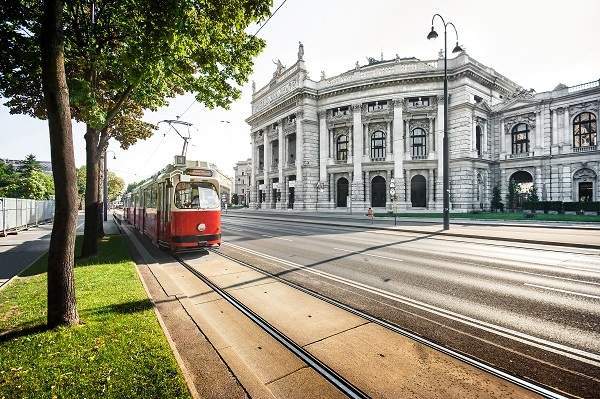
The historic centre (Innere Stadt) is compact, but the city extends well beyond it. Public transport connects imperial landmarks, residential districts, and outer neighbourhoods seamlessly. Trams in particular remain central to daily life, gliding past monumental façades and through lived-in streets alike.

Vienna’s transport system is organised into fare zones. Most visitors remain within Zone 100, which covers the entire city area, including the main sights and nearly all accommodation districts. The airport lies outside this zone, meaning an additional ticket is required when travelling to or from Vienna International Airport.

Tickets & Passes

Tickets are valid across all modes of transport within the purchased zone. Options include single rides, 24-, 48-, and 72-hour passes, as well as weekly tickets. Time-based passes are often the most practical choice for short stays, as they allow unlimited travel within Zone 100 for the selected duration.

Tickets can be purchased via the Wiener Linien mobile app, at station machines, tobacco shops (Tabaktrafik), or online. Digital tickets do not require validation, while paper tickets must be validated before the first journey.

Visitors may also consider the Vienna City Card, which includes unlimited public transport within the city and offers discounts at selected museums, attractions, and restaurants. It does not automatically include airport transfer.

Walking & Cycling

One of the best ways to explore Vienna is at street level. The historic core is compact and navigable, and many of the city’s grandest buildings are encountered naturally on foot, along the Ringstrasse, through Heldenplatz, or between museum courtyards. Pavements are wide, crossings orderly, and distances manageable.

Cycling infrastructure is well developed, with marked bike lanes and dedicated crossings throughout the city. The public bike-sharing system, WienMobil Rad, offers short-term rentals via app registration. The long, traffic-free paths along the Danube and across Donauinsel offer uninterrupted cycling routes, particularly in warmer months.

Nearby Destinations / Day Trips

Vienna’s position in the heart of Central Europe places several capitals within easy rail reach. Direct trains connect the city with Bratislava in around one hour, Budapest in approximately two and a half hours, and Prague in about four hours.

Within Austria, destinations such as Salzburg and the Wachau Valley are accessible by Railjet or regional services. The national rail operator, ÖBB, offers reliable high-speed and regional connections, and advance fares are often competitively priced when booked in advance.

Accessibility & Basic Safety Tips

Vienna is consistently ranked among Europe’s most liveable cities, and it feels orderly and secure. However, as in any major capital, pickpocketing can occur in crowded transport hubs and tourist areas. Remain attentive in stations and on busy trams.

Most U-Bahn stations are step-free, and newer trams and buses are low-floor and wheelchair accessible. Accessibility information is available through Wiener Linien. 

Language, Culture & Local Etiquette

German is the official language of Austria, though the Viennese dialect softens pronunciation and cadence. English is widely spoken in hotels, restaurants, and cultural institutions, particularly within the central districts.

Politeness is structured rather than effusive. Greetings matter: a simple “Guten Tag” or “Grüß Gott” is customary when entering smaller shops. Formal address (Sie) is standard unless invited otherwise. Service can feel reserved, but it is rarely unfriendly; discretion and efficiency are valued over performance.

Tipping is not compulsory, but rounding up or leaving around 5–10% for good service is typical and appreciated.

Time is treated with seriousness. Appointments are punctual, and public transport adheres closely to its schedule. However, café culture operates differently; tables are not rushed, and taking your time is understood as part of the ritual.

Neighbourhoods

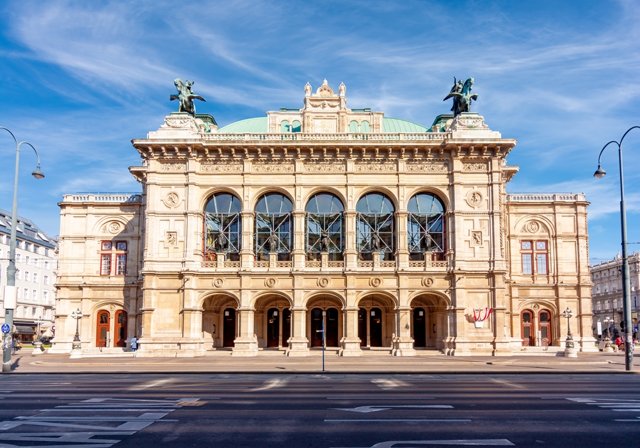
  • Innere Stadt (1st District): Vienna’s historic core, encircled by the prestigious Ringstrasse. Monumental and ceremonial, it is home to the Hofburg Palace, the Vienna State Opera, and cathedral squares framed by formal shopping streets. Packed with institutions, it reflects imperial Vienna at full scale.
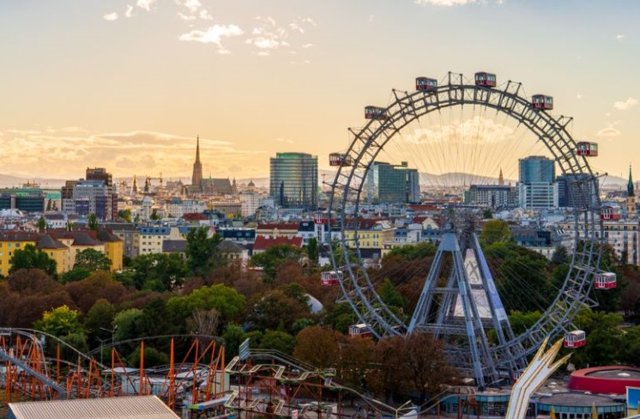
  • Leopoldstadt (2nd District): Across the Danube Canal, greener and more residential. Anchored by the Prater amusement park, it offers open space and a quieter rhythm, balancing urban density with expansiveness.
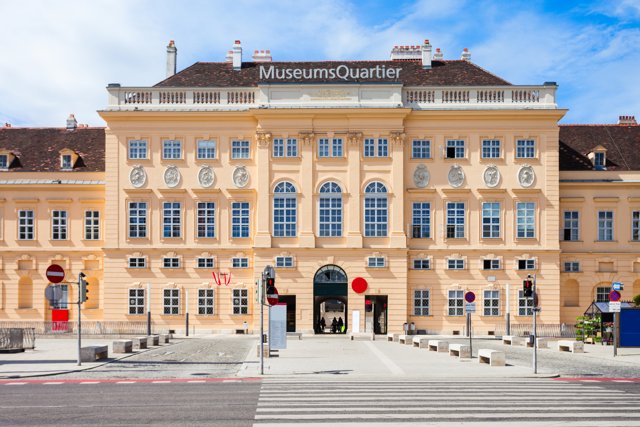
  • Neubau (7th District): Creative and compact, with independent boutiques, smaller galleries, and direct access to the MuseumsQuartier. Contemporary Vienna is most visible here.
  • Wieden & Margareten (4th & 5th Districts): Less monumental and more lived-in. Cafés, markets, and residential streets define the pace. Proximity to the Naschmarkt and TU Wien brings student life, everyday commerce, and a distinctly local character.

Gastronomy

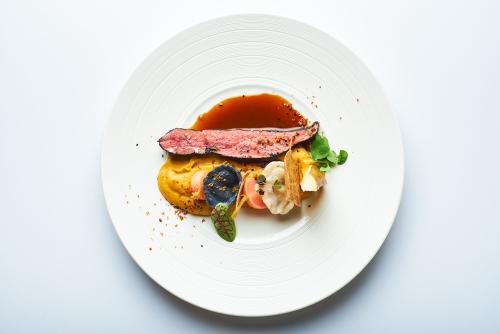
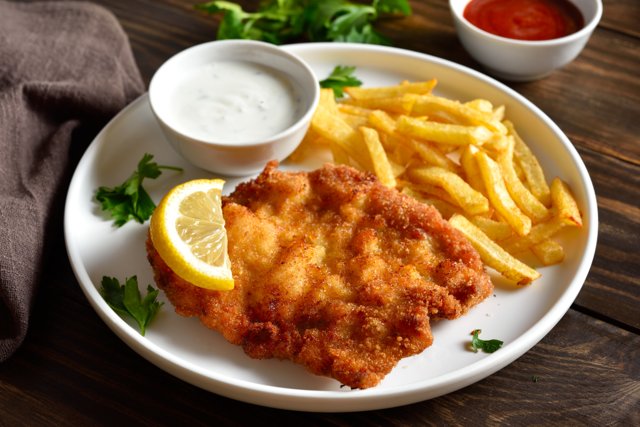
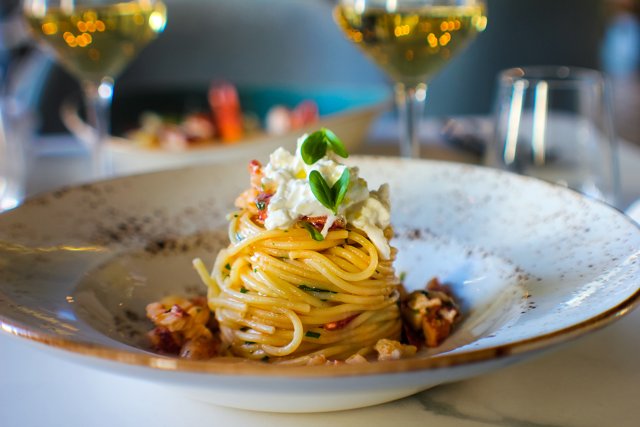
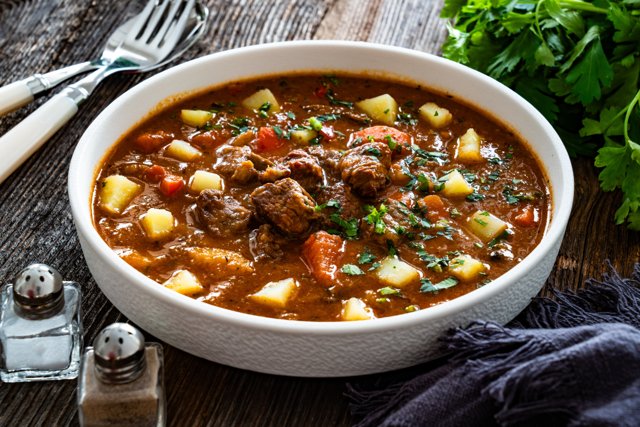
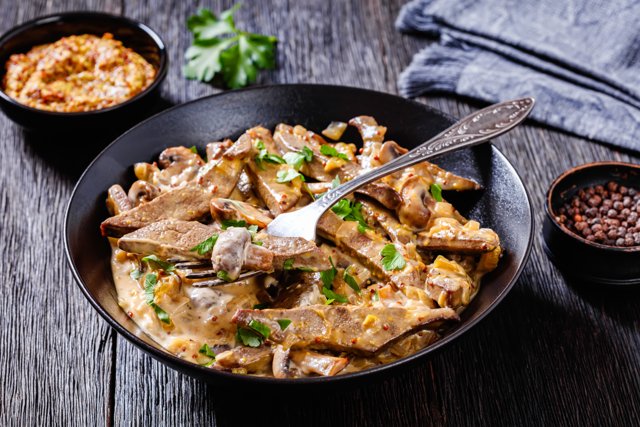
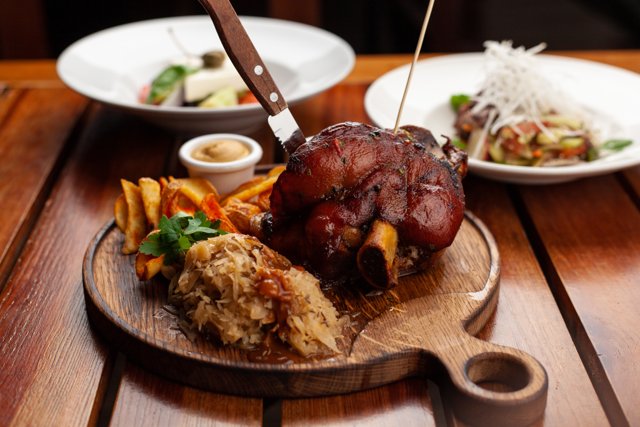
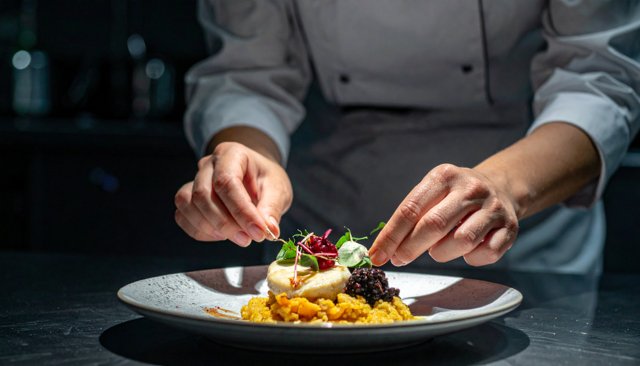
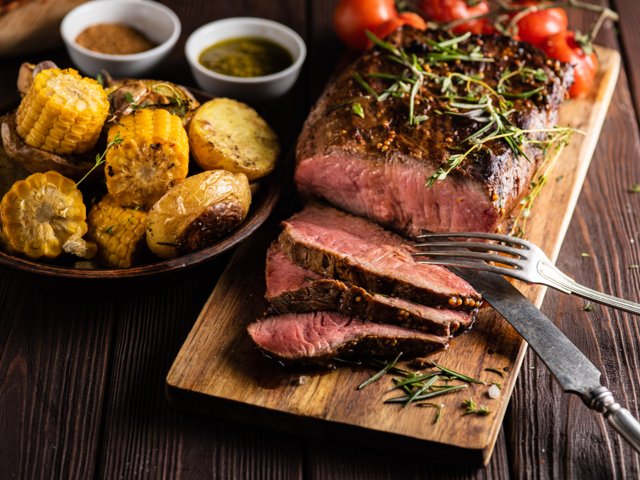
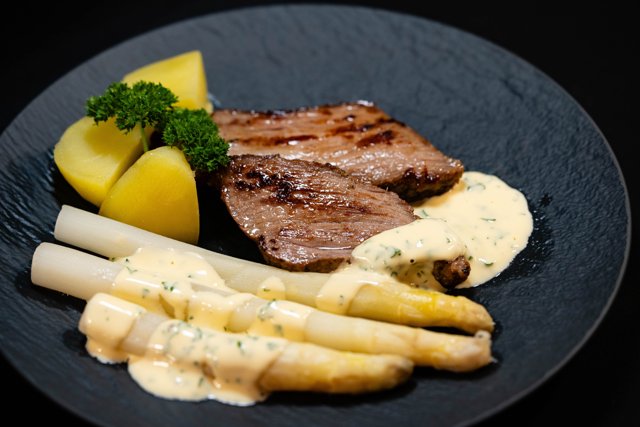
Viennese cuisine reflects imperial reach: a central European synthesis shaped by centuries of Habsburg rule. Dishes are substantial yet refined: Wiener Schnitzel (breaded veal or pork, traditionally served with lemon), Tafelspitz (slow-simmered beef in broth with root vegetables and horseradish), regional goulash variations, and autumn game, among others. 

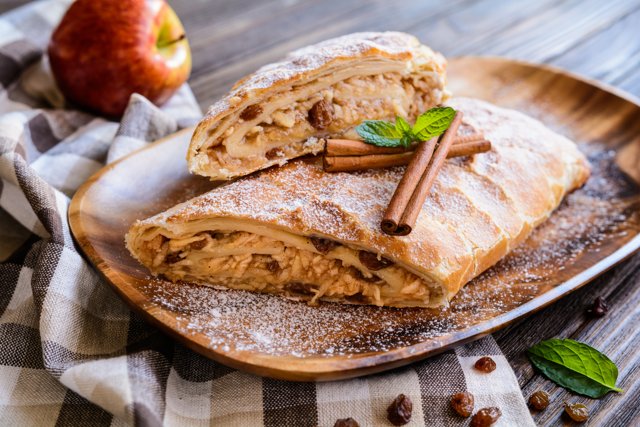
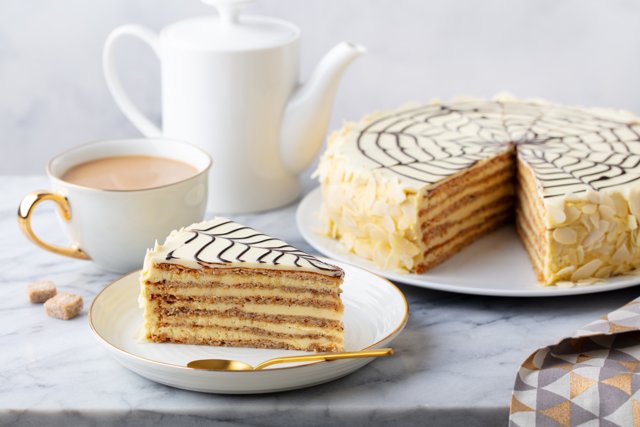
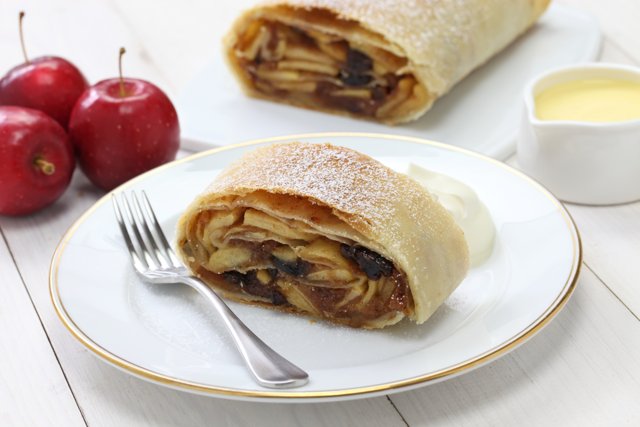
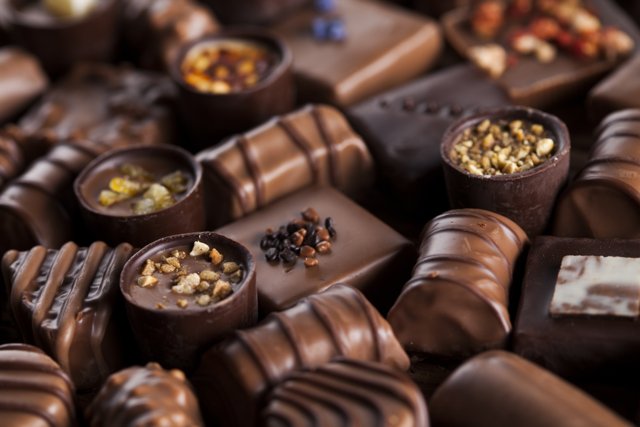
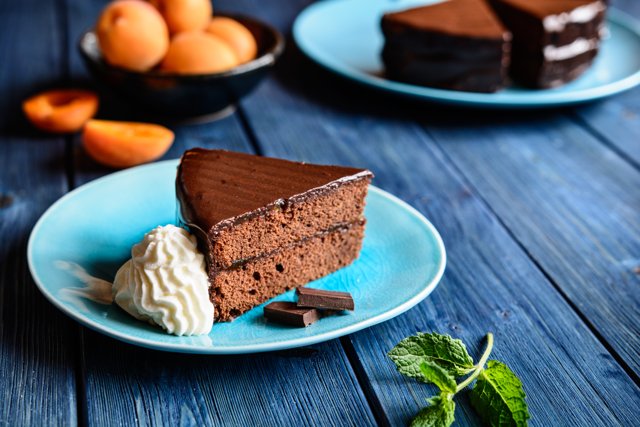
Coffee-house culture is an institution. Ordering a Melange (espresso with hot milk and light foam) or an Einspänner (double espresso topped with whipped cream) carries its own quiet etiquette. A slice of Sachertorte (the city’s rich chocolate cake layered with apricot jam) is less a dessert than part of the ritual. Apple strudel and Kaiserschmarrn, a shredded caramelised pancake dusted with powdered sugar, remain enduring classics.

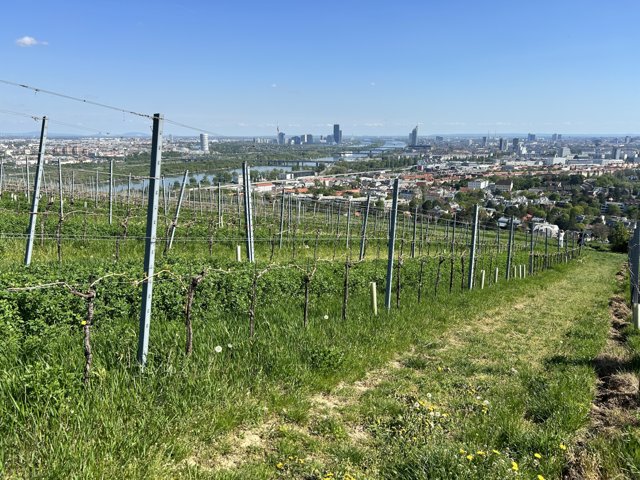
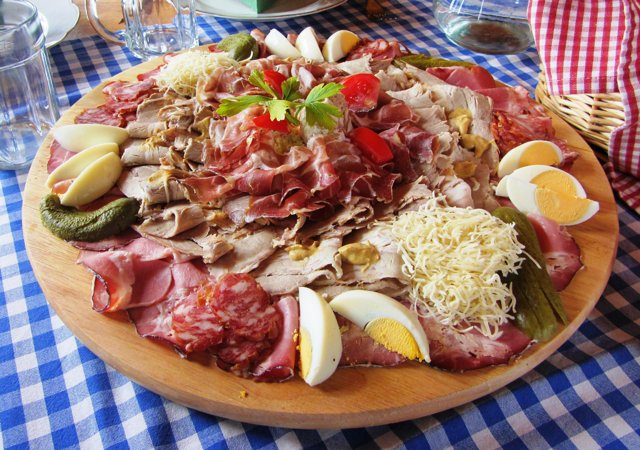
Wine culture also matters. Local heuriger taverns on the city’s outskirts serve young Viennese wine in informal, garden settings that contrast sharply with inner-city formality. Grüner Veltliner is the most recognised regional variety.

City Rhythm

Vienna moves deliberately. Mornings begin quietly in residential districts, with bakeries opening early and trams running precisely on schedule. Midday is efficient and structured; offices close on time, and public services operate with predictability. Evenings build gradually rather than erupt. 

The city rarely feels chaotic; even at its busiest, it remains orderly.

Vienna combines architectural grandeur with a reserved social rhythm. Its scale is evident in stone façades and formal avenues, yet daily life unfolds in measured, understated ways.

Things to Do

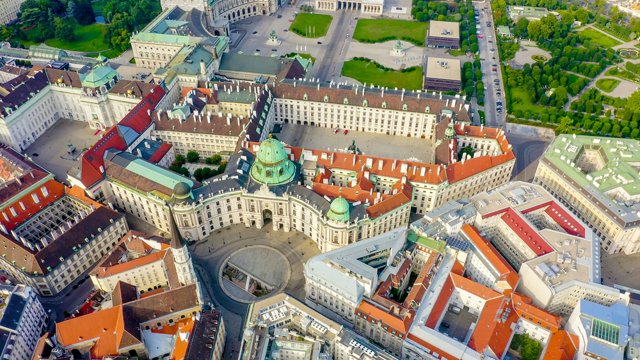
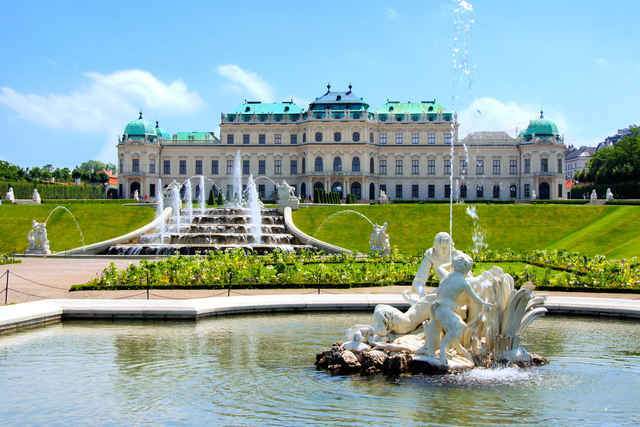
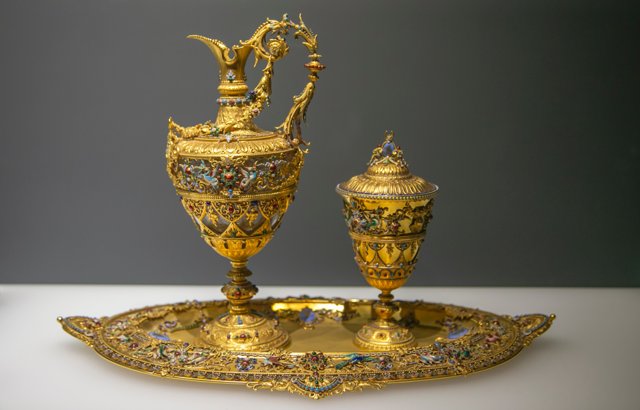
Vienna’s imperial identity is reflected in its grand palaces. Schönbrunn Palace offers vast gardens and a glimpse into Habsburg life, while the baroque Belvedere Palace houses Gustav Klimt’s iconic The Kiss. In the historic centre, the Hofburg — once the seat of the empire — now gathers museums, imperial apartments, and state rooms within an immense architectural complex.

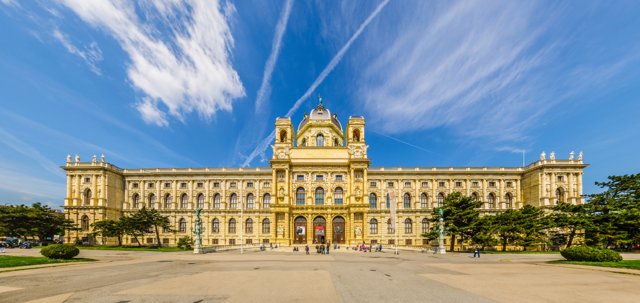
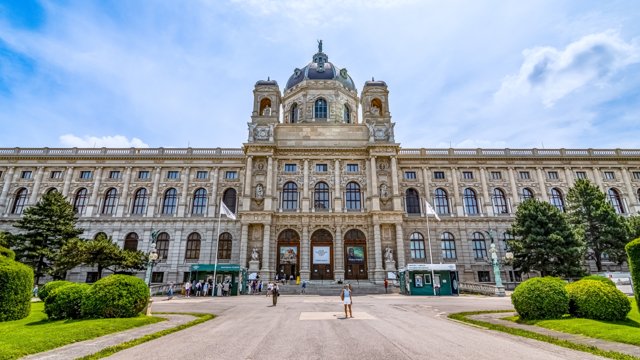
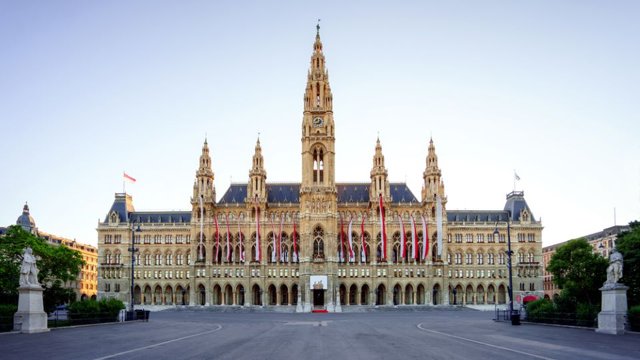
Walking the Ringstrasse, Vienna’s monumental boulevard, reveals many of the city’s defining landmarks, including the neo-Gothic Vienna City Hall and the renowned Vienna State Opera. Nearby, the MuseumsQuartier brings together several major museums within a former imperial complex.

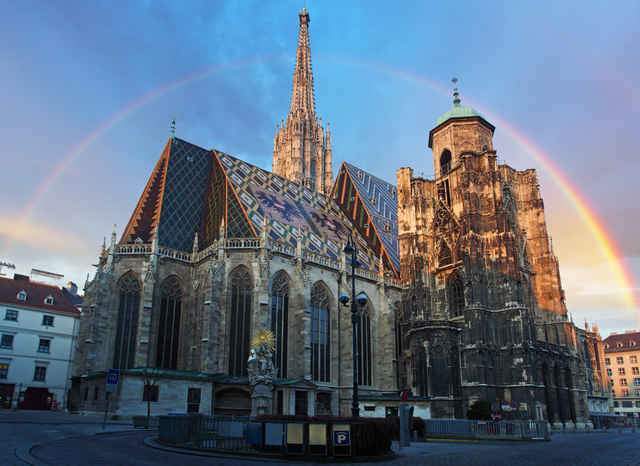
At the heart of the old city, St. Stephen’s Cathedral anchors Vienna’s medieval core. Beyond monuments, the city’s culture also unfolds in its historic coffee houses. Spending time in a traditional café remains a quintessential Viennese ritual, and Café Central, founded in 1876 and once frequented by figures such as Sigmund Freud, remains one of its most famous examples.

Best hotels in Vienna

Frequently asked questions

Is Vienna an expensive city to visit?

Vienna offers excellent value for a capital of its scale and cultural importance. While grand hotels and opera evenings can be premium experiences, everyday costs — such as public transport, bakeries, and local restaurants — remain reasonable. Lunch menus, neighbourhood cafés, and efficient public transport make it easy to enjoy the city comfortably without overspending.

Do I need to speak German to visit Vienna?

No. Even though German is the official language, English is widely spoken, especially in hotels, museums, restaurants, and tourist attractions. You can navigate the city easily without speaking German. That said, using simple greetings like “Guten Tag” or “Danke” is always appreciated and helps create warmer interactions.

Is the Vienna City Card worth it?

The Vienna City Card is a practical option if you plan to use public transport frequently and visit several museums or attractions.It includes unlimited travel within Vienna (Zone 100) and offers discounts at many cultural sites, cafés, and shops. For most travellers, however, Vienna’s standard public transport tickets are already affordable and efficient.

How can I experience the Vienna State Opera without paying high ticket prices?

Standing room tickets are one of Vienna’s best local traditions. These are sold shortly before performances, either online or at the box office, and offer access to world-class opera for a fraction of the price of seated tickets. It is a uniquely Viennese experience and a reminder that opera here is part of everyday cultural life, not just a formal occasion.

How many days should I spend in Vienna?

Three days allow you to see the main landmarks, visit museums, and experience the coffee-house culture. Four to five days give you time to move more slowly, explore neighbourhoods beyond the historic centre, and perhaps take a day trip to nearby cities or wine regions.

What is the best way to get around Vienna?

Vienna’s public transport system is one of the most reliable in Europe. The U-Bahn, trams, and buses connect all major districts and attractions efficiently and reliably. Many central areas are also easy to explore on foot, especially around the historic centre and the Ringstrasse.

What is Vienna best known for?

Vienna is known for its imperial architecture, classical music heritage, and deeply rooted café culture. Palaces such as Schönbrunn and the Hofburg reflect centuries of Habsburg rule, while composers like Mozart and Beethoven shaped the city’s musical identity. Equally important are its coffeehouses, where daily life slows down, and conversation becomes part of the experience.

Top destinations