Toulouse

Rose-coloured brick, wide southern skies, and a city that builds aircraft by day and gathers along the riverbanks by night.

  • Toulouse

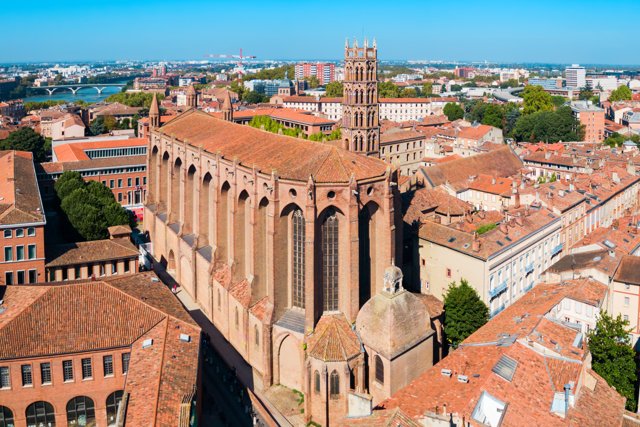
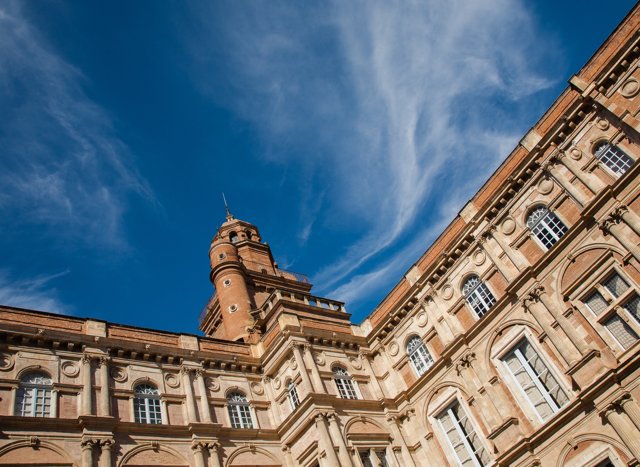
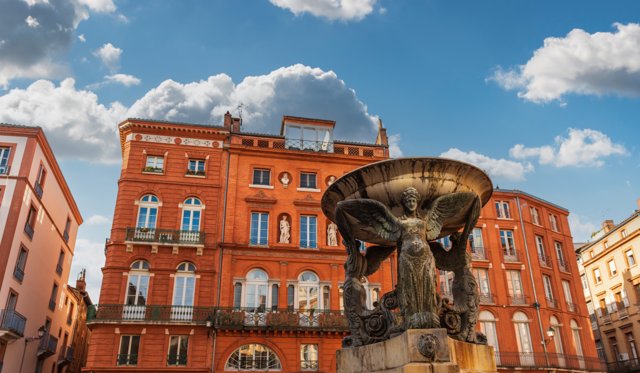
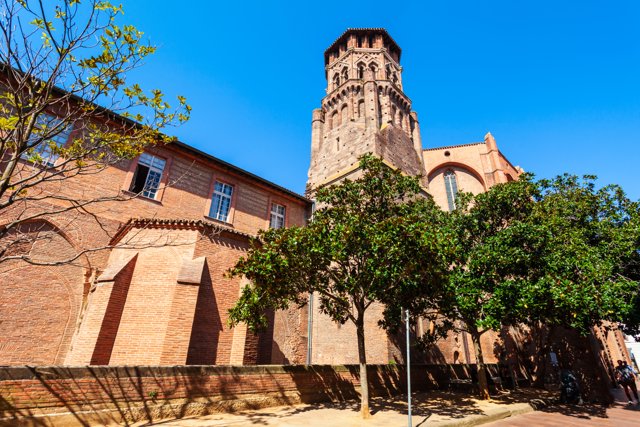
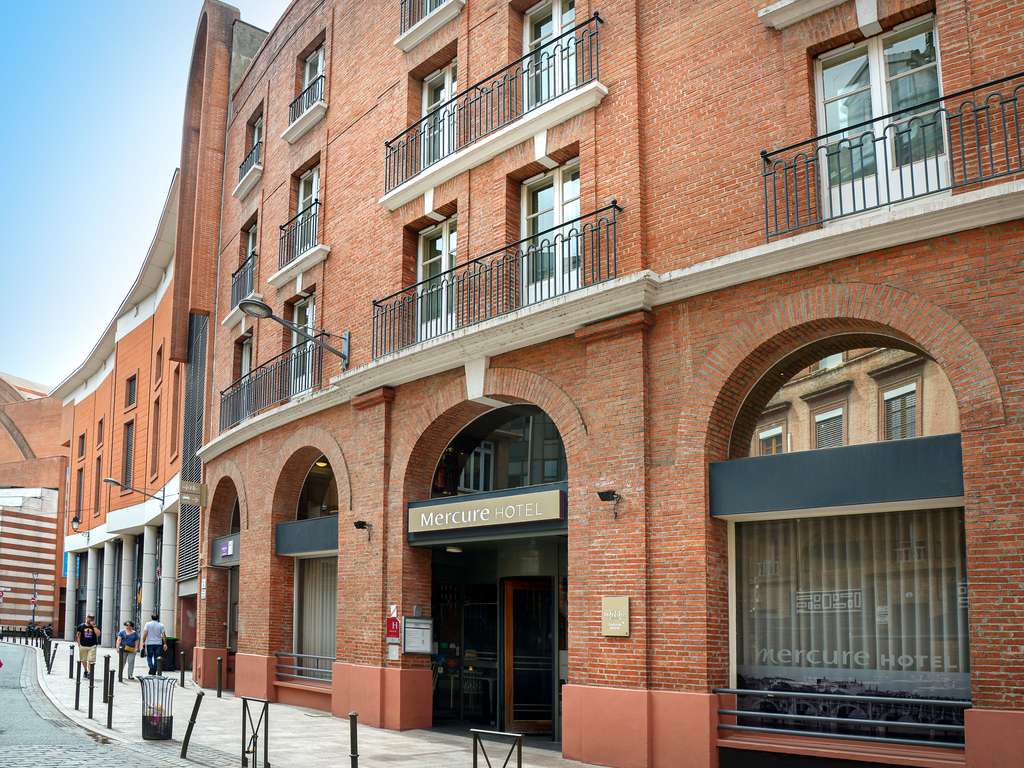
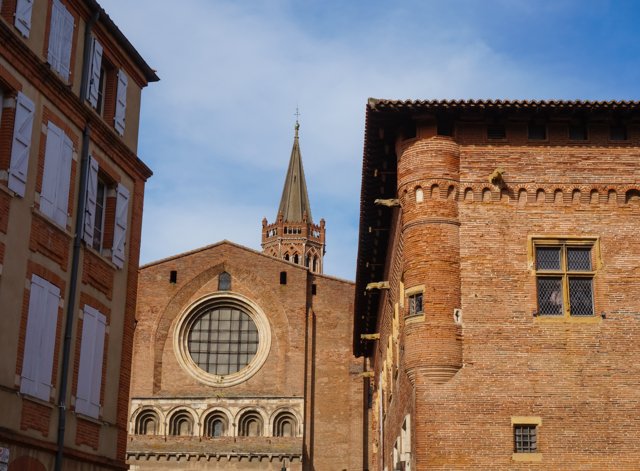
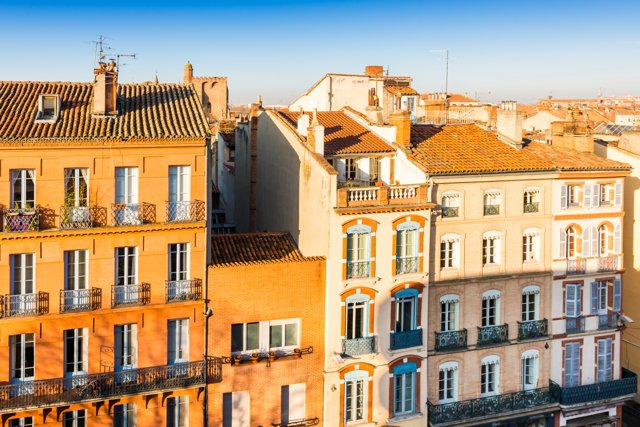
    Toulouse is shaped by the warm glow of its bricks. Known as La Ville Rose (The Pink City), its façades shift from pale ochre to deep coral as the sun crosses the Garonne. Romanesque arches, Renaissance courtyards and arcaded squares built from terracotta give the city a warmth that feels both French and distinctly Mediterranean in rhythm.

    It is also a city of contrasts. As Europe’s aerospace capital, Toulouse designs satellites and assembles aircraft, continuing a legacy shaped by Concorde and Airbus. Yet daily life remains rooted in the traditions of the Occitan south, where markets hum with cassoulet, duck confit and violet-scented sweets.

    Toulouse moves with quiet confidence — southern in tempo, proud of its Occitan heritage and comfortable at the forefront of European innovation.
Unique experiences in Toulouse

Plan your trip

Entry Requirements & Travel Documents

France is part of the Schengen Area. EU and EEA citizens may enter with a valid passport or national ID card. Many non-EU travellers from visa-exempt countries may stay for up to 90 days within a 180-day period without a visa, subject to passport validity requirements that vary by nationality.

From late 2026, travellers from many visa-exempt countries, including the United Kingdom, United States, Canada, Brazil, Japan, and Australia, will need to apply online for ETIAS (European Travel Information and Authorisation System) before travelling to France and other Schengen countries for short stays. Until ETIAS becomes operational, passport-only entry remains in place.

Always verify entry requirements through official government sources prior to departure, as regulations may change.

Money, Currency & Paying in Toulouse

The local currency is the euro (€, EUR). Toulouse is largely card-friendly, and contactless payments are widely accepted in cafés, restaurants, hotels, supermarkets, and on public transport.

Carrying a small amount of cash remains practical for quick purchases, particularly at independent bakeries, open-air markets such as Marché Victor Hugo, and smaller food stalls. Some establishments may also apply minimum spend thresholds for card payments.

ATMs (distributeurs) are widely available throughout the city, including around Place du Capitole and Jean-Jaurès. When paying by card, choose to be charged in euros rather than your home currency to avoid unnecessary conversion fees.

Weather, Seasons & When to Visit

Toulouse has a temperate climate influenced by both Mediterranean and Atlantic weather systems. Summers are hot and sunny, while winters remain relatively mild.

Spring (March to May) is one of the most comfortable periods to visit. Daytime temperatures are pleasant, outdoor life resumes along the Garonne and Canal du Midi, and the city’s emblematic violet is celebrated in late winter and early spring. Weather conditions can shift quickly, so a light waterproof layer is advisable.

Summer (June to August) brings long, bright days with temperatures often exceeding 30°C. Heat can feel intense in open squares where shade is limited. Sunscreen, water, and light clothing are practical essentials. Museums and shaded courtyards provide relief during the warmest hours.

Autumn (September to November) often begins with warm, stable conditions in early September and October, making it well suited to walking and short excursions. Rain becomes more frequent later in the season.

Winter (December to February) remains comparatively mild, with average daytime temperatures between 8 and 14°C. Frost is possible but infrequent. The city remains active, though at a slower seasonal pace.

Health Insurance

EU and UK visitors should carry a valid EHIC or GHIC, which provides access to medically necessary treatment within France’s public healthcare system. However, this does not replace comprehensive travel insurance, which is strongly recommended.

Travellers from outside the EU should arrange full medical insurance prior to arrival, as hospitals and clinics may request payment or proof of coverage for non-emergency care.

Pharmacies are widely available throughout Toulouse and are easily recognised by an illuminated green cross.

In an emergency, dial 112, the universal emergency number across the European Union.

Connectivity, Roaming & Mobile Data

Free Wi-Fi is common in hotels, cafés, and public spaces throughout Toulouse. Public Wi-Fi hotspots are also available in selected central areas.

If your mobile plan is issued by an EU or EEA provider, roaming in France is generally included at domestic rates under EU “Roam Like at Home” regulations, subject to fair-use limits. Travellers from outside the EU/EEA should check roaming charges before departure.

For longer stays or heavier data use, purchasing a French SIM card or eSIM can be practical. Major operators such as Orange, SFR, and Bouygues Telecom operate stores in central Toulouse and at key transport hubs.

Airport & Main Arrival Hubs

Toulouse–Blagnac Airport (TLS) is the primary airport serving Toulouse and much of the wider Occitanie region. Located approximately 8 km northwest of the city centre, it handles domestic and European international routes, welcoming both full-service carriers and low-cost airlines.

The airport operates from a single, compact passenger terminal complex organised into Halls A, B, C and D across different levels. As all departures and arrivals take place within the same integrated building, navigation between halls is straightforward and entirely walkable.

Main Train Stations

Toulouse’s principal rail hub is Gare de Toulouse-Matabiau, located centrally on Boulevard Pierre Sémard. It serves as the focal point for regional and long-distance services operated by SNCF.

Direct trains connect Toulouse with major French cities. High-speed TGV services link the city with Bordeaux and Paris, with direct journeys to Paris typically taking around 4 hours and 15 minutes. Intercités and TER services provide regional connections across Occitanie and neighbouring areas.

Gare de Saint-Agne is a smaller station serving primarily regional TER traffic, particularly toward destinations south of Toulouse. Both stations connect with the local bus and metro network.

From the Airport / Station to the City Centre

From Toulouse–Blagnac Airport, several reliable options connect to the city centre.

The dedicated Tisséo airport shuttle (Navette Aéroport) links the airport with central stops including Compans-Caffarelli, Jeanne d’Arc, Jean Jaurès, and Matabiau train station. Services run frequently throughout the day, with journey times of around 25 to 45 minutes depending on traffic.
Tram Line T1 operates between central districts and Blagnac. The former direct airport connection (Line T2) has been suspended since June 2023 due to infrastructure works linked to future network upgrades, with a replacement tram connection expected around 2026. In the meantime, shuttle buses remain the most direct public transport option.

Taxis are available 24/7 outside the arrivals area, with journeys to central Toulouse typically taking 15 to 25 minutes in normal traffic. Ride-hailing services such as Uber and Bolt also operate.

If arriving by train at Gare de Toulouse-Matabiau, the historic centre is around 10–15 minutes on foot. Metro Line A from Marengo – SNCF connects quickly to central stops including Jean Jaurès.

Taxis & Ride-Hailing Services

Taxis are readily available throughout Toulouse, particularly at official ranks outside Gare Matabiau, near Place du Capitole, and at major squares and hotels. They can also be booked by phone or via local taxi applications.

Taxis in Toulouse do not follow a uniform colour scheme but are identifiable by the illuminated “Taxi” sign on the roof. A green light indicates availability; a red light signals that the vehicle is already hired.

Ride-hailing services such as Uber and Bolt operate widely across the city and can be particularly convenient in the evenings or in residential districts. Card payment is standard in ride-hailing vehicles and accepted in most taxis, though confirming in advance remains advisable.

Arrival Tips & Common Mistakes to Avoid

  • Use official taxi ranks at the airport or pre-booked ride-hailing services. Unofficial offers inside the terminal should be declined.
  • Public transport tickets must be validated each time you board a bus or tram, or when entering the metro. Even day passes and connection tickets require validation via the yellow reader. Inspections are regular, and fines are issued directly.
  • When Stade Toulousain plays at home, metro lines — particularly Line B toward the stadium — can become significantly busier. Allow additional travel time on match days.
  • Finally, a small linguistic detail: in Toulouse, a chocolate-filled pastry is known locally as a chocolatine, not a pain au chocolat. While both terms are understood, using the regional word reflects the city’s strong Occitan identity.

Public Transport & Zones

Toulouse’s public transport network is operated by Tisséo and includes metro, tram, bus and the Téléo urban cable car. A single ticket is valid across the entire city network and must be validated at the start of each journey. The Téléo tricable ropeway connects Oncopole, Rangueil Hospital and Paul Sabatier University, and is fully integrated into the system with standard public transport tickets accepted.

The metro forms the backbone of the system and is the fastest way to move around the city. Two fully automatic lines (A and B) intersect at Jean Jaurès and connect major hubs, including Matabiau train station. Services generally run from around 5:30 am to midnight from Sunday to Thursday, extending to around 2:00 am on Friday and Saturday nights.
Currently, only Tram Line T1 operates. Tram Line T2 (Airport Tram) has been suspended since June 2023 due to infrastructure works linked to the future metro Line C and the Blagnac interchange redevelopment. Its return is expected once construction is completed, currently projected for 2026, with alternative services currently linking the airport to the wider network.

Tickets & Passes

Tickets are valid across the metro, tram, bus, and Téléo within the Tisséo network. A standard single ticket allows unlimited transfers across up to four different lines within one hour of first validation. Tickets must be validated (“bipped”) each time you enter the metro or board a bus, tram, or Téléo, including when using a day pass. Inspections are regular, and fines are issued directly.
Tickets can be purchased from machines in metro and tram stations, at ticket offices in major hubs such as Jean Jaurès and Matabiau, or via the official Tisséo mobile application. Contactless payment is also available by tapping a bank card or smartphone on the yellow reader, which is often the most practical option for short stays.
For longer visits, 10-trip tickets and 1- to 3-day passes offer better value. Toulouse also offers a Pass Tourisme (Toulouse City Card), combining public transport with free or discounted entry to selected museums and attractions, making it a convenient option for sightseeing-focused stays.

Walking & Cycling

Toulouse’s historic core is compact and well suited to exploring on foot. Around Place du Capitole, Carmes, and Saint-Étienne, distances are short and terrain largely flat, making walking frequently the most direct way to move between neighbourhoods.

In districts such as Carmes and Saint-Étienne, narrow medieval streets naturally limit traffic, reinforcing the city’s pedestrian-friendly character.

Cycling has developed steadily in recent years, supported by improved bike lanes and riverside routes. The city’s bike-share scheme, VélôToulouse, operated by Tisséo Collectivités, provides more than 3,600 bicycles across over 400 docking stations throughout the metropolitan area. It is particularly well suited to short journeys, especially along the Canal du Midi or the Garonne quays, where cycling forms part of everyday local life.

Nearby Destinations / Day Trips

Toulouse serves as the principal transport hub of the Occitanie region, making it an effective base for exploring southwest France.

Carcassonne can be reached in approximately 45 to 60 minutes by train from Matabiau. Its fortified medieval citadel, a UNESCO World Heritage site, is among the most complete surviving walled cities in Europe. Albi lies around one hour away by TER regional train; its monumental brick-built Sainte-Cécile Cathedral and the Toulouse-Lautrec Museum offer a strong cultural complement to Toulouse itself.

Rocamadour, dramatically positioned against a limestone cliff, is located roughly two hours away and requires additional planning but provides a marked change of landscape. 

Closer to the city, Montauban is accessible in under an hour by train. Its arcaded squares and pink-brick centre reflect architectural continuity with Toulouse. The nearby Fronton appellation, known for red wines produced from the Négrette grape, offers a manageable half-day excursion.

Accessibility & Basic Safety Tips

Toulouse is among the more accessible cities in France. All metro stations are equipped with lifts and level access, and the bus and tram fleet is fully low-floor. Pavements in the historic centre, however, may be uneven, particularly on older cobbled streets.

The city is generally safe and orderly. As in any urban environment, it is advisable to remain attentive to personal belongings in busy transport interchanges such as Jean Jaurès and around Matabiau station, particularly later in the evening.

Language, Culture & Local Etiquette

French is the primary language spoken in Toulouse. The local accent is often described as more melodic and open than the sharper cadence associated with northern France. The city lies within the historic region of Occitanie, and although Occitan is rarely spoken in daily life, it remains an important part of regional identity, appearing on bilingual street signs and in cultural institutions.

As elsewhere in France, greetings carry weight. Begin interactions with “Bonjour” when entering a shop or addressing staff in a café or restaurant; “Bonsoir” is used in the evening. Concluding with “Au revoir” or “Bonne journée” is equally expected, as these small formalities are considered part of everyday courtesy.

Socially, Toulouse is often perceived as more relaxed than larger northern cities. Toulousains are generally approachable and informal in manner, reflecting the city’s southern character, and interactions in cafés, markets, and on rugby match days tend to feel unhurried and conversational. Tipping remains modest: restaurant bills include service (service compris), so rounding up or leaving small change is customary rather than obligatory, with 5–10% considered generous for attentive service.

Neighbourhoods

Toulouse is compact, yet each district subtly shifts the atmosphere of a stay. The Garonne River forms a natural reference point between the historic centre and more residential quarters.

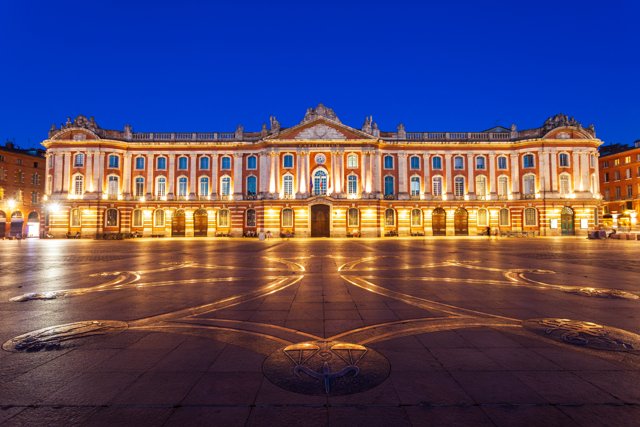
  • Le Capitole centres on Place du Capitole, the civic and symbolic heart of the city. Red-brick façades frame the vast square, anchored by the Capitole building itself. The area remains active throughout the day and into the evening.
  • Carmes preserves much of the city’s medieval fabric. Narrow lanes, independent wine bars, and a well-regarded covered market define the district. It offers insight into everyday life within the historic core.
  • Saint-Étienne reflects a more aristocratic past. Streets widen, antique shops and galleries become more prominent, and sixteenth-century hôtels particuliers sit discreetly behind heavy wooden doors. The atmosphere is refined without excess.
  • Across the Garonne, Saint-Cyprien presents a more residential and artistic character. It feels less formal than the centre and offers open views of the historic skyline from Prairie des Filtres. University life shapes nearby Arnaud-Bernard and parts of Saint-Michel, lending these districts a younger and more informal energy.

Gastronomy

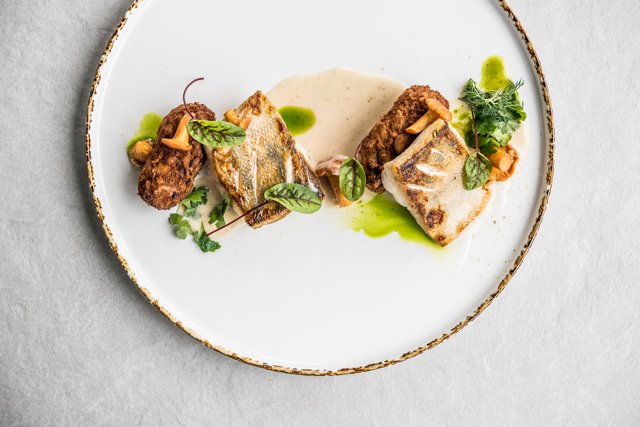
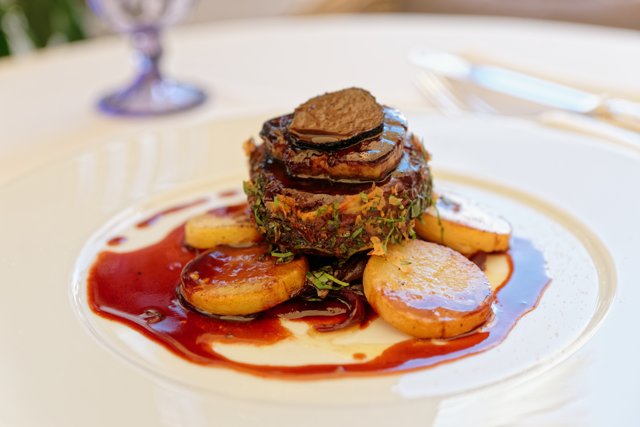
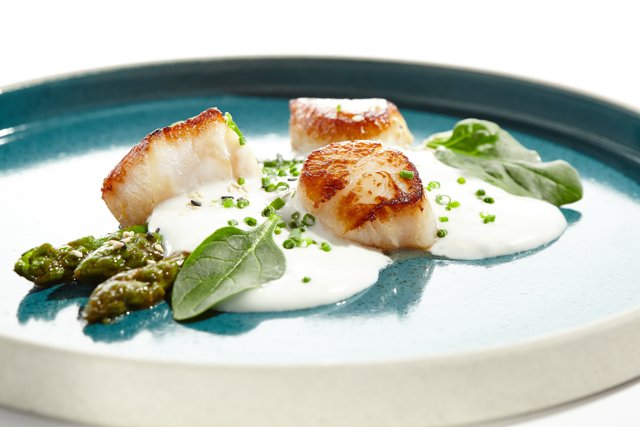
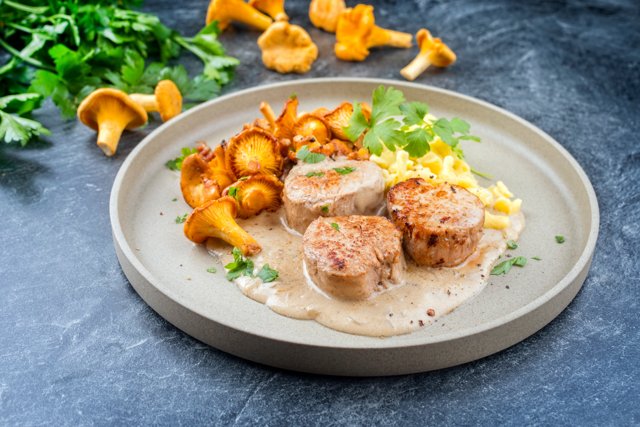
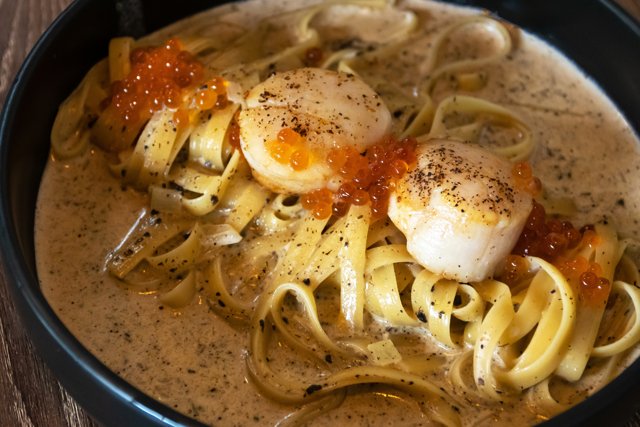
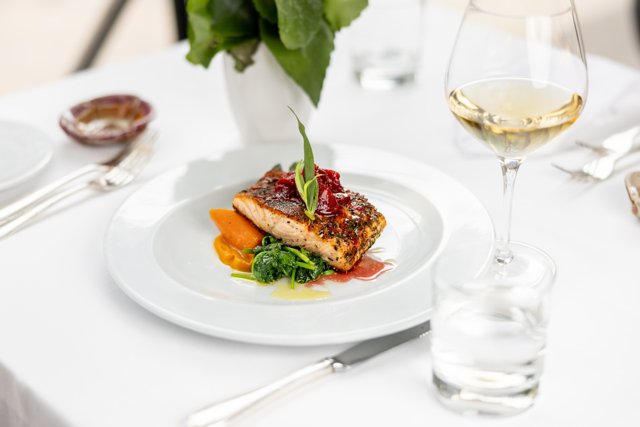
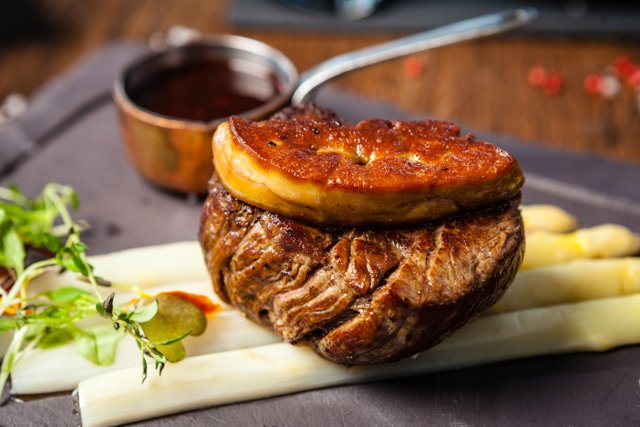
Toulouse’s cuisine reflects the agricultural traditions of southwest France. Menus frequently centre on duck, pork, and white beans, ingredients rooted in the region’s rural heritage.

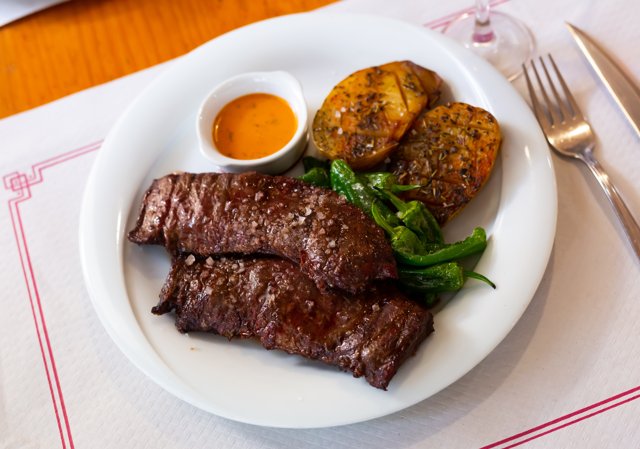
Cassoulet is the defining dish: a slow-cooked combination of white beans, duck confit, pork, and Saucisse de Toulouse, traditionally prepared in a clay vessel known as a cassole. Saucisse de Toulouse itself — a coarse, lightly seasoned fresh pork sausage — appears grilled on its own or incorporated into regional preparations.

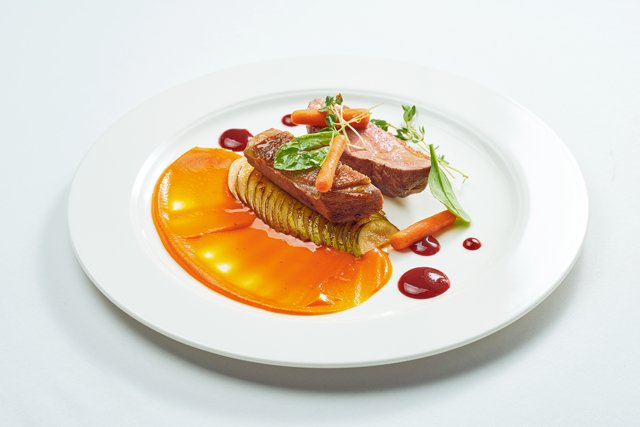
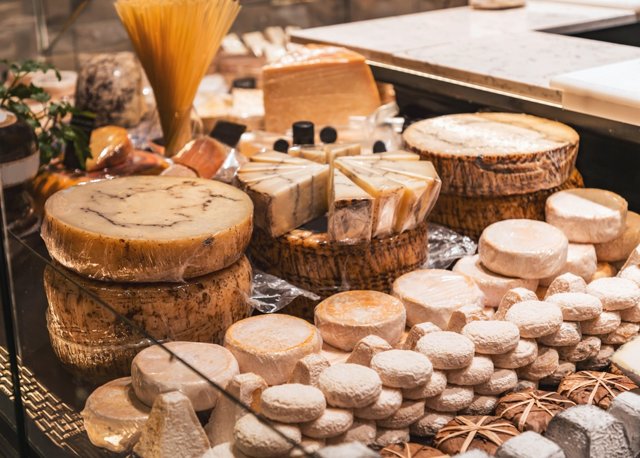
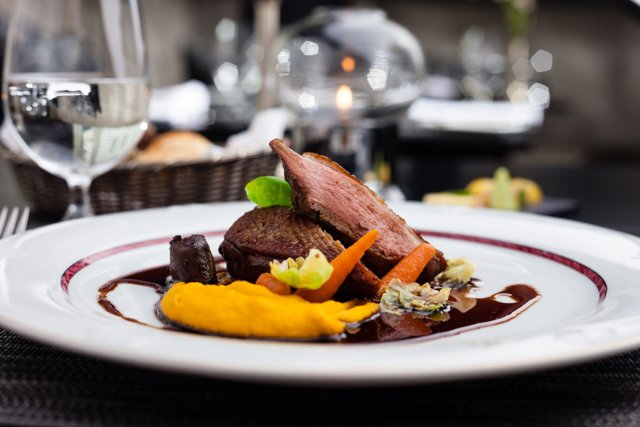
Duck features prominently in multiple forms, including magret de canard (seared breast) and confit de canard (slow-cooked leg preserved in fat). Garbure, a thick cabbage and vegetable soup enriched with duck or ham, reflects older peasant traditions, while goat’s cheeses from surrounding countryside farms appear regularly on menus.

The city’s symbolic violet continues to shape its culinary identity through crystallised sweets, syrups, and liqueurs.

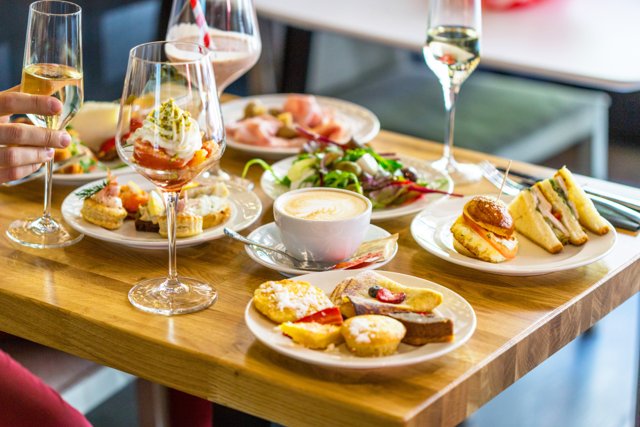
Marché Victor Hugo remains central to Toulouse’s food culture. The ground floor operates as a working market, while upstairs bistros serve lunches based on the day’s produce, often at shared tables. Wine lists typically highlight nearby Fronton — known for Négrette-based reds — and Gaillac, one of France’s oldest wine-producing areas.

City Rhythm

Toulouse moves at a distinctly southern pace. Mornings begin steadily, with coffee often taken briefly at the counter before work. Markets gain momentum late in the morning. Lunch, generally between 12:30 and 14:00, remains an important pause in the day; smaller independent shops may close during this window.

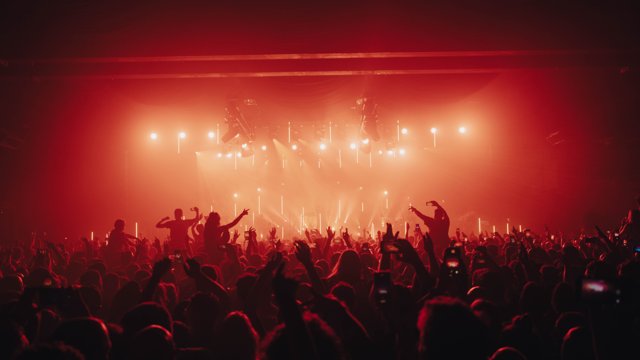
Afternoons, particularly in summer, can feel subdued in the heat. Activity increases again from early evening as terraces along the Garonne and across the historic centre fill quickly. Apéritifs extend into dinners that rarely begin before 20:00. As a major student city, Thursday evenings can feel as animated as weekends.

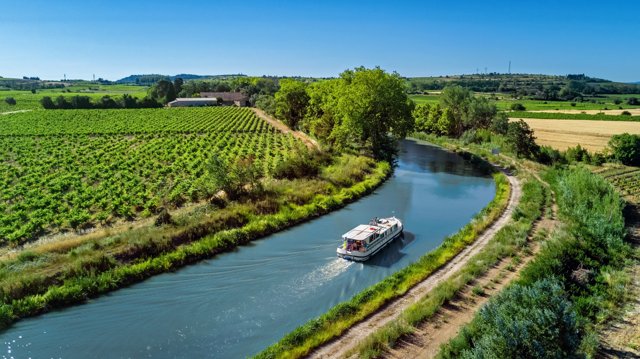
Sundays are quieter commercially but active outdoors. The riverbanks and Canal du Midi become focal points, with walking, cycling, and informal gatherings replacing weekday traffic.

When Stade Toulousain plays at home, the atmosphere shifts noticeably. Red and black shirts appear across the city, and conversation turns decisively toward rugby.

Things to Do

Place du Capitole serves as the city’s civic starting point, from which much of Toulouse’s Romanesque heritage lies within walking distance.

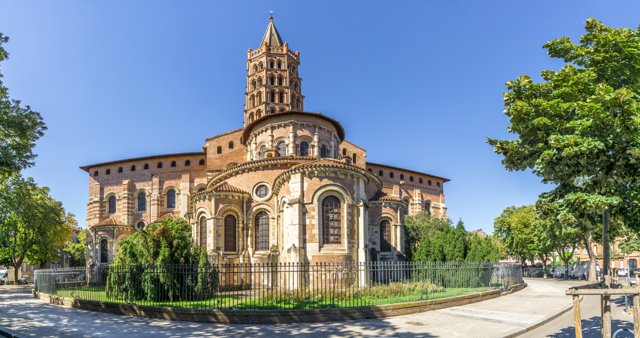
The Basilique Saint-Sernin is among the largest surviving Romanesque churches in Europe and an important stop on the Way of Saint James pilgrimage routes. Nearby, the Couvent des Jacobins is recognised for its distinctive palm-tree vaulting and restrained Gothic architecture.

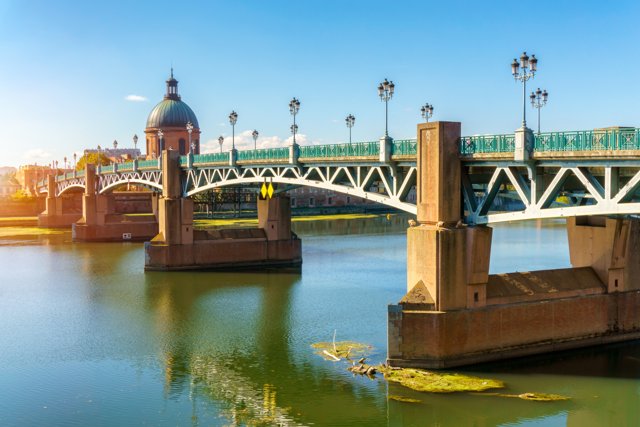
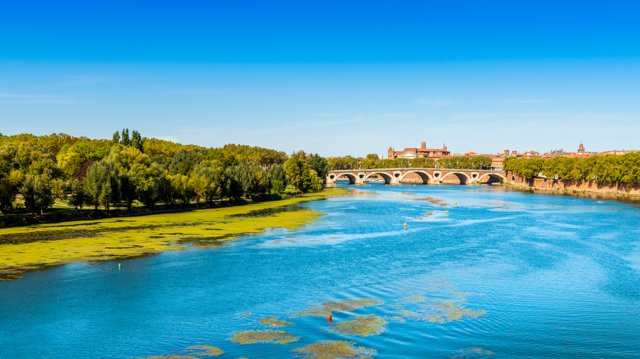
Walking or cycling along the Canal du Midi offers a different perspective on the city’s layout, while the Garonne quays near Quai de la Daurade function as an informal gathering place. On warm days, the embankments fill with small groups sitting along the river as the light shifts across the Pont Neuf.

For art, the Musée des Augustins presents fine arts collections within a former convent setting, while Les Abattoirs focuses on modern and contemporary art inside a converted slaughterhouse on the left bank.

Toulouse’s aerospace identity is visible at Cité de l’Espace, where full-scale models of rockets and space modules underline the city’s role in European space engineering.

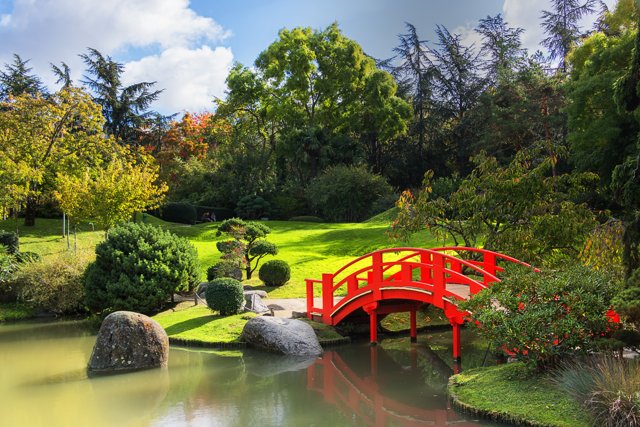
For a quieter interlude, the Jardin Japonais in the Compans district offers a carefully maintained landscaped space with a pond, bridge, and tea pavilion.

Best hotels in Toulouse

Frequently asked questions

Why is Toulouse called "The Pink City”?

Toulouse is known as La Ville Rose because of the terracotta bricks used throughout its historic centre. In the absence of nearby stone quarries, builders relied on clay from the Garonne River, producing bricks that give the city its characteristic tones. Depending on the light, façades shift between soft rose, coral, and warm orange, particularly noticeable in the late afternoon.

Is Toulouse worth visiting?

Toulouse offers a distinctive combination of Romanesque heritage, riverside landscapes, strong market culture, and a clearly defined southern identity. Less monumental than Paris or Bordeaux, it presents a more compact and relaxed urban experience. It also serves as a practical base for exploring southwest France.

When is the best time to visit Toulouse?

Late spring (May–June) and early autumn (September–October) generally provide the best balance of warm weather, manageable temperatures, and active city life. Summers are sunny but can be very hot, often exceeding 30°C. Winters remain relatively mild by northern European standards, though the atmosphere is quieter. Spring and early autumn typically offer the most comfortable conditions for walking and outdoor dining.

Is Toulouse safe?

Toulouse is widely regarded as a safe and welcoming destination. As in any urban environment, maintaining normal awareness in transport hubs and busier areas is advisable.

What is Toulouse known for?

Toulouse is defined by three elements: its pink brick architecture, its role as Europe’s aerospace capital, and its deep-rooted rugby culture. Major aerospace industries and research institutions shape much of the local economy. Architecturally, the Basilique Saint-Sernin and the brick façades around Place du Capitole define the historic character of the city. In sport, support for Stade Toulousain remains central to local identity.

What is the local cuisine in Toulouse?

The city’s traditional cooking reflects the agricultural heritage of southwest France. Cassoulet — a slow-cooked dish of white beans, duck confit, pork, and Toulouse sausage — remains the most emblematic preparation. Duck appears frequently, whether as seared magret or preserved confit. Markets continue to play a central role in daily food culture, and regional wines from Fronton and Gaillac feature prominently on menus.


Is Toulouse expensive?

Compared to many major French cities, Toulouse offers relatively good value. Accommodation prices remain moderate outside peak travel periods, and dining ranges from refined restaurants to accessible bistros and market-based lunches. Public transport is efficient and reasonably priced, contributing to an overall cost structure that remains manageable by French urban standards.

Top destinations