Nantes

River islands, defiant history, and fantastical machines, a city where Brittany’s spirit meets the imagination of Jules Verne.

  • Nantes

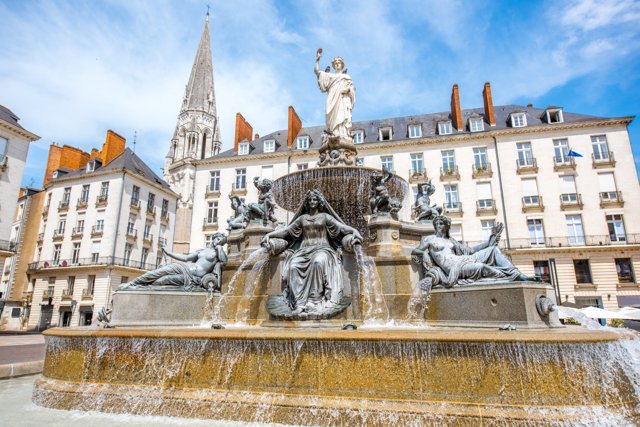
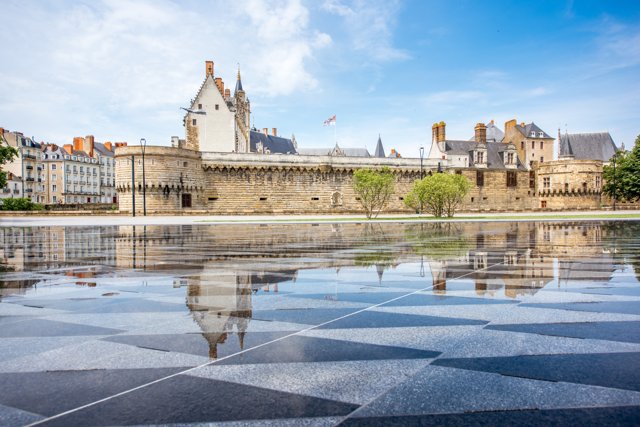
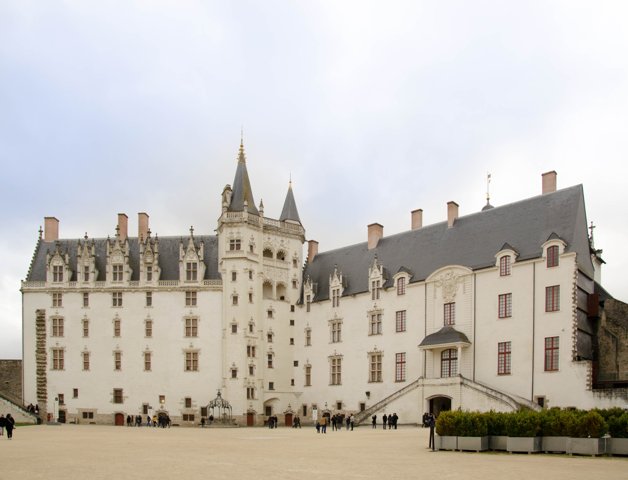
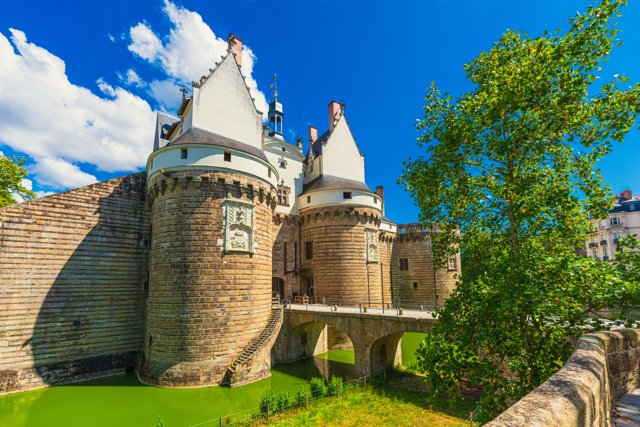
    Nantes is a city shaped by water and a fiercely independent spirit. Once one of France’s great port cities, traces of that past remain in the elegant façades of Île Feydeau and the commanding Château des Ducs de Bretagne, former seat of the Breton dukes.

    When the shipyards fell silent, Nantes reinvented itself. Inspired by its most famous son, Jules Verne, former industrial sites became spaces of imagination, home to the dreamlike creations of Les Machines de l’île, including the iconic Grand Éléphant.

    Today, Nantes balances history and invention with ease — a city where the past provides the foundation for something boldly creative.
Unique experiences in Nantes

What to do in Nantes

Plan your trip

Entry Requirements & Travel Documents

France is part of the Schengen Area. Therefore, EU and EEA citizens can enter the country with a valid passport or national ID card. Many non-EU travellers from visa-exempt countries may stay up to 90 days within a 180-day period without a visa, subject to passport validity requirements that vary by nationality.

From late 2026, travellers from many visa-exempt countries, including the United Kingdom, United States, Canada, Brazil, Japan, and Australia, will need to apply online for ETIAS (European Travel Information and Authorisation System) before travelling to France and other Schengen countries for short stays. Until ETIAS becomes operational, passport-only entry remains in place.
Be sure to always verify entry requirements with official government sources before departure, as conditions may change.

Money, Currency & Paying in Nantes

France uses the euro (€, EUR). Credit and debit cards are widely accepted, including contactless payments, which are now standard in cafés, restaurants, shops, and public transport. 

That said, it is still useful to carry a small amount of cash for open-air markets, small bakeries, or independent shops.

ATMs are easy to find around Nantes. When withdrawing cash or paying by card, choose to be charged in euros rather than your home currency to avoid unfavourable conversion fees.

Weather, Seasons & When to Visit

Nantes enjoys a temperate Atlantic climate, influenced by its proximity to the ocean. Summers are generally warm but rarely extreme, with average highs around 24°C in July and August. Winters remain relatively mild, typically ranging between 3°C and 9°C. 

The most pleasant times to visit are late spring and early autumn, when temperatures are comfortable for walking and exploring the city’s parks, riverbanks, and historic districts. Summer brings longer daylight hours and a lively calendar of festivals and outdoor events, including the city-wide art trail of Le Voyage à Nantes

Rain can occur at any time of year, so packing a light waterproof jacket or umbrella is always a wise idea.

Health Insurance

UK and EU visitors should carry a valid GHIC (Global Health Insurance Card) or EHIC (European Health Insurance Card), which provides access to medically necessary treatment within France’s public healthcare system. However, this does not replace full travel insurance, which is strongly recommended.

Non-EU travellers should arrange comprehensive medical insurance before arrival, as hospitals and clinics may request payment or proof of coverage for non-emergency care.

Pharmacies are widely available throughout Nantes and are easily recognised by a green illuminated cross sign.

In an emergency, dial 112, the universal emergency number across the European Union.

Connectivity, Roaming & Mobile Data

Free Wi-Fi is widely available in cafés, hotels, train stations, and many public spaces across the city. 

If your mobile plan is from an EU/EEA provider, roaming in France is generally included at domestic rates under EU “Roam Like at Home” rules, subject to fair-use limits. If your provider is outside the EU/EEA, roaming charges may apply, so check before departure.

Travellers arriving from outside Europe find it convenient to purchase a prepaid SIM card or eSIM for local data access. Major French telecom providers include Orange, SFR, and Bouygues Telecom, all of which offer short-term visitor plans.

Main Train Stations

Rail travel is one of the most comfortable and efficient ways to reach Nantes. The city’s primary station, Gare de Nantes, is located just east of the historic centre and is well connected to the national rail network.

High-speed TGV trains link Nantes directly to Paris in about two hours. Regular services also connect the city with Rennes, Angers, Bordeaux, and the Atlantic coast.

From the Airport / Station to the City Centre

From Nantes airport, the easiest way to reach the city centre is via the airport shuttle bus, which connects directly with Gare de Nantes and several key stops in the centre. The journey usually takes 20 to 30 minutes, depending on traffic.

Regular city buses also serve the airport and connect with the wider public transport network. 

If arriving by train, the city centre is only a short walk from the station. The historic district is reachable in 10 to 15 minutes on foot.

Taxis & Ride-Hailing Services

Traditional taxis operate throughout Nantes and can be found at designated taxi ranks across the city centre, particularly near major squares, transport hubs, and popular nightlife areas.

Because Nantes is a relatively compact city, journeys within the central districts are typically short and reasonably priced.

Ride-hailing services are also widely used. Platforms such as Uber and Bolt operate in Nantes and often provide a convenient alternative, especially in the evenings or when travelling directly between neighbourhoods.

Arrival Tips & Common Mistakes to Avoid

  • If you are arriving by train, remember that Gare de Nantes has two main exits (north and south) connected by a large pedestrian bridge. Make sure you check which side is closest to your accommodation to avoid an unnecessary detour.
  • Book long-distance train tickets in advance, particularly on the high-speed TGV. Popular routes, especially those linking the city with Paris, tend to fill up quickly during weekends and holiday periods.
  • In Nantes, the tram is king. When walking out of the station, keep a sharp eye out for the silent, sleek trams; they have the right of way and move faster than you might expect.

Airport & Main Arrival Hubs

The main gateway to the city is Nantes Atlantique Airport (NTE), located about 8 kilometres southwest of the city centre. It is one of western France’s busiest regional airports, serving domestic routes as well as numerous European destinations, particularly during the summer months.

For travellers arriving from long-haul destinations, it is often convenient to connect through larger international hubs such as Paris Charles de Gaulle Airport (CDG) or Amsterdam Schiphol Airport (AMS) before continuing to Nantes by plane or high-speed train.

Public Transport & Zones

Nantes has one of the most efficient public transport systems in western France, operated by Naolib. The integrated network includes trams, buses, Busway lines, and the Navibus river shuttles that cross the Loire and the Erdre.

The backbone of the system is the tramway. Nantes made transport history in 1985, becoming the first French city to reintroduce a modern tram network after many cities had removed theirs in the mid-20th century. Today, three tram lines cross the city and connect the historic centre with universities, residential districts, and major transport hubs.

The system uses a single fare structure across the metropolitan area, meaning the same ticket works on trams, buses, and river shuttles.

Tickets & Passes

Tickets for the public transport network can be purchased at tram stops, ticket machines, or through official transport apps. A single ticket allows travel across trams, buses, and river shuttles for a limited time period after validation.

For visitors staying a little longer, 24-hour or multi-day passes offer better value and unlimited travel within the network. These passes are particularly useful if you plan to explore several neighbourhoods or combine tram rides with visits along the river.

Another convenient option is the Pass Nantes, a tourist pass that includes public transport as well as entry to many of the city’s main museums and attractions.

Walking & Cycling

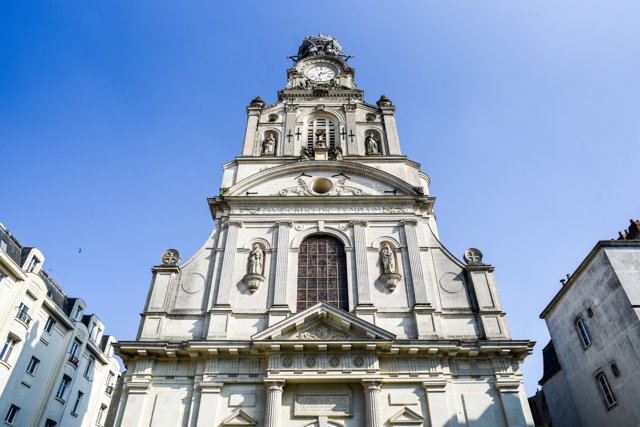
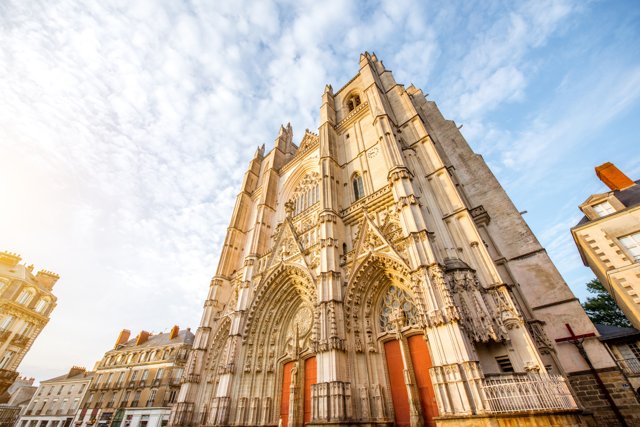
Nantes is an easy city to explore on foot. Many of its main landmarks, including Château des Ducs de Bretagne, Cathédrale Saint-Pierre-et-Saint-Paul, and the lively squares of the historic centre, are located within comfortable walking distance of one another.

Cycling is also a popular way to move around the city. Nantes has steadily expanded its network of bike lanes and scenic riverside paths along the Loire and the Erdre. The public bike-sharing system, operated by Naolib, provides numerous docking stations across the metropolitan area and offers both short-term and daily rental options.

Nearby Destinations / Day Trips

Nantes is well-positioned for exploring the wider Loire region. A short train ride brings you to Angers, known for its impressive medieval castle and the remarkable Apocalypse Tapestry.

Wine lovers often head east toward the vineyards of the Loire Valley, particularly around Saumur and Tours, where historic châteaux and celebrated wine estates dot the countryside.

If the ocean calls, the elegant seaside resort of La Baule lies about an hour away by train and is famous for its long sandy beach and Belle Époque villas.

Accessibility & Basic Safety Tips

Public transport in Nantes is modern and accessible, with low-floor trams and buses designed to accommodate wheelchairs, strollers, and travellers with reduced mobility. Major stations and many tram stops include ramps, lifts, and clear signage.

As in any city, keeping an eye on personal belongings in crowded areas and on public transport is advisable. Nantes is generally considered a welcoming and easy-going destination, and most visits pass without incident.

Language, Culture & Local Etiquette

French is the primary language spoken in Nantes. As in much of France, beginning an interaction with a polite “bonjour” when entering a shop, café, or restaurant is considered basic courtesy. Many people working in tourism, hospitality, and younger generations speak English, but making the effort to use a few French phrases is always appreciated.

The people of Nantes, known as Nantais, are often described as relaxed, open-minded, and quietly proud of their city’s creative spirit. Compared with larger French cities, interactions tend to feel informal and friendly, especially in neighbourhood cafés and markets where conversation flows easily.

In restaurants, bills normally include “service compris”, meaning service is already included in the price. Tipping is not expected, though locals sometimes round up the bill or leave small change for particularly good service.

Neighbourhoods

  • Bouffay is Nantes’s medieval heart, a labyrinth of timber-framed houses, narrow alleys, and the highest density of crêperies and bars. It’s the soul of the city’s nightlife.
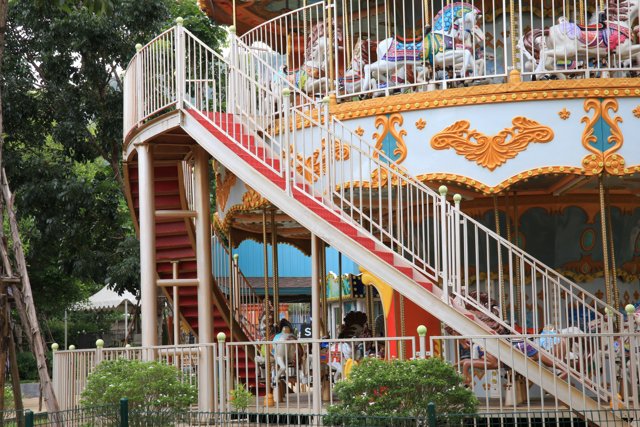
  • Just across the Loire, Île de Nantes represents the city’s modern reinvention. Former shipyards have been converted into creative spaces, galleries, and cultural venues, including the imaginative mechanical creatures of Les Machines de l’île.
  • To the north, the elegant quarter around Île Feydeau preserves the refined architecture of the city’s 18th-century maritime prosperity, with graceful merchant houses built when the Loire flowed directly around the island. 
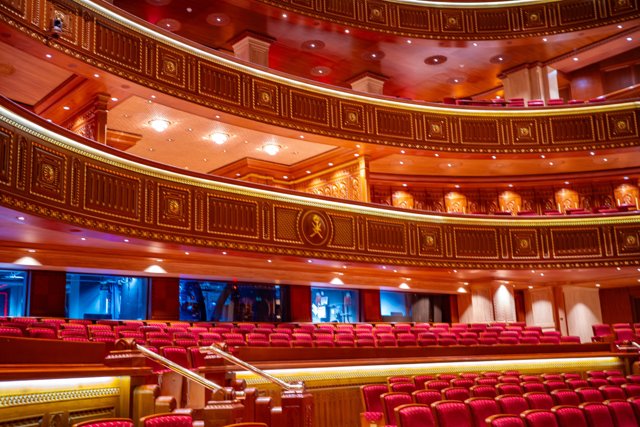
  • Graslin District is a more polished area around Théâtre Graslin and Passage Pommeraye, reflecting 19th-century elegance.
  • For a quieter change of pace, a short ride across the river leads to Trentemoult, a former fishing village known for its colourful houses, narrow lanes, and relaxed riverfront cafés,  a favourite spot for sunset views over the Loire.

Gastronomy

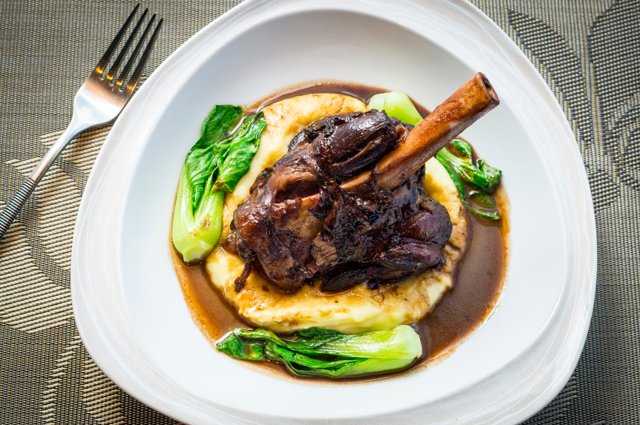
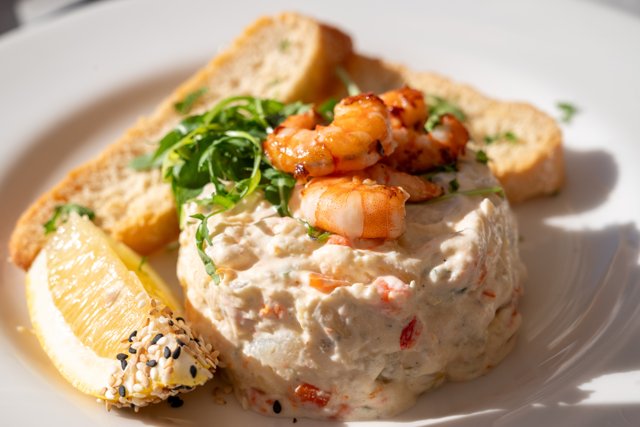
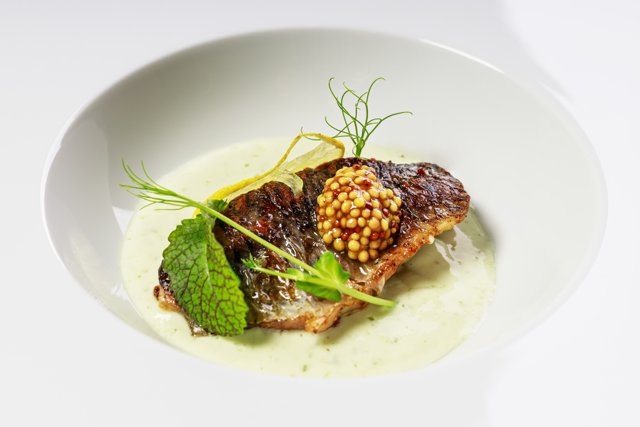
Nantes sits at a culinary crossroads where the rich butter of Brittany meets the fresh bounty of the Atlantic.

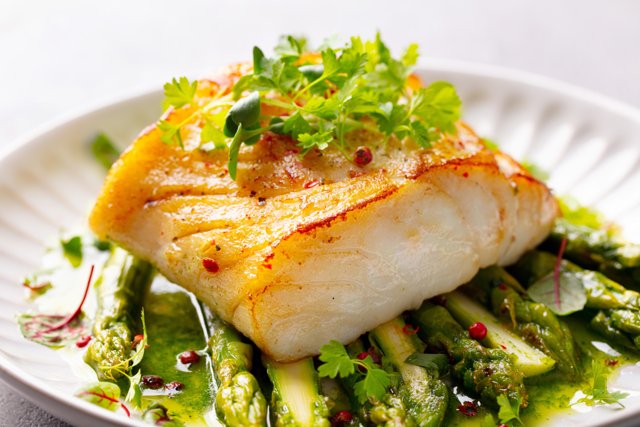
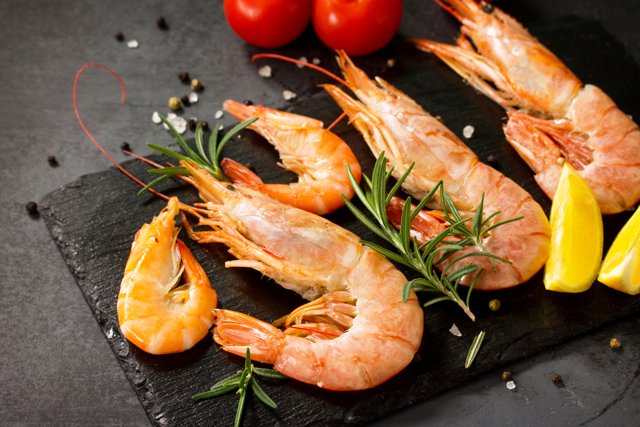
Seafood is the calling card here. Oysters from nearby Bourgneuf Bay and fresh Atlantic fish are staples.

One of the region’s most famous products is Muscadet, a crisp white wine produced in vineyards just outside the city. Light and mineral in character, it pairs perfectly with oysters, shellfish, and other seafood caught along the neighbouring coast.

Do not miss the Gâteau Nantais, a rum-soaked almond pound cake that hints at the city’s historic trade with the Caribbean, and the Petit Beurre biscuit, which was invented right here.

City Rhythm

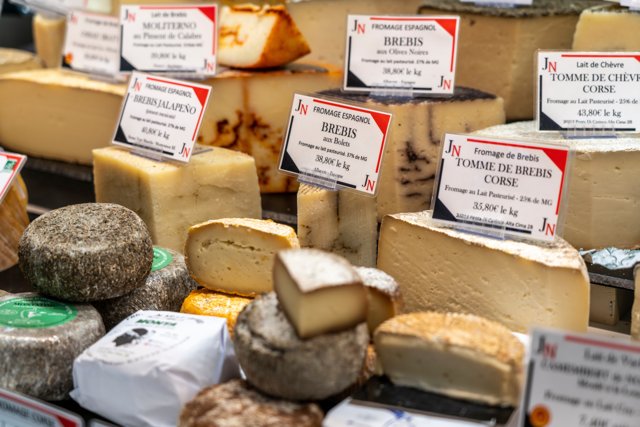
The rhythm of Nantes is steady and purposeful during the week, but it becomes more relaxed as the weekend approaches. Saturday mornings revolve around neighbourhood markets, especially Marché de Talensac, where locals gather for cheese, seafood, and fresh produce.

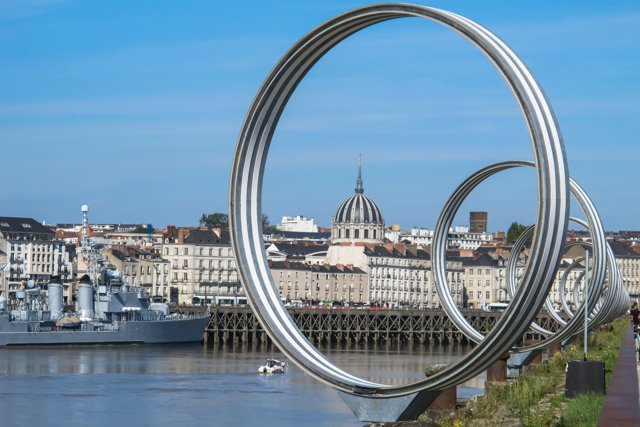
By afternoon, the city shifts toward the rivers. The quays along the Loire and the leafy banks of the Erdre fill with walkers, cyclists, and families enjoying the slower pace.

In summer, the city’s creative spirit becomes even more visible during Le Voyage à Nantes, when public spaces transform into an open-air gallery and contemporary artworks appear throughout the streets. At these moments, Nantes feels less like a traditional city and more like a place where art, history, and everyday life naturally come together.

Things to Do

A visit to Château des Ducs de Bretagne is a natural starting point for understanding the city’s past. Once the residence of the Breton dukes, it now houses the Nantes History Museum and anchors the historic centre.

Nearby, the mechanical creations of Les Machines de l’île, including the famous Grand Éléphant, offer a unique experience that reflects the city’s creative identity.

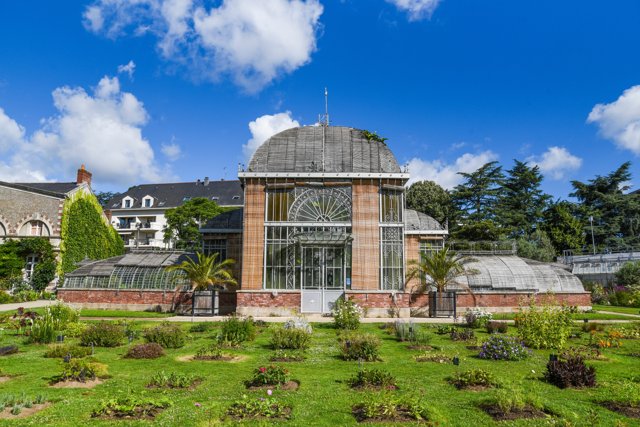
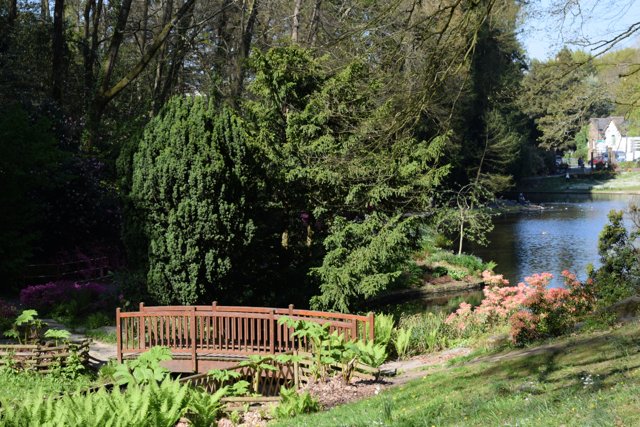
For a quieter escape, the Jardin des Plantes ranks among France’s finest botanical gardens, combining carefully curated landscapes with playful artistic details.

You may also notice a green line painted along the pavements — part of Le Voyage à Nantes, a self-guided route linking museums, landmarks, and contemporary artworks across the city.

Best hotels in Nantes

Frequently asked questions

What is the famous mechanical elephant in Nantes?

One of Nantes’ most unusual attractions is the giant mechanical elephant at Les Machines de l’île. This large-scale creation moves along the former shipyard docks, carrying visitors on its back while spraying water from its trunk. Inspired by the world of Jules Verne, it reflects the city’s blend of industrial heritage and imagination.

What is the green line visitors follow around Nantes?

The green line painted across Nantes forms part of Le Voyage à Nantes, a self-guided route linking museums, landmarks, and contemporary artworks. Following it is one of the easiest ways to explore the city while discovering unexpected installations along the way.

Is Nantes a good base for exploring the Loire Valley?

Yes. Nantes lies at the western end of the Loire Valley, making it a convenient starting point for exploring the region’s historic towns, vineyards, and famous châteaux.

Is Nantes an expensive city to visit?

Compared with larger French cities such as Paris, Nantes generally feels more affordable while still offering the same quality of food, culture, and urban life. Accommodation, dining, and local transport tend to be reasonably priced, and many of the city’s highlights, from riverside walks to public art installations, can be enjoyed for free.

Is Nantes worth visiting?

Absolutely. Nantes combines medieval heritage with bold contemporary creativity, from the Château des Ducs de Bretagne to Les Machines de l’île, all within a relaxed and culturally vibrant setting.

Top destinations