Marseille

A sun-soaked port city where Mediterranean grit meets a fiercely cosmopolitan soul.

  • Marseille

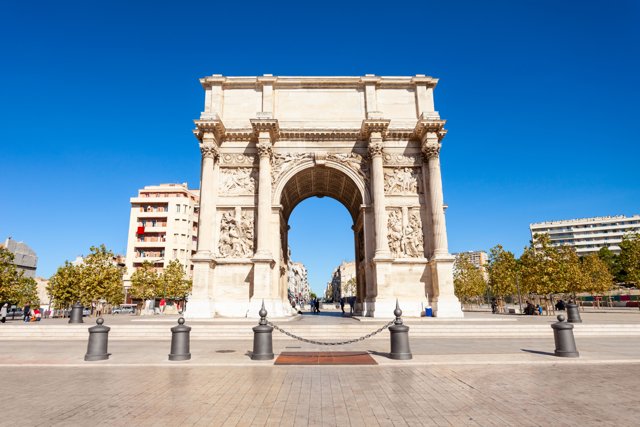
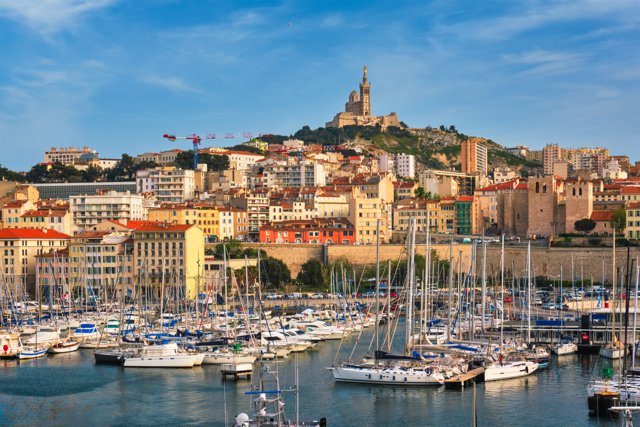
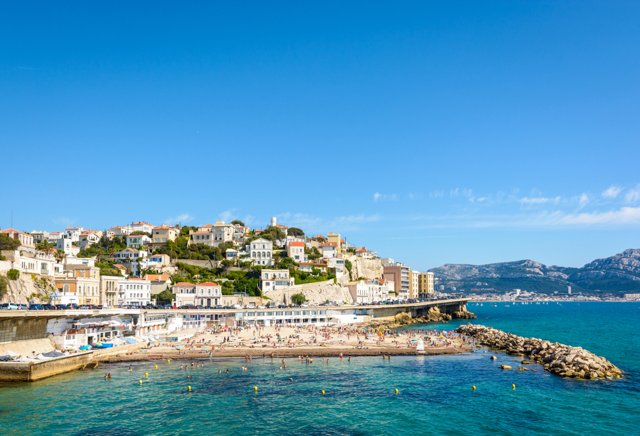
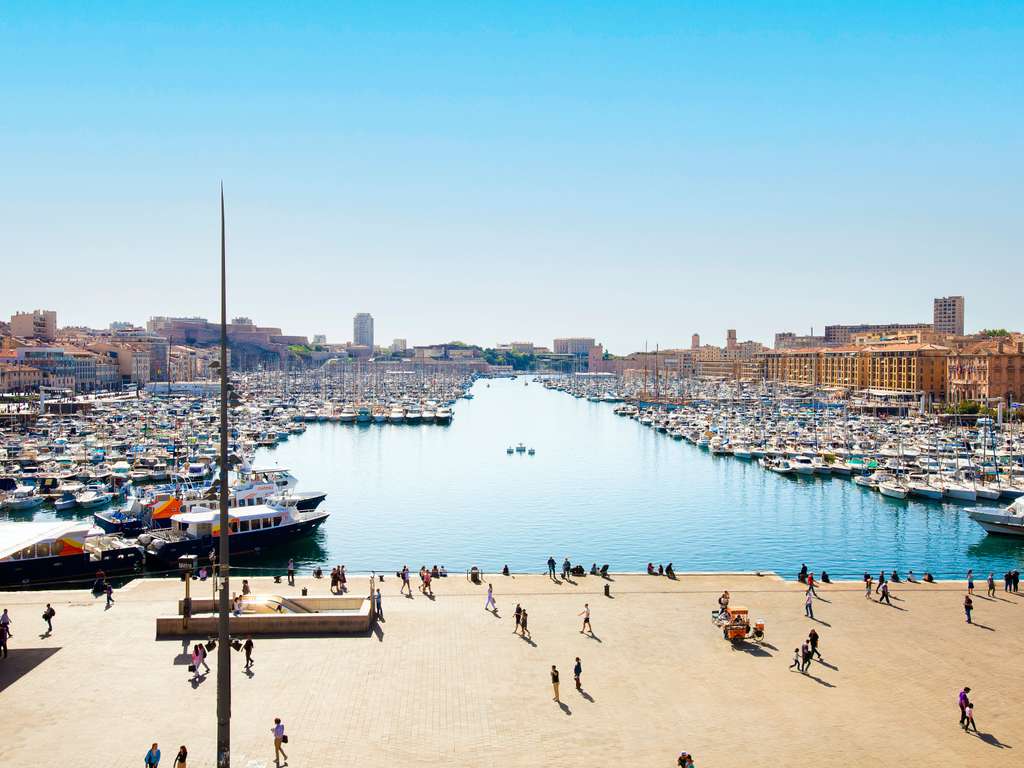
    As France’s oldest city, Marseille has spent over two millennia as the Mediterranean’s unruly gateway, where the polished charm of Provence gives way to a raw, salt-crusted energy. At its heart, the Vieux-Port sets the tone, with fishing boats beside café terraces as daily life unfolds in full view.

    Shaped by waves of merchants, migrants, and seafarers, Marseille is a place where cultures collide and coalesce. You hear it in the accents, see it in its neighbourhoods, and taste it in a cuisine that blends sea and spice.

    Restless and full of character, Marseille rewards those willing to embrace its rhythm — a city of sea and stone that feels more honest than polished.
Unique experiences in Marseille

What to do in Marseille

  • Marseille Top things to do

    Old Port of Marseille: the Heart of the City

    The Vieux Port has been the heart of Marseille since time immemorial. Any visit to the illustrious Provençal city must include a wander around this fascinating port, with its rich cultural and historical heritage.

  • Off-the-beaten-track Marseille

    8 of the Most Unique Things To Do in Marseille for an Epic Trip

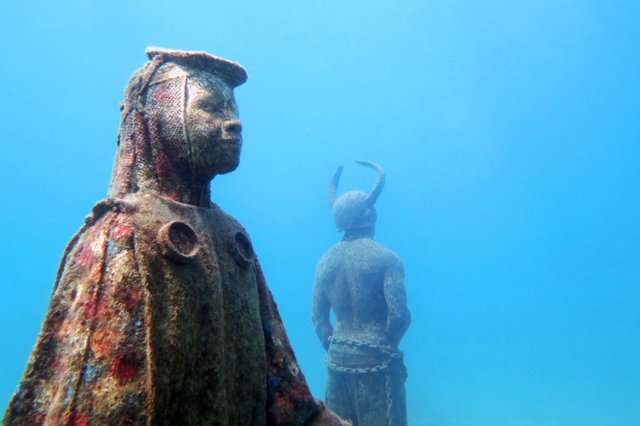
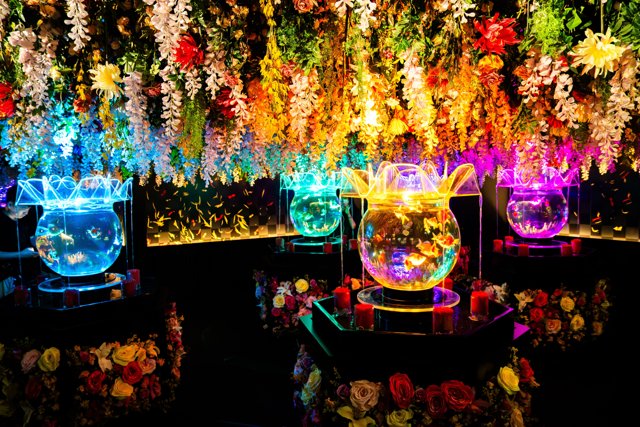
    Beyond the much visited Vieux-Port, the beaches and Notre Dame de la Garde, Marseille is a city bursting with unique things to do. Each one helps tell the story of this fascinating city.

Plan your trip

Entry Requirements & Travel Documents

France is part of the Schengen Area. Therefore, EU and EEA citizens can enter the country with a valid passport or national ID card. Many non-EU travellers from visa-exempt countries may stay up to 90 days within a 180-day period without a visa, subject to passport validity requirements that vary by nationality.

From late 2026, travellers from many visa-exempt countries, including the United Kingdom, United States, Canada, Brazil, Japan, and Australia, will need to apply online for ETIAS (European Travel Information and Authorisation System) before travelling to France and other Schengen countries for short stays. Until ETIAS becomes operational, passport-only entry remains in place.

Be sure to always verify entry requirements with official government sources before departure, as conditions may change.

Money, Currency & Paying in Marseille

France uses the euro (€, EUR). Card payments are widely accepted across Marseille, including in cafés, restaurants, and public transport, with contactless payment now standard.

That said, it’s still useful to carry a small amount of cash for markets, smaller neighbourhood spots, or quick purchases. 

ATMs are easy to find throughout the city. When withdrawing cash or paying by card, choose to be charged in euros rather than your home currency to avoid unfavourable conversion fees.

Weather, Seasons & When to Visit

Marseille enjoys one of the sunniest climates in France, with a classic Mediterranean rhythm shaped by long, dry summers and mild winters.

Spring and early autumn are often the most pleasant times to visit, with comfortable temperatures and fewer crowds across the city. Summer brings heat, with temperatures frequently reaching 30°C. It also brings a lively calendar of festivals, rooftop parties, and packed beaches.

Autumn offers warm seas still suitable for swimming and temperatures typically ranging between 20°C and 25°C. Winter is mild, marked by crisp, clear blue-sky days and temperatures between 3°C and 11°C.

One local feature to be aware of is the legendary mistral, a strong, dry wind that can sweep through the city for several days at a time. While it can feel brisk, it’s also the reason the sky over Marseille is so famously clear and brilliant.

Health Insurance

UK and EU visitors should carry a valid GHIC (Global Health Insurance Card) or EHIC (European Health Insurance Card), which provides access to medically necessary treatment within France’s public healthcare system. However, this does not replace full travel insurance, which is strongly recommended.
Non-EU travellers should arrange comprehensive medical insurance before arrival, as hospitals and clinics may request payment or proof of coverage for non-emergency care.

Pharmacies are widely available throughout Marseille and are easily recognised by a green illuminated cross sign.

In an emergency, dial 112, the universal emergency number across the European Union.

Connectivity, Roaming & Mobile Data

In Marseille, public Wi-Fi is available in many cafés, hotels, and public spaces. 

If your mobile plan is from an EU/EEA provider, roaming in France is generally included at domestic rates under EU “Roam Like at Home” rules, subject to fair-use limits. If your provider is outside the EU/EEA, roaming charges may apply, so check before departure.

Travellers arriving from outside Europe find it convenient to purchase a prepaid SIM card or eSIM for local data access. Major French telecom providers include Orange, SFR, and Bouygues Telecom, all of which offer short-term visitor plans.

Airport & Main Arrival Hubs

Marseille is served by Marseille Provence Airport (MRS), located about 25 km northwest of the city. It is one of southern France’s main international gateways, with regular connections across Europe and seasonal long-haul routes.

Nearby alternatives include Nice Côte d’Azur Airport (NCE) and Lyon–Saint-Exupéry Airport (LYS), both well connected to Marseille by train.

Main Train Stations

The city’s primary rail hub is Gare de Marseille-Saint-Charles, located just above the city centre. It connects Marseille to major French cities via high-speed TGV services, including Paris (around 3 hours), Lyon, and Nice.

From the Airport / Station to the City Centre

From Marseille Provence Airport, the most straightforward option to reach the city centre is the direct airport bus (Navette). It departs every 10 minutes and runs regularly to Gare de Marseille-Saint-Charles in around 25-30 minutes.

From the station, the city centre (including the Vieux-Port) is within walking distance downhill, or easily reached via metro, tram, or bus.

Taxis are also readily outside the station and airport.

Taxis & Ride-Hailing Services

Taxis are readily available at the airport, train station, and throughout the city, with designated ranks in central areas such as the Vieux-Port and near major transport hubs. Fares are metered, though traffic can affect journey times, particularly during peak hours.

Ride-hailing apps such as Uber and Bolt operate widely in Marseille and are often the most convenient option, offering upfront pricing and easy booking. Availability is generally good across the city, though wait times may increase during busy periods or large events.

Arrival Tips & Common Mistakes to Avoid

  • The main train station is located on a hill above the city. It’s a somewhat easy walk downhill to the centre, but if you’re travelling with heavy luggage, using public transport, elevators, or a taxi will be far more comfortable than tackling the stairs.
  • Marseille is geographically bigger than Paris. While the city is well-connected, distances can feel larger than expected due to its spread-out layout. Choosing accommodation near the Vieux-Port or along a metro line will make getting around significantly easier.
  • If taking the TER train, you must validate your physical paper ticket in the yellow machines on the platform before boarding. Failure to do so can result in a hefty fine.

Public Transport & Zones

Marseille’s public transport system is operated by RTM and includes two metro lines, trams, buses, and seasonal maritime routes.

The metro is the fastest way to move across the city, linking key areas such as the Vieux-Port and Gare de Marseille-Saint-Charles. Trams serve central corridors, while buses extend coverage to neighbourhoods beyond the metro’s reach.

The Ferry Boat, a small solar-powered shuttle, crosses the Vieux-Port in just a few minutes, linking the Town Hall to Place aux Huiles. From late spring to early autumn, the navettes maritimes (water shuttles) connect the port to coastal areas such as Pointe Rouge, Les Goudes, and L’Estaque, offering a more scenic way to move around the city.

Tickets & Passes

Tickets can be purchased at stations, machines, or via mobile apps. They are valid across metro, tram, and bus networks, with timed transfers included. Day passes offer good value if you plan multiple journeys.
For short stays, the Marseille CityPass is worth considering. It bundles unlimited public transport with access to key attractions and museums.

Walking & Cycling

Central Marseille is best explored on foot, particularly around the Vieux-Port and the historic neighbourhoods nearby. Distances can be deceptive due to the city’s hills, but most key sights are within reasonable walking range.

Cycling is possible, though slightly more challenging than in flatter cities. The public bike-sharing system Le Vélo provides stations across the city, with both classic and electric bikes available.

For a breathtaking ride, follow the Corniche Kennedy, a dedicated coastal path that offers uninterrupted views of the Mediterranean.

Nearby Destinations / Day Trips

Marseille is well positioned for exploring southern France and the wider Provence region. Aix-en-Provence, around 30–50 minutes away, offers an elegant, compact setting with tree-lined boulevards, lively markets, and a slower, more refined pace.

Further afield, Arles blends Roman heritage with contemporary art, while Nice provides a more polished Riviera counterpart, known for its bustling old town and seafront along the Promenade des Anglais. Monaco, a little further along the coast, offers a striking contrast with its compact layout, immaculate streets, and reputation for luxury.

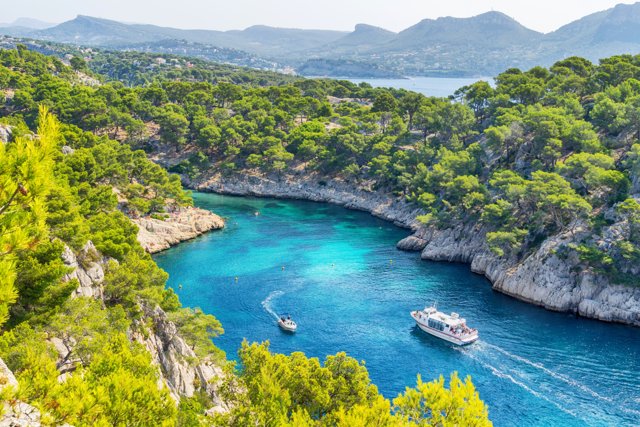
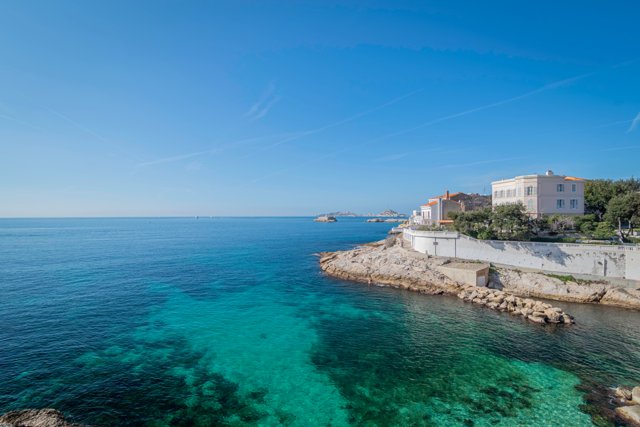
Closer to the city, the limestone inlets of the Calanques National Park offer some of the most memorable excursions, whether by boat, hiking trail, or kayak.

Accessibility & Basic Safety Tips

Marseille is generally easy to get around, though its hilly layout and older streets can present some challenges. Metro stations and trams are largely accessible, but certain historic areas may have uneven surfaces or steep inclines.

As in any major city, it’s wise to stay aware of your surroundings, particularly in busy areas such as Vieux-Port, Gare de Marseille-Saint-Charles, and the lively streets of Noailles.

When in crowded spaces and on public transport, keep personal belongings secure and avoid leaving items unattended.
Language, Culture & Local Etiquette

French is the primary language in Marseille, though you’ll hear a wide mix of accents reflecting its long history as a port of arrival. 

English is spoken in hotels, restaurants, and tourist-facing spots, but making the effort with a few basics, such as bonjour, merci, au revoir, sets the tone for more positive interactions.

Marseille is more informal and expressive than many French cities. Conversations are animated, gestures are part of communication, and there’s a natural ease to social interactions.

Tipping follows the standard French model: service compris is included in the bill, so rounding up or leaving small change is appreciated but never expected.

Neighbourhoods

Marseille’s identity is best understood through its districts, each with a distinct atmosphere.

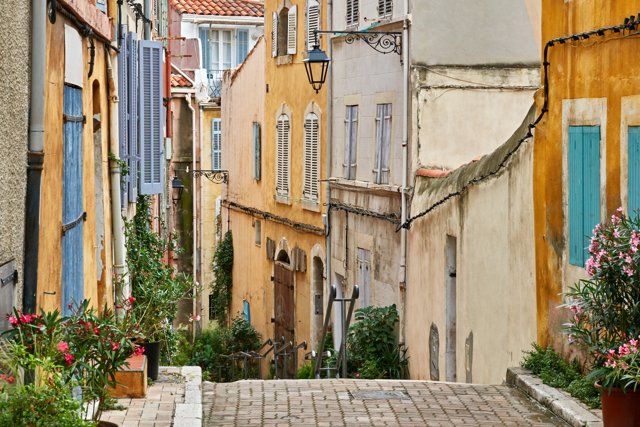
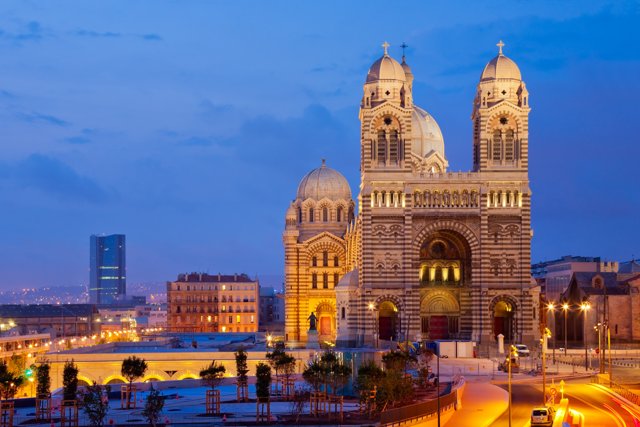
  • Le Panier: A hillside maze of narrow streets, pastel façades, and shaded squares, where the emphasis is on wandering rather than ticking off sights. Artisan shops and quiet corners reveal themselves gradually, with landmarks like Cathédrale de la Major just beyond its edges.
  • Vieux-Port: The city’s defining image at the water’s edge, where boats, terraces, and constant movement set the rhythm from morning through late evening.
  • Noailles: A denser, more unfiltered district centred around the Marché des Capucins, where the atmosphere feels closer to a Mediterranean souk, shaped by a mix of cultures, aromas, and rhythms.
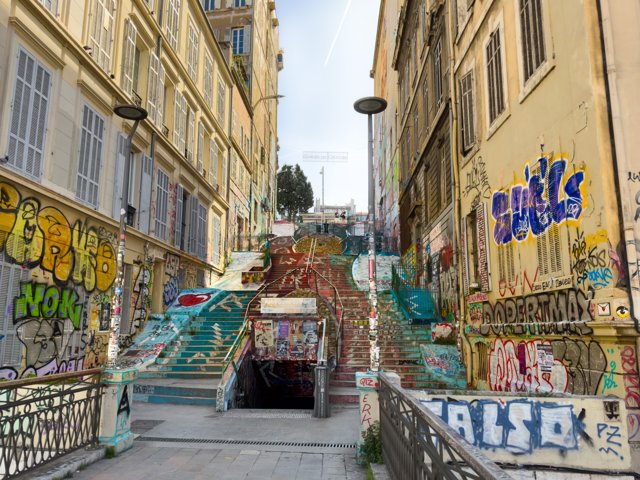
  • Notre-Dame-du-Mont (Cours Julien): The city’s creative core, known for street art, independent cafés, and a lively nightlife scene with a distinctly bohemian feel.
  • Endoume: A quieter, more local area that leads to Vallon des Auffes, a small, picturesque harbour tucked beneath a stone bridge.

Gastronomy

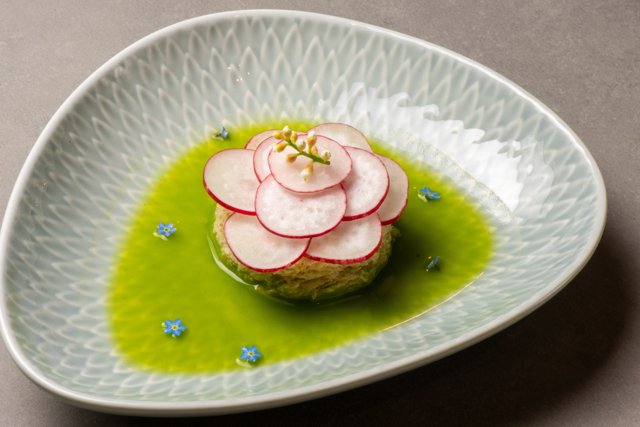
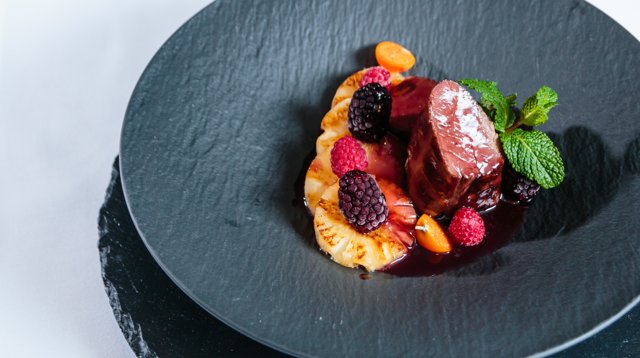
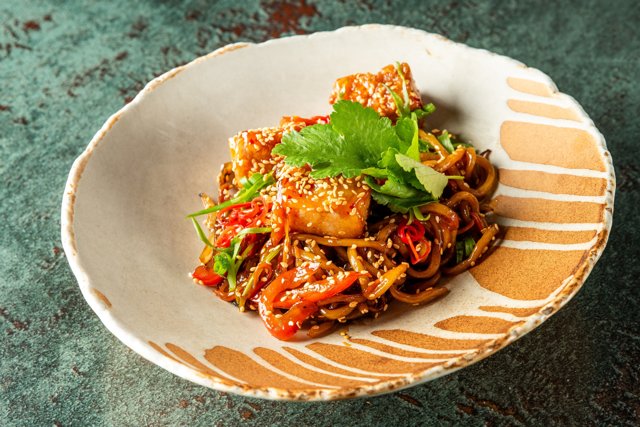
Marseille’s cuisine is shaped by the sea and defined by simplicity. It is less about refinement, and more about flavour and tradition.

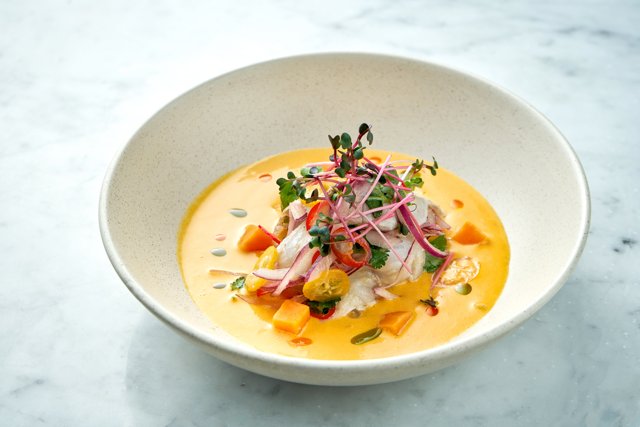
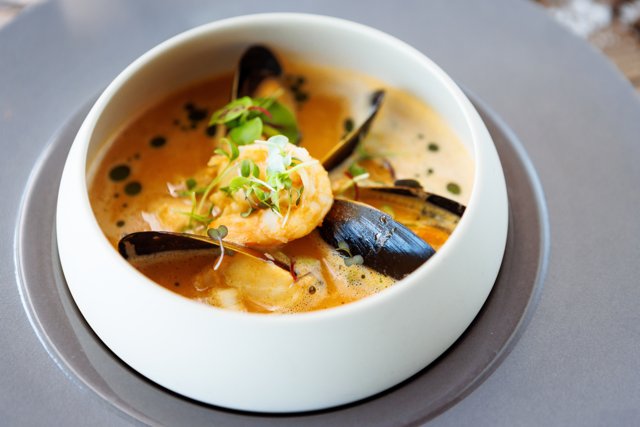
At its centre is Bouillabaisse, a dish as ritualised as it is iconic. Traditionally served in two stages, it begins with a saffron-rich broth with rouille and croutons, followed by the fish. Authentic versions are formal, often expensive, and governed by a strict preparation charter.

Alongside it, pizza holds an unexpected but central role, introduced by Italian communities and adapted locally. The classic moitié-moitié (anchovy and cheese) is distinctly Marseillais.

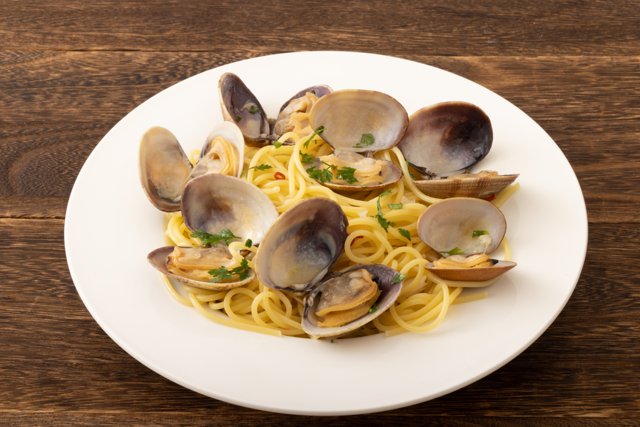
Across the table, the pattern is consistent: garlic, olive oil, and seafood in its simplest form, grilled fish, mussels, squid, prepared with minimal intervention. To drink, Pastis sets the rhythm of the late afternoon, diluted with water and taken slowly in the sun.

City Rhythm

Marseille moves with the sun. Mornings build gradually, and by midday, especially in summer, the pace slows as the heat peaks. Shops may close briefly, and life shifts toward shade, sea, and long lunches.

By early evening, the city resets. The apéro hour marks the transition; terraces begin to fill, streets grow louder, and the waterfront comes alive. Nights stretch late, particularly in summer.

Things to Do

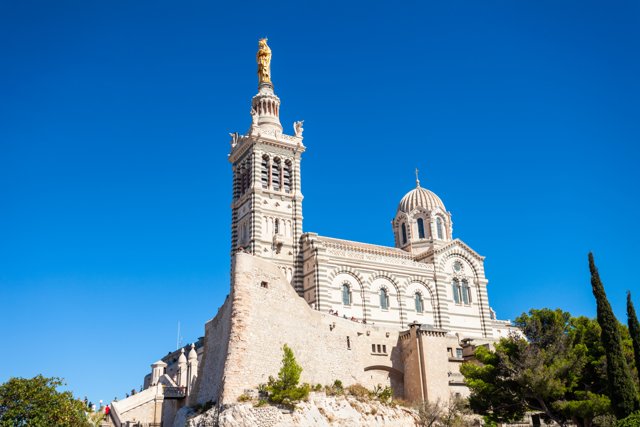
Start at the Vieux-Port, where Marseille puts itself on display, with fishing boats in the harbour and terraces full of life. From there, head up to Notre-Dame de la Garde. It’s a steep climb, but the view is worth it.

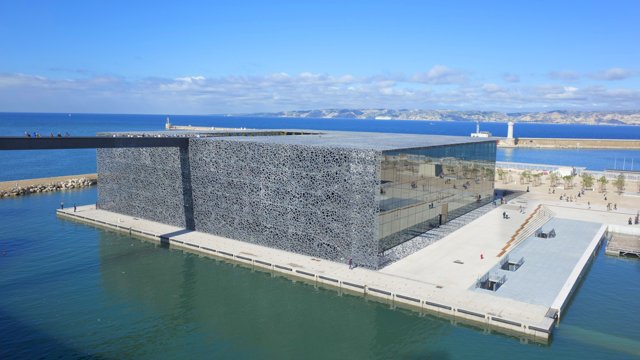
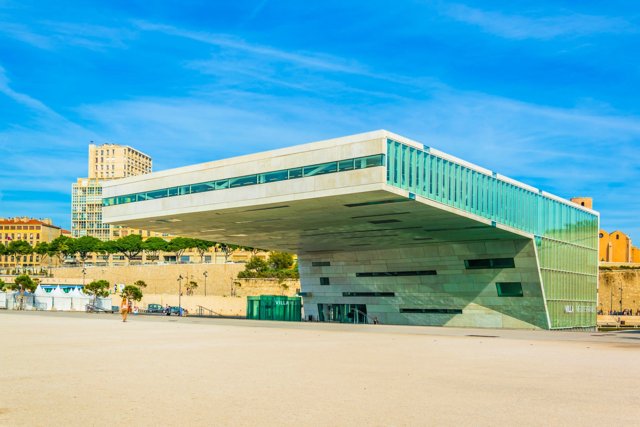
Drift into Le Panier without a plan. It’s less about landmarks than atmosphere: narrow streets, quiet squares, and walls layered with paint and time. Nearby, the sharp, geometric structure of Mucem brings a contemporary edge to the seafront.

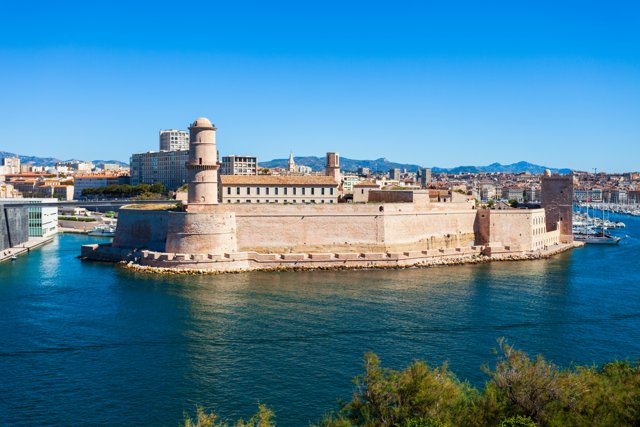
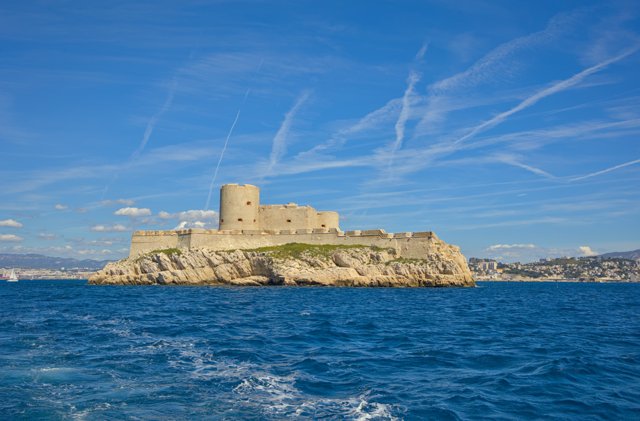
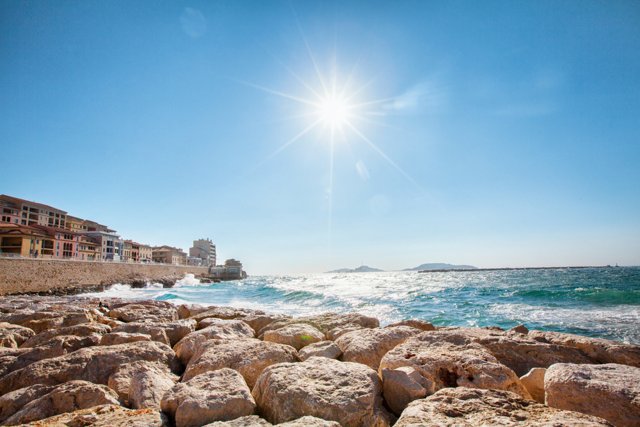
Out on the water, a short boat ride takes you to Château d’If, a fortress shaped as much by myth as history. Or stay on land and follow La Corniche, where the city opens onto the Mediterranean.

For a more immersive experience, head into Calanques National Park, where limestone coves meet strikingly clear water. You can explore them by boat, on foot, or by kayak.

Best hotels in Marseille

Frequently asked questions

Is Marseille worth visiting?

Yes. Marseille offers a very different experience from the rest of the country. It’s less polished than other French destinations, but that’s part of its appeal: a dynamic port city with strong character, delicious cuisine, and coastal scenery.

How many days do you need in Marseille?

Two to three days is enough to explore the main neighbourhoods, the waterfront, and key sights. Add an extra day if you plan to visit the Calanques National Park or take a day trip.

Is Marseille walkable?

Yes, particularly around central areas like the Vieux-Port and nearby districts. That said, the city is spread out and hilly in parts, so public transport is useful for covering longer distances.

What’s the best way to visit the Calanques?

It depends on the experience you’re after. Boat trips offer easy access and sweeping coastal views, while hiking or kayaking allows for a more immersive visit. Some areas, such as Calanque de Sugiton, require a free reservation during peak periods to protect the environment.

Is Marseille expensive?

Marseille generally offers good value compared to places like Paris or the French Riviera. Prices are higher around the port, but accommodation and dining in other neighbourhoods tend to be more affordable.

What is the tourist tax (taxe de séjour) in Marseille?

Visitors staying in paid accommodation are required to pay a small nightly tax. It’s typically added at check-in or check-out and contributes to maintaining local infrastructure and tourism services.

Top destinations