Madrid

Madrid brings together imperial scale, world-class art, and a social rhythm that extends well past midnight.

  • Madrid

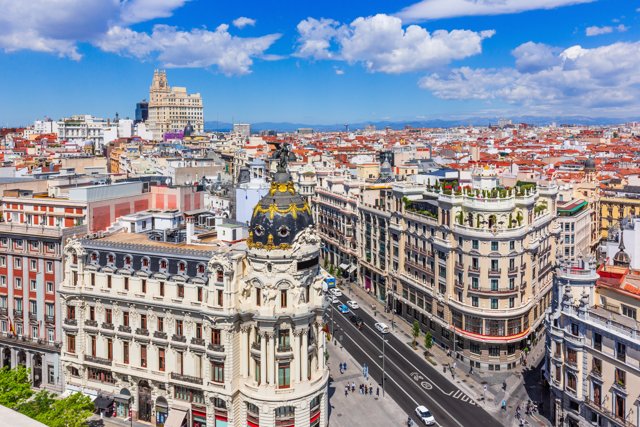
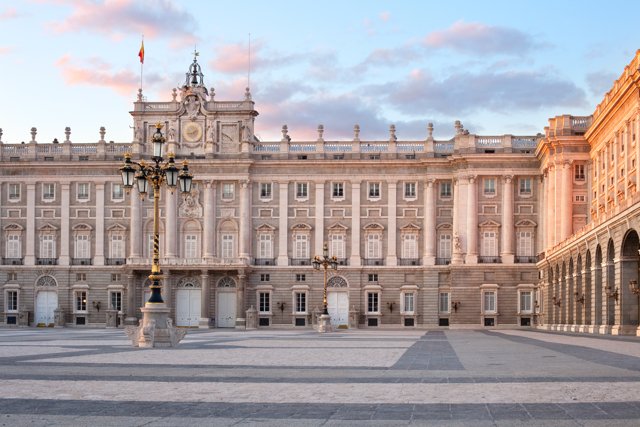
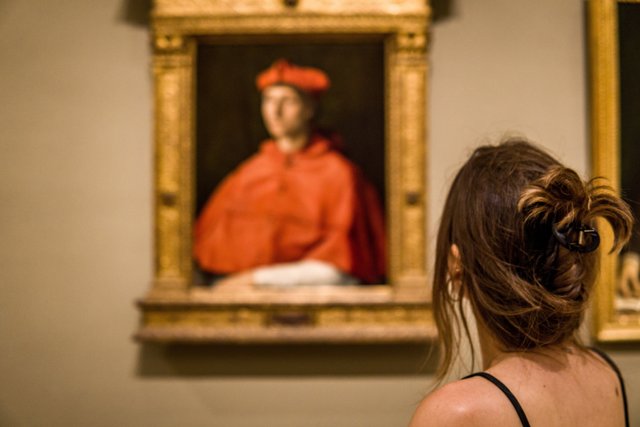
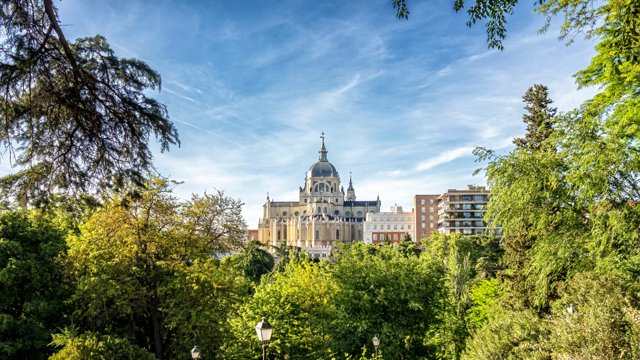
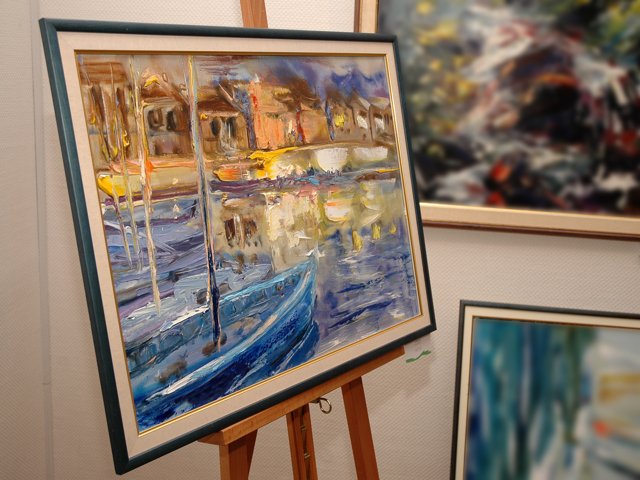
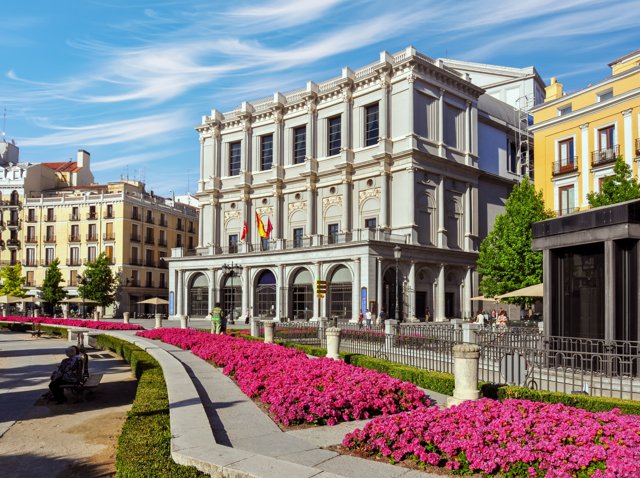
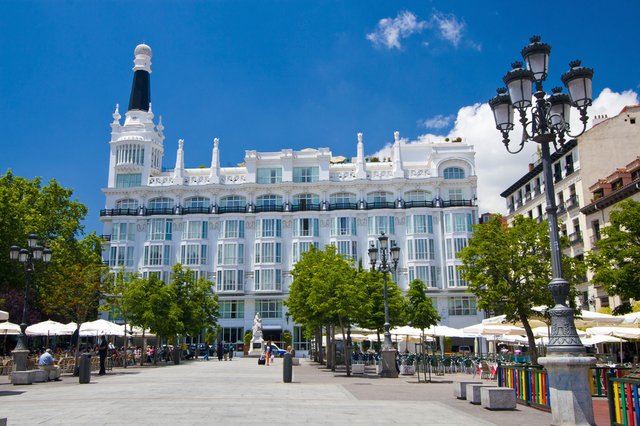
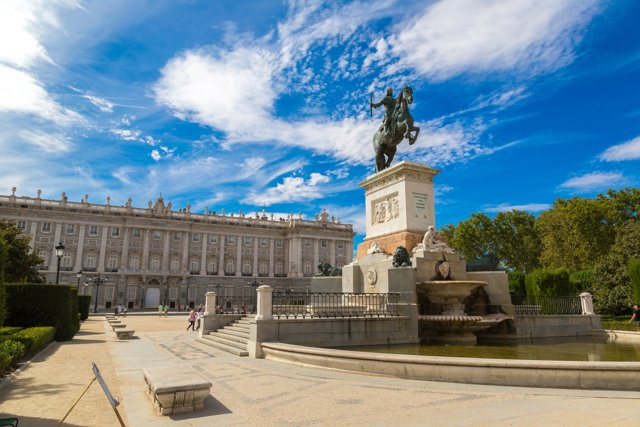
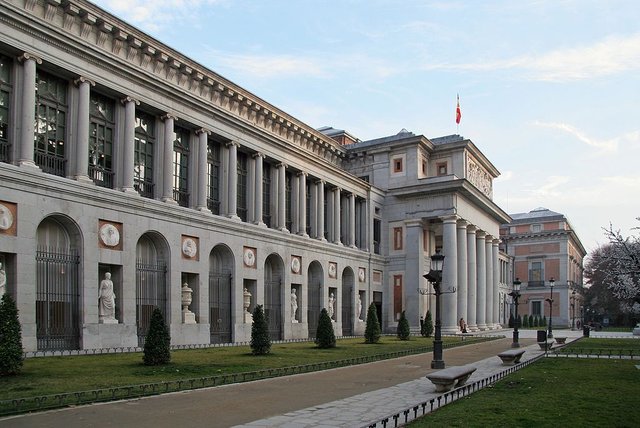
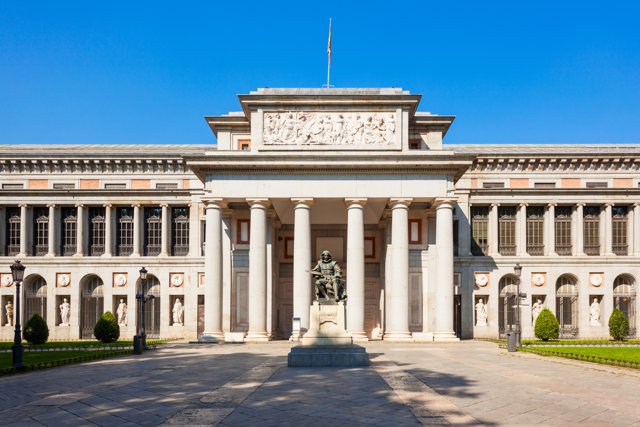
    Madrid is a city of grand gestures and unhurried pleasures. Wide, tree-lined boulevards open into sun-drenched plazas, Baroque façades give way to contemporary galleries, and the Royal Palace looks out over a skyline that feels both imperial and lived-in. The Prado houses centuries of European masterworks. A short walk away, Picasso's Guernica fills an entire wall of the Reina Sofía with a force that stops people mid-step.

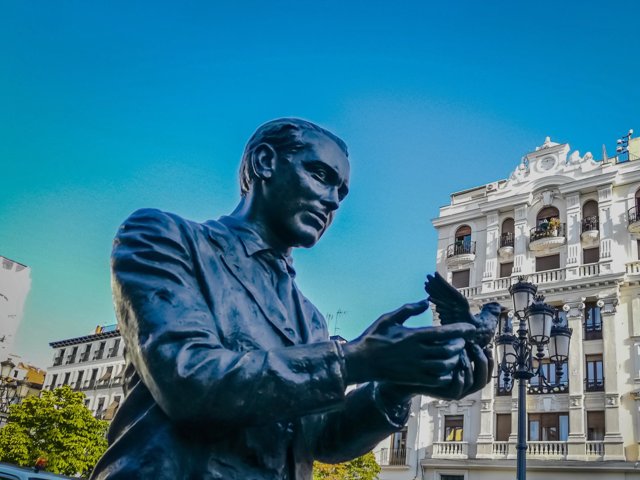
    The character of the city shifts from neighbourhood to neighbourhood. A morning in the medieval lanes of La Latina feels nothing like an afternoon in the leafy calm of Retiro, which feels nothing like an evening drifting through the lit-up terraces of Malasaña. Each neighbourhood reframes the city entirely.

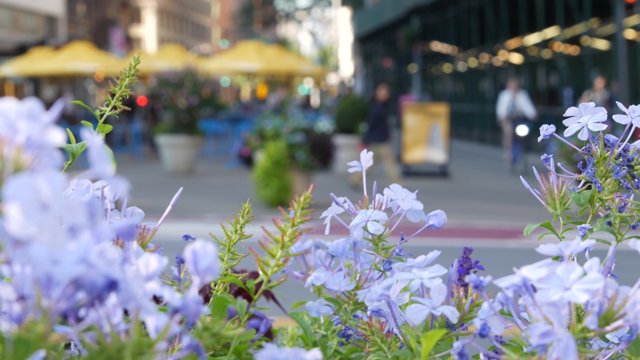
    Away from the monuments, life moves at its own particular pace. Long lunches extend into late evenings, neighbourhood bars fill well past midnight, and plazas function as social extensions of private space. Madrid’s warmth feels natural rather than staged — embedded in its markets, terraces, and everyday conversation.

Unique experiences in Madrid

What to do in Madrid

Plan your trip

Entry Requirements & Travel Documents

Spain is part of the Schengen Area. Travellers from visa-exempt countries such as the UK, the US or Canada can usually stay for up to 90 days within any 180-day period without a visa. A valid passport is required, and it must have been issued within the last ten years and remain valid for at least three months beyond your planned departure date.

Border procedures are increasingly digitalised across the Schengen zone, so passport checks may involve electronic registration rather than traditional stamps.

From late 2026, visa-exempt travellers will need to apply online for ETIAS (European Travel Information and Authorisation System) before travelling. The process is expected to be quick and straightforward, but it’s advisable to apply a few days before departure.

As regulations may change, always check official government sources shortly before your trip.

Money, Currency & Paying in Madrid

The local currency is the Euro (€), the official currency of the European Union.

Credit and debit cards are widely accepted, and ATMs (cash machines) are easy to find. Contactless payment is the standard. You can use Visa, Mastercard, or tap your phone almost everywhere, from taxis to major retailers. American Express is accepted in larger establishments but remains less common in smaller shops.

It is entirely possible to spend your visit without using cash, but carrying some bills and coins is practical for traditional tabernas or small purchases in cafés and at market stalls. For cash, stick to bank-branch ATMs like Santander or BBVA. Always select Euros if a terminal offers "dynamic currency conversion" to ensure your bank provides the best rate.

Weather, Seasons & When to Visit

The weather in Madrid follows a continental rhythm, with searing summers and crisp, bright winters.

Summer (June through August) is hot and dry, with average daytime highs around 30-32°C, and frequent peaks above 35°C during heatwaves. Nights cool down but can still feel warm. The city is alive with outdoor terraces, street festivals, and late-night events. Many Madrileños leave for the coast during this period, giving the city a slightly more relaxed atmosphere. Lightweight clothing, sun protection and staying hydrated are essential.

Winter (December through February) is cold and dry, with daytime highs around 9-12°C and nighttime lows often near 0-3°C, with occasional frost. Snow is rare. Despite the chill, Madrid has a festive atmosphere during Christmas and New Year, with illuminated streets, seasonal markets, and cultural events. A warm coat, scarf, and layers are recommended.

Spring (March through May) & Autumn (September through November) are the most pleasant seasons to visit, with mild temperatures around 15-25°C and plenty of sunshine. The weather is perfect for exploring the plazas and parks on foot.

Health insurance

Spain provides high-quality public healthcare, but coverage for travellers depends on nationality. EU and Swiss citizens should carry a valid EHIC, while UK travellers can use an EHIC or GHIC. These grant access to necessary treatment at public hospitals. If you do not carry your insurance card, you may be required to pay upfront and request reimbursement later. Note that not all treatments, such as dental care, are covered.

If you are visiting from farther away, comprehensive travel insurance is essential. If you have to apply for a visa, you also must get an insurance package that covers at least €30,000.

In an emergency, dial 112. Pharmacies are marked with a green cross. These are the only businesses authorised to sell medicines. If you need one late at night, check any pharmacy window for the nearest farmacia de guardia (on-call pharmacy).

Connectivity, Roaming & Mobile Data

Madrid has reliable 4G and 5G networks. If you have an EU or EEA mobile plan, you can use your data, calls, and texts at domestic rates under "Roam Like at Home" rules. If you are travelling from farther away, you might want to invest in a roaming package from your mobile carrier.

Consider getting an eSIM before your trip and activating it once you arrive. Purchasing a physical SIM card in Spain requires a mandatory registration, and in some cases, foreign IDs may not be accepted.

Free Wi-Fi is standard in hotels, cafés, and many public spaces.

Spain uses Type F and Type C sockets (230V). Travellers from the UK or outside Europe will need a plug adapter.

Airports & Main Arrival Hubs

Adolfo Suárez Madrid–Barajas Airport (MAD), located 12 kilometres northeast of the centre, is the city’s main international gateway. It has five terminals divided into two distinct clusters:

  • T1, T2, and T3 serve various European and international airlines. You can easily walk between them.
  • T4 and T4S: This area acts as the hub for Iberia and Oneworld partners. T4S (S stands for Satellite) handles long-haul flights and is linked to the main T4 building by a five-minute underground “people mover” train.

From the Airport to Central Madrid

There are several convenient ways to reach central Madrid from Adolfo Suárez Madrid–Barajas Airport (MAD), and most services accept contactless card or mobile payments.

The Metro Line 8 (pink) connects all airport terminals with Nuevos Ministerios in around 20 minutes, offering one of the most reliable ways to bypass city traffic. From there, it is easy to connect with other metro lines serving central areas such as Gran Vía, Sol, or Atocha.

For rail connections, the Cercanías C-1 train line links Terminal 4 with Atocha and Chamartín stations, making it a convenient option for travellers heading to those parts of the city.

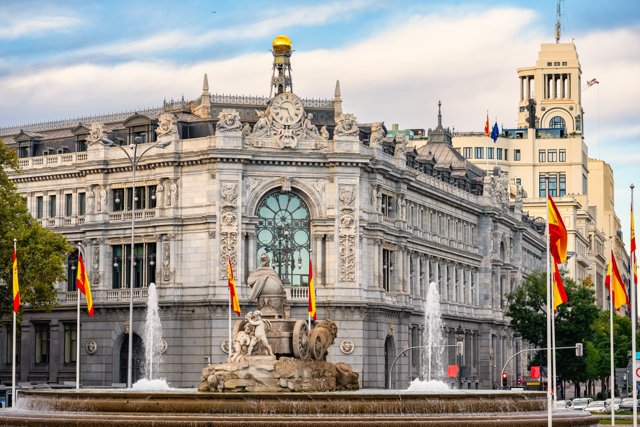
The Airport Express Bus, a distinctive yellow service operating 24 hours a day, runs between the airport, Plaza de Cibeles, and Atocha in roughly 40 minutes. It can be particularly useful for late-night arrivals or travellers with more luggage.

Taxis operate on a fixed fare of €33 to any destination within Madrid’s M-30 ring road, with official taxi ranks located outside each terminal. Ride-hailing services such as Uber, Bolt, and Cabify also operate in Madrid, with pick-up areas marked as “VTC Usuario”, separate from taxi ranks.

Main Train Stations

Madrid is the primary rail hub for Spain, with most high-speed and regional lines radiating from the capital. Two main stations handle the majority of traffic, and both are integrated into the metro and Cercanías (commuter rail) networks.

Atocha is the largest station, located in the south, close to the Golden Triangle of Art and the Retiro Park. It serves high-speed routes to the south and east, including Barcelona and Seville. The historic terminal is famous for its indoor tropical garden.

Chamartín station is located in the north of the city, and is the main gateway for travel to northern Spain. You can transfer between the two stations in about 15 minutes with Metro Line 1.

Arrival Tips & Common Mistakes to Avoid

  • The metro is often the fastest and most affordable way to reach central Madrid from the airport, especially during busy traffic periods.
  • Currency exchange desks at the airport tend to offer less favourable rates, so using bank-owned ATMs in the city is usually the better option.
  • If purchasing an Airport Supplement ticket for the metro, note that it is only valid on the day of purchase and expires at midnight.
  • Always validate your ticket when entering the metro or Cercanías stations, as inspections are common and fines are issued on the spot.
  • As in any busy European capital, keep bags and personal belongings secure in crowded areas such as Puerta del Sol and around major transport hubs.

Taxis & Ride-Hailing

Official Madrid taxis are white with a diagonal red stripe on the front doors. You can hail one on the street if the green roof light is on, or find a designated rank marked with a blue ‘T’ sign. All drivers accept card and cash payments. 

Ride-hailing apps like Uber, Cabify, and Bolt are also widely used. 

While taxis are convenient when you have a lot of luggage, they might take considerably longer to cross the city during morning (7:30am to 9:30am) and evening (6pm to 8pm) rush hours.

Accessibility & Basic Safety Tips

Madrid strives to be an inclusive city, comfortable and safe for everyone. The majority of Metro stations feature lifts, and the entire bus fleet is equipped with access ramps and tactile paving. You will also find priority seating clearly marked across the network.

Crime rates are relatively low compared to many European capitals. At the same time, petty crime like pickpocketing is a possibility, so stay alert around busy areas like Sol, Gran Vía, and in the metro stations. At night, stick to the well-lit main thoroughfares, which remain lively until late. If you need assistance, dial 112 for all emergency services.

Walking & Cycling

Madrid’s historic centre is a pleasure to navigate on foot, and you can easily walk between the major art museums and the Royal Palace. Wandering through the Literary Quarter’s paved streets or the landscaped paths of the Retiro is often more efficient than descending into the metro for short distances.

For a faster zip across town, use Bicimad — the city’s electric bike-share system. It is best for short, practical journeys. If you want a more relaxed cycle, head to the riverfront at Madrid Río. Here, traditional rental shops offer sturdier options for families or those wanting to explore the expansive trails of Casa de Campo without the time constraints.

Tickets & Passes

For the metro and buses, you should get a transit card called Multicard from a ticket machine, or get one on your smartphone through the app called Mi Tarjeta de Transporte. Most visitors get the 10-trip package. You can transfer between metro and buses at no extra cost within the validity period, and the same card can be used for several people. Remember to validate your ticket. 

The Cercanías commuter trains are run by a different company and require a separate ticket.

Depending on your plans, the Tourist Ticket might be a good option. It allows you to take unlimited trips within a 1–7 day time frame.
Public Transport & Zones

Madrid’s public transport is remarkably efficient and reliable, making a car rental unnecessary for most. The Metro is the backbone of the city, with clean, frequent trains connecting almost every corner of the centre. Complementing this is a 24-hour bus network; the blue buses are now famously 100% diesel-free. For day trips and reaching outer districts, the Cercanías suburban trains are at your disposal.

Most of your time will be spent within the central Zone A. It covers major museums, parks, and historic neighbourhoods. Navigating is straightforward, and you can easily track routes using local transit apps to time your journeys perfectly. 

Nearby Destinations / Day Trips

There is more than enough to do in Madrid, but the city is also a convenient base for exploring the diverse landscapes of central Spain. High-speed trains bring historic cities like Toledo and Segovia within an hour's reach. In Toledo, you can navigate a maze of medieval alleys where the painter El Greco once lived. Segovia is defined by its massive Roman aqueduct and a fortress that some think inspired the Sleeping Beauty’s castle. For a change of pace, the riverside gardens of Aranjuez or the scholarly streets of Alcalá de Henares offer quieter day trips. Most destinations are easily accessible via the Renfe rail network, making it simple to return to the capital in time for dinner.
Language, Culture & Local Etiquette

The official language is, of course, Spanish. Younger Madrileños generally speak English quite well, while older residents may be less fluent. Locals usually make an effort to communicate with visitors and appreciate when travellers try even a few words of Spanish.

In Madrid, as in much of Spain, greetings are important in everyday interactions. A simple “hola” or “buenos días” when entering a shop, café, or restaurant is considered polite and expected. Spaniards often communicate in an expressive and direct manner, which can sometimes feel intense to visitors but is simply part of the local conversational style.

Daily schedules may also feel later than in many other European cities. Lunch commonly takes place between 14:00 and 16:00, while dinner rarely begins before 20:30 or 21:00, particularly in the centre.

Tipping is not a major custom in Spain, as service is usually included in the price. However, rounding up the bill or leaving small change after good service is appreciated.

Neighbourhoods

Madrid is best understood through its neighbourhoods, each offering a distinct expression of the city’s character — from historic grandeur to contemporary edge.

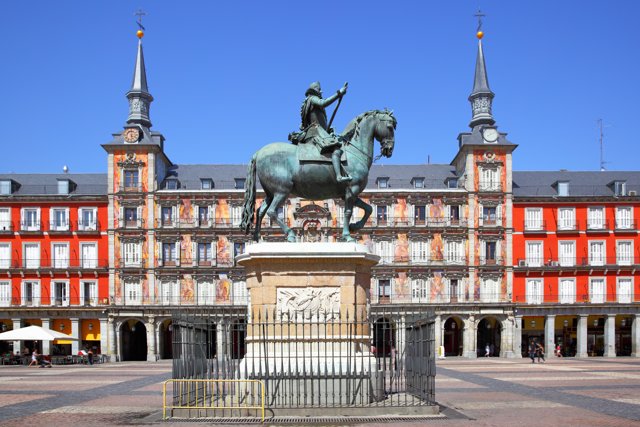
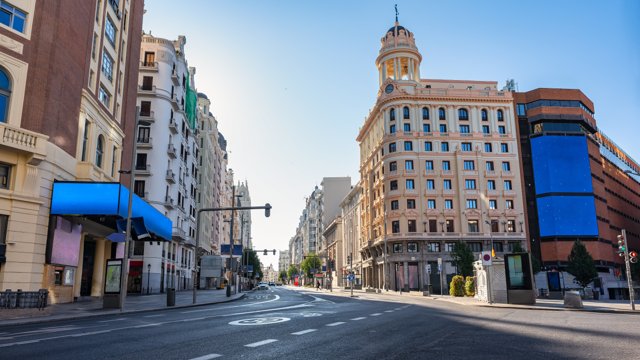
  • Sol forms the geographic and symbolic centre, anchored by Puerta del Sol and within walking distance of Plaza Mayor, the Royal Palace, and the sweep of Gran Vía. It concentrates many of the city’s major landmarks within a compact, walkable area.
  • To the north, Malasaña reflects a more contemporary Madrid — independent boutiques, cafés, and a nightlife scene rooted in the countercultural Movida movement.
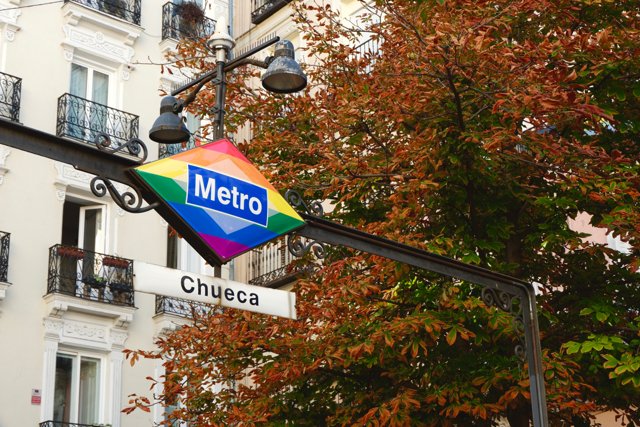
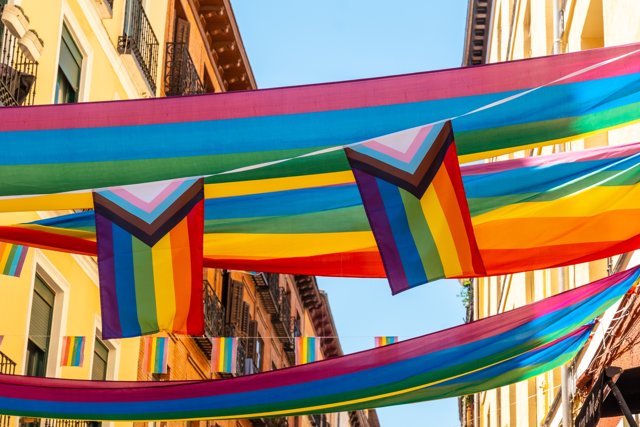
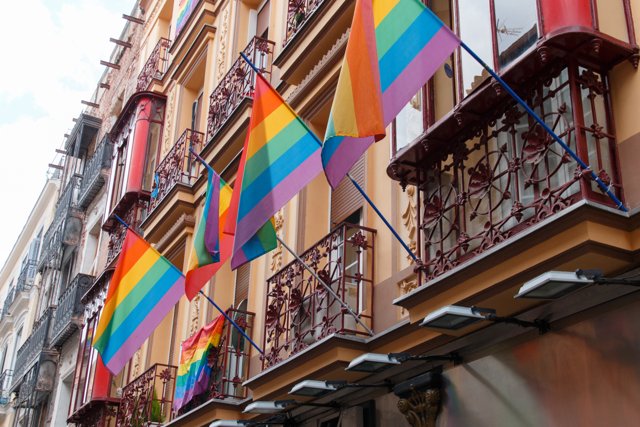
  • Nearby Chueca, long established as the city’s LGBTQ+ district, combines residential calm with a dense concentration of restaurants and independent shops.
  • Lavapiés introduces a more multicultural dimension, shaped by independent art spaces, community initiatives, and global cuisines. La Tabacalera, housed in a former tobacco factory, reflects this creative undercurrent.
  • La Latina preserves a medieval street pattern and remains closely associated with traditional tapas culture and the long-running El Rastro market.
  • In contrast, Salamanca represents the city’s more polished side, defined by elegant boulevards and luxury boutiques along its so-called Golden Mile.

City Rhythm

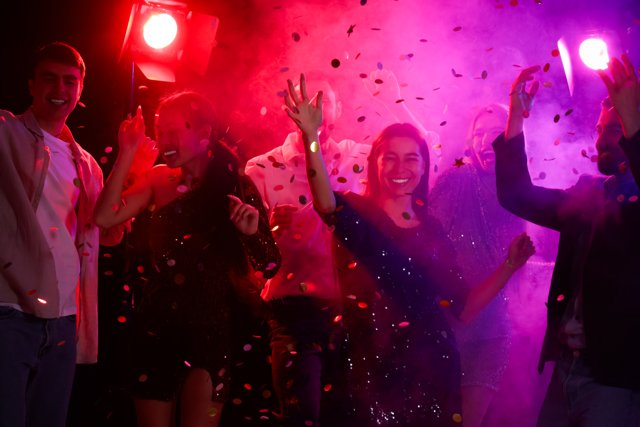
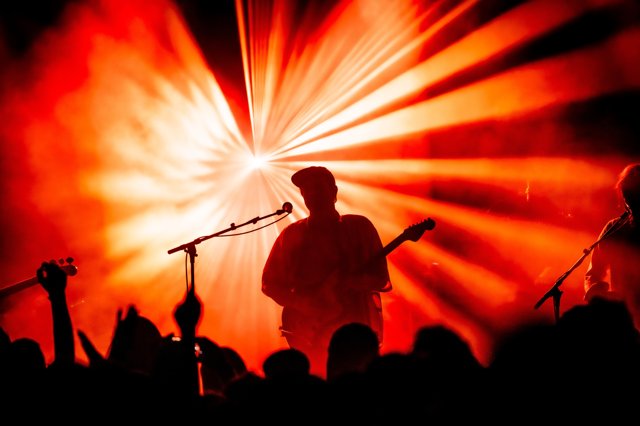
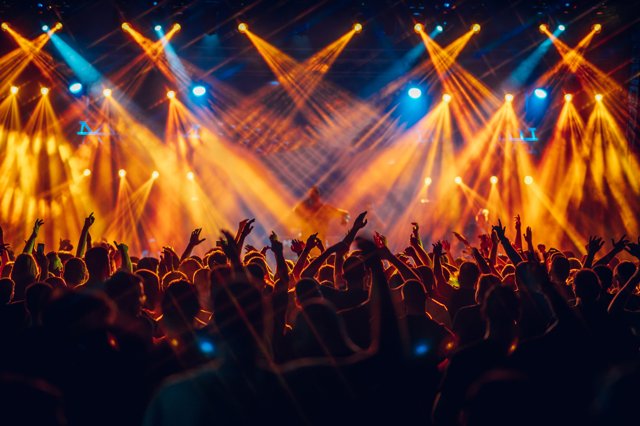
Madrid runs late — later than most European capitals, perhaps because Spain sticks with the Central European Time despite being so far west. Lunch is typically between 1:30pm and 3:30pm, and dinner rarely gets going before 9pm. Clubs and bars, particularly around Malasaña and Chueca, stay open until 2am at the earliest; weekends can stretch well past 5am.

The siesta is real, if fading. Some smaller shops and family-run businesses still close between roughly 2pm and 5pm.

During the day, life plays out in plazas, parks, and neighbourhood bars. Retiro Park fills on weekend mornings with families, joggers, and people lingering over a coffee. Small bars function as genuine social hubs at almost any hour.

The central tourist areas are more forgiving of non-local schedules — you'll find kitchens open earlier and cafés ready for you at 8am. But lean into the local pace where you can. The city rewards it.

Things to Do

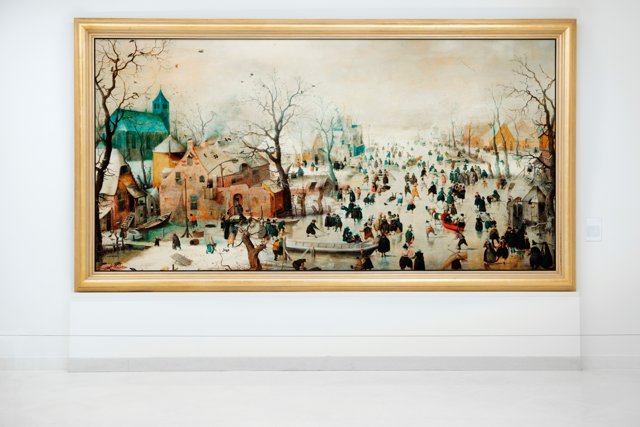
The so-called Golden Triangle — the Prado, the Reina Sofía, and the Thyssen-Bornemisza — forms one of Europe’s most concentrated museum districts along the Paseo del Prado. The Prado alone can occupy an entire morning, while Picasso’s Guernica at the Reina Sofía remains one of the twentieth century’s defining works.

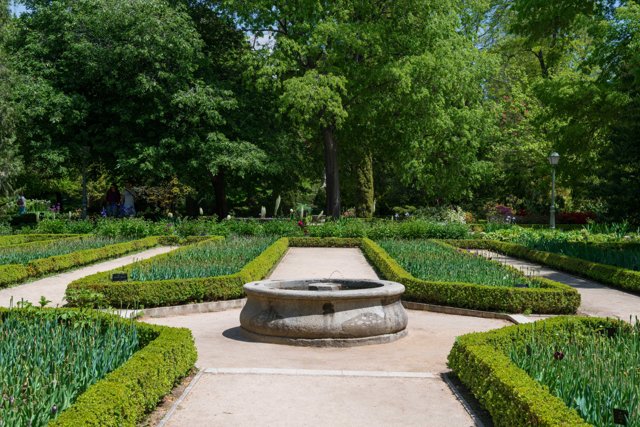
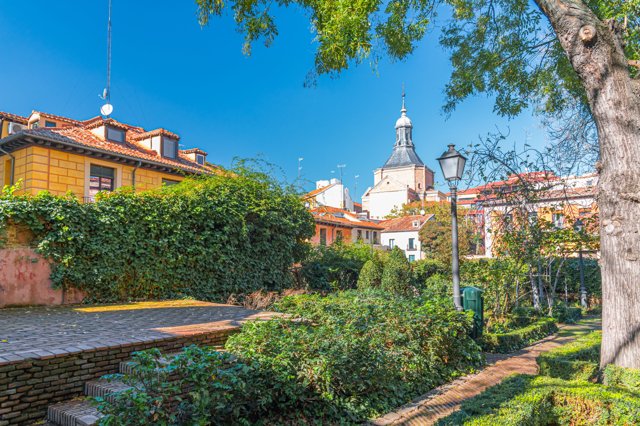
Retiro Park, adjacent to the museum district, provides a contrast of landscaped gardens and shaded paths that shape everyday life as much as tourism.

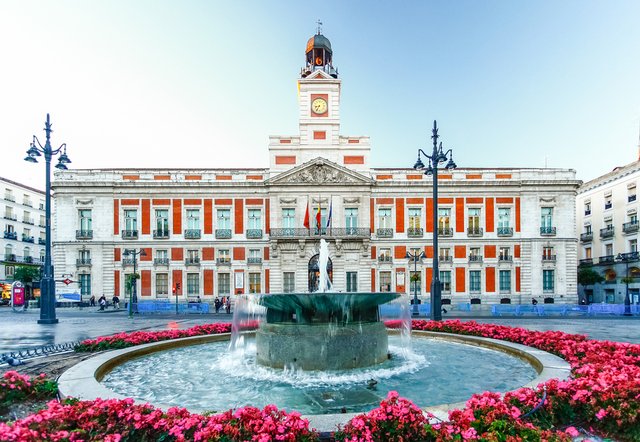
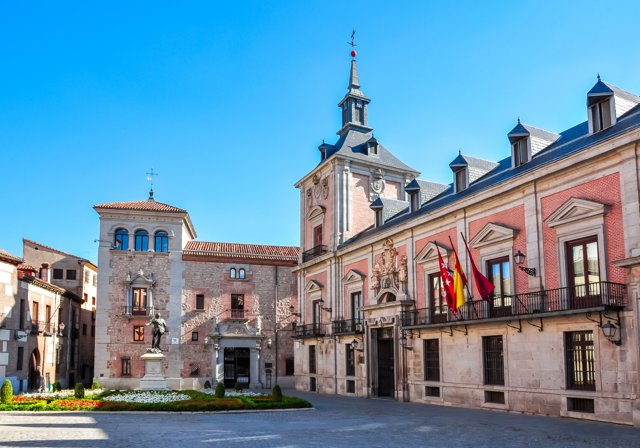
Puerta del Sol functions as the symbolic centre of Spain. The plaque marking Kilómetro Cero designates the starting point of the country’s radial road network — a quiet reminder of Madrid’s administrative role. From here, the city unfolds toward Plaza Mayor and the Royal Palace, one of Europe’s largest functioning royal residences, reflecting the scale of Spain’s former empire.

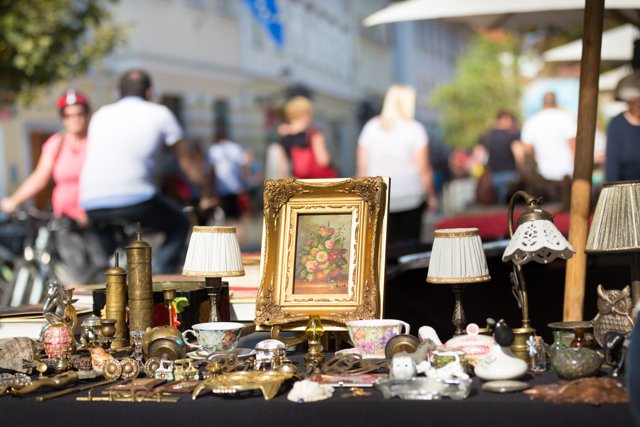
On Sundays, El Rastro in La Latina introduces a different rhythm — informal, crowded, and deeply local.

Gastronomy

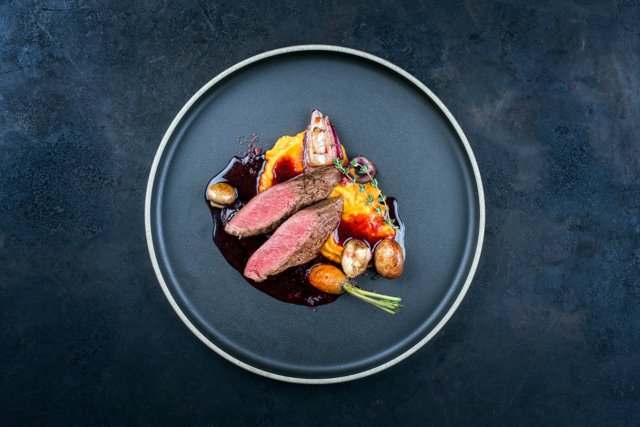
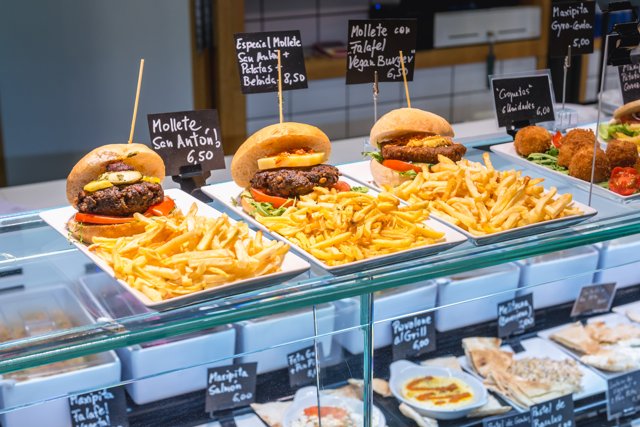
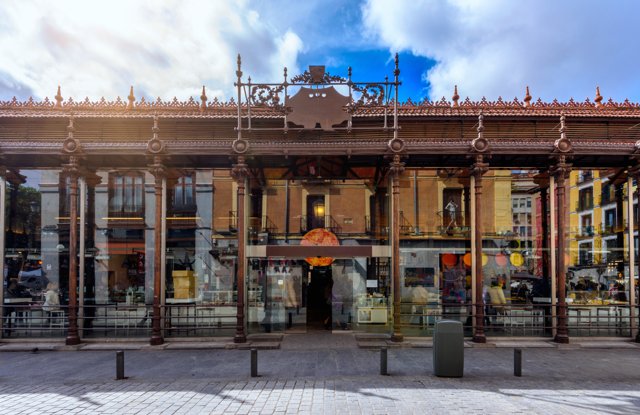
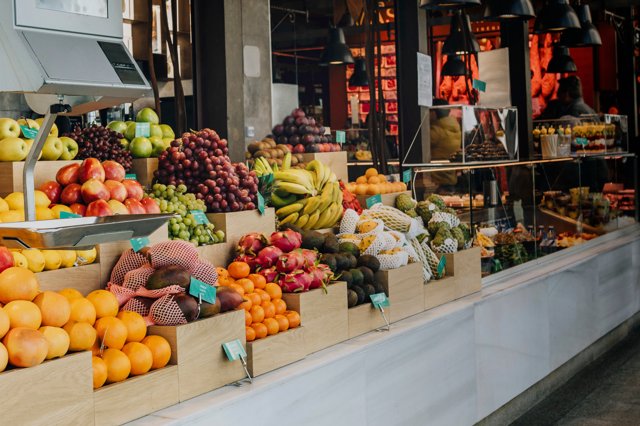
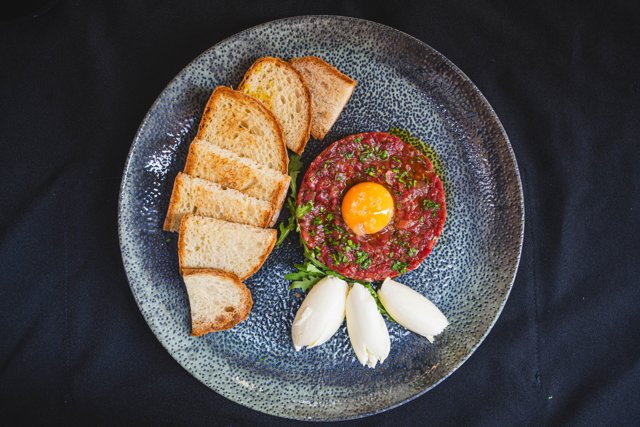
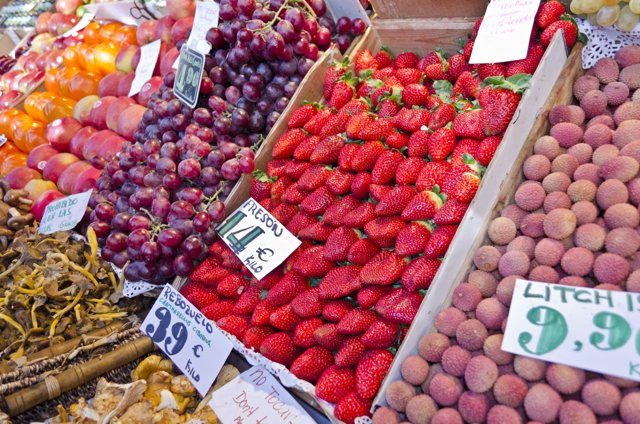
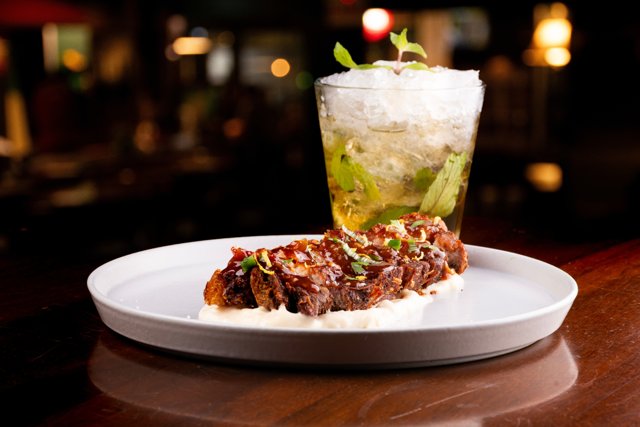
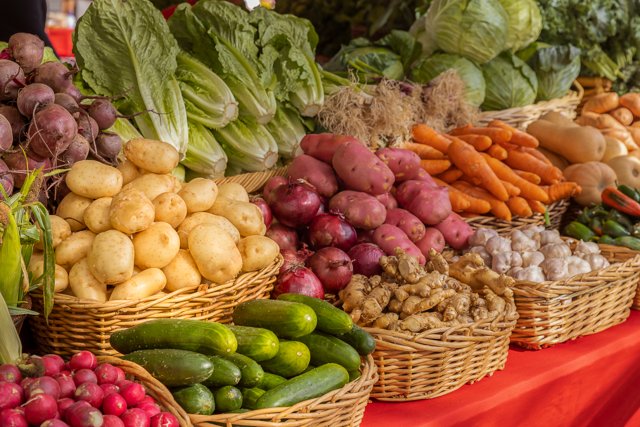
Ingredient quality underpins Madrid’s food culture. Markets such as Mercado de San Antón and Mercado de la Paz reflect the city’s emphasis on seasonal produce and regional specialities.

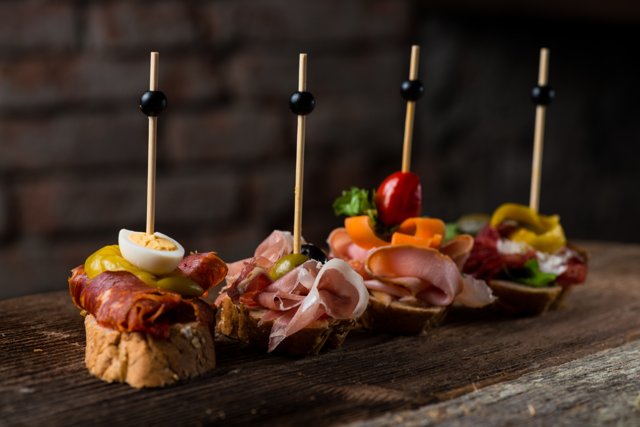
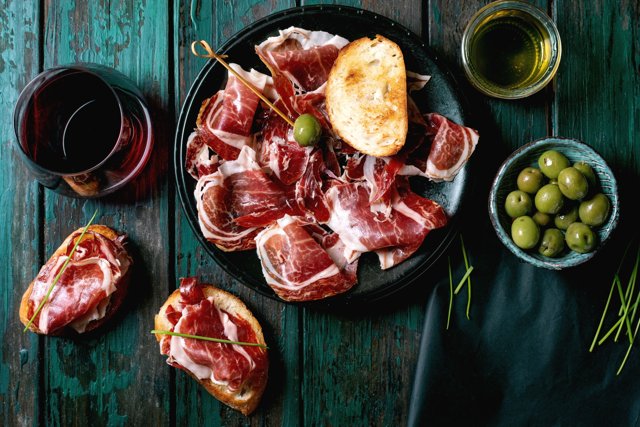
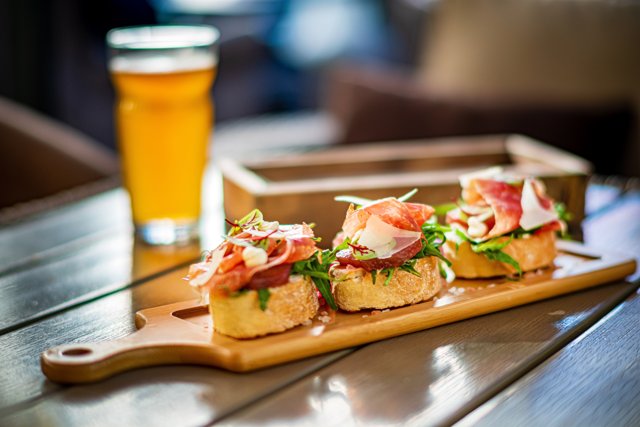
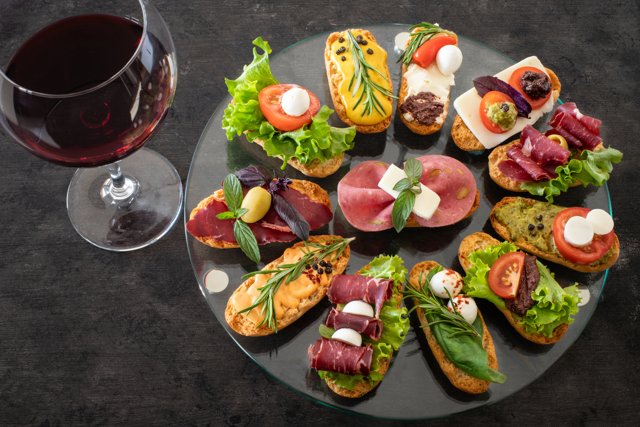
Dining remains structured around sharing. Tapas refer to smaller portions often served alongside drinks, while raciones are designed for the table. Understanding the distinction shapes the experience of ordering.

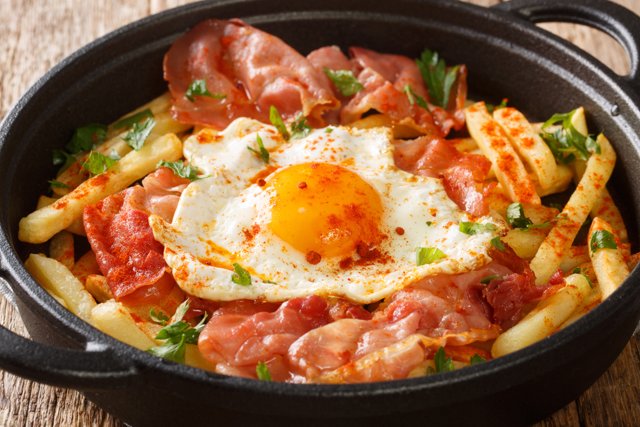
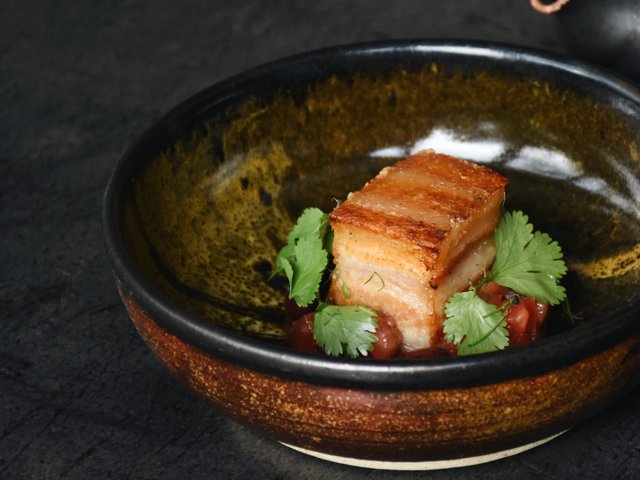
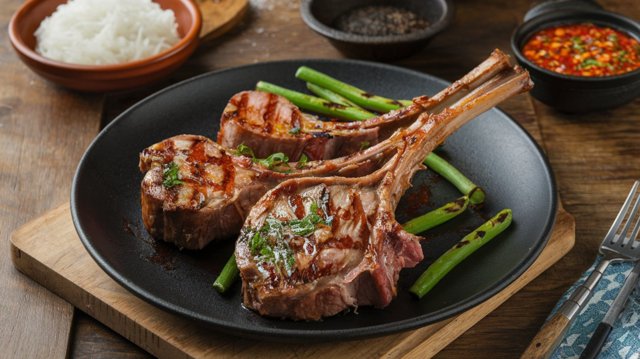
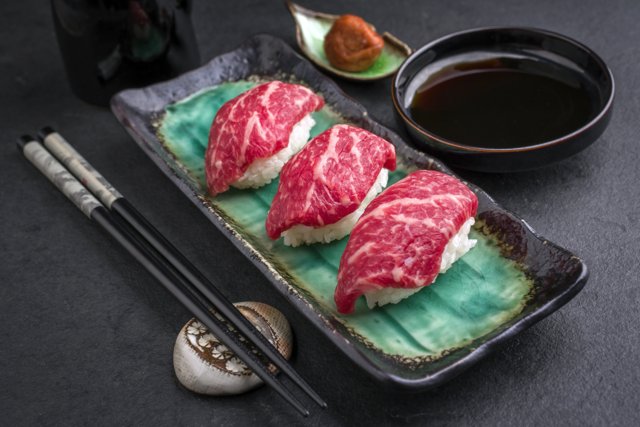
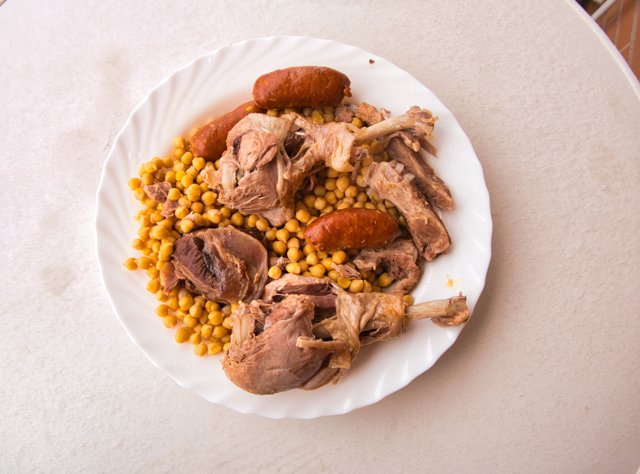
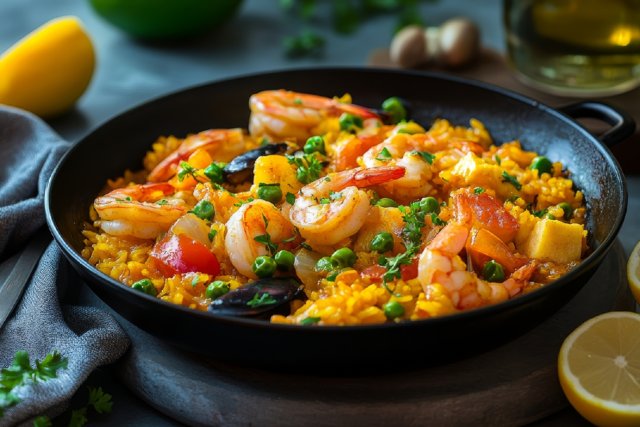
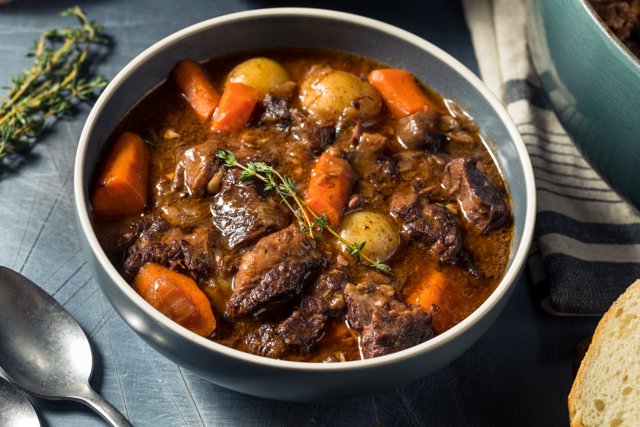
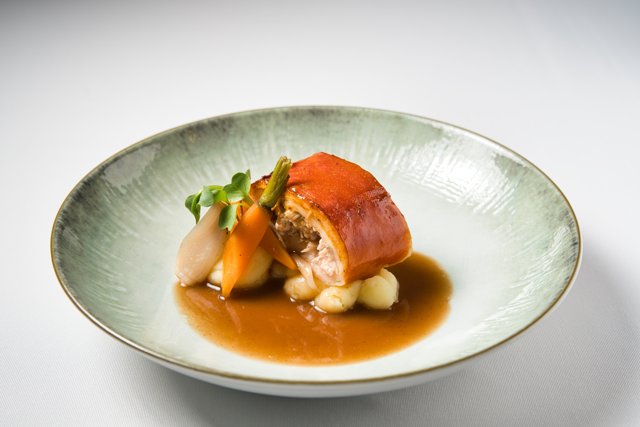
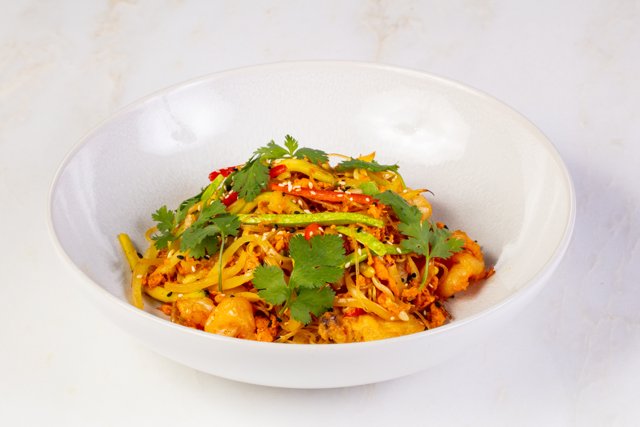
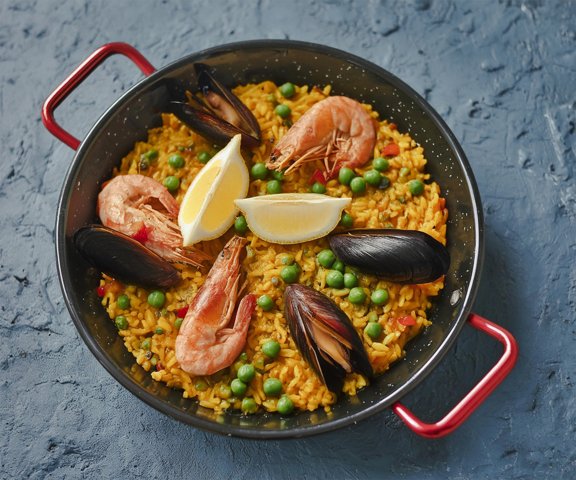
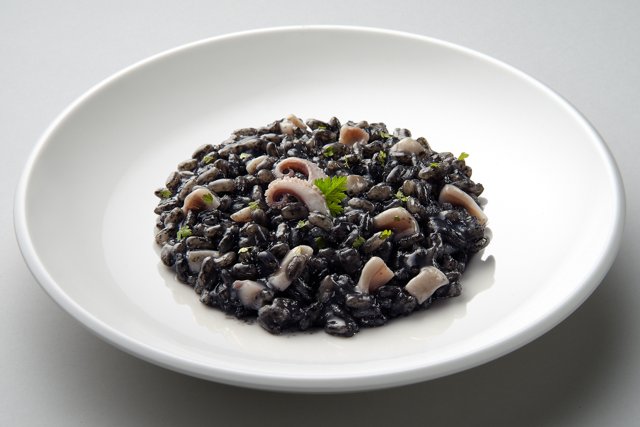
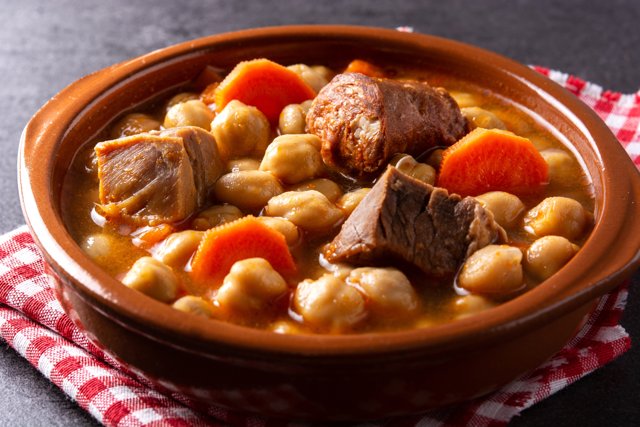
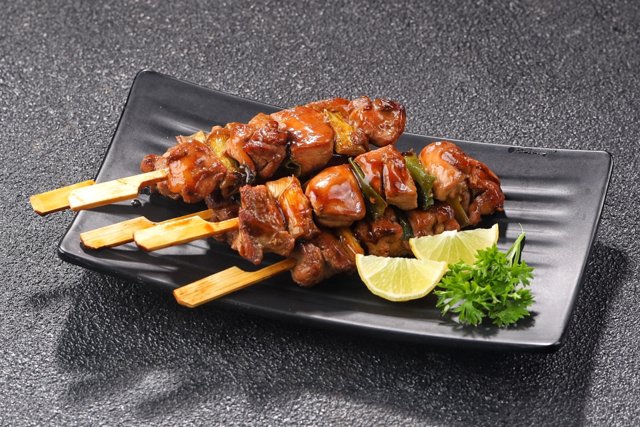
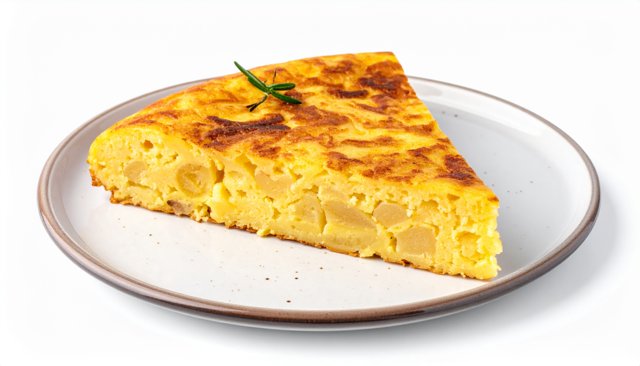
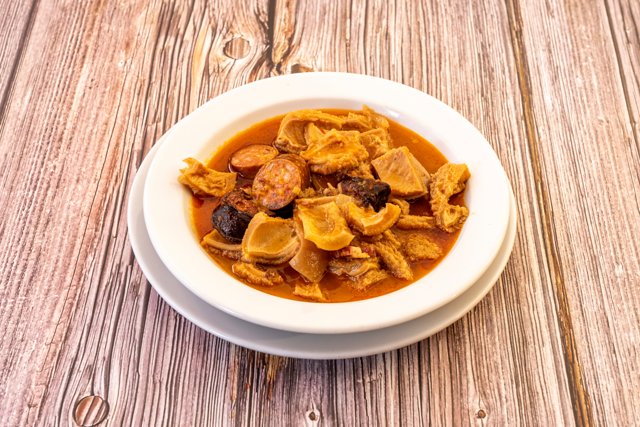
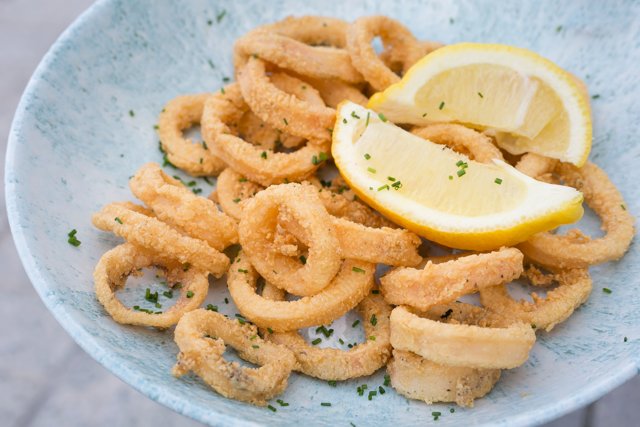
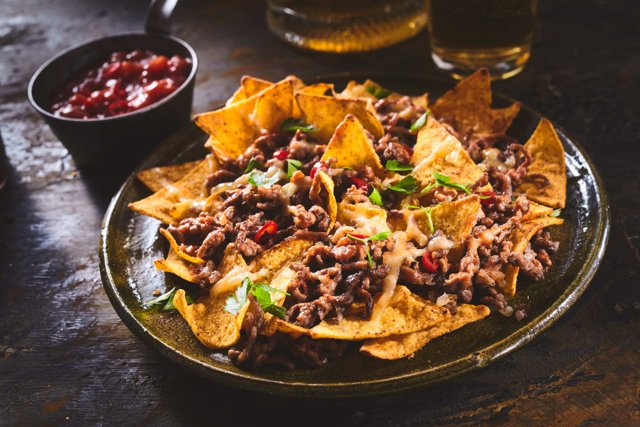
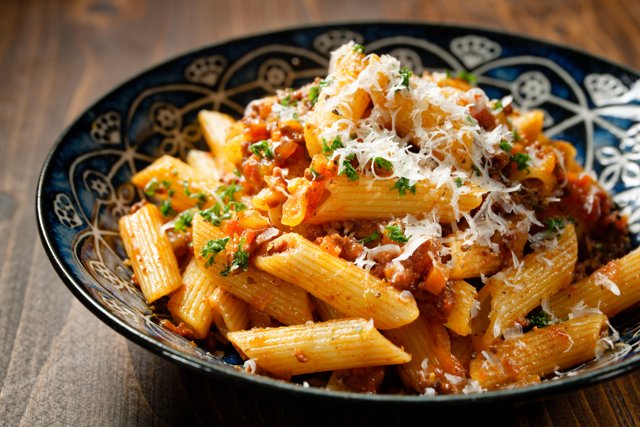
Among local specialities, the bocadillo de calamares — a fried squid sandwich traditionally associated with the area around Plaza Mayor — remains an enduring street classic. Cocido madrileño, a slow-cooked chickpea stew, reflects the city’s Castilian culinary roots.

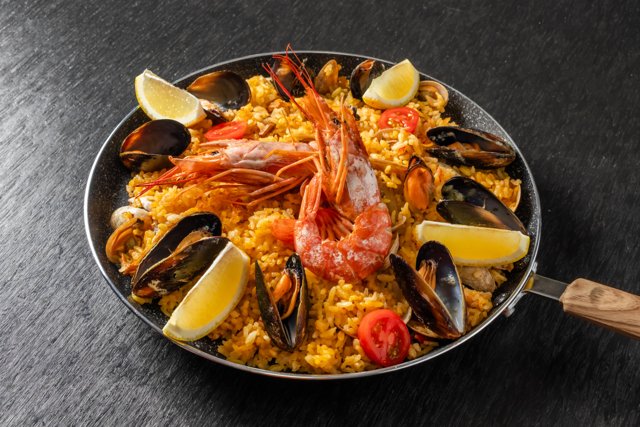
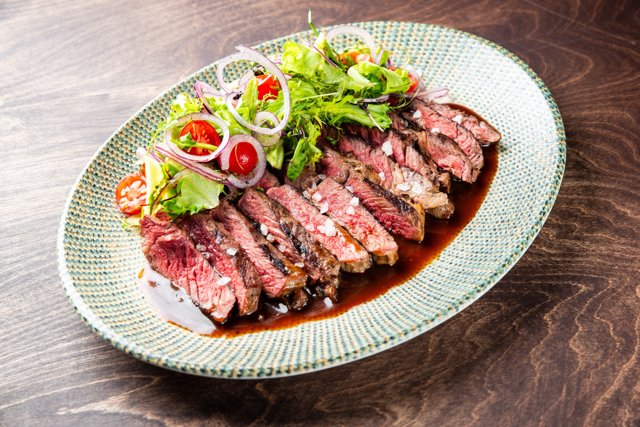
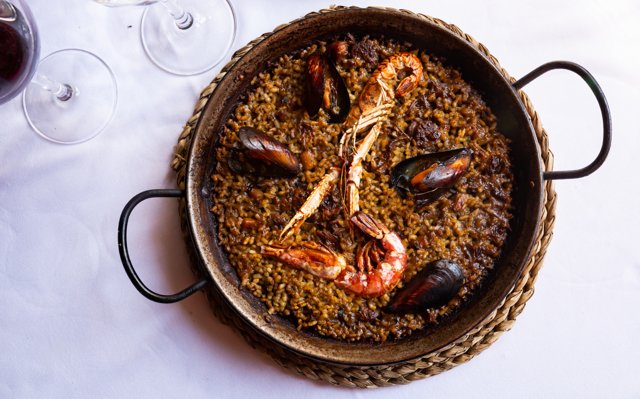
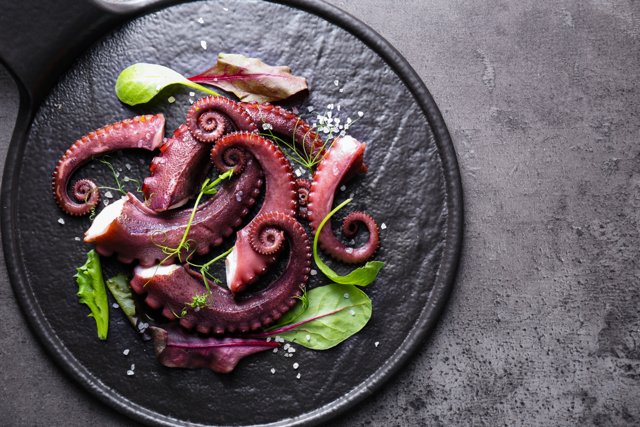
Despite its inland location, Madrid maintains a strong seafood tradition, historically sustained by efficient supply routes to the capital. Dishes such as besugo a la madrileña and soldaditos de Pavía illustrate this legacy. Tinto de verano, a simple mix of red wine and lemon soda, remains a common warm-weather choice.

Churros con chocolate, typically enjoyed in the early morning or after a late night out, form part of the city’s social rhythm as much as its culinary identity.

Best hotels in Madrid

Frequently asked questions

Do people speak English fluently?

English is widely spoken in hotels, restaurants, museums, and tourist areas.

In local neighbourhoods, younger people usually manage well in English, while older generations may not understand it as easily. Even so, Spaniards are known for trying to communicate with tourists however they can to help.

How many days do I need to visit Madrid?

Three days is enough to cover the main sights and get a feel for the city's different neighbourhoods. Four or five allows for a more relaxed pace — longer museum visits, a morning at a flea market, and perhaps a late night out without feeling rushed.

What is Madrid famous for?

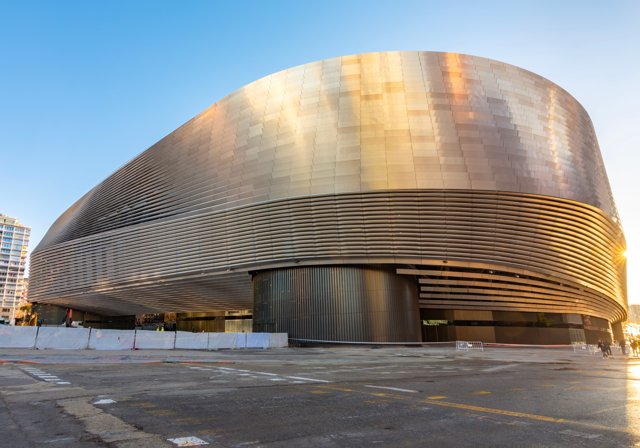
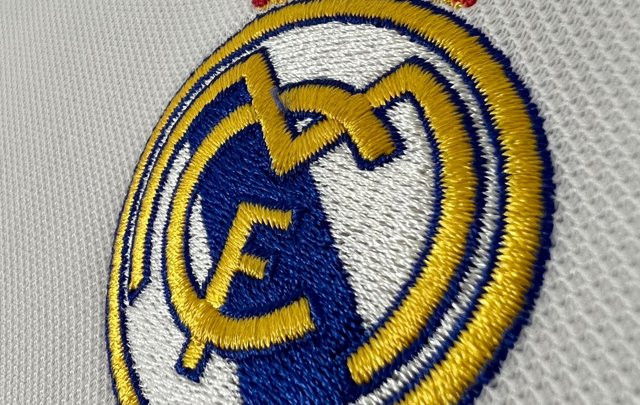
Its art museums, for a start. The Prado, Reina Sofía, and Thyssen-Bornemisza form one of Europe’s greatest cultural museum concentrations. Beyond that, the Royal Palace, Real Madrid, a deep tapas culture, and a nightlife scene that genuinely runs until dawn. The city also has a well-earned reputation for being open and welcoming to visitors.

Is Madrid good for families with children?

Very much so. Retiro Park and Madrid Río both have plenty of space to roam. The Zoo and Aquarium, the Museo de Ciencias Naturales, and the Railway Museum all work well for younger visitors, and the city's relaxed attitude to children in restaurants makes eating out easy at any age.

What should I wear in Madrid?

Madrileños tend toward smart-casual — not flashy, but put-together. The bigger consideration is layering: summers are hot, winters sharply cold, and spring and autumn shift quickly between both.

What is the best area to stay in?

It depends on what you're after. Centro puts you within walking distance of most major sights but can feel noisy. Malasaña and Chueca are livelier, with good restaurants and a younger crowd. La Latina is the pick for tapas culture and a more neighbourhood feel. All are well connected by metro.

Is tap water safe to drink, and is tipping expected?

Tap water is safe and free on request at any restaurant. Tipping is not a strong local custom — rounding up the bill is plenty.

Is Madrid safe for tourists?

Yes. Keep an eye on belongings in busy areas like Puerta del Sol and on the metro, but serious incidents involving tourists are rare.

Top destinations