Luxembourg

A compact European capital rising above dramatic gorges, with a layered history and a quietly cosmopolitan character all its own.

  • Luxembourg

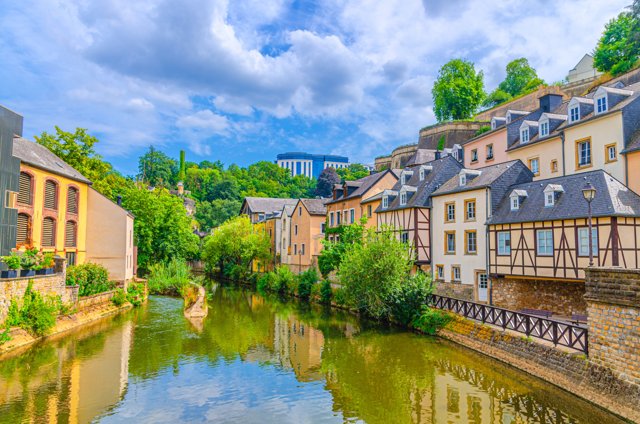
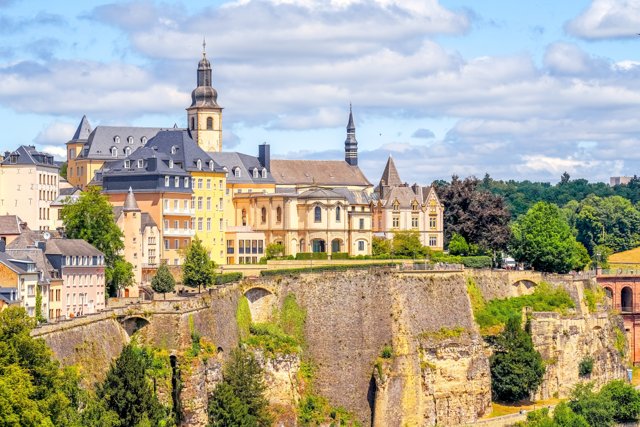
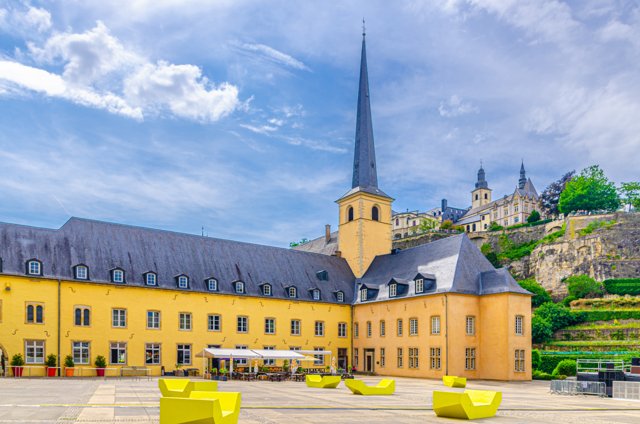
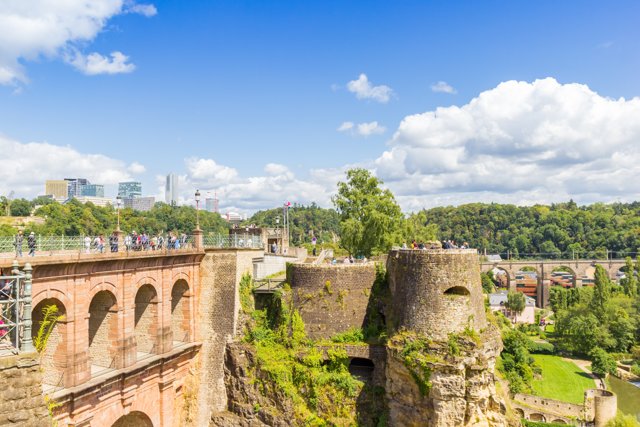
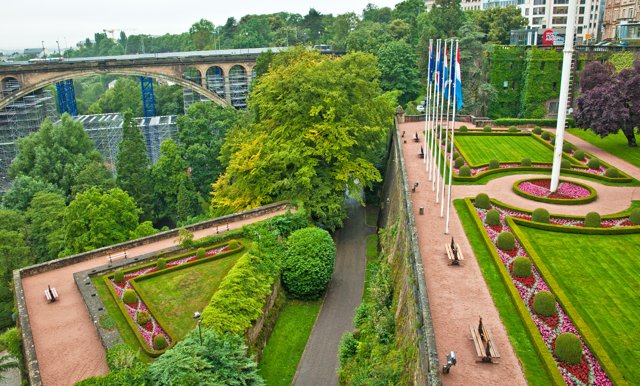
    Luxembourg City sits on a sandstone plateau carved by the deep valleys of the Alzette and Pétrusse. The result is a three-dimensional city of bridges, wooded paths, and steep staircases, where the land drops into green valleys before rising again on the far side.

    That geography shaped everything: formidable medieval fortifications, tunnels carved into the rock beneath the streets, and neighbourhoods defined by their position above or within the gorges.

    What often surprises visitors is how international the city feels. With close to half the population born abroad, Luxembourg has a quietly cosmopolitan character that shows in its food, languages, and everyday rhythm.
Unique experiences in Luxembourg

Plan your trip

Entry Requirements & Travel Documents

Luxembourg is part of the Schengen Area. EU and EEA citizens can enter with a valid passport or national ID card. Travellers from many non-EU countries can visit without a visa for up to 90 days within any 180-day period. Your passport must be valid for at least three months beyond your planned departure date.

From late 2026, visitors from several currently visa-exempt countries — including the United States, Canada, the United Kingdom, Australia and Japan — will need to obtain ETIAS authorisation before entering Luxembourg and other Schengen states. Until that system is in place, existing visa-free arrangements remain valid.

Money, Currency & Paying in Luxembourg

The currency is the euro (€). Luxembourg is very card-friendly, and contactless payments are widely accepted in hotels, restaurants and shops. Visa and Mastercard work reliably across the city; American Express is accepted in many places but not universally.

When cash is needed, ATMs are easy to find in the centre and generally offer better rates than airport or hotel exchange desks. The primary use for cash is tipping, since not all payment terminals have that function.

Weather, Seasons & When to Visit

Luxembourg has a temperate continental climate with four distinct seasons. Winters are cold and sometimes snowy, while summers are warm without being extreme. Rain is possible year-round, so a light layer and waterproof are always useful.

Spring (March to May) brings mild temperatures and good light, making it ideal for exploring on foot.

 Summer (June to August) offers long days and lively terraces, though July and August are the busiest months.

Autumn (September to October) is often the most atmospheric, with colourful foliage and fewer crowds. 

Winter (December to February) is quiet and cold, with Christmas markets in December and a noticeably calmer pace afterwards.

Health Insurance

Visitors from EU and EEA countries should carry a valid European Health Insurance Card (EHIC), which provides access to state healthcare under the same conditions as residents. UK visitors can carry the British equivalent, the GHIC.

Travellers from outside the EU are strongly advised to arrange travel medical insurance covering treatment, hospitalisation and emergency repatriation. Pharmacies, marked by a green cross, are a practical first stop for minor ailments and medication advice. If you take regular prescription medication, carry both the medication and the original documentation.

Connectivity, Roaming & Mobile Data

Mobile coverage in Luxembourg is excellent, with 4G widely available and 5G coverage reaching well over 90% of the country, making it one of the most connected destinations in Europe. EU/EEA travellers can generally use their domestic mobile plans here without extra roaming charges. Visitors from outside the EU should check roaming costs in advance, as fees vary considerably by plan.

For most short stays, mobile data is rarely a pressing concern. Luxembourg's free public Wi-Fi network covers the city centre, most public buildings and squares, making it easy to navigate and stay connected throughout the day.

Airports & Main Arrival Hubs

Luxembourg is served by Luxembourg Airport (LUX), located around six kilometres east of the city centre. Direct flights connect Luxembourg with most major European cities, as well as a growing number of intercontinental routes. The airport is compact and efficient, with short distances between arrivals and onward transport.

The Gare de Luxembourg is the city's central railway station. Long-distance coaches also stop directly outside the station at Place de la Gare, making it the natural arrival point for most travellers coming overland.

Main Train Stations

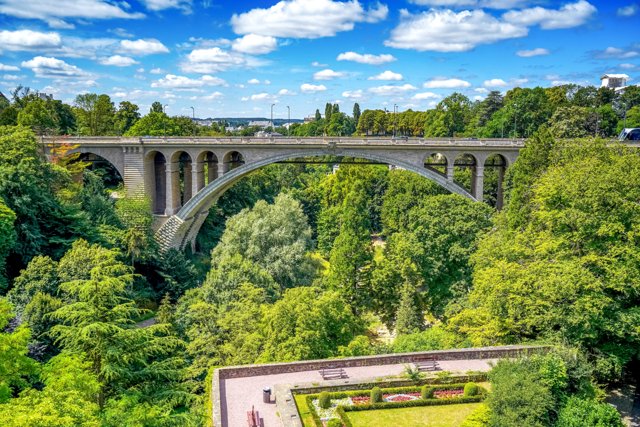
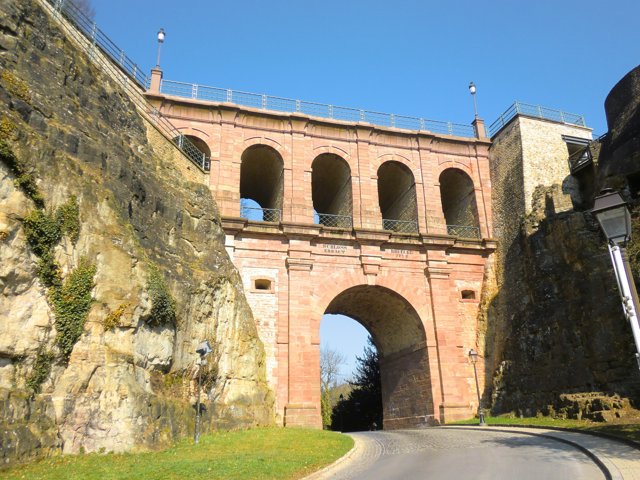
The Gare de Luxembourg is the city's central railway station and the main hub for all rail arrivals. The building itself, completed in 1913 in the Moselle Baroque Revival style, is worth a look before heading into the city. From the station, the Passerelle viaduct leads directly north into the Ville Haute, making the walk to the old quarter straightforward with luggage.

International services connect Luxembourg with Brussels in around two hours, Paris in just over two hours and Strasbourg in under two hours. Regional trains run frequently to Trier, Liège and other cross-border destinations.

From the Airport to Central Luxembourg

You can reach the city centre from the airport by bus or tram. Several routes connect the terminal directly with the central station, with journeys typically taking 20 to 30 minutes. As with all public transport in Luxembourg, the bus and tram are completely free.


Taxis are available outside the terminal for a direct journey, though fares are higher than in many comparable European capitals. Car hire is also available at the airport for travellers planning to explore the wider countryside.

Taxis & Ride-Hailing

Taxis in Luxembourg City are officially licensed, metered, and reliably professional. Ranks are located outside the central station, the airport, and at key points across the city centre. They are among the more expensive in Europe, so it’s worth factoring this in for longer journeys.

Ride-hailing apps such as Uber do not currently operate in Luxembourg. The main app-based alternative is Webtaxi, which allows easy booking and upfront fare estimates. Availability is generally good, though wait times may increase during peak hours.

Arrival Tips & Common Mistakes to Avoid

  • Luxembourg's old quarter is compact but hilly. Hotels near the Gare may feel further on foot than they appear on a map.
  • The city's multi-level layout means that two points that look close on a map can require a longer route via a bridge or valley path. A navigation app helps, but always check the elevation involved.
  • Around 300,000 people commute into Luxembourg City daily from neighbouring countries. Traffic during morning and evening rush hours can be severe — from the airport, the tram is the most reliable way to reach the centre at those times.
  • The Bock Casemates are only open from March to October. Check ahead if visiting outside those months.

Public Transport & Zones

In 2020, Luxembourg became the first country in the world to make all public transport entirely free. Buses, trams and domestic trains throughout the country require no ticket and no validation — you simply board. For visitors, this means getting around the country comes at no cost at all.

Luxembourg City is served by a bus network and a tram line connecting the central station with the Kirchberg district and the airport. Services run frequently during the day. Real-time departure information is available at stops and through the mobiliteit.lu app, which covers routes across the entire country.

Tickets & Passes

As public transport is free throughout Luxembourg, there are no tickets to purchase for buses, trams or domestic train journeys. This applies to all passengers regardless of nationality. First-class carriages on trains are the one exception, requiring a supplement.

For day-to-day travel around the city and short trips into the countryside, the standard free network is more than sufficient. Cross-border journeys require a ticket for the non-Luxembourg portion of the route, purchased at the station or via rail apps before boarding.

Walking & Cycling

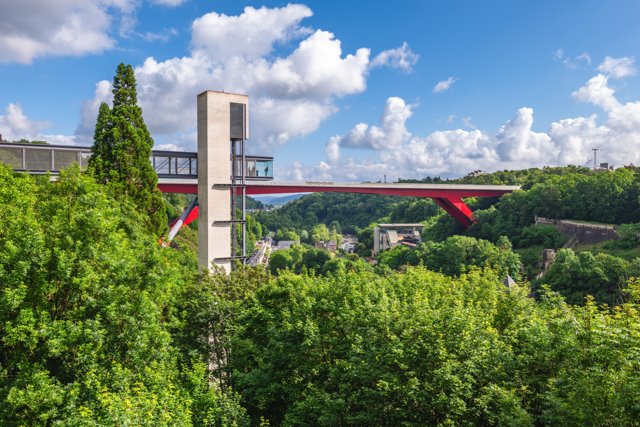
Luxembourg City rewards exploration on foot, though its unusual topography means staying aware of elevation changes. The upper old city is largely flat and partly pedestrianised, but reaching the valleys below, and climbing back up, involves steep paths, staircases and occasional longer detours around the ravines. There are two public elevators: one to the north and another to the southeast of the Upper Town.

Wooded walking paths connect the city's different levels, offering views that feel more like countryside than urban navigation. Cycling is possible through the Vel'OH! bike-sharing scheme, though the terrain can be demanding. The most pleasant routes follow the riverbed paths along the Alzette through the lower neighbourhoods.

Nearby Destinations / Day Trips

The Ardennes to the north offer rolling forested hills and quiet valleys. Vianden is the most popular excursion, home to one of the most complete medieval castle complexes in western Europe. Further north, Wiltz offers a 10th-century castle with both a brewing museum and a Battle of the Bulge museum.
To the east, Echternach, the country’s oldest town, sits beside the wooded trails of the Müllerthal region. The Moselle Valley offers vineyard scenery and wine tasting along the river.
South of the capital, Esch-sur-Alzette surprises with a reinvented industrial quarter centred around preserved blast furnaces.

Accessibility & Basic Safety Tips

Luxembourg City is generally very safe, with low levels of street crime. As in any city, it’s sensible to keep an eye on belongings in busy areas and around the central station.

Public transport is accessible, with low-floor buses and trams and good infrastructure across much of the centre. However, the old quarter and valley paths include uneven cobblestones and steep gradients, which can be challenging for reduced mobility. Emergency services can be reached by dialling 112.

Language, Culture & Local Etiquette

Luxembourg has three official languages: Luxembourgish, French and German. Residents switch between them comfortably and most speak English well, particularly in hotels, restaurants and shops. French is the safest default for everyday interactions. A simple bonjour or moien (the Luxembourgish greeting) is always a welcome opener.

Tipping is not mandatory but is common practice. In casual cafés and bistros, rounding up to the nearest euro is the norm. At mid-range and upscale restaurants, 5–10% for good service is appreciated. Worth knowing: many card machines do not include a tip function, so keeping a few small coins or notes to hand is useful.

Neighbourhoods

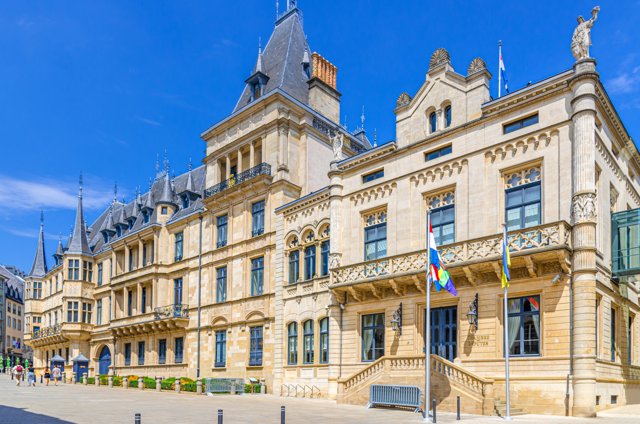
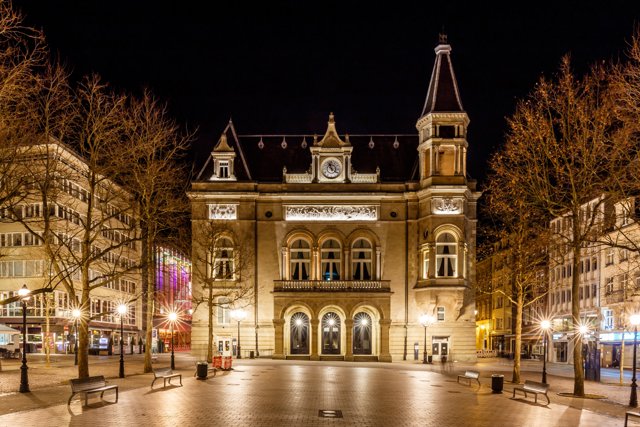
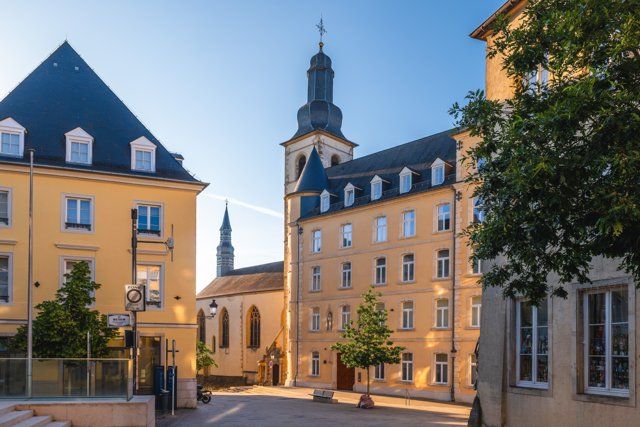
  • Ville Haute: The historic core on the upper plateau, home to the Grand Ducal Palace, Place Guillaume II, and the city’s main pedestrian streets and markets.
  • Grund: Below the old town, this quieter valley neighbourhood follows the Alzette river, with old stone houses, terraced gardens, and relaxed cafés and bars.
  • Clausen (Rives de Clausen): The city’s main nightlife district, set in a former brewery complex that now hosts bars and restaurants.
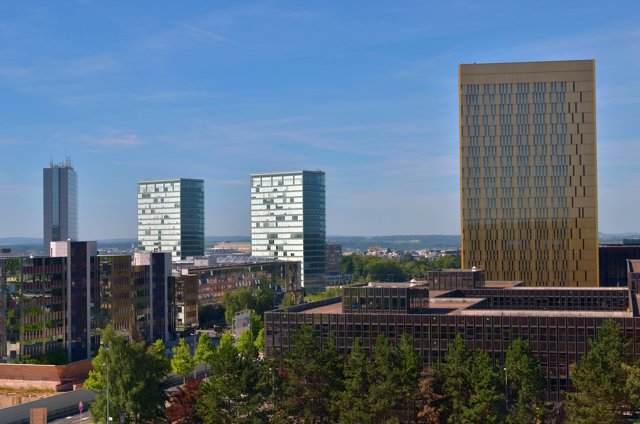
  • Kirchberg: The modern district on the eastern plateau, home to European institutions, contemporary museums, and glass-fronted offices.

Gastronomy

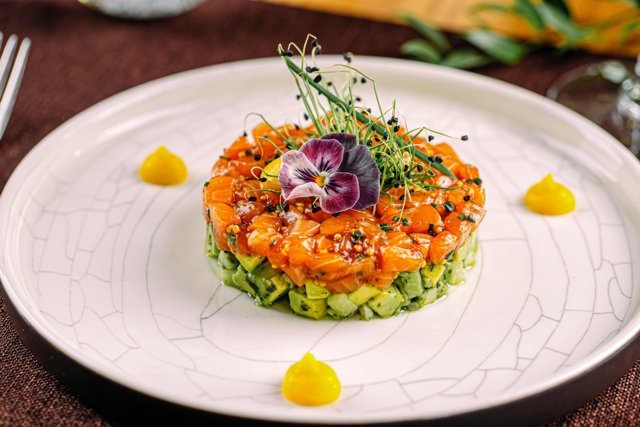
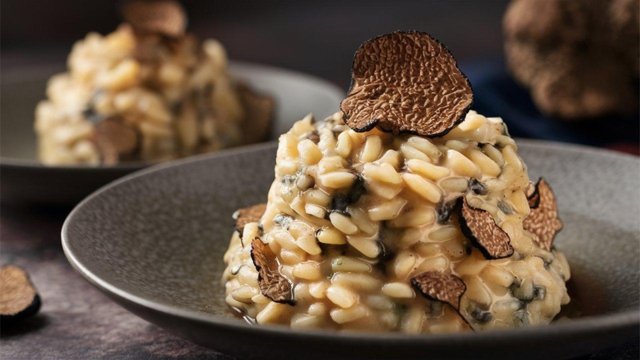
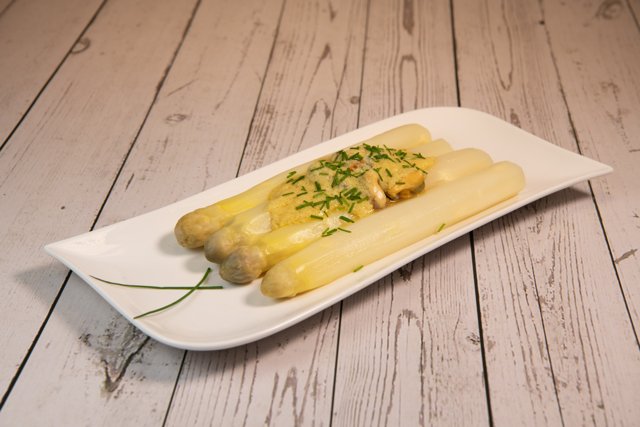
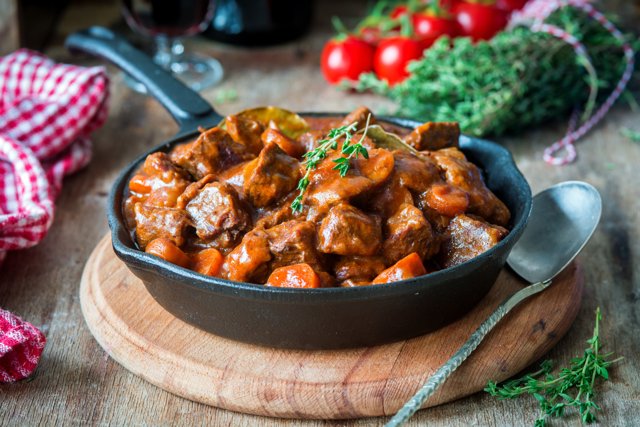
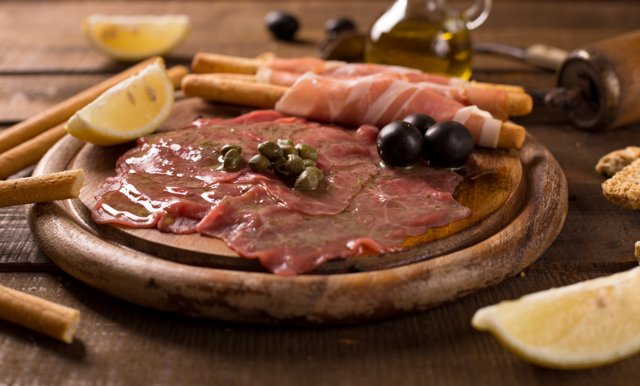
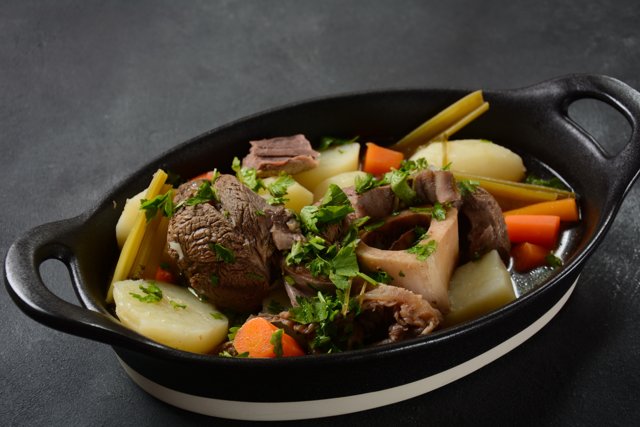
Luxembourgish cuisine reflects the influence of its French and German neighbours, combining the heartiness of German rural cooking with French technique and finesse. The result is generous and unfussy. Judd mat Gaardebounen (smoked pork collar with broad beans) is the national dish, while Kniddelen mat Speck (potato dumplings with bacon) and bouchée à la reine (a creamy veal and mushroom pastry) are equally worth seeking out. For dessert, Quetschentaart, an open plum tart, is the local favourite in autumn.

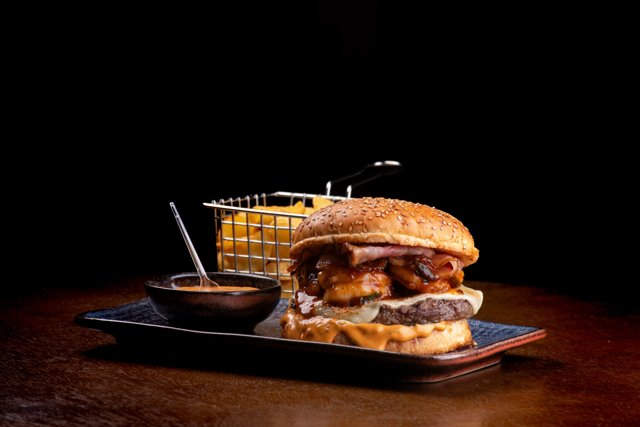
The wider restaurant scene reflects the city's international population and is genuinely diverse, with kitchens frequently run by people from the countries whose food they serve. 

Local beers are a staple, and the white wines and sparkling Crémant de Luxembourg from the Moselle valley are well worth exploring.

City Rhythm

Luxembourg City moves at a measured pace. Weekday mornings feel purposeful and commuter-driven, shaped by the significant number of EU and financial sector workers who fill the cafés and tram stops before nine. Afternoons settle into a slower rhythm, with terraces filling up and the old quarter taking on a more relaxed tone.

Evenings are quieter than in most European capitals. Restaurants fill for dinner, the Rives de Clausen draws a lively crowd, but things wind down at a reasonable hour without becoming raucous. Shops close early and are shut on Sundays, so plan shopping and pharmacy stops accordingly. The city rewards those who match its pace: the wooded valley paths, the viewpoints above the gorges and the café culture of the historic centre have a charm that reveals itself gradually.

Things to Do

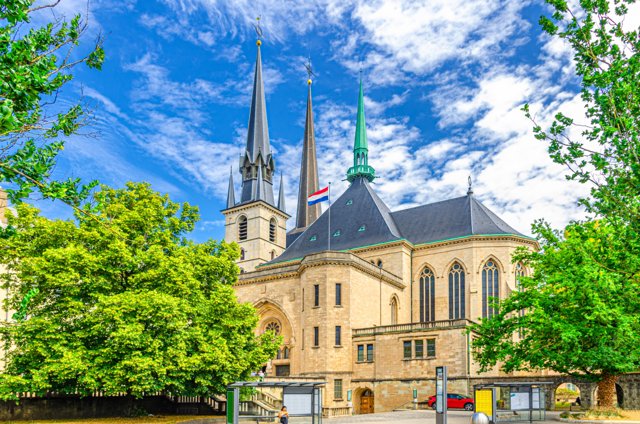
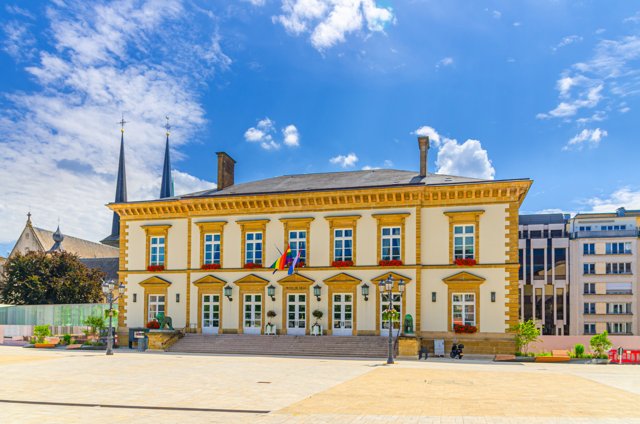
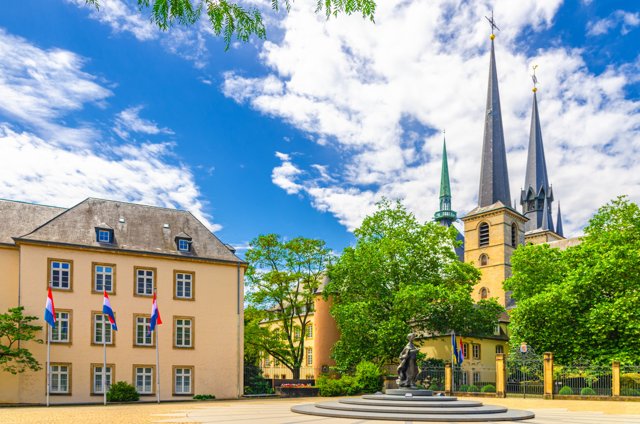
Start in the Ville Haute, around Place Guillaume II, before exploring the pedestrian streets of the old town. The Grand Ducal Palace and Notre-Dame Cathedral are both within a short walk, and the area rewards slow wandering.

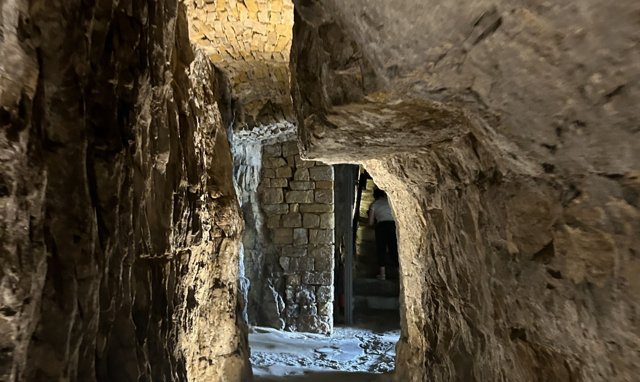
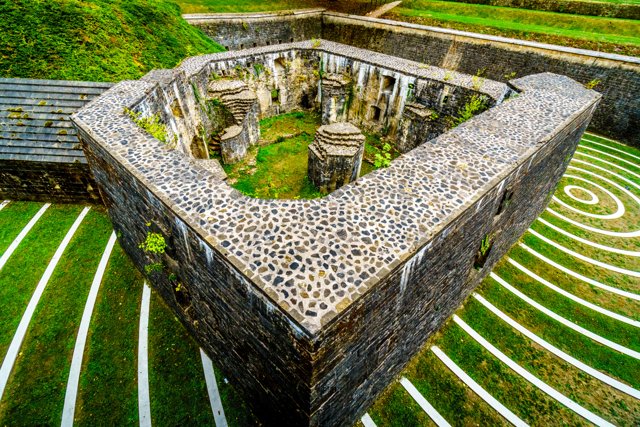
Cross the Castle Bridge to the Bock Promontory, where the city was founded in 963. From here, descend towards the Bock Casemates, a vast network of tunnels carved into the rock. The Corniche walkway nearby offers some of the best views over the gorges and lower city.

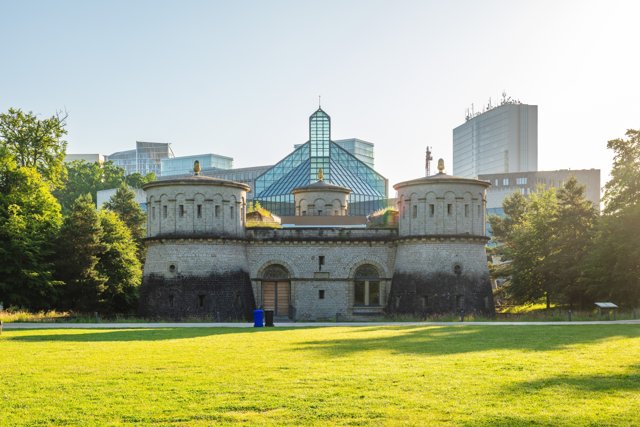
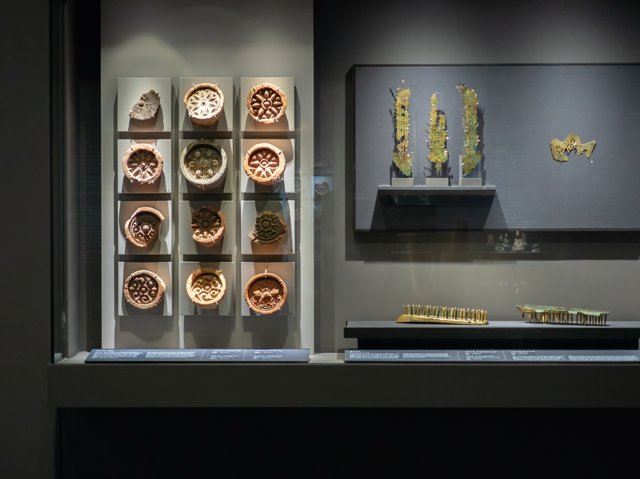
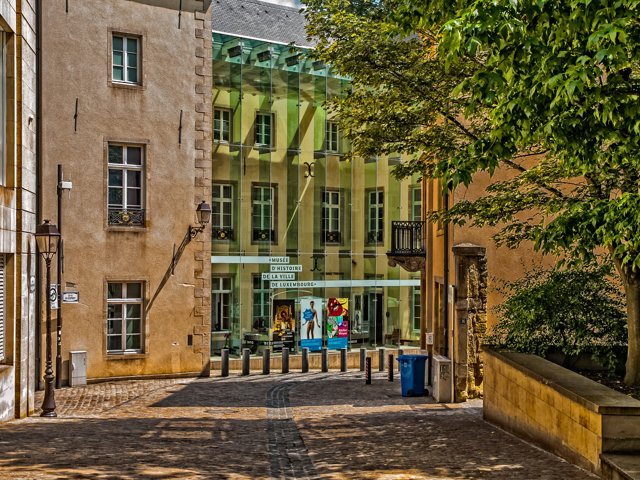
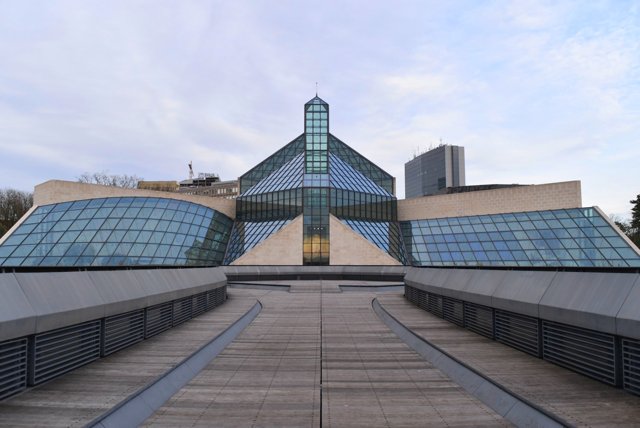
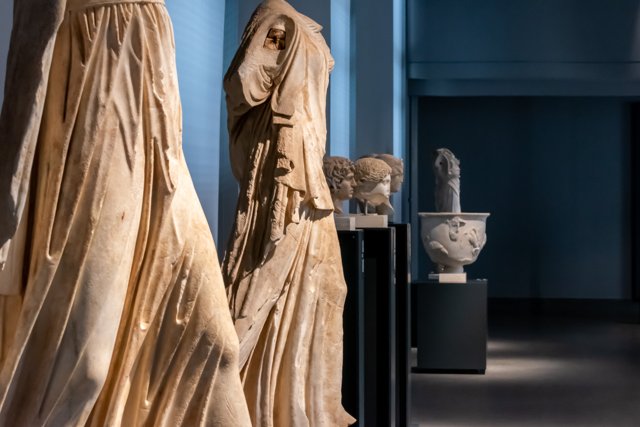
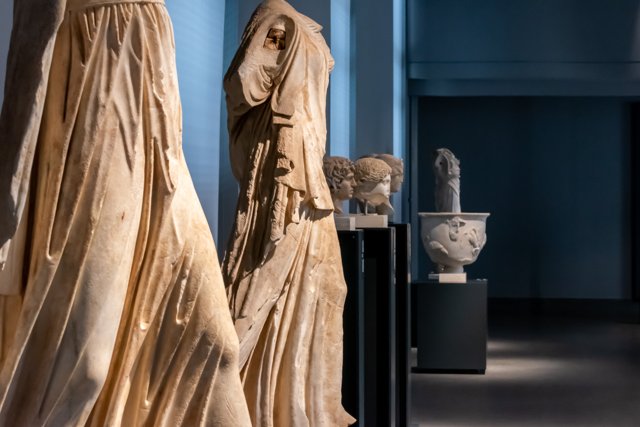
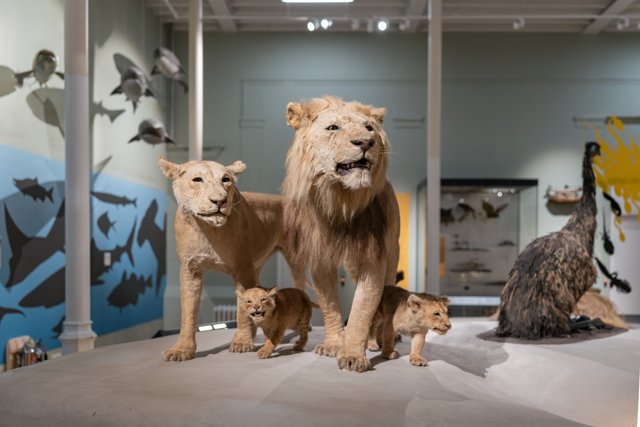
For museums, the Luxembourg City History Museum and the National Museum of History and Art cover the country’s past. In Kirchberg, Mudam and the Dräi Eechelen Museum provide a more contemporary and architectural perspective.

Best hotels in Luxembourg

Frequently asked questions

Is Luxembourg just one big city?

Far from it. The country has a varied landscape of medieval towns, castles, forested valleys, vineyard-lined river banks and quiet villages. Luxembourg City is the compact but lively capital of a genuinely diverse small country.

How many days do I need in Luxembourg City?

Luxembourg is a great stopover destination. A long weekend — two to three days — is enough to explore the old quarter, walk the Corniche, visit the Bock Casemates and get a feel for the lower neighbourhoods. Add a day if you want to include a day trip to Vianden or Echternach.

Is public transport really free in Luxembourg?

Yes. Since 2020, all buses, trams and domestic trains in Luxembourg have been entirely free, for residents and visitors alike. No ticket is needed. You simply board any service. The one exception is first-class carriages on trains, which require a supplement.

What language should I use in Luxembourg?

French is the safest default for most everyday interactions. English is widely understood across the city. A greeting in any of the three official languages — bonjour, Gudde Moien or Guten Morgen — is always well received.

Is Luxembourg City expensive to visit?

It is one of the more expensive destinations in western Europe, particularly for accommodation and dining out. That said, free public transport, free entry to many museums and the abundance of good markets and casual cafés make it possible to manage costs reasonably without missing much.

Can Luxembourg City work as a long layover destination?

Yes. The city is compact, easy to navigate and only a short bus or tram ride from the airport. With a few hours to spare, you can walk the Corniche, descend into the Grund and see the old quarter without feeling rushed.

Is Luxembourg City good for families?

Yes. The Bock Casemates appeal to children and adults alike, Vianden castle makes an easy and memorable day trip, and free public transport removes one logistical headache entirely.

What is a Grand Duchy?

A Grand Duchy is a monarchy headed by a Grand Duke rather than a king or queen. Luxembourg is the world's only remaining Grand Duchy, currently ruled by Grand Duke Henri.

What is the centre of Luxembourg City?

Place Guillaume II, known locally as Knuedler or William Square, is the main square of the Ville Haute and the social heart of the city, home to the town hall and a twice-weekly market.

Top destinations