Luxembourg

A compact European capital rising above dramatic gorges, with a layered history and a quietly cosmopolitan character all its own.

bridge and tram in Luxembourg city Luxembourg

  • historic building with spire in Luxembourg city Luxembourg

    Luxembourg

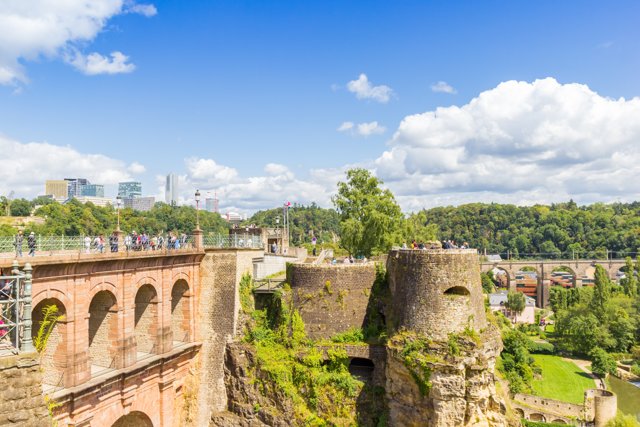
    Luxembourg City sits on a sandstone plateau carved by the deep valleys of the Alzette and Pétrusse. The result is a three-dimensional city of bridges, wooded paths, and steep staircases, where the land drops into green valleys before rising again on the far side.

    That geography shaped everything: formidable medieval fortifications, tunnels carved into the rock beneath the streets, and neighbourhoods defined by their position above or within the gorges.

    What often surprises visitors is how international the city feels. With close to half the population born abroad, Luxembourg has a quietly cosmopolitan character that shows in its food, languages, and everyday rhythm.
Unique experiences in Luxembourg

Prepare your dream trip

Explore places and experiences, tap the heart to save your favorites and build your route to share. In a hurry? Get an itinerary in two steps and share or download it to Google Maps.

Use left and right arrow keys to move between filters. Press Space or Enter to toggle a filter. Press Tab to leave the filter bar.

Bock Casemates fortress walls Luxembourg

Historical Sites

Bock Casemates

Carved deep into the Bock promontory, the Bock Casemates reveal Luxembourg’s astonishing military past. Initially sculpted by the Spanish in the 17th century and expanded by the Austrians, this underground maze of tunnels formed the backbone of the mighty “Gibraltar of the North.” At the heart of this historic stronghold lies the archaeological crypt—an immersive prelude to the casemates—where the city’s layered history unfolds. It all began with Count Sigfried’s castle in 963, the cornerstone of Luxembourg’s old town, now a UNESCO World Heritage Site. Adding to the mystique is the legend of Melusina, the mermaid wife of Sigfried, who vanished into the Alzette River. Today, the Bock Casemates stand as a powerful symbol of Luxembourg’s endurance—mysterious, monumental, and unforgettable. For more information on schedules and prices, consult its official website.

Constitution Square park with gardens and flags Luxembourg

Sights and Monuments

Constitution Square

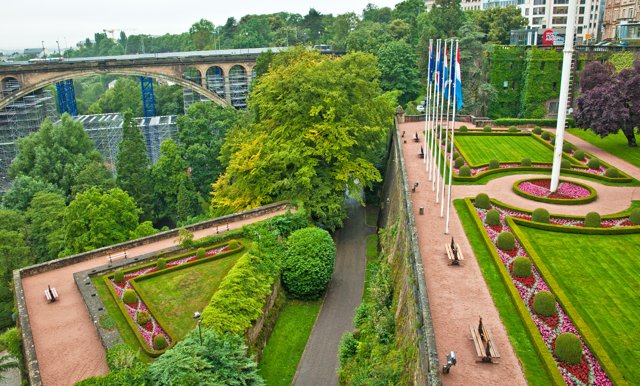
Rising above the remains of the 17th-century Beck Bastion, Constitution Square is one of Luxembourg City’s most symbolic landmarks. Surrounded by gardens in the upper town, it is home to the iconic Gëlle Fra, a golden bronze figure honoring the nation’s fallen soldiers of World War I. The monument features a 21-meter-high obelisk crowned by the radiant figure holding a laurel wreath. At its base, two bronze statues depict soldiers—one fallen in service, the other mourning his companion—capturing both sacrifice and remembrance in striking form. From this vantage point, visitors enjoy panoramic views of the Pétrusse Valley and the graceful Adolphe Bridge. As a gateway to exploring the city’s historic heart, Constitution Square offers a place where history, beauty, and national pride meet in perfect harmony.


Notre-Dame Cathedral Luxembourg with spires and trees

Sights and Monuments

Notre-Dame Cathedral

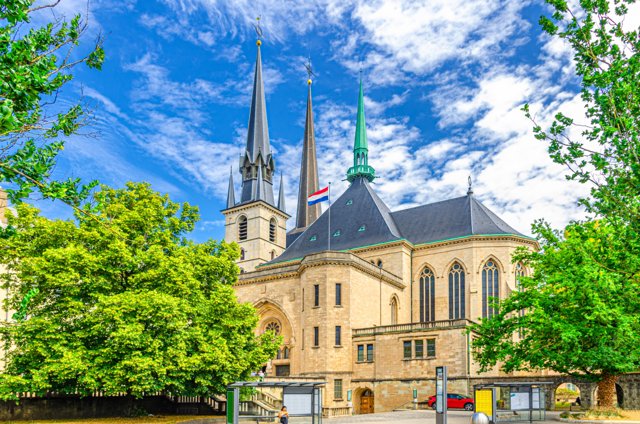
In the heart of Luxembourg City rises Notre-Dame Cathedral, a majestic blend of late Gothic and Renaissance elements. Originally built by Jesuits between 1613 and 1621, it was intended as a church for their college, now the National Library. The cathedral’s interior reveals a tapestry of sacred art: alabaster carvings, arabesque columns, bronze gates by Auguste Trémont, and vibrant stained glass. Since 1794, it has housed the miraculous statue of the Consoler of the Afflicted, Luxembourg’s beloved patron. Declared a cathedral in 1870, Notre-Dame is also a royal resting place. In its crypt lie members of the Grand Ducal family and John the Blind, King of Bohemia. Its soaring spires and rich symbolism make it a timeless site of reverence and national pride. For more information on schedules and prices, consult its official website.

moussaka dish at Ambrosia Restaurant Luxembourg

Greek cuisine

Ambrosia Restaurant

4.5
Scottish salmon tartare at Grand Café Luxembourg

French cuisine

Grand Café

4.4
Palais Grand-Ducal in Luxembourg city

Historical Sites

Palais Grand-Ducal

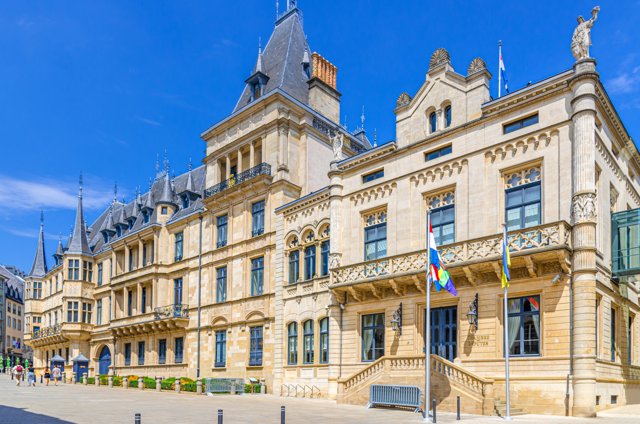
The Grand Ducal Palace stands proudly in the heart of Luxembourg’s old town, a regal symbol of the nation’s sovereignty. Originally the site of the city’s first town hall in 1418, the building has evolved through the centuries, surviving explosions and embracing Baroque refinement. Since 1890, it has served as the official residence of the Grand Ducal family. Its ornate façade and wrought-iron balcony reflect the palace’s historic elegance. Visitors in summer can enjoy exclusive guided tours that unveil the palace’s inner chambers, including the Grand Duke’s office and the majestic “Salon des Rois.” More than a royal residence, the palace plays a vital social role. Tour proceeds support the Grand Duke and Grand Duchess Foundation, aiding vulnerable communities at home and abroad. This blend of history, elegance, and compassion makes the Grand Ducal Palace a cornerstone of Luxembourg’s identity. For more information on schedules and prices, consult its official website.

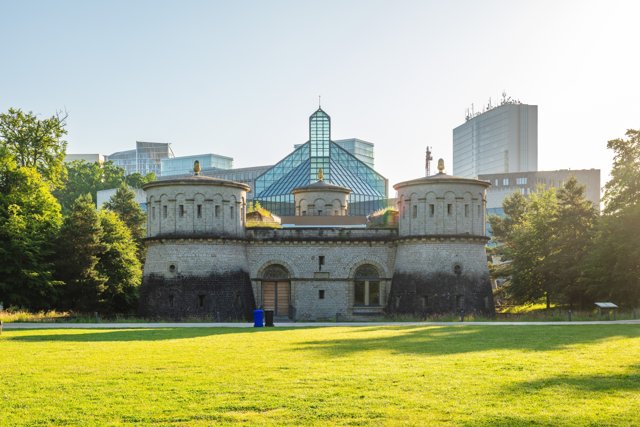
Musée Dräi Eechelen fortress Luxembourg city

Museums and Galleries

Musée Dräi Eechelen

Housed within the imposing Fort Thüngen, the Musée Dräi Eechelen immerses visitors in the complex military and cultural heritage of Luxembourg. Each casemate reveals a different era, beginning with the Burgundian conquest of 1443 and concluding with the rise of modernity in 1903. The permanent exhibition showcases over 600 unique artifacts—many unveiled for the first time—shedding light on pivotal chapters of national identity. From ancient weapons to rare manuscripts, each object offers a window into the past. Historic photographs reveal dramatic before-and-after views of the fortress’s dismantling. Beyond the displays, the museum itself is a key exhibit. Its original underground galleries and mine shafts, largely preserved since the 1830s, make history palpable. Through multimedia features and interactive databases, visitors explore how Luxembourg’s fortress roots shaped its evolving identity. For more information on schedules and prices, consult its official website.

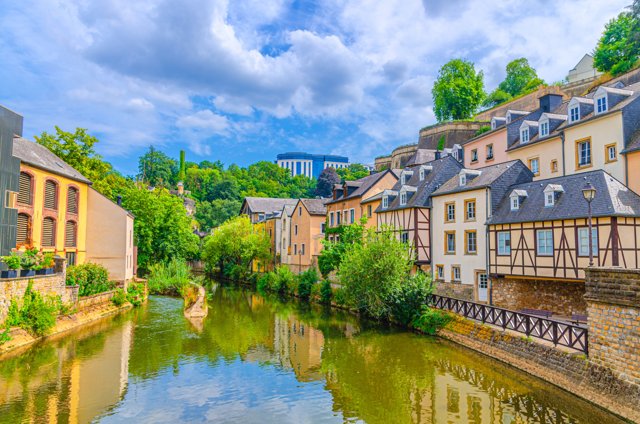
canal and traditional houses in Grund Luxembourg

Neighborhoods

Grund

Tucked in a lush valley along the Alzette River, the Grund neighborhood offers one of Luxembourg City’s most scenic escapes. Its quiet cobbled streets, stone bridges, and fairytale facades seem frozen in time, yet the city’s vibrant center lies just above. A UNESCO World Heritage Site, Grund holds centuries of history within its walls. With roots in the 14th century and remnants from even earlier times, its atmosphere evokes a village spirit, peaceful yet steeped in the soul of the fortress city. Whether wandering along the riverbanks or gazing up at the Ville-Haute’s dramatic cliffs, every corner invites reflection. The stillness, the views, and the timeless beauty of Grund make it a perfect retreat—one where the past and present quietly meet.

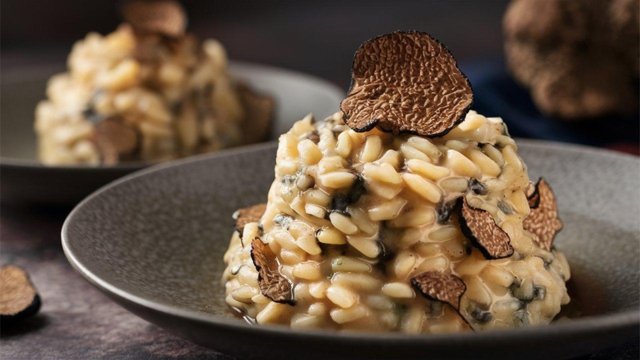
mushroom risotto at Restaurant Clairefontaine Luxembourg

French cuisine

Restaurant Clairefontaine

4.8
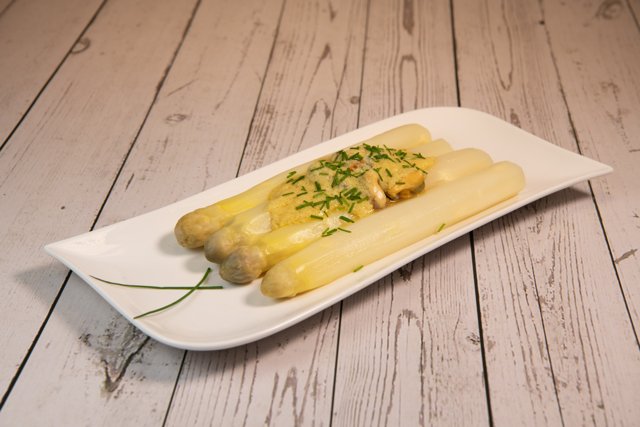
white asparagus with mousseline sauce Café-Restaurant Um Dierfgen Luxembourg

Local cuisine

Café-Restaurant Um Dierfgen

4.5
modern buildings in Kirchberg Luxembourg

Neighborhoods

Kirchberg

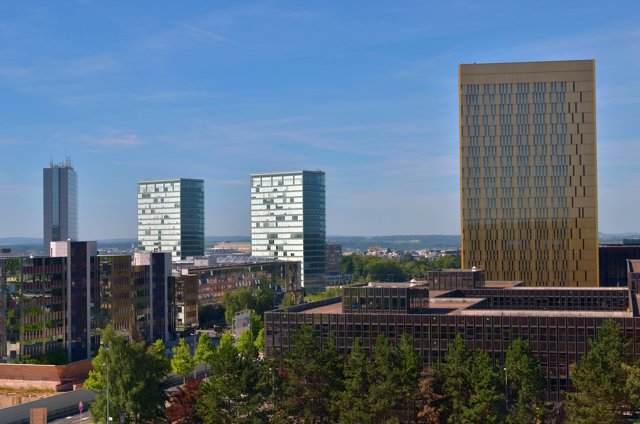
High above the old city, Kirchberg rises as Luxembourg’s boldest statement of the future. Connected by the iconic Red Bridge, this district blends cutting-edge design with European power. Its skyline is a parade of contemporary architecture, each building telling a story of innovation and global ambition. Kirchberg is more than a financial hub—it is a cultural and civic stage. Here, Ieoh Ming Pei’s MUDAM and the majestic Philharmonie stand as symbols of artistic excellence. The glass cathedral, fused with the past, adds a spiritual echo to this ultramodern canvas. Home to major European Union institutions, Kirchberg is where diplomacy, finance, and design converge. Between its gleaming façades and peaceful green spaces, it offers a vision of Europe both rooted and visionary.

Luxembourg City Museum entrance in Luxembourg

Museums and Galleries

Lëtzebuerg City Museum

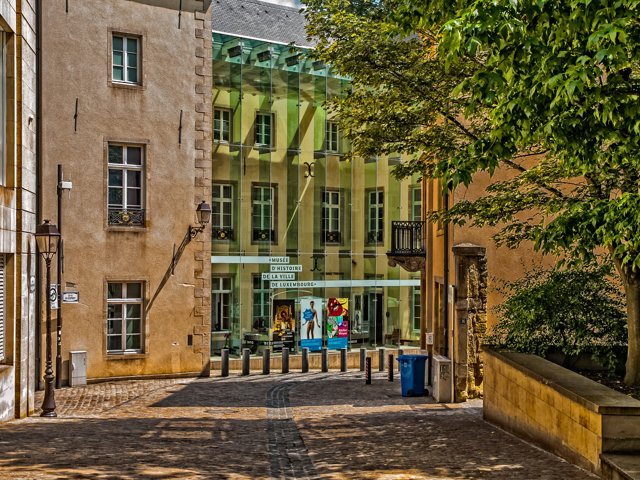
The Lëtzebuerg City Museum invites visitors on a journey through more than a thousand years of Luxembourg’s history. Located in the heart of the Old Town, it is set within four historic buildings that rise above medieval foundations, blending heritage with modern design. Its striking glass lift, moving along ancient walls, offers panoramic views that make the museum itself part of the experience. “The Luxembourg Story,” the permanent exhibition, guides audiences through the city’s evolution from the 10th century to today. Over 500 original objects, urban models, films, and interactive multimedia bring key moments vividly to life, tracing centuries of growth across four major periods. Alongside its permanent display, the museum hosts temporary exhibitions that explore new perspectives. The “Future Outlook” section, with a large 3D city model and multitouch table, opens a window to urban planning today, connecting Luxembourg’s rich past to its dynamic future. For more information on schedules and prices, consult its official website.

Grand Duke Jean Museum of Modern Art Luxembourg

Museums and Galleries

Grand Duke Jean Museum of Modern Art

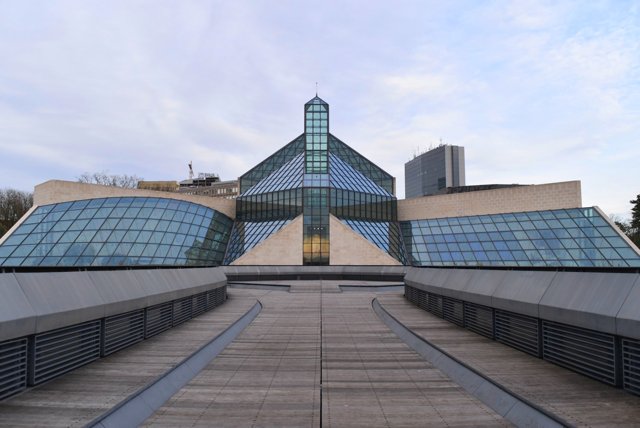
Rising from the historic walls of Fort Thüngen, the Grand Duke Jean Museum of Modern Art, better known as Mudam, is a striking symbol of contemporary creativity in Luxembourg. Designed by visionary architect I.M. Pei, its glass and stone structure blends past and present, creating a bold setting for innovation. Inside, visitors encounter over 6,000 square meters of open, light-filled galleries that redefine the experience of art. The collection comprises more than 200 works from over 100 international artists, complemented by temporary exhibitions, performances, and installations that extend far beyond traditional displays. Even spaces like the café, shop, and auditorium become canvases for artistic imagination. Mudam is more than a museum—it is a cultural hub. With guided tours, lectures, workshops, and screenings, it invites dialogue between art and the audience. Its café and boutique further enrich the visit, making it a landmark where creativity meets everyday life. For more information on schedules and prices, consult its official website.

falafel with tzatziki sauce in Athena restaurant Luxembourg

Greek cuisine

Athena

4.6
beef bourguignon dish at Les Copains d'Abord Luxembourg

French cuisine

Les Copains d'Abord

4.6
Adolphe Bridge over green valley Luxembourg

Sights and Monuments

Adolphe Bridge

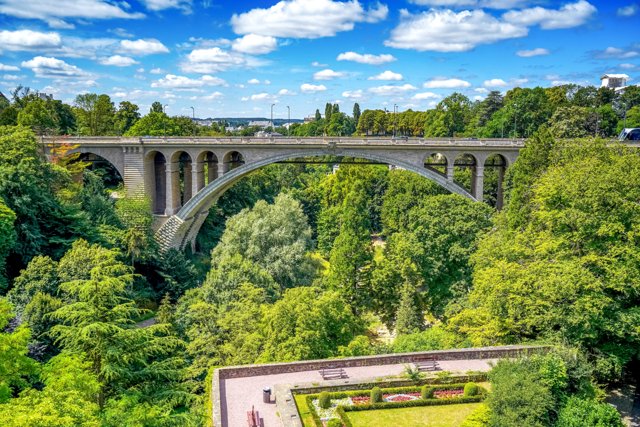
Once the largest stone arch in the world, the Adolphe Bridge has stood as a proud landmark of Luxembourg since its completion in 1903. Its majestic double arch stretches over 85 meters across the Pétrusse valley, rising 42 meters above the ground. Commissioned during the reign of Grand Duke Adolphe, this engineering marvel drew international attention for its scale and elegance. Linking the historic Ville Haute with the Gare district, it serves cars, trams, cyclists, and pedestrians alike, blending heritage with modern mobility. A 2018 renovation introduced a suspended lower deck, offering a dedicated path for cyclists and walkers—an innovative addition to a century-old structure. Today, the bridge remains an unofficial symbol of Luxembourg’s independence, uniting the city’s past and present in a single graceful span.

Pfaffenthal Panoramic Elevator and red bridge Luxembourg

Sights and Monuments

Pfaffenthal Panoramic Elevator

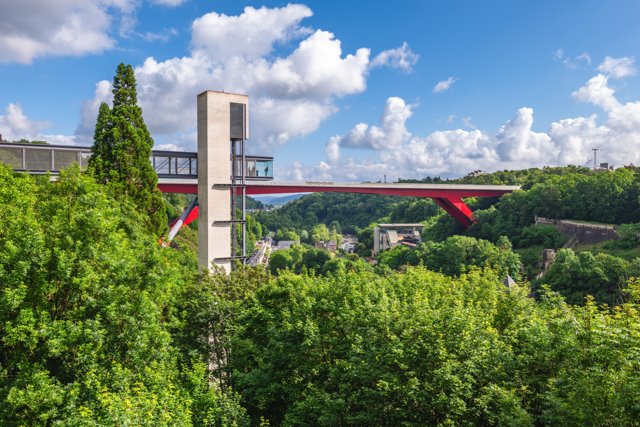
Suspended 71 meters above the Alzette valley, the Panoramic Elevator of the Pfaffenthal offers a breathtaking way to connect Luxembourg’s upper town with the charming Pfaffenthal district below. Its glass walls reveal sweeping views that unfold with every meter of the ride. Accessible to both pedestrians and cyclists, the elevator links the tranquil Pescatore Park to the valley floor, blending convenience with an unforgettable visual experience. From the modern lift, visitors can step into scenic paths that lead through the valley or toward the city’s sleek tram and funicular connections. At the top, the old town—recognized as a UNESCO World Heritage Site—is just a short stroll away. In mere minutes, travelers move from contemporary transport hubs to cobbled streets steeped in history, making this vertical journey as practical as it is spectacular. For more information on schedules and prices, consult its official website.

Cordon bleu dish at Restaurant Cyrano Luxembourg

Mediterranean cuisine

Restaurant Cyrano

4.5
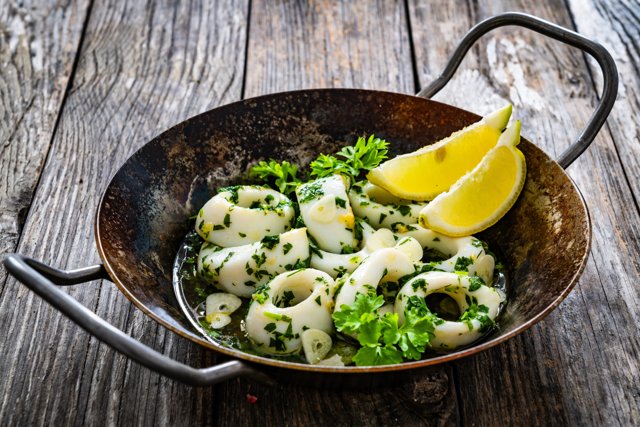
grilled calamari with garlic and lemon Luxembourg

Portuguese cuisine

Piri Piri Portuguese Restaurant & Bar - Luxembourg Kirchberg

4.3
Chemin de la Corniche view Luxembourg city Luxembourg

Neighborhoods

Chemin de la Corniche

Often praised as “the most beautiful balcony of Europe”, the Chemin de la Corniche winds along Luxembourg’s historic ramparts high above the Alzette valley. Built in the 17th century by Spaniards and French, the pathway stretches from the Bock Promontory to the Holy Ghost Citadel, offering sweeping views that blend history with breathtaking scenery. Walking along this elegant promenade feels like stepping into a living painting. The rooftops of the Grund quarter, the green Rham Plateau, and the meandering Alzette River unfold in a panorama once hidden by fortress walls and loopholes, which were dismantled in the late 19th century to reveal the city’s dramatic beauty. The Corniche is also a journey through time. Its cobbled route preserves echoes of Luxembourg’s fortified past, now recognized as a UNESCO World Heritage Site. For visitors, it remains the city’s most iconic stroll—romantic, scenic, and timeless, a path where history and beauty meet.

art gallery interior National Museum of History and Art Luxembourg

Museums and Galleries

National Museum of History and Art

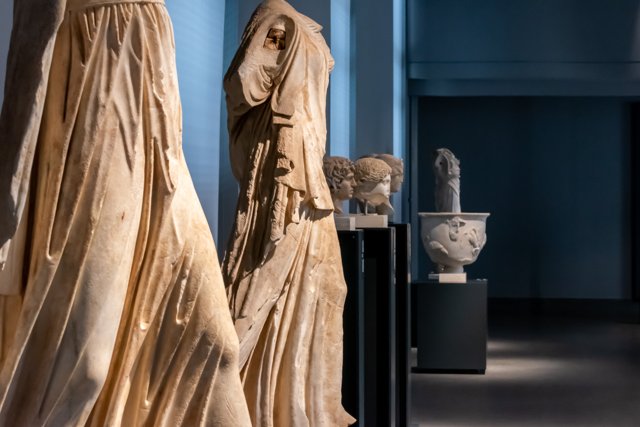
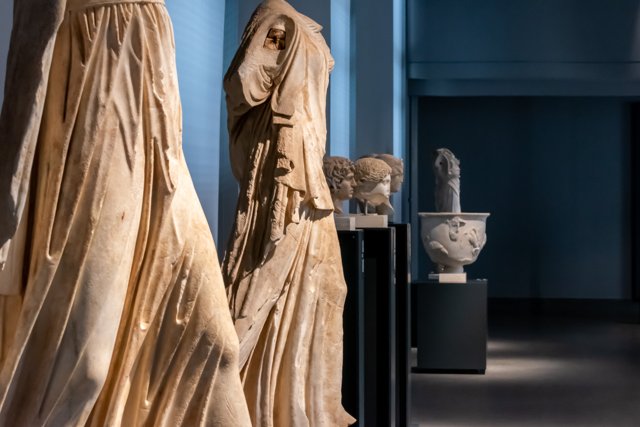
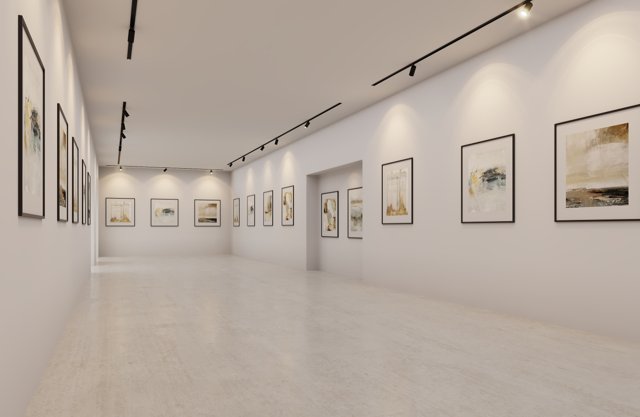
In the heart of Luxembourg City’s historic center, the National Museum of History and Art offers a journey through the nation’s past. Founded in the mid-19th century, it houses exceptional collections of archaeological relics, fine arts, period crafts, and antique coins, each telling a chapter of Luxembourg’s rich story. Its striking, modern, cube-shaped building invites visitors to light-filled galleries showcasing masterpieces by Luxembourgish artists, post-impressionist watercolors, and elegant sculptures. Below, underground chambers carved into the rock resemble an archaeological dig, displaying treasures from prehistory to the Middle Ages, including tools, mosaics, ceramics, and reconstructed dwellings. The museum also features a remarkable coin and medal collection, from Roman currency to modern designs. A varied program of events, guided tours, and a welcoming café make it a cultural hub. Admission to the permanent collection is free, ensuring everyone can uncover the layers of history preserved within its walls. For more information on schedules and prices, consult its official website.

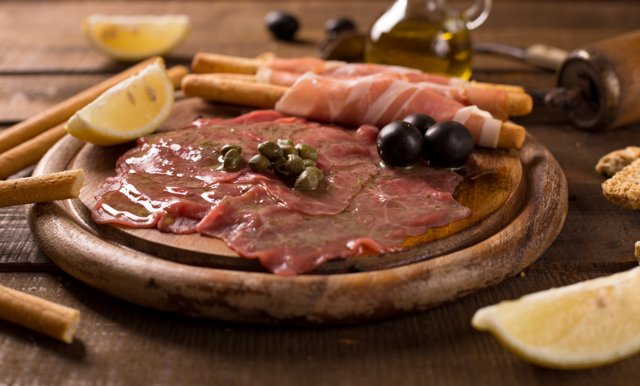
Argentine carpaccio with capers and breadsticks Luxembourg

International cuisine

Batucada

4.4
fried shrimp with lime and salad Luxembourg Bazaar Bar and Restaurant

Mediterranean cuisine

Bazaar Bar and Restaurant

4.1
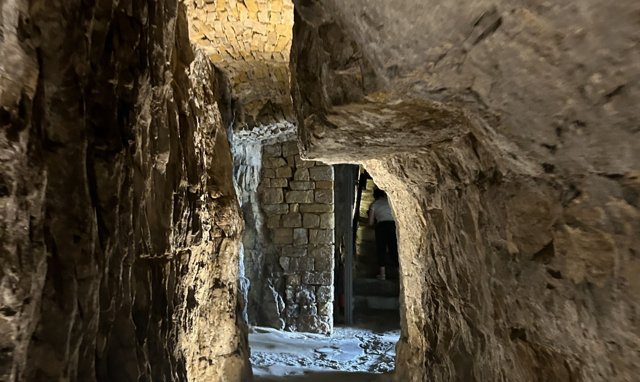
stone tunnel inside Pétrusse Casemates Luxembourg

Historical Sites

Pétrusse Casemates

Carved deep into the rock, the Pétrusse Casemates tell a story that spans centuries of European history. First shaped by the Spanish in the 17th century and later reimagined by the fortress builder Vauban, these underground galleries became an essential part of Luxembourg’s mighty defenses. Through time, their role shifted from military stronghold to a curious stage in daily life. Marksmen trained in its passages, gardeners cultivated mushrooms, champagne houses stored bottles, and during both world wars, civilians found shelter in its vast tunnels. What was once a fortress became an unexpected witness to resilience and reinvention. Reopened after extensive restoration, the Pétrusse Casemates now welcome visitors with immersive scenography and striking light displays that illuminate their dramatic past. Part of Luxembourg’s UNESCO World Heritage, they invite exploration into a world where stone, shadow, and history meet unforgettably. For more information on schedules and prices, consult its official website.

Neumünster Abbey in Luxembourg city

Leisure Places

Neumünster Abbey

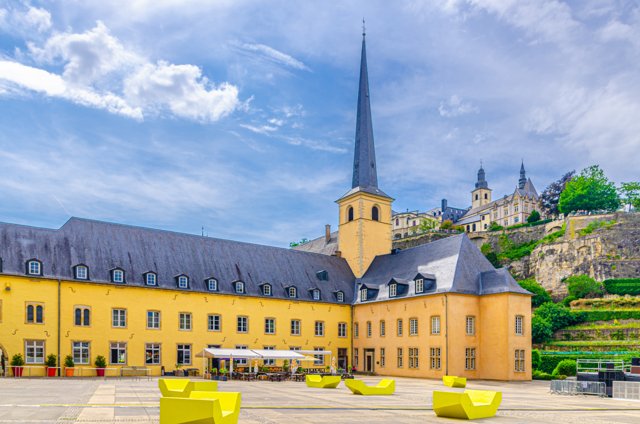
Set against the scenic backdrop of the Grund, Neumünster Abbey tells a story of destruction, rebirth, and lasting transformation. Founded in the 17th century after the destruction of the old Altmünster Abbey, it has evolved through the ages, embodying resilience and transformation. After the French Revolution, its sacred halls were repurposed into a military hospital and later a prison that remained in use until 1980. What was once a site of confinement is today a symbol of openness and dialogue, thanks to a meticulous restoration completed in 2004. Renamed neimënster, the abbey is now a dynamic cultural and conference centre. Concerts, theatre performances, exhibitions, and festivals bring life to its cloisters, while institutions like the European Institute of Cultural Routes find a home within its walls. With free daily exhibitions and guided tours, it is both a stage for creativity and a bridge between cultures. For more information on schedules and prices, consult its official website.

Place d'Armes square with illuminated building Luxembourg

Sights and Monuments

Place d'Armes

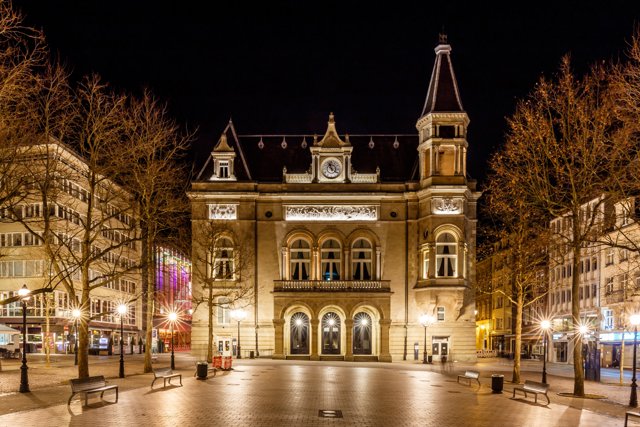
Place d’Armes, often called the “Parlor of the City,” is the vibrant heart of Luxembourg. Surrounded by cafés and restaurants with lively terraces, the square has been a gathering point for locals and visitors for centuries, blending daily life with a sense of history. Its bustling atmosphere makes it the perfect spot to pause, enjoy a meal, or listen to live music in the open air. Originally designed in the 17th century by Sebastian van Noyen and later paved by Louis XIV’s French troops, the square once served as a parade ground and training site. Over time, it evolved from a military courtyard to a civic and cultural hub, witnessing historic events while adapting to the city’s changing rhythms. Today, it stands as a testament to Luxembourg’s ability to preserve its past while embracing modernity. Landmarks like the Cercle Cité and the monument honoring Luxembourgish writers enrich the square’s character. Seasonal concerts, lively flea markets, and the magical Christmas Market transform Place d’Armes into a stage for tradition and celebration. More than just a square, it is a living symbol of Luxembourg’s cultural spirit, where history and everyday life come together most engagingly.

burger with fries at Urban Bar Luxembourg

International cuisine

Urban Bar & Restaurant

4.2
pot-au-feu dish at La Boucherie restaurant Luxembourg

Grill cuisine

La Boucherie

4.1
historic building at Guillaume II Square Luxembourg

Sights and Monuments

Guillaume II Square

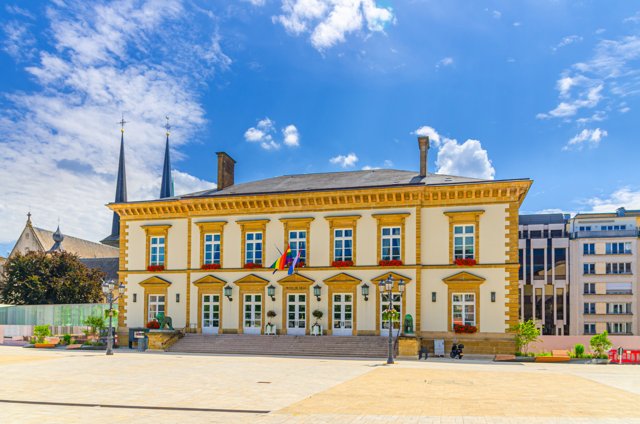
Guillaume II Square, known locally as Knuedler, lies at the heart of Luxembourg’s historic Ville Haute. Once the site of a Franciscan monastery, it has evolved into one of the city’s most vibrant public spaces, blending history, culture, and everyday life. Shaded by trees and surrounded by impressive façades, it offers an inviting setting where heritage and modern energy meet. The square is defined by two landmarks: the neoclassical City Hall on the southwest corner, built in the 19th century with stones from the monastery, and the striking equestrian statue of Grand Duke William II on the eastern side. These symbols of power and memory frame a lively plaza that remains central to civic life. Cafés and restaurants line its edges, filling terraces with conversation. Twice a week, its open space turns into a bustling farmers’ market, and each summer, the Rock um Knuedler festival draws thousands for an unforgettable celebration of music.

fountain and pond in Merl Park Luxembourg

Nature and Parks

Merl Park

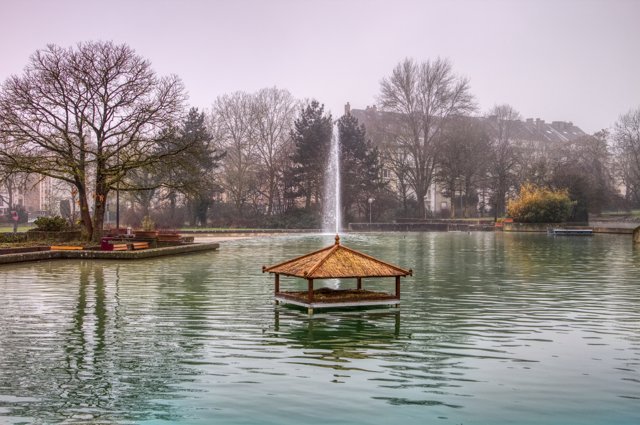
Nestled between the neighborhoods of Merl, Belair, and Hollerich, Merl Park is a lively green retreat in the heart of Luxembourg City. Surrounded by residential areas and the school campus Geesseknäppchen, it is a favorite spot for both locals and students seeking fresh air and relaxation. The park enchants visitors with its pond, where a restaurant offers a charming view of the water. Expansive lawns invite strolls or peaceful picnics, while children can enjoy a modern playground designed for hours of safe fun. Every corner feels welcoming, balancing calm with activity. Adding to its appeal, cultural events are regularly hosted among the trees, turning this urban oasis into a meeting place where nature, art, and community come together in a vibrant and ever-changing atmosphere.

lion family exhibit National Museum of Natural History Luxembourg

Museums and Galleries

National Museum of Natural History

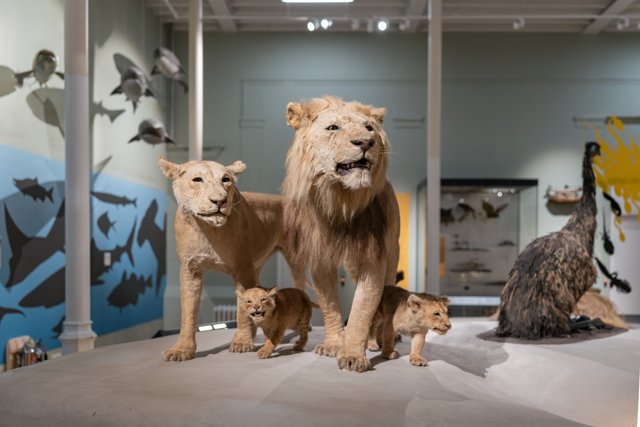
In the heart of the picturesque Grund district, the National Museum of Natural History—known as the natur musée—invites visitors to explore the wonders of the natural world. Its permanent and temporary exhibitions bring plants, animals, and the universe to life in a way that is engaging, accessible, and often unexpectedly original. Beyond the displays, the museum is a hub of scientific research, housing the country’s largest natural history collection. Behind the scenes, experts dedicate countless hours to fieldwork, laboratory studies, and meticulous cataloging before selecting the most remarkable specimens for public view. Completely renewed in 2017, its exhibitions reflect the latest scientific knowledge, offering visitors a fresh perspective on nature’s diversity. With two gardens, a shop, and a welcoming cafeteria, the natur musée is both a place of discovery and a pleasant retreat for science lovers of all ages. For more information on schedules and prices, consult its official website.

tacos with meat and pineapple at Restaurant Mamacita Luxembourg

Mexican cuisine

Restaurant Mamacita

4.1
ratatouille dish at Brasserie du Cercle Luxembourg

French cuisine

Brasserie du Cercle

4.2
Luxembourg Philharmonic building Luxembourg

Leisure Places

Luxembourg Philharmonic

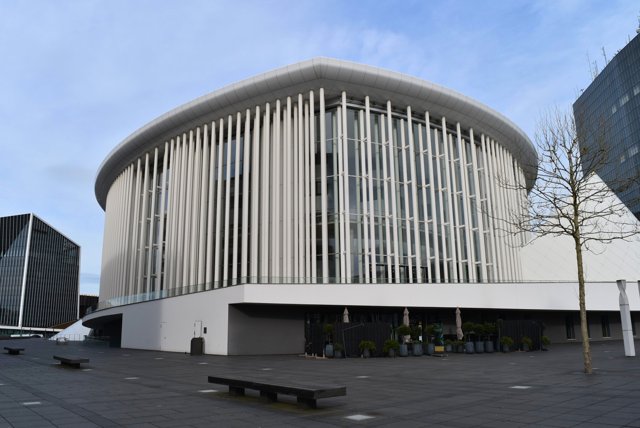
Shaped like a luminous crown of columns, the Luxembourg Philharmonic immediately captivates visitors at the Place de l’Europe. Designed by French architect Christian de Portzamparc, the building combines architectural grace with outstanding acoustics across its three concert halls. Inside, the stage comes alive with a vibrant programme that spans centuries and genres. From timeless classical masterpieces to daring contemporary works, alongside jazz, world music, and concerts for children, the Philharmonic embraces a broad spectrum of sound and culture. As the home of the Luxembourg Philharmonic Orchestra, it is far more than a concert hall. It is a cultural landmark where music brings people together, inspiring audiences and affirming Luxembourg’s place on Europe’s artistic map. For more information on schedules and prices, consult its official website.

art gallery interior Rotondes Luxembourg

Leisure Places

Rotondes

Born in 1875 as vast circular depots for steam locomotives, the Rotondes in Luxembourg are today striking reminders of the city’s industrial past. Each 52 meters in diameter, the two roundhouses have been reinvented as a vibrant cultural hub where history meets creativity. Now a space alive with concerts, exhibitions, performances, and conferences, the Rotondes celebrate innovation while engaging audiences of all ages. A special focus on youth has transformed the site into an incubator for fresh ideas, strengthening ties between culture and education and giving new talent the stage to flourish. Beyond the arts, the Rotondes have become a platform for dialogue and reflection on pressing social issues. Through workshops, projects, and community-driven initiatives, these unique circular landmarks continue to evolve, proving that heritage can be both preserved and reimagined as a dynamic force for the present and future. For more information on schedules and prices, consult its official website.

Monument of Remembrance statues Luxembourg

Sights and Monuments

Monument of Remembrance

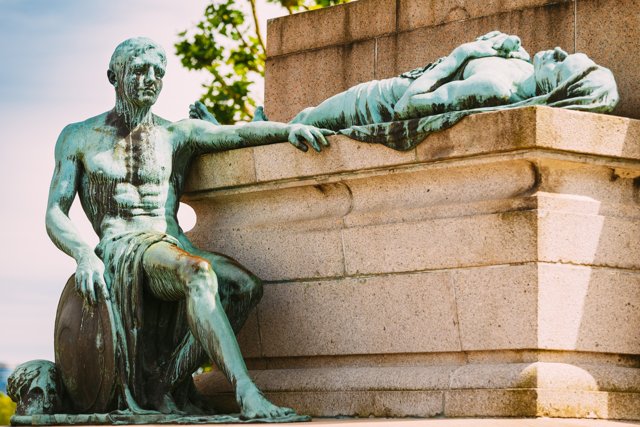
Set within Constitution Square, the Monument of Remembrance stands as one of Luxembourg City’s most powerful symbols of sacrifice. Dedicated to the men and women who lost their lives in World War I, World War II, and the Korean War, it is a place where history, grief, and national pride converge. At its heart, a 21-meter granite obelisk supports the iconic gilded bronze statue known as the Gëlle Fra, or Golden Lady. With a laurel wreath held high, she embodies freedom, peace, and the enduring spirit of remembrance. The monument’s solemn design contrasts strength with elegance, honoring both the gravity of loss and the hope for lasting unity. Today, the site invites quiet reflection. It serves as a gathering place for commemoration, urging visitors to remember the immense cost of war while inspiring future generations to cherish peace and dignity as Luxembourg’s true legacy.

Greek souvlaki with salad and tzatziki Luxembourg

Greek cuisine

ELA Greek Cuisine

4.3
oysters on ice with lemon at Brasserie Guillaume Luxembourg

Seafood cuisine

Brasserie Guillaume

4.2
Castle Bridge in Luxembourg with stone arches

Sights and Monuments

Castle Bridge

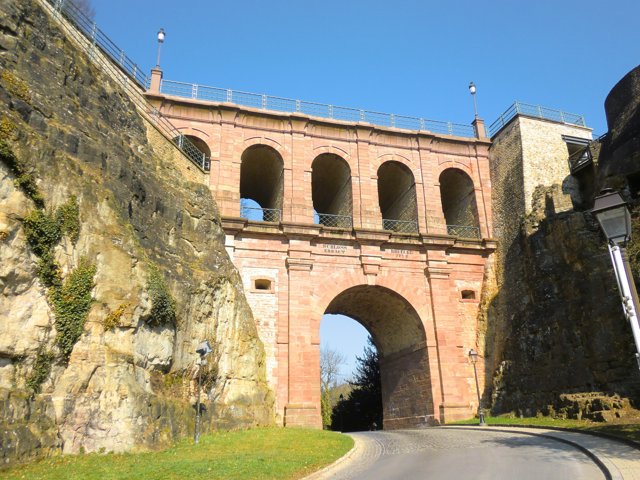
Spanning the Pafendall district with elegance, the Castle Bridge is a striking symbol of Luxembourg’s history. Built in 1735 from red sandstone, it replaced an earlier wooden drawbridge and became a vital link between the Upper Town and the Bock Promontory. Its unique design allowed passage both on the surface and underground, reflecting the ingenuity of the era. Fully restored in 1992, the bridge continues to captivate with its enduring beauty. More than a passage, the Castle Bridge is a window into centuries of heritage. Walking across, visitors sense the echoes of history that once shaped the fortress city. Its arches reveal not only architectural skill but also the resilience of a nation that preserved its landmarks with care. Each stone tells a story of defense, transition, and transformation. Today, the bridge offers more than history—it also grants sweeping views of the lush valley and charming urban landscape. A favorite spot for walkers and photographers, it becomes especially enchanting at sunrise or sunset, when golden light turns its sandstone glow into a timeless spectacle.

Lambert Redoubt historic fortification Luxembourg

Sights and Monuments

Lambert Redoubt

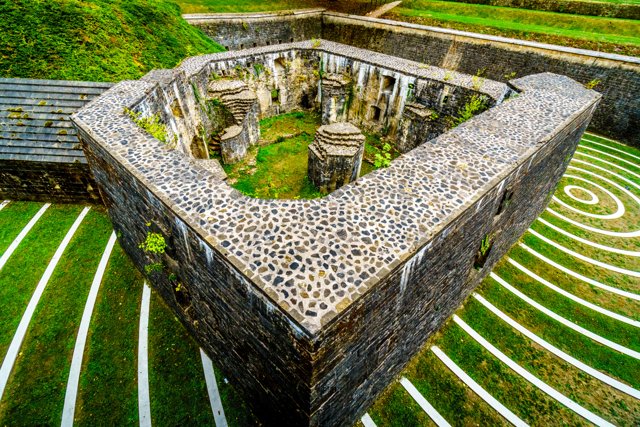
Hidden in Parc Edmund Klein, the Lambert Redoubt stands as a rare witness to Luxembourg’s fortified past. Built in 1685 as part of the city’s defensive line, it once formed the heart of a pentagonal fort surrounded by casemates and mine chambers. Though much of the fort was demolished in the 19th century, the redoubt’s remains still reveal the strategic ingenuity of its design. Excavations during the construction of the Monterey car park uncovered its structure once more, bringing history back to light. The site recalls centuries of military presence, from its renovation in 1835 to the dismantling of the fortress decades later. Informative panels now guide visitors through this layered story, turning ruins into a living lesson of resilience and transformation. Today, the redoubt is more than an archaeological site. Set within a peaceful park, it blends heritage with leisure, offering shaded walks, open lawns, and views that celebrate both relaxation and history, making it a memorable stop for every visitor.

lasagna al forno at La Locanda restaurant Luxembourg

Italian cuisine

La Locanda

4.6
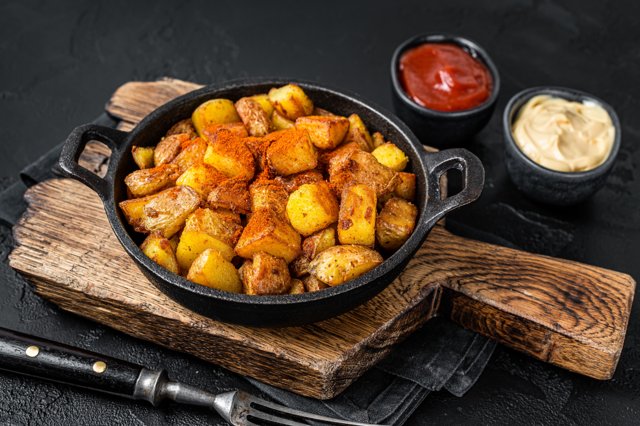
patatas bravas dish at El Barrio Restaurante Luxembourg

Spanish cuisine

El Barrio Restaurante y Tapas Bar

4.4
National Monument of the Solidarity Luxembourg

Sights and Monuments

National Monument of the Solidarity

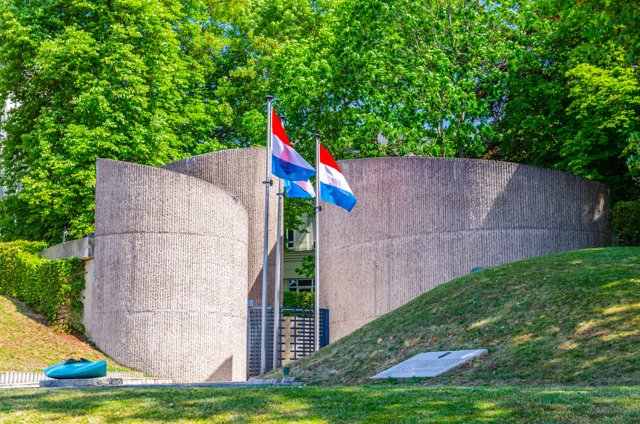
On Cannon Hill rises the National Monument of Solidarity, inaugurated in 1971 to honor the victims of the Second World War. It stands as a place of remembrance for all who suffered during the Nazi occupation, highlighting the unity and resilience of the Luxembourg nation in the face of oppression. The monument’s symbolism is striking: its paved inner courtyard evokes the image of prisons, camps, and barracks, while an unchiselled stone represents the countless war victims. At its heart, an eternal flame burns as a timeless tribute, reminding visitors of the sacrifices made for freedom and independence. As the central site of national commemorations, it continues to gather people in solemn reflection. Whether visited during an official ceremony or in quiet contemplation, the National Monument of Solidarity preserves the collective memory of a country that resisted and endured, carrying its legacy forward for future generations.

Place de Clairefontaine square with church spires Luxembourg

Sights and Monuments

Place de Clairefontaine

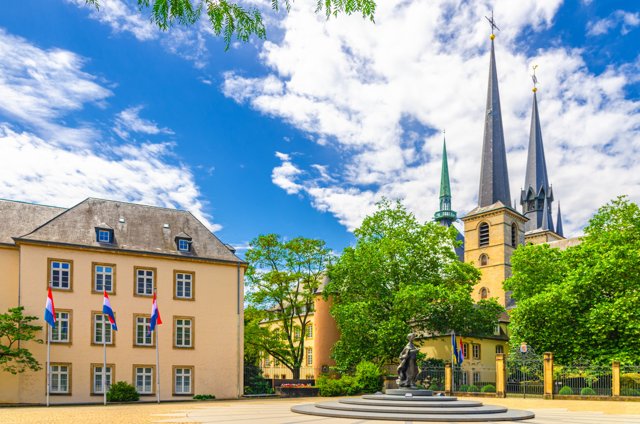
Nestled between Luxembourg’s Cathedral and the Government district, Place de Clairefontaine is a charming square that blends history with urban elegance. Completely redesigned in the late 1980s, it reflects the city’s effort to restore and revitalize an entire district, giving the square a renewed sense of importance and character. The square’s name recalls a refuge once belonging to the abbey of Clairefontaine, located near the Belgian border. This shelter stood for centuries before its demolition in 1933, yet its memory endures through the square that still carries its name, linking past and present in subtle continuity. At its heart stands a striking bronze monument to Grand Duchess Charlotte, unveiled in 1990. Designed by French sculptor Jean Cardot, the statue honors a beloved sovereign who guided Luxembourg from 1919 to 1964. Today, Place de Clairefontaine remains both a place of remembrance and a welcoming space for visitors.

St Michael's Church and surrounding buildings Luxembourg

Sights and Monuments

St Michael's Church

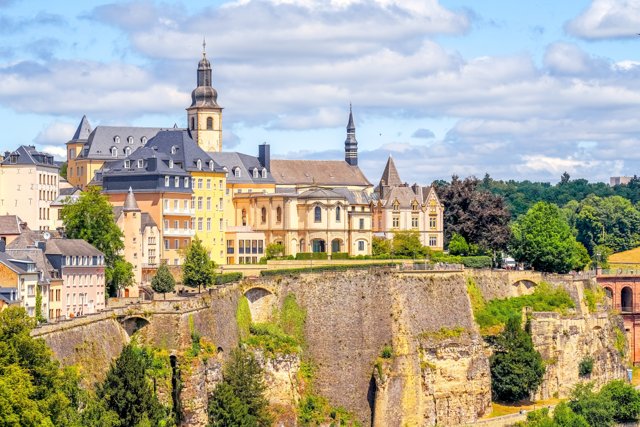
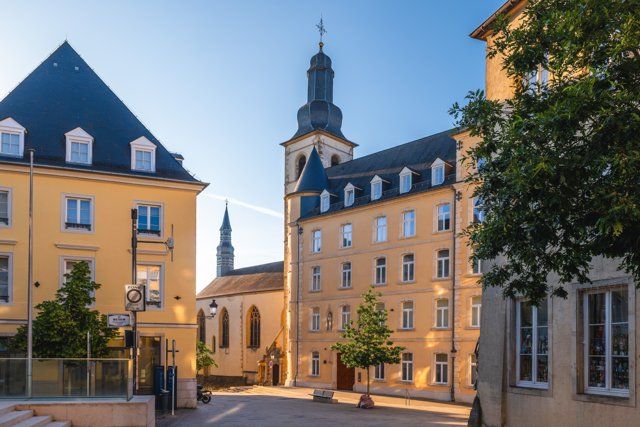
St. Michael’s Church, the oldest religious building in Luxembourg City, traces its origins back to 987 when it replaced the castle chapel of the Counts of Luxembourg. Throughout the centuries, it suffered repeated destruction during sieges and fires, yet each time it was rebuilt, bearing witness to the resilience of faith and community. The church’s present Gothic form dates largely to 1519, when it rose anew after devastating damage. Its late Gothic vaults, combined with Baroque additions such as the elegant altar by B. Namur, create a harmonious blend that reflects the many layers of its history. The distinctive onion-shaped dome, added in the 17th century, crowns the tower and stands as one of its most recognizable features. Constantly reshaped across the ages, St. Michael’s Church today embodies Romanesque, Gothic, and Baroque elements in a single structure. More than a monument, it is a living reminder of Luxembourg’s enduring spiritual and cultural heritage.

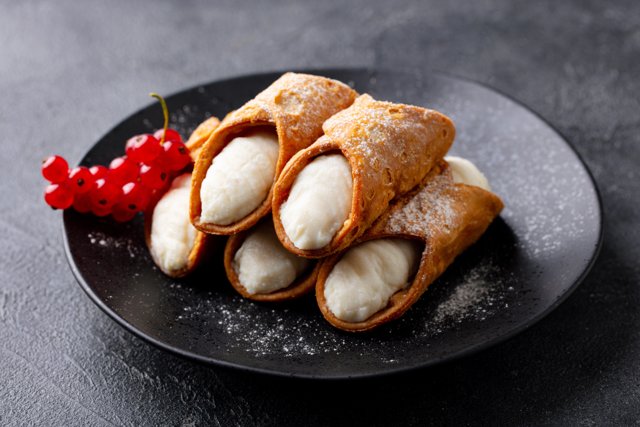
cannoli dessert at il Tocco Ristorante Luxembourg

Italian cuisine

il Tocco Ristorante

4.2
Pizza with basil and olives at L'Osteria Luxembourg

Italian cuisine

L'Osteria

4.2
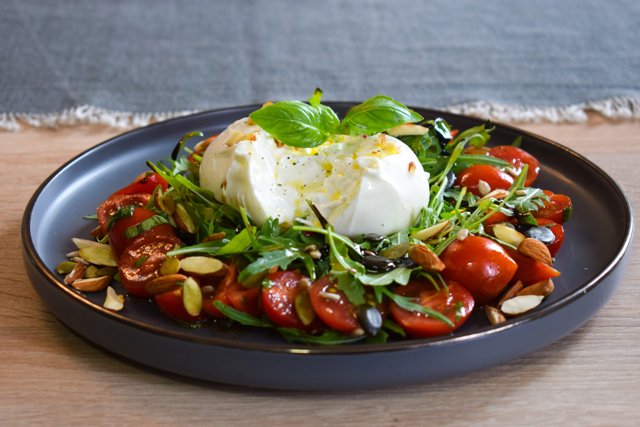
burrata salad with cherry tomatoes and nuts Restaurant Mosconi Luxembourg

Michelin star

Restaurant Mosconi

4.5
gourmet double cheeseburger with fries Luxembourg

Burgers

Lux'burgers

4.5
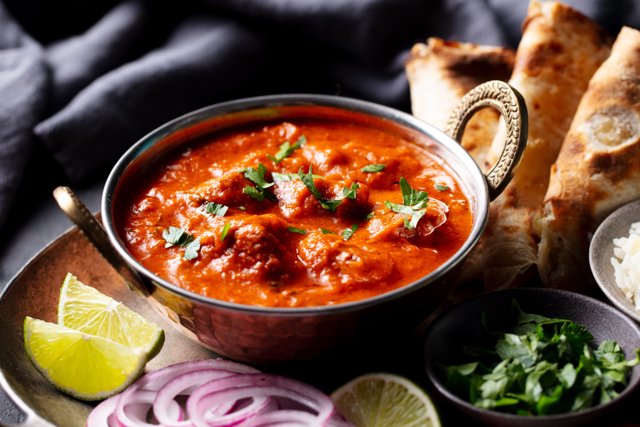
lamb curry with naan and lime wedges

Indian cuisine

Namaste Restaurant

4.2
roasted chicken breast with lemon wedges Restaurant Equilibrium Luxembourg

Creative cuisine

Restaurant Equilibrium

4.7
vegan burger with arugula and red onion Luxembourg restaurant

Vegan cuisine

Beet

4.3
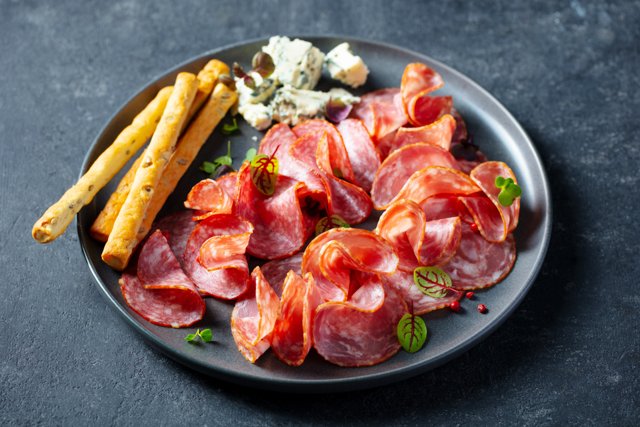
antipasti plate with cured meats and cheese Luxembourg

Italian cuisine

Basta Cosi Louvigny

4.3
Bock Casemates
Constitution Square
Notre-Dame Cathedral
Ambrosia Restaurant
Grand Café
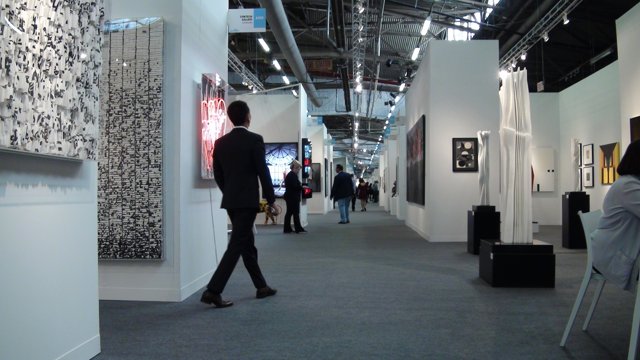
Collections/Revelations. Art in Luxembourg 2
Palais Grand-Ducal
Musée Dräi Eechelen
Grund
Restaurant Clairefontaine
Café-Restaurant Um Dierfgen
Curator Tour 1
Kirchberg
Lëtzebuerg City Museum
Grand Duke Jean Museum of Modern Art
Athena
Les Copains d'Abord
Guided tours of the exposition "animalECH" 3
Luxembourg American Cemetery and Memorial
Adolphe Bridge
Pfaffenthal Panoramic Elevator
Restaurant Cyrano
Piri Piri Portuguese Restaurant & Bar - Luxembourg Kirchberg
Marés Vivas 20
Chemin de la Corniche
National Museum of History and Art
Vianden Castle
Batucada
Bazaar Bar and Restaurant
Pétrusse Casemates
Neumünster Abbey
Place d'Armes
Urban Bar & Restaurant
La Boucherie
Guillaume II Square
Merl Park
National Museum of Natural History
Restaurant Mamacita
Brasserie du Cercle
Post- 1
Luxembourg Philharmonic
Rotondes
Monument of Remembrance
ELA Greek Cuisine
Brasserie Guillaume
Clervaux Castle
Castle Bridge
Lambert Redoubt
La Locanda
El Barrio Restaurante y Tapas Bar
National Monument of the Solidarity
Place de Clairefontaine
St Michael's Church
il Tocco Ristorante
L'Osteria
Konscht Am Gronn
Ma langue sourit
Restaurant Mosconi
Lux'burgers
Namaste Restaurant
Summer op der Gëlle Fra
Restaurant Equilibrium
Beet
Iphigénie en Tauride
Basta Cosi Louvigny
CeCiL's Box by Sarah Schleich 1
Géint de Stréch 1
La somme de mon seum
Art Exhibition: L'été en équilibre
DJ WANTED // OPEN DECKS
Organ recital
Piano Bar Stories
Luxembourg Architecture Award
In the Dark ? Luxembourg
ibis Luxembourg Aéroport
ibis budget Luxembourg Aéroport
Sofitel Luxembourg Europe
Mama Shelter Luxembourg
Mercure Luxembourg Off kirchberg
Novotel Luxembourg Kirchberg
Novotel Suites Luxembourg
Sofitel Luxembourg Le Grand Ducal
Novotel Luxembourg Centre
ibis Styles Luxembourg Centre Gare
Mercure Luxembourg Kikuoka Golf and Spa
ibis budget Luxembourg Sud
ibis Luxembourg Sud
ibis Esch Belval

What to do in Luxembourg

Plan your trip

Entry Requirements & Travel Documents

Luxembourg is part of the Schengen Area. EU and EEA citizens can enter with a valid passport or national ID card. Travellers from many non-EU countries can visit without a visa for up to 90 days within any 180-day period. Your passport must be valid for at least three months beyond your planned departure date.

From late 2026, visitors from several currently visa-exempt countries — including the United States, Canada, the United Kingdom, Australia and Japan — will need to obtain ETIAS authorisation before entering Luxembourg and other Schengen states. Until that system is in place, existing visa-free arrangements remain valid.

Money, Currency & Paying in Luxembourg

The currency is the euro (€). Luxembourg is very card-friendly, and contactless payments are widely accepted in hotels, restaurants and shops. Visa and Mastercard work reliably across the city; American Express is accepted in many places but not universally.

When cash is needed, ATMs are easy to find in the centre and generally offer better rates than airport or hotel exchange desks. The primary use for cash is tipping, since not all payment terminals have that function.

Weather, Seasons & When to Visit

Luxembourg has a temperate continental climate with four distinct seasons. Winters are cold and sometimes snowy, while summers are warm without being extreme. Rain is possible year-round, so a light layer and waterproof are always useful.

Spring (March to May) brings mild temperatures and good light, making it ideal for exploring on foot.

 Summer (June to August) offers long days and lively terraces, though July and August are the busiest months.

Autumn (September to October) is often the most atmospheric, with colourful foliage and fewer crowds. 

Winter (December to February) is quiet and cold, with Christmas markets in December and a noticeably calmer pace afterwards.

Health Insurance

Visitors from EU and EEA countries should carry a valid European Health Insurance Card (EHIC), which provides access to state healthcare under the same conditions as residents. UK visitors can carry the British equivalent, the GHIC.

Travellers from outside the EU are strongly advised to arrange travel medical insurance covering treatment, hospitalisation and emergency repatriation. Pharmacies, marked by a green cross, are a practical first stop for minor ailments and medication advice. If you take regular prescription medication, carry both the medication and the original documentation.

Connectivity, Roaming & Mobile Data

Mobile coverage in Luxembourg is excellent, with 4G widely available and 5G coverage reaching well over 90% of the country, making it one of the most connected destinations in Europe. EU/EEA travellers can generally use their domestic mobile plans here without extra roaming charges. Visitors from outside the EU should check roaming costs in advance, as fees vary considerably by plan.

For most short stays, mobile data is rarely a pressing concern. Luxembourg's free public Wi-Fi network covers the city centre, most public buildings and squares, making it easy to navigate and stay connected throughout the day.

Best hotels in Luxembourg

Frequently asked questions

Is Luxembourg just one big city?

Far from it. The country has a varied landscape of medieval towns, castles, forested valleys, vineyard-lined river banks and quiet villages. Luxembourg City is the compact but lively capital of a genuinely diverse small country.

How many days do I need in Luxembourg City?

Luxembourg is a great stopover destination. A long weekend — two to three days — is enough to explore the old quarter, walk the Corniche, visit the Bock Casemates and get a feel for the lower neighbourhoods. Add a day if you want to include a day trip to Vianden or Echternach.

Is public transport really free in Luxembourg?

Yes. Since 2020, all buses, trams and domestic trains in Luxembourg have been entirely free, for residents and visitors alike. No ticket is needed. You simply board any service. The one exception is first-class carriages on trains, which require a supplement.

What language should I use in Luxembourg?

French is the safest default for most everyday interactions. English is widely understood across the city. A greeting in any of the three official languages — bonjour, Gudde Moien or Guten Morgen — is always well received.

Is Luxembourg City expensive to visit?

It is one of the more expensive destinations in western Europe, particularly for accommodation and dining out. That said, free public transport, free entry to many museums and the abundance of good markets and casual cafés make it possible to manage costs reasonably without missing much.

Can Luxembourg City work as a long layover destination?

Yes. The city is compact, easy to navigate and only a short bus or tram ride from the airport. With a few hours to spare, you can walk the Corniche, descend into the Grund and see the old quarter without feeling rushed.

Is Luxembourg City good for families?

Yes. The Bock Casemates appeal to children and adults alike, Vianden castle makes an easy and memorable day trip, and free public transport removes one logistical headache entirely.

What is a Grand Duchy?

A Grand Duchy is a monarchy headed by a Grand Duke rather than a king or queen. Luxembourg is the world's only remaining Grand Duchy, currently ruled by Grand Duke Henri.

What is the centre of Luxembourg City?

Place Guillaume II, known locally as Knuedler or William Square, is the main square of the Ville Haute and the social heart of the city, home to the town hall and a twice-weekly market.

Top destinations