Casablanca

Where the Atlantic salt meets Art Deco elegance, and the restless energy of a modern Morocco finds its voice.

  • Casablanca

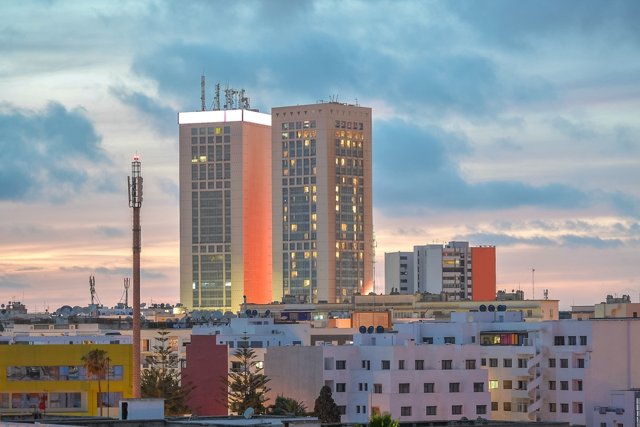
    Casablanca is not the Morocco of postcards. Travellers searching for labyrinthine souks and medieval romance often pass straight through it, heading instead to the imperial cities inland. Yet Morocco’s largest metropolis tells a different story — one shaped by Atlantic winds, busy ports, and the energy of a modern city that rarely slows down. Deals are struck over mint tea, trams glide past sun-bleached façades, and millions of residents keep the city moving from morning until late at night.

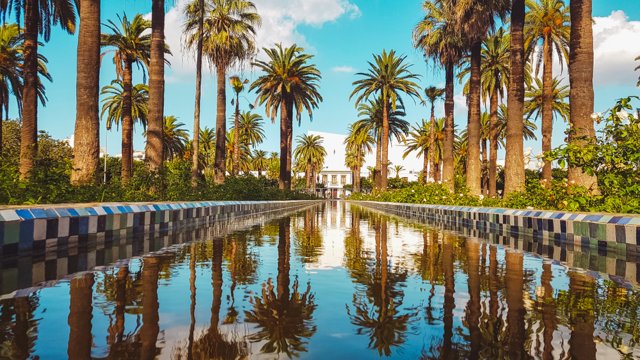
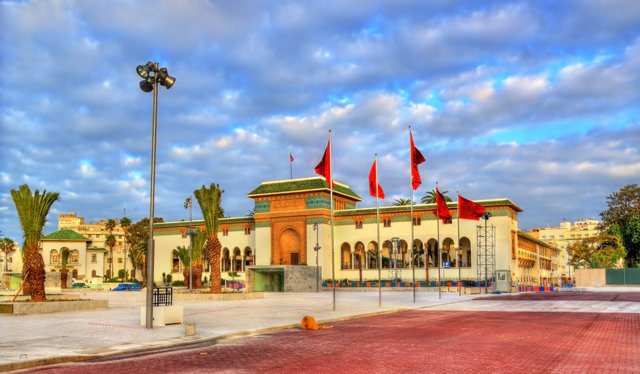
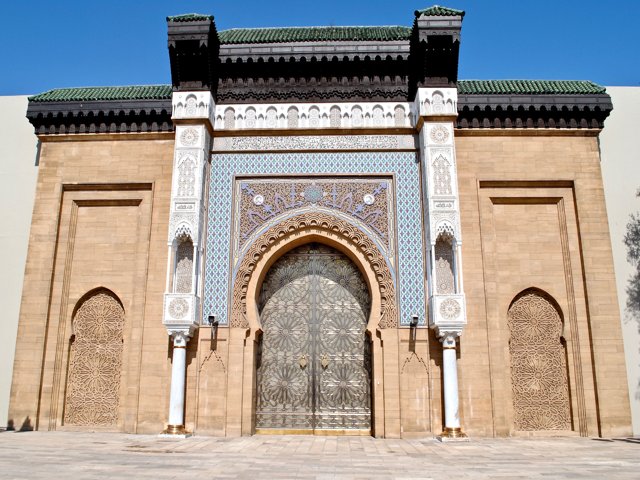
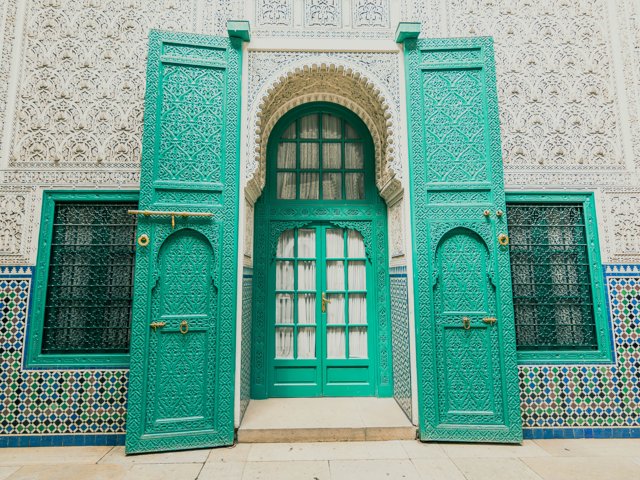
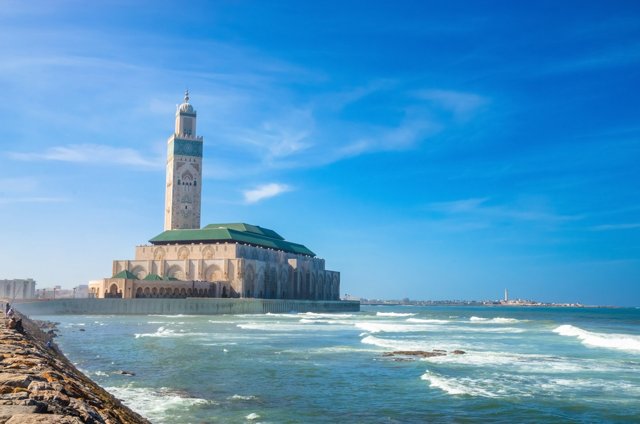
    Whitewashed Mauresque buildings and palm-lined boulevards reflect the ambitions of the 1930s, where French Art Deco met traditional Moorish design. Rising above it all is the Hassan II Mosque, whose vast marble platform extends over the Atlantic while its 210-metre minaret towers above the coastline. Though the famous film Casablanca was never shot here, the city still carries the myth — even as the real Casablanca reveals itself as a vibrant, modern metropolis.
Unique experiences in Casablanca

Plan your trip

Entry Requirements & Travel Documents

Citizens of numerous countries, including those from the EU, UK, United States, Australia, and Japan, can enter visa-free for stays of up to 90 days for tourism.

Your passport should typically be valid for at least six months beyond your arrival date and must have at least one blank page for entry stamps. Immigration officials may also ask for proof of onward travel or accommodation.

Travellers from countries that require a visa can apply through Morocco’s electronic visa (e-Visa) system, which allows applications to be completed online before departure. 

Be sure to always check current requirements before departure.

Money, Currency & Paying in Casablanca

The official currency is the Moroccan dirham (MAD), commonly abbreviated locally as DH.

Morocco operates with a “closed currency”, meaning the dirham cannot be freely traded or easily obtained outside the country. Most travellers withdraw cash from an ATM or exchange money upon arrival.

Even in a modern metropolis like Casablanca, cash still plays a central role in everyday life. While credit and debit cards are widely accepted in hotels, upscale restaurants, and larger shops, smaller cafés, neighbourhood stores, taxis, and traditional markets typically operate cash-only.

When paying by card, always choose to be charged in Moroccan dirhams rather than your home currency. This avoids the extra conversion fees often added by foreign card terminals.

Weather, Seasons & When to Visit

Thanks to its Atlantic location, Casablanca enjoys a mild coastal climate for most of the year, sparing it from the intense summer heat experienced in inland cities such as Marrakech.

Summers are warm but moderated by ocean breezes, with average daytime temperatures around 26°C, while winters remain relatively mild. It rarely gets truly cold, although the season can bring occasional grey skies and light rain.

Spring and autumn are widely considered the most pleasant times to visit, offering sunny days and comfortable temperatures for exploring the city.

Health Insurance

Travel insurance is not a legal requirement for entering Morocco, but it is, nevertheless, strongly recommended. A comprehensive policy should cover medical treatment, hospitalisation, and emergency evacuation. 

While healthcare facilities in Casablanca are generally adequate, standards can vary, and many travellers prefer private clinics, which typically offer a higher standard of care, though treatment can be costly without insurance.

Pharmacies are widespread and easy to find across the city, and pharmacists can often assist with minor health concerns. 

In an emergency, dial 150 for medical assistance.

Connectivity, Roaming & Mobile Data

Mobile connectivity in Morocco is reliable, particularly in major urban centres such as Casablanca.

Travellers can rely on international roaming or purchase a local prepaid SIM card at airports, telecom shops, or convenience stores. Many visitors now opt for eSIM data plans, which can be activated before arrival and eliminate the need to swap physical SIM cards.

Airport & Main Arrival Hubs

Most international travellers arrive through Mohammed V International Airport (CMN), located about 30 km south of Casablanca. It is the busiest airport in Morocco, with direct connections to Europe, the Middle East, North America, and several African cities. From here, travellers can easily connect to the city centre by train, taxi, or private transfer.

Main Train Stations

Casablanca is the largest railway hub in Morocco, served by the national rail operator ONCF.

The two stations most relevant for travellers are:

  • Casa Voyageurs: the city’s main rail hub, connecting Casablanca with Rabat, Tangier, Fes, and Marrakech, including high-speed trains on the Al Boraq line.
  • Casa Port: a more central station near the harbour and business district, convenient for many downtown hotels.

From the Airport / Station to the City Centre

The most efficient way to reach central Casablanca from Mohammed V International Airport is the ONCF airport train, which departs roughly once per hour and connects the airport directly to Casa Voyageurs and Casa Port train stations. From either station, a short taxi ride will take you to most hotels in the city centre.

The train station is located beneath the airport terminal, with clear signs from the arrivals hall. The journey into the city usually takes 35–45 minutes, depending on the stop.

Taxis are available outside the arrivals area 24 hours a day. The drive to central Casablanca typically takes around 45 minutes, though the city’s heavy rush-hour traffic can easily push the journey past an hour. Confirming the price before departure is wise.

Taxis & Ride-Hailing Services

Taxis are plentiful in Casablanca, but understanding the system helps avoid confusion.

Petit taxis: Small red cars used for trips within the city. They are metered and budget-friendly, but regulations limit them to three passengers maximum. Make sure to always ask the driver to turn on the meter (le compteur) at the start of the ride.

Grand taxis: Larger vehicles used for longer distances, shared routes, or airport transfers. Fares are usually negotiated rather than metered.

Ride-hailing apps are increasingly common in Casablanca. Services such as Careem, inDrive, and Yassir operate in the city and often provide more transparent pricing than street taxis. They can also be useful if you prefer paying by card instead of cash.

Despite the growing presence of apps, traditional taxis remain the most widely used option for everyday transport.

Arrival Tips & Common Mistakes to Avoid

  • Take the airport train when possible. It runs between the airport and central stations in both directions and is often the fastest way to avoid traffic.
  • Always carry small cash. Taxis, small shops, and many everyday services still rely heavily on cash payments.
  • Ask for the meter in petit taxis. Most drivers use it, but it’s best to confirm when the ride begins.
  • Plan late-night arrivals carefully. Airport trains stop running late in the evening, so late flights may require a taxi or pre-arranged transfer.
  • Cross streets carefully. Traffic can be fast-moving, and pedestrian crossings are not always respected.

Public Transport & Zones

Casablanca’s public transport system is fairly simple to navigate. Its backbone is the modern tramway, which runs across key parts of the city and links major districts, business areas, and the main railway stations.

There are no complex fare zones to worry about for most trips. For visitors, the tram is mainly useful for moving between major districts, while taxis fill the gaps for shorter journeys.

Casablanca also has an extensive bus network, though routes can be harder to navigate without local knowledge. Most travellers rely on a mix of trams, taxis, and walking to move around the city. 

Tickets & Passes

Tram tickets are easy to purchase. Machines are available at every tram stop, and tickets can also be bought at nearby kiosks.

A single journey ticket is the most common option for visitors. If you plan to use the tram frequently, rechargeable travel cards are available and can save time during busy hours.

Tickets must be validated before boarding at the machines on the platform. Inspectors occasionally check fares, so keeping your validated ticket until the end of the journey is important.

Walking & Cycling

Casablanca makes the most sense on foot when you are exploring the historic centre and waterfront districts.

Wide boulevards, ocean promenades, and large public squares make certain areas pleasant for walking. The vast esplanade surrounding the Hassan II Mosque is particularly beautiful at sunset, when locals often stroll along the Atlantic edge and gather along the seawall.

Cycling is also finding its footing, but it is still far less common than in many European cities. A few dedicated bike lanes exist in newer districts, but most visitors do not rely on bikes for everyday transport.

Nearby Destinations / Day Trips

Casablanca’s rail network makes it a practical base for exploring several cities along Morocco’s Atlantic corridor.

The jewel of day trips from Casablanca is Rabat, the nation’s elegant capital. The easiest way to reach it is by taking the train from either Casa-Port or Casa Voyageurs; the journey takes roughly one hour. Rabat offers historic kasbahs, wide boulevards, and cultural institutions such as the Mohammed VI Museum of Modern and Contemporary Art.

Around 90 minutes south by train or car, El Jadida is a coastal town, known for its Portuguese-built fortified city, now listed as a UNESCO World Heritage Site. Its seaside setting and compact historic centre make it an easy escape from the pace of Casablanca.

For those heading further north, the Al Boraq high-speed train connects Casablanca to Tangier in about 2 hours and 10 minutes from Casa Voyageurs. It is technically possible as a long day trip, though most travellers prefer staying overnight to explore the kasbah, port, and nearby Caves of Hercules at a more relaxed pace.

Accessibility & Basic Safety Tips

Casablanca is generally safe for travellers, particularly in central districts and busy public areas.

Modern tram stops are quite accessible, with level boarding and ramps in many stations. However, pavements in older neighbourhoods can be uneven, and accessibility varies depending on the district.

A few practical habits will help you move around comfortably:

  • Keep small belongings secure in crowded areas and busy markets.
  • Use official taxis or recognised ride-hailing apps at night when possible.
  • Carry your hotel address on your phone to show drivers.
  • Around large landmarks such as the Hassan II Mosque, quieter areas after dark call for a little extra awareness.

Language, Culture & Local Etiquette

In Casablanca, Arabic and French shape most of daily communication. Moroccan Arabic (Darija) is used in everyday conversation, while French appears widely on street signs, menus, and official documents. English is increasingly common in hotels, restaurants, and tourist-oriented businesses, though it is less widely spoken in smaller shops or taxis.

Casablanca is Morocco’s most cosmopolitan city, but it still moves within the country’s cultural framework. Dressing modestly is appreciated, particularly when visiting religious sites or traditional neighbourhoods.

Social interactions are generally polite and courteous. A simple greeting (bonjour or salaam) when entering a shop or café goes a long way.

During the holy month of Ramadan, the city follows a different rhythm. Many cafés and restaurants close during daylight hours, and the atmosphere changes noticeably after sunset when families gather for iftar, the evening meal that breaks the daily fast.

Neighbourhoods

Casablanca is less about a single historic centre and more about distinct districts with their own personality.

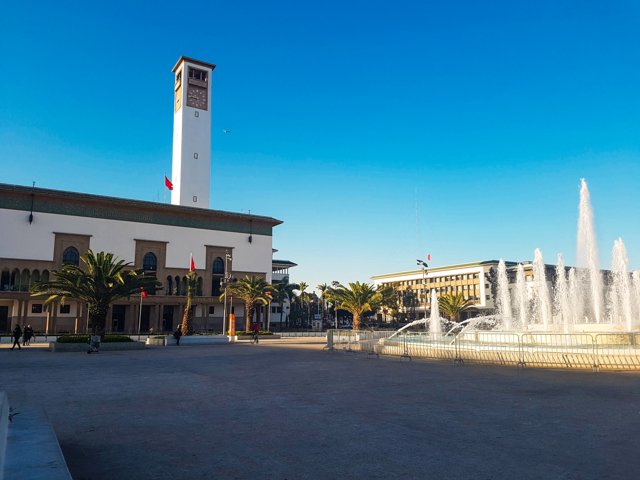
  • Centre Ville contains much of the city’s early-20th-century architecture, with broad boulevards lined by Art Deco and Mauresque buildings from the French protectorate period. Nearby Place Mohammed V forms the administrative heart of Casablanca, surrounded by elegant civic structures.
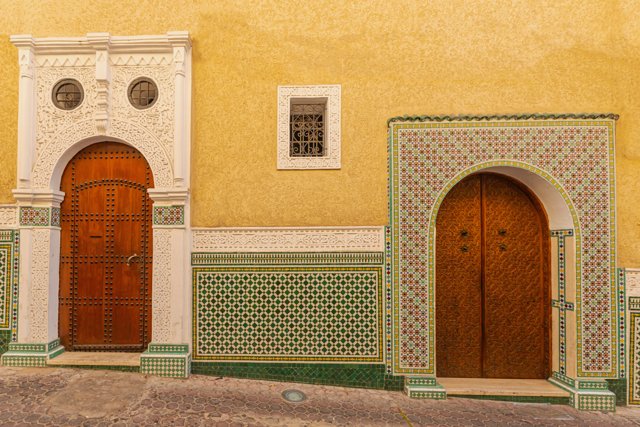
  • The Habous Quarter, often called the New Medina, was built in the 1930s by the French authorities in a blend of traditional Moroccan design and colonial urban planning. Its arcaded streets are home to bakeries, spice stalls, bookstores, and small craft shops.
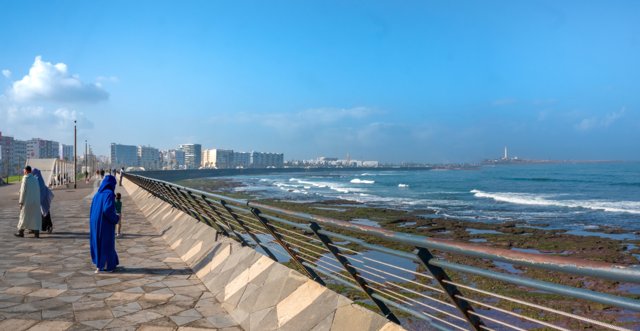
  • Along the Atlantic, Ain Diab and the Corniche form Casablanca’s seaside social strip. Cafés, beach clubs, and restaurants line the waterfront promenade, which becomes especially lively in the evenings.
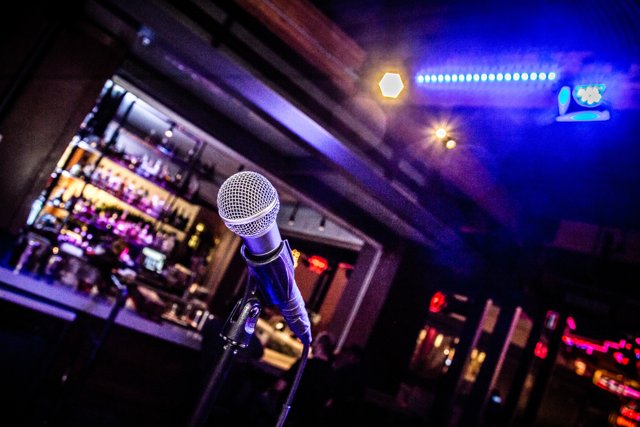
  • For dining and nightlife, locals often head to Racine and Gauthier. These central neighbourhoods are known for their cafés, wine bars, galleries, and restaurants that stay busy late into the night.

Gastronomy

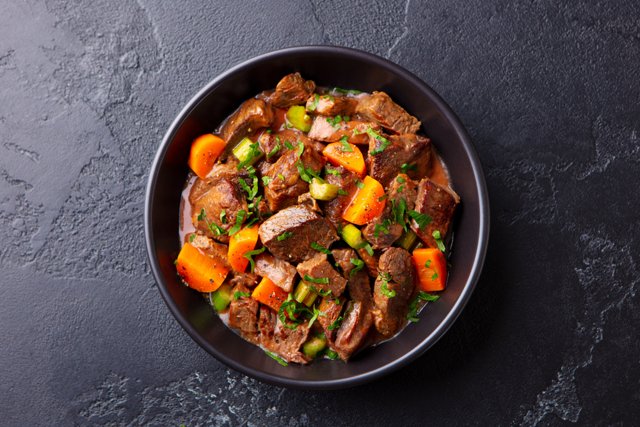
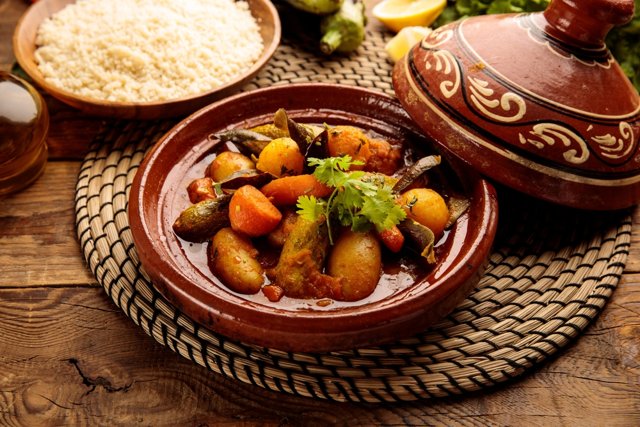
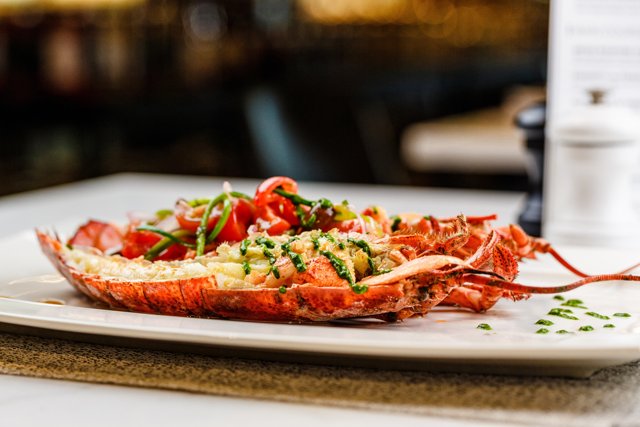
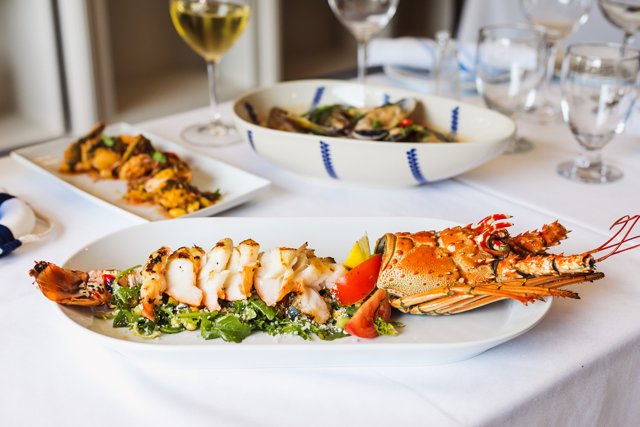
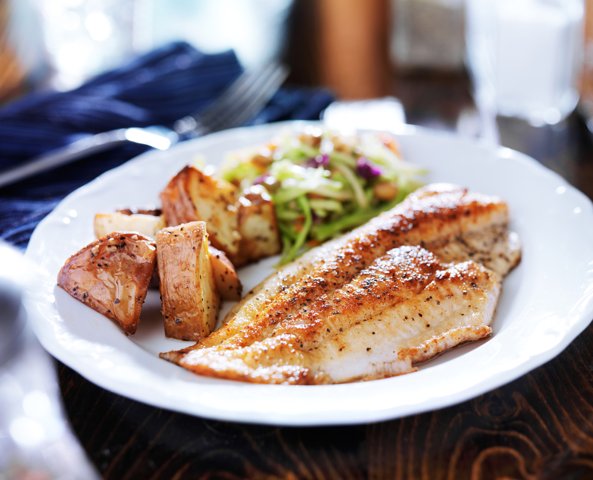
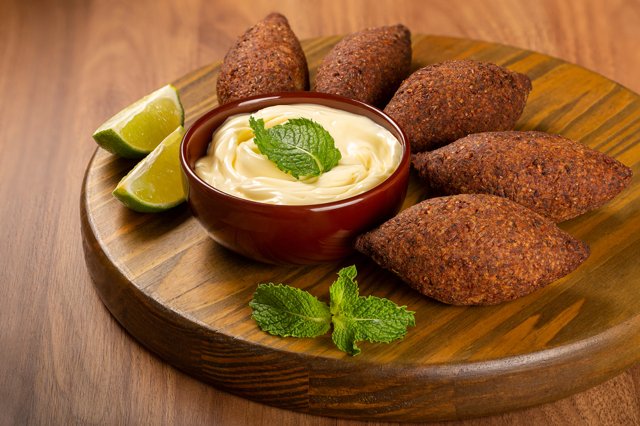
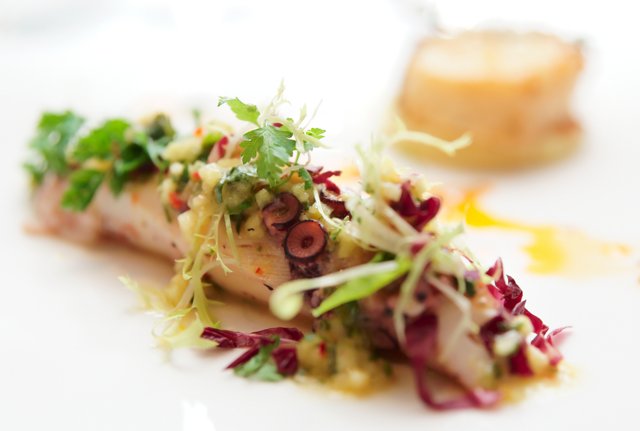
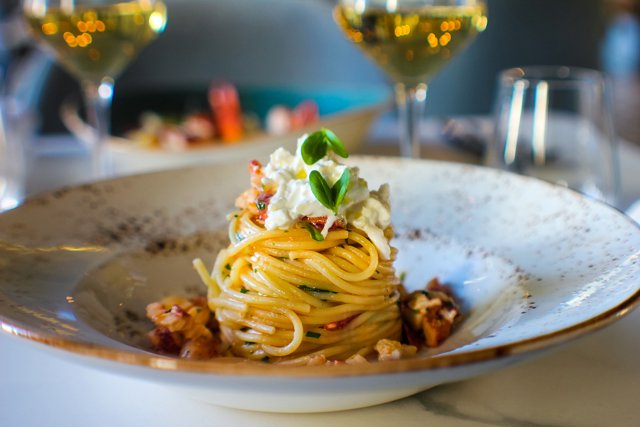
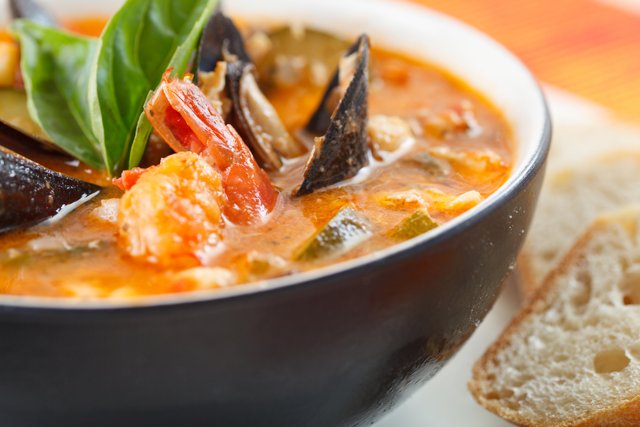
As Morocco’s main port, Casablanca’s cuisine naturally reflects its relationship with the Atlantic. Seafood features prominently. Grilled fish, mixed seafood platters, and fish tajine with tomatoes and peppers appear on many menus.

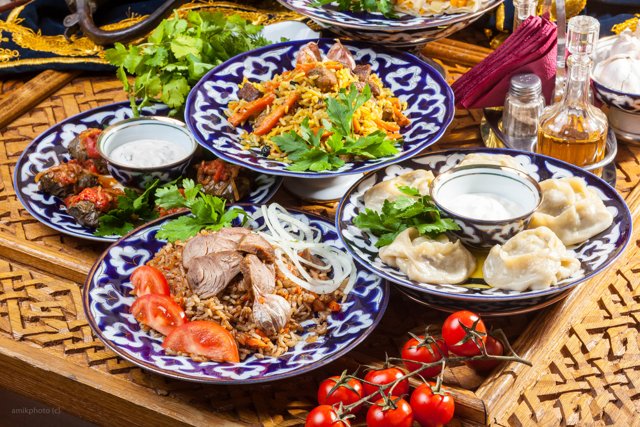
Moroccan cuisine itself draws on centuries of cultural exchange. Berber, Arab-Andalusian, and Jewish culinary traditions all contribute to the country’s distinctive flavours.

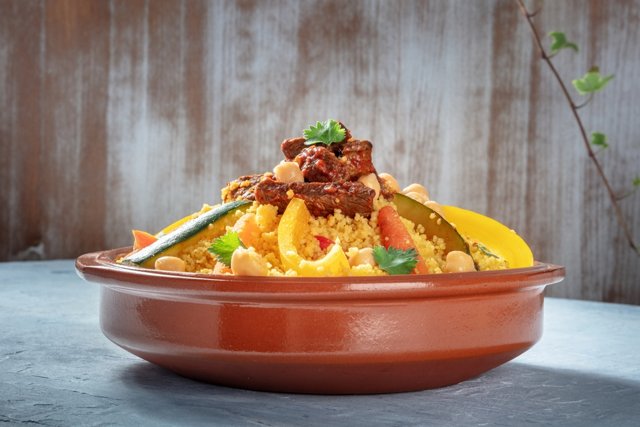
Classic dishes include couscous, slow-cooked tajines, and pastilla, a delicate pie combining savoury meat (often chicken or pigeon) with sweet spices, almonds, and crisp pastry.

Another traditional dish you may encounter is rfissa, a comforting meal of shredded flatbread layered with chicken, lentils, and a fragrant fenugreek-based sauce.

For quick street snacks, look for maaqouda (fried potato cakes) or harcha, a dense semolina bread often eaten warm with butter or honey.

City Rhythm

Casablanca moves with the pace of a large working city.

Mornings begin early, as commuters fill the streets and neighbourhood bakeries open their shutters. Cafés serve strong coffee alongside fresh bread and pastries while offices and shops gradually come to life.

Afternoons often revolve around a cup of mint tea or espresso, usually accompanied by something sweet: almond pastries, honey cakes, or dried fruit.

Evenings are when the city becomes more social. Restaurants grow busier after sunset, families walk along the Corniche, and cafés remain lively well into the night.

Things to Do

Start your visit at the Hassan II Mosque, one of the largest mosques in the world, dramatically set above the Atlantic Ocean. Guided tours allow non-Muslim visitors to explore the vast prayer hall and marble courtyards.

From there, head toward Place Mohammed V, the city’s grand administrative square, surrounded by elegant civic buildings including the Palais de Justice and the historic Central Post Office.

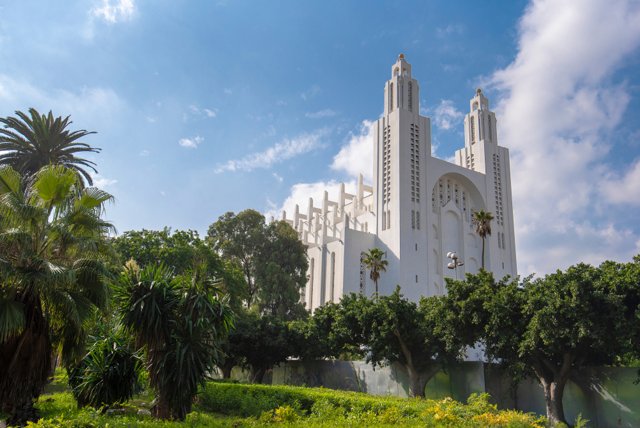
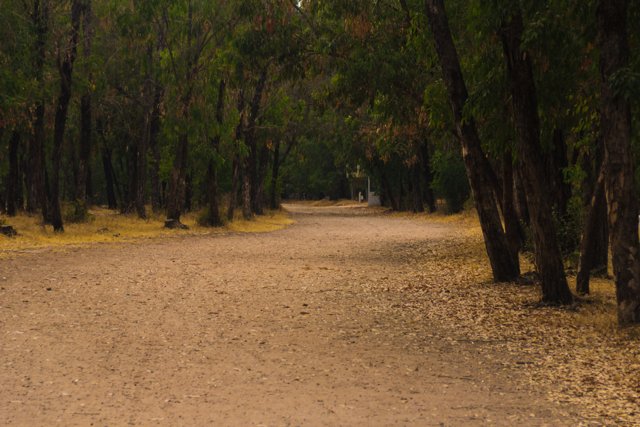
Nearby, explore the Old Medina, where narrow streets and whitewashed walls offer a glimpse of the city before its modern expansion. For a shaded break, stroll through Parc de la Ligue Arabe, one of the largest parks in the city. Close by stands the grand Cathédrale du Sacré-Cœur, a former cathedral that now hosts exhibitions and cultural events.

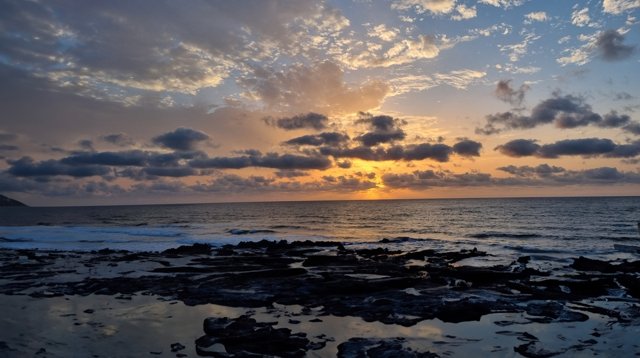
To experience traditional markets, visit the Habous Quarter, where souqs sell spices, pastries, textiles, and everyday goods. Later in the day, head to La Corniche for Atlantic views and sunset walks along the coast.

To unwind, many visitors finish the day in a traditional hammam, Morocco’s historic steam bath experience, part cleansing ritual, part social tradition.

Best hotels in Casablanca

Frequently asked questions

What is Casablanca famous for?

Casablanca is best known for the Hassan II Mosque, one of the largest mosques in the world and a staggering landmark built partly over the Atlantic Ocean. Beyond its architecture, the city is Morocco’s economic and cultural hub, known for its Art Deco buildings, seaside Corniche, and vibrant café culture. The city also gained global fame through the classic film Casablanca, which helped cement its romantic reputation worldwide.

Is Casablanca worth visiting?

Yes, particularly if you are curious about modern Morocco beyond the traditional postcard images.

Casablanca combines major landmarks with the everyday rhythm of a working metropolis. Visitors come to see the monumental Hassan II Mosque, walk along the Atlantic-facing Corniche, and explore the city’s early-twentieth-century boulevards lined with Art Deco and Mauresque architecture.
Is Casablanca expensive?

Compared with other Moroccan cities, Casablanca is generally a little more expensive, largely because it is the country’s economic centre. Even so, prices remain moderate by international standards.
Everyday costs such as taxis, coffee, and local meals are usually affordable, and the city offers a wide range of options, from simple street food and neighbourhood cafés to upscale restaurants and beachfront venues along the Corniche.
For most visitors, it is easy to travel comfortably without a large budget.

Is Casablanca safe for visitors?

Casablanca is a large metropolitan city, and visiting it feels much like navigating any major urban centre.

Most travellers experience the city without issues, particularly when staying in central districts and using standard big-city awareness. In busy areas such as markets, tram stops, or transport hubs, it is wise to keep an eye on personal belongings and avoid displaying valuables unnecessarily.

Is Casablanca better than Marrakech?

The two cities offer very different experiences.

Marrakech is known for its historic medina, lively souks, and landmarks such as Jemaa el-Fnaa. Casablanca, by contrast, is Morocco’s modern commercial capital, defined by wide boulevards, Atlantic views, and early-twentieth-century architecture.

Many travellers usually include both in the same trip: Marrakech for its historic atmosphere, and Casablanca for its contemporary urban character.

How many days should you spend in Casablanca?

Casablanca can be explored comfortably in one to two days. This is usually enough time to visit the Hassan II Mosque, walk around Place Mohammed V, explore the Habous Quarter, and spend some time along the Atlantic Corniche.

Many travellers treat Casablanca as either the starting point or final stop of a wider Moroccan itinerary before continuing to cities such as Fes or Marrakech.

Top destinations