Bordeaux

A city with vineyards in its DNA, the Garonne in its soul, and sunlit quays that invite you to savour life slowly.

  • Bordeaux

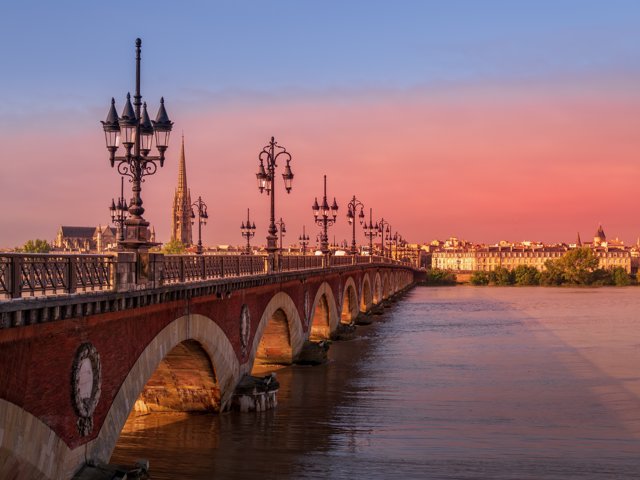
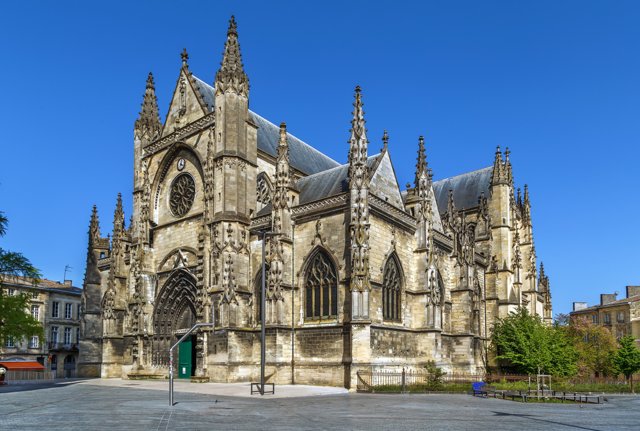
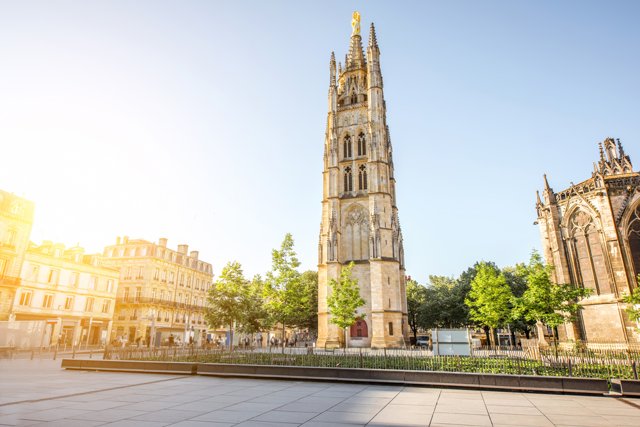
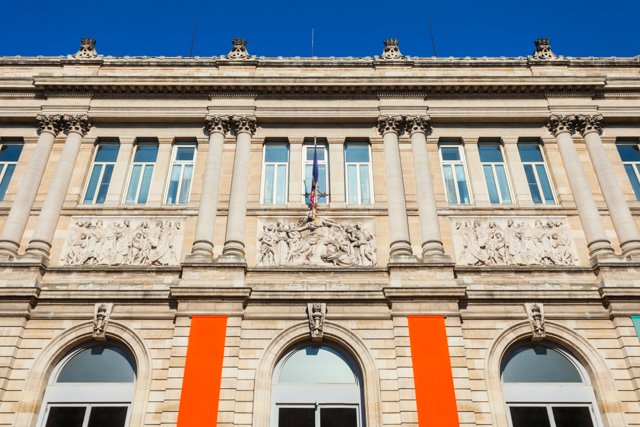
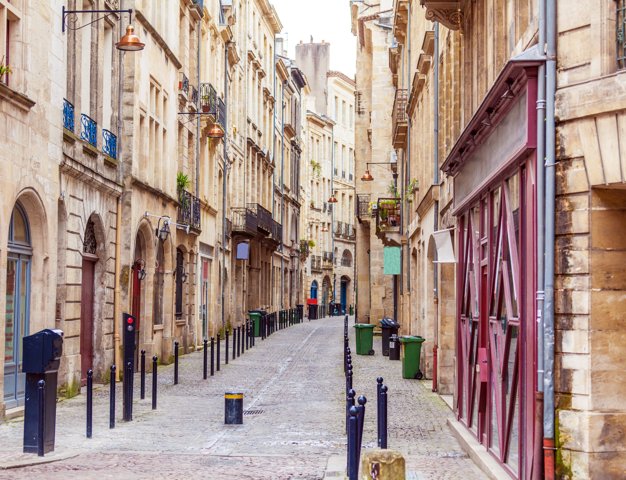
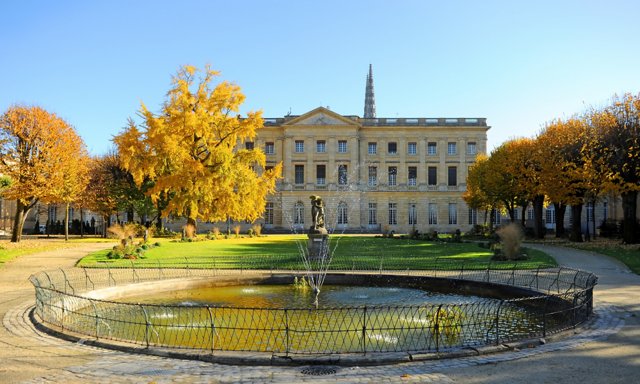
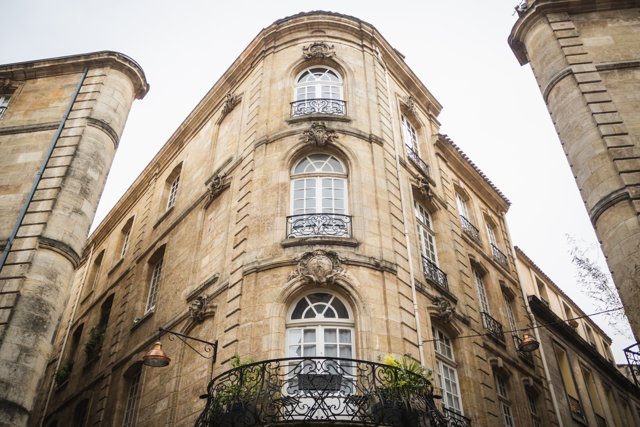
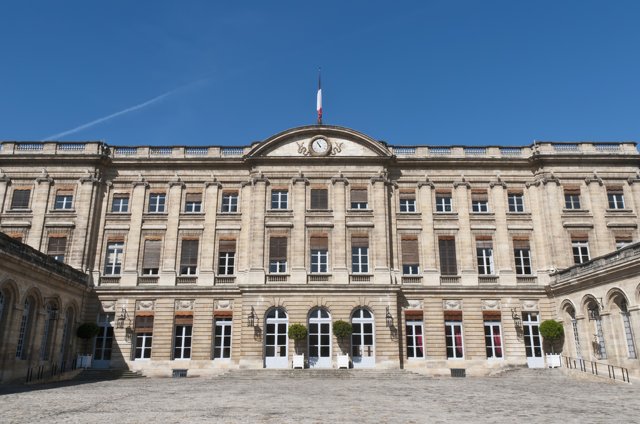
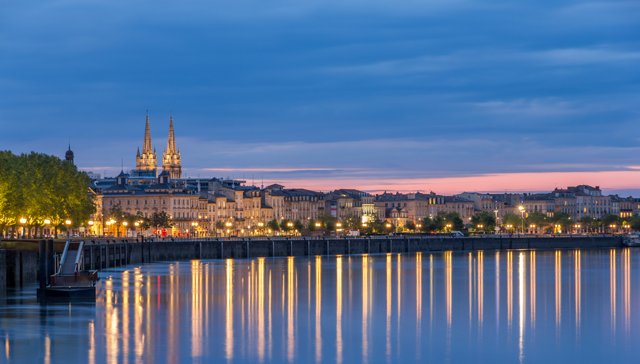
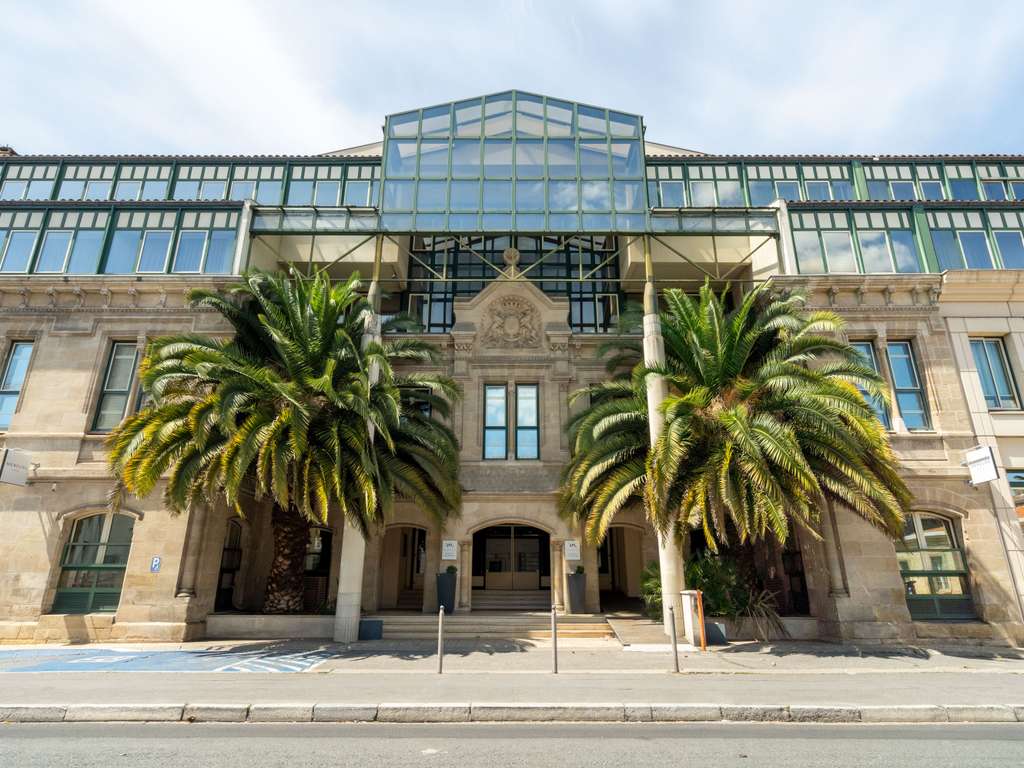
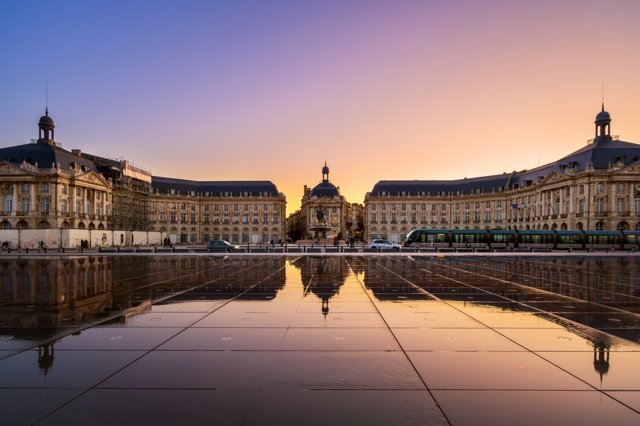
    Often called “Little Paris” for its neoclassical splendour, Bordeaux has a radiance that feels warmer and more approachable than the French capital. For decades it was known as La Belle Endormie (The Sleeping Beauty), its 18th-century façades veiled beneath a layer of industrial grime. Since then, the city has shaken off the dust, revealing honey-coloured stone that glows at sunset, mirrored in the shimmering waters of the Miroir d’eau.

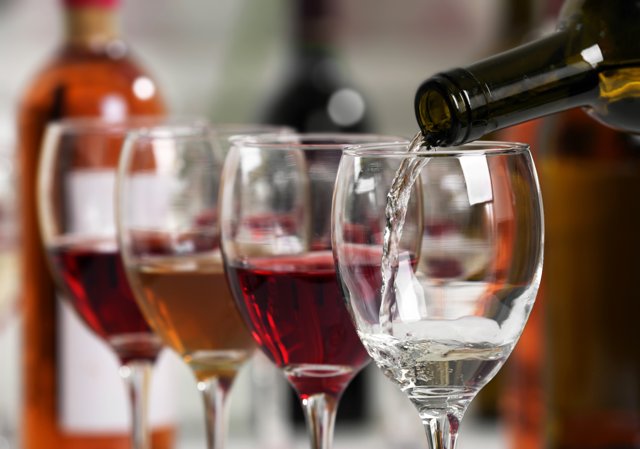
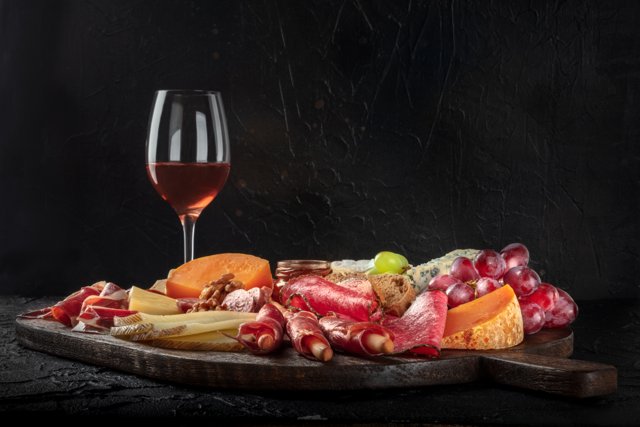
    To walk through Bordeaux is to understand that wine is not simply a commodity, but a shared language and a source of pride. As one of the world’s most influential wine capitals, the city sits at the heart of nearly 6,000 vineyards, its own story inseparable from the history of the bottle. Bordeaux is a city designed to be tasted, from the caramelised crunch of a fresh-baked canelé to the deep pour of a local Merlot, inviting you to trade the frantic pace of modern life for a seat at a quiet alfresco table.

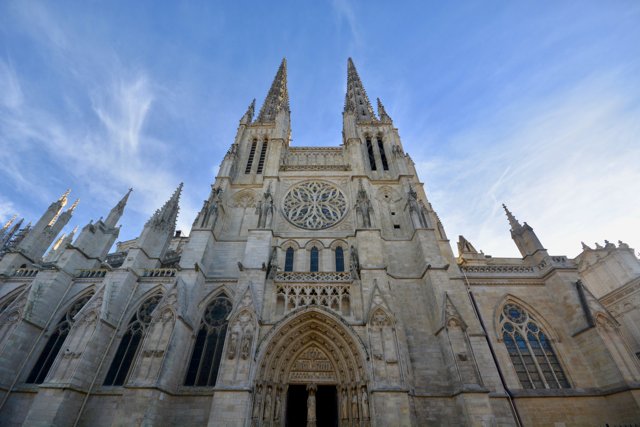
    While the grand monuments of this UNESCO World Heritage city and its famous wine labels may first draw you in, the true magic lies in its palpable joie de vivre that spills across breezy squares and café terraces. Here, pleasure is not reserved for special occasions but woven into everyday life — making Bordeaux a masterclass in the French art of living well, one slow sip at a time.
Unique experiences in Bordeaux

Plan your trip

Entry Requirements & Travel Documents

France is part of the Schengen Area. EU and EEA citizens can enter the country freely with a valid passport or national ID card. Many non-EU travellers from visa-exempt countries may stay up to 90 days within a 180-day period without a visa, subject to passport validity rules that vary by nationality.

From late 2026, travellers from many visa-exempt countries, including the US, UK, Canada, Japan, Australia, and Brazil, will need to apply online for ETIAS authorisation before entering France and other Schengen states for short stays. Until ETIAS becomes operational, passport-only entry remains in place. Be sure to always check current entry rules before departure.

Money, Currency & Paying in Bordeaux

The local currency is the euro (€ / EUR). Card payment is usually the norm in Bordeaux, and contactless payments and mobile wallets are accepted almost everywhere, including cafés, wine bars, shops, hotels, and public transport.

Some smaller bakeries, market stalls, or independent shops may require a minimum card spend. So, carrying a small amount of cash is useful for markets, kiosks, or quick purchases.

ATMs are widely available and usually offer better exchange rates than airport currency exchange counters. When paying by card, always choose to pay in euros rather than your home currency to avoid extra conversion fees.

Weather, Seasons & When to Visit

Bordeaux has a temperate oceanic climate influenced by the Atlantic, with mild winters, warm summers, and occasional humidity. Weather can change quickly, particularly in spring and autumn.

Spring (March to May) is one of the most pleasant times to visit. Temperatures rise gradually, terraces reopen, and the surrounding vineyards turn green again.

Summer (June to August) brings warm, sunny days and lively evenings along the riverfront. Temperatures usually range between 25 and 30 °C, though heatwaves can occur.

Autumn (September to October) coincides with grape harvest season, when the surrounding wine region becomes especially active and the city takes on softer light.

Winter (November to February) is cooler and rainier, with temperatures generally between 5 and 12 °C. Freezing weather is uncommon and the city feels calmer.

Overall, late spring and early autumn offer the best balance of weather and atmosphere.

Health Insurance

EU visitors should carry a valid EHIC (European Health Insurance Card) or GHIC (Global Health Insurance Card) to access France’s public healthcare system under the same conditions as residents. However, this does not replace full travel insurance.
Non-EU travellers should arrange comprehensive medical insurance before arrival, as hospitals and clinics may request payment or proof of coverage for non-emergency care.

Pharmacies are easy to spot thanks to their blinking green cross signs. Pharmacists are highly trained and can advise on minor illnesses and medications. In an emergency, dial 112, the universal emergency number for the entire European Union.

Connectivity, Roaming & Mobile Data

Free Wi-Fi is common in hotels, cafés, and public areas in Bordeaux. The city also provides public Wi-Fi in parts of the historic centre and along the riverfront.

EU travellers can use their mobile plans in France at no extra cost under EU roaming rules. Non-EU travellers should check roaming charges before arrival, as fees can be high.

For longer stays, buying a local SIM or eSIM is a convenient option. You can find shops at the airport, train station, and shopping streets. Coverage is generally strong across Bordeaux and surrounding wine regions.

Airport & Main Arrival Hubs

Bordeaux is served by Bordeaux-Mérignac Airport, located about 12 kilometres west of the city centre. It is the main international gateway to southwestern France and handles both full-service and low-cost carriers.

Bordeaux has direct connections to many major European cities, including London, Amsterdam, Madrid, and Frankfurt. Long-haul travellers typically connect via major hubs such as Paris-Charles de Gaulle, Amsterdam-Schiphol, or Madrid-Barajas.

For many travellers within France and neighbouring countries, arriving by high-speed train is equally convenient. Bordeaux Saint-Jean station connects directly to Paris, Toulouse, Marseille, and beyond via the TGV network.

Main Train Stations

Bordeaux Saint-Jean is the city’s main railway station and the primary arrival point for most travellers. It is situated south of the historic centre, about 10 minutes by tram or taxi.

High-speed TGV trains connect Bordeaux to Paris in around 2 hours, making it one of the fastest and easiest routes between the capital and southwestern France. Direct connections also link Bordeaux to cities such as Toulouse, Marseille, Lille, Strasbourg, and Lyon.

Regional TER trains also depart from here, providing access to nearby destinations such as Arcachon, Saint-Émilion, and coastal towns along the Atlantic.

From the Airport / Station to the City Centre

From Bordeaux Airport, tram line F provides a direct connection to the city centre and Bordeaux Saint-Jean train station. It links the airport to key stops in about 35 minutes and Saint-Jean station in around 45 minutes. Trams run frequently throughout the day, with services operating from early morning until midnight, and later on weekends.

The 30’Direct airport shuttle is another convenient option, running between Bordeaux Airport (Hall B) and Bordeaux Saint-Jean train station. These coaches operate daily throughout the year, with air conditioning, free Wi-Fi, and step-free access. Journey time is typically around 30 minutes.

Taxis and ride-hailing services are available directly outside the terminal. The journey to central Bordeaux usually takes 20 to 30 minutes.

If you arrive at Bordeaux Saint-Jean station, the historic centre is very close. Tram lines C and D stop just outside and reach central areas such as Place de la Bourse and Quinconces in around 10 to 15 minutes. In some cases, accommodation in the historic centre may be within walking distance.

Taxis & Ride-Hailing Services

Taxis in Bordeaux are reliable, regulated, and easy to find at official ranks outside the airport, train station, and major squares. 

Ride-hailing services such as Uber operate widely across the city and are often slightly cheaper than traditional taxis. Availability is generally good, including early mornings and late evenings. Card payment is widely accepted, but confirming before departure is always sensible.

For short distances within the centre, taxis are less necessary, as public transport and walking are often the fastest way to get around.

Arrival Tips & Common Mistakes to Avoid

  • Validate your tram ticket before boarding. Inspectors regularly check, and fines are issued immediately if you travel without validation, even if you bought a ticket.
  • Avoid taxis waiting inside the airport terminal offering unsolicited rides. Official taxis queue outside designated ranks.
  • If arriving by train, do not assume you need a taxi. The tram stop is directly outside Saint-Jean station, and it is often the fastest way into the centre.
  • If you arrive late in the evening, public transport still runs, but the frequency decreases. Checking schedules in advance helps avoid long waits.
  • Bordeaux’s historic centre is largely pedestrian-friendly, but some streets have tram tracks integrated into the pavement. Always look both ways, as trams are extremely quiet and approach quickly.

Public Transport & Zones

Bordeaux’s public transport network is operated by TBM (Transports Bordeaux Métropole) and includes trams, buses, river shuttles, and night buses. The tram system forms the backbone of the network. Multiple lines cover the historic centre, the train station, the riverfront, and the surrounding districts.

The river shuttle, called Le Bato, runs along the Garonne between key stops such as Quinconces, Stalingrad, and Lormont. It operates as part of the regular TBM network, and standard tickets and passes are valid on board.

The entire system operates as a single integrated network. One validated ticket allows unlimited transfers between tram, bus, and Le Bato within the validity period of that ticket.

Night buses, known as TBNight, operate on Thursday, Friday, and Saturday nights, as well as on public holiday eves, typically operating after regular tram and bus services stop. These connect central areas with outer districts after regular tram and bus services stop.

Tickets & Passes

TBM tickets are flexible and easy to use. A standard single ticket allows travel across the entire TBM network, including trams, buses, and the Le Bato river shuttle, with transfers permitted during the ticket’s validity period.

You can buy tickets from machines at tram stops, TBM agencies, authorised retailers, or via the official TBM mobile app. Multi-trip tickets and unlimited daily or weekly passes offer better value if you plan to use public transport frequently.

The Bordeaux CityPass is a convenient option for short stays. It includes unlimited public transport within the TBM network, plus access to museums, attractions, and selected experiences. It is available in 24, 48, 72, and 96-hour formats and can be purchased online or at tourist offices.

Make sure to always validate your ticket when boarding or entering the tram platform. Ticket inspections are frequent, and fines apply if you travel without validation.

Walking & Cycling

Bordeaux is extremely walkable. The historic centre is compact, flat, and largely pedestrian-friendly, making it easy to move between major sights, neighbourhoods, cafés, and riverfront areas on foot.

Cycling is also part of daily life. TBM operates the city’s self-service bike system, Le Vélo, which includes nearly 200 stations and more than 2,000 bicycles. The service runs 24 hours a day, 7 days a week. Stations are located throughout the city centre, near tram stops, and along the riverfront. 

Bikes can be rented for short trips or longer periods. Dedicated cycling lanes and flat terrain make cycling accessible, even for less experienced riders.

Nearby Destinations / Day Trips

Bordeaux is well positioned for day trips, especially by train.

Saint-Émilion, a UNESCO-listed wine village known for its vineyards and medieval streets, lies just 30 minutes away.

Arcachon Bay can be reached in about 50 minutes, offering beaches, oyster farms, and access to the Dune du Pilat, Europe’s tallest sand dune.

Further south, Bayonne and nearby Biarritz combine Basque culture, seaside scenery, and a long-standing surf tradition.

Across the Spanish border, San Sebastián (around 2.5 hours away) is widely known for its pintxos bars and outstanding food scene.

Frequent trains connect these destinations from Bordeaux Saint-Jean station.

Accessibility & Basic Safety Tips

Bordeaux’s public transport system is designed with accessibility in mind. Tram platforms are level with vehicles, buses have ramps, and stations include tactile guidance for visually impaired passengers. 

The city centre is generally safe, including in the evenings. As in any major city, keep an eye on your belongings in busy areas such as tram stops, markets, and train stations.

Trams run quietly and share space with pedestrians in some areas. Always check before crossing tracks, especially in the historic centre.

Night buses operate on weekends after regular services stop. 

Language, Culture & Local Etiquette

French is the primary language spoken in Bordeaux, and politeness shapes everyday interactions. Always begin with a simple “Bonjour” during the day or “Bonsoir” in the evening. When leaving, “Au revoir” or “Bonne journée” is equally important. These small courtesies are an important part of everyday social etiquette.

English is widely spoken in hotels, wine bars, restaurants, and by younger generations. Still, making the effort to use a few French words is appreciated and often leads to warmer, more personal exchanges.

In Bordeaux, social life places strong emphasis on conversation, meals, and time spent outdoors. There is also a deep respect for the art de la table — the traditions surrounding food, wine, and shared dining.

Tipping is not required, as service is included in restaurant prices (“service compris”). However, rounding up the bill or leaving a few euros for attentive service is a common and appreciated gesture.

Neighbourhoods

Bordeaux reveals itself through several distinct neighbourhoods.

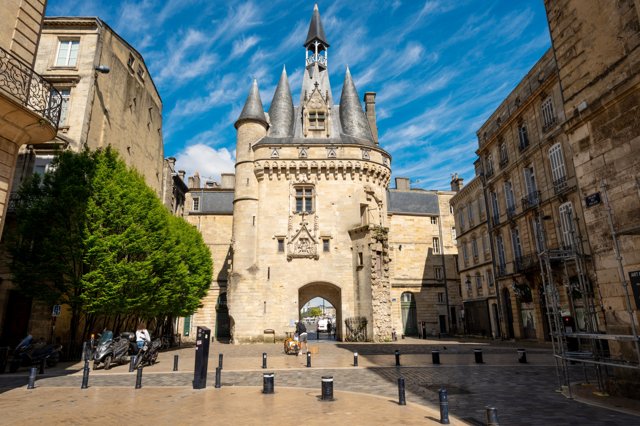
  • Saint-Pierre and Saint-Paul, often called Vieux Bordeaux, form the medieval historic centre, with narrow streets, lively squares such as Place du Parlement, and landmarks including Porte Cailhau and Place de la Bourse.
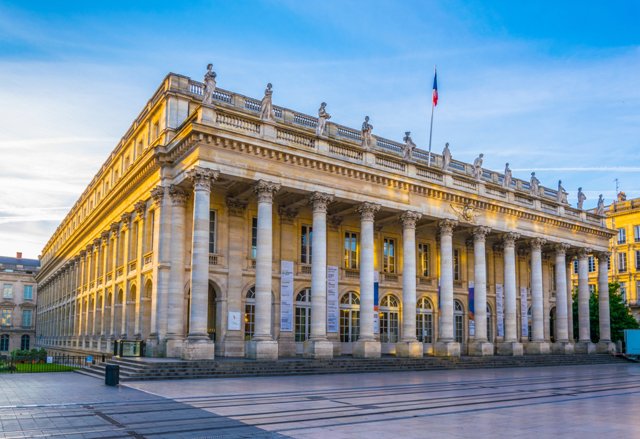
  • The Triangle d’Or, around Place de la Comédie and the Grand Théâtre, reflects Bordeaux’s neoclassical elegance, with refined architecture, historic cafés and designer boutiques.
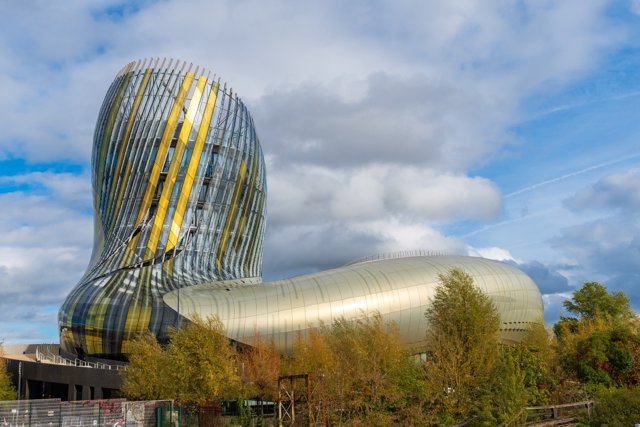
  • North of the centre, Chartrons and Bassins à Flots reflect the city’s wine-trading heritage, now home to galleries, riverfront promenades and cultural venues such as La Cité du Vin.
  • South of the centre, Saint-Michel has a more eclectic and multicultural atmosphere centred around its basilica and lively markets.
  • Across the Garonne, La Bastide offers a more modern side of Bordeaux, with parks, new developments and views back towards the historic skyline.

Gastronomy

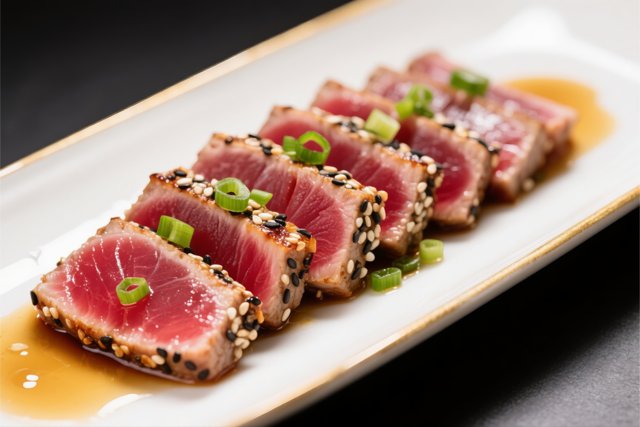
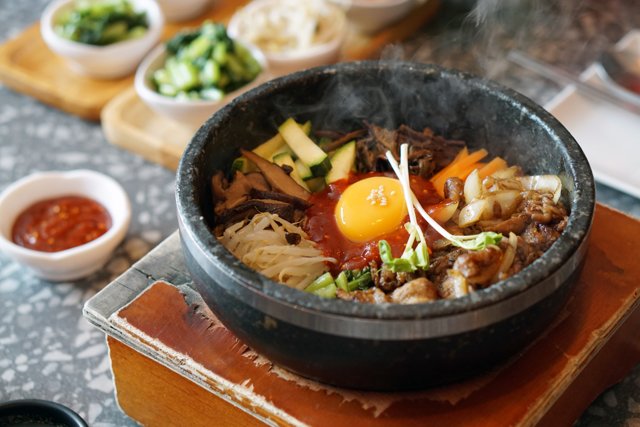
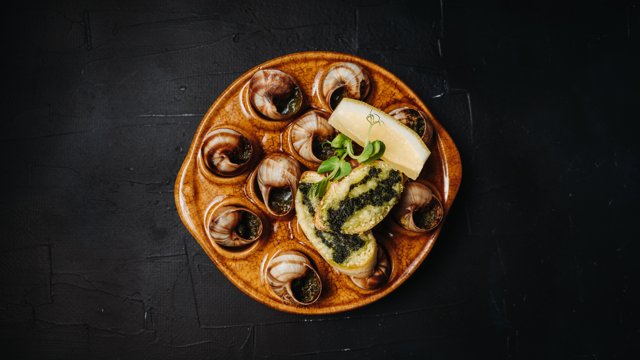
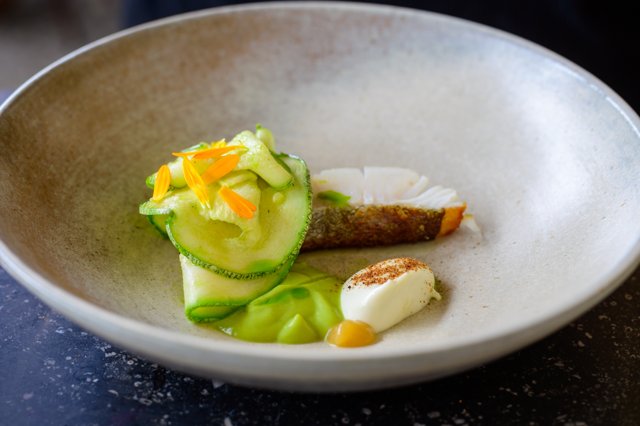
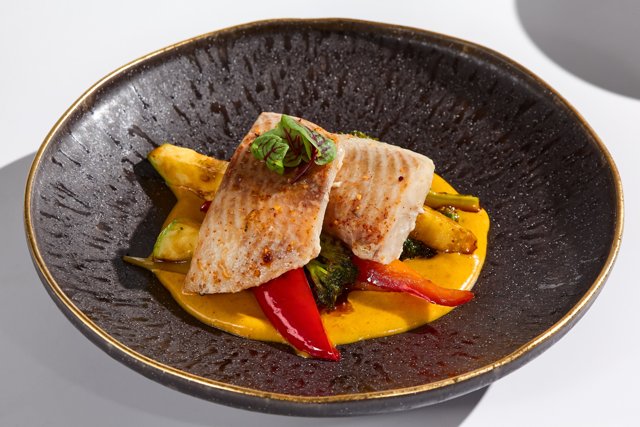
Food and wine are inseparable from Bordeaux’s identity. The cuisine reflects both the Atlantic coast and the agricultural hinterland of southwestern France, resulting in seasonal dishes deeply rooted in local produce.

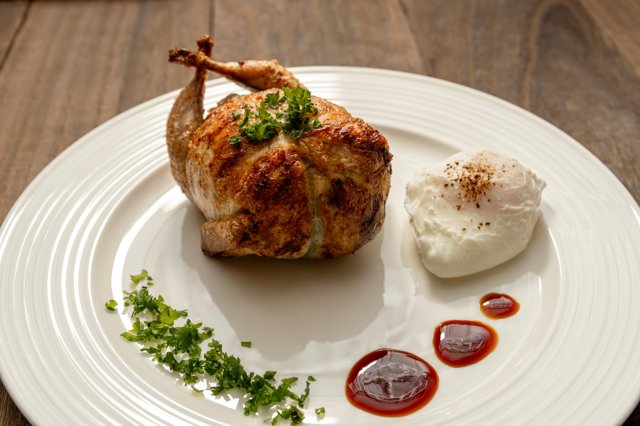
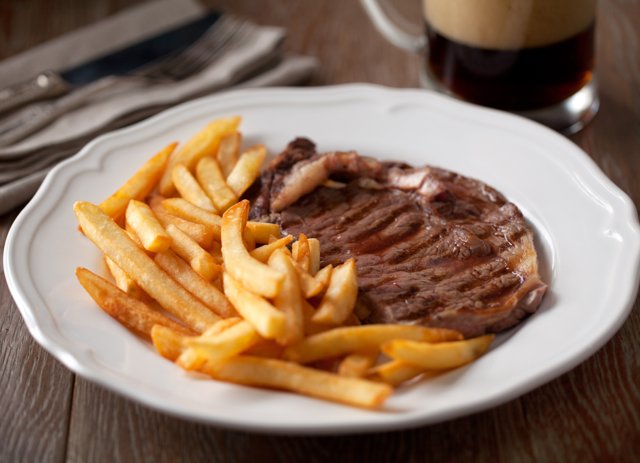
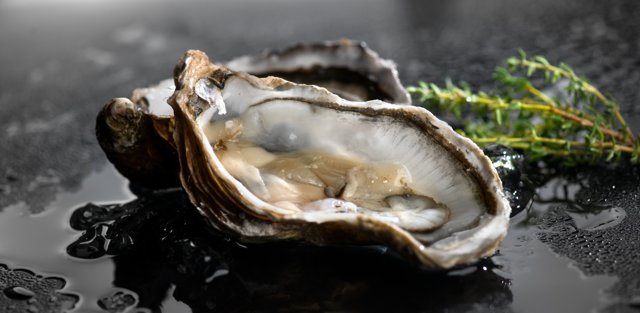
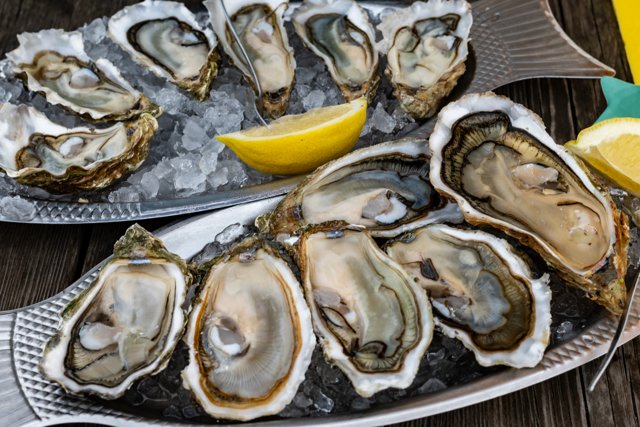
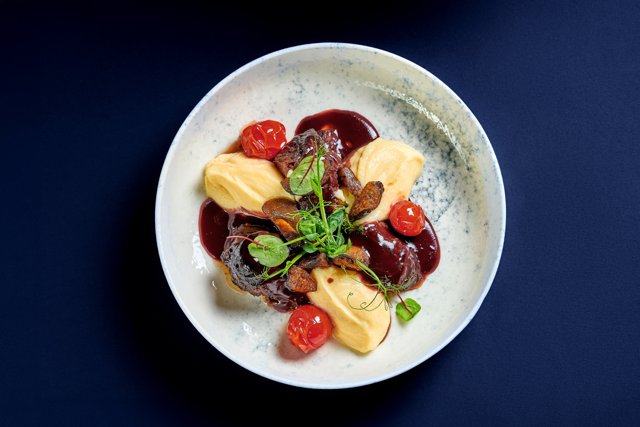
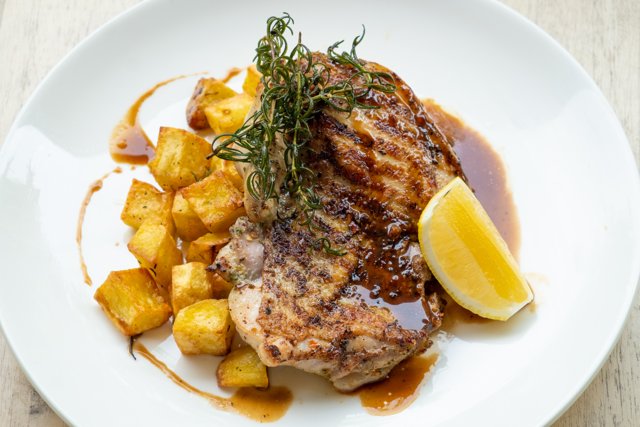
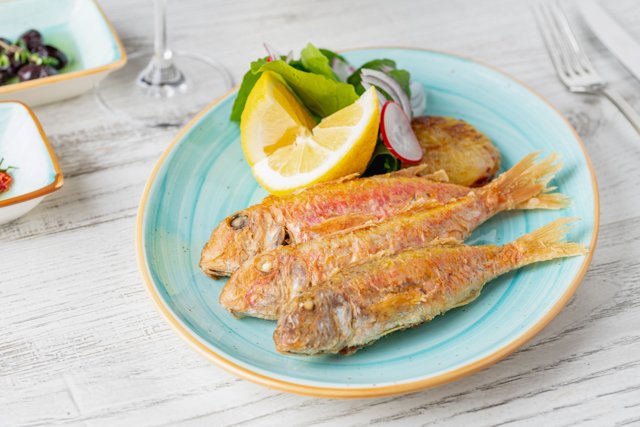
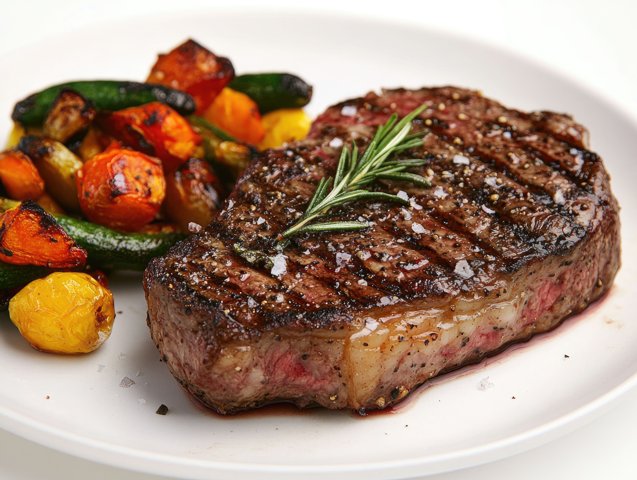
Specialities include entrecôte à la Bordelaise (ribeye with a red wine, shallot and marrow sauce), Agneau de Pauillac, a prized local lamb known for its tenderness, and magret de canard, often served with potatoes fried in duck fat with garlic and parsley. From the nearby coast, oysters from Arcachon Bay are a staple, typically served simply to highlight their freshness and natural salinity.

The city’s most iconic pastry is the canelé, a small fluted cake with a caramelised crust and soft centre flavoured with rum and vanilla, commonly found in bakery windows and enjoyed with coffee.

Markets are central to the city’s food culture. Marché des Capucins, Bordeaux’s main covered market, brings together producers, seafood stalls, bakeries and casual eateries, and is especially lively in the mornings and at weekends.

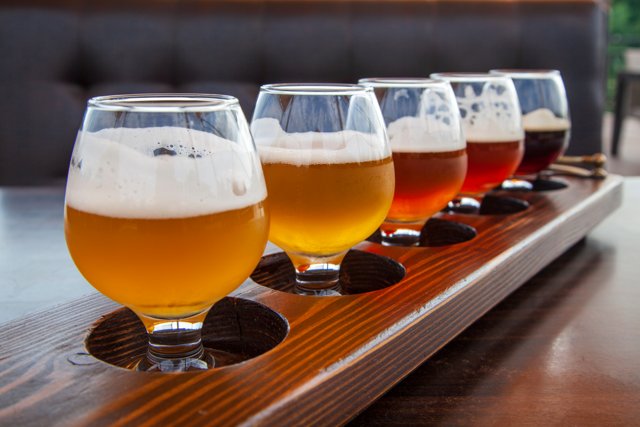
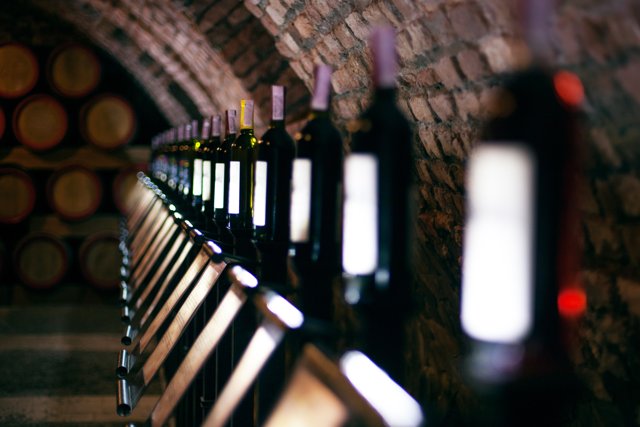
Wine, of course, underpins much of the city’s identity. From neighbourhood wine bars to restaurant terraces, both prestigious regional labels and smaller independent producers make wine exploration accessible at every level.

City Rhythm

Bordeaux moves at a measured, easy rhythm. Mornings begin quietly, with bakeries opening early and locals stopping for coffee before work. Along the riverfront, joggers and cyclists take advantage of the cooler air. Midday is structured around lunch, typically between 12 pm and 2 pm. This remains an important pause in the day, with restaurants filling and the pace slowing. 

Evenings are when the city becomes more social. From around 6 pm onward, terraces fill with people meeting for drinks, especially along the riverfront and in Saint-Pierre and Chartrons. Dinner usually starts later than in northern Europe, often from 7:30 pm onward.

Weekends are slower and centred around markets, long lunches, walks along the Garonne, or short trips to the coast.

Things to Do

Bordeaux is best explored on foot, where daily life unfolds across grand squares, riverfront promenades, and historic streets.

Place de la Bourse and the Miroir d’eau form one of the city’s most iconic settings, with the shallow reflecting pool mirroring the surrounding 18th-century façades.

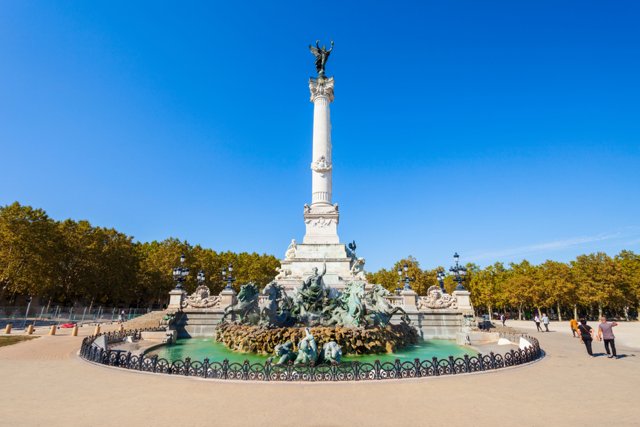
Nearby, Place des Quinconces, one of the largest squares in France, is anchored by the Monument aux Girondins, while Place de la Comédie centres on the Grand Théâtre, a defining landmark of Bordeaux’s elegant architecture.

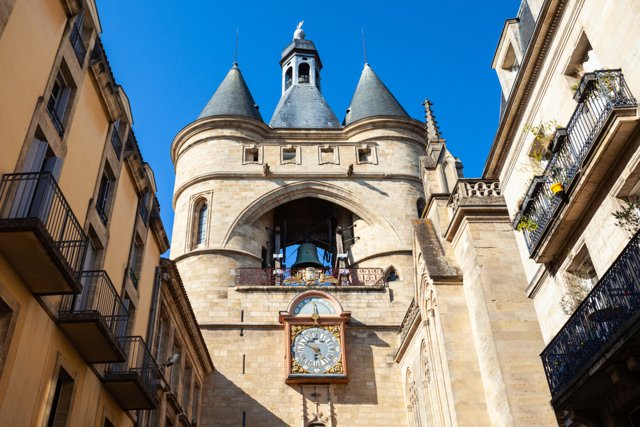
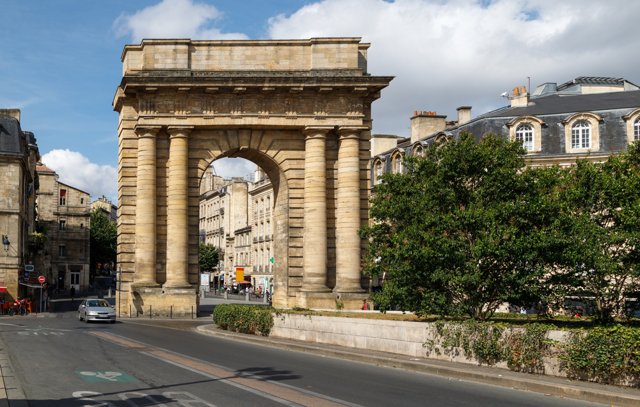
Historic gates such as Porte Cailhau and the Grosse Cloche recall the city’s medieval past.

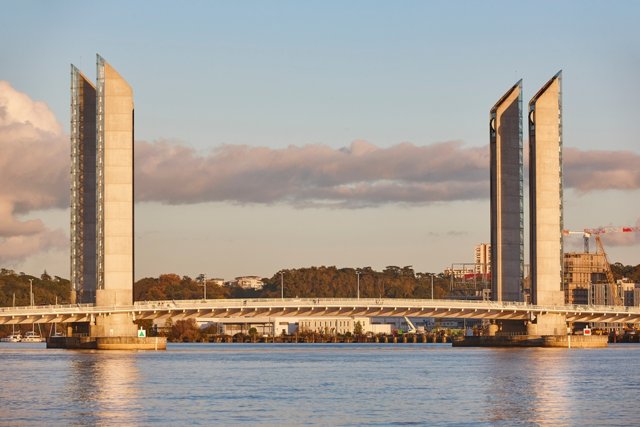
Along the Garonne riverfront, wide quays stretch for kilometres, linking gardens, neighbourhoods, and public spaces popular for walking and cycling.

Beyond the landmarks, Bordeaux reveals itself in its markets, wine bars, and café terraces, where the city’s relaxed rhythm is best enjoyed over a coffee or a glass of wine.

Best hotels in Bordeaux

Frequently asked questions

What is Bordeaux best known for?

Bordeaux is internationally recognised as one of the world’s great wine capitals, surrounded by legendary vineyard regions such as Médoc, Saint-Émilion, and Graves. Beyond wine, the city is known for its harmonious 18th-century architecture, elegant riverfront, and UNESCO-listed historic centre.

Is Bordeaux an expensive city to visit?

Bordeaux offers a broad range of experiences to suit different budgets. While it is home to world-class dining and prestigious estates, much of the city’s appeal comes from simple pleasures, such as walking along the riverfront, public markets like Les Capucins, and neighbourhood bistros. Its efficient tram system and walkable centre also make it easy to enjoy the city without a premium price tag.

Is Bordeaux a safe city to visit?

Yes. Bordeaux is considered a safe and welcoming destination. Standard awareness in busy areas, such as the main shopping streets or around the train station, is all that you need to feel entirely comfortable and at ease.

Is Bordeaux a type of wine?

Yes. Bordeaux is both a city and one of the world’s most important wine regions. Wines labelled “Bordeaux” come from vineyards surrounding Bordeaux in southwestern France. Most Bordeaux wines are blends, typically combining grape varieties such as Merlot, Cabernet Sauvignon, and Cabernet Franc. The region produces both red and white wines, ranging from everyday bottles to some of the world’s most distinguished and collectible labels.

Does Bordeaux have an airport?

Yes, the Bordeaux-Mérignac Airport (BOD). It is the main arrival point for travellers visiting Bordeaux and the surrounding wine regions. It lies just 12 kilometres west of the city centre, serving domestic and international destinations across Europe, and is directly connected to the city by public transport. 

Does Bordeaux have a metro?

No, Bordeaux does not have a metro system. Instead, the city relies on an efficient modern tram network with several lines complemented by buses and regional trains. The tram system connects the historic centre, main neighbourhoods, the train station, and even the airport, making it easy to move around the city.

What is the best way to visit the vineyards?

Many of the region’s famous châteaux are easily accessible. You can join organised tours departing from the city centre, take a short train ride to the medieval village of Saint-Émilion, or even cycle through the vines in the nearby Pessac-Léognan area. For those staying in the city, La Cité du Vin offers a spectacular introduction to the world of wine without leaving the quays.

What is the best way to explore Bordeaux?

The historic centre is compact and highly walkable, making it easy to explore on foot. Bordeaux also has an efficient tram network that connects major landmarks, neighbourhoods, and the train station. Cycling is another popular option, supported by dedicated bike lanes and the city’s self-service Vélo network.

Top destinations