Berlin

A city of contrasts, where complex history meets uncompromising creative energy.

  • Berlin

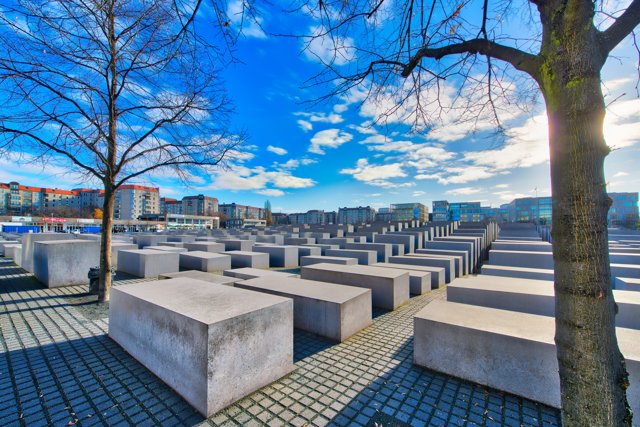
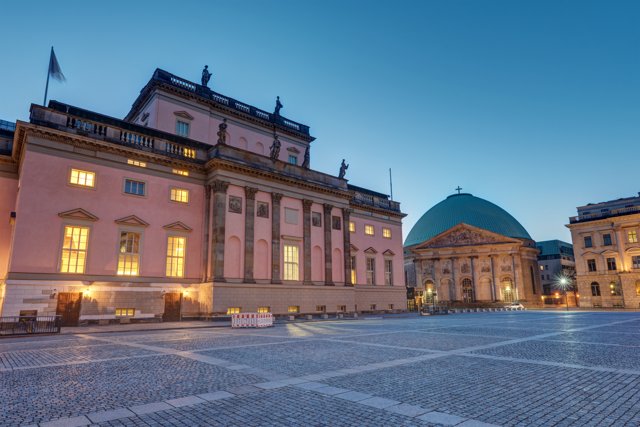
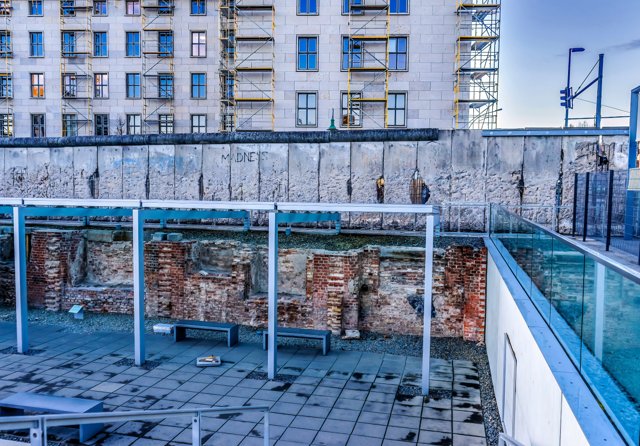
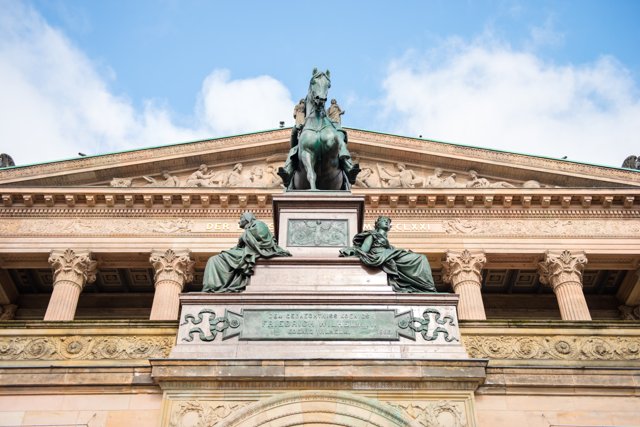
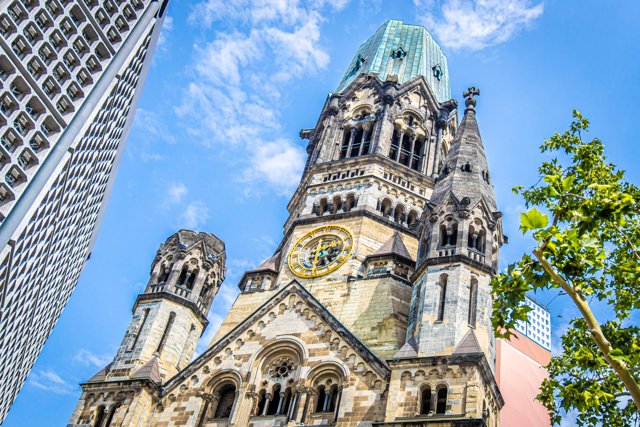
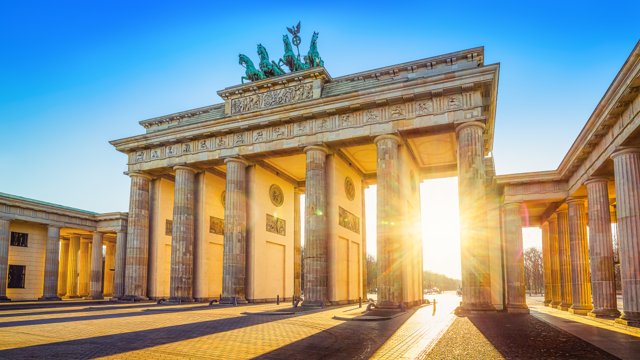
    Berlin is not a city frozen in time. It moves forward deliberately, unafraid to place its complex past alongside contemporary life. Here, Cold War landmarks and Prussian grandeur stand within reach of experimental art spaces, independent galleries and a cultural scene that rarely slows down.

    Former industrial sites and once-divided border zones have been reimagined as centres of music, design and multidisciplinary creativity. The result is a landscape that carries visible memory while continually redefining itself.

    Walk from the Brandenburg Gate through the expansive Tiergarten, cycle into Friedrichshain or Kreuzberg, where nightlife and creative communities shape the city’s after-dark identity, or explore the quieter residential calm of Prenzlauer Berg before reaching the multicultural layers of Neukölln.

    What defines Berlin is this constant tension: a capital that acknowledges the weight of its history while allowing space for reinvention. It rewards those who come to understand its past — and those who stay to experience its restless, forward-looking spirit.
Unique experiences in Berlin

Plan your trip

Entry Requirements & Travel Documents

Germany is part of the Schengen Area. Travellers from visa-exempt countries such as the UK, the US or Canada can usually stay for up to 90 days within any 180-day period without a visa. A valid passport is required, and it must have been issued within the last ten years and remain valid for at least three months beyond your planned departure date.

Border procedures are increasingly digitalised across the Schengen zone, so passport checks may involve electronic registration rather than traditional stamps.

From 2026, visa-exempt travellers will need to apply online for ETIAS (European Travel Information and Authorisation System) before travelling. The process is expected to be quick and straightforward, but it’s advisable to apply a few days before departure.

As regulations may change, always check official government sources shortly before your trip.

Money, Currency & Paying in Berlin

The local currency is the euro (€). While Germany has long had a reputation for favouring cash, Berlin has increasingly embraced contactless payments in recent years. You can pay by card in most supermarkets, major retailers, hotels and larger restaurants. Visa and Mastercard are widely accepted, and Apple Pay or Google Pay are commonly used. American Express is accepted in some places, though not everywhere.

That said, Berlin is not fully cashless. Smaller cafés, traditional bars (Kneipen) and some independent shops may still operate on a cash-only basis, and minimum card payments are common. Keeping a small amount of cash on hand is advisable, especially for markets or late-night snack stops at a Späti.

When withdrawing money, using ATMs attached to recognised banks generally offers more reliable exchange rates. If prompted to choose between paying in your home currency or euros, selecting euros usually allows your bank to handle the conversion at a better rate.

Weather, Seasons & When to Visit

Berlin has a continental climate, meaning warm summers and cold winters. The weather can shift quickly, particularly across the city’s wide, open streets, so layering is always a good idea.

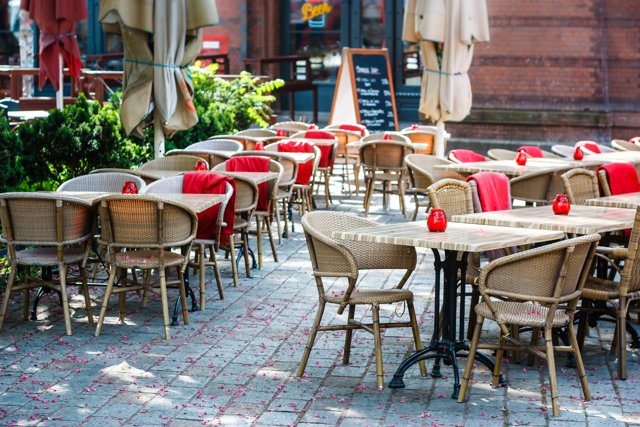
Summer (June to August) brings long days and a lively atmosphere. Locals gather in parks, beer gardens and along the river, and outdoor events run well into the evening.

Autumn (September to November) sees cooler temperatures and colourful foliage across the city’s many parks. Crowds thin out, making it a pleasant time for walking and cycling.

Winter (December to February) is cold, often grey and occasionally snowy. Temperatures regularly drop below freezing. In December, Christmas markets appear across the city, offering seasonal food and mulled wine.

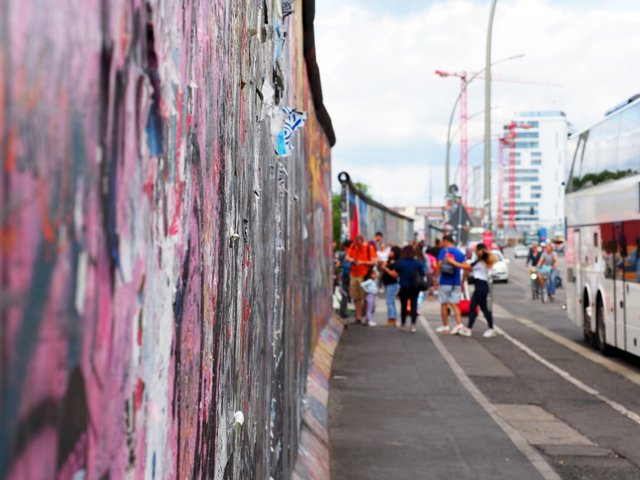
Spring (March to May) is changeable but rewarding. As temperatures rise, café terraces reopen and cherry blossoms bloom along parts of the former Berlin Wall.

Late spring and early autumn generally offer the best balance of comfortable weather and manageable visitor numbers.

Health Insurance

Berlin is home to some of Europe’s leading medical facilities. If you are visiting from the EU or the UK, you should carry a valid European Health Insurance Card (EHIC) or Global Health Insurance Card (GHIC). This covers you for necessary or emergency treatment at public hospitals. Regardless of your nationality, comprehensive travel insurance is essential to cover potential costs for private clinics or medical repatriation, which are not covered by reciprocal agreements.

In case of a medical emergency, call 112. For urgent treatment, head to the Notaufnahme (A&E) of a public hospital, such as the Charité in Mitte. 

For non-emergencies, you can visit a local doctor, known as a Hausarzt. Call 116117 or check 116117.de to find on-call practices closest to you. Most doctors speak excellent English.

Pharmacies are marked by a large red 'A' for Apotheke. They are the only places you can buy even basic over-the-counter medicines like ibuprofen. If you need a pharmacy outside of standard hours, every shop window will display a list of the nearest Notdienst (emergency pharmacy) that remains open overnight on a rotation.

Connectivity, Roaming & Mobile Data

If you have a SIM card from a country in the EU, you can keep using your existing data and minutes as if you were back home. If you are travelling from farther away, check with your network provider; you might want to invest in a roaming package. Another great alternative is eSIMs. You can buy one online before the trip and activate it the moment you exit the plane. Most providers allow tethering, so you can get one SIM and your fellow travellers can use your phone as a hotspot.

Getting a local SIM card in Germany is somewhat cumbersome, since they require registration with an ID and a local address. If you choose to get one, your best bet is to buy it from an official store like Telekom, O2, and Vodafone, or pick one up at Berlin Brandenburg Airport. 

Free WiFi is widely available across the city. You can connect to the BVG-WiFi network at almost all U-Bahn stations and on many buses. Many parks and squares offer hotspots via the Freifunk initiative. Cafés and hotels also provide free access, although the connection speed can be hit-and-miss.

Airports & Main Arrival Hubs

Berlin has simplified its air travel with the opening of the long-awaited Berlin Brandenburg Airport (BER), also known as "Willy Brandt". This modern hub has replaced Tegel and Schönefeld airports. It is divided into two main terminals: the vast, glass-fronted Terminal 1 and the more functional Terminal 2. You can walk between the terminals in about 15 minutes. Terminal 1 is used for long-haul international flights and full-service carriers, while Terminal 2 accommodates low-cost carriers. If you have some time before a flight, the observation deck in Terminal 1 offers a rare, open-air view of the runways.

If you travel by rail, you’ll likely arrive at Berlin Hauptbahnhof. Coaches will drop you off at Zentraler Omnibusbahnhof (ZOB).

Main Train Stations

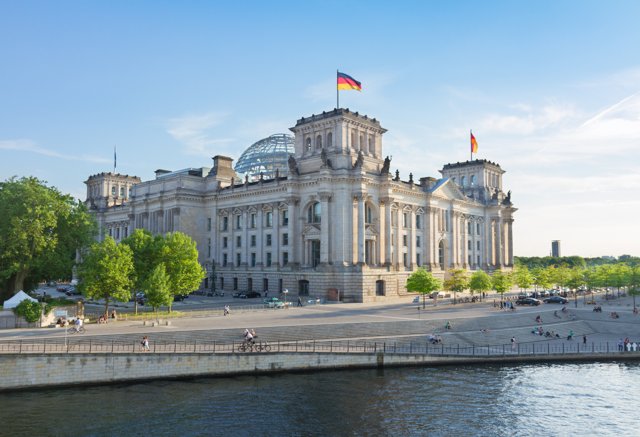
Berlin’s rail network has a massive central hub called Hauptbahnhof, supported by several key stations ringing the city.  The central station is a vertical labyrinth of glass-and-steel, located close to the Reichstag.

Depending on your route, you might alight at one of the satellite stations. Many trains will make several stops within the city, and you can pick the station that’s closest to your accommodation.

  • Ostbahnhof receives trains from Poland and is ideal for Friedrichshain district. 
  • Südkreuz is a hub for high-speed trains heading towards Dresden and Prague. 
  • Gesundbrunnen in the north handles services from the Baltic coast.
  • Spandau in the west is often the first stop for trains arriving from Hamburg or Hannover.

From the Airport to Central Berlin

The most efficient way to reach the city centre from the airport is by rail. The Airport Express (FEX) and regional S-Bahn trains depart from the station directly below Terminal 1. You can get to Hauptbahnhof in around 30 minutes. Alternatively, express buses to Rudow and Potsdam start in front of Terminal 1.

The airport is located in the public transit Zone C, which means you’ll need a single ticket for zones ABC or a temporary zone extension for your day or month pass. Remember to validate your ticket on the platform before boarding.

The most convenient way to get tickets for public transport is via the official BVG app, but you can also use the machines at the station.

For those arriving after midnight, the N7 express bus runs through the night. Taxis are available outside the terminal, costing roughly €60 to Mitte.

Taxis & Ride-Hailing

Around 5,700 authorised taxis operate in Berlin, offering a safe and reliable way to navigate the city at any hour. You can find them at designated ranks near major train stations and the airport, summon one by phone or through an app, or simply hail one on the street. Official Berlin taxis are cream-coloured and feature a licence plate starting with B, along with a number (never higher than 8,000) displayed in the rear window.

Most taxis now accept credit and debit cards, but it is wise to carry small notes just in case. If you are travelling a distance of less than two kilometres, you can hail a cab and ask for a Kurzstrecke (short-distance fare), which offers a discounted flat rate.

Ride-hailing apps like Uber, Bolt, and FreeNow are also widely used.

Arrival Tips & Common Mistakes to Avoid

  • Plan ahead to reduce stress. Have a vague idea of where your accommodation is and how you’ll get there. Make sure you’ll be online when you land and get the BVG app.
  • Remember to validate your tickets on the platform or as you board a bus.
  • It’s wise to book some tours and activities far in advance. For example, visits to the Reichstag Building (Parliament) and the Neues Museum should be booked at least a few weeks before your visit. Tickets for musical and theater performances should be bought months in advance.
  • If it’s your first visit, try to get accommodation relatively close to the main attractions.
  • Mind the "Quiet Hours" (Ruhezeit). Berliners value their peace on Sundays and late at night. Don’t play loud music during these times.
  • When exploring the city, always carry a few coins for public restrooms. They almost always require a small fee, even in places like shopping centres.

Public Transport & Zones

Berlin’s transport network is exceptionally well-integrated, consisting of the U-Bahn (underground), S-Bahn (suburban trains), trams, and buses. S-Bahn stations are located further apart and the trains are roomier to accommodate luggage and big groups. The yellow U-Bahn trains stop more frequently and are more compact.

The city is divided into three concentric fare zones. Zone A covers the historic centre within the S-Bahn ring, Zone B extends to the city limits, and Zone C includes the surrounding areas like Potsdam and BER Airport. Most visitors only require an AB ticket.

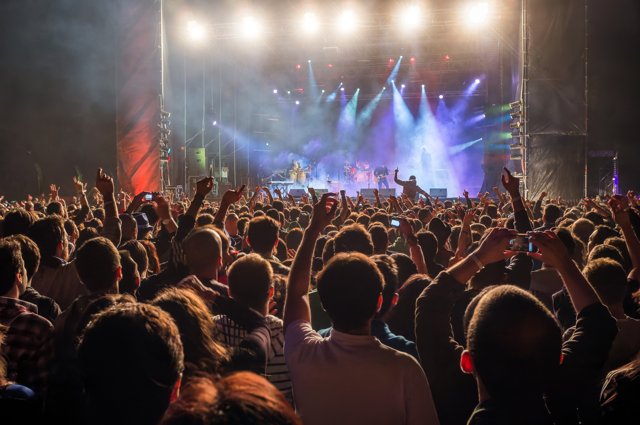
From Friday through Sunday, major train lines run nonstop to meet the demands of Berlin’s nightlife scene. During the week, services stop around 1:30am and are replaced by night buses, identifiable by the letter N.

Tickets & Passes

There are no turnstiles in Berlin, but validating your ticket is critical. Paper tickets must be stamped in the small red or yellow boxes on platforms or inside buses and trams before you travel. An unstamped ticket is invalid and can lead to a heavy fine.

For short visits, the 4-trip ticket (4-Fahrten-Karte) offers better value than buying singles. A 24-hour pass is also an excellent offer if you are planning to take more than three rides a day. The Zone AB ticket is almost always enough, and you can buy a Zone C extension to get to the airport. Most tickets can be purchased via the BVG Ticket-App; these are activated digitally and do not require a physical stamp.

If you plan to see as many sights as possible, the Berlin WelcomeCard combines unlimited travel with discounts at museums and attractions. 

Walking & Cycling

Berlin is vast — nine times the size of Paris. While its neighbourhoods are perfect for strolling, walking between them is rarely practical. Real Berliners rely on a mix of public transport and the city’s 620km of cycle paths. You can easily spend an afternoon exploring the main sights of Mitte or the tree-lined streets of Prenzlauer Berg, but to travel between districts, hopping on a bike is the local way.

For flexibility, use bike-sharing apps like nextbike, Donkey Republic, or Call-a-Bike. These allow you to rent a ride via your smartphone and drop it off at designated virtual stations. Alternatively, local rental shops offer classic bikes, helmets, and child seats for longer excursions. Just remember: stay off the pavements and keep out of the red-paved lanes if you are on foot.

Nearby Destinations / Day Trips

While Berlin is a world in itself, the surrounding region offers powerful contrasts. Potsdam is the most popular escape; just 35 minutes away on the S7 train, it feels like a royal time capsule. You can spend an entire day wandering the terraced gardens of Sanssouci Palace or exploring the Dutch Quarter’s red-brick lanes. For a more sobering experience, the Sachsenhausen Memorial in Oranienburg is a 45-minute journey north.

If you have an appetite for more, Leipzig — frequently dubbed the "new Berlin" or “HypeZig”— is just over an hour south via high-speed rail. As Berlin gentrifies, Leipzig is becoming more important as the region’s bohemian cultural hub, already famous for its music history and industrial art spaces. Dresden, with its Baroque skyline, is another option reachable in two hours. When the heat of the concrete jungle becomes too oppressive, many Berliners flee to the greenery of Wannsee.

Accessibility & Basic Safety Tips

Berlin is generally safe and inclusive, but a few local nuances are worth noting.

  • Most U-Bahn and S-Bahn stations now offer step-free access via lifts, and every city bus features a fold-out ramp.
  • The historic cobblestones in areas like Mitte can be a challenge for wheelchairs and pushchairs, so sturdy wheels or a little extra time are helpful.
  • It’s wise to remain aware in busier areas and large parks after dark.
  • As in any major city, sticking to well-lit streets and lively surroundings helps ensure a comfortable experience.

Language, Culture & Local Etiquette

Berliners are direct, so do not be offended by a lack of small talk; efficiency is usually favoured over pleasantries. While almost everyone in central districts speaks English, starting with a simple Guten Tag (Good day) is appreciated. When it comes to following rules, Berlin is the most relaxed city in Germany. While crossing the road at a red light is technically a minor offence, locals occasionally do so if the road is absolutely clear. You are not likely to hear the chiding "Rotgänger, Totgänger" rhyme. Nevertheless, always wait for the green man if children are present to set a good example.

The social heart of any neighbourhood is the Späti. These late-night convenience stores are community mini-hubs where people gather on sidewalk benches to share a beer, a snack or a caffeinated Club-Mate. 

When dining, service is usually not included. It is customary to round up the bill by about 5–10%. Rather than leaving cash on the table, tell the server the total amount you wish to pay as you hand over your card or notes.

Neighbourhoods

The truth is, one can write entire books about the neighbourhoods of Berlin. Similar to New York’s boroughs and Paris’s arrondissement, each area has a distinct character and socioeconomic makeup. The German capital is a mosaic of twelve boroughs, each functioning like a distinct city. Here are a few areas you should know about, especially if it’s your first visit.

  • Mitte: The historic and cultural heart. Ideal for first-timers, it houses iconic landmarks like the Brandenburg Gate and Museum Island alongside modern shopping venues.
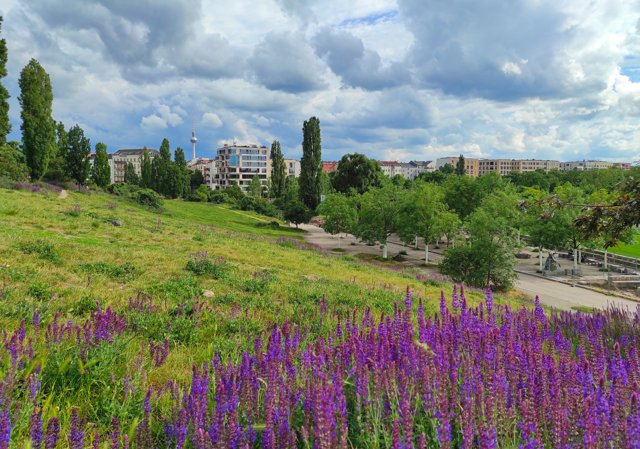
  • Prenzlauer Berg: Leafy, restored, and family-friendly. Spend a day here wandering cobblestone streets, having brunch, and browsing vintage shops. Don’t miss the Mauerpark flea market on Sunday!
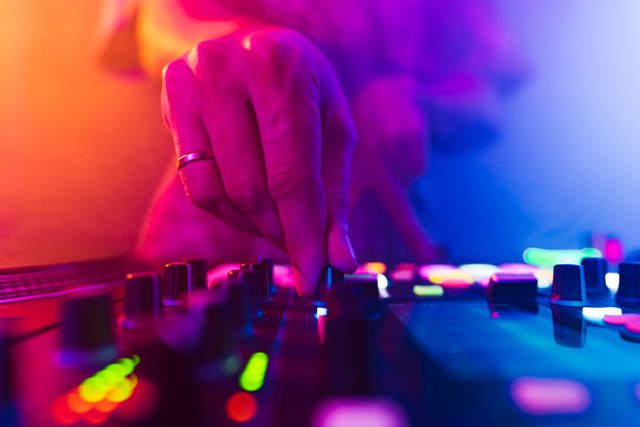
  • Friedrichshain & Kreuzberg: The epicentre of alternative culture. Separated by the Spree, these districts merge edgy street art and multicultural food with the city's most legendary nightlife.
  • Neukölln: A bohemian bubble. Once somewhat gritty, it’s now known for international delicacies and art galleries. Head here for some vibrant canal-side energy.
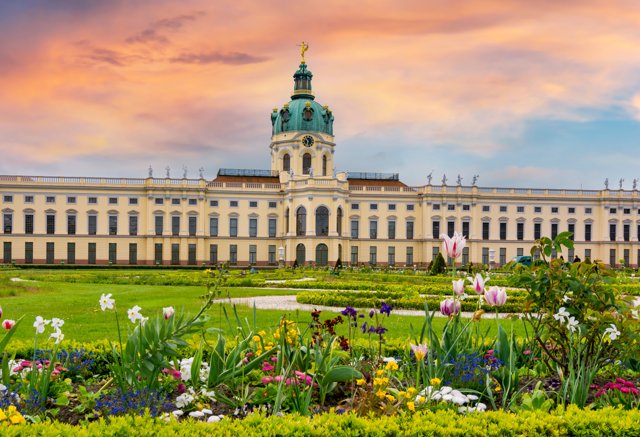
  • Charlottenburg-Wilmersdorf: Classy and refined. Trade the graffiti for luxury boutiques, baroque palaces, and sophisticated jazz bars in this posh side of the Old West.
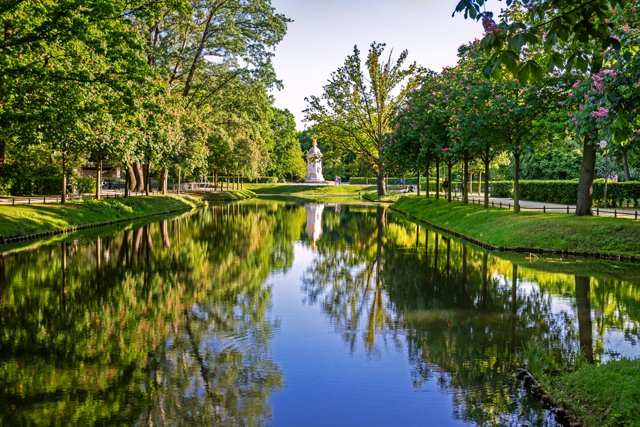
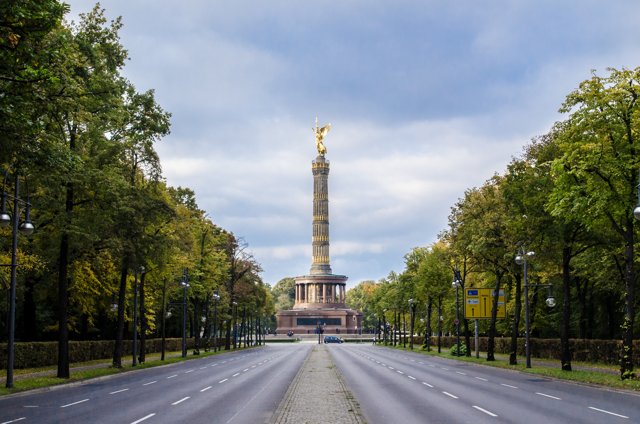
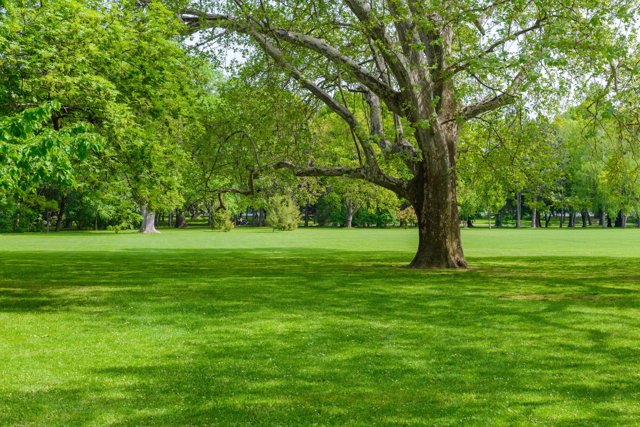
  • Tiergarten: An urban oasis. This vast forest within the city offers a peaceful escape with bike paths, beer gardens, and the iconic Victory Column.

Gastronomy

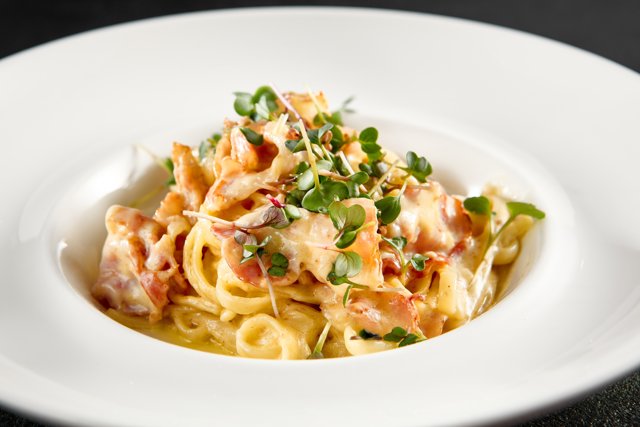
Berlin’s food scene reflects the multiethnic character of its residents. It’s where high-end European dining meets earnest street food. For international flavours, the city is particularly known for its Vietnamese and Korean cuisine, especially in districts like Mitte and Charlottenburg. If you prefer Old World classics, you will find French brasseries and traditional Italian trattorias dotted across many neighbourhoods.

Eating out remains relatively affordable compared to some other major European capitals; look out for Mittagstisch (lunch offers), which provide good-value meals at lower midday prices. For a local fix, stop by one of the city’s many specialty coffee shops for a carefully brewed roast and perhaps a slice of Apfelstrudel. A late-night Gemüsekebab is a popular choice, while the iconic Currywurst — a sliced sausage served with spiced ketchup — remains a classic local staple.

Berlin is widely recognised for its strong vegan scene, which forms an established part of the city’s food culture. From fully plant-based restaurants to vegan adaptations of traditional street food, options are extensive and easy to find throughout the city.

City Rhythm

Berlin moves to a heartbeat of relaxed intensity. While the workday happens with the usual German efficiency, the city takes full advantage of the well-deserved time off that is best spent outdoors. Year-round, you will see locals seeking frische Luft (fresh air) in parks, with the rhythm shifting significantly between the gritty, 24-hour pulse of the east and the more manicured, early-to-bed elegance of the west.

Sundays are sacredly slow due to the Ladenschlussgesetz (shop closing law). Aside from Spätis and a few supermarkets in the train stations, retail is dormant. Even so, the city doesn’t sleep; Sunday is instead the day of the flea market. Whether it’s the chaotic Bearpit Karaoke at Mauerpark or the quiet vinyl hunting at Arkonaplatz, the weekend rhythm is defined by browsing, brunching, and long sessions in beer gardens.

Things To Do

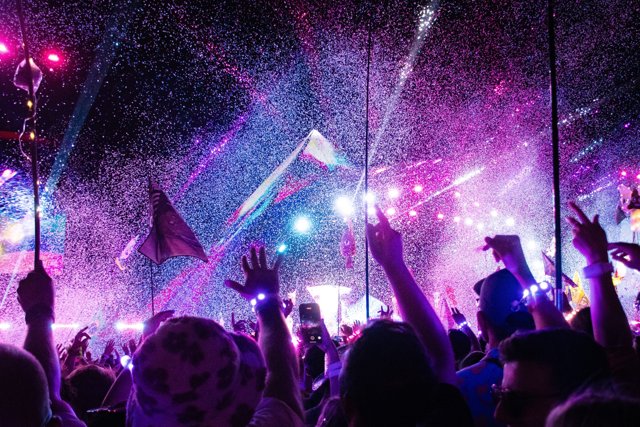
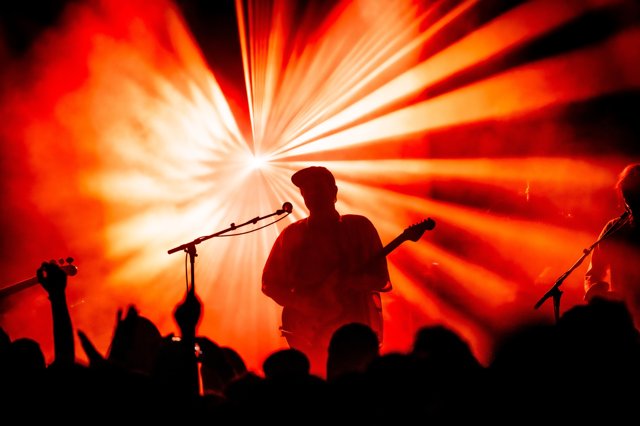
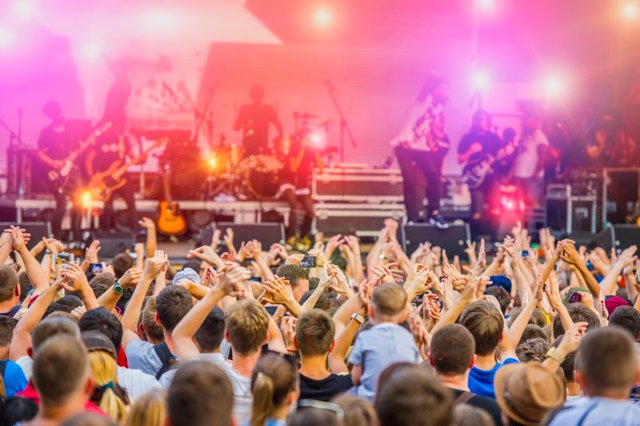
Berlin is a sanctuary for the curious, rewarding those who embrace its juxtaposition of high culture and industrial grit. History enthusiasts can stand where the Wall once fell or explore the ancient treasures of Museum Island, while connoisseurs of the avant-garde will find their home in the city’s repurposed bunkers and thrumming techno temples.
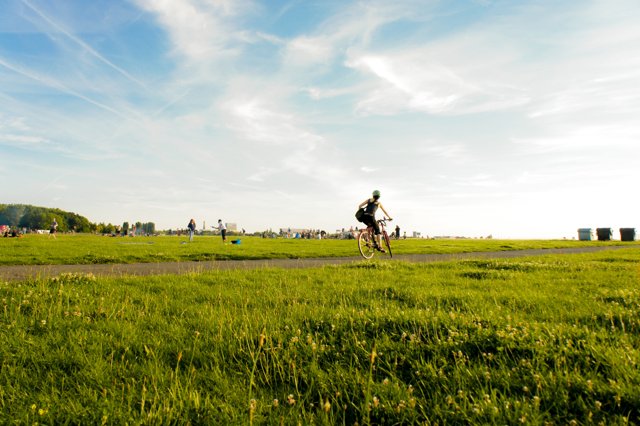
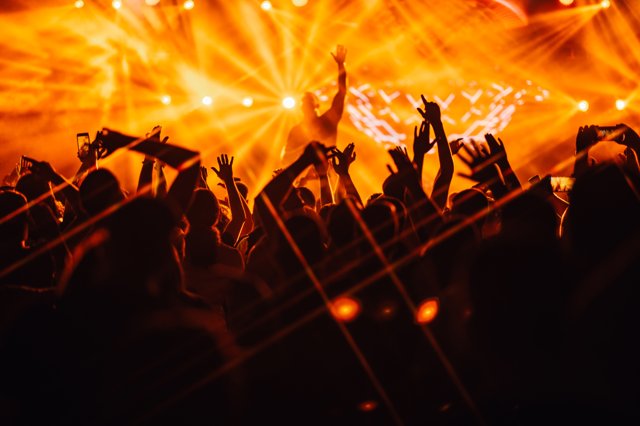
Each traveller can discover the side of Berlin that speaks to their idiosyncrasies. Some will spend a Sunday hunting for vintage treasures at a local flea market, or cycling through the vast meadows of Tempelhofer Feld. Others yet will admire Old Masters at the Gemäldegalerie or discover stencilled and spray-painted works through the street art of Kreuzberg and Friedrichshain. As the sun sets, locals will grab a drink at a Späti before heading to a world-famous club or a lakeside beer garden. Join them! Whether you are lured by the Michelin-starred dining of the west or the raw, multicultural energy of a Neukölln canal-side bar, Berlin delights the "posh and the punk" alike. Berlin’s curfew-free rhythm ensures the adventure only ends when you choose to call it a night.
Best hotels in Berlin

Frequently asked questions

Is Berlin safe?

-Berlin is generally considered a safe and welcoming capital. As in any major city, it’s advisable to stay aware in crowded areas and keep an eye on your belongings, particularly around major transport hubs and tourist attractions. Normal precautions are usually sufficient for a comfortable stay.

Is Berlin cheap or expensive?

Berlin remains relatively affordable compared to some other major European capitals, although prices have risen in recent years. Travellers can still find good value through Mittagstisch (lunch specials), public transport passes, and reasonably priced neighbourhood restaurants. Tap water is safe to drink throughout the city.

Is English spoken in Berlin?

Absolutely. English is the lingua franca of the service industry. While a greeting in German is always polite, you’ll have no trouble navigating menus or asking for directions in English in almost any neighbourhood.

Where is the "heart" of Berlin?

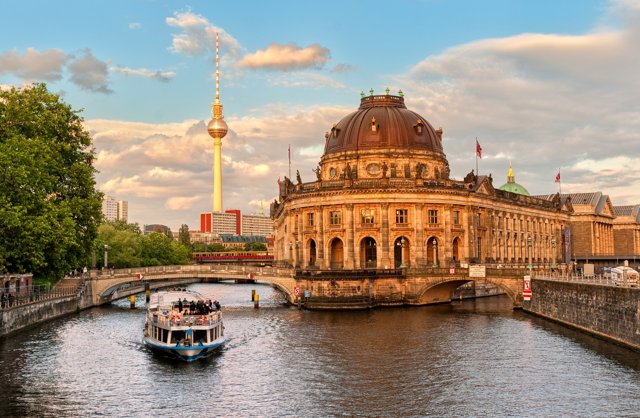
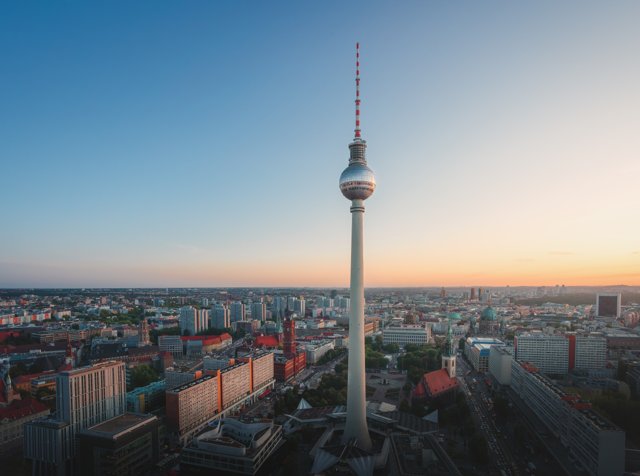
Berlin is polycentric — it has many hearts. Mitte is the historical and administrative centre (home to the TV Tower and Brandenburg Gate), but locals usually find their "real" heart in their own borough, whether that’s the alternative streets of Kreuzberg or the leafy squares of Prenzlauer Berg.

What is Checkpoint Charlie?

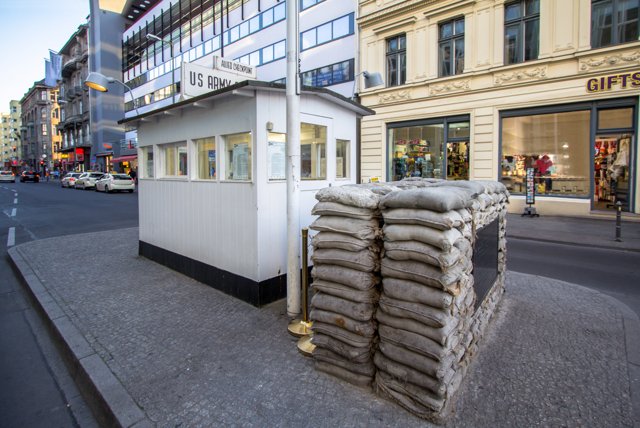
It was the most famous crossing point between East and West Berlin during the Cold War. Today, it’s a major tourist landmark featuring the iconic "You are now leaving the American Sector" sign. A nearby open-air museum provides excellent historical context.
What are the must-see attractions?

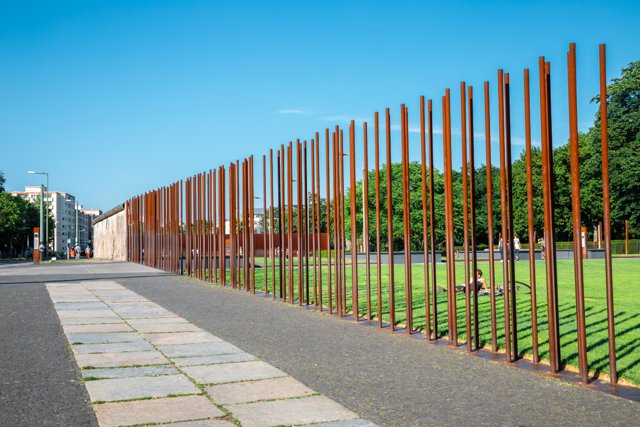
The "Big Five" are the Brandenburg Gate, the Reichstag (with its glass dome), Museum Island, the Berlin Wall Memorial (Bernauer Straße), and the East Side Gallery.
How many days do I need?

To see the main sights without rushing, 3 to 4 days is the sweet spot. If you want to include a day trip to Potsdam or properly dive into the nightlife, 5 to 6 days is better.

Where are the best shopping areas?

For luxury and Old West glamour, head to Kurfürstendamm. For independent boutiques and urban style, explore Hackescher Markt. If you want everything under one roof, the Alexa at Alexanderplatz or the Mall of Berlin at Potsdamer Platz have you covered.

Is Berlin a good destination for families with kids?

Surprisingly so. Berlin is incredibly green and family-friendly. The Berlin Zoo, LEGOLAND Discovery Centre, and the Natural History Museum (with its massive dinosaurs) are hits. Pro Tip: One adult with a Berlin WelcomeCard (Zone ABC) can take up to three children (ages 6–14) for free on public transport.

Can I drink alcohol in public?

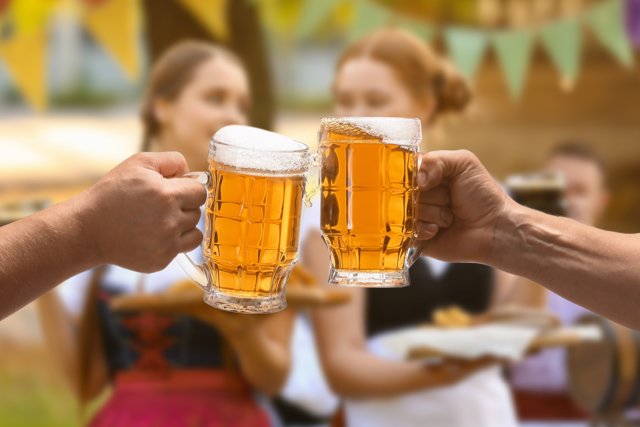
Yes. Many locals indulge in a beer (Wegbier) on the street or in a park. While drinking outdoors is legal and culturally accepted, you should always consume responsibly and respect public order. Also, remember to leave your empty bottle beside a bin for the Pfandsammler (bottle collectors) rather than throwing it away.

Top destinations