Amsterdam

Four centuries of Golden Age ambition, distilled into a city you can cross by bike in twenty minutes.

  • Amsterdam

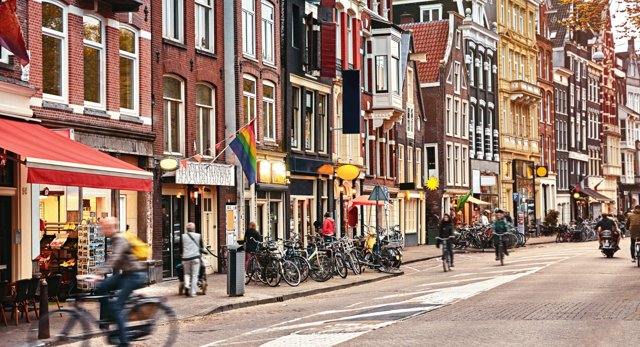
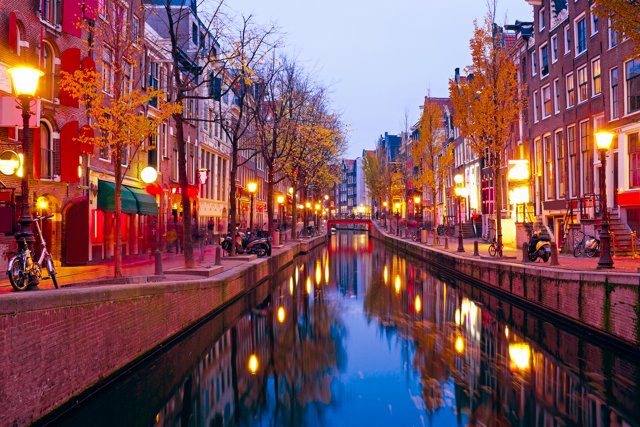
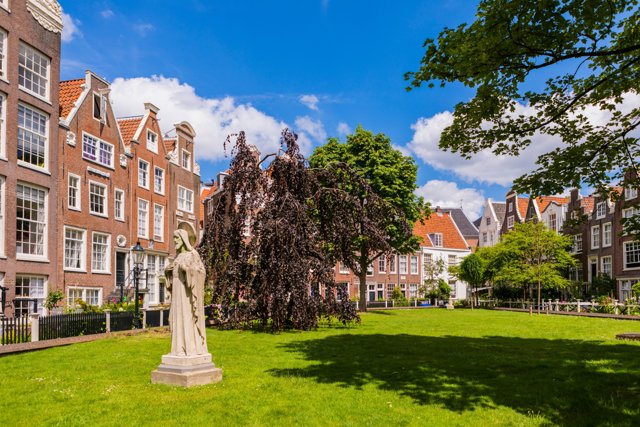
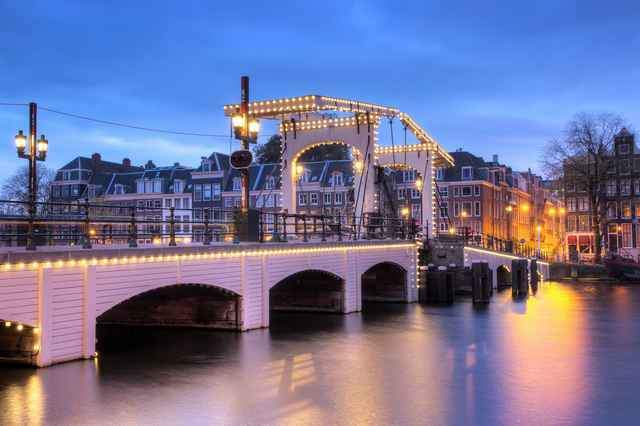
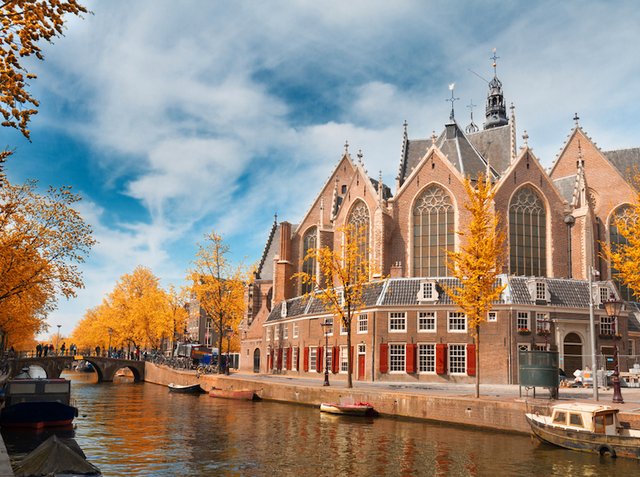
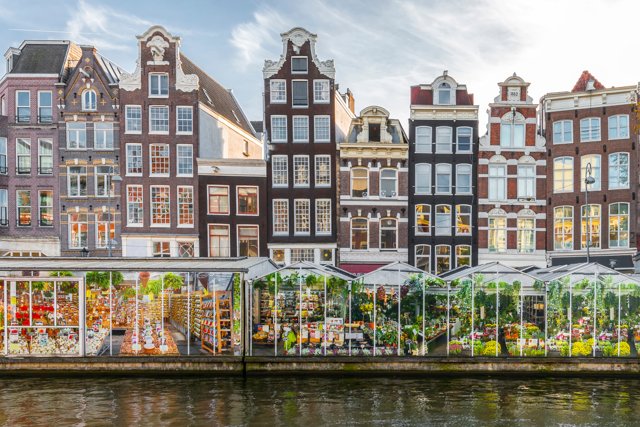
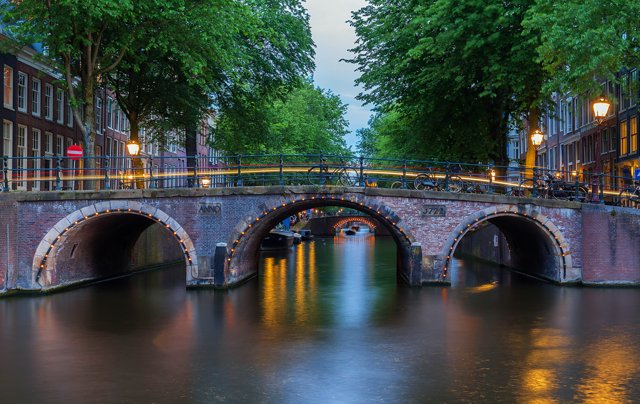
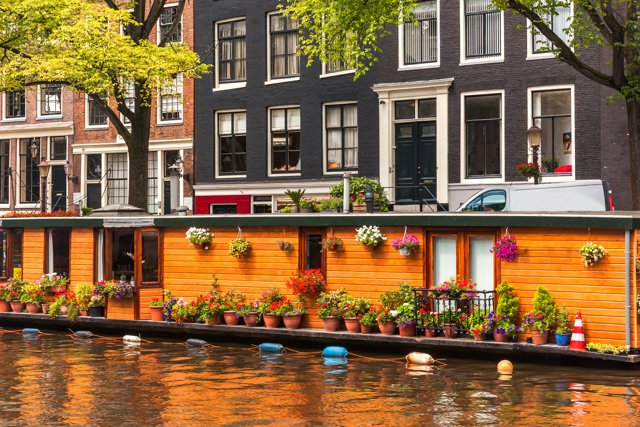
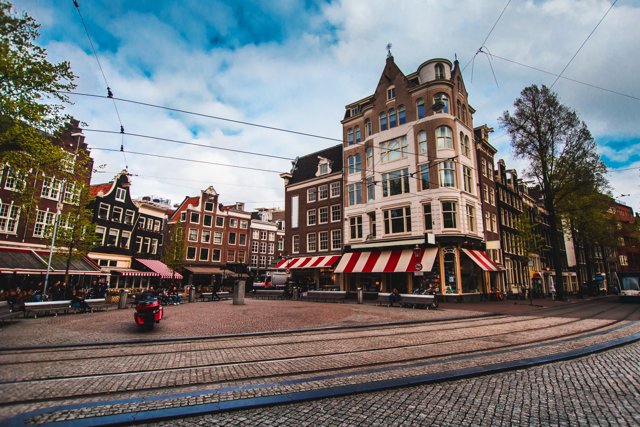
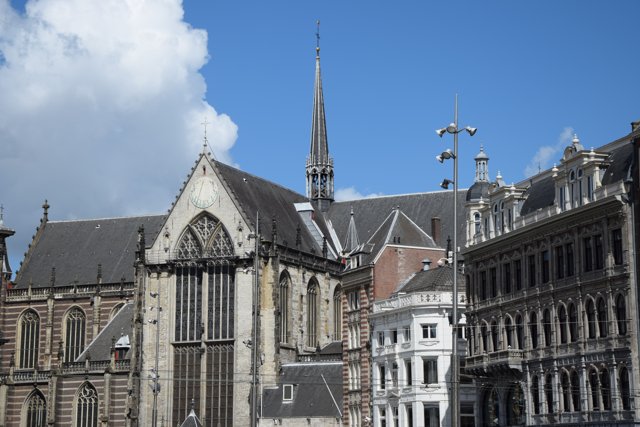
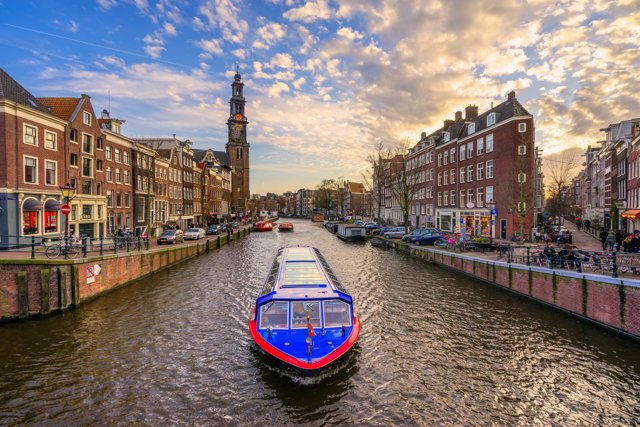
    Few cities pack as many contradictions into such a compact space as Amsterdam. The Canal Ring (Grachtengordel), a UNESCO World Heritage Site, is lined with narrow 17th-century brick buildings leaning gently over the water. Contemporary architecture sits just a short tram ride from houseboats and historic canals, while streets reclaimed from cars decades ago now move largely on foot and by bike.

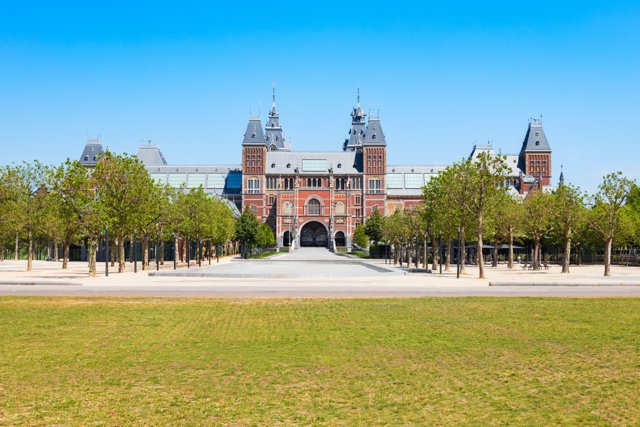
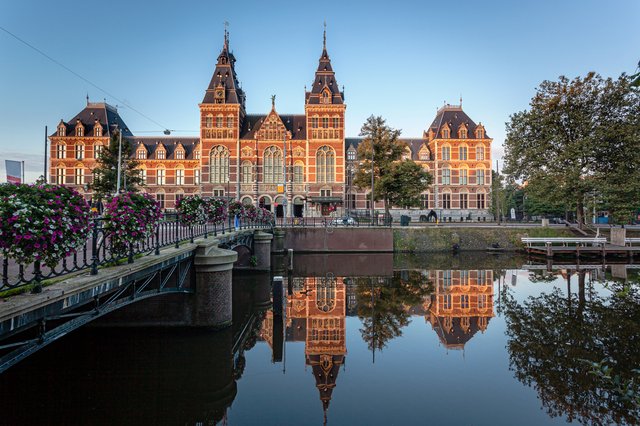
    Amsterdam is a capital that still feels like a small town. More than 50 museums serve a city of fewer than a million people, anchored by institutions such as the Rijksmuseum, the Van Gogh Museum and the Stedelijk. Cultural life is serious without being stuffy, the social atmosphere open and informal. Look closely and the city reveals a quiet sense of whimsy, balanced by Dutch directness and a deeply practical approach to everyday life.
Unique experiences in Amsterdam

Plan your trip

Entry Requirements & Travel Documents

The Netherlands is part of the Schengen Area. EU and EEA citizens can enter with a valid passport or national ID card. Travellers from many non-EU visa-exempt countries can stay up to 90 days within any 180-day period without a visa. Your passport must be valid for at least three months beyond your intended departure date and issued within the last ten years.

From late 2026, visitors from visa-exempt countries will need to obtain ETIAS authorisation online before arrival. Until then, passport-only entry remains in place. Always check the latest entry requirements on the official Dutch government website before departure.

Money, Currency & Paying in Amsterdam

The local currency is the euro (€, EUR). Amsterdam is increasingly cashless. You can pay with a card or tap your phone almost everywhere. That said, carrying some cash remains sensible, as a handful of independent spots still prefer it.


The Netherlands has a long history with Maestro debit cards, but Visa and Mastercard are now the standard. American Express is less widely accepted. ATMs generally offer better rates than exchange desks; avoid those near Centraal Station in particular. Try to carry notes under €100 when possible.

If you're splitting a restaurant bill, let your server know before ordering — most locals let one person pay and settle up afterwards using Tikkie, a widely used payment app.

Weather, Seasons & When to Visit

Amsterdam has a temperate maritime climate: mild but unpredictable, with drizzle and rain possible at any moment. Packing a waterproof layer is always wise. Locals check minute-to-minute forecasts on Buienradar almost religiously.

Spring (March to May) is arguably the best time to visit. Temperatures are comfortable, the tulip fields around Keukenhof are in full bloom, and the city feels alive without the peak-summer crowds. 

Summer (June to August) is warm, with long evenings typical for Northern Europe. Unfortunately, it’s also the busiest tourist season.

Autumn (September to October) offers cooler days, softer light, and a quieter city, clad in yellow and brown tones.

Winter (November to February) is cold and grey, but Christmas markets and cosy brown cafés — Amsterdam's beloved bruine kroegen — make it charming in its own way.

Health Insurance

Visitors from the EU should carry a valid EHIC or GHIC to access public healthcare under the same conditions as residents. Non-EU travellers should arrange comprehensive medical insurance before arrival. Keep all receipts and documentation for reimbursement through your insurer.

For emergencies, dial 112 — the Europe-wide emergency number for ambulance, fire, and police. Operators speak English alongside Dutch. If you are deaf or hard of hearing, you can text the equivalent service on 0800 8112.

Connectivity, Roaming & Mobile Data

Free Wi-Fi is widely available in hotels, cafés, museums, and many public spaces across Amsterdam.

If your mobile plan is from an EU/EEA provider, you can "Roam Like at Home" with no extra charges. If your plan is from outside the EU/EEA, check roaming costs with your provider before departure.

For data on the go, consider getting a local SIM card or eSIM. Unlike in some European countries, prepaid SIM cards in the Netherlands generally do not require registration. You'll find them in supermarkets, kiosks, petrol stations, phone shops, and at Schiphol Airport.

Airports & Main Arrival Hubs

Amsterdam Airport Schiphol (AMS) is the Netherlands' main international airport and one of Europe's busiest hubs, serving over 300 direct destinations worldwide. It is well organised and easy to navigate, with a single terminal building that keeps arrivals, connections, and onward travel all under one roof. The city centre is just 15 minutes away by train — one of the fastest airport-to-centre connections in Europe.

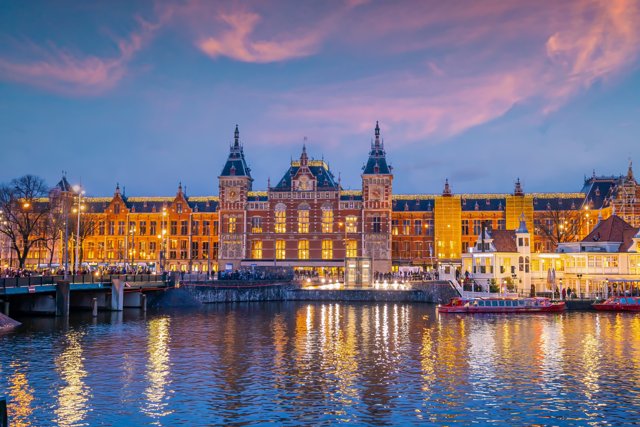
Amsterdam Centraal is the city's main railway station, with frequent international services from London (via Eurostar), Paris, Brussels, and Cologne. Long-distance coaches, including Flixbus and BlaBlaCar Bus, arrive at Amsterdam Sloterdijk on the western edge of the city, which connects to the centre by train in around five minutes.

Main Train Stations

Amsterdam Centraal is one of the busiest train stations in Europe. International services include the Eurostar from London, Paris, and Brussels; the ICE from Frankfurt and beyond; and the Nightjet sleeper train connecting Amsterdam overnight to Vienna, Zurich, and Munich. Domestic services run frequently to cities across the Netherlands, including The Hague, Rotterdam, and Utrecht.

The station is located right on the northern edge of the historic inner city. Naturally, it’s connected to trams, buses, the metro, and the IJ ferry.

Several satellite stations serve key parts of the wider city. Amsterdam Zuid is the most significant, connected to the business district and Schiphol Airport. Amsterdam Amstel and Amsterdam Sloterdijk both serve as interchange points for regional and suburban trains.

From the Airport to Central Amsterdam

Schipol Airport has a train station directly beneath the terminal. You can catch a Sprinter or Intercity train to the central station in 15–20 minutes. Trains run through the night, making this a reliable option at any hour. There are also local buses and hotel shuttles that may bring you directly to your accommodation. 

Taxis and ride-hailing services are available outside the arrivals hall. Journey times to the centre are similar to the train, though traffic can add time during rush hour.

Once at Amsterdam Centraal, trams, buses, and metro lines fan out across the city. If your hotel is in the centre, many are within walking distance of the station. For neighbourhoods further out, a single tram or metro ride is usually all it takes.

Taxis & Ride-Hailing

Amsterdam has excellent public transportation, but sometimes you just want to relax and be driven to your destination. Official taxis have a blue number plate, a rooftop sign, and a visible meter inside. Always check for the meter before setting off — you pay what it shows on arrival.

Uber and Bolt both operate in Amsterdam. At Schiphol, follow signs to the designated app pick-up point. 

A metered taxi to the centre typically costs €35–€55, though this can rise depending on distance and time of day. Travelling in a group? Schiphol Travel Taxis offers shared rides for up to eight passengers.

Arrival Tips & Common Mistakes to Avoid

  • Avoid drivers who approach you inside Schiphol or around Centraal Station offering rides — these are not authorised operators, and they often charge outrageous prices.
  • You can pay for your train ride by tapping your bank card at the gates. You have to tap in when you board and tap out when you get off, one card per person.
  • Exchange desks at Schiphol offer poor rates. Use an ATM or pay by card instead.
  • Amsterdam Centraal can feel overwhelming on arrival. If you're unsure which tram or metro to take, the GVB service desk inside the station is staffed and easy to find.

Public Transport & Zones

Amsterdam's city transport is operated by GVB and covers trams, buses, metro, and the free IJ ferries that cross the river behind the Centraal Station. Trams are the most practical option for getting around the centre. They run frequently, are easy to navigate, and let you travel with a view. The metro is faster for longer distances and for reaching Amsterdam Zuid and the outer districts.

Most journeys within the city fall within a single fare zone, so there is no need to think too carefully about zones unless you are travelling further afield. Real-time journey planning is straightforward via the GVB app or Google Maps.

Tickets & Passes

Paying for public transportation in Amsterdam is very easy thanks to a system of contactless payments called OVpay. You can simply tap in and out with your bank card or phone’s digital wallet, and the fare is calculated based on the distance you travel. Keep using the same card, because daily fares are capped once you reach a certain limit.

Depending on your plans, a multi-day GVB ticket might be a good idea. These tickets give you unlimited trips within Amsterdam, and you can get a discounted pass for children under 11. 

Another interesting option is the I amsterdam City Card. It grants you free entry to 70+ top museums (including Rijksmuseum), a free canal cruise, bike rental, and unlimited GVB public transport for 24 to 120 hours.

Walking & Cycling

Amsterdam began its transition away from a car-centric city in the early 1970s. Pedestrians and cyclists have "reclaimed the streets", gradually reversing the rapid motorization of previous decades.

Walking through the cobbled streets, along the canals and through the parks is an absolute joy. Yes, some sidewalks can be narrow and crowds can build up in summer, but the sheer amount of quirky design decisions and architecture will blow you away. The Dutch famously don’t use curtains — every house is a dollhouse, waiting to be explored with an unintrusive glance. 

Biking here is like nowhere else in the world, and cyclists rule the streets. Get your ride through Donkey Republic, with the I amsterdam City Card, or at one of the many traditional bike rental shops.

Nearby Destinations / Day Trips

You can easily spend your entire trip within the city limits, but Amsterdam is an excellent base for exploring the Netherlands. Trains are frequent, distances short, and most destinations are reachable within an hour.

Zaanse Schans offers working windmills and traditional Dutch crafts. From mid-March to mid-May, Keukenhof Gardens near Lisse give you iconic fields of colourful tulips — go early to beat the crowds. Haarlem is a handsome historic city with the multidisciplinary Teylers Museum, the oldest in the Netherlands. For beaches, Zandvoort and Heemskerk are both half an hour away.

Further afield, Delft is famous for its blue-and-white pottery and Vermeer connections. Leiden is a lively university town and Rembrandt's birthplace. The Hague is home to the Mauritshuis gallery and its star attraction, Vermeer's “Girl with a Pearl Earring”. Rotterdam, largely rebuilt after the Second World War, offers some of Europe's boldest contemporary architecture.

Accessibility & Basic Safety Tips

For accessible travel by train, NS (Nederlandse Spoorwegen) provides travel assistance, accessible facilities on board, and support cards for those who need a companion. For trams, buses, and metro, GVB publishes route information indicating which stops and services are not wheelchair accessible or lack ramps.

Amsterdam is generally safe, but two things catch nearly every first-time visitor off guard. First, cyclists have absolute priority on bike lanes and rarely slow down, so don’t even think about walking on bike paths, and always look both ways before crossing one. Second, watch out for brommobielen: small mini-cars that are legally permitted on bike lanes. They move faster than you'd expect and appear out of nowhere.

As is the case in any big city, pickpocketing is a risk in crowded areas.

Language, Culture & Local Etiquette

Dutch is the official language, but most Amsterdammers speak fluent English — often switching before you even ask. You'll rarely struggle to communicate.

The Dutch have a reputation for directness. Straightforward, no-frills communication is the norm here, not a sign of rudeness. You'll also notice that curtains are often left open — a tradition rooted in Calvinist values around transparency, combined with a desire for natural light. Feel free to admire the cosy interiors, but don't stare.

Cycling is not just for leisure! Locals have places to be. Never walk in a bike lane. Seriously.

Tipping is appreciated but not expected. Staff are paid a living wage and what you see on the menu is what you pay. In bars, cafés, and taxis, you can round up to the nearest euro. In sit-down restaurants, 5–10% is a generous gesture for genuinely good service.

Neighbourhoods

  • City Centre (Canal Ring) is the obvious base for first-time visitors. It includes the picturesque Jordaan with its boutiques-filled Nine Streets (Negen Straatjes), and the lively squares of Leidseplein and Rembrandtplein. De Wallen, the old medieval quarter, is also here.
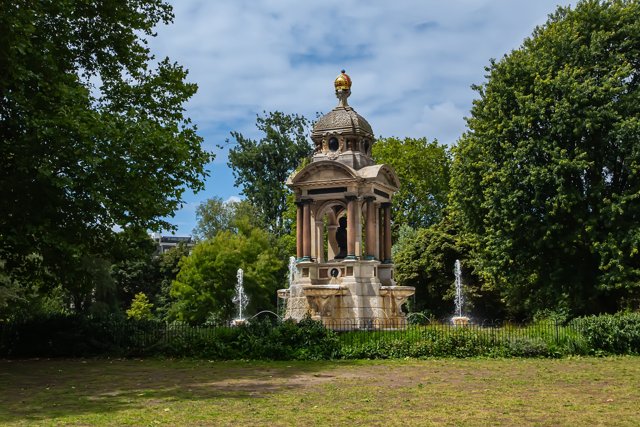
  • Oud-Zuid (Old South) is home to Vondelpark and the unmissable museum trio — the Rijksmuseum, the Van Gogh Museum, and the Stedelijk. Elegant and unhurried, it’s great for families and culture-focused visitors.
  • De Pijp is Amsterdam's bohemian quarter, anchored by the Albert Cuypmarkt and Sarphatipark. A favourite of students and creatives since the 1960s, it delivers excellent food, lively terraces, and an easy-going energy.
  • Oost (East) is a residential neighbourhood built around the Oosterpark and the leafy Plantage district. Less touristy than the centre, it rewards those who enjoy wandering without a strict agenda.
  • Noord (North) is just across the IJ River from the Central Station. A free ferry drops you into a neighbourhood of former shipyards turned creative spaces, excellent restaurants, and waterside terraces. Well worth the five-minute crossing

Gastronomy

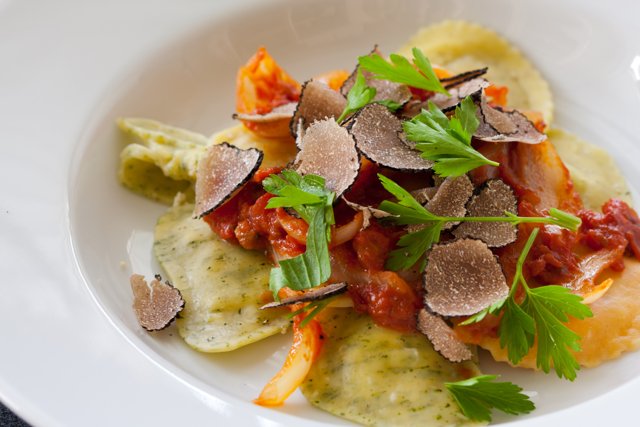
Traditional Dutch cuisine is pretty hearty, great for those rainy days. Bitterballen (crispy fried beef ragù balls, always served with mustard) are the default bar snack. Stamppot (mashed potato combined with vegetables and served with smoked sausage) is winter comfort food. A pickled herring sandwich (broodje haring) from a street stall is a rite of passage.

Day-to-day Dutch eating is unfussy: breakfast or lunch is often a slice of bread with butter and hagelslag (chocolate sprinkles, eaten entirely without irony) or a few slices of Gouda, Edam, or Maasdam.

Amsterdam's cafés, especially the cosy bruine kroegen, are worth lingering in over a specialty coffee and an appelflap or stroopwafel.

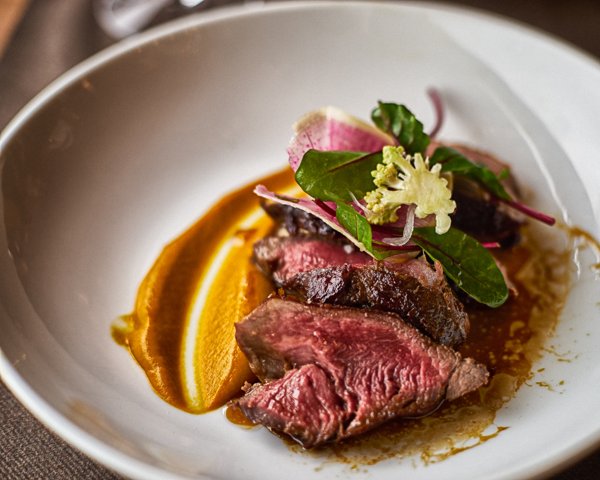
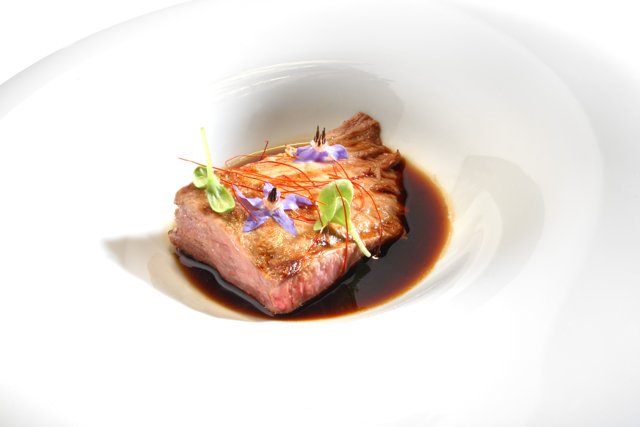
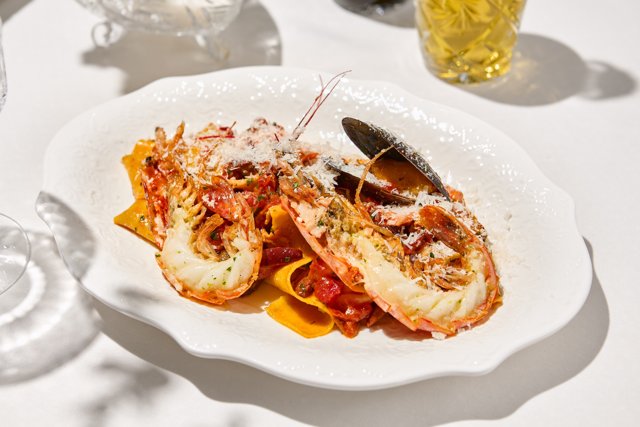
Indonesian food, a legacy of Dutch colonial history, deserves a category of its own. Rijsttafel is an elaborate spread of small rice-based dishes that might well become the highlight of your trip. And for special occasions, Amsterdam has no shortage of Michelin-starred restaurants.

City Rhythm

Amsterdam moves at the pace of a bicycle — purposeful but never frantic. Mornings start early in neighbourhood cafés and bakeries, and the canal-side streets fill quickly with commuters cycling to work.

The Dutch work hard, but also treasure their personal time. Shops close earlier than in many European cities, and weekday evenings tend to be low-key: dinner with friends, a drink at a brown cafe, or a quiet walk along the canals. This is gezelligheid in practice — an untranslatable quality of warmth and togetherness that shapes social life here more than any particular event or venue.

Weekends feel different. Markets open early, terraces fill by mid-morning, and the city feels genuinely festive in good weather. In winter, the long dark evenings push life indoors, into candlelit bars and behind steamed-up café windows that make Amsterdam feel remarkably cosy.

Things to Do

Start by exploring the city centre on foot, by bike, or by boat along the Canal Ring. The 17th-century waterways are a UNESCO World Heritage Site, and an hour drifting past Golden Age merchant houses tells you more about Amsterdam's history than most museums can. From Centraal Station, the whole historic centre is within easy reach.

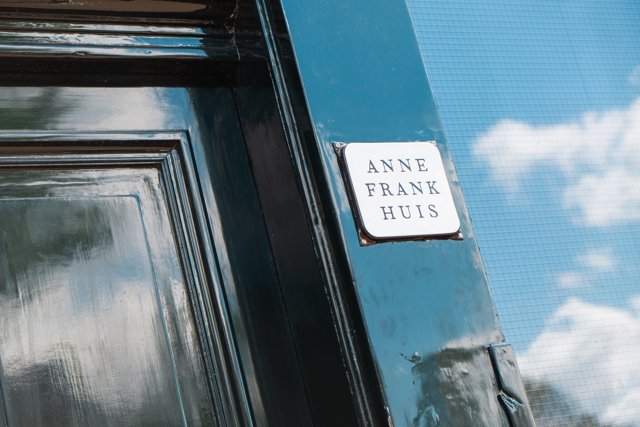
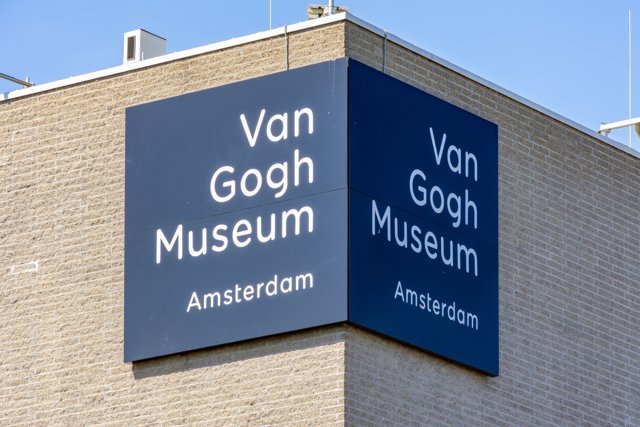
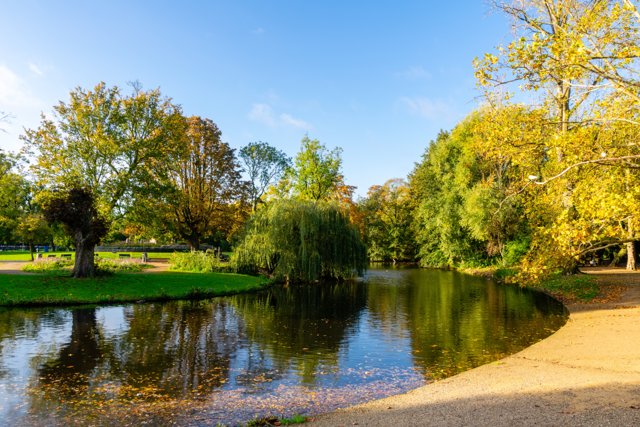
Set aside a full day for the museum quarter in Oud-Zuid. You could easily spend several hours in the Rijksmuseum. The Van Gogh Museum next door traces the painter's life through the world's largest collection of his work. The Vondelpark is right there, perfect for resting your eyes between seeing so many masterpieces. The Anne Frank House in the Jordaan district is emotionally demanding but one of the most significant historical sites in Europe. 

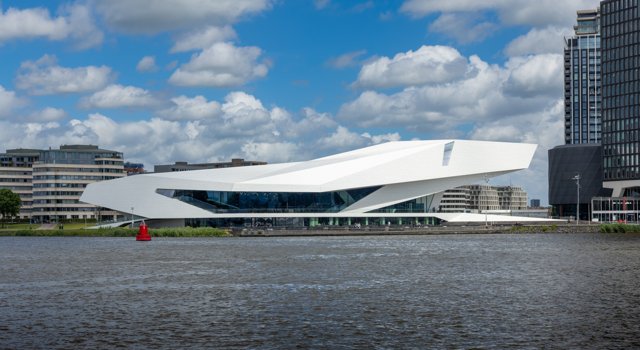
For a change of pace, take the free ferry to Amsterdam Noord. The EYE Film Museum faces the water on arrival, and the former NDSM shipyard behind it has become one of the city's most interesting creative and cultural spaces.

Best hotels in Amsterdam

Frequently asked questions

When is King's Day and what should I expect?

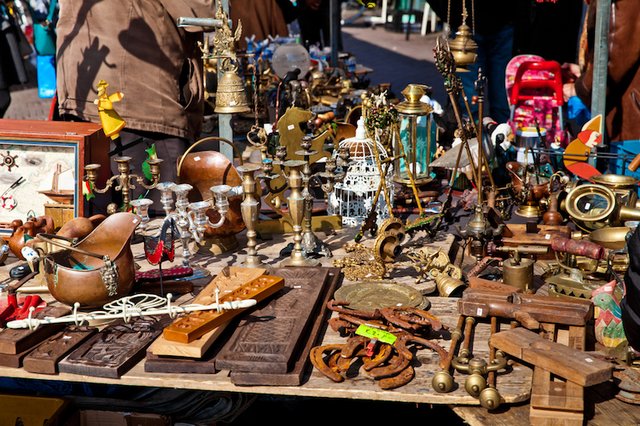
King's Day (Koningsdag) falls on 27 April each year and is Amsterdam's biggest street party. The entire city turns orange, canals fill with boats, and flea markets pop up on every corner. It's a fantastic day to be in the city, but accommodation fills up months in advance and the crowds are considerable. Plan accordingly.

Do I need to prebook museum tickets?

Yes, for the main ones. The Rijksmuseum, Van Gogh Museum, and Anne Frank House all operate timed-entry systems and sell out well in advance, particularly in summer. Book online before your trip.

Can I drink the tap water?

Yes. Amsterdam's tap water is clean, safe, and consistently rated among the best in Europe. There is no need to buy bottled water.

Should I rent a car?

No. A car is not just unnecessary in Amsterdam — it is a genuine liability. Parking is extremely limited and expensive, many streets are closed to traffic, and navigating around trams, cyclists, and pedestrians is stressful. Public transport, walking, and cycling cover everything.

Is Amsterdam safe?

Amsterdam is generally a safe city. Pickpocketing does occur, particularly around Centraal Station, on busy trams, and in the Red Light District. Keep an eye on your belongings in crowded areas and you are unlikely to have any trouble.

How many days do you need in Amsterdam?

Three days is enough to cover the main museums, explore the Canal Ring, and get a feel for the different neighbourhoods. Four or five days allow for a day trip and a slower, more rewarding pace.

Is Amsterdam good for children?

Very much so. The canal boats, open-air markets, and cycling culture all translate well for families. The Rijksmuseum has dedicated family programming, and day trips to Zaanse Schans or the beaches at Zandvoort are easy and well suited to kids.

Can I get around without biking?

Absolutely. Trams, buses, the metro, and the ferry cover the city well, and central Amsterdam is very walkable. Cycling is part of daily life here, but it is not obligatory,  especially if you are not comfortable riding in busy urban traffic.

Top destinations