Amsterdam

Four centuries of Golden Age ambition, distilled into a city you can cross by bike in twenty minutes.

  • Amsterdam

    Few cities pack as many contradictions into such a compact space as Amsterdam. The Canal Ring (Grachtengordel), a UNESCO World Heritage Site, is lined with narrow 17th-century brick buildings leaning gently over the water. Contemporary architecture sits just a short tram ride from houseboats and historic canals, while streets reclaimed from cars decades ago now move largely on foot and by bike.

    Amsterdam is a capital that still feels like a small town. More than 50 museums serve a city of fewer than a million people, anchored by institutions such as the Rijksmuseum, the Van Gogh Museum and the Stedelijk. Cultural life is serious without being stuffy, the social atmosphere open and informal. Look closely and the city reveals a quiet sense of whimsy, balanced by Dutch directness and a deeply practical approach to everyday life.
Unique experiences in Amsterdam

Prepare your dream trip

Explore places and experiences, tap the heart to save your favorites and build your route to share. In a hurry? Get an itinerary in two steps and share or download it to Google Maps.

Use left and right arrow keys to move between filters. Press Space or Enter to toggle a filter. Press Tab to leave the filter bar.

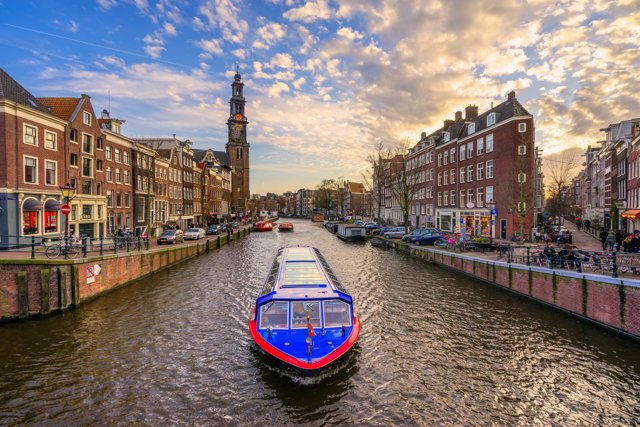
A blue and red glass-topped tour boat travels along a canal flanked by multi-story brick buildings, with a tall church tower in the background under a bright, cloudy sky.

Sights and Monuments

Canals of Amsterdam

Engineered during the seventeenth century in the Dutch Golden Age to expand global trade, this monumental masterwork of hydraulic planning successfully transformed low-lying swampland into an unprecedented network of concentric urban waterways spanning over one hundred kilometers. Stately merchant mansions adorned with ornamental gables and historic hoisting mechanisms line four principal concentric channels, where more than fifteen hundred masonry bridges seamlessly connect ninety artificial islands across the intricate, navigable aquatic layout. Gliding through these historic channels reveals an enduring civil monument, where evening streetlamp illumination reflects across silent waters, seamlessly transporting observers into centuries of northern European trade heritage and profound architectural ambition.

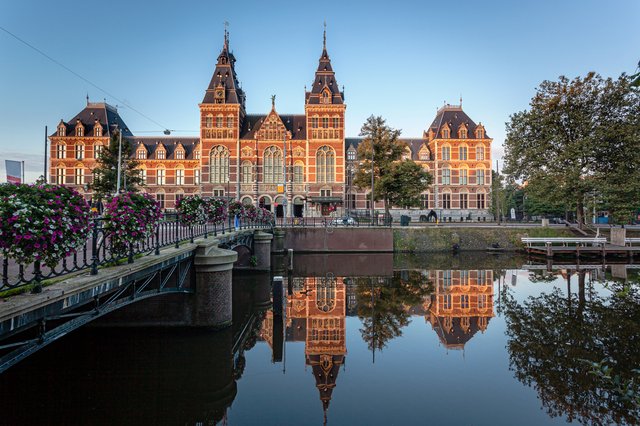
An ornate red-brick building with twin spires reflected in the calm water of a canal, alongside a bridge decorated with hanging flower baskets.

Museums and Galleries

Rijksmuseum

Designed by visionary architect Pierre Cuypers and officially inaugurated in 1885, this monumental palace of culture was specifically engineered to house eight centuries of Dutch artistic achievement within a magnificent combination of Gothic and Renaissance styles. Eighty meticulously curated exhibition halls showcase eight thousand historic treasures, prominently displaying Rembrandt’s celebrated masterpiece The Night Watch alongside iconic works by Johannes Vermeer and detailed ship models representing the nation's golden maritime era. Navigating through vaulted corridors and the glass-roofed atrium provides a profound journey across European civilization, where masterfully illuminated oil paintings and historic artifacts inspire continuous wonder, linking legendary creative heritage with enduring global appreciation. For more information on schedules and prices, please consult its official website.

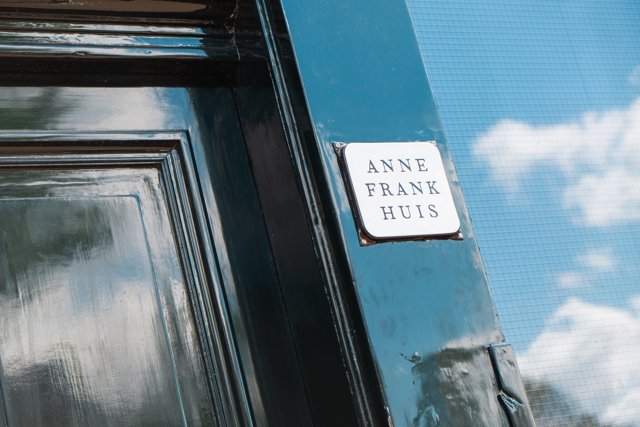
A small white plaque reading "ANNE FRANK HUIS" is mounted on a dark green doorway.

Museums and Galleries

Anne Frank House

Concealed behind an unassuming canal-side warehouse during World War II, a secret annex provided clandestine shelter for eight Jewish refugees, where young Anne Frank penned her immortal diary while facing Nazi occupation and devastation. Stepping past the historic hinged bookcase opens directly into silent, unfurnished rooms preserved according to Otto Frank's explicit wishes, featuring authentic movie star photos pasted on plaster, family height markings, and original red-checkered notebook pages. Traversing these solemn wooden spaces inspires an indelible emotional bond with human endurance, transforming physical rooms into an enduring global lesson promoting civil rights, empathy, and active resistance against persecution across modern society. For more information on schedules and prices, please consult its official website.

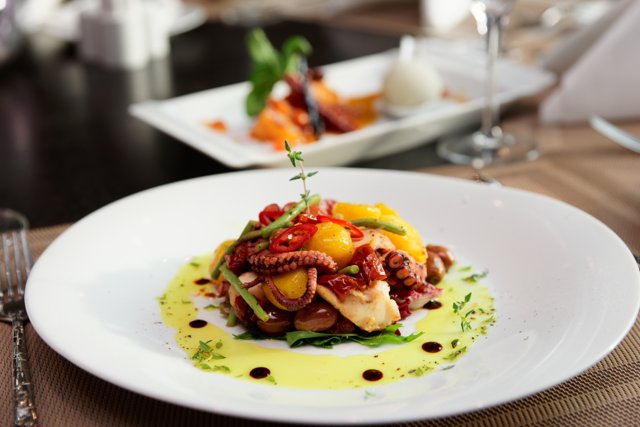
A plated octopus salad with yellow tomatoes, green beans, and chili slices, drizzled with oil on a white plate.

Fusion cuisine

Restaurant De Kas

4.7
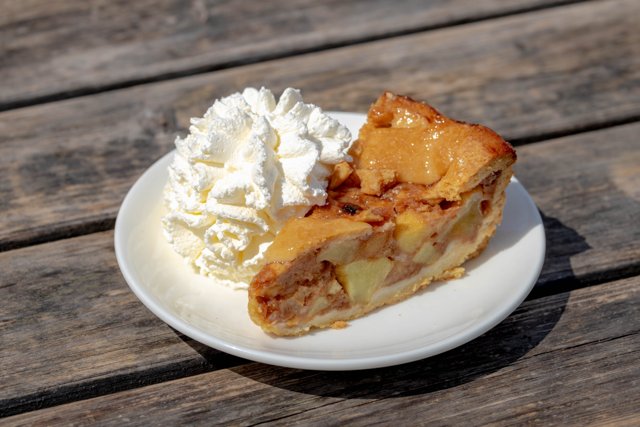
A slice of apple pie served with a dollop of whipped cream on a white plate resting on a wooden table.

Coffee

Winkel

4.5

Local Celebrations

King's Day

Apr 27
Check location in Amsterdam
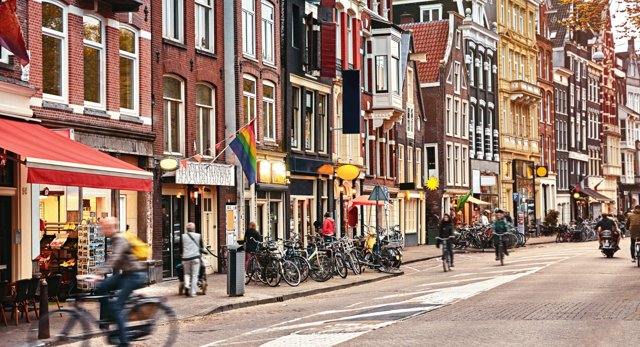
A street lined with traditional multi-story brick buildings, shops with awnings, parked bicycles, and cyclists, featuring a rainbow flag attached to a storefront.

Neighborhoods

The 9 Streets

Emerging directly from Amsterdam's grand seventeenth-century urban expansion, nine compact stone thoroughfares originally served as an industrious commercial backbone, connecting the capital's central UNESCO canal ring and accommodating specialized leather tanners and maritime craft guilds. Spanning four major historical channels, these micro-thoroughfares proudly display ornate Golden Age stepped gables while housing an eclectic collection of independent fashion ateliers, curated vintage shops, local art galleries, and traditional Dutch bakeries. Strolling along these quiet cobblestone pathways provides an authentic connection to local Dutch neighborhood culture, where serene residential watersides, illuminated evening canal bridges, and creative retail energy inspire continuous exploration throughout the capital city. For more information, please consult its official website.

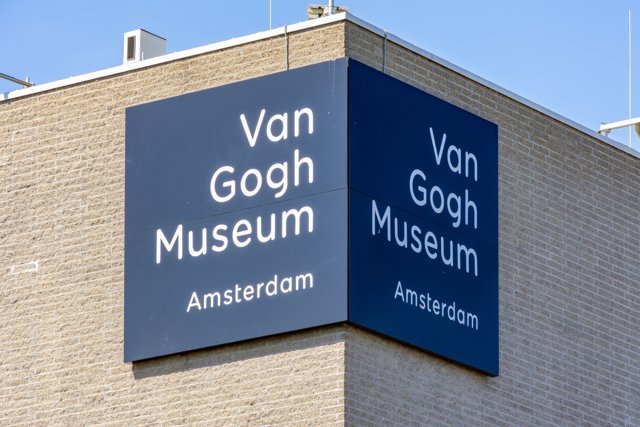
A dark blue corner sign on a light brick building with white lettering that reads "Van Gogh Museum Amsterdam."

Museums and Galleries

Van Gogh Museum

Preserving the world's most extensive collection of Vincent van Gogh's masterpieces, this institution traces the legendary painter's dramatic creative evolution, safeguarding over two hundred oil paintings, five hundred original drawings, and seven hundred intimate personal letters. Chronological glass-lit galleries display world-renowned landmark canvases including Sunflowers, The Potato Eaters, and Almond Blossom, positioned alongside personal sketchbooks and brotherly correspondence with Theo inside a sleek modernist building designed by architect Gerrit Rietveld. Walking through these bright exhibition spaces offers an intimate journey into intense artistic passion and psychological struggle, where raw brushstrokes and expressive color palettes forge an enduring emotional connection with iconic post-impressionist genius. For more information on schedules and prices, please consult its official website.

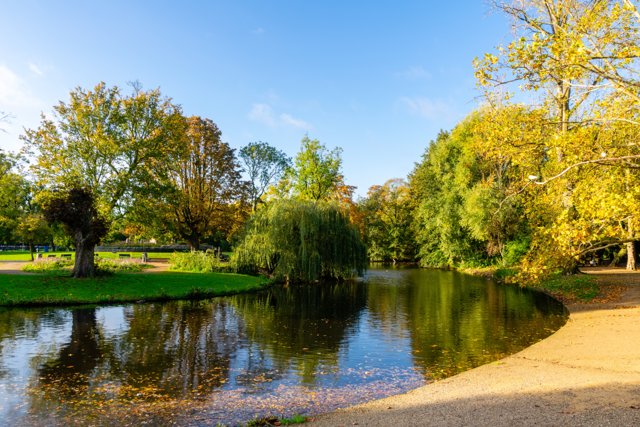
A calm park pond reflecting surrounding green and autumn-colored trees under a clear blue sky, with a dirt path curving along the shore.

Nature and Parks

Vondelpark

Established in 1865 by a collective of civic visionaries, forty-seven hectares of reclaimed marshland were successfully transformed into Amsterdam's primary urban refuge, taking its eventual name from legendary seventeenth-century playwright Joost van den Vondel. Designed in the romantic English landscape tradition by Jan David Zocher, serene winding pathways navigate around expansive lawns, tranquil ponds, an active open-air theatre, and an original concrete sculpture crafted directly by Pablo Picasso. Observing leisurely cyclists, outdoor performers, and resting locals beneath sprawling leafy canopy trees reveals an authentic slice of Dutch public life, where natural surroundings seamlessly intersect with creative community heritage throughout every changing season.

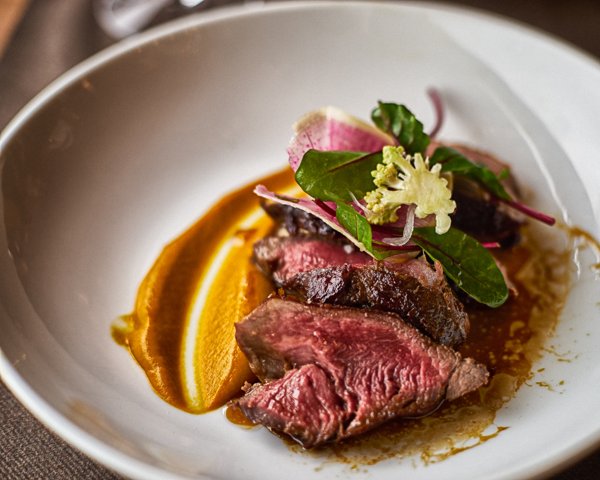
Sliced rare meat served with purée, pan sauce, and leafy greens in a shallow white bowl.

Local cuisine

De Silveren Spiegel

4.8
Hamburger with potato wedges and coleslaw Amsterdam restaurant

Burgers

The Butcher Nine Streets

4.3
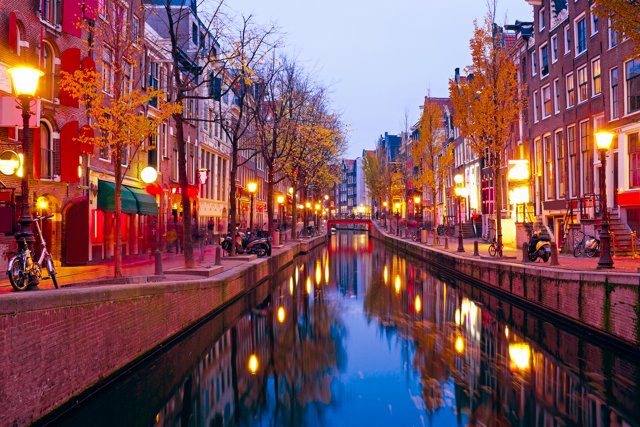
A canal lined with multi-story brick buildings and lit streetlamps reflecting on the calm water at dusk, with trees displaying autumn foliage.

Neighborhoods

Red Light District

Dating back to the late fourteenth century, Amsterdam's oldest urban neighborhood rapidly developed into a major northern European maritime trade hub where arriving international sailors sought harbor services right beside the city's ancient municipal sea dike. Intricate brick lane networks gracefully encircle the Gothic Oude Kerk, contrasting brightly illuminated glass window parlors with centuries-old merchant gabled architecture, historic craft breweries, specialized cultural museums, and exceptionally well-preserved maritime canal residences. Traversing through these glowing aquatic alleyways during evening hours unveils a deeply layered urban reality, where medieval architectural heritage, institutional social tolerance, and energetic nightlife seamlessly intersect along quietly reflective historic canals.

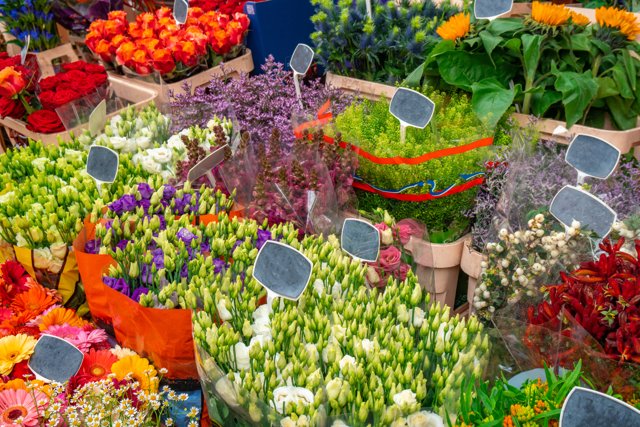
A high-angle view of a colorful market display filled with various fresh cut flower bouquets, including roses, sunflowers, and lisianthus, each with a small blank price sign.

Shops and Street Markets

Albert Cuyp Market

Named in honor of the acclaimed seventeenth-century Dutch landscape painter Albert Cuyp, this historic street trading venue was officially formalized in 1905 when municipal authorities successfully organized informal street pushcarts into a regulated municipal avenue. Stretching across more than two hundred and sixty organized outdoor stalls within the bohemian De Pijp district, local merchants display warm freshly pressed stroopwafels, aged Dutch Gouda cheeses, raw Atlantic herring, global spices, and affordable textiles. Immersing oneself in this open-air commercial pedestrian corridor reveals the authentic heartbeat of daily Amsterdam life, where appetizing culinary aromas, cheerful vendor calls, and neighborly interactions generate a deeply memorable sensory cultural encounter. For more information, please consult its official website.

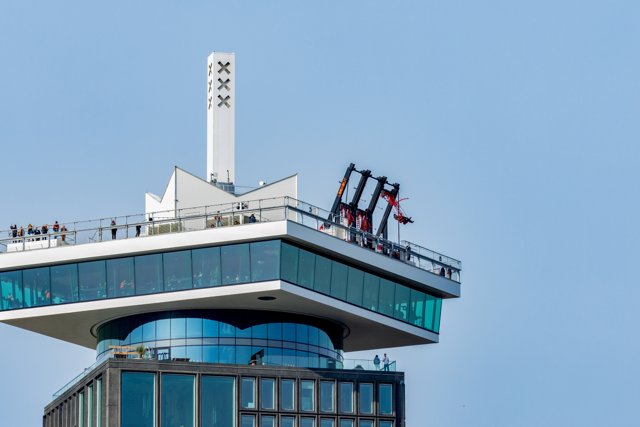
People ride a giant swing over the edge of a high-rise observation deck with a white tower featuring three 'X' marks against a clear sky.

Leisure Places

A'DAM Lookout

A'DAM Lookout offers an awe-inspiring panoramic view of Amsterdam that captivates visitors with its breathtaking scenery. Visitors can see the city's historical center, vibrant port, distinctive Dutch polder landscape, and UNESCO-listed canals. Perched atop the A'DAM Tower in Amsterdam North, this attraction promises an unforgettable adventure. Thrill-seekers will find their pulse racing with Europe's highest swing, which allows them to dangle 100 meters above ground, while those looking for a calm experience can enjoy an interactive exhibition and complimentary audio tour, which provide rich insights into Amsterdam's history and culture. Two restaurants and a bar serve up delicious dishes to wind down after the visit. Moreover, on weekends, the Panorama restaurant comes alive with energetic DJ sessions. Visitors can immerse themselves in music, soak in the stunning view, and elevate their experience to new heights of excitement. For more information on schedules and prices, please consult its official website.

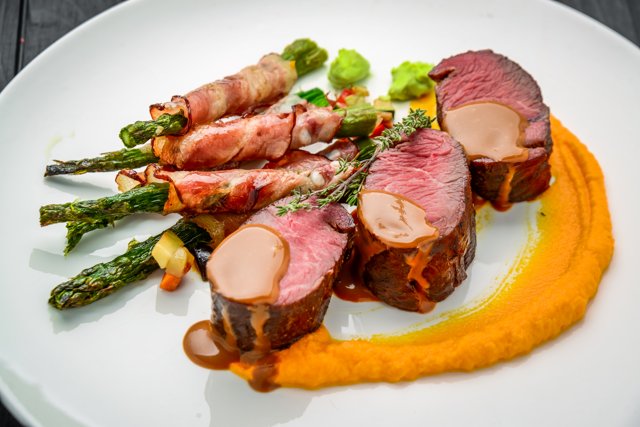
veal tenderloin with asparagus wrapped in bacon Kapitein Zeppos Amsterdam

International cuisine

Kapitein Zeppos

4.4
A grilled chicken wrap filled with meat and fresh vegetables, served with french fries and a small bowl of red sauce on a dark slate board.

Arabic cuisine

The Lebanese Sajeria

4.6
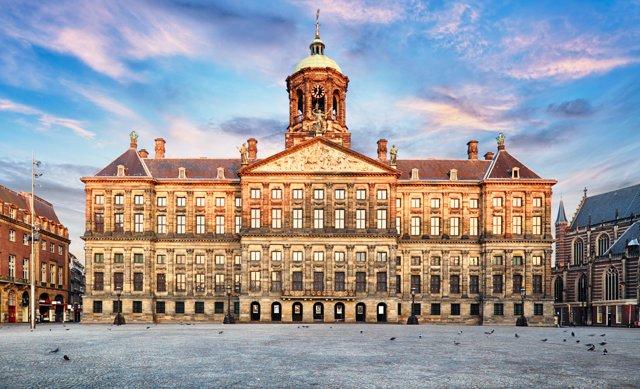
A grand classical stone palace with a central dome and clock tower facing a cobblestone square under a sky with light clouds.

Historical Sites

Royal Palace

Anchored upon more than thirteen thousand subterranean wooden pilings driven deep into marshy soil, this monumental seventeenth-century architectural masterpiece served as Amsterdam's grand Town Hall before transforming into King Louis Bonaparte's official royal residence in 1808. Inside, the expansive Citizens' Hall displays intricate marble floor maps illustrating terrestrial hemispheres, framed by classic Dutch Baroque stone sculptures and fine Empire furniture, though active royal events require reviewing opening calendars carefully before visiting. Stepping beneath vaulted marble ceilings reveals the extraordinary grandeur of Dutch Golden Age civic power and monarchical history, inspiring travelers with a profound appreciation for monumental classical craftsmanship and enduring national heritage. For more information on schedules and prices, please consult its official website.

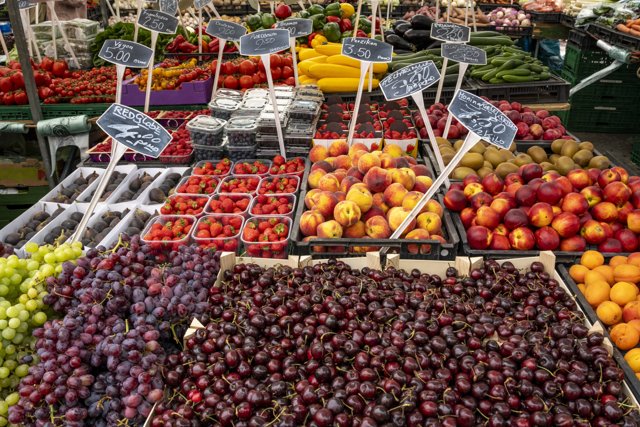
A vibrant market stall displays an abundance of fresh fruits and vegetables, including grapes, cherries, strawberries, peaches, and tomatoes with price signs.

Shops and Street Markets

Noordermarkt

Expanding beyond Amsterdam's historic city fortifications during the 1612 urban development, a former working-class district emerged as a peaceful sanctuary for fleeing Huguenot artisans and laborers, naming its tight residential streets after garden flowers and botanicals. Anchored around the octagonal seventeenth-century Noorderkerk, famous open-air market stalls display organic regional produce on Saturdays alongside rare vintage antiques every Monday, all framed by quiet canal bridges and hidden interior residential courtyards. Wandering through narrow brick lanes past historic wooden-paneled cafes and colorful canal-side flower displays unveils an authentic local rhythm, where centuries of working-class heritage and relaxed artistic tradition continue to flourish effortlessly. For more information on schedules, please consult its official website.

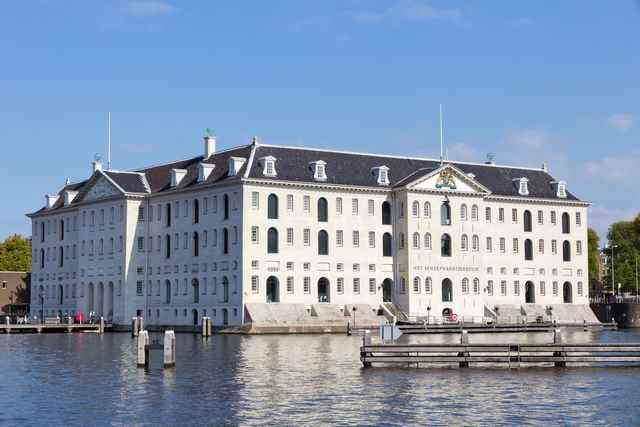
A large white classical building labeled "HET SCHEEPVAARTMUSEUM" along the edge of a body of water under a clear blue sky.

Museums and Galleries

Het Scheepvaartmuseum

Erected in 1656 as a massive naval ammunition storehouse for the Admiralty of Amsterdam, this monumental Golden Age structure rose above artificial island foundations in a mere nine months to equip the nation's powerful merchant fleets. A magnificent glass courtyard canopy inspired by nautical compass lines shelters the central atrium, while a full-scale navigable replica of the eighteenth-century East Indiaman Amsterdam sits moored outside beside gilded historic royal barges. Boarding historic vessels and examining antique cartographic instruments fosters a profound personal appreciation for seafaring bravery, seamlessly transforming centuries of northern European naval history into a deeply engaging journey across global maritime exploration. For more information on schedules and prices, please consult its official website.

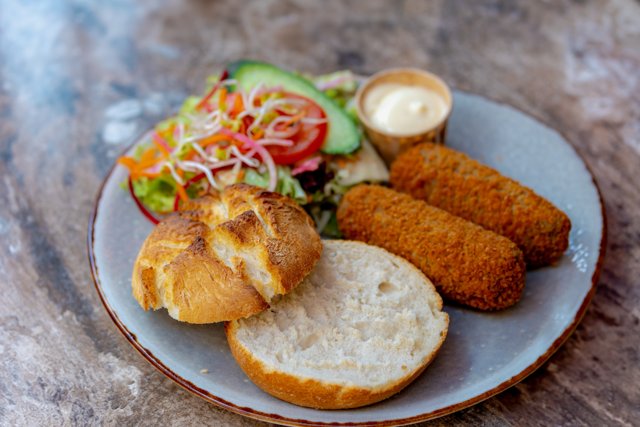
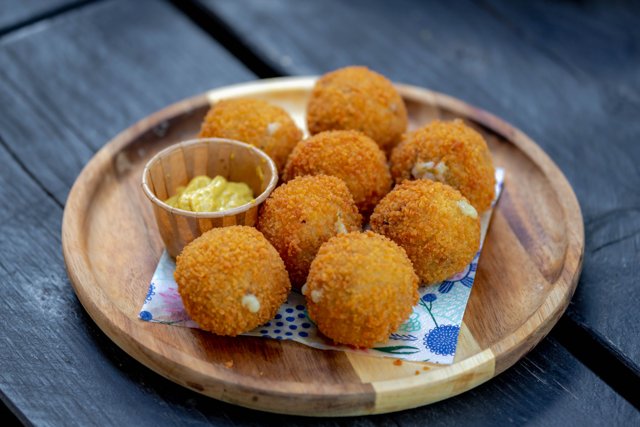
Two golden-brown croquettes served on a plate alongside a halved bread roll, a fresh side salad, and a small cup of dipping sauce.

Local cuisine

Moeders

4.5
grilled beef dish with vegetables Hemelse Modder Amsterdam

Local cuisine

Hemelse Modder

4.4
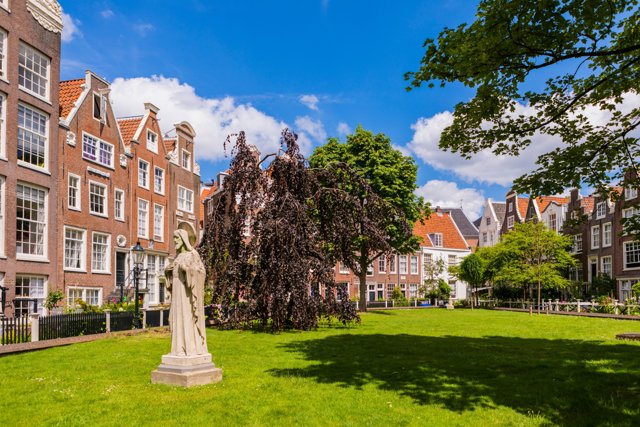
A stone statue stands on a grassy lawn in a courtyard surrounded by historic brick gabled buildings under a partly cloudy blue sky.

Historical Sites

Courtyard of Begijnhof

Founded during the mid-fourteenth century to harbor a pious lay sisterhood of unmarried women, this historic sanctuary successfully weathered the Protestant Reformation by maintaining private property rights, safeguarding its Catholic heritage inside hidden worship chambers. An unassuming doorway off the lively Spui leads directly into a sunken central courtyard containing Het Houten Huis, a rare timber residence constructed around 1420, flanked by traditional gabled brick townhouses and two historic churches. Stepping into this tranquil residential enclave provides immediate refuge from bustling urban streets, where manicured central lawns and medieval facades cultivate a profound connection with centuries of quiet spiritual devotion and enduring community heritage.

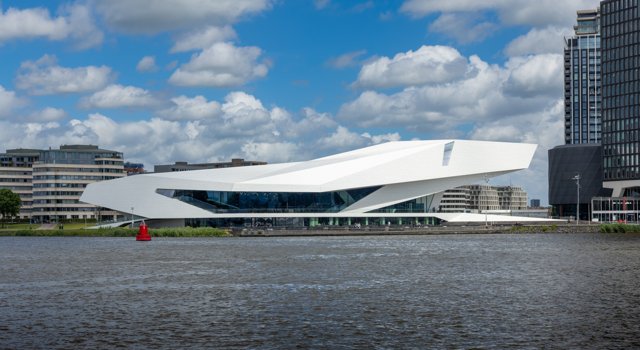
A modern, angular white building with large glass windows along a waterfront under a partly cloudy sky.

Museums and Galleries

Eye Filmmuseum

The Eye Filmmuseum is a treasure trove of cinematic history, housing an impressive collection of more than 55,000 films spanning every imaginable genre. From timeless classics and blockbuster hits to beloved cult favorites, it offers a rich panorama of film heritage. Far from being a mere archive of the past, the museum pulses with energy, organizing constant screenings and engaging debates. Its welcoming space invites film enthusiasts to enjoy four cinemas, an expansive exhibition area, dedicated educational spaces, a shop, and a stylish bar-restaurant. Internationally recognized for its expertise in film restoration, research, and education, the Eye Filmmuseum is often called the "Cinematic Memory of the Netherlands", a description that captures its significance in preserving and celebrating film culture. For more information on schedules and prices, please consult its official website.

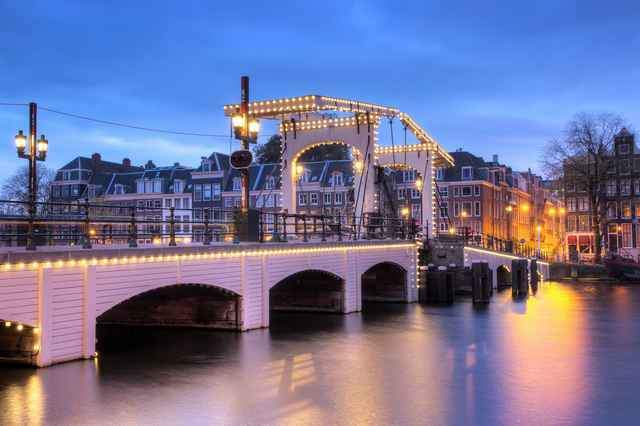
An illuminated white wooden drawbridge spans a canal at dusk, casting warm light reflections across the water in front of brick buildings.

Sights and Monuments

Magere Brug

Spanning gracefully across the central Amstel River since 1691, a local urban legend holds that two wealthy sisters living on opposite riverbanks commissioned an exceptionally narrow wooden footbridge so they could visit each other without detours. Reconstructed in 1934 to faithfully preserve traditional Dutch timber styling, this iconic double-leaf wooden bascule drawbridge still opens regularly for passing watercraft, brightly illuminated each evening by over twelve hundred warm glowing light bulbs. Watching the central wooden leaves raise for historic river barges delivers a captivating encounter with traditional Dutch maritime engineering, where soft evening water reflections foster a deeply romantic connection to Amsterdam's historic aquatic soul.

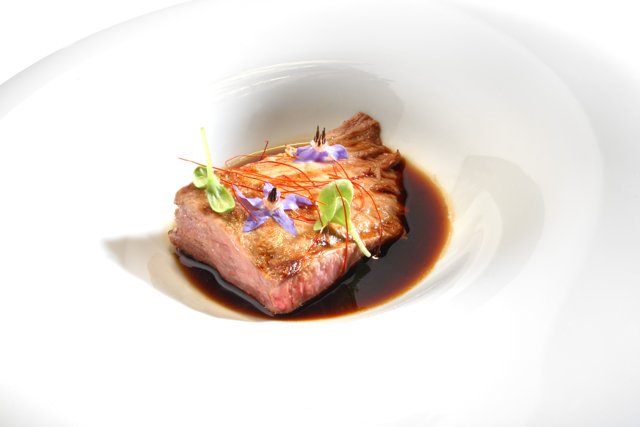
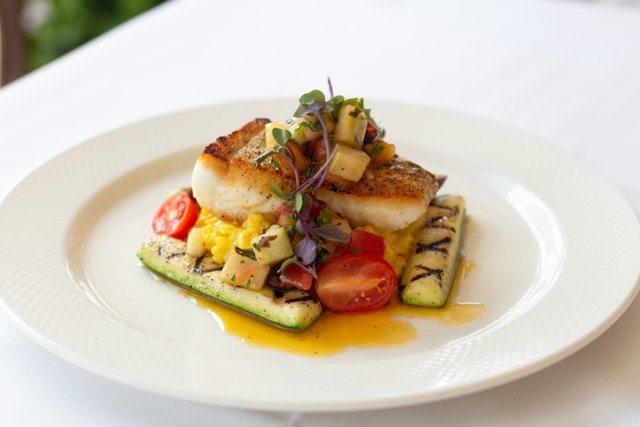
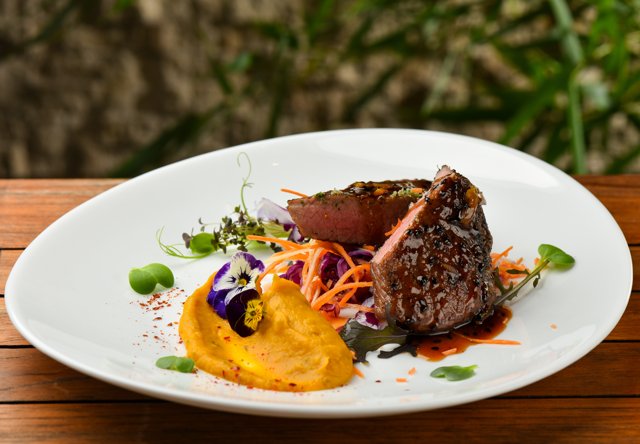
A slice of seared meat set in a dark sauce, garnished with small purple flowers and microgreens inside a wide white bowl.

Michelin star

MOS

4.7
A stack of savory golden waffles topped with poached eggs and fresh herbs on a white plate, with runny yolk dripping down the side.

International cuisine

Dignita Hoftuin

4.4

Local Celebrations

Remembrance & Liberation Day

May 4 - May 5
Dam Square
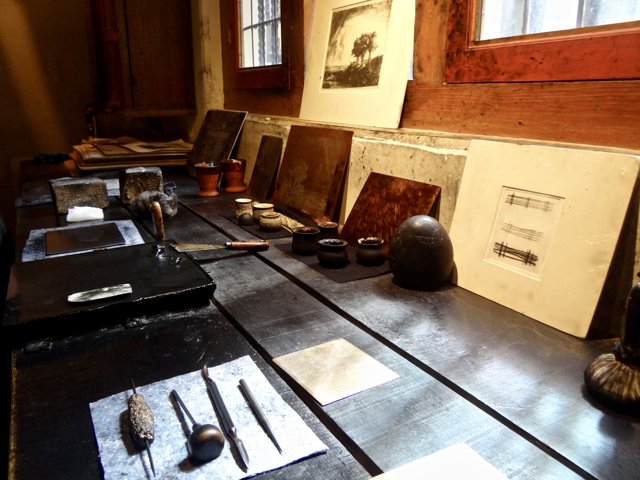
An artist's printmaking workshop features tools, ink slabs, small pots, and metal plates arranged along a long wooden workbench beneath windows.

Museums and Galleries

Rembrandt House Museum

Acquired at the height of Rembrandt van Rijn's prosperity in 1639, a grand seventeenth-century merchant residence served as the master's primary living quarters until personal financial insolvency in 1656 generated an extraordinarily thorough bankruptcy property inventory. This meticulous legal record allowed twentieth-century conservators to faithfully recreate the artist’s sunlit painting studio, etching press workshop, natural curiosities cabinet, and domestic living spaces, surrounded by an extensive archive of graphic works. Observing live copperplate printing demonstrations and standing amidst historical pigments and wooden easels provides an authentic, immersive encounter with classical Dutch art production, bringing the golden age painter's daily creative process vividly to life. For more information on schedules and prices, please consult its official website.

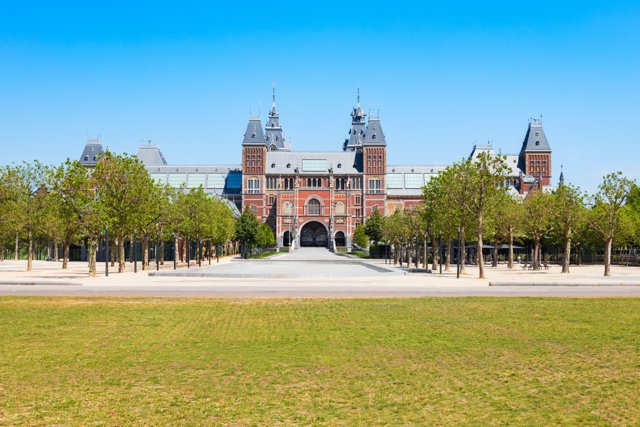
A large red-brick building with central towers and an archway, viewed across a grassy lawn and a tree-lined walkway under a clear blue sky.

Sights and Monuments

Museum Square

Conceived following the landmark 1883 International Colonial and Export Exhibition, a vast nineteenth-century military parade ground underwent an ambitious architectural and landscape transformation in 1999 to establish the Dutch capital's primary cultural gathering forum. Expansive open green lawns surround a central rectangular reflecting basin that converts into a lively outdoor ice skating rink each winter, flanked directly by world-renowned institutions including the Rijksmuseum, Van Gogh Museum, Stedelijk Museum, and Concertgebouw. Relaxing across these manicured open spaces while classical melodies drift softly from nearby concert halls offers an enriching public experience, connecting international art enthusiasts and residents through a shared metropolitan artistic heritage.

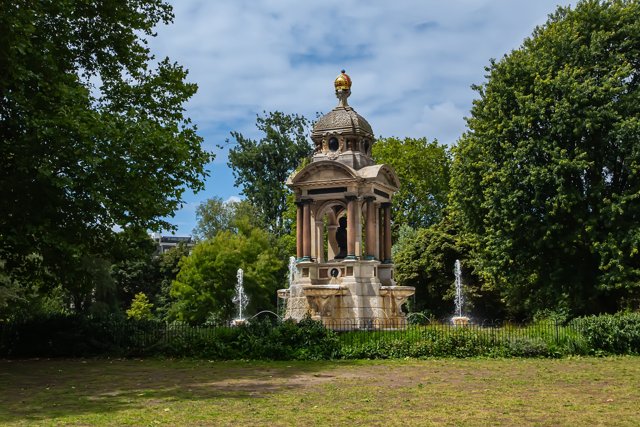
An ornate stone fountain monument topped with a golden crown, surrounded by water jets and green trees in a park.

Nature and Parks

Sarphatipark

Dedicated in 1888 to honor a visionary nineteenth-century Dutch physician who revolutionized Amsterdam's public hygiene and city planning, this English-style landscape sanctuary briefly lost its founder's name during World War II occupation before regaining its historical title. Designed by landscape architect Louis Paul Zocher, curving pathways circle a peaceful central pond featuring a small wooded island, framed by expansive grassy lawns and an imposing neo-Renaissance stone monument harboring a cascading fountain. Relaxing along shaded waterside lawns alongside resting residents and native waterfowl delivers a calm respite from city sights, fostering a meaningful connection to nineteenth-century civic philanthropy and neighborhood community life.
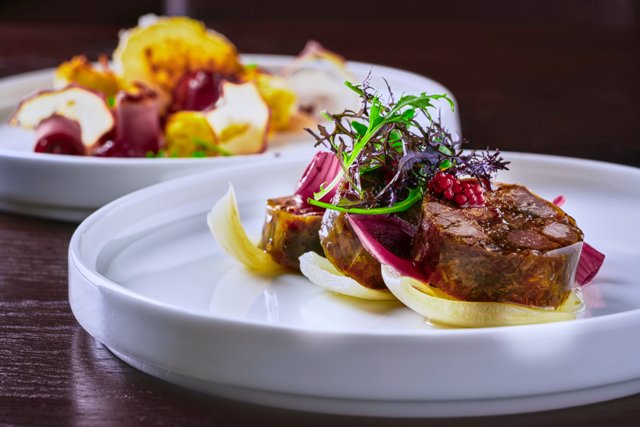
Sliced meat terrine garnished with microgreens, endive, and red berries, served on a white plate with another dish blurred in the background.

Local cuisine

Rijsel

4.6
A stack of golden-brown pancakes topped with a melting pat of butter, served alongside crispy bacon strips on a gray plate.
Coffee

The Pancake Bakery

4.3
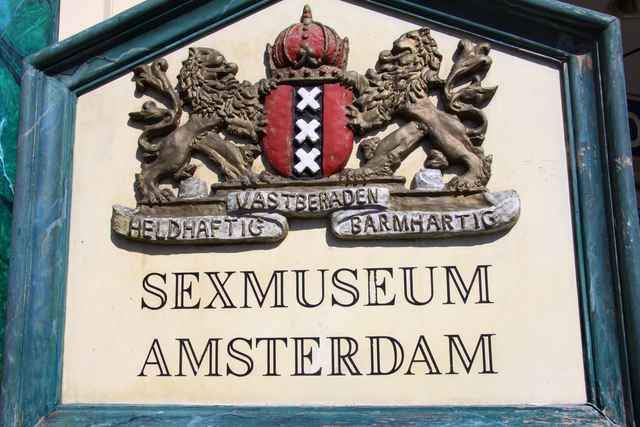
A sign featuring a relief of the coat of arms of Amsterdam with a motto ribbon above text reading "SEXMUSEUM AMSTERDAM".
Museums and Galleries

Sexmuseum

Opening its doors in 1985 inside a restored seventeenth-century townhouse, this pioneering institution established the world's very first museum dedicated entirely to documenting human sensuality and erotic art across diverse global cultures. Chambers spread across interconnected historic floors display ancient Roman artifacts, erotic Japanese woodblock prints, rare nineteenth-century photography, classical marble sculptures, and vintage mechanical curiosities that illustrate shifting social attitudes toward human physical passion. Navigating narrow wooden staircases and winding exhibition corridors provokes lighthearted humor alongside genuine historical curiosity, successfully transforming traditional societal taboos into an engaging, educational exploration of universal human desire and creative artistic expression. For more information on schedules and prices, please consult its official website.

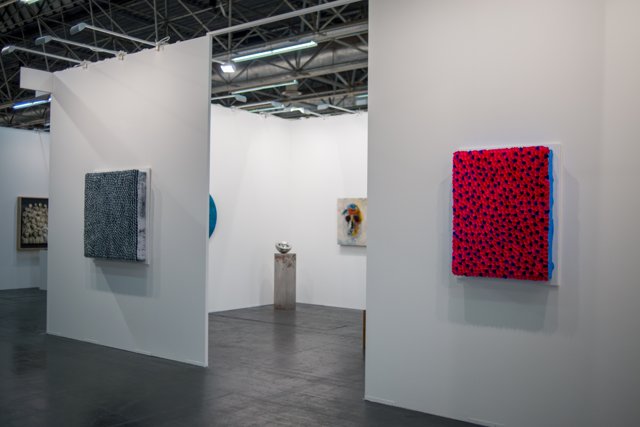
A person in a gray suit, viewed from behind, stands facing a framed still-life painting of a basket of fruit hanging on a muted green wall.

Museums and Galleries

H'ART Museum

Visitors to this fascinating museum will discover a vast treasure trove of artworks in temporary exhibitions that showcase pieces from renowned museums worldwide, presented in innovative and captivating ways. The museum finds its home in the historic Amstelhof building, a structure dating back to the 17th century. Over the centuries, the building has undergone several renovations, resulting in a unique architectural character that adds to its charm. Beyond the art exhibitions, the museum complex offers a vibrant cultural experience. A Grand Café and a charming courtyard provide spaces for relaxation and reflection. The venue also hosts a variety of events, from jazz concerts to workshops and film screenings, creating a lively atmosphere for all who attend. For more information on schedules and prices, please consult its official website.

A duck spreads its wings on a pond surrounded by swimming waterfowl, with a bird flying overhead.

Nature and Parks

Westerpark

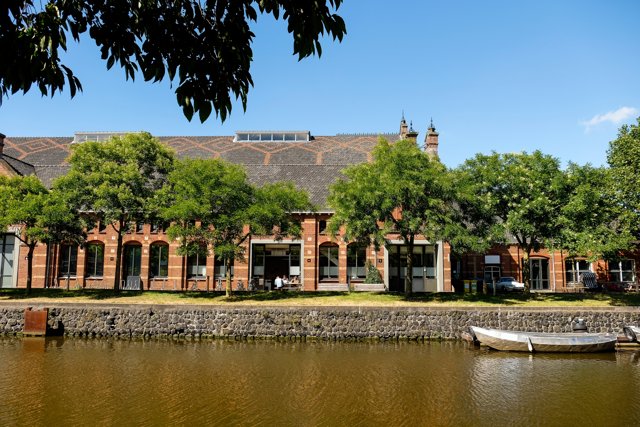
Commissioned in 1681 as the historic Amstelhof, a benevolent sanctuary for elderly women, this monumental Dutch Classical landmark along the Amstel River underwent an extraordinary conversion to become a prestigious, internationally connected museum space. Featuring a grand symmetrical brick facade extending over one hundred meters along the water, the venue contains expansive double-height exhibition wings, a serene central courtyard garden, and rotating masterworks curated through world-renowned museum partnerships. Exploring world-class artistic collections inside these meticulously restored seventeenth-century halls fosters a deep personal connection to human creativity, gracefully linking historic Dutch civic care with dynamic contemporary global cultural expression throughout the capital.

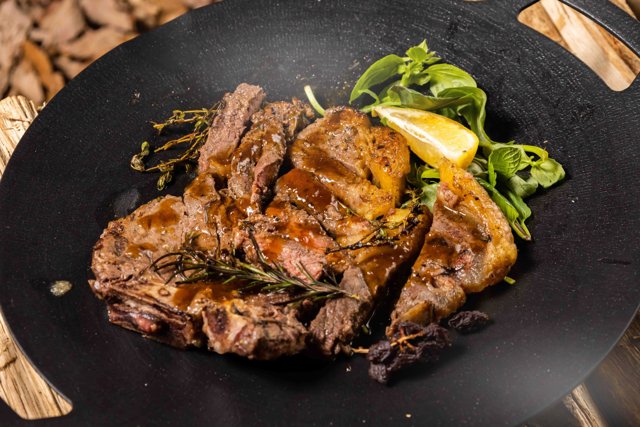
Sliced grilled steak drizzled with gravy and topped with rosemary, served in a black skillet with a lemon wedge and fresh herbs.

International cuisine

The Cottage

4.8
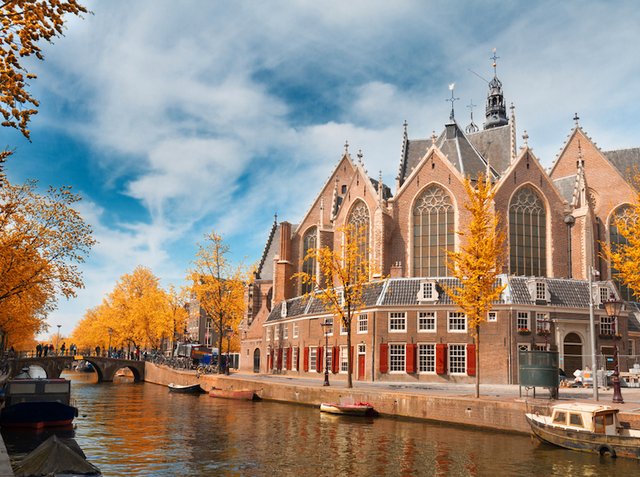
A large brick building with arched windows stands beside a canal lined with bright yellow autumn trees, small boats, and an arched bridge under a wispy sky.

Historical Sites

Oude Kerk Church

Consecrated around 1306 over former maritime marshlands, Amsterdam's oldest surviving structure transformed from a Catholic devotion hall for local sailors into a Calvinist sanctuary during the 1578 Reformation, famously hosting Rembrandt's marriage in 1634. Over ten thousand citizens lie buried beneath two thousand five hundred worn gravestones forming the interior floor, sheltered beneath Europe's largest medieval wooden vault and framed by massive historic pipe organs and stained glass windows. Treading across centuries of engraved epitaphs while reverberating acoustic sounds float beneath soaring timber vaults creates a profound dialogue between historical memory and contemporary site-specific art, deeply immersing observers in Dutch heritage. For more information on schedules and prices, please consult its official website.

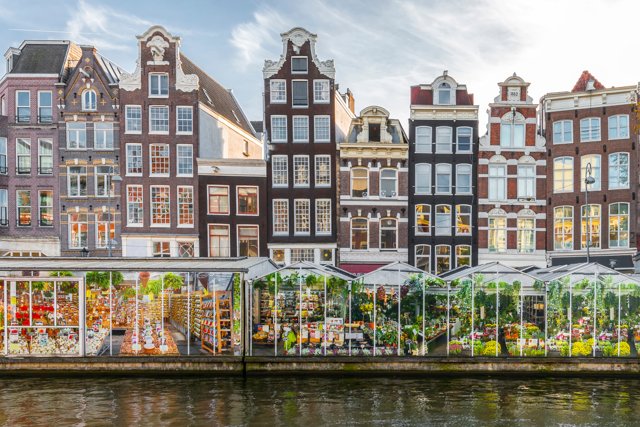
A row of glass-enclosed floating flower market stalls along a canal, set against a backdrop of traditional tall gabled brick buildings.

Shops and Street Markets

Flower Market

Operational since 1862 along the historic Singel canal, this iconic maritime commercial trading venue originally saw nineteenth-century nursery growers navigate wooden barges down the Amstel River to sell fresh floricultural products directly from their vessel decks. Fifteen distinct floating glass greenhouses, permanently moored on anchored aquatic barges, showcase vast colorful arrays of certified seasonal tulip bulbs, fresh cut flowers, house plants, and traditional wooden clogs along the canal edge. Walking along this historic floating promenade continuously engages the senses with rich floral scents and bright botanical displays, deeply connecting urban explorers to centuries of world-renowned Dutch horticultural passion and maritime trade mastery.

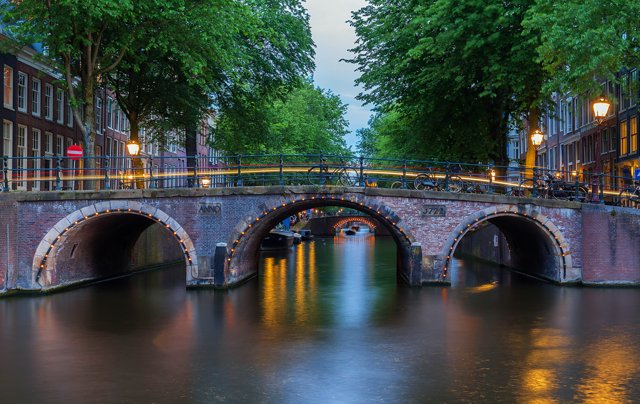
An historic brick arched bridge decorated with lights spans a canal at dusk, with buildings and green trees lining the banks.

Sights and Monuments

Seven Bridges View Point

As visitors stroll along this historic waterway, framed by elegant 17th-century canal houses, the Seven Bridges reveal themselves in perfect succession, each a testament to Amsterdam's architectural prowess and cultural heritage. From the banks of the canal, one is greeted by a mesmerizing view where the bridges gracefully arch over the water, creating a symphony of arches and reflections in the tranquil canal below. This scene captivates with its blend of old-world charm and timeless elegance, offering a picturesque setting that has inspired artists and photographers for centuries. Whether capturing the scene through the lens of a camera or simply taking it into view, the Seven Bridges invite visitors to pause and appreciate Amsterdam's unique blend of history and natural beauty. This iconic landmark not only showcases the city's architectural ingenuity but also serves as a reminder of its enduring allure.

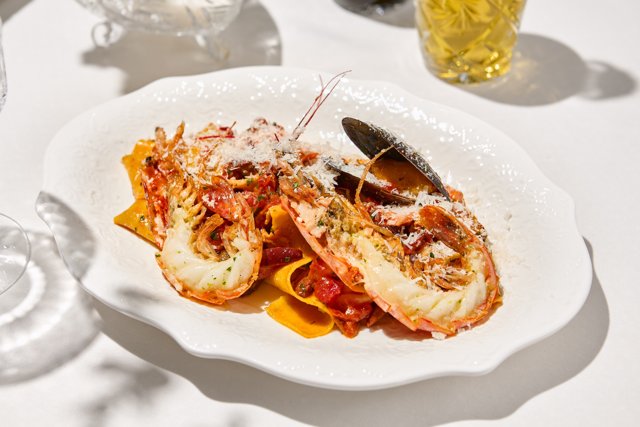
seafood pasta dish at Visaandeschelde Amsterdam restaurant

Seafood cuisine

Visaandeschelde

4.6
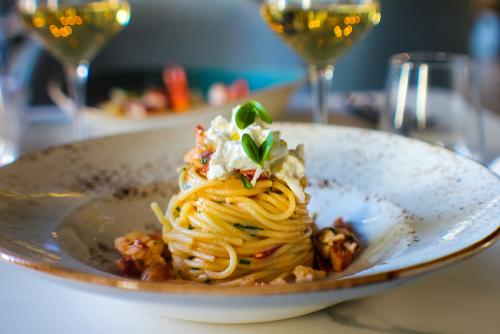
Salmon bruschetta with boiled eggs at Frenzi Amsterdam

Italian cuisine

Frenzi

4.4
LGBT Pride event with rainbow lights and flags

Running

ZUMBA @ SPORT PRIDE FITNESS FESTIVAL

Jul 4 - Aug 23
Vondelpark
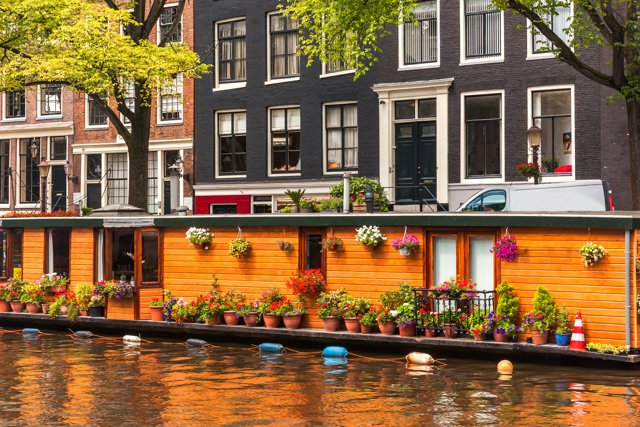
A wooden houseboat decorated with potted and hanging flowers floats on a canal in front of multi-story brick buildings.

Museums and Galleries

Houseboat Museum

In Amsterdam, approximately 2500 houseboats are moored along its picturesque canals. Originally inhabited by the city's poorest residents in the 1960s and 70s after World War II, these unique dwellings have since become highly sought-after properties, owned today by some of the wealthiest individuals. Living on a houseboat in Amsterdam is not only a status symbol but also a testament to the city's innovative approach to urban living. Many houseboats now offer tourists the chance to experience this distinctive lifestyle firsthand, providing accommodations with a view of Amsterdam's iconic canals. For those interested in learning more about these floating homes, the Floating House Museum offers a deeper insight into their history and evolution. For more information on schedules and prices, please consult its official website.

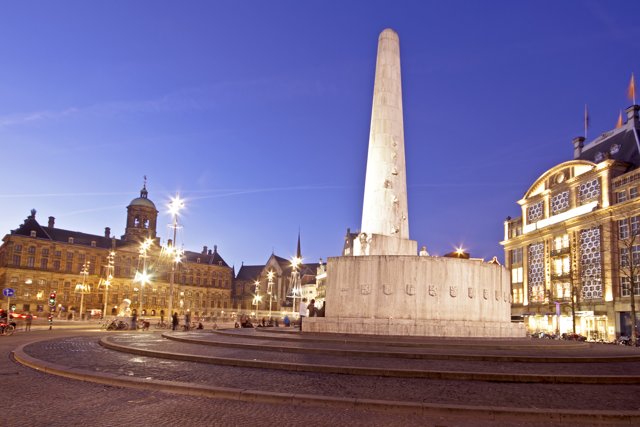
A tall stone obelisk stands illuminated in the center of a paved plaza at night, surrounded by historic buildings and bright streetlamps under a blue sky.

Sights and Monuments

Dam Square

At the heart of Amsterdam lies Dam Square, considered both the center and the origin of the city. This historic square serves as a focal point around which Amsterdam was originally built, and is adorned with significant landmarks like the Royal Palace. In the center of Dam Square stands a prominent obelisk flanked by two lions, erected in remembrance of the soldiers who lost their lives during World War II. The square bustles with activity, drawing people from around the globe to stroll its grounds, relax, or explore the surrounding historic buildings. It remains a vibrant hub where visitors and locals alike converge, experiencing the rich history and lively atmosphere that define Amsterdam's cultural tapestry.

A black and white cat sits on a fluffy white blanket in front of a framed illustration depicting a matching cat portrait.

Museums and Galleries

Katten Kabinet

Serving as an unconventional memorial to a wealthy financier's beloved feline companion named John Pierpont Morgan, an elegant seventeenth-century Herengracht merchant mansion was radically transformed in 1990 into an entire museum devoted exclusively to feline history. Grand classical chambers display an exceptionally curated collection of feline-focused paintings, vintage posters, and bronze sculptures, proudly featuring rare pieces by globally renowned artists including Pablo Picasso, Rembrandt, and Henri de Toulouse-Lautrec. Interacting with the several resident rescue cats wandering freely through these historically restored Dutch merchant parlors creates a truly delightful juxtaposition, uniting serious classical architecture with a lighthearted celebration of domestic animal companionship. For more information, please consult its official website.

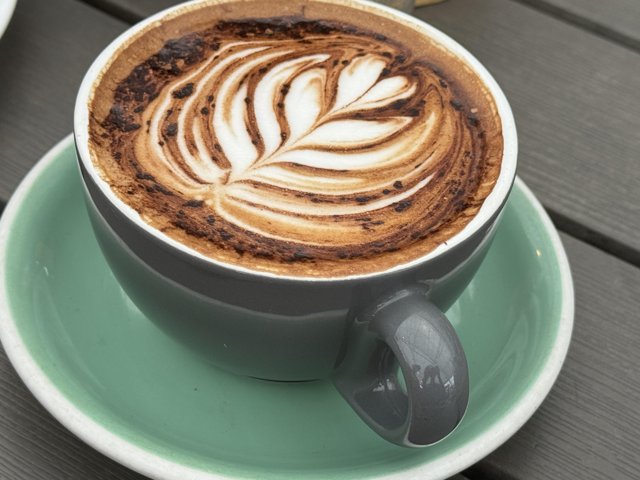
coffee cup at Scandinavian Embassy Amsterdam

Coffee

Scandinavian Embassy

4.4
Indian curry dish at Surya restaurant Amsterdam

Indian cuisine

Surya

4.4
Two brown otters stand side by side on a large rock, looking off to the right.

Nature and Parks

Natura Artis Magistra

Translating from Latin as 'Nature is Art's Teacher', a visionary group of nineteenth-century citizens established continental Europe's oldest zoological sanctuary in 1838 to systematically unite empirical biological research with broader public civic education across Amsterdam. Twenty-seven protected heritage monuments grace the expansive botanical grounds, encompassing historic nineteenth-century animal pavilions, an immersive domed Planetarium, the world's first microscopic organism museum, and centuries-old oak trees sheltering diverse global wildlife species. Promenading along shaded historic avenues while observing roaming animals beside neoclassical brick architecture inspires quiet reflection, effortlessly connecting natural biodiversity, interactive scientific discovery, and classical nineteenth-century cultural heritage in the capital's historic central district. For more information on schedules and prices, please consult its official website.

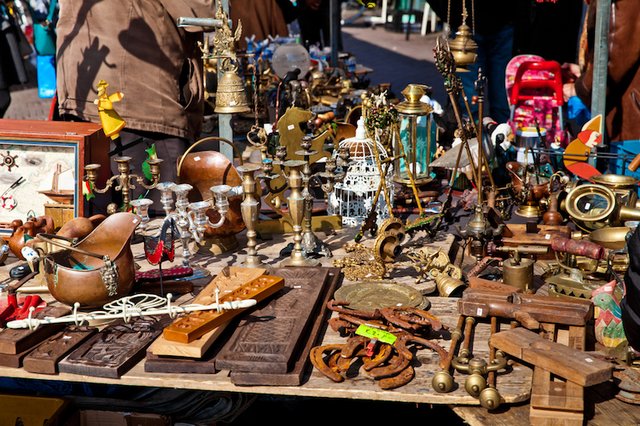
A flea market table filled with antique objects, including brass candelabras, rusty horseshoes, copper pots, and carved wooden boards.

Shops and Street Markets

Waterlooplein Market

Created in 1885 when municipal planners filled in two central canals within Amsterdam's historic Jewish quarter, the nation's oldest open-air flea market rapidly transformed a newly formed urban square into an essential commercial trading hub. Over three hundred outdoor vendor stalls display eclectic assortments of vintage fashion garments, rare vinyl records, military paraphernalia, second-hand books, and antique curiosities right beside the modern Stopera municipal complex and River Amstel. Rummaging through dense piles of retro collectibles and friendly bargaining with eccentric local traders offers an authentic glimpse into Dutch youth counterculture, connecting passionate treasure hunters with generations of Amsterdam's spirited merchant traditions. For more information, please consult its official website.

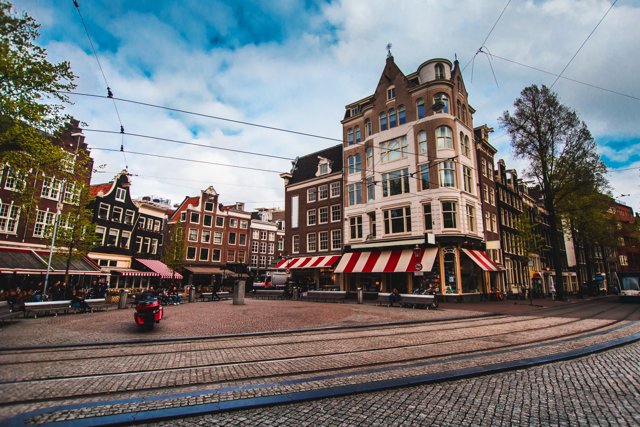
A cobblestone square with curved tram tracks in the foreground, framed by multi-story brick buildings with red-and-white striped awnings under a cloudy sky.

Sights and Monuments

Spui Square

Deriving its historic name from the Dutch term for an ancient canal lock, this central public plaza functioned for centuries as a vital water boundary where internal city streams emptied into the outer Singel before 1882. Weekly open-air markets gather passionate local painters and antiquarian booksellers around the iconic bronze statue of Het Lieverdje, framed by classic seventeenth-century Dutch merchant townhouses and acclaimed independent literary specialty shops. Poring over rare vintage paperbacks and engaging directly with local artists creates a deeply memorable connection to Amsterdam's bohemian legacy, where centuries of civic history, architectural splendor, and creative intellectual exchange remain actively alive today.

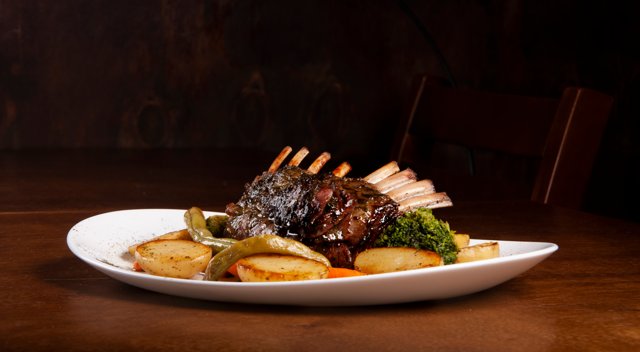
lamb rack with vegetables at Piet de Leeuw Amsterdam

Grill cuisine

Piet de Leeuw

4.5
Seared fish with vegetables at restaurant in Jura

French cuisine

Lastage

4.5
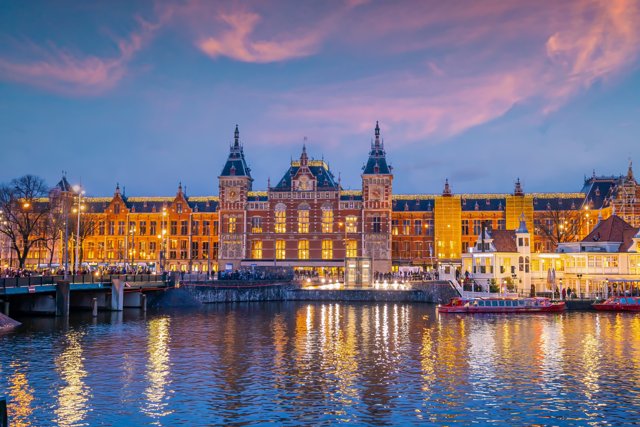
An illuminated red-brick building with central towers reflects warm golden lights across a canal at twilight under a pink and blue sky.

Sights and Monuments

Central Station

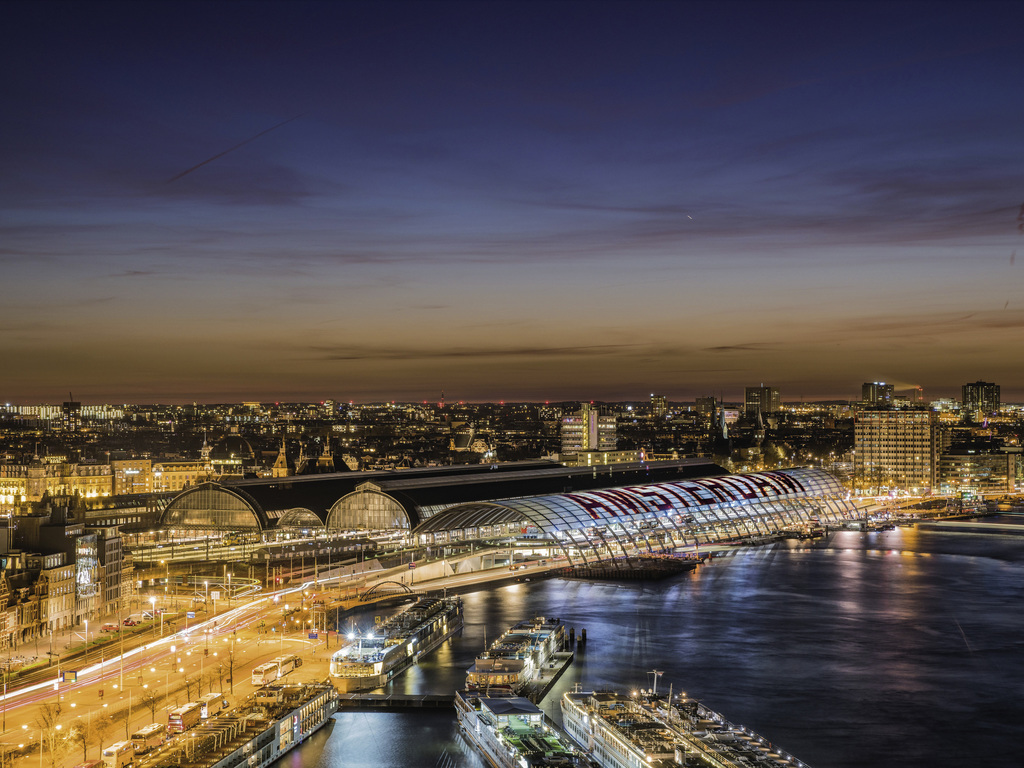
Welcome to Amsterdam Central Station, an architectural work that evokes the majesty of a palace with its mix of neo-Gothic and neo-Renaissance styles. Designed by the same architect as the iconic Rijksmuseum, this train station is a historic gem that captures the essence of the city's cultural heritage. As one of the main rail connection points in the Netherlands, Amsterdam Central Station welcomes more than 250,000 passengers daily. Located next to the station are metro and tram stops, providing fluid access to all corners of the city and beyond. Whether arriving or departing, visitors are captivated by the station's imposing façade and lively atmosphere, which serves as a gateway to Amsterdam's vibrant cityscape and historical treasures.

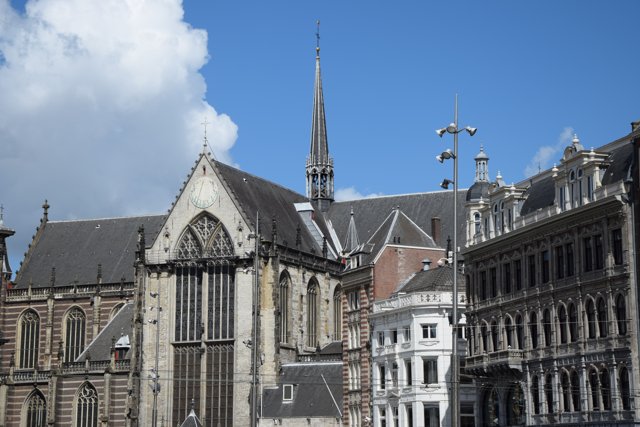
A historic church with a tall, slender spire and large Gothic windows stands beside ornate buildings under a blue sky with clouds.

Historical Sites

The New Church

Constructed around 1408 to accommodate Amsterdam's rapidly expanding medieval population, this majestic Gothic landmark has served as the ceremonial setting for Dutch royal inaugurations and monarchical weddings ever since King William I took his official oath in 1814. Magnificent interior spaces house an intricately hand-carved seventeenth-century oak pulpit crafted over thirteen painstaking years, alongside a monumental mahogany pipe organ case, soaring stained glass windows, and marble mausoleums honoring celebrated national heroes. Wandering beneath soaring stone arches during high-profile international art retrospectives creates an inspiring bridge between centuries of Dutch royal tradition, late-Gothic architectural grandiosity, and dynamic contemporary cultural dialogue right beside Dam Square. For more information on schedules and prices, please consult its official website.

omelette with croissant and coffee at De Luwte Amsterdam

Mediterranean cuisine

De Luwte

4
blueberry muffins and coffee at Gebroeders Niemeijer Amsterdam

Coffee

Gebroeders Niemeijer

4.5
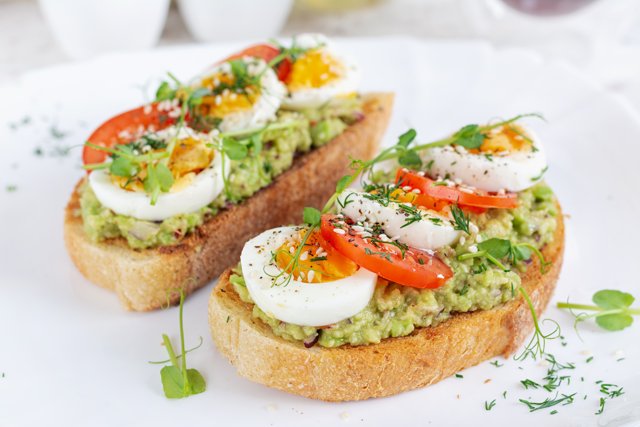
avocado toast with boiled eggs and tomato at Café Toussaint Amsterdam

Coffee

Café Toussaint

4.2
Gourmet burger at Brasserie Blazer Amsterdam

International cuisine

Brasserie Blazer

4.4
waffles scrambled eggs fried chicken dish Amsterdam Monks Coffee Roasters

Coffee

Monks Coffee Roasters

4.7
Deep dish pizza slice being lifted Amsterdam restaurant

Pizza cuisine

De Pizzabakkers

4.6
espresso machine brewing coffee at Coffee & Coconuts Amsterdam

Coffee

Coffee & Coconuts

4.3
Panini sandwich with boiled eggs and coffee Amsterdam

Coffee

Rum Baba Bakery and Roastery

4.5
poached eggs dish at Kanarie Club Amsterdam

Coffee

Kanarie Club

4

Christmas Events

Christmas Tree on Dam Square

Dec 14 - Jan 3
Koninklijk Paleis
Canals of Amsterdam
Rijksmuseum
Anne Frank House
Restaurant De Kas
Winkel
King's Day 3
The 9 Streets
Van Gogh Museum
Vondelpark
De Silveren Spiegel
The Butcher Nine Streets
Red Light District
Albert Cuyp Market
A'DAM Lookout
Kapitein Zeppos
The Lebanese Sajeria
Royal Palace
Noordermarkt
Het Scheepvaartmuseum
Moeders
Hemelse Modder
Courtyard of Begijnhof
Eye Filmmuseum
Magere Brug
MOS
Dignita Hoftuin
Rembrandt House Museum
Museum Square
Sarphatipark
Rijsel
The Pancake Bakery
Prinsengracht Concert
Sexmuseum
H'ART Museum
Westerpark
The Cottage
Aan de Poel
The Strokes 53
Oude Kerk Church
Flower Market
Seven Bridges View Point
Visaandeschelde
Frenzi
ZUMBA @ SPORT PRIDE FITNESS FESTIVAL
Houseboat Museum
Dam Square 1
Katten Kabinet
Scandinavian Embassy
Surya
Natura Artis Magistra
Waterlooplein Market
Spui Square
Piet de Leeuw
Lastage
Central Station
Lake Sloterplas
The New Church
De Luwte
Gebroeders Niemeijer
London Calling Festival 2
Café Toussaint
Brasserie Blazer
Monks Coffee Roasters
De Pizzabakkers
Evita 34
Coffee & Coconuts
Rum Baba Bakery and Roastery
Kanarie Club
Christmas Tree on Dam Square
ibis Amsterdam Centre Stopera
Sofitel Legend The Grand Amsterdam
Swissôtel Amsterdam
ibis Styles Amsterdam City
ibis Styles Amsterdam Amstel
INK Hotel Amsterdam - MGallery Collection
ibis Styles Amsterdam Central Station
Mövenpick Hotel Amsterdam City Centre
ibis Amsterdam Centre
The Hoxton, Amsterdam Lloyd
Mercure Amsterdam City Hotel
Novotel Amsterdam City
Mercure Amsterdam North Station
TRIBE Amsterdam City
ibis Amsterdam City West
Mercure Hotel Amsterdam Sloterdijk Station
Aparthotel Adagio Amsterdam City South
ibis budget Amsterdam City South
Jaz In The City Amsterdam - Coming soon
Mercure Hotel Amsterdam West
ibis Schiphol Amsterdam Airport
ibis budget Amsterdam Airport
Steigenberger Airport Hotel Amsterdam - Coming soon
ibis Styles Amsterdam Airport
Mercure Hotel Schiphol Terminal
Novotel Amsterdam Schiphol Airport
IntercityHotel Amsterdam Schiphol - Coming soon
ibis Styles Haarlem City
ibis Styles Almere

What to do in Amsterdam

Plan your trip

Entry Requirements & Travel Documents

The Netherlands is part of the Schengen Area. EU and EEA citizens can enter with a valid passport or national ID card. Travellers from many non-EU visa-exempt countries can stay up to 90 days within any 180-day period without a visa. Your passport must be valid for at least three months beyond your intended departure date and issued within the last ten years.

From late 2026, visitors from visa-exempt countries will need to obtain ETIAS authorisation online before arrival. Until then, passport-only entry remains in place. Always check the latest entry requirements on the official Dutch government website before departure.

Money, Currency & Paying in Amsterdam

The local currency is the euro (€, EUR). Amsterdam is increasingly cashless. You can pay with a card or tap your phone almost everywhere. That said, carrying some cash remains sensible, as a handful of independent spots still prefer it.

The Netherlands has a long history with Maestro debit cards, but Visa and Mastercard are now the standard. American Express is less widely accepted. ATMs generally offer better rates than exchange desks; avoid those near Centraal Station in particular. Try to carry notes under €100 when possible.

If you're splitting a restaurant bill, let your server know before ordering — most locals let one person pay and settle up afterwards using Tikkie, a widely used payment app.

Weather, Seasons & When to Visit

Amsterdam has a temperate maritime climate: mild but unpredictable, with drizzle and rain possible at any moment. Packing a waterproof layer is always wise. Locals check minute-to-minute forecasts on Buienradar almost religiously.

Spring (March to May) is arguably the best time to visit. Temperatures are comfortable, the tulip fields around Keukenhof are in full bloom, and the city feels alive without the peak-summer crowds. 

Summer (June to August) is warm, with long evenings typical for Northern Europe. Unfortunately, it’s also the busiest tourist season.

Autumn (September to October) offers cooler days, softer light, and a quieter city, clad in yellow and brown tones.

Winter (November to February) is cold and grey, but Christmas markets and cosy brown cafés — Amsterdam's beloved bruine kroegen — make it charming in its own way.

Health Insurance

Visitors from the EU should carry a valid EHIC or GHIC to access public healthcare under the same conditions as residents. Non-EU travellers should arrange comprehensive medical insurance before arrival. Keep all receipts and documentation for reimbursement through your insurer.

For emergencies, dial 112 — the Europe-wide emergency number for ambulance, fire, and police. Operators speak English alongside Dutch. If you are deaf or hard of hearing, you can text the equivalent service on 0800 8112.

Connectivity, Roaming & Mobile Data

Free Wi-Fi is widely available in hotels, cafés, museums, and many public spaces across Amsterdam.

If your mobile plan is from an EU/EEA provider, you can "Roam Like at Home" with no extra charges. If your plan is from outside the EU/EEA, check roaming costs with your provider before departure.

For data on the go, consider getting a local SIM card or eSIM. Unlike in some European countries, prepaid SIM cards in the Netherlands generally do not require registration. You'll find them in supermarkets, kiosks, petrol stations, phone shops, and at Schiphol Airport.

Best hotels in Amsterdam

Frequently asked questions

When is King's Day and what should I expect?

King's Day (Koningsdag) falls on 27 April each year and is Amsterdam's biggest street party. The entire city turns orange, canals fill with boats, and flea markets pop up on every corner. It's a fantastic day to be in the city, but accommodation fills up months in advance and the crowds are considerable. Plan accordingly.

Do I need to prebook museum tickets?

Yes, for the main ones. The Rijksmuseum, Van Gogh Museum, and Anne Frank House all operate timed-entry systems and sell out well in advance, particularly in summer. Book online before your trip.

Can I drink the tap water?

Yes. Amsterdam's tap water is clean, safe, and consistently rated among the best in Europe. There is no need to buy bottled water.

Should I rent a car?

No. A car is not just unnecessary in Amsterdam — it is a genuine liability. Parking is extremely limited and expensive, many streets are closed to traffic, and navigating around trams, cyclists, and pedestrians is stressful. Public transport, walking, and cycling cover everything.

Is Amsterdam safe?

Amsterdam is generally a safe city. Pickpocketing does occur, particularly around Centraal Station, on busy trams, and in the Red Light District. Keep an eye on your belongings in crowded areas and you are unlikely to have any trouble.

How many days do you need in Amsterdam?

Three days is enough to cover the main museums, explore the Canal Ring, and get a feel for the different neighbourhoods. Four or five days allow for a day trip and a slower, more rewarding pace.

Is Amsterdam good for children?

Very much so. The canal boats, open-air markets, and cycling culture all translate well for families. The Rijksmuseum has dedicated family programming, and day trips to Zaanse Schans or the beaches at Zandvoort are easy and well suited to kids.

Can I get around without biking?

Absolutely. Trams, buses, the metro, and the ferry cover the city well, and central Amsterdam is very walkable. Cycling is part of daily life here, but it is not obligatory,  especially if you are not comfortable riding in busy urban traffic.

Top destinations