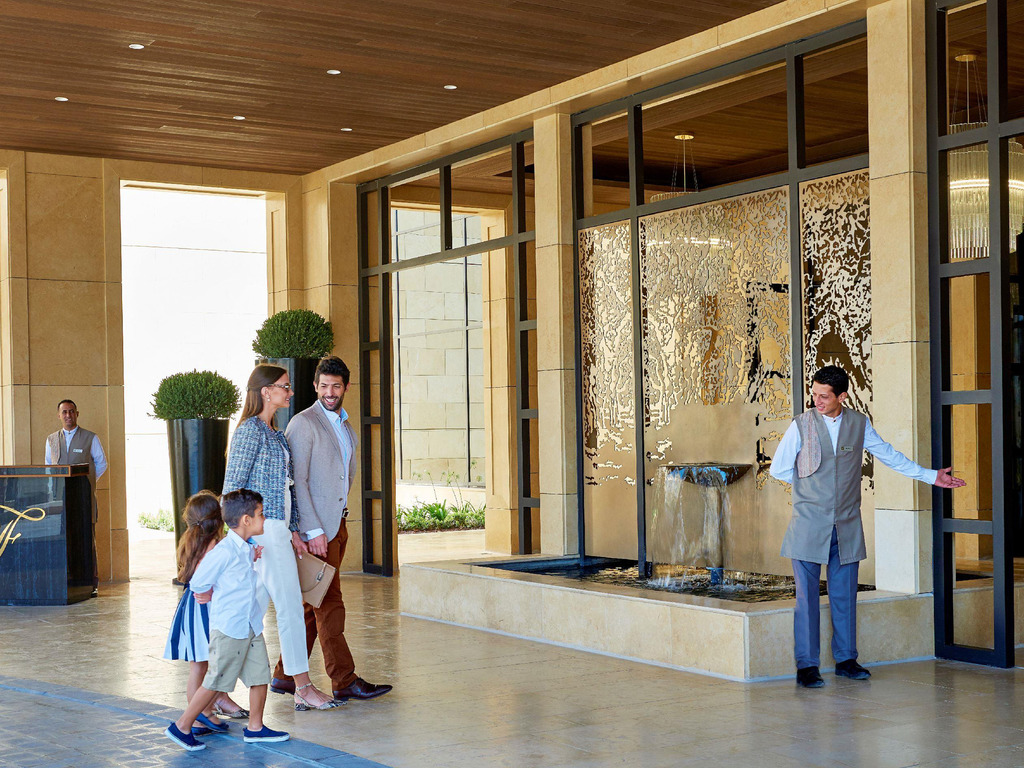
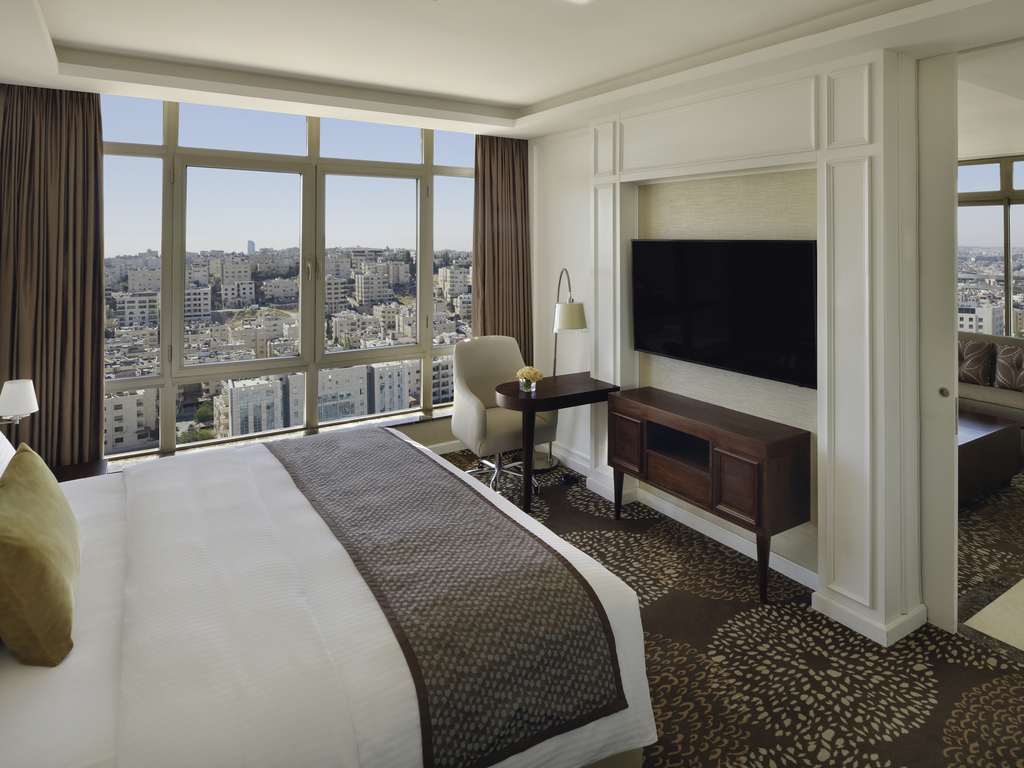
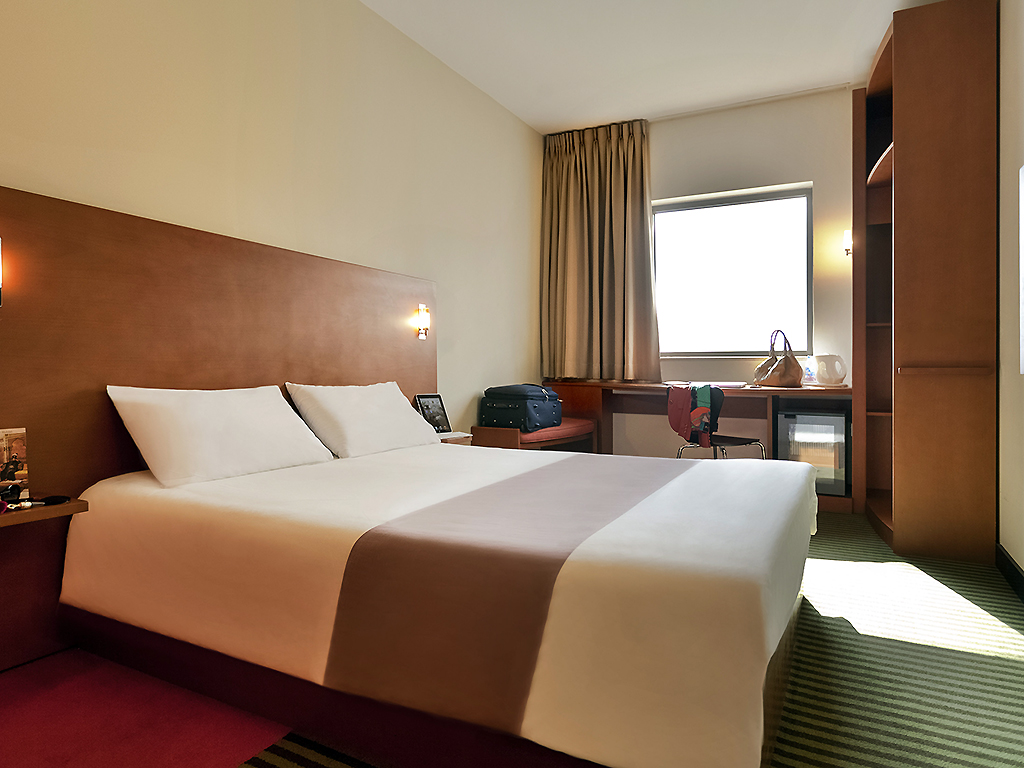
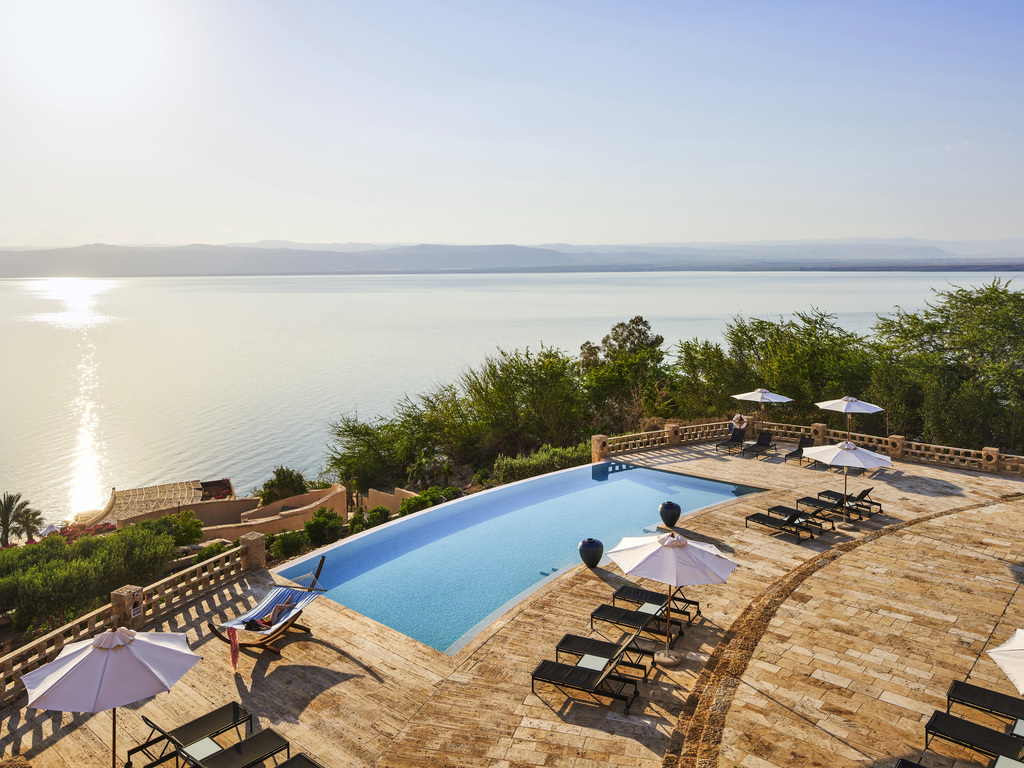
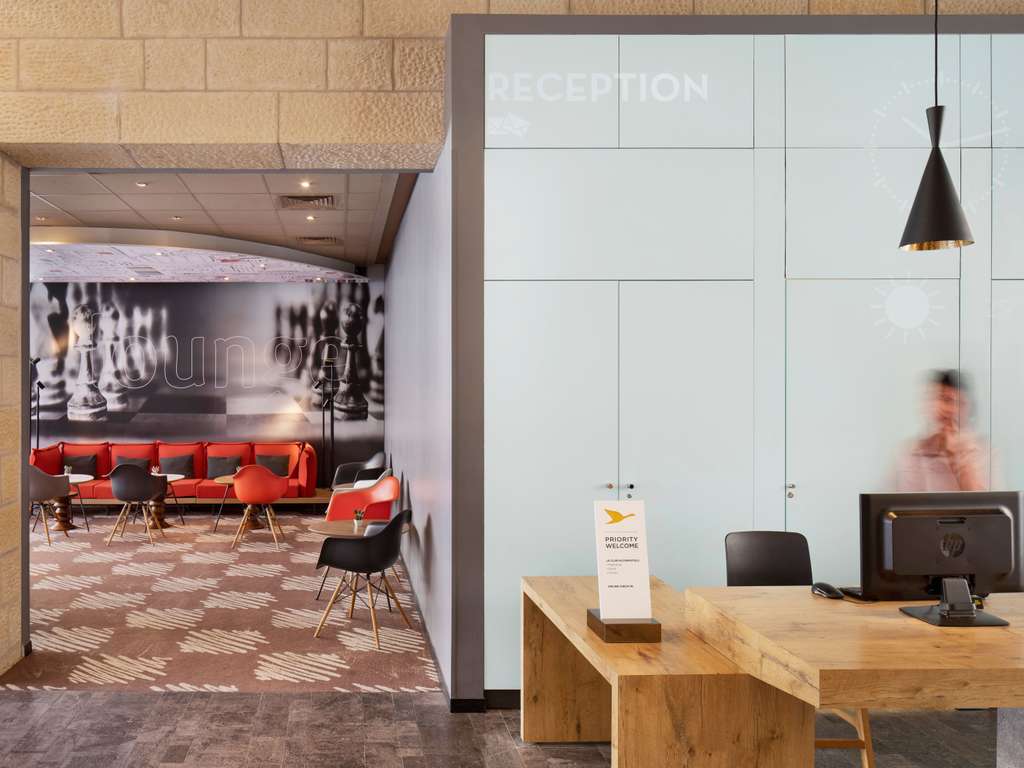
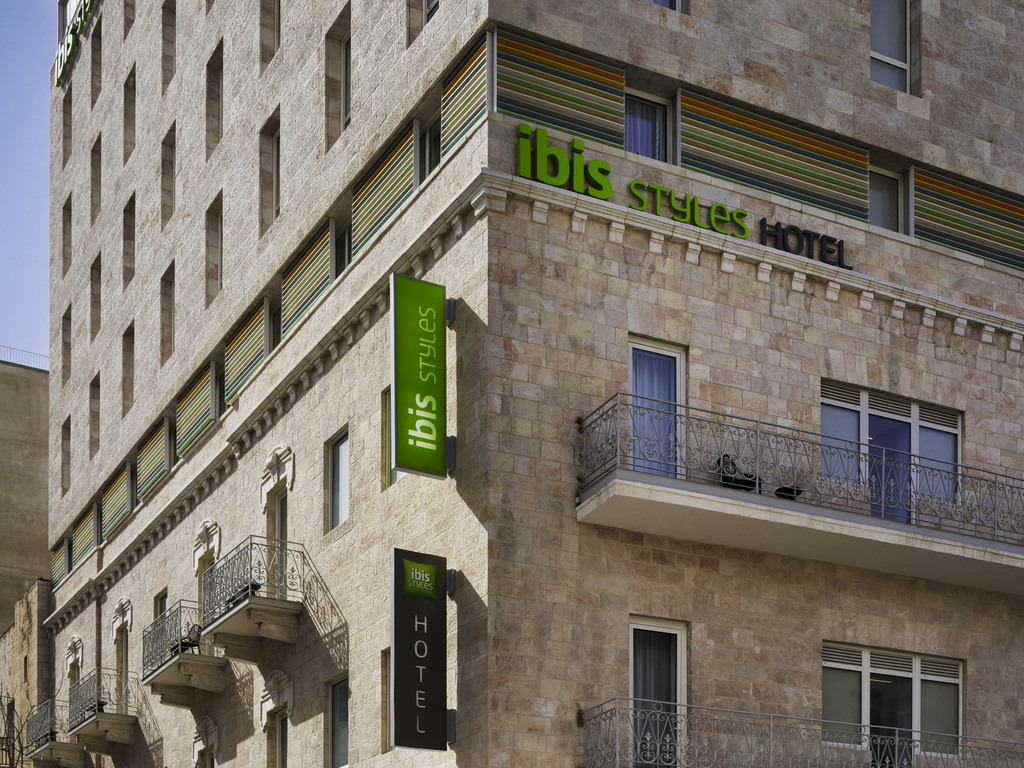
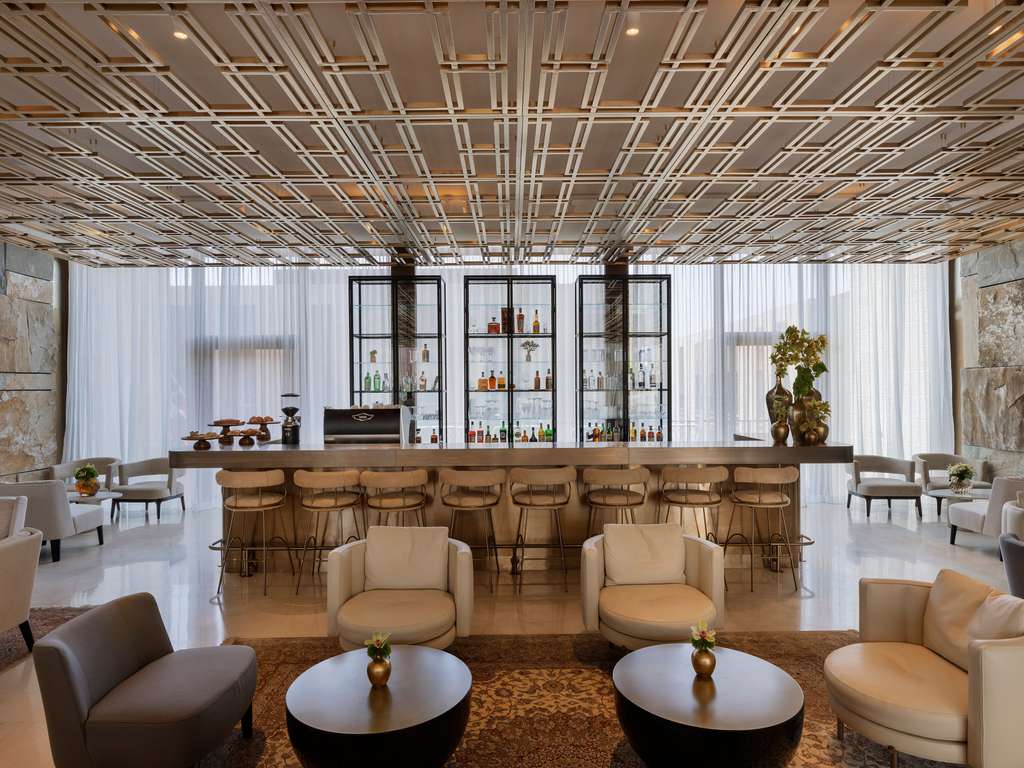
The Citadel — Jabal al-Qal'a, the hilltop that has been continuously inhabited since the Bronze Age — is Amman's most historically resonant site, its ruins encompassing the Umayyad Palace, the Byzantine Church of St George, the Temple of Hercules (with its remarkable surviving hand), and panoramic views over the city's white limestone hills that at dusk become one of the finest urban vistas in the Middle East. The Roman Theatre, built in the second century AD into the hillside below the Citadel and still capable of accommodating 6,000 spectators, is the most complete Roman structure in Jordan and continues to host performances. The Jordan Museum in Ras Al Ain is the finest cultural institution in the Kingdom, its collection spanning the Ain Ghazal statues (among the oldest human figures ever found) through the Dead Sea Scrolls to the contemporary — a journey through 10,000 years of civilisation that is both scholarly and accessible. Rainbow Street, the Weibdeh arts quarter with its galleries and independent cafés, the Gold Souk and the Spice Market of Downtown, and the culinary corridors of Jabal Amman and the Third and Fourth Circle restaurant districts all give Amman a daily richness of experience that rewards days of unhurried exploration. Fairmont Amman in the prestigious Fifth Circle area near the embassies and business headquarters provides seven unique food and beverage outlets — including Nur Lebanese restaurant, Salt Steakhouse, Tsuki Asian, and the Crystal Lounge — alongside a Fairmont Spa with vitality pools and an extraordinary indoor Dead Sea float pool in one of the city's most prestigious addresses. Mövenpick Hotel Amman sits close to Amman's malls and attractions with city views and three dining experiences. ibis Amman is located opposite Amman Mall, one of the capital's most central retail destinations.