Tours

Renaissance châteaux, rolling vineyards, and a river valley that reads like a page from French history.

  • Tours

    If the Loire Valley is often called the “Garden of France”, Tours sits naturally at its heart. Here, the Loire and Cher rivers cross a broad valley of vineyards, orchards, and fairytale châteaux that helped shape the identity of France. From the late Middle Ages through the Renaissance, French kings chose this region as a place of residence rather than conquest, leaving behind a landscape of castles, gardens, and towns shaped by royal patronage.

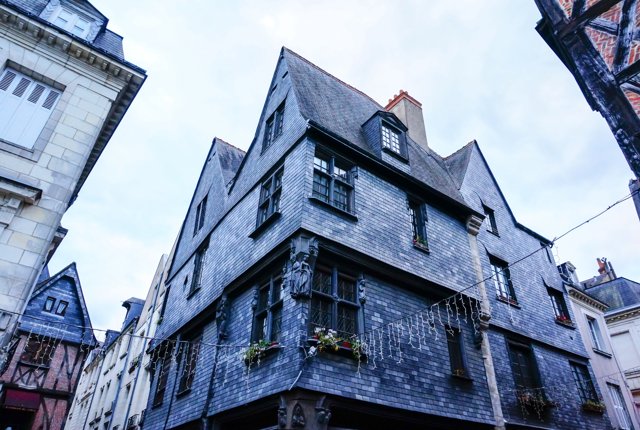
    Yet daily life in Tours feels far from ceremonial. Beneath the crooked half-timbered houses of the old town, the city moves with an easy, youthful energy shaped by its large student population. Evenings spill onto Place Plumereau, where terraces fill with conversation and glasses of Loire wine.

    Beyond the city streets, the Loire Valley stretches in every direction — vineyards, villages, and some of France’s most beautiful châteaux — making Tours the perfect starting point for exploring one of the country’s most enchanting regions.
Unique experiences in Tours

Plan your trip

Entry Requirements & Travel Documents

France is part of the Schengen Area. Therefore, EU and EEA citizens can enter the country with a valid passport or national ID card. Many non-EU travellers from visa-exempt countries may stay up to 90 days within a 180-day period without a visa, subject to passport validity requirements that vary by nationality.

From late 2026, travellers from many visa-exempt countries, including the United Kingdom, United States, Canada, Brazil, Japan, and Australia, will need to apply online for ETIAS (European Travel Information and Authorisation System) before travelling to France and other Schengen countries for short stays. Until ETIAS becomes operational, passport-only entry remains in place.

Be sure to always verify entry requirements with official government sources before departure, as conditions may change.

Money, Currency & Paying in Tours

France uses the euro (€, EUR). Credit and debit cards are widely accepted throughout the city, including for contactless payments and mobile wallets.

Cash still has its place, particularly in small bakeries, market stalls, or village cafés around the Loire Valley. It is useful to keep a small amount on hand, especially if you plan to explore nearby towns or local markets.

ATMs are easy to find around central Tours. When withdrawing cash or paying by card, choose to be charged in euros rather than your home currency to avoid unfavourable conversion fees.

Weather, Seasons & When to Visit

The Loire Valley has a temperate oceanic climate, with mild winters and pleasantly warm summers. Temperatures typically range from around 7°C in winter to about 25°C in summer, though rain is possible at any time of year.

Spring and early autumn are often the most pleasant times to visit. May, June, and September bring warm days, green landscapes, and excellent conditions for cycling along the Loire or visiting nearby châteaux.

Health Insurance

UK and EU visitors should carry a valid GHIC (Global Health Insurance Card) or EHIC (European Health Insurance Card), which provides access to medically necessary treatment within France’s public healthcare system. However, this does not replace full travel insurance, which is strongly recommended.

Non-EU travellers should arrange comprehensive medical insurance before arrival, as hospitals and clinics may request payment or proof of coverage for non-emergency care.

Pharmacies are widely available throughout Tours and are easily recognised by a green illuminated cross sign.

In an emergency, dial 112, the universal emergency number across the European Union.

Connectivity, Roaming & Mobile Data

Free Wi-Fi is available in most cafés, hotels, and major public squares like Place Plumereau. 

If your mobile plan is from an EU/EEA provider, roaming in France is generally included at domestic rates under EU “Roam Like at Home” rules, subject to fair-use limits. If your provider is outside the EU/EEA, roaming charges may apply, so check before departure.

If you plan to stay longer or rely heavily on mobile data for maps and bookings, consider buying a local prepaid SIM or eSIM from providers such as Orange, SFR, or Bouygues Telecom. These are available at airports, electronic shops, and many convenience stores.

Airport & Main Arrival Hubs

Tours does have its own airport, Tours Val de Loire Airport (TUF). However, it is a small regional airport with limited flights, mainly seasonal or low-cost routes within Europe. For that reason, the majority of international travellers arrive through Paris. The closest major gateway is Paris Charles de Gaulle Airport (CDG), France’s largest airport and the country’s main intercontinental hub. From there, high-speed trains connect directly to the Loire Valley in under two hours.

Main Train Stations

For most visitors, the real arrival point in Tours is the railway station. The main station in the city centre is Gare de Tours, a stunning 19th-century station located just a short walk from the historic centre.

High-speed services from Paris usually arrive at the nearby Gare de Saint-Pierre-des-Corps, about 3 km from central Tours. This is the region’s main TGV hub, where trains from Gare Montparnasse typically take just over an hour to reach the Loire Valley.

A frequent regional shuttle train links Saint-Pierre-des-Corps and Gare de Tours in about five minutes, so changing stations is straightforward. If your ticket ends at Saint-Pierre-des-Corps, simply hop on the connecting TER train.

From the Airport / Station to the City Centre

If you arrive at Tours Val de Loire Airport, the journey into town is short. The airport is roughly 15 minutes by taxi from central Tours. Public transport requires a short walk to nearby tram or bus stops, so taxis are usually the easiest option after a flight. 

Arriving by train is even simpler. From Gare de Tours, you can walk to the historic centre in about ten minutes. Place Jean-Jaurès and the old quarter are just beyond the station.

If your train arrives at Saint-Pierre-des-Corps Station, frequent regional trains and buses connect to Tours’ central station in a few minutes.

Taxis & Ride-Hailing Services

Taxis operate across Tours and can usually be found at ranks near the train station, major squares, and outside hotels. Official taxis are metered, and you can pay by card in most vehicles.

Ride-hailing apps, such as Uber, are also available. It’s often slightly cheaper than traditional taxis, and can be useful late at night or when taxis are scarce.

For trips around the Loire Valley, taxis are practical for short distances, but for exploring vineyards or castles further afield, many travellers prefer renting a car.

Arrival Tips & Common Mistakes to Avoid

  • If you are arriving during the busy summer season, book TGV tickets well in advance. Prices tend to increase closer to the travel date, particularly for the popular Paris–Loire Valley route. 
  • When booking rail tickets, check which station your train uses. High-speed trains usually arrive at Saint-Pierre-des-Corps, not the central Tours station. The transfer between the two takes only a few minutes, but it helps to know this beforehand. 
  • If you are using a paper ticket for the tram, remember to validate it in the yellow machines when boarding. For regional TER trains, paper tickets must be stamped in the validation machines on the station platform before you get on. Failure to do so can result in a hefty fine.
  • If you arrive on a Sunday, public transport frequency drops significantly. Taxis are also scarcer. If your flight or train lands late on a Sunday, consider pre-booking your transfer.

Public Transport & Zones

Tours has a simple public transport network operated by Fil Bleu, which runs the city’s tram and bus services. The modern tram line (Tram A) cuts directly through the centre, linking key areas such as the railway station, Place Jean-Jaurès, and the northern and southern suburbs. It runs frequently throughout the day and is usually the quickest way to cross the city. Buses extend the network into the surrounding neighbourhoods. 

Tours operates as a single zone for the metropolitan area. You don’t need to worry about zone hopping; one ticket covers your journey across the city and into the immediate suburbs.

For most travellers, public transport is mainly useful for reaching neighbourhoods outside the historic centre. Within the old town and along the Loire riverbanks, walking is often faster.

Tickets & Passes

Tickets for the Fil Bleu network can be purchased from tram stop machines or directly through the Fil Bleu mobile app. Single tickets allow transfers between buses and trams within a limited time period.

Day passes and multi-trip cards are available and can be useful if you plan to use public transport several times in one day. Occasional visitors often find a 24-hour pass more convenient than buying multiple single tickets.

For regional journeys beyond the city, trains operated by TER Centre-Val de Loire are usually the easiest way to reach nearby towns and château gateways.

Walking & Cycling

Tours is an easy city to explore on foot. The historic core sits within a compact area between the Loire River and the Cher, with most sights, cafés, and squares within a short walking distance of one another.

Cycling is also deeply woven into daily life here. Tours lies along the Loire à Vélo, one of France’s best-known long-distance cycling routes, which follows the Loire Valley for hundreds of kilometres through vineyards, riverside villages, and château landscapes.

Bike rentals are widely available, and the flat terrain makes cycling accessible even for casual riders. Short rides along the Loire riverbanks are especially pleasant, while longer cycling routes lead toward places such as Villandry or Amboise.

Nearby Destinations / Day Trips

Tours is an ideal base for exploring the Loire Valley’s famous châteaux, many of which are easily reached by train, bike, or car.

One of the most popular excursions is Chenonceau, the elegant château that spans the Cher River, reachable in about 30 minutes by regional train. To the east lies Amboise, once a royal residence and closely linked to Leonardo da Vinci, who spent his final years at nearby Clos Lucé.

Garden lovers often visit Villandry, renowned for its geometric Renaissance gardens, about 20 minutes away by car or bike along the Loire cycling routes. Further afield, Chambord impresses with its vast scale and famous double-helix staircase, often attributed to da Vinci.

Wine enthusiasts can also explore Vouvray, just east of Tours, where wineries produce elegant Chenin Blanc wines and offer tastings in limestone cave cellars.

Accessibility & Basic Safety Tips

Tours is generally easy to navigate. The tramway is fully accessible, with low floors and level boarding, and most city buses are equipped with ramps. Major transport hubs, including Gare de Tours and Saint-Pierre-des-Corps station, also provide step-free access and assistance services.

The main challenge lies in the historic centre. Streets in the Vieux Tours quarter, particularly around Place Plumereau, are paved with old cobblestones that can be uneven for wheelchairs, pushchairs, or travellers with reduced mobility.

Tours is considered one of the safer cities in France, and getting around generally feels relaxed. As in any city, keep an eye on your belongings in busy places such as markets, train stations, and crowded terraces. The most common nuisance is bicycle theft, so if you rent a bike, always use the provided lock, even for a short stop.

Language, Culture & Local Etiquette

French is the main language in Tours, and while many people working in tourism speak English, beginning interactions with a polite “Bonjour” goes a long way. In cafés, shops, and bakeries, greetings are part of basic etiquette. Skipping them can feel abrupt by local standards.

Touraine has long enjoyed a reputation for speaking some of the clearest and most balanced French in the country, a legacy of the Renaissance courts that once gathered in the Loire Valley. Even today, the local accent is considered neutral and elegant, which is one reason many international students come here to study the language.

Tipping is not obligatory. Restaurant bills already include a service charge (service compris). Still, rounding up the bill or leaving a couple of euros for particularly good service is a gesture that remains appreciated.

Neighbourhoods

  • Vieux Tours: The historic quarter and the heart of the city’s social life. Its winding medieval streets lead to Place Plumereau, a lively square lined with half-timbered houses and café terraces.
  • Jean-Jaurès District: The city’s modern centre near the train station, where shops, hotels, and the main tram line converge along Tours’ broad central boulevard.
  • Les Halles: The culinary hub of Tours, anchored by the large covered market where locals shop for cheeses, charcuterie, and fresh regional produce.
  • Cathedral Quarter: A quieter, more elegant area surrounding Saint-Gatien Cathedral, with limestone townhouses and a more stately atmosphere.
  • La Fuye-Velpeau: A relaxed residential neighbourhood behind the station, known for its small cafés, bakeries, and slightly bohemian character.

Gastronomy

Tours holds the distinction of being recognised as an International City of Gastronomy, reflecting the region’s deep culinary traditions and agricultural richness.

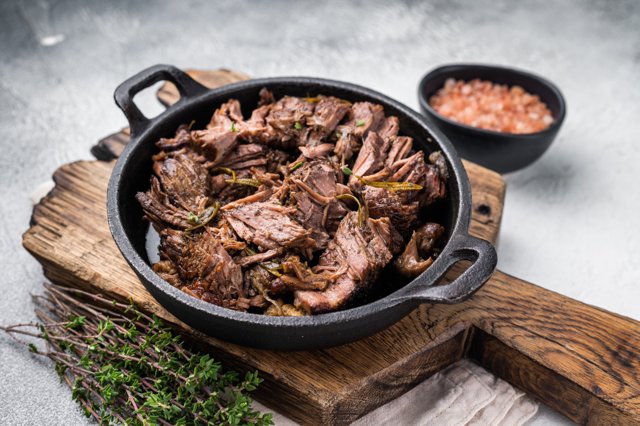
Several local specialities are worth seeking out. Rillettes de Tours, a slow-cooked, shredded pork spread. It carries protected status and is typically enjoyed on a fresh baguette. The region is also famous for Sainte-Maure-de-Touraine, a distinctive goat’s cheese threaded with a small straw through its centre.

Sweet lovers may come across Nougat de Tours, a dense, almond-rich cake filled with candied fruits and apricot jam. 

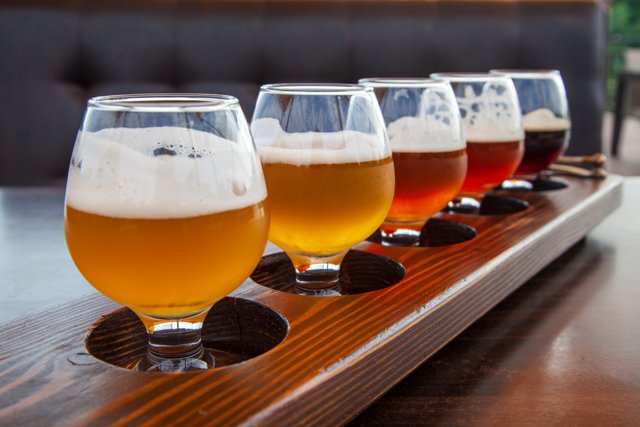
Wine is never far away. The nearby vineyards of Vouvray and Montlouis-sur-Loire produce elegant white wines made from Chenin Blanc, ranging from crisp and dry to richly sweet.

City Rhythm

Tours moves at a relaxed pace, but the large student population keeps the atmosphere lively, especially in the evenings. The city is home to the University of Tours, which brings tens of thousands of students into the centre during the academic year.

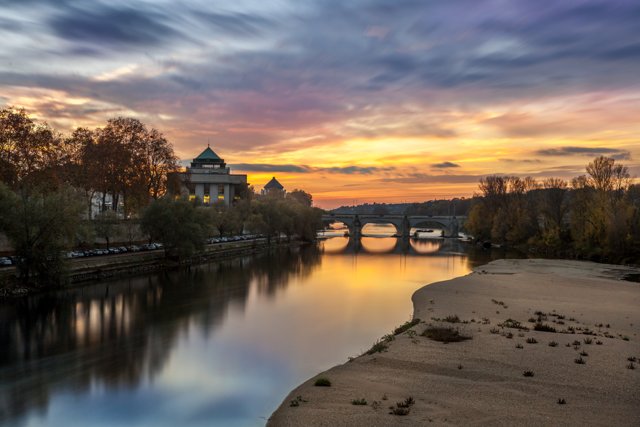
During the week, the rhythm is set by the bustling morning markets and the flurry of students moving between campuses. However, come evening, the energy shifts to the Guinguette, the open-air bars that spring up along the banks of the Loire. Here, professors, travelers, and students all gather for a drink as the sun sets over Europe's last wild river.

Things to Do

Begin in Vieux Tours, where cobbled streets wind past half-timbered houses and lively squares. Place Plumereau sits at the heart of the district, an ideal spot to pause for a drink and watch the city go by.

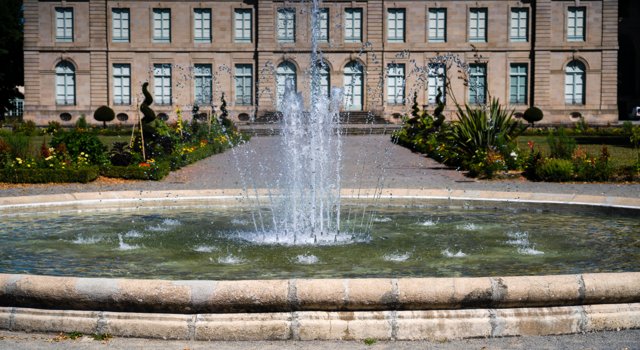
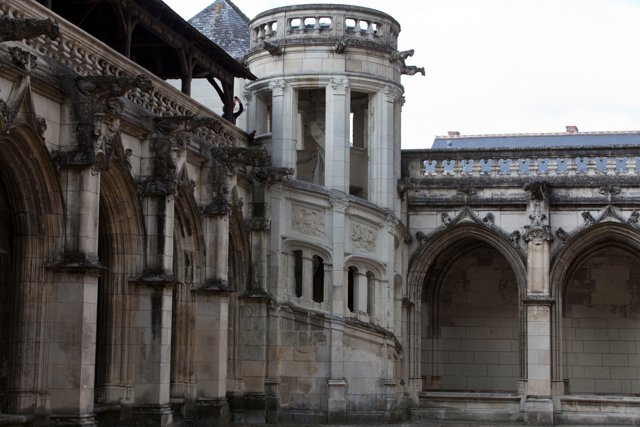
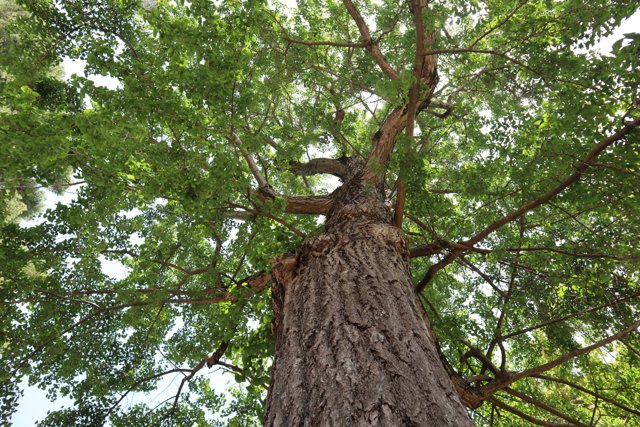
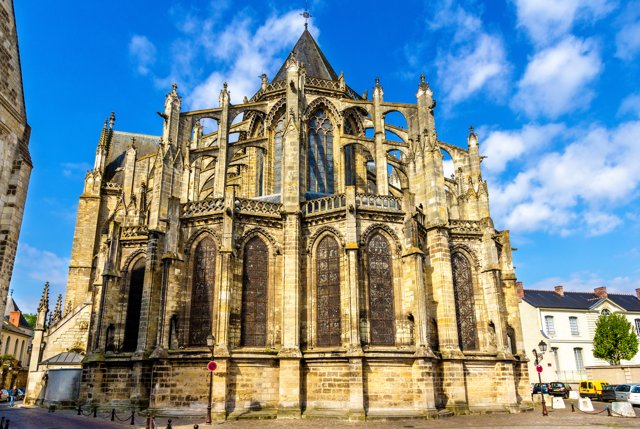
A short walk east leads to Cathédrale Saint-Gatien, whose ornate Gothic façade and stained glass reveal centuries of craftsmanship. Nearby, the Musée des Beaux-Arts displays works attributed to masters such as Rubens and Rembrandt, along with a giant cedar tree planted in 1804.

Beyond the historic centre, the Loire riverbanks invite slower exploration. Walking and cycling paths follow the river for kilometres, opening onto the wide sandbanks and expansive landscapes that define the Loire Valley.

In the end, Tours charms through its balance of historic streets, excellent food and wine, and easy access to one of France’s most beautiful regions.

Best hotels in Tours

Frequently asked questions

Is Tours a good base for visiting the Loire Valley castles?

Yes. Tours sits at the heart of the Loire Valley, making it easy to reach famous châteaux such as Chenonceau, Chambord, and Villandry by train, bike, or guided tour. Many travellers stay here as a convenient hub while enjoying the city’s lively restaurants, markets, and cafés.


How many days should I spend in Tours?

Two to three days is usually ideal. This allows time to explore the historic centre, enjoy the local food scene, and visit at least one nearby château or vineyard. Travellers interested in cycling or wine tasting often stay longer.

When is the best time to visit Tours?

Spring and early autumn are especially pleasant. From April to June the château gardens bloom, while September and October bring vineyard harvests and warm light across the valley. Summer is lively, while winter offers a quieter atmosphere in the historic centre.

Do I need a car to visit Tours and the Loire Valley?

Not necessarily. Tours is well connected by train and regional buses, and several châteaux are reachable by rail or organised tours. Many visitors also explore the valley by bike along the Loire à Vélo route.

Top destinations