Montpellier

A southern French city shaped by student life, historic streets, and an easy Mediterranean rhythm.

  • Montpellier

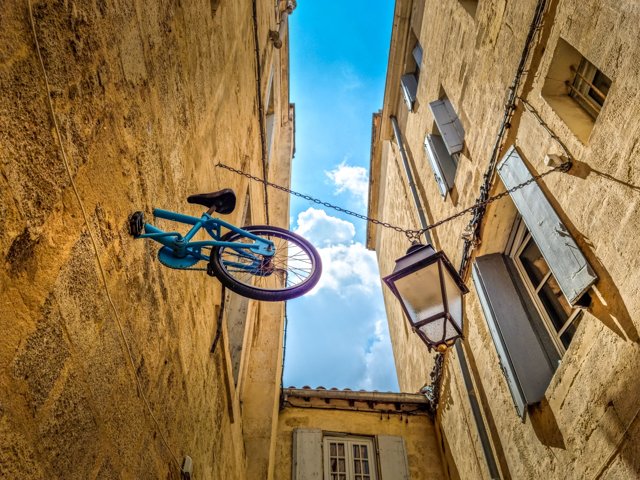
    Montpellier has long been a city shaped by movement — of students, ideas, and cultures. Just a few kilometres from the Mediterranean, its historic centre unfolds through narrow medieval streets that open onto elegant squares, cafés, and shaded terraces where daily life spills outdoors.

    Unlike many historic French cities, Montpellier feels young and constantly evolving. One of Europe’s oldest universities has drawn generations of students here, giving the city a creative and energetic atmosphere that blends easily with its southern rhythm. From the lively lanes of the old town to the wide contemporary spaces of newer districts, Montpellier offers a balance of heritage, culture, and Mediterranean ease that makes it both vibrant and approachable.
Unique experiences in Montpellier

Plan your trip

Entry Requirements & Travel Documents

France forms part of the Schengen Area, allowing EU and EEA citizens to travel with a valid passport or national ID card. Visitors from many non-EU countries can enter visa-free for short stays of up to 90 days within a 180-day period, provided passport validity rules are respected.

From late 2026, travellers from visa-exempt countries such as the United States, Canada, the United Kingdom, Japan, Brazil, and Australia will be required to obtain ETIAS travel authorisation before entering France or other Schengen states. Until the system is introduced, existing entry conditions remain unchanged.

Money, Currency & Paying in Montpellier

The euro (€ / EUR) is used throughout Montpellier. Paying by card is common across the city, particularly in restaurants, shops, and cafés, and contactless payments are widely accepted.

That said, some small businesses — especially bakeries, market stalls, or independent cafés — may still prefer cash for smaller amounts. Keeping a few coins on hand can be useful when exploring the historic centre or local markets.

Weather, Seasons & When to Visit

Montpellier enjoys a Mediterranean climate, with hot summers, mild winters, and plenty of sunshine throughout the year.

Spring (March to May) brings pleasant temperatures and blooming parks, making it one of the best seasons to explore the historic centre and outdoor cafés.

Summer (June to August) is hot and lively. Long sunny days fill the city’s terraces and squares, while nearby Mediterranean beaches offer a refreshing escape.

Autumn (September to November) often remains warm well into the season, with fewer visitors and a relaxed atmosphere.

Winter (December to February) is generally mild compared with much of Europe, although occasional coastal winds can make temperatures feel cooler.

Health Insurance

Visitors from EU countries should carry a valid European Health Insurance Card (EHIC) or GHIC, which allows access to public healthcare services in France under the same conditions as residents. However, it does not replace comprehensive travel insurance.

Travellers from outside the EU are advised to arrange travel medical insurance covering treatment, hospital care, and emergency repatriation during their stay.

Pharmacies are widely available across Montpellier and are often the first place locals go for minor health concerns or basic medical advice. In case of urgent needs outside regular hours, a rotating pharmacie de garde provides overnight or weekend service.

Connectivity, Roaming & Mobile Data

Most hotels, cafés, and restaurants in Montpellier offer free Wi-Fi, and many public areas in the city centre also provide internet access.

If your mobile plan is issued within the EU or EEA, you can normally use your calls, texts, and data in France under the EU “Roam Like at Home” regulation. Travellers from outside the EU should check roaming costs with their provider, or consider using a local SIM card or eSIM for longer stays.

Airport & Main Arrival Hubs

Montpellier is served by Montpellier–Méditerranée Airport (MLP), located around 10 km southeast of the city centre. The airport handles domestic and European flights and offers straightforward connections to the city by tram, shuttle, taxi, or ride-hailing services.

Its proximity to the centre means transfers are relatively quick compared with larger metropolitan airports.

Main Train Stations

Montpellier has two main railway stations serving different types of routes.

Montpellier Saint‑Roch station is the historic station located close to the city centre. It provides convenient access to the old town and is within walking distance of major squares such as Place de la Comédie.

A newer station, Montpellier Sud de France station, sits several kilometres outside the centre and mainly serves high-speed TGV routes connecting cities such as Paris, Lyon, and Marseille.

From the Airport / Station to the City Centre

From Montpellier–Méditerranée Airport, airport shuttle buses and local transport provide connections to the city centre, typically taking around 20–30 minutes depending on traffic.

Travellers arriving at Montpellier Saint-Roch will find themselves already close to the historic centre, with many areas easily reached on foot or by tram.

If arriving at Montpellier Sud de France, a tram connection links the station to central Montpellier, offering a straightforward transfer into the city.

Taxis & Ride-Hailing Services

Taxis are available outside Montpellier–Méditerranée Airport and at ranks near key transport hubs such as Montpellier Saint-Roch station and several central squares. A journey between the airport and the city centre typically takes around 15–20 minutes, depending on traffic.

Licensed taxis in Montpellier are clearly marked with an illuminated “TAXI” sign on the roof. A green light indicates the taxi is available, while a red light shows it is already occupied. Vehicles usually display the taxi company name and number on the doors, and the driver’s identification card is visible inside the car. Fares are regulated and calculated using a taximeter based on distance and travel time.

Ride-hailing services such as Uber also operate in the city and can be a convenient option for airport transfers or late arrivals, particularly when travelling with luggage or outside regular public transport hours.

Arrival Tips & Common Mistakes to Avoid

  • Montpellier’s historic centre is largely pedestrianised, which means taxis and cars cannot access some streets in the old town.
  • When booking train tickets, check carefully which station you are arriving at — Saint-Roch is central, while Sud de France is located outside the city and requires a tram connection.
  • Montpellier’s compact centre makes it easy to explore on foot, but summer heat can be intense during the day, so planning visits in the morning or evening can make exploring more comfortable.

Public Transport & Zones

Montpellier’s public transport network is operated by TaM (Montpellier Méditerranée Métropole) and includes tram and bus services connecting most parts of the city and surrounding areas. Montpellier’s public transport network is operated by TaM (Montpellier Méditerranée Métropole). 

The tramway is the backbone of the system, with several lines linking the historic centre with residential districts, universities, and nearby neighbourhoods. Montpellier’s trams are well known for their distinctive artistic designs, and many routes pass through major areas such as Place de la Comédie, one of the city’s main transport hubs.

Tickets & Passes

Tickets are valid across the entire TaM network and can be purchased at tram stops, ticket machines, or through the official M'Ticket TaM app. 

Single tickets allow transfers between tram and bus services within a limited time window. Day passes and multi-day options are also available and can be convenient for visitors planning to explore several districts or travel frequently during their stay.

Walking & Cycling

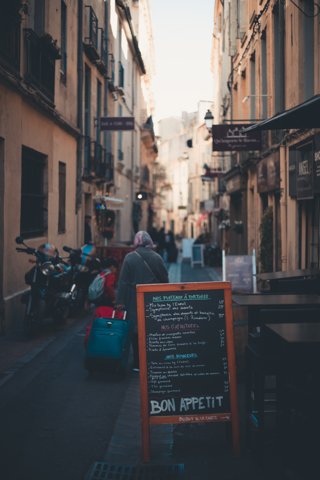
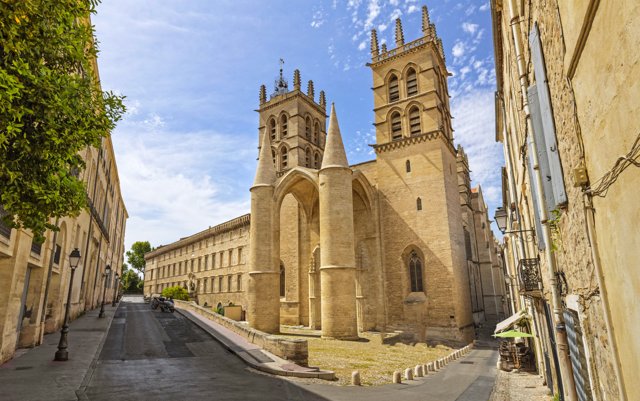
Montpellier’s historic centre, known as l’Écusson, is largely pedestrianised, making walking one of the best ways to explore its narrow medieval streets, small squares, and cafés.

Cycling is also popular, particularly along newer urban routes and parks. The city operates a public bike-sharing system called Vélomagg’, with stations located across central neighbourhoods and near major tram stops.

Nearby Destinations / Day Trips

Montpellier’s location in southern France makes it a convenient base for exploring both the Mediterranean coast and historic cities of the Occitanie region.

The nearby seaside town of Palavas-les-Flots lies just a short distance from the city and offers easy access to Mediterranean beaches and waterfront restaurants. Slightly further along the coast, La Grande-Motte is known for its modern seaside architecture and long sandy beaches.

Inland, historic cities such as Nîmes and Arles reveal impressive Roman heritage, including remarkably preserved arenas and ancient monuments. The surrounding countryside also leads to scenic villages such as Saint-Guilhem-le-Désert, a medieval village set in the dramatic landscapes of the Hérault valley.

Accessibility & Basic Safety Tips

Montpellier’s tram network is generally accessible, with step-free access at many stations and low-floor vehicles designed to accommodate passengers with reduced mobility.

Because the historic centre is largely pedestrianised, some streets can be narrow or paved with cobblestones, which may be uneven in places.

Montpellier is generally considered a safe destination. As in any busy city, it is advisable to remain aware of personal belongings in crowded areas such as tram stops, markets, and popular squares. Emergency services in France can be reached by dialling 112.

Language, Culture & Local Etiquette

French is the main language spoken in Montpellier. While English is commonly understood in restaurants, hotels, and tourist areas, brief greetings are still an important part of everyday interactions. Acknowledging staff when entering a shop or café is considered basic courtesy and helps set a friendly tone.

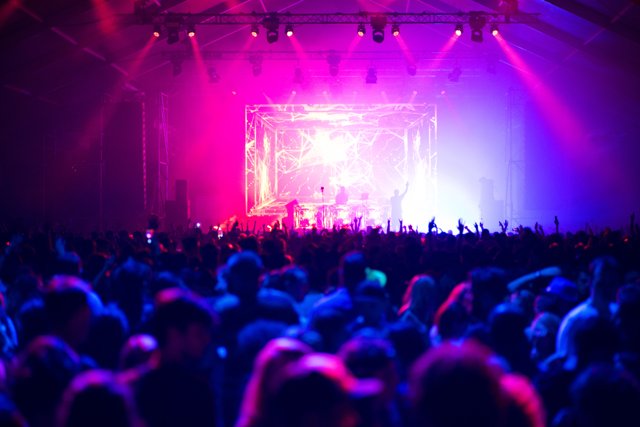
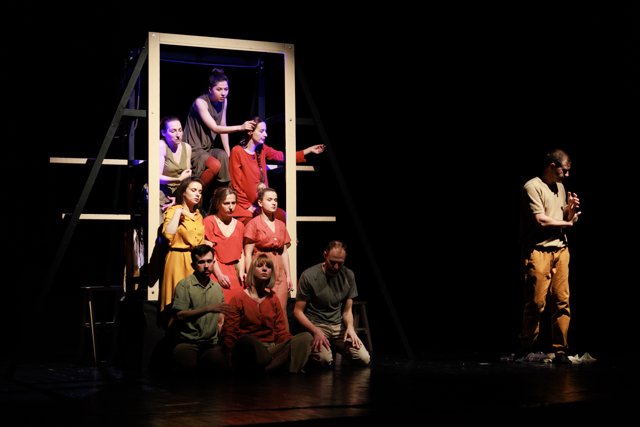
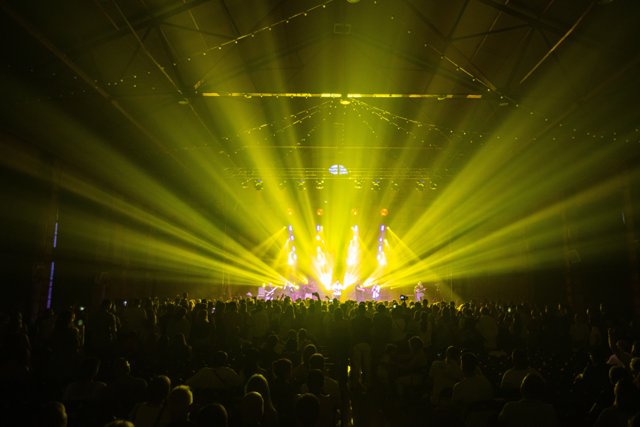
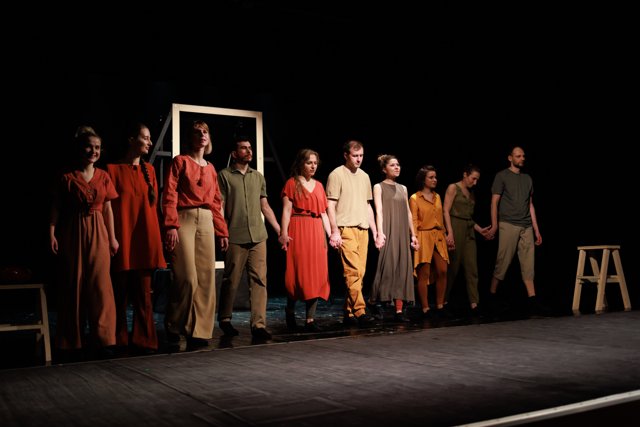
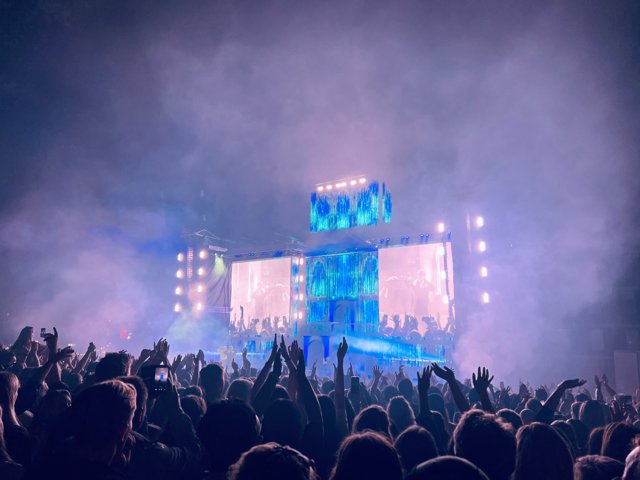
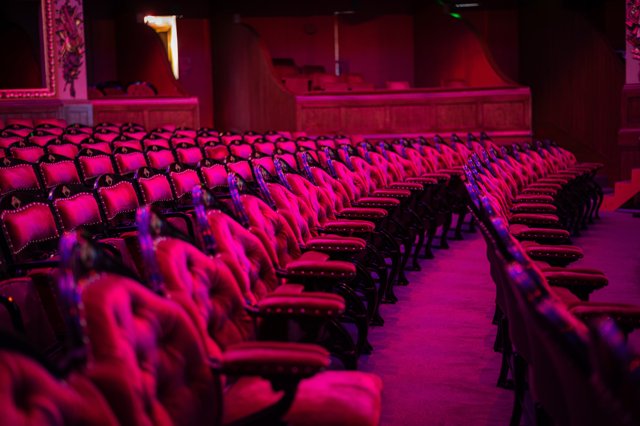
Montpellier is known for its youthful atmosphere, largely shaped by its university community. One of Europe’s oldest universities has drawn students here for centuries, creating a lively cultural scene with theatres, music venues, festivals, and cafés that stay busy throughout the year.

As elsewhere in France, restaurant bills usually include service (service compris), so tipping is modest. Rounding up the bill or leaving small change after good service is appreciated but not required.

Neighbourhoods

Montpellier’s character is shaped by a mix of historic streets and more contemporary districts.

  • Écusson: The historic centre of Montpellier, a maze of medieval streets, small squares, and lively cafés. Much of the area is pedestrianised, making it one of the best places to explore the city on foot.
  • Place de la Comédie & City Centre: Often called the heart of Montpellier, this large square connects the historic centre with the city’s main shopping streets and transport hub.
  • Antigone: A striking modern district designed in the late 20th century, known for its grand neoclassical-inspired architecture and wide pedestrian avenues leading toward the river.
  • Port Marianne: One of Montpellier’s newest neighbourhoods, combining contemporary architecture, parks, and residential developments near the Lez river.

Gastronomy

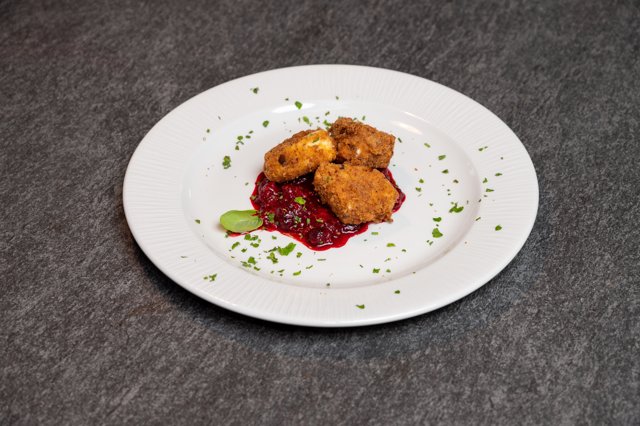
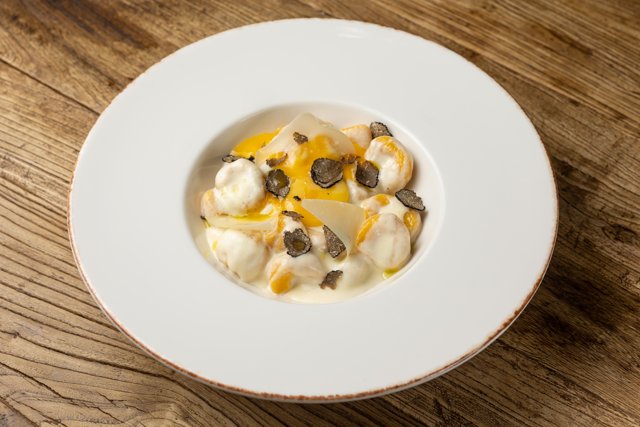
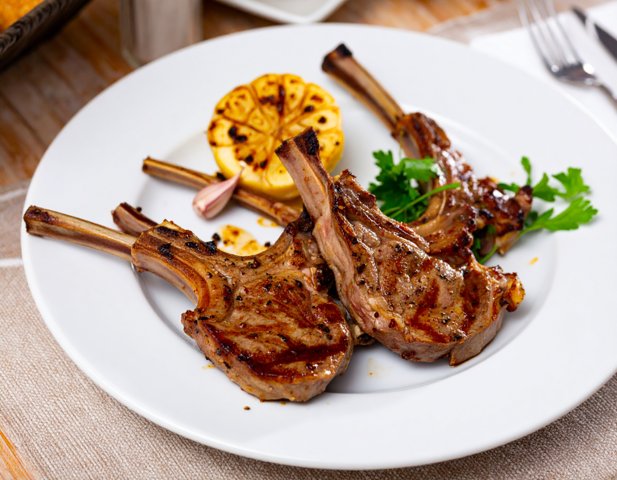
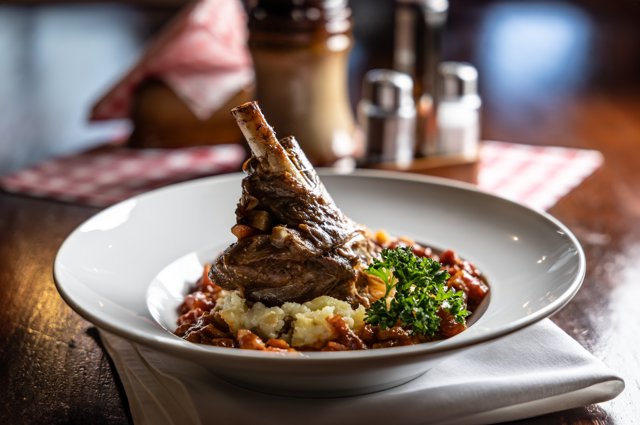
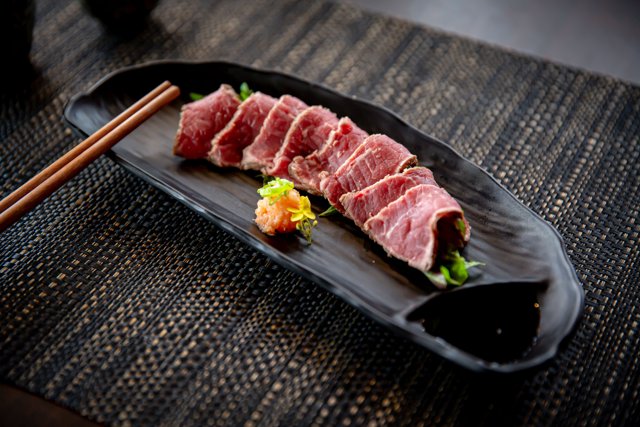
Food in Montpellier reflects the flavours of southern France, where Mediterranean ingredients and regional traditions meet. Olive oil, seasonal vegetables, seafood, and grilled meats appear frequently on menus, often paired with wines from the surrounding Languedoc vineyards — one of France’s largest and most dynamic wine regions.

Local restaurants range from relaxed neighbourhood bistros to contemporary dining spots influenced by the city’s youthful and creative atmosphere. Fresh seafood from the nearby coast, simple Mediterranean preparations, and regional dishes from Occitanie all play a role in shaping Montpellier’s culinary identity.

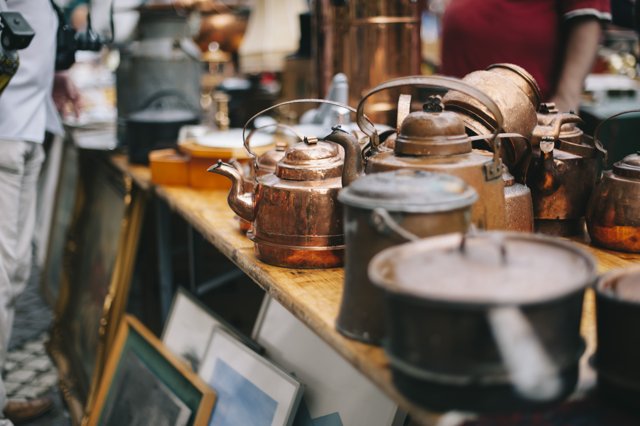
Markets are an essential part of the city’s food culture. Stalls overflow with cheeses, olives, pastries, and fresh produce, offering a glimpse into the everyday flavours of the region and the ingredients that define southern French cooking.

City Rhythm

Life in Montpellier follows a relaxed southern rhythm. Mornings begin slowly in cafés and bakeries, while squares gradually fill with students, residents, and visitors moving between markets, shops, and terraces.

As the day cools, the city becomes more social. Restaurants and wine bars fill with conversation, and public squares take on a lively evening atmosphere. Whether in historic streets or modern neighbourhoods, much of Montpellier’s life unfolds outdoors, shaped by its warm climate and Mediterranean lifestyle.

Things to Do

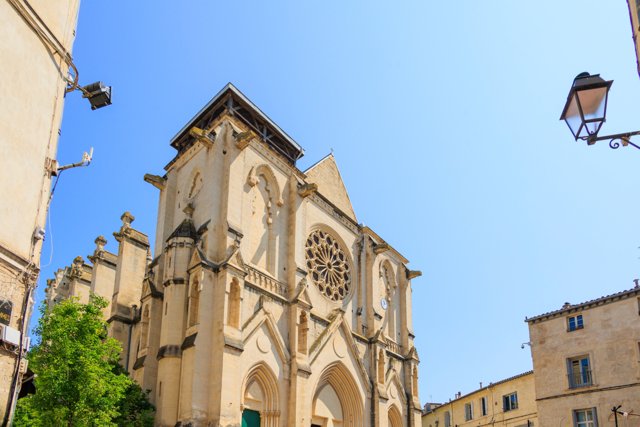
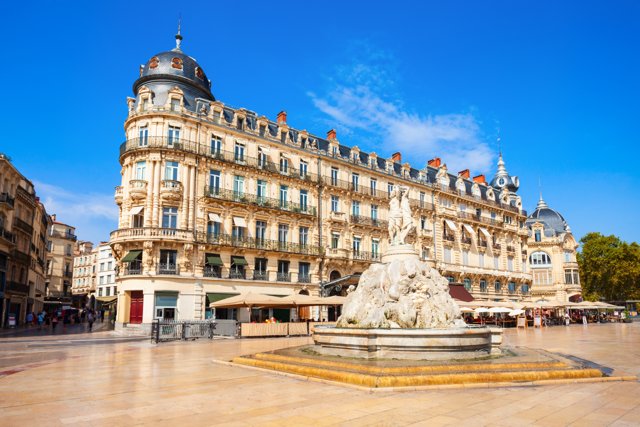
Exploring Montpellier usually begins in the historic centre known as the Écusson, where narrow medieval streets weave between small squares, cafés, and hidden courtyards. At its edge lies Place de la Comédie, the city’s lively central square and traditional meeting point. Locals often refer to it simply as “la Comédie”, and its terraces remain busy from morning coffee through late evening gatherings.

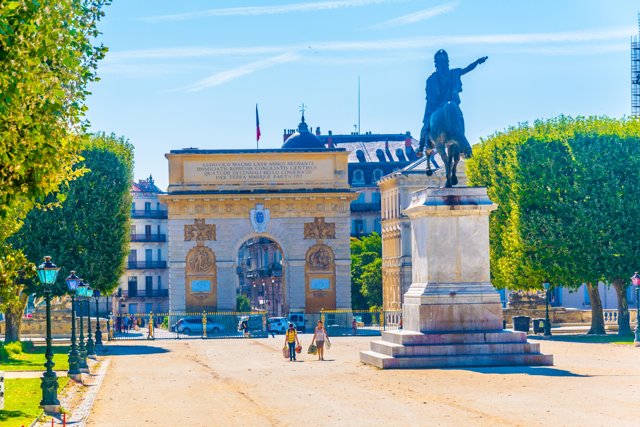
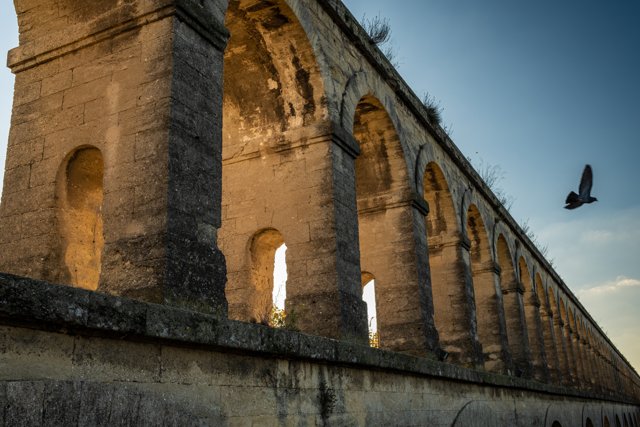
A short walk uphill leads to the Promenade du Peyrou, one of the city’s most elegant viewpoints. The terrace is crowned by an Arc de Triomphe built in honour of Louis XIV, while the nearby Saint-Clément aqueduct stretches toward the countryside — a striking reminder of the city’s historic infrastructure.

Montpellier also reveals a very different side in the district of Antigone, where monumental buildings and wide pedestrian avenues create a modern contrast with the medieval streets of the old town. Between historic squares, contemporary architecture, and lively cafés filled with students, the city offers a balance of heritage and creative energy.
Best hotels in Montpellier

Frequently asked questions

Is Montpellier worth visiting?

Yes, it offers a lively mix of historic streets, student energy, and Mediterranean culture. Its compact historic centre, vibrant café scene, and proximity to the coast make it an appealing destination for travellers looking for a southern French city that feels both historic and youthful.

Is Montpellier close to the beach?

Yes. Although Montpellier itself is slightly inland, the Mediterranean coast is only about 10 km away. Beaches such as Palavas-les-Flots and La Grande-Motte can be reached easily by public transport, car, or bicycle.

Why is Montpellier considered a student city?

Montpellier is home to one of the oldest universities in Europe, founded in the 13th century. Today, the city hosts a large student population, which gives it a youthful atmosphere with lively cafés, cultural events, and an active nightlife throughout the year.

How many days do you need in Montpellier?

For most visitors, two to three days is enough to explore the historic centre, enjoy the city’s food scene, and visit nearby beaches or surrounding towns in the Occitanie region.

Is Montpellier a walkable city?

Yes. Much of the historic centre, particularly the Écusson, is pedestrianised, making it easy to explore on foot. The city’s tram network also provides convenient connections to neighbourhoods further from the centre.

What is the best time to visit Montpellier?

The best times to visit are spring and early autumn, when temperatures are warm but comfortable for exploring the city. Summer is lively and sunny, especially with easy access to nearby Mediterranean beaches.
Top destinations