London

Where the past and the present live side by side.

  • London

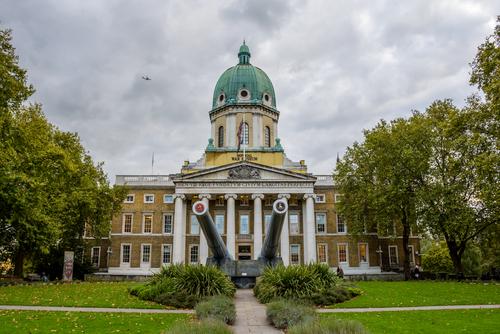
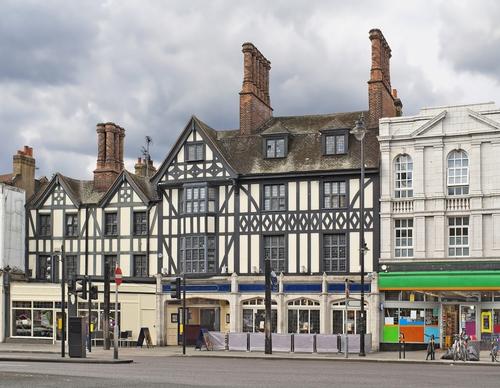
    London doesn’t separate its history from its present — it lets them collide, creating an energy that shapes everyday life. Imperial façades and Victorian streets sit beside glass bridges, rooftop gardens and ever-evolving districts that never seem to stand still.

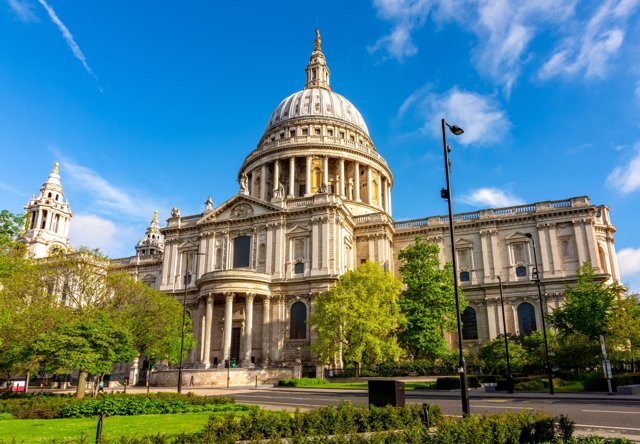
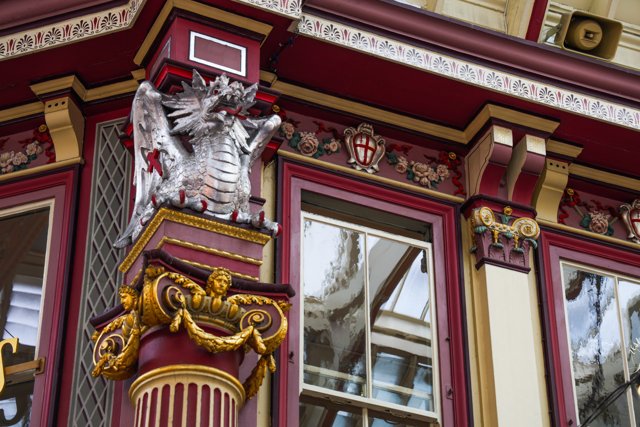
    Walk from St Paul’s Cathedral across the Millennium Bridge into a skyline of glass, steel and light. Wander through Leadenhall Market before rising above the City at the Sky Garden, or drift between Covent Garden and Soho, where centuries of theatre and trade now power nightlife and ambitious dining scenes. Traditional pubs still anchor street corners, while international kitchens and Michelin-starred restaurants continue to redefine the city’s culinary landscape. 

    What makes London unforgettable is the feeling that every corner holds a story from the past and a glimpse of what comes next, all unfolding at once — a capital that rewards curiosity and constant discovery.

Unique experiences in London

Plan your trip

Entry Requirements & Travel Documents

The UK is no longer part of the European Union, so entry requirements depend on your nationality. Some travellers can still enter visa-free for tourism, but many nationalities must now apply for an Electronic Travel Authorisation (ETA) before departure. Applications are processed online through the official UK Government website. The ETA usually takes only minutes to obtain, but it would be wise to get your authorisation up to 3 working days before your trip.

A valid passport is required for all visitors, and it must cover the full duration of your stay. While border procedures are generally efficient, arrival queues can be long at peak times, especially at major airports like Heathrow.

Money, Currency & Paying in London

The local currency is the British Pound (GBP). London is one of the most cash-free cities in the world, and contactless payments are widely accepted on public transport, in shops, restaurants, and even small cafés. Visa and Mastercard work almost everywhere; American Express is accepted in many places but not universally. Make sure your Google Pay or Apple Wallet are set up before your trip.

If your bank card offers competitive exchange rates, it’s usually best to pay directly in GBP and let your bank handle the conversion. When cash is needed, withdrawing from ATMs generally offers better rates than currency exchange offices, particularly those located at airports. However, be aware of fees that may apply at the bank of origin.

Weather, Seasons & When to Visit

There is no bad time to visit London. The climate is mild but unpredictable, so make sure to pack some layers for versatility, as well as something for the rain.

Summer (June through August) offers long days. Heat can feel intense because of the high humidity, but few things beat a long evening on an outdoor terrace. 

Autumn (September through November) is still warm enough for long walks outdoors, with colourful foliage and fewer tourists.

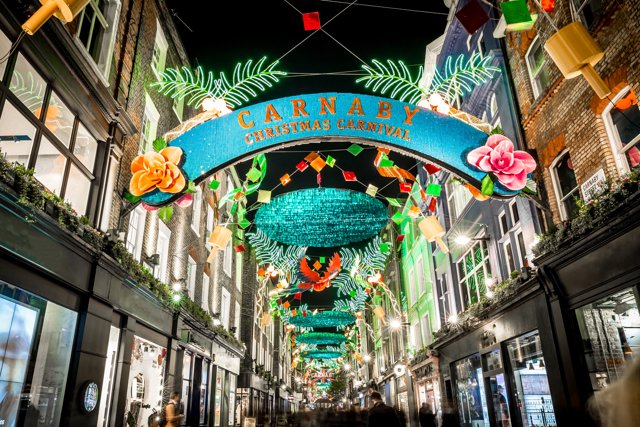
Winter (December through February) feels chilly because of humidity levels, even though the temperature rarely falls below freezing. Snow doesn't linger, so you can still walk and bike around unimpeded. To make up for shorter days, the city offers Christmas lights on Oxford Street and hot cocoa to keep you warm.

Spring (March through May), similar to autumn, promises mild temperatures and blossoming cherry trees.

Arguably, the best time to visit is in late spring or early autumn.

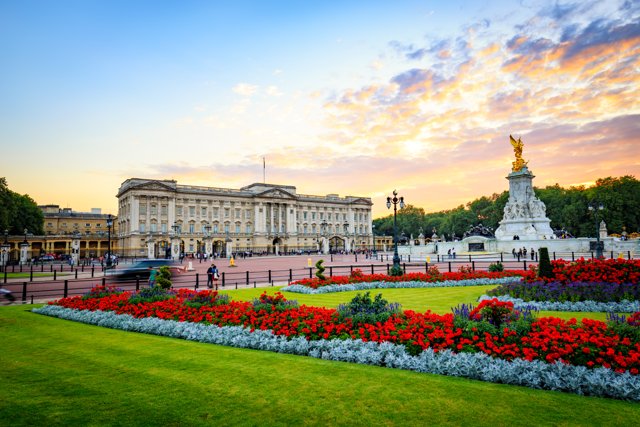
If you have a specific attraction in mind, check availability and opening times in advance. For instance, Buckingham Palace is only open to visitors from July through late September.

Health Insurance

If you're visiting from Europe, carry your valid EHIC (European Health Insurance Card) or GHIC (Global Health Insurance Card) in case you need emergency medical treatment in an NHS hospital. Travel insurance covering medical emergencies is recommended for added peace of mind.

At NHS Hospital (Public) you will be expected to pay the hospital directly. Keep all the receipts, and then file a claim with your insurance company. Private hospitals can offer shorter wait times and are more accustomed to dealing with travellers. These institutions might bill your insurer directly, provided that you had called your insurer before the appointment and received a pre-authorisation.

Connectivity, Roaming & Mobile Data

Although many European travellers are used to roaming freely within the EU, the UK is no longer part of the EU roaming zone. Some European mobile plans still include UK roaming, but this varies by provider and tariff, so it’s important to check before travelling.

Free Wi-Fi is widely available in hotels, cafés, museums, and many public spaces. For longer stays or heavy data use, an eSIM or local SIM card can be a convenient option. Local SIMs can be purchased at the arrival airport halls or convenience stores such as WHSmith. eSims need to be bought online in advance, installed via QR code, and activated upon arrival. For travellers who want to be connected immediately after landing, eSIMs are often the most convenient option.

Airports & Main Arrival Hubs

London is served by six main airports. 

  • Heathrow Airport (LHR) is the most common arrival point for long-haul international flights and full-service carriers. If you are flying from outside Europe, you will likely land here.
  • Gatwick Airport (LGW) hits a sweet spot between affordability and accessibility. It hosts a mix of budget airlines and long-haul leisure routes, often with cheaper fares than Heathrow but better rail links than the smaller airports.
  • Stansted Airport (STN) is the third-busiest airport, serving as a base for European low-cost airlines. If you are flying Ryanair from anywhere in Europe, you’ll likely land here.
  • Luton Airport (LTN) is another hub for budget airlines (especially Wizz Air and easyJet), but it is located to the northwest.
  • Southend Airport (SEN) is located further east in Essex. It offers a significantly quieter and more relaxed experience. There are rarely any queues and the customer service is excellent. 
  • London City Airport (LCY) is unmatched in sheer speed and proximity. Located in the Docklands, it’s the only airport actually within the city. With some luck, you can get from the plane to the Tube in about 15 minutes.

London is also a major rail hub. St Pancras International is especially important, as it connects London with mainland Europe via Eurostar services through the Channel Tunnel.

Main Train Stations

When arriving in London by rail, your experience will depend on which direction you’re coming from, as the city’s rail network is built around a ring of major terminal stations rather than a single central hub.

  • St Pancras: arrival point for Eurostar services from mainland Europe, located right next to King’s Cross, which handles high-speed trains from the north and Scotland.
  • Nearby Euston serves the West Coast Main Line from cities like Birmingham, Manchester and Glasgow.
  • Victoria: main gateway for Gatwick Airport and the south coast.
  • Paddington: direct connections to Heathrow via the Elizabeth Line and Heathrow Express, as well as services from Bath, Bristol and Wales.
  • Liverpool Street: links to Stansted Airport and eastern England, and has become one of the city’s busiest hubs thanks to the Elizabeth Line.
  • Waterloo: serves the south-west and places you right by the South Bank.

From the Airport to Central London

Trains are usually the most reliable way to reach central London from the airport. 

  • From Heathrow (LHR), board the Elizabeth line with its modern spacious trains, or pick the slightly more cramped Piccadilly line. The Heathrow Express is the fastest option, but it’s pricey and has few fans.
  • From Gatwick (LGW), dedicated express trains and regular rail services connect directly to central London. Taxis are widely available, but traffic means they often take longer than trains.
  • Stansted (STN) has convenient train links to Liverpool Street station.
  • A shuttle bus will take you from Luton Airport (LTN) to Luton Airport Parkway train station. From there, you can take a train to King's Cross and St Pancras.
  • Southend (SEN) is connected to Liverpool Street and Stratford stations.
  • For London City Airport (LCY), you can take the Docklands Light Railway. It’ll take you to Canary Wharf in under 20 minutes.

National Rail offers a reliable Journey Planner for your convenience.

Once in central London, you can easily transfer to the Tube or a taxi, or even walk to your accommodation.

If you don’t feel like being crammed into a metal tube deep underground, all airports have bus connections to the city centre. Buses are also the right choice if you land after midnight. You can buy tickets to National Express coaches from their website, at the station, or directly from the driver. 

Taxis & Ride-Hailing

London’s iconic black cabs are driven by professionals who have mastered “The Knowledge”, a famously demanding training process that takes several years and requires memorising thousands of streets and landmarks. This means you can usually hop in and name a destination without needing a postcode or map.

Black cabs are officially licensed, metered and reliable. When the yellow “Taxi” sign above the windscreen is lit, the cab is available to hire, either by hailing one on the street or finding them at designated ranks near major stations and landmarks. All accept credit and debit cards, including contactless payments, and while tipping isn’t mandatory, it’s common to round up the fare.

If you prefer app-based travel, services like Uber, Bolt and Free Now operate throughout the city. These can be convenient, but expect higher prices during rush hour, rail strikes or heavy rain.

Arrival Tips & Common Mistakes to Avoid

  • Avoid exchanging money at airport currency desks unless absolutely necessary, as rates are usually less favourable.
  • Cash is no longer king. Make sure you have contactless cards or mobile payments ready.
  • “Stand on the right, walk on the left” is the fundamental, strictly observed etiquette for escalators in the London Underground.
  • On buses, tap once when boarding. On the Tube and trains, remember to tap in and out to avoid being charged the maximum fare.
  • Premium services like Heathrow Express are not included in daily fare caps or standard Travelcards.

Download the Citymapper app, which is significantly more precise than Google Maps. It will even tell you which station exit to use and which section of the train to board for the most seamless journey.

Public Transport & Zones

London’s public transport system is extensive, well-connected, and easy to use. It is operated by Transport for London (TfL) and covers the entire city and surrounding areas.

The network includes:

  • The Underground (Tube)
  • Buses
  • Docklands Light Railway (DLR)
  • London Overground and local trains
  • Trams in South London
  • River buses on the Thames
  • A limited night service on selected lines

For most visitors, the Tube and buses are the main ways to get around.

London is divided into 9 travel zones, arranged in rings around the city centre. Most major attractions are located in Zones 1–2, which is where most visitors spend their time.

For real-time routes and clear directions across the city, Citymapper is widely used, while TfL Go, the official Transport for London app, shows live service updates, delays, and step-free station information.

Walking & Cycling

Central London is very walkable, and many attractions are close together. Walking is often the best way to explore neighbourhoods and discover quieter streets.

London also has a public bike-sharing scheme, Santander Cycles GOV UK:

  • Red bikes at docking stations across the city
  • Pay by app or bank card
  • Ideal for short trips

Nearby Destinations / Day Trips

London is an excellent base for exploring southern England, with historic towns and countryside within easy reach by train.

Popular day trips by train include:

  • Oxford and Cambridge for historic colleges and riverside walks
  • Bath for Georgian streets and Roman heritage
  • Windsor for its iconic castle
  • Brighton for beaches and seaside promenades

National Rail services connect London with cities across the UK, and trains are usually the fastest option for short trips.

Accessibility & Basic Safety Tips

Transport for London provides tools to help travellers plan accessible journeys, including information on step-free stations, lift availability, platform gaps, and walking distances between platforms.

Routes can be checked in advance using TfL’s Journey Planner and accessibility maps. Many London buses are fully accessible, with ramps and priority seating.

London is generally safe to get around, but as in any large city, staying aware of your surroundings and keeping an eye on your belongings in busy areas is always recommended.

Language, Culture & Local Etiquette

English is the main language spoken in London, and the city’s multicultural character means communication is generally easy for international visitors. Londoners tend to be polite but reserved; queuing is taken seriously, and personal space is respected.

In restaurants, a 10–15% tip is common for good service, and many bills include a discretionary 12.5% service charge. Tipping isn’t mandatory, but rounding up in pubs or for casual dining is appreciated. For guided tours, a small tip is welcome, especially on free walking tours.

One essential practical note: driving is on the left-hand side of the road, whether you plan to rent a car, cycle or wander around on foot.

Neighbourhoods

London feels like several cities rolled into one, with each area offering a different mood and pace, making it worth exploring a few contrasting neighbourhoods during your stay.

  • West End & Central London: 
    Soho: lively streets, historic pubs, restaurants and nightlife.
    Covent Garden: street performers, theatres and a buzzing central piazza.
  • The City & East London: 
    Shoreditch : creative energy, street art and vintage shops.
  • West & North London: 
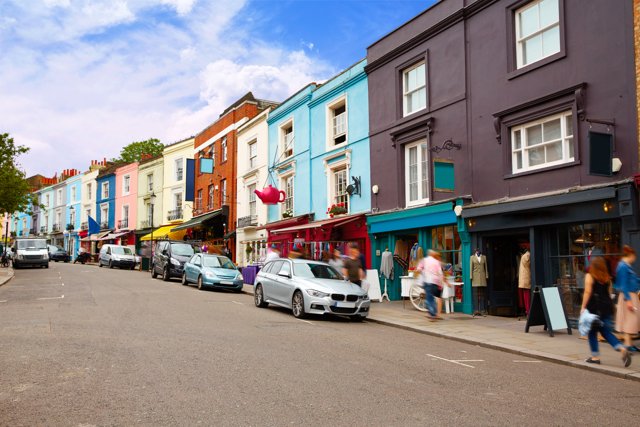
    Notting Hill: colourful houses, cafés and the famous Portobello Road Market.
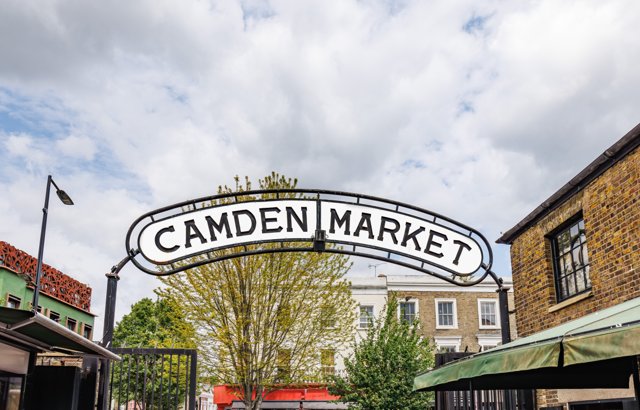
    Camden Town: markets, music venues and alternative style.
  • Along the Thames: 
    Greenwich: riverside walks, maritime history and wide park views.

Gastronomy

London’s food scene is a reflection of the city itself: rooted in tradition yet shaped by influences from around the world.

Here, classic British dishes sit comfortably alongside thriving international kitchens, from street food stalls to Michelin-starred restaurants.

You’ll come across favourites like fish and chips, a full English breakfast or a Sunday roast, alongside modern restaurants and contemporary dining spots across the city. 

Traditional pubs are great for local classics, while food markets offer an easy way to sample different flavours in one place. Borough Market in Southwark and Seven Dials Market in Covent Garden are two well-known options.

Neighbourhoods such as Soho, Shoreditch, Brixton and Camden are packed with dining spots for every budget.

City Rhythm

London moves fast, shaped by commuters, business districts, theatres, neighbourhood pubs and late-night trains layered across the city. At first the pace can feel frenetic, but once you settle in, you start to notice how each area follows its own rhythm.

Lunch crowds build quickly in central districts, while dinners tend to start earlier than in southern Europe. After work, pubs fill with locals stopping for a quick pint before theatres, music venues and bars take over the evening. Some places wind down earlier, but clubs and late venues keep the city going well past midnight, especially at weekends.

Central areas such as Covent Garden, Soho, and the City feel constantly in motion. For a slower pace, neighbourhoods like Notting Hill, Marylebone, or Hampstead feel calmer, with cafés, parks, and small shops setting a more relaxed tone.

Things to Do

London mixes world-class culture with everyday city life, making it easy to plan each day around what you enjoy most.

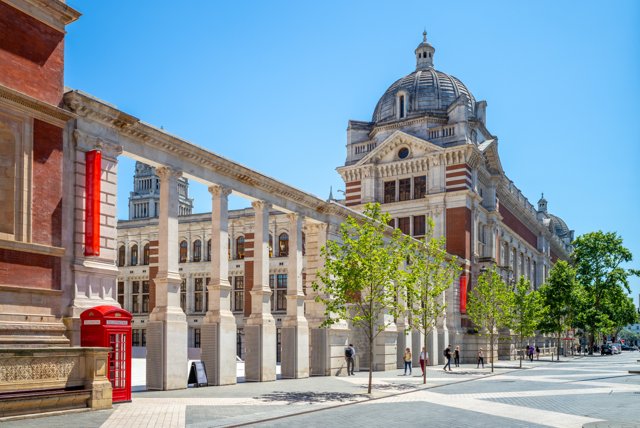
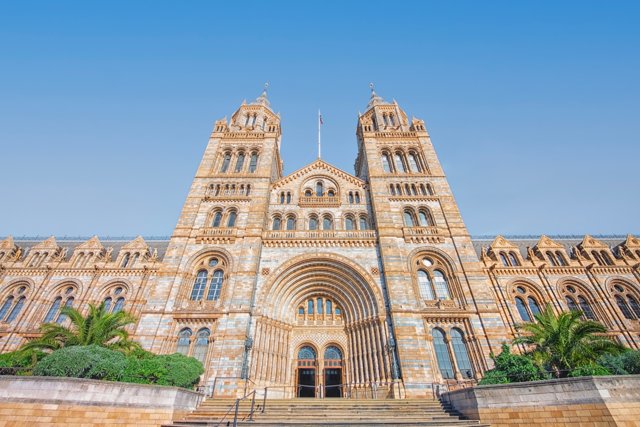
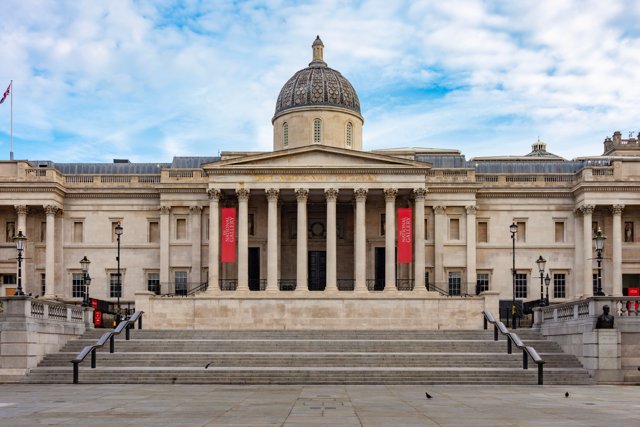
Many of London’s top museums are free to enter. The British Museum is famous for the Rosetta Stone, while the National Gallery houses masterpieces by Van Gogh and Turner. In South Kensington, the Natural History Museum features dinosaur skeletons and the Victoria and Albert Museum focuses on fashion and design. 

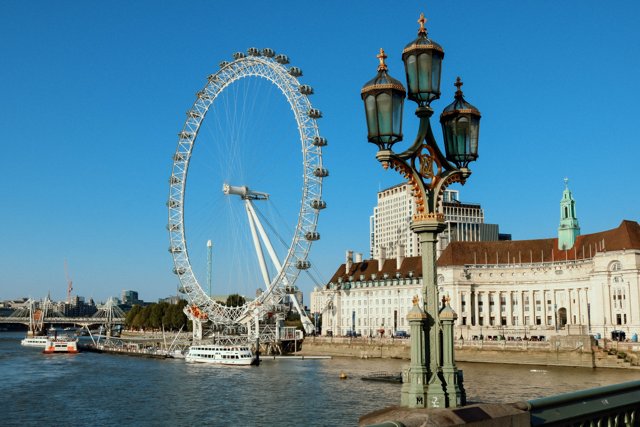
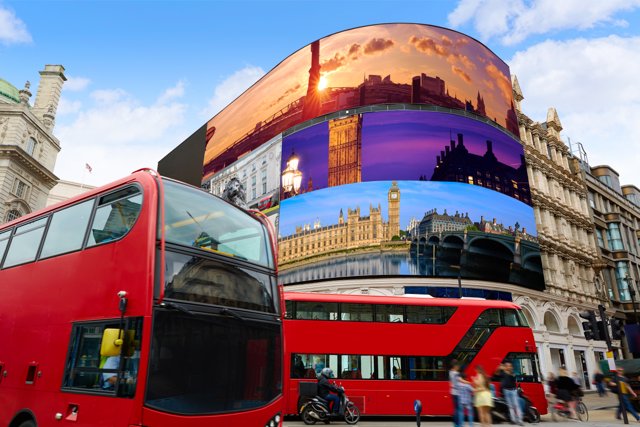
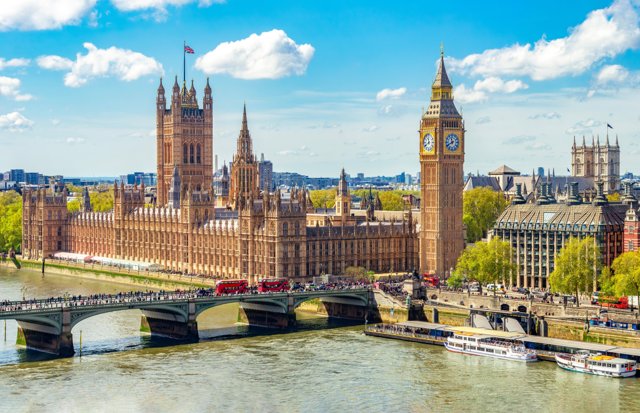
You’ll often come across Buckingham Palace, Big Ben and Tower Bridge while exploring, with the London Eye adding a modern touch beside the Thames.

Afternoon tea is one of the city’s most enduring traditions, served at famous addresses such as The Ritz and Fortnum & Mason. Pro tip: these spots are extremely popular, so booking in advance is highly recommended, especially at weekends.

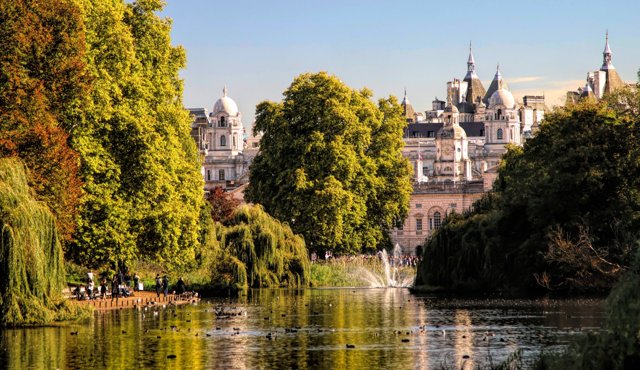
Royal parks offer space to slow down between visits, from Hyde Park and Regent’s Park to Hampstead Heath, St James’s Park and Richmond Park, where deer still roam freely.

Best hotels in London

Frequently asked questions

What is the best way to explore London?

London is a very walkable city, and exploring on foot is one of the best ways to experience its streets, parks, and hidden corners. Public transport makes getting further afield easy: buses, the Tube, the Overground, and the DLR all connect the city. 

For a different perspective, river buses along the Thames offer scenic views and a quieter way to travel. 

In terms of payment, an Oyster card or contactless card is the most convenient option.

How many days in London is enough?

While you can see many of London’s main highlights in a couple of days, spending at least 3–4 days is the best way to do this diverse city justice. You’ll have time to go beyond the most obvious sights and get a real feel for the city.

Is it all the same to arrive at one airport or another if I’m staying in central London?

All London airports are well connected to the city, but the experience can feel quite different depending on where you land. London City is the closest, Heathrow and Gatwick are very well linked by train, and Stansted or Luton often offer great-value flights with slightly longer transfers. 

Do I need cash in London?

Not really. London is extremely card-friendly, and contactless payment is accepted almost everywhere. Many visitors don’t use cash at all during their stay, though having a small amount can be handy in rare situations.

Is London an expensive city to visit?

London offers something for every budget. While some areas feel premium, the city is also full of free museums, open parks, neighbourhood markets, and affordable food spots.

Public transport is capped daily, which helps you plan your spending while still enjoying everything the city has to offer.

Is London safe for visitors?

London is a lively, well-organised city with busy streets, late-opening venues, and a strong public transport network. Like in any large city, staying aware in crowded places is usually all that’s needed to feel comfortable and relaxed.

What is the weather like in London?

London’s weather is generally mild, with changeable conditions throughout the year. While short rain showers are common, the city also enjoys many bright and pleasant days. 

Spring and early autumn are especially comfortable, and summer is perfect for parks and outdoor cafés. A light jacket or compact umbrella will keep you prepared in any season.

Is London a good destination for families?

Yes, and many families find it surprisingly easy to explore. London has interactive museums, large parks, boat rides, and theatre shows that appeal to all ages.

Do I need to book attractions in advance?

For most museums and sights, you can decide on the day. For popular exhibitions, theatre shows, or during peak travel periods, booking in advance is a great way to save time and secure your preferred entry.

Top destinations