Le Mans

Roman walls, racing legends, and a medieval old town where time slows beneath half-timbered façades.

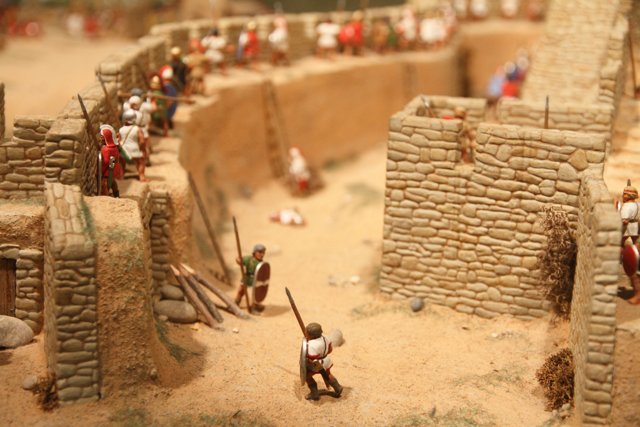
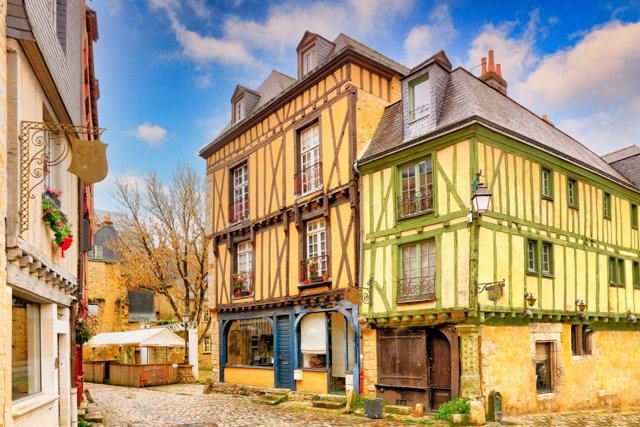
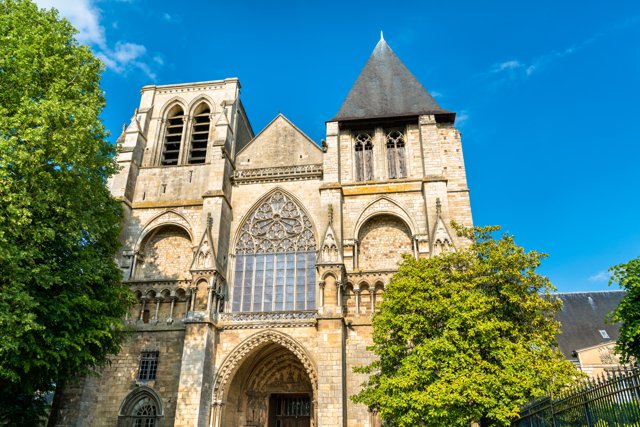
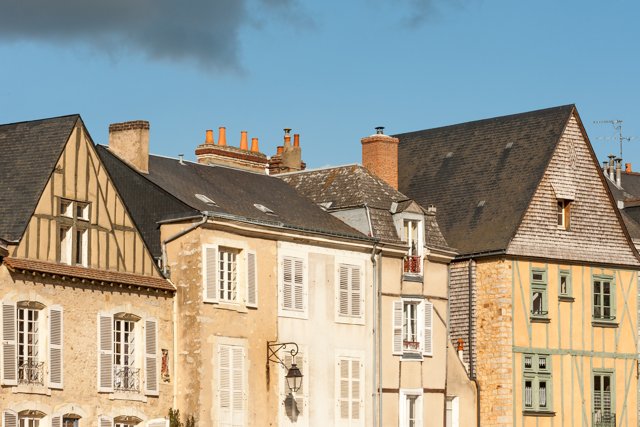
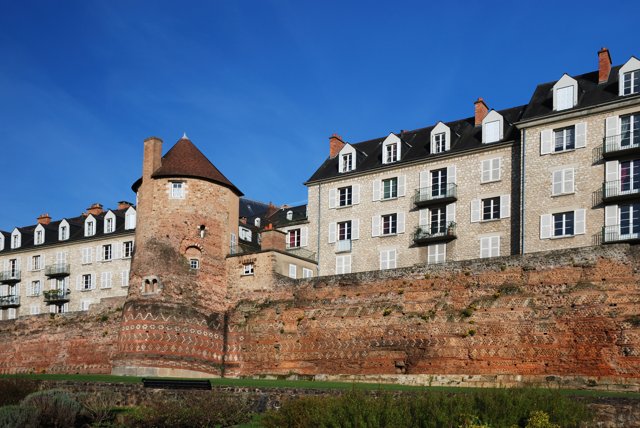
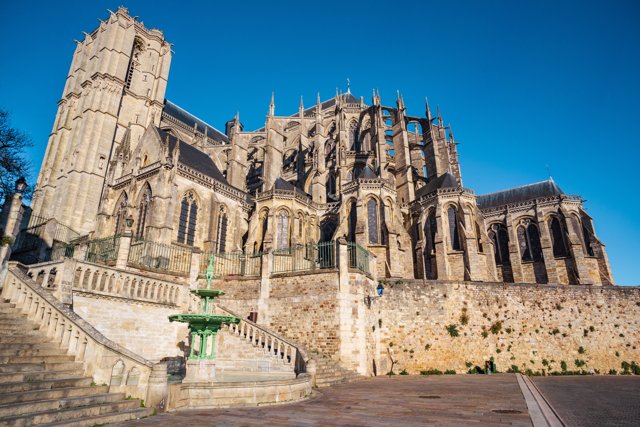
historic buildings and medieval walls in Le Mans France

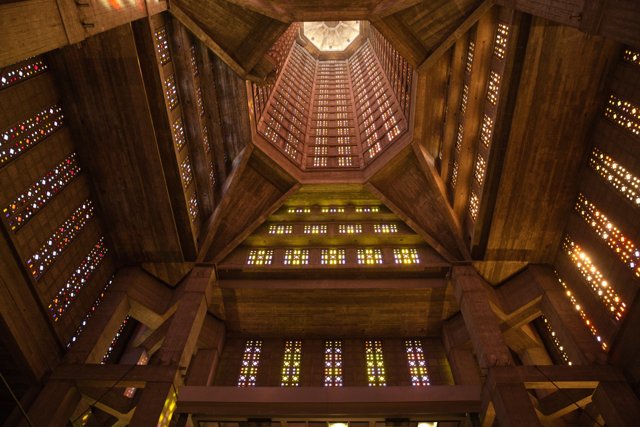
  • historic cathedral and stone walls in Le Mans France

    Le Mans

    Most travelers know Le Mans as a blur of speed—a 24-hour frenzy of endurance racing. But beyond the circuit lies a city shaped by two millennia of quieter history.

    At its heart, the Cité Plantagenêt rises above the modern streets, encircled by remarkably preserved Gallo-Roman walls. Birthplace of Henry II, it marks the origins of the Plantagenet dynasty and the deep historical ties between France and England. Cobbled lanes and timber-framed houses lead to the soaring Le Mans Cathedral, a calm counterpoint to the nearby track.

    Between medieval heritage and motorsport legacy, Le Mans balances stillness and motion with ease.
Unique experiences in Le Mans

Plan your trip

Entry Requirements & Travel Documents

France is part of the Schengen Area. Therefore, EU and EEA citizens can enter the country with a valid passport or national ID card. Many non-EU travellers from visa-exempt countries may stay up to 90 days within a 180-day period without a visa, subject to passport validity requirements that vary by nationality.

From late 2026, travellers from many visa-exempt countries, including the United Kingdom, United States, Canada, Brazil, Japan, and Australia, will need to apply online for ETIAS (European Travel Information and Authorisation System) before travelling to France and other Schengen countries for short stays. Until ETIAS becomes operational, passport-only entry remains in place.

Be sure to always verify entry requirements with official government sources before departure, as conditions may change.

Money, Currency & Paying in Le Mans

The local currency is the euro (€, EUR). Contactless cards and mobile payments are widely accepted in hotels, restaurants, shops, and public transport.

That said, smaller cafés, bakeries, and market stalls may still have card minimums or occasionally require cash, so it’s always handy to carry a small amount. ATMs are easy to find throughout the city centre.

Weather, Seasons & When to Visit

Le Mans has a temperate climate with clearly defined seasons, each offering a different perspective on the city.

Spring brings mild temperatures and long days, making it one of the most rewarding times to visit. Early summer, particularly June, combines warm, bright weather with the energy of the 24 Hours of Le Mans.

July and August are relaxed and pleasantly warm, with evenings well suited to outdoor plans, especially during the Nuit des Chimères, when light projections animate the cathedral and Roman walls.

Autumn offers softer light, fewer visitors, and comfortable conditions for exploring, while winter is quieter, with cooler, sometimes misty days that give the old town a distinctly cinematic feel.

Health Insurance

UK and EU visitors should carry a valid GHIC (Global Health Insurance Card) or EHIC (European Health Insurance Card), which provide access to medically necessary treatment within France’s public healthcare system. However, this does not replace full travel insurance, which is strongly recommended.

Non-EU travellers should arrange comprehensive medical insurance before arrival, as hospitals and clinics may request payment or proof of coverage for non-emergency care.

Pharmacies are widely available throughout Le Mans and are easily recognised by a green illuminated cross sign.

In an emergency, dial 112, the universal emergency number across the European Union.

Connectivity, Roaming & Mobile Data

Free public Wi-Fi is available in many cafés, hotels, and public spaces, particularly around the historic centre.

EU travellers benefit from “roam like at home” rules, meaning you can use your domestic mobile plan without additional charges. Visitors from outside the EU may want to consider an international roaming plan or a local SIM/eSIM for better value.

Airport & Main Arrival Hubs

Le Mans does not have a major international airport, but it is well connected to several nearby hubs. The city’s primary gateway is Paris Charles de Gaulle Airport (CDG), France’s largest international airport, located around one hour away by high-speed train. 

Paris Orly Airport (ORY) also offers a wide range of European and domestic flights. From

Main Train Stations

The city is served by Gare du Mans, a well-connected station just a short distance from the historic centre. High-speed TGV trains link Le Mans directly to Paris in under an hour, with frequent departures throughout the day.

There are also regional connections to cities such as Angers, Tours, and Nantes.

From the Airport / Station to the City Centre

From Paris airports, the most efficient route is typically by train. From Paris Charles de Gaulle Airport, direct TGV services run to Le Mans, while from Paris Orly Airport, a short transfer into central Paris connects you to high-speed trains departing from stations such as Gare Montparnasse.

Once in Le Mans, the city centre is easily reached from Gare du Mans. The tram provides a direct connection to the historic district, while taxis and buses are readily available just outside the station. For many visitors, even walking is a viable option, depending on luggage.

Taxis & Ride-Hailing Services

Taxis in Le Mans are available at designated ranks, particularly around Gare du Mans and key points in the city. They are not tied to a distinctive colour, as in some larger cities but are clearly marked with a rooftop “TAXI” sign and operate on regulated meters.

Ride-hailing services such as Uber are available and generally reliable, offering a convenient alternative for direct trips across the city. Availability is typically good, although wait times may increase during major events.

Arrival Tips & Common Mistakes to Avoid

  • If you are not visiting for the 24 Hours of Le Mans, it’s best to avoid the race period in mid-June, when accommodation is scarce and pricey, and the city operates at full capacity.
  • If you are, however, planning to attend the event, booking well in advance, often up to a year ahead, is essential.
  • Don't forget to validate your tram ticket. Fines are steep, and inspectors are particularly active during tourist season.

Public Transport & Zones

Le Mans boasts a compact and easy-to-navigate public transport system operated by SETRAM. It consists of trams and buses that connect the train station, city centre, and surrounding neighbourhoods.

The tram network is the most useful for visitors, with lines running between key points such as Gare du Mans, the historic centre, and the circuit area. During major events like the 24 Hours of Le Mans, services are often extended to accommodate increased demand.

Tickets & Passes

Tickets can be purchased at tram stops, ticket machines, or via the official SETRAM app. Single journeys, day passes, and multi-trip tickets are all available.

For most visitors, a standard single ticket or a day pass is sufficient, given the city’s size and the short distances between major sights.

Walking & Cycling

Le Mans is an exceptionally walkable city, particularly around the historic centre. Much of the Cité Plantagenêt (old town) is pedestrian, with narrow, winding lanes ideal for exploring on foot. Many key sights, including Le Mans Cathedral, are located within a short distance of one another.

Be prepared for some inclines: the climb from the riverside up to the cathedral involves steep stone steps, part of the medieval layout.

Cycling is another great way to explore beyond the centre, with dedicated bike lanes, quieter streets, and scenic paths along the Sarthe River.

Nearby Destinations / Day Trips

Le Mans is well positioned for exploring the wider Pays de la Loire and parts of western France.

Angers, less than an hour away by train, is known for its imposing château, while Nantes offers a more contemporary, creative counterpoint.

Closer to the city, the Sarthe countryside invites slower exploration, with villages like Poncé-sur-le-Loir and sites such as Solesmes Abbey offering a more intimate, peaceful setting.

For those with a car, Perche Regional Natural Park offers forests and manor houses, while the Circuit de la Sarthe provides a quieter perspective outside race periods.

Accessibility & Basic Safety Tips

Le Mans’s city centre is well maintained, and public transport is reliable, with clear signage and modern infrastructure. Trams are fully low-floor and accessible. The main challenge lies in the historic centre. Within the Cité Plantagenêt, steep inclines, uneven cobblestones, and narrow streets can make movement more demanding.

The usual common-sense rules apply: keep an eye on your belongings, particularly in busier periods such as the 24 Hours of Le Mans, when trams and public spaces can become crowded.

Language, Culture & Local Etiquette

French is the primary language in Le Mans. While English is spoken in hotels and tourist-facing establishments, making the effort to greet people in French is always appreciated. A simple bonjour when entering a shop, and merci, au revoir when leaving, is part of everyday courtesy.

Le Mans has a more understated, provincial feel than larger French cities. Interactions are polite but reserved, with an emphasis on calm, respectful behaviour, particularly in the Cité Plantagenêt, which remains a lived-in neighbourhood. In the evenings, keeping voices low helps preserve its peaceful atmosphere.

Tipping follows the standard French model: service is included, so leaving small change or rounding up is simply a gesture of appreciation.

Neighbourhoods

  • Cité Plantagenêt (Old Town) is the heart of the city, a remarkably preserved medieval quarter where cobbled streets and timber-framed houses feel almost untouched by time.
  • Sainte-Croix offers a more local, residential atmosphere, with small squares, neighbourhood bakeries, and a quieter daily rhythm.
  • Place de la République marks the centre of modern Le Mans, where tram lines intersect and where you’ll find shops, cafés, and lively terraces.
  • Circuit de la Sarthe area, to the south, takes on a very different identity, especially during major events, when it becomes the focal point of the city’s global motorsport reputation.

Gastronomy

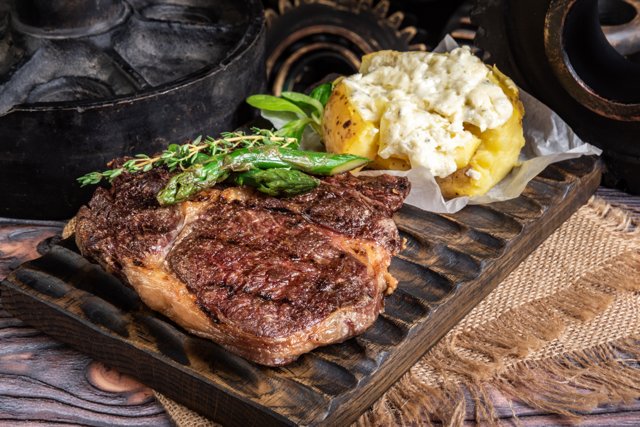
The cuisine of Le Mans is rooted in the rustic traditions of the Sarthe region, with an emphasis on charcuterie, slow cooking, and high-quality local produce.

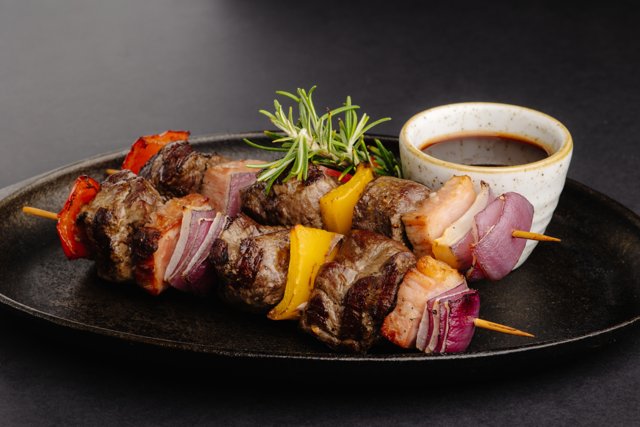
The absolute staple is Rillettes du Mans, a rich, slow-cooked pork spread with a soft, shredded texture, typically served on a crusty baguette. Other regional dishes include Chapon du Mans (roasted capon) and Boudin Noir, a traditional sausage made from pork and blood, often served with apples for contrast.

While Le Mans itself is not a major wine-producing centre, it sits close to the Loire Valley. Local meals are often paired with nearby wines such as Jasnières, a crisp, mineral-driven white that balances the richness of the region’s cuisine.

City Rhythm

For much of the year, Le Mans moves with a measured, provincial grace. Mornings unfold slowly in neighbourhood cafés, afternoons drift through quiet streets and along the riverbanks, and evenings remain low-key, centred around long meals and unhurried conversation.

But for one weekend each year, everything changes. During the 24 Hours of Le Mans, engines roar where daily life usually hums, and the city shifts from subdued to electrifying. It is a tradition that has become inseparable from the city’s modern character.

Things to Do

A visit to the Cité Plantagenêt is the natural starting point, where cobbled streets lead to the impressive Le Mans Cathedral, known for its striking stained glass and commanding presence above the city. Nearby, the Gallo-Roman Walls of Le Mans offer a glimpse into the city’s ancient past, while in summer, the Nuit des Chimères transforms these historic surfaces into a canvas of light and sound.

Cultural stops such as the Musée des 24 Heures du Mans provide insight into the race that shaped the city’s identity, while landmarks like the Maison de la Reine Bérengère and the Musée de Tessé offer a deeper look into its artistic and historical heritage.

For a change of pace, the riverbanks below the old town provide a quieter perspective on the city.

Best hotels in Le Mans

Frequently asked questions

Is Le Mans worth visiting?

Absolutely, especially if you’re looking for something beyond the usual French city circuit. Le Mans offers a rare combination: a beautifully preserved medieval old town, deep historical roots, and a global reputation built on the legendary 24 Hours of Le Mans.

Can I visit the race track in Le Mans during the rest of the year?

Yes. The Circuit des 24 Heures du Mans is a semi-permanent track, meaning sections like the Mulsanne Straight are public roads for much of the year. The M24 Motorsport Museum, opened in 2026, is also accessible year-round.

How many days do you need in Le Mans?

One to two days is usually enough to experience the city comfortably. Its compact size makes it easy to explore without rushing. Many travellers also combine Le Mans with nearby destinations in the Loire Valley.

Is Le Mans expensive?

Le Mans is generally more affordable than larger French cities like Paris or Lyon. Accommodation, dining, and daily expenses tend to be reasonably priced, offering good value overall. Prices can rise during major events, particularly the race, but outside those periods, the city remains accessible.

Is Le Mans a good base for exploring the Loire Valley?

Yes, and it’s an often overlooked base. While the Loire Valley is typically associated with Tours or Blois, Le Mans offers easy access to places like the Château du Lude and the Jasnières vineyards, with a more relaxed and less touristy atmosphere.


Top destinations