Budapest

A riverside capital where Ottoman baths, Habsburg grandeur and ruin bars make for one of Europe's most distinctive city breaks.

  • Budapest

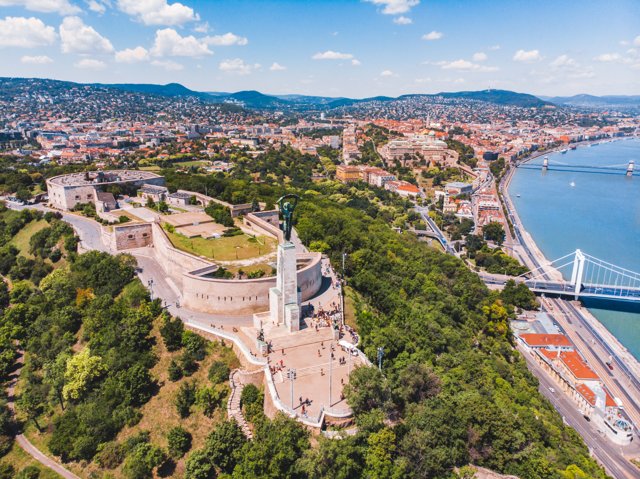
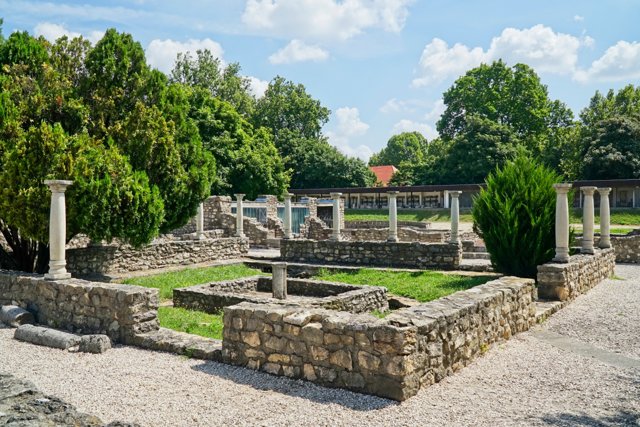
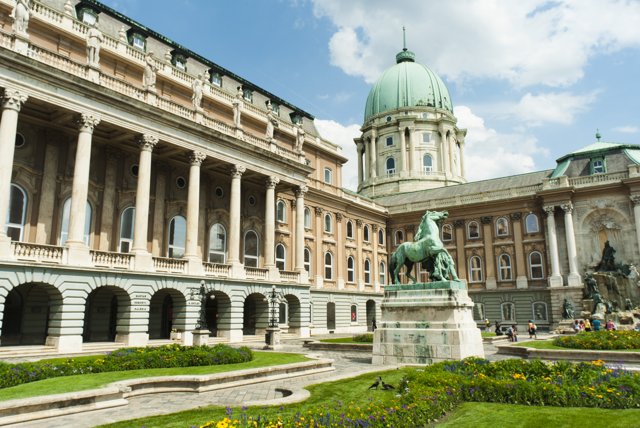
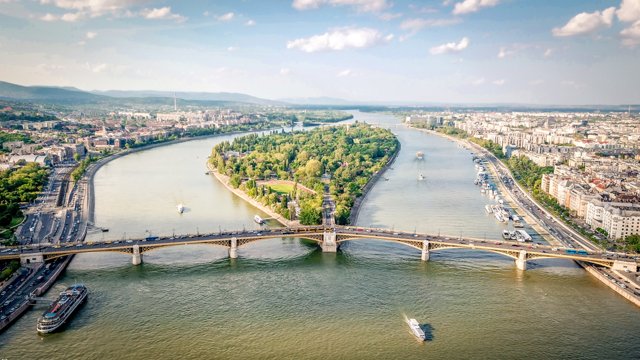
    Budapest is a city of two halves, literally. Buda rises on the hilly west bank of the Danube; Pest spreads flat and grand on the east. Romans, Ottomans, Habsburgs and Soviet era all left their mark, and the city wears that layered past openly, in its architecture, its museums and its character.

    That history coexists with a vivid present. Imperial boulevards and ornate coffee houses sit alongside crumbling courtyards repurposed as bars, specialty coffee bars and a food scene that has quietly become one of Central Europe's most exciting.

    Budapest suits curious travellers who enjoy a city with texture. It rewards those who wander without a fixed plan, appreciate beauty in various states of repair, and aren't afraid of a little complexity in their history.
Unique experiences in Budapest

Plan your trip

Entry Requirements & Travel Documents

Hungary is part of the Schengen Area. EU and EEA citizens can enter with a valid national ID card or passport. Travellers from many visa-exempt countries can visit for up to 90 days within any 180-day period without a visa. Your passport must be valid for at least three months beyond your intended departure date and must have been issued within the last ten years.

From late 2026, visitors from several visa-exempt countries, including the United States, Canada, the United Kingdom, Japan, Brazil, and Australia, will need to obtain ETIAS travel authorisation before entering Hungary and other Schengen states for short stays. Until the system is introduced, current visa-free entry rules remain in place.

Money, Currency & Paying in Budapest

The local currency is the Hungarian Forint (HUF). Unlike most of its EU neighbours, Hungary has not adopted the euro. Card and contactless payments are accepted almost everywhere: restaurants, shops, transport and most market stalls. For most visitors, cash is rarely necessary.

That said, a small amount of forints is useful for public restrooms and the occasional kiosk. If you do need cash, withdrawing from ATMs gives better rates than airport currency exchange desks. It's usually best to pay directly in forints and let your bank handle the conversion.

Weather, Seasons & When to Visit

Budapest has a continental climate, with very warm summers and winters that regularly dip below freezing. The season you choose shapes the experience considerably.

Spring (March to May) is fresh and pleasant, with blossoming parks and mild temperatures that make the city easy to explore on foot.

Summer (June to August) is hot, festival-packed and busy. July and August in particular draw large crowds, so booking accommodation well in advance is advisable.

Autumn (September and October) is arguably the best time to visit: temperatures are comfortable, the crowds thin out and the Buda Hills take on their best colours.

Winter (December to February) is cold and grey for the most part, but Christmas markets bring the city to life in December, and there is no better season to spend an afternoon in a thermal bath.

Health Insurance

Visitors with European Health Insurance Card (EHIC) or Global Health Insurance Card (GHIC) have access to state-provided medical treatment in Hungary. That said, public healthcare services are available, though English-speaking staff may not always be present. Comprehensive travel insurance is strongly recommended for all visitors.

Many providers require payment before treatment, particularly for private or non-emergency care. Private clinics are more accustomed to dealing with international patients. 

Pharmacies are easy to find across the city centre, with some open 24 hours. In an emergency, dial 112.

Connectivity, Roaming & Mobile Data

Free Wi-Fi is widely available in hotels, cafés and public spaces across the city. 

Mobile coverage in Budapest is excellent, with fast 4G and 5G throughout the city. Visitors with EU or EEA mobile plans can generally use their data, calls and texts in Hungary at their standard domestic rates under the EU "Roam Like at Home" regulation. Travellers from outside the EU should check roaming costs with their provider before departure, as charges can add up quickly.

Getting a local SIM card requires photo ID registration. If you go this route, do so at an official store rather than a kiosk. An eSIM is a simpler alternative — buy one online and activate it on arrival.

Airports & Main Arrival Hubs

Budapest is served by a single airport, Budapest Ferenc Liszt International Airport (BUD), located about 16 kilometres southeast of the city centre. It handles both European and long-haul routes and is the arrival point for the vast majority of visitors.

Those coming by rail will find three major stations: Keleti (Eastern), Nyugati (Western) and Déli (Southern). International trains typically arrive at Keleti, which is well connected to the rest of the city by metro and bus.

Long-distance coaches use Népliget Bus Station, the largest bus terminal in Hungary, also in the east of the city.

Main Train Stations

Budapest has three major railway stations, each serving different routes and parts of the city.

Keleti (Eastern) Station is the busiest of the three, with connections from Vienna, Prague, Berlin and beyond. Metro lines M2 and M4 run directly from here, making onward travel straightforward.

Nyugati (Western) Station handles a mix of domestic routes and some regional international services. Designed by the Eiffel Company in the 19th century, it is one of the city's more striking buildings. Metro line M3 runs directly beneath it.

Déli (Southern) Station is the smallest of the three, primarily receiving trains from Croatia, Slovenia and Serbia. It connects to the city centre via metro line M2.

Taxis are available outside all three stations.

From the Airport to Central Budapest

The most straightforward option is the 100E Airport Express bus, which runs directly to Deák Ferenc Square in central Pest. Tickets can be purchased by contactless card directly on the bus. Services run around the clock, every 6–10 minutes during the day. From Deák Ferenc Square, all three metro lines converge, making it easy to reach most central neighbourhoods, hotels and transport hubs on both sides of the river.

The cheaper 200E bus connects the airport to Kőbánya-Kispest metro station, where you can transfer onto the M3 line into the city centre. Standard BKK tickets and travel passes are valid on this route.

Taxis and ride-hailing services are also available outside the terminal.

Taxi & Ride-Hailing

At the airport, Főtaxi operates the official taxi service from ranks outside Terminal 2A and 2B. All vehicles accept card payments. Be cautious of unofficial operators who may approach you inside the terminal.

In the city, use only registered taxis with yellow plates, the company name on the doors and an identification badge on the dashboard. Reputable companies include City Taxi, Főtaxi and Budapest Taxi. Not all city taxis accept card payments, so it is worth checking with the driver before setting off, and keeping small notes handy as a backup.

Bolt and other licensed ride-hailing services operate in Budapest, using licensed drivers at regulated rates rather than surge pricing.

Arrival Tips & Common Mistakes to Avoid

  • Download the BudapestGO app before departure so you can buy transport tickets immediately on arrival.
  • Keleti station and its surroundings can feel hectic, particularly at night. Have your onward route planned in advance.
  • If arriving in winter, pack layers you can access easily. Budapest winters are genuinely cold, and the walk between transport connections can feel long when underprepared.
  • For thermal baths, bring a bathing suit, towel and flip-flops.
  • Book popular attractions, thermal baths and restaurants in advance, particularly in summer.
  • Carry a form of photo ID with you. Museums, some bars and other venues may ask for one on entry.
  • Unless nightlife is your main reason for visiting, avoid booking accommodation in District VII. The area is lively well past midnight, every night.

Public Transport & Zones

Budapest's public transport network, operated by BKK, covers the city thoroughly via metro, tram, bus and trolleybus. The BudapestGO app is useful for real-time journey planning across all modes.

The metro is the fastest way to cross the city, with four lines connecting the main transport hubs: Deák Ferenc tér, Keleti, Nyugati and Kőbánya-Kispest. Trams are a better option for shorter journeys and give you a feel for the city. Buses and trolleybuses fill the gaps, and are the best option for reaching the Castle District and the Buda Hills.

Tram line #2, running along the Pest bank of the Danube past the Parliament building, is one of the more scenic urban rides in Europe. 

Tickets & Passes

All public transport in Budapest uses a unified ticketing system operated by BKK. Children under 6 and adults 65 and older travel free. Tickets can be purchased at metro station vending machines, on buses, at newsstands or through the BudapestGO app.

For short stays, a 24-hour or 72-hour travel card offers better value than buying single tickets. The Budapest Card goes a step further, combining unlimited public transport with free entry to selected attractions including Buda Castle and several museums, plus additional discounts.

Single tickets must be validated before or immediately upon boarding. Note that none of the passes cover the 100E Airport Express bus.

Walking & Cycling

Walking is the most rewarding way to explore Budapest. The central districts are compact and full of architectural surprises, and wandering without a fixed route often leads to the best discoveries. Comfortable shoes are essential, as you will likely be on your feet for much of the day. An umbrella is also worth packing, as sudden downpours are common even in summer.

Cycling is popular and well-catered for, with dedicated bike lanes across the centre and scenic Danube-side paths in Buda among the most pleasant routes in the city. Note that cyclists and pedestrians share some stretches of the riverside paths, so a degree of awareness helps.

Nearby Destinations / Day Trips

The countryside around Budapest is easy to reach and rewards a day out. Szentendre, a colourful riverside town with Serbian heritage and a lively arts scene, is just 40 minutes away by suburban train.

Further north, Visegrád sits beneath a dramatic hilltop citadel overlooking the Danube Bend. Nearby Esztergom is dominated by Hungary’s largest basilica.

East of the capital, Gödöllő Royal Palace reveals Habsburg grandeur, while Eger combines a historic castle with renowned wine country. To the southwest, Lake Balaton is the summer escape of choice for locals.

Accessibility & Basic Safety Tips

Budapest has made progress on accessibility but remains challenging in places. Metro Line 4 is fully wheelchair-accessible, as are trams 4 and 6, and most buses have ramps. Older metro lines have limited lift access, and cobblestones, steep inclines and narrow pavements in the historic districts can make wheelchair navigation difficult. The BKK website provides a detailed accessibility guide for public transport.

Budapest is generally very safe and consistently ranks among the safest cities in Europe. Petty theft is the main concern: keep an eye on belongings on busy public transport and in tourist-heavy areas. Avoid hailing taxis on the street; use a reputable company or a ride-hailing app instead.

Language, Culture & Local Etiquette

Hungarian is one of Europe's most distinctive languages, unrelated to its neighbours and famously tricky to pick up. A few words go a long way: szia (hello/goodbye, informal), köszönöm (thank you), elnézést (excuse me/sorry). After a good meal, finom volt! — "it was delicious!" — will genuinely delight your host.

Locals tend to be warm but reserved with strangers. Don't mistake a serious expression for unfriendliness; it's part of the broader Central European temperament.

You may have heard that clinking glasses is taboo in Hungary. That’s an urban legend.

For tipping, check the bill for szerviz (service charge). If included, no further tip is expected. If it isn't, 10–15% is appropriate for good service.

Neighbourhoods

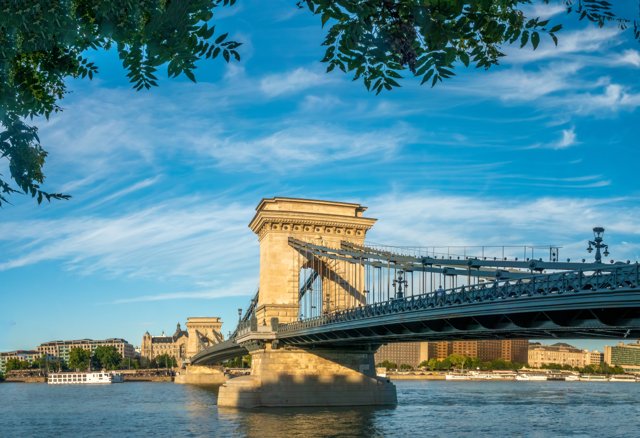
Budapest divides naturally between Buda and Pest, linked by iconic bridges across the Danube.

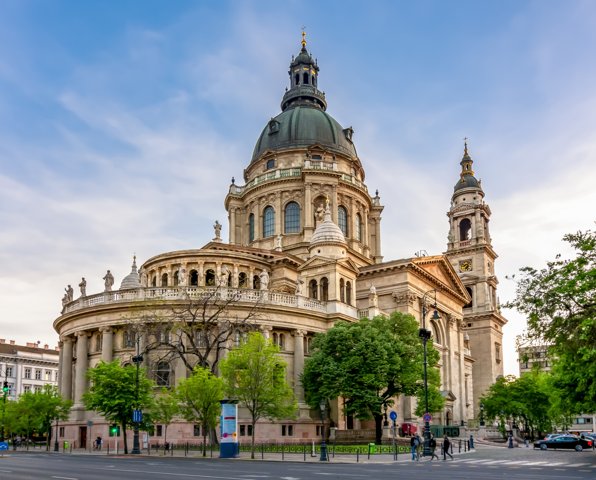
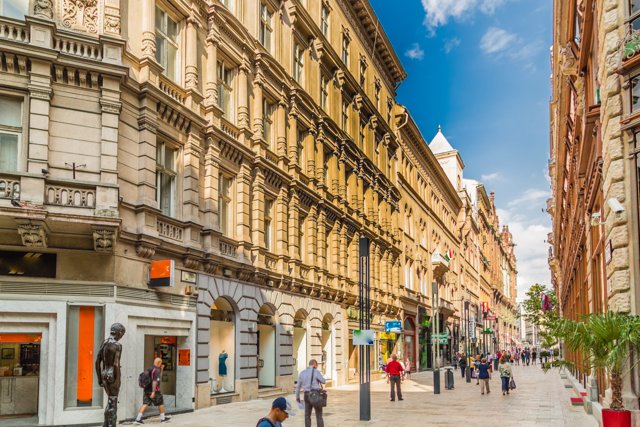
  • Downtown Pest: Home to the Parliament, St Stephen’s Basilica, and the main shopping streets, all within a compact area that can be crossed on foot in under 40 minutes.

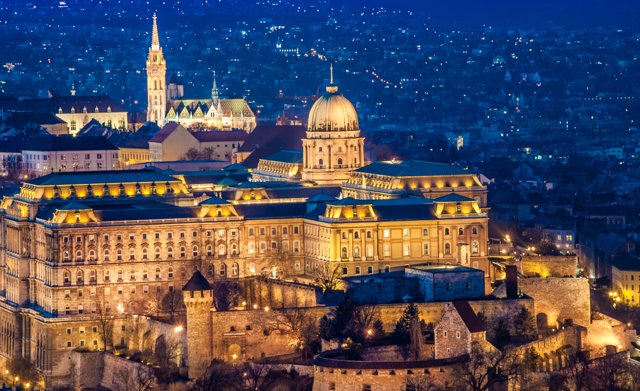
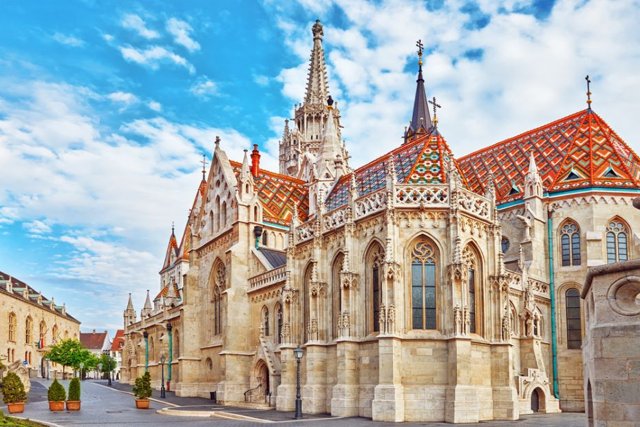
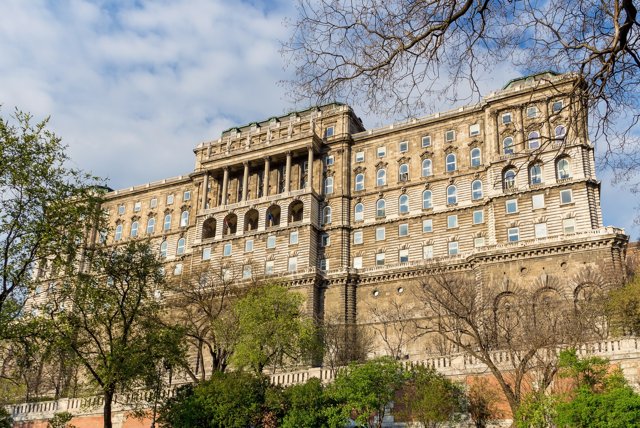
  • Castle District (Buda): Rising above the river, this area combines museums, cobbled lanes, and an extensive cave system beneath. It takes on a different atmosphere after dark, glowing under the streetlights.

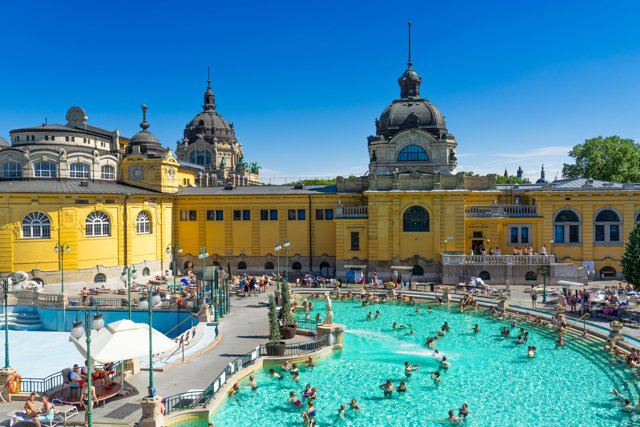
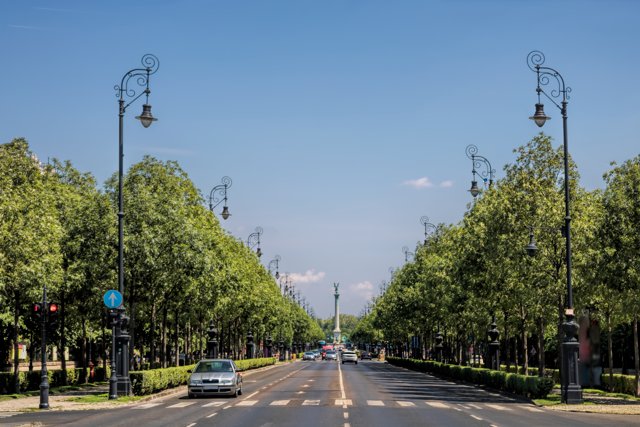
  • Városliget (City Park): To the east, a greener, more relaxed area reached via Andrássy Avenue or the Millennium Underground, the oldest metro line on the continent. It’s also home to the Széchenyi thermal baths.

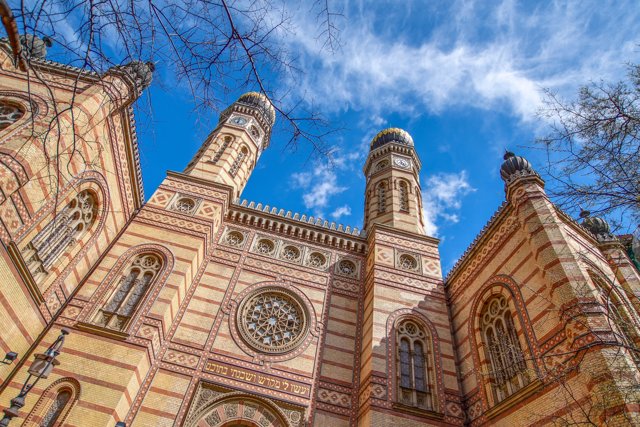
  • Jewish Quarter (District VII): Known for ruin bars, vintage shops, and striking pre-war architecture, it rewards a full day of exploration.

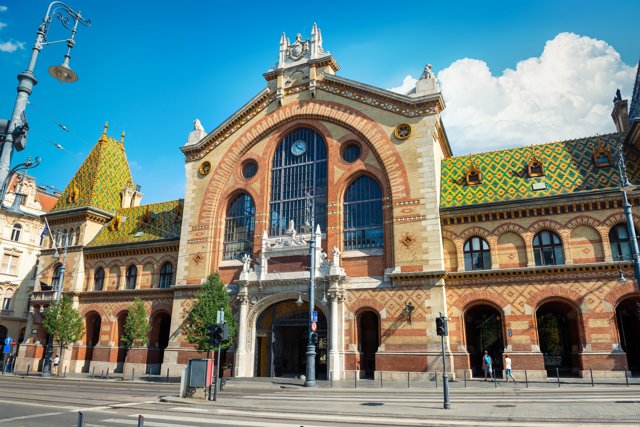
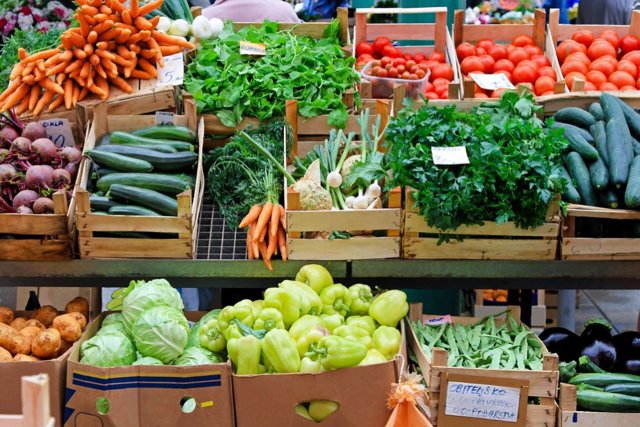
  • Palace District: A quieter, more local area with good restaurants, a lively market hall, and a slower pace.

Gastronomy

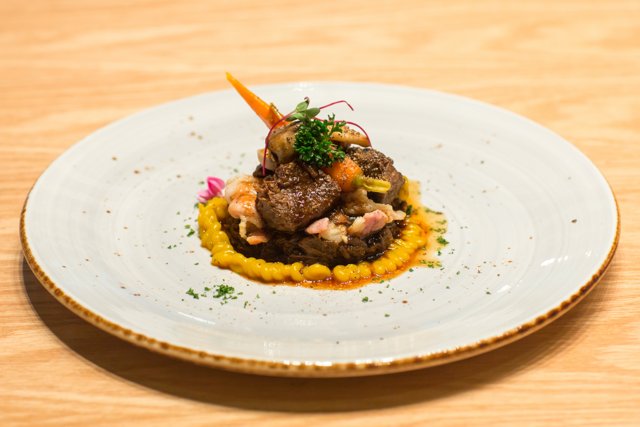
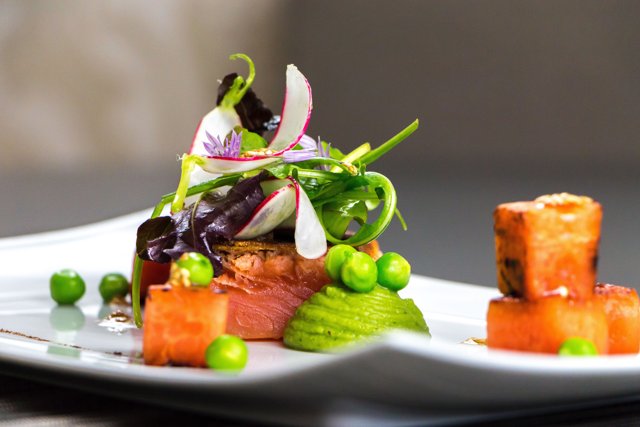
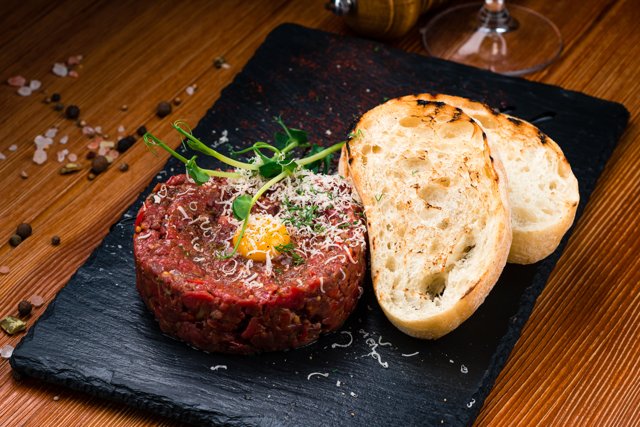
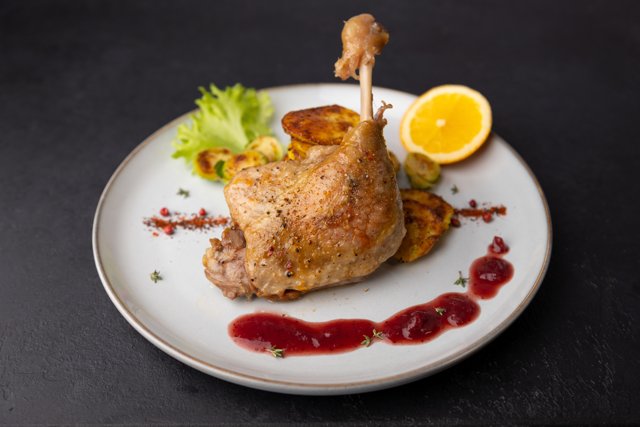
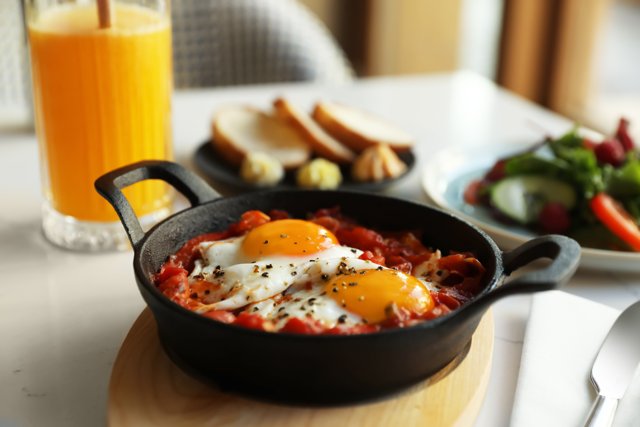
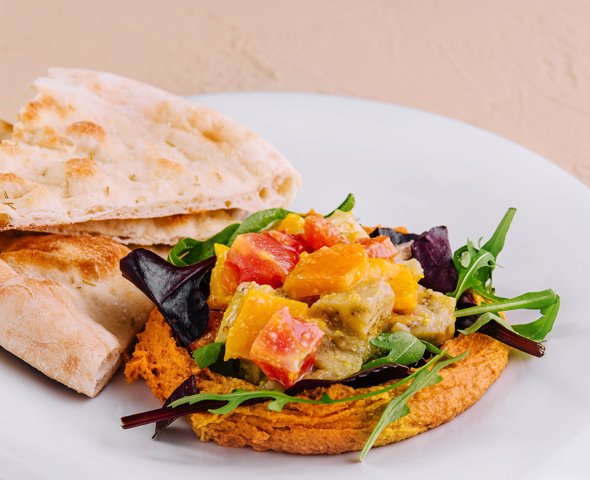
Hungarian cooking is hearty and paprika-forward, rooted in Central European traditions with a strong pastoral influence. Pork, beef, sour cream and sweet peppers are recurring foundations.

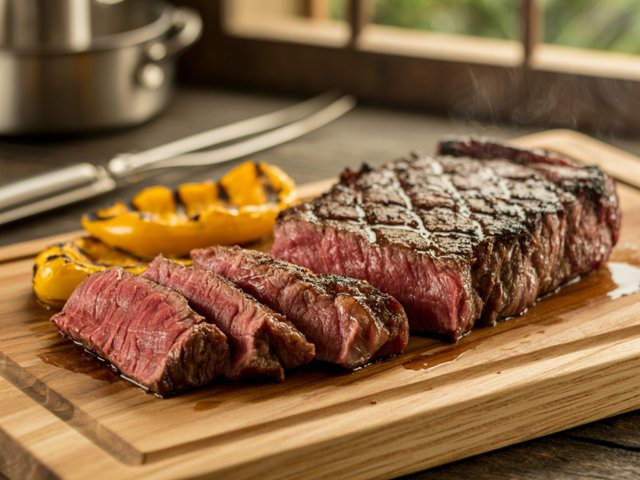
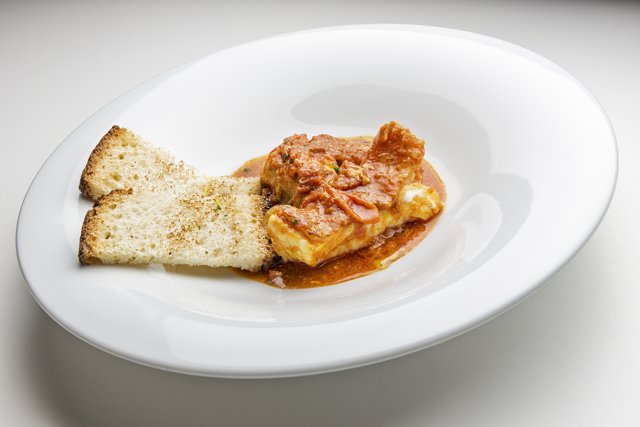
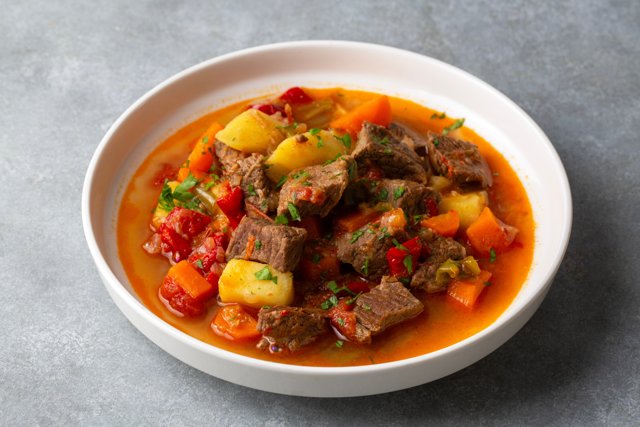
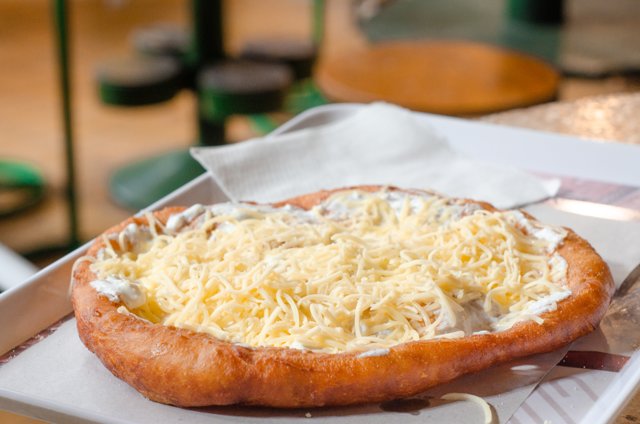
Start with the classics: gulyás (the iconic beef and vegetable soup), pörkölt (the richer, more intense meat stew) and csirke paprikás (chicken in a creamy paprika sauce). For a quick bite on the go, lángos — deep-fried dough, typically topped with sour cream and cheese — and grilled sausages are reliable street food staples.

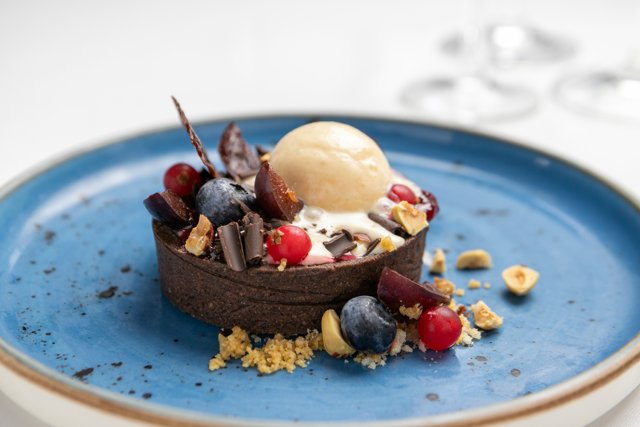
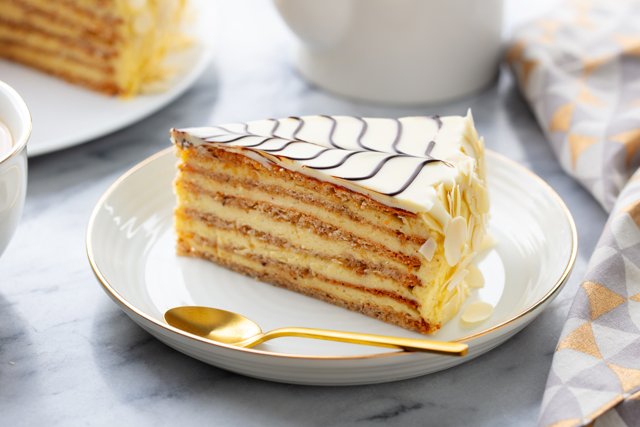
Coffee culture runs deep, best enjoyed alongside one of the city's celebrated desserts: rétes (strudel), the layered Dobos and Esterházy cakes, or a Zserbó slice at the historic Gerbeaud Café on Vörösmarty Square. 

To drink: fruity pálinka brandy, bitter Unicum herbal liqueur, local wines and a growing craft beer scene. For sampling many dishes at once, the Time Out Market in the Jewish Quarter is a reliable option.

City Rhythm

Budapestians tend to start the day early. By mid-morning, cafés are busy and the city is already in full motion. Expect heavier traffic and busier public transport between 7–9am and 5–7pm on weekdays.

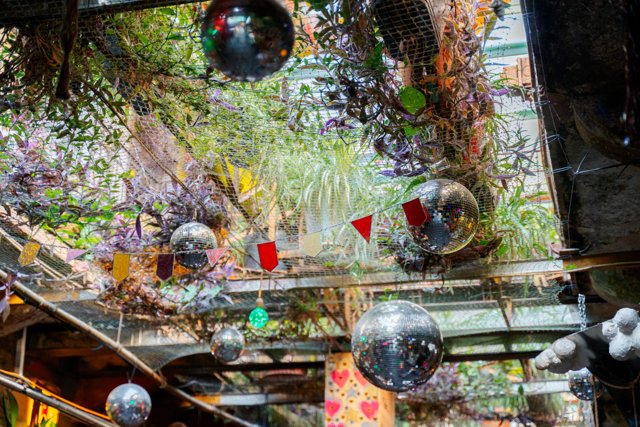
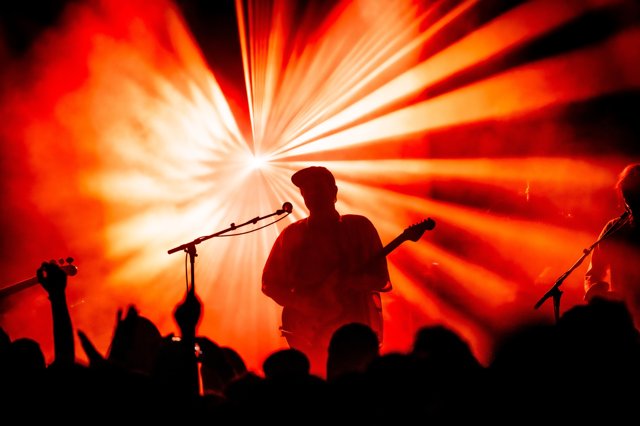
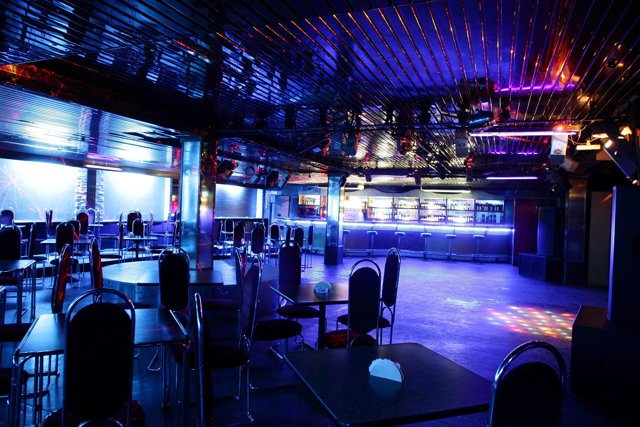
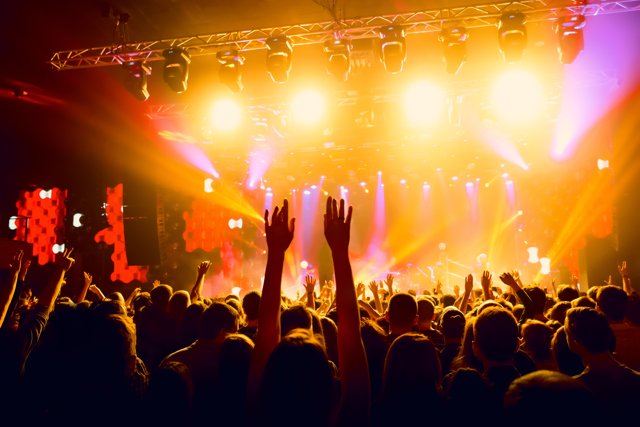
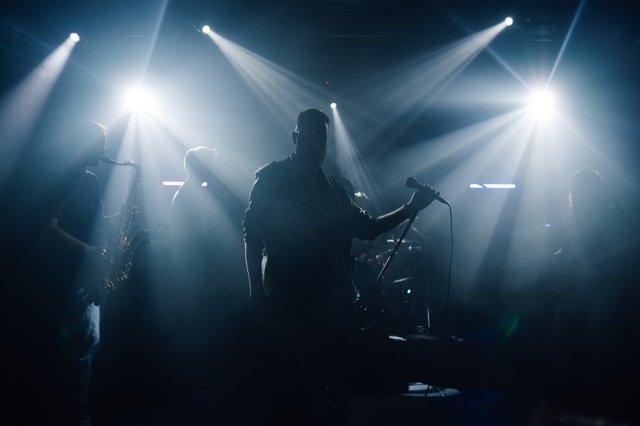
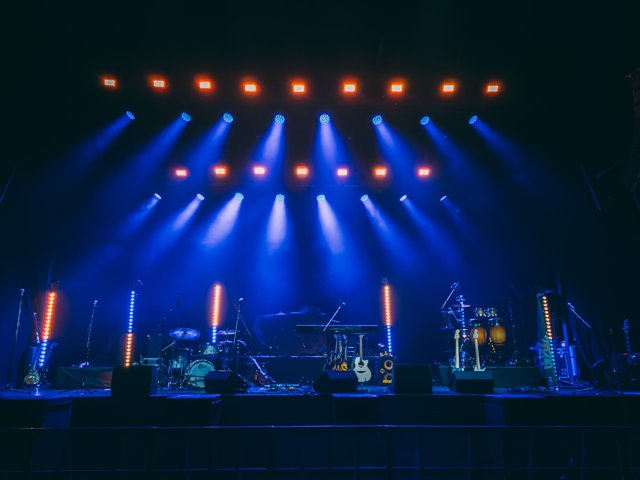
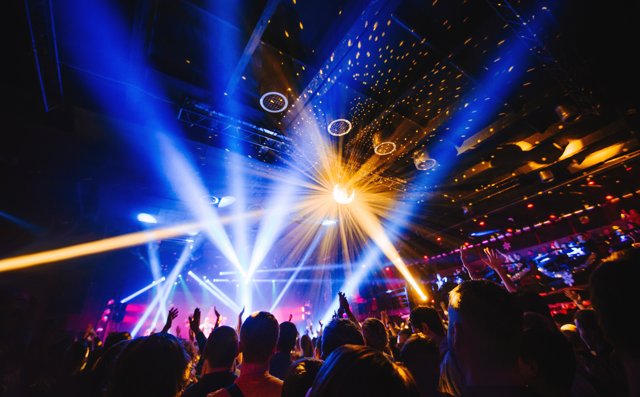
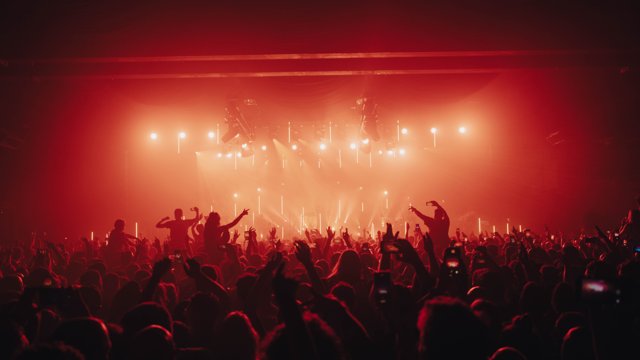
As evening sets in, most neighbourhoods settle into a quieter pace. The Jewish Quarter is the exception. After dark it transforms into the city's main nightlife hub, its "ruin bars" — bars set inside deliberately unrenovated buildings and crumbling courtyards, decorated with mismatched furniture and offbeat art — drawing a mixed crowd that keeps going well past midnight. Worth keeping in mind when choosing where to stay.

Things to Do

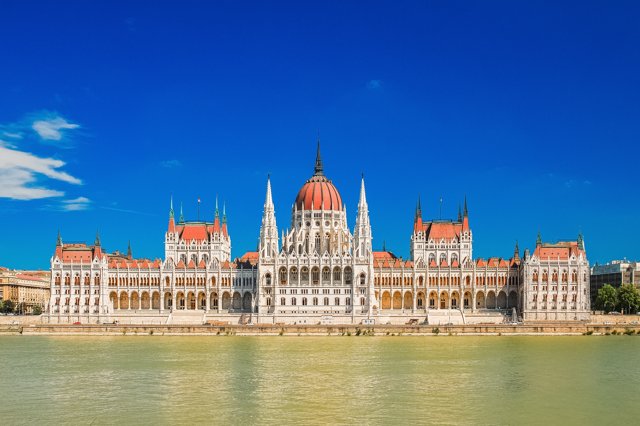
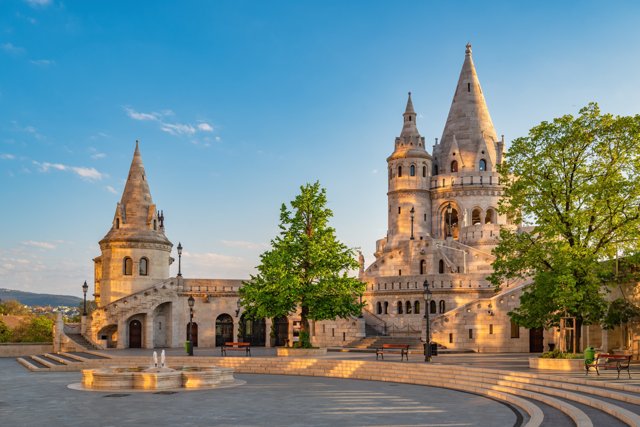
Few European capitals wear their history as visibly as Budapest. The neo-Gothic Parliament building and the grand sweep of Pest's boulevards speak to imperial ambition, while peeling facades and ornate courtyards in the Jewish Quarter tell a quieter, more layered story. You can spend days just walking around and discovering the variety of sights on offer. For the best view of it all, Fisherman's Bastion on the Buda side frames the skyline beautifully, and the dome of St Stephen's Basilica is worth the climb.
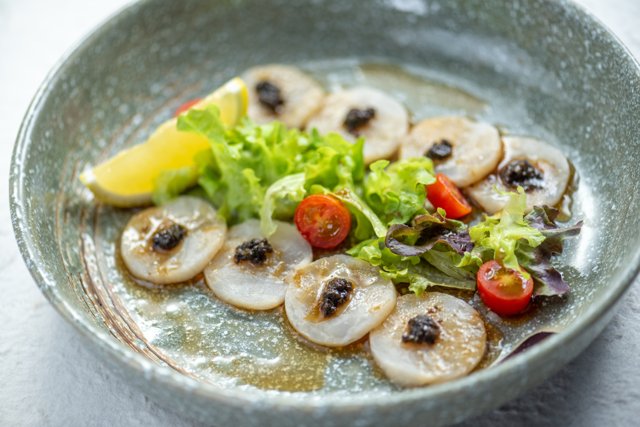
Soaking in a thermal bath is a local ritual. Széchenyi, Gellért and Rudas each have their own character and loyal regulars. A river cruise along the Danube offers a different perspective on the city, particularly at dusk.

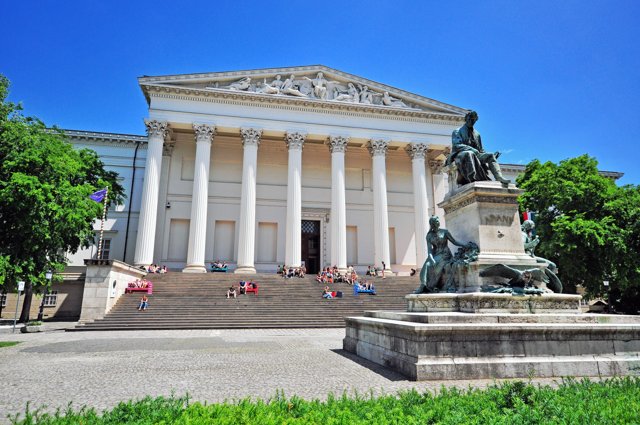
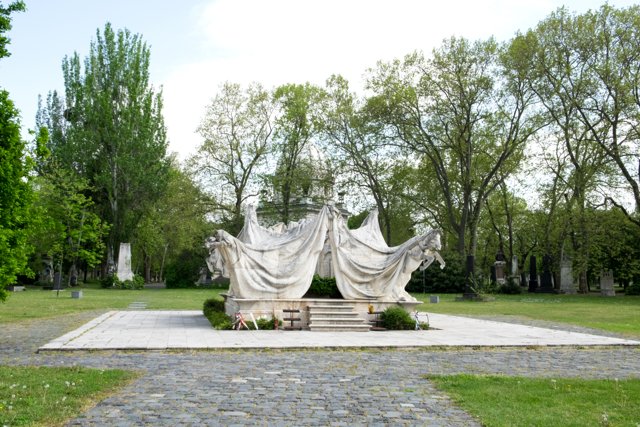
Budapest has changed hands many times over the centuries, from Roman and Ottoman rule to Habsburg dominance and Soviet occupation. That layered past is best understood through the city's museums. The Hospital in the Rock Nuclear Bunker Museum and the House of Terror are not easy visits, but they are illuminating ones.

Best hotels in Budapest

See hotel rates

Frequently asked questions

What is Budapest famous for?

Budapest is known for its thermal baths, imperial architecture, the neo-Gothic Parliament building, the ruin bars of the Jewish Quarter, a thriving food and coffee scene, and the Danube riverfront views between Buda and Pest.

How many days should I spend in Budapest?

Three to four days cover the main highlights comfortably. A fifth day opens up side trips to Szentendre, Eger or the Danube Bend. A week gives you time to slow down and explore at your own pace.

What are the biggest annual events?

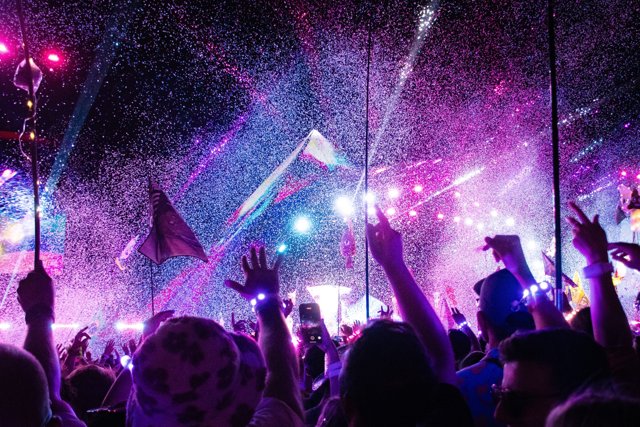
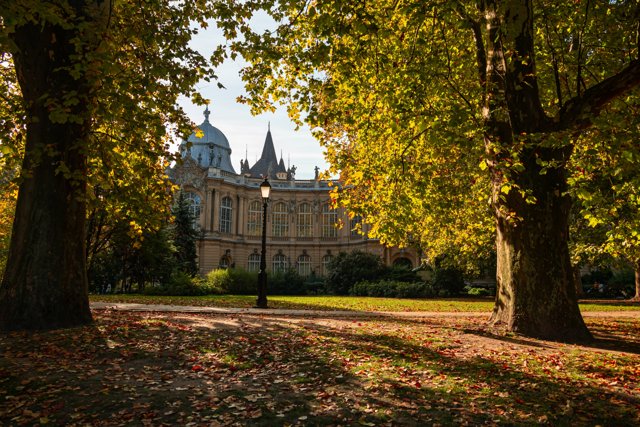
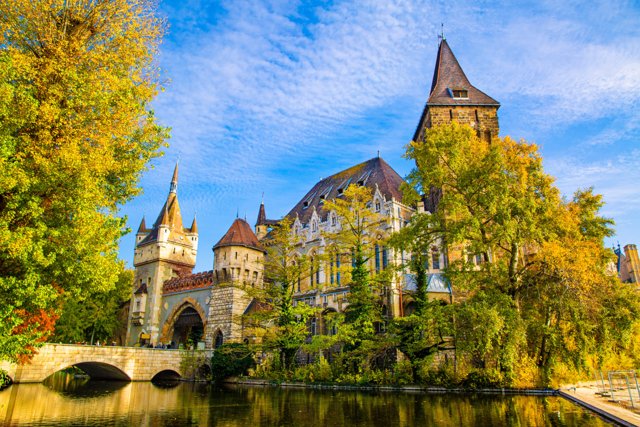
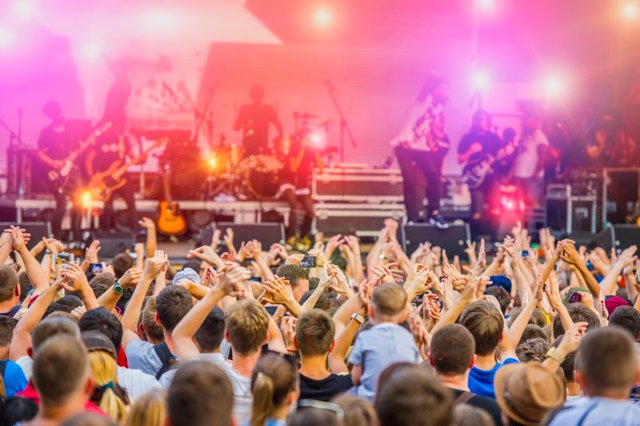
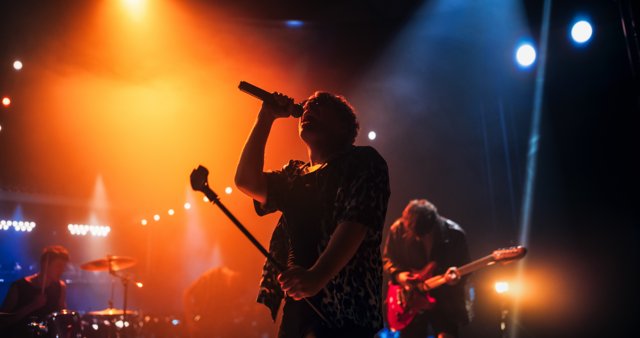
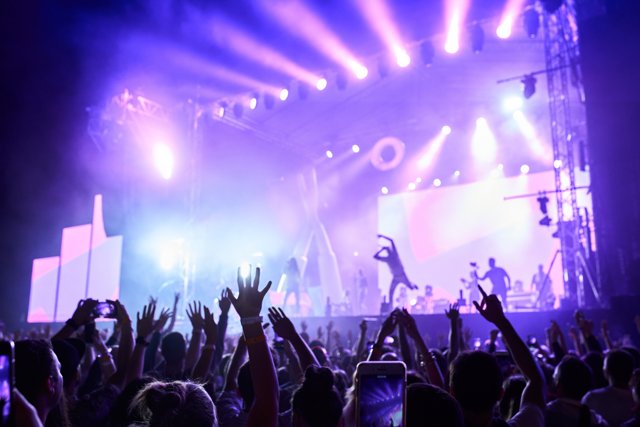
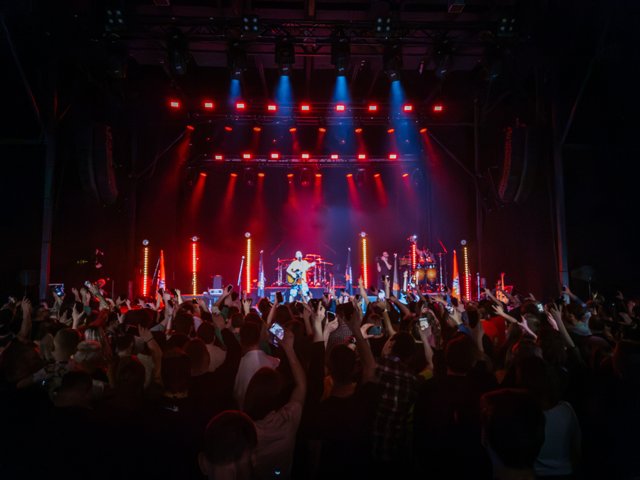
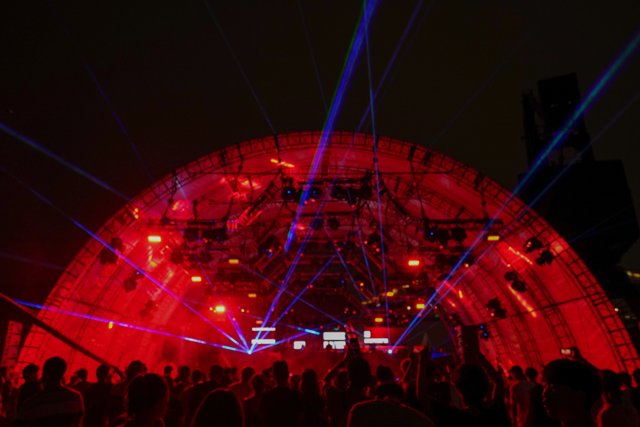
The Sziget Festival in August is one of Europe's largest music festivals. July brings classical concerts at Vajdahunyad Castle, and the Budapest International Circus Festival draws world-class performers every January.
Is Budapest an expensive city?

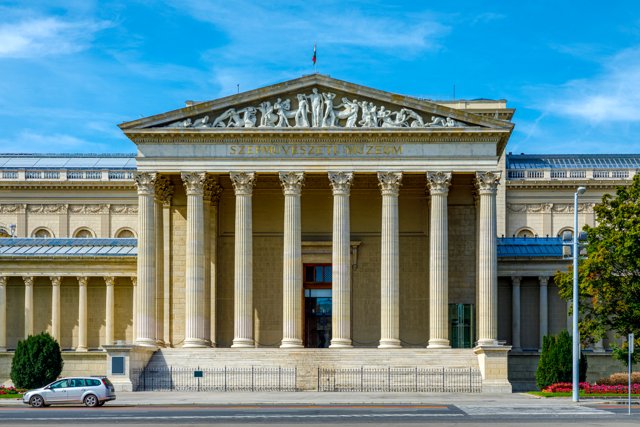
Budapest is good value by Western European standards. Dining, transport and accommodation tend to be noticeably more affordable, though popular thermal baths and tourist-facing restaurants in the centre can be pricier.

Is English widely spoken?

In hotels, restaurants and tourist areas, yes. Outside the centre, less so. A smile and some patience go a long way.
Are the thermal baths open year-round?

Yes. Most major baths operate throughout the year, and visiting in winter is particularly enjoyable. Soaking outdoors in hot thermal water while temperatures drop around you is a quintessentially Budapest experience.
Is Budapest good for families?

Very much so. The Budapest Zoo and Botanical Garden, Városliget City Park, the Danube river cruises and the interactive exhibits at the Palace of Wonders keep children well entertained.

Top destinations