Budapest

A riverside capital where Ottoman baths, Habsburg grandeur and ruin bars make for one of Europe's most distinctive city breaks.

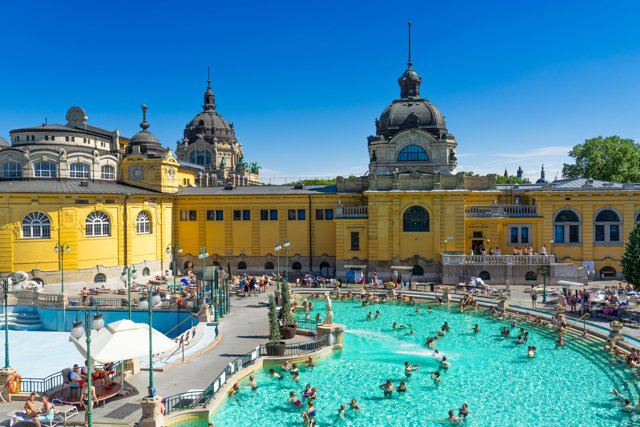
  • thermal baths with yellow buildings in Budapest Hungary

    Budapest

    Budapest is a city of two halves, literally. Buda rises on the hilly west bank of the Danube; Pest spreads flat and grand on the east. Romans, Ottomans, Habsburgs and Soviet era all left their mark, and the city wears that layered past openly, in its architecture, its museums and its character.

    That history coexists with a vivid present. Imperial boulevards and ornate coffee houses sit alongside crumbling courtyards repurposed as bars, specialty coffee bars and a food scene that has quietly become one of Central Europe's most exciting.

    Budapest suits curious travellers who enjoy a city with texture. It rewards those who wander without a fixed plan, appreciate beauty in various states of repair, and aren't afraid of a little complexity in their history.
Unique experiences in Budapest

Prepare your dream trip

Explore places and experiences, tap the heart to save your favorites and build your route to share. In a hurry? Get an itinerary in two steps and share or download it to Google Maps.

Use left and right arrow keys to move between filters. Press Space or Enter to toggle a filter. Press Tab to leave the filter bar.

Historical Sites

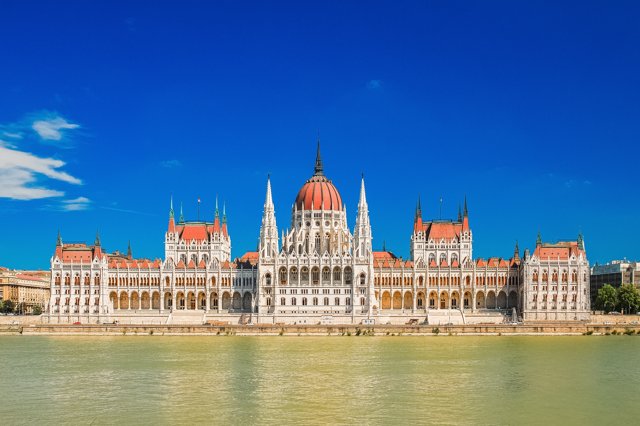
Hungarian Parliament

The Hungarian Parliament Building in Budapest is one of the city's most iconic landmarks and a must-visit attraction for tourists. Completed in 1904, it is the largest building in Hungary and one of the most impressive examples of Gothic Revival architecture in Europe. The building houses the Hungarian National Assembly and boasts 691 rooms, including the ornate central hall. Visitors can take guided tours of the building, which include access to the impressive main staircase, the Holy Crown of Hungary, and the Hungarian Crown Jewels. With its stunning architecture and rich history, the Hungarian Parliament Building is a must-see destination for anyone visiting Budapest. For more information on schedules and prices, consult its official website.

Historical Sites

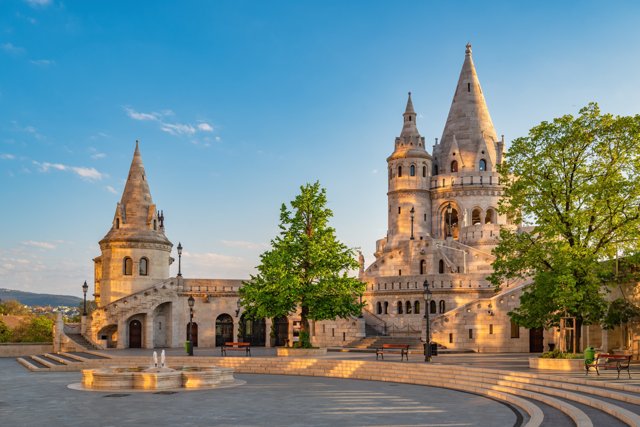
Fisherman's Bastion

Budapest's panoramic narrative finds its definitive expression at the Fisherman's Bastion, an architectural masterpiece erected to celebrate the millennium of the Hungarian state. This neo-Romanesque marvel gracefully blends historical fantasy with defensive design, framing the Danube in a captivating silhouette. Seven gleaming stone towers rise majestically along the castle walls, each symbolizing a Magyar tribe that founded the nation. The complex boasts sweeping stairways, intricate colonnades, and hidden archways sculpted from pristine white limestone, creating a dramatic visual symphony. Walking along the elevated ramparts evokes a profound connection to Hungary's romanticized past. As sunlight illuminates the sweeping vistas of the Parliament and Pest below, the monument transforms into a timeless sanctuary of European heritage and cultural wonder. For more information on schedules and prices, please consult its official website.

Historical Sites

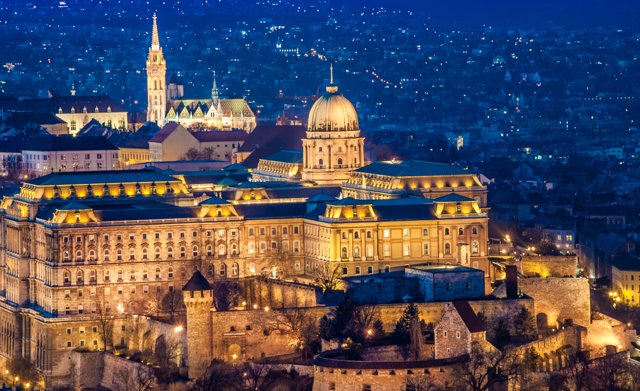
Buda Castle

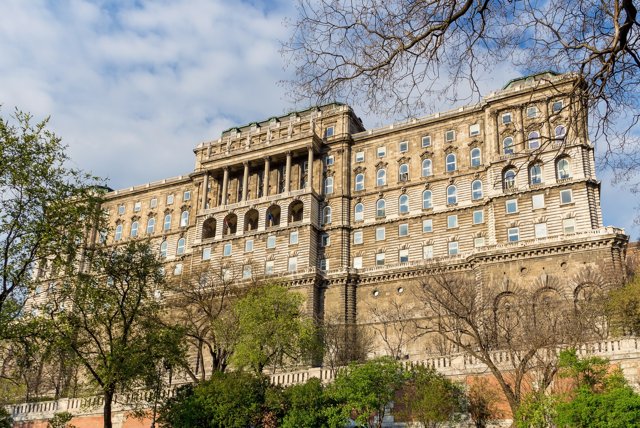
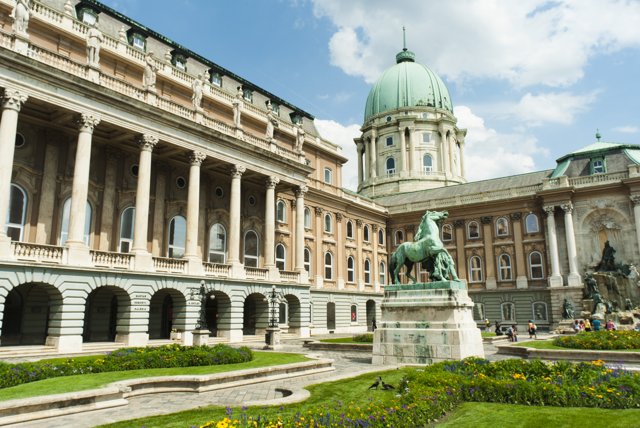
A resilient symbol of Hungarian sovereignty, Buda Castle has dominated the skyline from its strategic plateau since the thirteenth century, surviving numerous sieges, destructive fires, and extensive wartime reconstructions. The sprawling limestone complex showcases an imposing Baroque facade, the majestic Lion’s Court, and highly detailed fountains, seamlessly housing both the National Gallery and the Budapest History Museum. Strolling across the cobblestone courtyards at dusk evokes deep connection to European history, as golden illumination frames the Danube below in an unforgettable display of imperial grandeur. For more information on schedules and prices, please consult its official website.

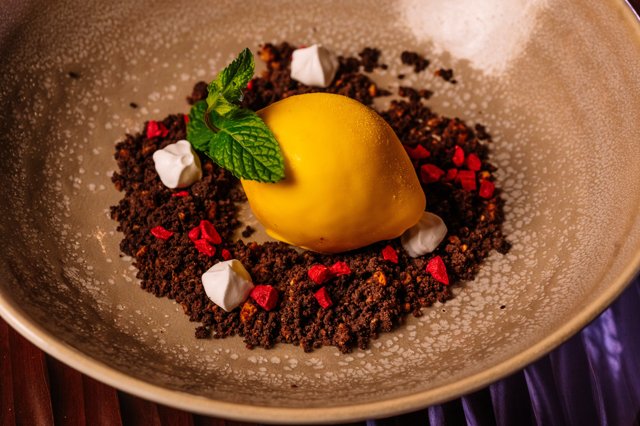
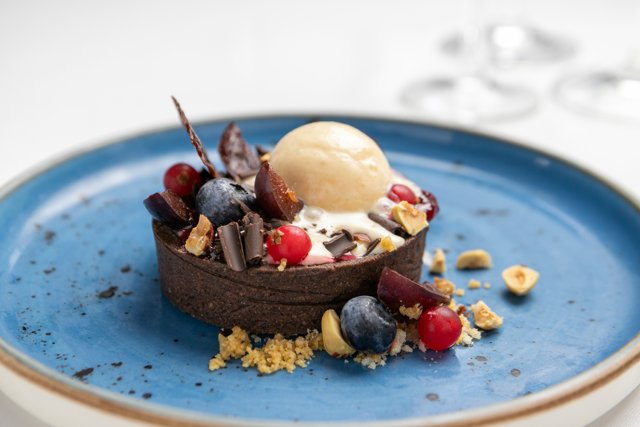
lemon dessert at Mák restaurant Budapest

Creative cuisine

MÁK by mizseijani

4.7
cream profiteroles dessert at Onyx restaurant Budapest

Creative cuisine

Onyx

4.7

Sights and Monuments

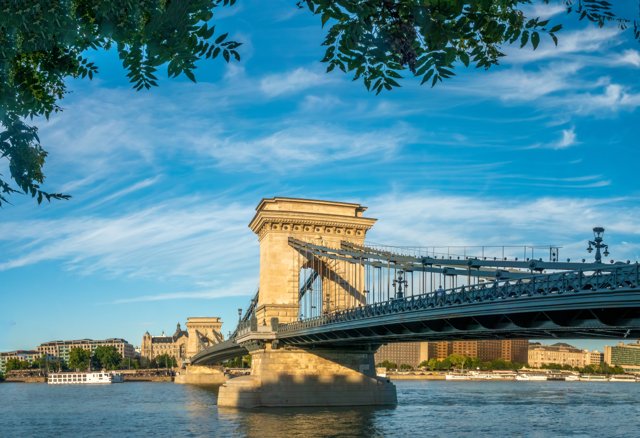
Chain Bridge

Forged in the mid-nineteenth century, the Széchenyi Chain Bridge emerged as the first permanent stone structure to physically unite the historically distinct cities of Buda and Pest. This iron monument fundamentally transformed the economic and cultural destiny of Hungary. Guardians of history, majestic stone lions flank each entrance, watching over the massive iron chains that suspend the historic roadway across the river. The bridge's classical triumphal arches provide a powerful visual anchor against the sweeping urban landscape. Crossing this engineering marvel at twilight offers a truly mesmerizing journey through Budapest's heart. As the evening illumination reflects off the dark currents of the Danube, a profound connection to Europe's golden age comes alive.

Leisure Places

Széchenyi Thermal Bath

Inaugurated in 1913 as Budapest's premier medicinal bath oasis, this Neo-Baroque masterpiece stands proudly as one of Europe's largest public spa complexes, drawing from deep, mineral-rich thermal springs. Fourteen indoor pools and three expansive outdoor basins offer healing waters, framed by majestic yellow pavilions, classical sculptures, and a striking glass dome that floods the interior with natural light. Stepping into the steaming outdoor waters at dusk evokes absolute tranquility. Watching local chess players strategize amidst rising vapor creates an unforgettable immersion into Hungary’s vibrant, centuries-old wellness culture. For more information on schedules and prices, please consult its official website.

Historical Sites

St. Stephen's Basilica

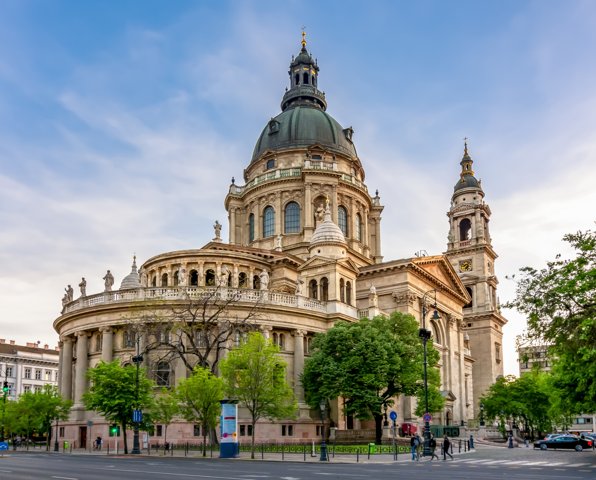
Conceived in the nineteenth century to honor Hungary's founding king, St. Stephen’s Basilica stands as a premier neoclassical monument. Its massive construction survived a dramatic dome collapse before achieving its status as Budapest's co-tallest architectural treasure. An opulent interior reveals fifty different types of marble, detailed mosaics, and the sacred Holy Right Hand of Saint Stephen. Outside, two colossal bell towers frame a magnificent dome that defines the city's historic skyline. Ascending to the panoramic observation deck yields a breathtaking look across the urban landscape below. The echoing sounds of the pipe organ add a powerful layer of spiritual and cultural reverence to this majestic sanctuary. For more information on schedules and prices, please consult its official website.

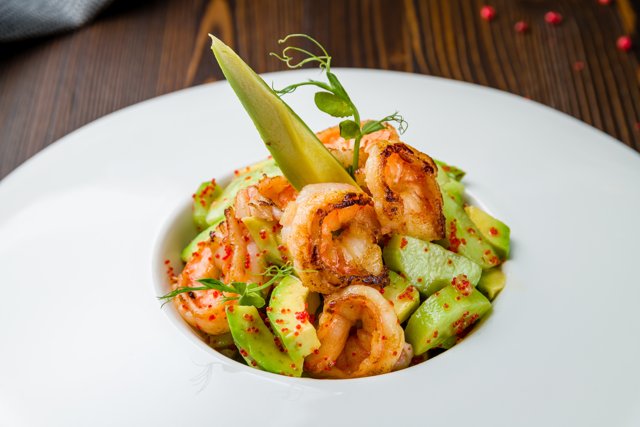
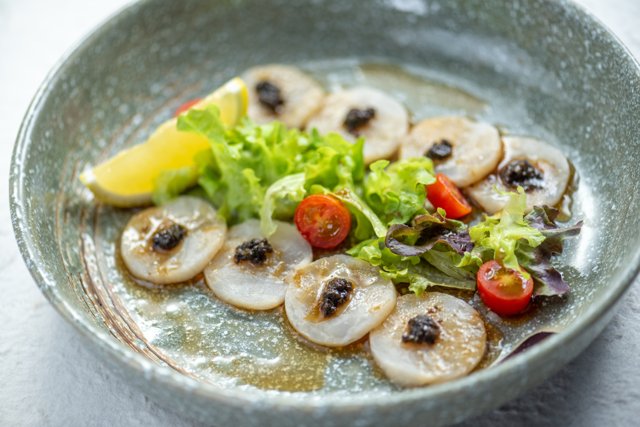
shrimp and avocado salad at Gundel restaurant Budapest

Local cuisine

Gundel

4.7

Thai cuisine

Padthai Wokbar

4.5

Historical Sites

Dohány Street Synagogue

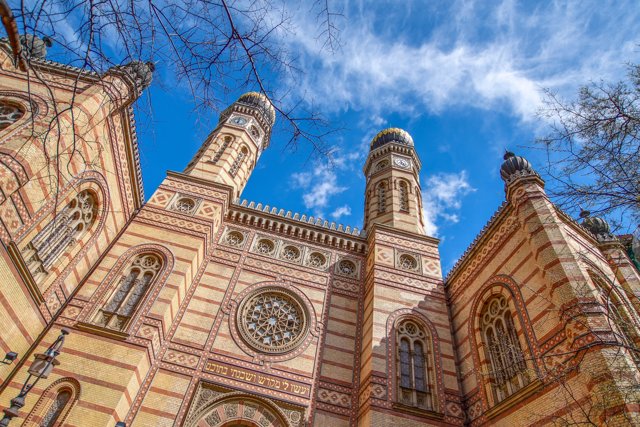
An imposing masterpiece of Islamic and Byzantine architectural influences, the Dohány Street Synagogue stands proud as the largest Jewish house of worship in Europe. Completed in 1859, its resilient walls have witnessed centuries of complex history in Budapest. Two magnificent octagonal domes topped with gilded ornaments flank the entrance, while the interior dazzles with intricate geometric frescoes and brilliant chandeliers. Outside, the moving Emmanuel Tree monument honors thousands of Holocaust victims through its weeping willow structure. Walking through the solemn courtyard stirs a profound emotional connection to the cultural endurance of the Jewish community. The hauntingly beautiful atmosphere leaves a lasting impression of resilience, memory, and architectural genius. For more information on schedules and prices, please consult its official website.

Sights and Monuments

Shoes on the Danube Bank

Carved into the dark memory of the Danube promenade, sixty pairs of iron shoes stand as a haunting memorial to the thousands executed during World War II. This chilling installation honors those ordered to strip before facing the firing squad. Varying in size from weathered work boots to delicate children's slippers, the rusted sculptures freeze a terrifying historical moment in time. Their empty interiors tell a story of lost lives, contrasted by the modern city surrounding them. Standing by the riverbank stirs a somber emotional connection to Budapest's painful past. The quiet rustle of the water creates a deeply moving atmosphere, forcing travelers to reflect on the enduring resilience of human dignity.

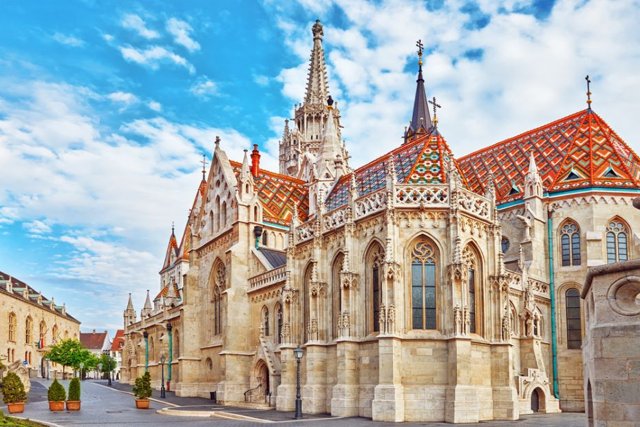
Matthias Church in Budapest Hungary

Historical Sites

Matthias Church

Dominating the Castle District since the thirteenth century, this sacred monument originally served as Buda's primary parish church. Its walls have famously witnessed multiple royal coronations, massive Ottoman transformations, and extensive Gothic restorations. A vibrant kaleidoscope of diamond-shaped Zsolnay roof tiles creates an iconic silhouette against the cityscape. Inside, intricate frescoes, gilded altars, and the soaring Béla Tower showcase exquisite medieval and late-nineteenth-century craftsmanship. Stepping into the radiant sanctuary stirs a deep appreciation for Hungary's turbulent history. The rich acoustics and historic ambiance provide an awe-inspiring journey through centuries of imperial and musical prestige. For more information on schedules and prices, please consult its official website.
International cuisine

Két Szerecsen

4.6
gourmet dish at Mandragóra restaurant Budapest

Local cuisine

Mandragóra

4.6

Leisure Places

Szimpla Kert

Rising from the ashes of a neglected residential building, Szimpla Kert pioneered Budapest’s legendary ruin bar movement at the turn of the millennium, transforming urban decay into an artistic cultural phenomenon. A surreal labyrinth unfolds across multiple levels, featuring eclectic flea-market decor, old computer monitors, a converted Trabant car, and open-air courtyards filled with eclectic installations and mismatched retro furniture. Entering this underground sanctuary offers a vibrant, unconventional sensory journey. The energetic mixture of independent music, experimental art, and local nightlife creates a magnetic space that captures the city’s creative soul. For more information, please consult its official website.

Central Market building facade Budapest Hungary

Shops and Street Markets

Central Market

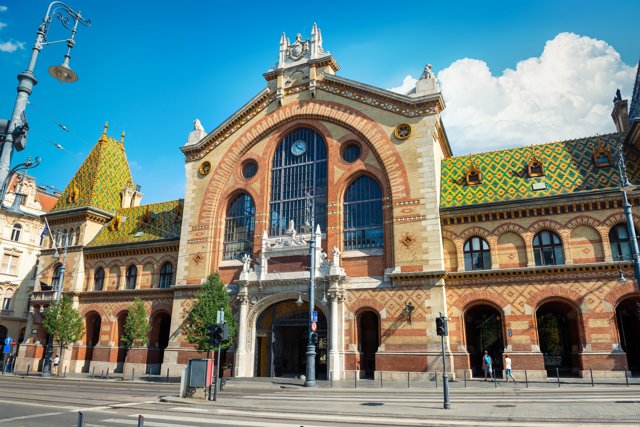
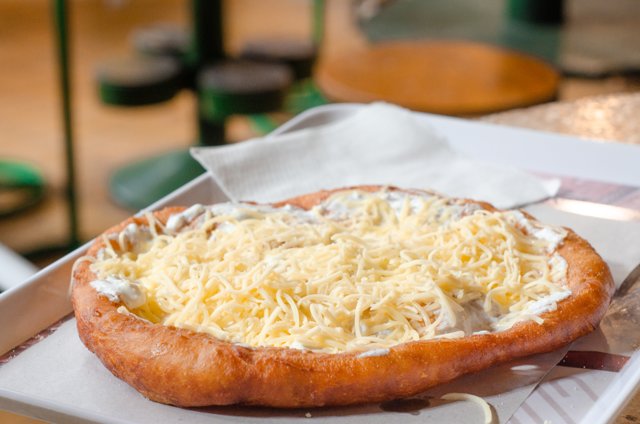
Budapest's grandest indoor marketplace emerged in 1897, designed by Samu Pecz to modernize the city’s food supply. This sprawling Neo-Gothic landmark features an expansive iron structure that revolutionized urban trading. Intricate Zsolnay porcelain tiles adorn the exterior roof, while the vibrant interior spans three levels of culinary stalls. Fresh local produce, Hungarian paprika, and authentic textiles fill the historic, naturally illuminated hall. Exploring the bustling aisles stirs a profound connection to local culinary heritage. The rich aromas of lángos and traditional spices create an unforgettable sensory immersion into the daily rhythm of Hungary. For more information on schedules, please consult its official website.

Sights and Monuments

Heroes' Square

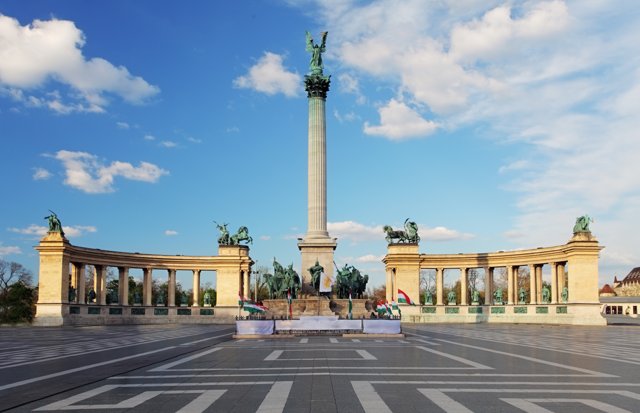
A grand testament to the birth of a nation, Heroes' Square was constructed in 1896 to mark the proud millennium of the Hungarian state. This expansive monument anchors the city's historic Andrássy Avenue with majestic artistic presence. The towering Millennium Monument dominates the plaza, surrounded by sculpted depictions of legendary tribal leaders and celebrated kings. Flanking colonnades hold iconic statues of historic figures who fiercely shaped Hungary's enduring political destiny. Standing in this sunlit plaza stirs a deep appreciation for classical art and national identity. The open, dramatic stone layout captures the imperial soul of Budapest, leaving an unforgettable impression of monumental triumph.

Coffee

Gerbeaud

4.2

International cuisine

Arany Kaviár Étterem

4.8

Sights and Monuments

Andrássy Avenue

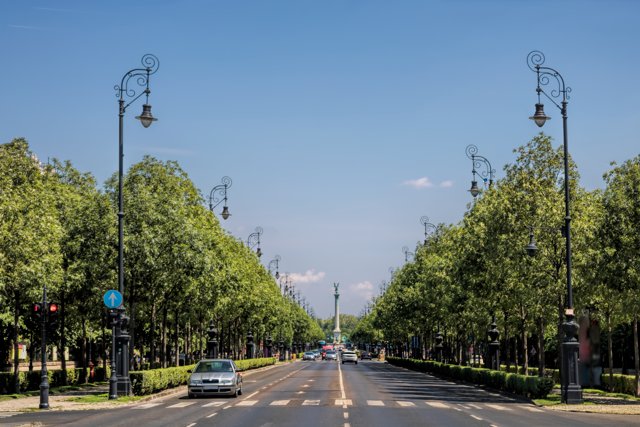
Commissioned in the late nineteenth century to mirror the grandeur of Parisian boulevards, Andrássy Avenue emerged as a spectacular urban showcase connecting the bustling city center with Heroes' Square. This elegant boulevard fundamentally transformed Budapest's cultural and spatial identity. Beneath its surface runs the historic Millennium Underground Railway, while above ground, majestic Neo-Renaissance mansions and palatial residences line the tree-fringed thoroughfare, showcasing spectacular architectural mastery and opulent nineteenth-century aristocratic wealth. Strolling along this UNESCO World Heritage avenue at twilight evokes a deep connection to Europe's golden age. The vibrant blend of high-end fashion, historic cafes, and leafy pathways captures a timeless spirit of urban sophistication.

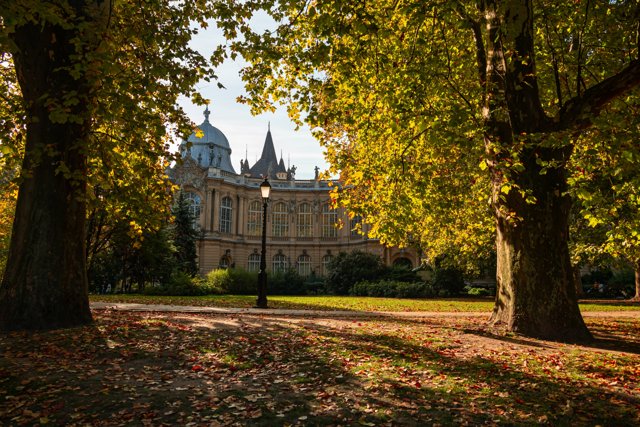
City Park with historic building and autumn trees Budapest

Nature and Parks

City Park

A sprawling emerald sanctuary since the late nineteenth century, City Park was conceived as the primary venue for Hungary's grand Millennium Exhibition. This historic public park pioneered urban landscape design, transforming marshlands into a celebratory cultural haven. The architectural centerpiece features the fairytale-like Vajdahunyad Castle, showcasing an eclectic blend of Gothic, Renaissance, and Baroque styles. Nearby, the majestic Heroes' Square and the ornate Széchenyi Thermal Bath anchor the park's distinct, monumental identity. Boating on the serene lake during summer or skating across its frozen surface in winter evokes deep connections to local lifestyle. The vibrant, leafy pathways offer an unforgettable immersion into Budapest’s romantic historical atmosphere and outdoor leisure.

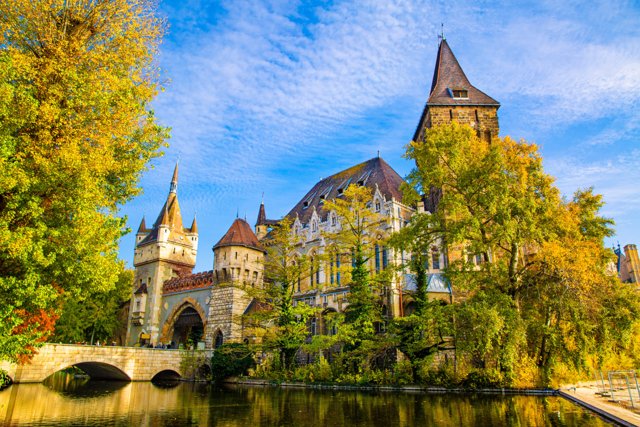
Vajdahunyad Castle surrounded by autumn trees in Budapest

Historical Sites

Vajdahunyad Castle

Vajdahunyad Castle is a stunning architectural marvel located in Budapest's City Park. Built in 1896 for the Millennial Exhibition, the castle's design is a unique blend of various architectural styles, including Gothic, Renaissance, and Baroque. Visitors can explore the castle's grand halls and galleries, which are home to exhibitions on Hungarian history and culture, as well as contemporary art installations. The castle's picturesque setting, complete with a moat and a bridge, makes it a popular spot for photography and relaxation. Whether one is interested in history, architecture, or simply seeking a scenic stroll, a visit to Vajdahunyad Castle is a must-do when in Budapest. For more information on schedules and prices, consult its official website.

Coffee

New York Café

4
octopus risotto dish at Padrón restaurant Budapest

Spanish cuisine

Padrón

4.7
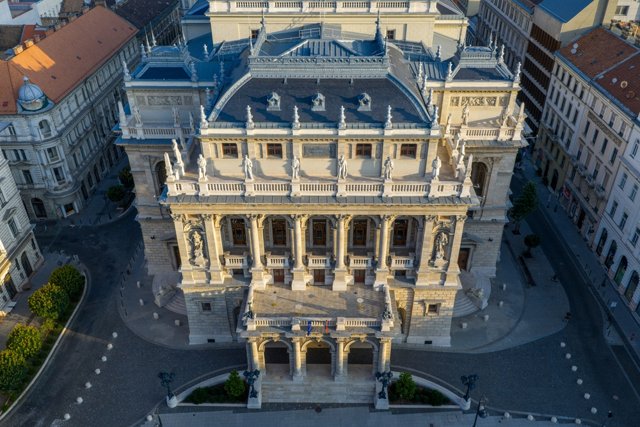
Budapest Opera House facade aerial view Budapest Hungary

Leisure Places

Budapest Opera

The Budapest Opera House, also known as the Hungarian State Opera House, is a stunning neo-Renaissance building located in the heart of Budapest. Built in 1884, the Opera House is renowned for its exquisite architecture, elegant interior design, and world-class performances. Tourists enjoy a range of opera, ballet, and classical music performances in the magnificent auditorium, which boasts excellent acoustics and seating for over 1,200 people. The Opera House also offers guided tours, allowing visitors to explore the backstage areas and learn about the history and inner workings of this iconic cultural institution. For lovers of music and art, a visit to the Budapest Opera House is an unforgettable experience. For more information on schedules and prices, consult its official website.

Sights and Monuments

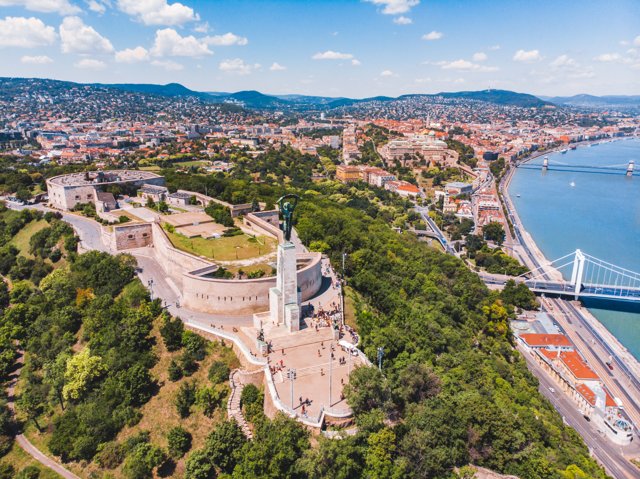
The Citadel

Erected by the Habsburg Empire following the 1848 War of Independence, the Citadel stands atop Gellért Hill as an imposing fortress designed to intimidate the citizens of Buda and Pest. The massive limestone stronghold features thick defensive walls, heavy masonry, and strategic firing ports. Guarding its eastern tip, the monumental Liberty Statue holds a palm leaf high against the Hungarian skyline. Standing on this historic ridge stirs a deep reflection on past struggles for freedom. The sweeping panoramic vistas over the winding Danube River reveal an unforgettable perspective of urban resilience and triumph.

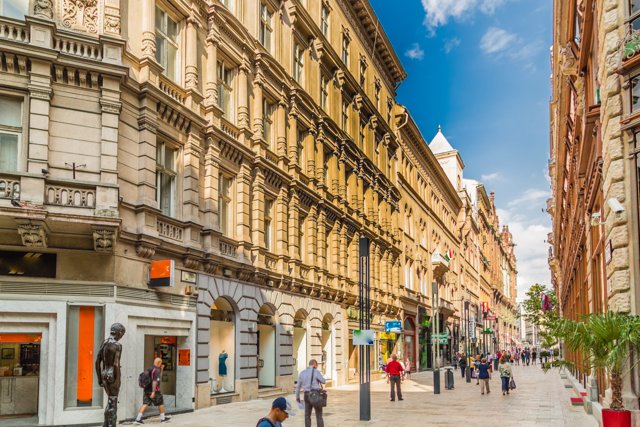
Directional signpost in Váci Utca Budapest

Sights and Monuments

Váci Utca

Váci Utca is one of the most popular shopping streets in Budapest, Hungary, known for its lively atmosphere, stunning architecture, and a wide array of shops and restaurants. The pedestrianized street is lined with an eclectic mix of retail stores, from international luxury brands to local souvenir shops. Visitors typically enjoy traditional Hungarian food and drinks in the street's many cafes and restaurants. The buildings themselves are also worth admiring, as they range from 19th-century neo-Baroque to Art Nouveau styles. Whether shopping for souvenirs, savoring local cuisine, or simply strolling through the vibrant city center, Váci Utca offers an unforgettable experience for tourists visiting Budapest.

Seafood cuisine

Bigfish Andrássy Seafood Bistro

4.6

Spanish cuisine

Pata Negra

4.6

Museums and Galleries

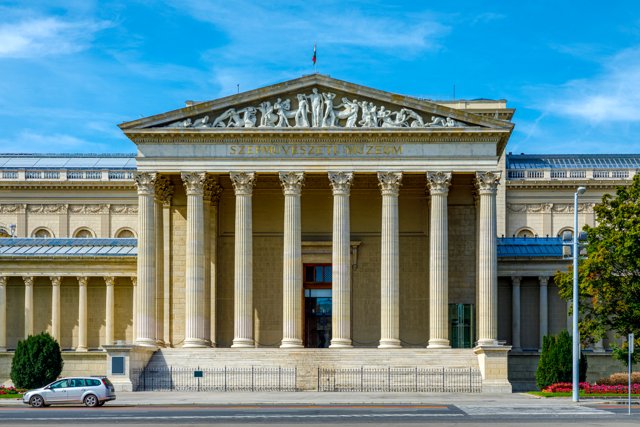
Museum of Fine Arts

The Museum of Fine Arts in Budapest is a must-visit destination for art lovers and history buffs. Located in Heroes' Square, the museum houses a stunning collection of art spanning over six millennia, including ancient Egyptian artifacts, classical antiquities, Renaissance paintings, and more. Visitors can admire works by famous artists such as Titian, Rembrandt, and Monet, as well as explore temporary exhibitions featuring contemporary and modern art. The museum's stunning architecture and grand interior spaces only add to the experience, making it a popular attraction in Budapest. With its diverse collection and rich history, the Museum of Fine Arts is a true gem of Budapest's cultural scene. For more information on schedules and prices, consult its official website.

Museums and Galleries

Hungarian National Gallery

The Hungarian National Gallery in Budapest is a must-visit destination for art enthusiasts. Housed in the stunning Buda Castle, the gallery showcases an impressive collection of Hungarian art spanning from the Middle Ages to the present day. The gallery gathers works by renowned Hungarian artists such as Mihaly Munkacsy, Csontvary Kosztka Tivadar, and Istvan Csok. The gallery also features temporary exhibitions, providing a platform for contemporary artists to showcase their work. With its breathtaking views of the city and world-class collection, the Hungarian National Gallery is an essential stop on any art lover's itinerary when visiting Budapest. For more information on schedules and prices, consult its official website.

Margaret Island in the Danube River Budapest

Nature and Parks

Margaret Island

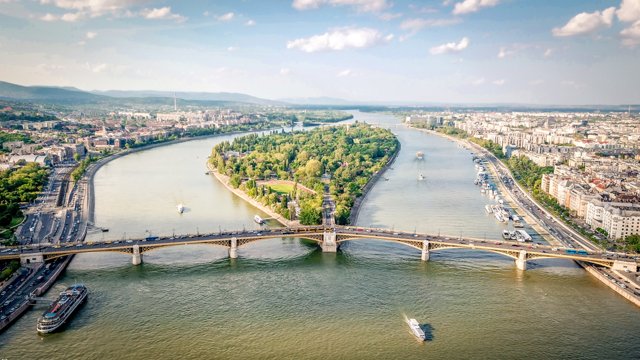
An idyllic escape floating in the heart of the Danube, Margaret Island originated as a medieval religious sanctuary before transforming into a tranquil public haven. This historic green oasis has provided a peaceful retreat from Budapest's urban pulse for centuries. Spanning over two kilometers, the park features a majestic musical fountain that dances to classical melodies, romantic rose gardens, and medieval monastery ruins. The iconic century-old water tower rises elegantly above the lush, ancient tree canopy. Strolling along the shaded paths at twilight stirs a deep connection to the island's serene atmosphere. The soothing thermal waters and gentle river breezes create an unforgettable sanctuary of natural beauty and cultural relaxation.

French cuisine

Déryné

4.6

Local cuisine

Kiosk

4.4

Nature and Parks

Japanese Garden of Margaret Island

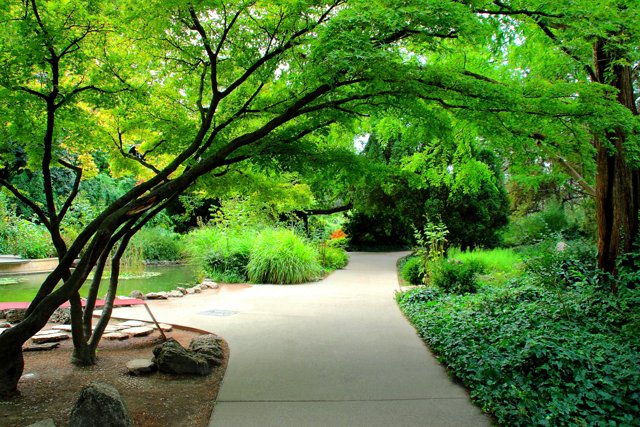
Nestled within a serene island park, the Japanese Garden of Margaret Island was established in the early twentieth century by György Magyar. This masterfully designed landscape successfully channels traditional East Asian horticultural aesthetics. Intricate stone pathways wind gracefully around a central lily pond populated by colorful koi fish. A traditional wooden bridge, carefully sculpted bonsai trees, and a cascading artificial waterfall define the tranquil layout. Strolling through the moss-covered grounds at twilight fosters a deep sense of peaceful contemplation. The gentle trickle of water and lush exotic flora create a captivating environment of authentic cultural harmony.

Leisure Places

National Széchényi Library

Established in 1802 through Count Ferenc Széchényi’s patriotic donation of his private collections, the National Széchényi Library serves as Hungary’s premier literary guardian. Located inside Buda Castle, it preserves the nation's written heritage. The vast repository proudly treasures the magnificent Corvina Library manuscripts and the first printed book in Hungary. Exquisite reading rooms combine classical architecture with silent grandeur, holding millions of precious items. Stepping into this palace of knowledge connects generations of researchers to Europe's profound intellectual history. The majestic silence fosters a mesmerizing atmosphere of cultural pride and brilliant scholarly devotion. For more information on schedules and prices, please consult its official website.
Italian cuisine

Trattoria Pomo D'Oro

4.7
Hungarian National Museum facade with statue Budapest

Museums and Galleries

Hungarian National Museum

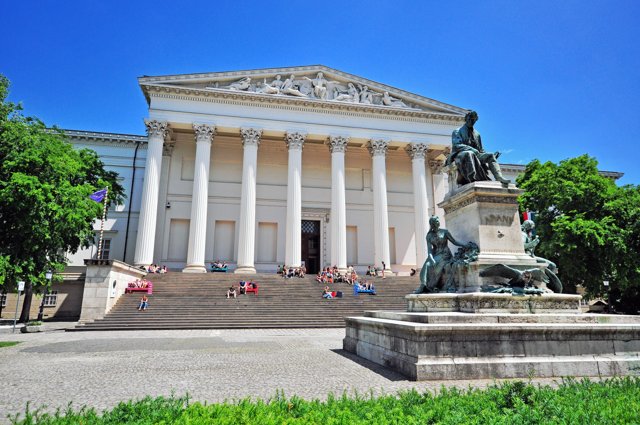
Rising as a neoclassical monument, the Hungarian National Museum was founded in 1802 to safeguard the country's cultural treasures. The magnificent structure remains a pivotal symbol of liberty, famously serving as a major staging ground during the 1848 revolution. The building boasts a grand portico supported by Corinthian columns and beautifully detailed allegorical sculptures. Inside, stunning frescoes line the ceremonial staircase, leading to vast galleries that display the legendary Seuso Treasure and centuries of historical artifacts. Wandering through the majestic exhibition halls sparks a deep emotional resonance with Hungary's past. The quiet dignity of the historic surroundings creates an unforgettable journey through the artistic, political, and social identity of the nation. For more information on schedules and prices, please consult its official website.

Szimpla Farmers Market fresh vegetables Budapest

Shops and Street Markets

Szimpla Farmers Market

Budapest's nightlife legend undergoes a breathtaking transformation every Sunday morning, shifting from a chaotic labyrinth of sound into a thriving epicenter of agrarian heritage. This weekly evolution repurposes the city's most iconic ruin bar into an unconventional cultural crossroads. Artesian stalls overflow with chemical-free goat cheeses, traditional mangalica pork sausages, and wild mushroom spreads arranged beneath a canopy of dangling retro monitors and lush hanging vines. Local musicians provide a acoustic backdrop, filling the graffiti-covered, open-air brick courtyard with live melodies. Stepping into this bohemian sanctuary triggers a sensory journey through authentic Hungarian food traditions. The contrast between gritty urban architecture and pure, country-fresh aromas fosters an intimate connection to the city's modern, community-driven spirit.

decorative disco balls and plants at Fogas Ház Budapest

Nightlife

Fogas Ház

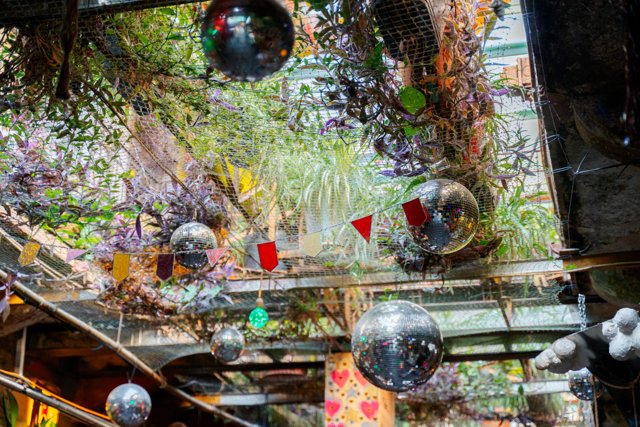
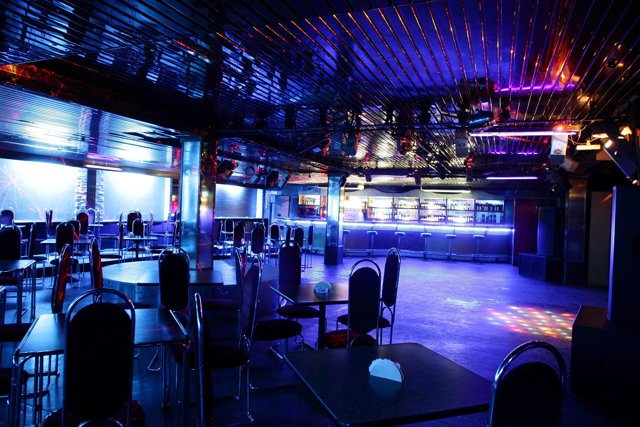
Fogas Ház is a unique and dynamic cultural center located in the heart of Budapest's party district. Fogas Ház has since evolved into a thriving artistic hub that features a range of events and activities, from concerts and exhibitions to theater performances and film screenings. The space boasts several rooms, each with its own distinct atmosphere and style, allowing visitors to explore a variety of cultural experiences in one location. With its vibrant energy, eclectic programming, and laid-back vibe, Fogas Ház has become a beloved destination for locals and tourists alike, offering a fresh and exciting perspective on Budapest's cultural scene. For more information on schedules, consult its official website.

Chinese cuisine

Wang Mester

4.7

Grill

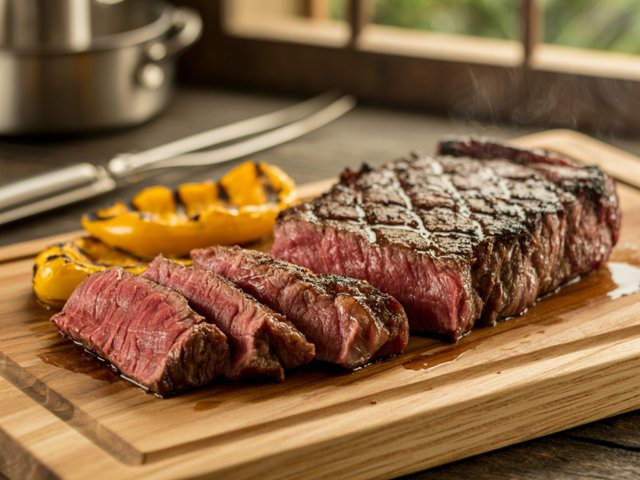
Hot Stone Steakhouse Budapest

4.7
The House of Houdini museum Budapest

Leisure Places

The House of Houdini

The House of Houdini in Budapest is a must-see attraction for tourists interested in magic and illusion. The museum is dedicated to the life and work of the legendary magician Harry Houdini, who was born in Budapest in 1874. The House of Houdini features a collection of Houdini's personal items, including his handcuffs, straightjacket, and famous Milk Can Escape, as well as interactive exhibits and displays on the history of magic. Visitors can also enjoy live magic shows and demonstrations, and the museum's rooftop terrace offers stunning views of Budapest. For more information on schedules and prices, consult its official website.

Museums and Galleries

Aquincum Museum

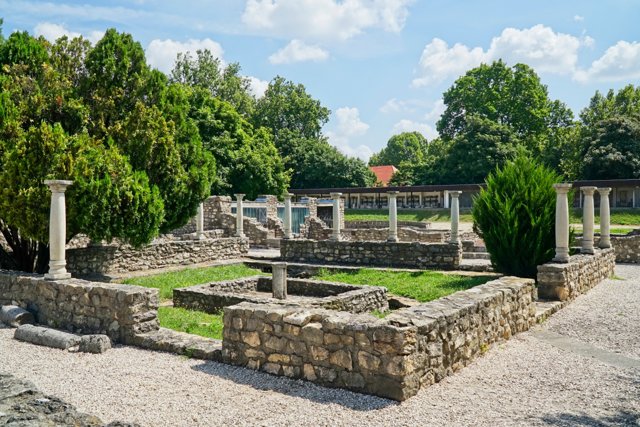
Unearthing the ancient Roman frontier, this archaeological park protects the remains of a once-thriving second-century provincial capital. The historic site stands as a vital portal into the urban foundations of Aquincum. Exquisite mosaic floors, reconstructed residential quarters, and a rare third-century water organ define the physical layout. The expansive grounds beautifully showcase a well-preserved civilian amphitheater alongside unique stone monuments. Wandering through these open-air ruins sparks a deep curiosity about early European civilization. The timeless atmosphere offers an unforgettable immersion into the daily lives, engineering triumphs, and classical heritage of the empire. For more information on schedules and prices, please consult its official website.

white draped statue at Kerepesi Cemetery Budapest

Sights and Monuments

Kerepesi Cemetery

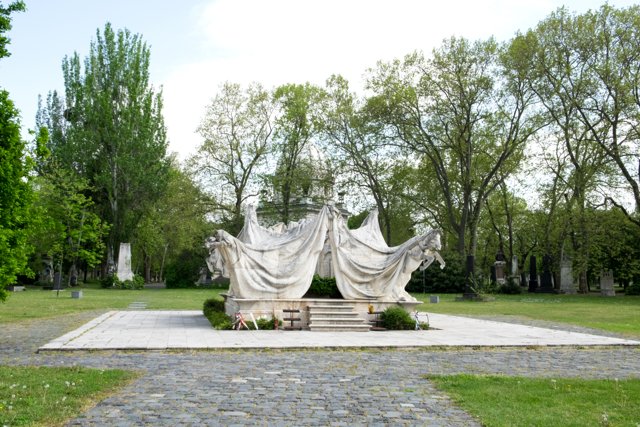
Stepping into a sanctuary of collective memory, Kerepesi Cemetery was established in 1847 to serve as Hungary's ultimate pantheon. This sprawling necropolis stands as one of Europe's largest outdoor sculpture parks, intimately capturing the turbulent destiny of the nation. Ornate mausoleums, towering angel statues, and moss-draped arcades define the striking physical landscape. The grounds serve as the final resting place for historic giants like Lajos Kossuth, whose monumental tombs showcase spectacular nineteenth-century craftsmanship. Wandering through the shaded, tree-lined pathways triggers a powerful sense of quiet historical reverence. The peaceful architectural harmony provides an unforgettable journey through the artistic legacy and enduring national pride of Budapest. For more information, please consult its official website.

Local cuisine

Urban Betyár

4.5

Mediterranean cuisine

Mazel Tov

4.6

Local cuisine

Parisi 6

4.8

Local cuisine

Menza Étterem és Kávéház

4.5

Grill

Fat Mama

4.8

Local cuisine

Goulash & Langosh Bar

4.6

Local cuisine

Parasztkonyha Restaurant

4.8

Local cuisine

Aranybástya

4.8

Indian cuisine

Indian Palate - Indian Restaurant in Budapest

4.8

Mediterranean cuisine

Meshuga

4.8

Mediterranean cuisine

BUDAPEST BITES

4.8

Concert

Pannonia Allstars Ska Orchestra

Aug 8
Óbuda Napja

Concert

BLOND:ISH

Aug 22
Vajdahunyadvár

Concert

Quixotic

Aug 1
Dürer Kert

Concert

Oliver Wolf

Aug 22
Dürer Kert
$25.18

Concert

Black Coffee

Aug 14
Buda Castle
$0.45

Concert

LOOK MUM NO COMPUTER

Feb 19
Turbina

Concert

Acid Arab

Oct 3
Akvárium Klub

Concert

VMLAVT CAESAR

Jul 26
Viadukt Terasz

Concert

Quixotic, Megahit, Gridscape, and KENSHIRO+ (HU)

Aug 21
Turbina

Concert

skeler

Nov 14
Akvárium Klub
Hungarian Parliament
Fisherman's Bastion
Buda Castle
MÁK by mizseijani
Onyx
Sziget Festival
Chain Bridge
Széchenyi Thermal Bath
St. Stephen's Basilica
Gundel
Padthai Wokbar
Black Stone Cherry 8
Dohány Street Synagogue
Shoes on the Danube Bank
Matthias Church
Két Szerecsen
Mandragóra
Amon Amarth 16
Szimpla Kert 1
Central Market
Heroes' Square
Gerbeaud
Arany Kaviár Étterem
Andrássy Avenue
City Park
Vajdahunyad Castle 1
New York Café
Padrón
Budapest Opera
The Citadel
Váci Utca
Bigfish Andrássy Seafood Bistro
Pata Negra
Museum of Fine Arts
Hungarian National Gallery
Margaret Island
Déryné
Kiosk
Japanese Garden of Margaret Island
National Széchényi Library
Royal Palace of Gödöllő
Náncsi Néni
Trattoria Pomo D'Oro
Hungarian National Museum
Fogas Ház
Wang Mester
Hot Stone Steakhouse Budapest
The House of Houdini
Aquincum Museum
Kerepesi Cemetery
Urban Betyár
Mazel Tov
Parisi 6
Menza Étterem és Kávéház
Fat Mama
Goulash & Langosh Bar
Parasztkonyha Restaurant
Aranybástya
Indian Palate - Indian Restaurant in Budapest
Meshuga
BUDAPEST BITES
Pannonia Allstars Ska Orchestra
Organ Concert in St. Stephen's Basilica with Miklós Teleki 1
Deep Purple 2
Chat Pile and Ragana 16
Patriarchy
HENGE
Any Given Day 3
Concerts at Matthias Church
Black Coffee
The World of Hans Zimmer
Tender 2
Thy Catafalque and Lazarvs 13
DJ Krush 9
Gilla Band
Sarah Brightman 2
The Last Mile
Vivaldi, Mozart, Beethoven at baroque St. Anna Church – Budapest center
Vivaldi's Four Seasons: St Michael's Church 1
VMLAVT CAESAR
ibis Budapest Castle Hill 1
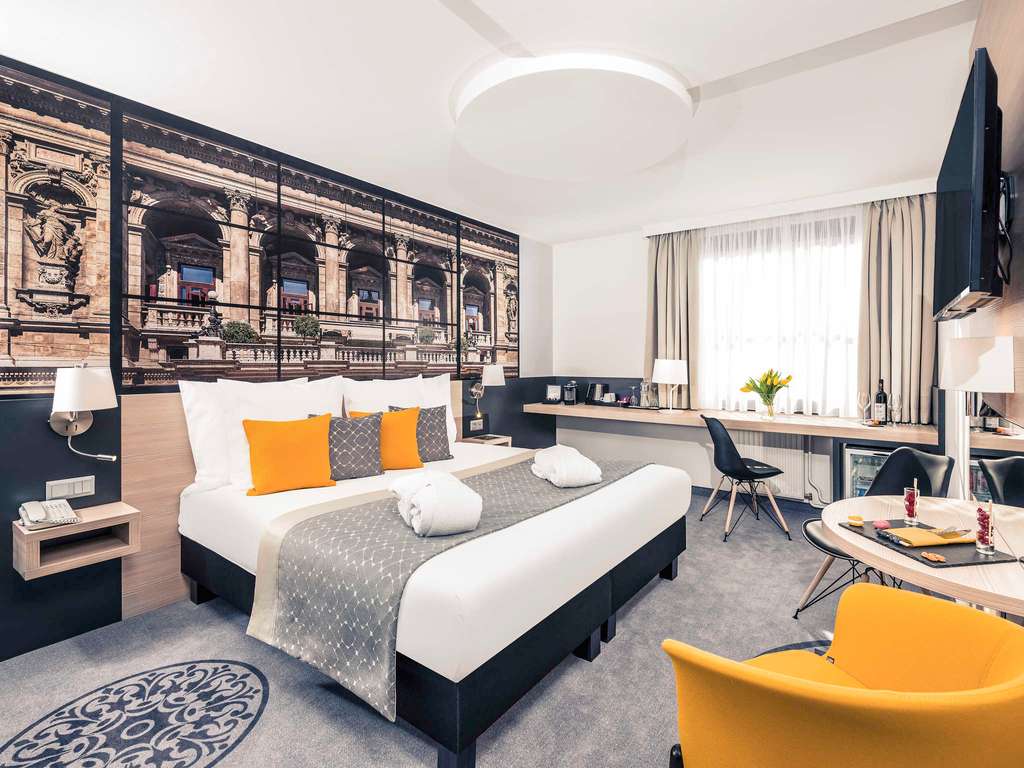
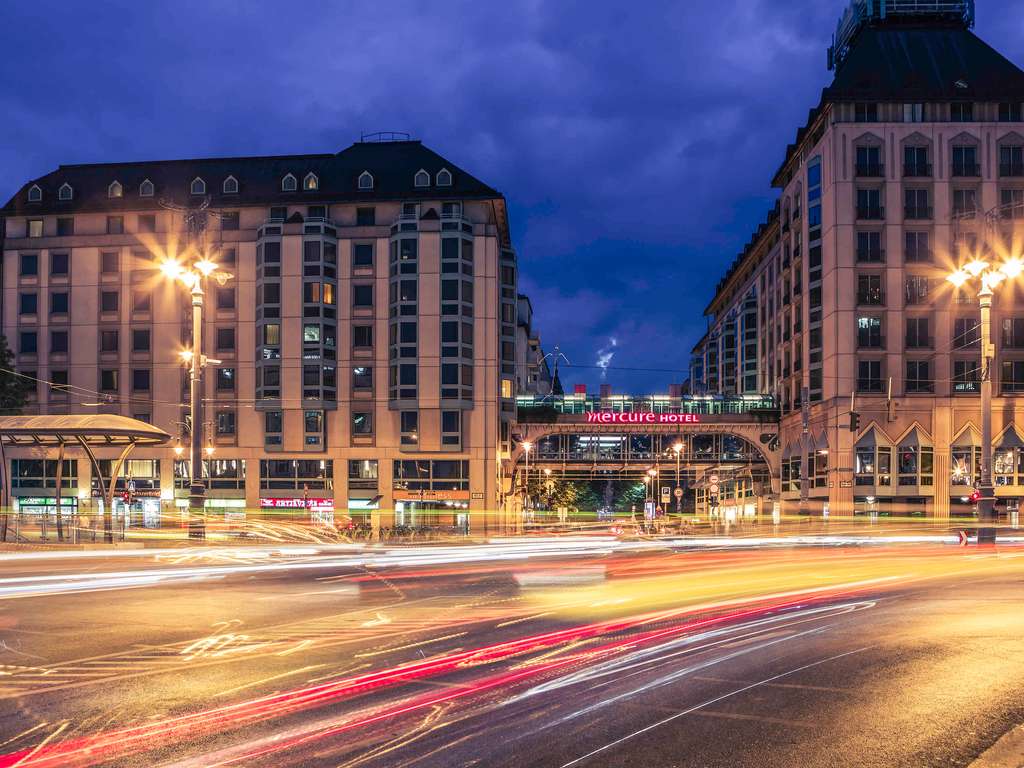
Mercure Budapest City Center Hotel
Novotel Budapest Danube
Pullman Budapest
Novotel Budapest City & Budapest Congress Center
Mercure Budapest Korona Hotel
You Hotel Budapest - Handwritten Collection
ibis Budapest Centrum
JO&JOE Budapest
ibis Budapest City
Nemzeti Hotel Budapest - MGallery Collection
Mövenpick Hotel Budapest Centre
ibis Styles Budapest Center
ibis Styles Budapest City
IntercityHotel Budapest - Coming soon
ibis Budapest Heroes Square
ibis Styles Budapest Citywest
TRIBE Budapest Stadium
ibis Budapest Stadium
ibis Budapest Citysouth
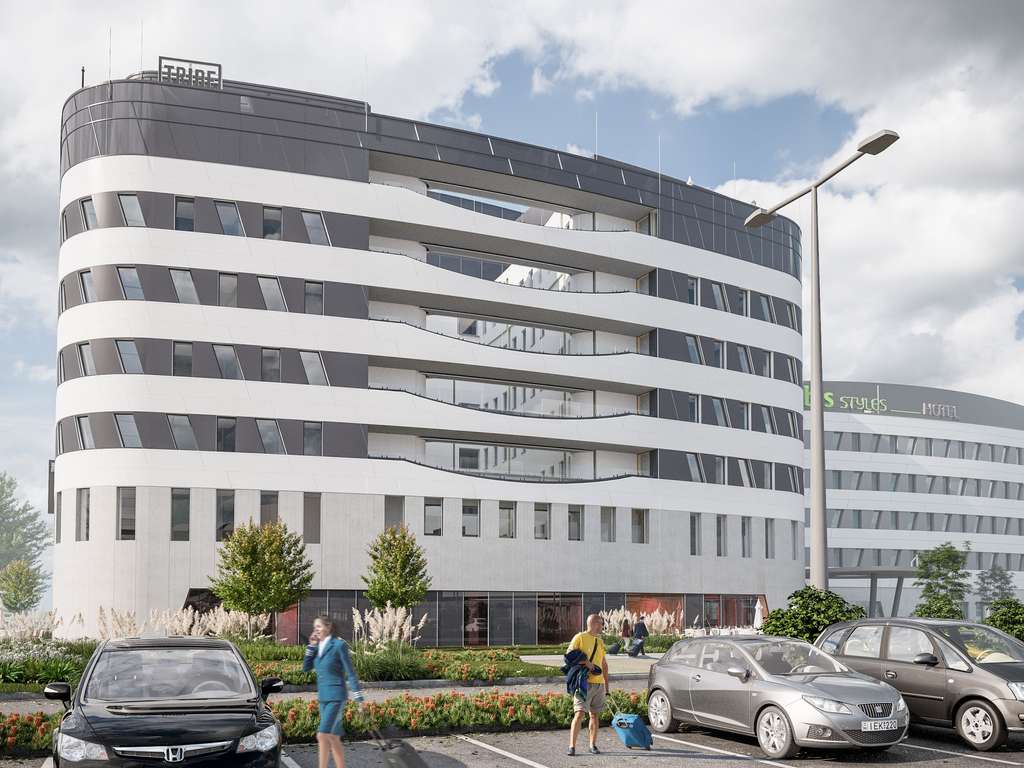
ibis Styles Budapest Airport
TRIBE Budapest Airport

What to do in Budapest

Plan your trip

Entry Requirements & Travel Documents

Hungary is part of the Schengen Area. EU and EEA citizens can enter with a valid national ID card or passport. Travellers from many visa-exempt countries can visit for up to 90 days within any 180-day period without a visa. Your passport must be valid for at least three months beyond your intended departure date and must have been issued within the last ten years.

From late 2026, visitors from several visa-exempt countries, including the United States, Canada, the United Kingdom, Japan, Brazil, and Australia, will need to obtain ETIAS travel authorisation before entering Hungary and other Schengen states for short stays. Until the system is introduced, current visa-free entry rules remain in place.

Money, Currency & Paying in Budapest

The local currency is the Hungarian Forint (HUF). Unlike most of its EU neighbours, Hungary has not adopted the euro. Card and contactless payments are accepted almost everywhere: restaurants, shops, transport and most market stalls. For most visitors, cash is rarely necessary.
That said, a small amount of forints is useful for public restrooms and the occasional kiosk. If you do need cash, withdrawing from ATMs gives better rates than airport currency exchange desks. It's usually best to pay directly in forints and let your bank handle the conversion.

Weather, Seasons & When to Visit

Budapest has a continental climate, with very warm summers and winters that regularly dip below freezing. The season you choose shapes the experience considerably.
Spring (March to May) is fresh and pleasant, with blossoming parks and mild temperatures that make the city easy to explore on foot.
Summer (June to August) is hot, festival-packed and busy. July and August in particular draw large crowds, so booking accommodation well in advance is advisable.

Autumn (September and October) is arguably the best time to visit: temperatures are comfortable, the crowds thin out and the Buda Hills take on their best colours.

Winter (December to February) is cold and grey for the most part, but Christmas markets bring the city to life in December, and there is no better season to spend an afternoon in a thermal bath.

Health Insurance

Visitors with European Health Insurance Card (EHIC) or Global Health Insurance Card (GHIC) have access to state-provided medical treatment in Hungary. That said, public healthcare services are available, though English-speaking staff may not always be present. Comprehensive travel insurance is strongly recommended for all visitors.

Many providers require payment before treatment, particularly for private or non-emergency care. Private clinics are more accustomed to dealing with international patients. 

Pharmacies are easy to find across the city centre, with some open 24 hours. In an emergency, dial 112.

Connectivity, Roaming & Mobile Data

Free Wi-Fi is widely available in hotels, cafés and public spaces across the city. 

Mobile coverage in Budapest is excellent, with fast 4G and 5G throughout the city. Visitors with EU or EEA mobile plans can generally use their data, calls and texts in Hungary at their standard domestic rates under the EU "Roam Like at Home" regulation. Travellers from outside the EU should check roaming costs with their provider before departure, as charges can add up quickly.

Getting a local SIM card requires photo ID registration. If you go this route, do so at an official store rather than a kiosk. An eSIM is a simpler alternative — buy one online and activate it on arrival.

Best hotels in Budapest

Frequently asked questions

What is Budapest famous for?

Budapest is known for its thermal baths, imperial architecture, the neo-Gothic Parliament building, the ruin bars of the Jewish Quarter, a thriving food and coffee scene, and the Danube riverfront views between Buda and Pest.

How many days should I spend in Budapest?

Three to four days cover the main highlights comfortably. A fifth day opens up side trips to Szentendre, Eger or the Danube Bend. A week gives you time to slow down and explore at your own pace.

What are the biggest annual events?

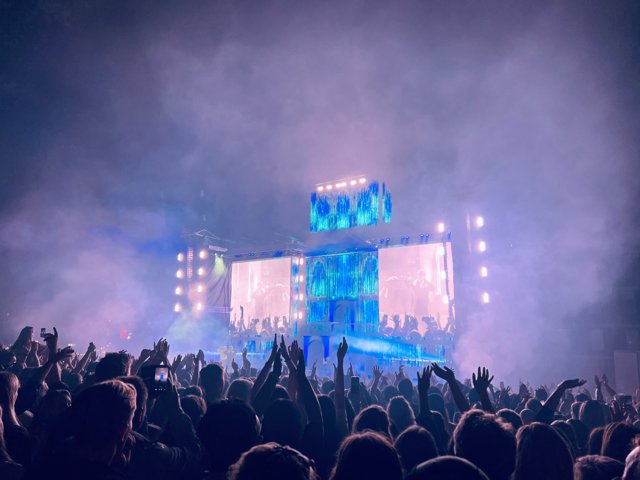
The Sziget Festival in August is one of Europe's largest music festivals. July brings classical concerts at Vajdahunyad Castle, and the Budapest International Circus Festival draws world-class performers every January.

Is Budapest an expensive city?

Budapest is good value by Western European standards. Dining, transport and accommodation tend to be noticeably more affordable, though popular thermal baths and tourist-facing restaurants in the centre can be pricier.

Is English widely spoken?

In hotels, restaurants and tourist areas, yes. Outside the centre, less so. A smile and some patience go a long way.

Are the thermal baths open year-round?

Yes. Most major baths operate throughout the year, and visiting in winter is particularly enjoyable. Soaking outdoors in hot thermal water while temperatures drop around you is a quintessentially Budapest experience.

Is Budapest good for families?

Very much so. The Budapest Zoo and Botanical Garden, Városliget City Park, the Danube river cruises and the interactive exhibits at the Palace of Wonders keep children well entertained.

Top destinations