Bucharest

An Eastern European capital shaped by royal ambition and communist excess, now finding its own confident rhythm.

  • Bucharest

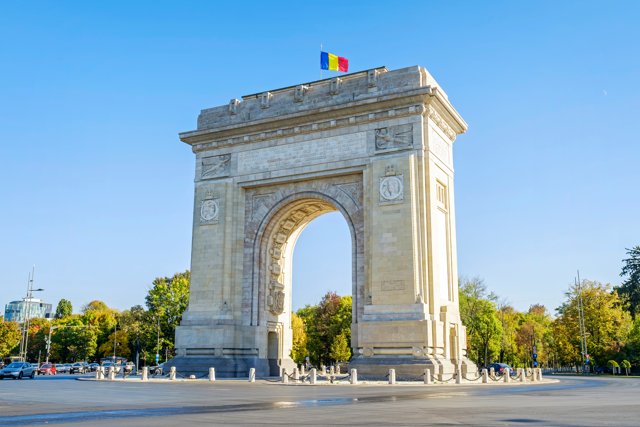
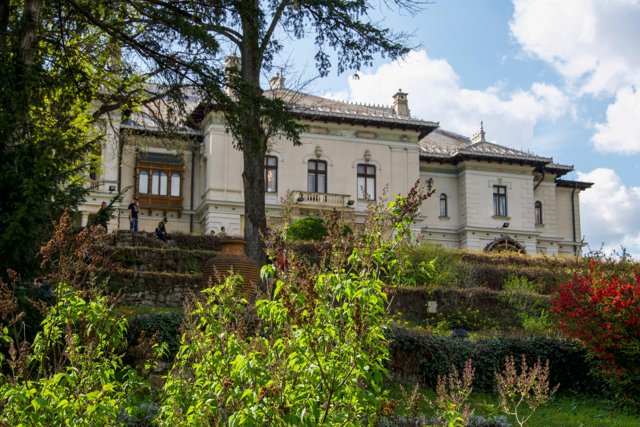
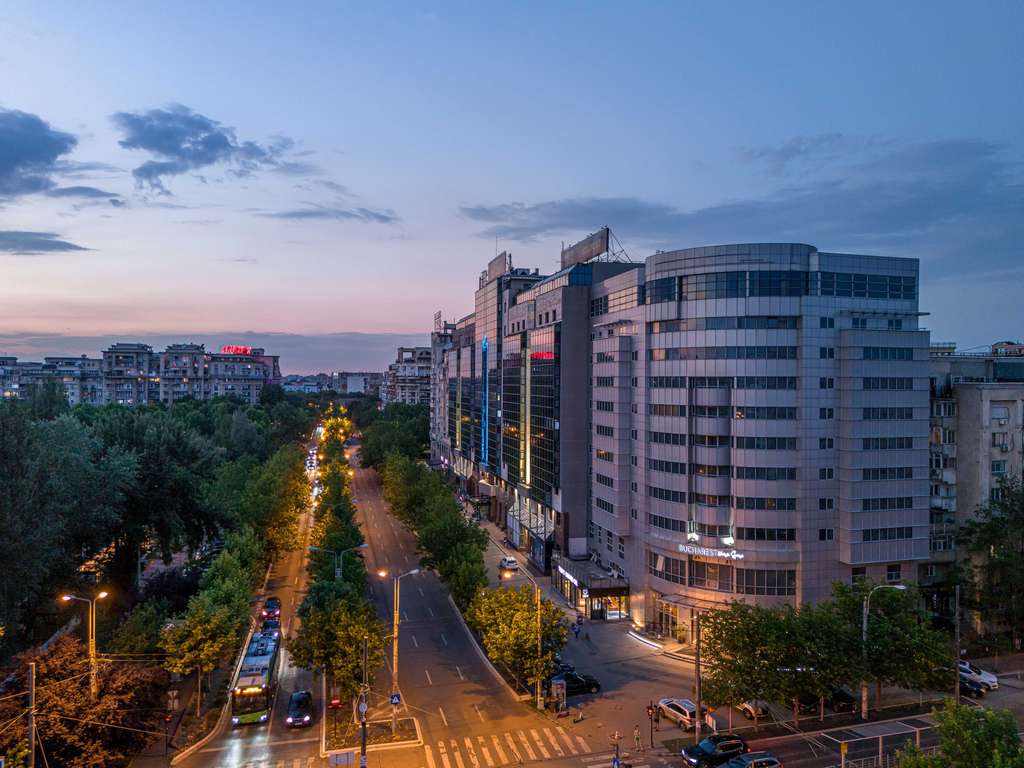
    Romania’s capital resists easy comparisons. Wide boulevards inspired by Haussmann-era Paris cut through a city where Orthodox churches stand beside communist-era apartment blocks, and early 20th-century townhouses face modern glass towers. Bucharest grew in visible layers: an Ottoman trading post, an aspirational royal capital, then the centrepiece of a theatrical communist regime.

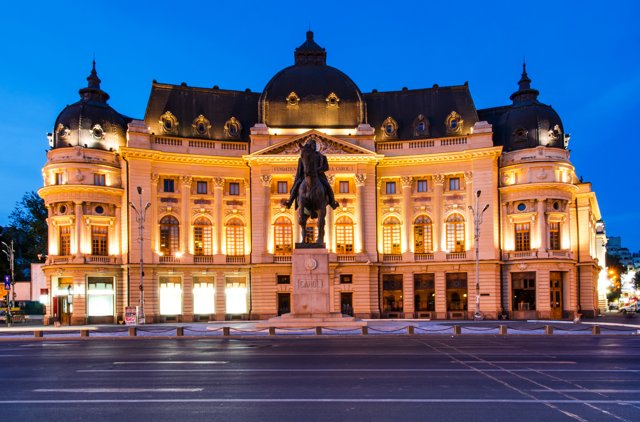
    The city earned its “Little Paris” nickname in the early 1900s, when its ambitions rivalled Western European capitals. Much was demolished under Ceaușescu, but enough remains to give the centre a surprising grandeur.

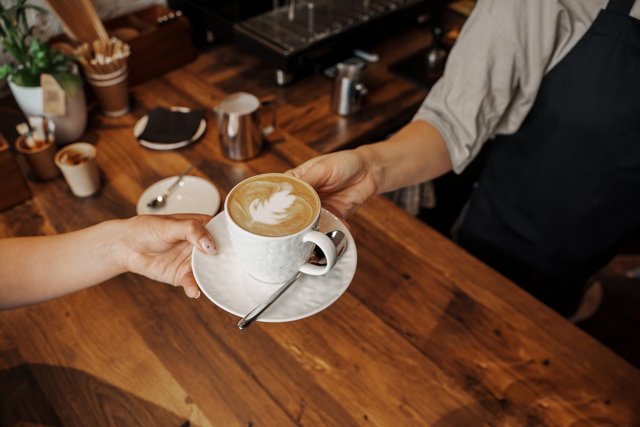
    Today, Bucharest feels lively and evolving, with a growing café and arts scene, a renewed interest in Romanian food, and an Old Town that draws visitors after dark. It is not always easy to love, but for the curious traveller, it is quietly rewarding.
Unique experiences in Bucharest

Plan your trip

Entry Requirements & Travel Documents

Romania joined the Schengen Area in 2024, with full land border integration completing in early 2025, meaning border-free travel now applies for arrivals from other Schengen states.

EU and EEA citizens can enter with a valid passport or national ID card. Travellers from many visa-exempt countries can stay for up to 90 days within any 180-day period without a visa, provided passport validity requirements are met. From late 2026, visitors from several of those countries, including the US, UK, Canada, and Australia, will need ETIAS authorisation before travelling to Romania and other Schengen states for short stays. Until the system launches, current entry rules remain in place.

Money, Currency & Paying in Bucharest

The local currency is the Romanian Leu (RON). Cards are widely accepted across hotels, restaurants, and shops, and contactless payment is common in central areas. Some businesses accept euros, but the exchange rate applied is rarely in your favour — paying in Leu is almost always the better choice.

If you need cash, withdrawing is more practical than exchanging cash. Stick to ATMs from established banks rather than independent machines, which often apply less favourable rates and additional fees.

Bucharest is not the cheapest European capital, but it offers solid value compared to most Western European cities.

Weather, Seasons & When to Visit

Bucharest has a temperate-continental climate with four distinct seasons. Summers are hot and winters can be genuinely cold, though the dry air makes the extremes more manageable.

Spring (March to May) is one of the best times to visit, with temperatures rising into the mid-20s. Parks and terraces come back to life, and the city feels energised without the intensity of summer heat.

Summer (June to August) is hot, with long evenings and a lively outdoor scene. Temperatures often reach 35°C or higher, so lighter clothing and some flexibility are advisable.

Autumn (September to October) offers mild temperatures, fewer crowds, and a return to a more local rhythm.

Winter (December to February) can be harsh, with occasional snowfall and temperatures well below freezing, though Christmas markets bring a seasonal atmosphere to the centre.

Health Insurance

Romania has a public healthcare system, with hospitals and pharmacies spread across Bucharest. If you have one, carry your EHIC or GHIC card for access to state-provided medical treatment on the same terms as Romanian residents, though this does not replace travel insurance.

Non-EU travellers are strongly advised to hold comprehensive travel medical insurance covering treatment, hospitalisation, and emergency repatriation. Private hospitals and clinics are available in Bucharest, often with shorter waiting times and English-speaking staff.

Pharmacies display green crosses and are a sensible first stop for minor health issues, over-the-counter medication, or general advice.

Connectivity, Roaming & Mobile Data

Mobile coverage in Bucharest is good, with widespread 4G and growing 5G availability in the city centre and most residential areas.

Visitors with EU or EEA mobile plans can use their data, calls, and texts in Romania at domestic rates under the EU "Roam Like at Home" rules. Travellers from outside the EU should check roaming costs with their provider before departure, as charges vary widely.

Free Wi-Fi is available in most hotels, cafés, restaurants, and many public spaces. For longer stays, consider getting a local SIM or an eSIM. Romania is one of the few EU countries where SIM cards can generally be purchased without complex registration requirements, and prepaid starter packs are available in shops near metro stations across the city.

Airports & Main Arrival Hubs

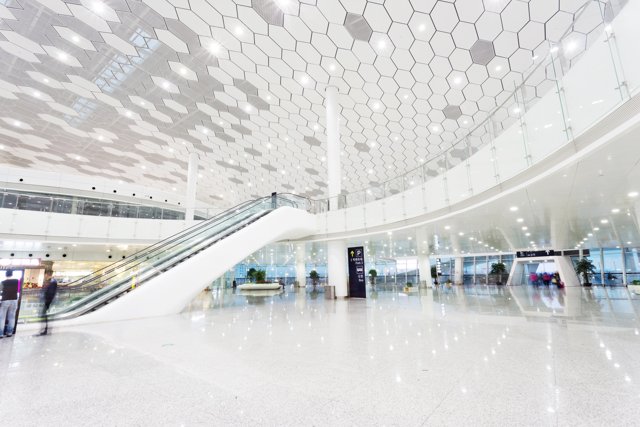
Most international and long-haul flights arrive at Henri Coandă International Airport (OTP), just north of the city. It’s located in the town of Otopeni and is sometimes referred to by that name. The smaller Băneasa Airport (BBU), closer to the centre, handles limited business and charter operations.

Travellers arriving by coach will find that Bucharest has no single central bus terminal. Autogara Militari in the west is one of the busiest, but the station you arrive at depends on the operator, so it's worth confirming in advance.

Main Train Stations

Gara de Nord (Bucharest North Station) handles intercity, regional, and international services, with a direct metro connection for onward travel into the centre.

Services run to destinations across Romania, including Sinaia, Brașov, Cluj-Napoca, and Constanța, as well as across the border into neighbouring countries. For day trips or longer excursions into Transylvania, this is your departure point.

The station is large and functional rather than elegant, but well signed. Expect it to be busy at weekends and around public holidays.

From the Airport to Central Bucharest

Trains run from Henri Coandă Airport (OTP) to Gara de Nord every 40 minutes. The journey takes about 25 minutes. Tickets can be bought on board or from one of the ticket machines at the platform. From Gara de Nord, the metro connects to the rest of the city.

Bus 100 will take you straight to the city centre, stopping at Piața Victoriei, Piața Romană, and Piața Unirii. The journey takes around 45 minutes, longer during rush hour.

To get a taxi, use the booking machine in the arrivals hall, which assigns a licensed cab at a fixed rate. Avoid approaching drivers inside the terminal. Uber and Bolt both operate reliably from the airport and are generally the most straightforward option.

From Băneasa Airport (BBU), you can take Bus 100, a taxi, Uber or Bolt.

Taxis & Ride-Hailing

For getting around Bucharest, Uber and Bolt are the most reliable and hassle-free options. Both apps display upfront pricing and driver details, removing any ambiguity about fares.

Licensed yellow taxis are metered and the majority of drivers are professional. That said, unlicensed operators in tourist areas have been known to charge significantly inflated fares, and app-based services sidestep this risk entirely. If you do take a taxi without an app, at a rank or on the street, make sure the meter is running before getting in.

Traffic in Bucharest can be heavy, particularly during morning and evening rush hours. For time-sensitive journeys, the metro is far more reliable than road transport.

Arrival Tips & Common Mistakes to Avoid

  • Don’t take unlicensed taxis. Use the booking machine in the arrivals hall or book an Uber or Bolt instead.
  • Currency exchange desks at the airport offer poor rates. Pay by card where possible, or withdraw Leu from an ATM once you reach the city centre.
  • There is a Carrefour supermarket in the arrivals hall at OTP with regular high-street prices. It’s a good spot to pick up a sandwich, a coffee, or a local SIM card before heading into the city.
  • Bus 100 runs around the clock and accepts contactless bank card payment on board, but navigating the centre late at night with luggage can be awkward. An Uber or Bolt is more comfortable for late arrivals.
  • Many museums, castles, and historic attractions close on Mondays and Tuesdays, with seasonal opening hours that vary. Check before purchasing tickets online.

Public Transport & Zones

Bucharest has a functional network of metro, buses, trams, and trolleybuses. The five metro lines are the fastest and most reliable way to cross the city, bypassing the often considerable road traffic. Surface transport covers areas not reached by the metro, including outer neighbourhoods and some central streets.

For most visitors, the metro handles the majority of longer journeys, with buses and trams filling the gaps.

Tickets & Passes

Bucharest's buses, trams, and trolleybuses operated by STB, are easiest to pay for by tapping a contactless bank card or phone directly on the orange validators on board. A single ticket is valid for 90 minutes, including transfers. Day passes and multi-trip cards are also available at STB kiosks.

The metro operates separately. You can tap a contactless card at the gates, or buy single trips, day passes, or ten-trip cards at station ticket machines.

Always validate your ticket or card on boarding, even when transferring. Inspections are regular and fines apply.
Walking & Cycling

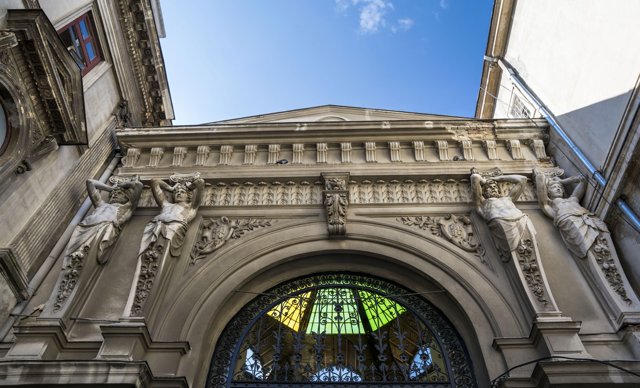
The Old Town and nearby areas are compact and rewarding to explore on foot. You can discover some of Bucharest’s best details just by wandering: Art Nouveau doorways, Orthodox church courtyards, communist-era mosaics, and many other traces of the city’s past.

Beyond the centre, distances between sights can make walking impractical. Cycling infrastructure is developing, with dedicated lanes in some areas but not others.

Shared bicycle and scooter rental services operate across the city and can be useful for short trips between neighbourhoods, particularly during the warmer months.

Nearby Destinations / Day Trips

Bucharest makes an excellent base for exploring Romania beyond the capital. Sinaia, about two hours by train into the Carpathian Mountains, is home to Peleș Castle, the neo-Renaissance summer residence of Romania's first king, and the smaller Pelișor Castle. Nearby, the Bucegi Mountains offer hiking trails and ski slopes. Further into Transylvania, Brașov is a well-preserved medieval city surrounded by mountains, with a Gothic church, fortified walls, and a compact old town.

For something more unusual, the Slănic Prahova Salt Mine is one of Europe’s largest, with a distinctive underground microclimate. Wine lovers can head to the Dealu Mare region for vineyard tours and tastings.

On the Black Sea coast, Constanța is best visited in summer, with Roman ruins and a grand early 20th-century Art Nouveau casino on the waterfront.

Accessibility & Basic Safety Tips

Bucharest's city buses are fully accessible, with lowered floors and fold-out ramps. Many metro stations have lifts, though not all, and the gap between trains and platforms can be wide. Trams generally require climbing steps and are not reliably accessible. In the centre, main streets are manageable, but cobblestone areas and uneven pavements in older neighbourhoods require some care.

Bucharest is generally safe. As in any busy European capital, stay alert to pickpockets in crowded areas and on public transport. At night, the Old Town gets busy — keep an eye on your belongings as you would in any crowded area. Taxi scams do occur; using Uber or Bolt rather than flagging a cab removes most of the risk. In an emergency, dial 112.

Language, Culture & Local Etiquette

Romanian is the official language. It’s a Romance language with Latin foundations shaped by Slavic and local Dacian influences, giving it a character quite distinct from other European languages. English is spoken widely among younger Romanians and in hotels, restaurants, and most tourist-facing businesses across the centre.

Romanians tend to be warm once the initial reserve wears off. Learn a few words as a gesture of goodwill: bună or salut (hello), mulțumesc (thank you), and vă rog (please or go ahead).

Tipping is appreciated but not obligatory; around 10% is the norm for good service in restaurants and bars. It's worth glancing at the bill first, as some establishments add a service charge automatically.

Neighbourhoods

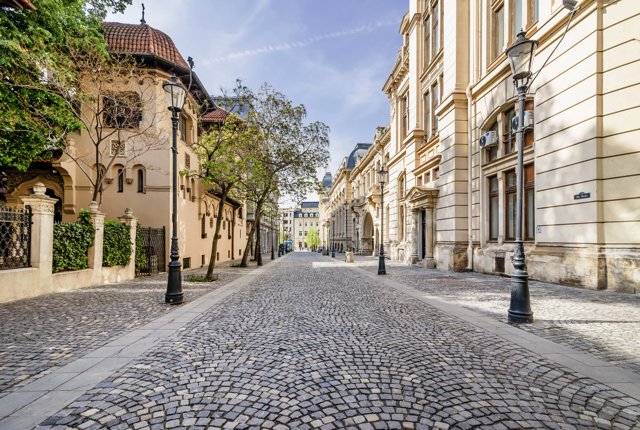
  • Centrul Vechi (Old Town) is a tangle of streets and terraces that house countless restaurants and nightlife spots. A medieval trading street, Lipscani, fills from late afternoon and keeps going well past midnight. During the day, you can explore the layers of medieval foundations, baroque and neoclassical façades, and the odd gaps left by the communist era.
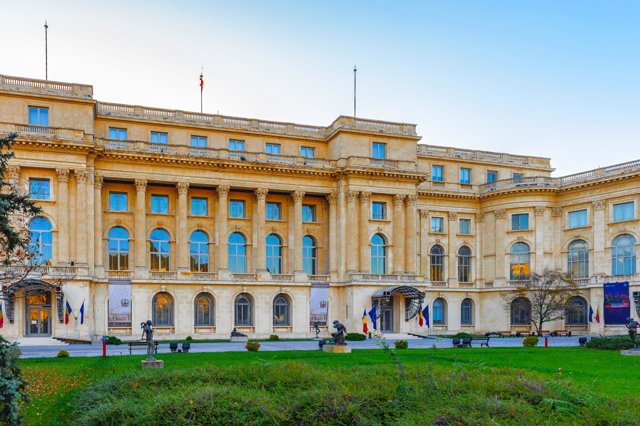
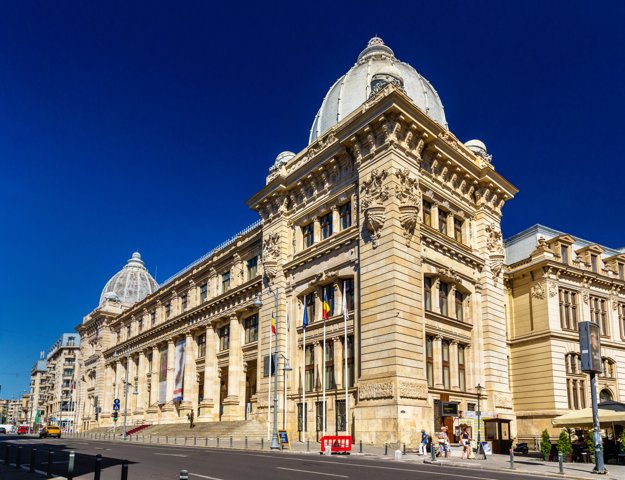
  • Calea Victoriei, Bucharest's grandest boulevard, runs north from the Old Town through palaces, museums, and early 20th-century buildings. This is where the "Little Paris" comparison feels most earned.
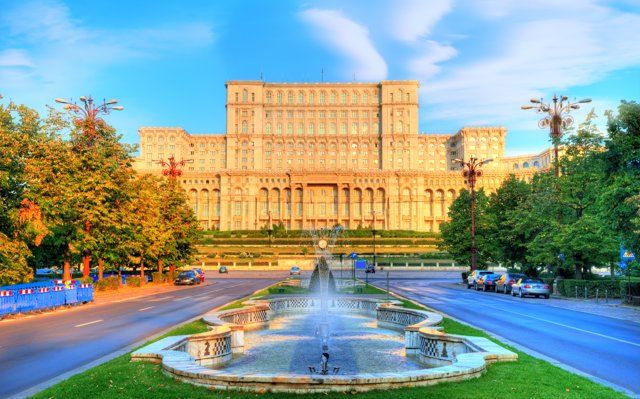
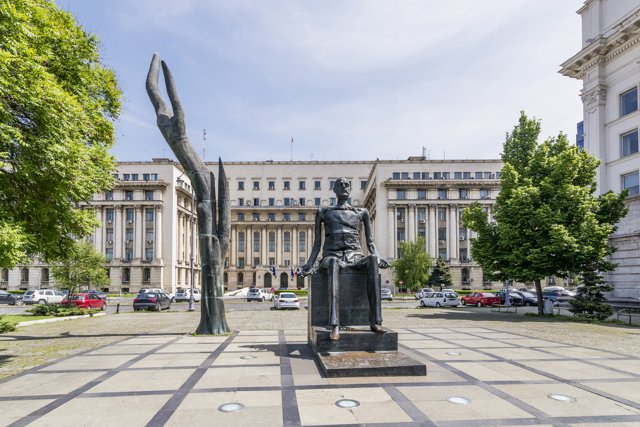
  • Centrul Civic is unlike anywhere else in the city. Ceaușescu bulldozed an entire historic district in the 1980s to build a socialist showcase: Bulevardul Unirii, wider than the Champs-Élysées, with the colossal Palace of Parliament at its western end. The scale is staggering.
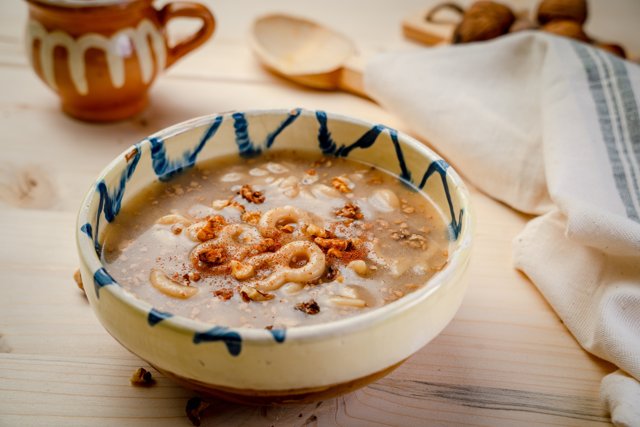
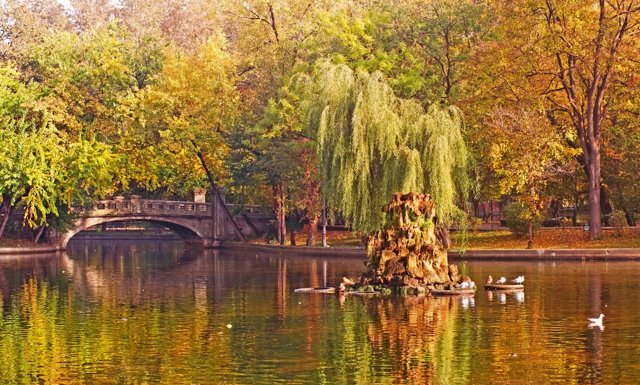
  • Cișmigiu, just west of the centre, is anchored by the city's oldest public park, with independent cafés and art spaces on the surrounding streets.
  • Floreasca and Dorobanți, to the north, have a relaxed, upscale residential feel with a strong café and restaurant scene.
  • Cotroceni, to the west, is leafier and more tranquil, with well-preserved Art Nouveau townhouses and proximity to the Botanical Garden.

Gastronomy

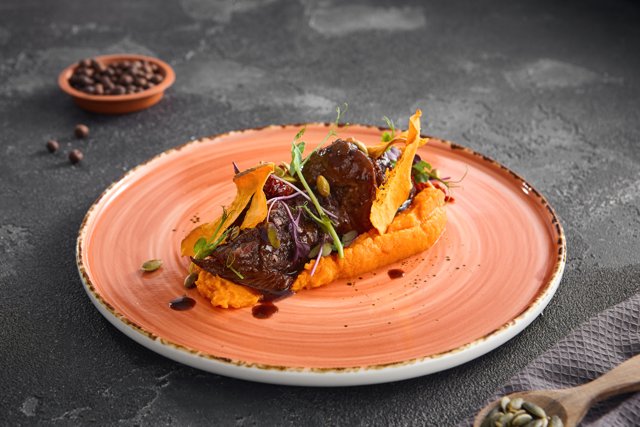
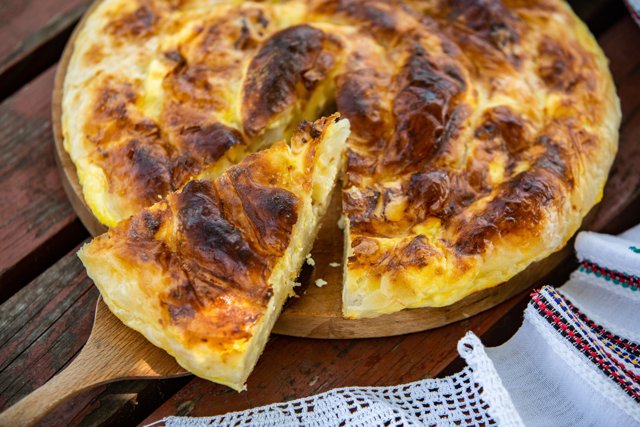
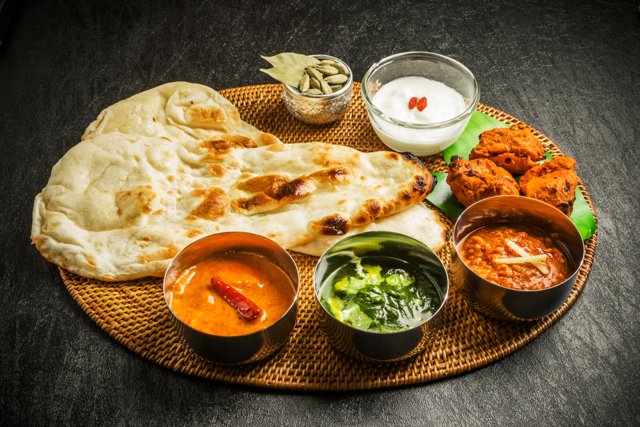
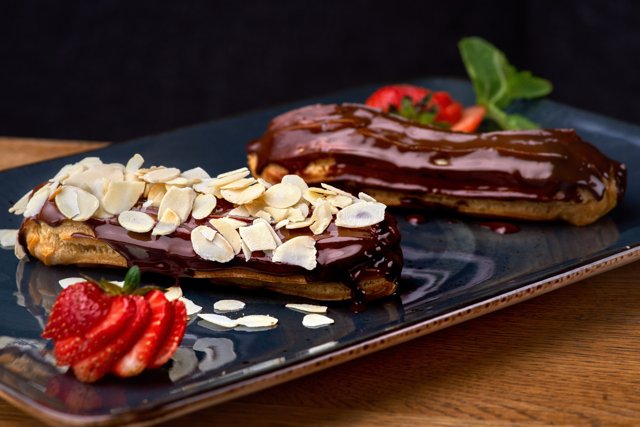
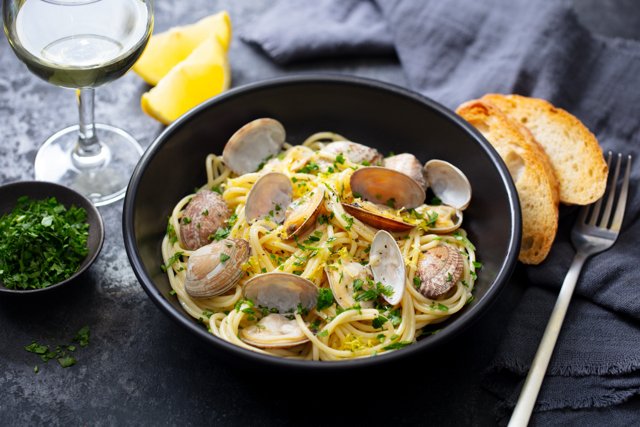
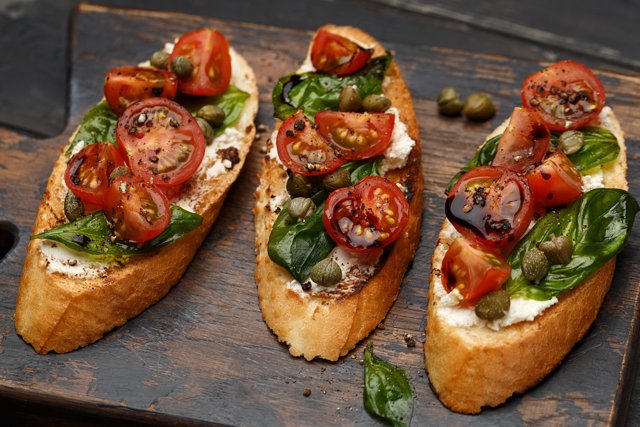
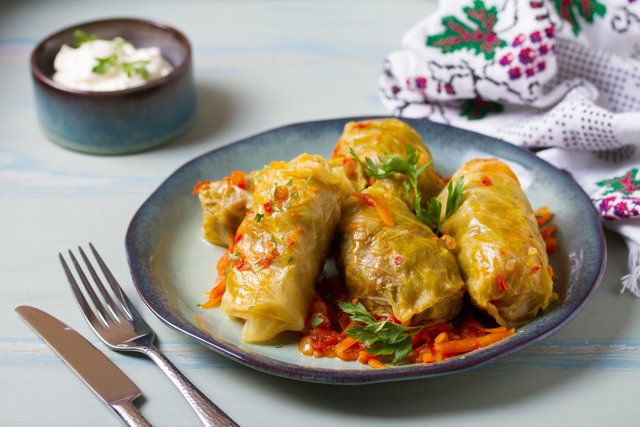
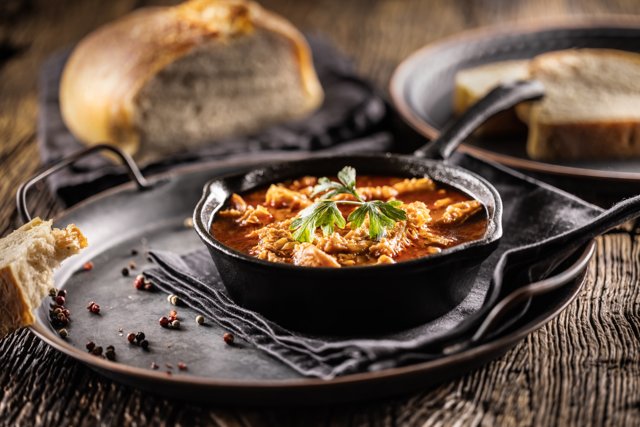
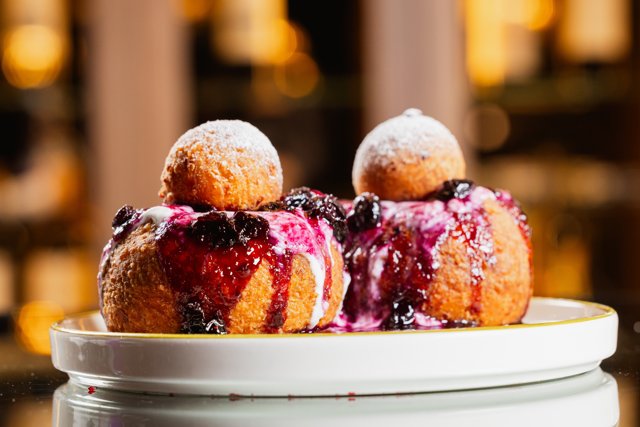
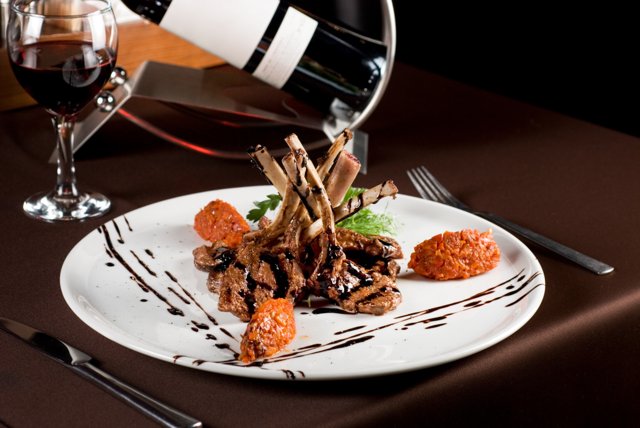
Romanian food is hearty and unapologetically meat-forward, shaped by Central European, Ottoman, and Balkan influences. Sarmale — cabbage or vine leaves stuffed with minced meat and rice — is the national dish and appears at most traditional restaurants. Mici (pronounced "meech") are small, skinless grilled sausages eaten with mustard and bread, best enjoyed from a street grill. Mămăligă (polenta) features as a reliable side. For dessert, try papanași — fried fresh-cheese doughnuts served with sour cream and jam. Pălincă, a potent local fruit brandy, is the traditional spirit.

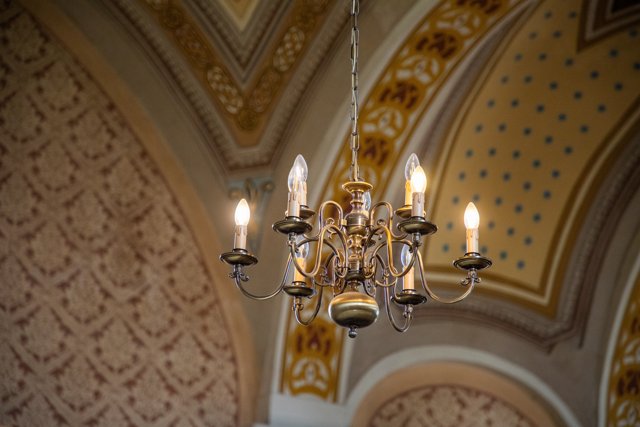
For a meal with atmosphere, Caru' cu Bere in the Old Town is a grand 19th-century beer hall worth visiting for the interior alone. It remains genuinely popular with Bucharesters, not just tourists.

City Rhythm

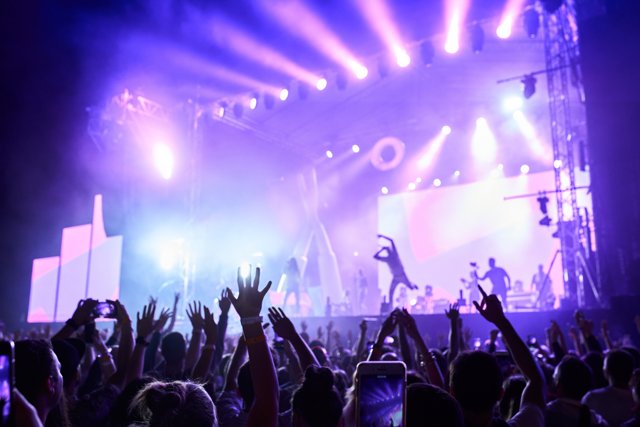
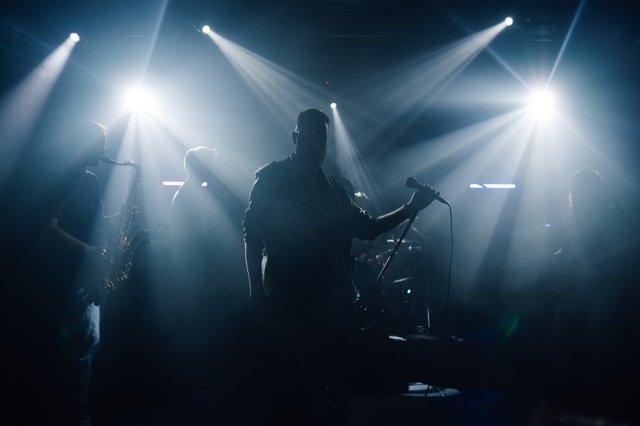
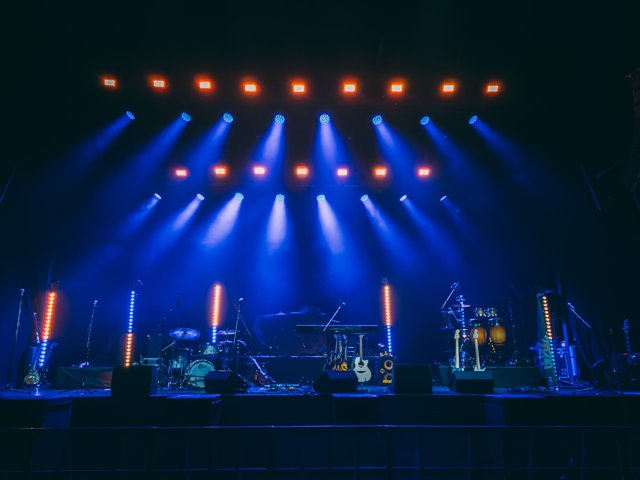
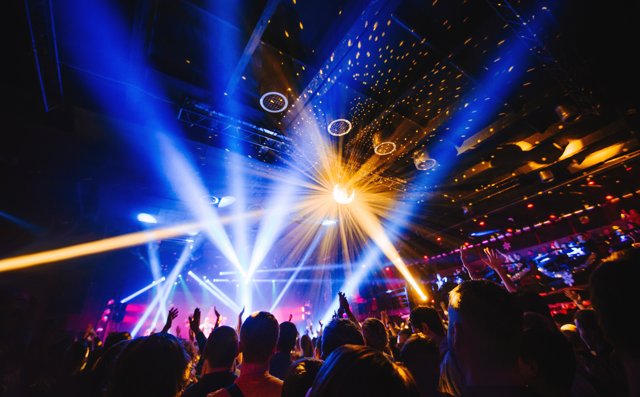
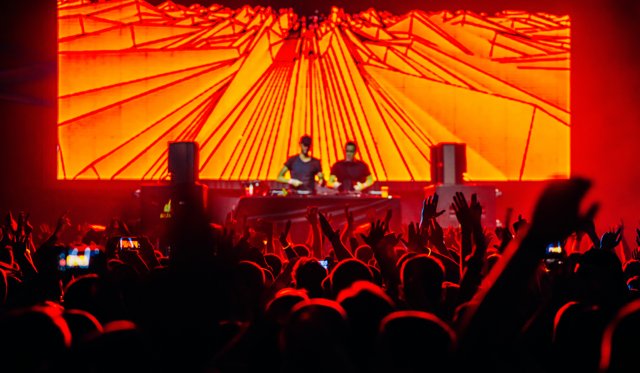
Bucharest keeps late hours. Restaurants fill from around 8pm, terraces stay busy well past midnight, and the Old Town's nightlife runs deep into the night.

Away from Centrul Vechi, the city moves at a gentler pace. Quieter neighbourhoods reward those who step off the main drag and spend time in their courtyards and side streets.

Traffic is heavy on weekdays, with congestion peaking 7:30–9:30am and again 4:30–7:30pm. Wednesday evenings are particularly gridlocked. Build this into any plans that involve crossing the city by car or taxi.

Things to Do

Two essential tours offer the most direct encounter with Romania's communist past. The Palace of Parliament opens up the vast, ornate interiors of Ceaușescu's unfinished monument. The dictator’s private residence in the north of the city, Primăverii Palace, shows the more personal side: gold-plated fittings, a mosaic swimming pool, and a private greenhouse, all maintained while ordinary Romanians endured rationing.
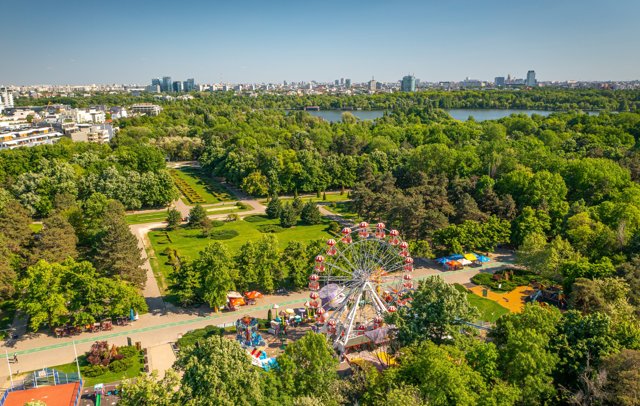
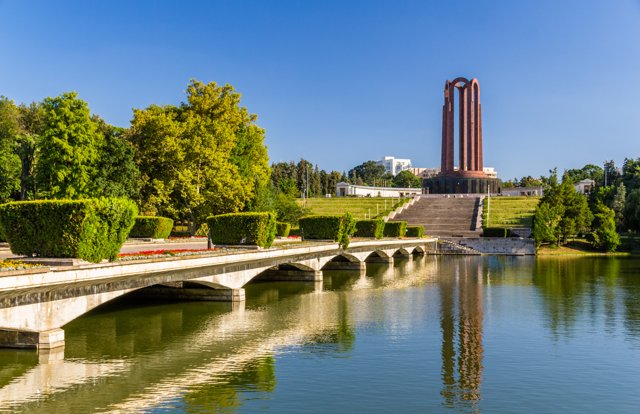
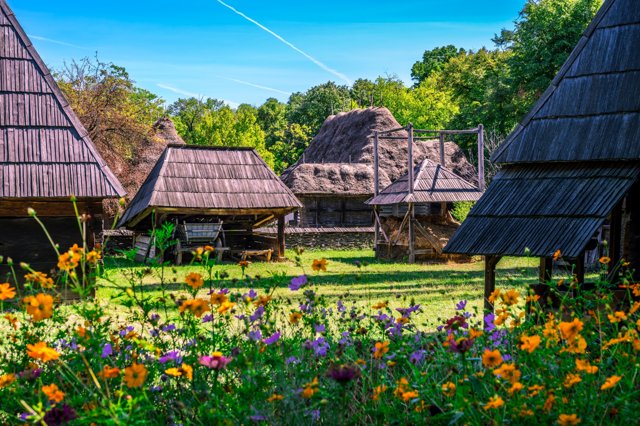
King Michael I Park makes for a good afternoon away from the centre. Within the park, The Village Museum brings together traditional houses, churches, and farmsteads from across Romania.
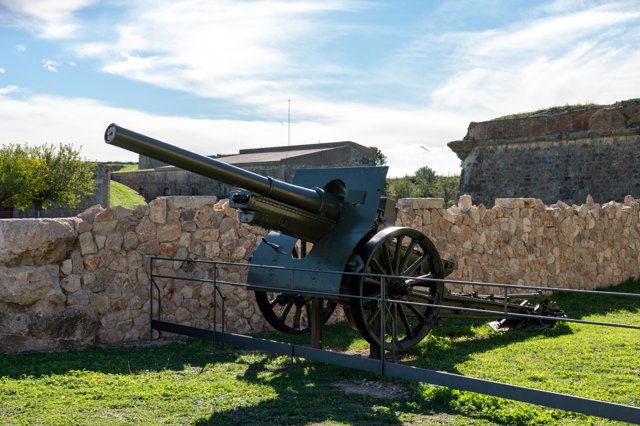
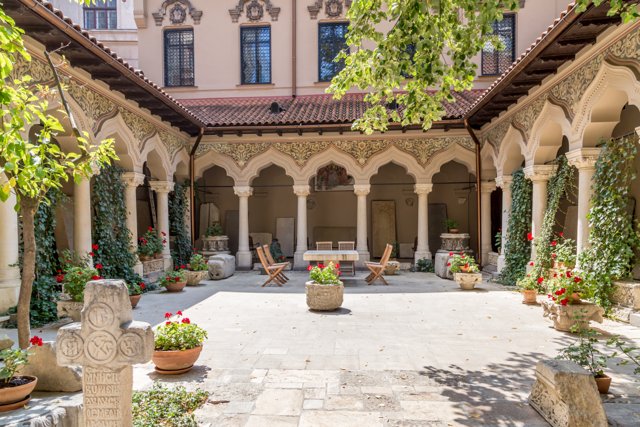
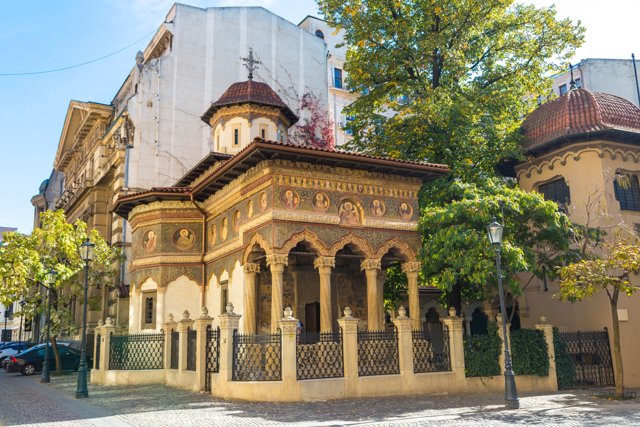
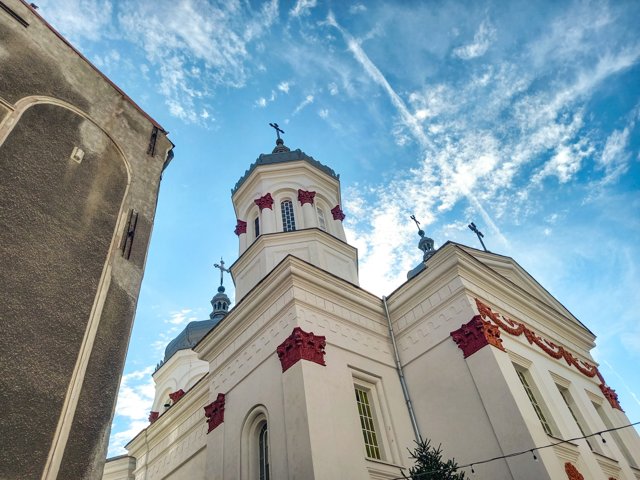
Stavropoleos Monastery, on a quiet street just behind the Old Town, is one of the finest examples of local architecture combining Byzantine, Ottoman, and Italian Renaissance influences. Nearby, Cărturești Carusel occupies a beautifully restored 19th-century building and ranks among the city's most atmospheric bookshops, well worth a visit even if you leave empty-handed.

About 20 minutes north of the centre, Therme Bucharest is Europe's largest indoor spa complex, with thermal pools, waterslides, saunas, and wellness areas that are open year-round.

Best hotels in Bucharest

Frequently asked questions

How many days should I spend in Bucharest?

Three to four days is enough to cover the main sights, explore a few neighbourhoods, and get a feel for the city. Add an extra day if you plan a day trip into Transylvania.

Is Bucharest expensive?

By Western European standards, Bucharest is moderately priced. Dining, transport, and nightlife are all good value, though the city is no longer as cheap as it once was.

What is Bucharest best known for?

Its communist-era architecture, particularly the colossal Palace of Parliament, its surprisingly rich belle époque centre, and a nightlife scene that draws visitors from across Europe.

Is Bran Castle ("Dracula's Castle") worth the trip from Bucharest?

Many visitors find it underwhelming. The Dracula connection is largely a marketing invention. Peleș Castle in Sinaia is a far more rewarding excursion and not much further.

What are the top attractions in Bucharest?

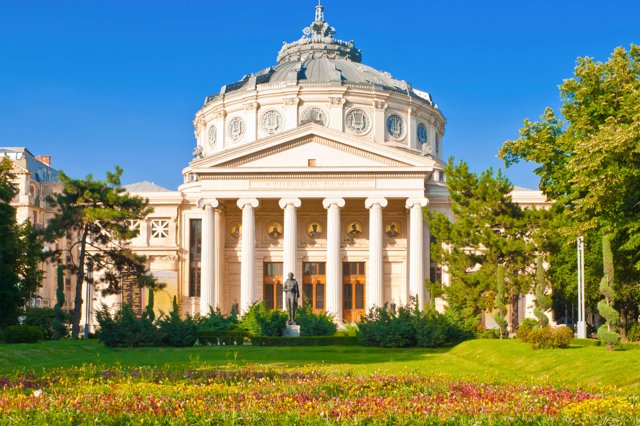
The Palace of Parliament, the Romanian Athenaeum, Bucharest Old Town, Primăverii Palace (Ceaușescu's former residence), and Stavropoleos Monastery are the most visited. The Village Museum in King Michael I Park is also well worth an afternoon.

What is the best area to stay in Bucharest?

The Old Town suits first-timers who want to be in the thick of things, though it gets noisy at night. Calea Victoriei offers a quieter, more refined atmosphere while staying central. Piața Unirii is also very central and is a great choice if you plan to move around by metro.

What is the nightlife like in Bucharest?

Bucharest has a well-earned reputation as one of Eastern Europe's party capitals. Bars and clubs in the Old Town run until the early hours from Thursday through Sunday, with options ranging from relaxed terraces to full-scale nightclubs.

Top destinations