Brussels

A capital of quiet contrasts, where medieval squares, Art Nouveau elegance, and European ambition coexist with effortless depth.

  • Brussels

    Brussels is a European capital of layered identities. Capital of Belgium and administrative heart of the European Union, it balances institutional presence with a distinctly local rhythm. French and Dutch share each street sign, while neighbourhoods unfold at their own pace, each with a distinct character.

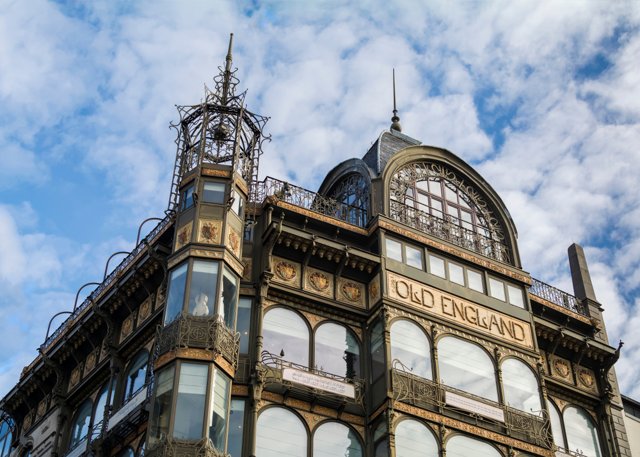
    Art Nouveau façades curve alongside medieval guild houses. Grand boulevards lead to flea markets, independent galleries, and long-standing cafés. In the European Quarter, policy and diplomacy shape daily life; in Les Marolles and Saint-Gilles, community and tradition remain quietly rooted.

    The city reveals itself through detail rather than spectacle. Its culinary depth, world-class beer culture, comic strip heritage, and the vibrant Congolese influence in Matongé are not peripheral curiosities but defining threads. Brussels rewards those who look beyond its most familiar landmarks and linger long enough to appreciate its nuance.
Unique experiences in Brussels

What to do in Brussels

Plan your trip

Entry Requirements & Travel Documents

Belgium is part of the Schengen Area. EU and EEA citizens can enter with a valid national ID card or passport. Many non-EU travellers from visa-exempt countries — including the US, Canada, the UK, Australia, and Japan — can stay for up to 90 days within any 180-day period. Your passport must be valid for at least 3 months after your intended departure date from the Schengen Area, and must have been issued within the last 10 years.

From late 2026, travellers from visa-exempt countries will need to obtain ETIAS authorisation online. As regulations may evolve, always check official government sources shortly before departure.

Money, Currency & Paying in Brussels

Belgium's currency is the euro (€, EUR). Card payment is widely accepted across Brussels, and contactless and mobile payments are standard in most establishments.

That said, some local cafés, street food stalls, and market vendors still prefer cash, so carrying a small amount of notes and coins is sensible. When paying by card, always choose to pay in euros rather than your home currency.

ATMs are easy to find throughout the centre and generally offer better rates than exchange desks at the airport.

Weather, Seasons & When to Visit

Brussels has a temperate maritime climate, with mild winters, moderate summers, and frequent cloud cover throughout the year. Rain is possible in any season, so layered clothing is advisable.

Summer (June to August) brings long daylight hours, lively terraces, and a full cultural calendar of open-air events. Temperatures are generally comfortable, making it one of the most appealing times to explore the city on foot.

Late spring (April to May) and early autumn (September to October) often provide balanced temperatures and slightly fewer crowds, though overcast skies remain common.

Winter (December to February) is often grey and damp rather than severely cold. During December, festive lighting and Christmas markets add warmth and atmosphere to the historic centre.

Health Insurance

Visitors from EU countries should carry a valid EHIC or GHIC card to access reduced-cost care through Belgium's public healthcare system. Non-EU travellers are expected to hold comprehensive medical coverage. In many cases, payment is required upfront, with reimbursement handled through your insurer.

Brussels has well-equipped hospitals, private clinics, and pharmacies throughout the centre. If you need an on-call doctor outside normal hours, visit the Garde bruxelloise website or call 1733. For emergencies, dial 112.

Connectivity, Roaming & Mobile Data

EU/EEA mobile plans work seamlessly in Belgium under the "Roam Like at Home" rules, with no extra charges. If you need a local SIM, be aware that prepaid cards require ID registration — easiest done in-store at one of the main providers: Proximus, Base, or Orange. For many, eSIMs are a much easier option.

Free WiFi is widely available across Brussels. Most hotels, cafés, and restaurants provide Wi-Fi access on request. Several major tourist attractions offer the free wifi.brussels network, and train stations provide free WiFi too, though these require a quick registration.

Airports & Main Arrival Hubs

Brussels is served by two airports. Brussels Airport (BRU), also known as Zaventem, is located approximately 12 kilometres from the city centre and handles the majority of full-service and long-haul routes. Brussels South Charleroi Airport (CRL), around 50 kilometres south of the city, is used primarily by low-cost carriers such as Ryanair and Wizz Air. Despite its branding, transfers from Charleroi to central Brussels typically take close to one hour.

Brussels is also a major European rail hub. High-speed services connect the city directly with London, Paris, Amsterdam, and Cologne, positioning it at the heart of the continental network.

Main Train Stations

Brussels has three main train stations, all connected by public transport. Station names appear in both French and Dutch, which can occasionally cause confusion.

Brussels-South (Bruxelles-Midi / Brussel-Zuid) is the primary international hub, serving Eurostar trains to London, Paris, and Amsterdam, as well as other international and domestic routes.

Brussels-Central (Bruxelles-Central / Brussel-Centraal) is the most convenient for visitors, located within walking distance of the Grand-Place and much of the historic centre.

Brussels-North (Bruxelles-Nord / Brussel-Noord) is quieter and less central, but useful for certain domestic routes and for those staying in the northern districts.

All three stations connect directly to the metro, tram, and bus network.

From the Airport to Central Brussels

From Brussels Airport (BRU), direct trains run approximately every 15 minutes to Brussels-North, Central, and South, with a journey time of around 17 minutes. An additional airport rail supplement (“Diabolo” fee) applies on top of the standard ticket. Taxis and ride-hailing services are available outside arrivals.

From Brussels South Charleroi Airport (CRL), the most straightforward option is the direct shuttle bus to Brussels-South, taking approximately 55 minutes. Alternatively, travellers can take a local bus to Charleroi train station (around 20 minutes) and continue by train to Brussels (approximately one hour).

Belgium occasionally experiences transport strikes. Checking transport updates shortly before departure is advisable.

Taxis & Ride-Hailing

Licensed taxis in Brussels are metered and regulated. They can be hailed on the street or booked in advance. A taxi from Brussels Airport (BRU) to the city centre typically starts from around €40, while a journey from Charleroi (CRL) generally exceeds €100. Card payment is widely accepted.
Ride-hailing services such as Uber and Bolt operate throughout the city and provide upfront pricing.

Within the historic centre, walking or public transport is often quicker than travelling by car during peak hours.

Arrival Tips & Common Mistakes to Avoid

  • Confirm which airport you are arriving at before booking transfers, as Brussels Airport (BRU) and Charleroi (CRL) are located at very different distances from the city.
  • Return train tickets typically expire at midnight on the day of purchase; one-way tickets are often more practical.
  • Validate metro, tram, and bus tickets where required. Inspections are frequent and fines apply for non-validation.
  • Many museums and restaurants close on Mondays. Check opening hours in advance if your schedule is focused on cultural visits.
  • As in any major capital, remain attentive to personal belongings in crowded areas such as the Grand-Place and on busy public transport routes.

Public Transport & Zones

Brussels’ public transport network is operated by STIB/MIVB and includes metro, tram, and bus services covering the entire city. Services generally run from early morning until around midnight, with reduced schedules in the late evening.

A standard STIB/MIVB ticket covers all metro, tram, and bus journeys within the Brussels-Capital Region. For travel extending beyond the city limits, integrated tickets such as Brupass and Brupass XL provide access to regional buses and suburban trains.

Night transport (Noctis) is available through the Noctis bus network on selected evenings, while shared taxi services such as Collecto operate after regular hours.

For real-time timetables and in-app ticketing, the Floya app brings all transport options together in one place. 

Tickets and Passes

Tickets in Brussels operate through the MOBIB card, a reloadable transport card available at metro stations and STIB sales points. It can be loaded with single journeys, multi-journey packs, or day passes depending on the length of stay. Contactless payment is also accepted directly on metro, tram, and bus services.

For short stays focused on cultural visits, the Brussels Card may be worth considering. It combines unlimited public transport with free or discounted entry to numerous museums and attractions.

Always validate your ticket where required. Inspections are frequent and fines apply for non-compliance.

Walking and Cycling

Brussels is compact and largely walkable within the central districts. However, cobblestones around the Grand-Place and the elevation changes between the upper and lower town can make longer walks more demanding.

Cycling is increasingly popular, with a growing network of designated lanes across the city. The public bike-sharing scheme Villo! operates 24 hours a day, with stations distributed throughout central neighbourhoods. Organisations such as Pro Velo offer guided tours and equipment rental, typically from March to October.

Electric scooters are also widely available via app-based providers and are commonly used for short journeys between districts.

Nearby Destinations / Day Trips

Belgium’s compact geography and efficient rail network make day trips remarkably easy from Brussels.

Antwerp is defined by its fashion heritage, diamond district, and riverside architecture. Ghent balances medieval towers with a lively student atmosphere, while Bruges offers canals, cobbled streets, and a distinctly preserved historic centre.

Leuven is a vibrant university town known for its ornate Gothic town hall and café culture. Further south, Dinant — dramatically set between cliffs and the Meuse River — provides a more scenic and contemplative change of pace.

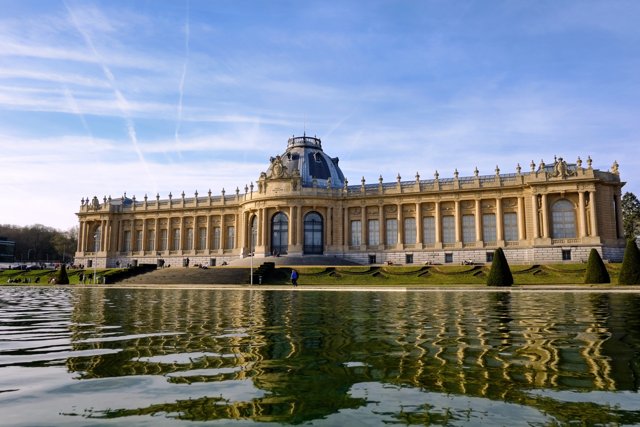
Closer still, Tervuren is home to the Royal Museum for Central Africa, set within expansive parkland ideal for a slower half-day outing.

International connections are equally straightforward. Lille is easily reached by high-speed train, while Rotterdam and Luxembourg City are within comfortable reach for a longer day trip or overnight stay.

Accessibility & Basic Safety Tips

Brussels is generally considered safe, though as in any major European capital, travellers should remain attentive in crowded areas, particularly around major train stations, tourist sites, and on busy public transport routes. In case of emergency, dial 112.

Accessibility continues to improve across the transport network. All buses are equipped with ramps, and newer trams provide integrated step-free access. Many metro stations are wheelchair accessible. However, cobblestones and uneven surfaces in the historic centre can present challenges for wheelchair users and those with limited mobility.
Language, Culture & Local Etiquette

Brussels sits at the meeting point of Dutch-speaking Flanders and French-speaking Wallonia, making it officially bilingual. Street signs, public transport, and administrative communication appear in both languages. While French tends to dominate daily conversation in the centre, Dutch holds equal official status. The presence of EU institutions and a large international community means English is widely spoken across the city.

A simple “bonjour” or “goeiedag” when entering a shop is appreciated. Service culture is polite and efficient rather than overly expressive. Interactions tend to be straightforward and pragmatic, reflecting the city’s blend of northern European reserve and Latin warmth.

Neighbourhoods

Brussels is best understood through its neighbourhoods, each offering a distinct perspective on the city’s history and contemporary life.

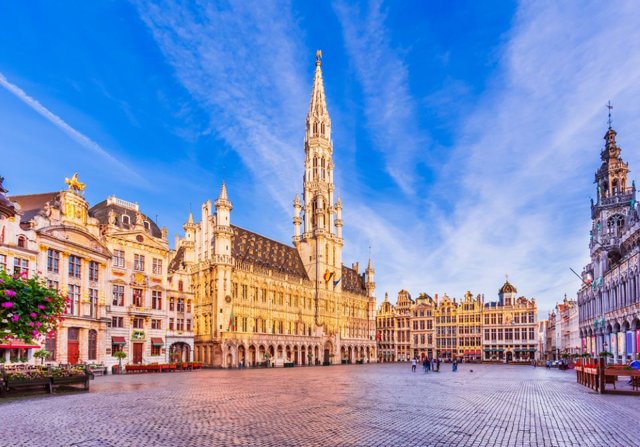
  • Grand-Place & City Centre: The historic heart of Brussels, defined by medieval guild houses, chocolate boutiques, and traditional beer cafés. The Grand-Place itself remains one of Europe’s most striking central squares and an essential first stop.
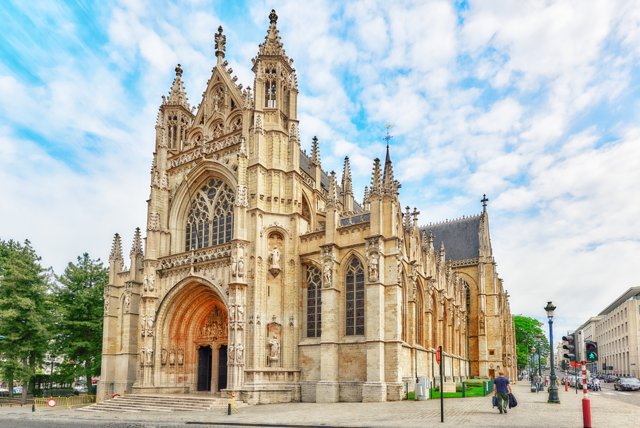
  • Sablon: A short walk from the centre, Sablon offers a quieter, more refined atmosphere. Antique dealers, art galleries, and renowned chocolatiers line its elegant streets, anchored by the Gothic Église Notre-Dame du Sablon. The weekend antiques market adds further character.
  • Les Marolles: Historically working-class and increasingly creative, Les Marolles blends daily life with vintage shops, brasseries, and the long-running flea market at Place du Jeu de Balle.
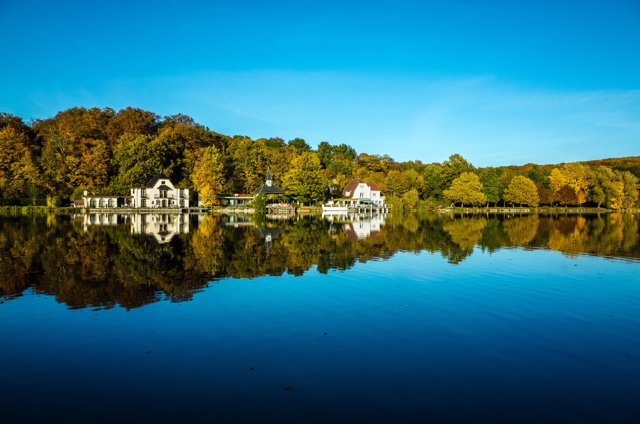
  • Ixelles: Architecturally diverse and culturally layered, Ixelles combines Art Nouveau façades with the Congolese district of Matongé, a lively dining scene, and access to the expansive Bois de la Cambre.
  • Saint-Gilles: Residential yet dynamic, Saint-Gilles is known for independent restaurants, vintage boutiques, and notable Art Nouveau streetscapes, with Brussels-South station bordering its western edge.
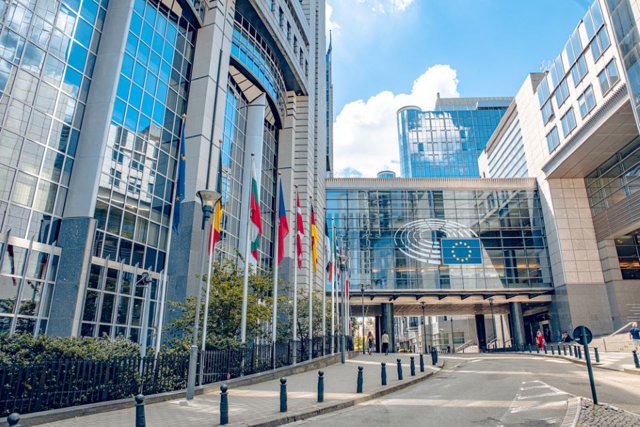
  • European Quarter: The institutional centre of the European Union, where the Berlaymont and European Parliament buildings define the urban landscape. While primarily administrative, it offers insight into the political framework shaping modern Europe.

Gastronomy

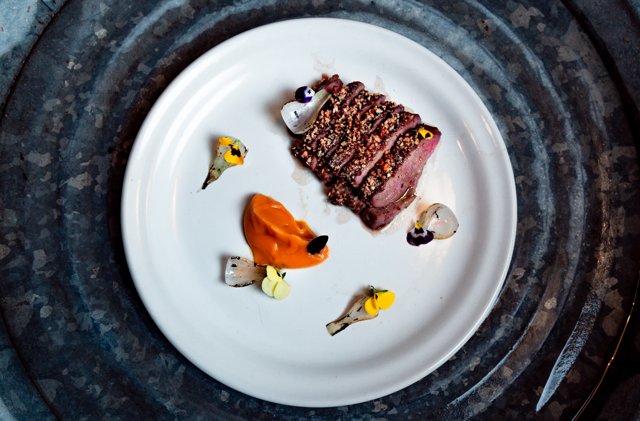
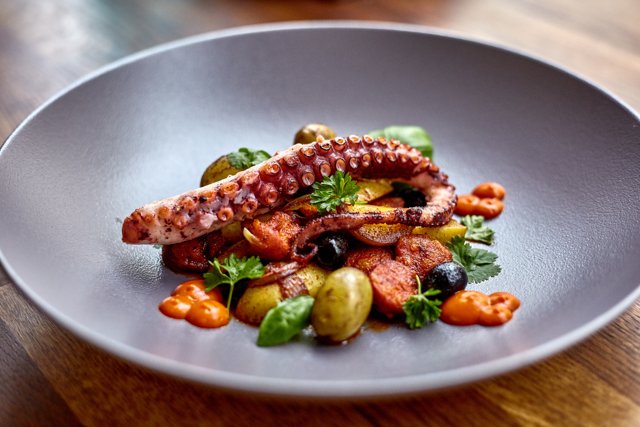
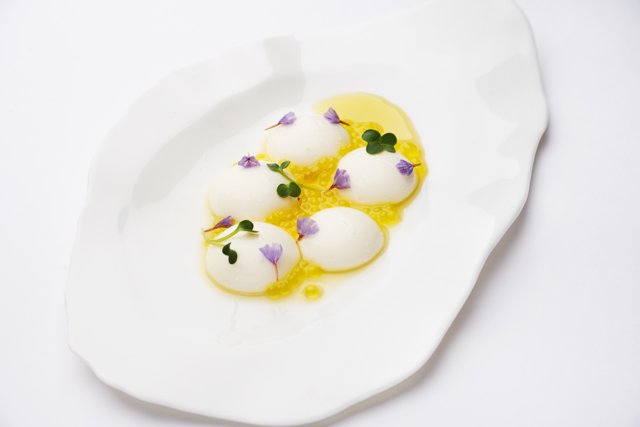
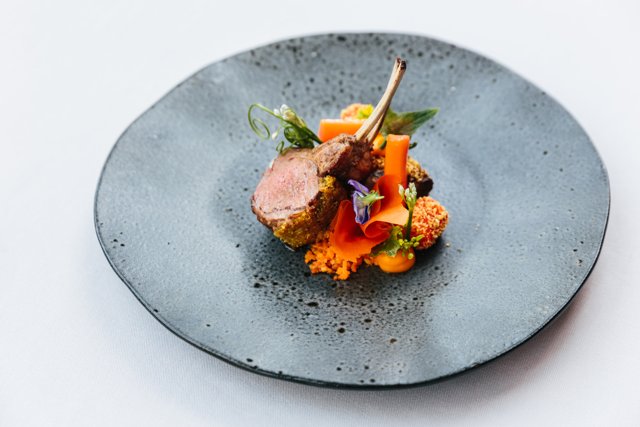
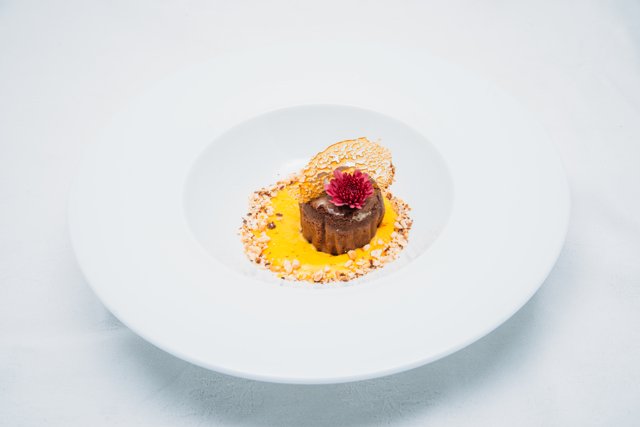
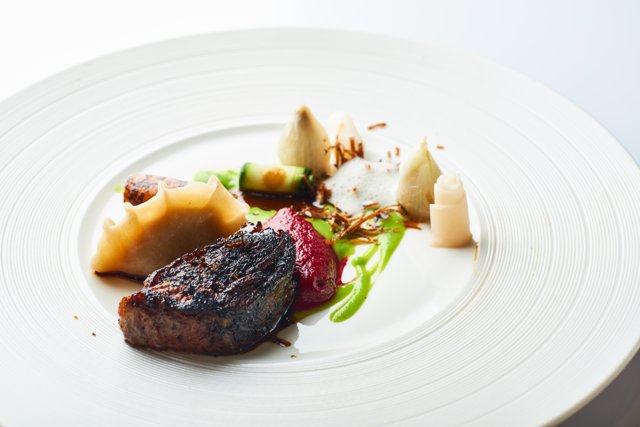
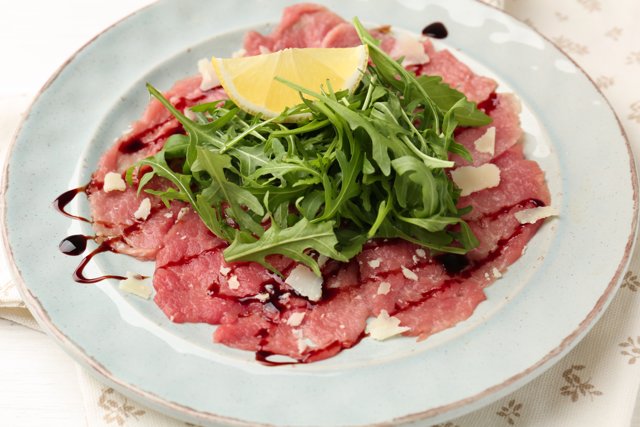
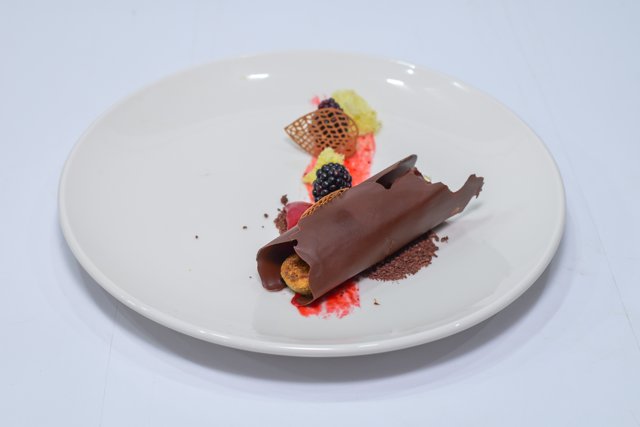
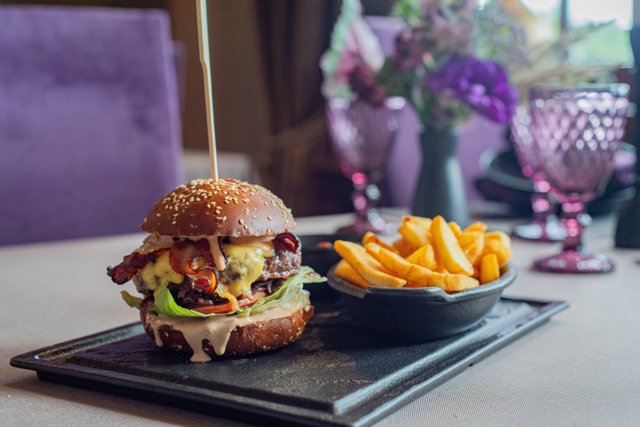
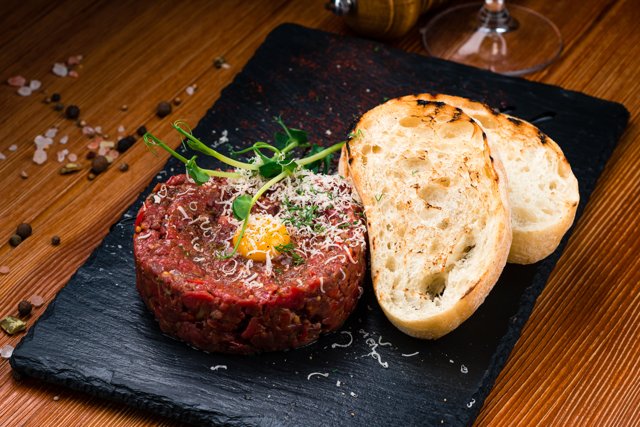
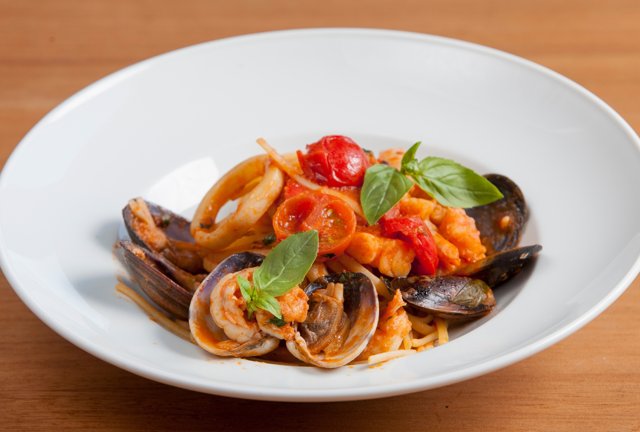
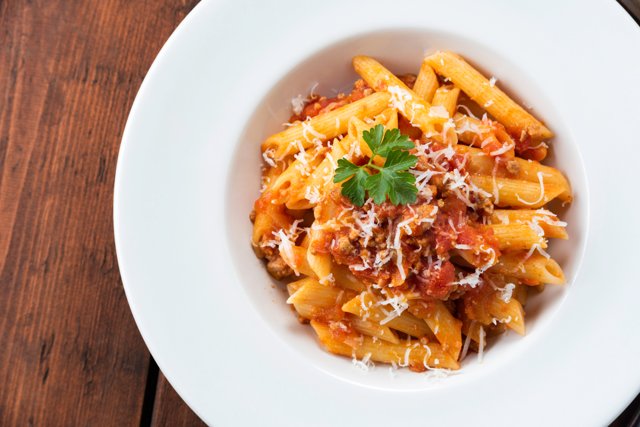
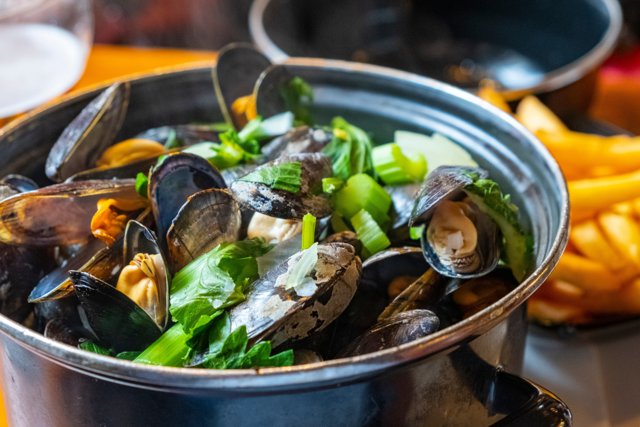
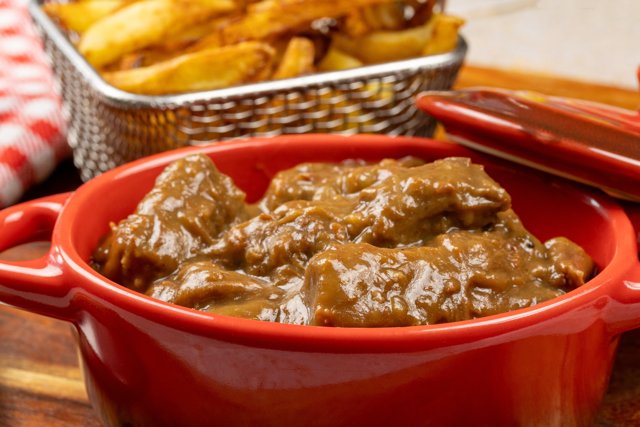
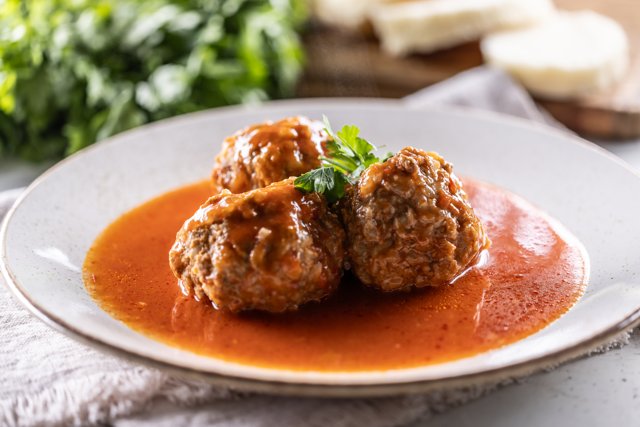
Belgian cuisine reflects the same cross-cultural influences that shape the city. French culinary technique informs much of the gastronomy, from slow-braised classics to carefully structured sauces, yet Brussels maintains its own identity.

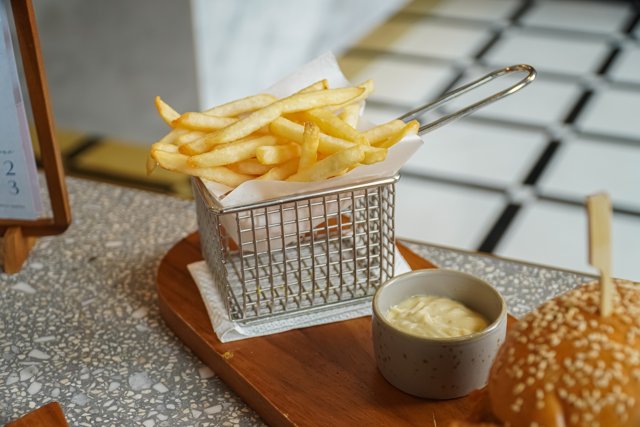
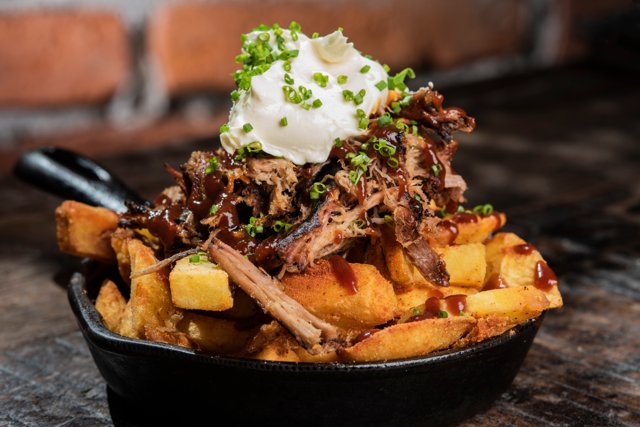
Frites are a national institution, traditionally cooked twice for a crisp exterior and soft centre, and served from neighbourhood friteries across the city.

In Matongé, the Congolese quarter, African culinary traditions reflect Belgium’s historical ties, adding further depth to the city’s dining landscape.

Beer culture is central to Belgian identity. Trappist ales, saisons, lambics, and fruit beers each have distinct profiles and are traditionally served in specifically designed glassware.

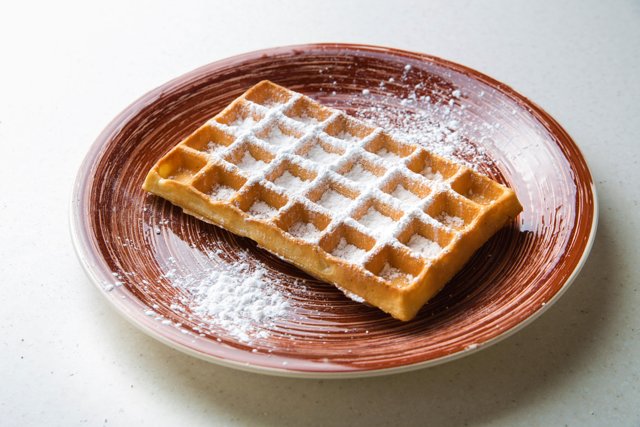
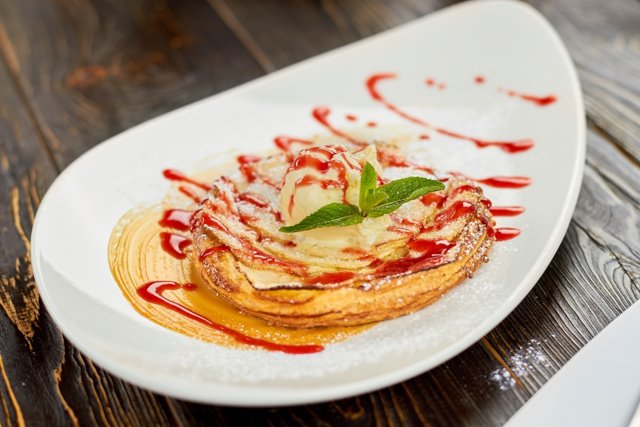
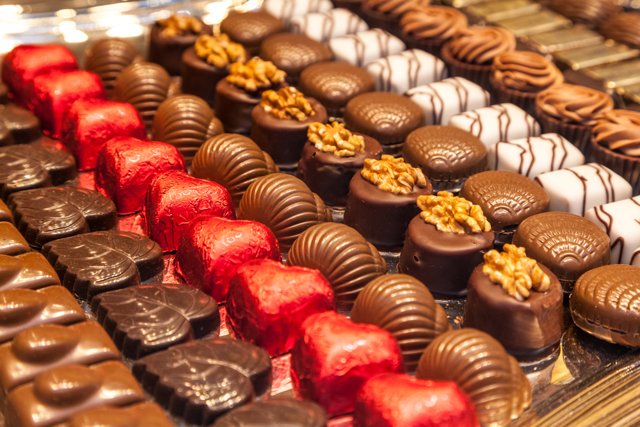
To finish, waffles and chocolate remain iconic — from the denser, caramelised Liège style to the lighter Brussels variety.

City Rhythm

Brussels moves at a measured pace. Weekday mornings are shaped by the large European and international workforce, particularly around the European Quarter. By early evening, cafés and bars in neighbourhoods such as Saint-Gilles and Ixelles begin to fill steadily.

Dinner typically starts from around 7:30 pm, and evenings extend comfortably, especially in summer when terraces remain active late into the night.

Sundays are noticeably quieter. Many shops close, and some restaurants operate reduced hours. Museums, parks, and long lunches are particularly well suited to the slower rhythm of the day.

Things to Do

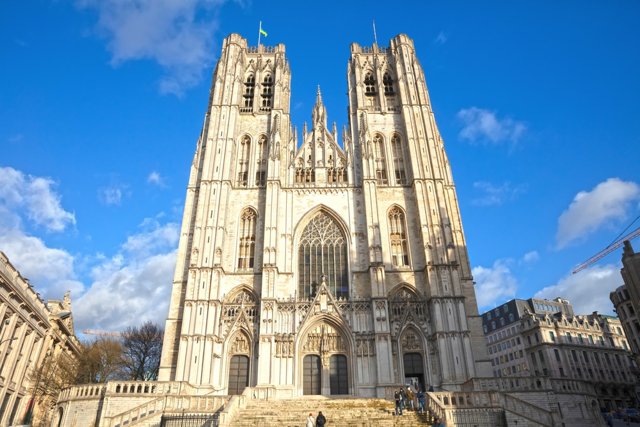
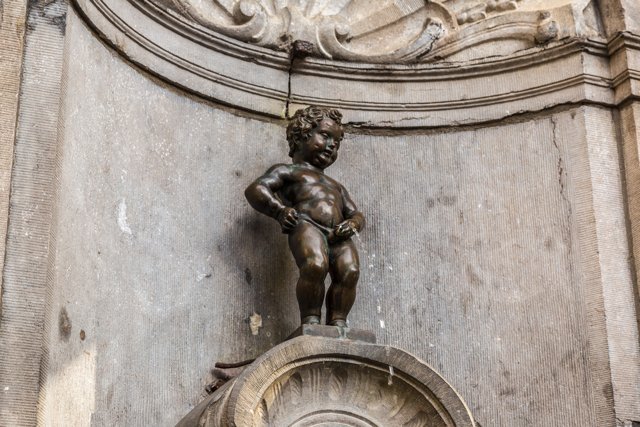
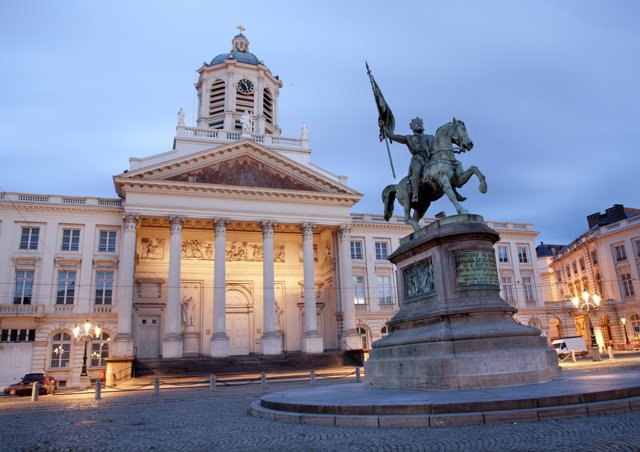
The Grand-Place forms the natural starting point for exploring Brussels. Surrounded by ornate guild houses, it remains one of the city’s defining landmarks. From here, the historic centre unfolds on foot, linking sites such as the Manneken Pis, the Sablon district, and the Gothic Église Notre-Dame.
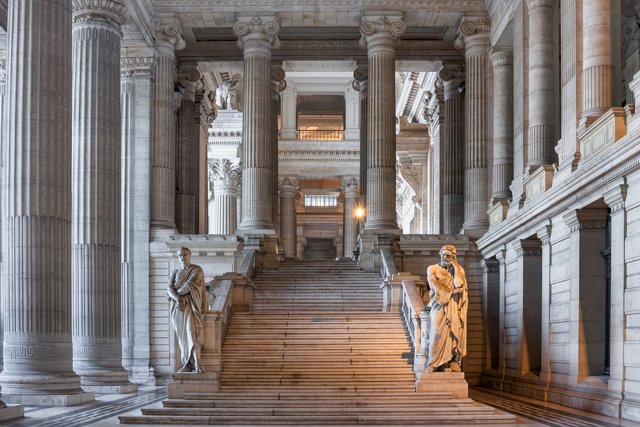
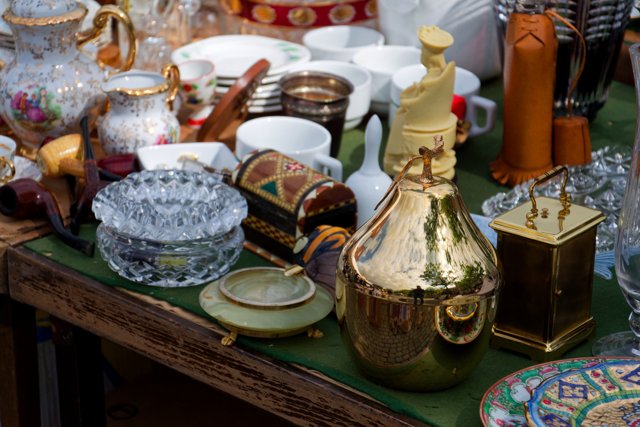
Behind the Palace of Justice, antique shops and second-hand dealers cluster in the upper Marolles. The flea market at Place du Jeu de Balle operates most mornings and reflects the neighbourhood’s longstanding character.
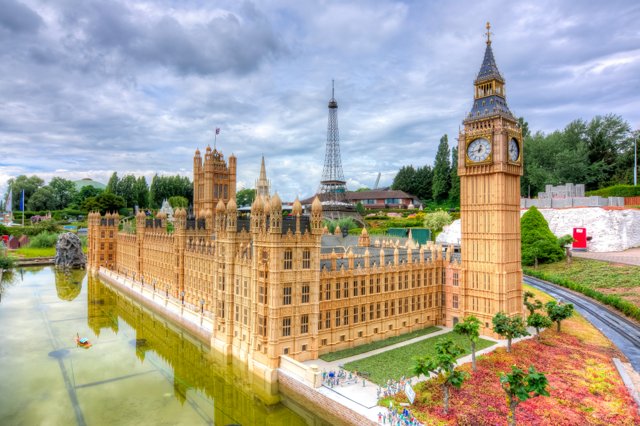
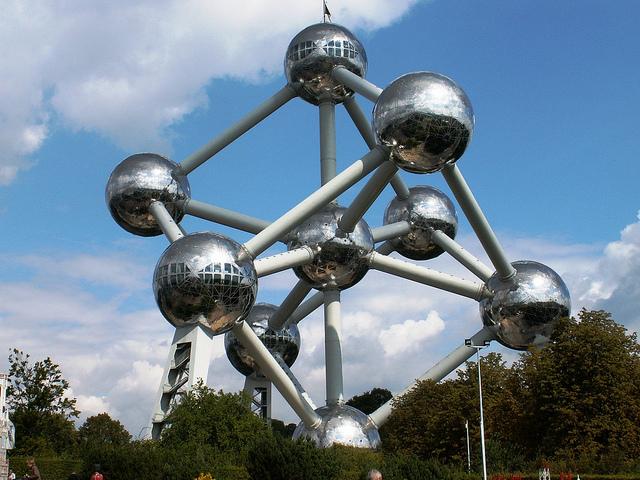
For a striking contrast, the Atomium — constructed for the 1958 World’s Fair — offers panoramic views and a distinctly modernist symbol of the city. Nearby Mini-Europe may appeal to families.

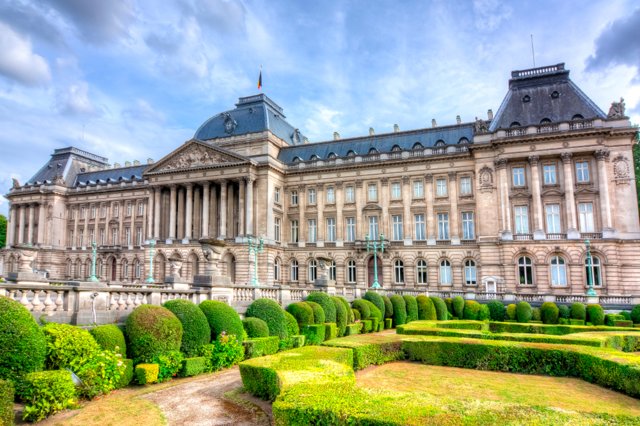
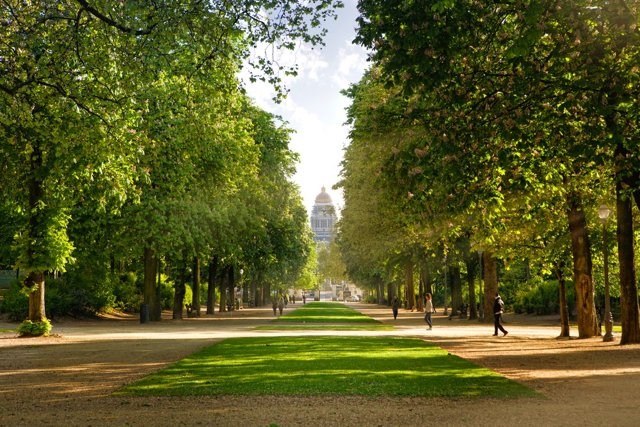
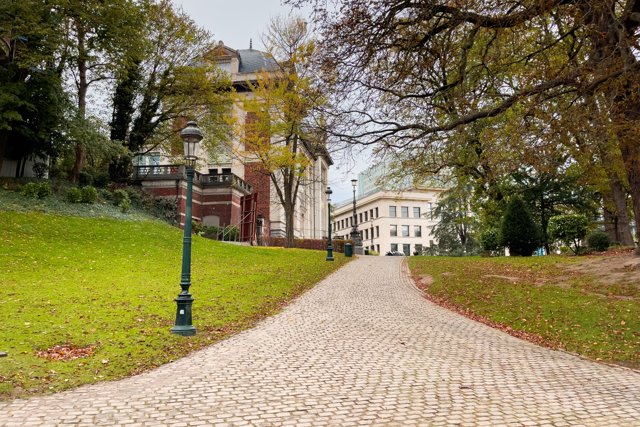
The Royal Palace, facing Parc de Bruxelles, opens to the public during the summer months and remains architecturally significant year-round.

Best hotels in Brussels

Frequently asked questions

How many days should I spend in Brussels?

Two full days cover the main highlights. Three days allow time to explore neighbourhoods beyond the centre, visit the Atomium, and include a day trip. Brussels is compact, making it well suited to a long weekend stay.

What is Brussels most famous for?

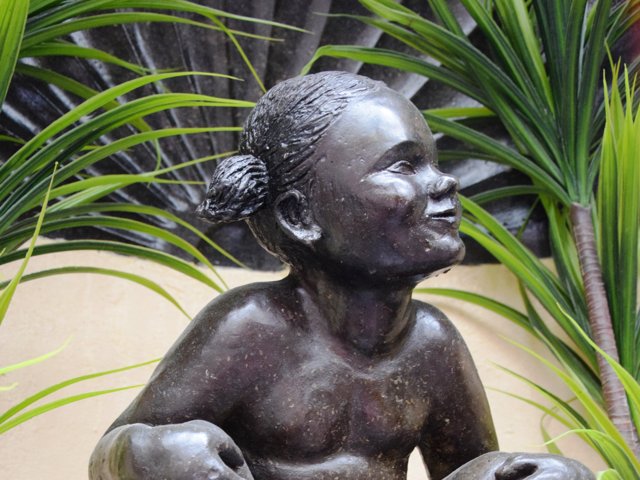
Brussels is internationally recognised as the administrative centre of the European Union and home to NATO headquarters. Culturally, it is known for its beer, chocolate, waffles, and significant Art Nouveau heritage. The Manneken Pis, a small bronze statue in the historic centre, remains one of the city’s most photographed landmarks.

Is Brussels an expensive city to visit?

Brussels offers a broad range of options to suit different budgets. Dining well is accessible, particularly in neighbourhood bistros, friteries, and local cafés. Museums and public transport are reasonably priced. Central areas such as Sablon may be more expensive, while districts like Saint-Gilles and Ixelles often provide more moderate alternatives.

What should I bring home from Brussels?

Chocolate remains one of the most popular souvenirs, particularly from established chocolatiers in Sablon and the city centre. Belgian beer is another classic choice, with specialist shops offering a wide selection of regional varieties. For something less culinary, the antique market at Place du Jeu de Balle and the dealers near the Palace of Justice provide distinctive local finds.

Is Brussels a good destination for families?

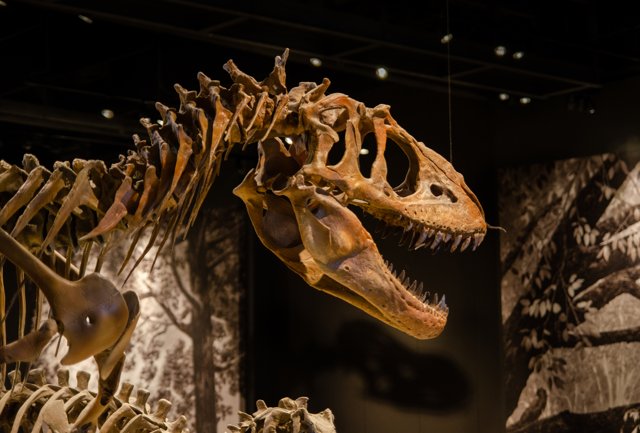
Yes. The Atomium and neighbouring Mini-Europe are particularly engaging for children. The Natural Science Museum houses one of Europe’s largest dinosaur fossil collections, and the Comic Strip Museum reflects Belgium’s significant comic heritage, including characters such as Tintin and the Smurfs. The compact city centre also makes exploring on foot manageable for families.

Is Brussels worth visiting beyond a stopover?

Yes. While often used as a transit point within Europe, Brussels offers a concentrated mix of historic architecture, museums, neighbourhood character, and culinary depth that rewards a stay of two or three days.

Top destinations