Prague

A city of spires, symphonies, and storybook streets, where centuries of history echo through Gothic towers and cobbled lanes.

  • Prague

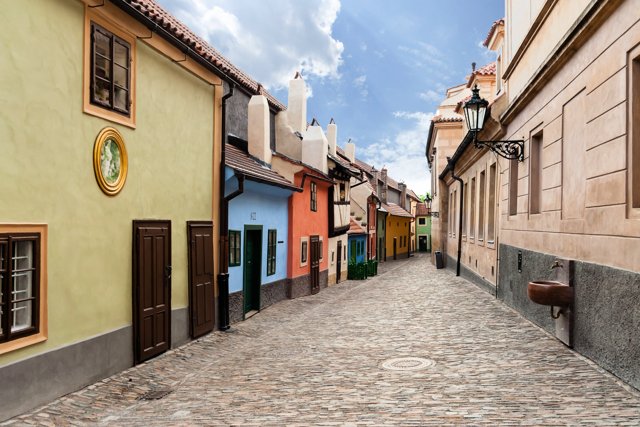
    Franz Kafka once wrote of his hometown: “Prague won’t let go. This little mother has claws.” You understand what he meant the moment you arrive. The Czech capital draws visitors in quietly — through world-class music, perfectly poured beer, and streets that seem lifted from a fairytale.

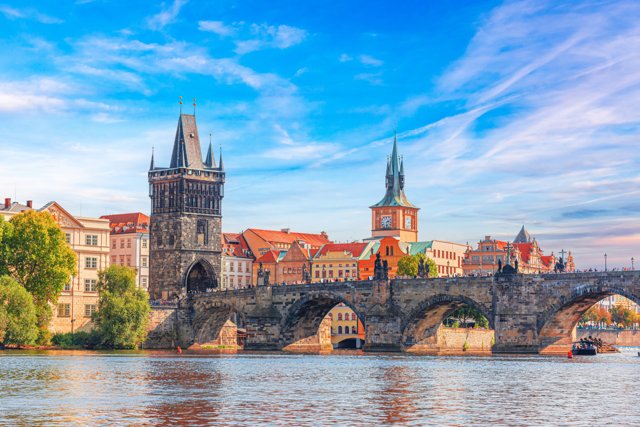
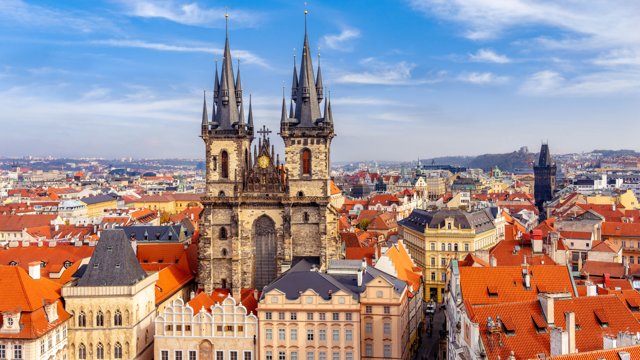
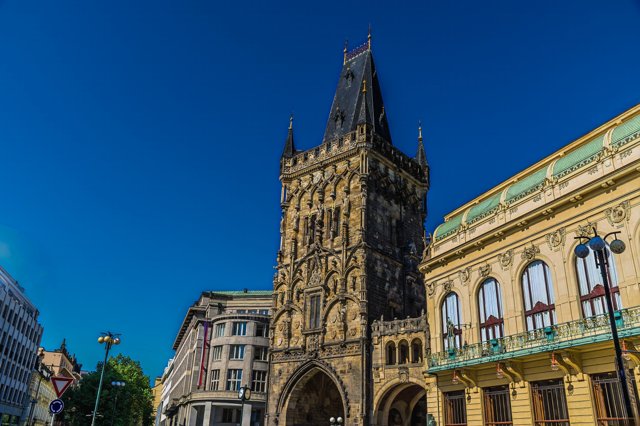
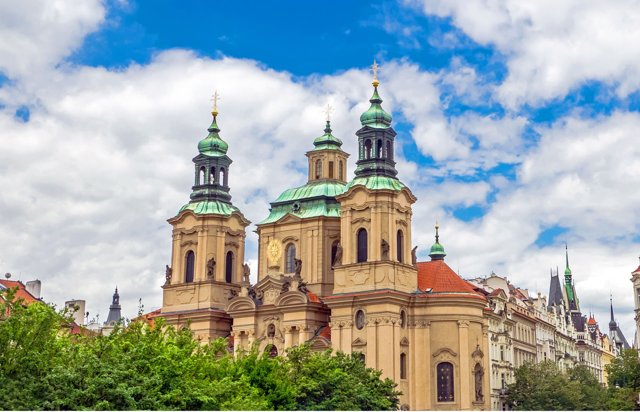
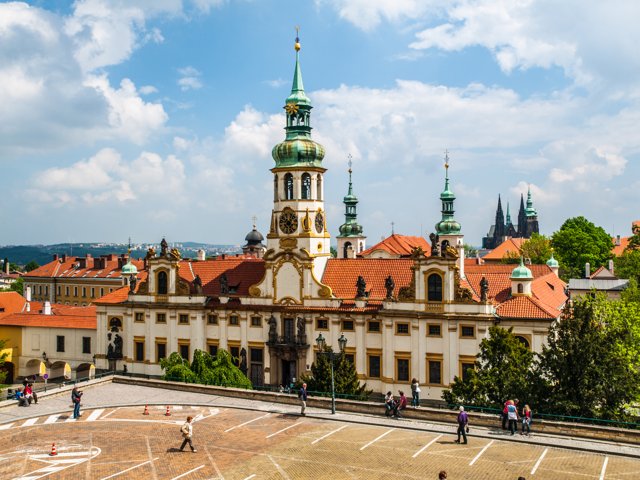
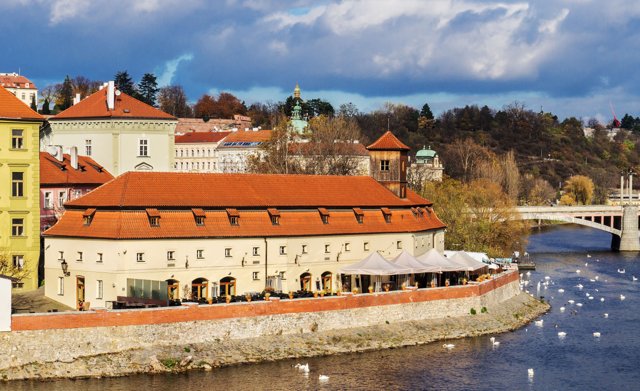
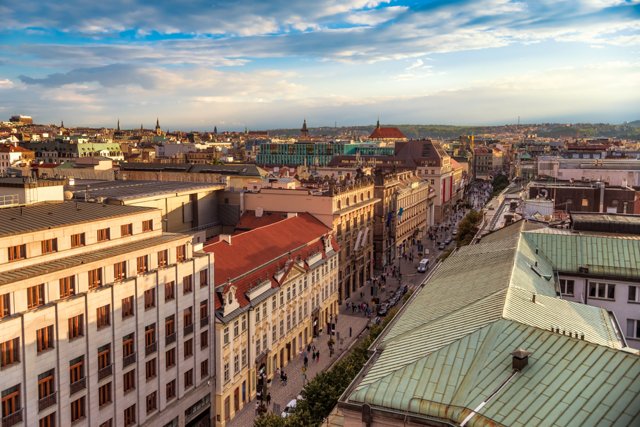
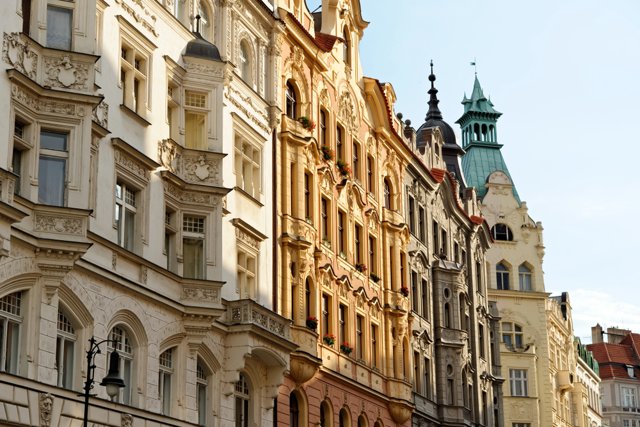
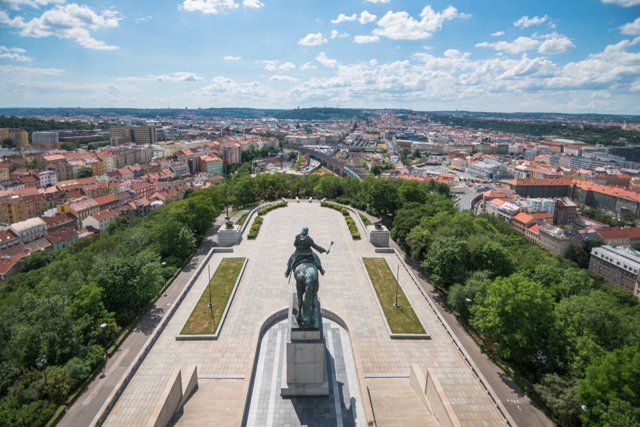
    Its skyline tells the story first. Church spires rise in every direction, earning Prague its nickname, the “City of a Hundred Spires.” From the hilltop Prague Castle, often considered the largest ancient castle complex in the world, the city spreads across red rooftops, domes and Baroque façades along the winding Vltava River.

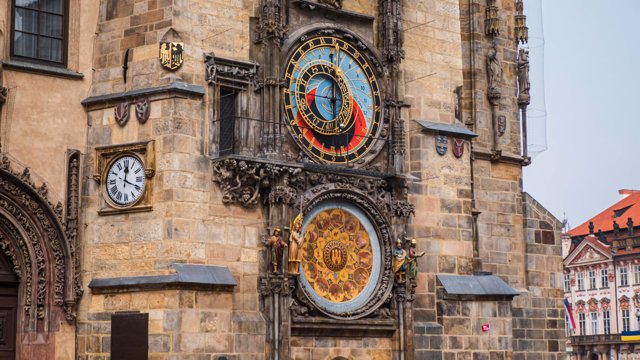
    For centuries Prague has stood at a crossroads of ideas and imagination. Alchemists once worked beneath the castle, astronomers studied the skies, and composers filled its halls with music — a creative spirit that still lingers today in street musicians, artists along Charles Bridge, and the hourly spectacle of the Astronomical Clock.
Unique experiences in Prague

Plan your trip

Entry Requirements & Travel Documents

Czechia is a member of the Schengen Area, which means EU and EEA citizens can enter the country with a valid passport or national ID card. Many non-EU travellers from visa-exempt countries can stay for up to 90 days within a 180-day period without a visa. Passport validity rules apply and vary by nationality.

From late 2026, travellers from many visa-exempt countries, such as the US, Canada, the UK, Brazil, Japan, and Australia, will need to obtain ETIAS authorisation before travelling to the Czech Republic and other Schengen states for short stays. Until ETIAS becomes operational, passport-only entry remains in place. Travellers should always check current entry requirements before departure.

Money, Currency & Paying in Prague

The national currency is the Czech koruna (Kč / CZK). Despite being part of the EU, Czechia has not adopted the euro, and using it for local payments often results in an unfavourable exchange rate. 

Prague is a highly digitalised city; contactless payments, mobile wallets, and cards are accepted in almost every shop, café, and restaurant. However, it is wise to carry a small amount of cash for traditional pubs (pivnice), small bakeries, or the occasional market stall. 

Visitors should be cautious with exchange offices in tourist areas, where rates can be less favourable. When withdrawing money, use bank-affiliated ATMs, and always choose to be charged in the local currency to avoid the predatory fees. 

Weather, Seasons & When to Visit

Prague has a continental climate with four distinct seasons. 

Spring (March-May) and autumn (September-November) are often considered the best times to visit, when temperatures are mild, and the city feels less crowded than during the peak summer months.

Summer (June–August) is warm and lively, with daytime temperatures often reaching 25-30°C. Long evenings, riverside terraces, and outdoor festivals give the city a festive atmosphere, though this is also the busiest tourist season, particularly around Prague Castle and Charles Bridge.

Winter (December–February) is cold yet charming, with temperatures often dropping below freezing. December brings traditional Christmas markets and festive lights to the historic squares, while January and February are typically the quietest months to visit, often offering a more relaxed atmosphere and better value.

Health Insurance

UK and EU visitors should carry a valid GHIC (Global Health Insurance Card) or EHIC (European Health Insurance Card) for medically necessary treatment within the Czech public healthcare system. However, these cards do not replace travel insurance, which is still strongly recommended.

Non-EU travellers should arrange comprehensive travel medical insurance before arrival, as hospitals and clinics may require payment or proof of coverage for non-emergency treatment.

Pharmacies (Lékárna) are widely available throughout Prague. In an emergency, dial 112, the universal emergency number across the European Union.

Connectivity, Roaming & Mobile Data

Prague is well connected, with reliable mobile coverage and widespread Wi-Fi access.

Travellers from EU countries benefit from the “Roam Like at Home” policy, allowing them to use their mobile plans across EU member states without additional roaming charges.

Non-EU visitors often find it convenient to purchase a local prepaid SIM card or use an international eSIM for affordable mobile data during their stay. SIM cards are widely available at airports, electronics stores, and mobile shops throughout the city.

Airport & Main Arrival Hubs

Václav Havel Airport Prague (PRG) is the city's primary international gateway, situated approximately 15 kilometres west of the centre. It is a modern, efficient hub split into two main terminals.

The airport is well-integrated with the city’s public transport, though it does not yet have a direct rail link, relying instead on high-frequency road transfers.

Main Train Stations

The principal rail hub is Praha hlavní nádraží (Prague Main Station), located near the city centre and connected to the metro’s Line C. It serves as the arrival point for high-speed international trains from Vienna, Berlin, and Budapest.

Another smaller but useful station is Praha Masarykovo nádraží, primarily serving regional trains.

From the Airport / Station to the City Centre

Public transport is the most affordable and efficient way to reach central Prague. The airport is not directly connected to the metro, but several bus services link the terminals to nearby metro stations.

The most common route is Trolleybus 59, which runs from the airport to Nádraží Veleslavín (Metro Line A). From there, the metro reaches the historic centre in around 10-15 minutes. Another option is Bus 100, which connects to Zličín (Metro Line B) and is useful if you are staying in the western districts of the city.

Travellers heading directly to the main rail hub can take the Airport Express (AE) bus, which runs between the airport and Prague Main Station (Praha hlavní nádraží). Note that this service requires a separate ticket, as standard public transport passes are not valid.

Overall travel time from the airport to the city centre is typically 30-45 minutes, depending on traffic and transfers.

Taxis & Ride-Hailing Services

Ride-hailing apps are widely used in Prague and are generally the easiest way to request a car. Uber and Bolt operate across the city and are often cheaper and more convenient than hailing a taxi on the street.

For a reliable local alternative, Liftago allows you to choose from licensed taxi drivers based on their price, vehicle type, and user ratings.

Standard taxis do operate throughout the city, but it is generally advisable to book through an app or official dispatcher rather than flagging one down randomly. If you do take a street taxi, make sure it belongs to an official taxi rank with clearly displayed tariffs, as occasional overcharging can still occur in busy tourist areas.

Arrival Tips & Common Mistakes to Avoid

  • Pack comfortable shoes. Prague’s historic centre is best explored on foot, but its cobblestone streets can be uneven and slippery, especially after rain. Supportive footwear will make long days of walking far more enjoyable.
  • Validate your public transport ticket. If you are using a paper ticket, it must be stamped in the yellow validation machines when boarding a tram or bus, or before entering the metro platform. Failing to do so can result in a fine.
  • Avoid exchanging money at the airport or tourist-area exchange offices, as their rates are notoriously worse than those offered in the city centre, and never exchange money on the streets. Using an ATM or paying by card is usually the better option.
  • Use ride-hailing apps for taxis. They provide clear pricing and reduce the risk of misunderstandings about fares.
  • In Prague, pedestrians do not have priority over trams, even at zebra crossings. Always wait for the tram to pass.

Public Transport & Zones

Prague has one of Europe’s most efficient and easy-to-use public transport systems. The network combines metro, trams, and buses, all operated under a single integrated system.

The metro has three lines and is the fastest way to cross the city. Trams are the backbone of everyday travel in central neighbourhoods and often the most scenic way to move around, gliding past historic squares and across the river. Buses mainly serve residential districts and outer areas.

Most travellers will spend their time within the Prague urban fare zone (P, 0, and B), which covers the historic centre and nearly all major attractions. Services run frequently from early morning until midnight, while night trams and buses keep the city connected after the metro closes.

Tickets & Passes

Prague uses a time-based ticket system, meaning tickets are valid across all modes of transport within a set time period rather than for a specific journey.

Common options include 30-minute, 90-minute, 24-hour, and 72-hour tickets, which allow unlimited transfers between metro, tram, and bus within the validity window. For most visitors, a 24-hour or 72-hour pass offers the best value.

Tickets can be purchased at metro station machines, newspaper kiosks, convenience shops, and onboard tram ticket machines. Many travellers also use the PID Lítačka app, which allows you to buy and activate digital tickets and plan routes.

Walking & Cycling

Central Prague is compact and highly walkable. Much of the historic centre, including areas around Old Town Square, Charles Bridge, and Prague Castle, is best explored on foot.

Be prepared for cobblestone streets, gentle hills, and stairways, especially when heading toward the castle district or the hillside neighbourhoods of Malá Strana. Comfortable shoes make exploring far easier.

Cycling is becoming more popular, though the historic centre’s narrow streets and tram tracks can be tricky for beginners. Dedicated cycling paths run along the Vltava River, where riding is easier and more scenic. Bike-sharing schemes such as Rekola and Nextbike offer quick rentals across the city.

Nearby Destinations / Day Trips

Prague sits at the heart of Bohemia, making it an excellent base for day trips by train or bus. One of the most popular excursions is Kutná Hora, about an hour away, known for its medieval centre and the unusual Sedlec Ossuary, often called the “Bone Church”. Beer lovers often head to Plzeň, around 90 minutes away, where the world-famous Pilsner Urquell lager was first brewed, while Karlštejn Castle, a dramatic Gothic fortress set in wooded hills roughly 40 minutes from the capital, is another easy excursion.

For travellers interested in history, Terezín lies about 60 km north of Prague. During World War II, the Nazis transformed the fortress town into a ghetto and transit camp for Jewish prisoners. Today the Terezín Memorial documents daily life in the camp and the propaganda used to mislead the international community. If you have more time, international rail connections make cities such as Vienna, Dresden, or Berlin reachable in just a few hours.

Accessibility & Basic Safety Tips

While newer trams and all metro stations are being fitted with lifts, much of the historic centre remains challenging for those with limited mobility due to steep inclines and deep-set cobblestones. The PID Lítačka app features a "barrier-free" filter to help plan accessible routes.

Prague is generally a safe and welcoming city. However, as any popular tourist destination, you should keep an eye on your belongings in crowded areas like Old Town Square during the Astronomical Clock show, Charles Bridge, and on the popular Tram 22 route to the Castle.

Language, Culture & Local Etiquette

Czech is the official language, though English is widely spoken in central Prague, particularly in hotels, restaurants, and museums. Menus and information boards are often available in English, so communication is rarely a problem for travellers.

Still, a few Czech words go a long way. A polite “Dobrý den” (good day) when entering a shop or café is appreciated, while “Děkuji” means thank you. The casual “Ahoj” is commonly used among friends but is less appropriate in formal settings.

You may also notice that locals tend to skip small talk with strangers. This is not unfriendly. Czech communication is usually more direct and reserved at first. Courtesy and a straightforward approach are generally appreciated more than overly enthusiastic conversation.

In restaurants, it is customary to tip 10%. Rather than leaving cash on the table, tell the server the total amount you want to pay as they process the bill.

Neighbourhoods

Prague’s districts each have their own personality, and exploring beyond the historic centre quickly reveals how diverse the city can feel.

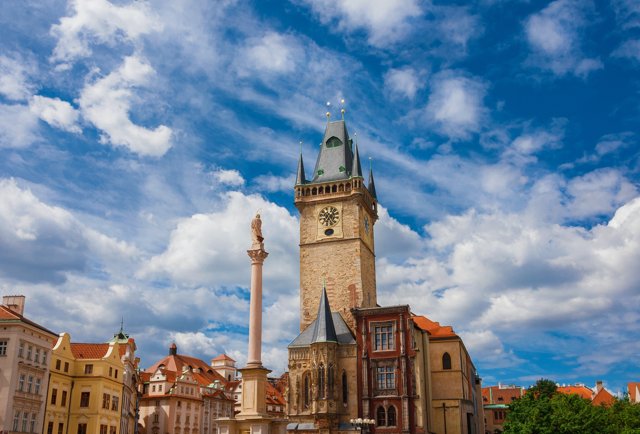
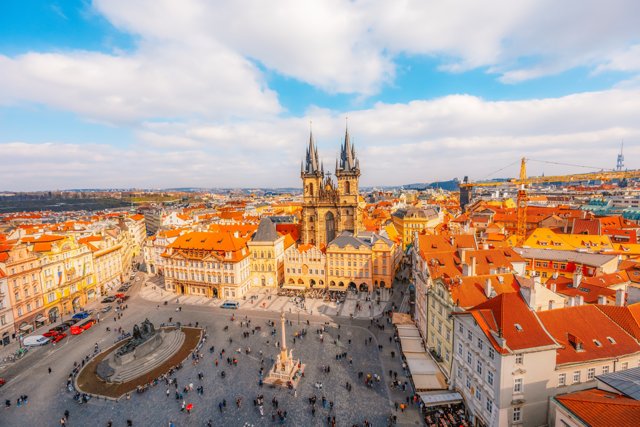
  • Staré Město (Old Town) is the medieval heart of the city, and where many first-time travellers begin. The district centres on Old Town Square, home to the famous Prague Astronomical Clock and surrounded by Gothic and Baroque buildings. Nearby streets lead toward the river and the historic Charles Bridge.
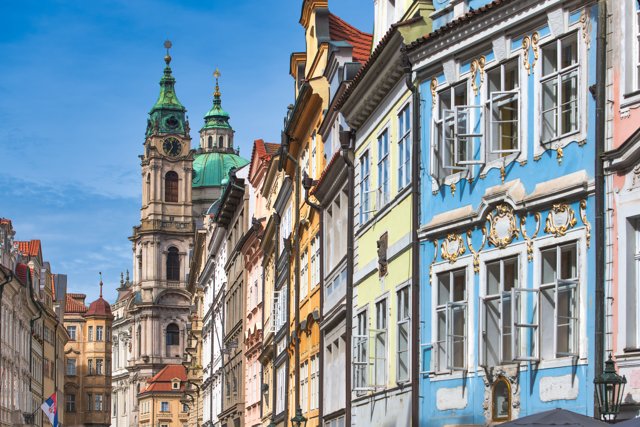
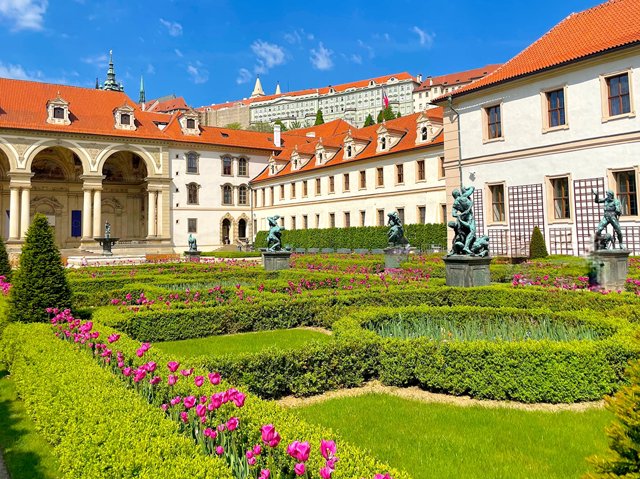
  • Across the river lies Malá Strana, one of Prague’s most evocative quarters. Baroque churches, palace gardens, and quiet lanes climb toward Prague Castle, while Kampa Island offers peaceful riverside views away from the crowds.
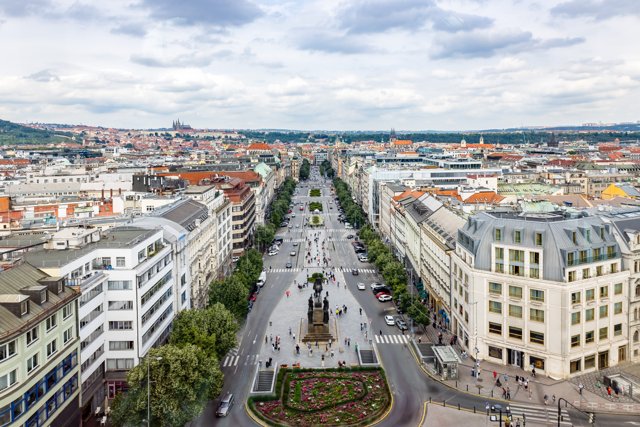
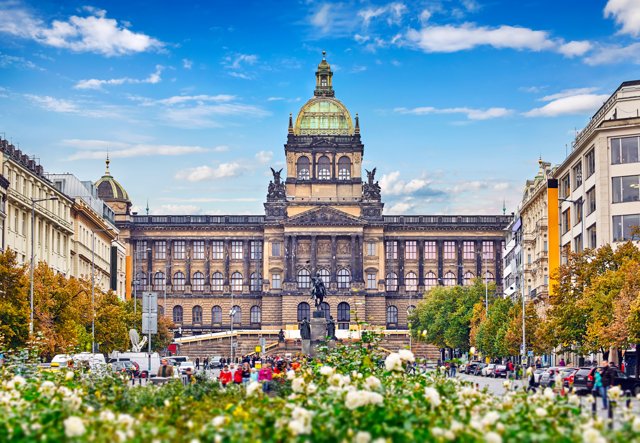
  • Just beyond the historic core, Nové Město stretches around Wenceslas Square, a lively boulevard lined with shops, hotels, and museums, including the grand National Museum.
  • Neighbourhoods such as Karlín, Vinohrady, Žižkov, and Holešovice offer a glimpse of contemporary Prague, with independent cafés, microbreweries, parks, and creative spaces that locals frequent.

Gastronomy

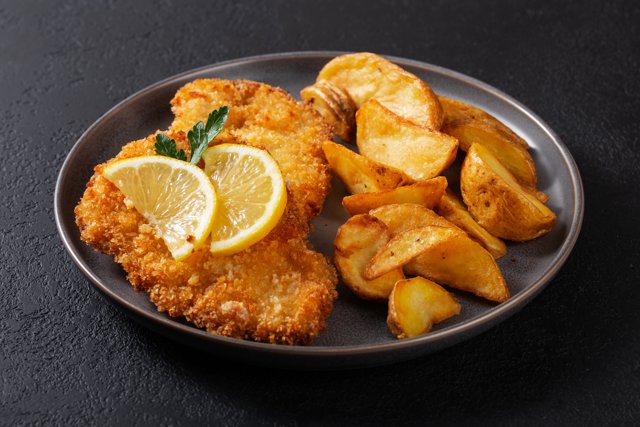
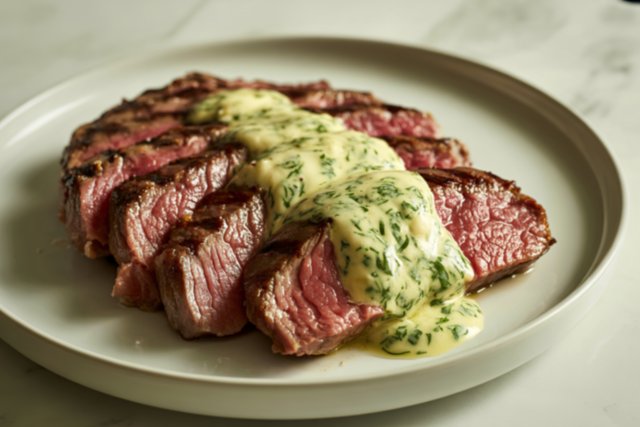
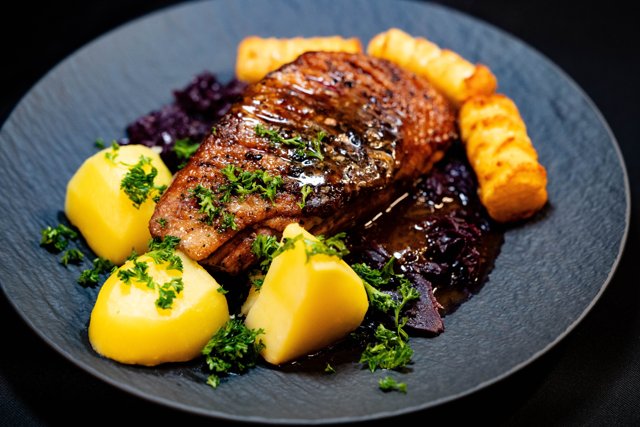
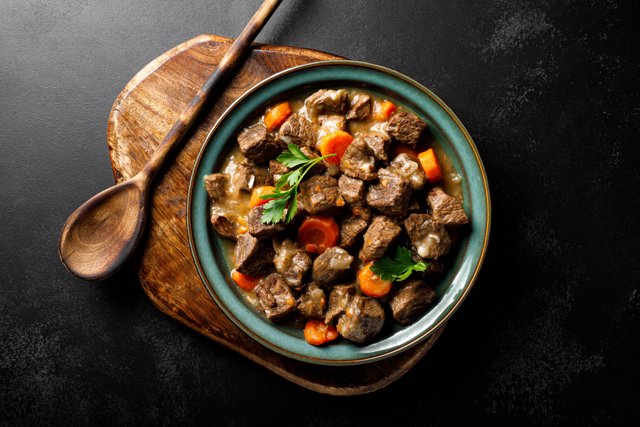
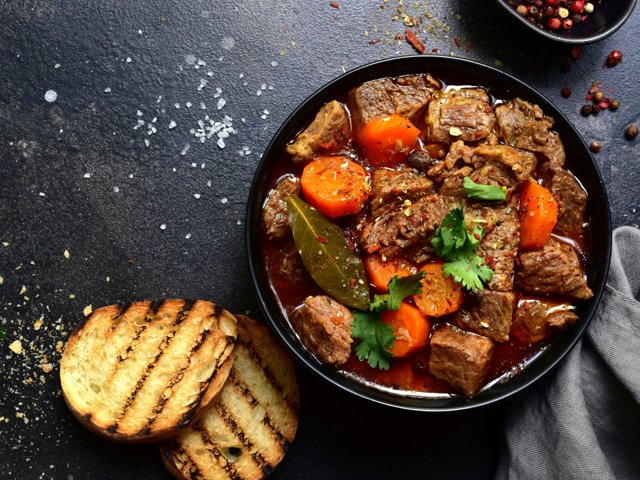
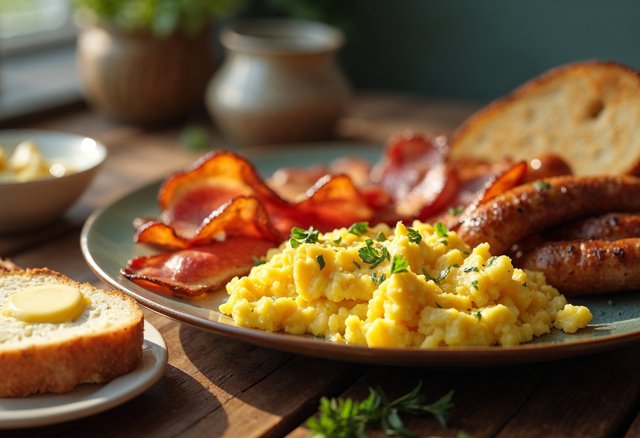
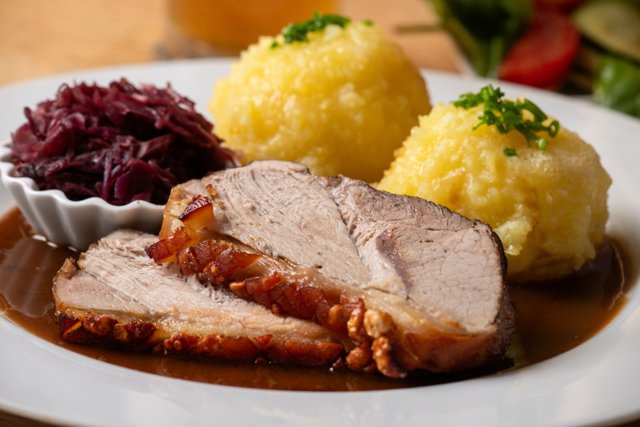
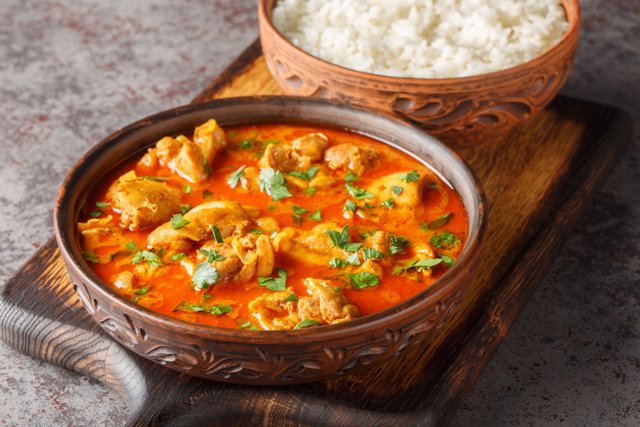
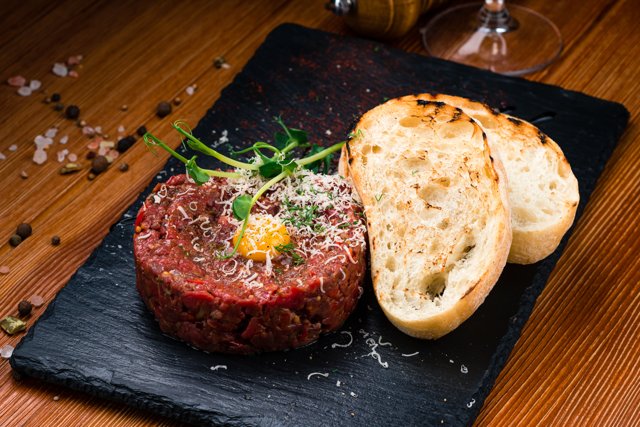
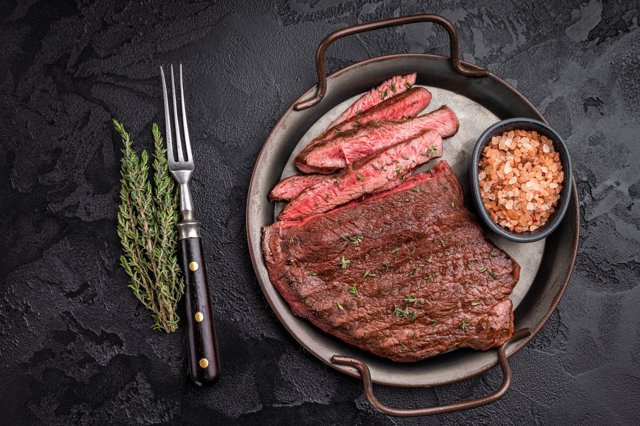
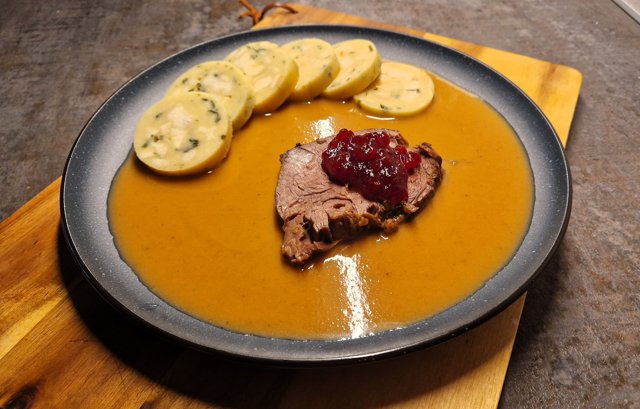
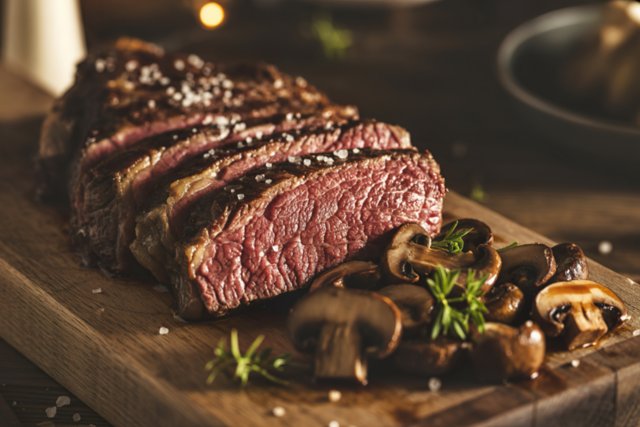
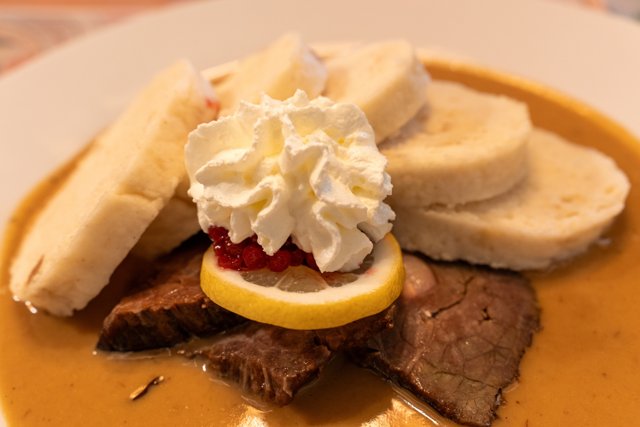
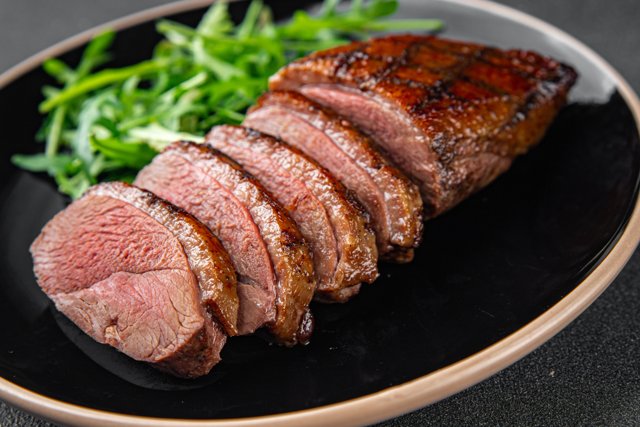
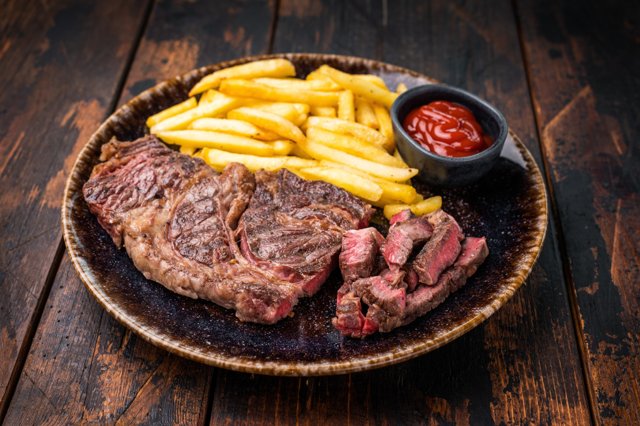
Czech cuisine is hearty, comforting, and closely tied to the country’s brewing culture. Traditional meals often centre on roasted meats, bread dumplings, and rich sauces, usually accompanied by a glass of Czech lager. Classic dishes include svíčková (beef in a creamy vegetable sauce with dumplings), pečená kachna (roast duck with cabbage and dumplings), and guláš, a thick beef stew. Soups are also popular, especially garlic soup (česnečka) and potato soup (bramboračka).

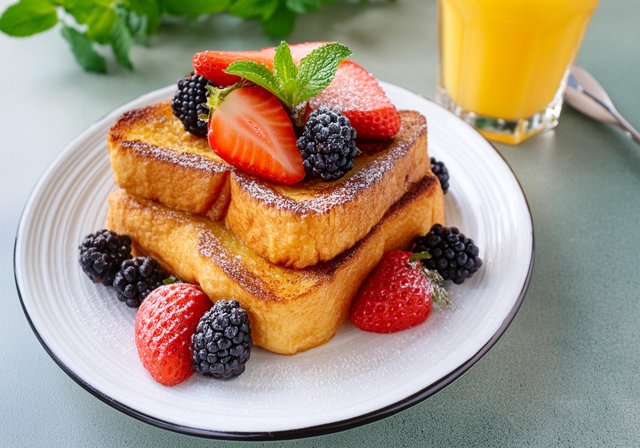
Sweet pastries are easy to find throughout Prague. While the spiral pastry trdelník has become an Instagram favourite, it is not traditionally Czech and is largely aimed at tourists. More authentic options include koláče, small pastries filled with fruit, poppy seeds, or sweet cheese, and větrník, a caramel-glazed choux pastry filled with cream.

Beer remains central to dining culture. The Czech Republic has the highest beer consumption per capita in the world, and Prague’s pubs serve famous lagers such as Pilsner Urquell, Budweiser Budvar, Kozel, and Gambrinus. In traditional pubs, look for tank beer, delivered fresh and unpasteurised from large stainless-steel tanks and widely considered superior to bottled versions.

City Rhythm

Prague moves at a gentler pace than many European capitals. Mornings begin early, with locals stopping at cafés or bakeries for coffee and pastries before heading to work. Trams and metro lines fill with commuters crossing the city from residential districts into the centre.
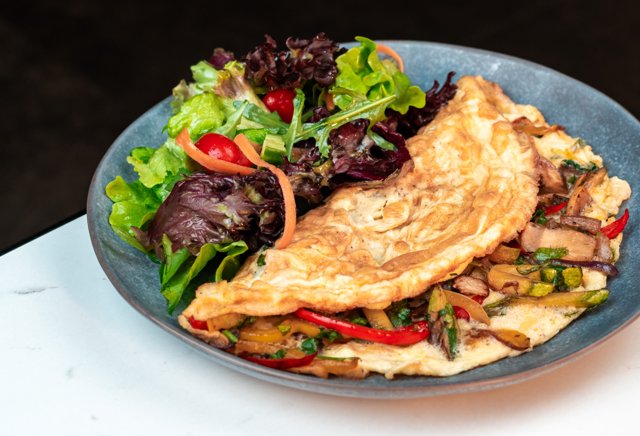
Late morning and lunchtime bring activity to neighbourhood restaurants, many of which offer polední menu, a fixed-price lunch special popular with office workers and students.
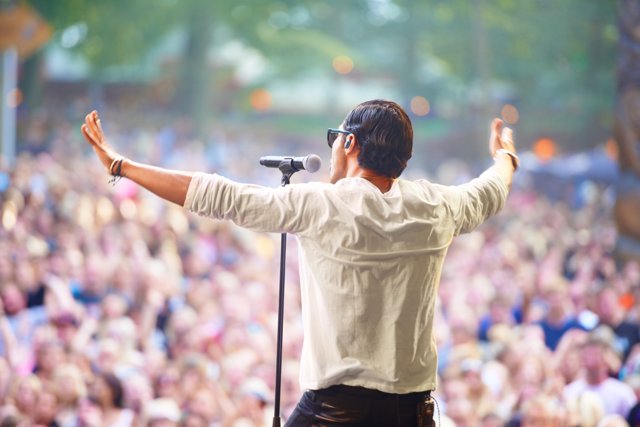
Evenings often revolve around relaxed socialising. Friends may meet for dinner, a walk along the river, or a drink at a neighbourhood pub, where a single pint can easily turn into a long conversation. 

At weekends, Prague’s parks, beer gardens, and cultural venues become noticeably busier as residents take advantage of the city’s outdoor spaces and lively cultural scene.

Things to Do

Many of Prague’s most memorable experiences revolve around simply wandering through its historic streets.

Begin in Old Town Square, where crowds gather every hour to watch the mechanical figures of the Prague Astronomical Clock perform their centuries-old display.

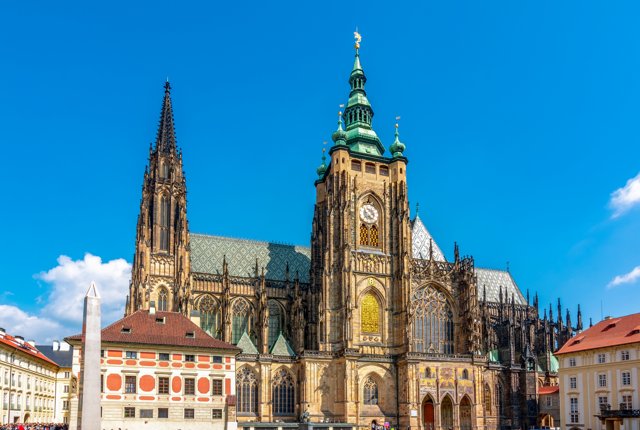
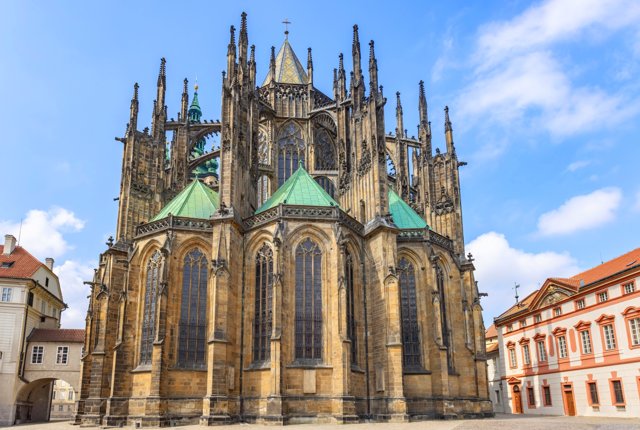
From there, stroll across the iconic Charles Bridge, lined with Baroque statues and offering sweeping views over the Vltava River. The bridge leads toward the charming streets of Malá Strana, from where a climb brings you to the vast complex of Prague Castle, widely considered the largest ancient castle complex in the world. At its heart stands the towering St Vitus Cathedral.

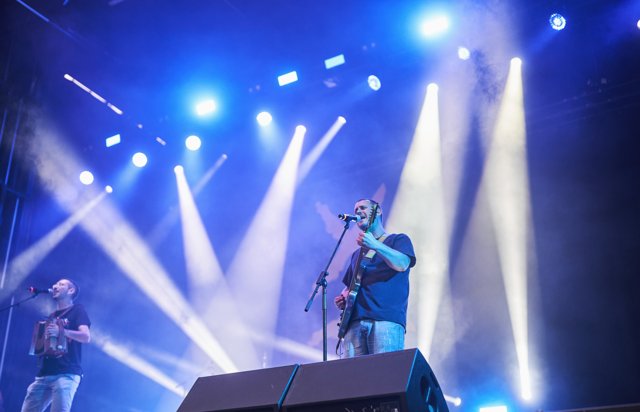
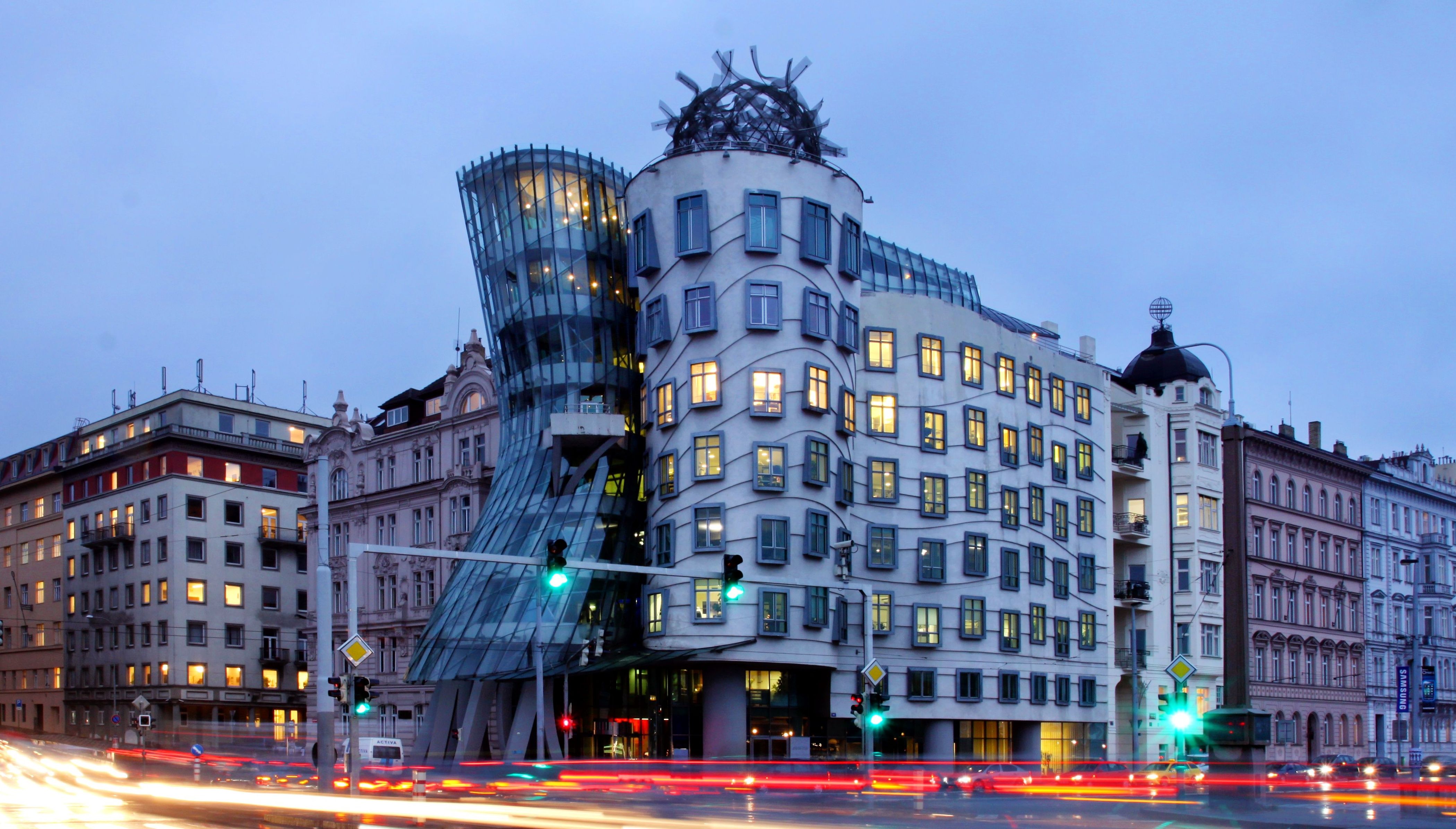
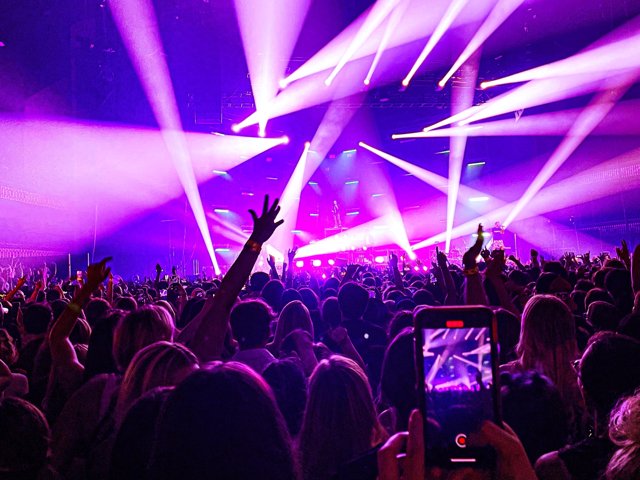
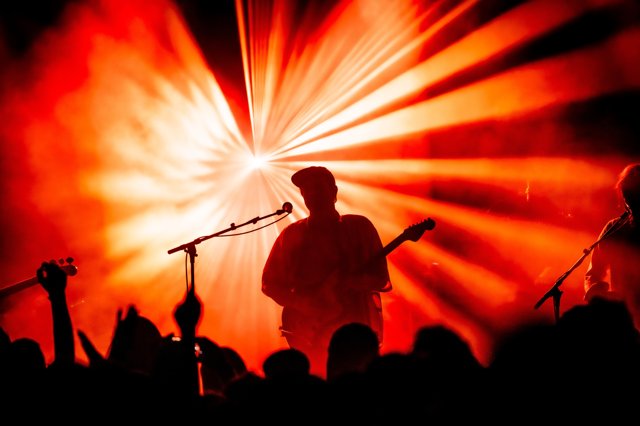
Beyond the historic landmarks, Prague offers numerous museums, riverside parks, and concert halls where classical music still thrives. Modern architecture also appears throughout the city, most famously in the playful curves of the Dancing House.

At the end of the day, many travellers discover that the most local experience is also the simplest: sitting down in a traditional pub and enjoying a perfectly poured Czech lager.

Best hotels in Prague

Frequently asked questions

Why is Prague so famous?

Prague is known for its remarkably preserved historic centre, often described as one of the most beautiful in Europe. Gothic towers, Baroque palaces, and cobbled streets surround landmarks such as Prague Castle and the iconic Charles Bridge. Combined with world-class classical music and a legendary beer culture, the city offers an atmosphere that feels both historic and lively.

Is Prague a German city?

No, Prague is the capital of the Czech Republic or Czechia and is historically a Slavic city. While it spent centuries as a key cultural hub of the Holy Roman Empire and the Austro-Hungarian Empire, leading to a deep architectural and culinary overlap with its German neighbours, it has always maintained a distinct Czech identity and language.

Why is Prague called the "City of a Hundred Spires"?

The nickname dates back to the early 19th century, when a mathematician actually counted the major towers on the skyline. Today, that number is closer to 500. This dense concentration of Gothic needles and Baroque domes is a result of Prague escaping the large-scale aerial bombings of the 20th century, leaving its medieval silhouette beautifully preserved.

Can I pay with euros in Prague?

Some shops in the centre may accept them, but at a terrible exchange rate. Always use Czech Koruna or pay by card.

Is Prague an expensive city to visit?

Compared with many Western European capitals, Prague is often considered good value for travellers. Accommodation ranges from boutique hotels to budget hostels, public transport is affordable, and meals in local restaurants remain reasonably priced. Even enjoying a traditional Czech beer in a neighbourhood pub is usually inexpensive by European standards.

How many days do you need in Prague?

Most travellers find that three to four days is ideal for exploring Prague’s main sights. This allows time to visit highlights such as Old Town Square, walk across Charles Bridge, explore Prague Castle, and enjoy the city’s cafés, museums, and parks at a relaxed pace.

What is a "Trdelník"?

It’s a popular chimney cake sold on every corner in Prague, especially the Old Town. However, it’s actually not a traditional Czech pastry (it’s Transylvanian), but it's delicious nonetheless.

Top destinations