Bristol

A West Country port city of rich industrial past and restless creativity.

  • Bristol

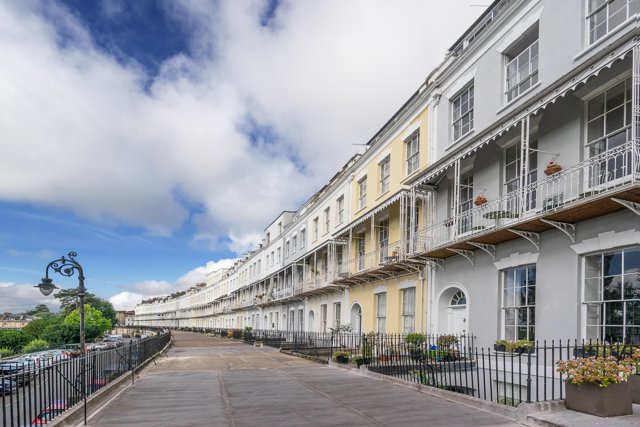
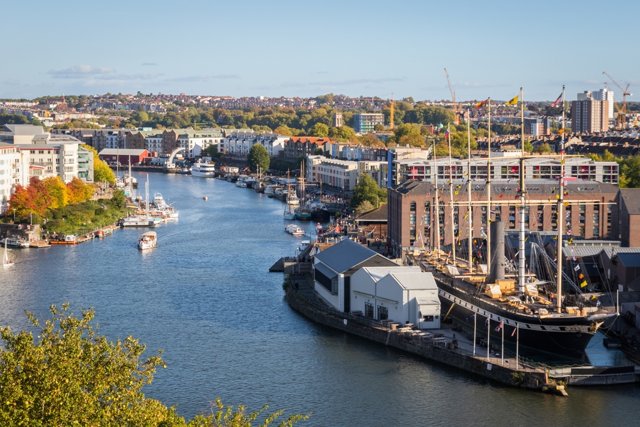
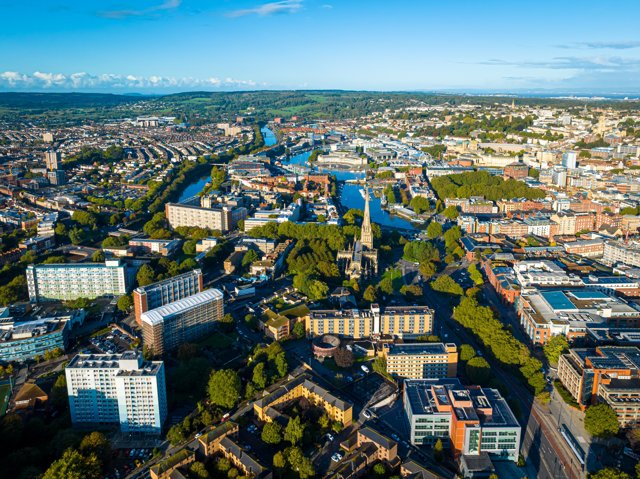
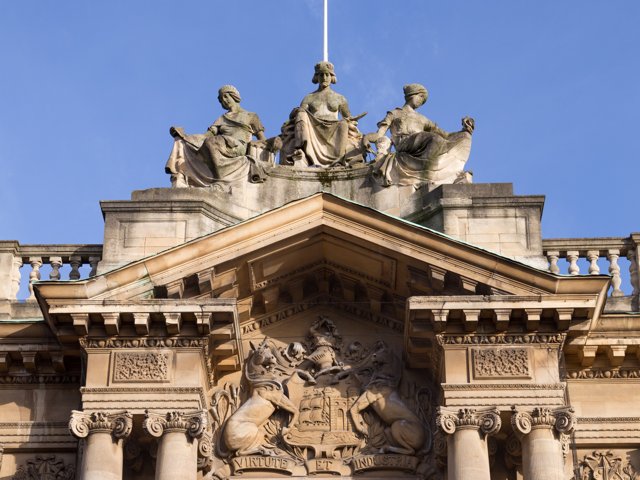
    Bristol grew around its harbour, and that maritime past still shapes the city today, from converted warehouses to cobbled quaysides. It spreads across a series of hills, where Georgian terraces in Clifton meet street art, independent shops, and neighbourhoods with a distinctly creative edge.

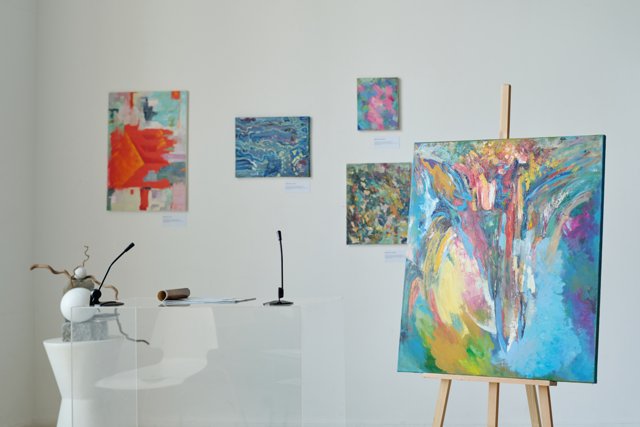
    A large student population keeps the city’s cultural energy firmly in the present, feeding a vibrant music and arts scene. Street art is part of the urban fabric, with Banksy among the artists who brought it global attention, alongside the city’s influential trip-hop legacy.

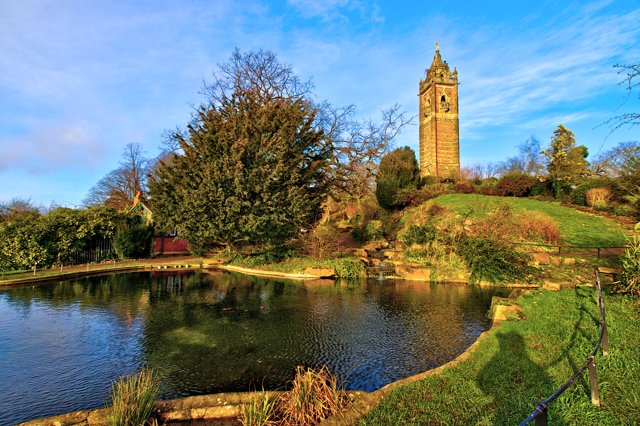
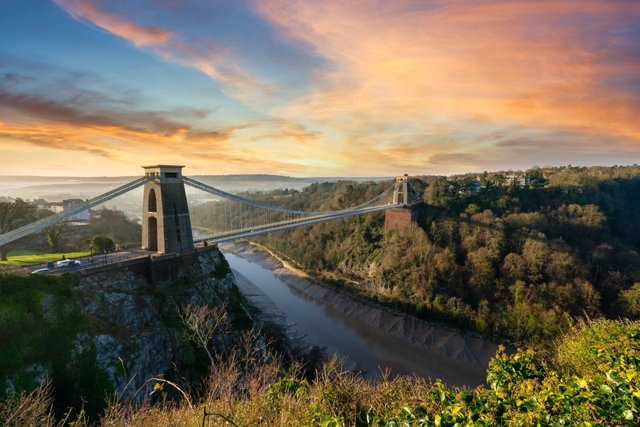
    Alongside its creativity, Bristol retains a strong industrial identity. From Brunel’s Clifton Suspension Bridge to the launch of the SS Great Britain, this is a city shaped by innovation — a forward-looking spirit that still defines it today.
Unique experiences in Bristol

Plan your trip

Entry Requirements & Travel Documents

Bristol is in England, part of the United Kingdom, which has its own entry rules independent of the EU. Many visitors who previously travelled visa-free now need to apply for a UK Electronic Travel Authorisation (ETA) before departure. Applications are processed online through the official UK Government website or the UK ETA app. Most decisions come through within minutes, but the Home Office recommends allowing up to three working days to be safe.

A valid passport is required for all visitors and must cover the full duration of your stay. British and Irish citizens, holders of valid UK visas, and residents with existing immigration permission are exempt. Always check the UK Government's entry guidance before booking or travelling.

Money, Currency & Paying in Bristol

The local currency is the British Pound (GBP). Bristol is largely cashless, and contactless payments are accepted in most shops, restaurants, bars, and on public transport. Visa and Mastercard work almost everywhere; American Express is accepted in many places but not universally.

If your bank card offers competitive exchange rates, paying directly in GBP is usually the smarter move. When cash is needed, ATMs give better rates than airport or city-centre exchange desks.

You might want to carry a small amount of cash as a backup, especially if you’re planning to take taxis.

Weather, Seasons & When to Visit

Bristol has a temperate oceanic climate, with mild winters and warm summers. Rain is possible at any time of year, so a waterproof layer is always worth packing regardless of when you visit.

Late spring to early autumn (May to September) is the best time to visit. It’s the warmest and busiest period, with temperatures regularly reaching the low twenties and a packed festival calendar making the most of the longer days.

Late autumn (October and November) stays mild and is a quieter, more relaxed time to visit, with the surrounding countryside and parks taking on their best colours.

Winter (December to February) is cool and wet, but the city compensates with a wealth of indoor activities and a Christmas market.

Early spring (March and April) brings milder temperatures and longer days, with the city's parks and outdoor spaces coming back to life.

Health Insurance

Visitors from the EU should carry a valid EHIC (European Health Insurance Card), which gives access to NHS treatment under the same conditions as UK residents. It does not, however, replace comprehensive travel insurance.

Non-EU/EEA travellers are strongly advised to arrange travel medical insurance covering treatment, hospitalisation, and emergency repatriation before departure. Proof of insurance may also be required for certain visa categories.

At an NHS hospital you will be expected to pay directly for any treatment not covered by your card or policy. Keep all receipts and file a claim with your insurance company afterwards. Private hospitals can offer shorter wait times and may bill your insurer directly if you have obtained pre-authorisation before your appointment.

Connectivity, Roaming & Mobile Data

Free Wi-Fi is widely available in hotels, cafés, museums, and many public spaces across Bristol. Some EU mobile plans still include roaming in the UK, but this varies by provider and tariff, so it's worth checking before travelling.

Both a local SIM and eSIM are practical options for longer stays. Local SIMs can be purchased at the airport or at convenience stores and big supermarkets. An eSIM can be purchased online before departure and activated upon arrival, making it a convenient option for travellers who want to be connected straight away.

Airports & Main Arrival Hubs

Bristol Airport (BRS) is the primary point of entry for air travellers, located around 13 kilometres southwest of the city centre. It handles flights from across Europe and a growing number of longer-haul routes, served predominantly by budget carriers. The single terminal is compact and easy to navigate.

Most rail travellers arrive at Bristol Temple Meads, the city's main station, which sits on the edge of the centre and connects directly to the national rail network. Bristol Bus Station is located near Broadmead shopping centre. Travellers arriving by cruise ship use the terminal at Royal Portbury Dock.

Main Train Stations

Bristol Temple Meads station is where most visitors arrive, situated around 15 minutes' walk from the city centre with frequent bus connections. It handles the majority of intercity services, including direct trains to London Paddington in under two hours, Cardiff in around 50 minutes, and Birmingham in just over an hour.

Bristol Parkway, to the north of the city, is primarily useful for travellers heading to or from the Midlands and the north of England, and is well connected to the centre by bus.

From the Airport to Central Bristol

The most convenient way into the city is the Airport Flyer bus, which runs around the clock with services up to every 8 minutes during peak times. The route passes through Bedminster and Bristol Temple Meads before terminating at the Bus and Coach Station. Tickets can be bought online in advance or directly from the driver on boarding.

Taxis and ride-hailing services are also available outside the terminal for a more direct transfer, though journey times will vary depending on traffic.

Taxis & Ride-Hailing

At Bristol Airport, Zoom Cars is the official taxi partner, with a clearly signposted rank outside the terminal. At Bristol Temple Meads, licensed hackney carriages — painted Bristol Blue — can be found at the station rank. They can also be hailed on the street when the light is illuminated.

Private hire vehicles must be pre-booked and cannot be hailed on the street; they are identifiable by their yellow and red licence plates. Several companies operate across the city, including Veezu, which has its own booking app. Uber and Bolt also operate in Bristol. For airport transfers, private tours, or special occasions, Royale Chauffeur Group offers a more tailored service.

Arrival Tips & Common Mistakes to Avoid

  • Book train tickets in advance for the best fares, particularly on popular routes like London Paddington.
  • Allow at least an hour after landing for international flights to clear immigration and collect luggage.
  • If arriving late at night, check the Airport Flyer schedule in advance as frequency reduces in the early hours.
  • If someone is collecting you from the airport, use the designated pick-up area to avoid charges on the terminal forecourt.
  • Driving into the city centre can be slow and parking is expensive. Four Park and Ride locations on the edge of the city offer a practical alternative.
  • Pack comfortable walking shoes and a waterproof layer regardless of the forecast.

Public Transport & Zones

Bristol and the surrounding region are divided into two fare zones; if you're staying in the city, the Bristol zone covers everything you're likely to need.

Bristol's public transport is built around its bus network, operated primarily by First Bus. Services cover the city and surrounding areas, with real-time tracking available through the First Bus app. MetroBus is a faster, limited-stop rapid transit service.

Two ferry operators run regular services along the Harbourside, offering a practical and scenic way to move between waterfront attractions.

For the Clifton Suspension Bridge, take bus number 8 from Bristol Temple Meads or the city centre to Clifton Village, a short walk from the bridge.

Tickets & Passes

Bus tickets can be bought on board from the driver or in advance through the First Bus app, which is the more convenient option. Day tickets offer better value if you plan to make several journeys.

For MetroBus services, tickets must be purchased before boarding at stop machines or via the app. 

If you're arriving by train, consider getting the PlusBus add-on. It gives you unlimited bus travel across the city for a small daily supplement on top of your rail fare.

Walking & Cycling

Bristol's centre is compact enough to cover on foot, with the Harbourside, Old City, and main shopping areas all within easy walking distance of each other. The terrain is hilly in places, particularly around Clifton and Park Street, so comfortable shoes are worth prioritising. Blue information points throughout the centre feature street maps and points of interest to help you navigate.

Cycling is deeply embedded in the city's identity. Bristol was named England's first Cycling City and is home to Sustrans, Britain's leading sustainable transport charity. The Bristol and Bath Railway Path offers a flat, traffic-free route out of the city. Bike hire is available across the centre.

Nearby Destinations / Day Trips

Bath is the first choice for many visitors, reachable in under 15 minutes by train, with Roman baths and Georgian architecture that contrast sharply with Bristol's industrial character. Further south, Cheddar Gorge offers dramatic limestone cliffs, caves, and walking trails within half an hour's drive.

For a longer day out, Glastonbury and Wells are both accessible by bus, with the medieval abbey ruins and Glastonbury Tor rewarding the trip. Cardiff is under an hour by train, and pairing it with a detour through the Wye Valley makes for a full day. The Cotswolds and Stonehenge are both manageable with an organised tour if you'd rather leave the planning to someone else.

Accessibility & Basic Safety Tips

Bristol Temple Meads and most major attractions, including the SS Great Britain and Bristol Museum, offer step-free access, lifts, and accessible facilities. Public transport, including buses and taxis, is largely accessible across the network. Some areas, particularly around Clifton and the Old City, have steep hills and uneven cobblestones that can be challenging, though many routes have been adapted over time.

Bristol is a fairly safe city. As anywhere, keep belongings close in busy areas and avoid poorly lit streets at night. If you are not used to driving on the left, take extra care at road crossings — always look right first. In an emergency, dial 999.
Language, Culture & Local Etiquette

English is the main language in Bristol, spoken with a recognisable West Country accent that gives everyday conversation its own distinctive sound.

Bristolians tend to be direct and unpretentious, with a creative, independent spirit that shapes the city's social culture. Queuing is taken seriously and personal space is respected, but the overall atmosphere is relaxed and welcoming.

In pubs and bars, you order and pay at the counter; table service is the exception rather than the rule. Tipping is not mandatory, but 10–15% is standard in restaurants, and many bills already include a discretionary 12.5% service charge. Rounding up in casual eateries and pubs is always appreciated.

Neighbourhoods

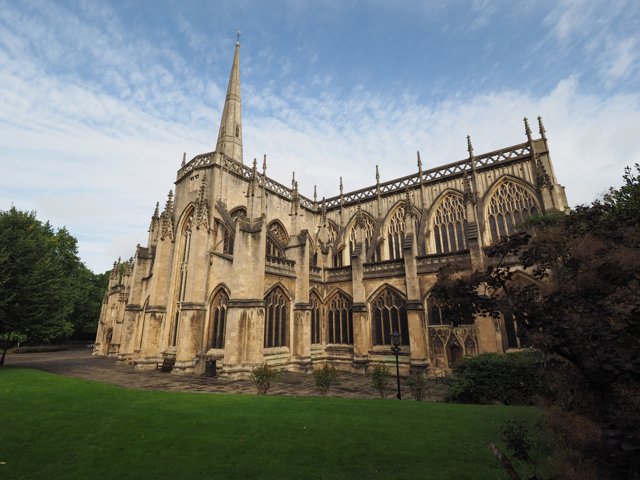
  • Redcliffe & Temple: Home to Temple Meads station, where most rail travellers arrive. Neighbouring Redcliffe preserves fine medieval and Gothic architecture, while Finzels Reach is a revitalised riverside stretch of bars, media offices, and creative workspaces.
  • City Centre & Old City: The commercial and historic heart, anchored by St Nicholas Market and the Victorian Glass Arcade.
  • Harbourside: The former working docks, now a lively waterfront with museums, independent shops, and a busy calendar of outdoor events.
  • Wapping Wharf: A newer riverside development built around converted shipping containers, with a strong focus on independent food traders and local shops.
  • Park Street & Queens Road: A street of Georgian buildings climbing uphill from the centre, with a good mix of independent shops, boutiques, and eateries.
  • Clifton: Georgian terraces, leafy squares, and the iconic Clifton Suspension Bridge give this area a refined, residential feel.

Gastronomy

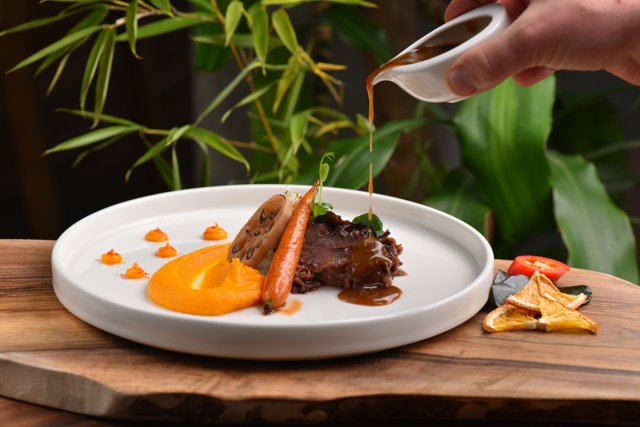
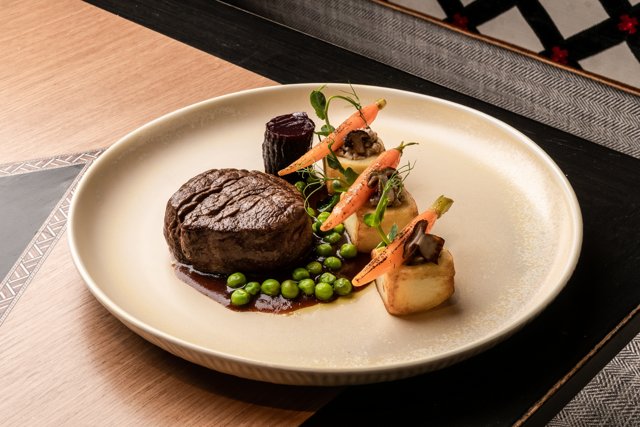
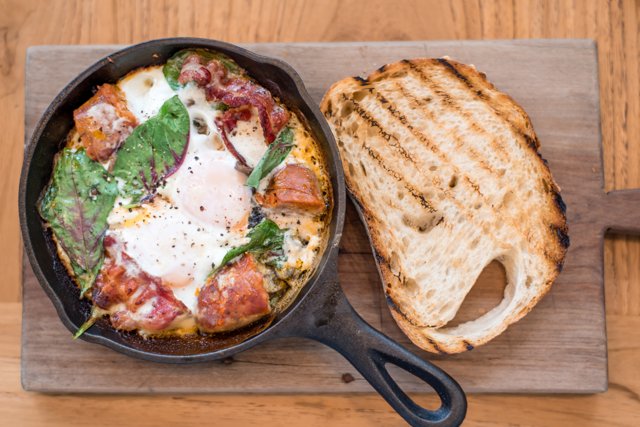
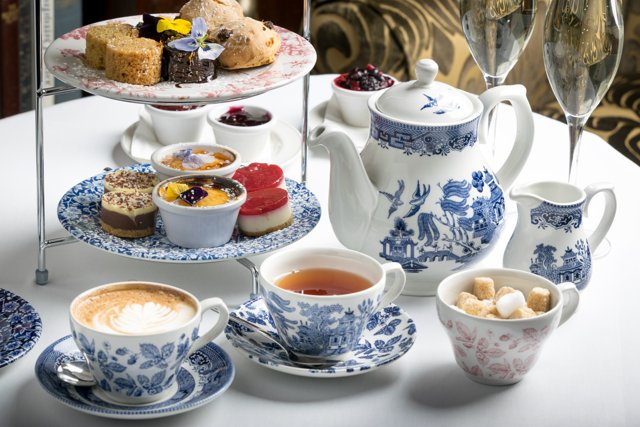
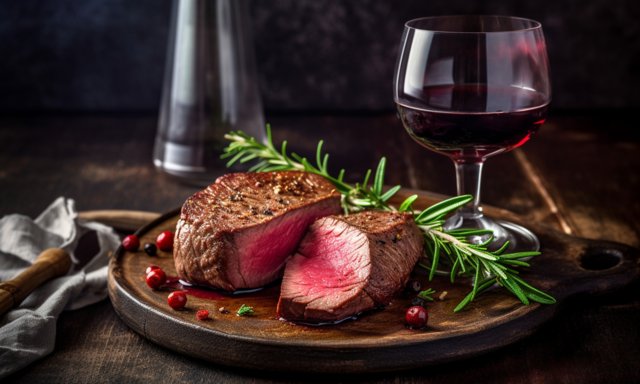
Bristol's food scene reflects a strong independent streak and a long history of openness to outside influences. The city's proximity to Somerset and Cheddar Gorge means quality cheese and dairy appear regularly on local menus, alongside apples that fuel the region's thriving cider-making tradition.

Spiced sweet breads like the Colston Bun and flaky pastries filled with fruit, nuts, and brandy-soaked spices are among the more distinctive local bakes. Pub menus lean heavily on pies and locally sourced meats, while the city also stands out for its well-developed plant-based food scene.

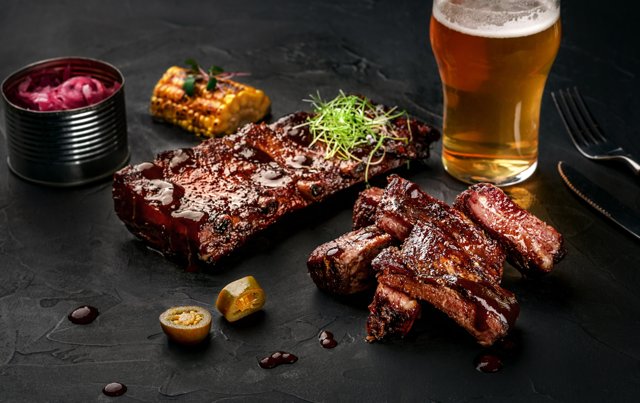
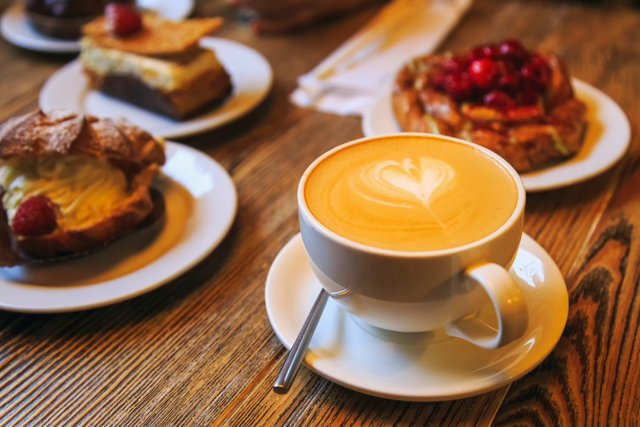
Bristol has a particularly strong coffee culture, with numerous specialty roasters and third-wave cafés, alongside a growing craft beer scene producing a wide range of stouts, IPAs, and ales.

City Rhythm

Bristol's rhythm is shaped by its large student population and a creative culture running through music, food, and street art. Days tend to centre around neighbourhood life, with independent cafés and markets drawing a steady crowd from morning into the afternoon.

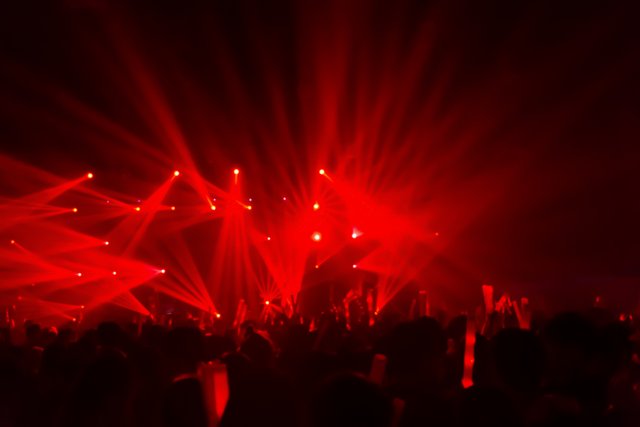
Evenings gather pace around the waterfront, where pubs, live music venues, and outdoor terraces fill from early evening onwards. Summer brings a particular energy to the city. The parks, the streets along the river, and the mild West Country light draw people outdoors in a way that locals speak about with genuine affection.

Things to Do

Hunting for street art is one of Bristol's great pleasures — Banksy’s works are the starting point, but murals by local and international artists appear across the city. Guided tours are available for those who want deeper context.

Crossing the Clifton Suspension Bridge on foot offers some of the best views, especially during the Bristol Balloon Fiesta when hot air balloons drift above the gorge. Around the Harbourside, you can explore the SS Great Britain, visit museums, or take to the water by kayak or paddleboard.

The M Shed museum traces Bristol’s history from its trading past to its modern creative identity. For a slower pace, Bristol Lido in Clifton offers a restored Victorian pool with a sauna and restaurant.

Best hotels in Bristol

Frequently asked questions

Where can I see Banksy art?

Several of Banksy's works are scattered across the city, particularly in Stokes Croft and Bedminster. Guided street art tours run regularly and are the most reliable way to track them down.

What are the top things to see and do in Bristol?

Exploring the Harbourside, crossing the Clifton Suspension Bridge, hunting for street art, visiting the SS Great Britain, and catching live music are among the highlights. The city also has a strong festival calendar and excellent food scene.

What is the Balloon Fiesta?

The Bristol International Balloon Fiesta is one of Europe’s largest hot air balloon events, held each August at Ashton Court, with mass launches and evening “night glow” displays.

Are there any left luggage facilities in Bristol?

Yes. Bounce and Stasher both offer left luggage services with several locations across the city.

What are the key cultural events in Bristol?

Bristol Sounds, Bristol Harbour Festival, The Downs Festival, Love Saves the Day, and Bristol Pride are among the highlights of the summer calendar. The Balloon Fiesta in August and Bristol Comedy Garden in June are also worth planning around.

Is Bristol a good destination for families?

Yes. The SS Great Britain, We The Curious science museum, Bristol Zoo Project, and the open spaces of the Downs and Ashton Court all offer plenty for children.

How many days do you need in Bristol?

Two to three days is enough to cover the main sights and neighbourhoods comfortably. Add an extra day if you want to explore the surrounding countryside or take a day trip to Bath.

Is Bristol expensive?

Bristol is generally more affordable than London, with a wide range of options. Many highlights, including street art and parks, are free.

How far is Bristol from London?

Bristol is around 190 kilometres west of London. Direct trains from London Paddington reach Bristol Temple Meads in under two hours, making it an easy destination for a long weekend from the capital.

Top destinations