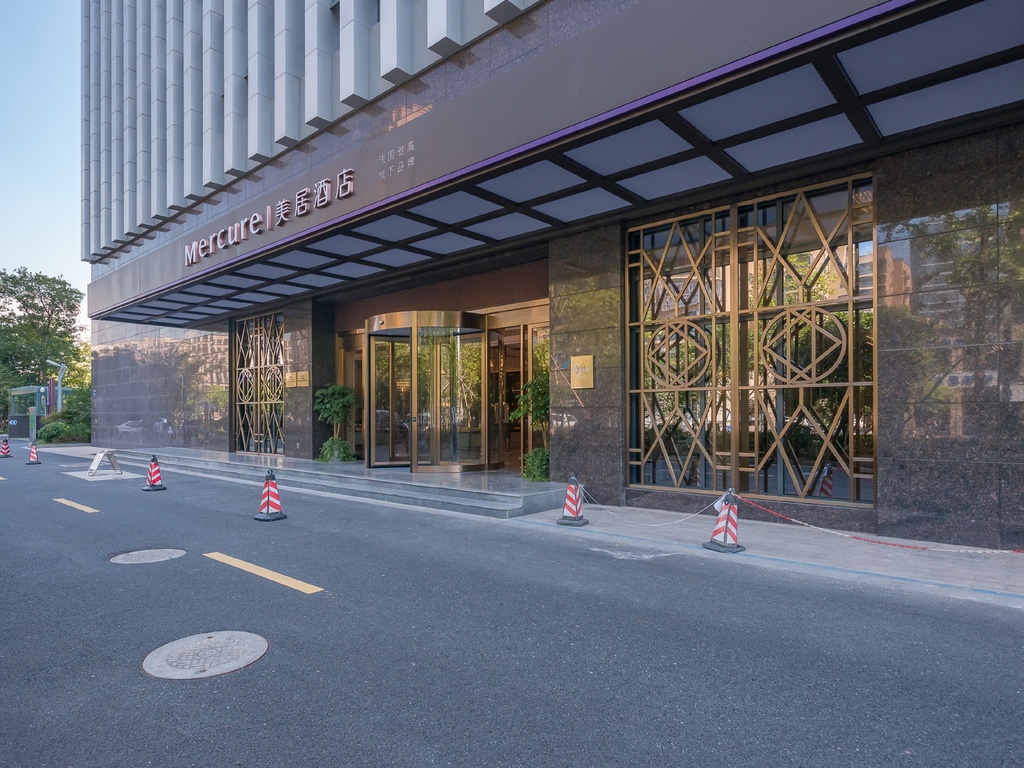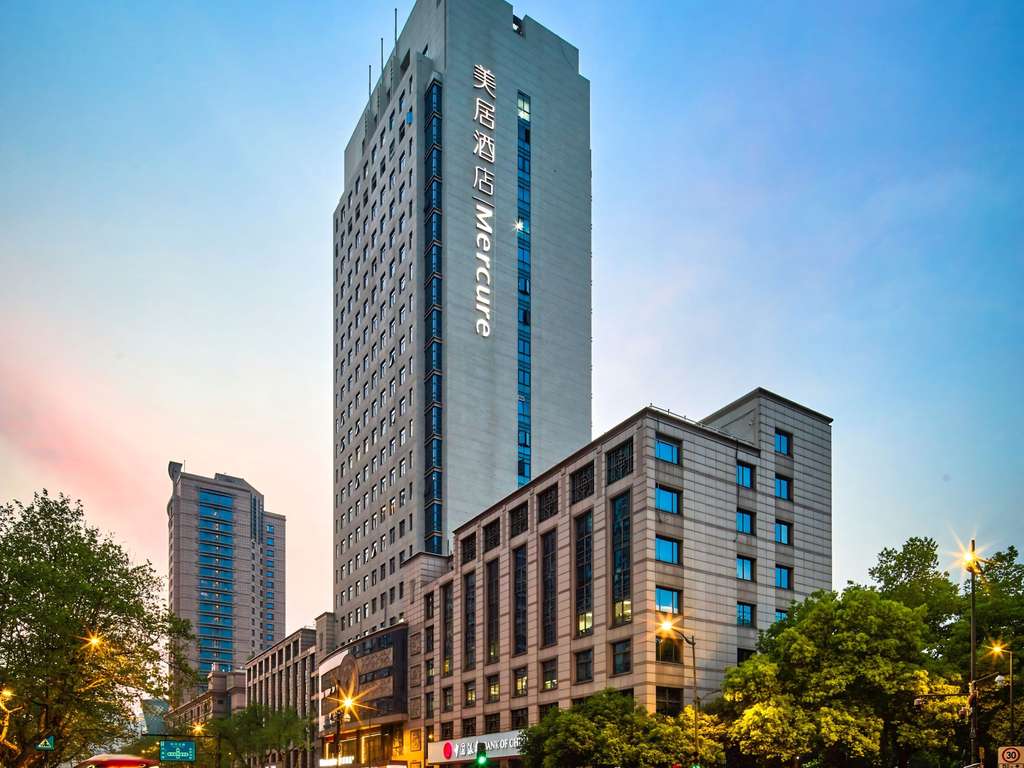
Mercure Okinawa Naha
Prime Location in Naha
Authentic Okinawan Cuisine
Comfortable Accommodations
Friendly Staff
Convenient Transportation


Your next destination
error (s)

Got 24 hours to spend in Japan’s southernmost archipelago? Here's how to experience Okinawa’s culture, food, and diving spots.

ALL LOYALTY PROGRAMME
Okinawa sits apart from the rest of Japan, geographically and temperamentally. Closer to Taiwan than Tokyo, it was once the centre of the independent Ryukyu Kingdom, and that layered history still shapes daily life. The climate is subtropical, the pace gentler, and the cultural cues subtly different, from cuisine to music to architecture. Okinawa Prefecture stretches north along the main island, thinning out into beach towns, fishing villages, and resort-lined coastlines. The west coast is knwon for sunsets and swimming beaches, while the east feels quieter and more rural. Having a car opens up these regions considerably, but even without one, travellers can structure a satisfying stay by pairing a city base with a coastal resort.
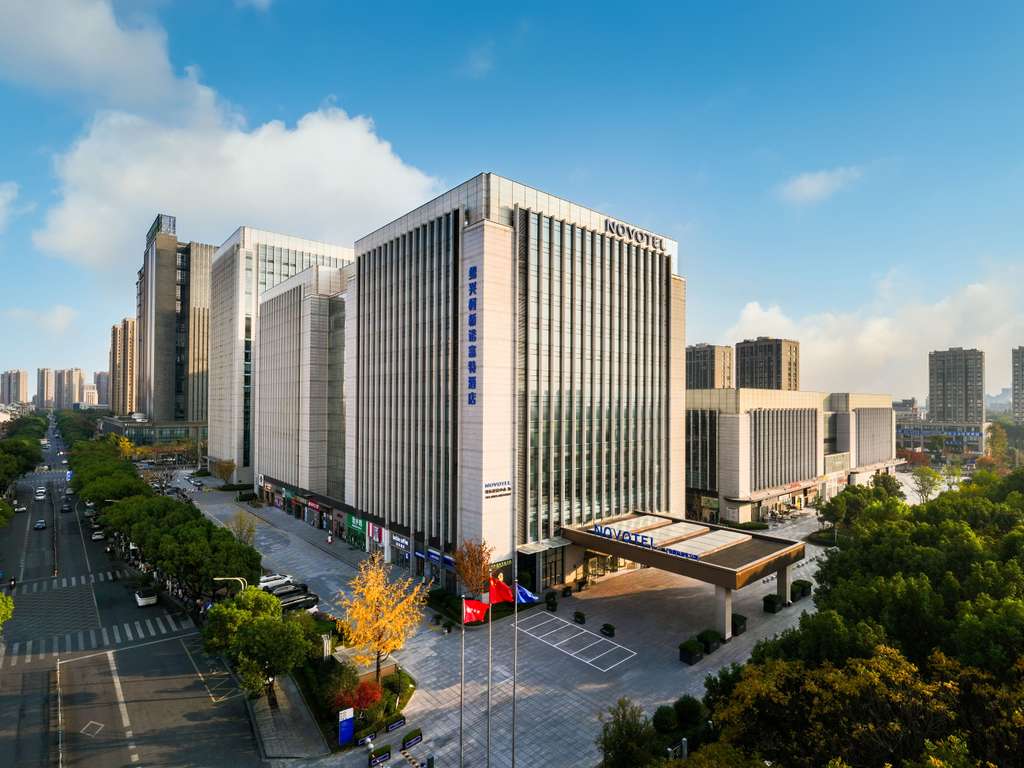
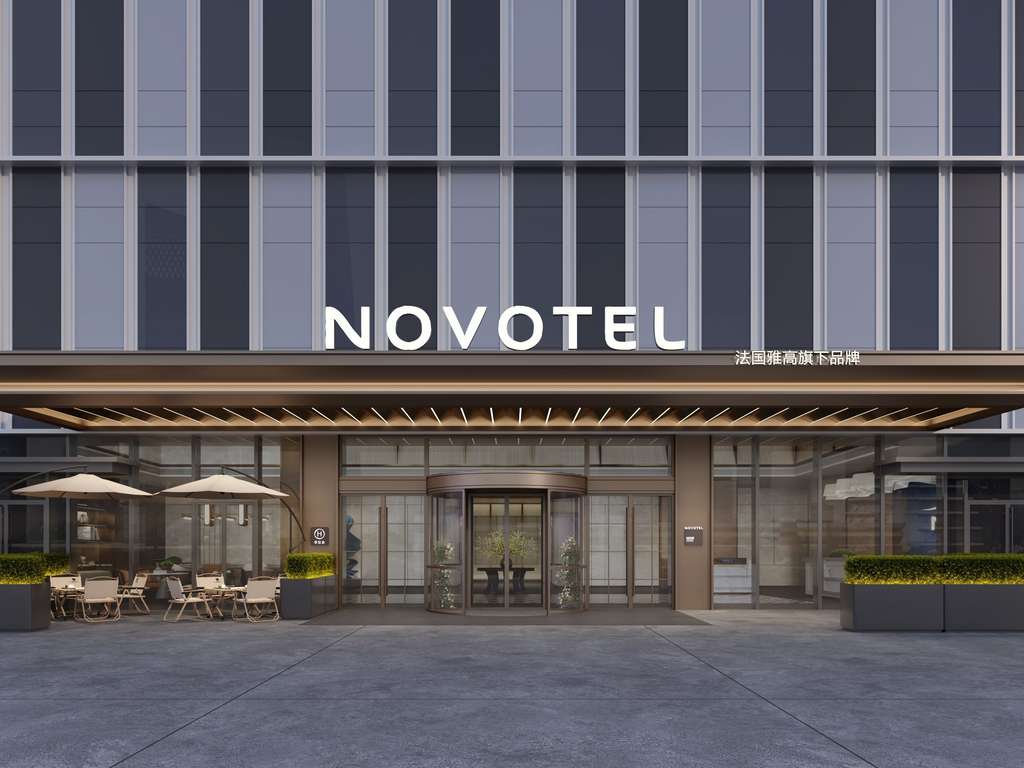
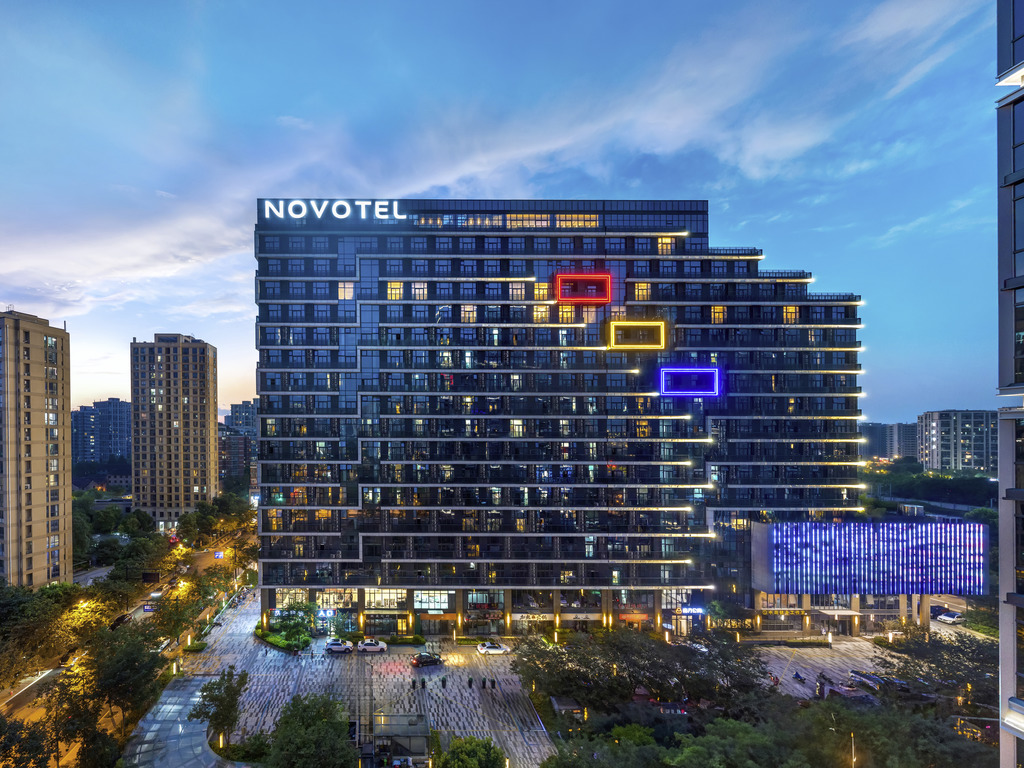
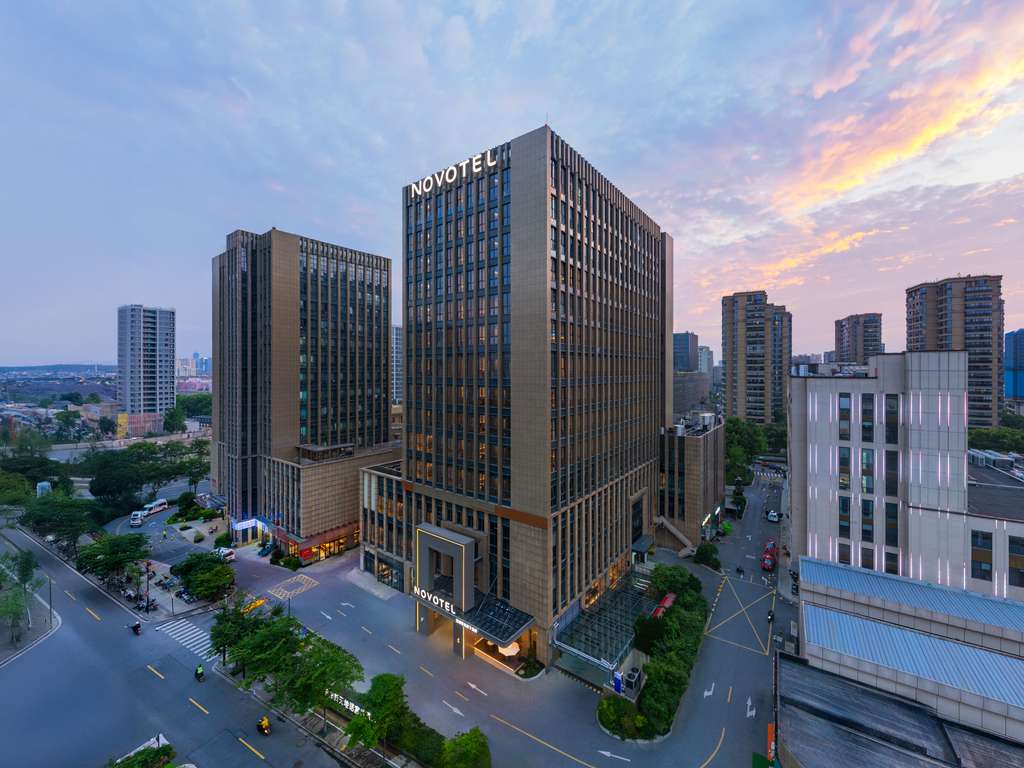
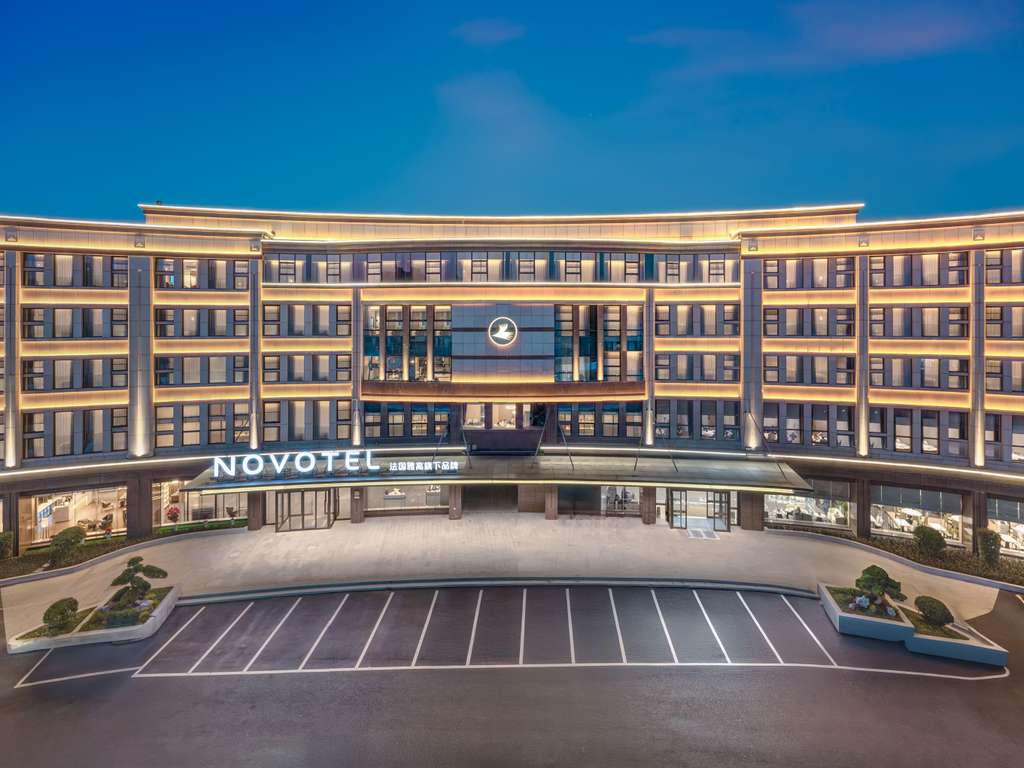
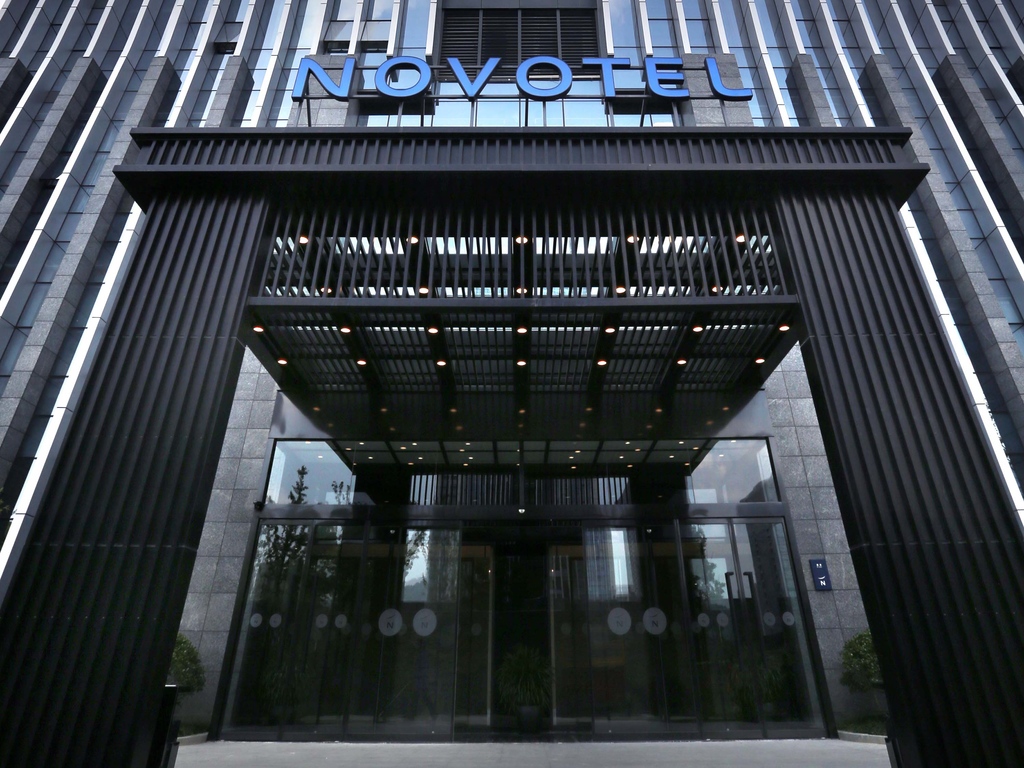
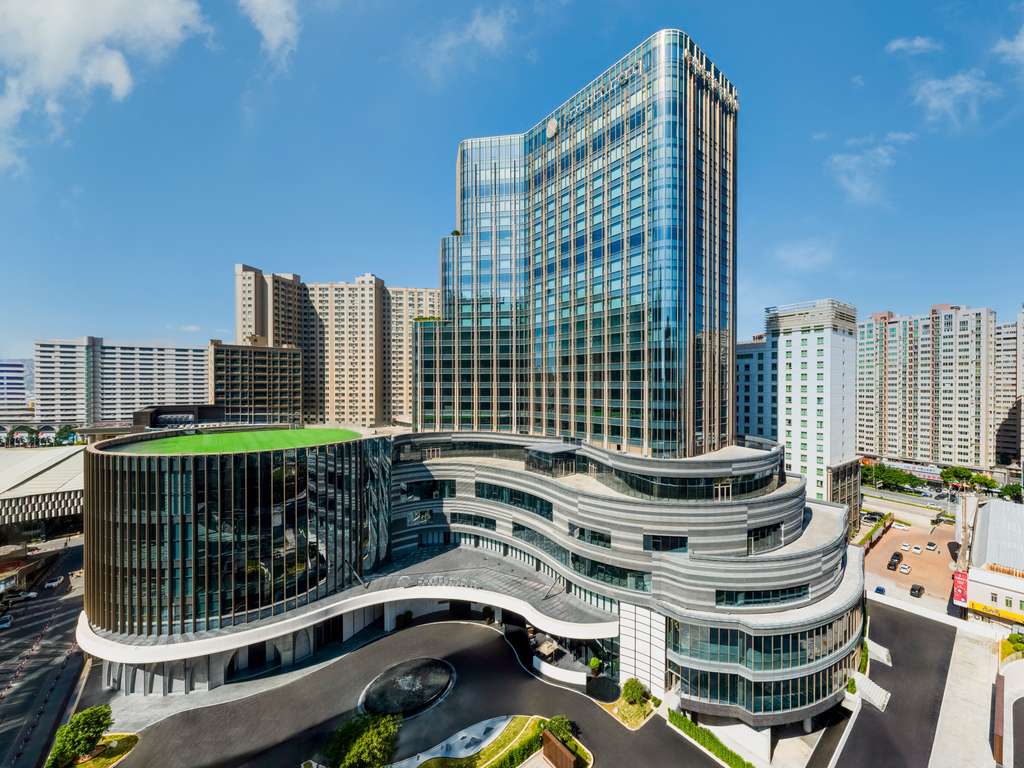
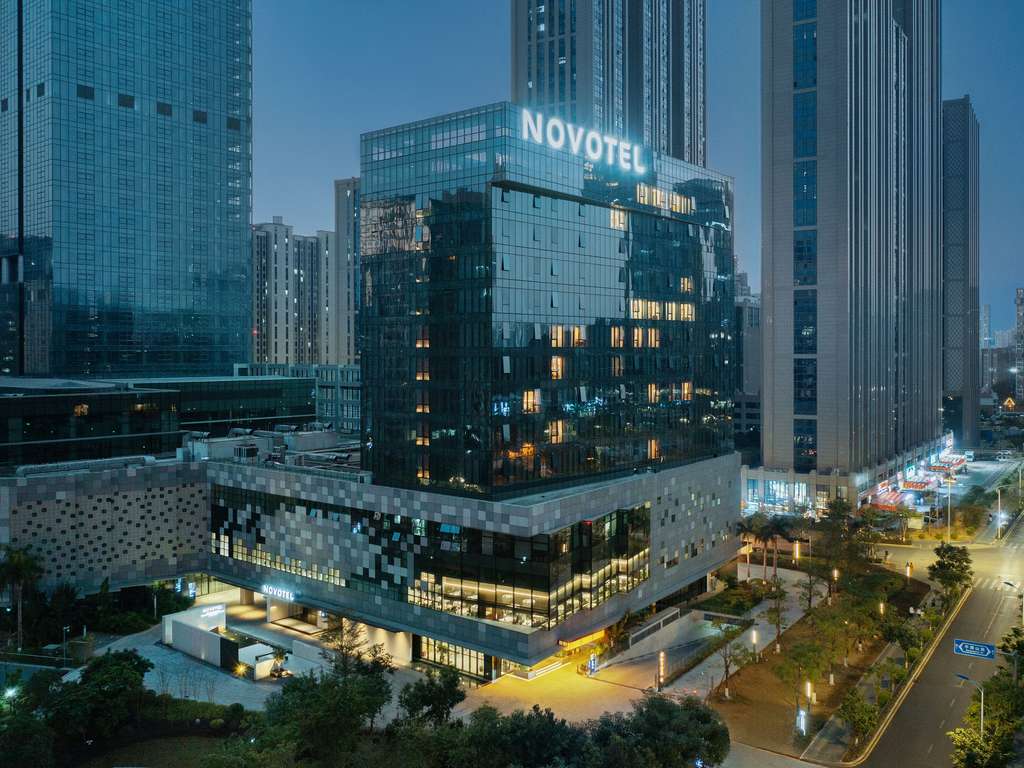
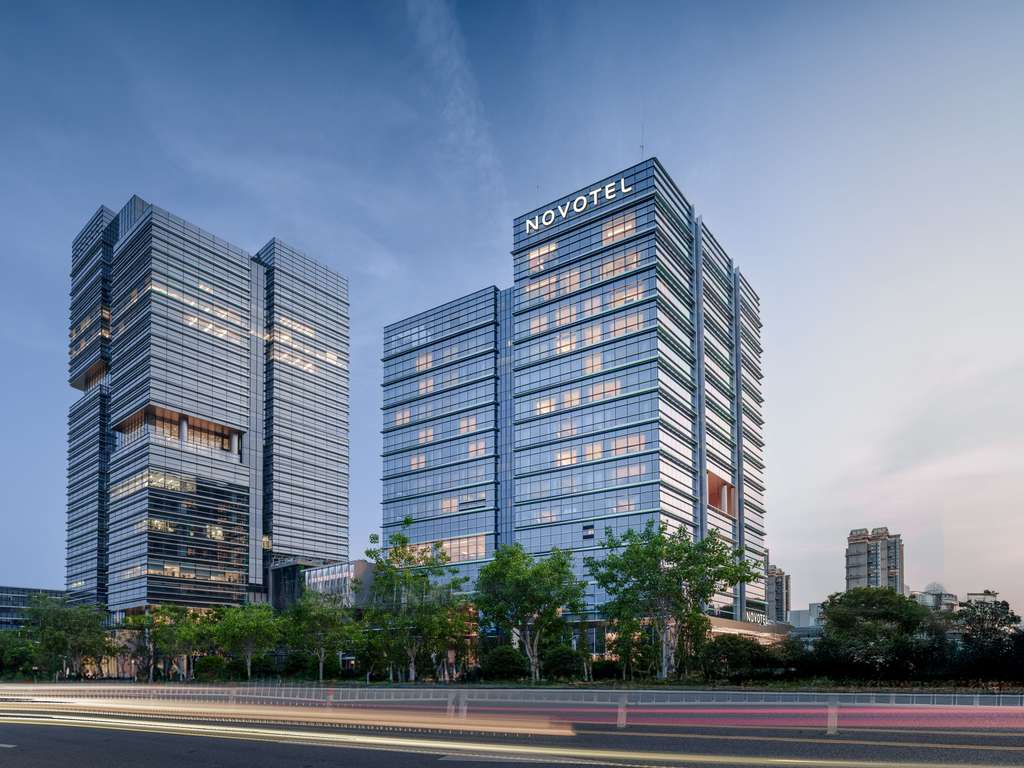
Most first-time visitors base themselves in Naha, Okinawa’s capital and transport hub. It is a working city rather than a resort town, compact and practical, with a monorail that connects the airport to the centre in under 20 minutes. Naha is where Okinawa feels most urban, but never overwhelming. Markets spill onto pavements, office workers queue for soba at lunchtime, and evenings drift between casual izakaya and low-key bars. Kokusai Street forms the city’s main artery, lively and lined with souvenir shops, restaurants, and small galleries that lean into Okinawan craft and food culture. Duck a street or two away and the mood softens quickly, with residential lanes and neighbourhood eateries that feel resolutely local. Shuri, to the east, carries deeper historical weight, anchored by its former castle complex and traditional stone walls. Any exploration of Okinawa starts with Shuri Castle, the former seat of the Ryukyu Kingdom. Though much of the complex has been reconstructed following fire damage, the site remains essential, both for its architecture and its symbolism. The views across Naha help contextualise the island’s geography and its long-standing role as a crossroads of trade and culture. Bright and beautiful Novotel Okinawa Naha is well placed for visiting Shuri, offering a calm, elevated base slightly removed from the city’s busiest streets. Nature defines the rest of the island. Cape Manzamo offers one of Okinawa’s most recognisable coastal views, a windswept limestone cliff dropping into vivid blue water. Further north, beaches and reef systems support snorkelling and diving that rival destinations much farther south. On the west coast, Grand Mercure Okinawa Cape Zanpa Resort places travellers within easy reach of coastal walks, swimming beaches, and some of the island’s best sunset viewpoints.
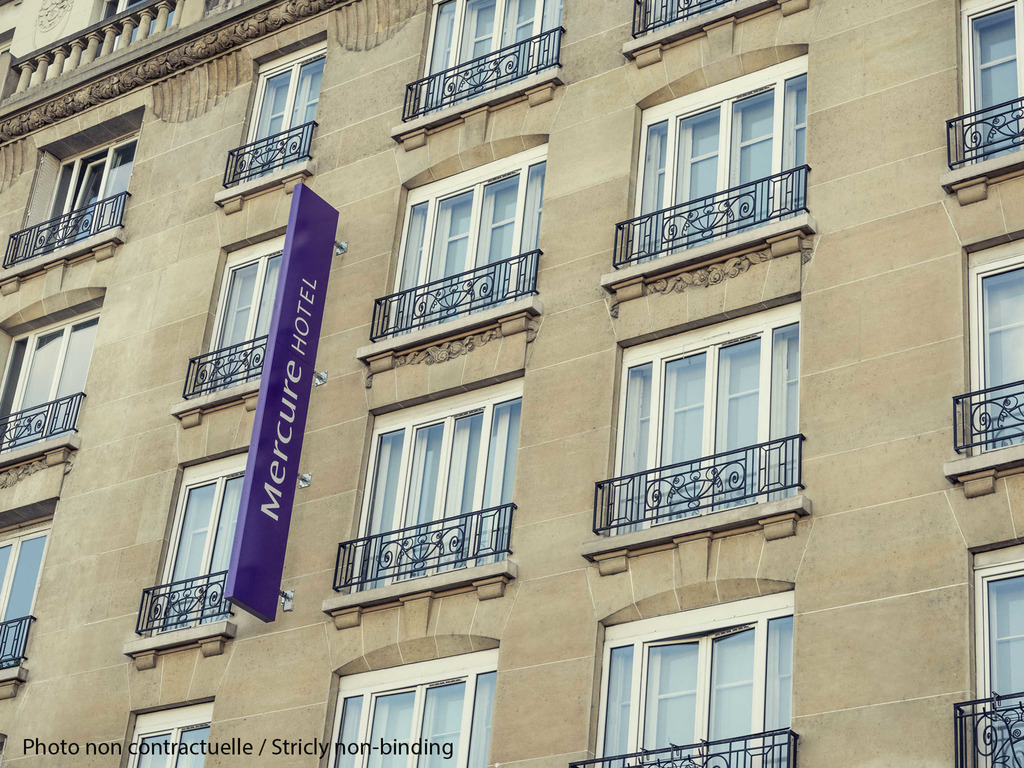
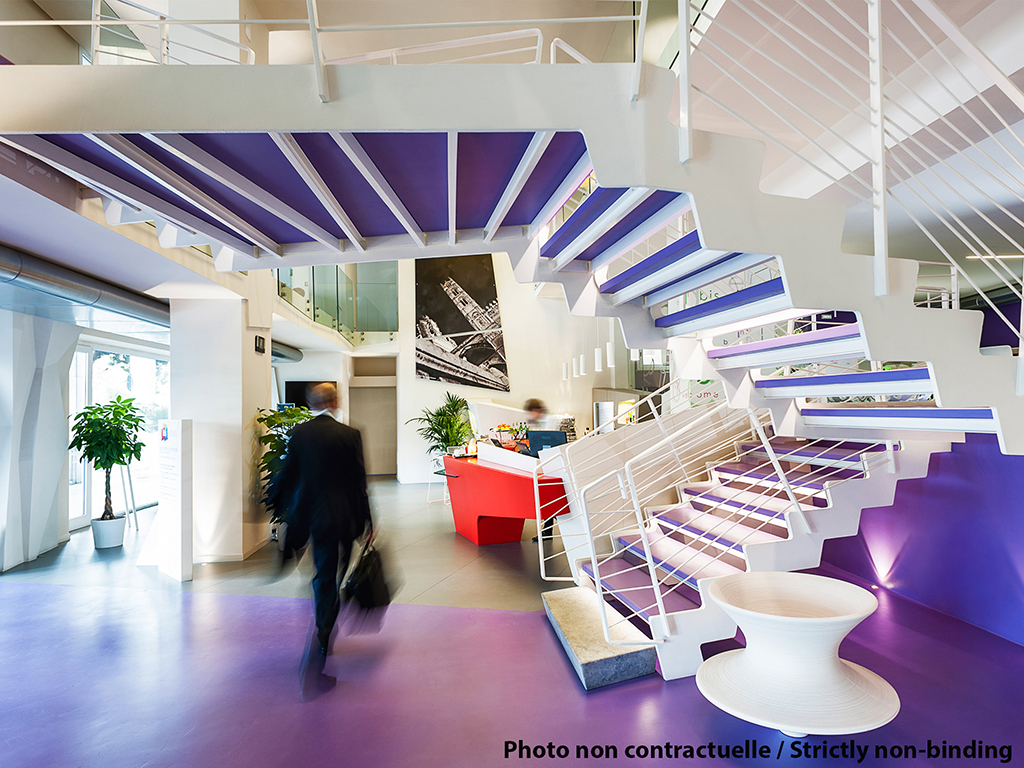
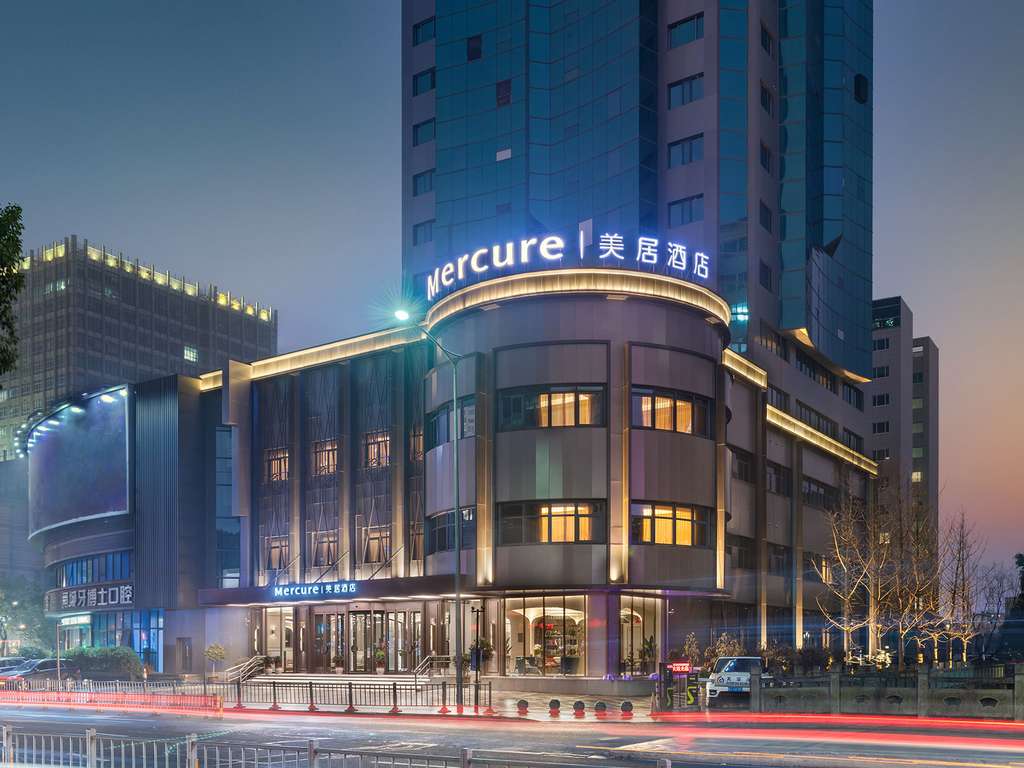
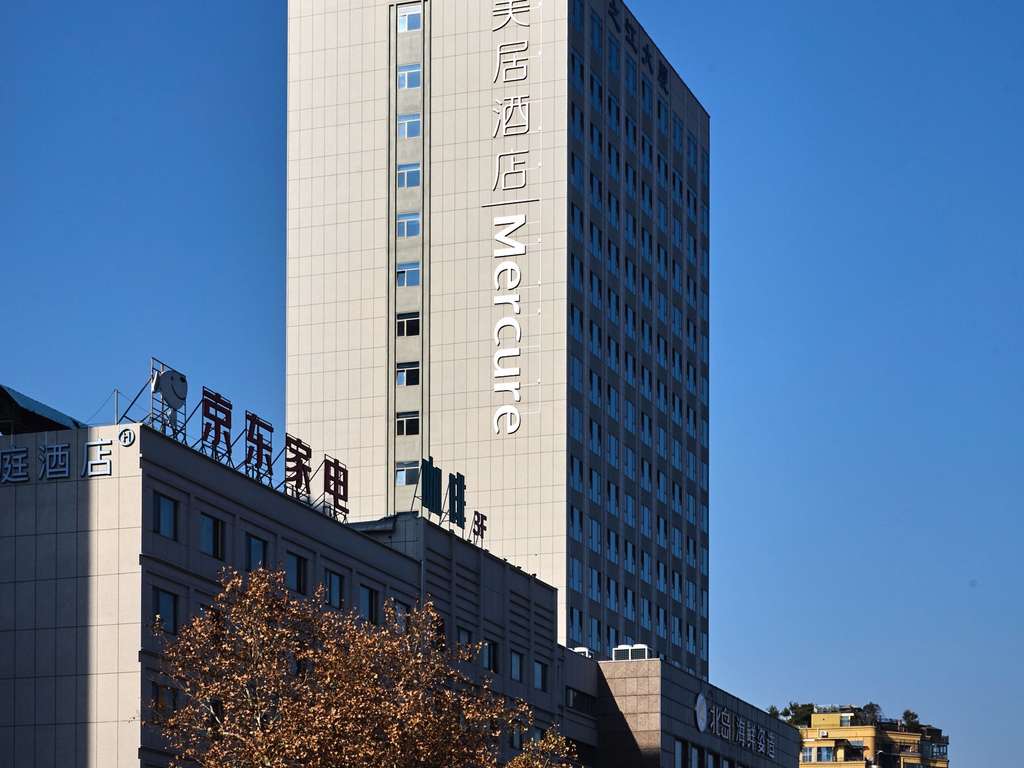
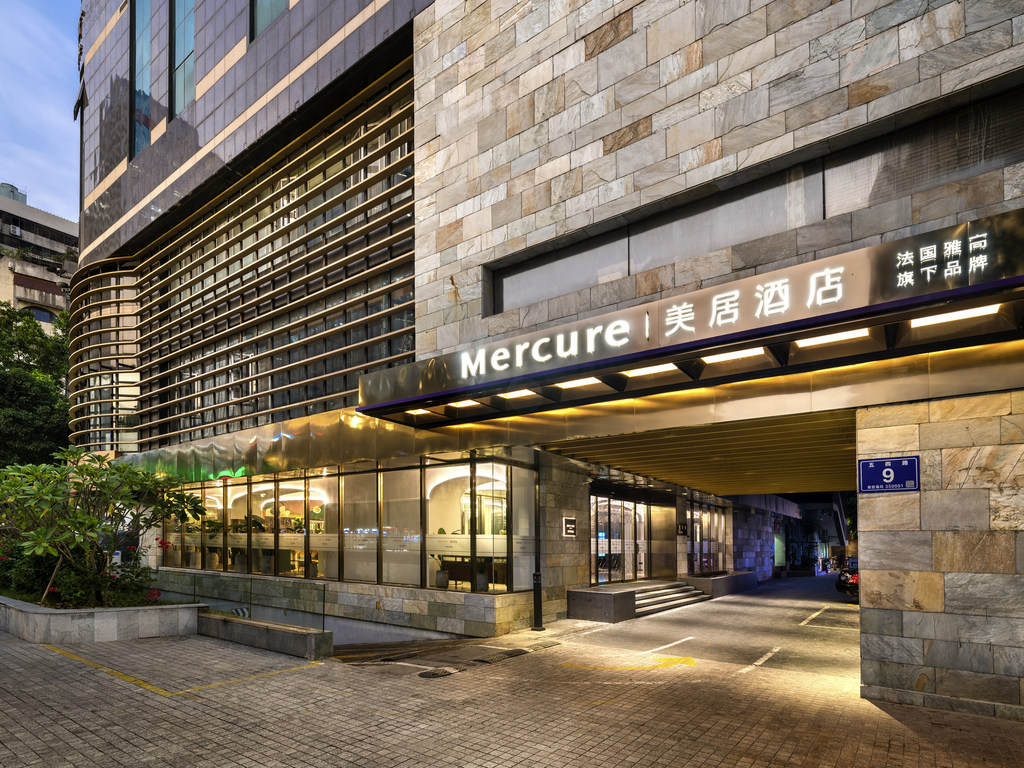
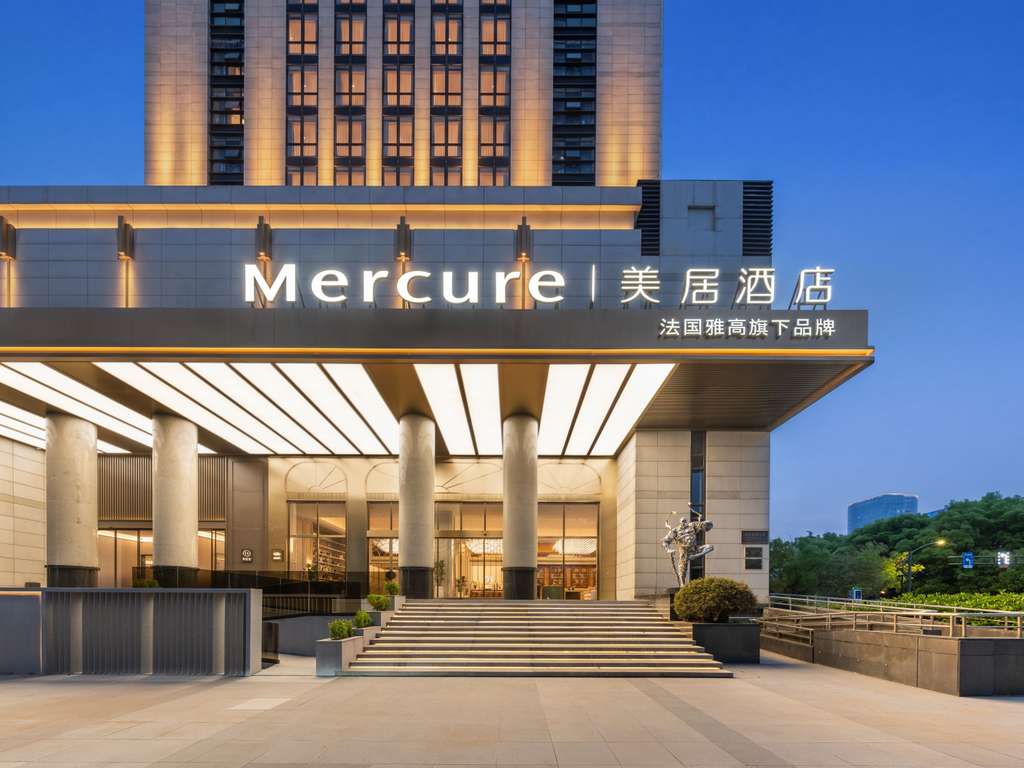
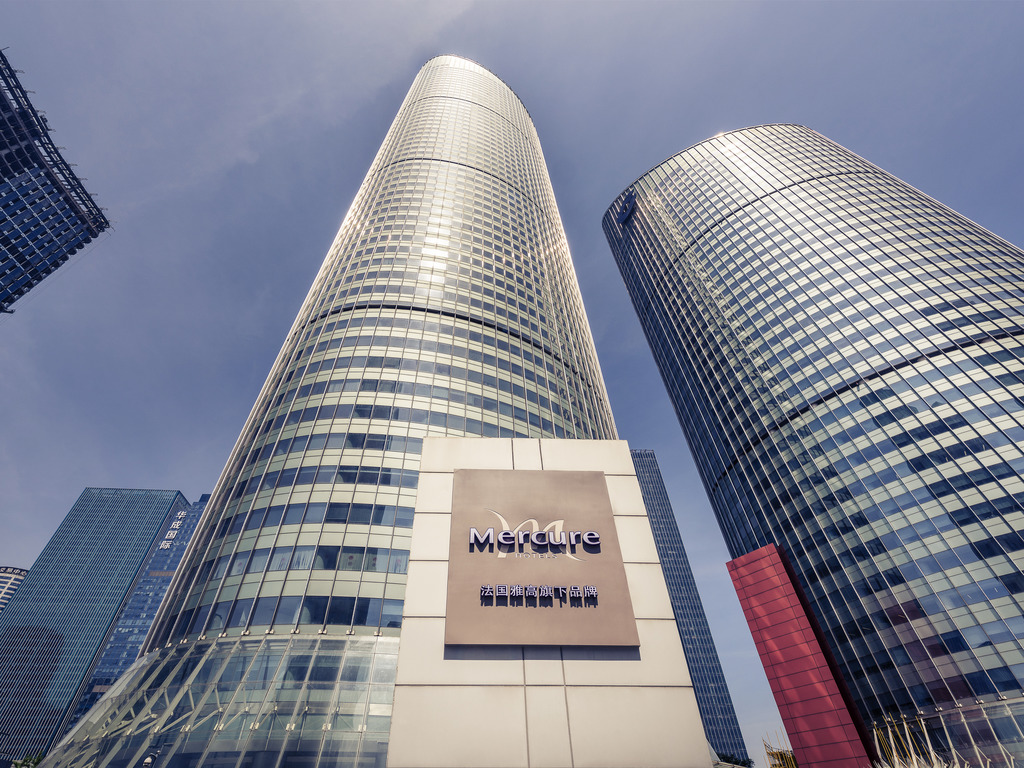
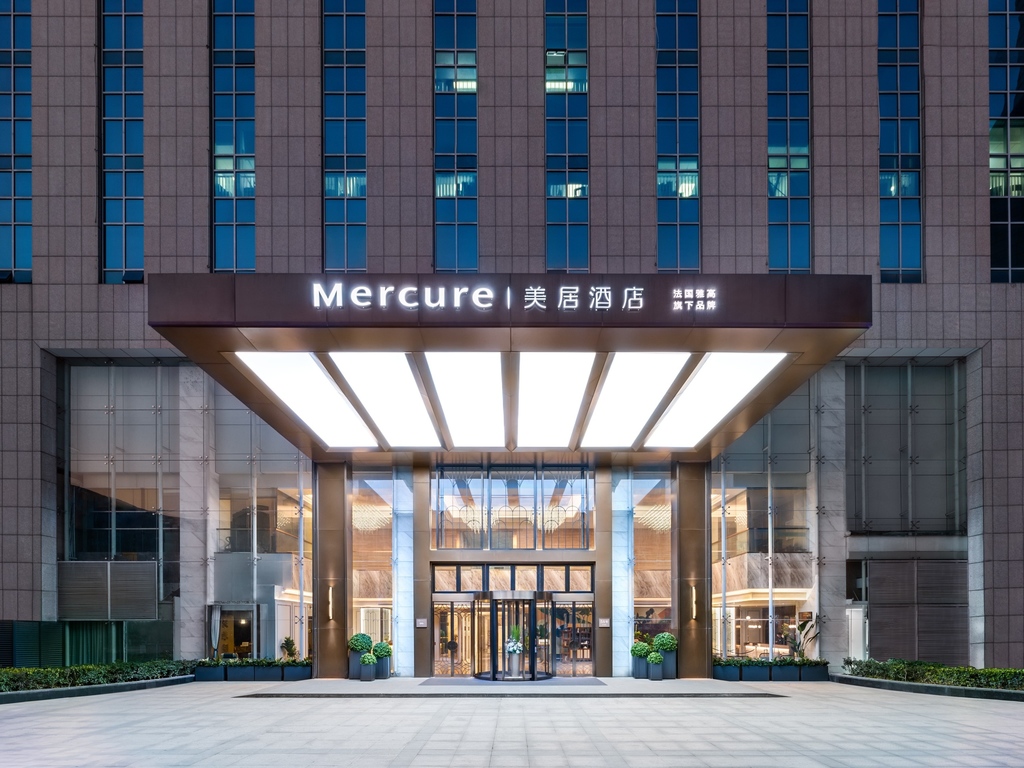
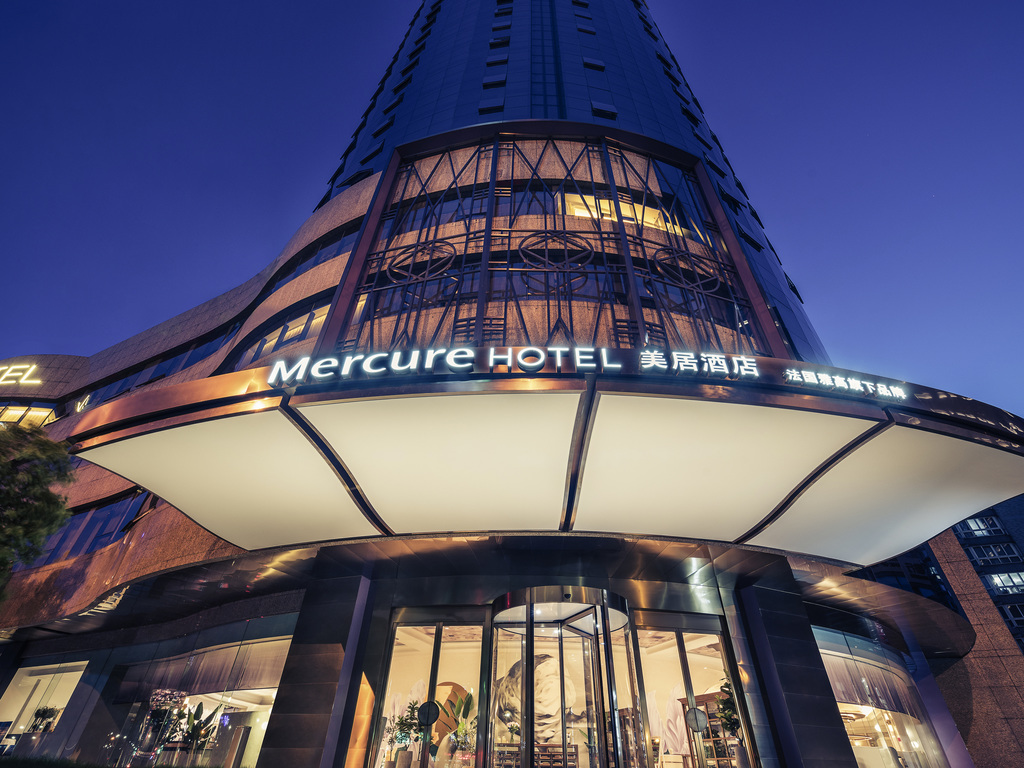
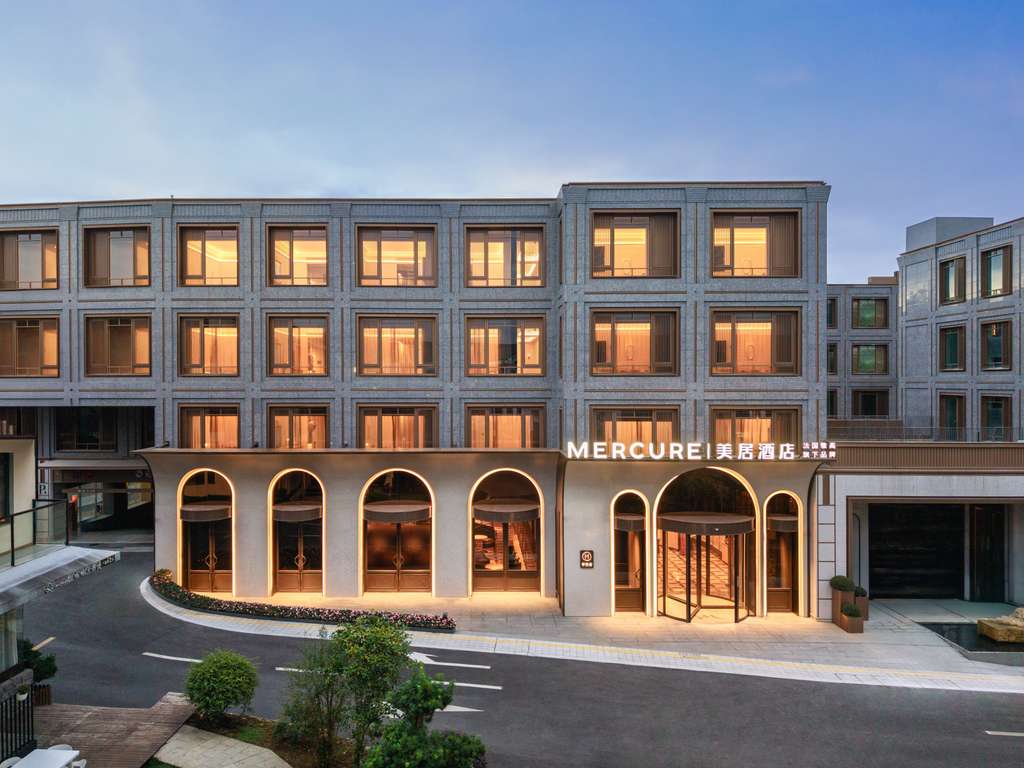
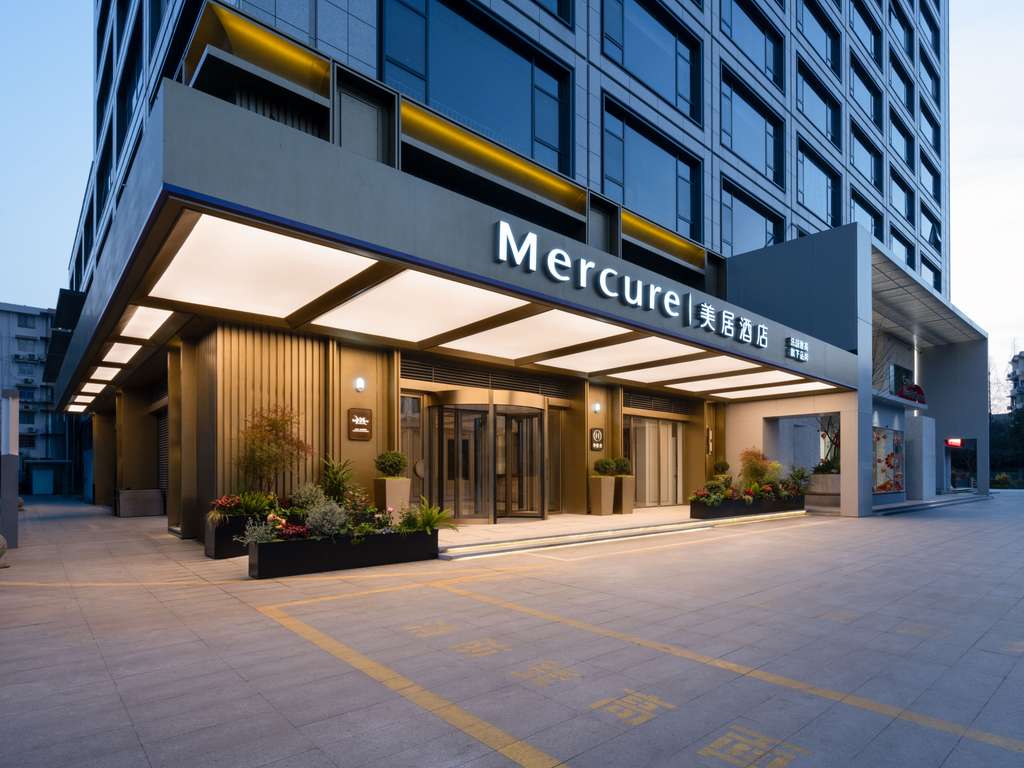
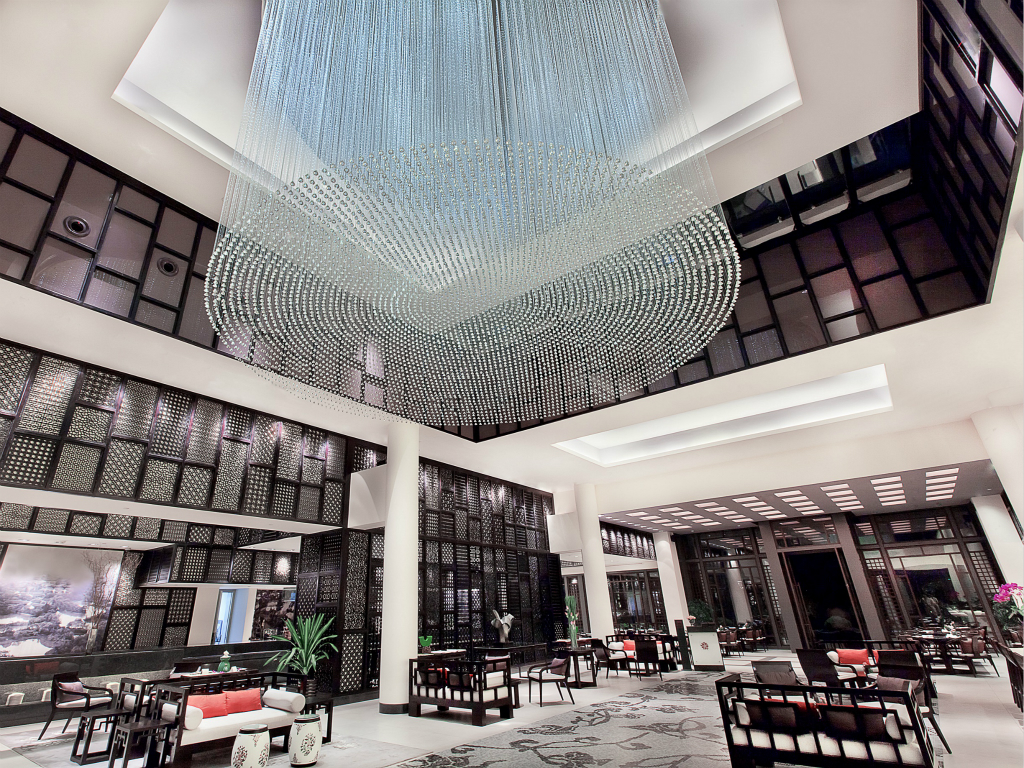
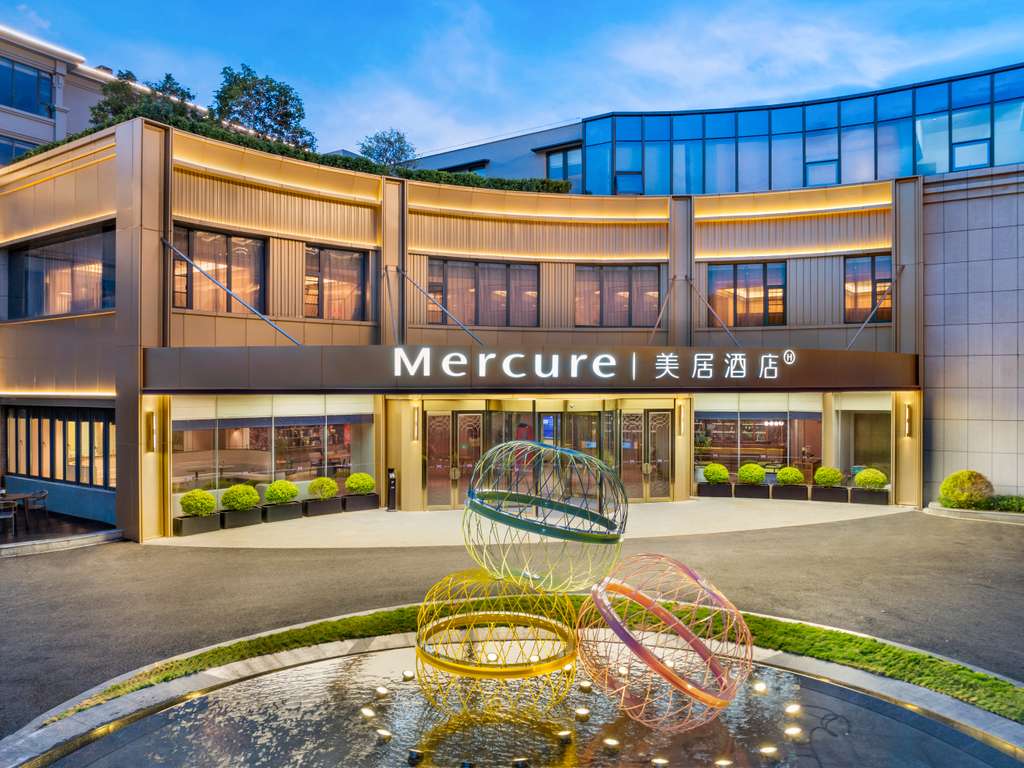
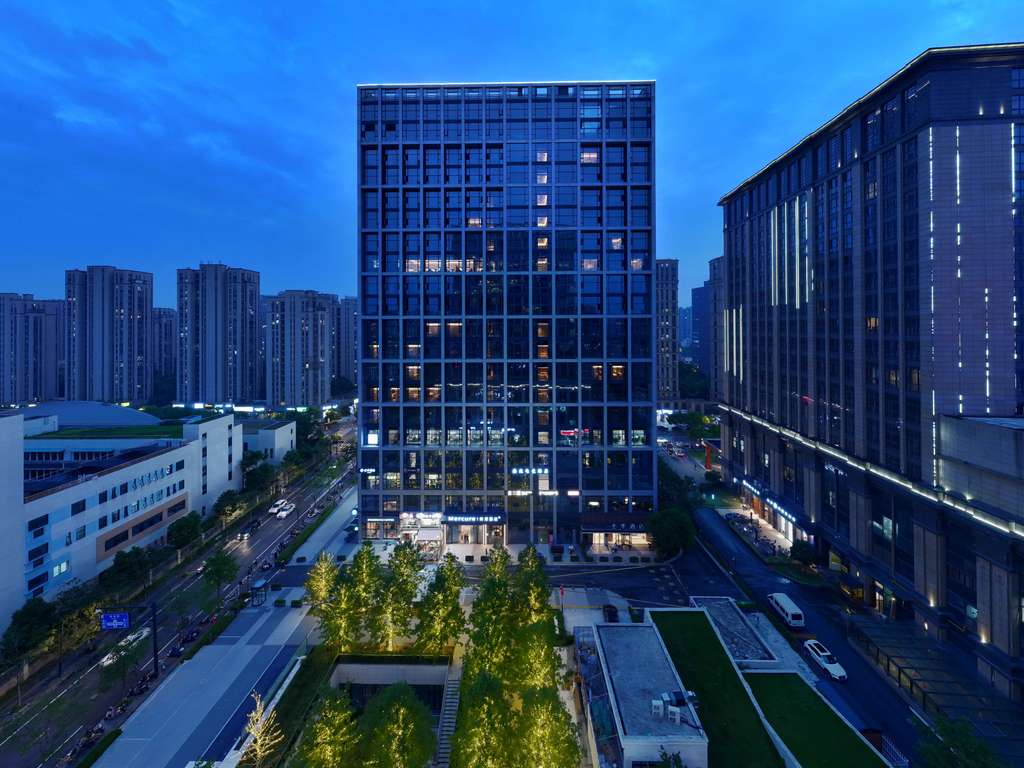
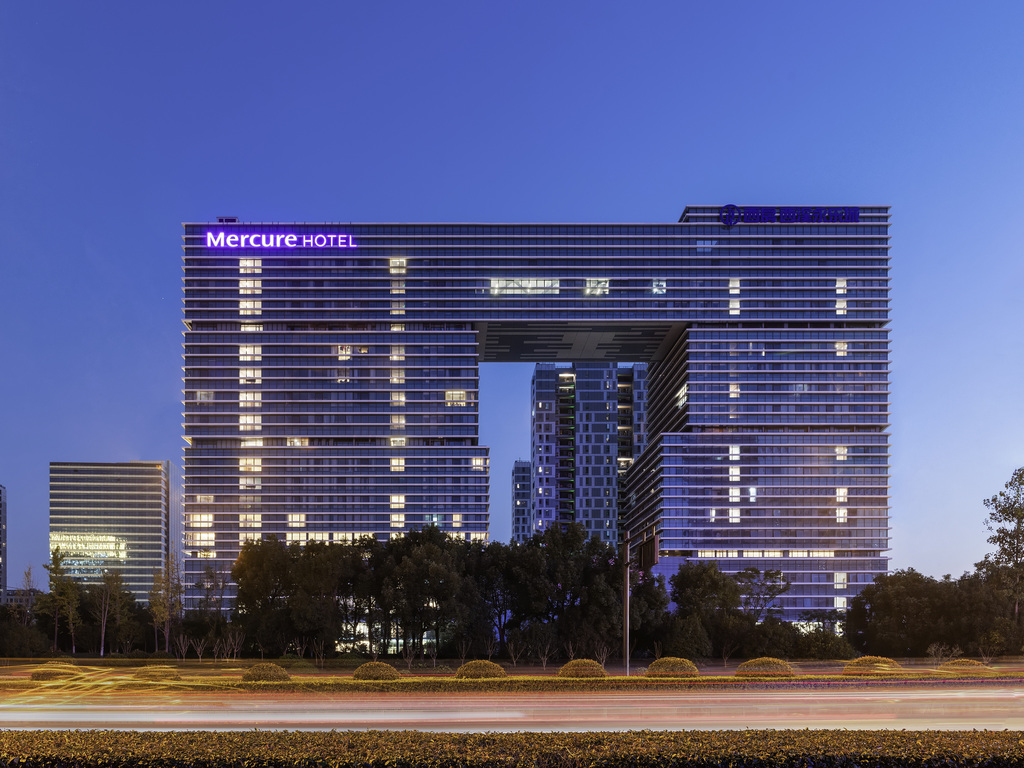
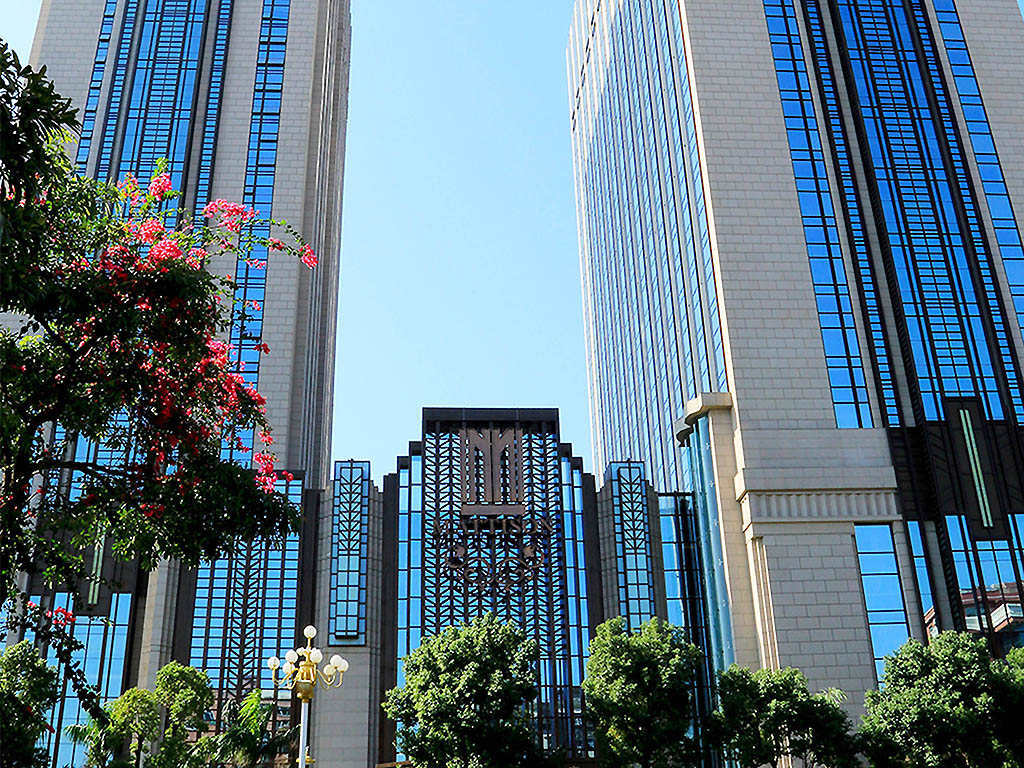
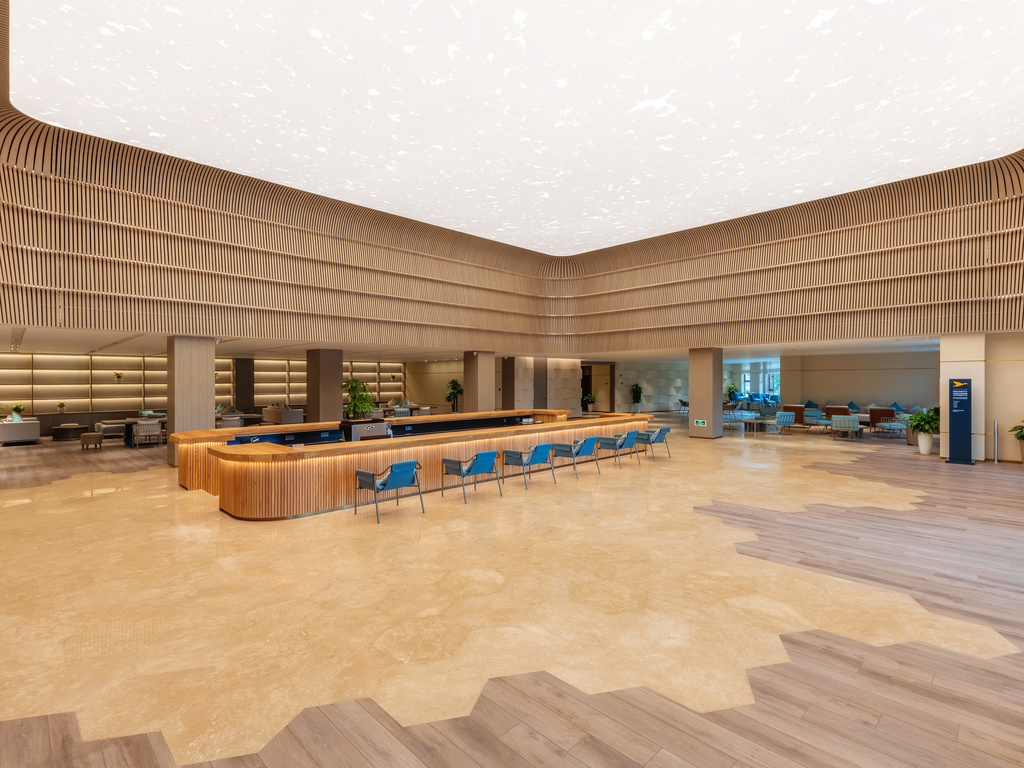
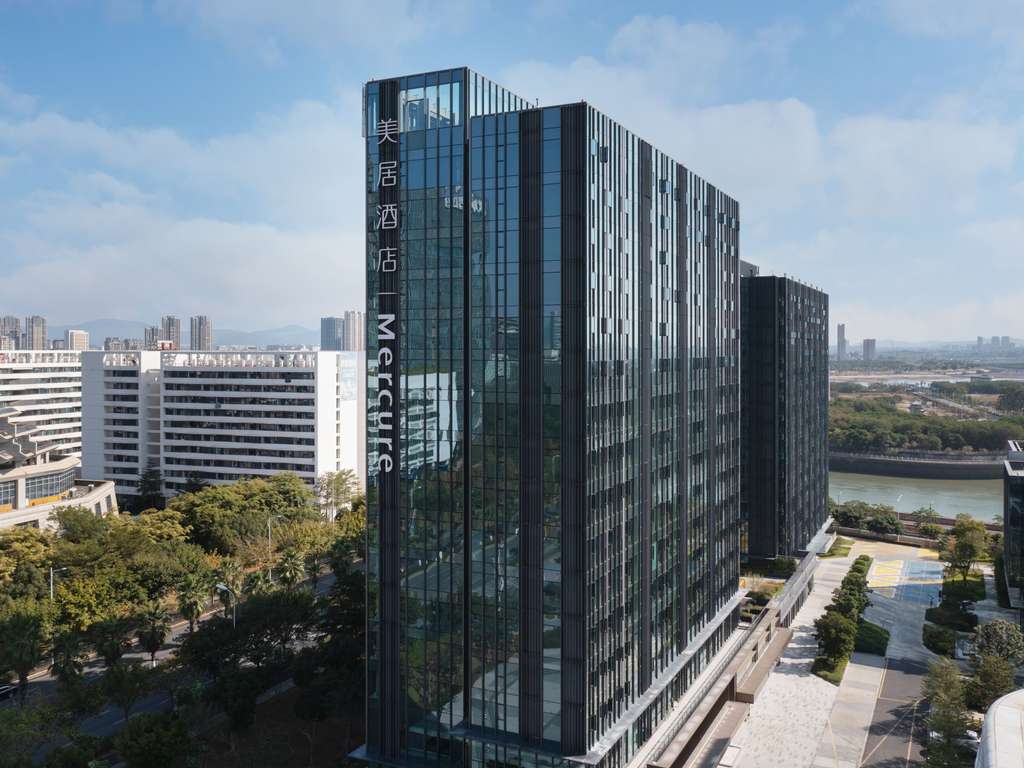
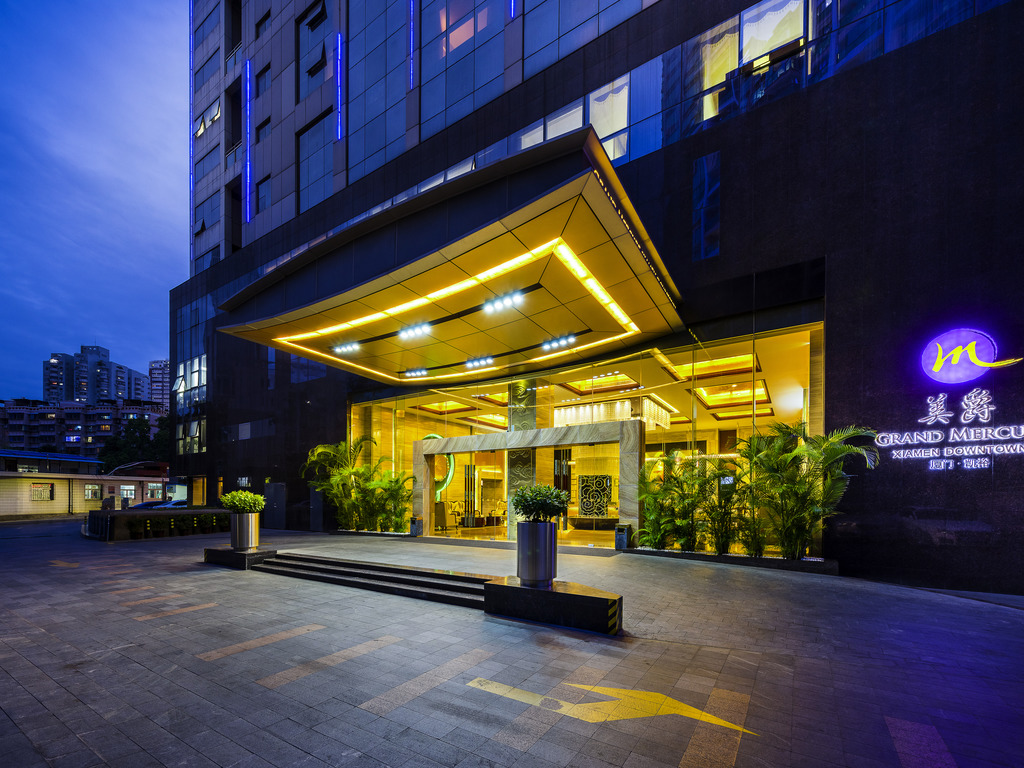
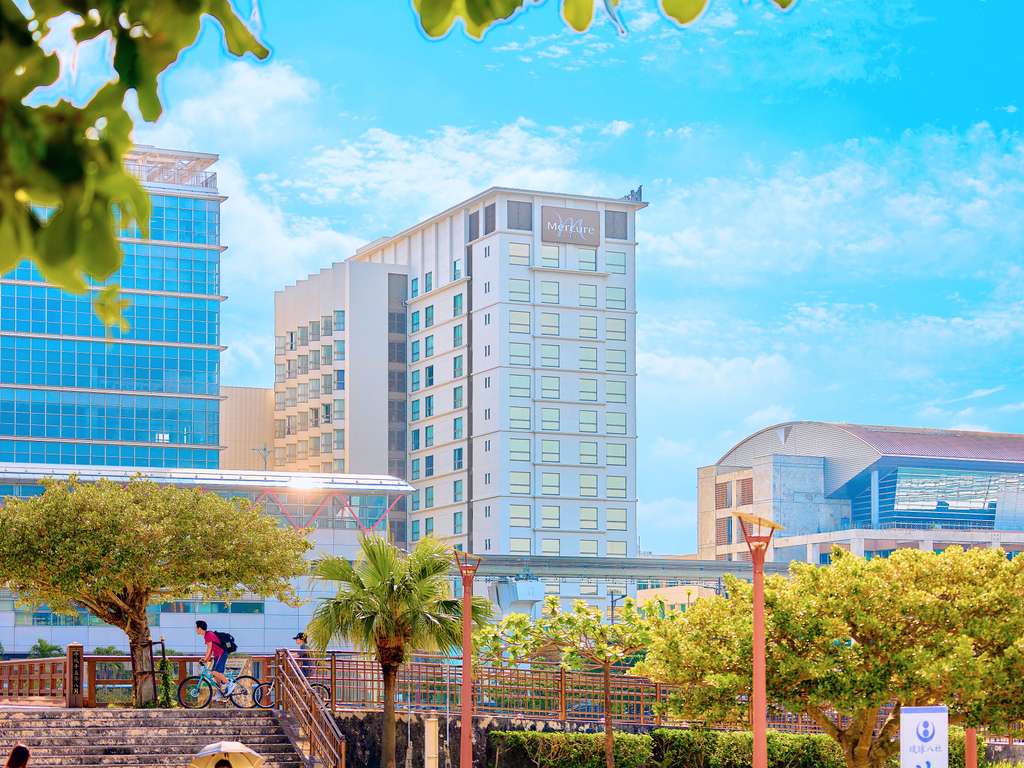
Midscale accommodation in Okinawa tends to prioritise function, comfort, and location. Mercure Okinawa Naha is a standout for travellers who value efficiency. Directly connected to Tsubogawa Station on the Okinawa Urban Monorail, it offers an easy ride to Naha Airport in under 10 minutes and quick links to the city’s main attractions. The hotel’s design blends modern functionality with subtle Okinawan touches, creating a calm and practical stay experience. Rooms are compact but thoughtfully planned, featuring plush bedding, smart storage, and large windows that let in plenty of natural light. The on-site restaurant serves both Western and local favourites, perfect for guests wanting to start their day with island flavours before heading out. From the hotel, most of Naha’s highlights are within easy reach. It’s a short stroll to the Kokusai-dori shopping street, known for its souvenir shops, izakayas, and vibrant night scene. Shurijo Castle and the Okinawa Prefectural Museum are also a quick monorail ride away, while the nearby Manko Waterbird and Wetland Center offers a peaceful escape for nature lovers. For travellers planning day trips, the hotel’s convenient location near major roads makes it an excellent launch point for exploring Okinawa’s beaches, coastal towns, and scenic drives.
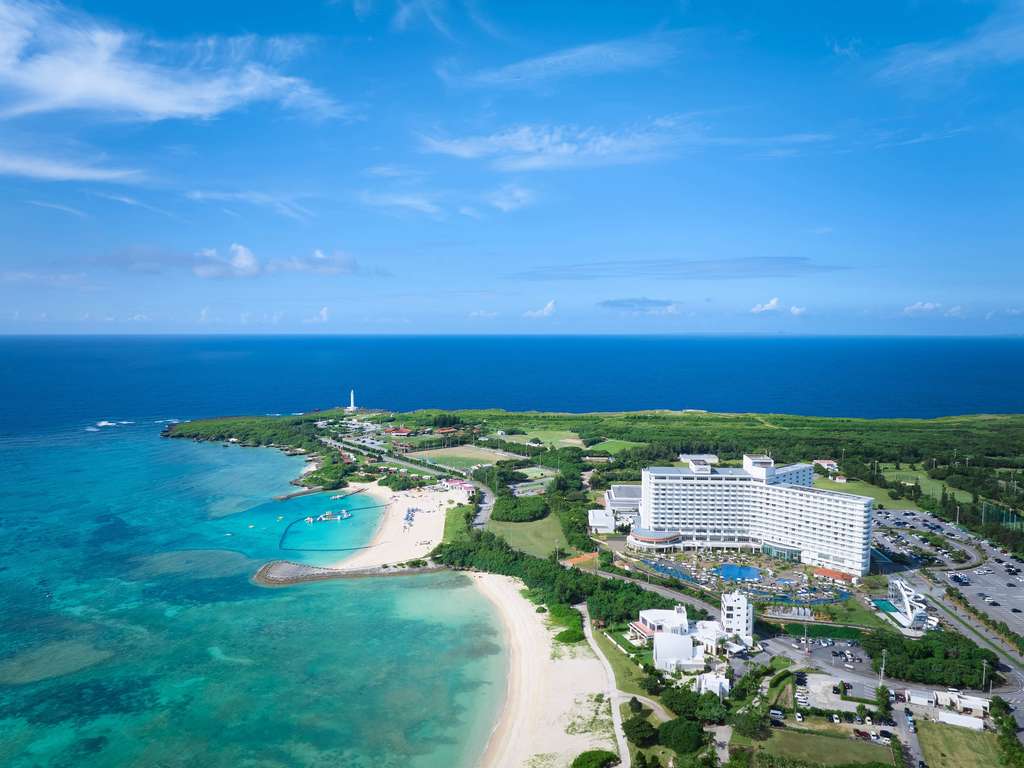
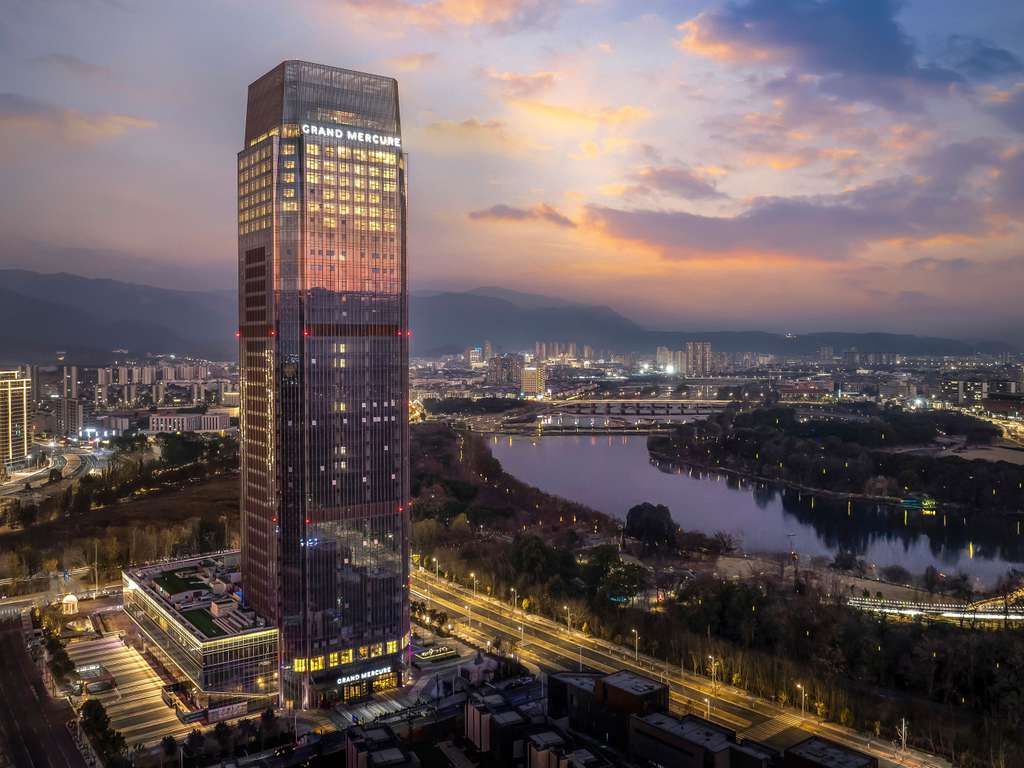
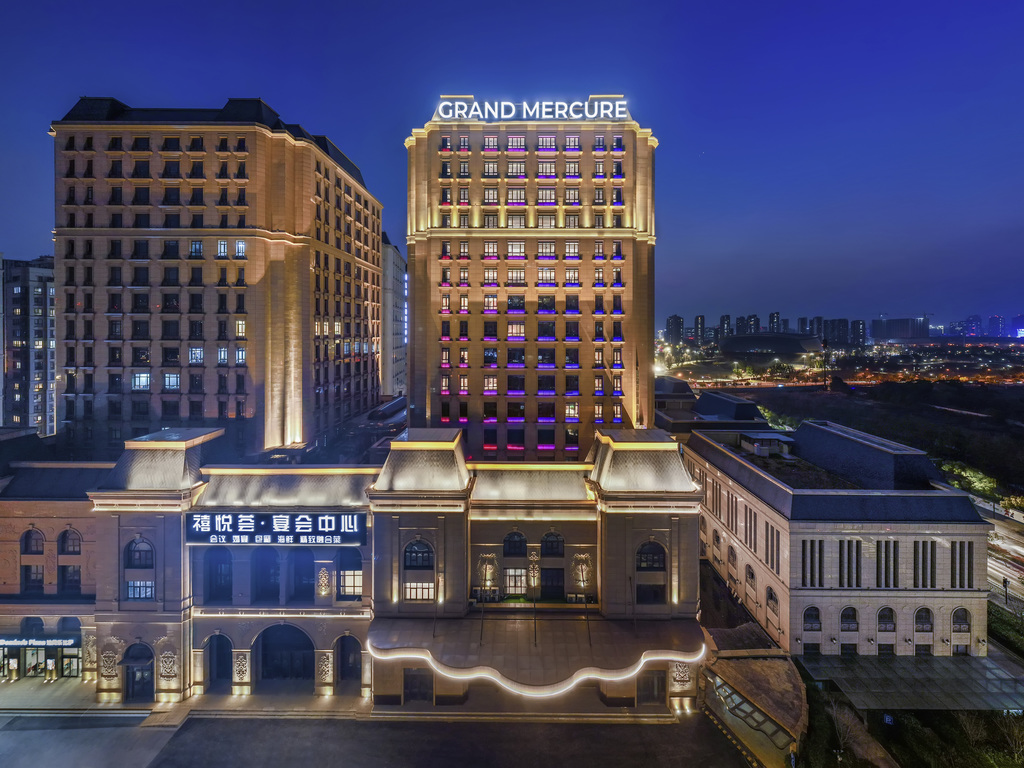
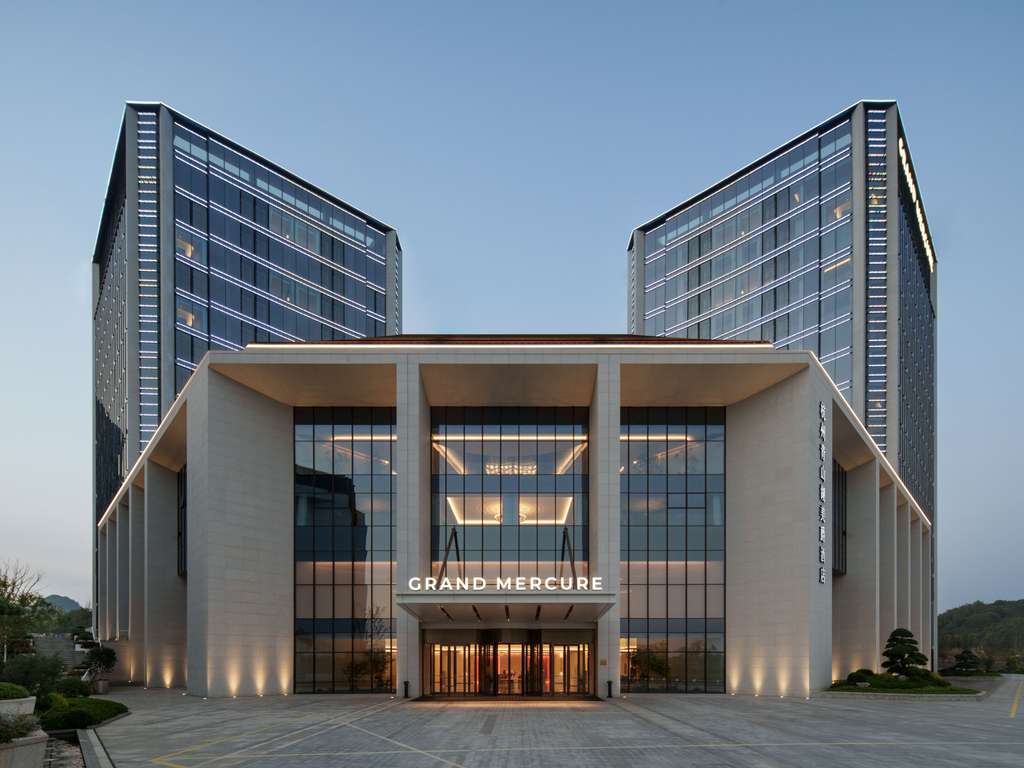
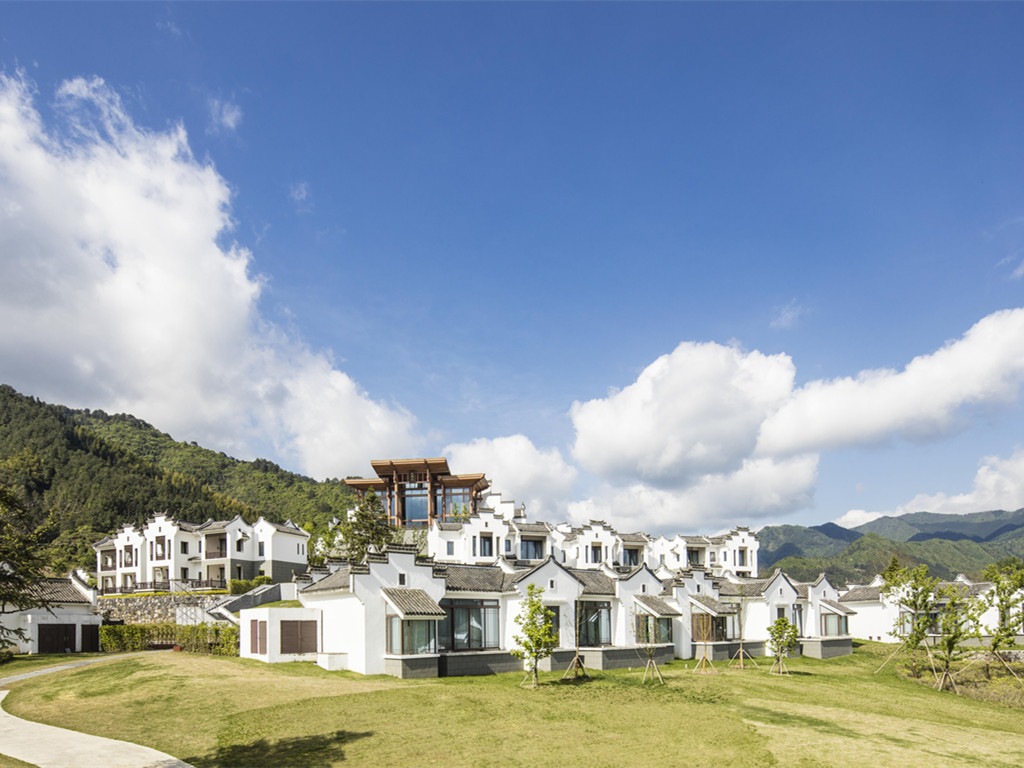
The elegant Grand Mercure Okinawa Cape Zanpa Resort is set along the island’s western coastline on the scenic Cape Zanpa peninsula, where the resort overlooks some of Okinawa’s most striking seascapes, a blend of rugged cliffs, turquoise water, and fiery sunsets. Rooms and suites are designed to maximise ocean views, with private balconies and interiors that draw inspiration from local colours and textures. Guests can unwind at the resort’s lagoon-style pool or enjoy direct access to Zanpa Beach, a favourite for snorkelling and paddleboarding. The on-site restaurants highlight Okinawan ingredients alongside international cuisine, while the spa menu focuses on restorative treatments using sea minerals and natural oils. Beyond the resort, the area invites exploration with Cape Zanpa Lighthouse a short walk away, offering panoramic views of the East China Sea, while nearby Yomitan Village is known for its pottery studios and relaxed coastal cafes. The location makes it easy to experience Okinawa’s heritage and ocean culture without being cut off from other parts of the island.
Okinawa is one of Japan’s most family-friendly destinations, thanks to its warm climate, gentle beaches, and welcoming pace. Novotel Okinawa Naha works especially well for families who want the convenience of a city base with plenty of space to relax. Located a short drive or monorail ride from central Naha, the hotel combines modern design with family-focused amenities, including spacious rooms that comfortably fit extra beds or cribs. The outdoor pool area is excellent, and multiple dining options make it easy to cater to varied tastes and schedules. Families can also enjoy interactive experiences nearby. Shurijo Castle, a former UNESCO World Heritage Site, is minutes away, and Kokusai-dori offers everything from local markets to casual eateries. The hotel’s position on a hill gives sweeping city views yet keeps major attractions and transport links within easy reach, allowing families to balance sightseeing with downtime. It’s a versatile base for exploring southern Okinawa’s beaches, parks, and cultural landmarks.
Naha Airport is Okinawa’s primary gateway. Mercure Okinawa Naha is among the most convenient options, directly connected via the Yui Rail monorail for fast, car-free transfers. Novotel Okinawa Naha is also easily reached from the airport by monorail and short taxi ride, making it suitable for both business and leisure arrivals.
Okinawa’s rail network is limited to the Yui Rail monorail in Naha. Mercure Okinawa Naha sits directly at Tsubogawa Station, ideal for travellers without a car. Novotel Okinawa Naha is close to Shuri Station, providing convenient access to historic sites and airport connections, making both options practical for sightseeing, business travel, and short urban stays.
For central Naha and Kokusai Street, Mercure Okinawa Naha places travellers near shopping and dining. Novotel Okinawa Naha suits those who prefer a quieter neighbourhood near Shuri’s historic district. Beach-focused travellers gravitate toward the west coast, where Grand Mercure Okinawa Cape Zanpa Resort anchors the coastline, offering resort-style stays close to beaches, cliffs, and sunset viewpoints.
Dining and bar facilities are available across all featured Accor hotels. Novotel Okinawa Naha offers elevated dining with city views, Mercure Okinawa Naha focuses on practical all-day options, and Grand Mercure Okinawa Cape Zanpa Resort provides resort restaurants and sunset-facing bars, allowing guests to dine on-site without needing to travel far in the evenings.
Across Mercure Okinawa Naha, Novotel Okinawa Naha, and Grand Mercure Okinawa Cape Zanpa Resort, guests can expect free Wi-Fi, laundry services, and fitness facilities. Resort properties add pools and spa access, while city hotels prioritise meeting rooms and transport connectivity, catering to both leisure travellers and guests visiting Okinawa for work or events.
Parking is available at Novotel Okinawa Naha and Grand Mercure Okinawa Cape Zanpa Resort, with limited spaces at Mercure Okinawa Naha Parking incurs a fee and availability can be limited, particularly in central Naha, so guests travelling by car are advised to confirm arrangements in advance, especially during peak travel periods.
Breakfast is available at Mercure Okinawa Naha, Novotel Okinawa Naha, and Grand Mercure Okinawa Cape Zanpa Resort. Breakfast incurs a fee unless booked as part of a rate that includes breakfast, with resort properties typically offering more extensive buffet selections, including local Okinawan dishes alongside international breakfast favourites served daily onsite.
By booking direct through the ALL Accor loyalty program on ALL.com or the ALL mobile app, travellers in Okinawa can earn Reward points on eligible stays. Membership unlocks exclusive rates, potential room upgrades when available, and flexible rewards that can be redeemed for future stays, dining, or experiences, keeping every Okinawa visit connected to Accor’s global network.
Price from: 1 night for 1 person in the room category identified within the same price range, excluding additional services and breakfast. This refers to the lowest public price, including all taxes (Some taxes may be payable on arrival at the hotel (for example, tourist tax), depending on current local regulations.) for the accommodation concerned, found on https://all.accor.com/ site today, for a one-night stay in the next 20 days. Varies according to period and availability. The price is only guaranteed at the time of booking. All bookings (foreign) are payable in the local currency where the hotel is situated. Only the amount confirmed during the booking in the hotels local currency is guaranteed. An estimated conversion in your local currency may be given for reference but is not part of the contract. Your bank may charge you bank fees and/or exchange fees at the time of payment.