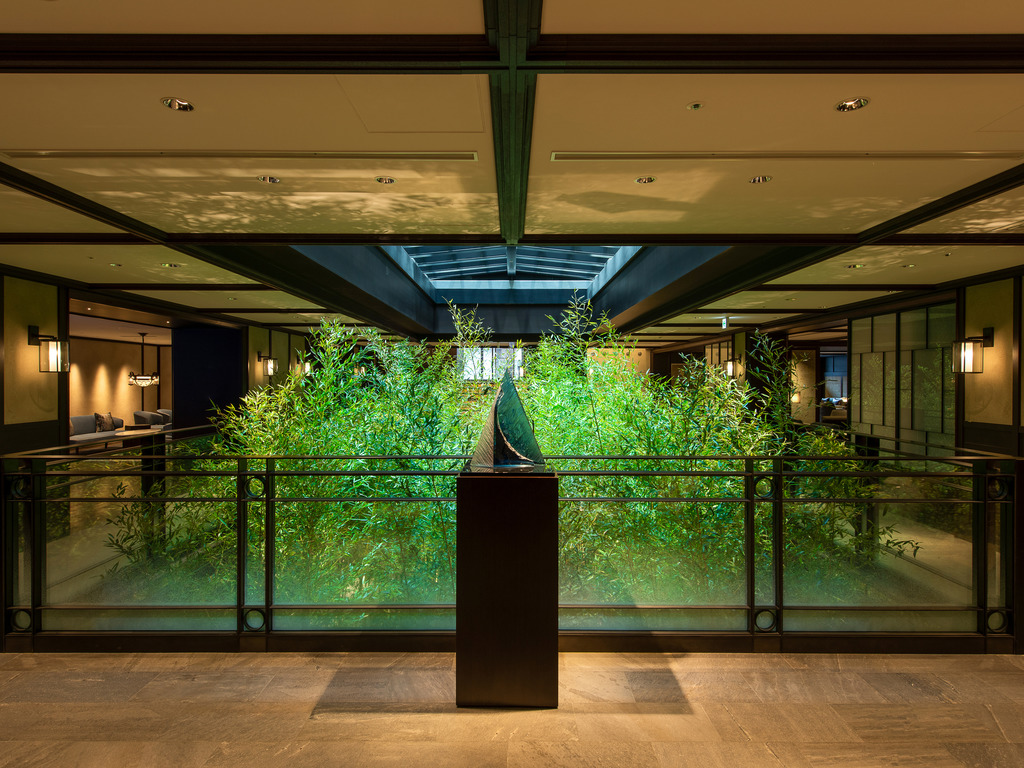
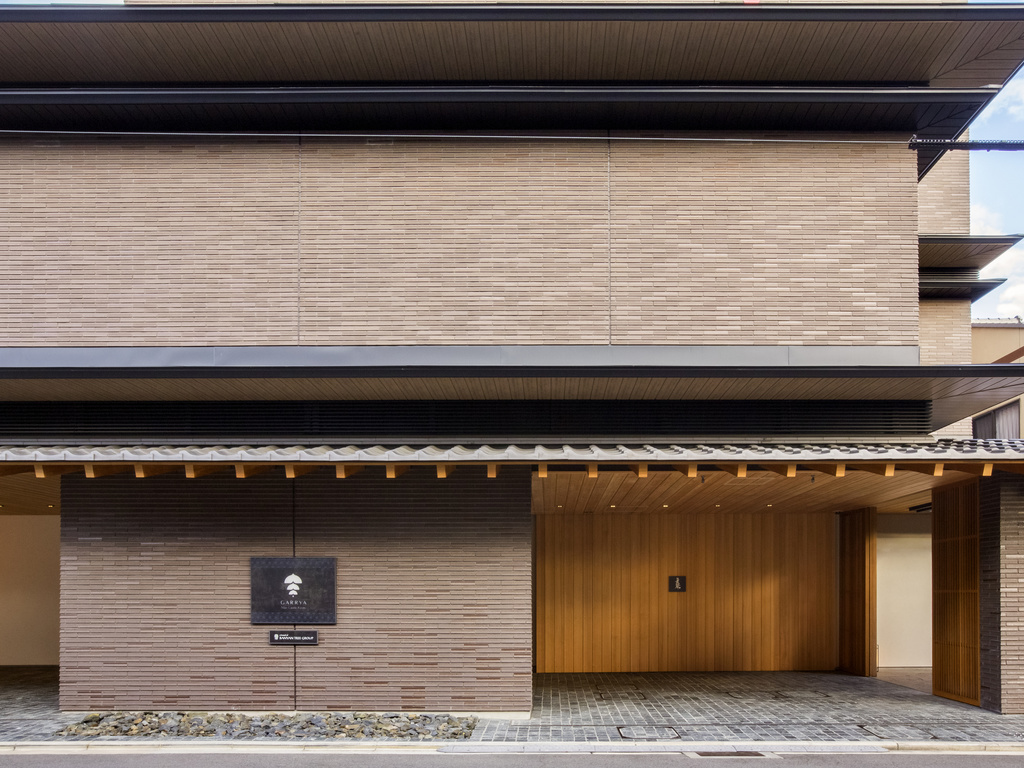
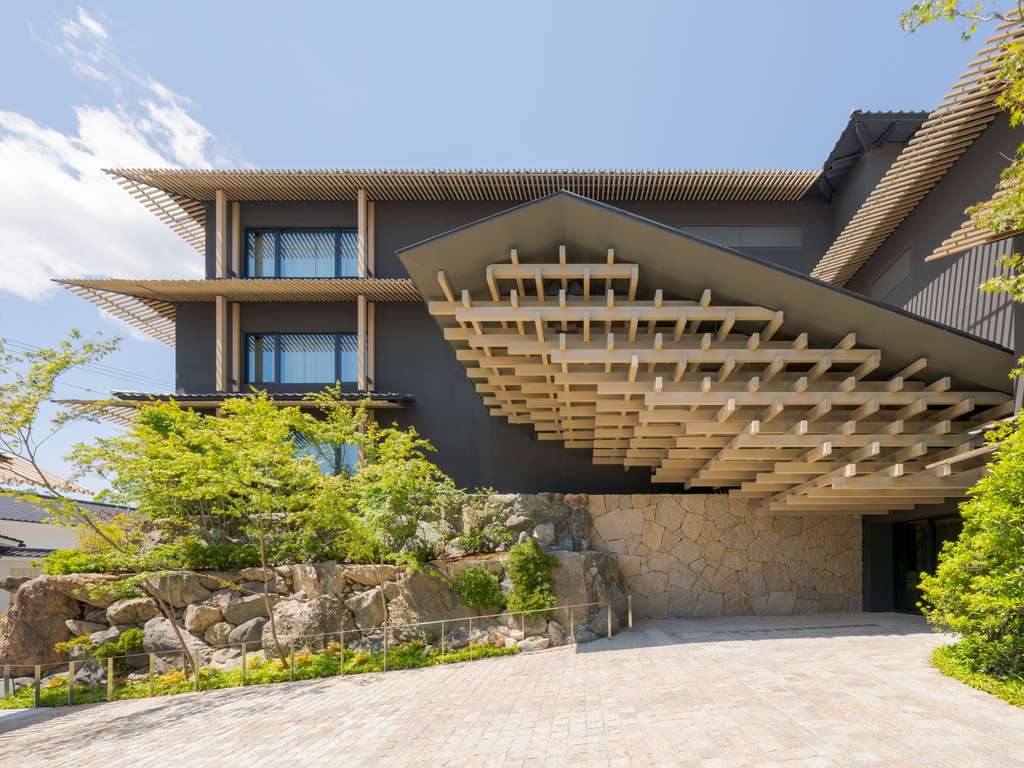
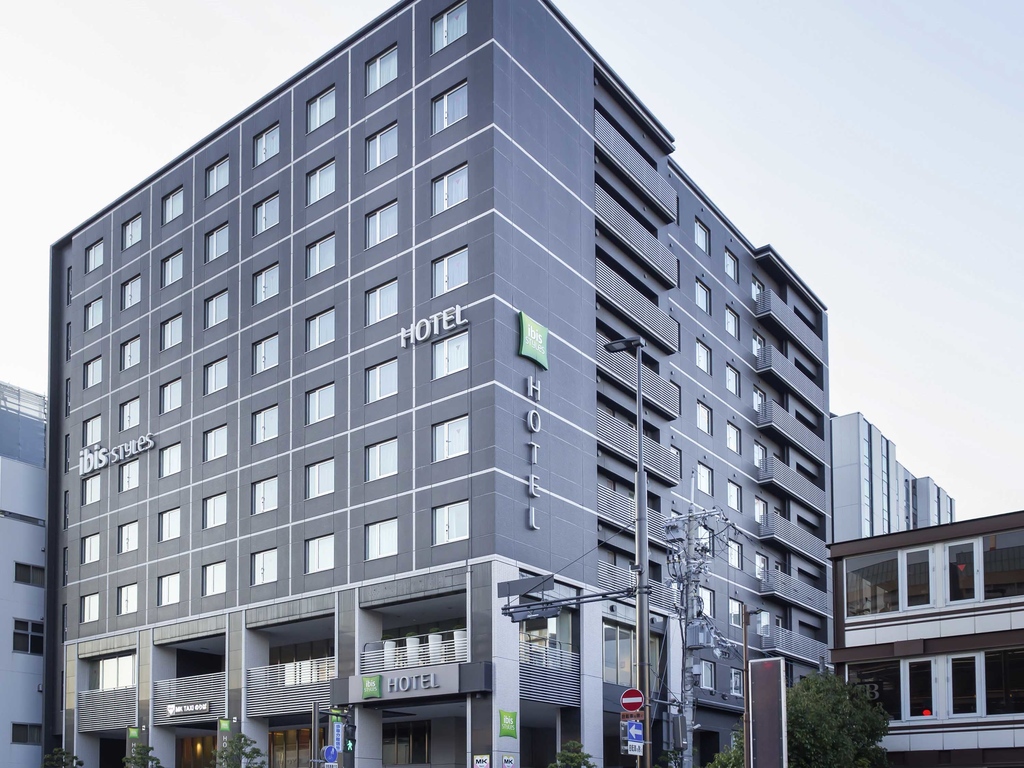
Start in Higashiyama, where the famous Kiyomizu-dera Buddhist temple clings improbably to the hillside on wooden stilts and the approach streets slope past sweet shops, pottery stalls and rental kimono studios. It’s busy but the views over the city are worth the shuffle, especially early morning or late afternoon. Hotel-wise, Banyan Tree Higashiyama puts you right in that neighbourhood’s temple-and-teahouse circuit. As evening settles in, Gion and the Shirakawa canal area come into their own. Lanterns flicker on, the crowds thin, and the narrow streets reveal a quieter Kyoto of wooden teahouses, small bars and the occasional flash of kimono silk disappearing around a corner. Dhawa Yura Kyoto sits near Sanjō, an easy base for river walks and last-minute dinner bookings. If you want imperial-era power aesthetics, Nijo Castle delivers Japan’s Tokugawa shoguns (the military rulers who governed from the early 1600s to the mid‑1800s) in architectural form. Its nightingale floors squeak underfoot by design, a reminder that this was once a place where paranoia and politics went hand in hand. Garrya Nijo Castle Kyoto is just five minutes' walk from the impressive castle. Don't leave without a wander through Kyoto Station, which is so much more than a transport hub. A futuristic counterpoint to the city’s temples, the station has vast steel-and-glass architecture, rooftop views, and the practical bonus of being the launchpad for easy day trips across the Kansai region. For maximum day-trip flexibility, Mercure Kyoto Station is an easy walk away.