Perpignan

The gateway to French Catalonia, where the Pyrenees, the Mediterranean, and a distinctly Catalan identity give southern France a rhythm all its own.

  • Perpignan

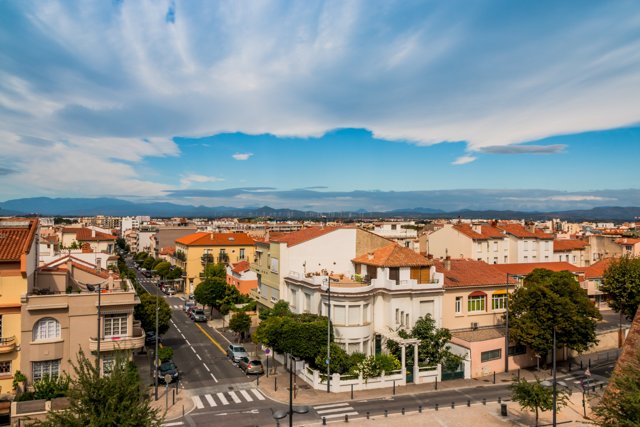
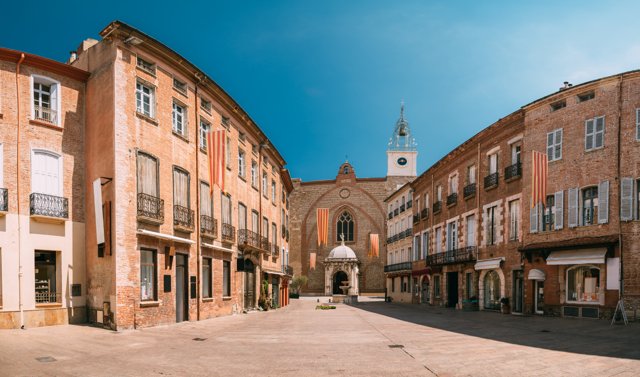
    While the map places Perpignan firmly in France, its street signs, accents and terracotta architecture reveal a city shaped by more than one identity. Here, the elegance of a French provincial capital meets the fiery spirit of Catalan culture.

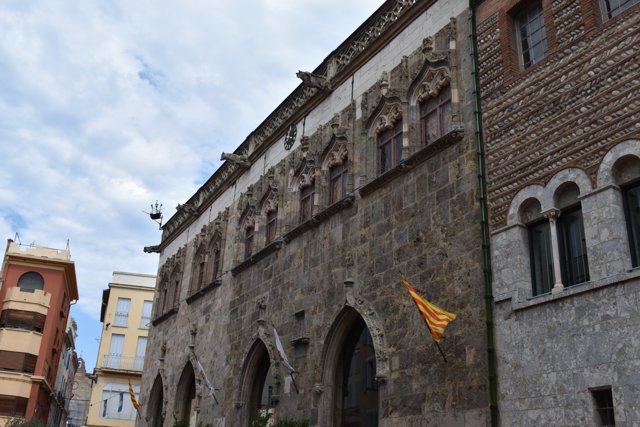
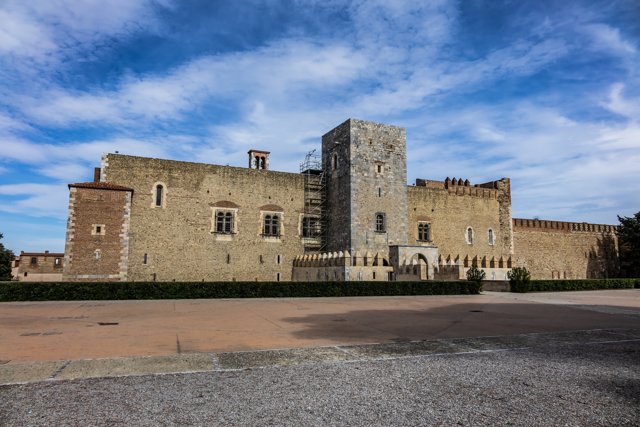
    For centuries, Perpignan belonged as much to Catalonia as to France. In the 13th and 14th centuries it served as the mainland capital of the Kingdom of Majorca, whose rulers built the hilltop Palais des Rois de Majorque that still overlooks the city. Spanish rule lasted until 1659, and traces of that past remain visible today in Catalan flags, brick Gothic churches and lively markets.

    Even the railway station carries a legend. In 1963, while waiting for a train, Salvador Dalí proclaimed Perpignan the “centre of the universe.” Exaggerated or not, the phrase captures the city’s character: a meeting point between mountains and sea, France and Spain.
Unique experiences in Perpignan

Plan your trip

Entry Requirements & Travel Documents

France is part of the Schengen Area. Therefore, EU and EEA citizens can enter the country with a valid passport or national ID card. Many non-EU travellers from visa-exempt countries may stay up to 90 days within a 180-day period without a visa, subject to passport validity requirements that vary by nationality.

From late 2026, travellers from many visa-exempt countries, including the United Kingdom, United States, Canada, Brazil, Japan, and Australia, will need to apply online for ETIAS (European Travel Information and Authorisation System) before travelling to France and other Schengen countries for short stays. Until ETIAS becomes operational, passport-only entry remains in place.

Be sure to always verify entry requirements with official government sources before departure, as conditions may change.

Money, Currency & Paying in Perpignan

The local currency is the euro (€ / EUR). Credit and debit cards are widely accepted throughout the city, including for contactless payments and mobile wallets.

That said, smaller bakeries, neighbourhood shops, and market stalls sometimes prefer cash for minor purchases, so carrying a few coins or low-denomination notes can be helpful.

ATMs (distributeurs automatiques) are easy to find across the city centre. When withdrawing cash, choose “withdrawal without conversion,” so your home bank handles the exchange rate, which is usually more favourable.

Weather, Seasons & When to Visit

Perpignan is one of the sunniest cities in France. 

Summers are hot and dry. Average highs reach about 27°C in July and August, though temperatures frequently climb above 30°C during heatwaves. 

Winters are mild and often clear, with daytime temperatures typically hovering around 10–12°C. 

Spring and early autumn are usually the most pleasant times to visit, when warm sunshine, fewer crowds, and comfortable temperatures make exploring the city and the nearby Mediterranean coast especially enjoyable.

Health Insurance

UK and EU visitors should carry a valid GHIC (Global Health Insurance Card) or EHIC (European Health Insurance Card), which provides access to medically necessary treatment within France’s public healthcare system. However, this does not replace full travel insurance, which is strongly recommended.

Non-EU travellers should arrange comprehensive medical insurance before arrival, as hospitals and clinics may request payment or proof of coverage for non-emergency care.

Pharmacies are widely available throughout Perpignan and are easily recognised by a green illuminated cross sign.

In an emergency, dial 112, the universal emergency number across the European Union.

Connectivity, Roaming & Mobile Data

In Perpignan, free Wi-Fi is common in cafés, hotels, and public spaces. 

If your mobile plan is from an EU/EEA provider, roaming in France is generally included at domestic rates under EU “Roam Like at Home” rules, subject to fair-use limits. If your provider is outside the EU/EEA, roaming charges may apply, so check before departure. 

Visitors from outside the EU may find it more economical to purchase a prepaid SIM card or eSIM. Major French operators such as Orange and SFR offer prepaid data packages available at airports, tabacs, and mobile phone shops across the city.

Airport & Main Arrival Hubs

Perpignan is served by Perpignan-Rivesaltes Airport (PGF), a small regional airport located about 7 km north of the city. It handles mainly domestic and seasonal European flights, with regular connections to cities such as Paris and occasional routes from the UK and other European destinations.

Due to the limited flight options, many travellers instead fly into larger nearby airports and continue by train or car. The most convenient alternatives are Barcelona–El Prat Airport (about 2 hours away) and Montpellier–Méditerranée Airport (roughly 1.5 hours away). Both offer significantly more international routes and easy onward rail connections to Perpignan.

Main Train Stations

The Perpignan Railway Station is the city’s main rail hub, the very same place that Dalí once famously declared the “Centre of the Universe.”

Located within easy walking distance of the historic centre, the station lies on the high-speed rail corridor linking northern Europe with the Iberian Peninsula.

Direct TGV services connect Perpignan with Paris in about five hours, while regional and international trains link the city with Montpellier, Toulouse, and Barcelona.

From the Airport / Station to the City Centre

From Perpignan airport, the city centre is about 15 minutes by taxi. Public transport is also available: Sankéo Line 6 connects the airport with the city roughly every 30 minutes on weekdays.

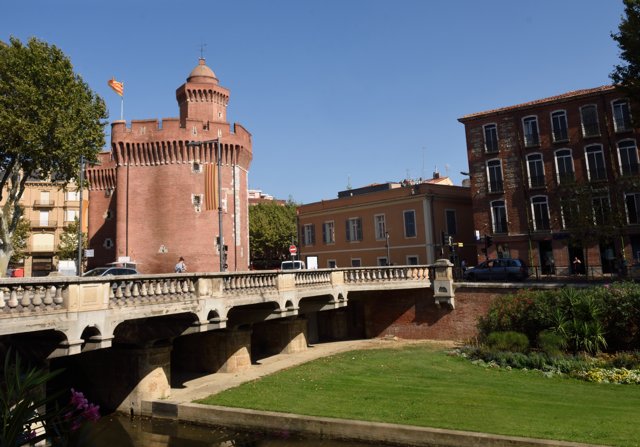
If you arrive by train, you are already on the edge of the centre. A 10–15 minute walk down Avenue du Général de Gaulle leads directly to Quai Vauban and the iconic Le Castillet, the historic gateway to the old town.

Taxis & Ride-Hailing Services

Taxis are available at ranks outside the train station, at the airport, and at several points around the city centre. They do not follow a specific colour scheme; licensed taxis are identified by the illuminated “TAXI” roof light, which turns green when the car is available. Most vehicles accept card payments, but it is always polite to confirm before starting the ride.

Ride-hailing services such as Uber operate in Perpignan, though availability can be more limited than in larger French cities. During busy summer weekends or festival periods, waiting times may increase.

Arrival Tips & Common Mistakes to Avoid

  • Validate paper train tickets. If you are travelling with a paper ticket for a regional TER train, remember to validate it in the yellow machines on the platform before boarding. Digital tickets with QR codes are scanned on the train.
  • Don’t underestimate how close everything is. Many first-time visitors assume they need a taxi from the train station, but the historic centre is easily walkable and often faster to reach on foot.
  • Plan flights carefully. Perpignan’s airport is small, and flights can be limited or seasonal. If you cannot find convenient connections, consider flying into Barcelona or Montpellier, both of which have frequent train links to the city.

Public Transport & Zones

Public transport in Perpignan is operated by Sankéo, which runs the city’s buses and several suburban routes across the wider metropolitan area. The system is straightforward and reliable, connecting the historic centre to residential neighbourhoods, the train station, the university district, and nearby towns along the coast.

Unlike major French cities, Perpignan uses a single fare zone, which keeps things simple: the same ticket works across the entire network. 

Buses generally run from early morning until around 8–9pm, with reduced service on Sundays and public holidays.

Tickets & Passes

Tickets for the Sankéo bus network can be purchased from ticket machines, authorised shops, or through the Sankéo mobile app. 

A single ticket is valid for one hour, allowing transfers between buses within that time window. For visitors staying longer, day passes and multi-trip tickets offer better value and can be used across the entire network. Tickets must be validated when boarding by tapping them on the onboard validator.

Some buses also support contactless payment, allowing passengers to tap a bank card or smartphone directly on the validator.

Walking & Cycling

Perpignan is a compact and very walkable city, and most major sights are located within a comfortable distance of one another. Exploring on foot is often the easiest way to experience the historic centre, particularly around Le Castillet and Perpignan Cathedral, where narrow streets, shaded squares, and lively cafés reward slow wandering.

Cycling is also becoming more popular. Several bike lanes run through the city and along the riverbanks, and the mostly flat terrain makes cycling relatively easy. Renting a bike can be a pleasant way to explore neighbourhoods outside the centre or ride toward the nearby Mediterranean coast.

Nearby Destinations / Day Trips

Perpignan’s location between mountains and sea makes it an excellent base for exploring the surrounding region.

The Mediterranean coast lies just a short distance away. The colourful port of Collioure, only about 20 minutes by regional TER train, is often described as the jewel of the Vermilion Coast, famous for its harbour, beaches, and artistic heritage. Further north, Canet-en-Roussillon offers long sandy beaches and a bustling seaside promenade.

Crossing the Spanish border is also remarkably easy. High-speed trains connect Perpignan with Barcelona in about 1–1.5 hours. A shorter trip south leads to Figueres, home to the famous Dalí Theatre‑Museum, dedicated to the surrealist artist Salvador Dalí.

Inland, the foothills of the Pyrenees offer vineyard visits, mountain villages, and hiking in dramatic landscapes.

Accessibility & Basic Safety Tips

Perpignan is generally safe and easy to navigate. As in most cities, keep an eye on personal belongings in crowded places such as markets, buses, and train stations.

The historic centre includes narrow streets and uneven paving typical of older Mediterranean towns, which can occasionally pose challenges for travellers with reduced mobility. Many public buses in the Sankéo fleet are equipped with low floors and ramps to improve accessibility.

During summer, the Tramontane (a strong regional wind that blows from the northwest) can occasionally make cycling or walking less comfortable, so it’s worth checking the forecast before planning longer outdoor excursions.

Language, Culture & Local Etiquette

French is the official language in Perpignan, but the city’s identity is strongly shaped by Catalan culture. Catalan is still widely understood and spoken by a significant part of the population, and bilingual street signs are common throughout the city. 

Locals, known as Perpignanais, tend to feel a little more Mediterranean in temperament than what many visitors expect elsewhere in France: friendly, expressive, and laid-back. 

Greetings are an important part of French etiquette. Always say “Bonjour” when entering a shop, restaurant, or bakery before asking a question or placing an order. Skipping this simple greeting can come across as rude, even if unintentional. A polite “Merci, au revoir” when leaving is equally appreciated.

Tipping follows standard French practice. Restaurant bills already include service (service compris), so additional tips are not expected. Locals typically round up the bill or leave a euro or two for particularly good service.

Neighbourhoods

  • The historic centre spreads around Le Castillet, the red-brick gateway that once formed part of the city walls. This is the soul of the city, where peach-hued medieval alleys open onto lively squares such as Place de la République. Boutique shops, cafés, and terrace restaurants make it the heart of daily life.
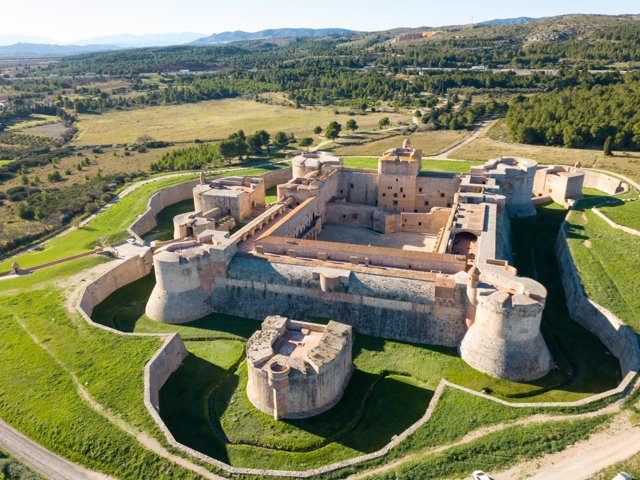
  • A short walk uphill stands the imposing Palace of the Kings of Majorca, a fortified residence built in the 13th century when Perpignan served as the mainland capital of the Kingdom of Majorca.
  • Along Quai Vauban, the atmosphere becomes more elegant and relaxed. Flower-lined walkways, cafés, and restaurant terraces make it a favourite gathering place in the early evening, especially during the traditional apéro hour.
  • The districts of La Réal and Saint-Jacques reveal a more multicultural side of Perpignan. Saint-Jacques in particular is known for its historic Gitan (Gypsy) community and North African influences. The lively Place Cassanyes Market offers one of the city’s most vibrant markets, especially on Sunday mornings.

Gastronomy

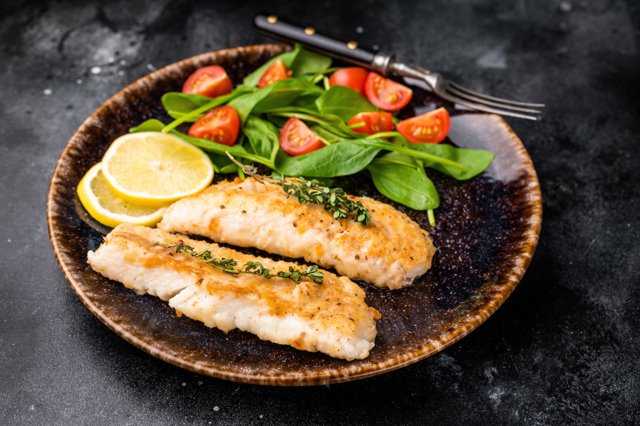
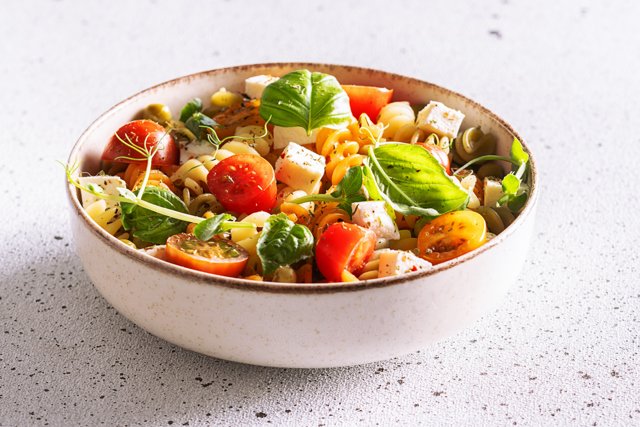
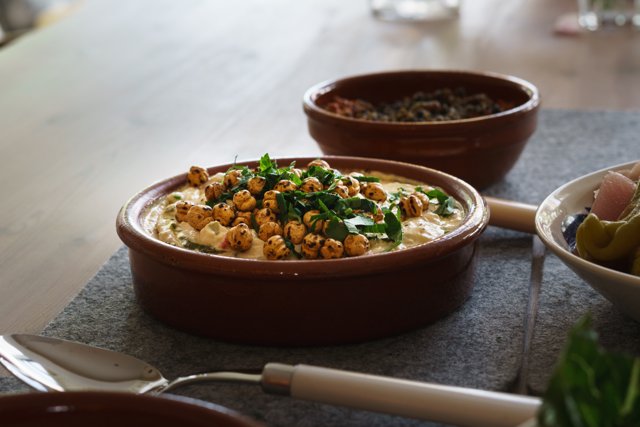
The cuisine of Perpignan reflects its Catalan roots and Mediterranean surroundings, combining slow-cooked meats, seasonal vegetables, olive oil, and seafood from the nearby coast. 

One of the most emblematic dishes is Boles de picolat, meatballs simmered with olives and beans in a rich sauce. Another local specialty is Cargolade. More than a dish, it’s a social ritual. Snails are grilled over vine shoots, seasoned with salt and lard, and eaten standing up with a glass of local wine.

Vegetable dishes also play an important role. Escalivada (roasted peppers, eggplant, and onions) is a classic Catalan starter, while the rustic stew Ouillade brings together pork, cabbage, potatoes, and garlic in a comforting winter dish.

From the nearby coast come the famous Anchovies de Collioure, prized across France for their flavour and quality.

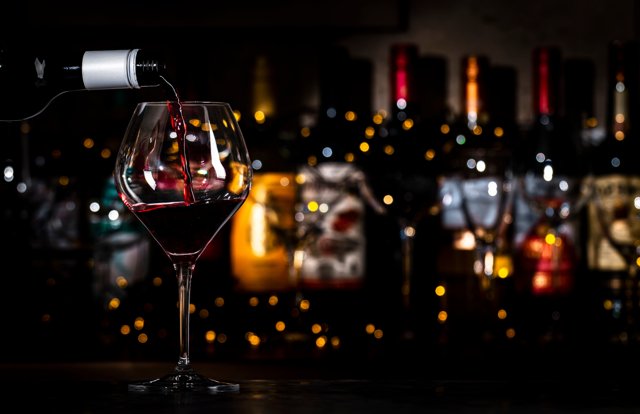
Regional wines from Roussillon vineyards often accompany these dishes, especially robust reds and sweet fortified wines produced in the surrounding countryside.

City Rhythm

Life in Perpignan follows a distinctly southern rhythm. Mornings are for the markets and a quick café in the squares, while afternoons slow down slightly, especially during the hottest months.

Evenings are when the city truly comes alive. Locals gather on café terraces, stroll along the riverbanks, or meet in the squares of the historic centre as the heat fades and the Mediterranean light softens.

Festivals and cultural traditions also shape the annual rhythm of the city, blending French civic life with long-standing Catalan customs.

Things to Do

Many of Perpignan’s highlights are concentrated within the historic centre.

The impressive Palace of the Kings of Majorca, built in the 13th century, rises above the city and offers sweeping views across the rooftops and surrounding plains. Down in the old town, Le Castillet remains the city’s most recognisable landmark, a red-brick fortress gate that once guarded the medieval walls.

Hidden behind a modest façade lies Hôtel Pams, a lavish Belle Époque mansion filled with marble staircases, ornate décor, and a quiet courtyard garden.

Art lovers should not miss the Hyacinthe Rigaud Museum, a beautifully restored mansion housing works by artists such as Salvador Dalí, Pablo Picasso, and Aristide Maillol.

Between these landmarks, wandering the narrow streets reveals lively markets, historic churches, and shaded squares that capture Perpignan’s distinctive blend of French and Catalan influences.

Best hotels in Perpignan

Frequently asked questions

Is Perpignan worth visiting?

Absolutely. Perpignan offers a unique mix of French and Catalan culture, shaped by centuries of history between France and Spain. Its historic centre, Mediterranean climate, and proximity to both the Pyrenees and the coast make it an appealing destination for travellers looking for something slightly different from the more famous cities of southern France.

Is Perpignan safe for visitors?

Yes. Perpignan is generally a pleasant and relaxed city to explore, particularly in the historic centre and main sightseeing areas. As in most European destinations, simple precautions — such as keeping an eye on your belongings in busy markets or train stations — are usually all that’s required.

Do people speak English in Perpignan?

French is the main language spoken in the city, though you will also hear Catalan, reflecting the region’s cultural ties with neighbouring Spain.
In hotels, restaurants, and tourist attractions, staff often speak some English. In smaller shops or markets, communication may rely more on basic French.

Is Perpignan expensive to visit?

Compared with many major French cities, Perpignan can be quite affordable. Accommodation, meals, and local transportation are typically less expensive than in places like Paris, Nice, or Lyon. Many of the city’s historic sights and public spaces can also be explored for free or at modest entry prices.

How far is Perpignan from the beach and the mountains?

One of Perpignan’s greatest advantages is its location. The Mediterranean coast is only about 15-20 minutes away, with seaside towns such as Canet-en-Roussillon and Collioure offering beaches and harbourside cafés.

At the same time, the foothills of the Pyrenees Mountains rise just inland, making it possible to combine beach days with hiking or mountain scenery during the same trip.

Can you easily visit Spain from Perpignan?

Yes. The Spanish border is very close. High-speed trains connect Perpignan with Barcelona in roughly 1 to 1.5 hours. You can also reach Figueres, home to the famous Dalí Theatre-Museum, in well under an hour by train.
Top destinations