Barcelona

A Mediterranean masterpiece where Gothic streets, modernist curves, and sea air set the tone for everyday life.

  • Barcelona

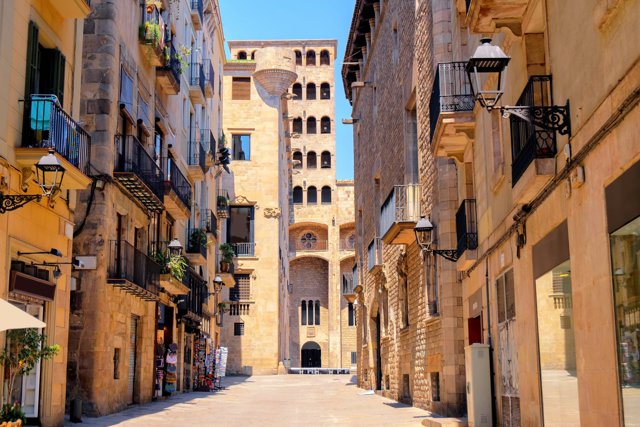
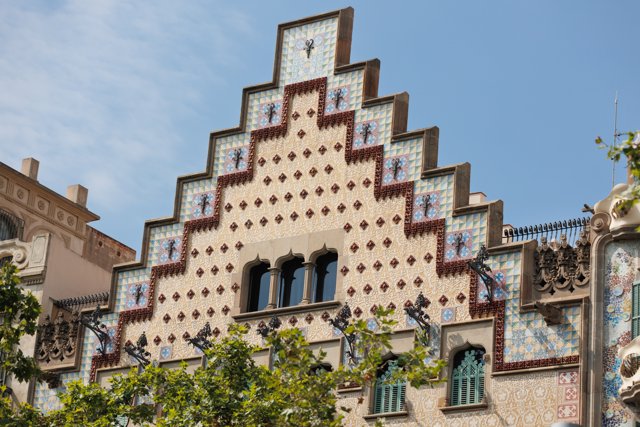
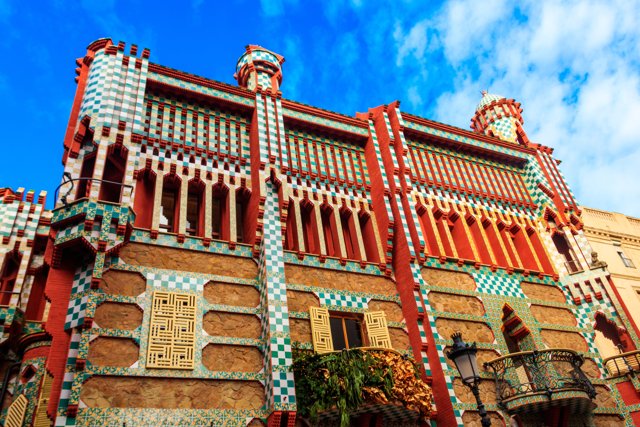
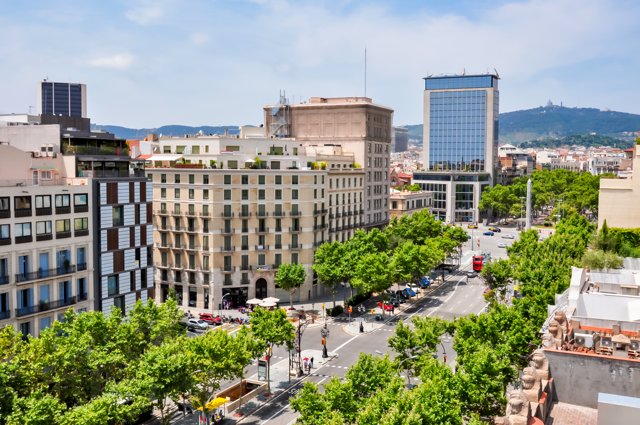
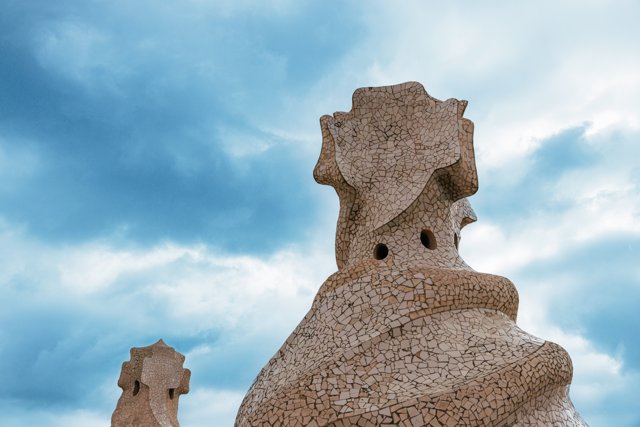
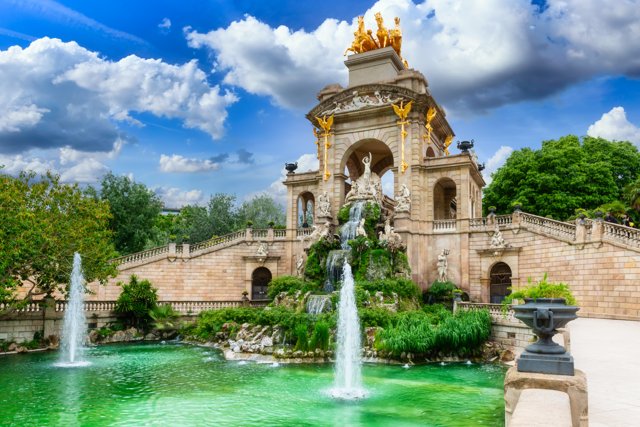
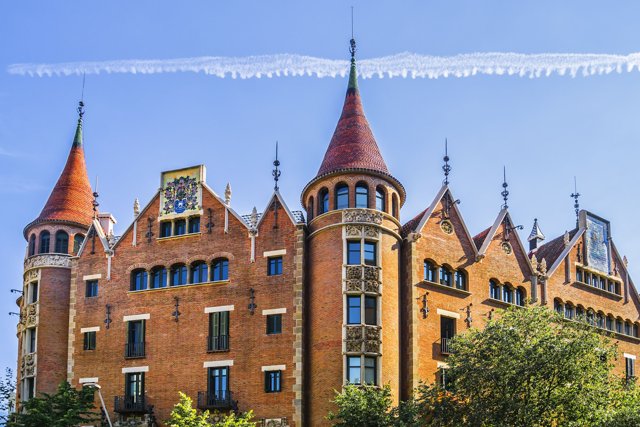
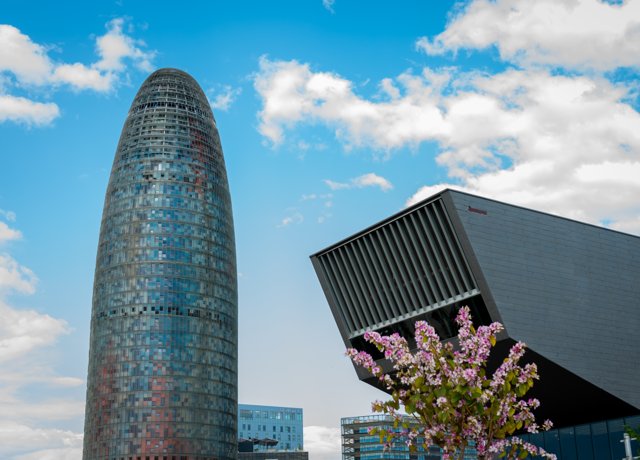
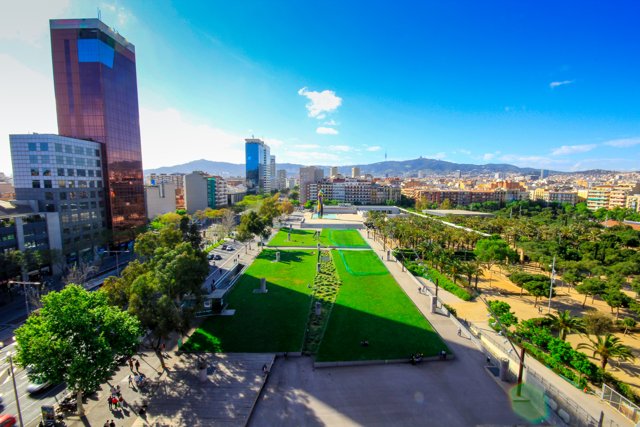
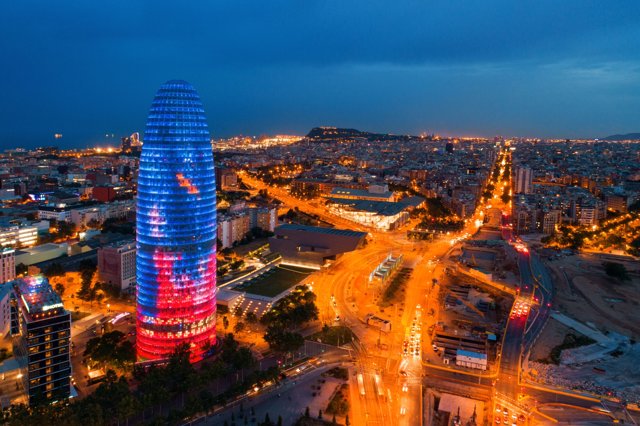
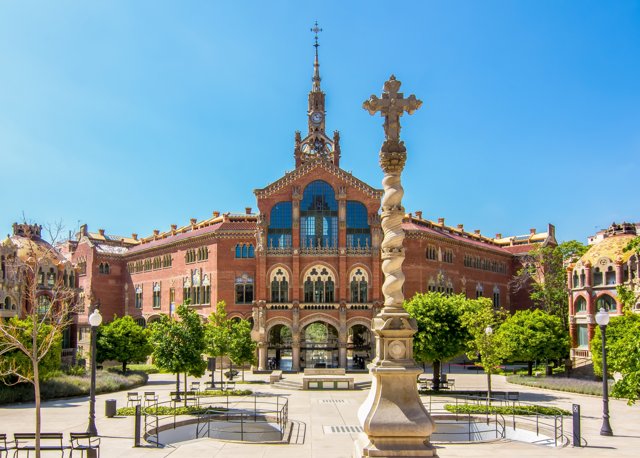
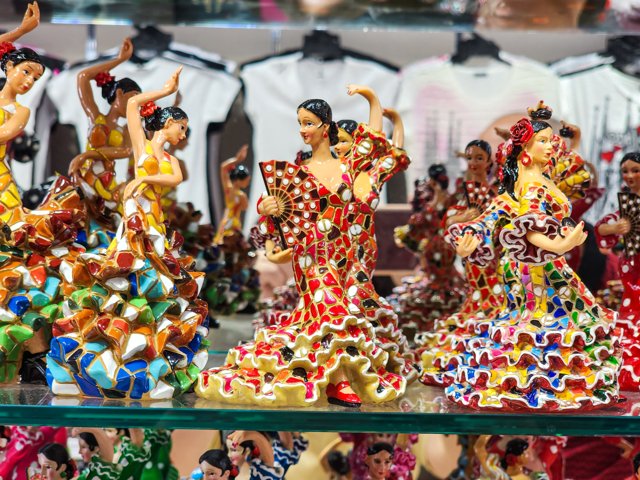
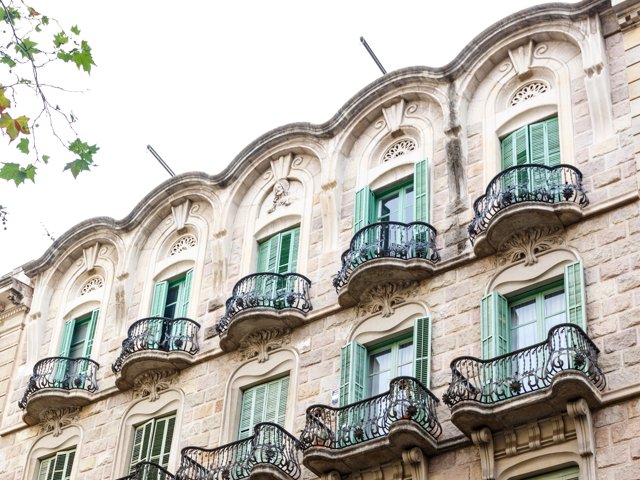
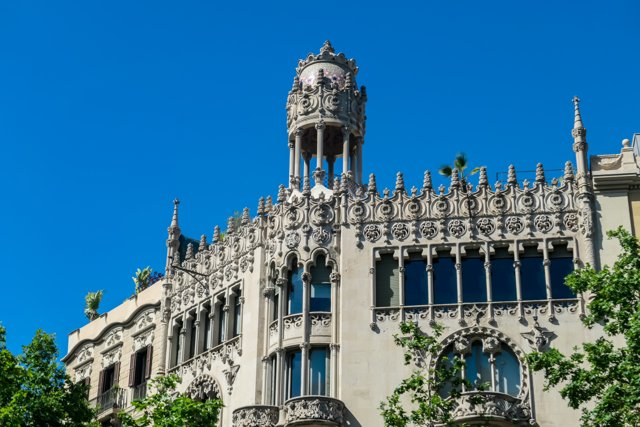
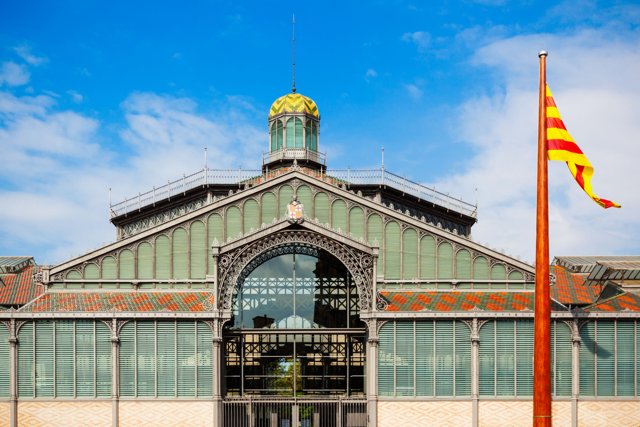
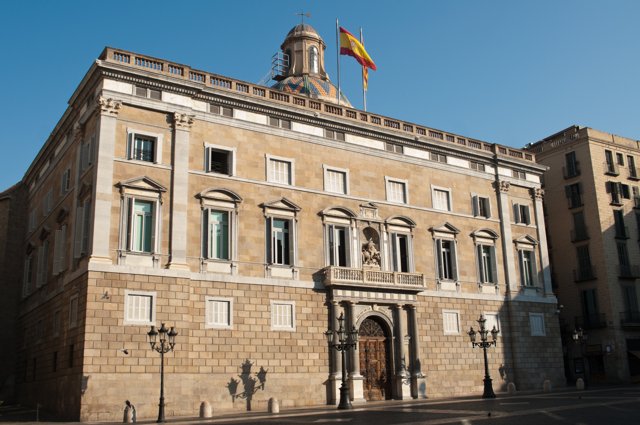
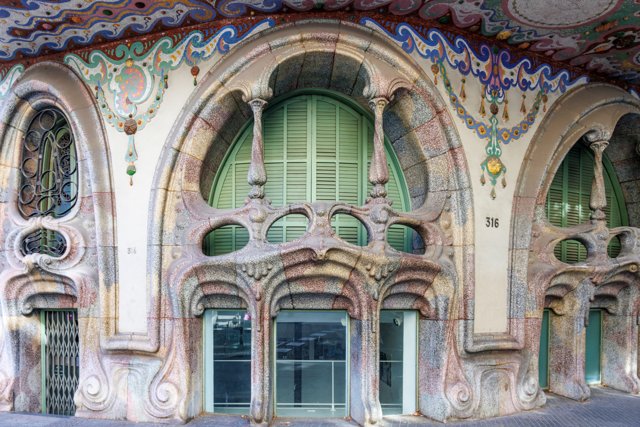
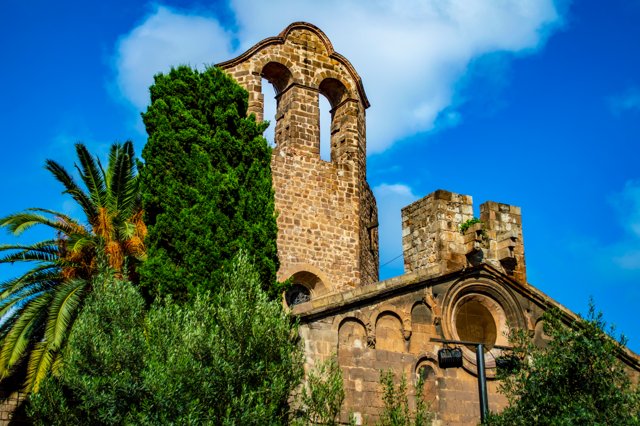
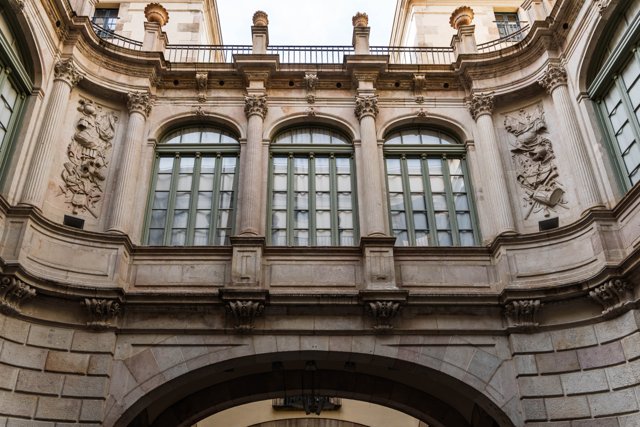
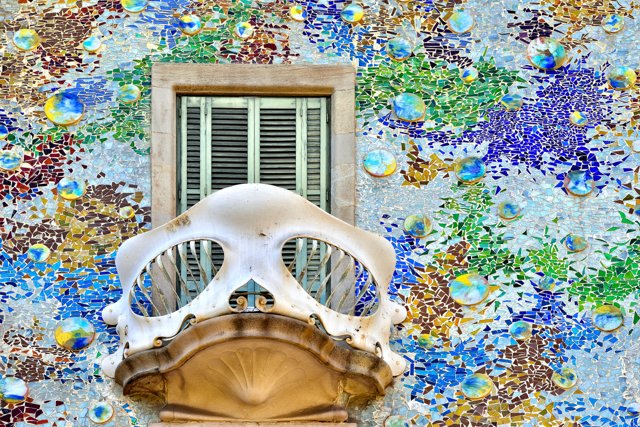
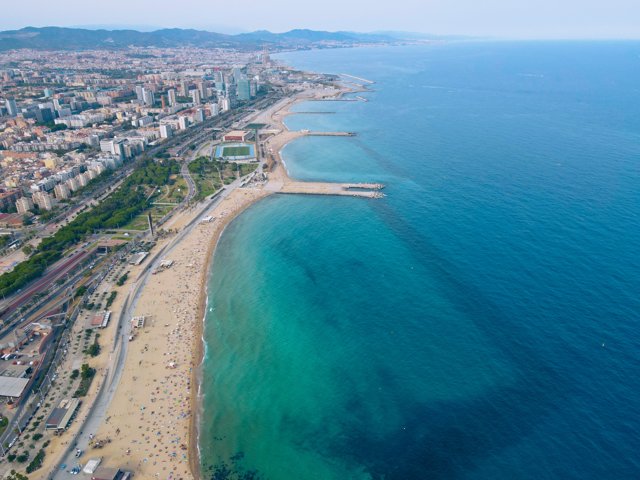
    Barcelona is a city built between the sea and the hills, where centuries overlap without feeling staged. The narrow medieval lanes of the Gothic Quarter open suddenly into the wide, ordered grid of L’Eixample, where Gaudí’s organic silhouettes defy the rigid logic of the boulevards. It is a place where architecture feels alive, and where colour and design shape everyday life rather than sitting behind museum walls.

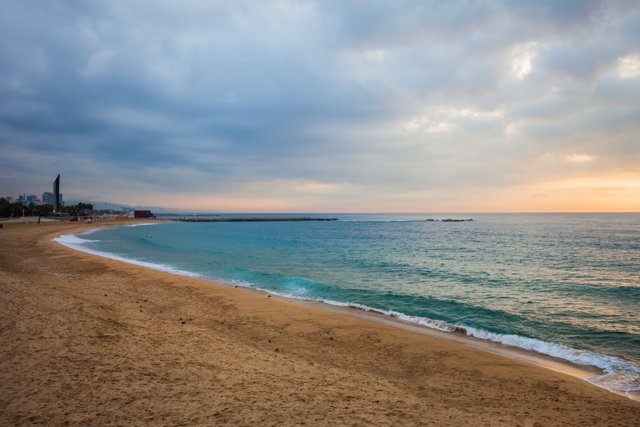
    The Mediterranean is never far; it’s in the breeze, the food, the late hours, and the cadence of daily life. Catalan identity is present throughout the city — heard in the language, seen in neighbourhood traditions, and reflected in the pride locals take in their culture. From early mornings in neighbourhood cafés to evenings in old plazas or along the waterfront, Barcelona moves at its own pace: a rhythm that feels effortless, expressive, and unmistakably its own.
Unique experiences in Barcelona

Plan your trip

Entry Requirements & Travel Documents

Spain is part of the Schengen Area, which means EU and EEA citizens can enter the country with a valid passport or national ID card. Many non-EU travellers from visa-exempt countries can stay for up to 90 days within a 180-day period without a visa. Passport validity rules apply and vary by nationality.

From late 2026, travellers from many visa-exempt countries, such as the US, Canada, the UK, Brazil, Japan, and Australia, will need to obtain ETIAS authorisation before travelling to Spain and other Schengen states for short stays. Until ETIAS becomes operational, passport-only entry remains in place. Be sure to always check current requirements before departure.

Money, Currency & Paying in Barcelona

The local currency is the euro (€, EUR). Barcelona is highly card-friendly, and contactless payments are accepted in most cafés, shops, restaurants, and on public transport. Smaller bars, beach kiosks, and neighbourhood markets may still prefer cash, so carrying some small notes and coins is useful. 

ATMs generally offer better exchange rates than exchange desks, especially those at the airport or in tourist areas, but fees vary by bank.

Weather, Seasons & When to Visit

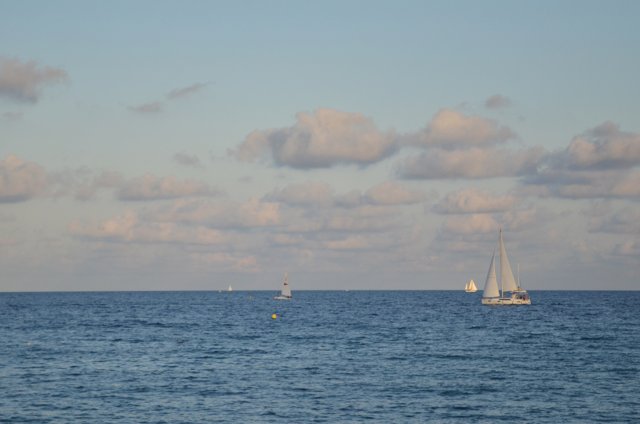
Barcelona has a Mediterranean climate with mild winters and hot, dry summers. The city enjoys plenty of sunshine throughout the year, though sea breezes can soften the heat — or bring sudden changes in weather.

Spring (March to May) is one of the most pleasant times to visit Barcelona, with rising temperatures, clear skies, and long daylight hours. 

Summer (June to August) is sun-filled, beach-focused, and festival-packed. Temperatures can climb, particularly in July and August, but evenings by the sea or in shaded plazas offer relief.

Early autumn (September and October) stays warm, with fewer crowds and a relaxed atmosphere. 

Winter (December to February) is cooler and occasionally rainy, but daytime temperatures are generally mild compared to much of Europe. Sunny winter days still invite long walks, and the city feels noticeably calmer outside the peak travel season.

Health Insurance

EU visitors should carry a valid EHIC (European Health Insurance Card) or GHIC (Global Health Insurance Card) for access to public healthcare in Spain, but this does not replace travel insurance.
Non-EU travellers are expected to have comprehensive travel medical insurance covering treatment, hospitalisation, and emergency repatriation. This is a formal entry requirement for many visa holders and is strongly recommended for all visitors, as hospitals may request payment or insurance details before providing non-emergency care.

Connectivity, Roaming & Mobile Data

Free Wi-Fi is common in hotels, cafés, public spaces, and many outdoor areas in Barcelona.

If you have a mobile plan from an EU/EEA provider, you can normally use your data, calls, and texts in Spain and other EU countries at your standard domestic rates under the EU “Roam Like at Home” rules with no extra roaming surcharge. If your plan is not from the EU/EEA, check with your provider about roaming charges for Spain.

For longer stays and/or heavy data use, a local SIM or eSIM is often more practical for navigation, transport apps, and bookings.

Airport & Main Arrival Hubs

Barcelona is served by three main airports.

  • Josep Tarradellas Barcelona–El Prat (BCN) is the primary gateway for the city and the arrival point for most long-haul European flights. Located just southwest of the centre, it offers the fastest and simplest access to Barcelona and is the prime choice for anyone coming from outside Spain or on major airlines. 
  • Girona–Costa Brava Airport (GRO) is situated around 90 km to the northeast and is a major base for low-cost carriers. If you are flying on a budget airline from elsewhere in Europe, there is a good chance you will land here. It is also convenient if you are heading straight to the Costa Brava.
  • Reus Airport (REU) lies about 100 km south of the city, near Tarragona. It mainly serves seasonal and low-cost European routes and is best suited for travellers going to the Costa Dorada or PortAventura rather than central Barcelona.

Main Train Stations

Barcelona is a key rail hub for Spain, with frequent high-speed and regional connections to Madrid, Valencia, Zaragoza, Girona, and the French border.

  • Barcelona Sants is the city’s main long-distance station. It handles AVE high-speed services, international routes, and most intercity trains, and connects directly to the metro network.
  • Passeig de Gràcia sits in the heart of the city and is convenient for central hotels, shopping streets, and regional train connections.
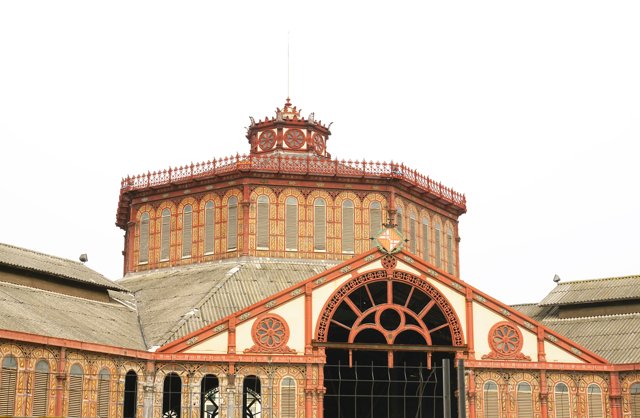
  • Estació de França, near the old harbour, serves some regional routes and is one of the city’s most historic stations, though it is used less for long-distance travel today.

From the Airport / Station to the City Centre

Public transport and shuttle buses are the easiest way to reach the city from Barcelona’s airports.

  • From Barcelona–El Prat (BCN), the Aerobús runs from both terminals to Plaça de Catalunya in about 35 minutes and operates day and night. The Rodalies R2 Nord train departs from Terminal 2 and stops at Passeig de Gràcia and Barcelona Sants. If you land at T1, take the free shuttle to T2 first. The Metro L9 Sud connects both terminals to the metro network, but you’ll usually need to change lines to reach the centre. 
  • From Girona–Costa Brava Airport (GRO), direct buses to Barcelona Estació d’Autobusos Nord typically take about 75 minutes and run several times a day.
  • From Reus (REU), direct buses connect the airport to Barcelona Sants in about 80–90 minutes.

From Barcelona Sants and Passeig de Gràcia, the metro, local trains, and buses make it easy to continue to any part of the city.

Taxis & Ride-Hailing Services

Official Barcelona taxis are black-and-yellow, metered, and regulated. You can find them at ranks outside terminals and stations or hail one on the street when the green light is on. Card payments are widely accepted. Small supplements may apply for airport pick-ups or late-night journeys.

Ride-hailing services such as Uber, Cabify, and Free Now operate across the city and offer app-based booking with upfront pricing. These can be especially convenient for early flights, late returns, or areas less well connected by night buses.

Traffic can slow down during rush hour, particularly on routes to and from the airport, so allowing a little extra time is advisable.

Arrival Tips & Common Mistakes to Avoid

  • Use the Aerobús or Rodalies train for a fast and affordable transfer from the airport.
  • Avoid exchanging money at airport currency desks. ATMs and card payments offer better value.
  • Keep an eye on your belongings in crowded areas and on public transport, especially near the old town and on airport routes.
  • Validate your ticket on trains and metro platforms. Random checks are common, and fines apply.
  • The metro from the airport requires a special airport ticket, unless you are using a travel pass that includes the airport zone.

Public Transport & Zones

Barcelona’s transport network is broad, reliable, and easy to use. Metro trains, buses, and trams connect most parts of the city. The system operates under an integrated fare network, meaning you can transfer between metro, bus, and tram on the same journey when your ticket covers enough zones.

The city centre and almost all major sights fall within Zone 1. Only longer trips into the outer metropolitan area require additional zones.

Metro and bus services run from early morning until late at night, with night buses (NitBus) covering key routes after midnight. Real-time schedules are available through the official TMB app.

Tickets & Passes

The most practical option for short stays is the Hola Barcelona Travel Card, which gives unlimited travel on metro, buses, trams, urban trains, and some funiculars for 2, 3, 4, or 5 consecutive days.

It also includes metro travel to and from Barcelona–El Prat Airport. The card becomes active with your first trip and can be purchased online, at metro stations, or at the airport.

Other options include single tickets and multi-journey packs for those staying longer or travelling less frequently.

Walking & Cycling

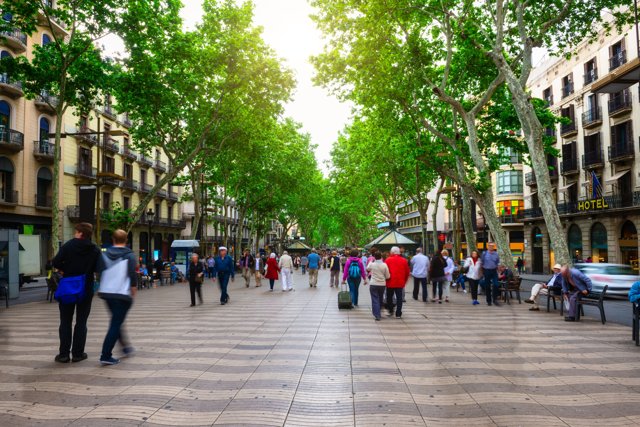
Barcelona is highly walkable, especially in the old city, Eixample, and the seafront districts. Walking is often the fastest way to move between nearby areas and truly the best way to experience the city’s street life.

Cycling is also popular, with growing networks of bike lanes and long, flat routes along the coast and through central neighbourhoods. Bike rental shops are common, especially near the beach and in Poblenou.

Nearby Destinations / Day Trips

Barcelona is an excellent base for exploring beyond the city. Along the coast, Sitges can be reached in under an hour, with sandy beaches and a relaxed seaside atmosphere. Further north, the Costa Brava offers a different landscape — rugged cliffs, small coves, and clear Mediterranean waters.

Cadaqués, known for its whitewashed houses and as the longtime home of Salvador Dalí, makes for a memorable day or overnight trip. Along the way, you’ll pass beach destinations like Platja d’Aro or quieter coves such as Platja Fonda, where pine-covered cliffs meet deep blue water.

Inland, Girona offers a beautifully preserved historic centre, while Montserrat delivers dramatic mountain scenery and hiking trails, all reachable within two hours by train.

Accessibility & Basic Safety Tips

Many metro stations and buses are equipped with lifts, ramps, tactile paving, and priority seating. Accessibility details are clearly marked in stations and within the TMB app.

Barcelona is generally safe. Basic awareness is usually enough. Keep an eye on belongings in crowded areas, on busy metro lines, and around major tourist attractions.

Language, Culture & Local Etiquette

Catalan and Spanish are both official languages in Barcelona. While Spanish is widely spoken and understood, Catalan plays a central role in everyday life and appears on street signs, menus, public transport, and in local media. Hearing both languages in daily conversation is part of the city’s identity. A simple bon dia (good morning) or gràcies (thank you) is always appreciated.

Barcelona’s social culture is relaxed but respectful. Greetings are important, and service interactions often begin with a polite hola before making a request. Tipping is not mandatory, as service is usually included, but rounding up the bill or leaving small change after good service is customary.

Neighbourhoods

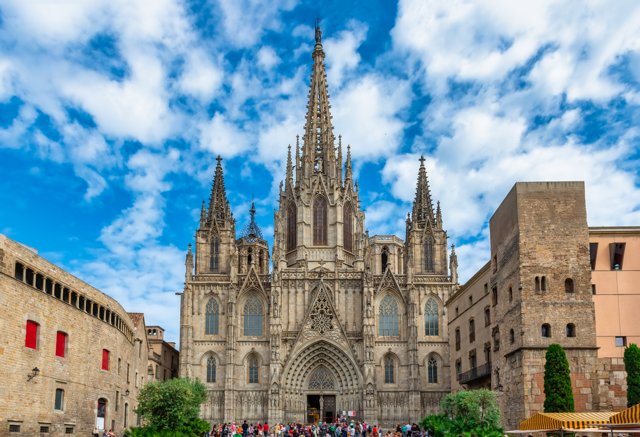
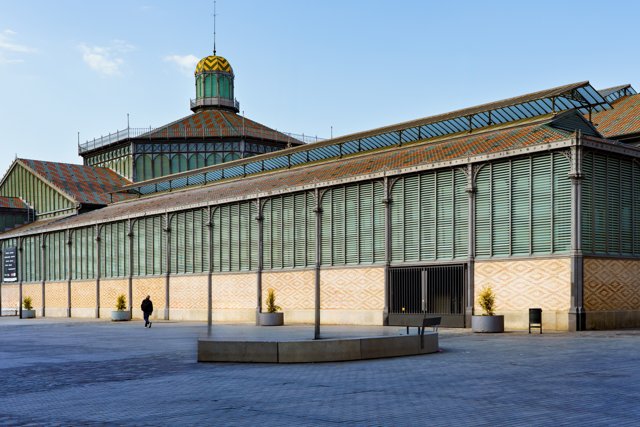
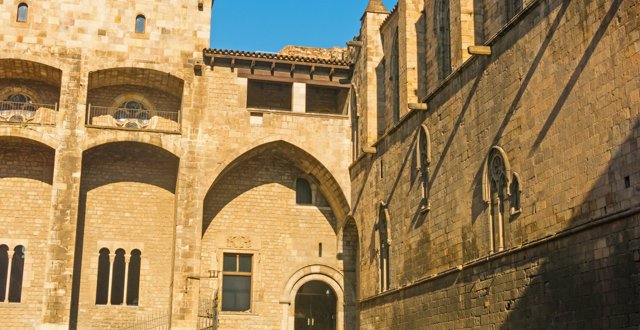
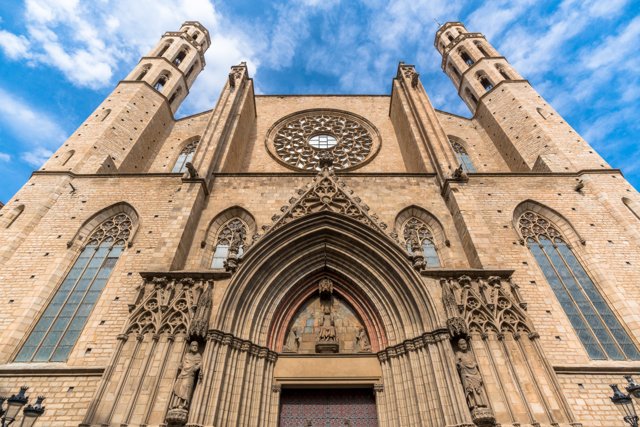
  • Barri Gòtic & El Born: Barcelona’s historic core: narrow medieval streets, Roman foundations, hidden squares, small bars, and artisan shops. It’s an area best explored without a map, where quiet courtyards and centuries-old façades reveal themselves unexpectedly.
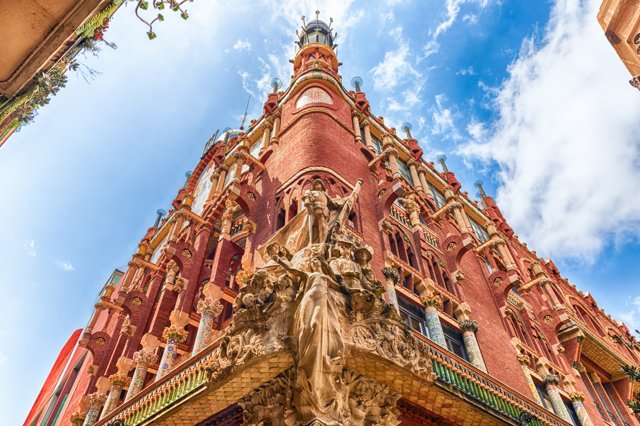
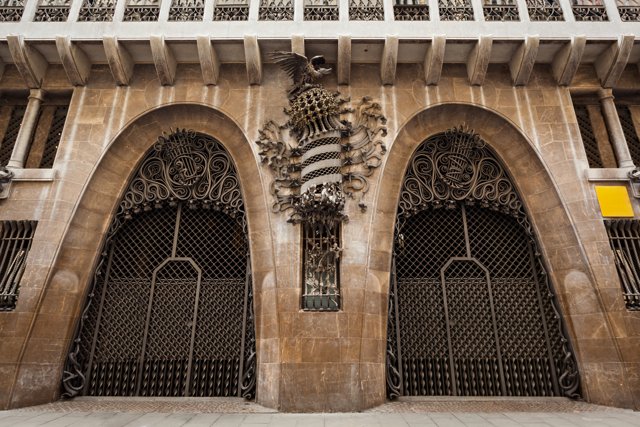
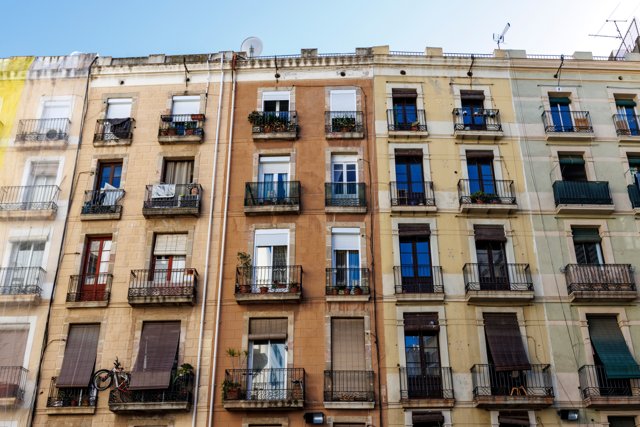
  • Eixample: The 19th-century expansion district with its strict grid, wide boulevards, and many of Gaudí’s most famous buildings. Elegant, busy, and central. Its chamfered corners and modernist façades create a rhythm that feels both ordered and expressive.
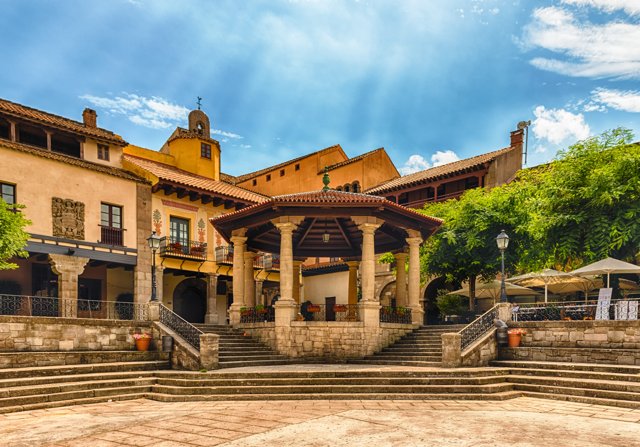
  • Gràcia: A former village with a strong local feel, pedestrian streets, and lively plazas. Known for its community spirit and summer street festivals. Evenings often centre around its small squares, where neighbours gather long after sunset.
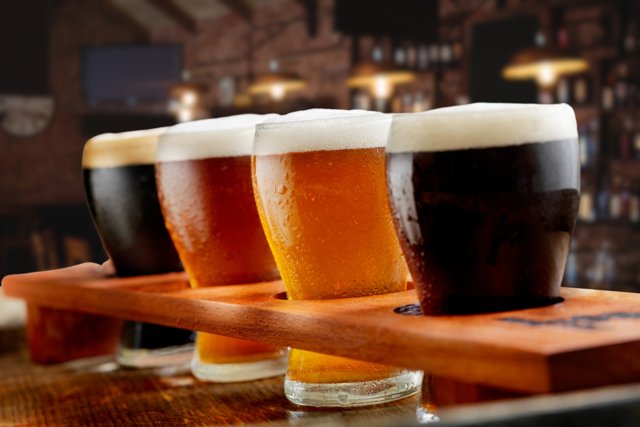
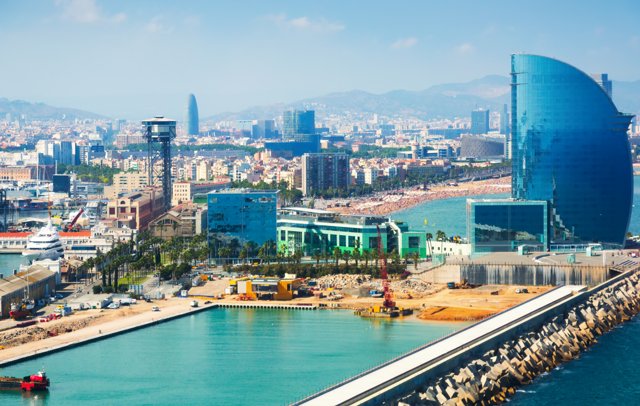
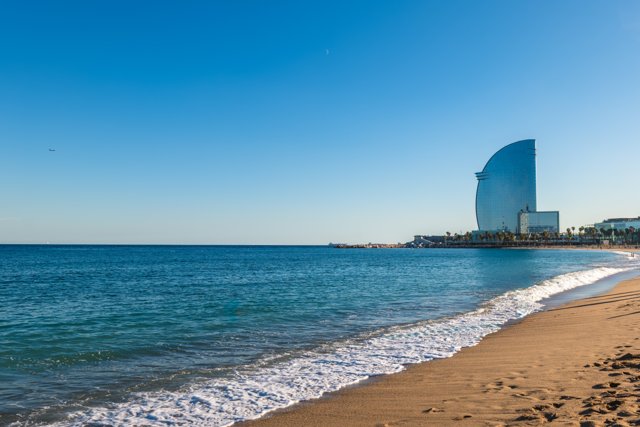
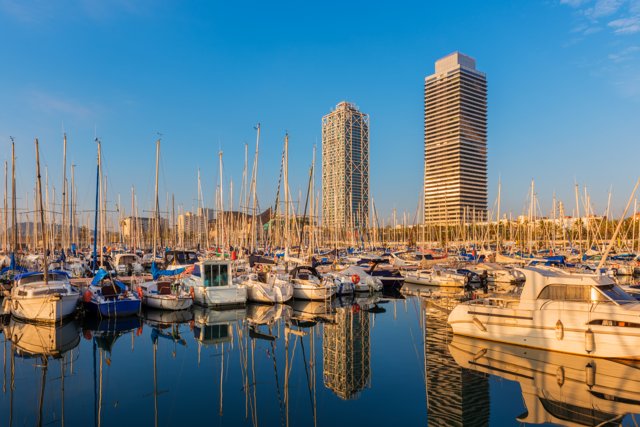
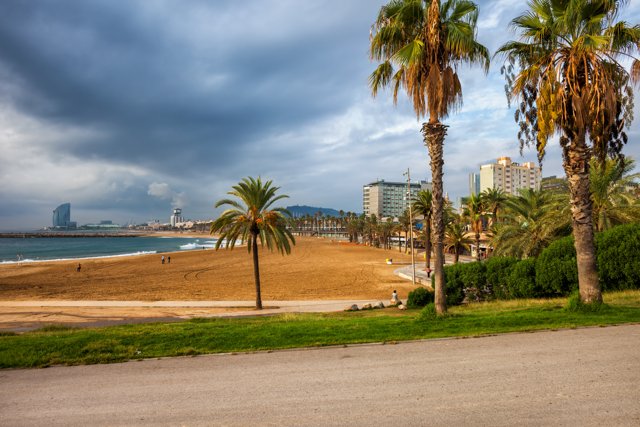
  • Barceloneta & Poblenou: Barceloneta is the old fishermen’s quarter, dense and energetic by the sea. Poblenou is more spacious and creative, with converted warehouses, start-ups, breweries, and wider beaches. Together they show two sides of Barcelona’s relationship with the Mediterranean — traditional and forward-looking.

Gastronomy

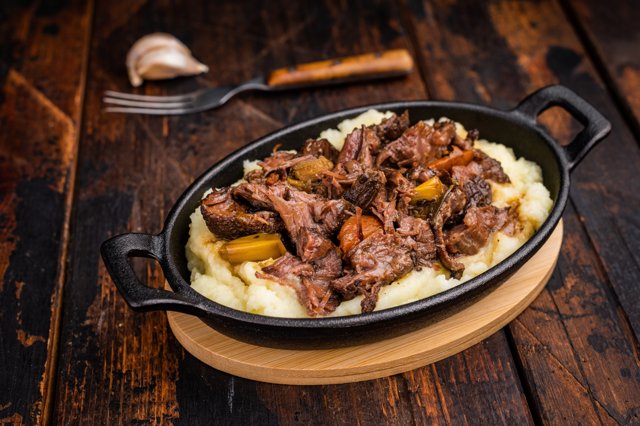
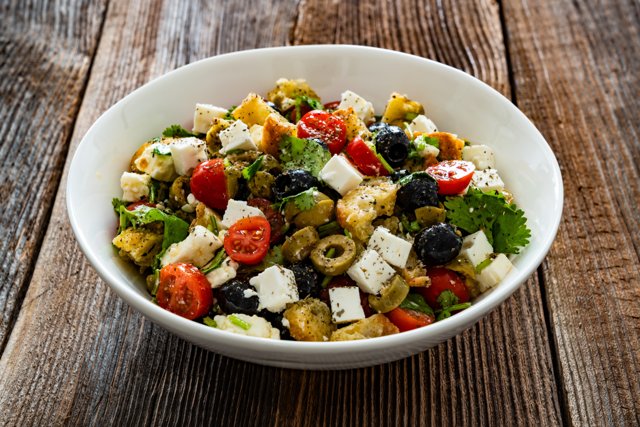
Catalan cuisine is simple, seasonal, and deeply rooted in the Mediterranean.

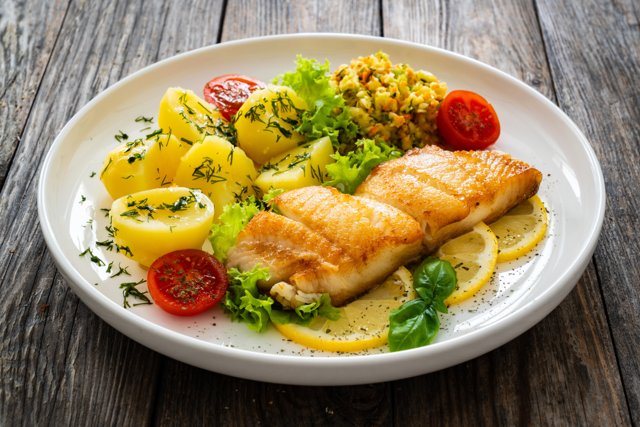
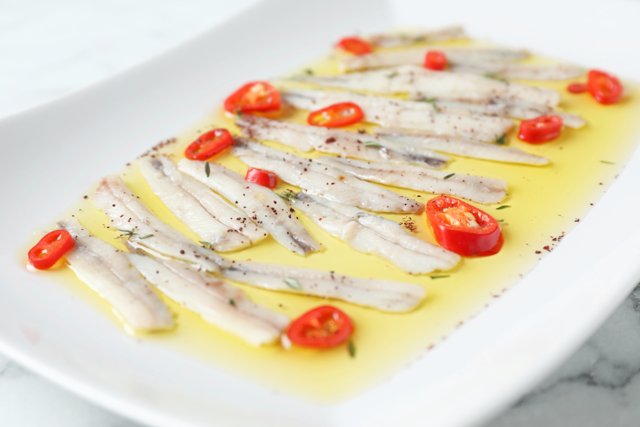
Olive oil, fresh vegetables, seafood, and simple combinations define many traditional dishes.

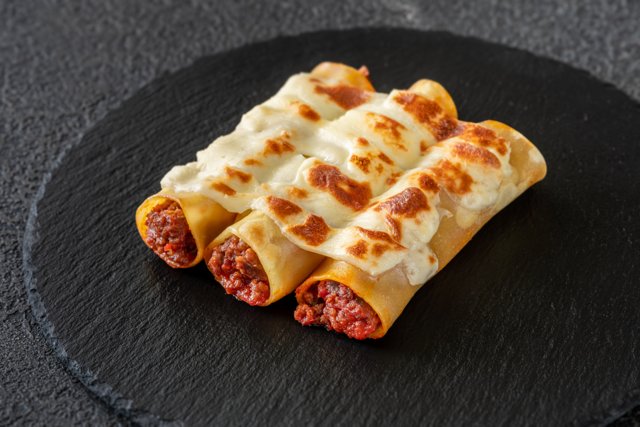
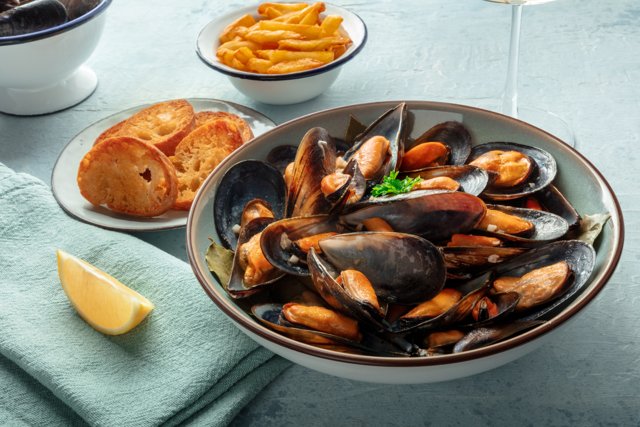
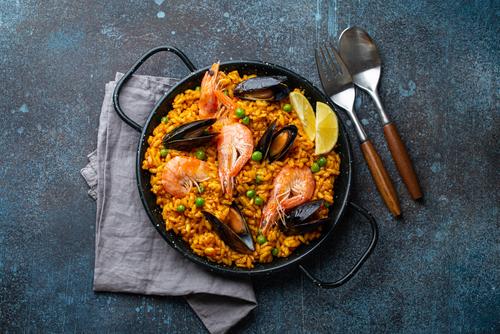
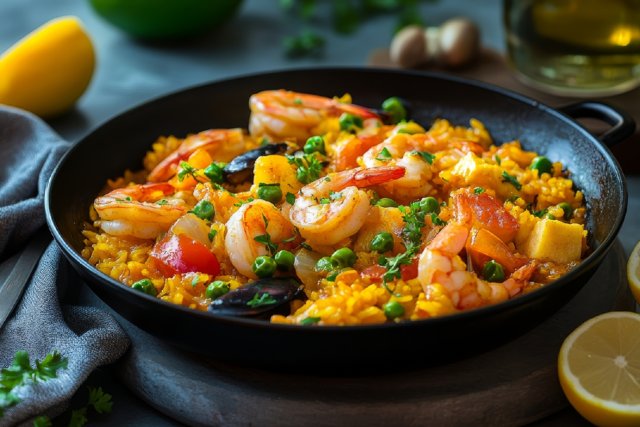
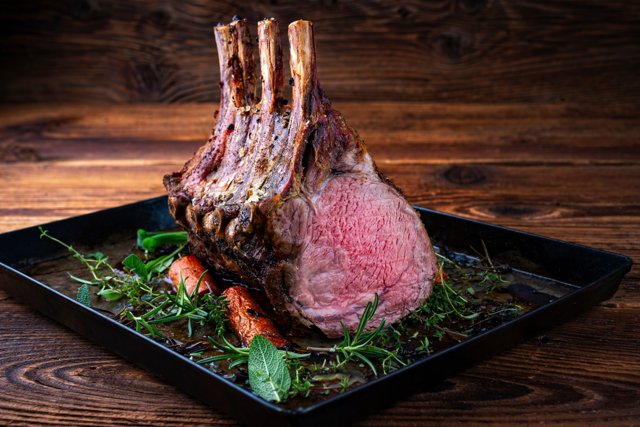
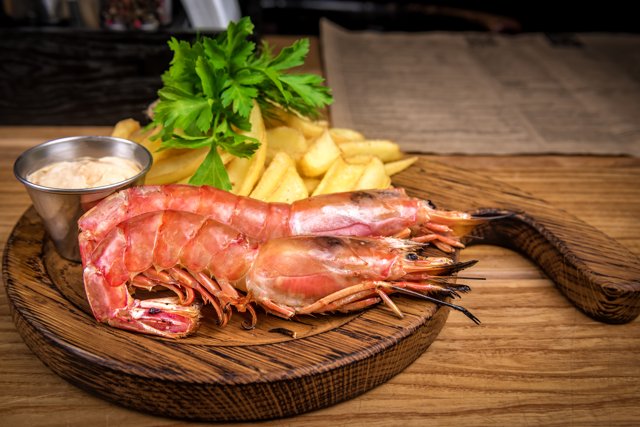
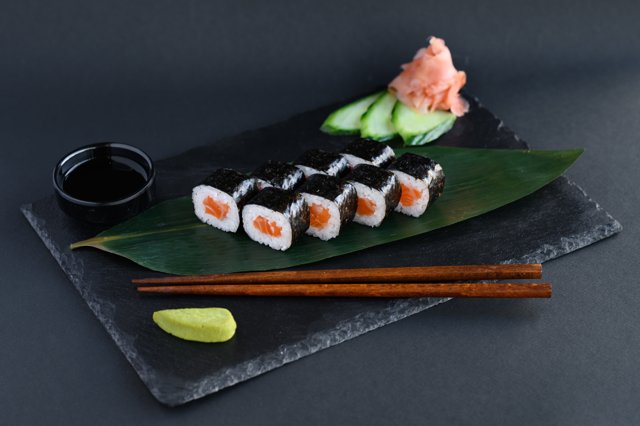
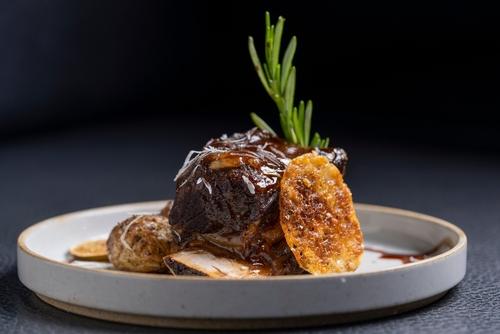
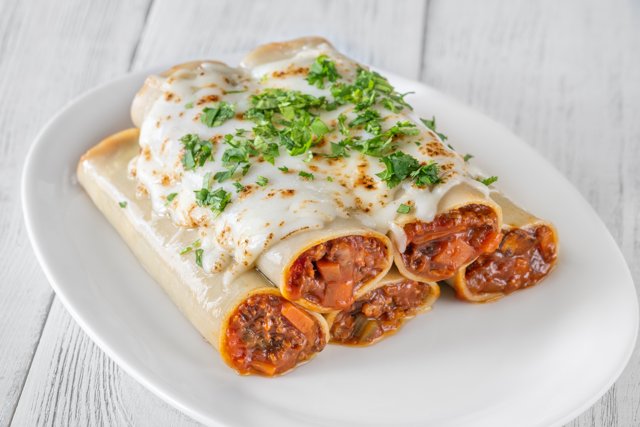
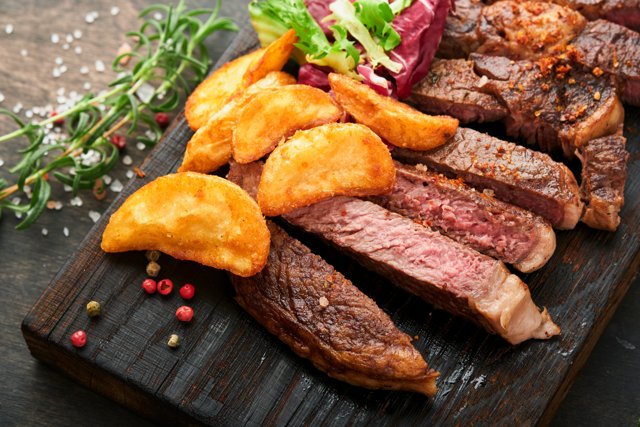
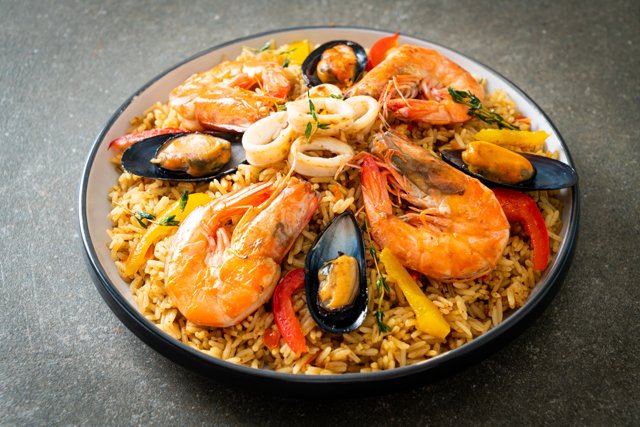
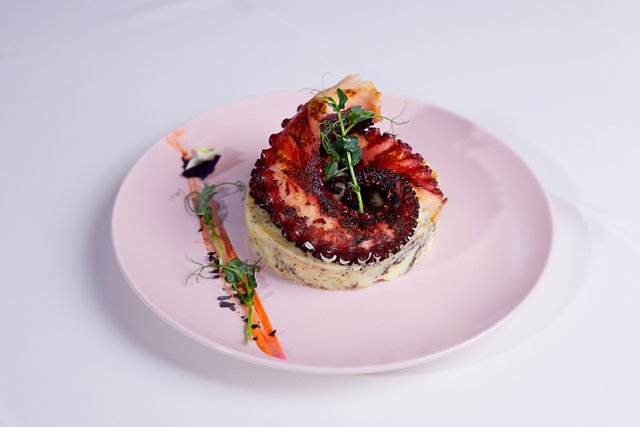
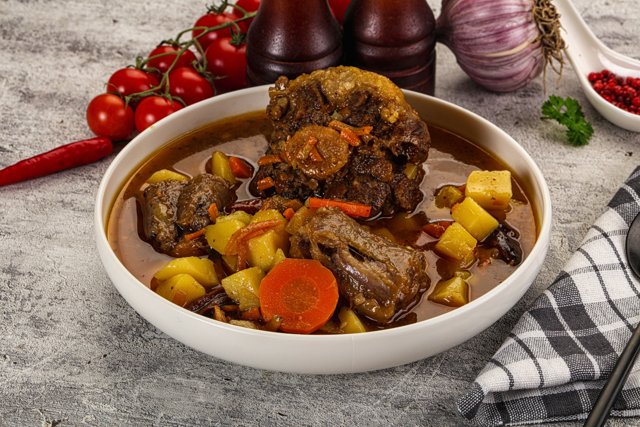
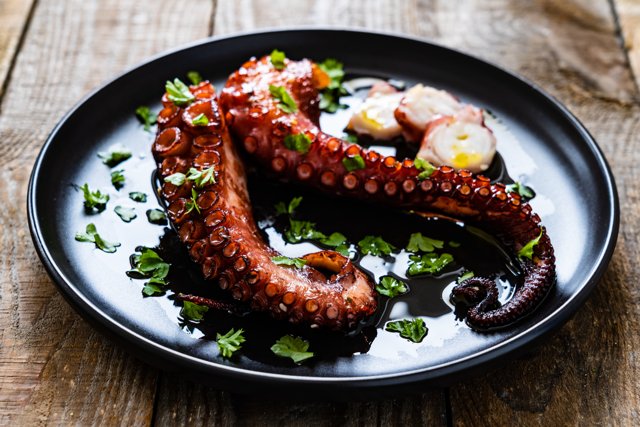
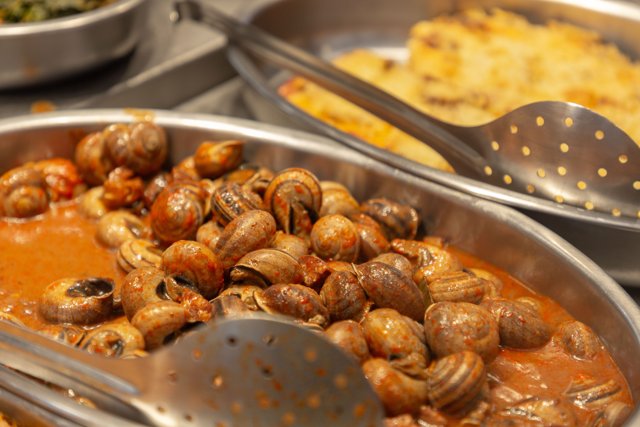
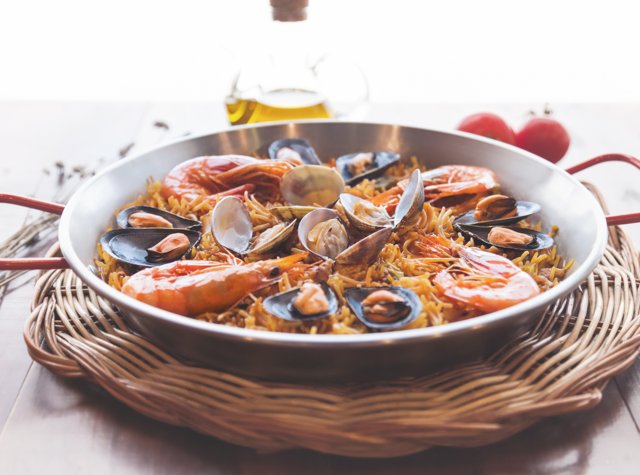
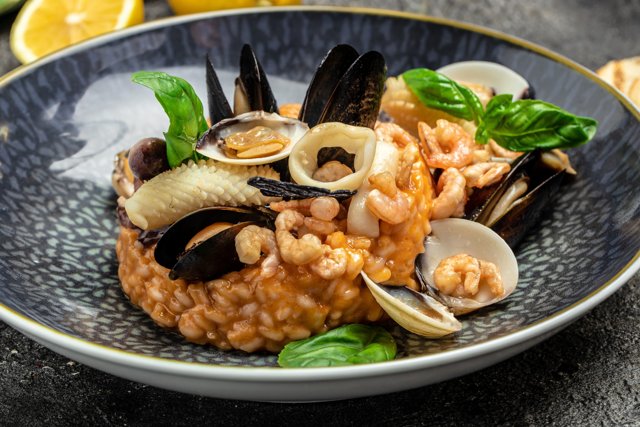
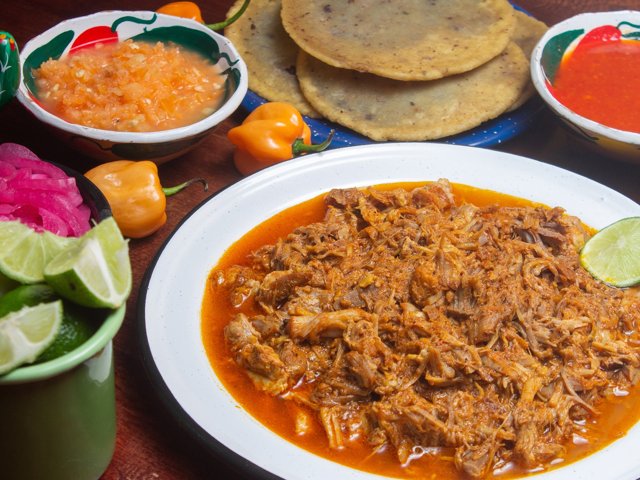
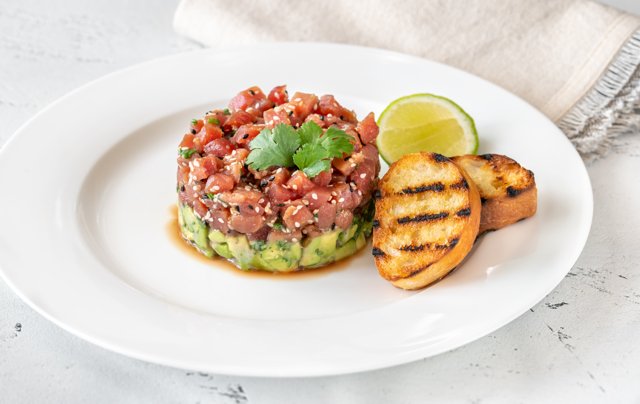
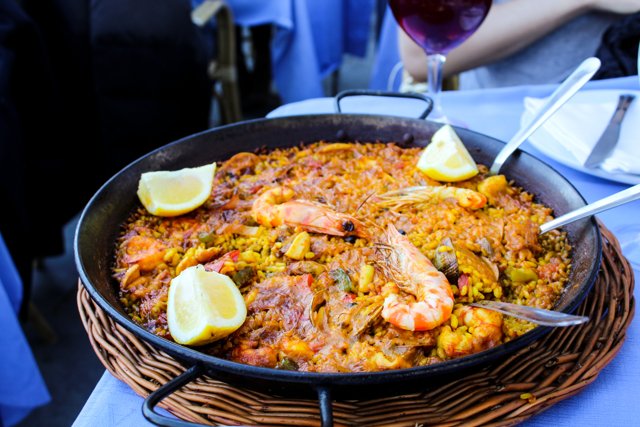
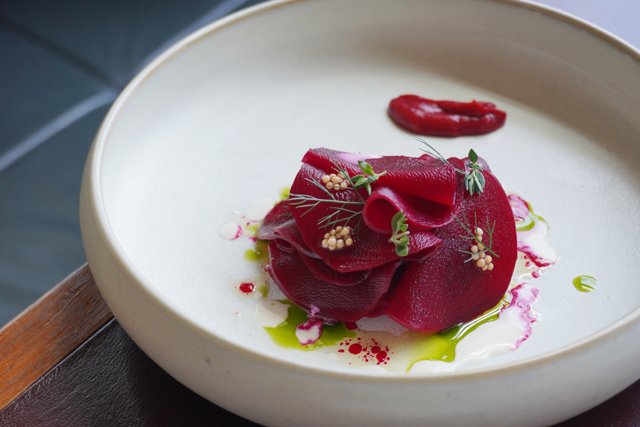
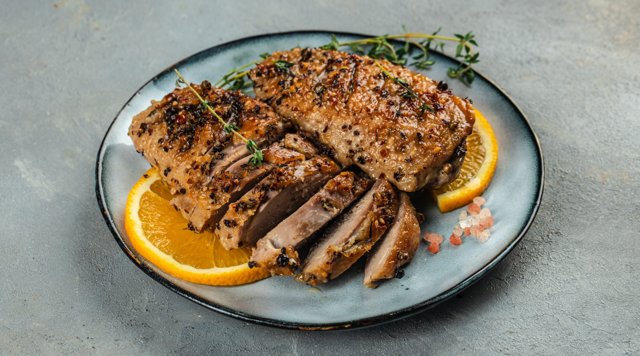
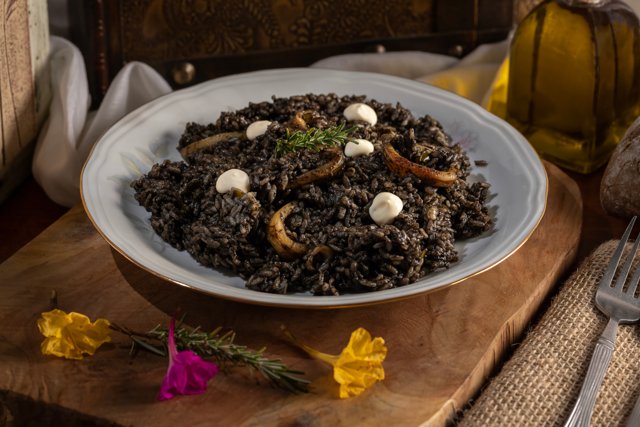
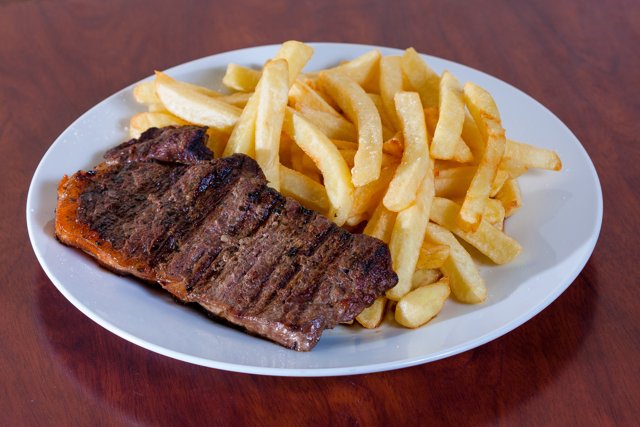
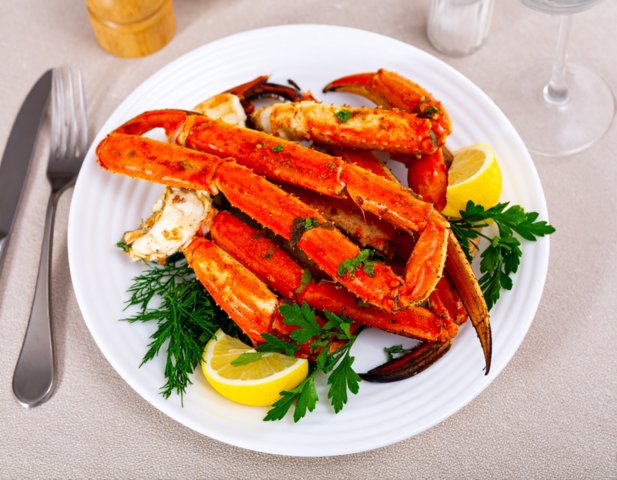
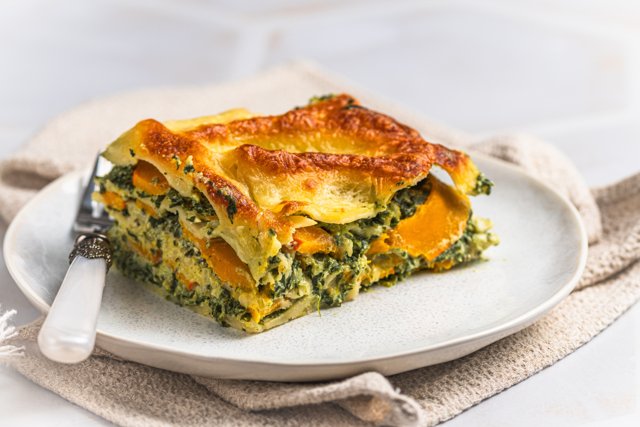
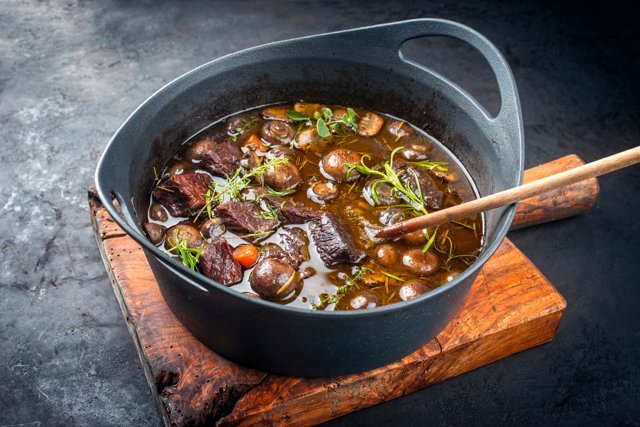
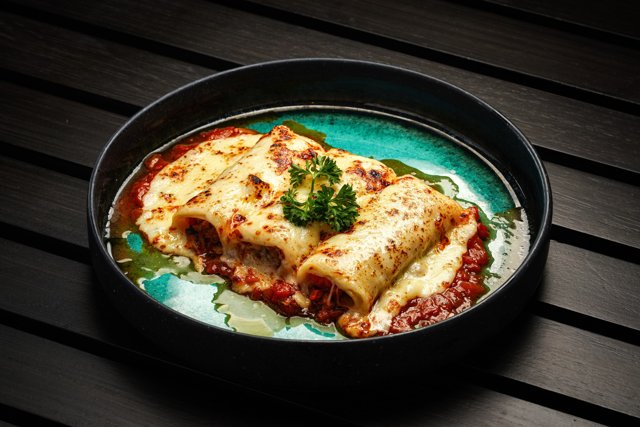
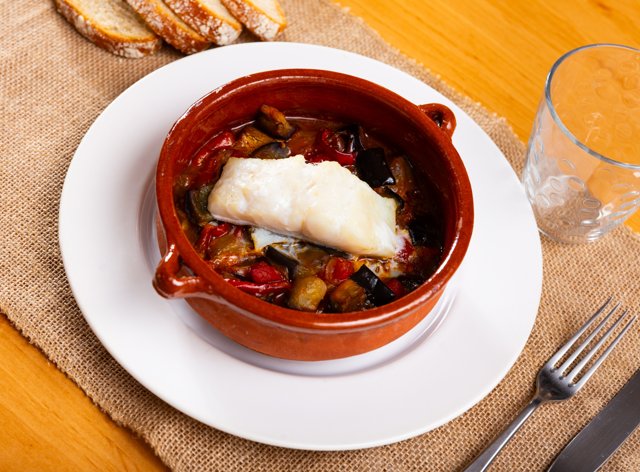
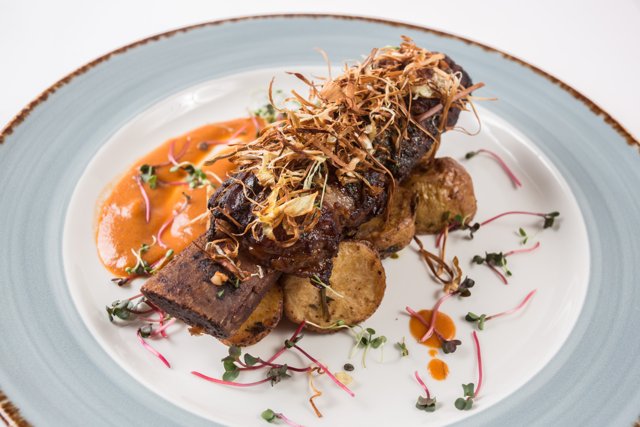
Classics include pa amb tomàquet (bread rubbed with tomato and olive oil), escalivada (slow-roasted vegetables), and seafood-based plates such as fideuà. Markets and neighbourhood restaurants continue to serve these staples, while contemporary chefs reinterpret local flavours with a modern approach that has shaped Barcelona’s international culinary reputation.

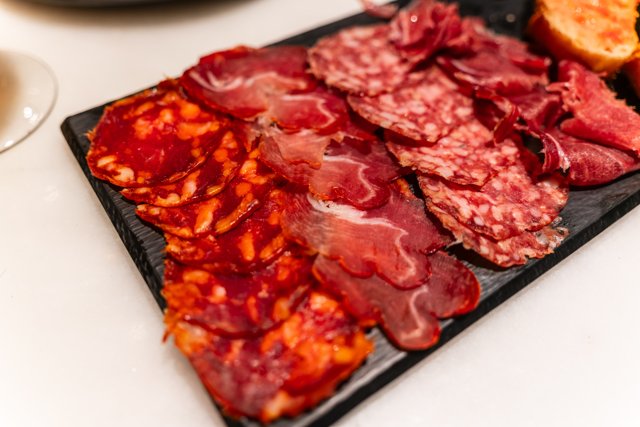
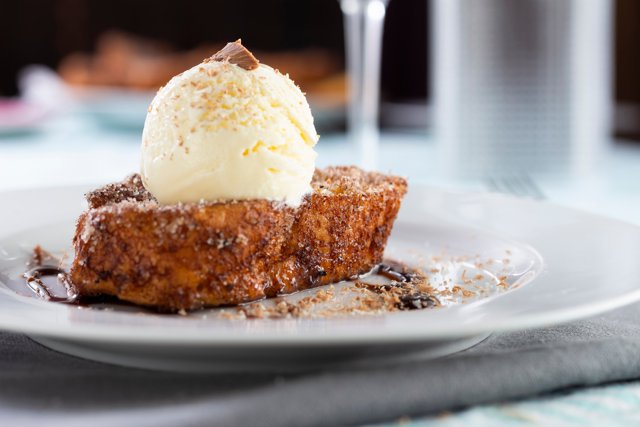
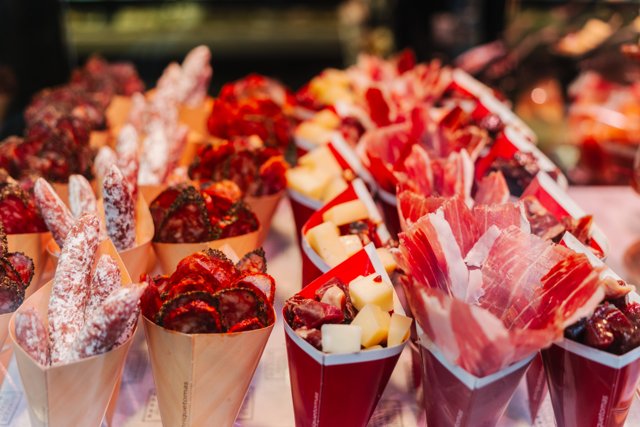
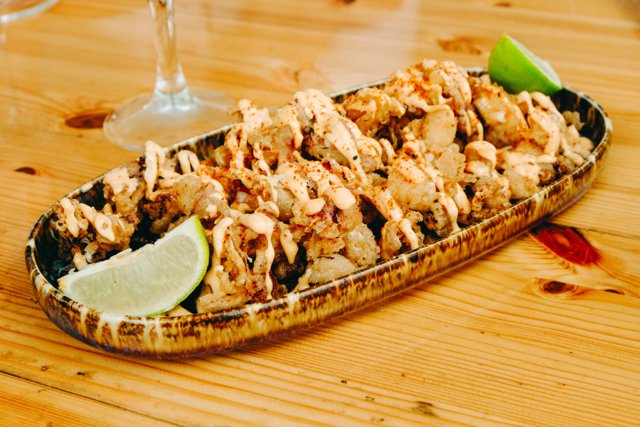
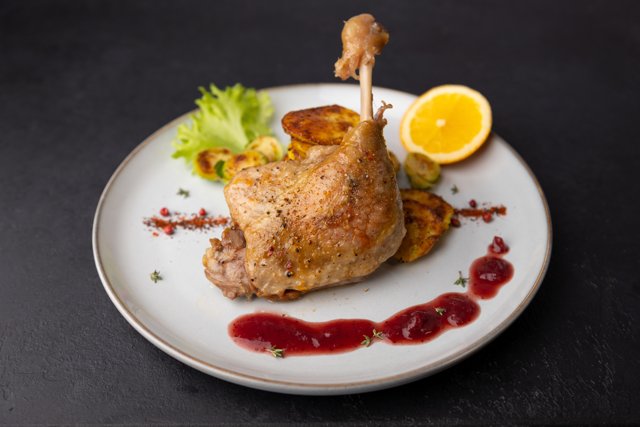
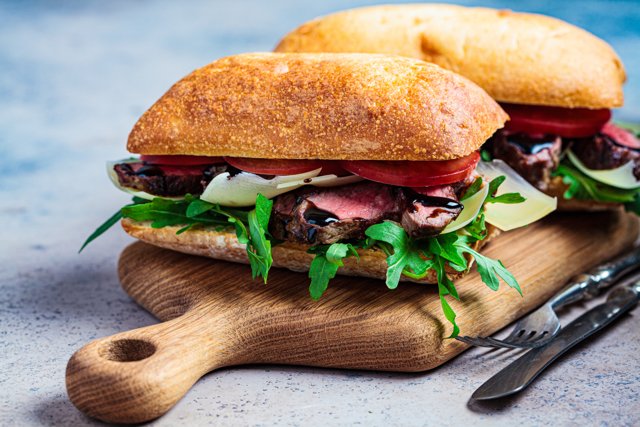
Tapas culture is part of everyday life, whether in small bars in El Born or lively terraces in Gràcia. For a quick indulgence, crispy churros with hot chocolate remain a favourite, especially in cooler months.

City Rhythm

Barcelona runs on a later clock. Mornings begin gently in neighbourhood cafés, while lunch often becomes the longest meal of the day. Many small shops still close mid-afternoon before reopening for the evening, and daily life adjusts more to light and temperature than to strict schedules.

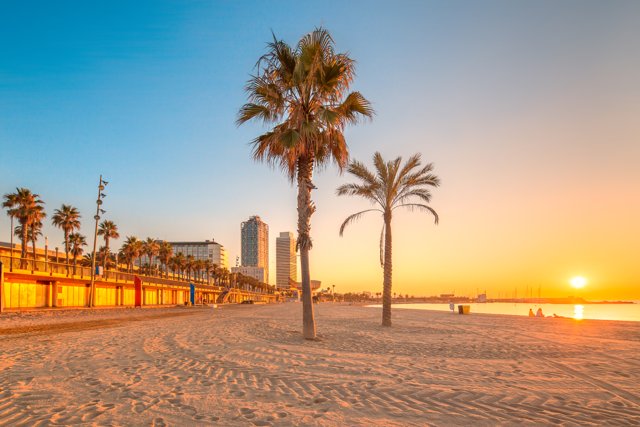
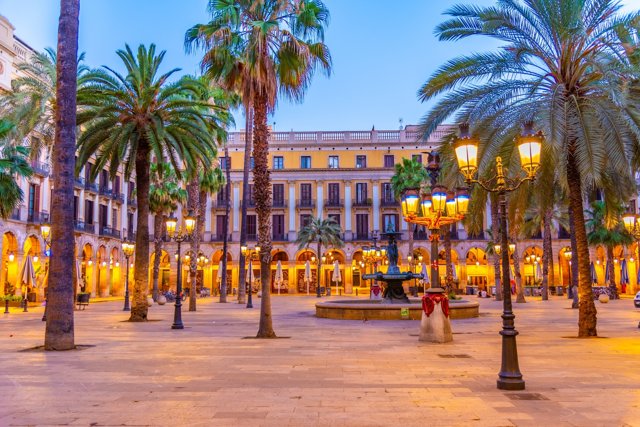
As the heat fades, the city opens outward. Plazas fill, terraces grow louder, and the seafront turns into a slow-moving promenade. Some neighbourhoods feel laid-back and residential, others more animated and creative, but the overall rhythm remains social and expressive rather than hurried.

Barcelona doesn’t rush — it expands into the evening.

Things to Do

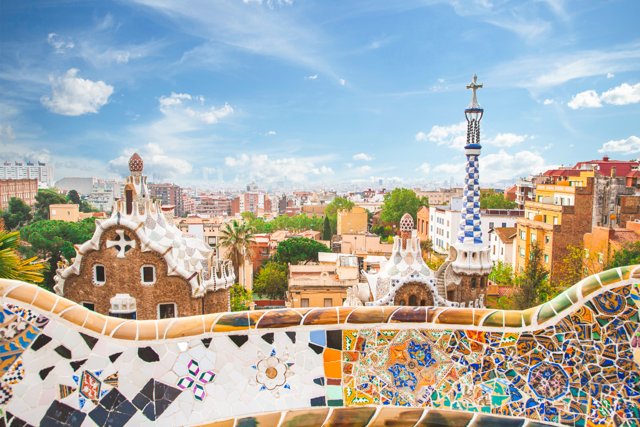
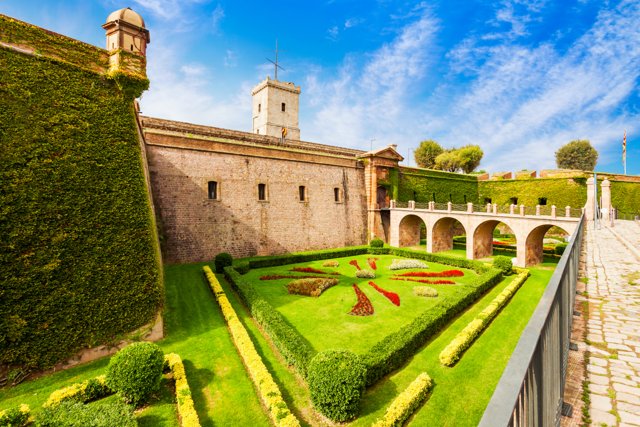
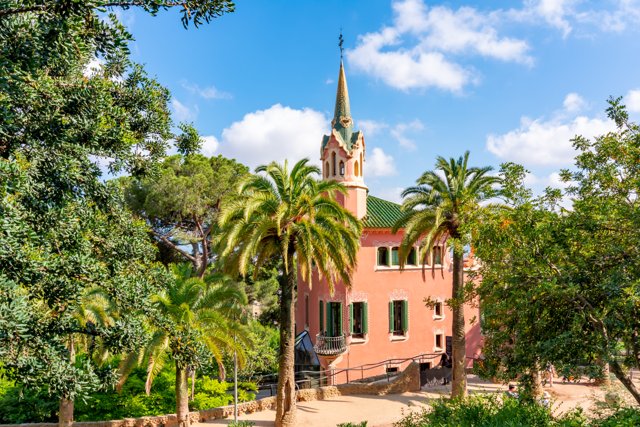
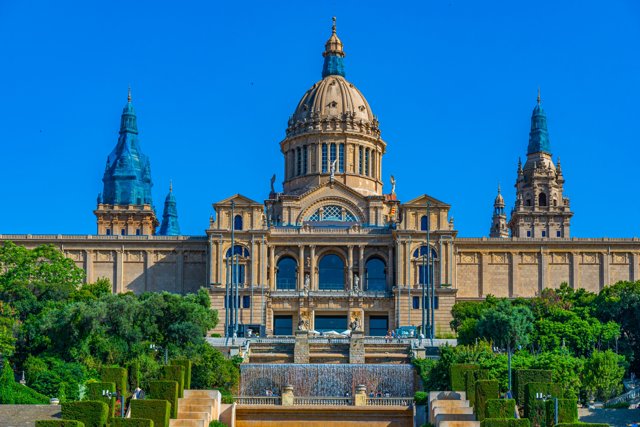
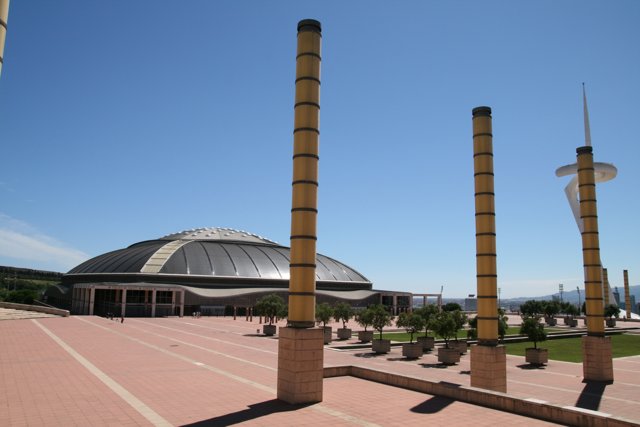
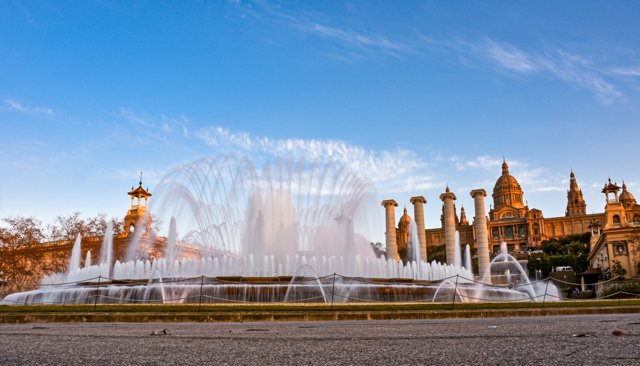
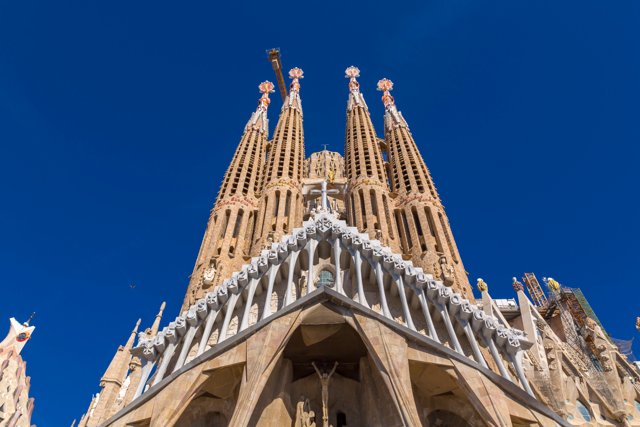
Barcelona’s identity is written into its streets. From the soaring towers of La Sagrada Família to the dazzling, colour-splashed mosaics of Park Güell, architecture defines the city’s character and atmosphere. The Gothic Quarter reveals Roman walls and medieval courtyards, while Montjuïc features museums, gardens, and views across the port and skyline. The Bunkers del Carmel offer one of the best views of the city from above, especially at sunset.

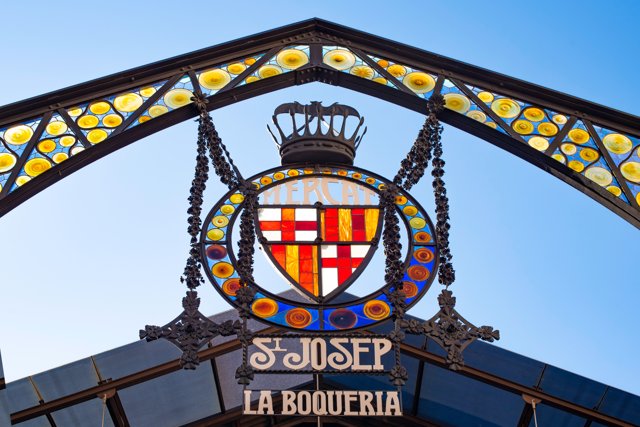
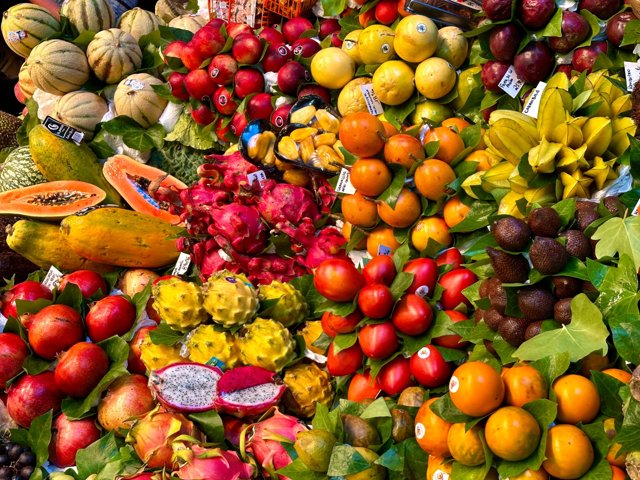
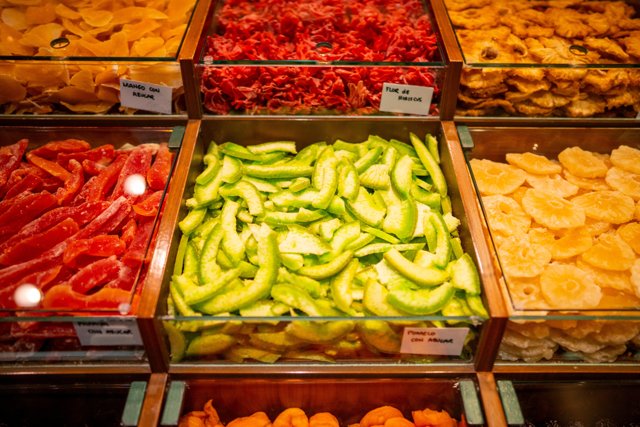
Beyond landmarks, daily life is the real attraction. Markets like La Boqueria are as much about atmosphere as food. Football at Camp Nou, long afternoons by the sea, neighbourhood festivals, and evening walks through local squares show how the city lives. Barcelona rewards curiosity more than checklists. Just let the streets guide you.

Best hotels in Barcelona

Frequently asked questions

Is Barcelona a safe city?

Barcelona is a bustling destination that welcomes millions of travellers every year. Like in any major destination, staying aware in crowded areas is usually all that’s needed to feel comfortable and relaxed.

What is Barcelona famous for?

Barcelona is famous worldwide for its bold architecture, Mediterranean beaches, vibrant street life, world-class food, and a deep creative spirit. From Gaudí’s landmarks to local markets and football culture, the city fuses history, design, and everyday life in a way few places can.

Is Barcelona expensive?

Barcelona offers something for every budget. While some experiences are more high-end, the city is also full of affordable neighbourhood restaurants, free viewpoints, local markets, and beaches. Public transport is reasonably priced, making it easy to explore the Catalan capital without stretching your travel budget.

How many days do you need for Barcelona?

For a first-time visitor, 4–5 days is ideal. This gives you time to see the highlights, explore different neighbourhoods, enjoy the food scene, and still slow down to soak in the city’s atmosphere.

Is English widely spoken in Barcelona?

Yes. In tourist areas, hotels, restaurants, and museums, English is commonly spoken. Learning a few words in Catalan or Spanish is appreciated, but travellers usually have no trouble communicating.

What is the best time to visit Barcelona?

The best times to visit Barcelona are April to June and September to October. You get warm weather, fewer crowds, and a city that feels active without being overwhelming.

Top destinations