Avignon

Papal legacy, Provençal sunshine, and a walled city where medieval legend still dances above the Rhône.

  • Avignon

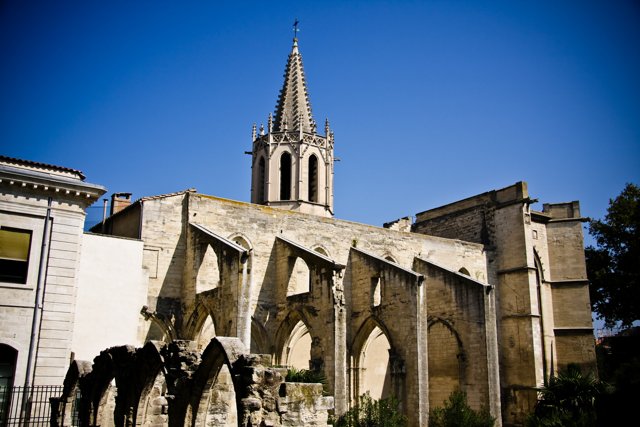
    For a brief, flamboyant century, the centre of the world was not Rome but a bend in the Rhône. Perched on the edge of Provence, Avignon remains a city that wears its history with confidence: opulent, ecclesiastical, and slightly defiant.

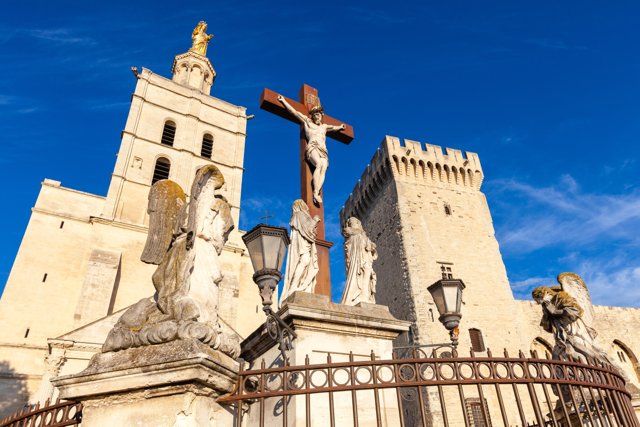
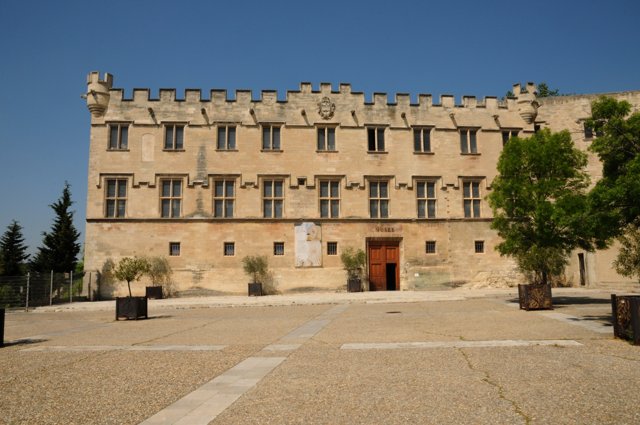
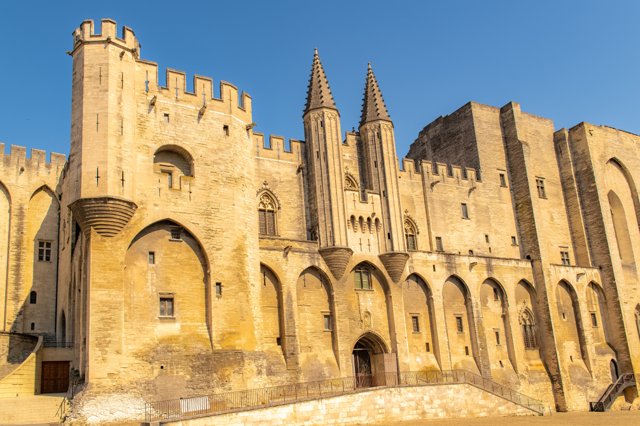
    At its heart stands the Palais des Papes, a fortress-like palace that once made Avignon the capital of Christendom. For a time, seven popes ruled from here, transforming a riverside town into a stage of European power and spiritual influence.

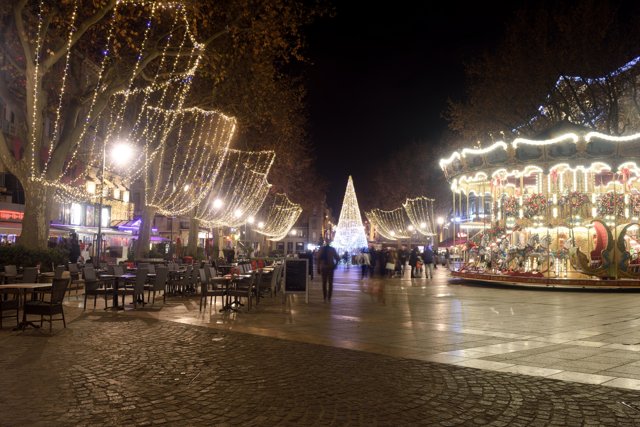
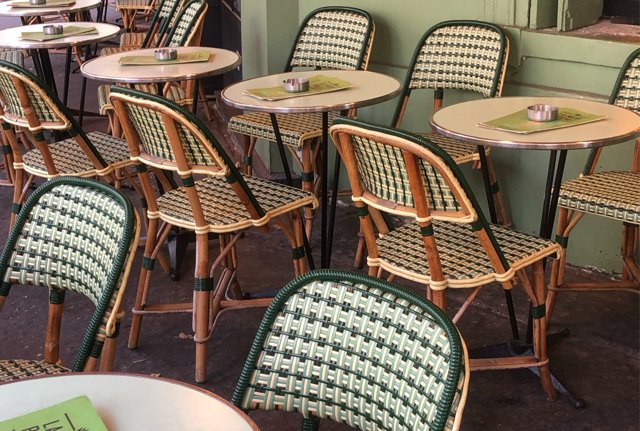
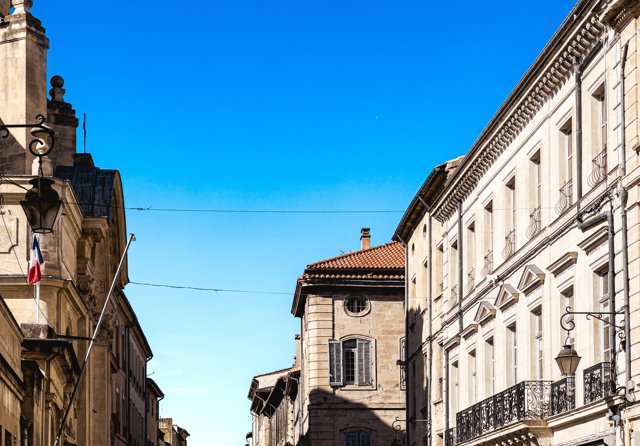
    Today, Avignon balances that weighty past with a lighter, Provençal rhythm. Sunlit squares, café terraces, and places like Place de l’Horloge bring a relaxed energy, while the Festival d’Avignon and nearby Rhône vineyards anchor the city firmly in the present.

Unique experiences in Avignon

Plan your trip

Entry Requirements & Travel Documents

France is part of the Schengen Area. Therefore, EU and EEA citizens can enter the country with a valid passport or national ID card. Many non-EU travellers from visa-exempt countries may stay up to 90 days within a 180-day period without a visa, subject to passport validity requirements that vary by nationality.

From late 2026, travellers from many visa-exempt countries, including the United Kingdom, United States, Canada, Brazil, Japan, and Australia, will need to apply online for ETIAS (European Travel Information and Authorisation System) before travelling to France and other Schengen countries for short stays. Until ETIAS becomes operational, passport-only entry remains in place.

Be sure to always verify entry requirements with official government sources before departure, as conditions may change.

Money, Currency & Paying in Avignon

France uses the euro (€, EUR). Credit and debit cards are widely accepted throughout the city, including for contactless payments and mobile wallets.

That said, it is still useful to carry a small amount of cash for open-air markets, small bakeries, or independent shops.

ATMs are easy to find in the city centre of Avignon. When withdrawing cash or paying by card, choose to be charged in euros rather than your home currency to avoid unfavourable conversion fees.

Weather, Seasons & When to Visit

Avignon has a Mediterranean climate, with hot summers, mild winters, and the occasional mistral wind sweeping down the Rhône Valley.

Spring and early autumn are the most pleasant times to visit, with warm but comfortable temperatures and a lively atmosphere without peak crowds.

Summer is hot, often reaching 30–35°C, and especially vibrant during the Festival d’Avignon, when the city fills with performances. 

Winters are generally mild, with quieter streets and a slower rhythm. While rarely freezing, the mistral can make the air feel much colder.

Health Insurance

UK and EU visitors should carry a valid GHIC (Global Health Insurance Card) or EHIC (European Health Insurance Card), which provides access to medically necessary treatment within France’s public healthcare system. However, this does not replace full travel insurance, which is strongly recommended.

Non-EU travellers should arrange comprehensive medical insurance before arrival, as hospitals and clinics may request payment or proof of coverage for non-emergency care.

Pharmacies are widely available throughout Avignon and are easily recognised by a green illuminated cross sign.

In an emergency, dial 112, the universal emergency number across the European Union.

Connectivity, Roaming & Mobile Data

Free Wi-Fi is widely available in hotels, cafés, restaurants, and many public spaces in Avignon. 

If your mobile plan is from an EU/EEA provider, roaming in France is generally included at domestic rates under EU “Roam Like at Home” rules, subject to fair-use limits. If your provider is outside the EU/EEA, roaming charges may apply, so check before departure.

Travellers arriving from outside Europe find it convenient to purchase a prepaid SIM card or eSIM for local data access. Major French telecom providers include Orange, SFR, and Bouygues Telecom, all of which offer short-term visitor plans.

Main Train Stations

Rail travel is one of the easiest ways to reach Avignon. The city is served by two stations.

The first is Avignon TGV Station, located just outside the city centre, and connects Avignon directly to major cities such as Paris, Lyon, Marseille, and Nice. High-speed trains from Paris take roughly 2 hours and 40 minutes.

Closer to the historic centre is Avignon Centre Station, a smaller station within walking distance of the old town. Regional TER trains link it to nearby cities across Provence and the Rhône Valley.

Frequent shuttle trains connect the two stations, making transfers quick and straightforward.

From the Airport / Station to the City Centre

From Marseille airport, the simplest route is to take a shuttle bus or train to Marseille’s main railway station, Gare de Marseille‑Saint‑Charles, then continue by train to Avignon.

If you arrive at Avignon TGV Station, reaching the historic centre is quick. A dedicated shuttle train connects directly to Avignon Centre Station in just a few minutes. Local buses and taxis are also available outside the station.

Taxis & Ride-Hailing Services

Taxis are readily available at Avignon’s train stations and can be booked in advance or hailed at designated taxi ranks.

Ride-hailing services such as Uber and Bolt also operate in the city, though availability may vary during off-season or late at night.

Because Avignon’s old town is compact and largely pedestrian-friendly, many visitors find that taxis are mainly useful for arrivals and departures rather than everyday travel.

Arrival Tips & Common Mistakes to Avoid

  • Avignon’s popularity peaks each July during the renowned Festival d’Avignon. Accommodation and train tickets can sell out weeks, sometimes months, in advance, so planning ahead is essential if you intend to visit during this period.
  • Festival tickets typically go on sale in April, and the most sought-after performances often sell out quickly. Booking early will give you the widest choice of shows and seating.
  • Another common mistake is assuming the high-speed station is located within the historic centre. In reality, Avignon TGV Station lies several kilometres outside the city walls. Always check whether your train arrives there or at Avignon Centre Station to avoid confusion on arrival.
  • If you are arriving by bar, do not attempt to drive deep into the historic center unless your hotel has a specific parking agreement. The streets are ancient, extremely narrow, and many are one-way or pedestrian-only. Use the large parking hubs instead.
Airport & Main Arrival Hubs

Avignon has its own airport, Avignon-Provence Airport (AVN). However, it only handles seasonal and charter flights. The majority of international travellers arrive via one of the larger regional airports nearby.

The closest major gateway is Marseille Provence Airport (MRS), about an hour south of Avignon by car or train. It offers extensive connections across Europe and regular flights from several international hubs.

Another convenient option is Nice Côte d’Azur Airport (NCE), particularly if you plan to combine your trip to Provence with the French Riviera. Some travellers also fly into Lyon–Saint‑Exupéry Airport (LYS), which has excellent high-speed rail connections to southern France.

For those arriving from overseas, many routes pass through Paris Charles de Gaulle Airport (CDG) before continuing south by train.

Public Transport & Zones

Avignon has a compact and efficient public transport system operated by Orizo. It consists mainly of buses and a modern tram line running through key districts.

Two high-frequency bus routes known as Chron’hop function almost like “trams on wheels,” providing fast and reliable connections between the city ramparts, residential areas, and the Avignon TGV Station. Within the old town itself, small electric shuttles called City Baladine circulate through the narrow medieval streets where larger buses cannot operate.

Unlike larger metropolitan areas, Avignon’s transport system is refreshingly simple. There are no complex fare zones, and a single ticket usually covers most journeys visitors will need within the city.

Tickets & Passes

Public transport tickets in Avignon can be purchased at tram stops, ticket machines, or via the official Orizo mobile app.

For visitors planning to explore the city’s museums and landmarks, the Avignon City Pass offers a convenient option. The pass typically includes unlimited public transport as well as entry to several major attractions, along with discounts on guided tours and cultural experiences. 

Because Avignon’s historic centre is relatively small, many travellers find they use public transport mainly to reach the TGV station or the surrounding districts rather than for constant city travel.

Walking & Cycling

Much of Avignon’s historic centre is either fully pedestrianized or heavily traffic-calmed, making it wonderfully suited to exploring on foot.

Cycling is also a pleasant option. Avignon’s public bike-sharing scheme, Vélopop', provides a network of bicycle stations across the city where visitors can rent bikes for short trips.
Dedicated cycling paths along the Rhône riverbanks offer particularly scenic routes, allowing riders to enjoy views of the city walls, bridges, and surrounding countryside.

Nearby Destinations / Day Trips

Avignon is the perfect "base camp" for exploring the soul of Provence.

Nearby, Arles offers Roman monuments and strong ties to Vincent van Gogh, while the vineyards of Châteauneuf-du-Pape are known for some of the Rhône Valley’s most celebrated wines. The impressive Pont du Gard, a UNESCO-listed Roman aqueduct, is also within easy reach.

In summer, many visitors head to the lavender fields of the Provençal countryside, particularly around the Plateau de Valensole. Other popular excursions include Nîmes and the hilltop villages of the Luberon, such as Gordes

Accessibility & Basic Safety Tips

Avignon is generally easy to navigate. While the 14th-century cobblestones can be uneven in parts of the historic centre, main streets such as Rue de la République are smooth and accessible. Major landmarks, including the Palais des Papes, offer lifts or ramps, though some smaller sites may still have steps.

The city is considered safe and welcoming. As in most destinations, keep an eye on personal belongings in busy areas, especially during the Festival d’Avignon.

The Provençal sun can be intense, particularly in summer, so bring water and sun protection when exploring exposed areas like the ramparts or the bridge.

Language, Culture & Local Etiquette

French is the primary language in Avignon, and while many people working in the tourism sector do speak English, a few polite French phrases are always appreciated. A simple “bonjour” when entering a shop or a boulangerie, and “au revoir, bonne journée” when leaving, goes a long way and reflects the local emphasis on courtesy. The Avignonnais share the relaxed rhythm typical of Provence. Social interactions remain polite and understated at first, but locals are known for their warmth and easy sociability.  When visiting churches or historic sites, modest dress and quiet behaviour are generally expected. Avignon’s heritage is deeply tied to its religious and medieval past, and these places are still treated with a sense of reverence. Restaurant bills include “service compris” (a mandatory service charge), meaning tipping is not required. Locals sometimes leave small change or round up the bill for particularly good service, but it remains entirely optional.

Neighbourhoods

  • Historic Centre (Intra-Muros) the walled medieval core, home to landmarks such as the Palais des Papes and the city’s main squares.
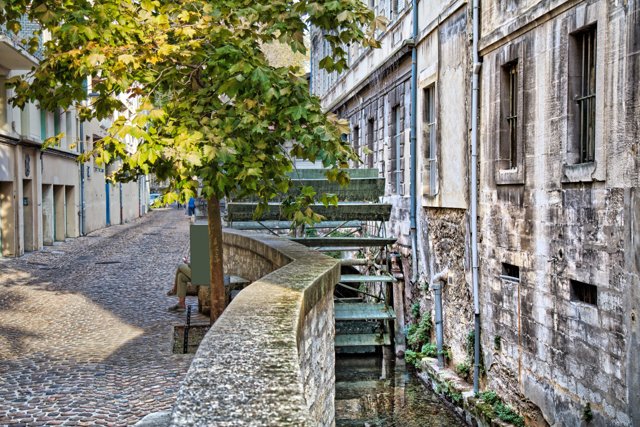
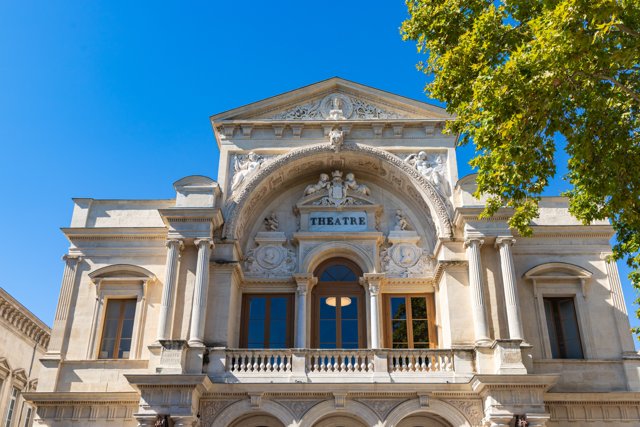
  • The Quartier des Teinturiers offers one of the most atmospheric corners of the city, where a small canal lined with old water wheels runs beside shaded cafés and quiet stone houses. This was once the textile heart of the city. Today, it’s the place for independent theaters, quirky bars, and a distinctly "Old World" vibe. 
  • Just beyond the walls, the Île de la Barthelasse provides a peaceful contrast to the historic centre. This green lung is where locals go to escape the heat. It’s known for its open landscapes, cycling paths, and views back toward the Avignon skyline..

Gastronomy

Avignon sits at the crossroads of Provence and the Rhône Valley, known for olive oil, herbs, wines, and seasonal produce.

The nearby vineyards of Châteauneuf-du-Pape produce some of the region’s most celebrated wines. At Les Halles d’Avignon, you’ll find local specialities such as tapenades, truffles, honey, and Provençal sweets.

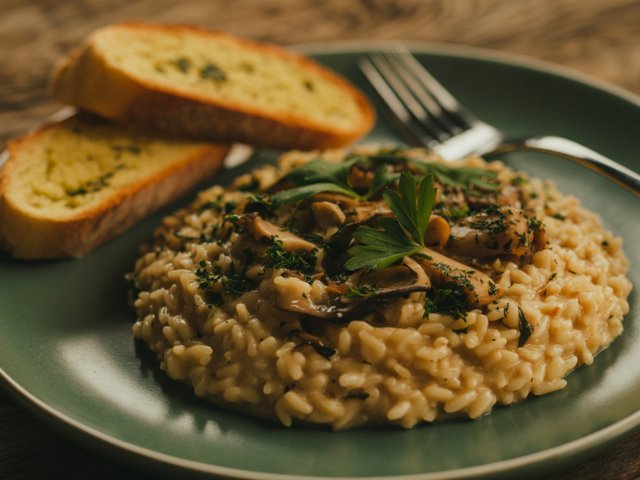
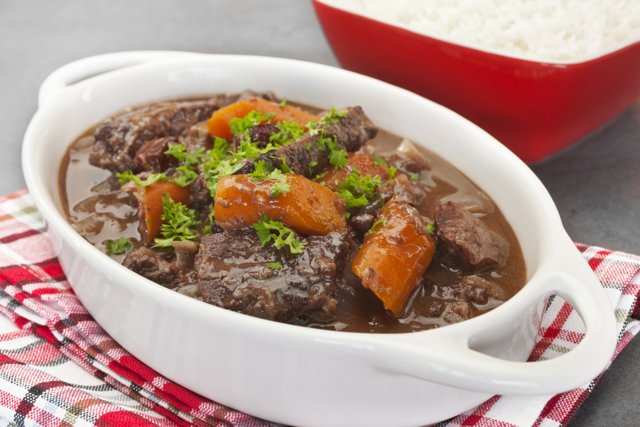
Classic dishes include ratatouille, aioli, and daube provençale, while the local Papaline d’Avignon combines chocolate with a distinctive herbal liqueur.

City Rhythm

For most of the year, Avignon moves at a gentle Provençal pace. Mornings centre around markets and café terraces, while afternoons slow under the Mediterranean sun. Evenings bring the ritual of the apéritif in lively squares.

In July, everything changes during the Festival d’Avignon, when the city becomes a stage for theatre and performance, filling the streets with energy well into the night.

Things to Do

Avignon offers a rich mix of history, culture, and Provençal scenery.

A visit to the monumental Palais des Papes is essential for understanding the city’s role as the seat of the papacy in the 14th century. Nearby stands the famous Pont d’Avignon, the medieval bridge celebrated in song that now stops halfway across the Rhône.

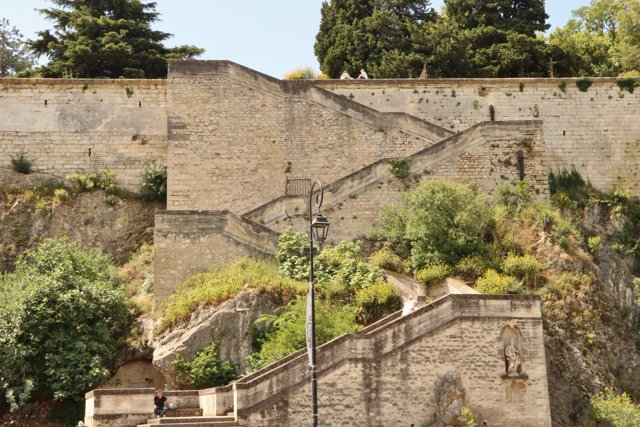
For panoramic views, walk up to the gardens of Rocher des Doms behind the cathedral, where the Rhône Valley stretches toward Provence and, on clear days, the distant silhouette of Mont Ventoux.

Rent a bike and cycle along the scenic riverbanks that frame the city’s historic skyline. And for a break after much sightseeing, head to Place de l’Horloge and enjoy some people-watching. 

Best hotels in Avignon

Frequently asked questions

Is Avignon worth visiting?

Absolutely. Avignon is one of the most historically significant cities in southern France, best known for its time as the seat of the papacy in the 14th century. Landmarks such as the monumental Palais des Papes and the famous Pont d’Avignon give the city an unmistakable medieval character.

How many days do you need in Avignon?

Two days is usually enough to explore the main sights and enjoy the city at a relaxed pace. Many travellers stay longer to visit nearby towns, vineyards, and countryside.

What is Avignon most famous for?

Avignon is best known for the 14th-century Avignon Papacy, which led to the construction of the Palais des Papes. It is also famous for the Pont d’Avignon and the internationally renowned Festival d’Avignon.

Is Avignon a good base for exploring Provence?

Yes. Its location makes it an excellent base for visiting places like Arles, Châteauneuf-du-Pape, and the Luberon, with easy access by train or car.

When is the best time to visit Avignon?

Avignon is enjoyable year-round, but many travellers find spring and early autumn are the most pleasant times to visit, with warm temperatures, fewer crowds, and a relaxed atmosphere across the city.

Summer is lively and energetic, especially in July during the Festival d’Avignon, when the city fills with performances and cultural events. Winters are quieter and milder, offering a slower, more local experience.

Top destinations