Nice

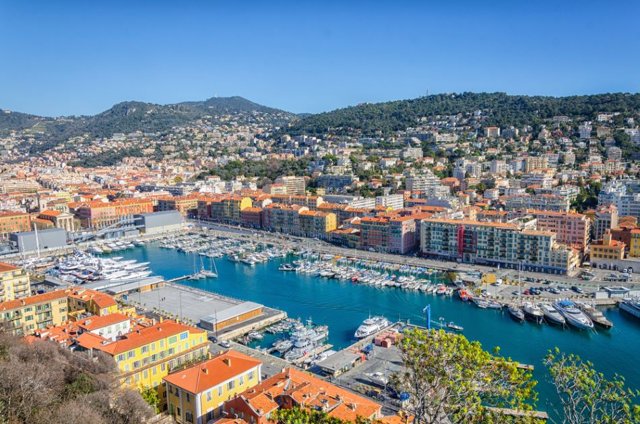
 A sunlit Riviera city where Mediterranean light, palm-lined promenades, and sea views shape a way of life lived largely outdoors.

  • Nice

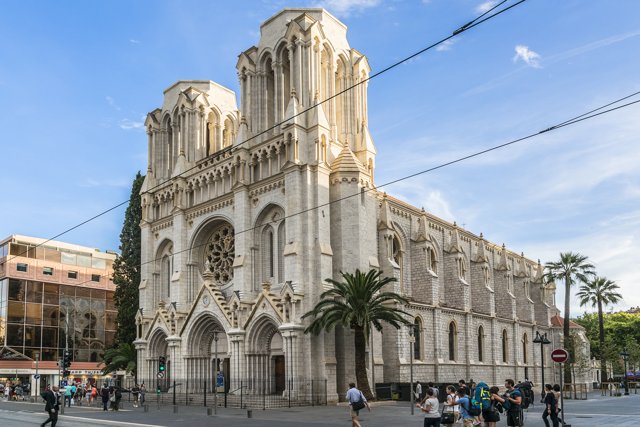
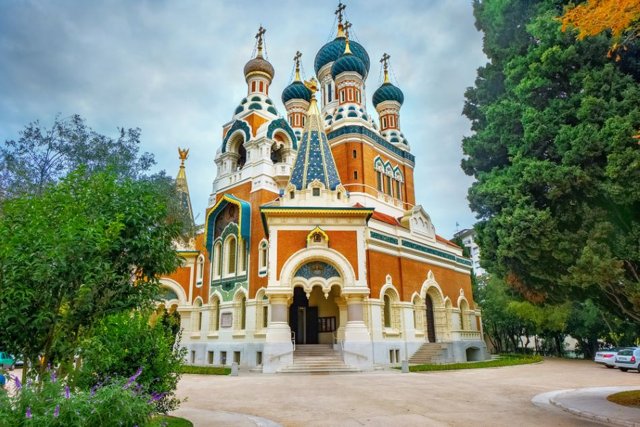
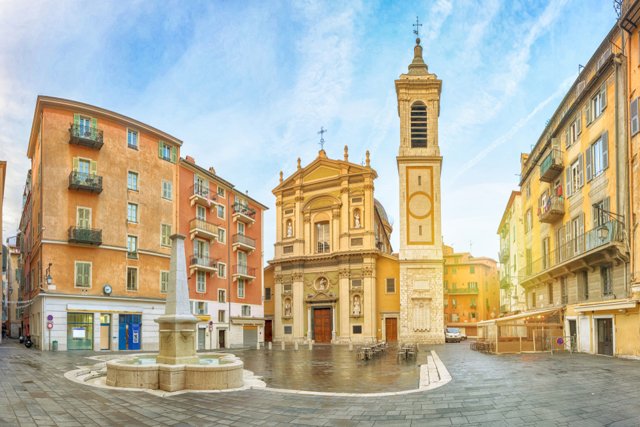
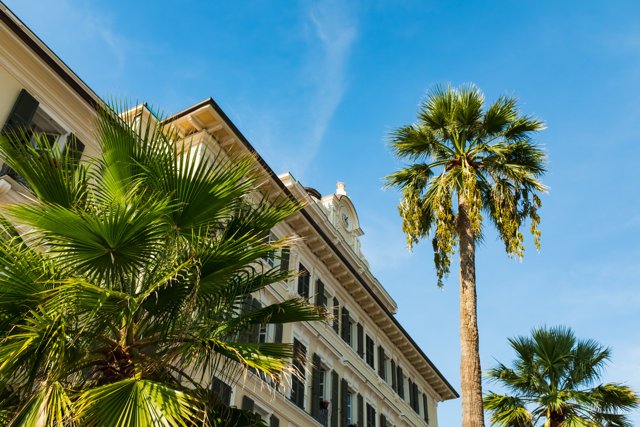
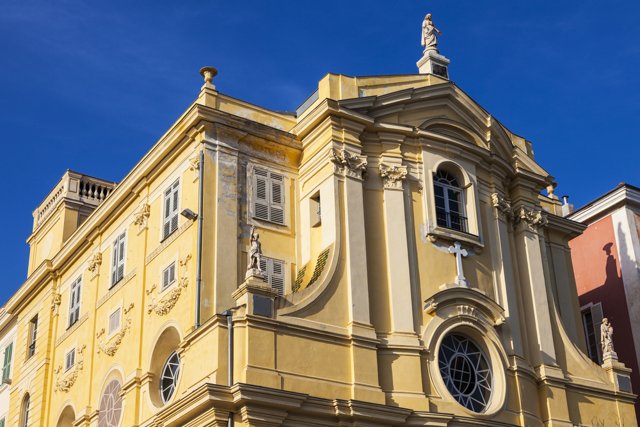
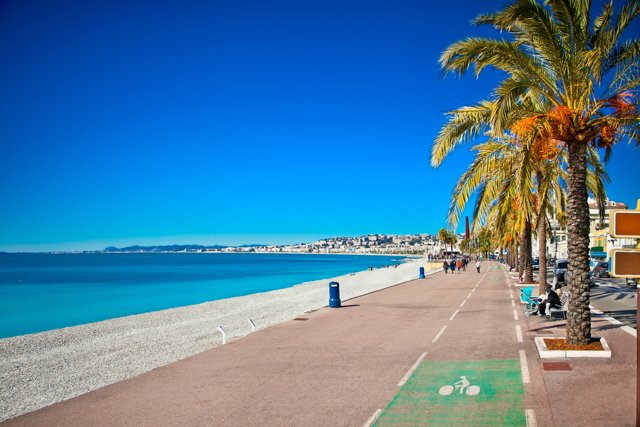
    Set between the Alps and the Mediterranean, Nice unfolds along the sweeping curve of the Baie des Anges, where the iconic Promenade des Anglais traces the shoreline in a long ribbon of palms and sea views. Just behind it, the narrow streets and ochre façades of Vieux Nice reveal an older rhythm of markets, Baroque churches, and lively squares that reflect the city’s southern character.

    Long shaped by both French and Italian influences, the city developed as one of the Riviera’s earliest winter resorts, attracting artists, writers, and travellers drawn by its climate and remarkable light. Today, daily life still revolves around the outdoors: mornings in neighbourhood cafés, afternoons along the seafront, and evenings that linger across terraces and promenades. Between its Mediterranean setting, artistic heritage, and relaxed pace, Nice feels elegant without losing its everyday warmth.
Unique experiences in Nice

Plan your trip

Entry Requirements & Travel Documents

France is part of the Schengen Area, allowing EU and EEA citizens to travel with a valid passport or national ID card. Travellers from many visa-exempt countries can visit France for up to 90 days within a 180-day period without requiring a visa, provided passport validity rules are met.

From late 2026, visitors from several visa-exempt countries — including the United States, Canada, the United Kingdom, Japan, Brazil, and Australia — will need to obtain ETIAS travel authorization before entering France and other Schengen states for short stays. Until the system is introduced, current visa-free entry rules remain in place. As requirements can change, checking official travel guidance before departure is always recommended.

Money, Currency & Paying in Nice

The currency used in Nice, as in the rest of France, is the euro (€ / EUR). Card and contactless payments are widely accepted in restaurants, shops, cafés, and hotels throughout the city.

Cash is still occasionally preferred in smaller bakeries, markets, or beach kiosks, so keeping a few coins or small notes can be useful. ATMs are easy to find across central Nice and generally provide more favourable exchange rates than airport exchange counters or tourist-area bureaux de change.

Weather, Seasons & When to Visit

Nice enjoys a Mediterranean climate, with abundant sunshine, warm summers, and winters that are noticeably milder than in much of Europe.

Spring (March to May) brings comfortable temperatures and bright coastal light, making it an ideal season for exploring the old town, seaside walks, and nearby gardens.

Summer (June to August) centres around the coastline. Beaches, terraces, and evening promenades become part of daily life, though July and August are also the busiest months for tourism.

Early autumn (September and October) often remains warm and clear, with fewer crowds and pleasant sea temperatures.

Winter (December to February) is quieter and cooler but rarely harsh. Sunny days are still common, and the city offers a calmer Riviera atmosphere outside the peak travel season.
Health Insurance

Visitors from EU countries should carry a valid European Health Insurance Card (EHIC) or GHIC, which allows access to public healthcare in France under the same conditions as residents. However, it does not replace comprehensive travel insurance.

Travellers arriving from outside the EU are strongly advised to have travel medical insurance that covers treatment, hospital care, and emergency repatriation. Proof of insurance may also be required for certain visa categories.

Connectivity, Roaming & Mobile Data

Free Wi-Fi is widely available in hotels, cafés, restaurants, and many public spaces throughout Nice.

Travellers with mobile plans from EU or EEA providers can generally use their data, calls, and texts in France under the EU “Roam Like at Home” regulation, which allows roaming at domestic rates within the EU.

Visitors from outside the EU may face roaming charges depending on their provider. For longer stays or frequent data use, purchasing a local SIM card or eSIM can be a practical option for navigation, transport apps, and reservations.

Airports & Main Arrival Hubs

The city is served primarily by Nice Côte d’Azur Airport (NCE), the main international gateway to the French Riviera and the third-busiest airport in France after Paris. Located just west of the city centre along the coast, it offers direct connections to major European cities as well as seasonal long-haul routes.

Thanks to its coastal location, arrivals often come with views of the Mediterranean before landing. The airport is only about 7 km from central Nice, making transfers to the city relatively quick and straightforward.

Main Train Stations

Gare Nice-Ville is the city’s principal railway station and the main arrival point for most rail travellers. Situated just north of the central districts, it is within walking distance of many hotels and the seafront.

High-speed TGV services connect Nice with cities such as Paris, Marseille, and Lyon, while regional TER trains run frequently along the Riviera, linking destinations including Antibes, Cannes, Monaco, and Menton.

From the Airport / Station to the City Centre

The most convenient way to reach the centre from the airport is the tramway. Tram Line 2 connects both terminals directly with central Nice, stopping at key stations including Jean Médecin and Port Lympia. The journey to the main shopping and hotel districts takes around 20 minutes.

Bus services also operate from the airport to various parts of the city and surrounding towns.

From Nice-Ville station, many central areas — including the seafront and Promenade des Anglais — can be reached on foot in roughly 15–20 minutes, with tram and bus connections available for longer distances.

Taxis & Ride-Hailing

Taxis operate throughout Nice and can be found at ranks outside the airport terminals and main railway stations. Journeys to central districts typically take 15–25 minutes, depending on traffic.

Ride-hailing services such as Uber and FREE NOW also operate across the city, offering app-based booking and upfront pricing.

Arrival Tips & Common Mistakes to Avoid

  • The tram from the airport is usually the easiest and most affordable way to reach the city centre, especially during busy summer periods.
  • Avoid exchanging currency at airport exchange counters, where rates are often less favourable than those offered by ATMs.
  • During the summer months, traffic along the coastal roads can become busy, particularly on routes to the airport, so allowing extra travel time is advisable.
  • When arriving by train, note that Nice-Ville station sits slightly uphill from the seafront, so walking with heavy luggage can feel longer than expected. Trams and buses offer easier connections to coastal districts.
  • In busy areas such as Vieux Nice, the seafront, and tram stops, keeping an eye on personal belongings is advisable, particularly during peak travel periods.

Public Transport & Zones

Nice has a compact and reliable public transport network operated by Lignes d’Azur, combining trams and buses that connect the airport, the city centre, and surrounding neighbourhoods. For most visitors, the tramway is the easiest way to move across the city.

Three tram lines run through Nice. Line 1 crosses the centre from north to south, linking districts such as Jean Médecin, the main shopping area, and stops close to Vieux Nice. Line 2 connects the airport with the city centre and continues east toward the port, while Line 3 serves western residential areas.

Most places visitors are likely to explore fall within the central network area, making the system straightforward for short journeys around the city.

Tickets & Passes

Tickets can be purchased from machines at tram stops, through the Lignes d’Azur mobile app, or at authorised points across the city.

Single tickets are valid for a limited time after validation and can be used across both trams and buses. Day passes and multi-day passes are also available and can be convenient for visitors planning to use public transport regularly.

Walking & Cycling

Much of central Nice is easy to explore on foot. The seafront, Promenade des Anglais, Vieux Nice, and the main shopping streets around Jean Médecin are all within comfortable walking distance of each other.

Cycling has also become more common in recent years. Dedicated bike lanes run along parts of the seafront and through several central districts, and rental bikes are available throughout the city.

Nearby Destinations / Day Trips

Nice is an excellent base for exploring the French Riviera, with frequent regional trains running along the coast and linking many nearby towns within a short journey.

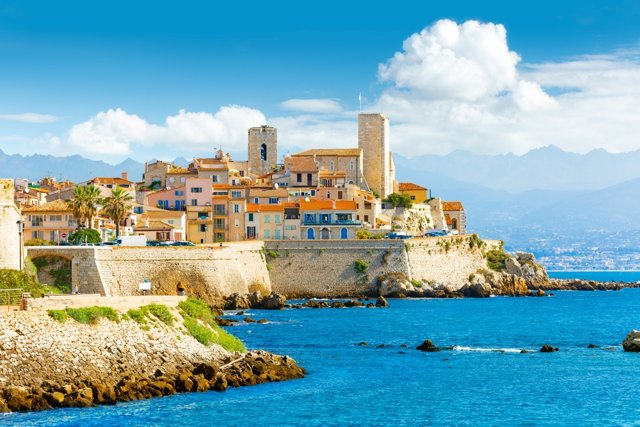
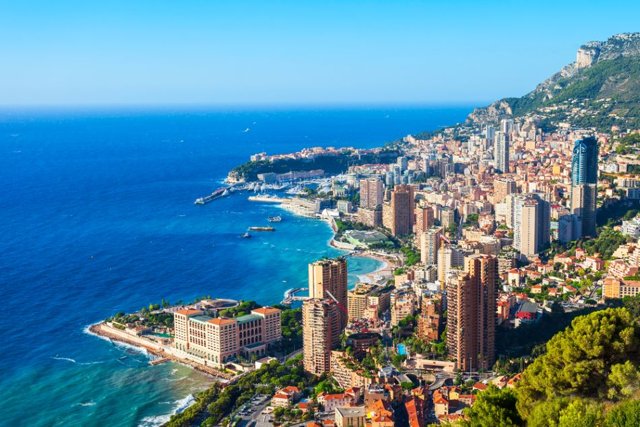
Within half an hour, you can reach Antibes, known for its historic harbour and relaxed seaside atmosphere, or continue to Cannes, famous for its palm-lined boulevard and film festival heritage. Just to the east, Monaco offers a striking contrast, with its harbour, steep streets, and dramatic views over the Mediterranean.

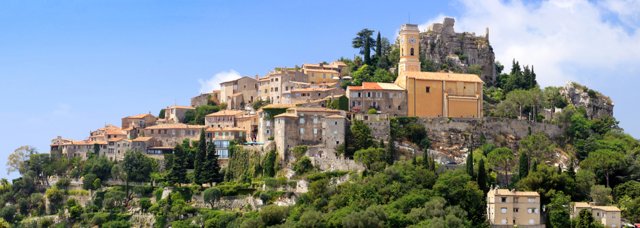
Further along the coast, Menton sits near the Italian border and is known for its colourful façades and mild microclimate. Inland, hilltop villages such as Èze provide panoramic views over the Riviera and a glimpse of the region’s older landscapes beyond the coastline.

Accessibility & Basic Safety Tips

Nice is generally easy to navigate, with a compact layout and an accessible public transport network. Most tram stops and vehicles provide step-free access, and buses operated by Lignes d’Azur include ramps and priority seating for passengers with reduced mobility.

In the narrow streets of Vieux Nice, pavements can be uneven in places, so comfortable footwear is recommended if you plan to walk extensively.

Nice is considered a safe destination. As in any busy city, it is sensible to keep an eye on personal belongings in crowded areas such as tram stops, shopping streets, and along the Promenade des Anglais during peak travel periods. Emergency services in France can be reached by dialling 112.

Language, Culture & Local Etiquette

French is the primary language spoken in Nice. The city lies close to the Italian border and was historically influenced by both cultures, something still reflected in its local traditions and cuisine. While French is the language used in daily life, English is widely understood in hotels, restaurants, and tourist areas.

As elsewhere in France, greetings are an important part of everyday interactions. A simple “Bonjour” when entering a shop, café, or restaurant is considered polite, and concluding with “Merci” or “Bonne journée” is equally appreciated.

Life in Nice tends to move at a relaxed Mediterranean rhythm. Meals are often enjoyed slowly, terraces fill as the day cools, and evenings frequently extend into long walks along the seafront.

Neighbourhoods

  • Vieux Nice: The historic heart of the city is a lively maze of narrow streets, colourful façades, and small squares. Markets, cafés, and traditional shops give the area its distinctive atmosphere, particularly around Cours Saleya.
  • Carré d’Or: Located near the seafront and the main shopping streets, this elegant district is known for its boutiques, hotels, and restaurants. It sits within easy walking distance of the Promenade des Anglais.
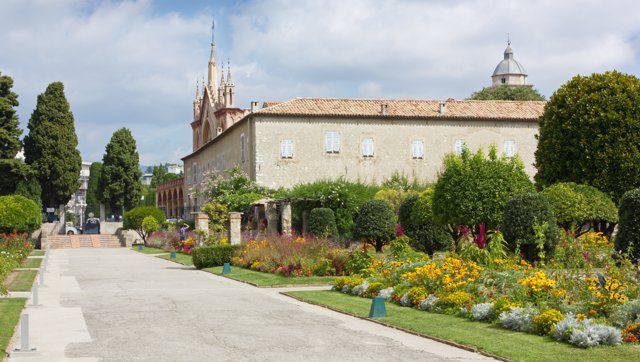
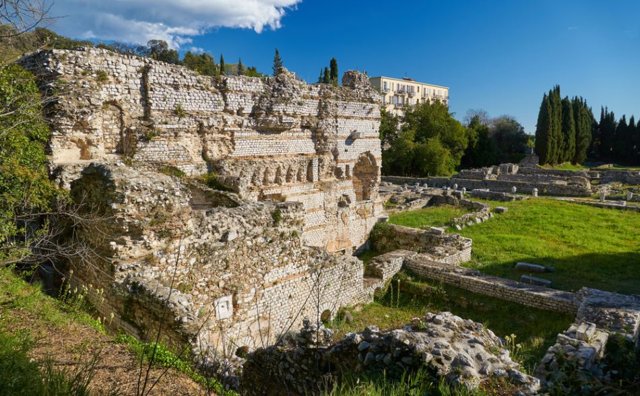
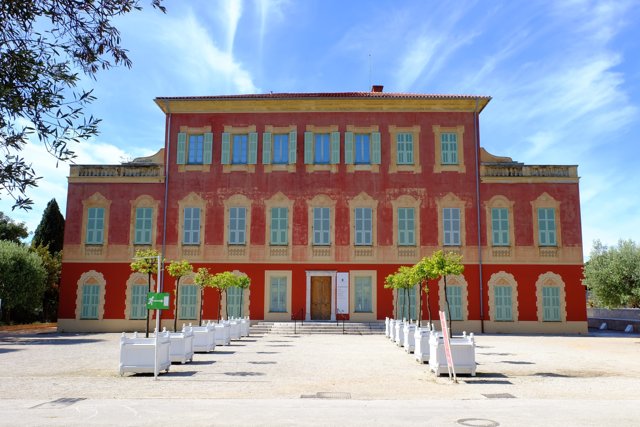
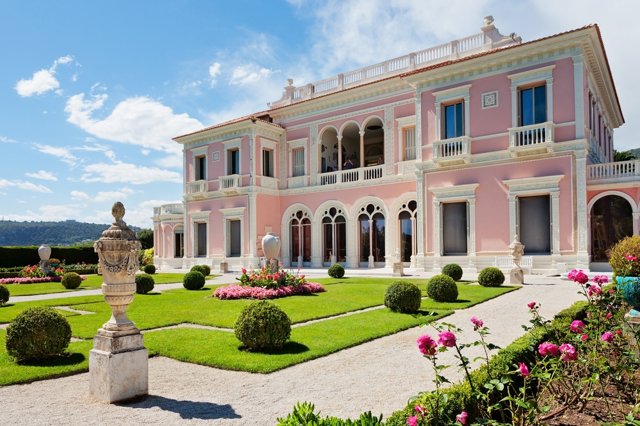
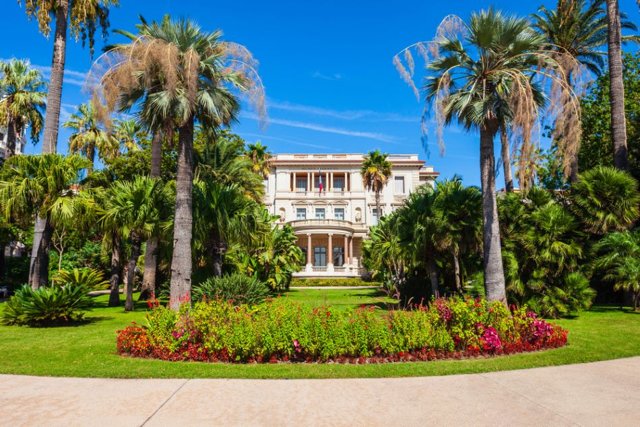
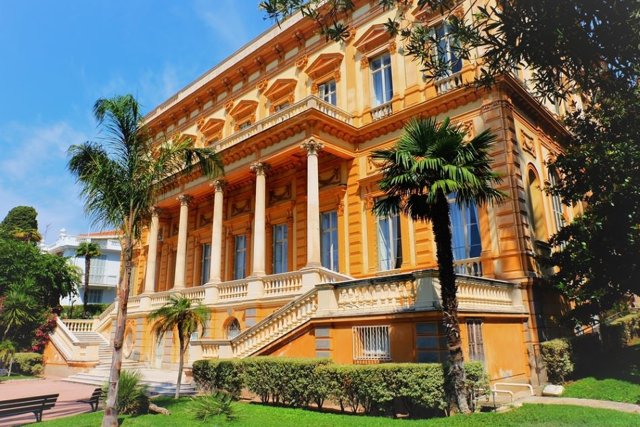
  • Cimiez: Set slightly above the centre, Cimiez is quieter and more residential. The area is known for its gardens, historic villas, and museums, including those dedicated to artists who once lived in Nice.
  • Le Port: Around Port Lympia, this district combines colourful buildings, local restaurants, and a growing number of cafés and bars. It has a more local feel while remaining close to the old town.
  • Libération: North of the centre, this neighbourhood is centred around its lively market and everyday local life. It offers a glimpse of Nice beyond the seafront and historic districts.

Gastronomy

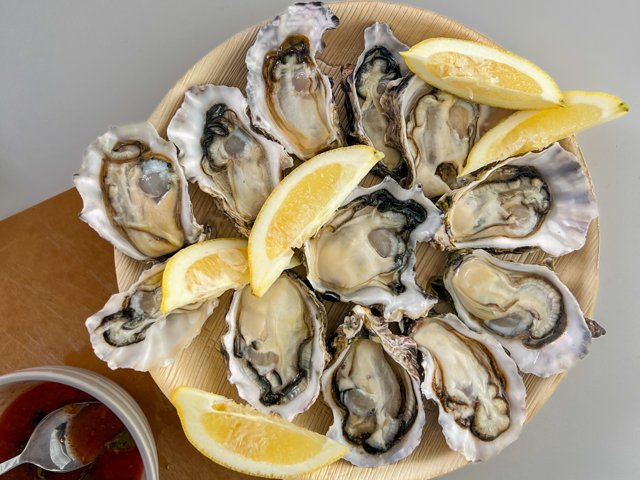
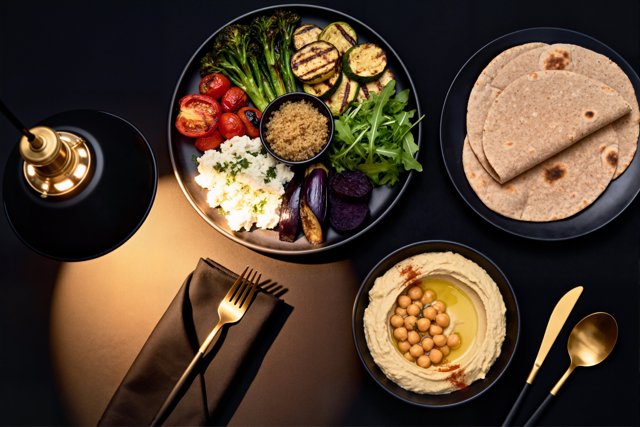
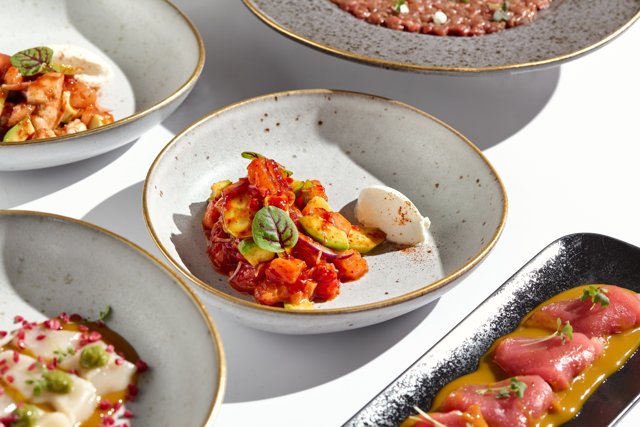
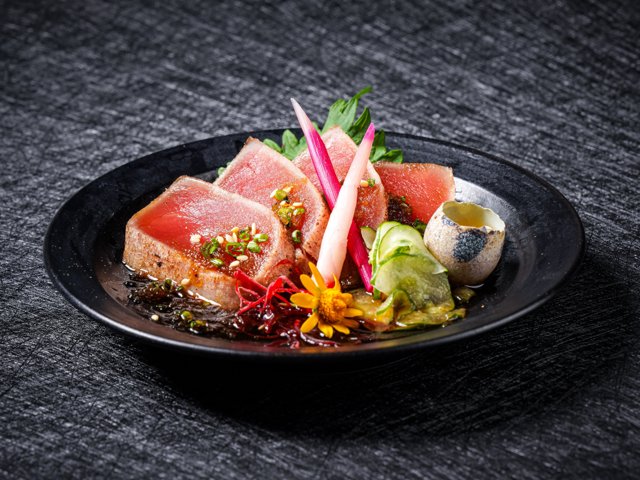
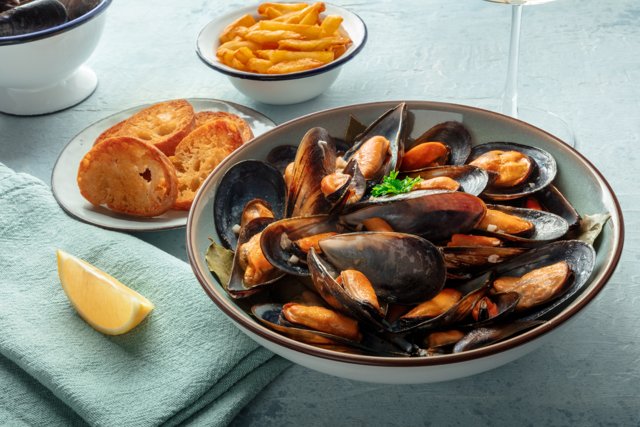
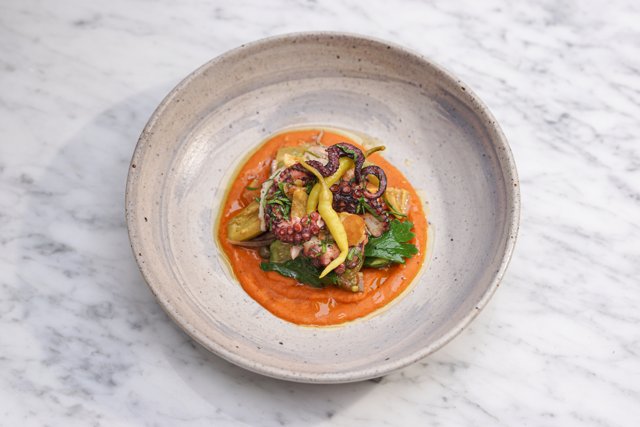
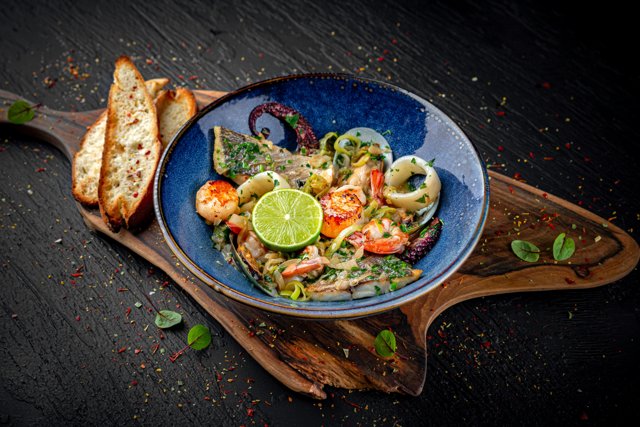
The cuisine of Nice reflects both the Mediterranean and the traditions of southern France, with an emphasis on fresh vegetables, olive oil, and seafood.

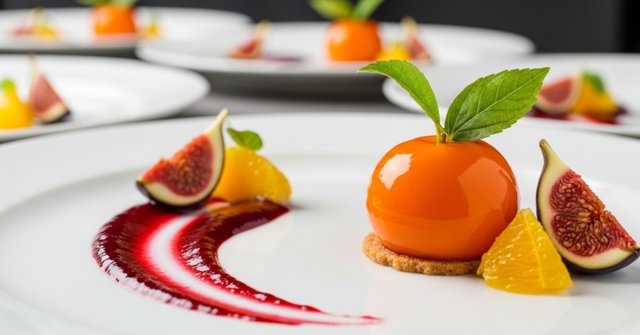
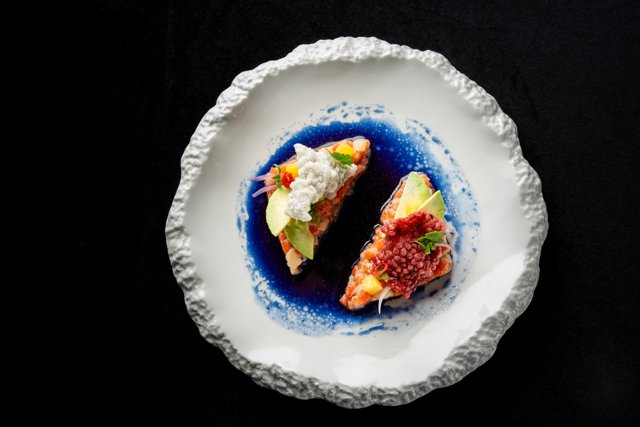
Local specialities include salade niçoise, socca (a thin chickpea pancake traditionally cooked in large ovens), and pissaladière, a savoury tart topped with caramelised onions, anchovies, and olives. Another regional favourite is pan bagnat, a sandwich inspired by the flavours of salade niçoise.

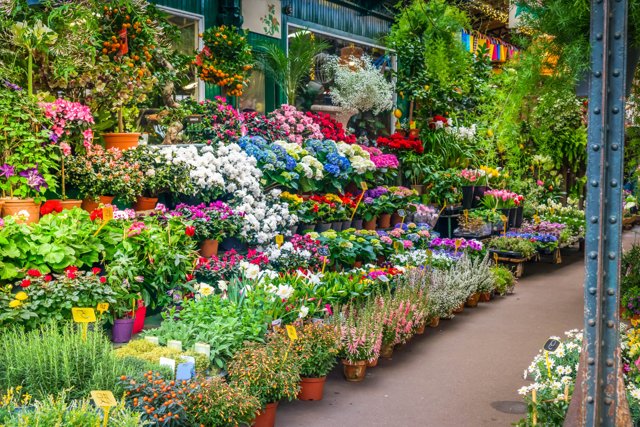
Markets play an important role in the city’s food culture. The vibrant market at Cours Saleya in Vieux Nice is one of the best places to experience local produce, flowers, and regional dishes.

City Rhythm

Life in Nice follows the rhythm of the Mediterranean. Mornings begin slowly in neighbourhood cafés, while afternoons often centre around the sea or shaded squares.

As the heat softens later in the day, terraces fill, promenades become busier, and the seafront takes on a relaxed evening atmosphere. Whether strolling along the Promenade des Anglais or gathering in small squares in Vieux Nice, the city’s social life tends to unfold outdoors and at an unhurried pace.

Things to Do

Nice naturally draws visitors outdoors, where the city unfolds between the Mediterranean and the surrounding hills. The Promenade des Anglais follows the curve of the Baie des Anges, a seafront boulevard first developed in the 19th century by English visitors who came to the Riviera for its mild winter climate. Today it remains one of the city’s defining spaces — a place for morning walks, cycling along the coast, or pausing at sunset as the light softens across the bay.

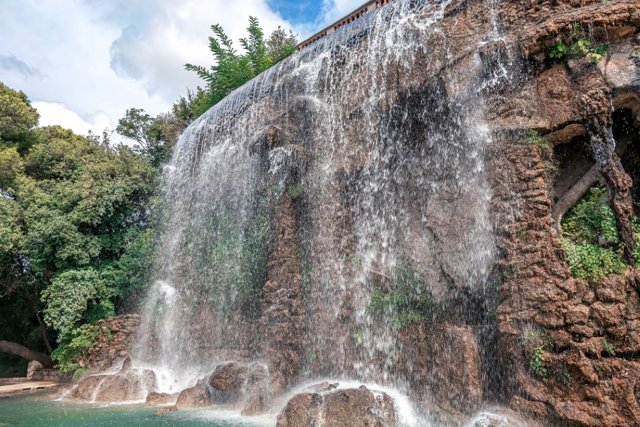
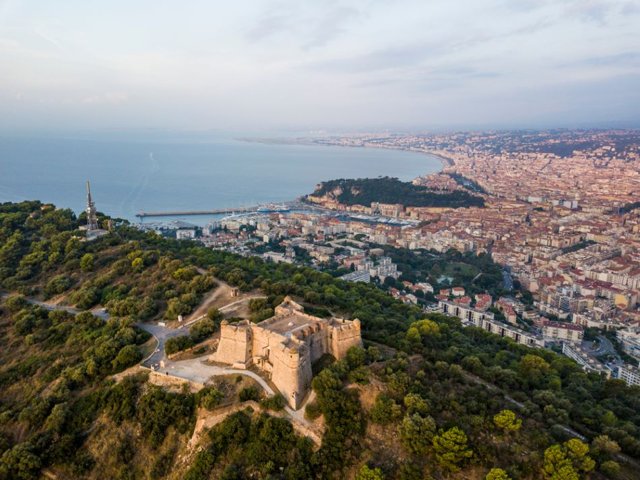
Just behind the seafront, Vieux Nice reveals a different atmosphere. Its narrow streets open onto lively squares and the colourful Cours Saleya Market, where flowers, local produce, and regional specialities fill the stalls each morning. Climbing to Colline du Château rewards visitors with one of the Riviera’s most striking panoramas, overlooking terracotta rooftops and the wide arc of the coastline.

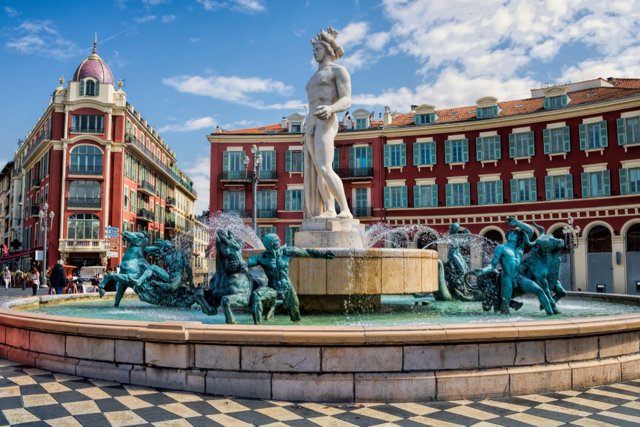
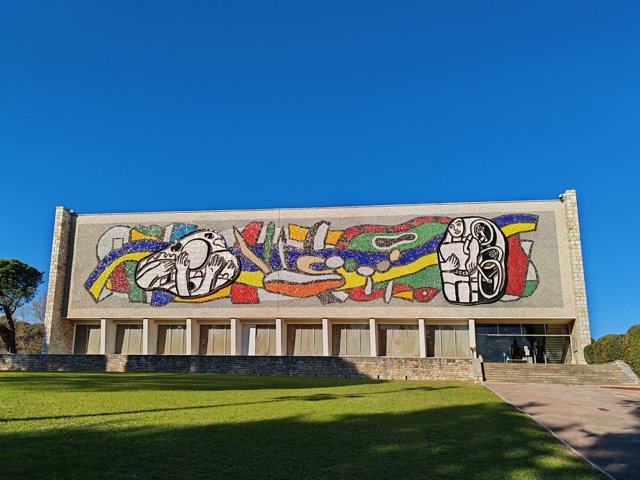
Art also forms an important part of Nice’s identity. The Musée Matisse and Musée Marc Chagall reflect the long relationship between the city and artists drawn by its Mediterranean light. Back in the centre, Place Masséna and the green promenade of Promenade du Paillon create a lively urban space where fountains, gardens, and open squares bring together locals and visitors throughout the day.

Best hotels in Nice

Frequently asked questions

Are the beaches in Nice sandy?

Most beaches in Nice are made of smooth pebbles rather than sand. These stone beaches are typical of the French Riviera and give the water its clear turquoise colour. Many visitors bring beach shoes for comfort, though sunbeds are widely available at private beach clubs.

Is Nice a good base for exploring the French Riviera?

Yes. It sits at the heart of the French Riviera, with frequent regional trains linking nearby towns such as Antibes, Cannes, Monaco, and Menton in under an hour. This makes it one of the easiest places on the coast from which to explore the region.

Is Nice expensive to visit?

Nice can be more expensive during the summer months, especially along the seafront. However, the city still offers a range of cafés, markets, and neighbourhood restaurants where prices are more moderate. Many of the best experiences — walking along the Promenade des Anglais or exploring Vieux Nice — are free.

How many days should you spend in Nice?

A stay of three to four days is usually enough to explore the main sights, enjoy the seafront, and experience the atmosphere of the old town. Many visitors extend their stay to include day trips along the Riviera.

Is English widely spoken in Nice?

English is widely spoken in hotels, restaurants, and tourist areas. However, starting interactions with a simple “Bonjour” is appreciated and reflects local etiquette in France.

What is Nice famous for?

Nice is known for its Mediterranean setting, the historic Promenade des Anglais, the colourful streets of Vieux Nice, and its long artistic heritage. The city’s exceptional light attracted artists such as Henri Matisse and Marc Chagall, whose museums remain among its cultural highlights.

Top destinations