Athens

A chaotic, romantic city where ancient history and contemporary life share the same sun-bleached streets.

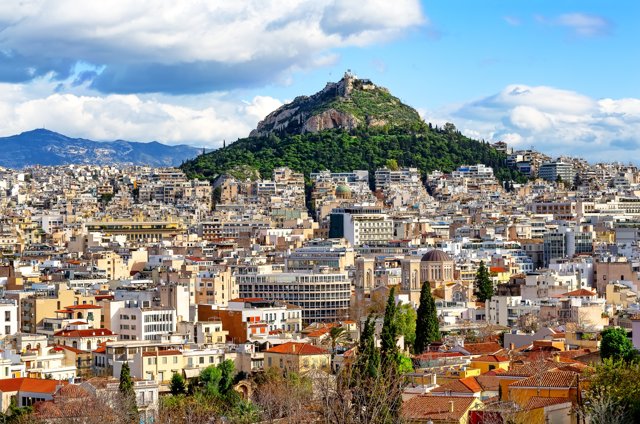
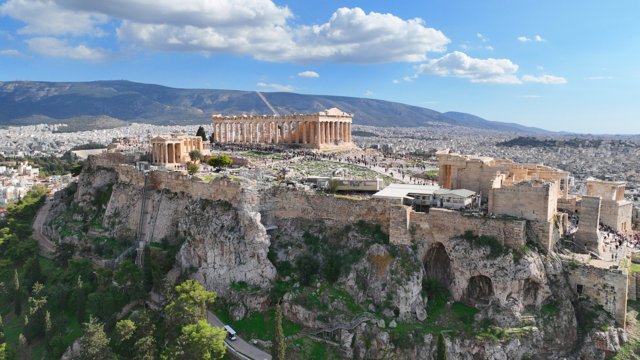
Acropolis hill and historic buildings Athens Greece

  • Athens

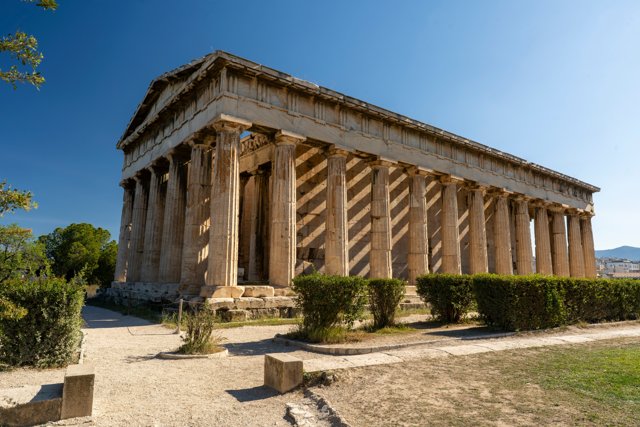
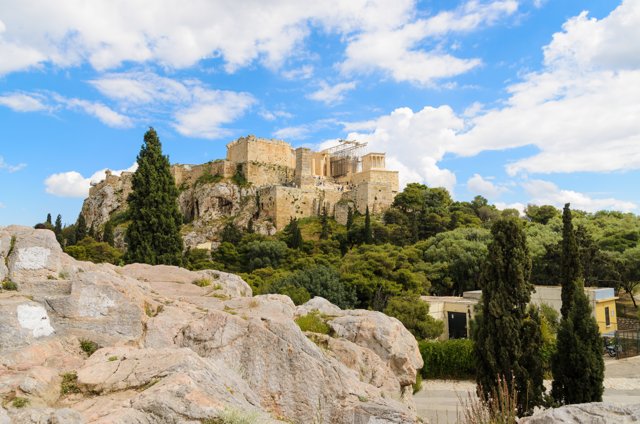
    Athens was where Western civilisation, democracy, and philosophy took shape — ideas that still underpin much of the modern world. The Acropolis and the Parthenon, nearly 2,500 years old, rise above a city that has been continuously inhabited for longer than almost anywhere else in Europe.

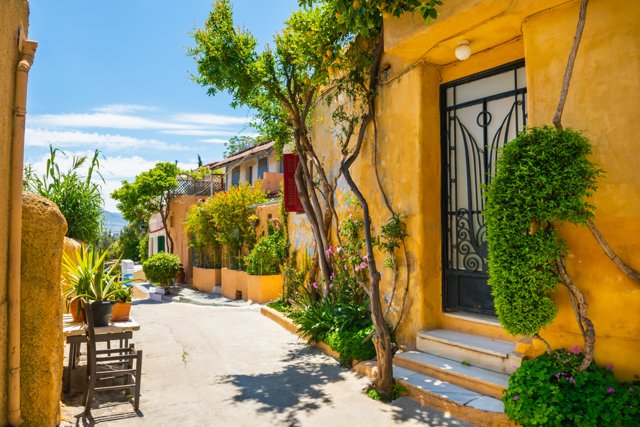
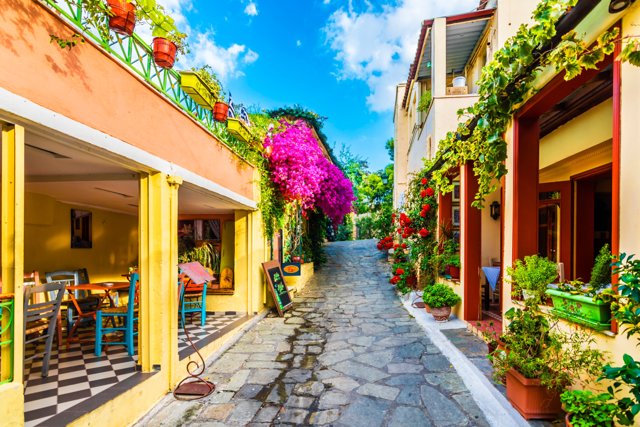
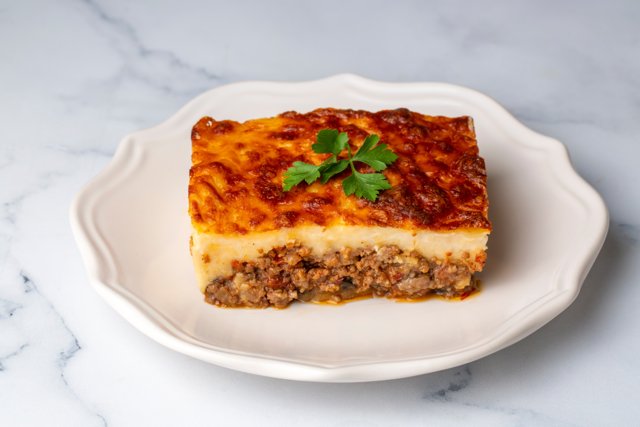
    At street level, Athens feels very much alive. Street art colours entire building facades, neighbourhood cafés fill from mid-morning onwards, and a lively food scene rewards those willing to explore beyond the tourist trail. Locals are open, passionate, and quick to strike up conversation.

    Many travellers pass through on their way to the Greek islands. Those who linger, however, discover a city that has quietly reinvented itself — an open-air museum that continues to evolve at its own unhurried pace.
Unique experiences in Athens

Prepare your dream trip

Explore places and experiences, tap the heart to save your favorites and build your route to share. In a hurry? Get an itinerary in two steps and share or download it to Google Maps.

Use left and right arrow keys to move between filters. Press Space or Enter to toggle a filter. Press Tab to leave the filter bar.

Acropolis hill with Parthenon temple Athens Greece

Historical Sites

Acropolis

Surviving over two millennia of warfare, catastrophic explosions, and severe environmental degradation, this fortified rocky plateau remains the definitive structural milestone representing the global dawn of Western democracy, philosophy, and classical civilization in its purest form. The majestic Parthenon dominates the limestone summit alongside the Erechtheion, engineered with sophisticated mathematical illusions where massive Pentelic marble columns lean subtly inward to achieve absolute visual symmetry, structural balance, and architectural perfection. Traversing these monumental stone gateways during sunset evokes a profound connection to antiquity, as shifting golden light illuminates the ancient ruins, solidifying an enduring reverence for human artistic innovation, architectural mastery, and intellectual heritage. For more information on schedules and prices, please consult its official website.

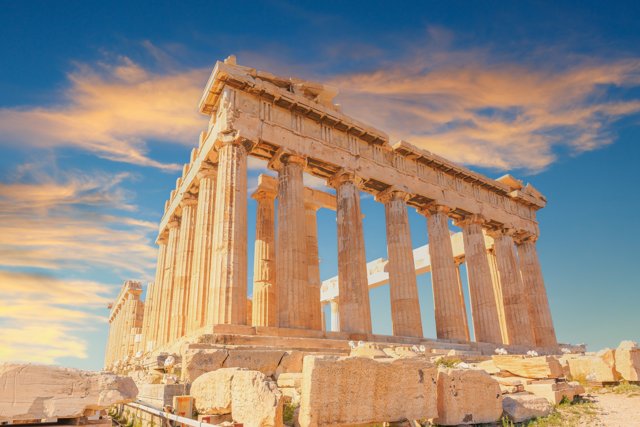
Parthenon temple on the Acropolis Athens Greece

Historical Sites

Parthenon

Completed in 438 BC to honor the goddess Athena Parthenos, this monumental treasury symbolized Athenian absolute hegemony following a decisive victory over the invading Persian empire. It served as a secure repository for the Delian League's immense silver reserves. Architect Ictinus incorporated subtle optical corrections into the Pentelic marble design. Every horizontal element curves upward slightly, while the Doric columns lean inward to counteract the illusion of structural sagging and ensure absolute visual perfection. Witnessing the historic structure at twilight reveals how ancient mathematical precision effortlessly transcends time. The shifting sunlight illuminating the remaining metopes evokes deep contemplation regarding classical democracy, philosophy, and enduring human artistic achievement. For more information, please consult its official website.

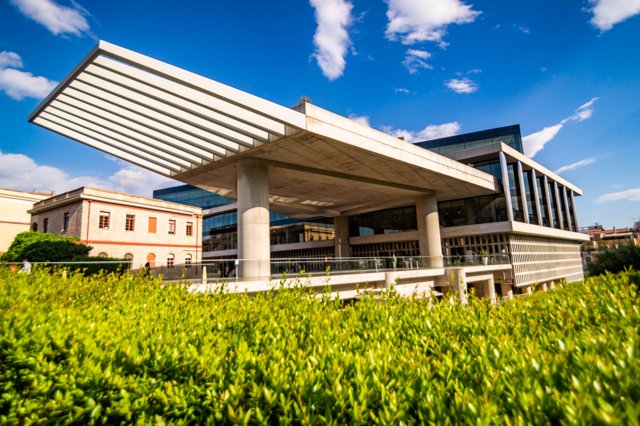
Acropolis Museum modern building Athens Greece

Museums and Galleries

Acropolis Museum

Over four thousand precious artifacts recovered from the sacred rock now reside inside an innovative structure suspended on concrete pillars. This engineering choice safeguards an ancient Athenian neighborhood, which remains visible through transparent floor panels. The elevated Parthenon Gallery perfectly mirrors the exact geographic orientation and architectural dimensions of the ancient temple core. Large glass walls allow natural Mediterranean sunlight to illuminate the surviving frieze segments precisely as antiquity intended. Walking through the illuminated galleries establishes a direct intellectual connection between contemporary design and classical history. Witnessing these ancient masterworks while looking out at the original hilltop monument evokes profound reverence for Hellenic heritage. For more information on schedules and prices, please consult its official website.

Local cuisine

Aleria

4.7
oysters with lemon wedge at Delta restaurant Athens

Michelin star

Delta

4.4

Local Celebrations

Ohi Day

Oct 28
Check location in Athens

Historical Sites

Ancient Agora

Since classical antiquity, the Ancient Agora of Athens has served as the central heart of Athens, functioning as the city’s main hub for political debate, commerce, social interaction, administration, and religious life, where citizens gathered daily to shape public life and civic identity. Originally a bustling marketplace, the Agora was where Athenians bought and sold goods before gradually evolving into a broader civic space. Over time, it became a public square and cultural center, reflecting the development of democracy and community life in ancient Greece. Today, visitors can explore its ruins and monuments to better understand the origins of Western civilization. Walking through the Ancient Agora offers a unique journey into history, philosophy, and daily life in one of the world’s most influential ancient societies. For more information on schedules and prices, consult its official website.

Sights and Monuments

Areopagus Hill

Ancient Greek mythology records this bare marble outcrop as the divine tribunal where the god Ares faced trial by his peers for homicide, establishing its long-standing legacy as classical Athens' premier high court for serious crimes. Situated directly northwest of the Acropolis summit, this prominent, weather-worn geological monolith displays steep, ancient rock-cut steps leading up to a flattened, slippery crest overlooking the foundational layout of the classical Athenian Agora below. Ascending this historical summit provides an evocative link to antiquity, where early philosophical discourse, monumental biblical orations, and ancestral legal decrees once converged, presenting an unhindered panorama over the civic cradle of Western civilization. For more information, please consult its official website.

Neighborhoods

Plaka

Continuously inhabited for over three millennia, this historic quarter rests directly atop the oldest residential foundations of Athens. Documented archaeological excavations frequently encounter intact Byzantine structures and classical remnants mere inches beneath the modern thoroughfares. Elegant nineteenth-century neoclassical mansions painted in warm pastel hues line the labyrinthine pedestrian grid. Higher up, the Anafiotika enclave closely replicates Cycladic island architecture, showcasing stark whitewashed cubic houses and steep stone pathways. Traversing these winding alleyways evokes a profound connection to antiquity, where the scent of blooming jasmine pairs with acoustic melodies. Sunset transforms the district into a tranquil sanctuary reflecting genuine, old-world Mediterranean life.

Local cuisine

Tavern Klimataria

4.4

Local cuisine

Seychelles

4.4

Historical Sites

Hadrian's Library

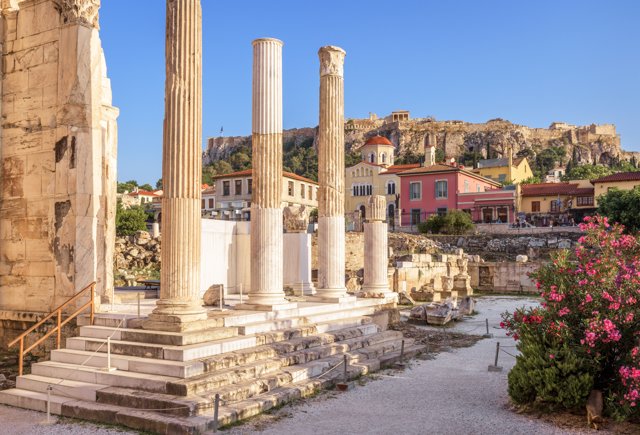
Roman Emperor Hadrian commissioned this monumental intellectual sanctuary in AD 132, transforming ancient Athens into a preeminent center of literary preservation. The repository originally secured thousands of rare papyrus scrolls within specialized, secure architectural chambers. Imposing Corinthian columns crafted from fine Pentelic marble still dominate the western facade. This vast rectangular courtyard once enclosed a central reflection pool, flanked by a magnificent portico of one hundred columns and monumental lecture halls. Traversing these enduring archaeological ruins establishes an immediate connection to classical academic traditions. The weathered marble structures echo centuries of intense philosophical debates, offering a quiet, contemplative perspective on ancient Roman civic design. For more information on schedules and prices, please consult its official website.

antique items at Monastiraki Flea Market Athens

Shops and Street Markets

Monastiraki Flea Market

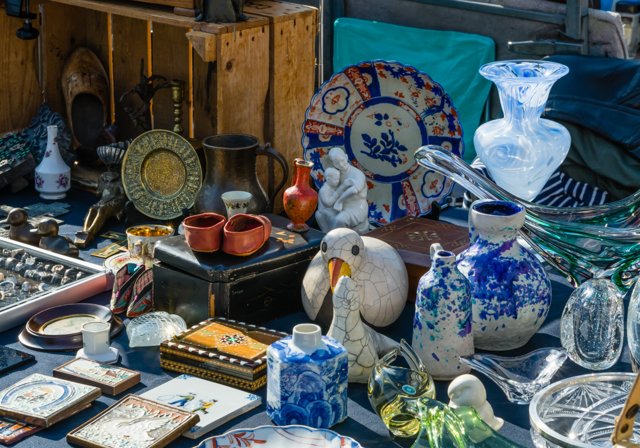
The tiny tenth-century Byzantine monastery of Pantanassa lends its name to this sprawling commercial epicentre. For centuries, Ottoman, Roman, and classical Greek merchants bartered on these specific grounds, establishing an enduring legacy of continuous urban trade. Narrow cobblestone pathways branching from the central plaza overflow with vintage vinyl, antique Ottoman coins, handcrafted leather goods, and rare books. Sunday mornings expand these permanent storefronts into an extensive open-air bazaar of historical relics. Traversing this dense network offers an immediate, sensory connection to authentic Athenian rhythms. The distinct scent of roasting chestnuts pairs with acoustic melodies, framing a striking, unhindered view of the ancient Acropolis rising directly overhead.

Neighborhoods

Psyri

Nineteenth-century anti-establishment figures and master leather artisans initially forged the counter-cultural identity of this ancient Athenian district. Even Lord Byron sought inspiration within these streets, cementing the area's reputation as a historical sanctuary for radical creative minds. Weathered industrial warehouses now showcase monumental contemporary street art, flanking a dense grid of geometric alleyways. Restored neoclassical facades accommodate independent design studios, seamlessly showcasing the physical transition from a manufacturing hub to an avant-garde cultural zone. Nightfall activates a distinct acoustic energy, underscored by authentic rebetiko music and experimental gastronomy. Traversing these illuminated pathways offers a profound engagement with Athens' alternative subculture, where political history directly informs modern urban expression.

Local cuisine

FILIPPOU Restaurant

4.5

Museums and Galleries

National Archaeological Museum

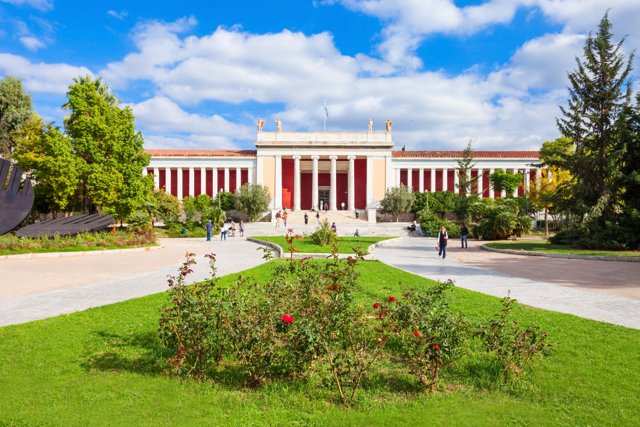
Among the most important cultural institutions in Athens, the National Archaeological Museum preserves one of the world’s richest collections of ancient artifacts, reflecting the extraordinary archaeological heritage and historical legacy of Greece across thousands of years of civilization. The museum houses more than 11,000 objects spanning from the Neolithic period to classical antiquity. Its collections include sculptures, pottery, jewelry, frescoes, and important exhibits dedicated to Ancient Egypt and Cypriot antiquities, offering a broad overview of the ancient Mediterranean world. Today, the museum remains an essential destination for understanding the development of ancient societies and Greek civilization. Through its remarkable collections, visitors can explore the artistic, cultural, and historical achievements that shaped the ancient world and influenced later civilizations. For more information on schedules and prices, consult its official website.

Panathenaic Stadium in Athens Greece

Historical Sites

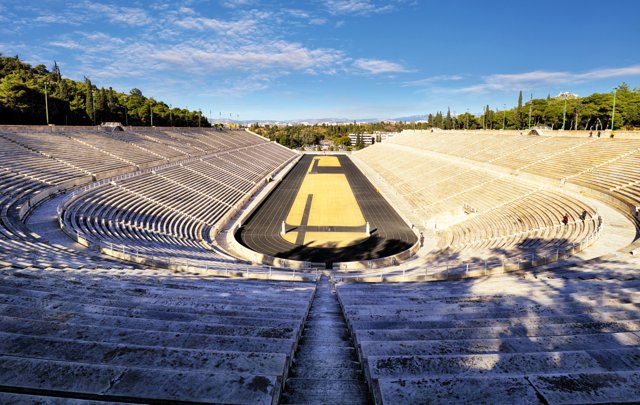
Panathenaic Stadium

Long before global sports broadcasted worldwide, Athenian statesman Lycurgus initiated the construction of this massive athletic arena during the fourth century BC, which later achieved global prominence by hosting the inaugural modern Olympic Games in 1896. Distinguishable as the only major arena worldwide constructed entirely from shimmering white Pentelic marble, the striking horseshoe-shaped venue showcases sixty thousand meticulously tiered seats built to accommodate spectators along its narrow classical running track. Standing upon the original stone track evokes a profound reverence for ancient competitive triumphs, where the annual Olympic flame handover ceremony permanently bridges ancestral Hellenic athletic traditions with contemporary international sportsmanship and global unity. For more information on schedules and prices, please consult its official website.

smoked salmon canapés with cream cheese and caviar Athens restaurant

Local cuisine

Mani Mani

4.7

Historical Sites

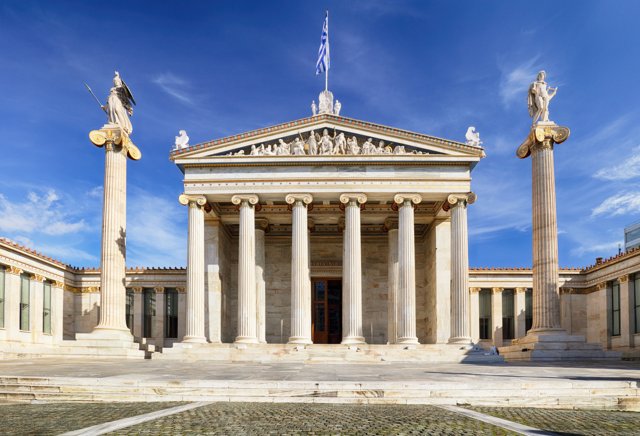
Academy of Athens

Danish architect Theophil Hansen consciously revived the profound spirit of Plato’s ancient school by designing this nineteenth-century institutional masterpiece. It honors philosophical heritage through meticulous Neoclassical execution, establishing an enduring, official lineage of Greek academic excellence. High Ionic pillars carved from fine Pentelic marble elevate monumental sculptures of Athena and Apollo into the sky. Below, seated stone figures of Socrates and Plato guard the entrance staircase, framing a magnificent structure adorned with intricate classical reliefs. Observing this strict architectural symmetry provokes deep contemplation regarding Western intellectual foundations. The pristine marble surfaces reflecting the bright Mediterranean light forge a powerful connection to ancestral philosophy, permanently anchoring timeless educational ideals within the modern urban core. For more information, please consult its official website.

Sights and Monuments

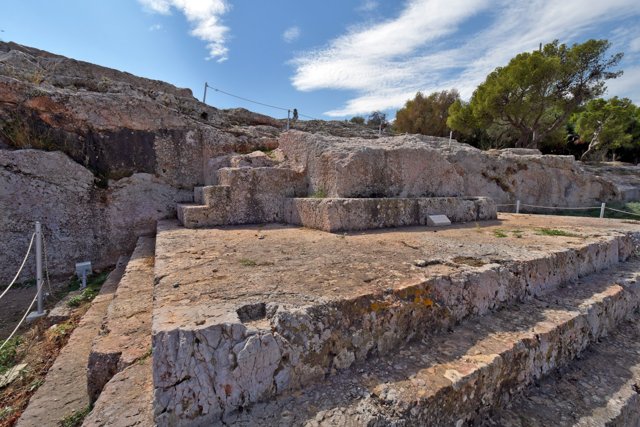
Pnyx

Classical democratic assemblies transformed this rocky Athenian hillside into the world's inaugural open-air parliament around 507 BC. Within this civic arena, equal political speech transitioned from an abstract concept into a functional reality for thousands of voting citizens. A massive, rock-cut speaker's platform known as the bema commands the center of this stepped terrace. A monumental semicircular retaining wall constructed from giant megalithic blocks secures the expansive limestone gathering ground directly overlooking the ancient city. Ascending this historical summit establishes a direct link to the absolute dawn of Western civil liberty. Standing precisely where ancient orators shaped democratic governance inspires quiet contemplation, framed by an unhindered panorama of the Parthenon.
grilled steak with potatoes and cherry tomatoes at Kuzina Athens

Local cuisine

Kuzina

4.5
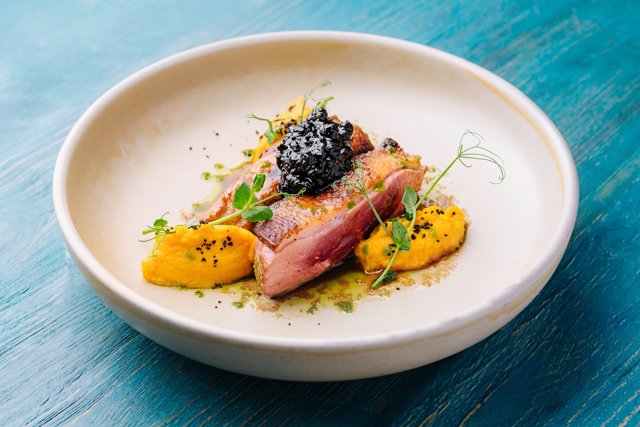
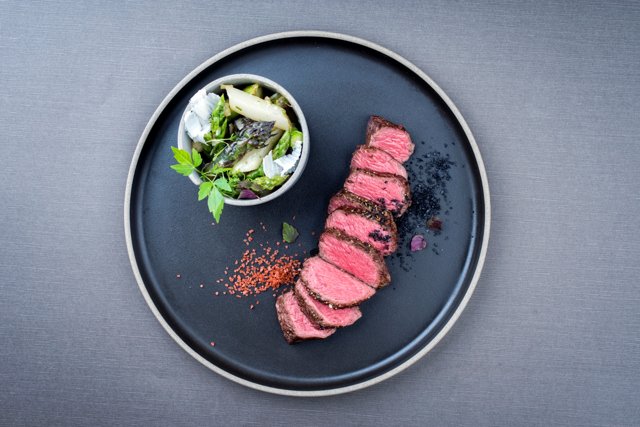
sliced duck breast with garnish in white bowl

Michelin star

Spondi

4.5

Nature and Parks

Mount Lycabettus

Ancient Hellenic mythology records that the goddess Athena accidentally dropped this gargantuan limestone crag while transporting defensive stones for her Acropolis citadel, inadvertently creating the absolute highest geographic vantage elevation rising within the entire modern Athenian basin. An innovative subterranean funicular railway climbs directly through the steep mountain core, swiftly transporting passengers toward a whitewashed nineteenth century Greek Orthodox chapel and a monumental open air amphitheater anchoring the jagged marble peak. Surveying this sprawling panoramic horizon at twilight evokes immense architectural appreciation as the entire illuminated metropolis unfolds below, framing classical ruins alongside the distant Aegean Sea under deep, shifting Mediterranean evening colors.

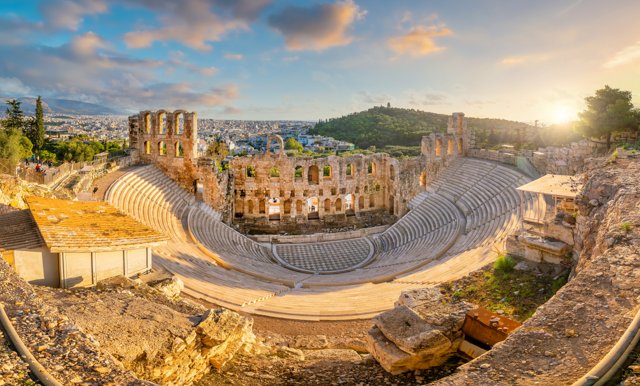
Odeon of Herodes Atticus ancient theater Athens Greece

Historical Sites

Odeon of Herodes Atticus

At the foot of the Acropolis of Athens, the Odeon of Herodes Atticus stands as one of Athens’s most remarkable ancient theaters, originally built in 161 AD for musical performances and cultural events that celebrated the artistic life of the Roman period in the city. It was constructed by Roman statesman Herodes Atticus in memory of his wife, combining Roman theater design with a distinctive cedar wood roof. This monumental structure became an important venue for music, poetry, and public performances in antiquity. Destroyed in 267 AD during invasions, the theater was later restored in the 1950s, bringing it back to life in modern times. Today, it is beautifully preserved and continues to host major cultural events such as the Hellenic Festival, maintaining its historic role as a center of performance and culture. For more information, consult its official website.

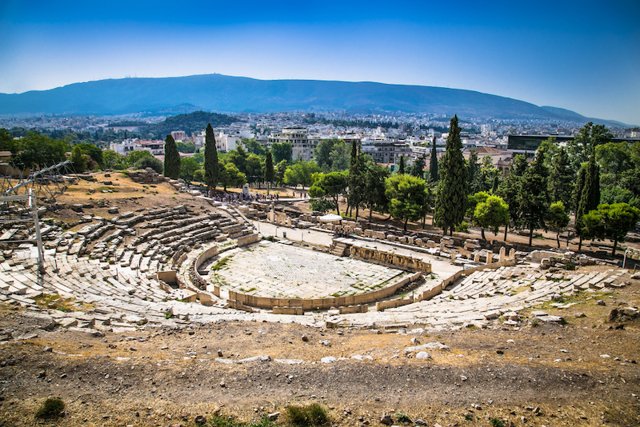
Theatre of Dionysus ruins Athens Greece

Historical Sites

Theatre of Dionysus

Built during the 6th century BCE on the southern slopes of the Acropolis of Athens, the Theatre of Dionysus was considered the largest theater of ancient Greece and became one of the most important cultural centers of the classical world, dedicated to Dionysus, the god of wine, theater, and festivals. With capacity for up to 17,000 spectators, the theater hosted dramatic performances, dances, and celebrations honoring Dionysus. Its structure originally included wooden seating and a proscenium, later replaced with marble seats for nobles and limestone sections for the wider public audience attending theatrical events. Today, only fragments of the original structure survive, preserving traces of one of the birthplaces of Western theater. Even in ruins, the site continues reflecting the cultural importance of performance, storytelling, and public celebration in ancient Athens.

Coffee

Café Melina

4.4

Michelin star

CTC

4.7
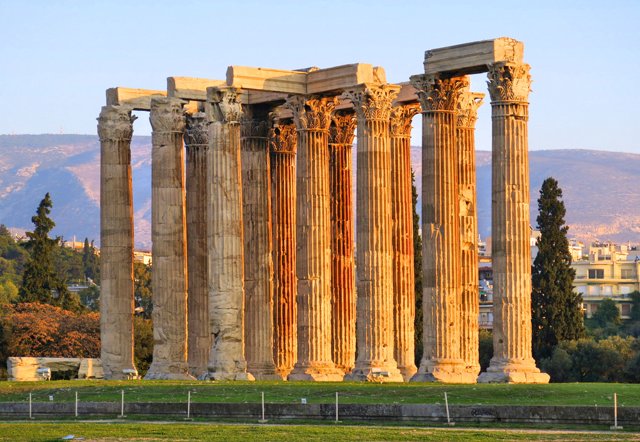
Temple of Olympian Zeus columns Athens Greece

Historical Sites

Temple of Olympian Zeus

Dedicated to Zeus, the Temple of Olympian Zeus was one of the most ambitious religious monuments of the ancient world, built to honor the king of the Olympian gods and demonstrate the political, cultural, and architectural grandeur of ancient Athens. Construction of the temple began in 515 BCE under the rule of Deucalion but advanced slowly because of its enormous scale and ambitious design. After centuries of interruptions, the project was finally completed in 131 AD under Hadrian, who played a major role in transforming Athens during the Roman period. Only a century after its completion, much of the temple was destroyed, although the exact causes remain uncertain today. Even in ruins, its massive surviving columns continue demonstrating the monument’s original scale and the extraordinary architectural ambition behind one of ancient Greece’s greatest temples

Sights and Monuments

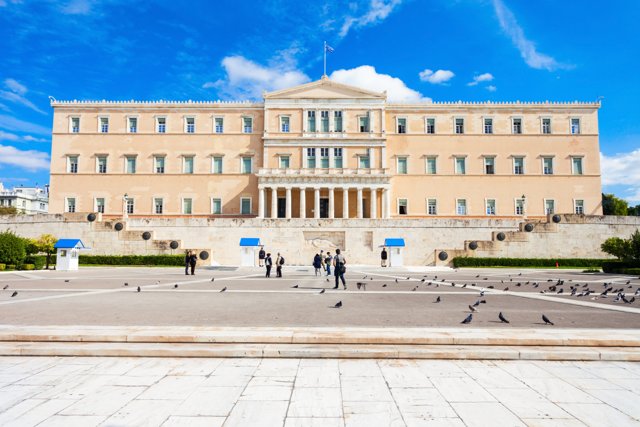
Syntagma Square

A popular and military uprising in 1843 forced King Otto to grant Greece its first constitution, naming this historic plaza and anchoring its role as the nation's civic epicentre. The neoclassic Hellenic Parliament building dominates the eastern boundary, where elite Evzones guards perform a highly synchronized changing ceremony directly before the sculpted marble Tomb of the Unknown Soldier. Beneath the surface, the metro station displays ancient artifacts discovered during excavation. Traversing this expansive limestone hub connects travelers directly to the pulse of contemporary Athenian life. Political rallies, cultural gatherings, and daily routines converge here, framing a dynamic gateway where revolutionary heritage shapes modern democracy.

Leisure Places

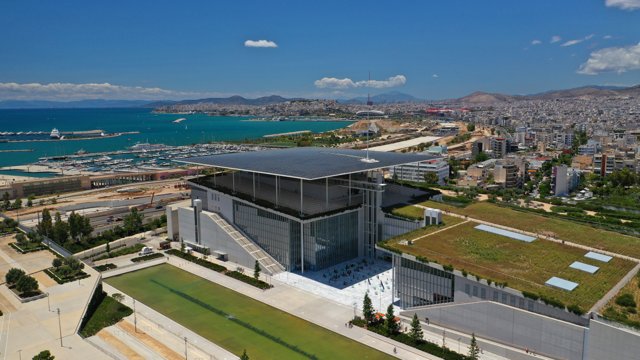
Stavros Niarchos Foundation Cultural Center

Renzo Piano meticulously engineered a sweeping artificial topography to reconnect the historic Kallithea district with the nearby Aegean Sea, successfully transforming a former industrial concrete wasteland into a highly revolutionary, eco-friendly Mediterranean public parkland. An innovative solar canopy measuring ten thousand square meters hovers weightlessly above the main glass structure, generating independent green electricity to sustain both the extensive National Library of Greece and the multi-stage Greek National Opera. Traversing the extensive saltwater canal or ascending toward the panoramic Lighthouse lounge fuses advanced maritime engineering with active civic life, providing an inspiring perspective on how contemporary creative expression thrives inside fully sustainable public infrastructure. For more information on schedules and prices, please consult its official website.

International cuisine

Aegli Zappiou

4.4

Local cuisine

Athinaikon

4.5

Historical Sites

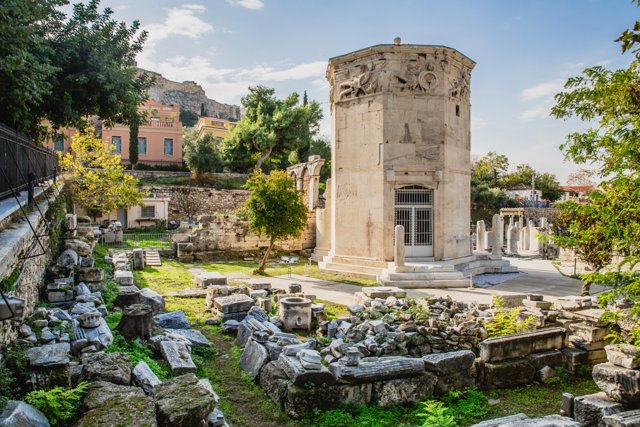
Roman Agora & Tower of the Winds

Julius Caesar and Emperor Augustus directly financed this monumental open-air commercial marketplace during the late first century BC, fundamentally shifting the civic, social, and economic core of classical Athens toward imperial Roman administrative authority. The innovative, octagonal Tower of the Winds anchors the eastern boundary, operating as history's inaugural meteorological station through carved reliefs of eight wind deities, multiple functioning sundials, and a complex internal hydraulic clepsydra. Traversing the sun-bleached marble ruins provides a tangible connection to early Mediterranean commerce. The historical evolution from local Greek democracy to sprawling imperial Roman governance remains permanently etched into every surviving column and gateway. For more information on schedules and prices, please consult its official website.

Hadrians Arch historic monument Athens Greece

Sights and Monuments

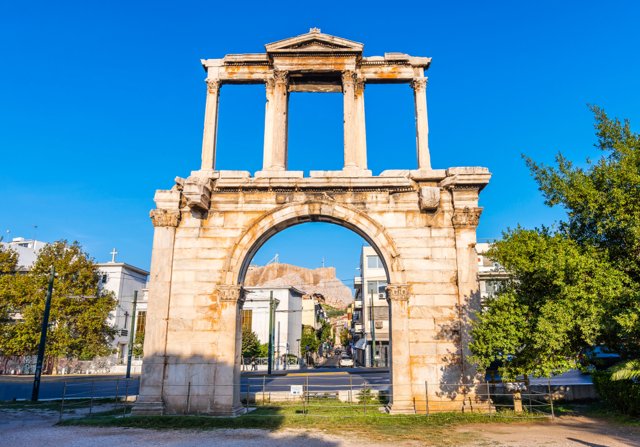
Hadrian’s Arch

Standing beside some of the most important ancient landmarks of Athens, the Arch of Hadrian was constructed as a monumental tribute to Hadrian, honoring the emperor’s extensive efforts to renovate, expand, and transform the city during the height of Roman influence in Greece. During his reign, Hadrian sponsored important architectural and urban projects throughout Athens, including the Temple of Olympian Zeus, Hadrian's Library, public buildings, and the city’s first aqueduct. These developments strengthened Athens’ reputation as a major cultural center of the Roman Empire. Located only a short distance from the Temple of Olympian Zeus, the arch symbolized the union between the ancient Greek city and the newer Roman quarter established under Hadrian’s rule. Today, it remains one of Athens’ most recognizable Roman monuments and an enduring reminder of the city’s architectural and historical evolution across the centuries.
Philopappos Monument on hill in Athens Greece

Sights and Monuments

Philopappos Monument

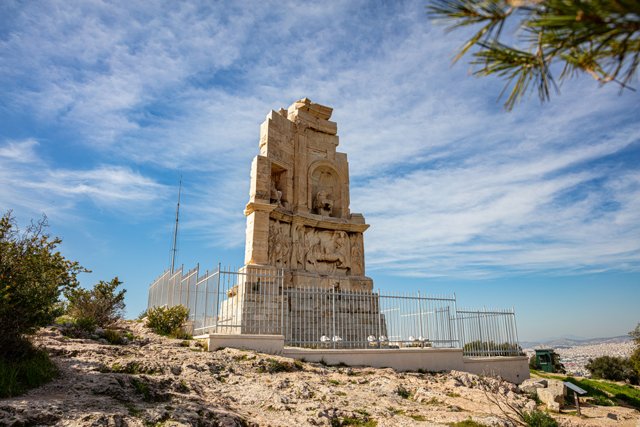
Athenian citizens erected this monumental marble mausoleum around AD 116 to honor an exiled prince from Commagene who became a highly respected Roman consul, uniquely uniting foreign imperial authority with profound Athenian civic gratitude. The surviving two-story Pentelic marble facade showcases highly detailed high-relief carvings depicting the prominent consul riding a ceremonial chariot, while structural niches secure statues of his royal ancestors above the ancient subterranean burial chamber. Ascending the quiet pine-shaded pathways of Mouseion Hill provides a striking vantage point where weathered ancient stone directly confronts modern urban expansion, presenting an uninterrupted geographical overview of the majestic and historic Parthenon citadel standing nearby.

Local cuisine

Tavern Virinis

4.4

Local cuisine

Tzitzikas & Mermigas

4.4

Museums and Galleries

Museum of Cycladic Art

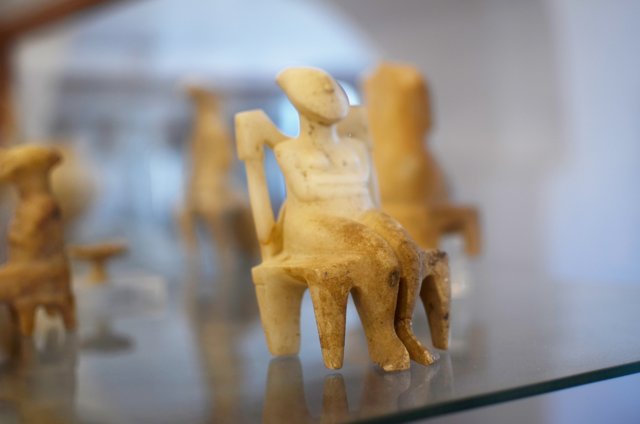
A profound fascination with Bronze Age minimalism prompted Nicholas and Dolly Goulandris to assemble this exceptional collection during the 1960s. These ancient marble artifacts later deeply inspired twentieth-century modernist masters like Picasso and Modigliani. Two structurally distinct buildings preserve these historical treasures, connecting a sleek contemporary gallery with the elegant, nineteenth-century neoclassical Stathatos Mansion. Inside, geometric glass showcases highlight abstract, flat-faced marble figurines characterized by strictly folded arms. Examining these stylized prehistoric silhouettes provides an immediate link to early Aegean maritime societies. The stark white stone surfaces reveal a sophisticated, ancestral comprehension of form, generating a quiet intellectual dialogue across five millennia. For more information on schedules and prices, please consult its official website.

Nature and Parks

National Garden

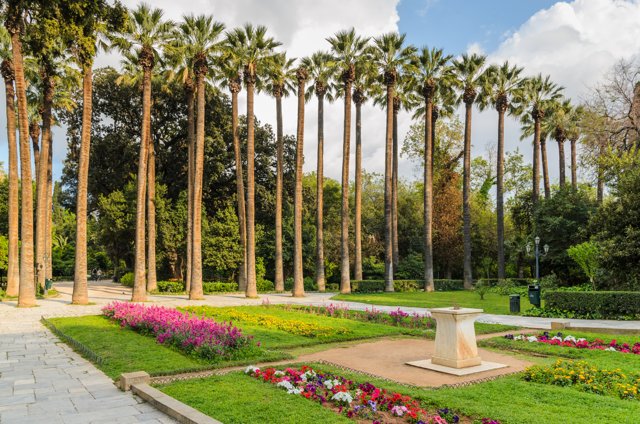
Queen Amalia commissioned this expansive botanical sanctuary in 1838, importing over fifteen thousand domestic and exotic plant species from around the globe to shape an exclusive royal retreat adjacent to the newly constructed palace grounds. Ancient Roman mosaic pavements, weathered marble busts, and fragmented Corinthian capitals lie scattered along winding paths. A historic nineteenth-century sundial marks the main entrance, while a central duck pond serves as a key avian refuge. Walking beneath the monumental Washingtonia palm trees offers immediate insulation from urban traffic. The dense canopy completely dampens city noise, seamlessly connecting people to nineteenth-century European landscape design and classical Athenian history. For more information, please consult its official website.

Benaki Museum facade with columns Athens Greece

Museums and Galleries

Benaki Museum

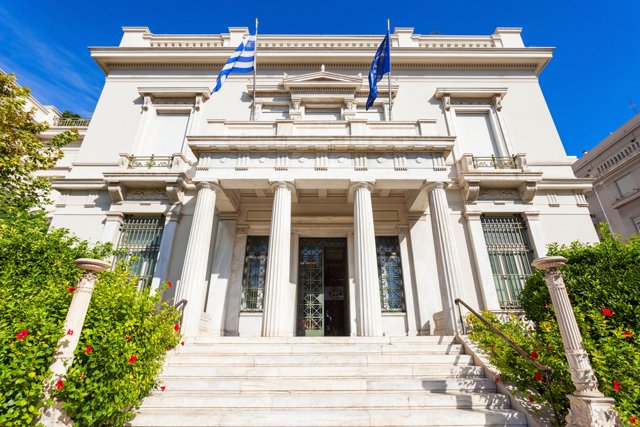
A profound devotion to civic duty inspired Antonis Benakis to permanently transfer his extraordinary, lifelong art collection to the Greek state in 1930, successfully transforming his family’s elegant Neoclassical mansion into an unprecedented safeguard for comprehensive Hellenic history. This massive, prestigious repository systematically arranges over forty thousand distinct artifacts spanning prehistoric times to the modern era, highlighting exquisite ancient gold wreaths, sacred Byzantine icons, and deeply detailed regional costumes from the Ottoman occupation period. Navigating through these chronologically structured showrooms evokes profound admiration for an enduring cultural identity. The curated material timeline maps centuries of artistic resilience, establishing a powerful, unhindered connection with ancestral craftsmanship and continuous national survival over time. For more information on schedules and prices, please consult its official website.

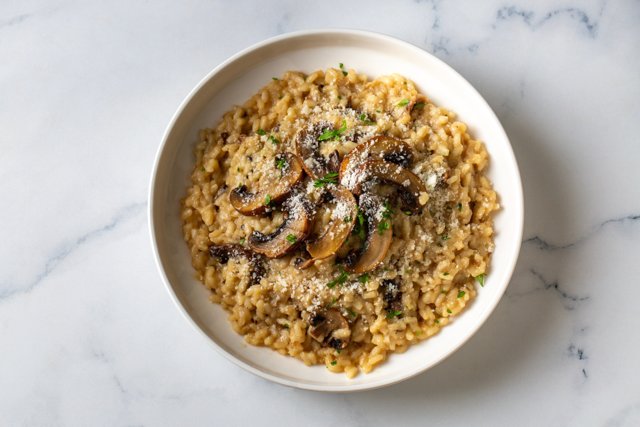
mushroom risotto dish at Prosopa restaurant Athens

Local cuisine

Prosopa

4.6

Local cuisine

Strofi

4.4

Museums and Galleries

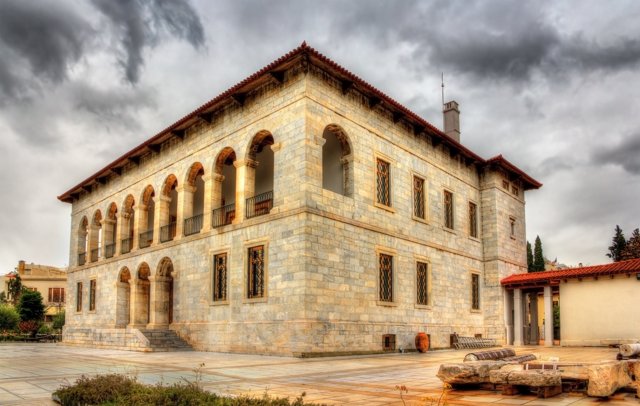
Byzantine & Christian Museum

Housed within the former Villa Ilissia in Athens, the Byzantine and Christian Museum preserves one of Greece’s most important collections of Christian and Byzantine art, displaying centuries of religious, artistic, and cultural history within elegant multilevel galleries filled with natural light. The museum presents artworks dating from the 3rd to the 20th centuries, including icons, frescoes, sculptures, textiles, manuscripts, mosaics, and ceremonial vestments. Its exhibitions are organized chronologically, offering a clear journey through the Byzantine and post-Byzantine world and the evolution of Christian artistic traditions. Surrounding the museum, the historic villa grounds create a peaceful urban oasis beside the Lyceum of Aristotle. Visitors can also explore ancient remains on the property, including sections of the historic Peisistratos aqueduct preserved within the gardens. For more information on schedules and prices, consult its official website.

Sights and Monuments

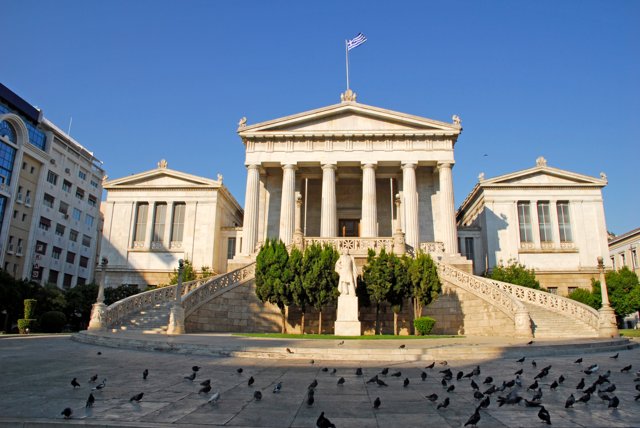
National Library

Three prominent diaspora merchant brothers financed this monumental nineteenth-century civic institution to permanently consolidate the entire literary heritage of a newly reborn nation, establishing an unprecedented, secure archival sanctuary for thousands of invaluable historical texts. Heavily inspired by the classical design of the Temple of Hephaestus, the magnificent Doric exterior showcases pristine Pentelic marble columns complemented by a spectacular, sweeping double curved Renaissance staircase that elegantly defines the grand public approach. Stepping inside this quiet intellectual refuge exposes an expansive, glass-roofed reading hall bordered by towering cast iron bookshelves, immediately connecting modern scholars to ancient papyrus fragments, historic maps, and rare illuminated Byzantine manuscripts. For more information on schedules, please consult its official website.

fried onion rings with sauces at Taverna of Psarra Athens

Local cuisine

Tavern of Psarra

4.2

Local cuisine

Vassilenas

4.6

Seafood cuisine

Cookoovaya

4.4

Italian cuisine

Oroscopo

4.7
traditional dish with rabbit and potatoes Athens restaurant

Local cuisine

Daphne's

4.1

Exhibition

Jani Christou: Enantiodroma

Apr 2 - Sep 20
Benaki Museum of Greek Culture

Michelin star

Hytra

4.4
Mexican street tacos with lime in Athens restaurant

Mexican cuisine

Amigos

4.5

Exhibition

Niki Kanagini: An Ode to Things: A Retrospective

Apr 2 - Sep 20
Benaki Museum of Greek Culture

Local cuisine

Yiantes

4.4
ramen noodle soup with chicken and egg Nolan Athens

Fusion cuisine

Nolan

4.5

Exhibition

Stathis Logothetis: Εarth to Earth

Apr 2 - Sep 20
Benaki Museum of Greek Culture

Local cuisine

Café Avissinia

4.5
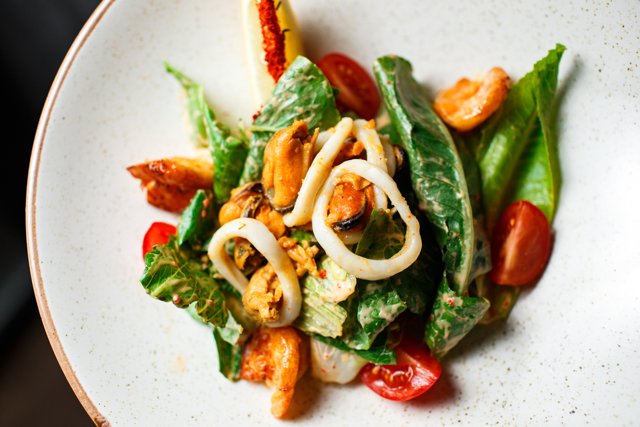
seafood salad with mussels and squid Athens Venezé restaurant

Local cuisine

Venezé

4.5

Local cuisine

Vlassis

4.4

Local cuisine

Karamanlidika

4.7

Exhibition

Urs Fischer: Eugène Atget

Jun 9 - Sep 12
Gagosian

Exhibition

Olga Migliaressi-Phoca: BANG BANG

Jun 20 - Aug 29
The Breeder

Exhibition

Jeff Koons: ‘Venus’ Lespugue

Mar 20 - Aug 31
Museum of Cycladic Art

Exhibition

Alexandros Georgiou: Fairyland in Midsummer

May 27 - Jul 25
Rebecca Camhi Gallery

Exhibition

Weaving Dreams: Kilims from Geraki, Laconia

Apr 23 - Jul 26
Μουσείο Μπενάκη - Πινακοθήκη Γκίκα

Exhibition

Maria La Callas: The Art of Italian Costume Design in the Film

May 27 - Sep 13
Benaki Museum of Greek Culture

Exhibition

Paintings from the Eurobank Art Collection at the Benaki Museum II

Apr 29 - Sep 28
Benaki Museum of Greek Culture

Literature

Margarita Athanasiou. Voices 2025

Jun 11 - Nov 22
Benaki Museum of Greek Culture

Exhibition

Konstantinos Mouchtaridis: The Earliest Winds

Jun 12 - Jul 31
Kalfayan Galleries

Exhibition

Irruption of Antiquity: Aleksandra Waliszewska at the Benaki Museum

Jun 3 - Sep 27
Benaki Museum of Greek Culture

Exhibition

Nari Ward: Until That Day

Jun 23 - Oct 31
Benaki Museum of Greek Culture

Sculpture

George Lappas: Spotlight. Art always begins with the word “supposing"

Jun 11 - Nov 8
Benaki Museum of Greek Culture
Acropolis
Parthenon
Acropolis Museum
Aleria
Delta
Ohi Day 3
Ancient Agora
Areopagus Hill
Plaka
Tavern Klimataria
Seychelles
Deep Purple
Hadrian's Library
Monastiraki Flea Market
Psyri
VERi TABLE
FILIPPOU Restaurant
Pestilence
National Archaeological Museum
Panathenaic Stadium
Temple of Poseidon
Varoulko Seaside
Mani Mani
The Avant-Garde World: City, Nature, Universe, Human
Lake Vouliagmeni
Academy of Athens
Pnyx
Kuzina
Spondi
Sivert Hoyem at Lycabettus Theatre 1
Mount Lycabettus
Odeon of Herodes Atticus
Theatre of Dionysus
Café Melina
CTC
Temple of Olympian Zeus
Syntagma Square
Stavros Niarchos Foundation Cultural Center
Aegli Zappiou
Athinaikon
Deborah De Luca 2
Roman Agora & Tower of the Winds
Hadrian’s Arch
Philopappos Monument
Tavern Virinis
Tzitzikas & Mermigas
Museum of Cycladic Art
National Garden
Benaki Museum
Prosopa
Strofi
Byzantine & Christian Museum
National Library
Tavern of Psarra
Vassilenas
Panathinaikos Athens vs Paksi FC
Cookoovaya
Oroscopo
Athens Marathon - The Authentic
Daphne's
Papaioannou
Jani Christou: Enantiodroma 8
Hytra
Amigos
Yiantes
Nolan
Café Avissinia
Venezé
Vlassis
Karamanlidika
Urs Fischer: Eugène Atget
1945: The End of the War
Olga Migliaressi-Phoca: BANG BANG
Voivod
Release Athens Festival 2026: Sabaton, Savatage and Epica 1
Morgenshtern
Barbara Kruger: Untitled (Pride and Contempt)
Jeff Koons: ‘Venus’ Lespugue
MANOLIS Heart on Four Strings
Alexandros Georgiou: Fairyland in Midsummer
Weaving Dreams: Kilims from Geraki, Laconia
Konstantinos Mouchtaridis: The Earliest Winds
MANOLIS καρδιά σε τέσσερις χορδές
Petaei Petaei
La Traviata
AEF2026: AFTER
Novotel Athenes
Athens Capital Hotel - MGallery Collection
Athens Capital Suites - MGallery Collection
ibis Styles Athens Routes
greet Hotel Athens Riviera (Opening Autumn 2026)

Plan your trip

Entry Requirements & Travel Documents

Greece is part of the Schengen Area. EU and EEA citizens can enter with a valid passport or national ID card. Travellers from many visa-exempt countries can stay for up to 90 days within any 180-day period without a visa. Your passport must be valid for at least three months beyond your intended departure date from Greece, and issued within the last ten years.

From late 2026, visitors from many visa-exempt countries will need to obtain ETIAS authorisation before travelling to Greece and other Schengen states for short stays. Until the system is in place, current entry rules remain unchanged. Always check official government guidance before departure.

Money, Currency & Paying in Athens

The local currency is the euro (€). Athens is very card-friendly, with Visa and Mastercard accepted universally. Carrying some cash is still useful for smaller purchases, tips, buying from street vendors, and for the occasional establishment where the card machine is out of service.
Currency exchange offices require an ID to process transactions, and they generally give you a worse exchange rate than an ATM withdrawal. 

When a card terminal offers to charge you in your home currency, always choose to pay in euros instead.

Weather, Seasons & When to Visit

Athens has a Mediterranean climate, with hot, dry summers and mild winters. 

The best times to visit are spring and autumn. April, May, September, and October offer comfortable temperatures, manageable crowds, and lower accommodation prices. Greek Orthodox Easter, which falls between April and May, is worth experiencing, but book accommodation well in advance as the whole country celebrates.

Summer (June to August) is intense. Temperatures are high, crowds are at their peak, and prices follow. The reward is a packed festival calendar, buzzing beach clubs, and long warm evenings. August is quieter, as Athenians head to the islands.

Winter (effectively November to March) brings cooler temperatures and occasional rain, but also lower prices and a lively local nightlife. Carnival in February and Christmas festivities in December add colour to the quieter months.

Health Insurance

EU visitors should carry a valid European Health Insurance Card (EHIC) or Global Health Insurance Card (GHIC), which gives access to public healthcare in Greece under the same conditions as local residents. This does not replace comprehensive travel insurance, which remains strongly recommended for all visitors.

Travellers from outside the EU are advised to have travel medical insurance covering treatment, hospitalisation, and emergency repatriation. Proof of insurance may be required for certain visa categories.

Pharmacies (Farmakeia) are widely available across the city and are a good first port of call for minor ailments or medical advice.

Connectivity, Roaming & Mobile Data

Free Wi-Fi is widely available in hotels, cafés, metro stations, and many public squares across the city.

Travellers with mobile plans from EU or EEA providers can generally use their data, calls, and texts in Greece at domestic rates under the EU "Roam Like at Home" rules. Visitors from outside the EU should check roaming costs with their provider before departure.

For longer stays, consider getting a local prepaid SIM card or eSIM. Buying a physical SIM card requires registration with an ID, and this process tends to go more smoothly in larger branded stores of providers like Cosmote, Vodafone, and Nova.

Best hotels in Athens

Frequently asked questions

Is Athens safe?

Athens is considerably safer than its gritty appearance might suggest. As in any large city, keeping an eye on belongings in crowded areas and on public transport is sensible. Solo travellers, including women travelling alone, generally find the city very comfortable.

How many days do you need in Athens?

Three to four days cover the main sites and give you a feel for the city. A longer stay opens up day trips and the slower rhythm that makes the city genuinely enjoyable.

Is Athens a good base for visiting the Greek islands?

Yes. Piraeus, the main ferry port, connects directly to the city centre by metro, with frequent services to the Cyclades, Dodecanese, Crete, and the Saronic Gulf islands.

Do I need to book the Acropolis in advance?

Yes, particularly between April and October when visitor numbers are capped and entry is timed. Note that the Acropolis ticket and the Acropolis Museum ticket are sold separately.

Is Athens expensive?

Athens is one of the more affordable capitals in Europe. Street food, neighbourhood tavernas, and public transport represent good value. Accommodation ranges from budget guesthouses to upscale boutique hotels.

When are museums and sights free to visit?

State-run sites, including the Acropolis, offer free entry on several national dates and on the first and third Sunday of each month between November and March. Always check individual museum websites for their own free days.

Is Athens good for families?

Yes. Archaeological sites, open squares, parks, and easy access to the coast make it a manageable and rewarding destination for families. The food scene is relaxed and portions are generous.

Is tap water safe to drink?

Yes. Tap water in Athens is safe and widely praised for its flavour. There is no need to buy bottled water.

Is there a beach in Athens?

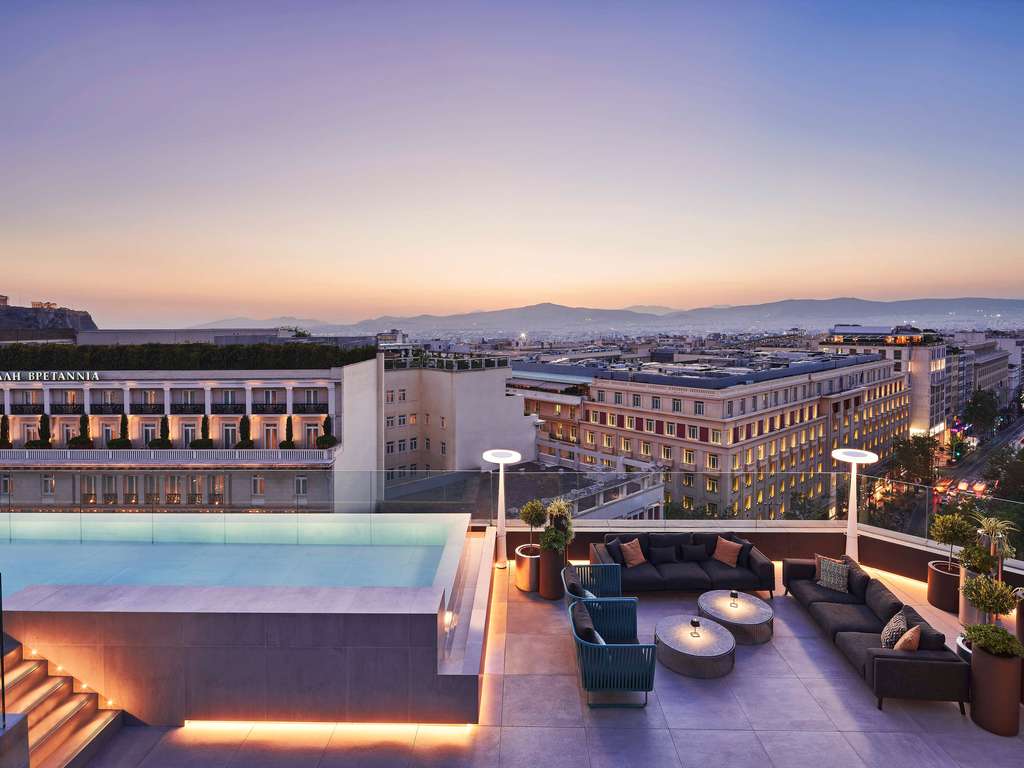
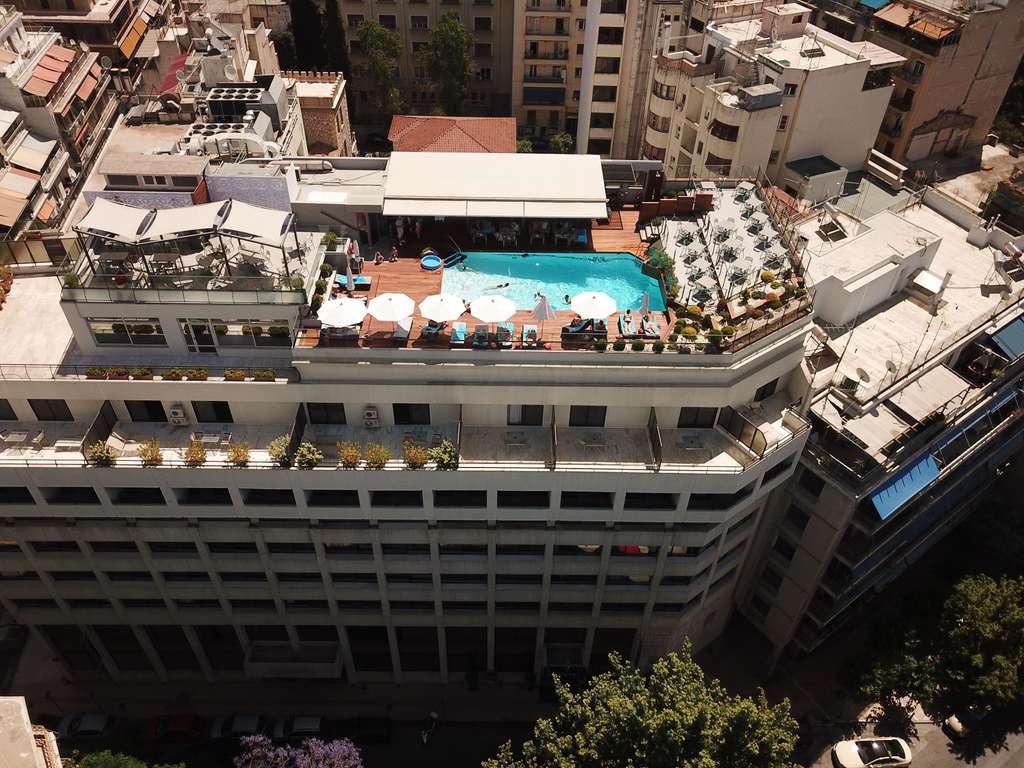
Not in the city centre itself, but several beaches are within an hour's journey by public transport from Syntagma Square. The coastal tram is the easiest way to reach the nearest options along the southern coastline. To cool down in the city itself, find one of the rooftop pools.

Top destinations